16 Fun Facts About Classic Cereal Brands
Breakfast cereals have become such a staple of American mornings that it’s hard to imagine life without them. Yet these colorful boxes lining grocery store aisles represent one of the most fascinating food stories in history, filled with bitter family feuds, accidental discoveries, and marketing genius that changed how we eat forever.
From the health-conscious sanitariums of the late 1800s to the cartoon-mascot wars of the 1960s, cereal brands have evolved through decades of innovation, competition, and cultural shifts. Here’s a list of 16 fascinating facts about the classic cereal brands that have shaped our breakfast tables for generations.
Kellogg’s Started with Battling Brothers
The Kellogg Company emerged from one of the most bitter sibling rivalries in business history. Dr. John Harvey Kellogg and his younger brother Will Keith Kellogg worked together at Battle Creek Sanitarium, but their relationship was toxic from the start. John, eight years older, constantly humiliated Will, forcing him to run alongside his bicycle taking notes and even requiring Will to address him as ‘Dr. Kellogg’ despite being his brother. When Will left to start his own cereal company in 1906, John retaliated by creating his own competing cereal brand using the same family name, sparking a decade-long legal battle that went all the way to the Michigan Supreme Court.
Talk about family drama.
Corn Flakes Were an Accidental Discovery

The invention of corn flakes happened by pure chance in 1894 when John Kellogg was called away one night, leaving a batch of wheat-berry dough behind. Rather than throwing out the stale dough the next day, he decided to send it through the rollers anyway and was surprised to obtain delicate flakes that could be baked. This accidental discovery would become the foundation of a breakfast revolution. Both brothers experimented with the process, and General Mills reportedly tested over 500 different formulas plus 10-plus shapes and sizes before perfecting what we now know as their signature cereals.
Battle Creek Became the ‘Cereal Capital of the World’

Battle Creek, Michigan, earned the nickname ‘Cereal Capital of the World’ and still houses manufacturing plants for both Kellogg’s and Post. The city embraced this heritage so enthusiastically that on June 28, 1956, Battle Creek celebrated the 50th anniversary of the Kellogg Company with a National Cereal Festival. The concentration of cereal companies in this small Michigan town wasn’t coincidental—it grew out of the Seventh-day Adventist community’s focus on health reform and vegetarian living.
C.W. Post Allegedly Stole Kellogg Recipes
C.W. Post was a patient at Dr. Kellogg’s Battle Creek Sanitarium who couldn’t pay his room and board, so he worked it off in the kitchen where he allegedly stole some of their most famous recipes. Post was treated at the sanitarium from February 6 to November 9, 1891, and later settled in Battle Creek where he opened his own competing sanitarium and founded his dry foods company in 1892. His first product, Postum coffee substitute, launched in 1895, followed by Grape-Nuts in 1897. Pretty bold move for someone who couldn’t afford his medical bills.
Grape-Nuts Contains Neither Grapes nor Nuts

Despite its name, Grape-Nuts cereal contains neither grapes nor nuts. There are two possible origin stories: Post believed glucose, which he called ‘grape sugar,’ formed during the baking process, and combined with the nutty flavor, inspired the name.
The other explanation claims the cereal got its name from its resemblance to grape seeds. This wheat and barley cereal became so popular that it accompanied historic expeditions, including Admiral Byrd’s Antarctic expedition and the first successful Mount Everest climb.
Rice Krispies’ Sound Has a Scientific Explanation
Rice Krispies was initially marketed as ‘The Talking Cereal’ because of its distinctive popping sound, and Kellogg’s introduced the famous ‘Snap! Crackle! Pop!’ slogan in 1932. According to food scientist Ted Labuza, this sound is caused by the cereal’s physical structure, with pockets of air that shatter under the pressure of liquid. The cereal gained even more popularity when Kellogg’s test kitchen worker Mildred Ghrist Day invented Rice Krispie Treats in 1939, originally as a Camp Fire Girls fundraising project.
Cheerios Had a Name Change Due to Legal Issues
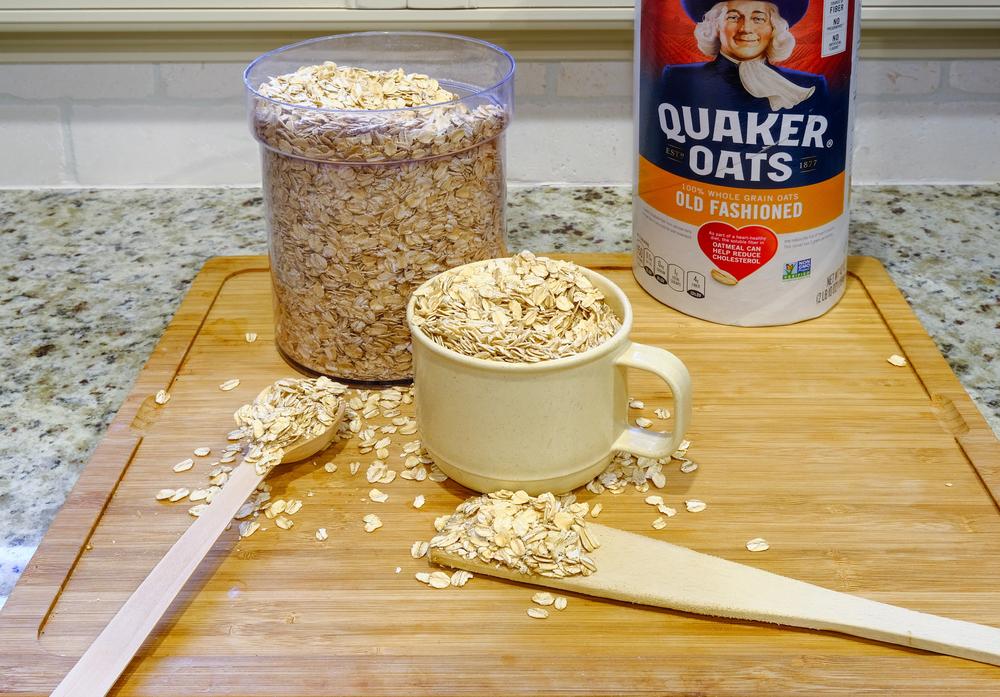
When Cheerios debuted in 1941, it was called Cheerioats. Still, Quaker Oats objected to General Mills’ use of ‘oats,’ claiming they held exclusive commercial rights to the word for oatmeal products. Rather than fight the legal battle, General Mills simply changed the name to Cheerios. The decision proved wise—by 2018, Cheerios was the best-selling cereal in America, with Honey Nut Cheerios ranking second.
Tony the Tiger’s Voice Came from the Grinch Singer
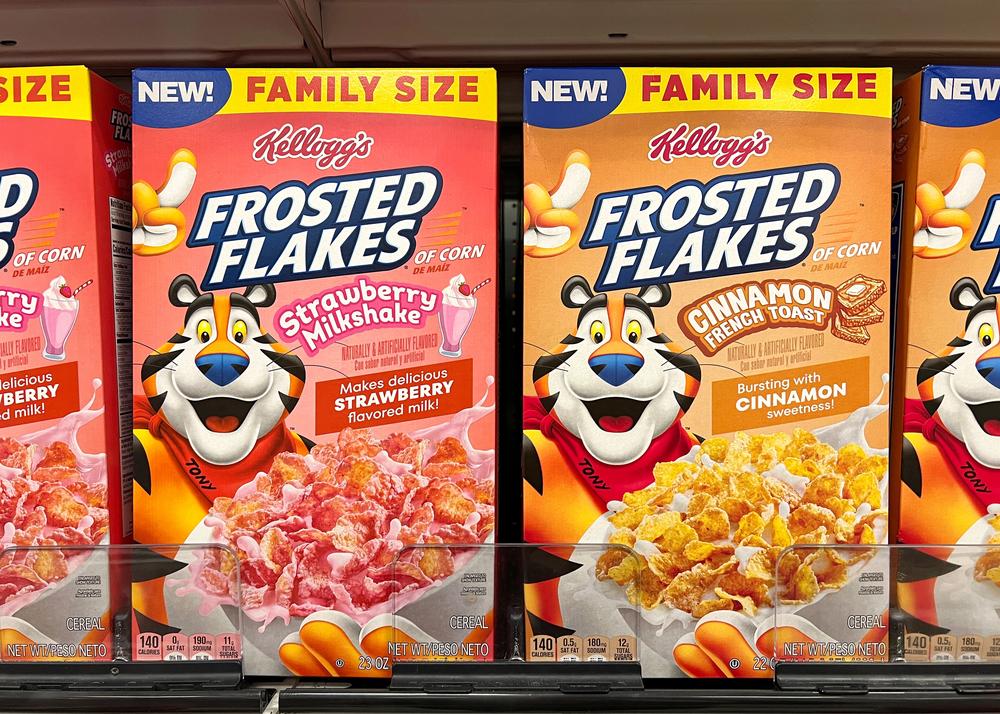
Tony the Tiger’s distinctive ‘They’rrre great!’ voice was provided by Thurl Ravenscroft, the same singer who performed ‘You’re a Mean One, Mr. Grinch’ in the classic Dr. Seuss Christmas cartoon.
Frosted Flakes, originally called Sugar Frosted Flakes when launched in 1952, was also one of the first cereals to feature a cartoon mascot from its debut. Around 1984, like many cereals of that era, the word ‘sugar’ was dropped from the name during health consciousness campaigns.
Lucky Charms Introduced the First Cereal Marshmallows
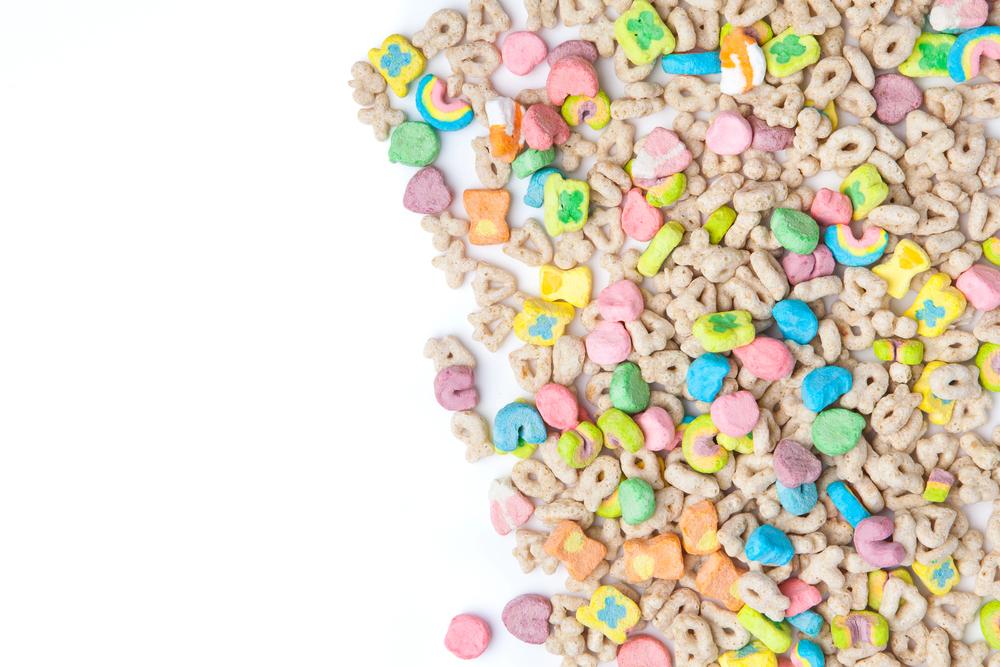
Lucky Charms was the first cereal to add marshmallows to the mix when it debuted in 1964. The original marshmallow pieces were pink hearts, yellow moons, orange stars, and green clovers. This innovation opened the floodgates for countless sugary add-ins in children’s cereals, fundamentally changing how cereal companies competed for young consumers’ attention. And parents’ grocery budgets, for that matter.
Froot Loops Started with Only Three Colors
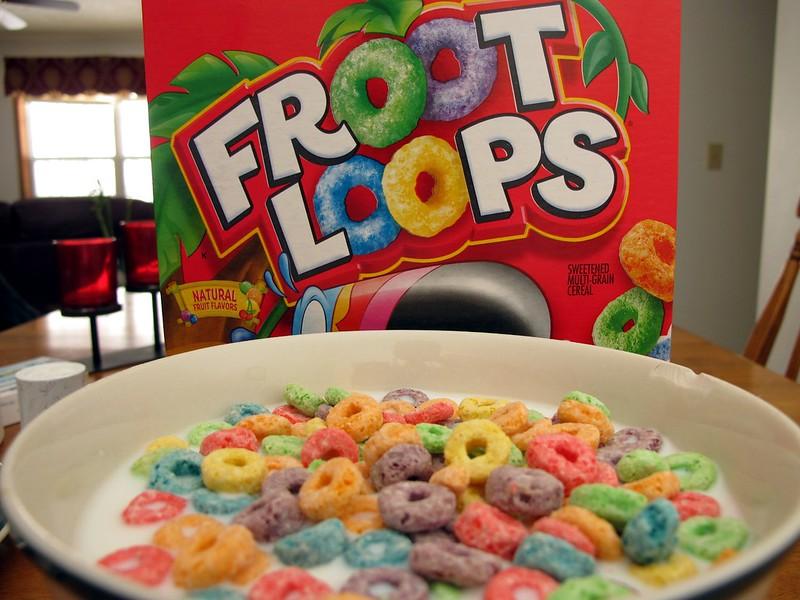
When Froot Loops launched in 1963, it included only red cherry, orange, and yellow lemon pieces. Green grape was added in 1991, purple in 1994, and blue in 1996. The voice behind Toucan Sam was provided by Mel Blanc, who also voiced Bugs Bunny, Daffy Duck, and Foghorn Leghorn. Interestingly, despite the different colors, all Froot Loops pieces are essentially the same flavor—a debate that continues among cereal enthusiasts.
The Trix Rabbit Started as a Hand Puppet
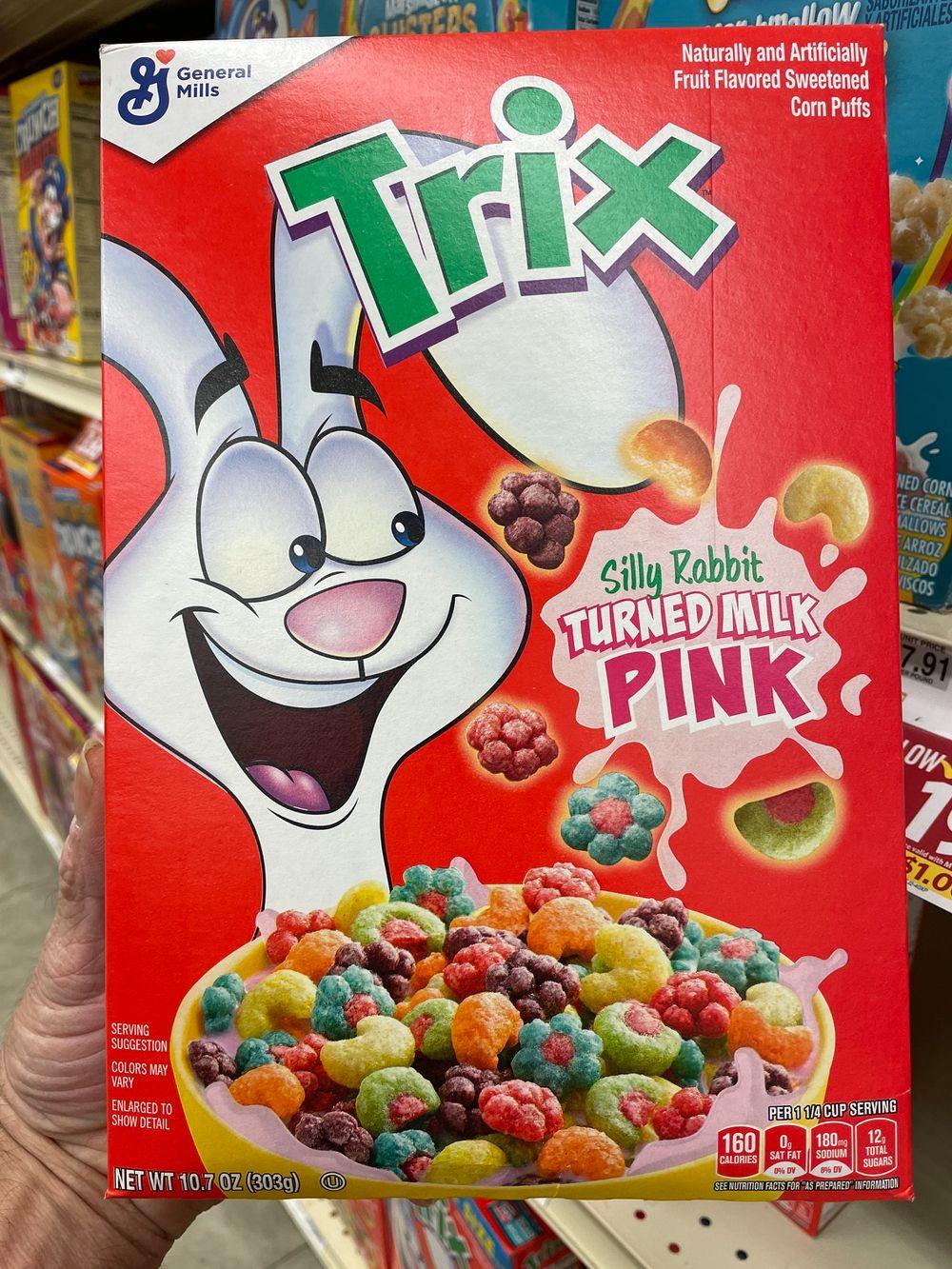
Before becoming an animated cereal spokesman, the Trix Rabbit was originally a floppy hand puppet that appeared in introductions for popular TV shows like Rocky & Bullwinkle and Captain Kangaroo. Trix cereal made its splash in the 1950s with its colorful, fun appearance that perfectly matched the playful nature of its puppet mascot. The rabbit’s transition from puppet to animation reflected the broader evolution of cereal marketing toward more sophisticated cartoon advertising.
Captain Crunch Was Created to Stay Crunchy
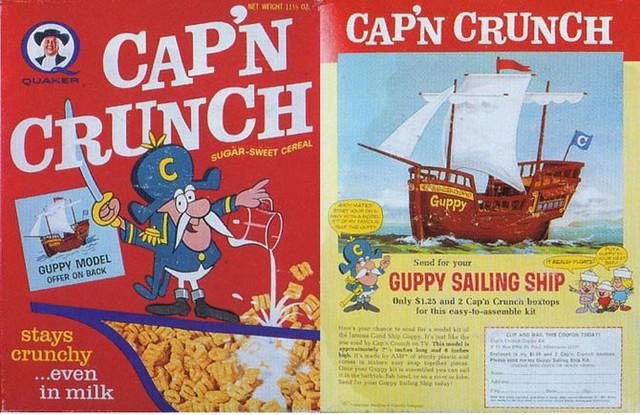
Captain Crunch’s full name is Horatio Q. Crunch, and he actually came before the cereal itself. The cereal was created in 1963 as a response to market research revealing that kids under 10 preferred crunchy foods to soggy foods. The original recipe was developed by flavorist Pamela Low and inspired by a dish her grandmother made featuring brown sugar and butter served over rice. The cereal’s ability to maintain its crunch in milk became its primary selling point. Even so, anyone who’s eaten a bowl knows it still manages to shred the roof of your mouth.
Post Created the First Media-Licensed Cereal
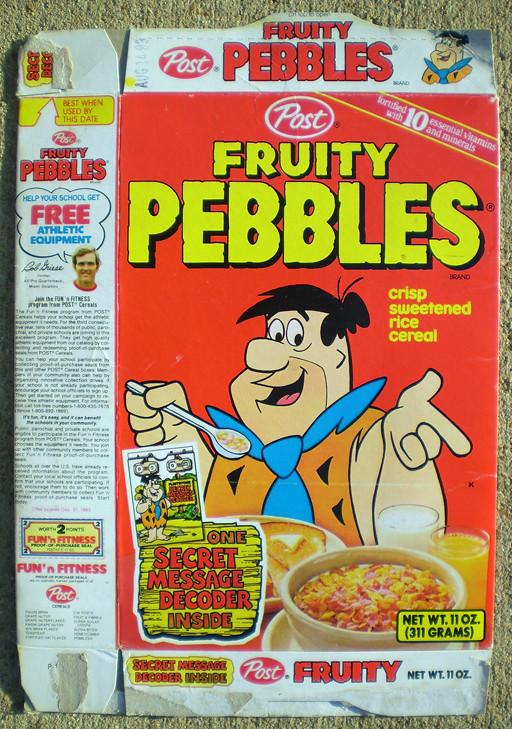
In 1971, Post made cereal history by securing licensing rights from Hanna-Barbera Productions to use Flintstones characters for their rebranded Sugar Rice Krinkles cereal, creating Fruity Pebbles and Cocoa Pebbles. This marked the first time a cereal brand was created based on media characters. The collaboration was so successful that Fred Flintstone and the gang have remained synonymous with Pebbles cereal for over five decades, paving the way for countless other entertainment tie-ins.
Malt-O-Meal Revolutionized Cereal Packaging
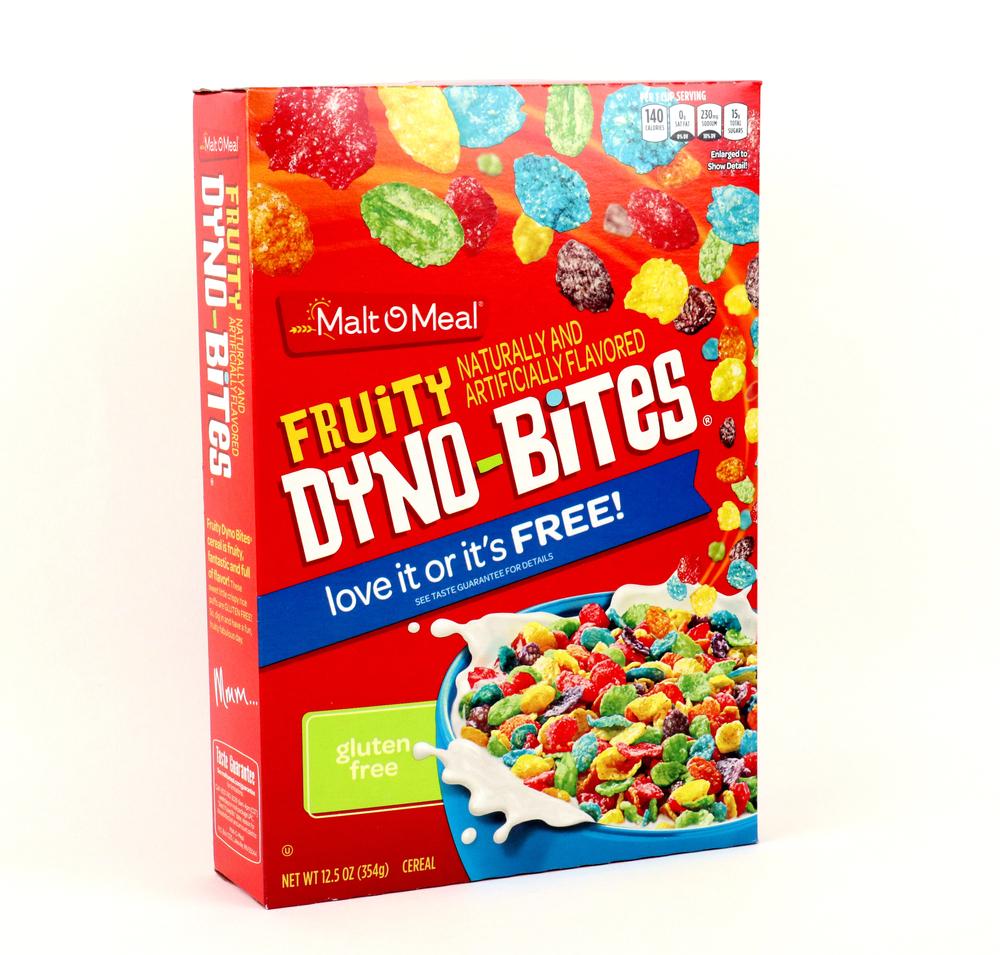
In 1998, Malt-O-Meal introduced the resealable cereal bag, providing the ultimate convenience and freshness that traditional boxes couldn’t match. This innovation addressed a common consumer complaint about stale cereal and demonstrated how packaging improvements could be just as important as recipe changes. The resealable bag concept has since been adopted by numerous other cereal manufacturers and snack food companies.
Cereal Marketing Shaped Saturday Morning TV
During the 1960s, cereal commercials became a must-watch part of Saturday morning television for kids, with animated mascots becoming practically household celebrities. The cereal boxes themselves became entertainment, featuring games, puzzles, and sometimes toys hidden inside. Before the first official cereal mascot appeared in 1882 (the Quaker Oats Man), popular cartoon characters like Mickey Mouse were used to promote breakfast products. This marketing evolution transformed breakfast from a simple meal into a full entertainment experience for children.
America Ranks Fourth in World Cereal Consumption

Despite being the birthplace of modern breakfast cereal, the United States ranks fourth in world cereal consumption, behind the United Kingdom, Canada, and Australia. Post alone produces enough cereal each year for more than 11 billion bowls, and most Post cereals start with just five basic ingredients: wheat, corn, oats, sugar, and rice—all grown in the United States.
The cereal industry maintains impressive profit margins of 40-45%, making it one of the most successful food categories in American grocery stores.
From Health Food to Pop Culture Icon

What started as a health movement in 19th-century sanitariums has evolved into a multi-billion-dollar industry that reflects American culture itself. These classic cereal brands didn’t just change what we eat for breakfast—they revolutionized food marketing, created iconic characters that transcend generations, and turned the simple act of pouring milk over grain into a daily ritual shared by millions of families. The next time you hear that familiar snap, crackle, and pop, remember you’re participating in over a century of breakfast innovation, family feuds, and pure American ingenuity.
More from Go2Tutors!

- The Romanov Crown Jewels and Their Tragic Fate
- 13 Historical Mysteries That Science Still Can’t Solve
- Famous Hoaxes That Fooled the World for Years
- 15 Child Stars with Tragic Adult Lives
- 16 Famous Jewelry Pieces in History
Like Go2Tutors’s content? Follow us on MSN.