26 Old Postcards and Photos With Real Collector Interest
Postcards get sorted by place more often than by any other trait, which means the categories that cut across geography tend to get overlooked in a typical shoebox. A card documenting a political campaign or a traveling circus carries value that has nothing to do with which town it happened to be mailed from.
The categories below are organized by what the card documents rather than where it was sent, since that is usually the detail a casual sorter misses first.
World’s Fair Souvenir Postcards
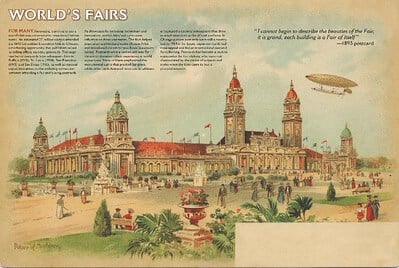
Major expositions from the late nineteenth century onward produced official souvenir postcards sold on the grounds, documenting buildings and exhibits that were often torn down within months of the fair closing. Cards from the earliest fairs, particularly ones showing structures that no photograph elsewhere preserves, command the strongest prices among exposition specialists.
Linen-Era Postcards From the 1930s and 1940s
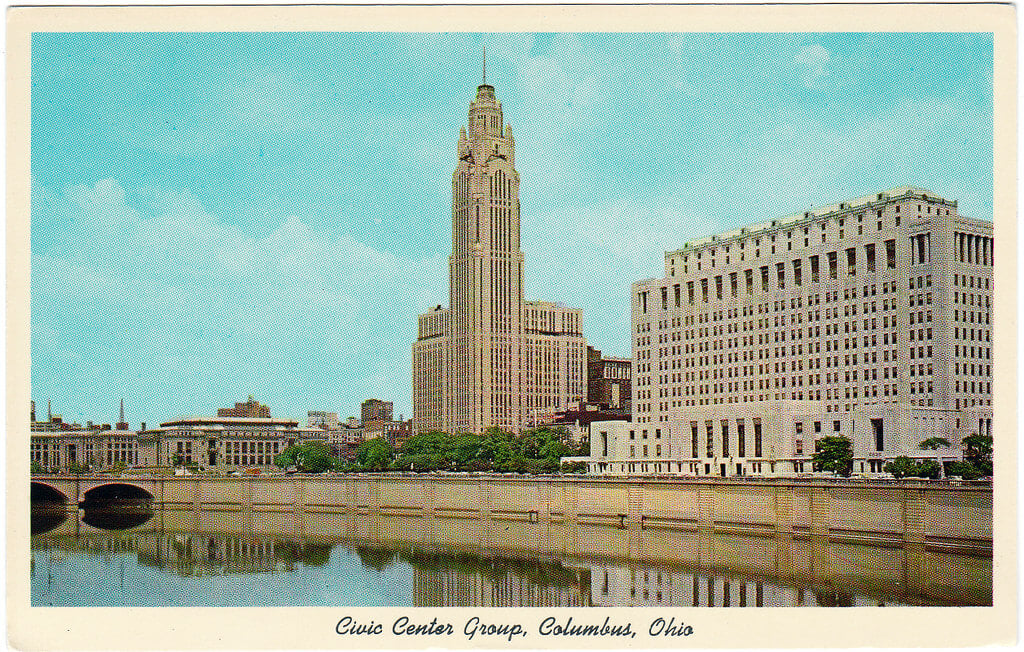
A textured card stock adopted industry-wide during this period gave postcards a distinctive woven surface and allowed printers to use bold, saturated color that earlier processes could not achieve. Collectors specializing in the linen era value strong color saturation and sharp corners, since the textured stock shows wear more visibly than earlier smooth card formats.
Chrome-Era Roadside Postcards
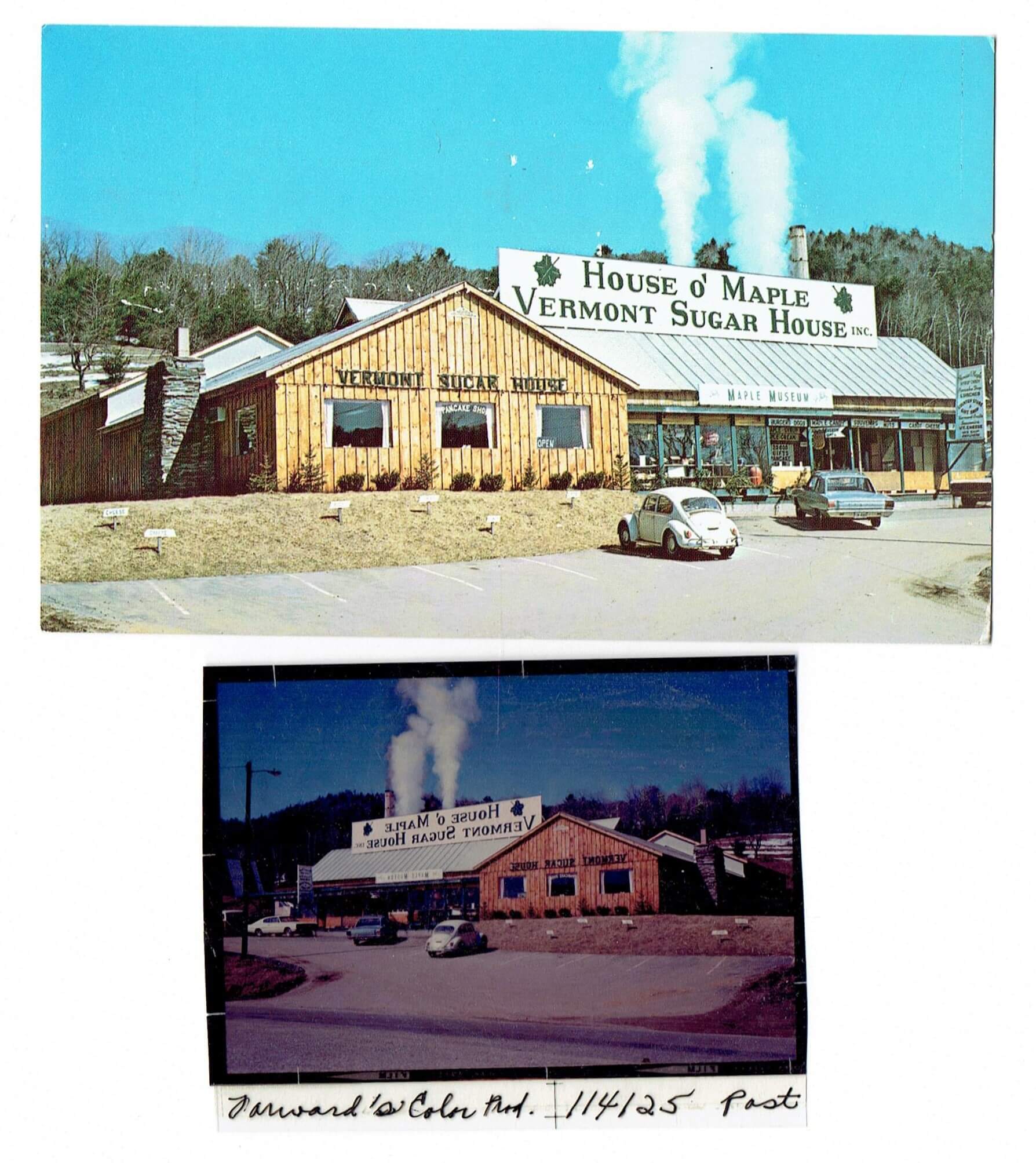
Beginning around 1939 and dominating through the following decades, glossy chrome postcards captured roadside America in genuinely photographic color for the first time. Cards documenting now-closed motels, diners, and attractions along routes that later highway construction bypassed have developed a dedicated following well beyond general postcard collecting.
Advertising Trade Postcards

Businesses distributed postcards as promotional items long before postcards became primarily a travel souvenir, printed with product illustrations and company slogans rather than scenic views. Cards advertising defunct regional brands and businesses draw interest from collectors who specialize in commercial ephemera rather than general postcard collecting.
Political Campaign Postcards

Presidential and local campaigns distributed postcards as inexpensive promotional material for well over a century, and surviving examples document candidates, slogans, and issues that later history books often simplify or omit. Cards from losing campaigns and third-party candidates are frequently scarcer than winning-campaign material, since fewer were printed and fewer were kept.
Suffrage Movement Postcards
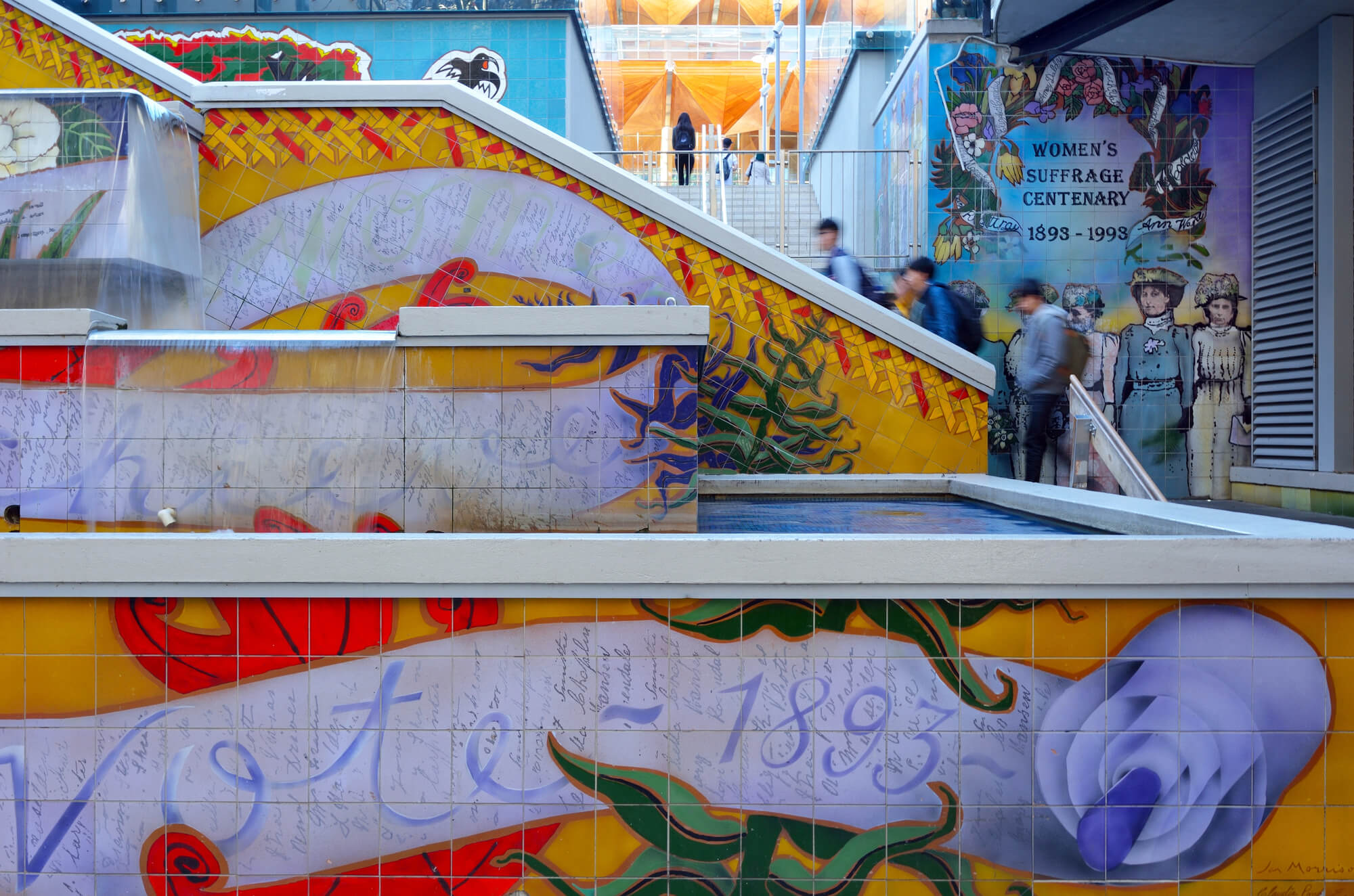
Both supporters and opponents of women’s voting rights produced postcards during the movement’s decades-long campaign, making the category unusually double-sided in what it documents. Genuine period cards, as opposed to later reproductions, carry real premiums, and collectors specializing in the category value examples that clearly identify a specific organization or campaign.
Silent Film Star Postcards

Studios and fan clubs distributed postcards of silent-era performers as a primary form of promotional material before the widespread magazine coverage that later stars enjoyed. Cards featuring performers whose careers ended with the arrival of sound, and whose later fame never matched their silent-era popularity, are often scarcer than cards of stars who successfully made the transition.
Circus and Traveling Show Postcards

Traveling circuses and carnivals produced postcards documenting performers, animal acts, and the elaborate canvas structures that toured with the show, most of which no longer exist in any other form. Cards tied to a specific, documented show and season command more than generic circus imagery, since they anchor the image to a verifiable place and date.
Aviation Pioneer Postcards

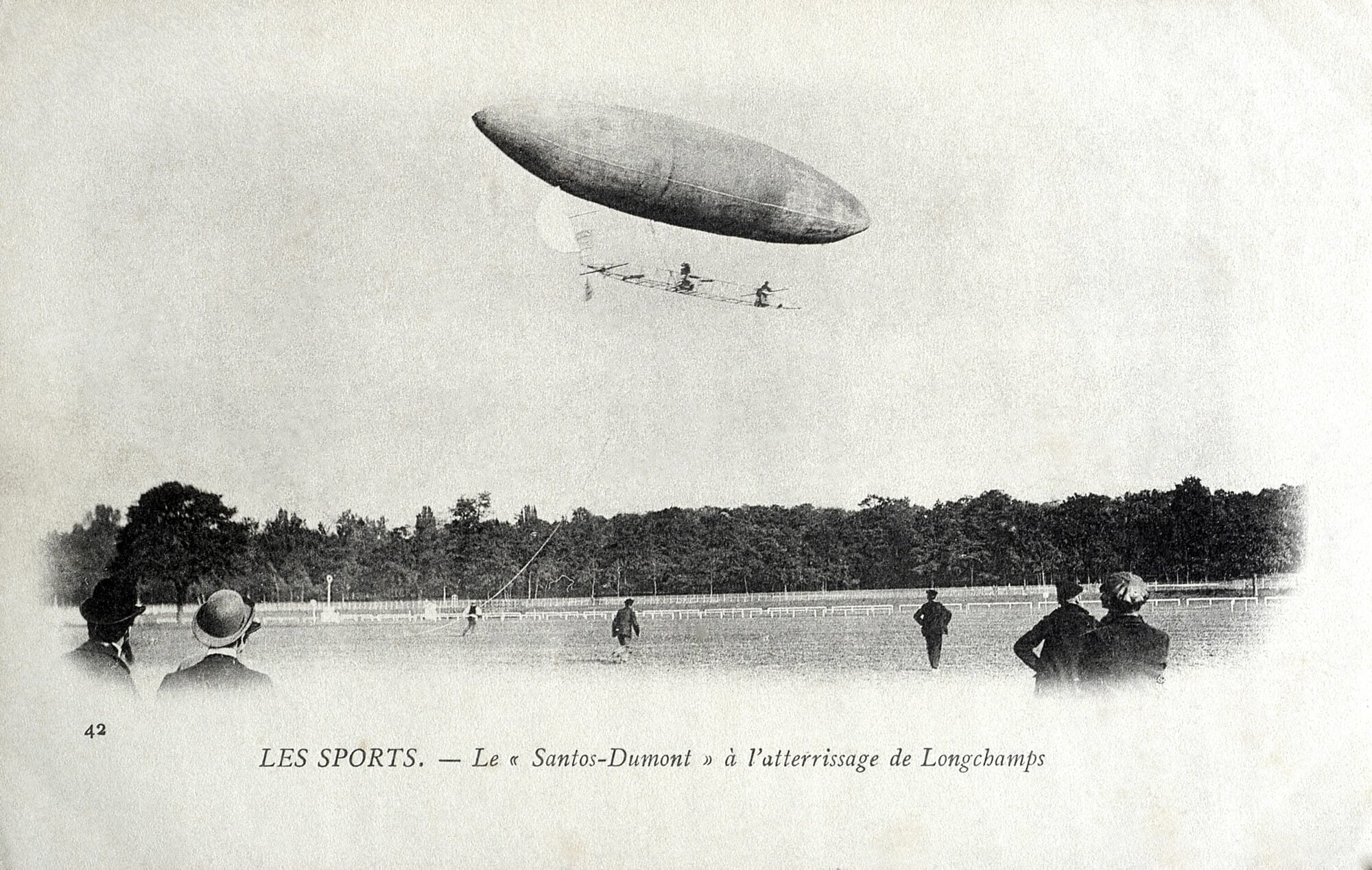
Early flight demonstrations and air meets in the years before commercial aviation drew crowds who bought postcards documenting the aircraft and pilots on display. Cards showing identifiable early aircraft models or documented pioneer aviators carry strong premiums among a collecting community that overlaps with both postcard and aviation history specialists.
Disaster and Flood Documentary Postcards
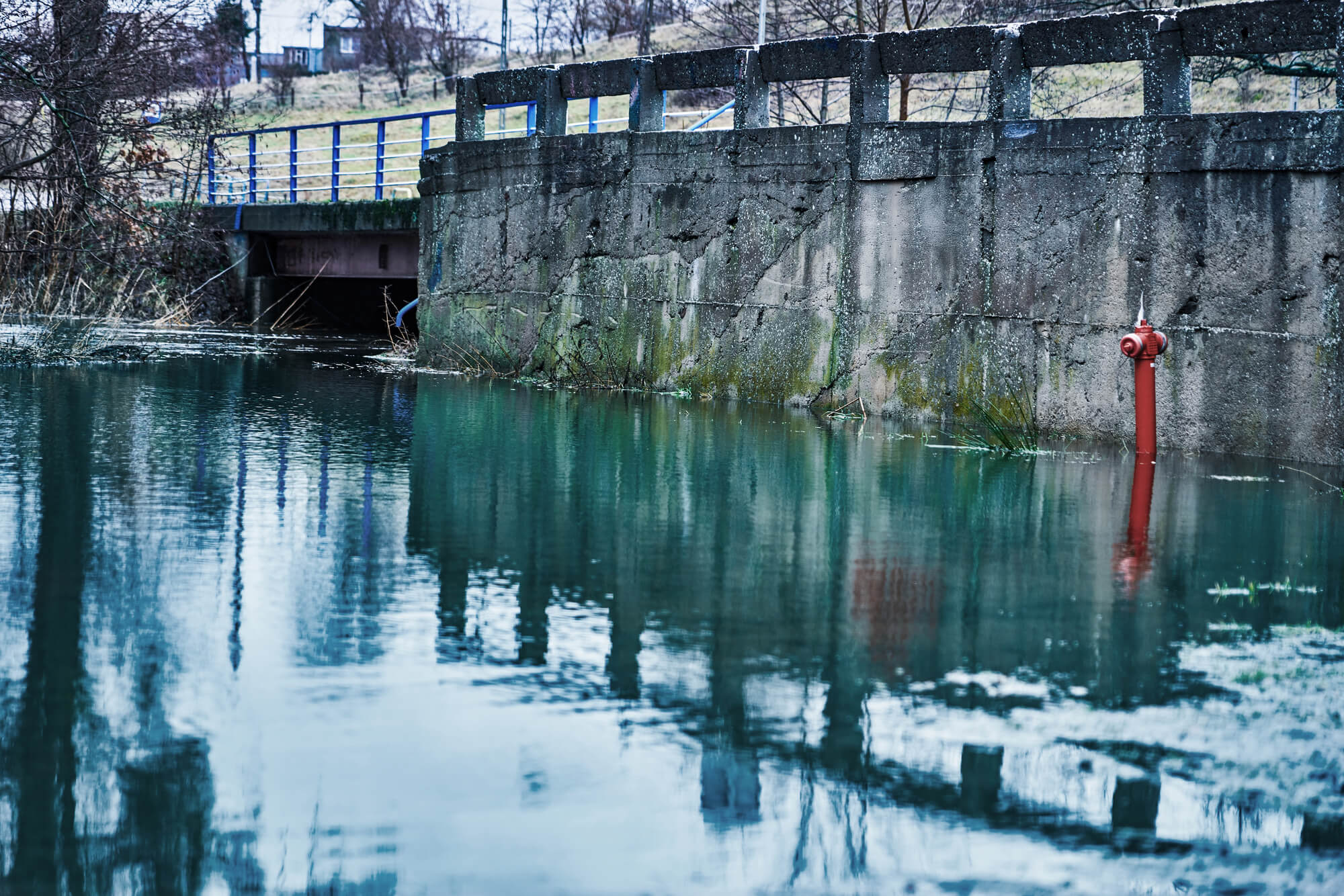
Publishers rushed postcards documenting floods, fires, and other disasters to market within days of an event, often the only widely distributed photographic record before newspapers regularly printed images. Cards documenting a specific, well-known disaster with a legible caption and location carry meaningful premiums over generic disaster imagery.
Mining Camp Postcards
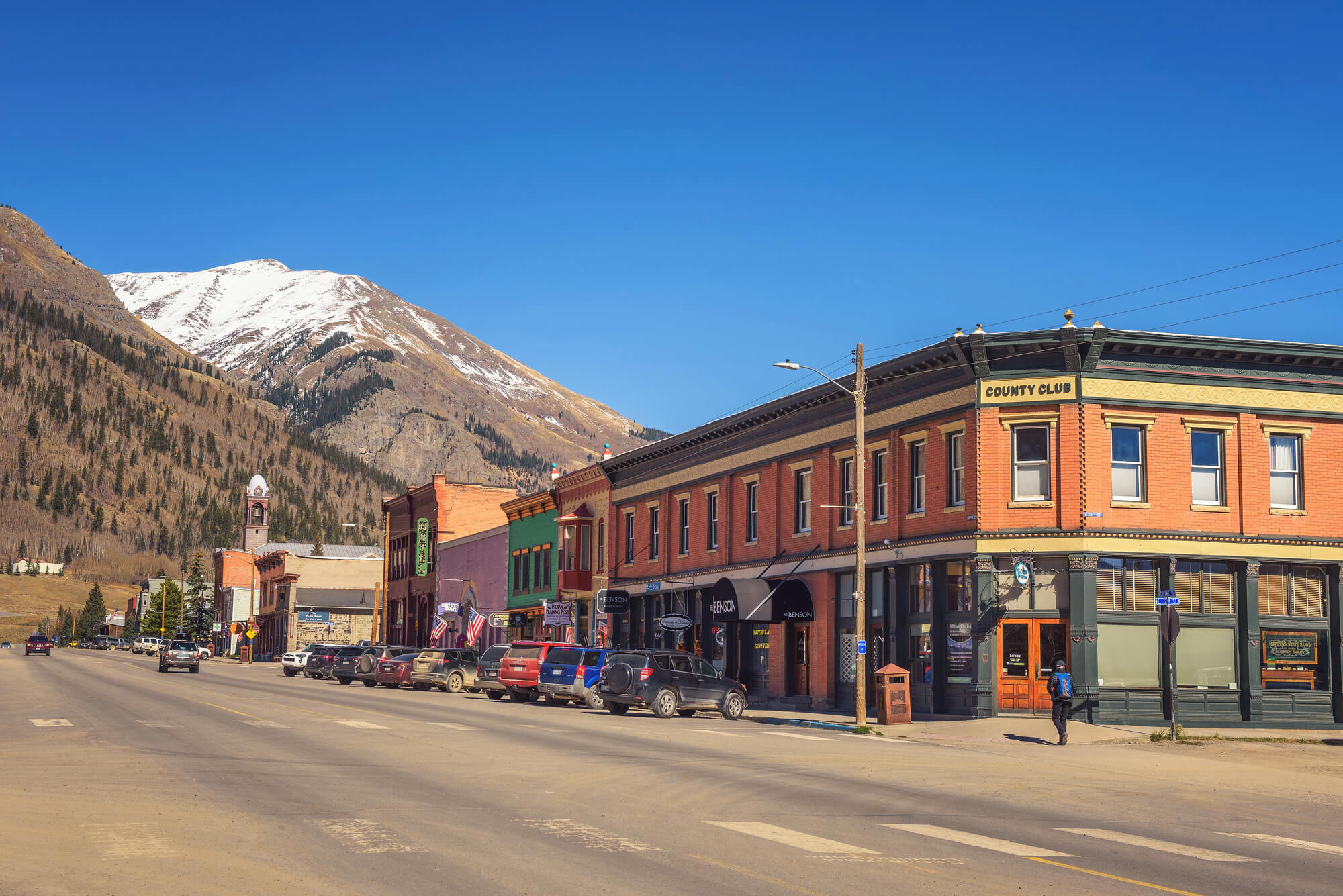
Boomtowns and mining camps that existed for only a few years before their ore ran out left behind relatively few photographic records, and postcards from that brief window document towns that in many cases no longer exist at all. A card showing a specific, named camp in its active years is often the only surviving image of the place.
Ocean Liner Departure Postcards
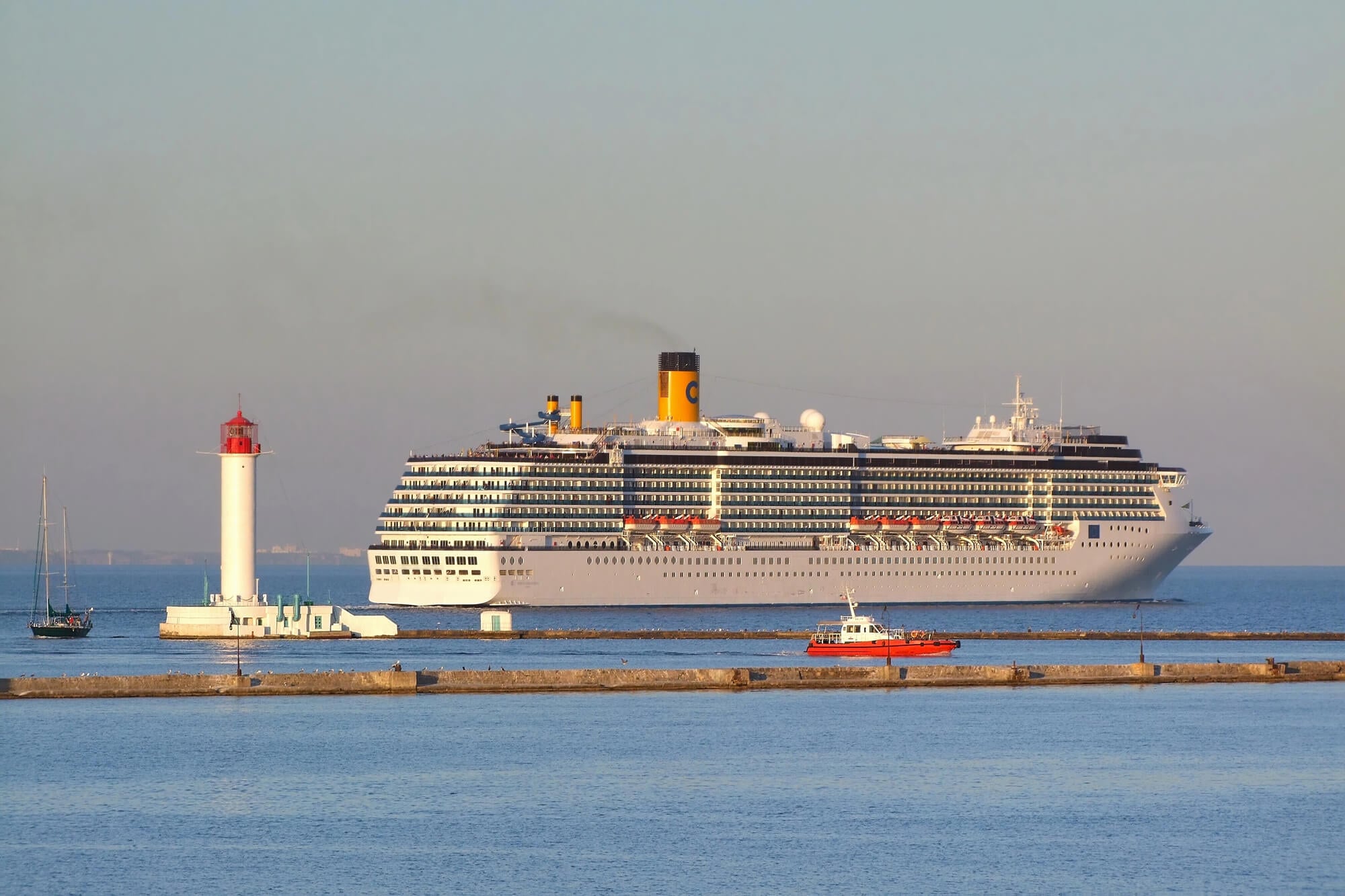
Steamship lines and photographers documented departures from major ports, capturing the ships, the crowds, and the era’s understanding of travel as a formal occasion rather than a routine errand. Cards showing a specific, named vessel, particularly one later lost or scrapped, carry premiums tied directly to that ship’s own history.
Patriotic and Wartime Postcards
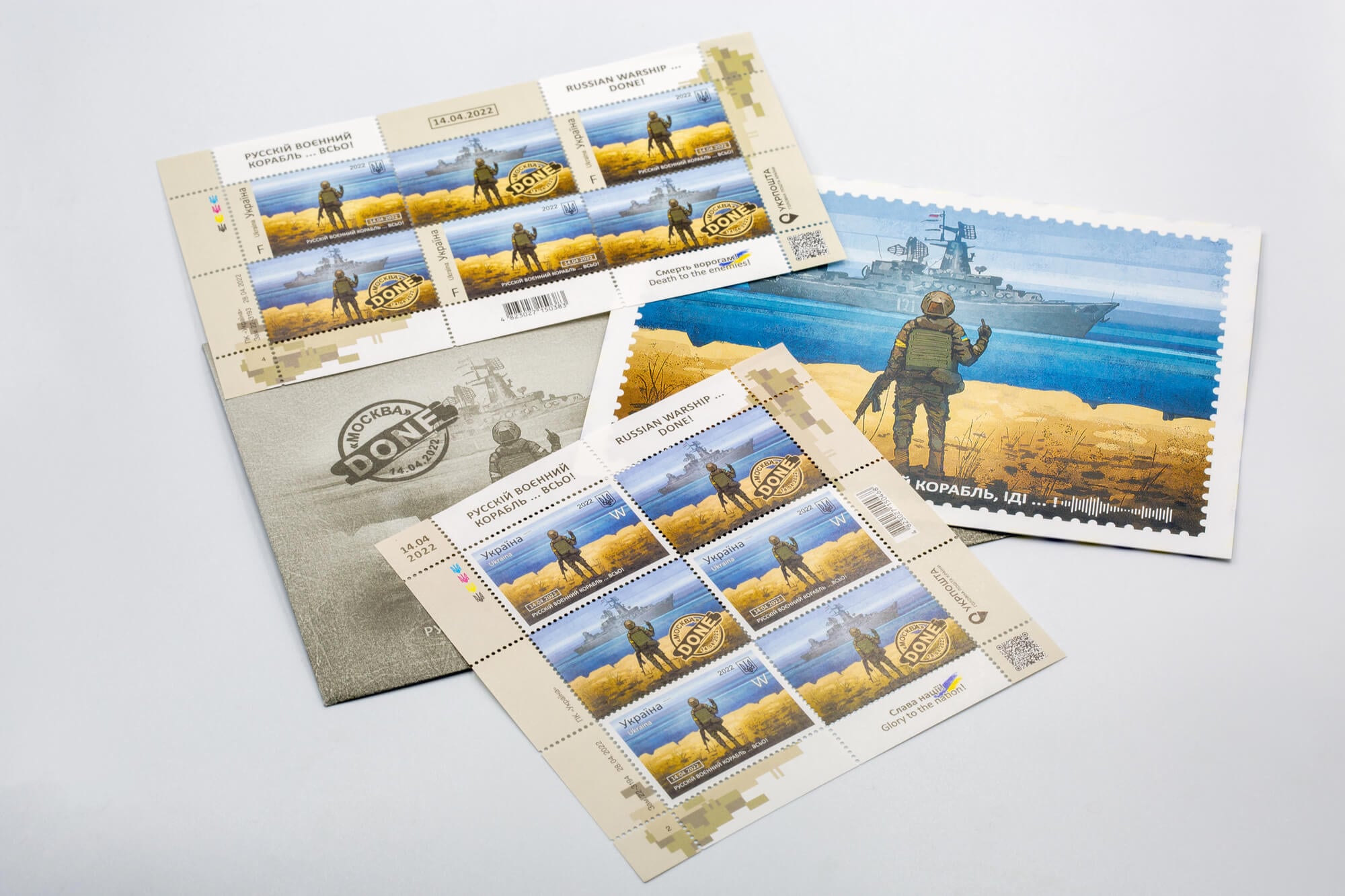
Wartime postcards produced for both civilian morale and soldier correspondence document propaganda, rationing, and daily concerns in a way official records rarely capture. Cards mailed from an active front with a legible military postmark carry additional postal-history value on top of their imagery.
Comic Artist-Signed Postcards
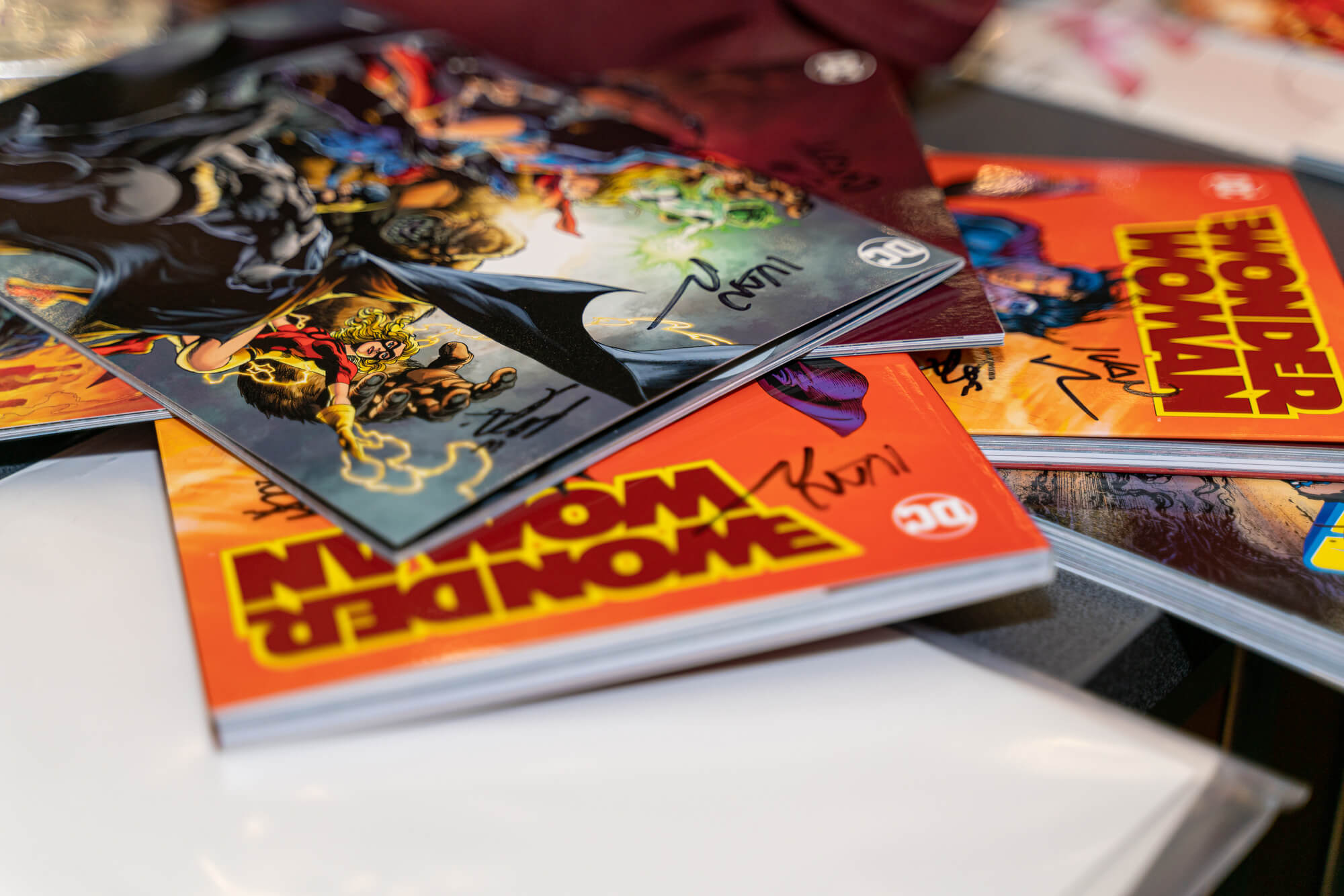
A number of illustrators built careers specifically designing humorous postcard artwork in the early twentieth century, and cards bearing a legible artist signature draw a collecting audience distinct from general postcard buyers. Signed examples from artists with a documented, traceable body of work command the strongest premiums in the category.
Tall-Tale Exaggeration Postcards

A genre of novelty postcards used trick photography to depict impossibly oversized crops, fish, and livestock, a specifically American commercial genre that peaked in the early twentieth century. Cards from documented publishers specializing in the genre, particularly ones showing unusual or elaborate exaggerations, command premiums over more common examples.
Fraternal Lodge Postcards
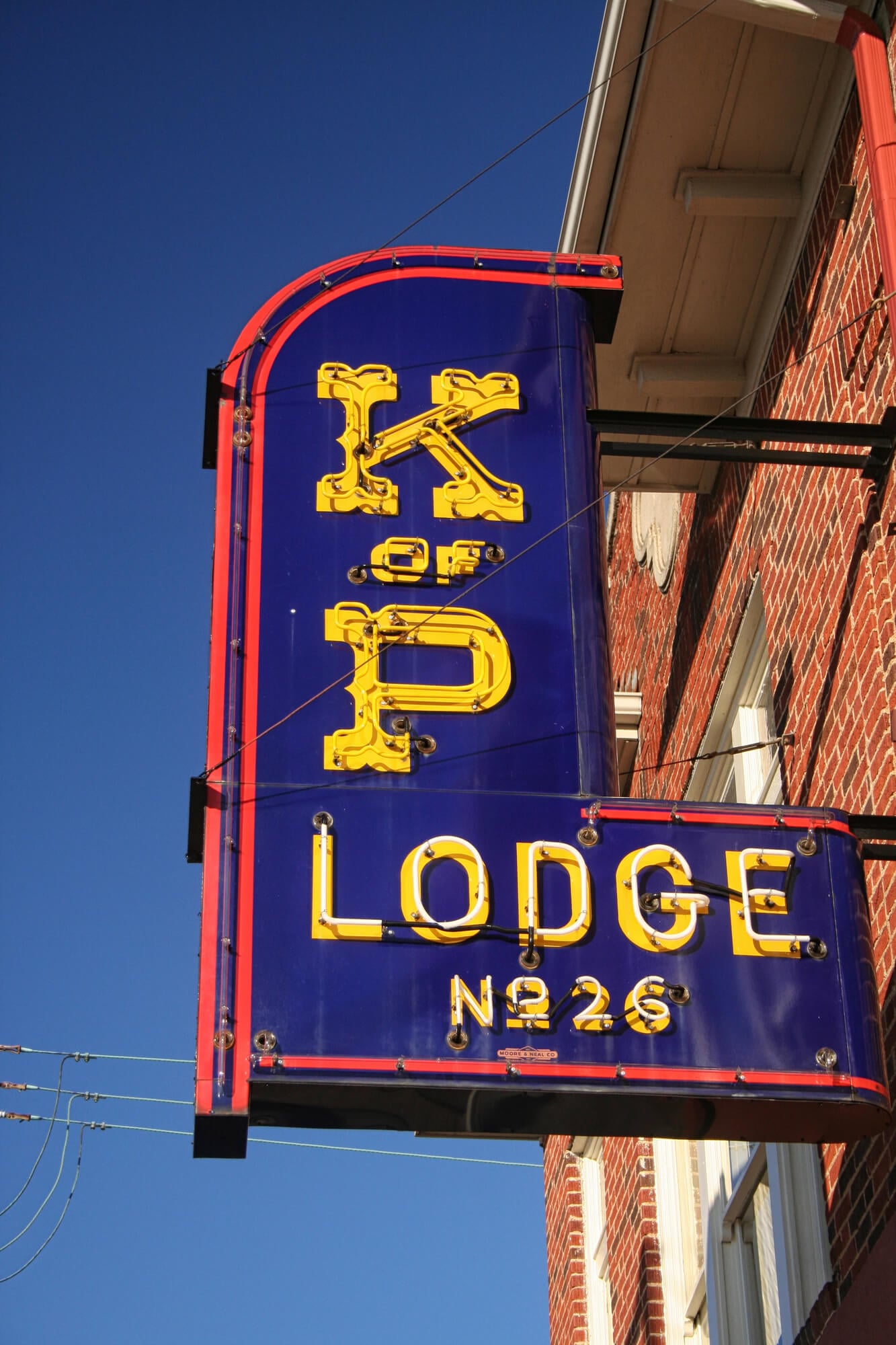
Fraternal organizations produced postcards documenting lodge buildings, ceremonies, and parades, a genre that has faded from general awareness as membership in these organizations declined. Cards documenting a specific, named lodge building, particularly one since demolished, hold interest for local historians as much as postcard collectors.
Volunteer Fire Department Postcards

Local fire departments and their parades were a popular postcard subject in small towns, often showing equipment, uniforms, and buildings that a town’s own historical society may not otherwise have documented. Cards showing a specific, named department and its early motorized or horse-drawn equipment carry strong regional interest.
Railroad Depot Postcards

Small-town railroad depots, many demolished after passenger service declined in the mid-twentieth century, were a routine postcard subject documenting buildings that otherwise survive only in municipal records. A card showing a specific, since-demolished depot is often the clearest surviving image of the building.
Lighthouse Keeper Postcards

Postcards documenting lighthouse keepers and their families at working stations capture a profession that automation eliminated over the course of the twentieth century. Cards showing an identifiable keeper or a specific station’s living quarters, rather than just the tower itself, draw premiums from collectors who specialize in maritime history.
Labor Strike Documentary Postcards

Photographers occasionally produced postcards documenting labor strikes and the crowds, picket lines, and confrontations involved, an unusually direct form of documentary photography for the era. Cards tied to a specific, well-documented strike carry strong interest among labor historians in addition to postcard collectors.
Traveling Salesman Sample Postcards
Manufacturers occasionally produced postcards specifically for traveling salesmen to leave with prospective retail buyers, functioning as a leave-behind advertisement rather than a mailed item. Because these were distributed in person rather than through the mail, surviving examples are often unused and uncanceled, which some collectors specifically seek out.
Accordion Souvenir Folder Postcards

A folded strip of small connected images, packaged to unfold into a single long panorama or series of views, was a popular souvenir format sold at tourist destinations for decades. Complete, unseparated folders in sound condition command more than the same images would as individual cards, since intact examples are considerably less common.
Numbered Installment Series Postcards
Publishers occasionally released postcards as numbered parts of a documented series, intended to be collected as a complete set rather than as standalone cards. A complete, matched series in consistent condition commands significantly more than the sum of its individual cards sold separately.
Cancellation and Postmark Collections
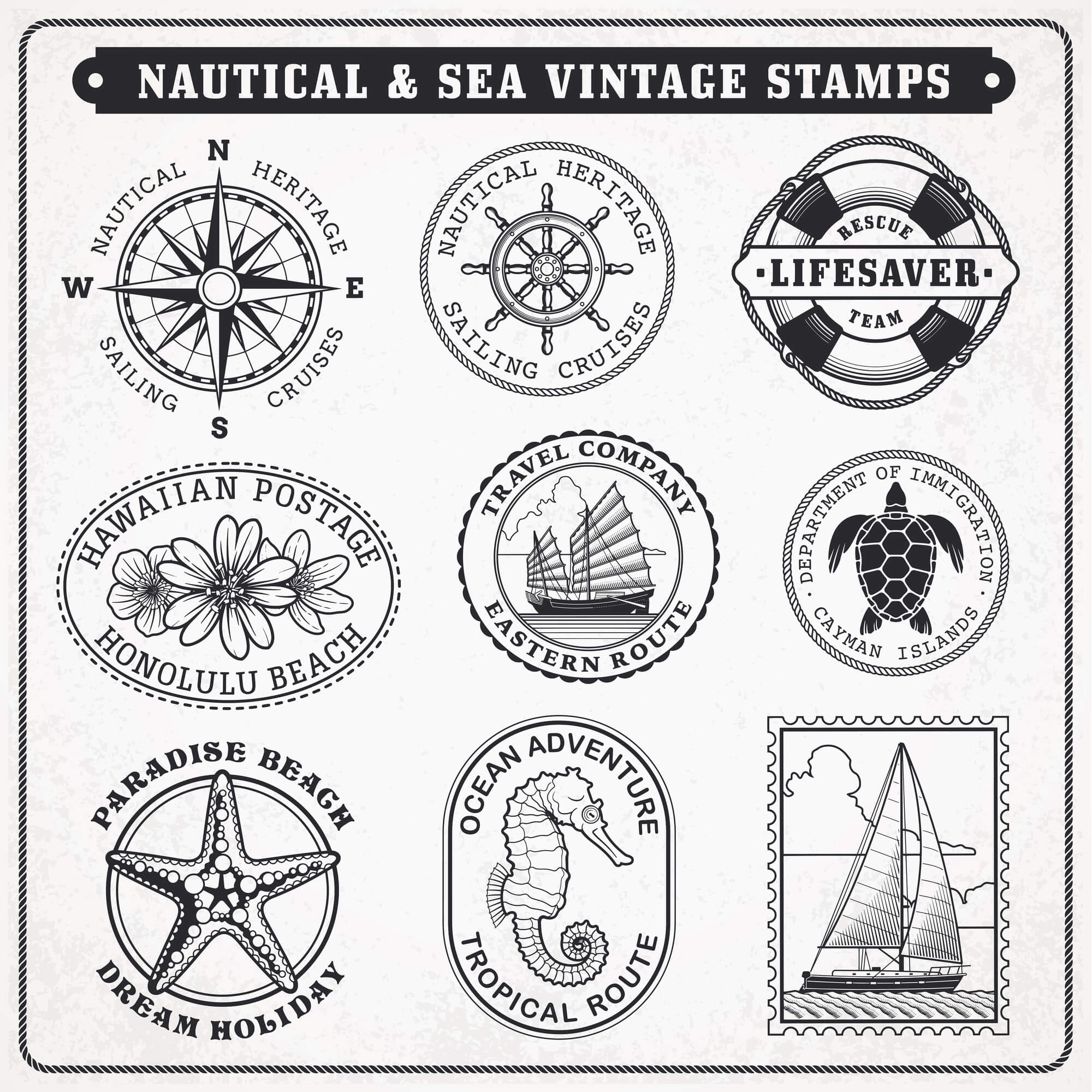
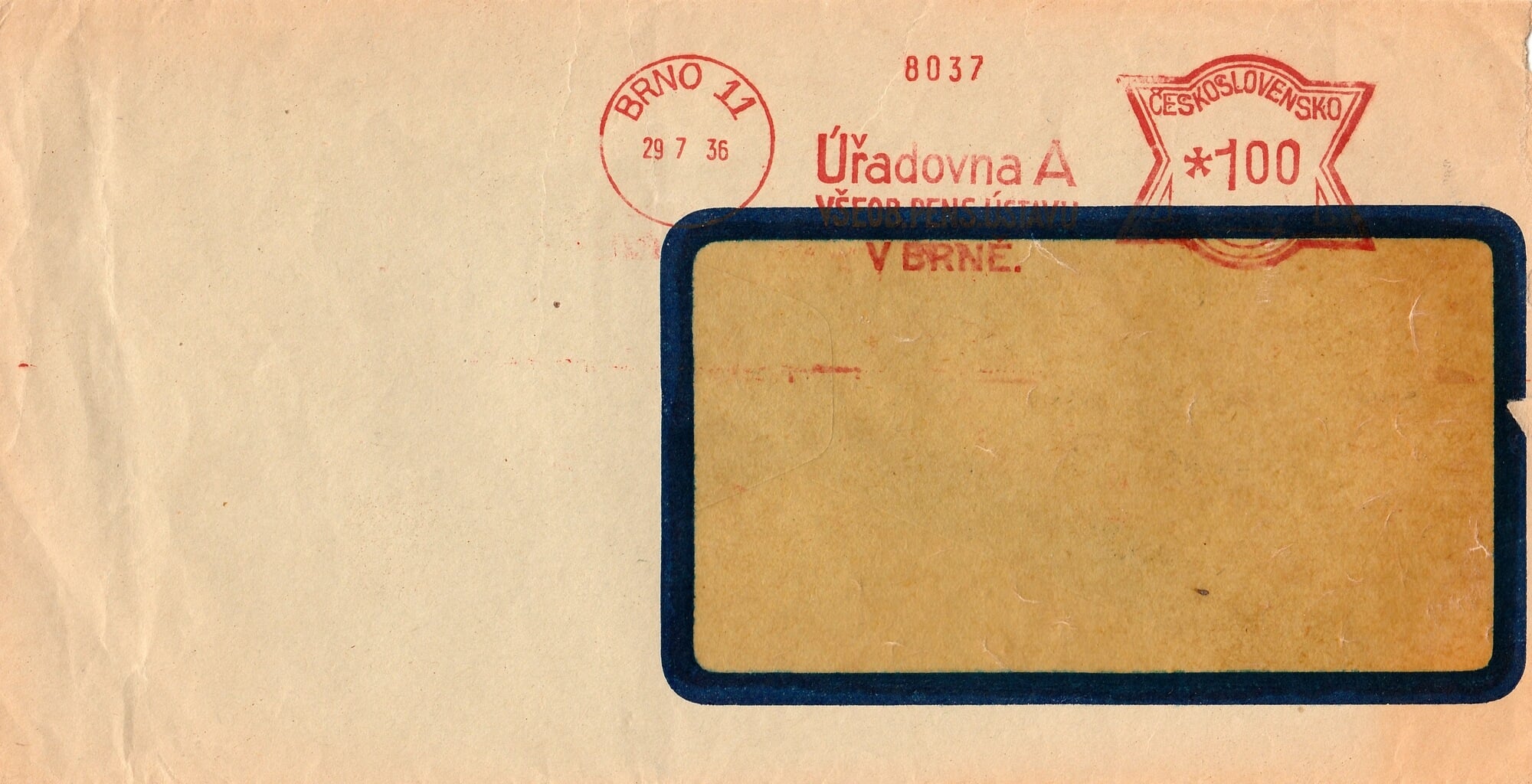
Some collectors focus entirely on the postmark rather than the image, assembling cards specifically for their cancellation date, originating post office, or an unusual marking such as a flag cancel or a slogan cancel. A card with an otherwise unremarkable image can carry real value if its postmark documents a short-lived post office.
Undivided Back Pioneer Postcards
Before 1907, United States postal regulations required the entire back of a postcard for the address alone, leaving no room for a message and pushing correspondence onto the image side itself. These undivided-back cards predate the postcard format most collectors are used to, and genuine examples from before the regulation changed carry a documented-era premium.
Divided Back Golden Age Postcards
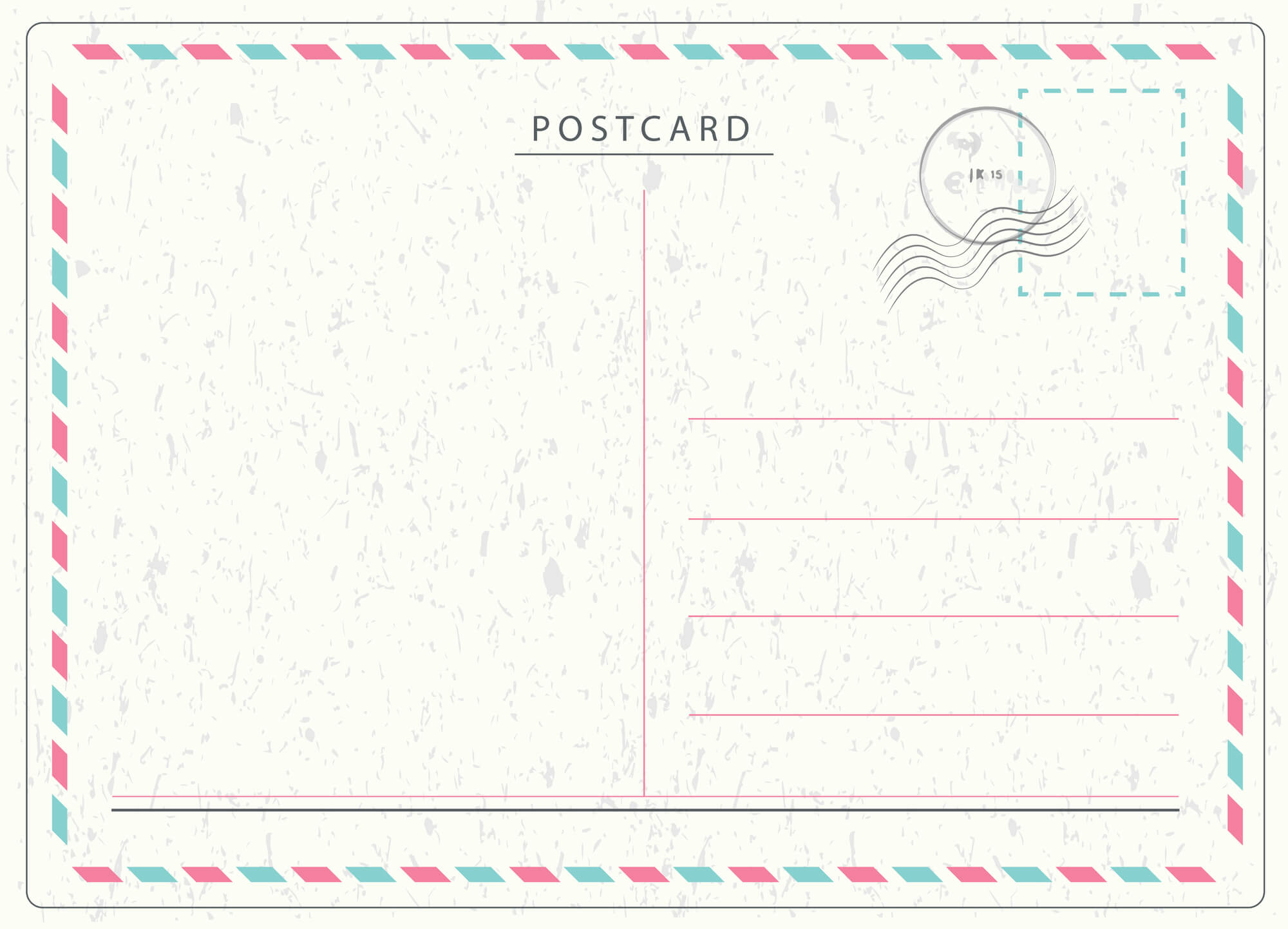
The 1907 regulation change that allowed a divided back, with space for both an address and a written message, opened the format to the flood of production that followed over the next decade. Cards from this specific transitional window, still using earlier printing techniques but the newer back format, interest collectors focused on the format’s history rather than any single image.
The Card as Its Own Witness
A postcard rarely set out to be historically important. It was printed to be sold for a few cents, written on in a hurry, and mailed without much thought about what it might document decades later.
That accident of purpose is exactly what makes the category valuable now. A postcard captured whatever was in front of the camera on an ordinary day, and an ordinary day, given enough time, turns out to be the thing nobody else bothered to record.
More from Go2Tutors!

- The Romanov Crown Jewels and Their Tragic Fate
- 13 Historical Mysteries That Science Still Can’t Solve
- Famous Hoaxes That Fooled the World for Years
- 15 Child Stars with Tragic Adult Lives
- 16 Famous Jewelry Pieces in History
Like Go2Tutors’s content? Follow us on MSN.



