Genetic Traits People Don’t Realize Are Inherited
Your eyes might be your father’s shade of brown, and your mother’s stubborn cowlick probably lives somewhere on your head. These obvious genetic hand-me-downs are easy enough to spot at family gatherings.
But genetics operates in far subtler ways than most people realize, quietly passing down traits that seem completely unrelated to DNA. The way you sneeze, whether you can roll your tongue, even how you respond to certain medications — all of this was decided long before you took your first breath.
Some of these inherited quirks are so specific they feel almost absurd, while others are so common we assume they’re universal human experiences. They’re not.
Earwax Type

Earwax comes in two varieties. Wet and sticky, or dry and flaky.
The difference isn’t hygiene or climate — it’s a single gene that determines which type you produce for your entire life.
People of East Asian and Native American descent typically have dry earwax, while those of European and African ancestry usually have the wet kind. The gene responsible also affects body odor production, which explains why deodorant sales vary dramatically across different regions of the world.
Ability To Smell Asparagus Pee

Some people eat asparagus and notice nothing unusual afterward. Others immediately detect a distinct sulfur-like odor when they urinate.
For decades, scientists thought only certain people produced the smell — turns out everyone does, but only some can smell it.
The ability to detect asparagus metabolites in urine is genetic. You either have the specific olfactory receptors or you don’t.
Those who can’t smell it aren’t missing much, but they’re missing out on one of the more reliable party conversation starters.
Widow’s Peak Hairline
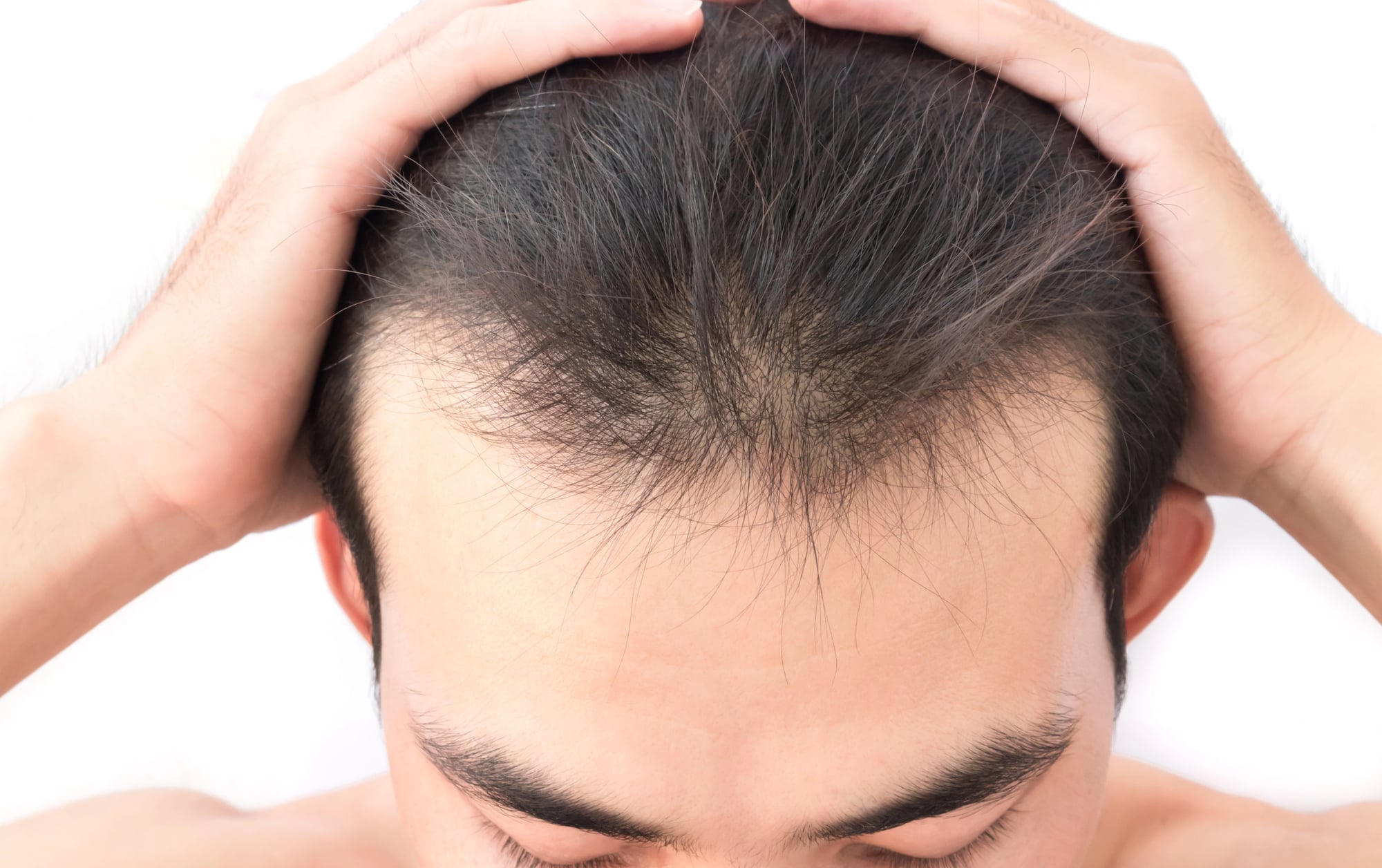
There’s something almost theatrical about a widow’s peak — that distinctive V-shaped point where the hairline dips down toward the forehead (like a curtain drawing back to reveal the face beneath). It appears in old portraits of Victorian women and comic book villains with equal frequency, but it’s not a styling choice or the result of hair loss.
The shape is written into your genetic code before you’re born.
The trait follows a dominant inheritance pattern, meaning if one parent has it, there’s a good chance you will too. And unlike male pattern baldness or other hair changes that develop over time, a widow’s peak either shows up in childhood or never appears at all.
Some people spend their entire lives not noticing they have one until someone points it out — then they can’t unsee it.
Hitchhiker’s Thumb

Most people can bend their thumb backward to some degree. But some can flex it so far back it looks like it might snap off — a full 90-degree angle or more.
This is hitchhiker’s thumb, and it’s completely genetic.
It’s a recessive trait, which means both parents need to carry the gene for it to show up. The extreme flexibility serves no particular evolutionary purpose.
It’s just one of those genetic quirks that makes human variation endlessly interesting, even if it does make some people wince when they see it.
Ability To Taste PTC

Phenylthiocarbamide tastes unbearably bitter to some people and completely flavorless to others. This isn’t a matter of preference or sensitivity — it’s a genetic switch that’s either on or off.
The compound doesn’t occur naturally in food, but the ability to taste it correlates with sensitivity to other bitter compounds in vegetables like Brussels sprouts and kale.
About 70% of people can taste PTC, while the remaining 30% could drink it like water without noticing. The trait was discovered by accident in a lab when some researchers could taste a chemical they were working with and others couldn’t.
Now it’s a standard genetics demonstration in high school biology classes.
Photic Sneeze Reflex

Step into bright sunlight and some people immediately sneeze. Not because of allergies or dust, but because their nervous system is wired differently — bright light triggers the same response as an irritant in the nose (a crossed wire that serves no obvious purpose but affects roughly one in four people).
The reflex is strong enough that pilots are screened for it, since an unexpected sneezing fit during takeoff isn’t ideal.
And once you know you have it, you start noticing how often it happens. Walking out of a movie theater, stepping outside on a sunny day, even looking at a bright light bulb can set it off.
The sneeze usually comes in clusters of two or three, as if the system needs a moment to recalibrate.
Cleft Chin

The dimple in some people’s chins isn’t the result of an injury or developmental quirk — it’s the genetic inability of two halves of the jaw to fuse completely during fetal development. What’s left is a small indentation that can range from barely noticeable to dramatically pronounced.
It’s a dominant trait, so it tends to run prominently through family lines. Some cultures consider it a sign of beauty or strength.
Others barely notice it. But regardless of cultural interpretation, the cleft is entirely genetic, determined long before birth and unchangeable without surgery.
Ability To Wiggle Ears

Watch someone wiggle their ears and it looks like a magic trick. The muscles are there in everyone — tiny vestigial muscles left over from when human ancestors needed to move their ears to locate sounds or express emotions.
Most people have lost the ability to control them, but some retain conscious command over these muscles.
The trait appears to be genetic, though it can sometimes be learned with practice. Families where one person can wiggle their ears often have multiple ear-wigglers.
It’s completely useless in modern life, which makes it oddly charming when it shows up.
Lactose Tolerance In Adulthood

Most mammals lose the ability to digest lactose after weaning. Humans are unusual in that some populations retain lactase production throughout their lives.
This isn’t the natural state — it’s a relatively recent genetic mutation that developed alongside dairy farming.
Northern Europeans, some African populations, and certain Middle Eastern groups have high rates of lactose tolerance. Most of the world’s population becomes lactose intolerant after childhood.
The genetic mutation that allows adults to drink milk without digestive distress is only about 10,000 years old, making it one of the more recent evolutionary adaptations in human history.
Hair Whorl Direction
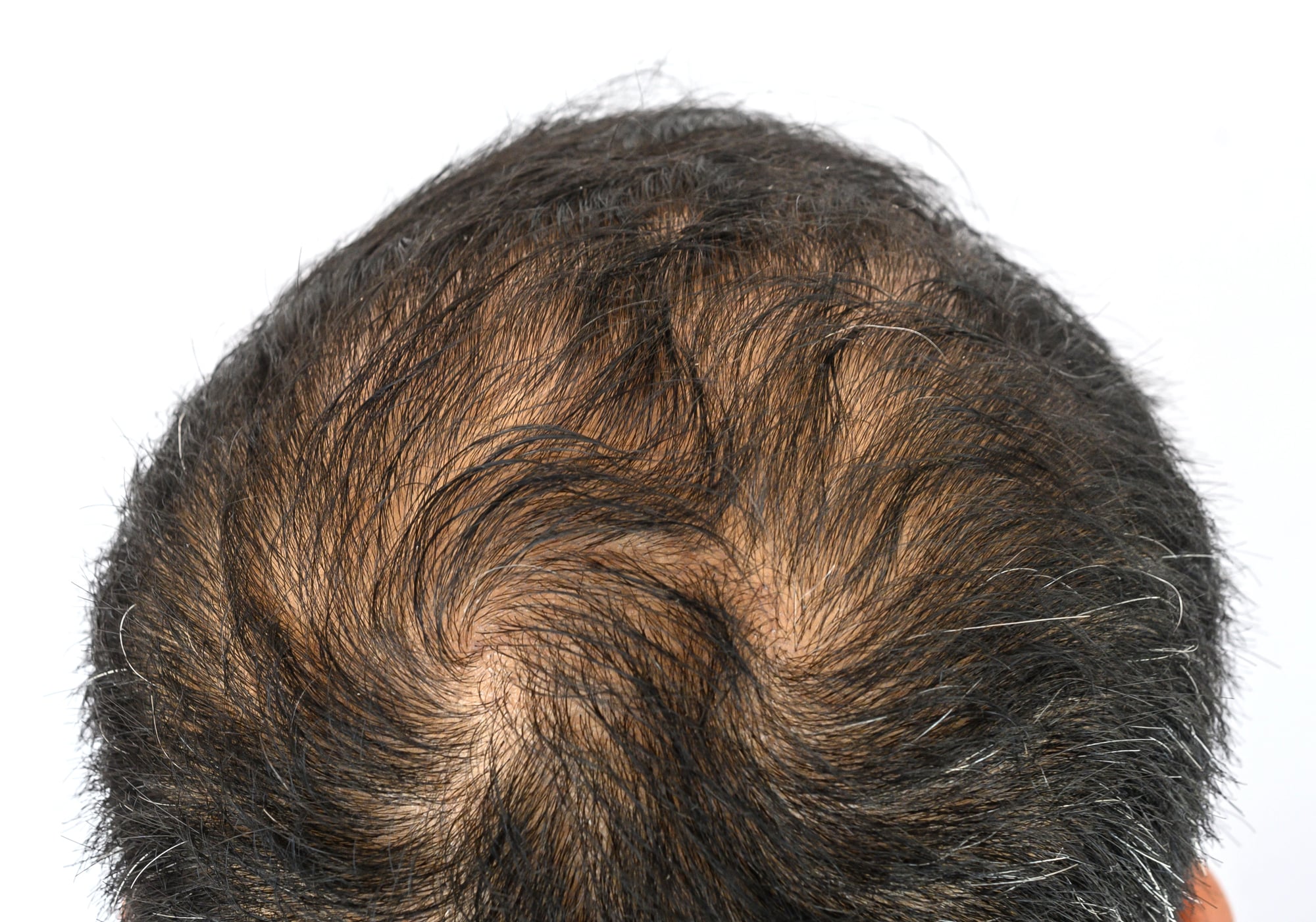
Everyone has at least one hair whorl — the spiral pattern where hair grows from a central point, usually at the crown of the head. What most people don’t realize is that the direction of the spiral is genetic.
About 90% of people have clockwise whorls, while 10% have counterclockwise ones.
The direction is determined by the same genes that control body asymmetry and organ placement. Some studies suggest that whorl direction correlates with handedness, though the connection isn’t absolute.
Multiple whorls are also possible, creating more complex hair growth patterns that can make styling challenging.
Ability To Roll Tongue
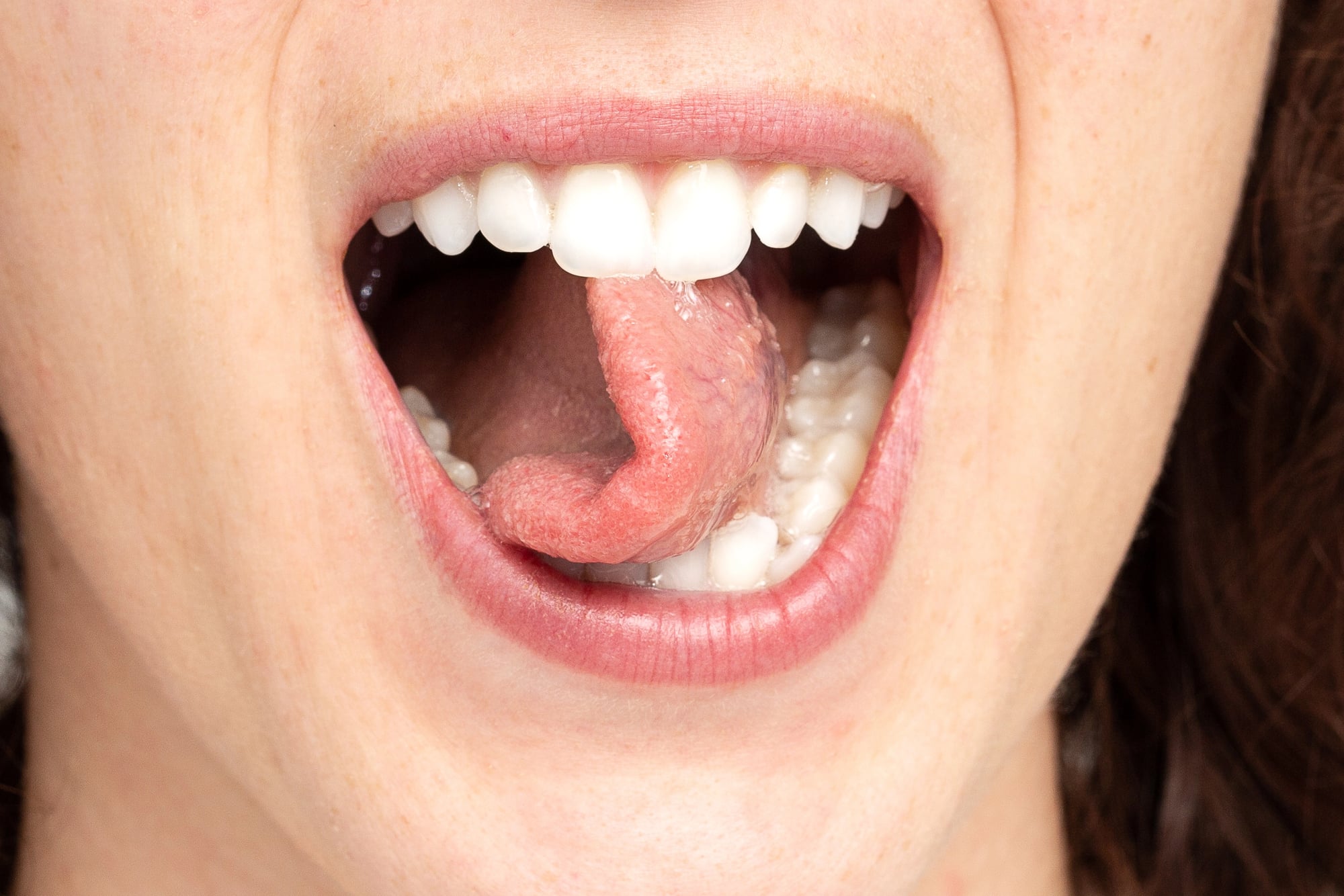
The classic genetics lesson involves sticking out your tongue and trying to roll it into a tube shape. Some people can do it effortlessly, others can’t do it at all, and the difference is genetic.
Or so the textbooks say.
The reality is more complicated. While genetics plays a major role, the trait isn’t as simple as a single gene with two outcomes.
Some people can learn to roll their tongues with practice, and there are different types of tongue rolling that seem to be controlled by different genetic mechanisms. But the basic ability to curl your tongue into a U-shape remains largely determined by your DNA.
Earlobe Attachment
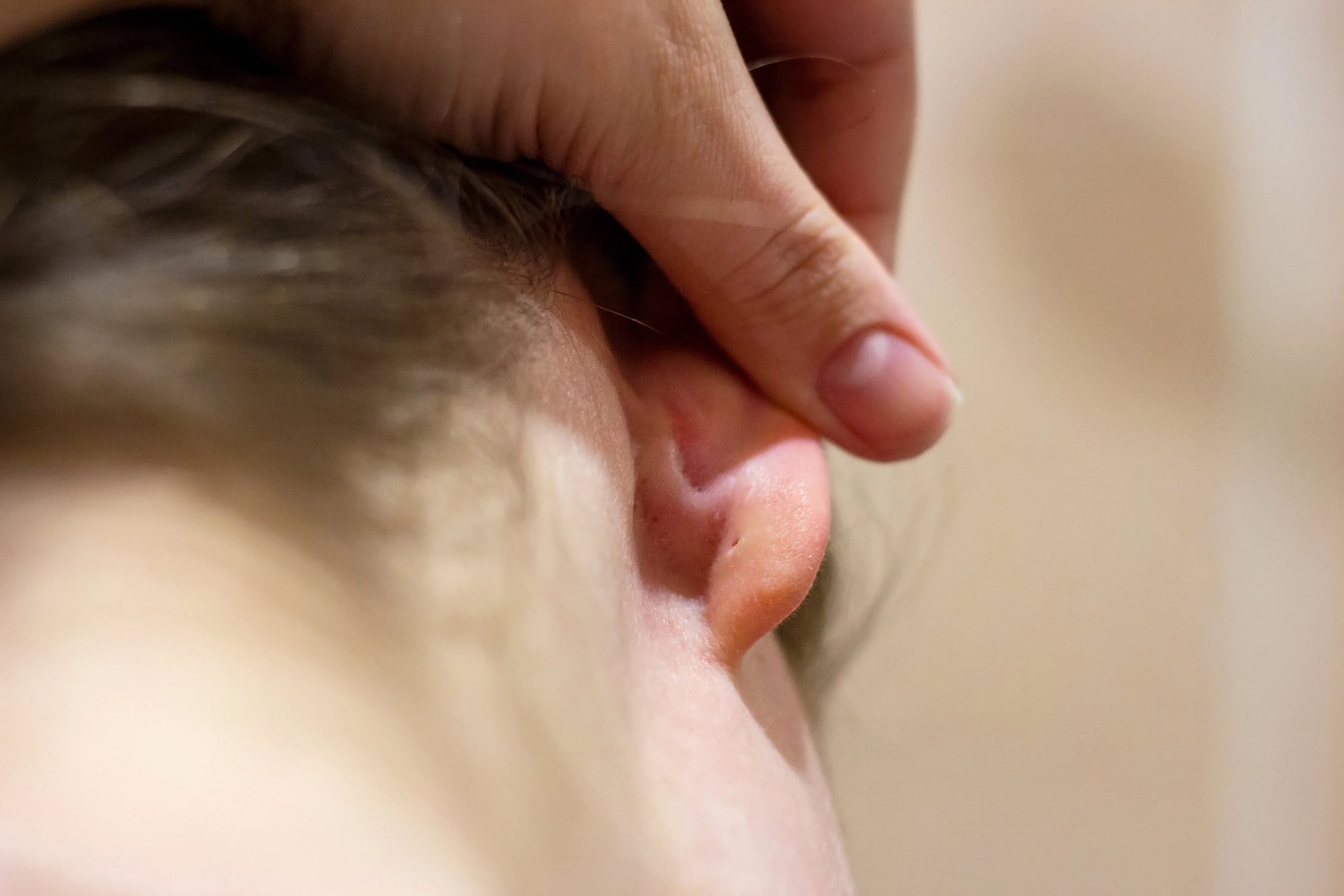
Earlobes either hang freely or attach directly to the side of the head. It’s one of the most clear-cut genetic traits humans display, controlled by a single gene with two variants.
Free earlobes are dominant, attached earlobes are recessive.
The difference is purely cosmetic — attached earlobes don’t affect hearing or health in any way. But it’s one of the most reliable ways to demonstrate genetic inheritance patterns, since the trait is visible, permanent, and follows predictable inheritance rules.
Families with free earlobes can sometimes have children with attached earlobes, if both parents carry the recessive gene.
Ability To Taste Cilantro

Cilantro tastes fresh and citrusy to most people. To others, it tastes exactly like soap — so much so that they’ll send food back at restaurants if it contains even a small amount.
The difference comes down to variations in olfactory receptor genes that detect aldehydes, the compounds that give cilantro its distinctive flavor.
People with the “soap” variant of these genes are detecting the same aldehydes found in soaps and detergents. They’re not being picky or oversensitive — they’re literally tasting something different than everyone else.
The trait is most common in people of East Asian, African, and European descent, and least common among people from the Middle East, where cilantro is a dietary staple.
The Patterns We Carry

These inherited quirks feel almost random, like genetic confetti scattered across human populations. But they’re reminders of how deeply our biology shapes experiences we think of as universal.
The person next to you might be tasting soap while you taste herbs, or stepping into sunlight without the slightest urge to sneeze. What feels normal to you might be completely foreign to them, and vice versa.
Genetics doesn’t just determine what we look like — it shapes how we experience the world itself, one tiny inherited trait at a time.
More from Go2Tutors!

- The Romanov Crown Jewels and Their Tragic Fate
- 13 Historical Mysteries That Science Still Can’t Solve
- Famous Hoaxes That Fooled the World for Years
- 15 Child Stars with Tragic Adult Lives
- 16 Famous Jewelry Pieces in History
Like Go2Tutors’s content? Follow us on MSN.