28 Buildings Demolished That Cities Now Regret Losing
Every one of these structures was torn down by people who believed, at the time, that they were making way for progress. Decades later, most of these same cities point to the demolition as the moment they lost something they could never fully replace, and several rewrote their preservation laws specifically because of what happened.
The Original Pennsylvania Station
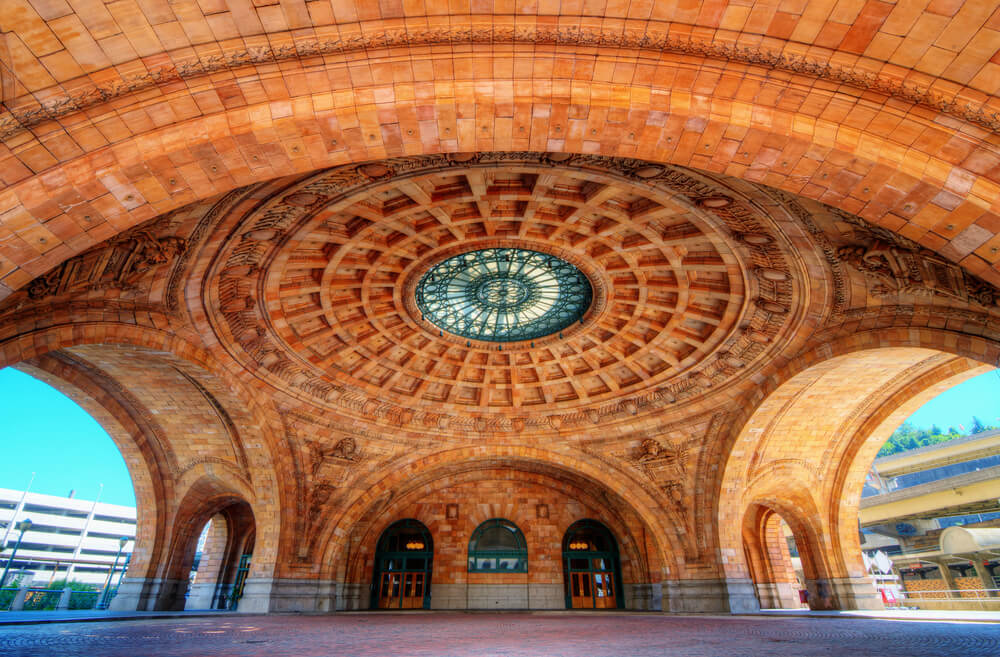
New York’s original Pennsylvania Station, a soaring Beaux-Arts landmark completed in 1910, was demolished in 1963 to make way for Madison Square Garden and a smaller underground replacement station. The public outcry over its loss is widely credited with launching the modern American historic preservation movement, including the creation of New York City’s Landmarks Preservation Commission.
The Singer Building
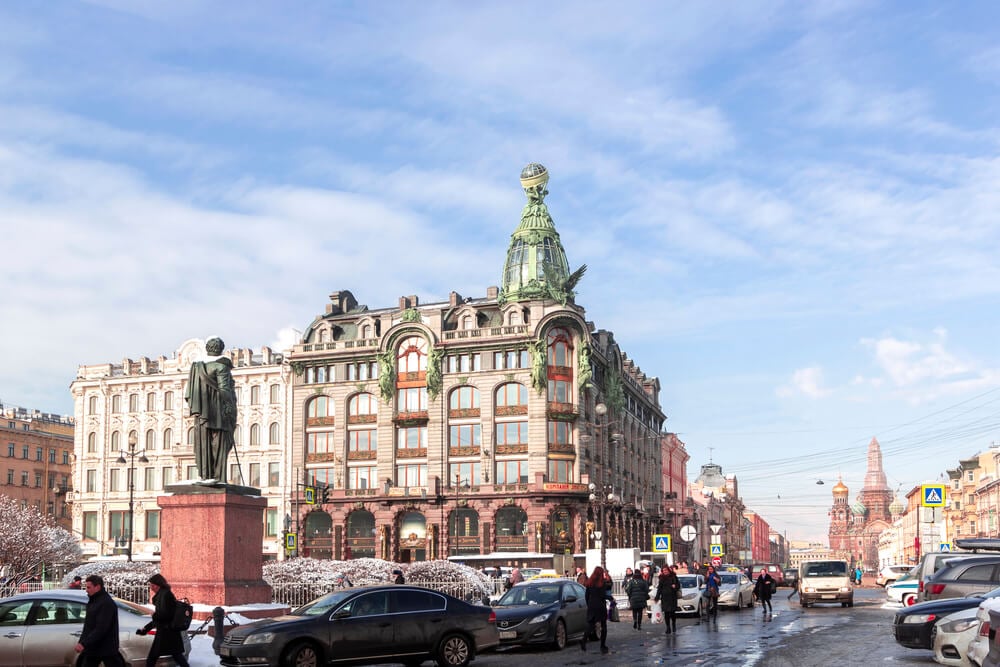
Once the tallest building in the world upon its completion in 1908, the Singer Building in Lower Manhattan was demolished in 1968 to make way for a larger office tower. For decades afterward it held the distinction of being the tallest building ever voluntarily demolished, a record New York preservationists still cite as a cautionary example.
The Euston Arch
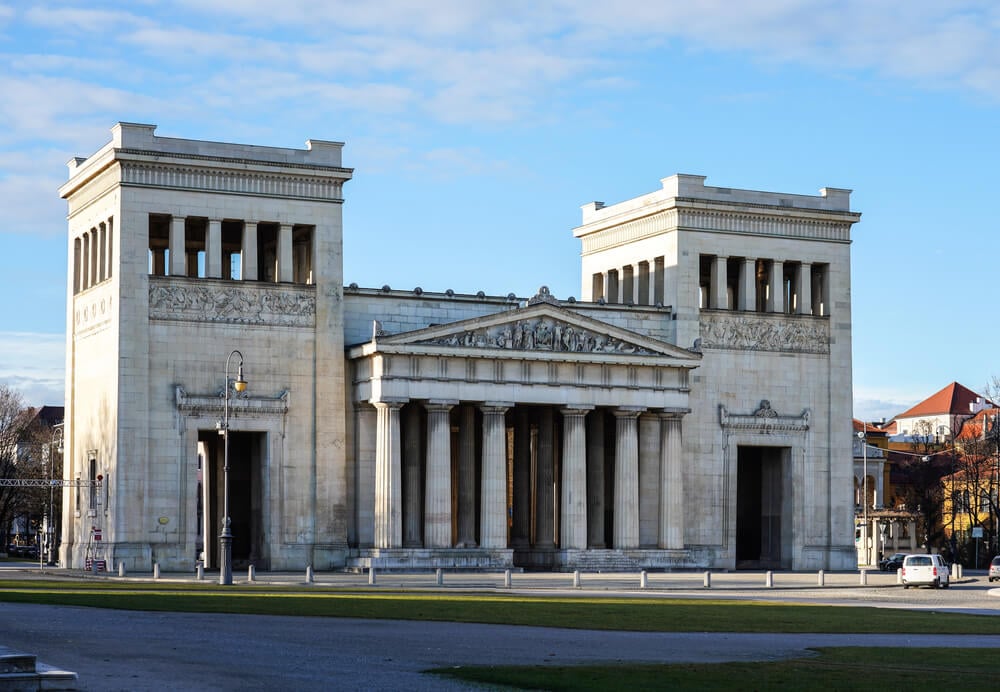
London’s Euston Arch, a massive Doric propylaeum completed in 1837 as the ceremonial entrance to Euston station, was demolished in 1962 despite a public campaign to save it. The loss became such a lasting point of regret that a long-running restoration campaign has worked for years to rebuild the arch using recovered original stones.
The Chicago Stock Exchange Building
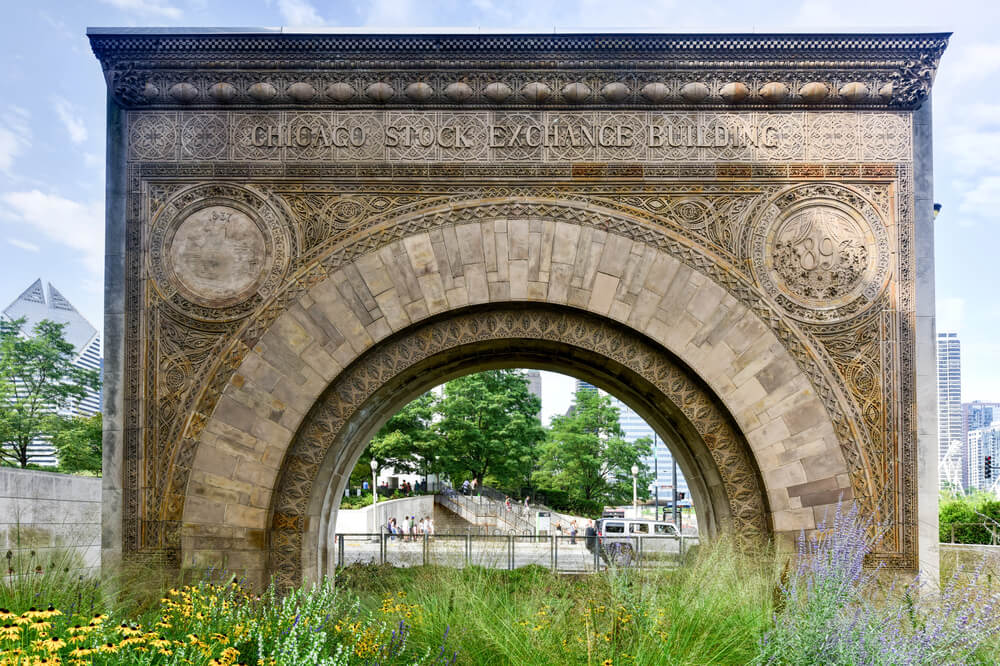
Designed by Louis Sullivan and Dankmar Adler and completed in 1894, the Chicago Stock Exchange Building was demolished in 1972 despite efforts by preservationists to save it. The demolition proved so controversial that it directly spurred the strengthening of Chicago’s landmark preservation ordinance, and the building’s ornate trading room was salvaged and reconstructed inside the Art Institute of Chicago.
The Larkin Administration Building
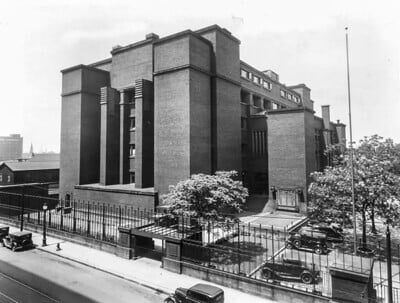
Frank Lloyd Wright’s innovative Larkin Administration Building in Buffalo, completed in 1906 with early climate control and built-in furniture, was demolished in 1950 after the company that owned it failed and the site was sold for scrap value. Architectural historians consider its loss one of the most significant in twentieth-century American design, and it is frequently cited in discussions of Wright’s most important lost work.
The Traymore Hotel
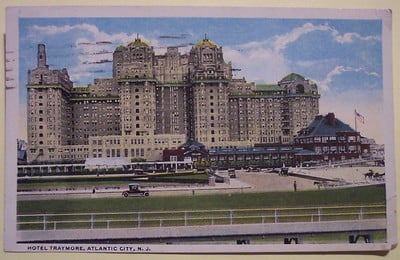
Atlantic City’s Traymore Hotel, an enormous Art Deco resort completed in 1915, was demolished by implosion in 1972 as the city’s grand hotel era gave way to casino development. Its loss is now frequently invoked in accounts of how Atlantic City dismantled its own architectural heritage before later trying to attract tourism back to the boardwalk.
The Original Metropolitan Opera House
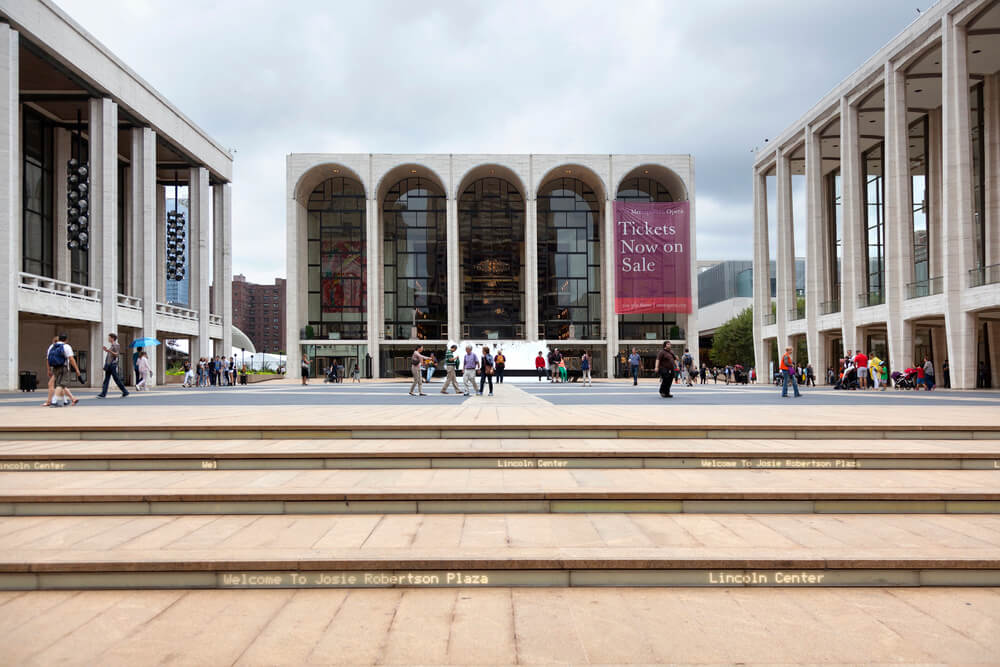
New York’s original Metropolitan Opera House on Broadway, completed in 1883, was demolished in 1967 after the company relocated to Lincoln Center. Preservationists at the time argued the building could have been converted for other cultural uses, and its demolition remains a frequently cited example in debates over adaptive reuse.
The Richfield Tower
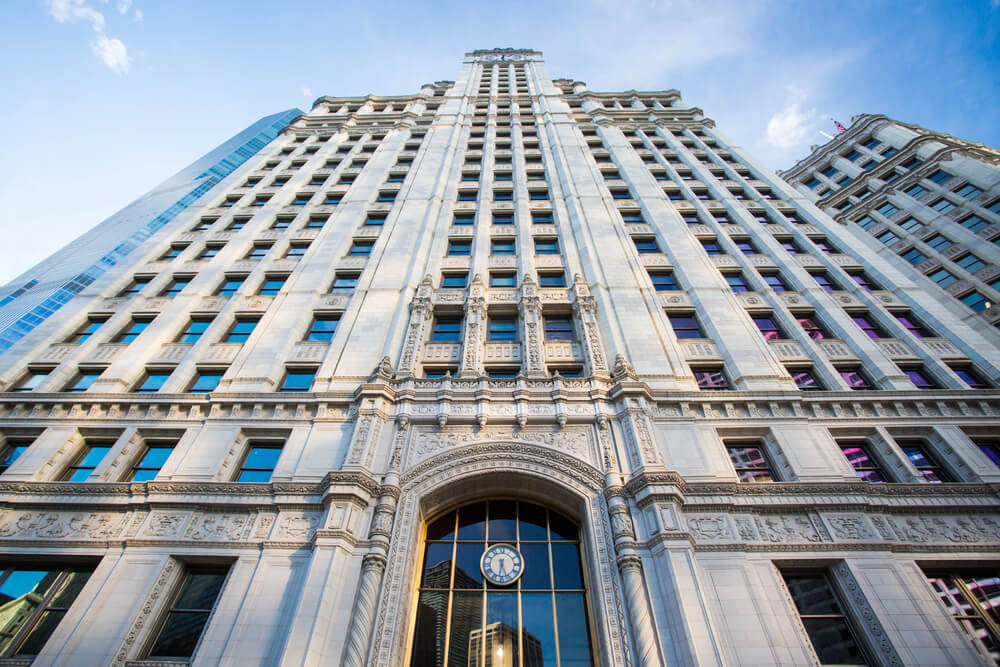
Los Angeles’s black-and-gold terra cotta Richfield Tower, completed in 1929 as one of the city’s signature Art Deco landmarks, was demolished in 1968 to make way for a modern office complex. Its loss is regularly cited by Los Angeles preservationists as the moment the city recognized it had let a defining piece of its architectural identity disappear.
The Berlin City Palace
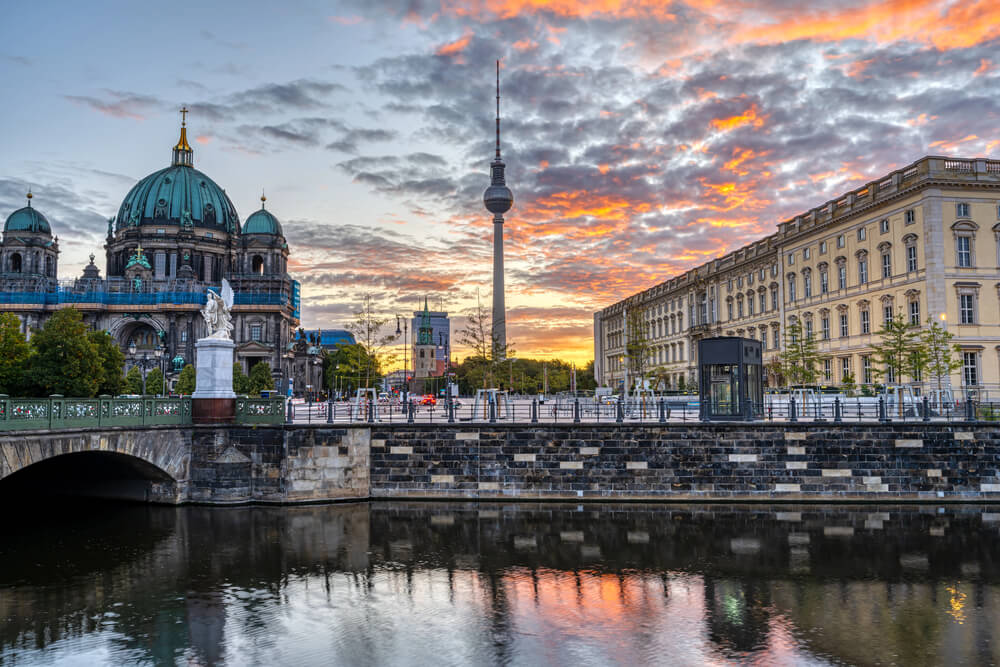
East German authorities demolished the war-damaged Berlin City Palace, the former royal residence, in 1950 to erase a symbol of the monarchy from the socialist capital. Decades later, reunified Germany chose to rebuild a reconstruction of the palace’s facade as the Humboldt Forum, a direct acknowledgment of how deeply the original demolition was later regretted.
The Astor Hotel
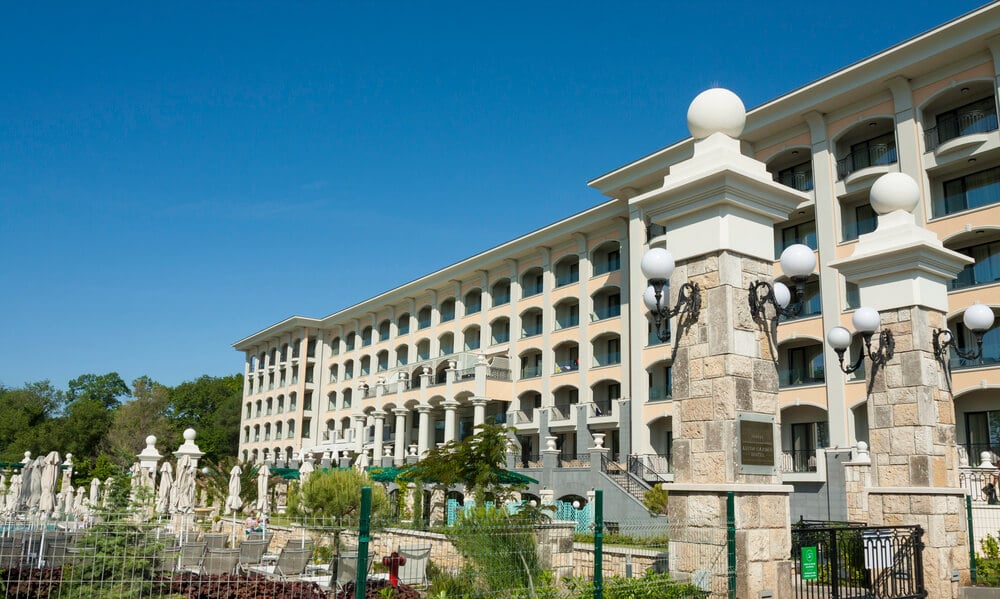
The Astor Hotel, a landmark on New York’s Times Square completed in 1904, was demolished in 1967 to make way for an office tower, removing one of the last grand hotels from the square’s early era. Its site is now commonly cited in histories of Times Square as an example of the district’s lost architectural grandeur.
The Second Madison Square Garden
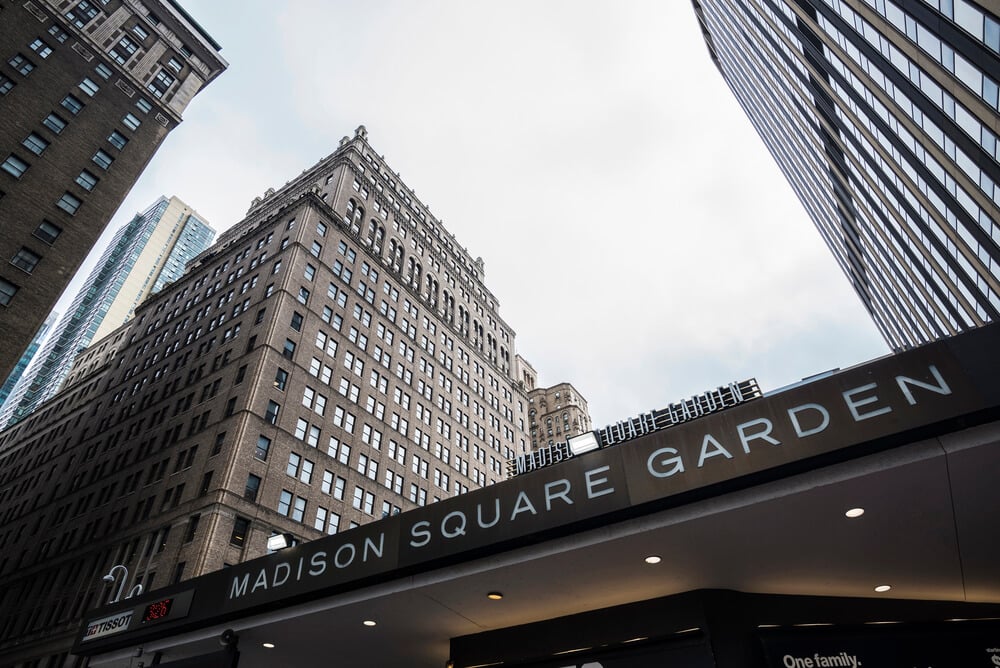
The second iteration of Madison Square Garden, a Beaux-Arts landmark designed by Stanford White and completed in 1890, was demolished in 1925 to make way for a new office tower after the venue’s operators found a more profitable use for the valuable land. Its loss predates the modern preservation movement but is frequently grouped with later demolitions as evidence of a much longer pattern.
The Rossiya Hotel
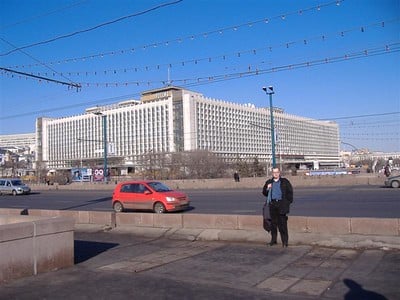
Moscow’s massive Rossiya Hotel, completed in 1967 as one of the largest hotels in the world at the time, was demolished in 2006 amid plans for a new development that stalled for years afterward, leaving the site vacant. Many Muscovites who once dismissed the hotel’s Soviet-era design later described its removal, and the empty lot that followed, as a genuine loss to the city’s skyline.
The Detroit Statler Hotel
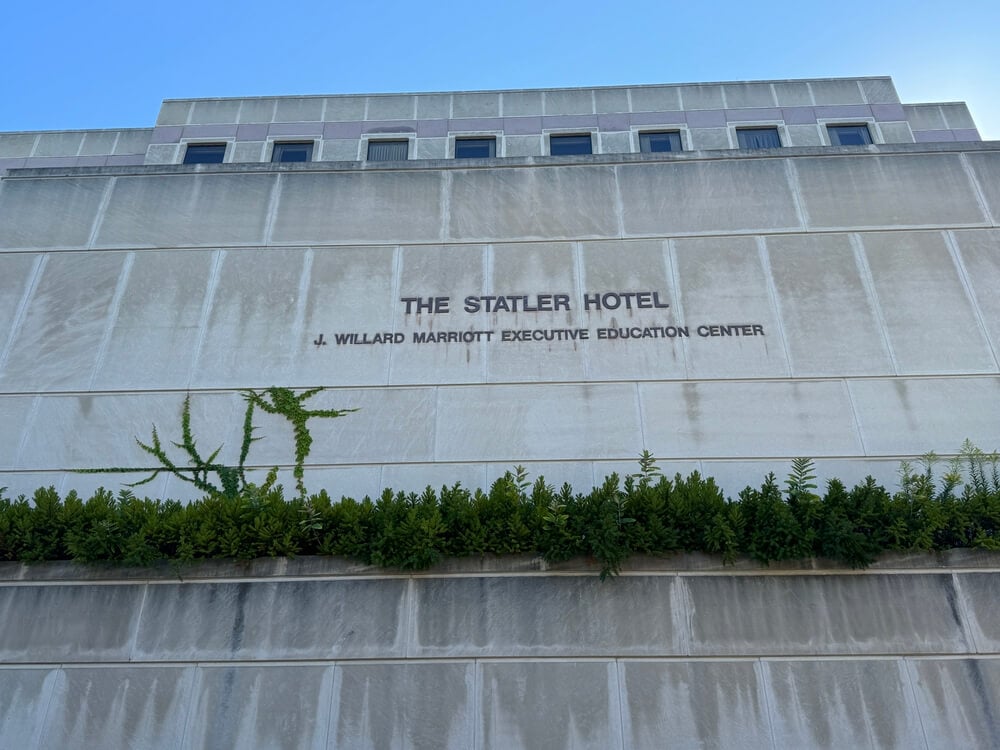
Detroit’s Statler Hotel, a grand early twentieth-century property in the city’s downtown, sat vacant for decades before its demolition in 2005 amid broader efforts to address the city’s blighted properties. Preservationists argued the building could still have been restored, and its loss is frequently cited in discussions of Detroit’s broader struggle to preserve its architectural inheritance during years of population decline.
The Philadelphia Broad Street Station
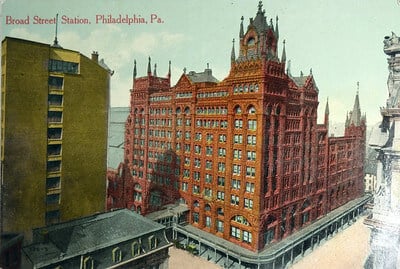
The Pennsylvania Railroad’s Broad Street Station in Philadelphia, a major terminal completed in 1893, was demolished in stages between 1950 and 1953 to remove what city planners at the time considered an obstruction to downtown development. Later generations of Philadelphia planners have pointed to the demolition as a loss of both architectural grandeur and a once-central civic gathering point.
The Bristol Hotel
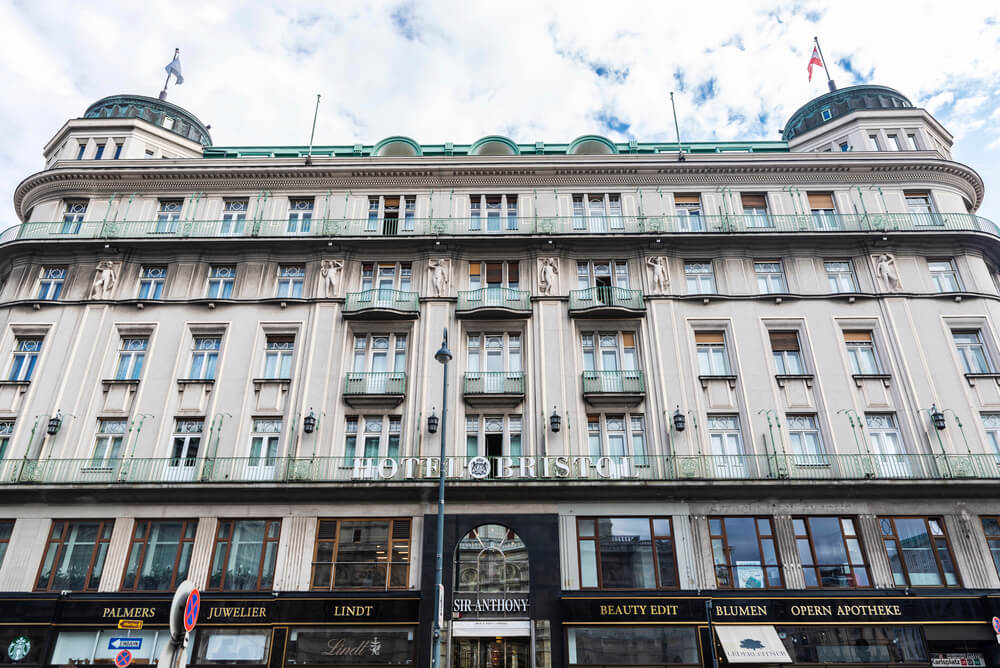
Warsaw’s original Bristol Hotel complex suffered heavy damage during the Second World War, and portions considered unsalvageable were cleared rather than restored, removing pieces of the city’s prewar streetscape entirely. Postwar Polish preservation efforts, most famously the full reconstruction of Warsaw’s Old Town, later reflected a national commitment to rebuilding exactly what earlier decisions had allowed to be lost.
The Boston West End
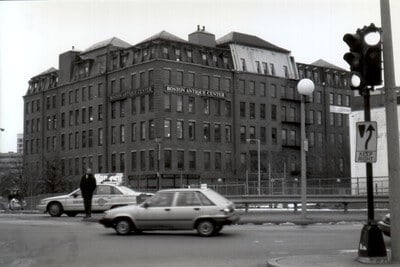
Boston’s West End neighborhood, a dense area of nineteenth-century tenements and small businesses, was almost entirely demolished in a 1958 urban renewal project that displaced thousands of residents. The clearance is now taught as a foundational case study in the failures of mid-century urban renewal policy, and it directly influenced how later American cities approached neighborhood redevelopment.
The Rand Tower’s Neighboring Row
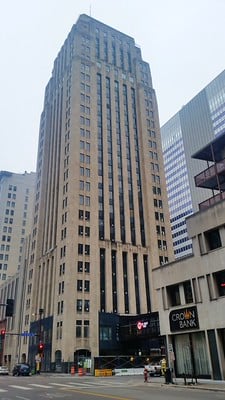
Kansas City’s Coates House Hotel complex lost several of its original connected structures over decades of piecemeal demolition, leaving only a fragment of what had been a prominent nineteenth-century hospitality landmark. Local preservation groups now point to the site as an example of how gradual demolition can be just as damaging as a single clearance project.
The Hippodrome Theatre
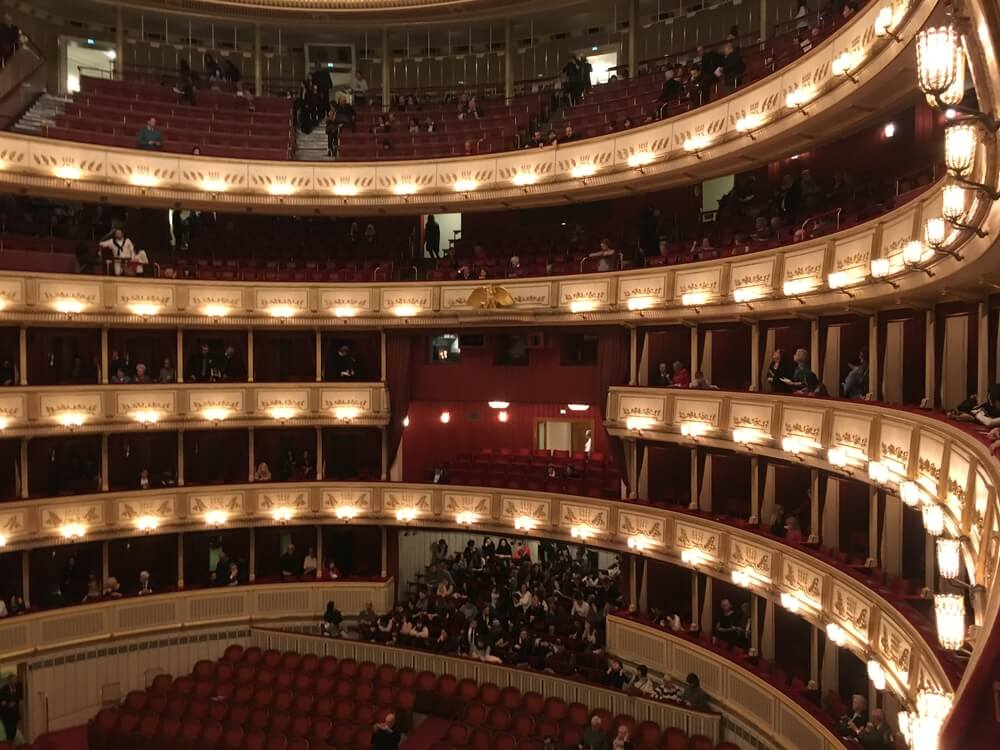
New York’s Hippodrome Theatre, an enormous entertainment venue completed in 1905 that could seat thousands and stage elaborate spectacles involving live animals and water tanks, was demolished in 1939 after falling out of financial viability. Theater historians regularly describe its loss as the disappearance of a scale of entertainment venue New York never rebuilt.
The Moffat Depot
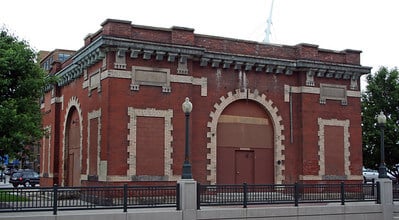
Denver’s Moffat Depot, a railroad terminal that served the city for decades, was demolished in 1979 after passenger rail service declined and the site was sold for redevelopment. Denver preservationists later pointed to the demolition as part of a wave of losses that prompted the city to adopt stronger protections for its remaining historic rail architecture.
The Rochester Four Corners Buildings
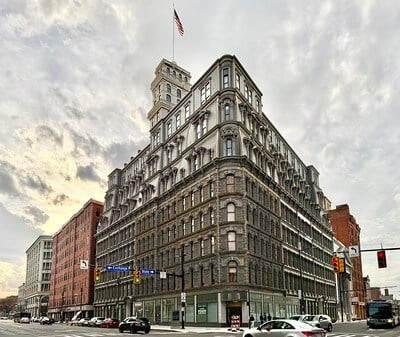
Several nineteenth-century commercial buildings at Rochester, New York’s historic Four Corners intersection were cleared in mid-century urban renewal efforts intended to modernize the downtown core. Later assessments by city planners concluded the clearance removed the very density and street character that made the district a functioning commercial hub in the first place.
The San Francisco Fox Theatre
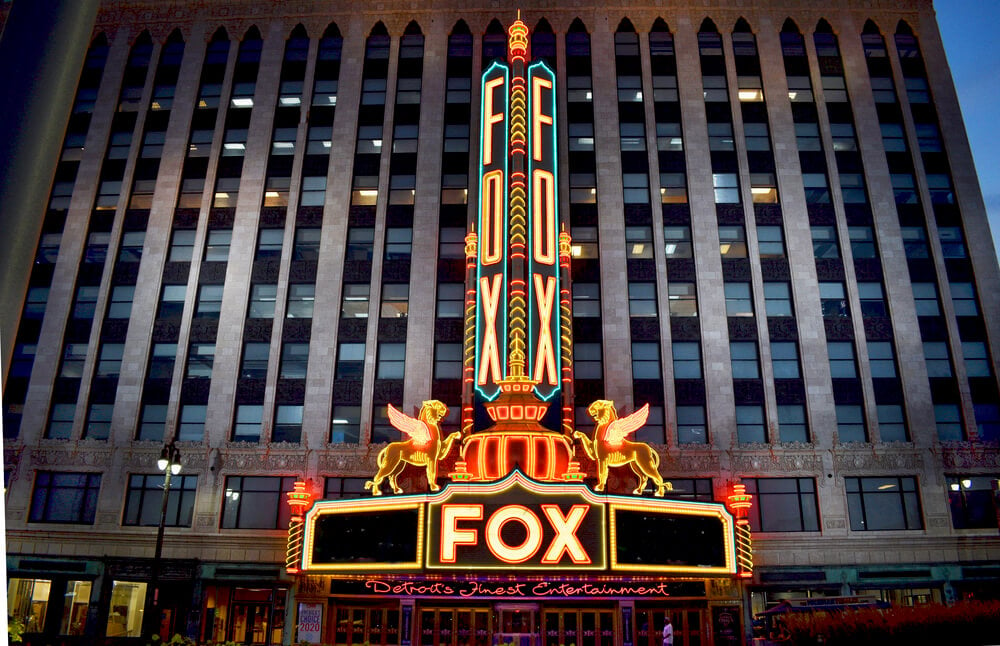
San Francisco’s ornate Fox Theatre, a movie palace completed in 1929 that could seat nearly five thousand people, was demolished in 1963 after its owners found the property more valuable as an office and apartment site. Its loss is still cited today whenever preservation debates arise over the city’s remaining historic theaters.
The Scollay Square District
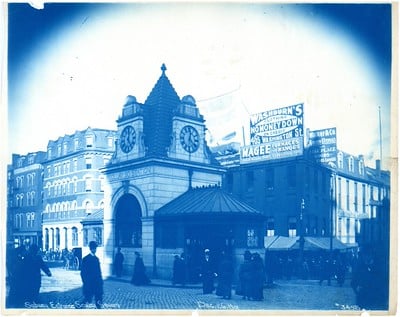
Boston’s Scollay Square, a dense entertainment and commercial district with roots reaching back over a century, was entirely cleared in the 1960s as part of the same wave of urban renewal that removed the nearby West End. City planners at the time considered the district blighted, while later historians have described the clearance as the erasure of one of Boston’s most distinctive urban neighborhoods.
The Cincinnati Albee Theatre
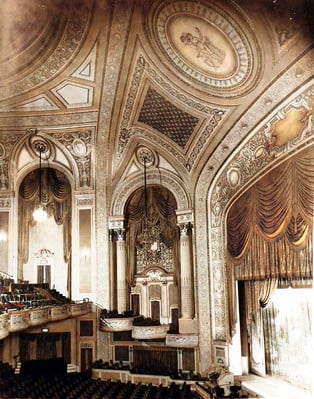
Cincinnati’s Albee Theatre, a lavish 1927 movie palace, was demolished in 1977 despite preservation efforts, though its ornate facade was salvaged and later incorporated into a different downtown building. The partial salvage is frequently cited locally as an inadequate substitute for saving the structure itself.
The Chicago Federal Building
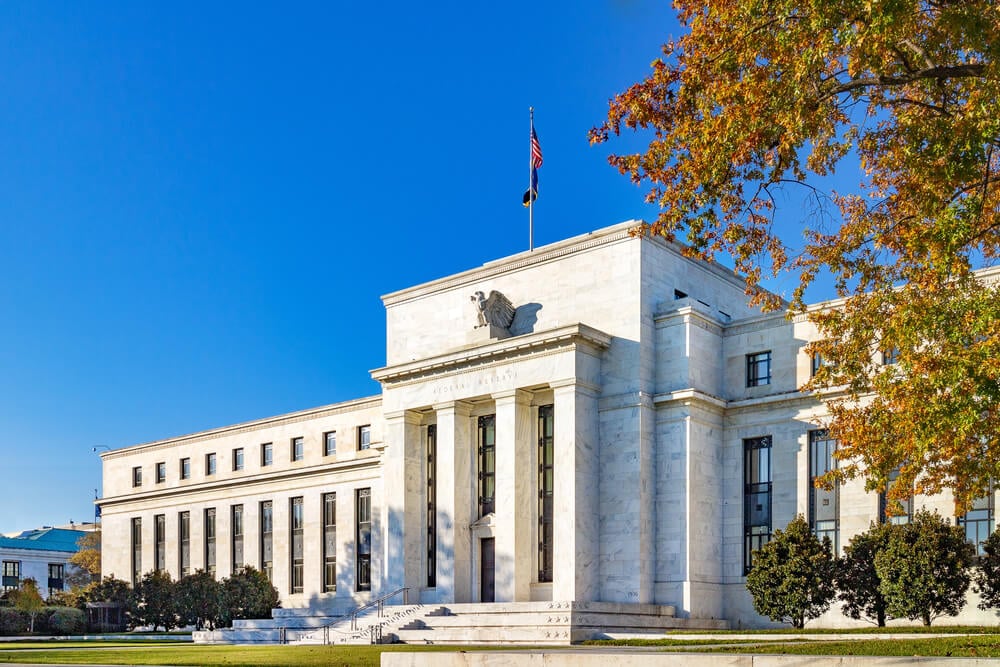
Chicago’s original Federal Building, a domed Beaux-Arts landmark completed in 1905, was demolished in 1965 to make way for a new federal complex designed by Ludwig Mies van der Rohe. Even admirers of the modernist replacement have noted that the city traded one architecturally significant building for another rather than gaining new civic space entirely.
The Waldorf-Astoria’s Original Building
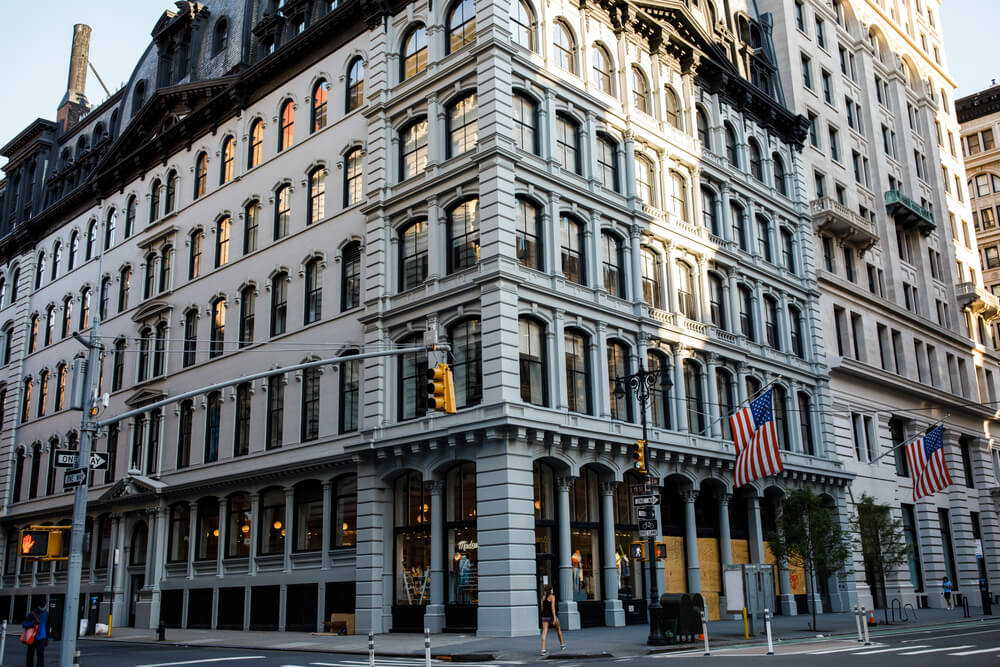
The original Waldorf-Astoria Hotel on Fifth Avenue, completed in stages beginning in 1893, was demolished in 1929 to clear the site for the Empire State Building. While the replacement became one of the most celebrated buildings in American history, architectural historians still note the irony that an equally grand hotel had to disappear first.
The Traymore’s Boardwalk Neighbors
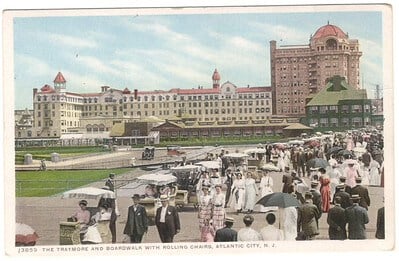
Several other grand Atlantic City hotels beyond the Traymore, including the Marlborough-Blenheim, were demolished during the same mid-century wave that reshaped the boardwalk for casino development. Preservationists now describe the loss of the entire hotel row, rather than any single building, as the real and irreversible damage to the city’s architectural identity.
The Buffalo Concourse
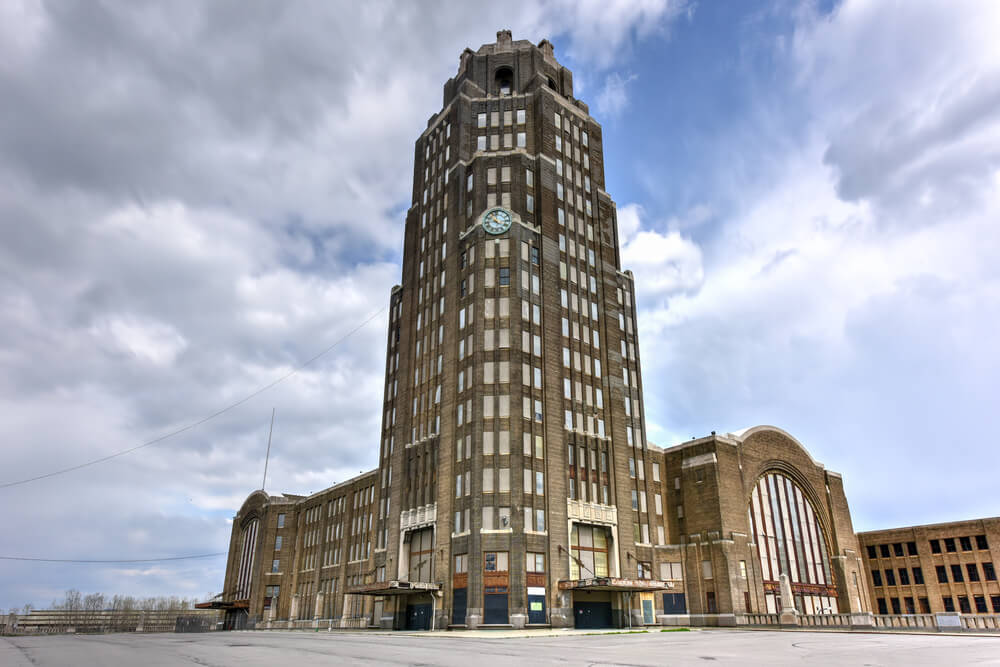
Buffalo’s downtown train concourse, a grand terminal built to serve the New York Central Railroad, was demolished in 1979 after decades of declining rail traffic left the building underused. Its loss is now frequently paired with that of the Larkin Administration Building in discussions of how much of Buffalo’s early twentieth-century architectural ambition the city eventually lost.
The Traveler’s Insurance Tower Annex
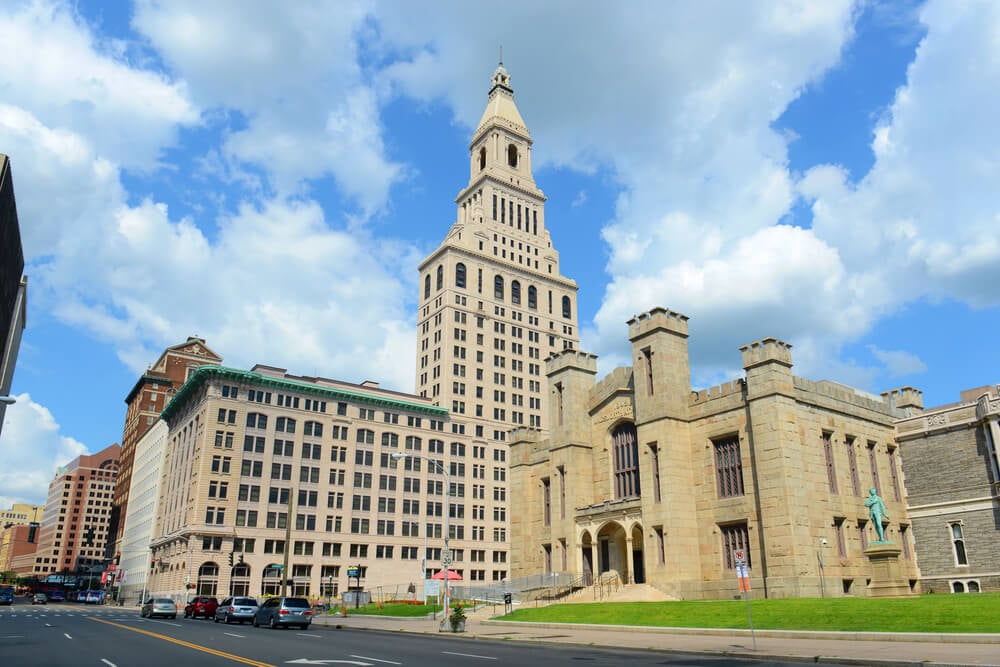
An ornate annex to a major insurance company’s headquarters complex in Hartford was cleared in a mid-century modernization project that replaced decorative nineteenth-century commercial architecture with a plainer functional structure. Hartford preservation advocates now cite the change as part of a broader regional pattern in which insurance company modernization projects quietly erased some of the city’s most distinctive commercial buildings.
The City That Tears Itself Down
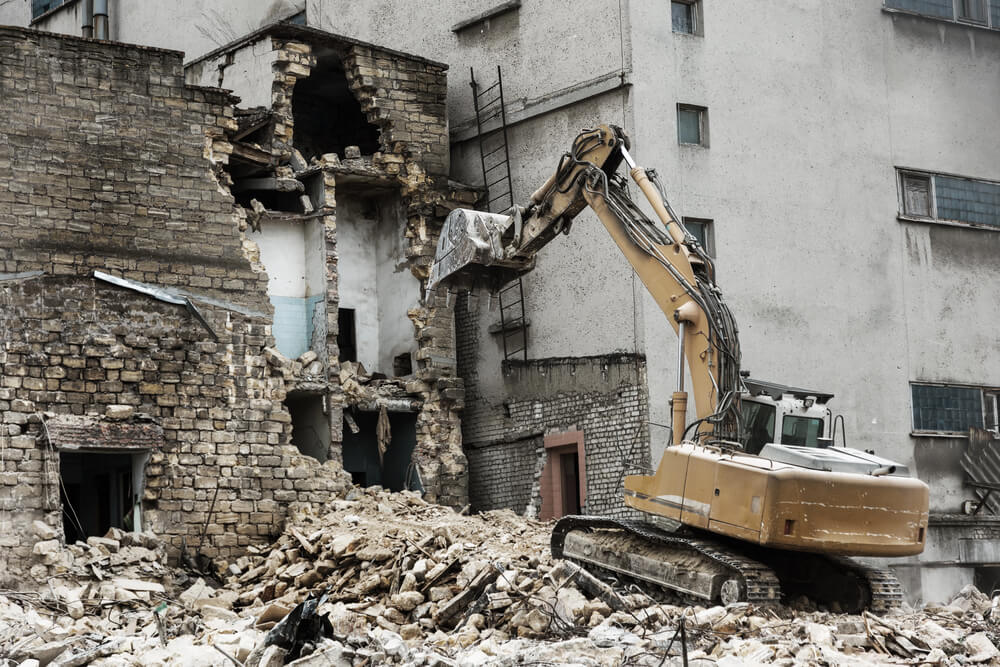
Almost none of these demolitions were reckless in the moment. City officials, developers, and sometimes the buildings’ own owners judged, each time, that the site was worth more without the structure standing on it.
Land values, traffic patterns, and a genuine belief in modernization all played a role, and in a few cases so did outright neglect dressed up as necessity. The regret came later, and it came almost every time.
What these twenty-eight buildings share is not architectural style or geography but the same delayed realization: that a landmark, once gone, cannot be rezoned back into existence. Several of the preservation laws now protecting other buildings around the world exist only because one of these was lost first.
More from Go2Tutors!

- The Romanov Crown Jewels and Their Tragic Fate
- 13 Historical Mysteries That Science Still Can’t Solve
- Famous Hoaxes That Fooled the World for Years
- 15 Child Stars with Tragic Adult Lives
- 16 Famous Jewelry Pieces in History
Like Go2Tutors’s content? Follow us on MSN.



