Unusual Ways People Measured Time
Before clocks and smartphones ruled everyone’s schedules, humans got creative with tracking the hours. People used everything from burning candles to tracking shadows, and some methods were stranger than others.
The need to measure time pushed civilizations to observe nature, experiment with tools, and sometimes come up with solutions that seem bizarre today. Let’s look at some of the most interesting ways humans figured out what time it was.
Water clocks in ancient Egypt

The Egyptians built containers that dripped water at a steady pace, marking time by how much liquid remained. These clepsydras, as they called them, worked day and night unlike sundials.
Temple priests used them during ceremonies and star observations. The design was simple but effective, with marks on the inside showing different hours as the water level dropped.
Candle clocks with metal pins
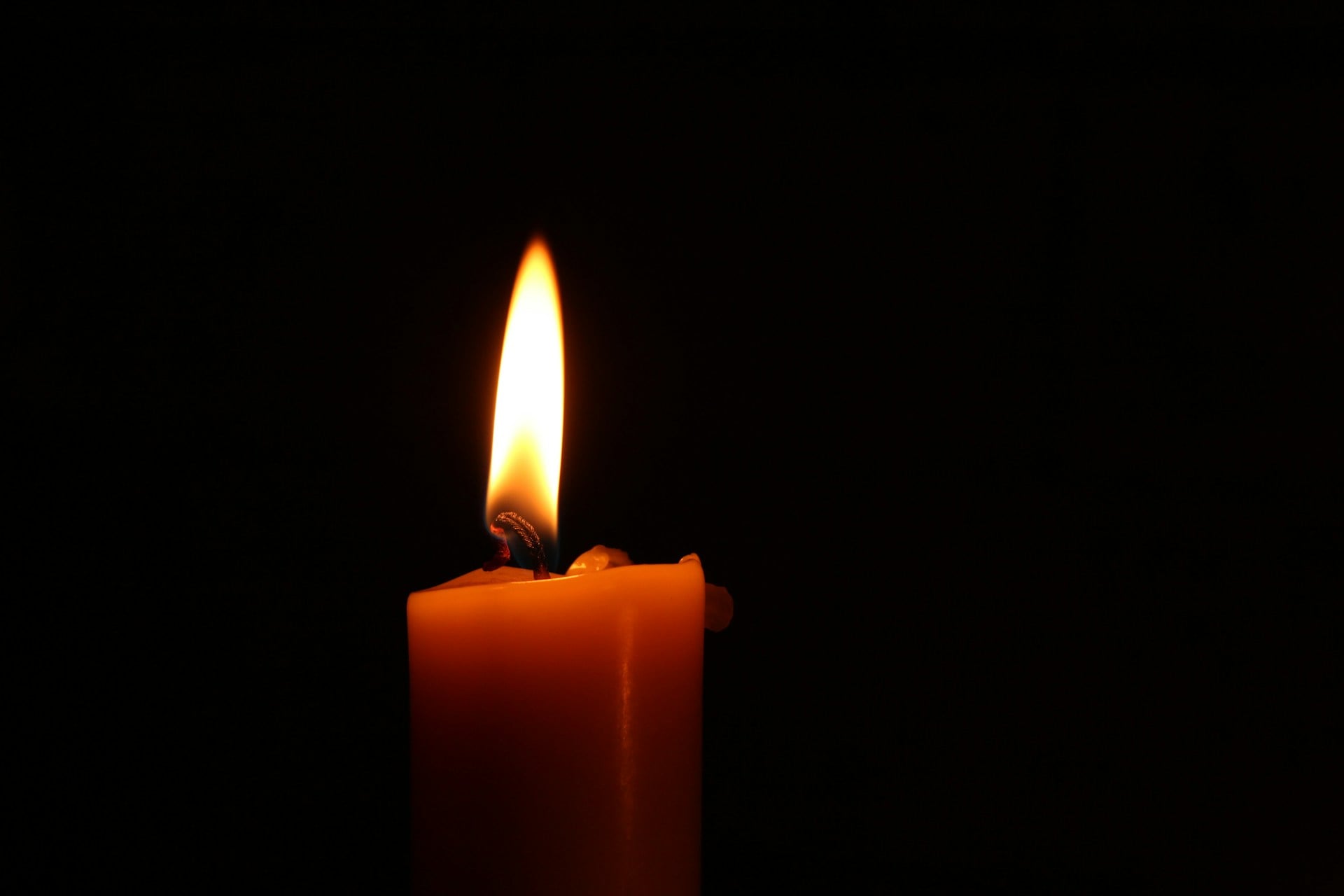
European monks stuck metal pins into candles at regular intervals down the wax. As the candle burned, each pin would drop and clang into a metal plate below.
The noise woke monks for midnight prayers or signaled time for the next activity. Some candles had different colored sections, making it easy to see roughly how much time had passed at a glance.
Incense sticks in China

Chinese temples burned specially designed incense sticks that took hours to burn completely. Merchants and officials used them to time meetings or meditation sessions.
Different scents marked different hours, so people could literally smell what time it was. The method worked indoors and wasn’t affected by weather, making it more reliable than outdoor options.
Shadow sticks before sundials

Ancient civilizations stuck simple sticks in the ground and watched where shadows fell. The shadow’s length and direction changed as the sun moved across the sky.
Farmers used this basic method to know when to break for meals or head home. It was the earliest form of a sundial, requiring nothing more than a stick and sunny weather.
Rope with knots for sailors

Sailors threw a rope with evenly spaced knots overboard while someone counted how many knots passed in a specific time. This measured the ship’s speed, and they called the measurement ‘knots,’ which stuck as a nautical term.
A sand timer called an hourglass ran for a set period while the rope unspooled. The system helped ships navigate and estimate arrival times across open water.
Oil lamps with marked reservoirs
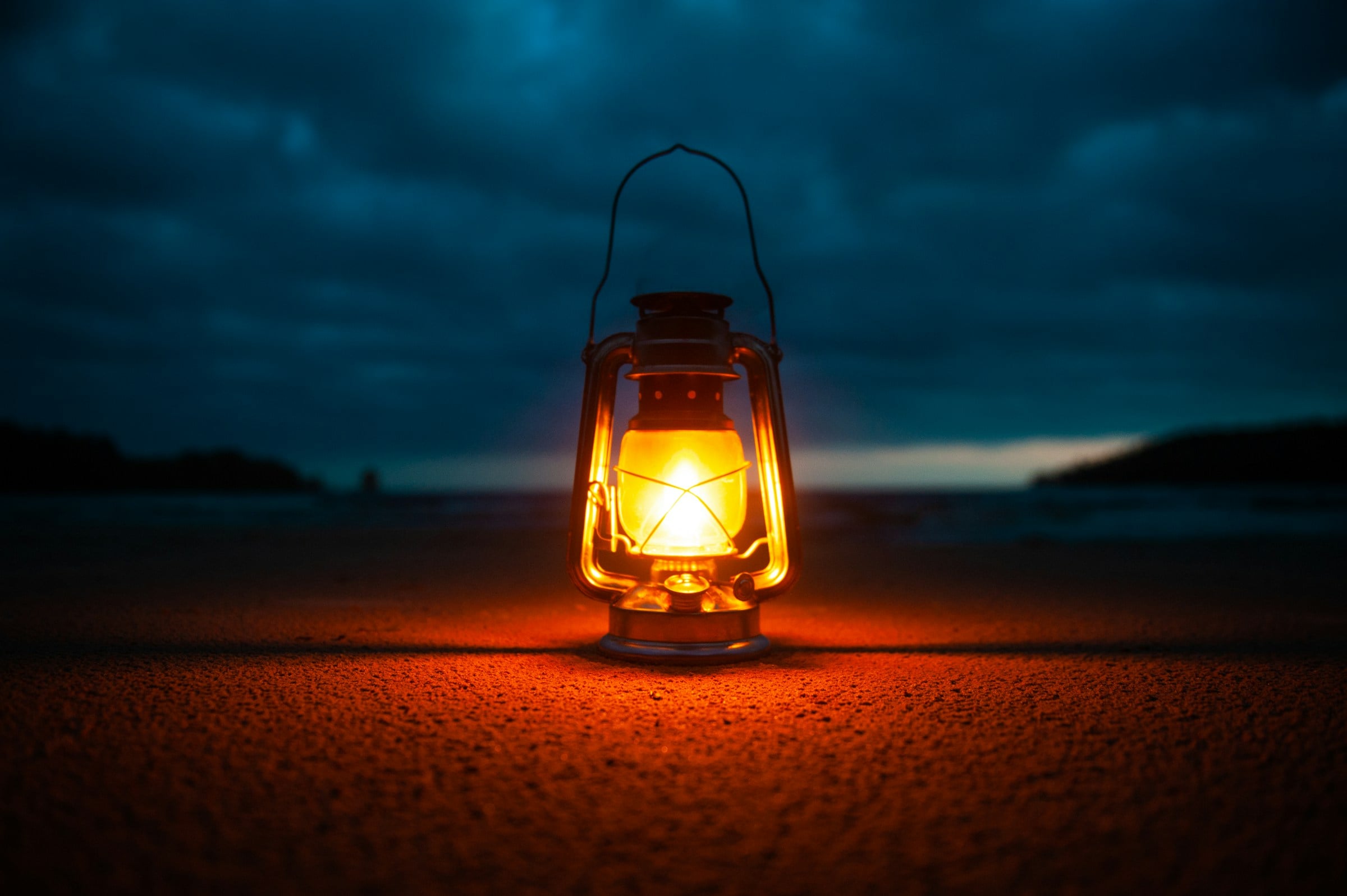
People filled lamps with measured amounts of oil and tracked time by watching the fuel level drop. The lamps had lines etched on clear glass or marks on the side of metal containers.
Different oils burned at different rates, so users had to calibrate their lamps carefully. This method gave light and tracked time simultaneously, serving two purposes.
Sundials with multiple gnomons

Advanced sundials had several shadow-casting pieces pointing in different directions. These complex designs could track different time zones or adjust for seasonal changes.
Wealthy Romans installed elaborate sundials in their gardens as both functional tools and status symbols. The shadow’s position on numbered sections told the hour with surprising accuracy on clear days.
Hourglasses filled with sand
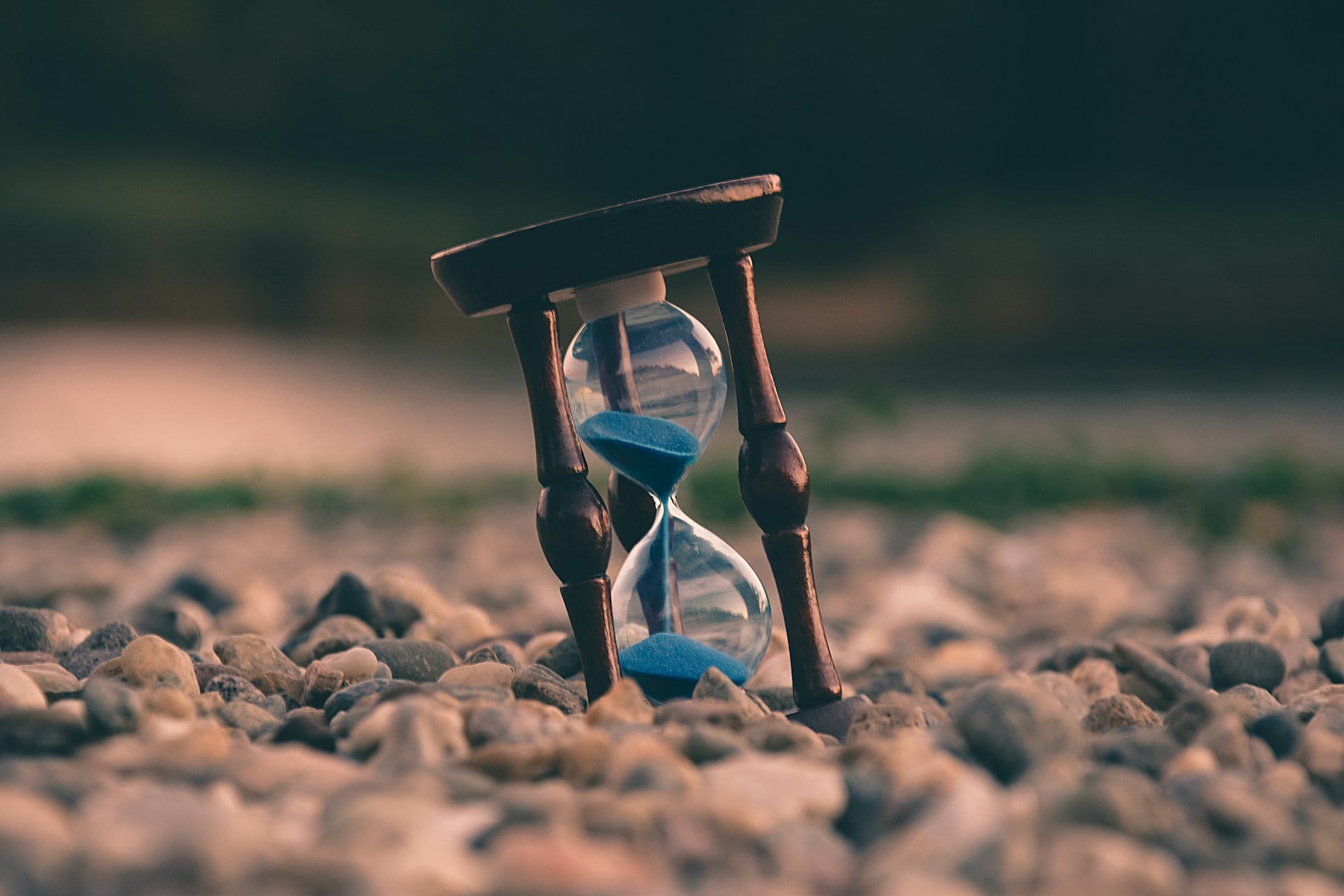
Glass bulbs connected by a narrow neck let sand trickle from top to bottom at a constant rate. Sailors and merchants relied on these because they worked regardless of weather or location.
Different sized hourglasses measured different spans, from minutes to hours. People simply flipped them over when the sand ran out to start timing again.
Cathedral floor mazes as solar calendars

Some European cathedrals built elaborate floor patterns that caught sunlight through specific windows. The light moved across the maze design throughout the year, marking seasons and important religious dates.
Priests used these patterns to calculate when Easter would fall each year. The floors combined art, architecture, and astronomy into one timekeeping system.
Rooster crows in rural villages

Farm communities relied on roosters crowing at dawn to wake everyone up. The birds naturally called out when light appeared, giving a rough but reliable morning signal.
Villagers planned their day around this natural alarm and other animals’ behaviors. Cows needing milking at regular times also helped structure the daily schedule.
Measured prayer lengths
Church groups used prayer lengths to mark time. Instead of machines, they relied on spoken rituals.
One chant ran nearly fifteen minutes; another closer to sixty. These sounds set the rhythm for each day’s work.
Voices replaced gears, yet stayed steady. No gadgets needed – just memory and routine.
Tidal patterns for coastal communities
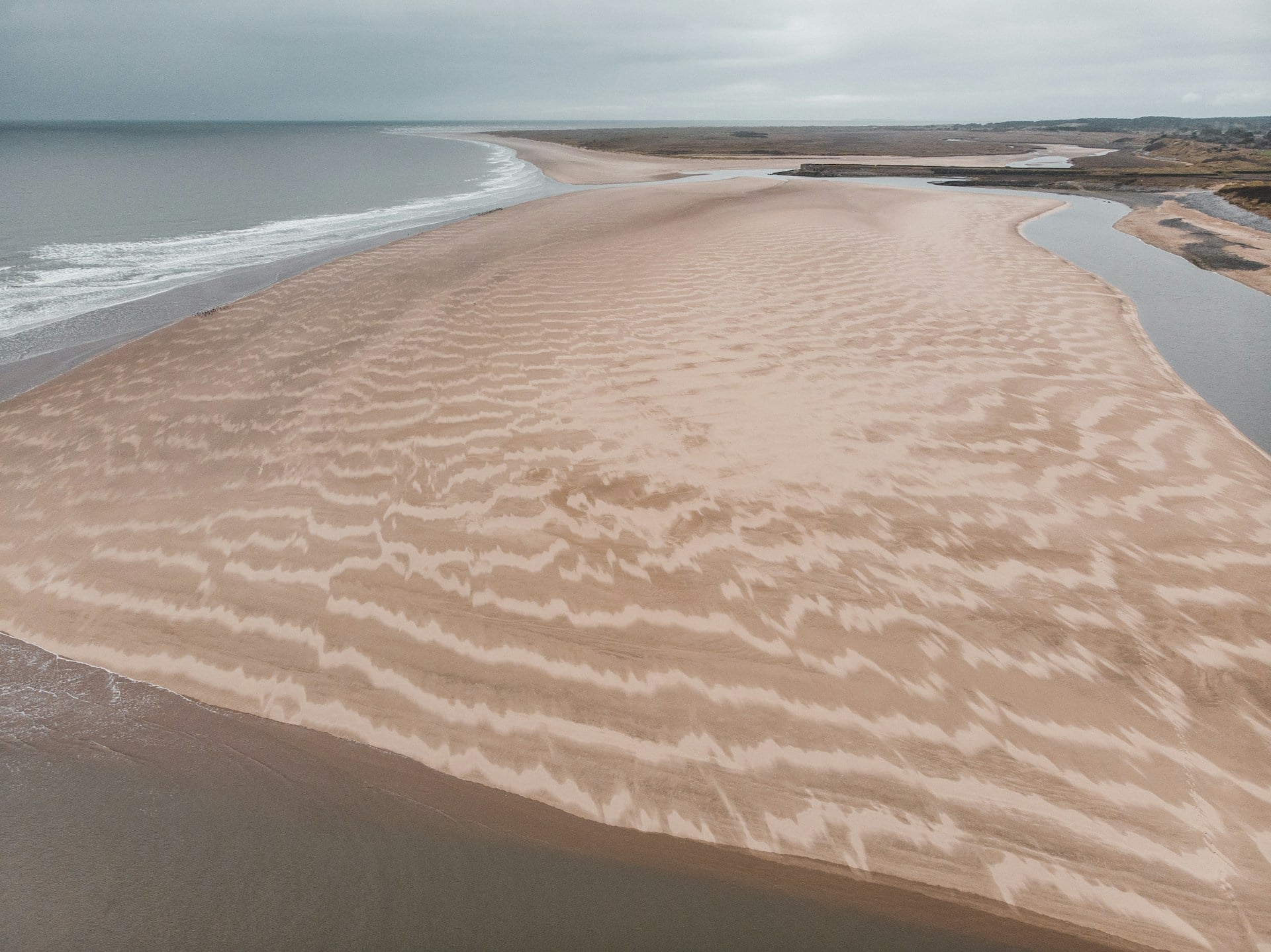
Folks by the sea kept track of time just by eyeing how waves rolled in and pulled back. Every twelve hours or so, it happened like clockwork – good for timing when to head out catching fish or sailing off.
That info about weird local wave habits? Handled down from parents to kids over years. From land, the whole moving sea looked like one giant ticking timer.
Plant movements through the day

Certain blooms crack open at set hours, yet shut later on – like a green-hued timer. Swedes used to grow these ‘time gardens’, slotting plants by when they stretch awake.
A passerby might guess noon just from which petals faced the sun. It wasn’t perfect; needed care, still ticked along fine under clear skies.
Melting ice in Persia

Ancient Persians in warm areas relied on ice that thawed steadily. Stored beneath ground in unique rooms, the melting showed how much time passed.
This worked well when it wasn’t too hot or cold. As ice turned to water, they tracked what pooled to mark intervals.
Heartbeat gaps are brief moments between beats

Doctors once timed things using their heartbeats instead of tools. Since a fit grown-up’s pulse doesn’t change much, it worked well for short tasks.
That natural rhythm didn’t need any gadgets at all. Even now, med pros check beats per minute when giving physicals.
Singing specific songs

Some groups hummed old melodies everybody recognized – they’d play out over set minutes. Out in the farms, people timed rest stops or tasks by those tunes instead of clocks.
A steady beat plus known duration gave a loose yet common pace across folks nearby. Knowing the same music meant they lived in step without trying.
Stars drifting across the dark sky

Astronomers plus sailors watched key stars shift overhead during dark hours. Some star patterns showed up only in certain months, depending on the season.
Polynesian seafarers followed these routes across vast stretches of ocean while guessing time passed by their position. For anyone skilled enough to understand, the heavens worked like a massive ticking clock.
Timing links what came before with now

People once shaped their days by ancient ways of tracking time – proof we’ve always craved order. Today’s world ticks with atomic precision and space signals, yet the urge to mark moments stays strong.
Old-time habits live on in sayings such as ‘working late into the night’ or using nautical miles for pace. How folks dreamed up clever fixes back then shows challenges spark smart answers, no matter when you’re living.
More from Go2Tutors!

- The Romanov Crown Jewels and Their Tragic Fate
- 13 Historical Mysteries That Science Still Can’t Solve
- Famous Hoaxes That Fooled the World for Years
- 15 Child Stars with Tragic Adult Lives
- 16 Famous Jewelry Pieces in History
Like Go2Tutors’s content? Follow us on MSN.



