27 Items Households Throw Out That Buyers Want
Most decluttering guides point straight at the trash bag, but resellers know better. Some of the objects that get tossed first during a cleanout are the same ones that move fastest once they hit an online marketplace, often within days of listing.
Broken Costume Jewelry
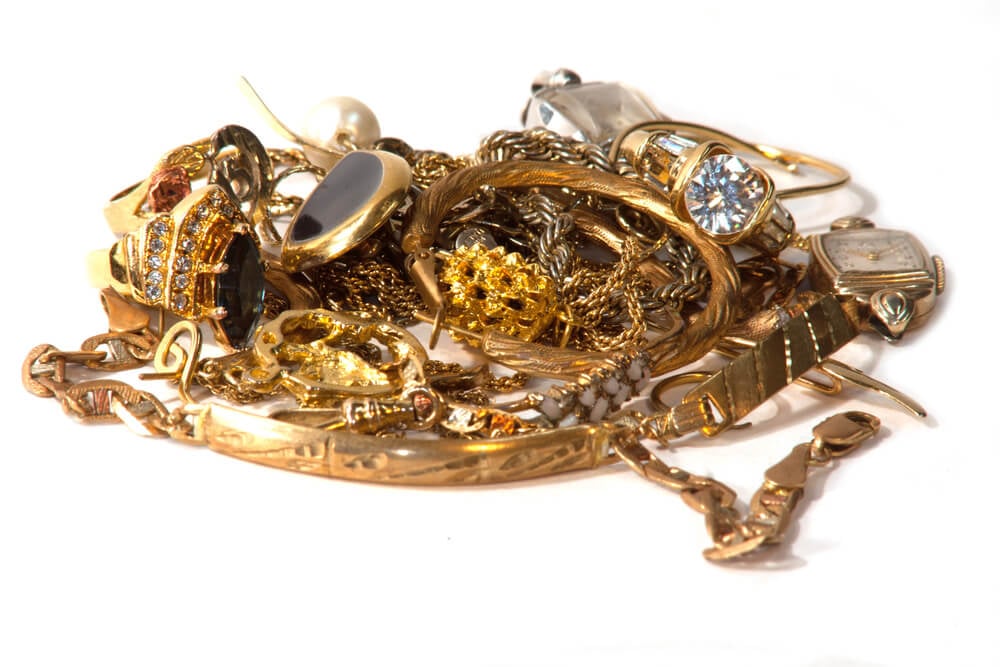
Tangled necklaces with missing clasps and single earrings get pitched constantly, but scrap gold and silver buyers pay by weight for the findings, and vintage rhinestone pieces are frequently worth more broken up for parts than a matching set would suggest. A single unmarked brooch can carry more resale value than an entire jewelry box of intact but generic pieces.
Old Phone Chargers and Cables
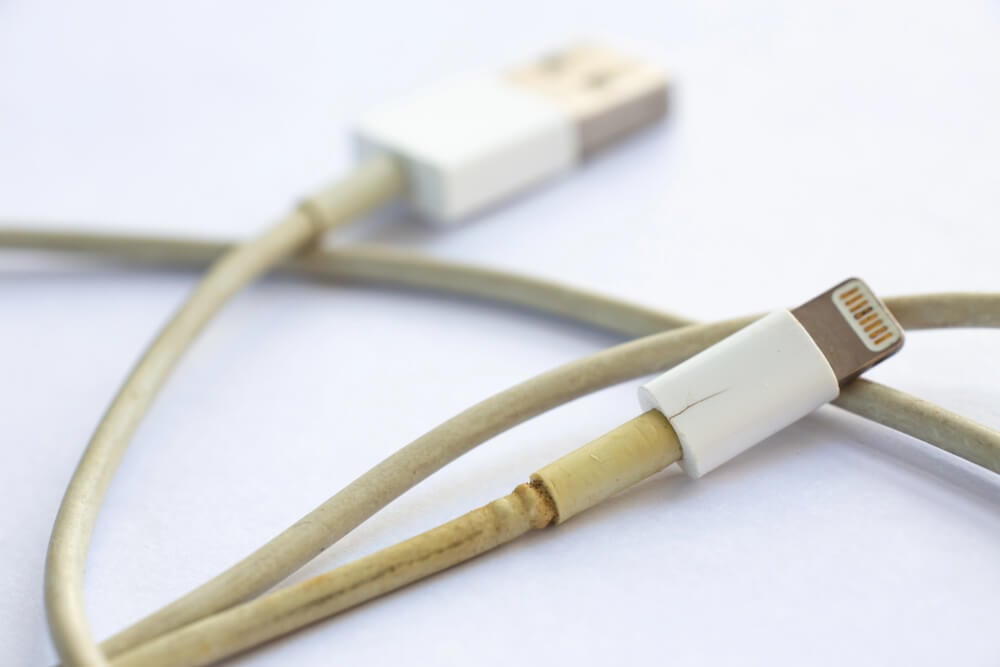
Proprietary cables for discontinued phone models, tablets, and cameras are pulled from junk drawers and thrown away by the handful, yet electronics repair shops and secondhand device sellers actively hunt for them because manufacturers stop producing replacements within a few years of a model’s release. Original Apple 30-pin connectors now regularly outsell newer USB cables on resale sites.
Expired Coupons and Rebate Slips

Store circulars and rebate forms seem worthless once the deadline passes, but coupon collectors and scrapbook suppliers buy them in bulk for their graphic design, especially mid-century grocery store promotions with illustrated mascots. Complete uncut coupon sheets from the 1960s and 1970s sell for several times their original face value.
Mismatched Silverware
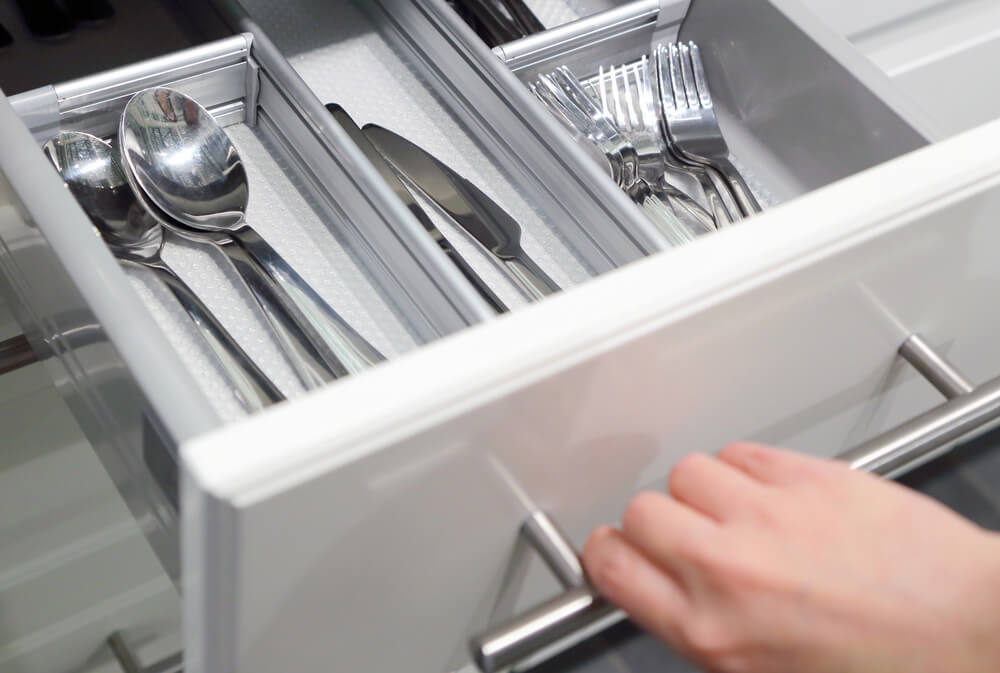
A drawer with three forks from one set and two spoons from another usually ends up donated or discarded, but silver-plated flatware in discontinued patterns is sought by people replacing pieces lost from an inherited set. Individual serving pieces in a popular pattern like Rogers Bros. can outsell an entire modern set.
Old Prescription Glasses
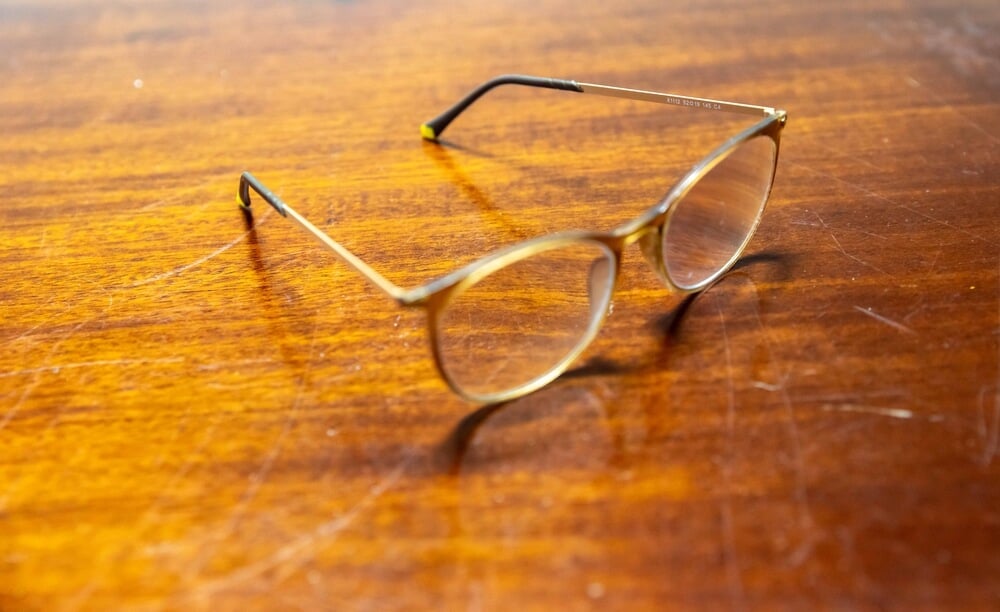
Outdated eyewear gets swept into a donation bin without a second look, but frame collectors and costume designers pay for vintage cat-eye and horn-rim styles regardless of the prescription, since lenses are simply swapped or removed. Frames from defunct opticians with metal hinges from the 1950s command the highest prices.
Worn Leather Belts
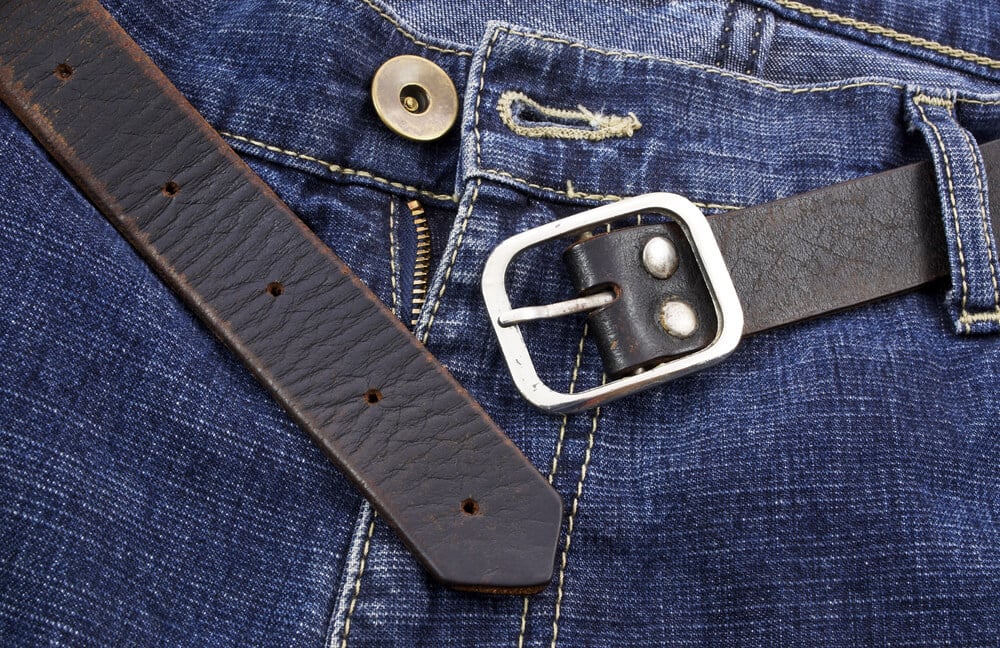
A cracked belt looks like garbage, but the buckles are frequently solid brass or sterling silver and separate easily from the strap. Rodeo trophy buckles and military dress buckles in particular are pulled and resold individually for many times what the belt itself was worth.
Half-Used Cologne and Perfume Bottles

Discontinued fragrances get poured out and the bottles recycled, but perfume collectors buy partially full bottles of formulas no longer in production, since the scent itself is the product being purchased, not the packaging. A half-full bottle of a retired designer fragrance can outsell a full bottle of something still on shelves.
Old Board Game Pieces

A board game missing its box or instructions gets discarded as incomplete, but the wooden pawns, dice, and metal tokens are bought separately by hobbyists building custom games or replacing lost pieces from a family heirloom set. Vintage Monopoly tokens in early designs sell individually for more than a modern complete game.
Retired Bank Passbooks and Checkbooks
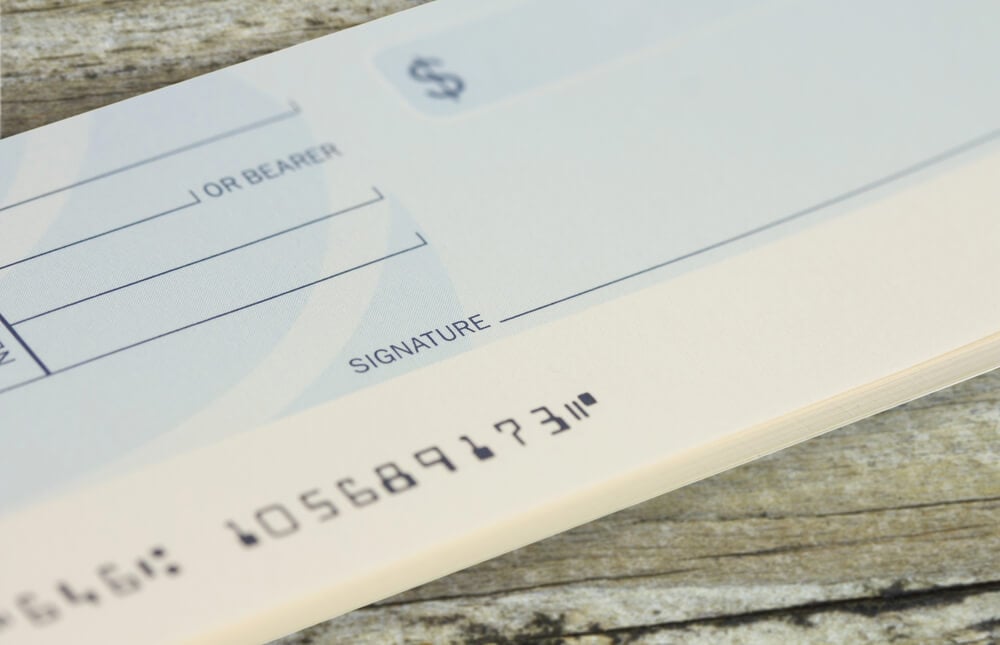
Old bank documents feel like clutter meant for shredding, but ephemera collectors buy passbooks and checks from defunct regional banks for their printed artwork and historical branding. A checkbook from a bank that no longer exists can be worth more blank than filled out, provided personal information is redacted.
Chipped Dinnerware
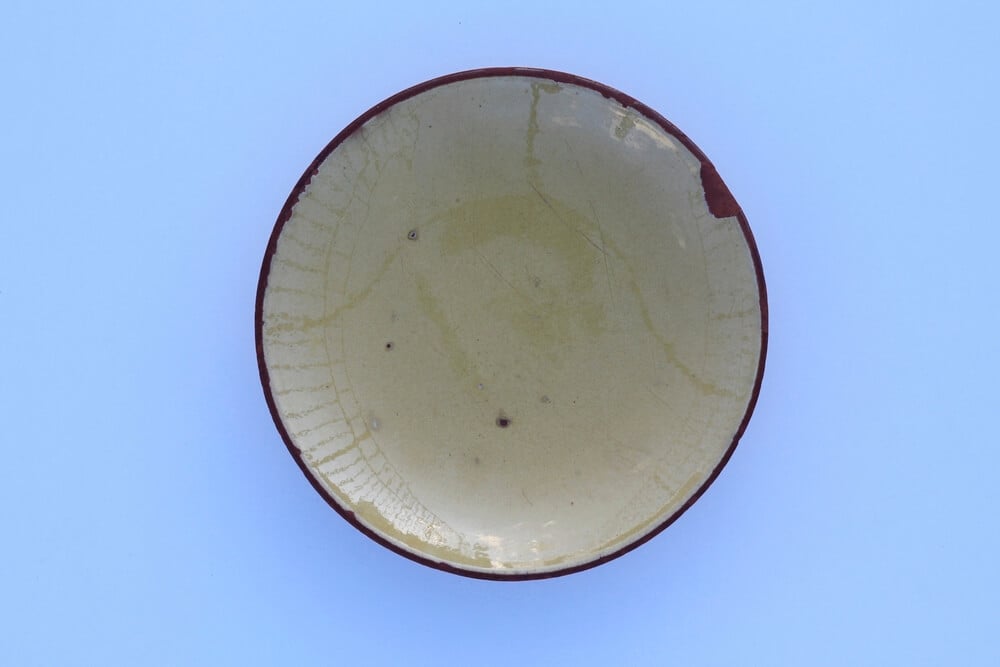
A single chipped plate from an otherwise complete set gets tossed first, but discontinued patterns from makers like Franciscan or Homer Laughlin are in constant demand from people trying to replace one broken piece from a set they already own. Sellers who specialize in pattern matching will buy a single damaged plate just to salvage the maker’s mark.
Old Maps and Road Atlases
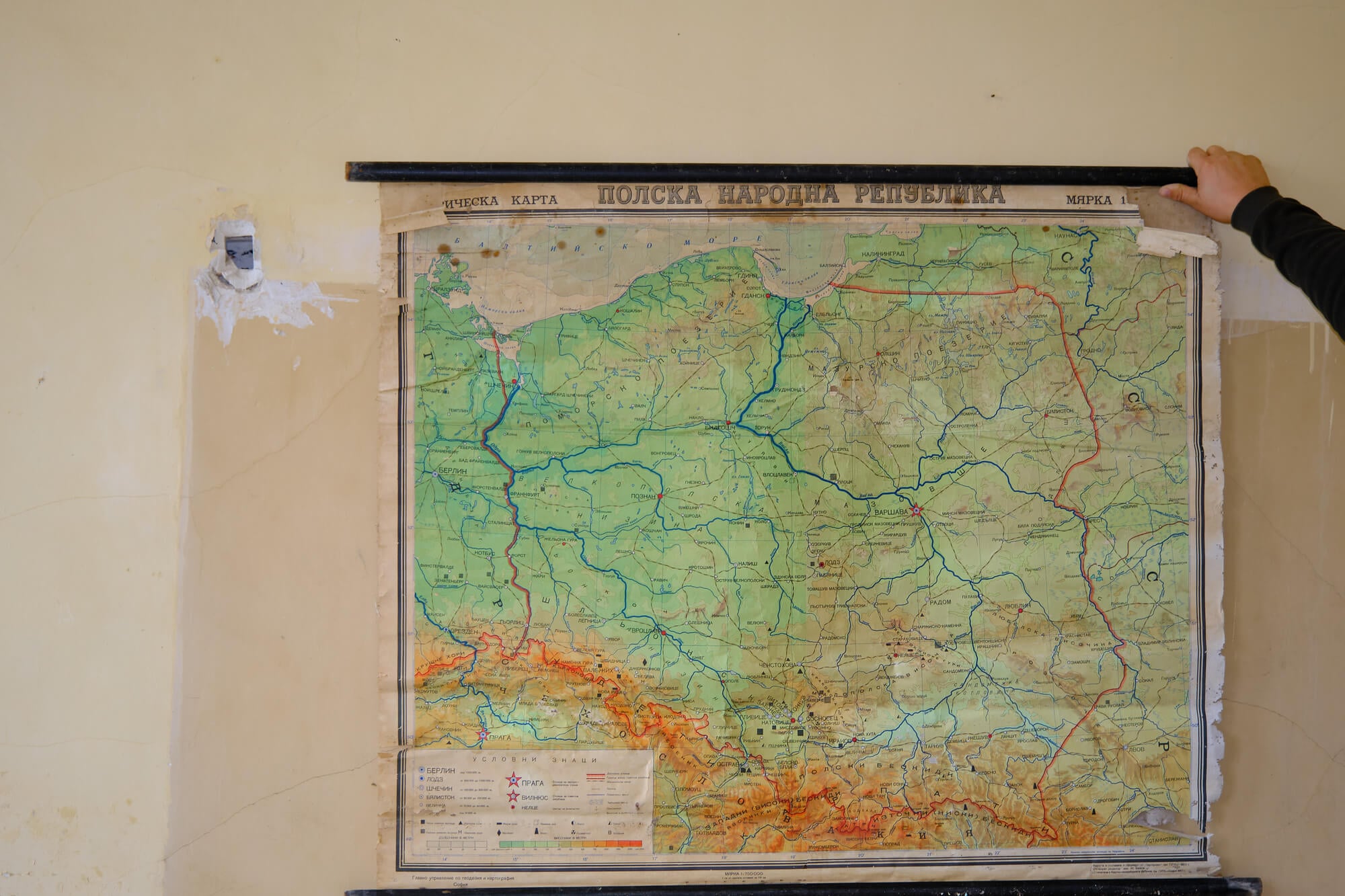
Paper road atlases are considered obsolete the moment a phone has GPS, but gas station giveaway maps from the 1950s through 1970s are collected for their cover art and advertising, especially ones branded with defunct oil companies. Complete sets from a single company’s annual map series sell for considerably more than any individual year.
Broken Wristwatches
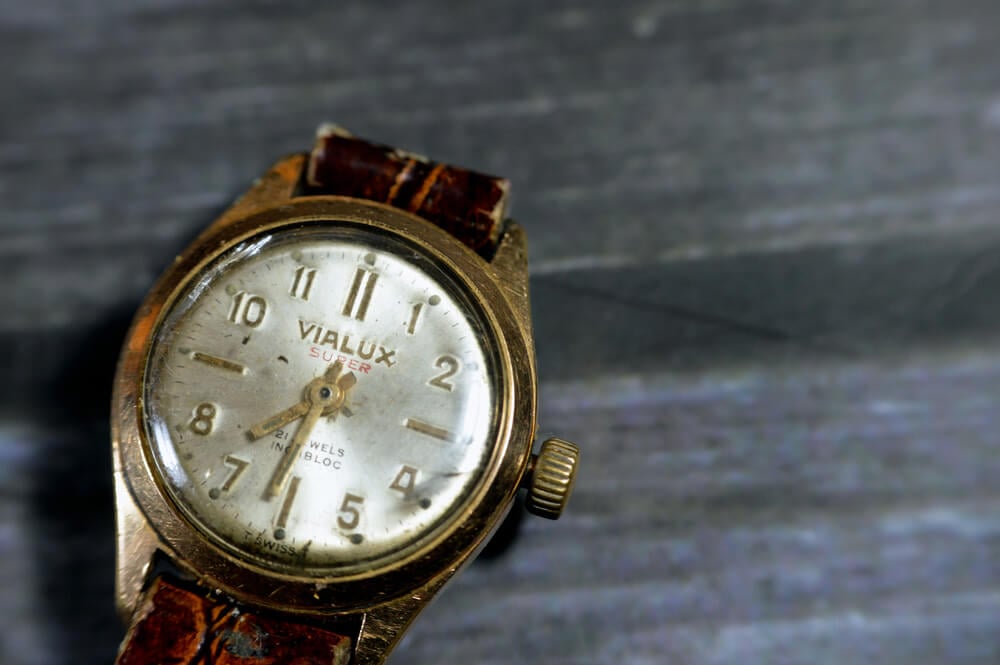
A stopped watch with a cracked crystal seems destined for the trash, but the movement inside is often intact and salvageable, and watchmakers buy nonworking pieces for parts. Cases from well-known manufacturers are stripped for their gold content even when the mechanism cannot be repaired.
Old Sewing Patterns
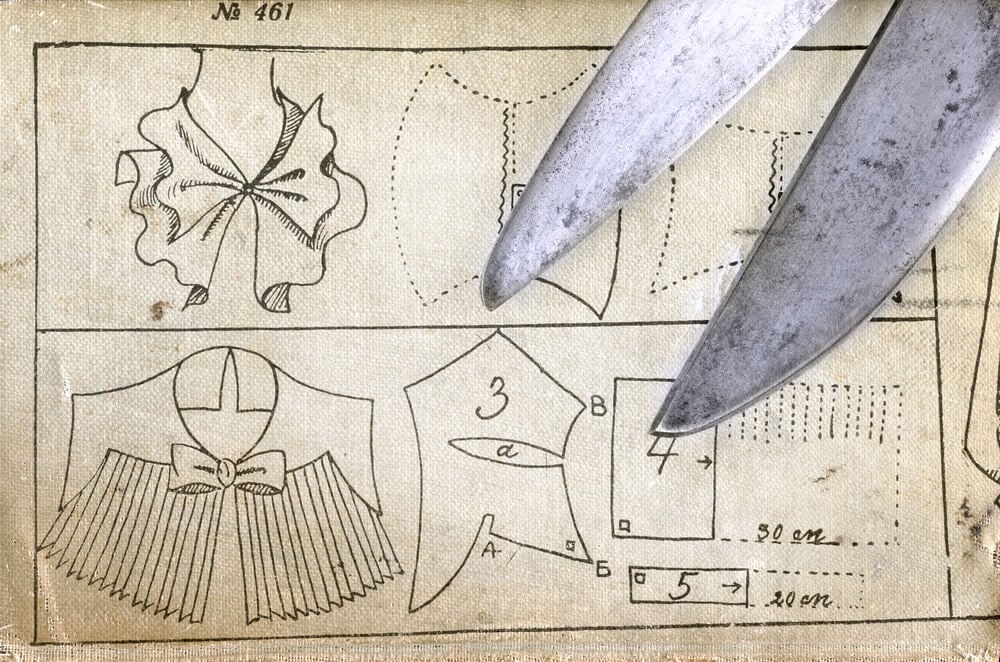
Tissue paper patterns yellow and tear, making them look like scrap paper, but pattern collectors and costume historians buy them by decade and designer, particularly envelopes from Vogue Paris Original releases. An uncut pattern in its original envelope sells for far more than one that has already been used.
Discontinued Makeup Compacts
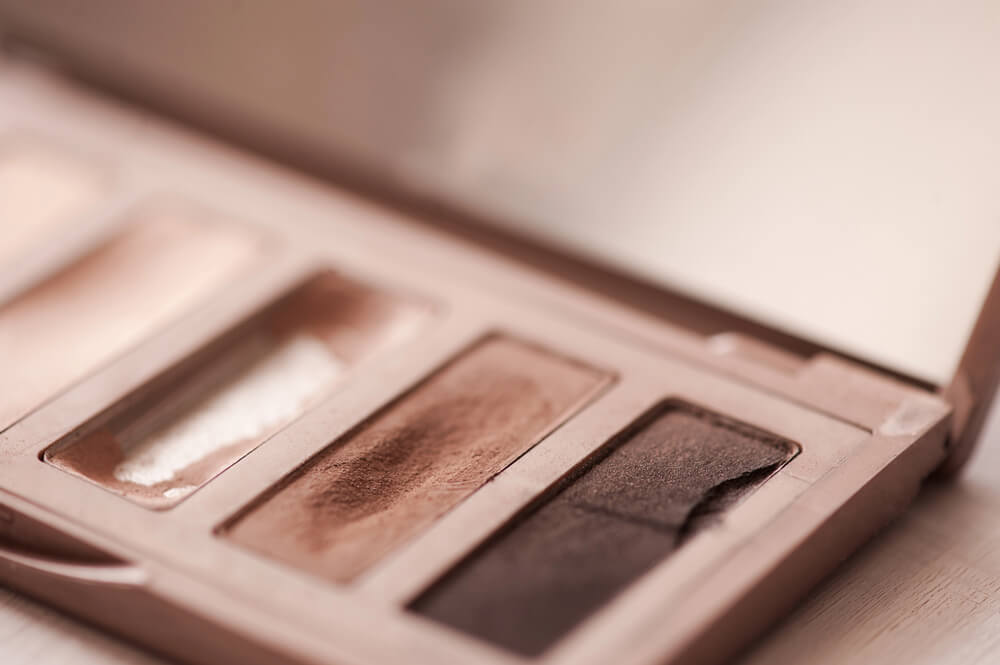
Empty or broken powder compacts get thrown out once the product runs dry, but vintage compact collectors buy the cases themselves for the metalwork and enamel design, independent of what was originally inside. Figural compacts shaped like objects other than a simple circle carry the strongest demand.
Old License Plates
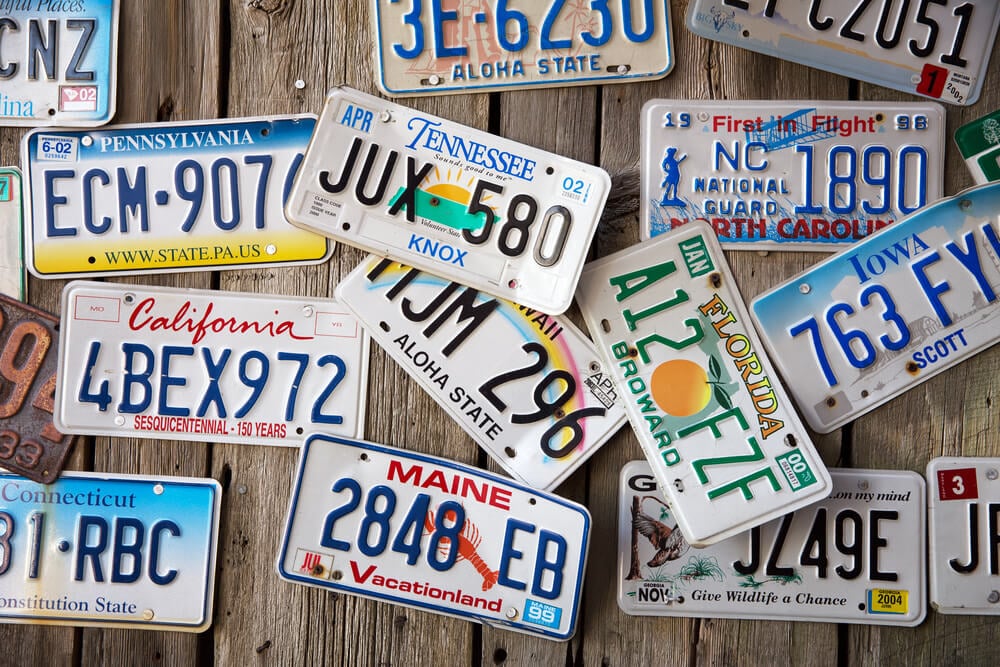
A garage cleanout usually sends rusted plates straight to scrap metal, but plate collectors organize entire collections by state and year, and early plates made of porcelain-coated steel rather than stamped aluminum are especially sought. A single plate from a low-population state’s earliest issuing year can fund an entire collection of common plates.
Torn Concert Ticket Stubs
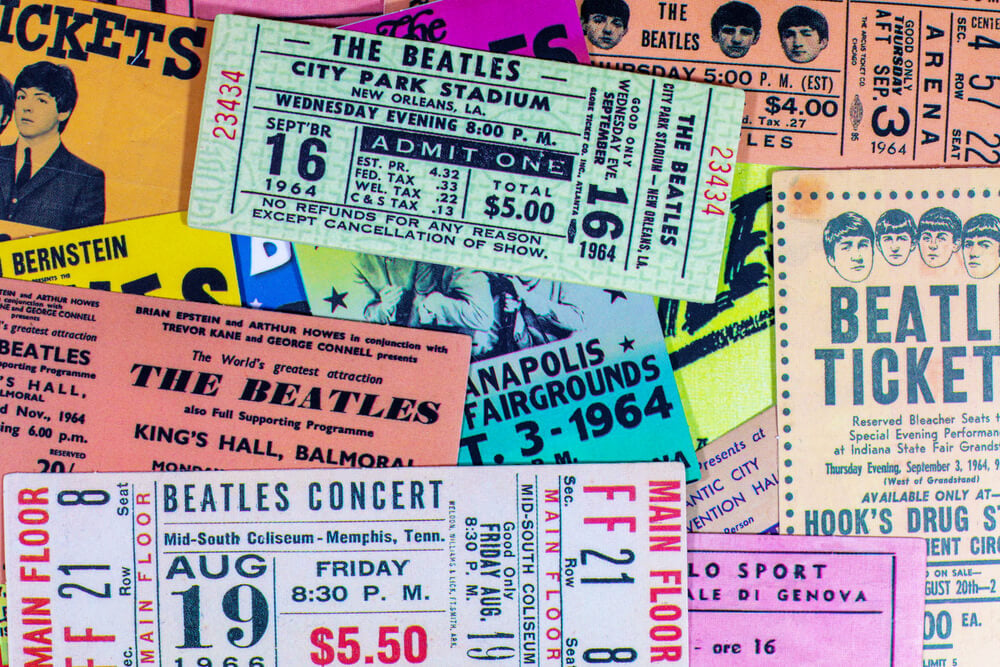
A used ticket stub feels like the definition of trash once the show is over, but music memorabilia collectors buy stubs from notable tours and venues, particularly ones that still show the original price and seat location. Stubs from a performer’s early club shows before wider fame often outvalue stubs from later stadium tours.
Old Fabric Scraps and Quilt Squares
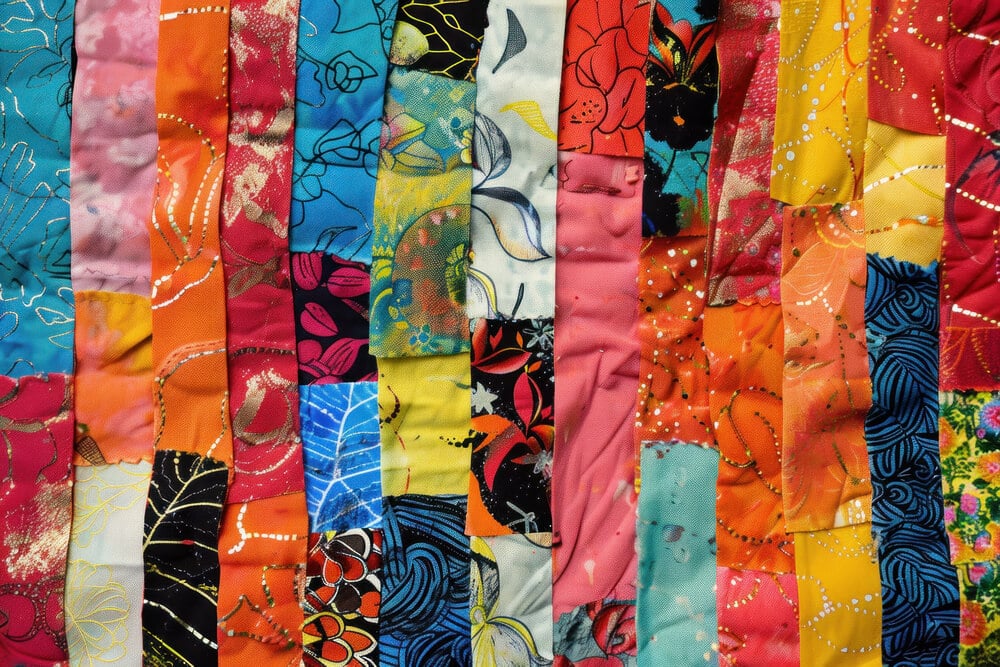
Leftover fabric from a sewing project gets bagged for the trash, but quilters buy vintage feed sack material and 1970s calico prints by the piece to complete restoration projects on damaged antique quilts. Fabric that matches a discontinued print pattern is worth far more than new fabric of similar quality.
Broken Umbrellas
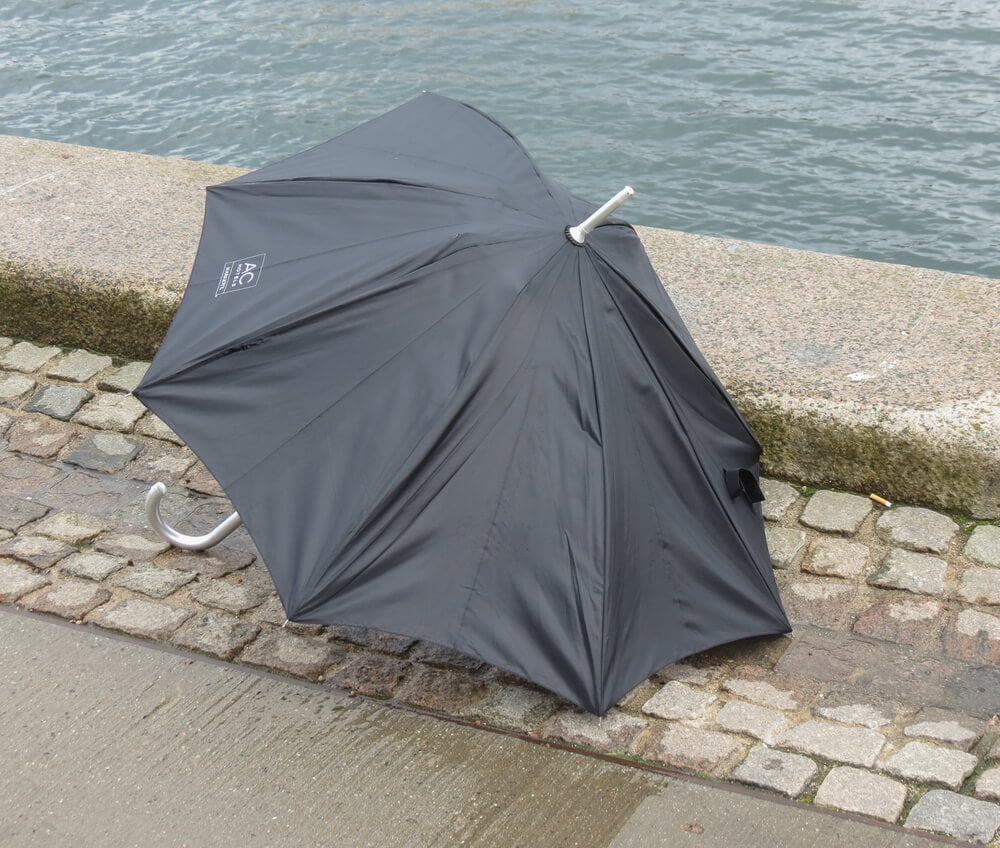
A bent umbrella frame looks like an obvious throwaway, but the wooden or bakelite handles are removed and sold to people restoring other umbrellas or repurposing the handle as a cane grip. Carved animal-head handles in particular are stripped from broken umbrellas and resold on their own.
Old Cassette Tapes
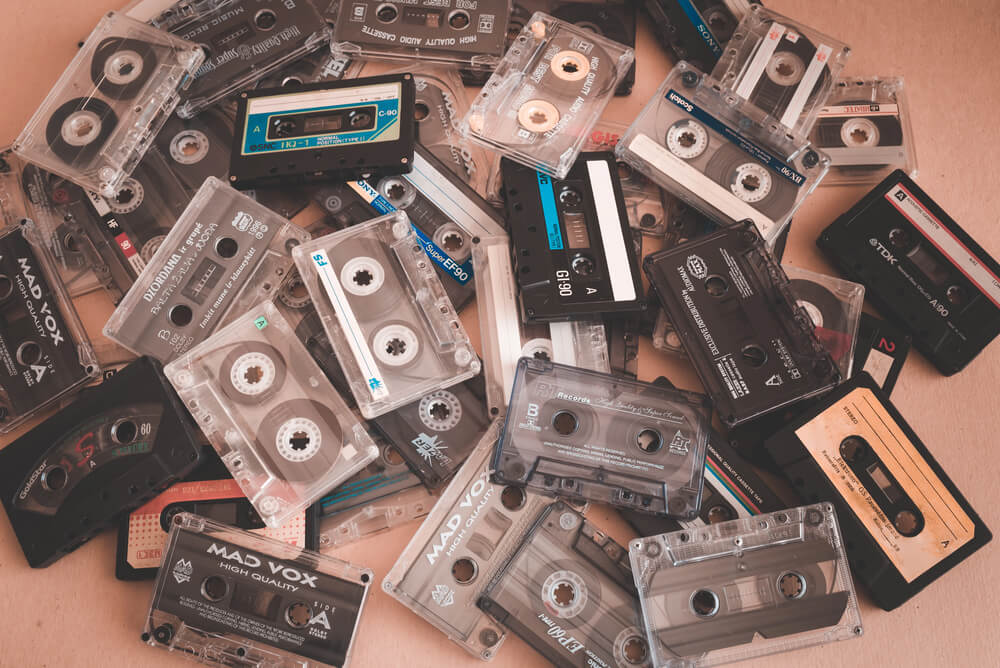
Cassette tapes were considered obsolete clutter for two decades, but the format’s resurgence has buyers seeking specific releases, especially ones still sealed in shrink wrap or pressed by independent labels. A common album on cassette can sell for a fraction of a rare pressing, so buyers check the label and catalog number before discarding a box.
Old Eyeglass Cases
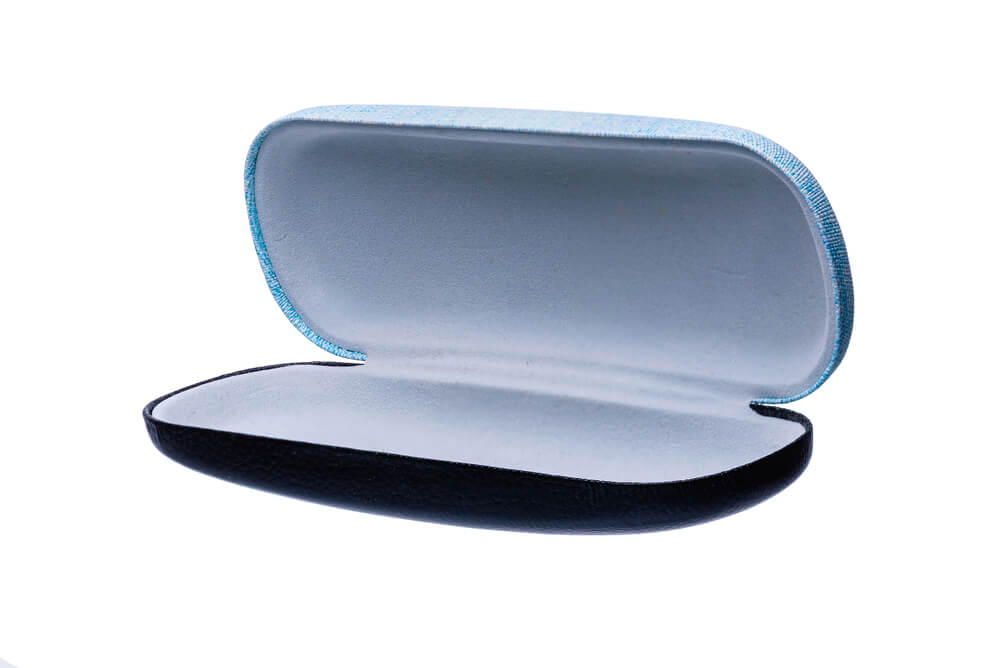
Hard plastic eyeglass cases seem like packaging meant to be discarded with the glasses, but cases branded with a defunct optical chain or airline promotional logo are collected separately from the eyewear itself. Cases that double as advertising, printed with a company name and slogan, draw the most interest.
Discarded Wine Corks

A cork gets thrown out with the bottle without a second thought, but crafters and event planners buy corks in bulk, especially ones branded or stamped with a winery’s name from a defunct or acquired label. Corks from wineries that no longer exist under that name are worth more than fresh corks from currently operating producers.
Old Thermoses and Lunchboxes

A dented metal lunchbox seems fit only for the recycling bin, but character-branded lunchboxes from the 1950s through 1980s are among the most actively traded pieces of collectible metal, particularly when the matching thermos survives with its glass liner intact. A box sold without its original thermos loses a significant share of its value.
Old Postcards
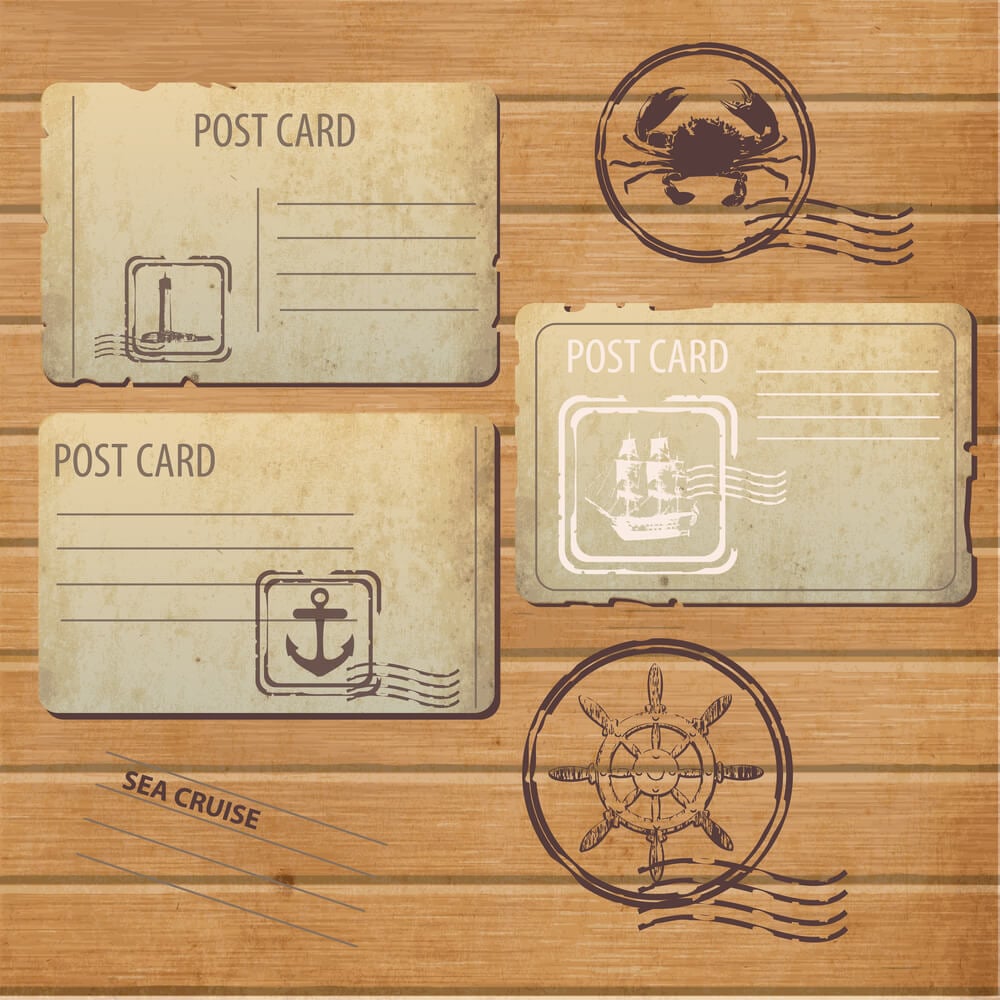
A shoebox of postcards from relatives feels like paper clutter, but deltiologists buy real-photo postcards of small-town street scenes and main street businesses that no longer exist, since these images often serve as the only surviving photographic record of a building. Postcards mailed and postmarked are frequently worth more than blank ones, since the stamp and cancellation mark add historical detail.
Broken Kitchen Scales
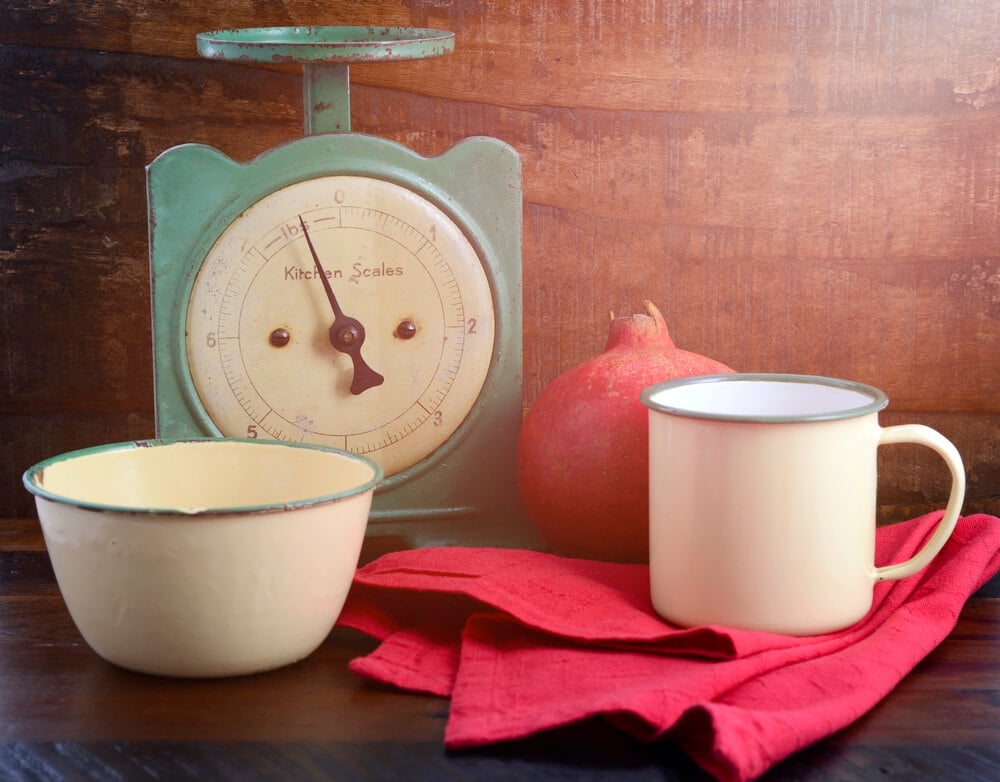
An inaccurate old scale gets replaced and discarded, but cast-iron and enamel kitchen scales from the early twentieth century are bought by collectors and prop stylists for display rather than function. Scales still bearing their original paper advertising on the weighing plate command a premium over ones that have been repainted.
Old Political Campaign Buttons
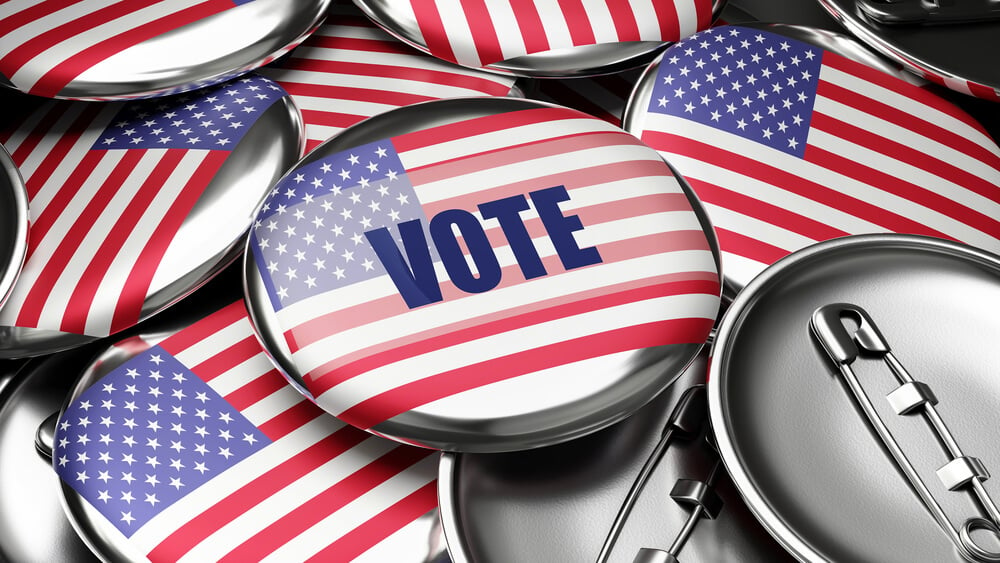
Pinback buttons from past elections pile up in drawers until someone finally throws them out, but political memorabilia collectors buy buttons from losing candidates and short-lived campaigns specifically because fewer were produced and kept. A button from a candidate who dropped out early in a primary can outvalue one from the eventual winner.
Retired Board Books and Readers
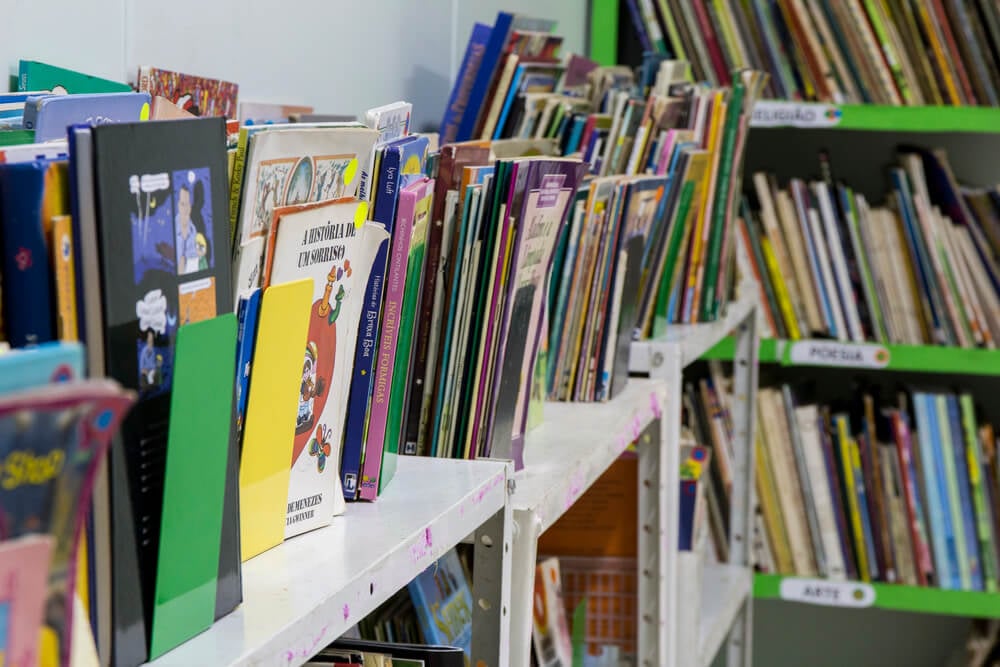
Worn children’s readers with torn covers feel like an obvious donation-bin reject, but educators and collectors of school history buy early classroom readers for their illustrations and printing history, particularly editions used before a well-known series was revised. A first-printing reader in rough condition can still outsell a later printing in excellent shape.
Old Doorknobs and Hardware
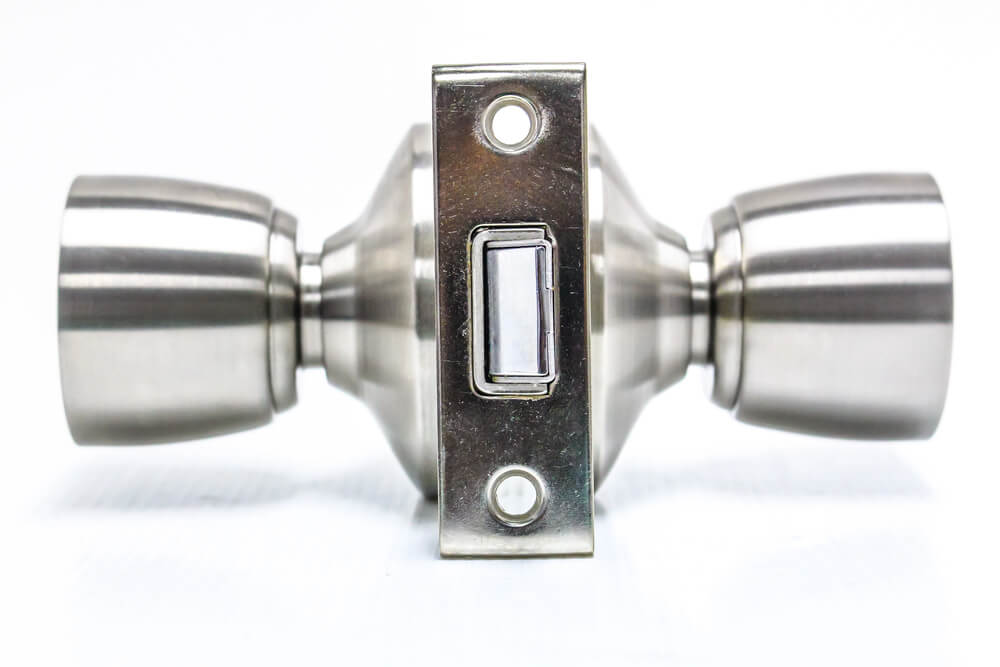
Renovation debris typically includes a box of mismatched doorknobs headed for the dumpster, but architectural salvage buyers purchase glass and bronze knobs individually, especially ones cast with a building’s original construction date or a long-closed hardware manufacturer’s mark. A single ornate knob pulled from a demolished building can be worth more than an entire box of plain modern hardware.
What the Bin Bag Actually Filters
The instinct to discard runs on a simple rule: if something is broken, incomplete, or out of style, it goes. Resale markets run on a different rule entirely, one built around scarcity, printed detail, and the parts a buyer needs rather than the entire object a household once used.
That gap between what a home considers finished and what a market considers valuable is where secondhand income quietly accumulates. The people who profit from a cleanout are rarely the ones doing the cleaning, and the difference usually comes down to five extra minutes of looking before the bag gets tied shut.
More from Go2Tutors!

- The Romanov Crown Jewels and Their Tragic Fate
- 13 Historical Mysteries That Science Still Can’t Solve
- Famous Hoaxes That Fooled the World for Years
- 15 Child Stars with Tragic Adult Lives
- 16 Famous Jewelry Pieces in History
Like Go2Tutors’s content? Follow us on MSN.