29 Laws Still on the Books From Another Century
Legislatures rarely clean up after themselves. A law passed to solve a problem that no longer exists can sit quietly on the statute books for generations, technically enforceable even after the world around it has moved on entirely.
The Alien Enemies Act of 1798
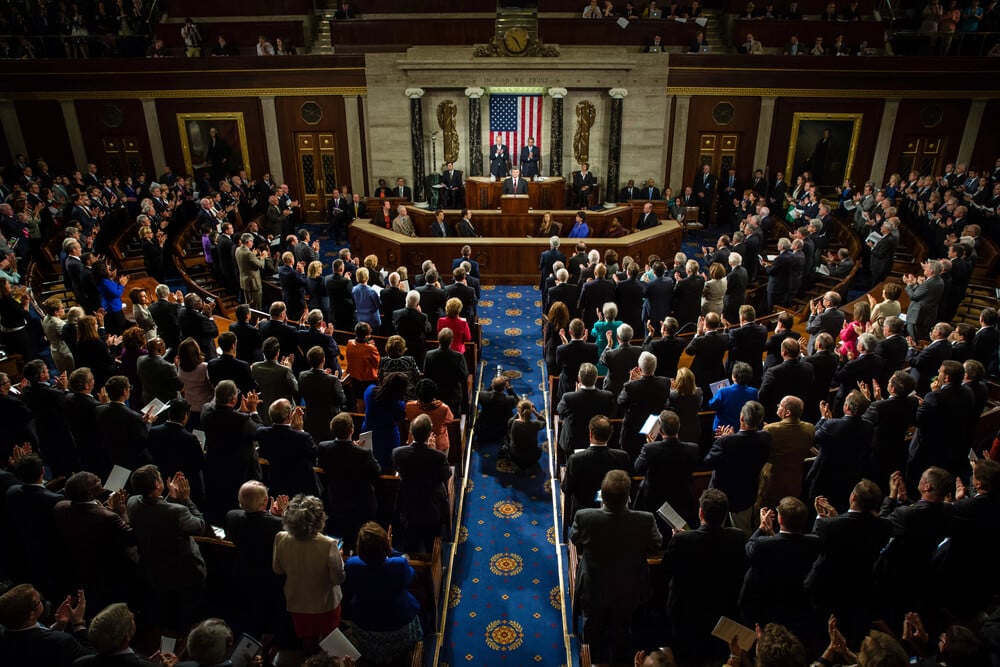
Passed by the United States Congress as part of the Alien and Sedition Acts, this law grants the president broad authority to detain or deport citizens of a hostile nation during a declared war or invasion. It has been invoked only a handful of times in American history, most notably during the internment of Japanese, German, and Italian nationals in World War II.
Despite its age, the statute remains active federal law and has resurfaced in modern political and legal debate over presidential wartime powers. No comprehensive replacement has ever been passed.
The Logan Act of 1799

This law makes it a federal crime for private American citizens to negotiate with foreign governments on behalf of the United States without official authorization. Congress passed it after a Pennsylvania pacifist tried to conduct his own diplomacy with revolutionary France.
It has never resulted in a completed prosecution, but it remains on the books and is regularly cited whenever unofficial figures conduct foreign policy freelancing. Legal scholars continue to debate whether the act would even survive a modern constitutional challenge.
The Posse Comitatus Act of 1878

Enacted after the end of Reconstruction, this law restricts the use of the United States military for domestic law enforcement without specific congressional authorization. It emerged directly from disputes over federal troops policing contested elections in the post-Civil War South.
The act remains a central legal constraint on domestic military deployment to this day, with only narrow statutory exceptions. Debates over its scope resurface almost every time federal forces are proposed for use inside the country.
The Mann Act of 1910

Originally aimed at transporting individuals across state lines for what the law termed immoral purposes, this federal statute has been amended several times but never repealed. Early twentieth-century prosecutors used it aggressively, including in politically charged cases against public figures the government wanted to target.
Amendments over the decades narrowed its original broad language considerably. It remains an active law used today primarily in human trafficking prosecutions.
The Statute of Marlborough of 1267
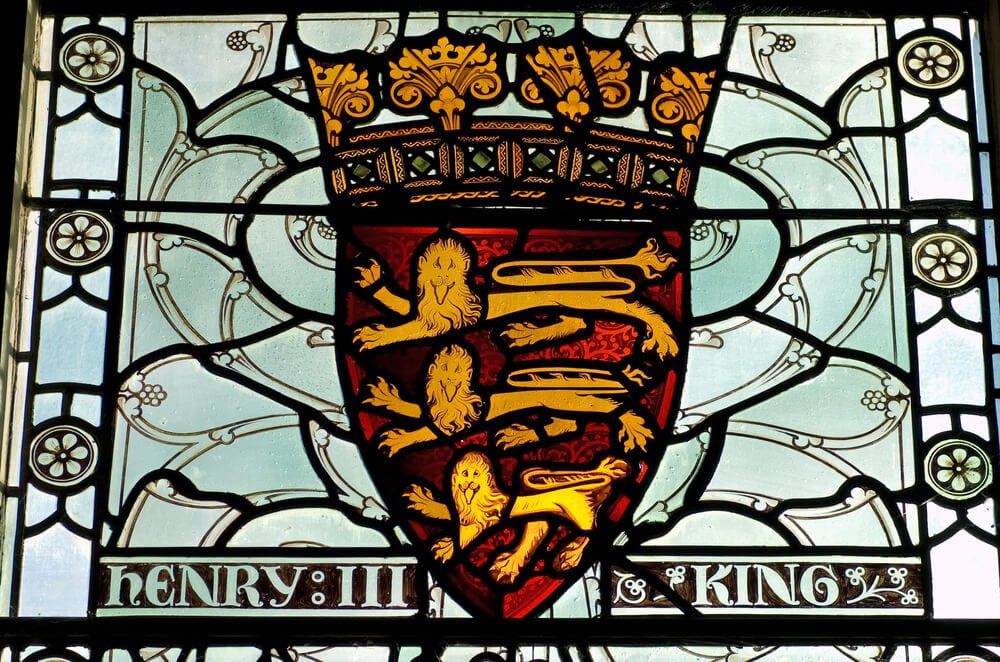
Passed under King Henry III of England in the aftermath of a period of baronial conflict, this statute is the oldest piece of legislation still partially in force in England and Wales. Most of its original provisions have been repealed over the centuries, but one section concerning distress and property rights remains technically active law.
Legal historians consider it a living artifact of medieval English governance. Its survival is largely incidental rather than the result of any deliberate modern decision to keep it.
The Treason Act 1351

This medieval English statute defines the crime of treason, including offenses such as levying war against the monarch or compassing the sovereign’s death. Portions of the act remain in force in the United Kingdom today, making it one of the oldest continuously operative criminal statutes in the English-speaking world.
Modern prosecutions under the act are exceptionally rare, since more contemporary legislation covers most comparable offenses. Its continued technical validity is frequently cited as a curiosity of British constitutional law.
The Offences Against the Person Act 1861

This sweeping piece of Victorian legislation still forms the foundation of a large portion of criminal assault law in England and Wales. It covers offenses ranging from minor assault to more serious bodily harm, and its Victorian-era phrasing remains largely intact in modern statute.
Courts continue to apply and interpret its language in contemporary criminal trials on a routine basis. Attempts to fully modernize its wording have been proposed but never completed.
The Explosive Substances Act 1883

Passed by the British Parliament in direct response to a wave of politically motivated bombings, this law criminalizes the unlawful possession and use of explosives. It remains the primary statute underpinning explosives-related prosecutions in the United Kingdom well over a century later.
The act has been amended to reflect modern security concerns, but its original framework has never been replaced outright. Its origins in nineteenth-century political violence are still cited in legal commentary today.
The Metropolitan Police Act’s Ban on Sliding on Ice and Snow

Section 54 of this 1839 London statute prohibits, among a long list of public nuisances, sliding on ice or snow in a public street to the danger of passersby. The provision remains technically enforceable within the City of London and has occasionally been referenced by police and local officials during winter weather.
It was written for an era of horse traffic and cobblestone streets rather than modern pavements. The section is rarely if ever actually prosecuted today.
The Comstock Act of 1873

Named for anti-vice campaigner Anthony Comstock, this federal law criminalized mailing obscene materials and, in its original form, extended to information about contraception. Large portions were struck down or narrowed by later Supreme Court rulings throughout the twentieth century.
The underlying statute nonetheless remains on the federal books and has drawn renewed legal and political attention in recent years over its potential application to mailed medication. Its continued existence surprises many people who assume it was fully repealed decades ago.
The Insurrection Act of 1807

This federal law allows the president to deploy the United States military domestically to suppress rebellion, enforce federal law, or protect civil rights when local authorities cannot or will not act. It has been invoked at several major moments in American history, including during civil rights-era desegregation enforcement.
The act functions as one of the few statutory exceptions to the restrictions imposed by the Posse Comitatus Act. Its broad and somewhat vague triggering language continues to generate legal debate.
The Sherman Antitrust Act of 1890

Passed to break up monopolistic business combinations during the industrial boom of the late 1800s, this law remains the foundation of American antitrust enforcement. Landmark twentieth-century cases against major corporations were built directly on its provisions, and it continues to underpin major federal antitrust actions today.
Later laws expanded and clarified its scope, but the original act was never repealed. Its short, broadly worded text has proven flexible enough to apply to industries its authors could never have imagined.
The Migratory Bird Treaty Act of 1918

This federal law makes it illegal to hunt, capture, sell, or possess protected migratory bird species without a permit, implementing an international treaty originally signed with Britain on behalf of Canada. It remains one of the oldest wildlife protection statutes still actively enforced in the United States.
The law has been amended to include treaties with several other nations since its original passage. Enforcement actions under the act continue on a regular basis, particularly against industrial activities that harm bird populations.
The Espionage Act of 1917
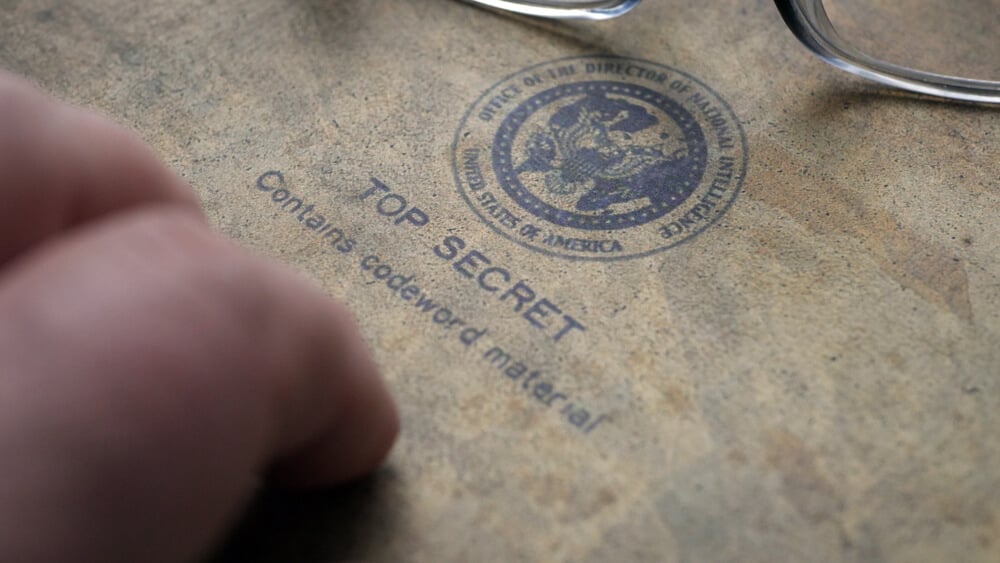
Passed shortly after the United States entered World War I, this law criminalizes the disclosure of national defense information and remains the primary legal tool used in American espionage and leak prosecutions today. Its broad language has drawn criticism and legal challenges across more than a century of application.
High-profile prosecutions in recent decades have continued to rely on its original 1917 framework. No comprehensive modern replacement has ever passed Congress.
The Foreign Agents Registration Act of 1938

Passed in response to concerns over foreign propaganda efforts before World War II, this law requires individuals acting on behalf of foreign governments or political interests within the United States to publicly disclose that relationship. It remained a relatively obscure statute for decades before enforcement increased significantly in recent years.
The act’s original Depression-era language has required little substantive amendment to remain applicable. It is now central to numerous high-profile federal investigations.
Sunday Blue Laws

Various American colonies and later states passed laws in the 1600s and 1700s restricting commerce, alcohol sales, and certain activities on Sundays for religious reasons. Many of these restrictions were repealed over the twentieth century, but a number of states and municipalities still maintain limited versions, particularly around alcohol sales.
Retailers continue to plan operating hours around surviving blue law restrictions in several states. Their persistence is often attributed to the political difficulty of repealing long-standing local custom.
The Clayton Act of 1914

This federal law expanded on the Sherman Antitrust Act by outlawing specific anticompetitive practices, including certain mergers and exclusive dealing arrangements. It remains a core pillar of American competition law used in regulatory reviews today.
The act also included labor protections exempting unions from certain antitrust provisions, a significant shift at the time of passage. Modern merger review by federal regulators continues to cite its original provisions directly.
The Federal Reserve Act of 1913

This law established the Federal Reserve System, the central banking structure of the United States, and remains the legal foundation for the nation’s monetary policy over a century later. It has been amended numerous times to expand the Federal Reserve’s authority and responsibilities.
The original 1913 framework, including its regional bank structure, remains largely intact. Every interest rate decision made by the Federal Reserve today ultimately traces its legal authority back to this statute.
The National Firearms Act of 1934

Passed during a period of high-profile organized crime violence, this federal law imposed registration and taxation requirements on certain firearms and accessories. It remains the primary federal statute regulating those specific categories of weapons today.
Later gun control legislation built on its framework rather than replacing it outright. Dealers and manufacturers still comply with registration procedures established under the original 1934 text.
The Truck Acts of Britain

A series of nineteenth-century British laws, beginning in 1831, required employers to pay workers in actual currency rather than in goods, vouchers, or credit redeemable only at company stores. Portions of these laws remained legally relevant well into the twentieth century as protections against exploitative payment schemes.
Later employment legislation eventually superseded most of their practical function. Their historical role in ending truck-system wage abuse is still referenced in British labor law scholarship today.
The Public Health Act of 1875

This sweeping piece of Victorian legislation established sanitation, housing, and public health standards across England and Wales following decades of urban disease outbreaks. Portions of its framework remain embedded in modern local government public health authority.
Later acts have replaced most of its specific provisions, but its foundational approach to municipal public health regulation persists in principle. Historians credit it with dramatically reducing urban mortality rates in the decades following its passage.
The Married Women’s Property Act of 1882

This British law granted married women the legal right to own and control property independently of their husbands, a significant departure from centuries of common law practice. While later legislation has expanded on its protections, the 1882 act’s core principle remains embedded in modern property law.
It marked a foundational shift in British legal recognition of women’s independent economic rights. Legal historians regularly cite it as a turning point in the development of marital property law.
The Piracy Act of 1837

This British statute criminalized piracy and related maritime offenses, and portions of it remain technically in force in the United Kingdom today. It was passed during a period when piracy still posed a genuine threat to British shipping interests around the globe.
Modern maritime security cases occasionally still reference its provisions alongside more contemporary international law. Its continued partial validity makes it one of the older active pieces of British criminal legislation.
The Statute of Frauds of 1677

Originally passed by the English Parliament, this law required certain categories of contracts, including those involving land and long-term agreements, to be put in writing to be enforceable. Its core principle was adopted almost universally across American state law and remains a foundational concept in contract law today.
Nearly every jurisdiction with roots in English common law maintains some version of its requirements. Law students still study its original framework as a foundation for modern contract disputes.
The Coinage Act of 1792
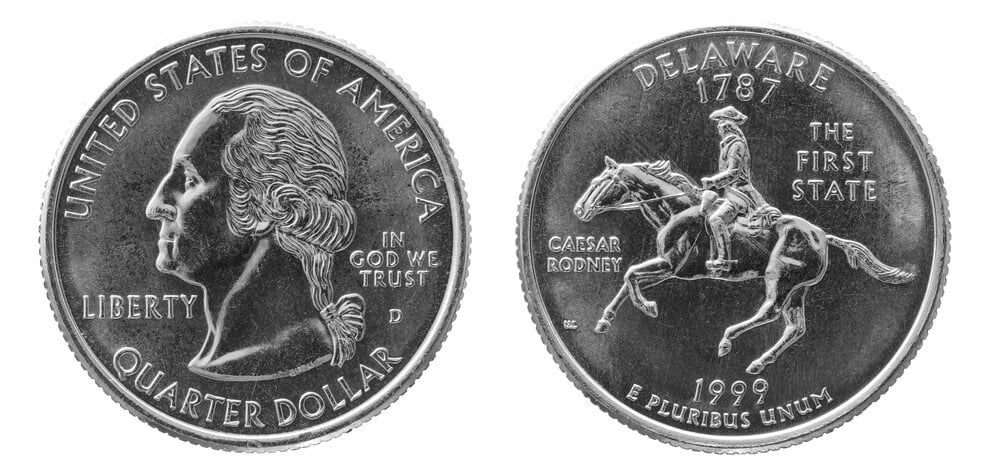
This early American law established the United States Mint and defined the nation’s currency system, including the dollar as the standard monetary unit. While the specific coinage values and metal standards have changed dramatically since 1792, the act’s foundational framework for federal currency authority remains legally significant.
Numerous later laws have amended and expanded its provisions rather than replacing it outright. Its passage marked one of the first major acts of the newly formed federal government.
The National Bank Act of 1864

Passed during the Civil War to help finance the Union war effort and stabilize the currency, this law established a system of federally chartered national banks that still exists today. It created the framework for a uniform national currency at a time when individual state banks issued their own competing notes.
Modern national banks continue to operate under charters and regulatory structures descended directly from this statute. Its Civil War origins are rarely apparent in its continued modern application.
The Antiquities Act of 1906

This law grants the president of the United States authority to designate national monuments on federal land in order to protect areas of historic, cultural, or scientific significance. Passed after widespread looting of Indigenous archaeological sites in the American Southwest, it remains the legal basis for numerous national monument designations made in the decades since.
Presidents across the political spectrum have continued to use the act’s original authority. Its scope has occasionally been the subject of legal disputes over presidential power.
The Federal Trade Commission Act of 1914

This law established the Federal Trade Commission and gave it authority to prevent unfair methods of competition and deceptive business practices. It remains the foundational statute for the agency’s consumer protection and antitrust enforcement work today.
Later amendments have expanded its scope considerably, but the original 1914 framework and agency structure remain intact. Modern consumer protection cases still cite its language directly.
The Judiciary Act of 1789
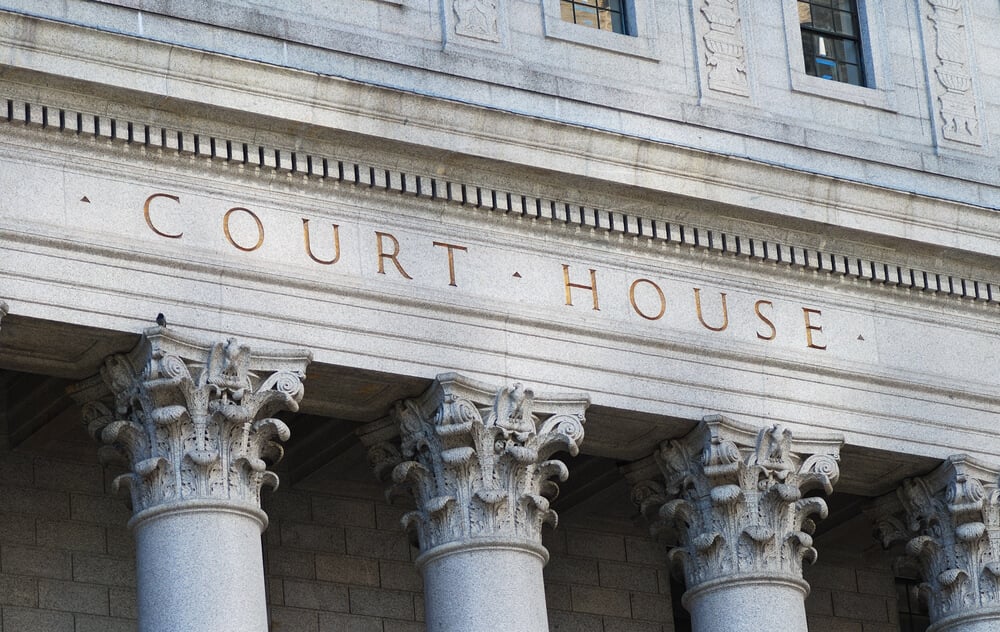
Passed by the first United States Congress, this law established the structure of the federal court system, including the Supreme Court’s original composition and the creation of federal district courts. While the number of justices and specific court structures have changed since 1789, the act’s basic framework for a three-tiered federal judiciary remains in place.
It also established the position of Attorney General. Legal scholars regard it as one of the most consequential pieces of organizational legislation in American history.
The Weight of Old Ink
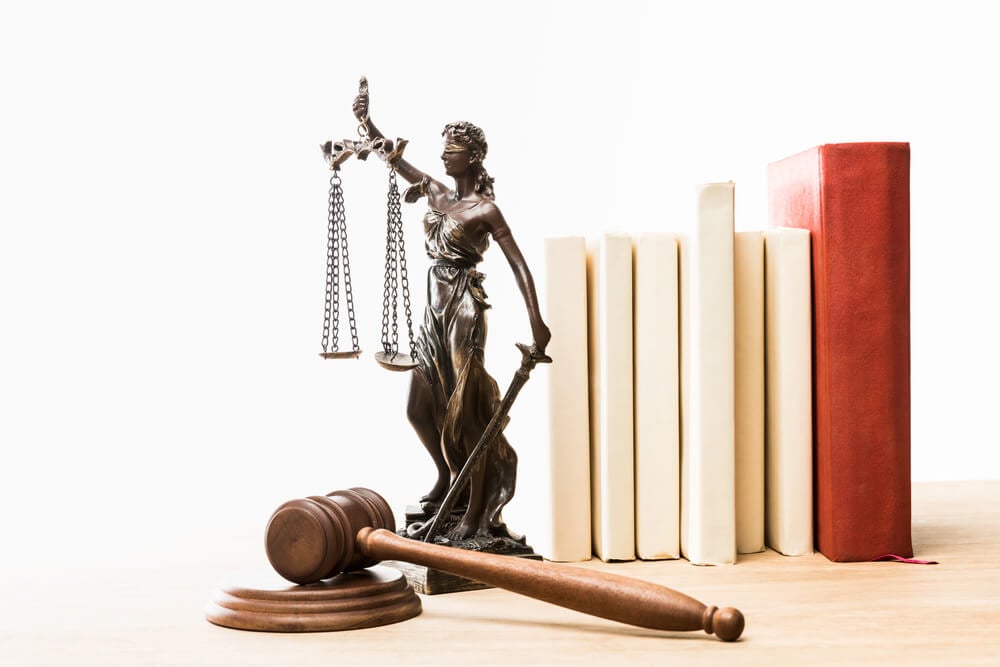
Laws like these survive for reasons that have little to do with foresight. Repeal requires legislative attention, and legislatures are generally busy with newer problems, so an old statute simply sits there, technically binding, until someone has a specific reason to invoke it or challenge it in court.
Many of the laws on this list only resurface in public conversation when a prosecutor, a president, or a protester dusts one off for a purpose its original authors never imagined. That gap between intent and application is where the real story lives.
A statute written to police horse-drawn traffic or wartime propaganda does not disappear just because the world it described has vanished; it waits, word for word, until a judge decides whether the old language still fits.
More from Go2Tutors!

- The Romanov Crown Jewels and Their Tragic Fate
- 13 Historical Mysteries That Science Still Can’t Solve
- Famous Hoaxes That Fooled the World for Years
- 15 Child Stars with Tragic Adult Lives
- 16 Famous Jewelry Pieces in History
Like Go2Tutors’s content? Follow us on MSN.