16 Things Wealthy People Did for Fun in the 1920s
The Jazz Age wasn’t just about prohibition and flappers dancing until dawn. For those with money to burn, the 1920s opened up a playground of possibilities that most people could only dream about.
While the average American was scraping together enough for a movie ticket, the wealthy were inventing entirely new ways to spend their fortunes on entertainment that would make today’s billionaires look modest by comparison.
Ocean Liner Parties
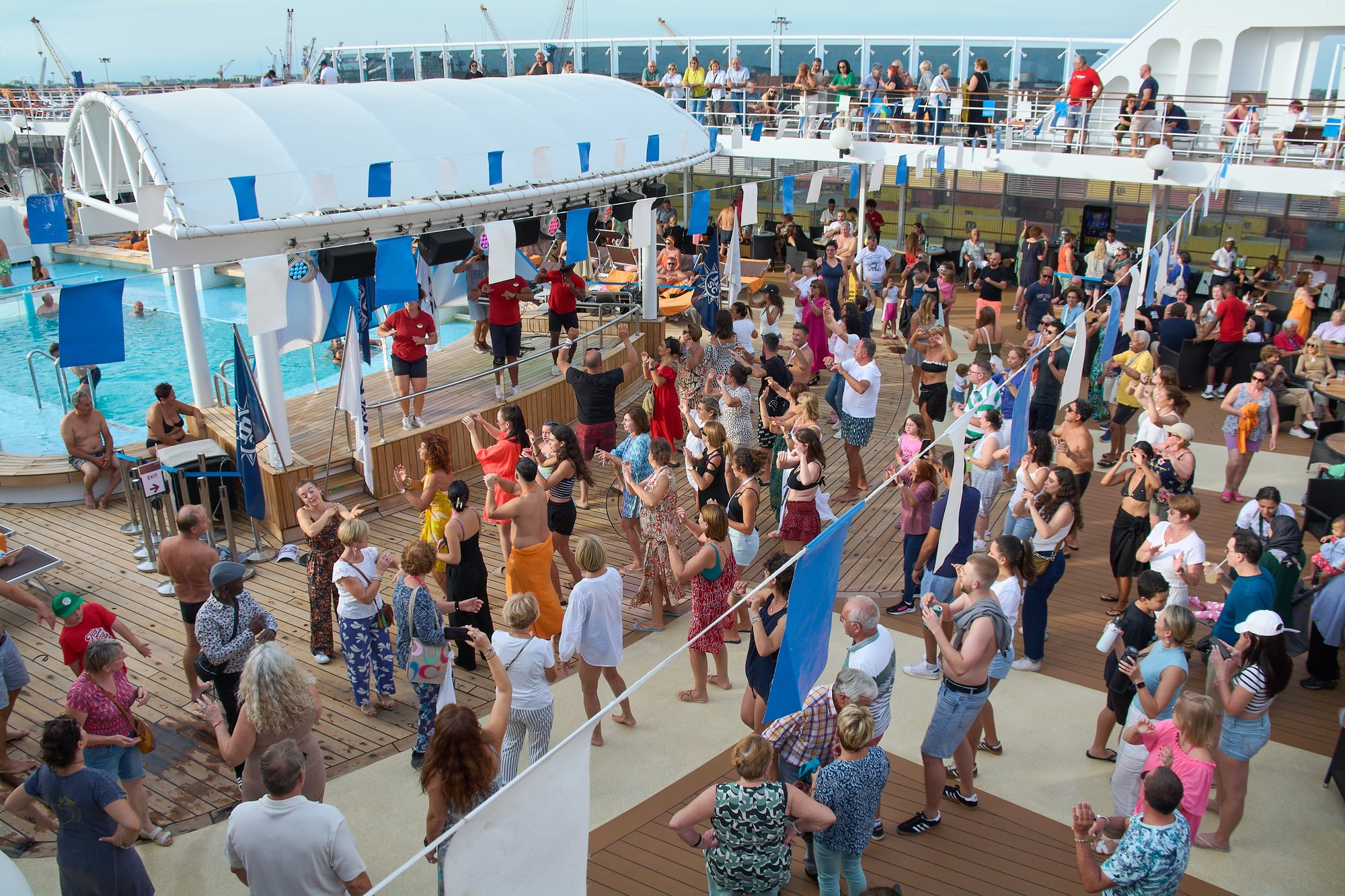
The wealthy turned Atlantic crossings into floating festivals. They’d book entire decks on luxury liners and throw elaborate themed parties that lasted for days.
The champagne flowed freely (even during Prohibition), orchestras played in grand ballrooms, and guests competed to see who could throw the most extravagant costume party mid-ocean. Some hosts hired entire Broadway casts to perform private shows while passengers traveled between New York and Europe.
Private Airplane Stunts

Flying was still a novelty that screamed wealth and daring. Rich thrill-seekers hired stunt pilots for private aerial shows, complete with wing-walking performances and mock dogfights performed just for their amusement.
Some took it further — they’d commission custom aircraft painted in wild colors and host “flying parties” where guests would take turns performing increasingly dangerous stunts, treating the sky like their personal amusement park (which, frankly, it was, since commercial aviation barely existed and air traffic control was more of a polite suggestion than a regulatory body).
Treasure Hunts Across Continents
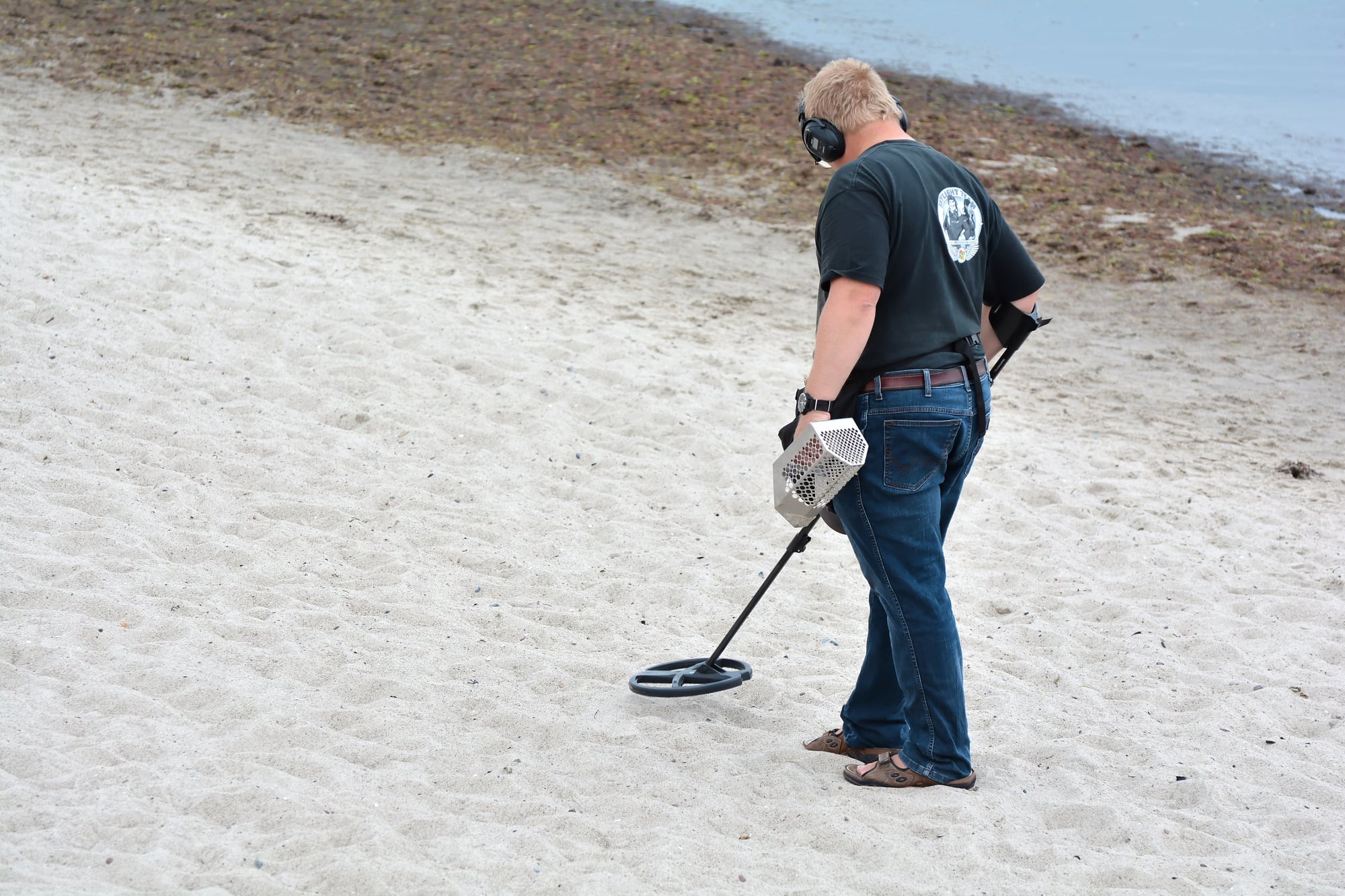
Picture this: someone hands you a clue that leads to Paris, which leads to Cairo, which eventually ends at a villa in the French Riviera where a chest of actual jewels waits buried in the garden. Wealthy socialites turned the entire world into their game board.
These weren’t afternoon scavenger hunts around the neighborhood — they were months-long adventures that required private trains, steamships, and enough cash to bribe officials in six different countries. The prize was often worth less than what contestants spent getting to it.
Exotic Animal Collecting Competitions

The 1920s wealthy didn’t just collect art. They collected lions, tigers, elephants, and anything else that could be shipped from distant continents and housed on private estates.
Some turned their properties into personal zoos and invited friends over for “safari parties” where guests could hunt imported African game without leaving the United States. Others competed to see who could acquire the rarest species — not for conservation, but for bragging rights at dinner parties.
Buying Entire Nightclubs For Private Events

Why go to a speakeasy when you can buy one? Wealthy patrons would purchase entire nightclubs for single evenings, hire famous jazz bands, and invite hundreds of guests for exclusive parties that cost more than most people earned in a decade.
Some took it a step further and bought clubs permanently, not as investments but as personal playgrounds where they could control every detail of the entertainment and serve the best illegal alcohol money could buy.
Racing Automobiles On Public Streets

Before organized racing circuits became common, the wealthy turned city streets into their personal racetracks. They’d organize midnight races through downtown areas, bribing police to look the other way while expensive European sports cars roared through empty business districts.
The danger was part of the appeal — these weren’t just races, they were public displays of wealth and recklessness that ordinary citizens could only watch from sidewalks.
Commissioning Private Orchestras For Garden Parties
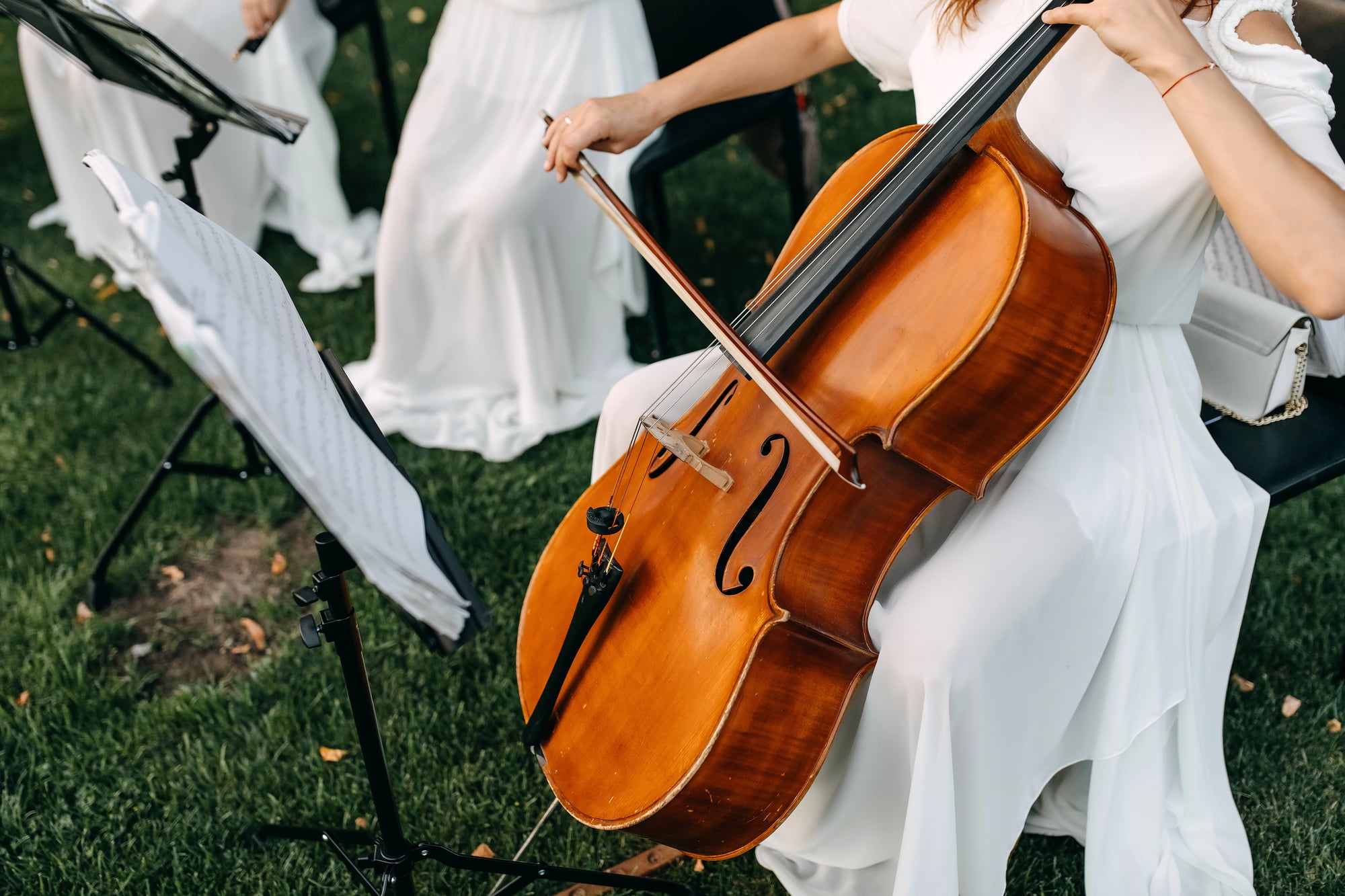
String quartets were for amateurs. The truly wealthy hired entire symphony orchestras to perform in their backyard gardens for parties that lasted until sunrise.
Some went further and commissioned original compositions from famous composers specifically for their events. Guests would stroll through elaborately landscaped gardens while 50-piece orchestras played custom music that would never be heard anywhere else.
Building Temporary Ice Rinks In Summer
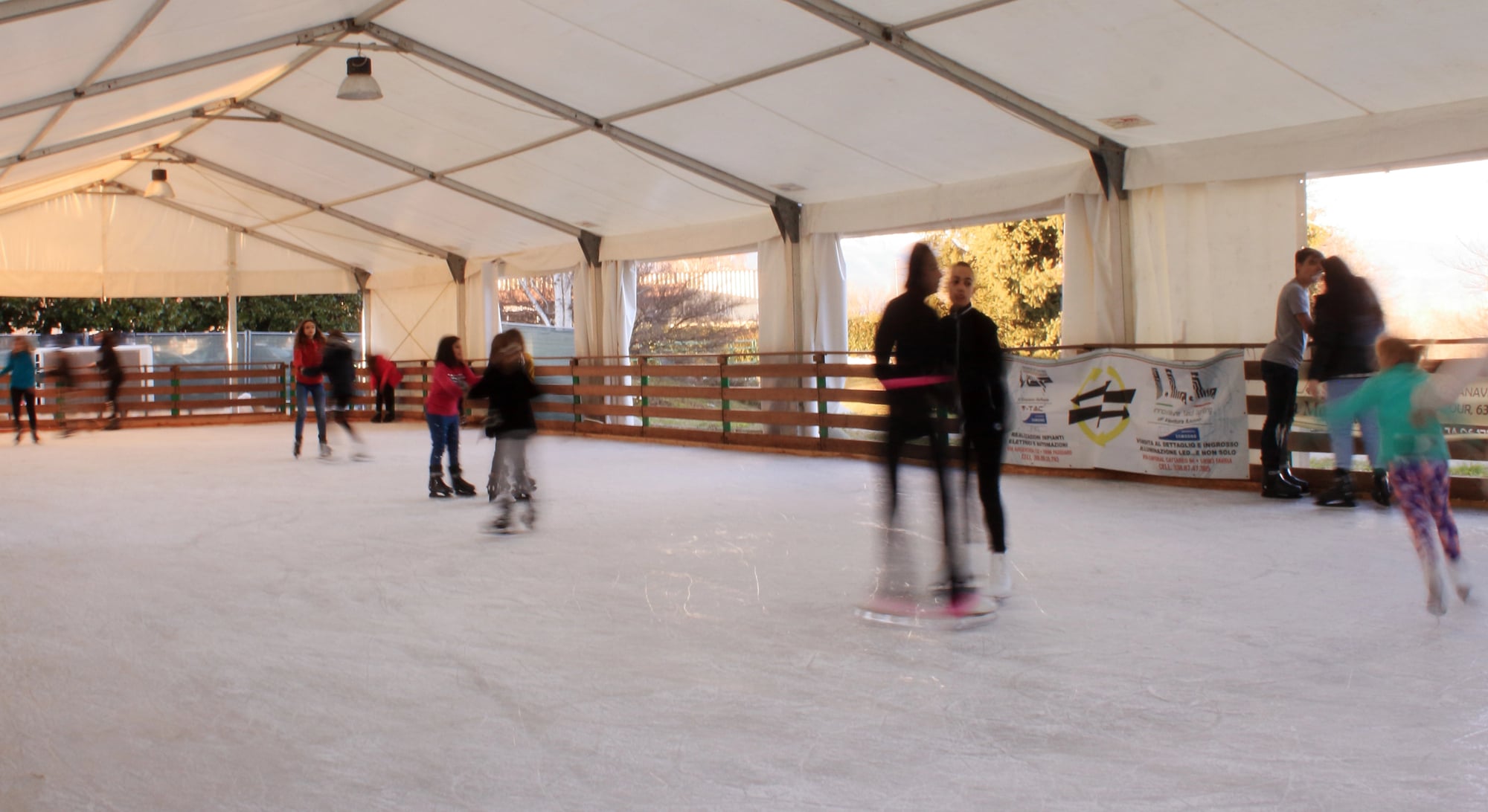
Before air conditioning was widespread, the wealthy found creative ways to beat the heat. They’d have tons of ice shipped to their estates and construct temporary skating rinks in the middle of summer, hiring professional figure skaters to perform while guests sipped cocktails and pretended winter had arrived early.
Some built elaborate ice sculptures and served frozen desserts that required constant replenishment as the ice melted in July heat.
Hosting Mock Battles With Hired Actors

War games became elaborate theater productions when the wealthy got involved. They’d hire hundreds of actors and extras to stage realistic battles on their properties, complete with period costumes, replica weapons, and detailed storylines that played out over entire weekends.
Guests could choose sides and participate in reenactments of famous historical conflicts, turning warfare into dinner theater with unlimited budgets and no concern for historical accuracy.
Private Casino Nights With Real Dealers

Gambling was heavily restricted, but money bought access to anything. Wealthy hosts would transform their ballrooms into Monte Carlo-style casinos, hiring professional dealers from Europe and importing genuine gaming tables.
The stakes were real — guests would win and lose thousands of dollars in single hands of cards while jazz bands played and servants served premium liquor. Some hosts guaranteed that no guest would leave with less money than they arrived with, essentially subsidizing everyone else’s gambling for their own entertainment.
Chartering Entire Trains For Cross-Country Parties

The journey became the destination when wealthy party-throwers chartered entire passenger trains for cross-country celebrations. These rolling parties featured multiple dining cars, dance floors, and sleeping quarters designed like luxury hotel suites.
Guests would board in New York and party their way to California over several days, with the train making special stops at scenic locations for outdoor excursions and photo opportunities. The train itself became a mobile mansion traveling at 60 miles per hour.
Underwater Dining Experiences
Some wealthy hosts pushed the boundaries of where people could eat and drink. They experimented with exotic dining concepts, though documented underwater dining chambers did not actually exist in the 1920s.
The diving technology and engineering required for functional underwater structures would not become feasible until decades later.
Hiring Famous Authors For Private Readings

Before television made celebrities accessible, the wealthy brought famous writers directly to their homes. They’d pay authors like F. Scott Fitzgerald or Sinclair Lewis to give private readings of unpublished works to small groups of guests.
Some went further and commissioned original stories written specifically for their parties, paying writers to create custom entertainment that would never be published or shared with the general public.
Constructing Elaborate Themed Buildings

Why decorate a room when you can build an entire structure? Wealthy hosts would construct temporary buildings on their properties for single parties — Egyptian temples for archaeology-themed events, medieval castles for historical celebrations, or futuristic structures for science-themed gatherings.
These weren’t decorations or stage sets, but actual buildings with working plumbing and electricity that would be demolished after the party ended.
Importing Entire European Villages
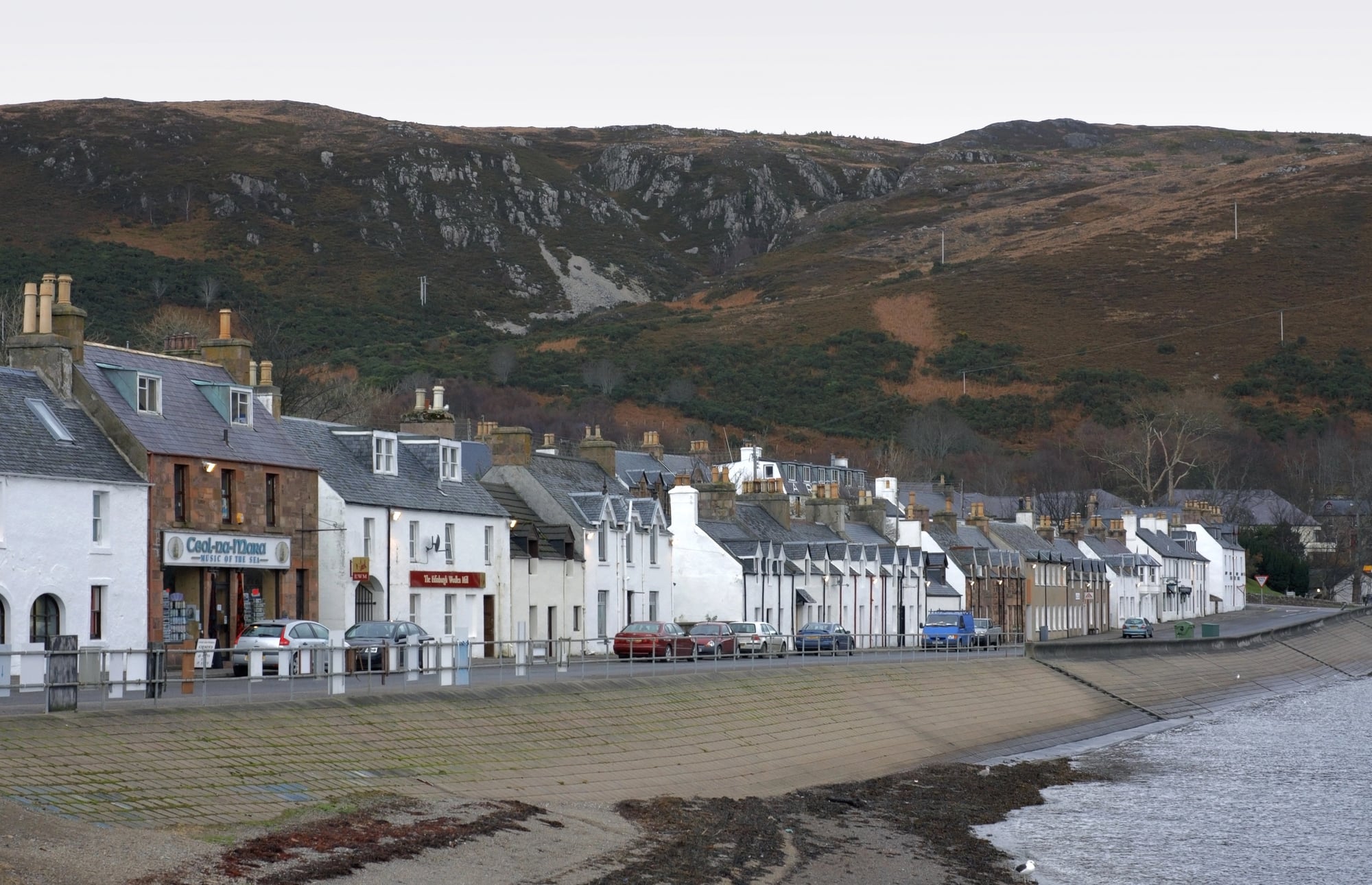
The most ambitious wealthy entertainers didn’t just buy European art — they bought European buildings. They’d purchase entire medieval villages, castle ruins, or historical structures and have them shipped stone by stone to America, then rebuilt on their estates as backdrops for elaborate parties.
Guests could wander through authentic European architecture while servants in period costumes served modern cocktails in genuinely ancient settings.
Private Film Screenings With Hollywood Stars

Long before home theaters existed, the wealthy created their own movie studios. They’d hire Hollywood actors to perform live scenes from popular films in private screening rooms built on their estates.
Some took it further and commissioned original short films starring famous actors, creating custom entertainment that cost more to produce than most studios spent on full-length movies that would be seen by millions.
The Playground That Wealth Built

The 1920s wealthy didn’t just spend money on entertainment — they invented new forms of entertainment that had never existed before. Their parties and pastimes were limited only by imagination and physics, and sometimes they ignored physics too.
While most Americans were discovering radio and cinema, the rich were turning the entire world into their personal amusement park, setting standards for extravagance that make today’s luxury lifestyle look almost reasonable by comparison.
More from Go2Tutors!

- The Romanov Crown Jewels and Their Tragic Fate
- 13 Historical Mysteries That Science Still Can’t Solve
- Famous Hoaxes That Fooled the World for Years
- 15 Child Stars with Tragic Adult Lives
- 16 Famous Jewelry Pieces in History
Like Go2Tutors’s content? Follow us on MSN.



