28 Everyday Products That Began as Something Else
Every product on a store shelf has an origin story, but not every origin story matches the label on the package. Some of the most familiar household items were invented for an entirely different purpose and only became famous once someone noticed a better use for the leftover formula.
Play-Doh
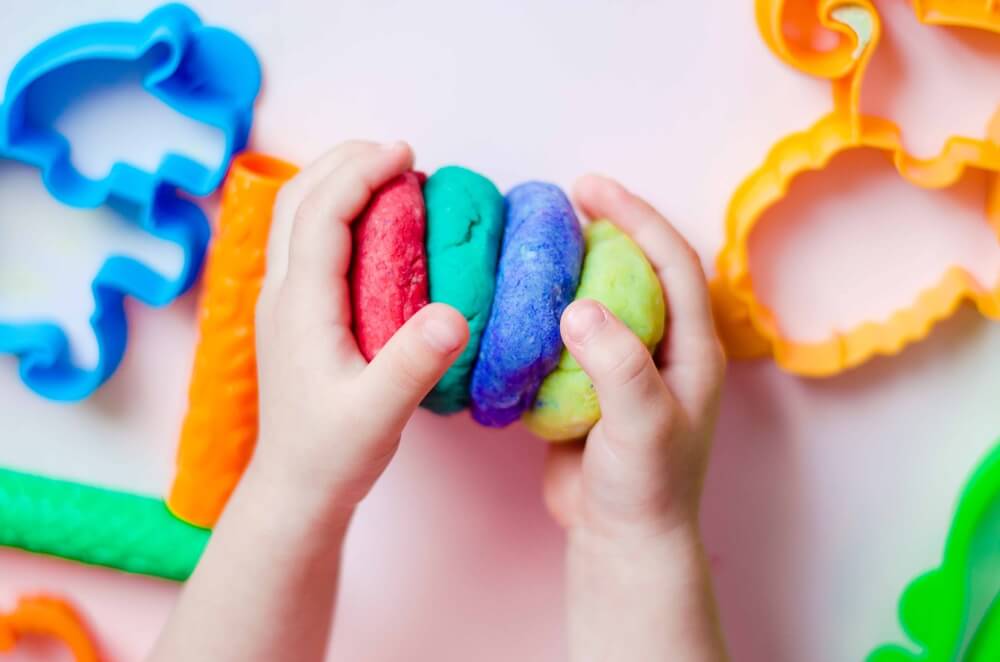
The soft, colorful modeling compound found in classrooms and playrooms worldwide was originally formulated in the 1930s as a cleaning putty for removing coal soot from wallpaper. As homes shifted to gas and electric heating in the following decades, demand for wallpaper cleaner collapsed almost entirely.
A relative of the manufacturer noticed schoolchildren enjoyed molding the leftover compound and pitched it as a children’s toy instead. It was rebranded and relaunched for that purpose in 1956, and the original cleaning formula was quietly abandoned.
Bubble Wrap
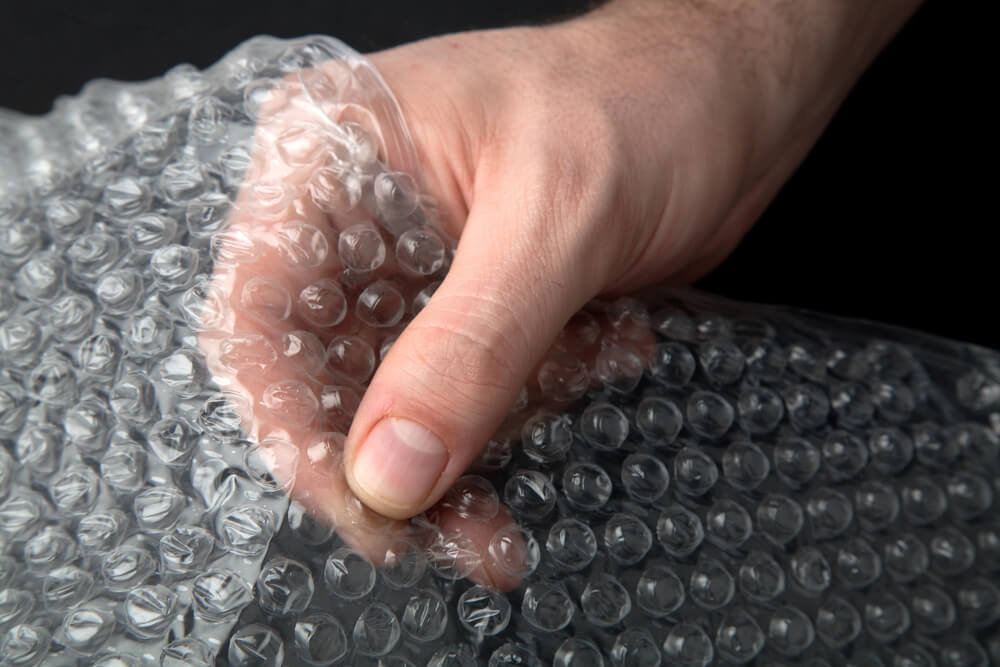
Two engineers in New Jersey attempted to manufacture a textured plastic wallpaper in 1957 by sealing air bubbles between two shower curtain-style sheets. The wallpaper concept failed to attract buyers, and a subsequent pitch to sell it as greenhouse insulation also went nowhere.
The inventors eventually found success marketing it as protective packaging material after IBM began using it to ship a new computer model in 1959. It has remained the dominant cushioning material in shipping ever since.
Coca-Cola
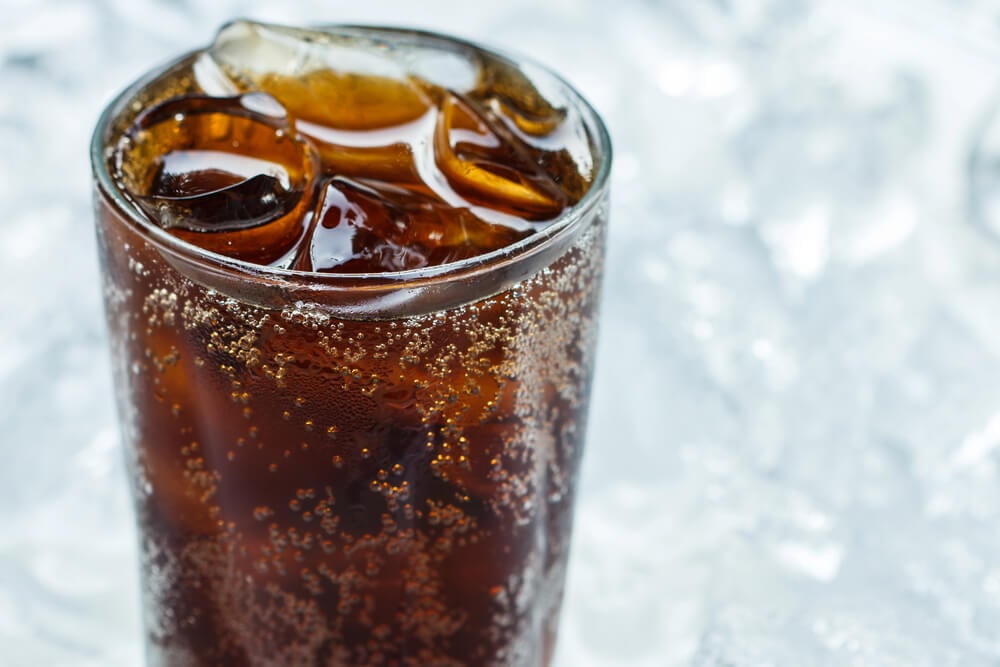
Pharmacist John Pemberton developed the original formula in 1886 as a coca-based tonic marketed for headaches, fatigue, and general nervous ailments. It was sold at soda fountains as a medicinal preparation, mixed with carbonated water at a pharmacy counter rather than bottled as a standalone beverage.
The company gradually shifted its marketing away from medicinal claims and toward refreshment as public regulation of patent medicines tightened in the early 1900s. The drink’s original coca-leaf ingredient was removed from the formula entirely by 1929.
Listerine
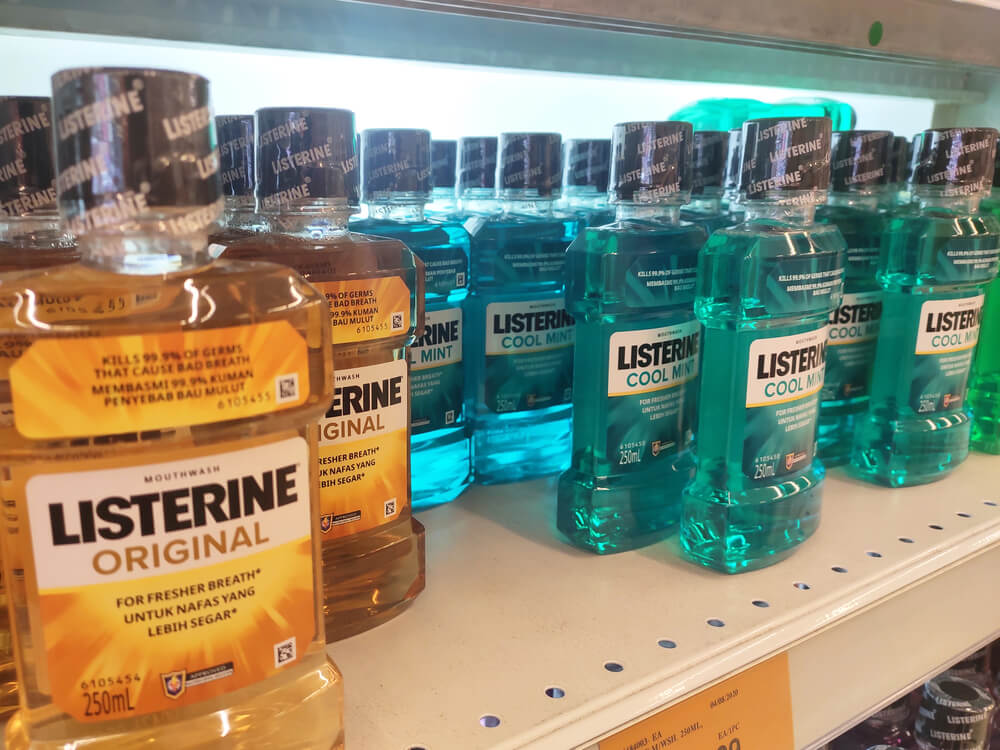
Chemist Joseph Lawrence developed the antiseptic formula in 1879 for use as a surgical disinfectant, and it was later marketed for decades as a general-purpose floor cleaner and treatment for gonorrhea before landing on its current use. The manufacturer only began promoting it as a solution for chronic bad breath in the 1920s, inventing the medical-sounding term halitosis to describe the condition.
Sales increased dramatically once the marketing shifted toward this new social anxiety rather than any of its earlier applications. The core antiseptic formula has remained largely unchanged since the 1800s.
Kleenex
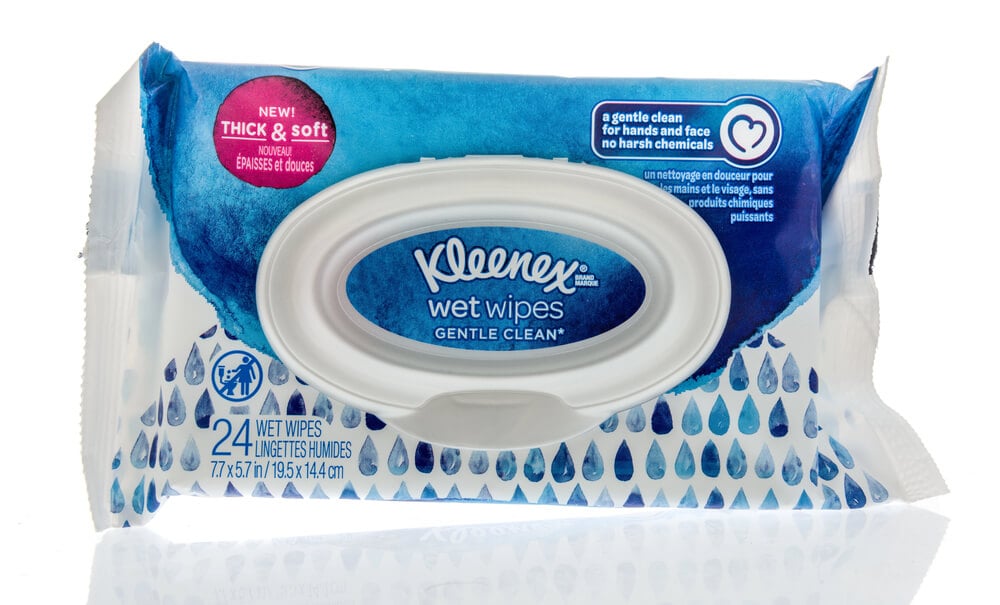
Kimberly-Clark developed a cotton-substitute material called Cellucotton during World War I for use as surgical bandage padding and gas mask filters, when cotton supplies were tightly rationed. With the war over and demand for medical bandaging reduced, the company repurposed the leftover material as a disposable cosmetic tissue for removing cold cream in 1924.
Consumers soon began using it to blow their noses instead of the intended cosmetic purpose, and Kimberly-Clark eventually rebranded the product around that use. Kleenex became the generic name for facial tissue in much of the English-speaking world.
Corn Flakes
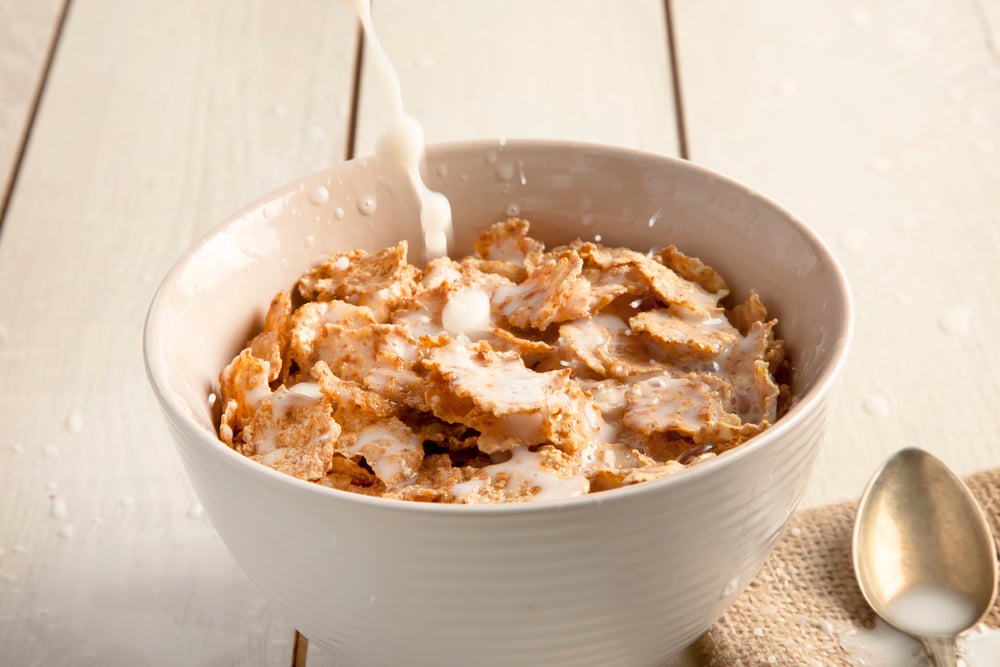
Brothers John and Will Kellogg developed the toasted corn cereal in 1894 as a bland health food for patients at their Michigan sanitarium, part of a broader dietary regimen intended to promote general wellness. The product was never originally intended for general grocery store sale, since it was designed as institutional patient food.
Will Kellogg eventually broke away from his brother to commercialize the cereal for the general public, adding sugar over his brother’s objections. The disagreement led to a permanent rift between the two men and two competing cereal companies.
Slinky
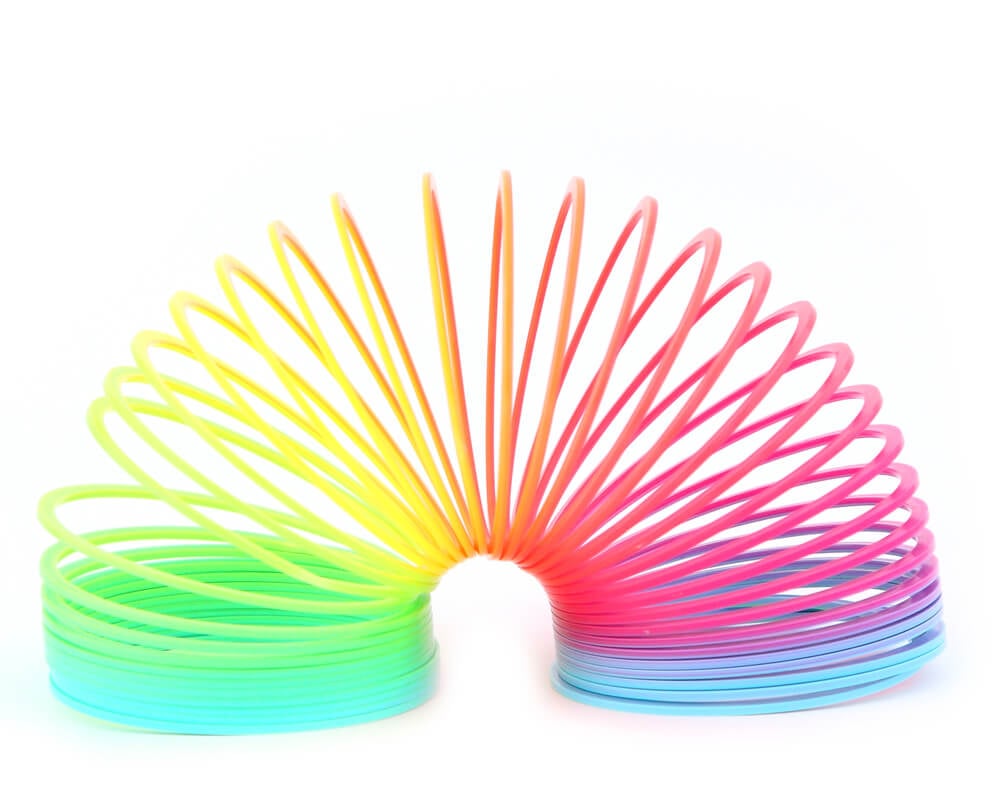
Naval engineer Richard James was developing tension springs in 1943 intended to stabilize sensitive instruments aboard ships in rough seas when he accidentally knocked one off a shelf and watched it walk itself down in a series of arcs. He recognized the movement as entertaining rather than useful for its intended engineering purpose and spent two years refining the design as a toy instead.
The Slinky launched commercially in 1945 and sold out within 90 minutes at its first store demonstration. It remains one of the best-selling toys in American history.
Silly Putty
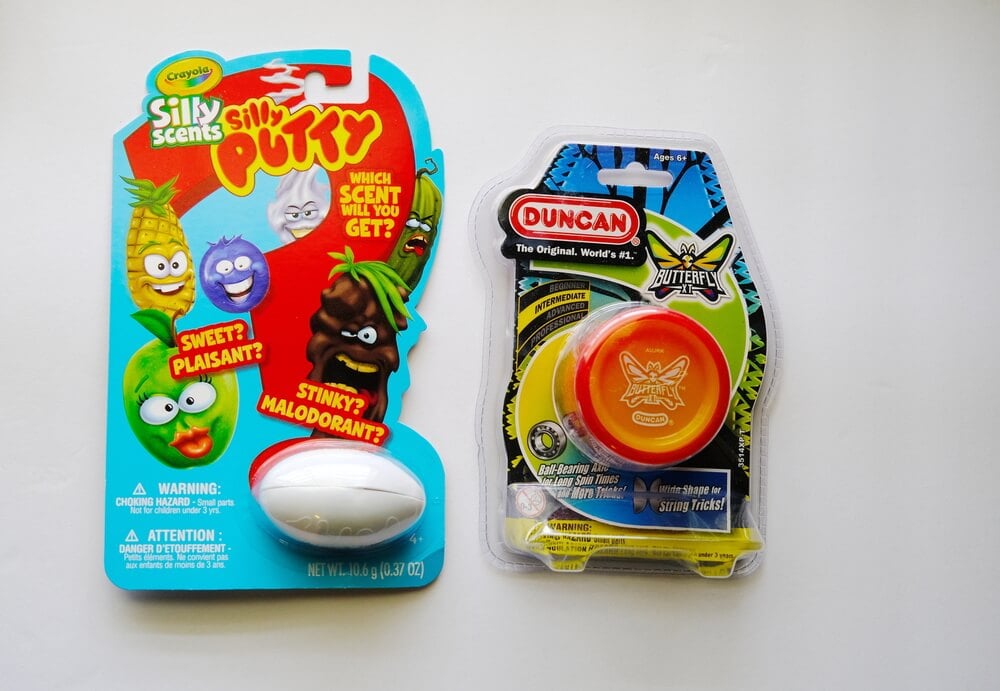
Researchers at General Electric and elsewhere were attempting to develop a synthetic rubber substitute during World War II, when natural rubber supplies were restricted by the conflict. One resulting compound stretched, bounced, and copied newsprint but had no practical industrial use as a rubber replacement.
A toy store owner recognized its entertainment potential years later and began marketing it in plastic eggs in 1950. It has remained a novelty toy staple ever since, still sold in the same egg-shaped packaging.
Post-it Notes

A chemist at 3M was attempting to develop an extremely strong industrial adhesive in 1968 and instead produced a weak, reusable one that seemed like a failure by every original measure. The formula sat mostly unused for years until a colleague used it to create bookmarks that would not fall out of his hymn book.
The company eventually recognized the adhesive’s actual value lay in its weakness, allowing notes to be repositioned without damage. Post-it Notes launched nationally in 1980 and became one of 3M’s most successful products.
Viagra
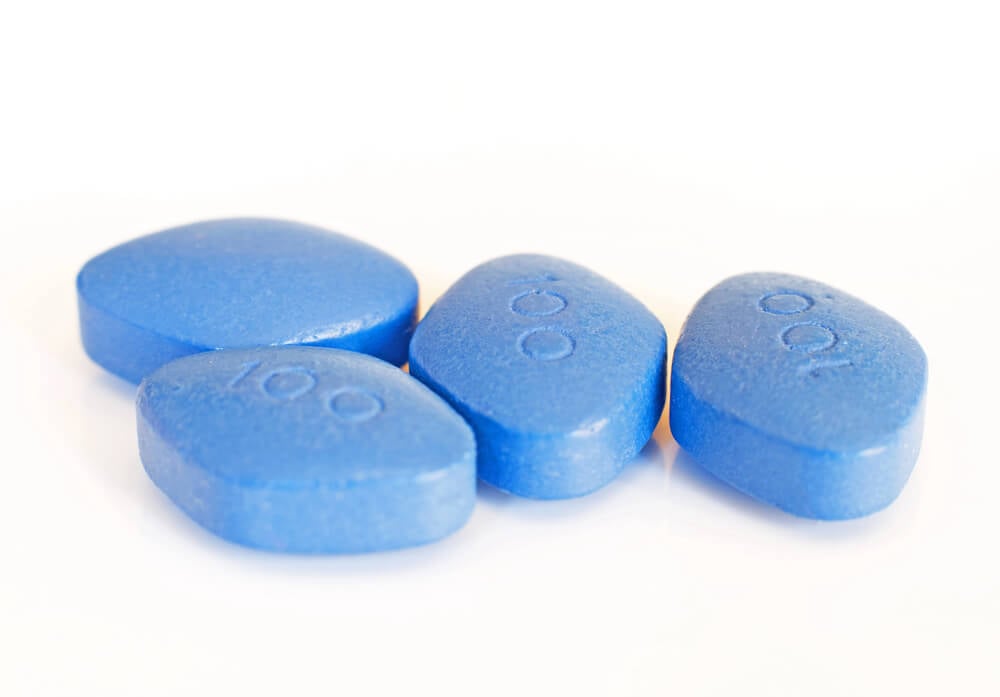
Pfizer researchers originally developed the compound sildenafil in the early 1990s as a treatment for high blood pressure and chest pain associated with heart disease. Clinical trial participants reported an unexpected side effect that the original cardiac formula had not been designed to produce.
Pfizer pivoted the drug’s development entirely around that side effect rather than its original cardiovascular purpose, and it was approved for a completely different use in 1998. It became one of the fastest-selling pharmaceutical products in history following its relaunch.
Rogaine

The active ingredient minoxidil was originally developed by Upjohn in the 1950s and 1960s as an oral medication to treat high blood pressure. Patients taking the pill form reported unexpected hair regrowth as a side effect, prompting researchers to investigate a topical version for an entirely different market.
The company reformulated it as a scalp treatment and received approval to market it for hair loss in 1988. It remains one of the few treatments of its kind still widely sold today.
Frisbee
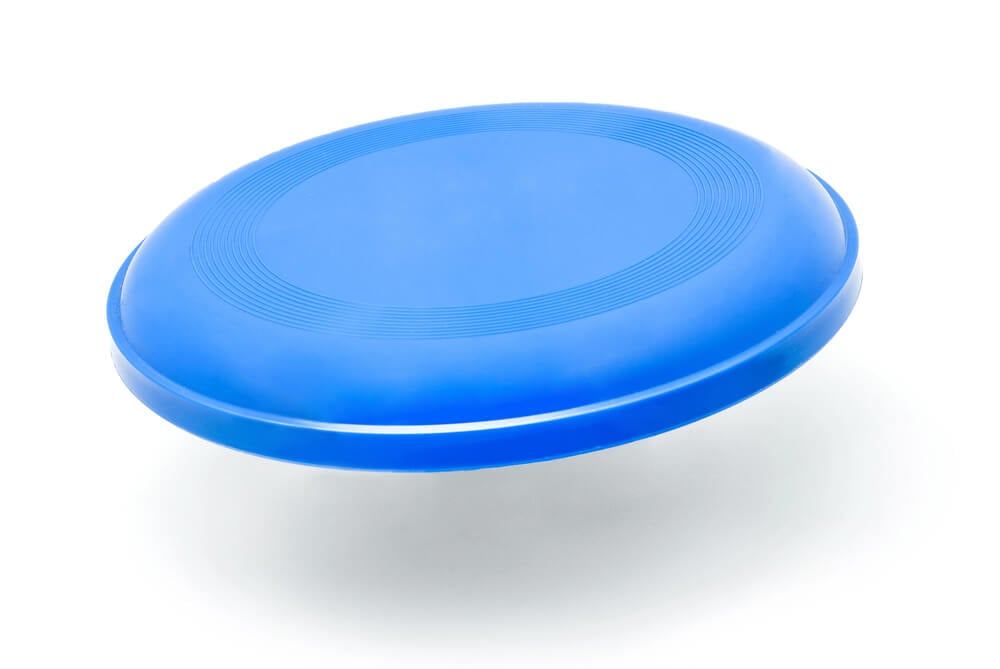
College students in the 1930s and 1940s began tossing empty metal pie tins from the Frisbie Baking Company of Connecticut, a practice with no connection to any intended product design. A toy company later developed a plastic version inspired by the pie tin tossing trend, altering the spelling slightly to Frisbee for trademark purposes.
The plastic disc launched commercially in 1957 and became a cultural phenomenon disconnected entirely from its baking-tin origins. Competitive disc sports built directly on the invented product decades later.
Popsicle
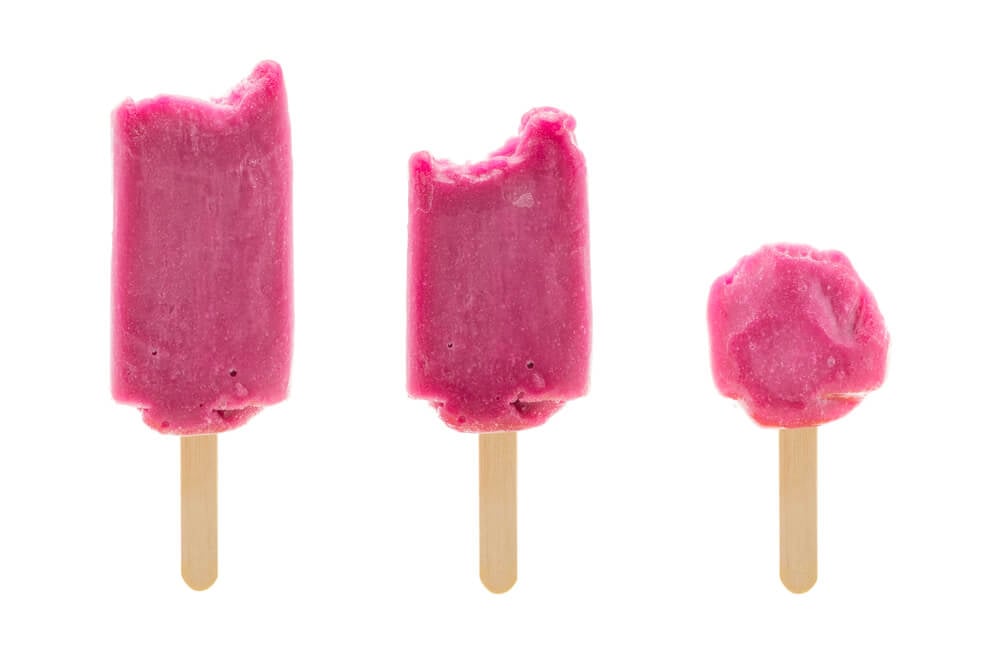
An 11-year-old boy in California accidentally left a cup of powdered soda mixed with water and a stirring stick on a porch overnight in 1905, and it froze solid in the unusually cold temperature. He later recalled the frozen treat and began selling similar creations under a different name nearly two decades afterward.
The product was eventually patented and rebranded as the Popsicle in 1923. What began as an accidental beverage mishap became a permanent fixture of frozen dessert culture.
Vaseline
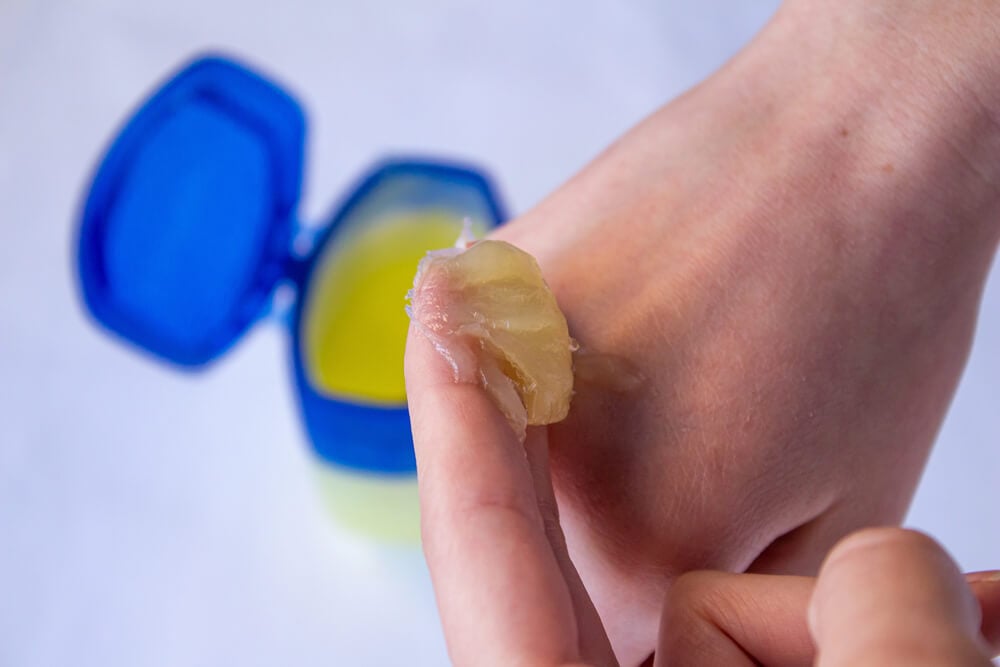
Chemist Robert Chesebrough observed oil rig workers in Pennsylvania in the 1850s scraping a waxy residue called rod wax off drilling equipment and using it informally to heal cuts and burns. He refined the byproduct into a purified petroleum jelly and began marketing it directly to consumers in 1870 as a skin ointment.
What had been considered industrial waste on oil rigs became the basis of a multinational personal care brand. The product’s formula has remained largely unchanged for over 150 years.
Ivory Soap
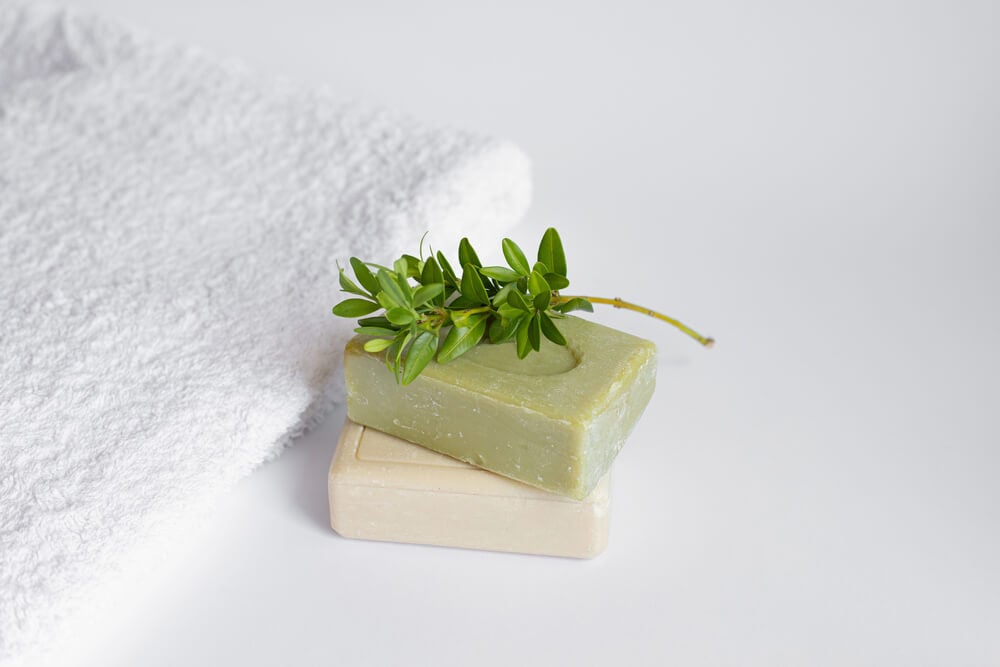
A factory worker at Procter & Gamble accidentally left a soap mixing machine running too long in 1879, whipping excess air into the batch and creating an unusually light, floating bar of soap. Rather than discard the flawed batch, the company shipped it anyway, and customers began specifically requesting the soap that floated in bathwater.
Procter & Gamble intentionally recreated the manufacturing error going forward and marketed the floating quality as a deliberate feature. Ivory Soap remains one of the company’s longest-running brands.
Saccharin
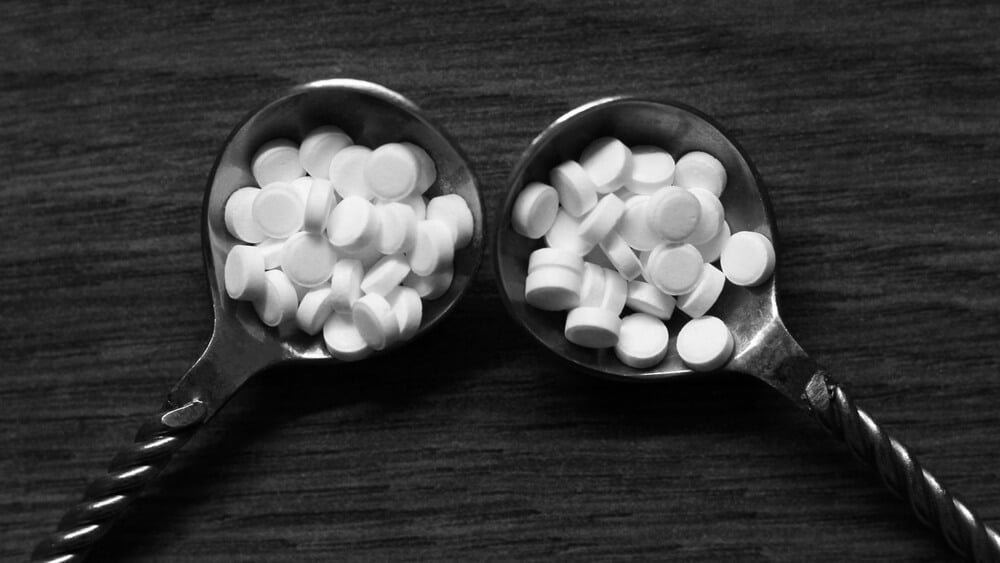
A chemist at Johns Hopkins University was researching coal tar derivatives in a laboratory in 1879 when he noticed an unusually sweet taste on his hands after failing to wash them properly following an experiment. The sweetness had nothing to do with the compound he had actually been trying to develop.
He and his research partner identified and patented the sweetening compound separately, eventually marketing it as an artificial sweetener with no nutritional connection to its original chemical research purpose. Saccharin became widely used decades later during sugar shortages in both World Wars.
Chocolate Chip Cookies
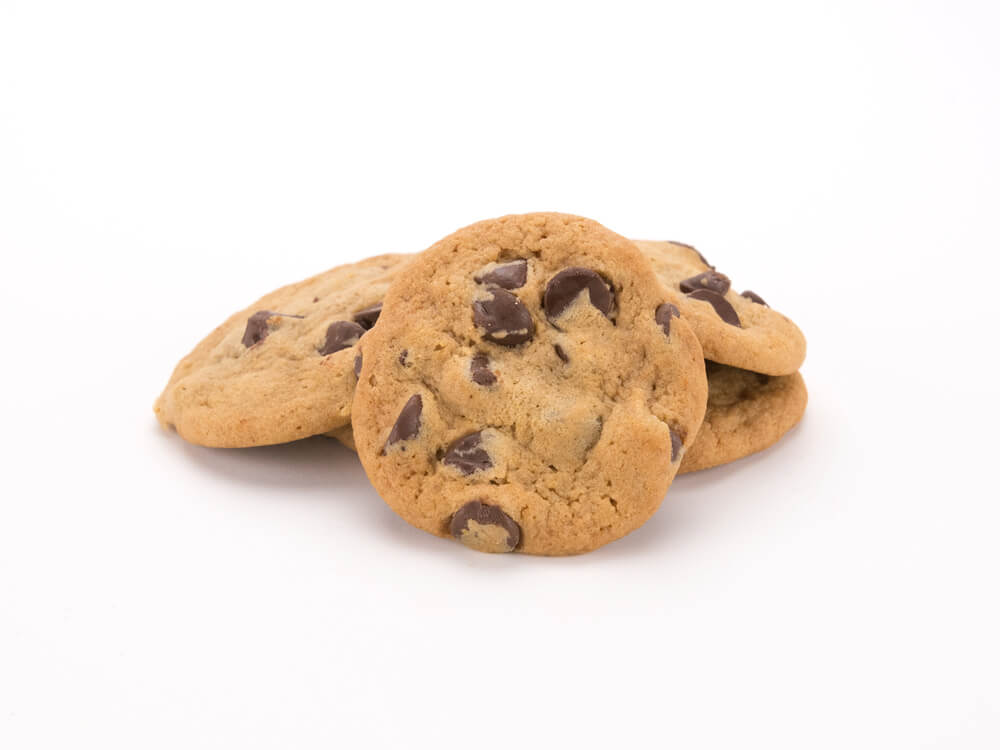
Innkeeper Ruth Wakefield was preparing a batch of chocolate cookies in 1938 and substituted broken pieces of a chocolate bar for melted baking chocolate, expecting the chunks to melt evenly into the dough as she baked. Instead, the chocolate pieces held their shape, creating a texture no one had specifically set out to invent.
The resulting cookie became so popular at her Massachusetts inn that Nestlé eventually licensed the recipe. It remains one of the most widely baked cookie recipes in the United States.
Champagne

Winemakers in France’s Champagne region for centuries treated the bubbles that developed in their wine as an unwanted defect caused by fermentation continuing unexpectedly in cold cellar conditions. Bottles frequently exploded from the pressure, and the sparkling result was considered a flawed batch rather than a desirable product.
Producers eventually developed techniques to control and intentionally induce the effect once demand for sparkling wine grew in the 1700s. What had been treated as a winemaking failure became one of the most prestigious beverage categories in the world.
Matches
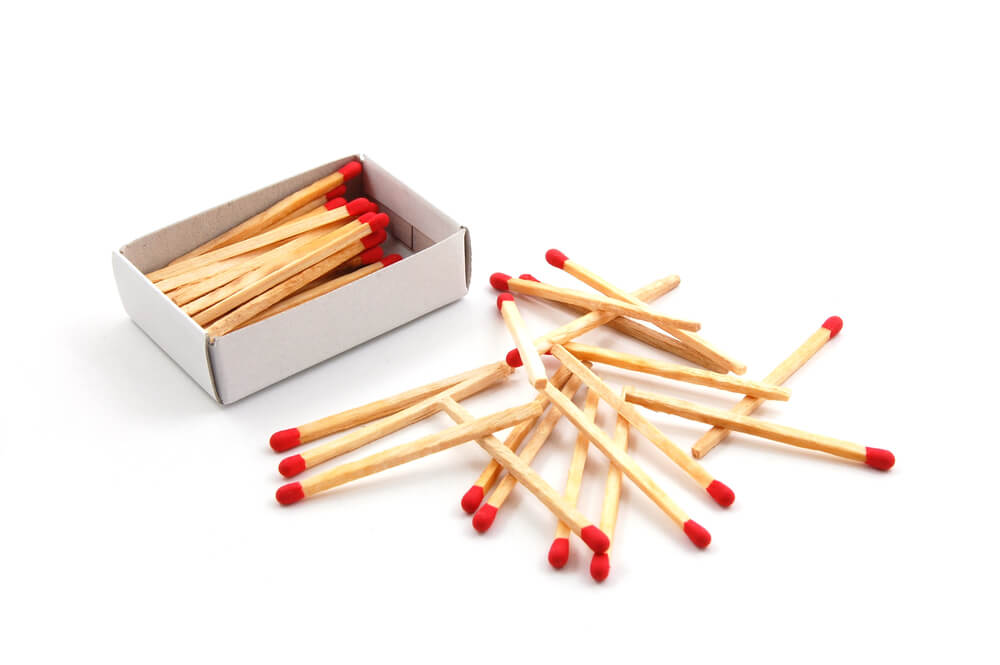
English chemist John Walker was experimenting with a chemical coating in his workshop in 1826, attempting to develop a compound for an unrelated purpose, when he scraped a coated stick across his hearth and it burst into flame. He recognized the accidental discovery had far more practical value than his original experiment.
Walker began selling friction matches commercially the following year, though he never patented the invention. The basic chemistry behind his accidental discovery still underlies matches produced today.
Tea Bags
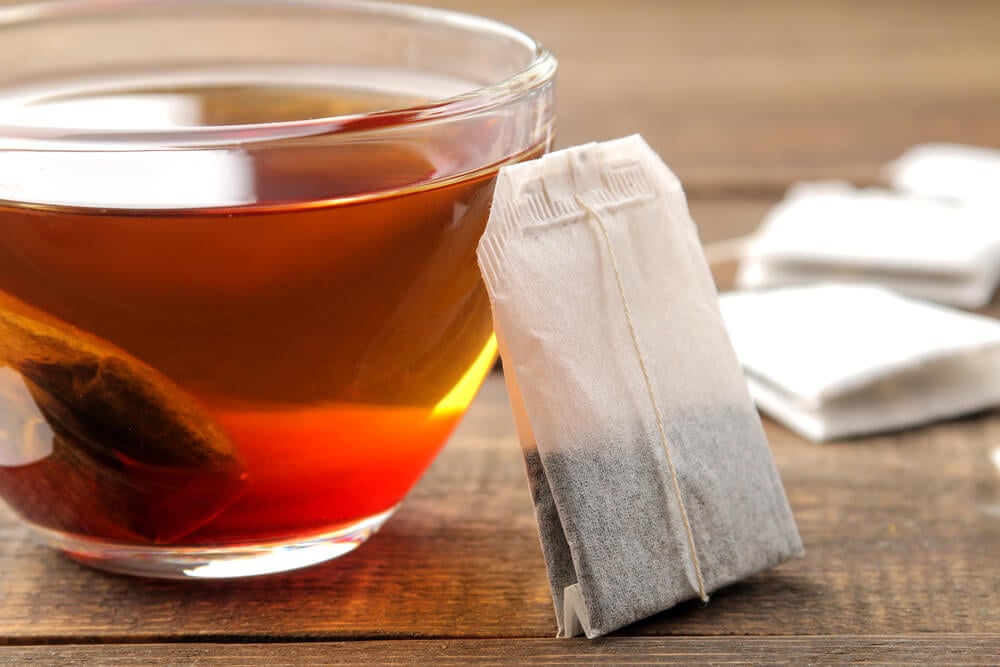
New York tea merchant Thomas Sullivan began shipping small silk sample sachets of tea to potential customers around 1908, intending for recipients to open the samples and brew the loose leaves as usual. Many customers instead dropped the entire silk sachet directly into hot water, assuming that was the intended method.
Sullivan recognized the unplanned use as more convenient than loose tea and began producing bags specifically designed for that purpose. Tea bags now account for the vast majority of tea sold worldwide.
Rayon

French chemist Hilaire de Chardonnet was researching a synthetic replacement for silkworm silk in the 1880s, driven partly by a disease outbreak devastating French silk production at the time. His resulting cellulose-based fiber succeeded chemically but proved highly flammable in its earliest form, unsuitable for the clothing purpose he had envisioned.
Manufacturers spent decades refining the process before it became commercially practical and safe for textile use. The resulting fiber, eventually named rayon, became one of the first widely produced synthetic fabrics.
Bubble Gum
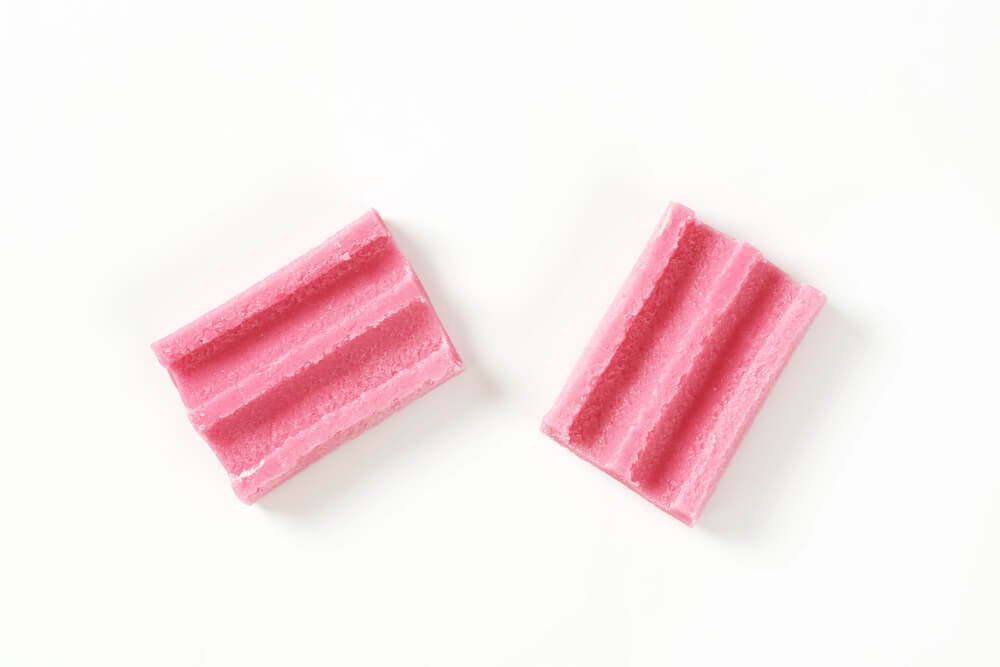
Chemists at a Philadelphia gum company spent years in the 1920s attempting to formulate an improved chewing gum recipe that would be less sticky and easier to work with than existing products. An employee experimenting independently with the company’s latest formula discovered it could be stretched into large bubbles far more effectively than any gum on the market.
The company began marketing the accidental discovery under the name Double Bubble in 1928, dyeing it pink simply because that was the only color available in the factory that day. It remains the standard color associated with bubble gum today.
Graham Crackers
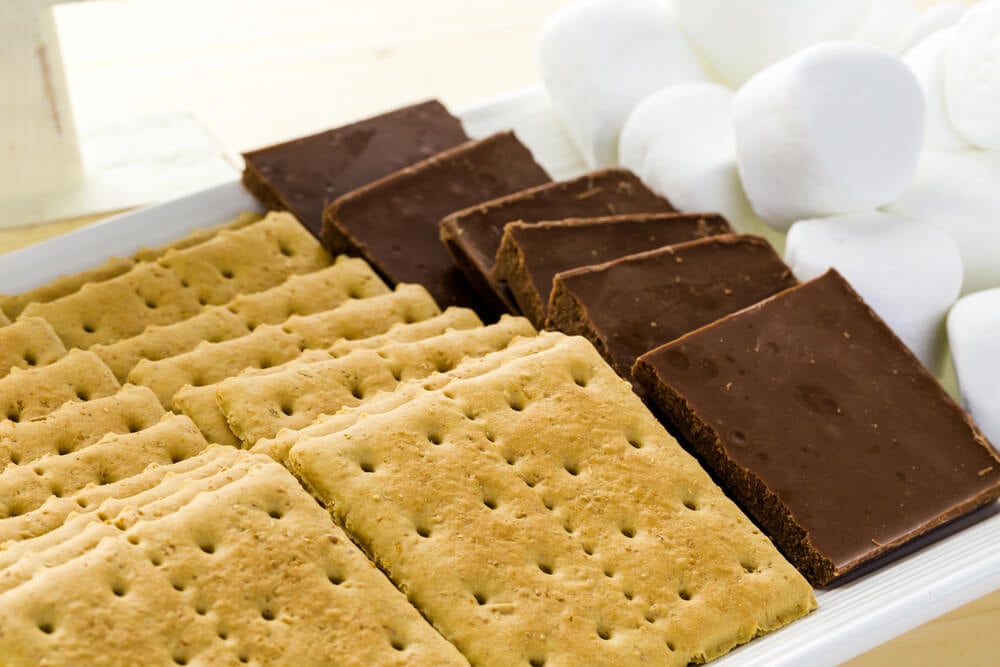
Presbyterian minister Sylvester Graham developed his coarse-ground wheat cracker in the 1830s as part of a broader dietary reform movement promoting bland, unrefined foods to curb what he considered unhealthy modern habits and appetites. The cracker was one part of an entire lifestyle program he preached across the northeastern United States.
Commercial bakers eventually stripped away the movement’s original moral framing and marketed the cracker simply as a healthy snack food. The dietary crusade behind its creation has been almost entirely forgotten by modern consumers.
Bakelite
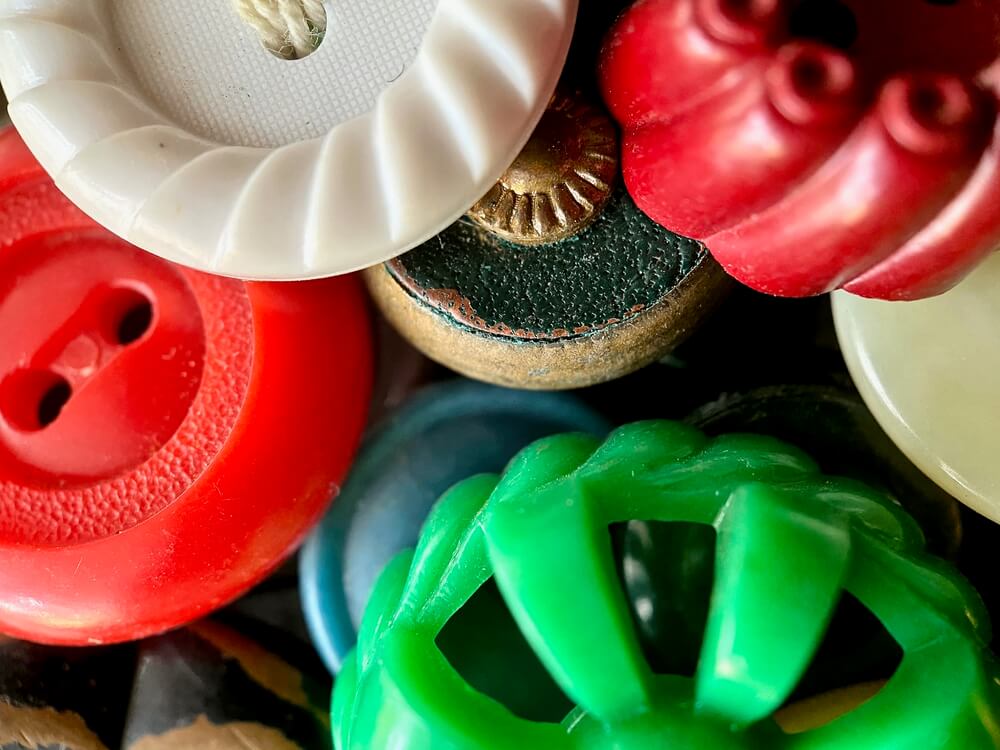
Chemist Leo Baekeland set out in 1907 to develop a synthetic substitute for shellac, a natural resin used at the time to insulate the rapidly expanding electrical industry. His resulting compound proved unsuitable as a shellac replacement but held its shape permanently once heated and molded, a property no natural material offered.
Manufacturers recognized the moldable, heat-resistant material had far broader applications than electrical insulation alone. Bakelite is now widely credited as the first fully synthetic plastic and the foundation of the modern plastics industry.
Saran Wrap
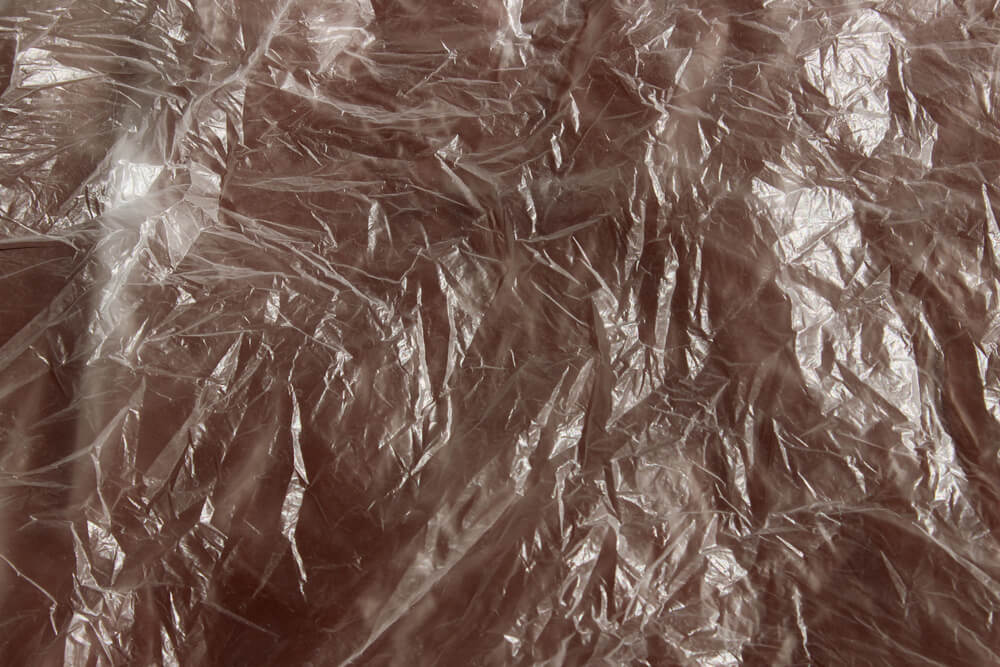
A Dow Chemical lab worker discovered a clingy, hard-to-remove residue on laboratory glassware in 1933 while testing an unrelated dry-cleaning compound. The company initially used the substance industrially, spraying it onto military equipment and aircraft parts to protect against moisture during World War II.
Only after the war did Dow reformulate the substance into a thinner, food-safe version and market it for household kitchen use. Saran Wrap launched for home use in 1949 and became a kitchen staple within a decade.
Silly String
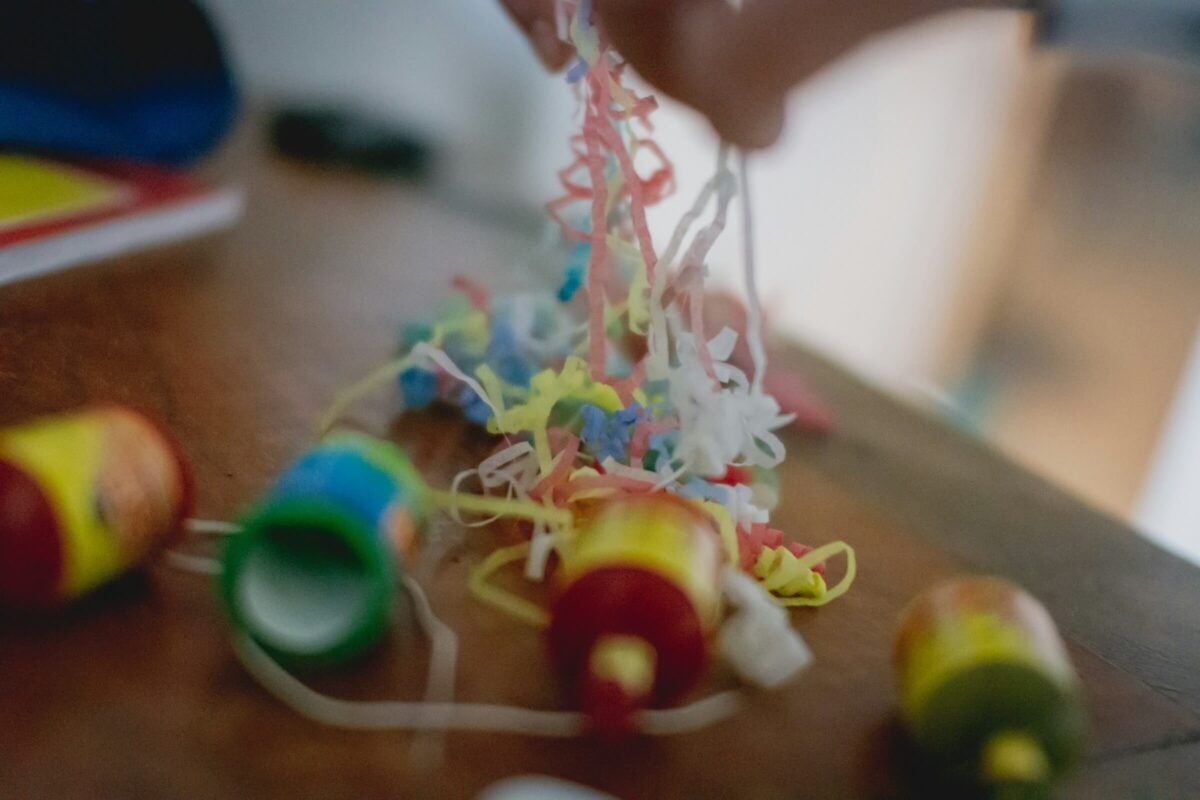
Two chemists were attempting to develop an aerosol spray-on cast material in 1972 that could be applied directly to a broken limb and harden in place. The pressurized formula would not stop expanding once released from its can, spraying uncontrollably across the room during testing rather than forming a controlled cast.
Recognizing the failed medical product had accidental entertainment value, the inventors rebranded it as a party toy the same year. It remains a novelty item sold worldwide decades later.
Cellophane
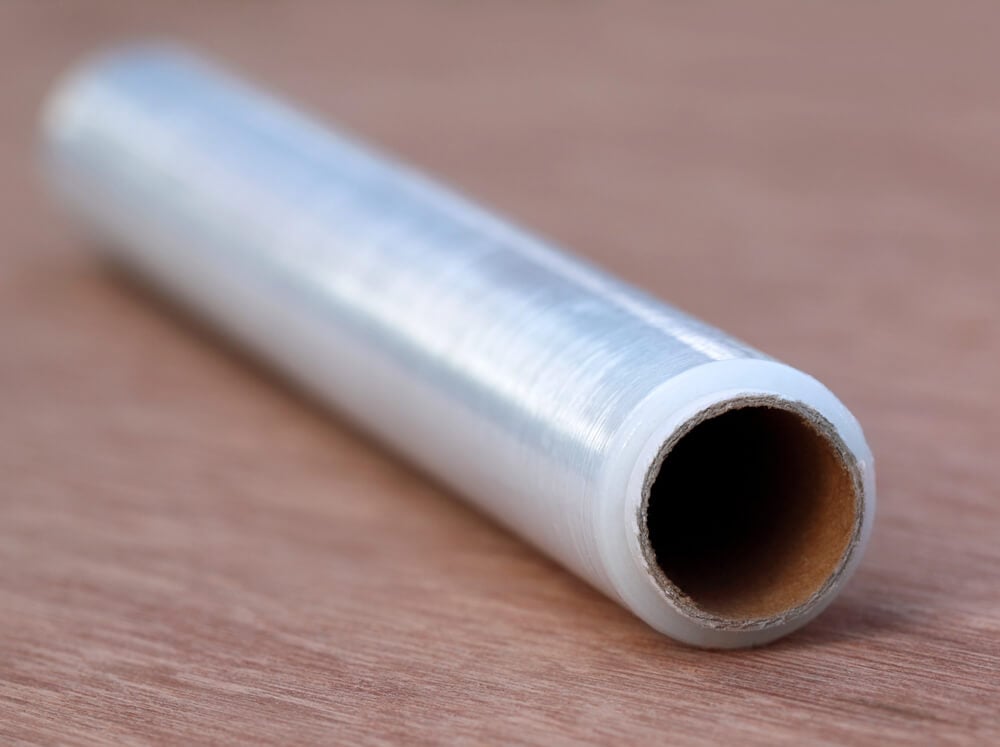
Swiss chemist Jacques Brandenberger set out in 1900 to develop a stain-resistant coating that could be applied directly to fabric tablecloths, hoping to create a material that would repel spilled wine and water. The coating proved too stiff and brittle to work on cloth, but Brandenberger noticed the transparent film could be peeled away and used entirely on its own.
He spent the following decade refining the material as a standalone product rather than a fabric treatment. Cellophane became a dominant packaging material for food and consumer goods once mass production began in the 1920s.
Aspartame
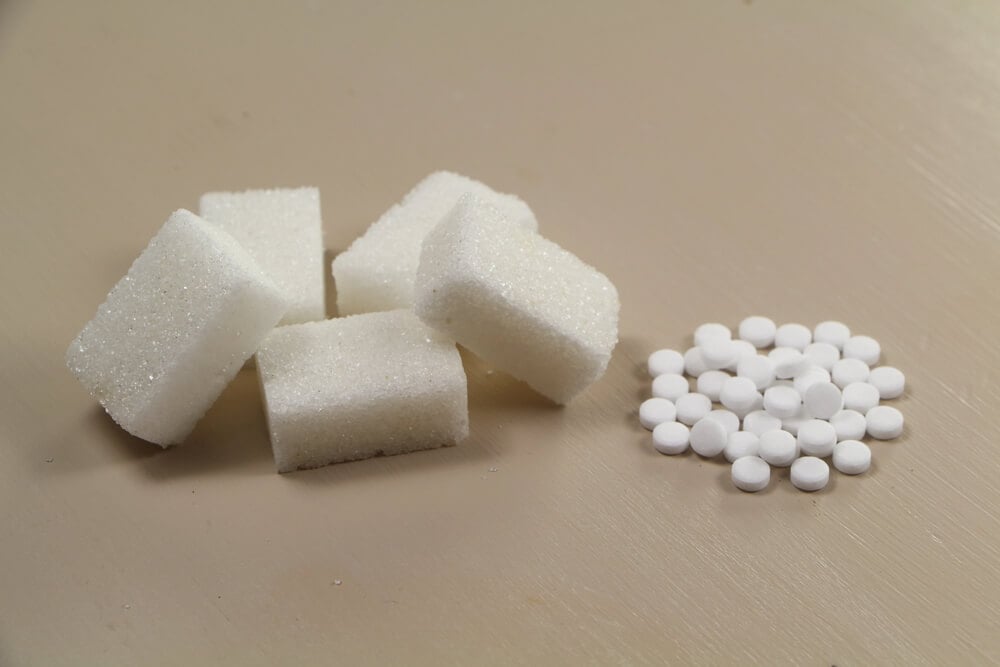
A chemist at G.D. Searle was researching a potential treatment for stomach ulcers in 1965 and, while testing a compound, licked his finger after it became coated with the substance during lab work. He noticed an intensely sweet taste that had no connection to the ulcer medication he had actually been developing.
The company redirected research toward the compound’s sweetening properties rather than its original medical purpose. Aspartame received approval as an artificial sweetener in 1981 and became one of the most widely used sugar substitutes in the world.
When the Failure Is the Product

Nearly every item on this list represents a moment when the original goal was abandoned entirely, and something else took its place almost by accident. A chemist chasing one compound stumbled onto a completely different, more marketable one; an engineer solving a shipping problem invented a toy instead.
What separates these products from countless other failed experiments is simply that someone paid attention to the accident rather than discarding it. That pattern says something about how invention actually happens, as opposed to how it gets remembered afterward.
The tidy origin story printed on packaging almost always leaves out the wallpaper cleaner, the failed adhesive, or the abandoned rubber substitute that came first.
More from Go2Tutors!

- The Romanov Crown Jewels and Their Tragic Fate
- 13 Historical Mysteries That Science Still Can’t Solve
- Famous Hoaxes That Fooled the World for Years
- 15 Child Stars with Tragic Adult Lives
- 16 Famous Jewelry Pieces in History
Like Go2Tutors’s content? Follow us on MSN.



