15 Facebook Games We Were Addicted To
There was a time when Facebook wasn’t just about scrolling through news feeds and sharing vacation photos. It was a gaming paradise where millions of people spent hours planting crops, building cities, and begging friends for extra lives.
These games didn’t just entertain us—they changed how we interacted with social media and turned casual players into dedicated gamers who set alarms to harvest virtual strawberries at 3 AM. The golden age of Facebook gaming created a whole new culture of online interaction.
Let’s look back at the games that had us hooked, annoyed our friends with constant requests, and made us forget about actual responsibilities.
FarmVille
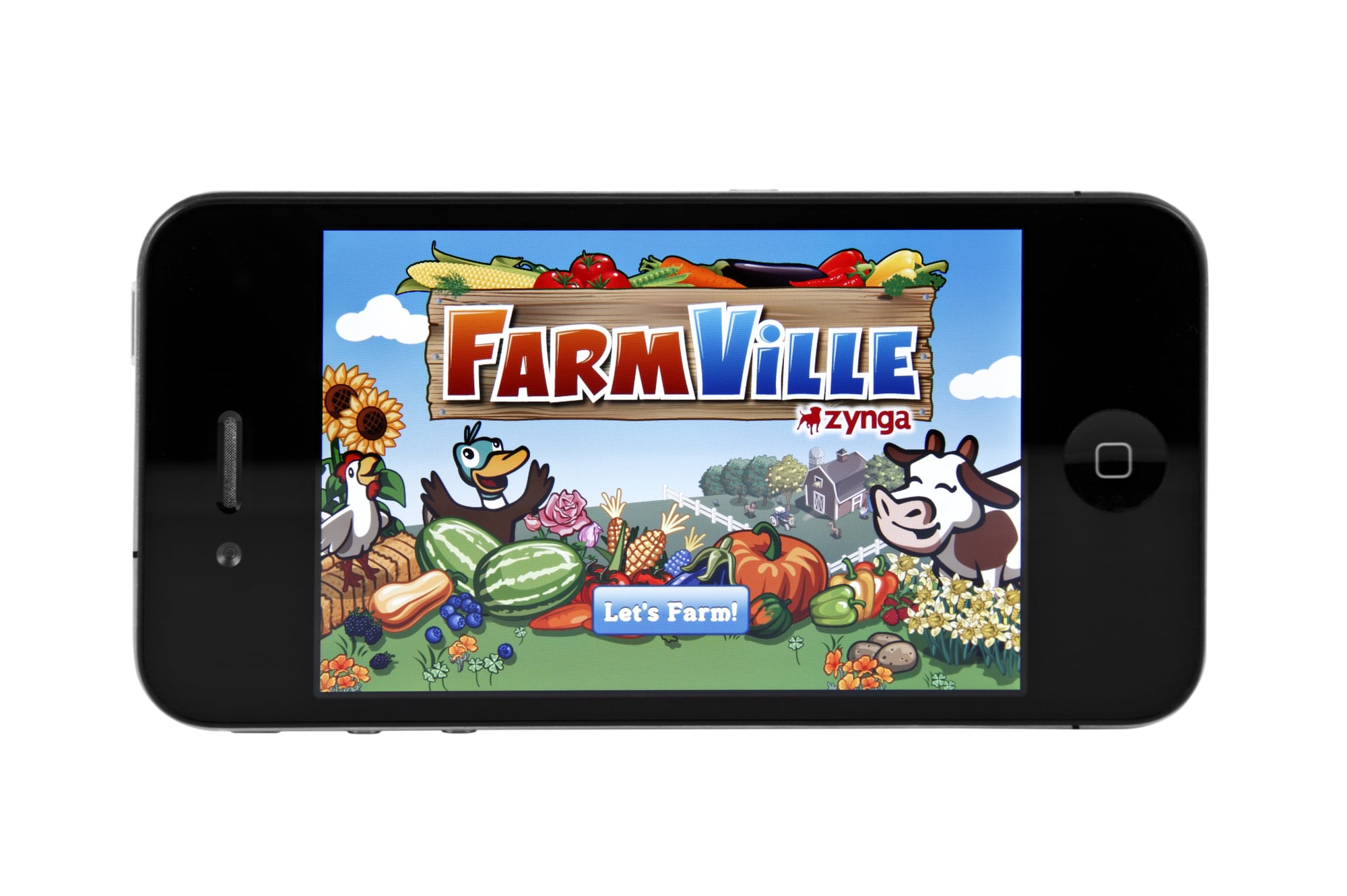
Zynga’s farming simulator turned everyone into virtual agricultural tycoons whether they wanted to be or not. Players planted crops, raised animals, and decorated their farms with an obsessive attention to detail that would make actual farmers laugh.
The game’s genius lay in its time-based mechanics—if you didn’t harvest your strawberries within a specific window, they’d wither and die, creating genuine anxiety over imaginary produce. Friends became farmhands, neighbors traded resources, and the constant notifications kept people coming back every few hours to tend their digital land.
Mafia Wars
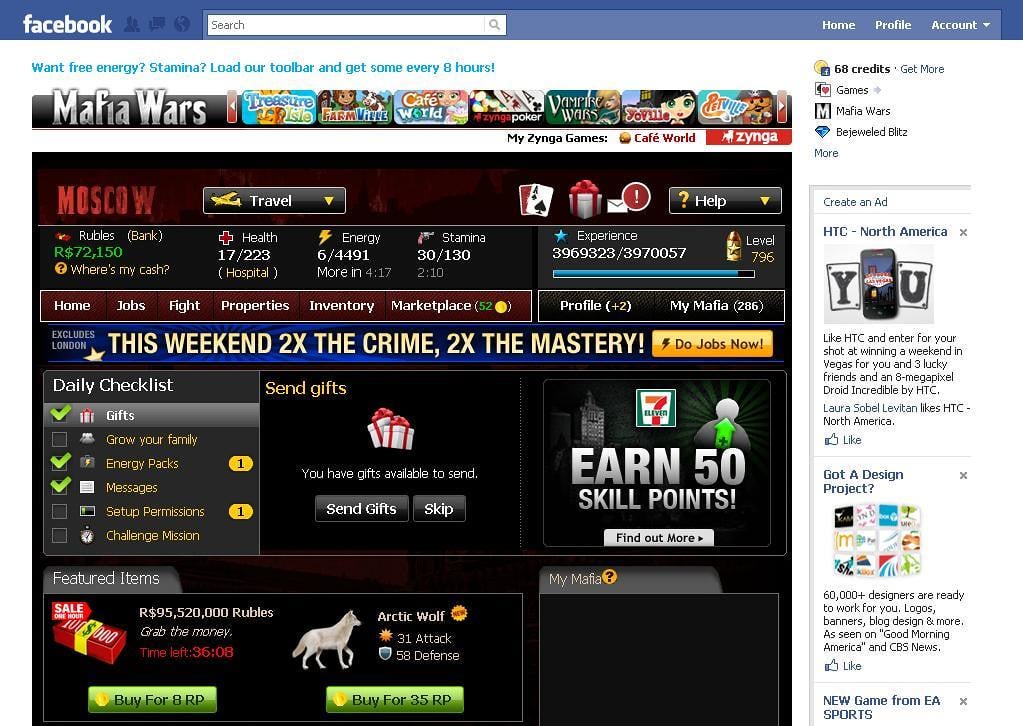
This text-based crime game let players build criminal empires from the comfort of their office desks. The gameplay involved completing jobs, fighting rival mobsters, and recruiting friends to join your family—which led to some awkward conversations when coworkers received mafia invitations during lunch breaks.
Unlike many Facebook games, Mafia Wars required strategic thinking about which properties to buy and which skills to develop. The competitive leaderboards turned mild-mannered accountants into ruthless digital crime lords who’d spend real money on virtual weapons just to outrank their buddies.
Pet Society
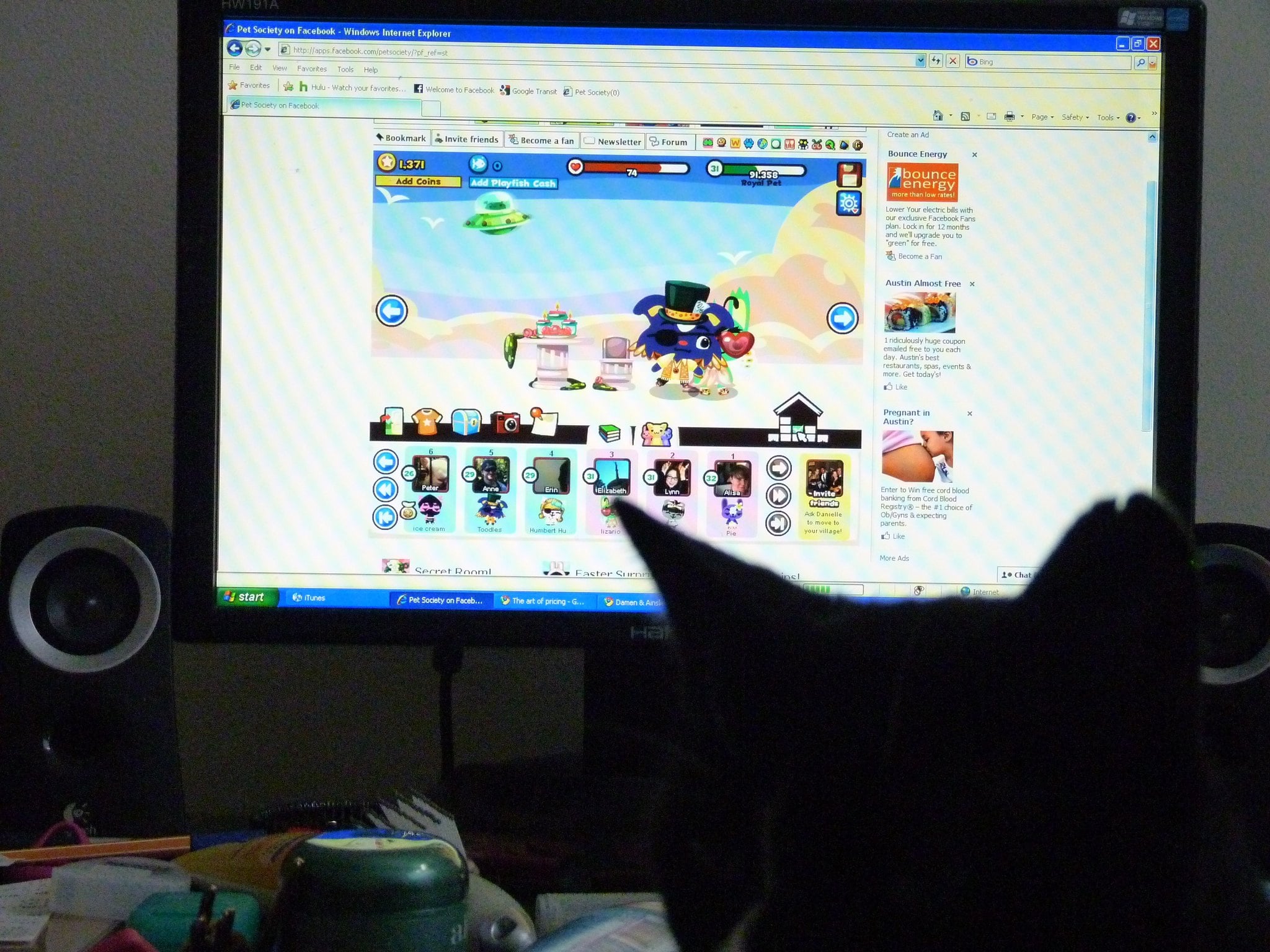
EA’s adorable virtual pet game had players caring for colorful creatures in ways that often exceeded their attention to real pets. Each day brought new opportunities to feed, wash, and dress up these cheerful animals while decorating their homes with an endless array of furniture and accessories.
The visiting mechanic encouraged daily interaction with friends’ pets, creating a sweet cycle of virtual social calls. Players competed in mini-games to earn coins, which they’d spend on the latest fashion items or rare furniture pieces that cost more than some people’s actual couches.
Bejeweled Blitz
PopCap’s timed version of their classic puzzle game became the perfect procrastination tool for office workers worldwide. Unlike the original Bejeweled, Blitz games lasted exactly one minute, making it dangerously easy to justify ‘just one more round’ that somehow turned into forty-five minutes.
The weekly leaderboards against friends transformed a simple match-three game into serious competition where people developed elaborate strategies for maximizing cascades and special gem combinations. Power-ups added another layer of strategy, and the satisfying sound effects made every successful match feel like a genuine achievement.
FishVille

Zynga took the FarmVille formula underwater and convinced millions that managing an aquarium was just as addictive as farming. Players started with basic goldfish and gradually unlocked exotic species, each requiring different care schedules and tank conditions to thrive.
The game introduced breeding mechanics that had people researching virtual fish genetics with the seriousness of marine biologists. Decorating tanks became an art form, with players spending hours arranging coral, treasure chests, and background scenes to create the perfect underwater environment.
Texas HoldEm Poker

Zynga Poker brought casino-style card games to Facebook before anyone else realized how popular they’d become. The game offered free chips daily, letting players experience the thrill of high-stakes poker without risking actual money—though many still bought chips when they went all-in and lost.
Players joined tables with friends or strangers, chatted during hands, and slowly developed their poker faces despite sitting alone at home in pajamas. The progression system rewarded frequent play with special bonuses and higher-stakes tables, creating a natural ladder that kept competitive players engaged for years.
Restaurant City
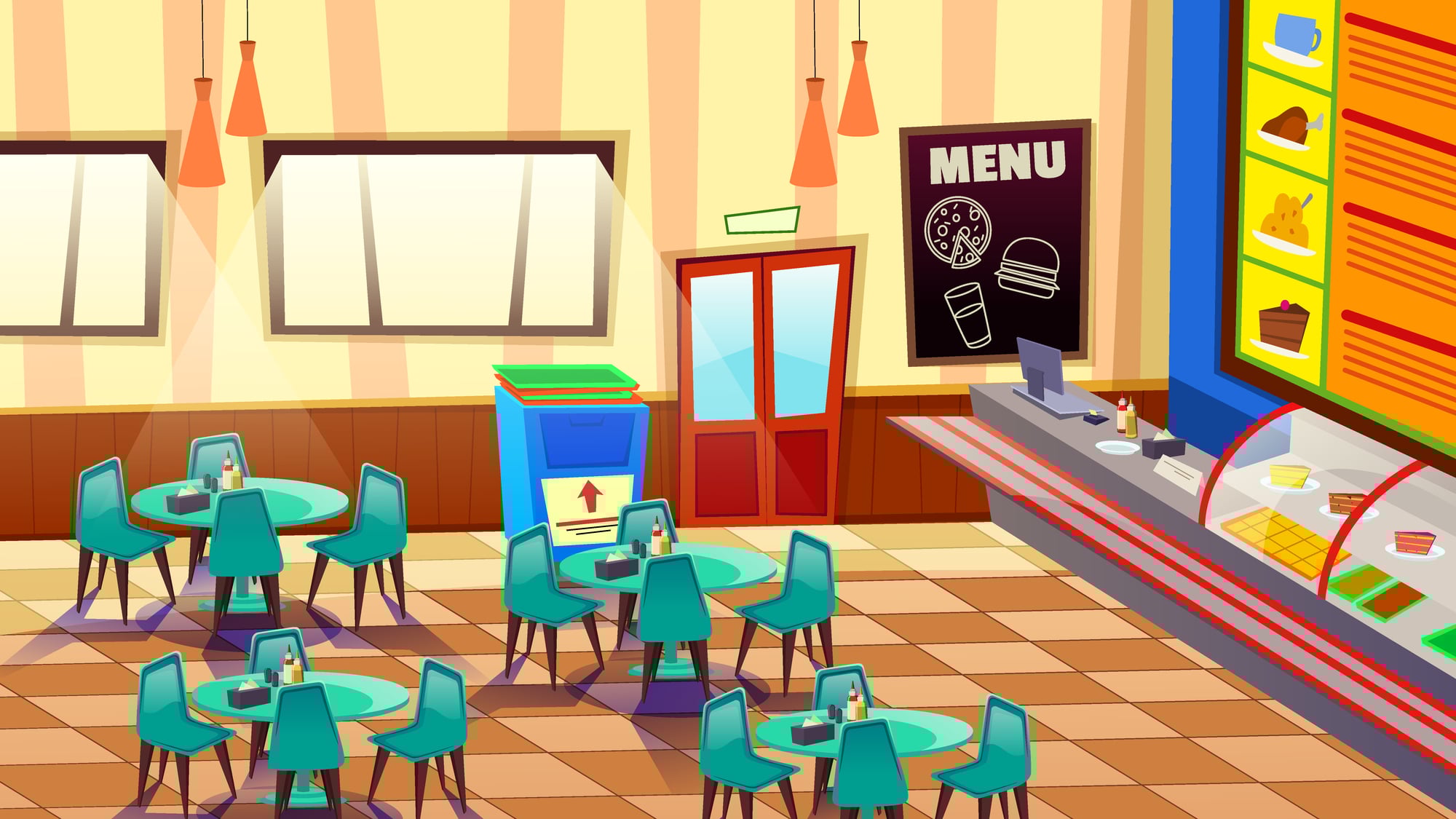
This cooking simulation game combined food service management with creative interior design in addictive ways. Players hired friends as waiters, designed restaurant layouts, and learned recipes by trading ingredients with their network—which meant your Italian restaurant’s success might depend on your buddy who specialized in Asian cuisine.
The real-time serving mechanics required actual attention, as customers would leave if ignored too long, making it impossible to just set and forget like some farming games. Daily ingredient limits forced strategic menu planning, and the decorating options let players create everything from cozy cafes to massive dining halls.
Farmville 2
Zynga’s sequel improved on the original with better graphics, more realistic farming mechanics, and expanded crafting systems. The game introduced a countryside setting with multiple farms to manage, water wells that actually mattered, and animals that needed more than just clicking to stay happy.
Players could now craft goods from their harvested crops, creating whole supply chains that would make business majors proud. The social features deepened too, with co-op farming that let friends work together on special crops and community projects that required group participation.
Candy Crush Saga
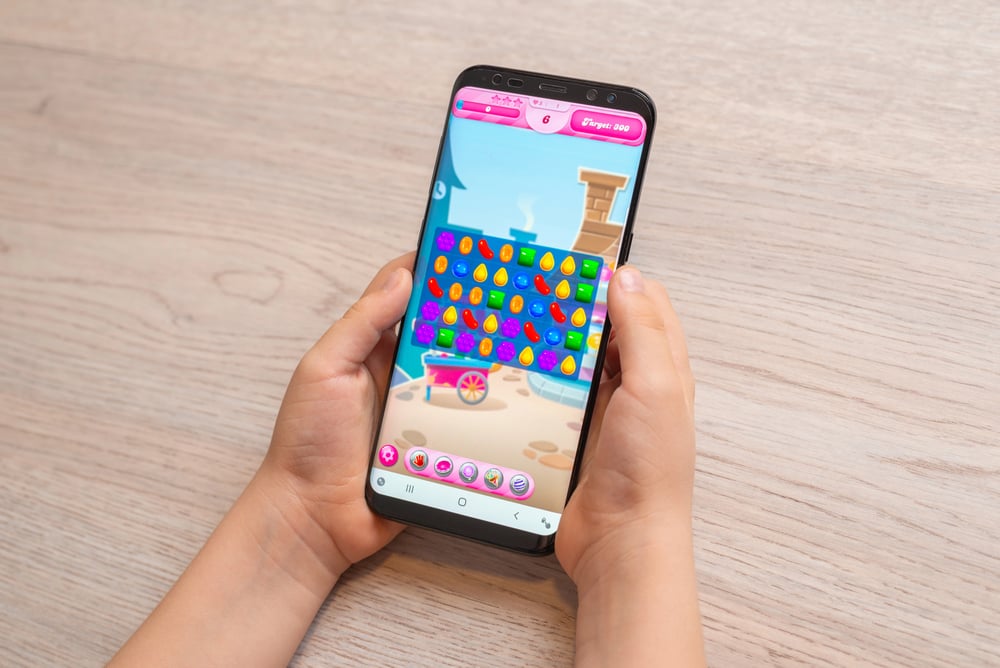
King’s match-three puzzle game became so popular that it transcended Facebook and became a cultural phenomenon. The game’s level-based progression offered hundreds of increasingly difficult challenges that had people stuck on single levels for weeks.
Special candies created through specific match patterns added depth beyond simple color matching, and the limited lives system created natural breaks that somehow made people want to play even more. Friends could send lives and help unlock new episodes, turning the game into a reciprocal favor economy where relationships were measured in virtual assistance.
Words With Friends
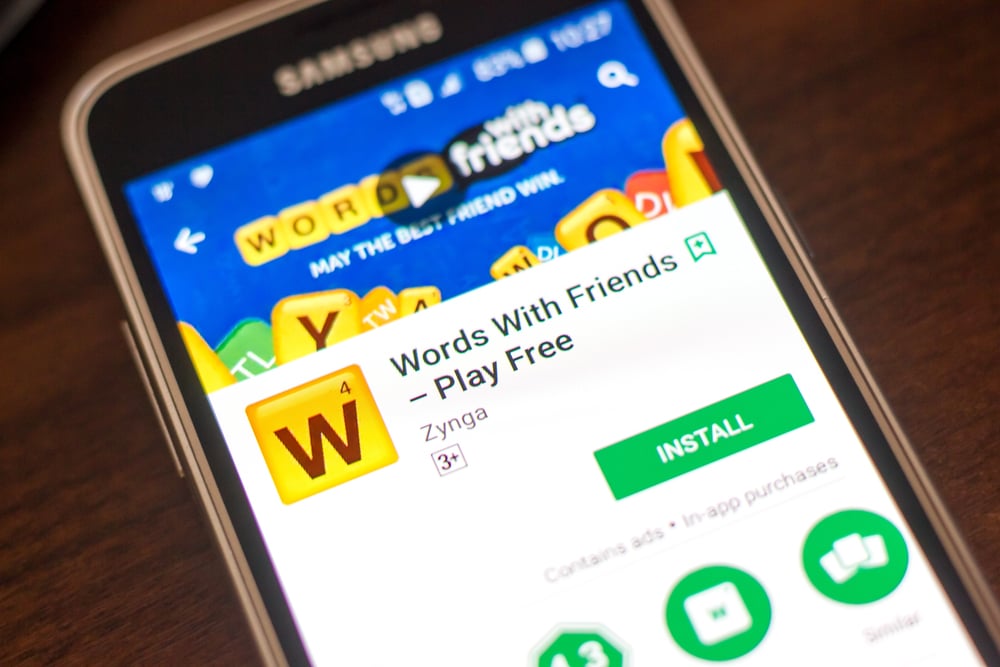
This Scrabble-inspired word game turned friends into ruthless vocabulary competitors who’d argue over whether ‘qi’ was a real word. The asynchronous gameplay meant matches could last days or weeks, with players checking in whenever convenient to make their next move.
The chat feature alongside the game board created unique conversation dynamics where trash talk mixed with actual catching up. Competitive players memorized two-letter words and studied tile distribution patterns with the dedication of championship Scrabble athletes.
CityVille

Zynga’s city-building game let players become mayors of growing metropolises that started as tiny towns. The game required balancing residential zones, businesses, and community buildings while managing resources and keeping citizens happy—basically SimCity for people who’d never played SimCity.
Players could visit friends’ cities to complete jobs and earn bonuses, creating daily routines of virtual civic visits. The expansion system meant successful cities kept growing outward, and seasonal events added limited-time buildings that dedicated players couldn’t resist adding to their skylines.
Diamond Dash
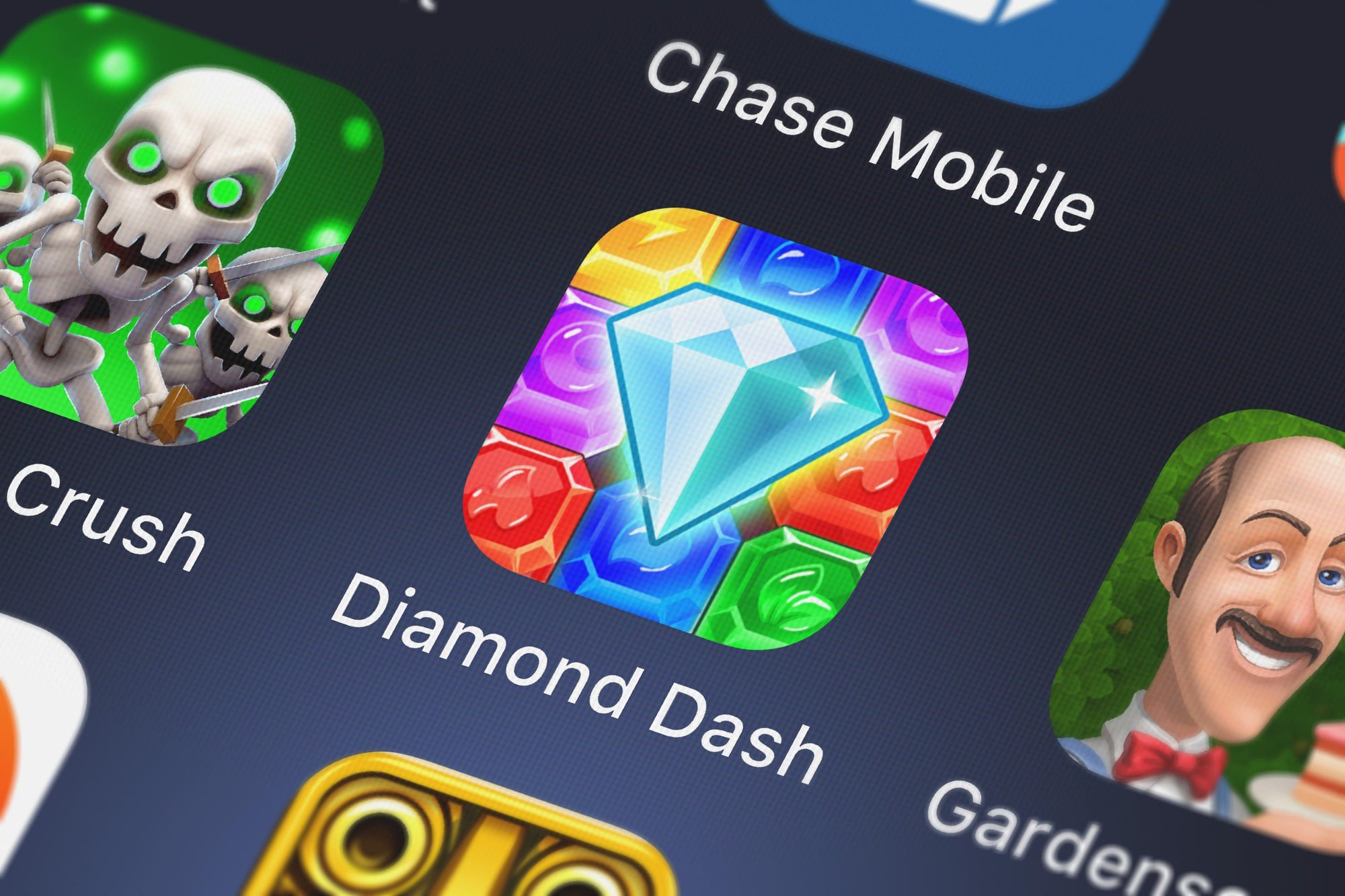
This fast-paced matching game gave players just sixty seconds to tap matching colored diamonds for points. The time pressure created an almost frantic energy as players tried to spot patterns faster while the clock ticked down.
Weekly tournaments against friends made every game feel important, and the random power-up drops added lucky breaks that could turn a mediocre run into a record-breaking score. The game’s simplicity meant anyone could play, but mastering the quick-scanning technique that top players used took genuine practice.
Slotomania
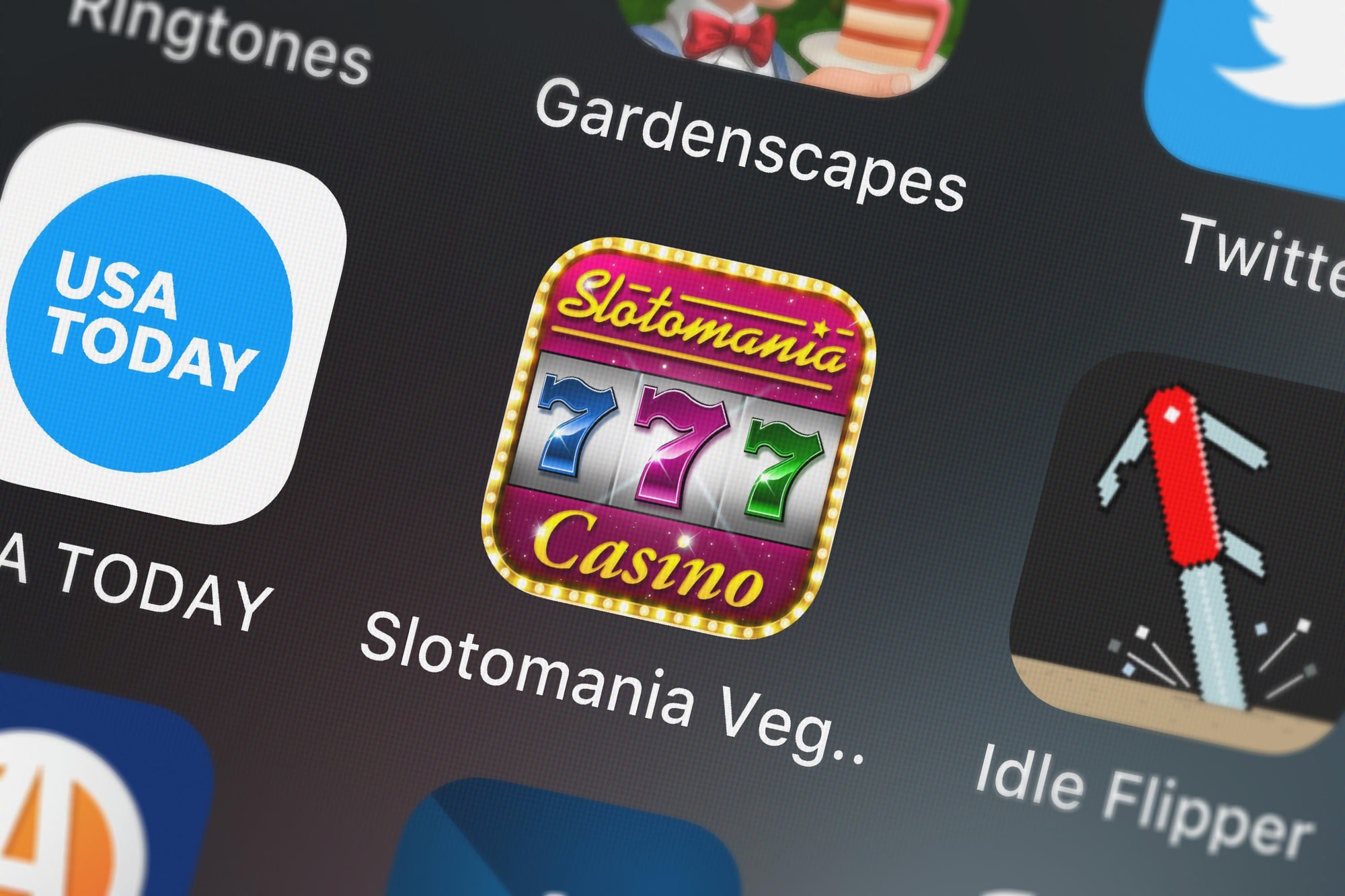
This slot game brought Vegas-style gambling to Facebook without the financial risk or cig smoke. Players spun virtual slot machines with different themes, collected bonuses, and joined clubs with friends to share extra spins and coins.
The game introduced new machines regularly, each with unique bonus rounds and special features that kept the experience fresh. Daily challenges and tournaments added competitive elements to what was essentially a luck-based game, and the generous free coin system meant casual players could enjoy it without spending money.
Dragon City
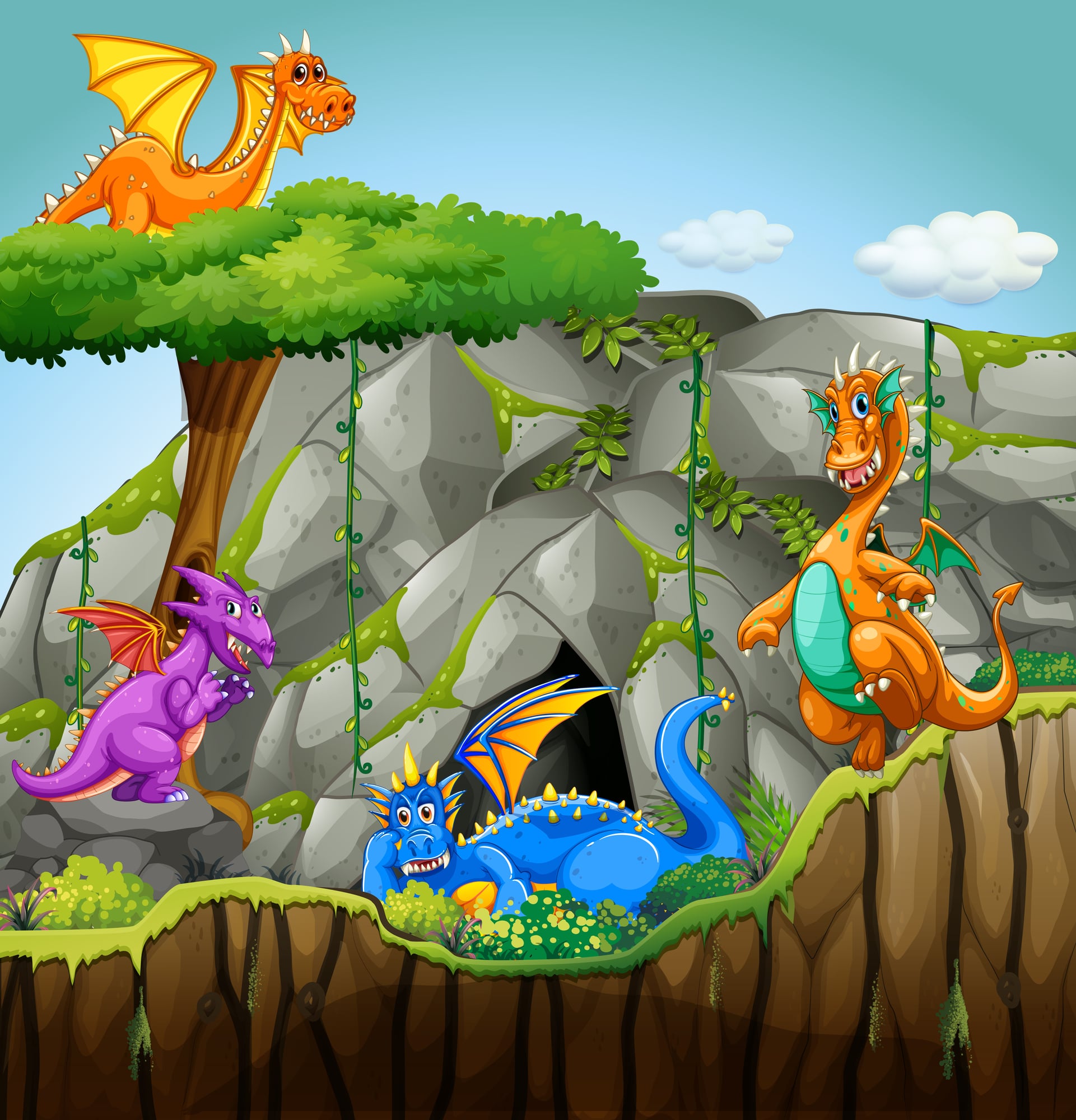
A wild mix of raising beasts and growing towns hooked fans who love gathering creatures. Hatching young drakes came first, then feeding each one up until they reached full size, followed by mixing breeds to uncover unusual mixes with special powers.
Battles unfolded in challenges where dragons faced off, sometimes against others owned by real people nearby. With so many kinds out there, chasing every single type became a long road for those aiming to own them all.
Now and then, limited-time happenings dropped new variants into the world – making some feel like they might miss something truly rare.
ChefVille
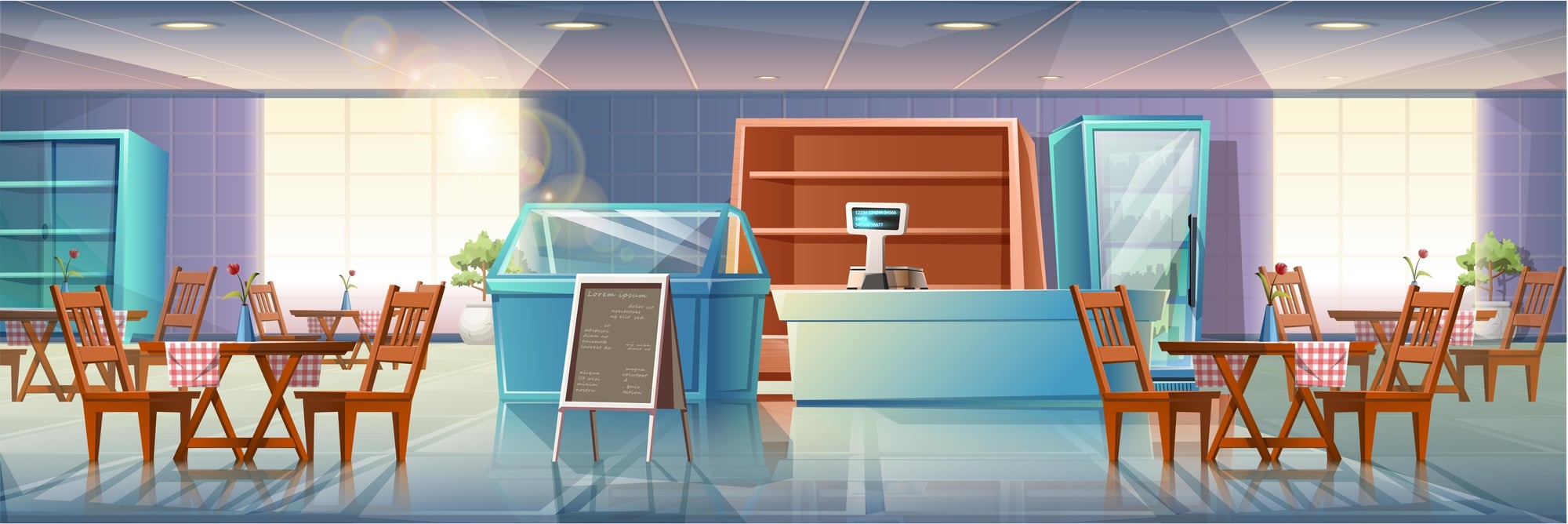
Cooking got real inside Zynga’s kitchen simulator, where meals unfolded step by step like a true cookbook come alive. Instead of just waiting around, people sliced veggies, browned meat, then arranged plates through quick challenges that pulled them into the action.
Friends swapped rare spices while hopping between digital diners to pitch in on orders, building tight loops of give-and-take among neighbors online. Growing your space meant bigger counters and fresh menus appearing over time, each unlock feeling earned rather than handed out.
Tasks reset every morning – small missions that quietly shaped habits without shouting about rewards.
The Games That Transformed How People Connect Online

A quiet shift happened when Facebook turned into a playground for games, blending social spaces with playful moments. Not just players but everyday folks found joy in clicking, matching, building – no console needed.
Through sharing lives, they shared hearts, sent help, raced neighbors in digital gardens and farms. Simple actions like sending a virtual gift shaped how apps now nudge us to connect.
Even though those early titles vanished or slept in old servers, their DNA pulses through phones everywhere. Turns out, tiny rules plus human ties can spark habits deeper than flashy graphics ever did.
More from Go2Tutors!

- The Romanov Crown Jewels and Their Tragic Fate
- 13 Historical Mysteries That Science Still Can’t Solve
- Famous Hoaxes That Fooled the World for Years
- 15 Child Stars with Tragic Adult Lives
- 16 Famous Jewelry Pieces in History
Like Go2Tutors’s content? Follow us on MSN.