26 Escapes From History That Actually Worked
Most escape attempts throughout history ended badly, which is exactly why the successful ones stand out. These required timing, nerve, and often a fair amount of help from people willing to risk everything for someone else’s freedom.
Napoleon’s Escape From Elba
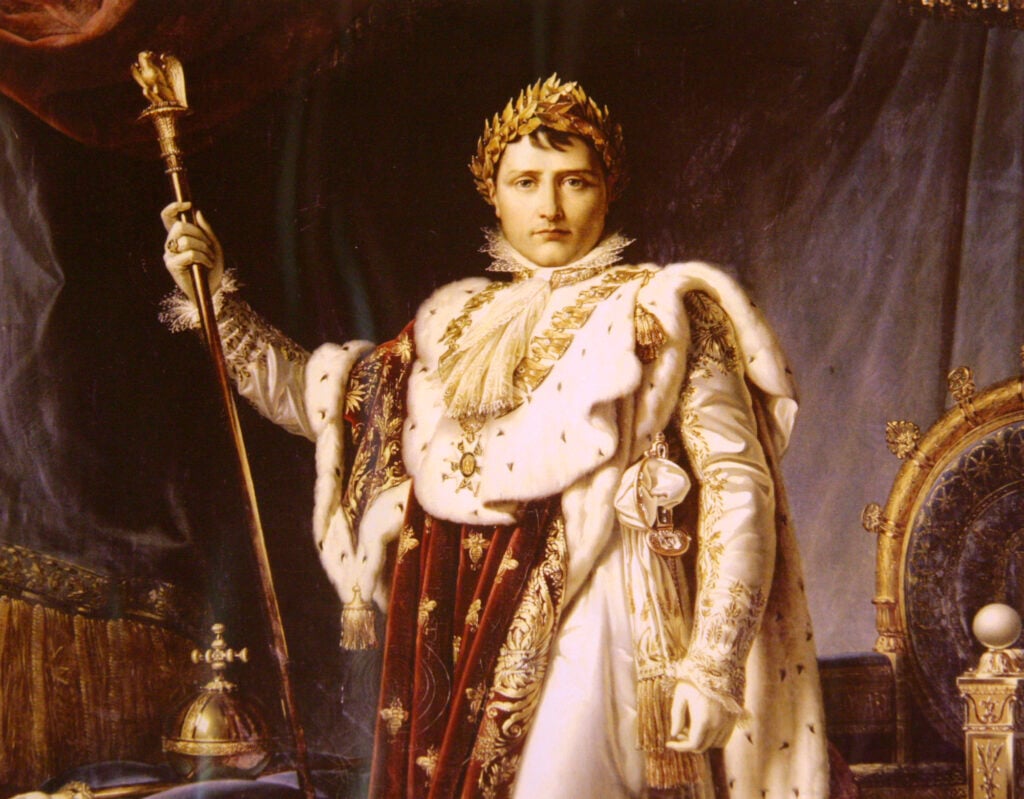
Exiled to the small Mediterranean island of Elba in 1814, Napoleon Bonaparte spent less than a year in confinement before slipping past British naval patrols with a small flotilla of loyal followers in February 1815. He landed in France and marched on Paris, gathering troops along the way, and reclaimed the throne without firing a shot until his final defeat at Waterloo months later.
Casanova’s Escape From The Leads

Giacomo Casanova was imprisoned in 1755 in the notoriously escape-proof attic cells of Venice’s Doge’s Palace, known as The Leads for the lead sheeting covering the roof above them. He spent months fashioning a makeshift tool from an iron bar to dig through the ceiling, eventually climbing across the palace roof and out through a window to freedom, an escape he later wrote about in exhaustive detail.
The Great Escape’s Successes
The mass breakout from the German prisoner-of-war camp Stalag Luft III in March 1944 is remembered largely for its tragic aftermath, since most of the seventy-six men who got out were recaptured and fifty were executed. Three men, however, made it all the way to safety, including two who reached neutral Sweden and one who escaped through occupied territory into Gibraltar.
The Wooden Horse Escape
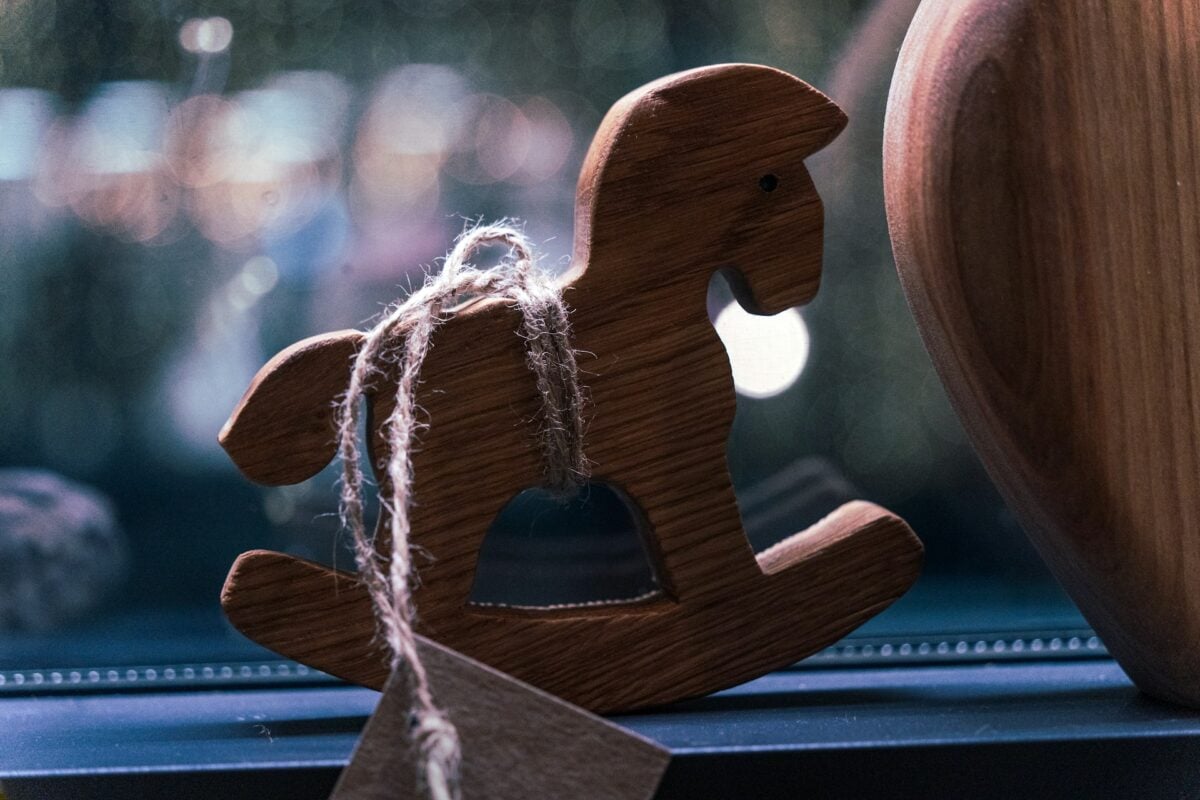
A year before the more famous Great Escape, three British airmen at the same camp used a vaulting horse placed daily near the perimeter fence as cover for digging a concealed tunnel underneath it. All three men who executed the escape in October 1943 successfully reached neutral territory, making it one of the few fully successful tunnel escapes of the war.
Frank Morris and the Anglin Brothers at Alcatraz
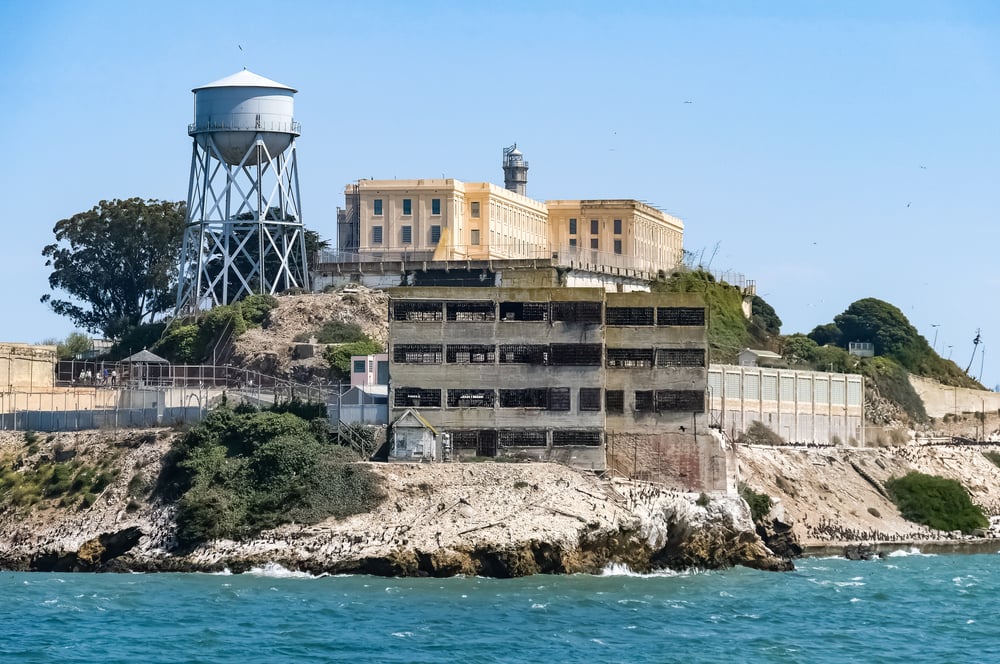
In June 1962, three inmates at the supposedly inescapable Alcatraz federal prison used sharpened spoons and hand-built tools to dig through their cell walls, leaving papier-mâché head decoys in their beds to fool nighttime checks. They were never recaptured, and while the FBI officially maintains they likely drowned in the bay, the case remains open and unresolved decades later.
Colditz Castle’s Successful “Home Runs”
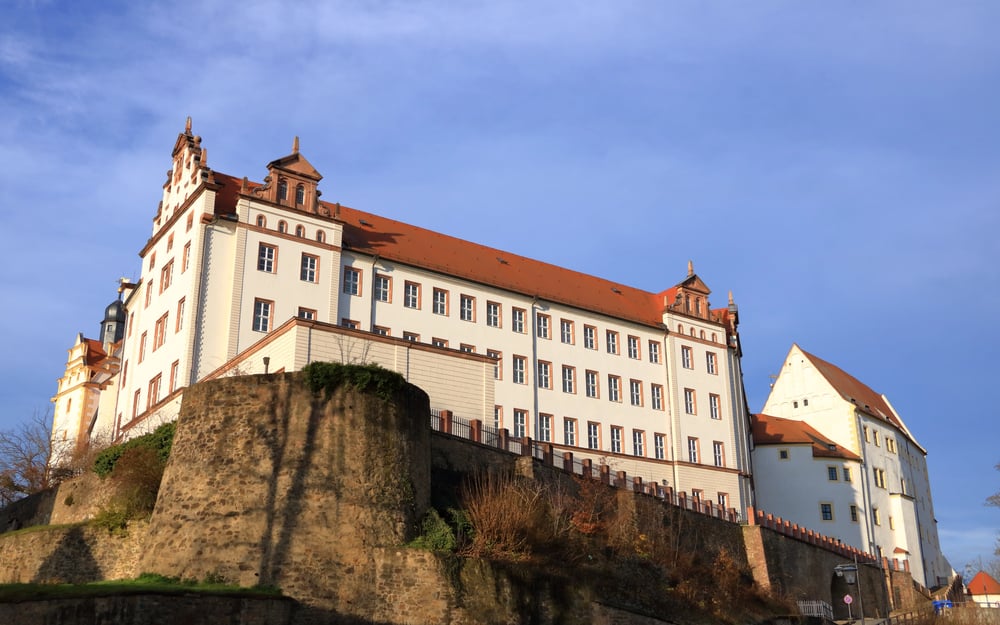
Colditz Castle in Germany was used during the Second World War to hold Allied officers considered high escape risks, yet dozens still managed successful breakouts despite the castle’s reputation for security. Prisoners who made it back to Allied lines described their successful escapes as “home runs,” and the castle’s escape committee became legendary for the ingenuity of its tunnels, disguises, and forged documents.
The Homemade Hot-Air Craft That Crossed the Berlin Wall

In September 1979, two East German families spent months secretly sewing together scraps of fabric to build a homemade hot-air aircraft capable of carrying eight people over the heavily guarded border. They launched at night and drifted across the border into West Germany, landing safely in a field and completing one of the most inventive Cold War escapes on record.
Varian Fry’s Marseille Rescue Network
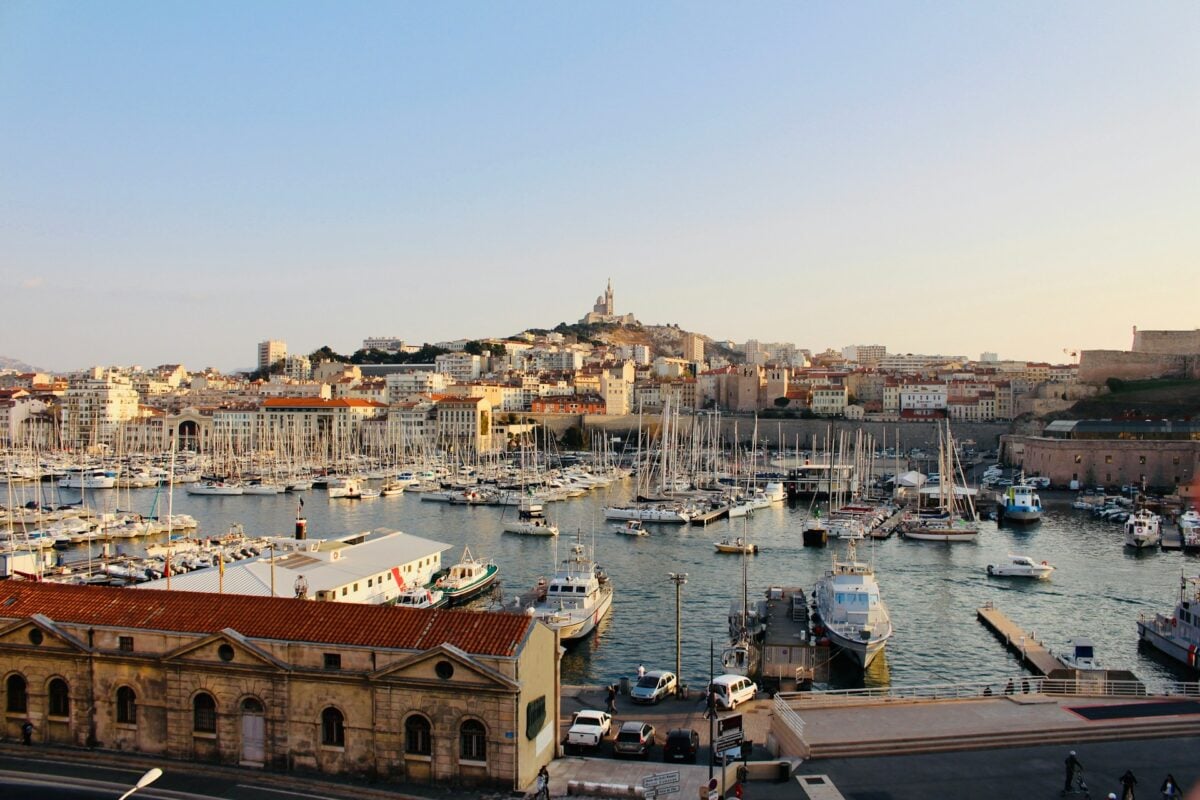
American journalist Varian Fry traveled to Marseille in 1940 with a list of endangered artists and intellectuals and spent more than a year running an underground network that smuggled roughly two thousand refugees out of Vichy France, often over mountain footpaths into Spain. Fry was eventually expelled by French authorities, but the network he built continued moving people to safety after his departure.
Frederick Douglass’s Escape From Slavery

Frederick Douglass escaped slavery in Maryland in 1838 by borrowing identification papers from a free Black sailor and boarding a train north, a journey lasting less than a day but requiring him to bluff his way past several checkpoints where discovery would have meant severe punishment or death. He went on to become one of the most influential abolitionist voices in American history.
Harriet Tubman’s Underground Railroad Runs

Harriet Tubman escaped slavery herself in 1849 and returned to the South roughly thirteen times over the following decade, guiding an estimated seventy or more enslaved people to freedom along a network of safe houses and hidden routes known as the Underground Railroad. She was never caught, and Confederate sympathizers reportedly offered a substantial reward for her capture that was never claimed.
Leon Trotsky’s Escape From Siberia

Exiled to a remote Siberian settlement by the Russian government in 1900, Leon Trotsky escaped two years later by hiding inside a hay cart, traveling by reindeer sled, and eventually catching a train using forged papers under a name he chose on the spot. He made his way to London and rejoined the revolutionary movement that would later bring him to power.
Pascal Payet’s Helicopter Breakouts

French criminal Pascal Payet orchestrated at least three separate prison breaks between 2001 and 2007, twice using hijacked helicopters that landed directly in prison courtyards to extract him and, on one occasion, several fellow inmates. He was recaptured after each escape but succeeded in getting out of custody every time he attempted it.
The Sobibor Uprising and Escape
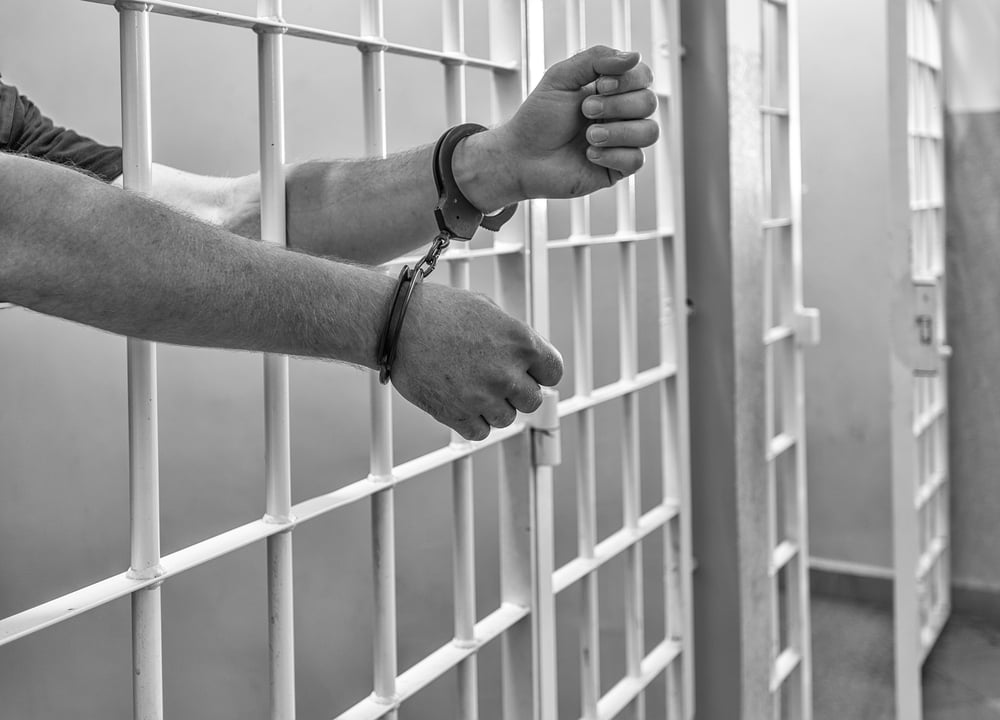
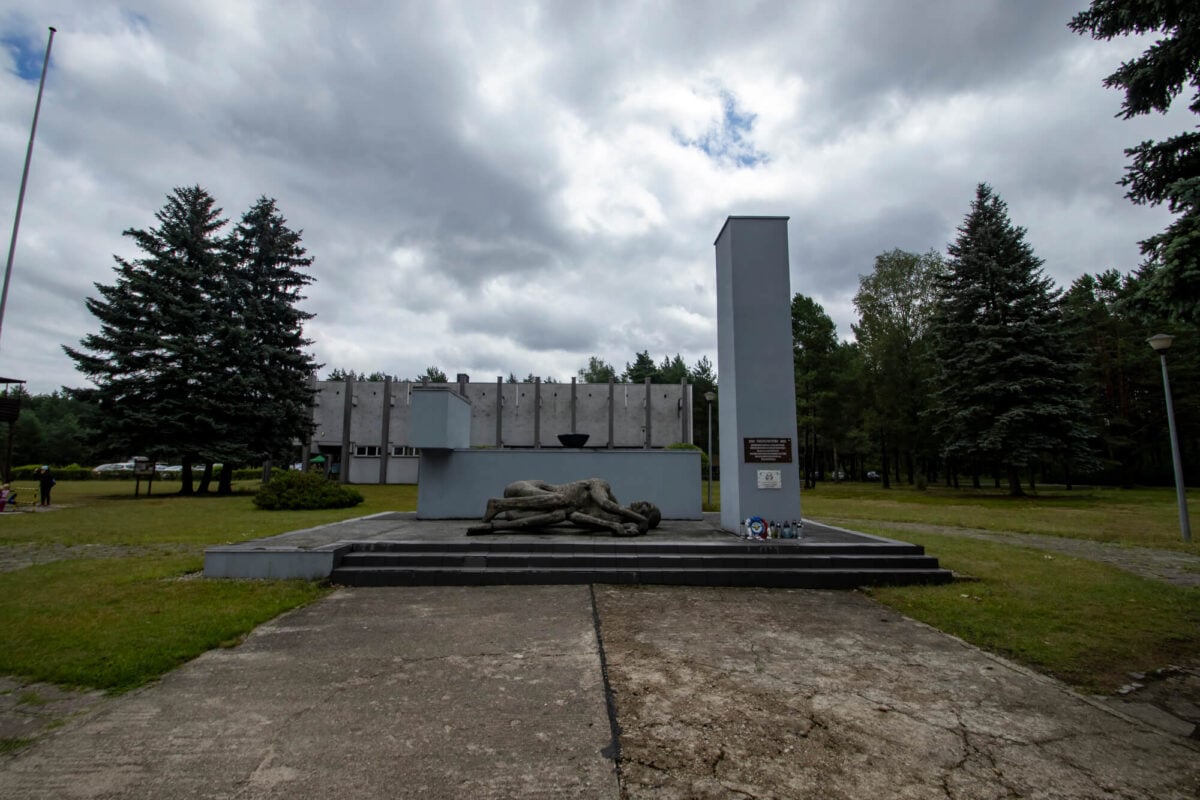
Prisoners at the Sobibor extermination camp organized a coordinated uprising in October 1943, killing several guards before roughly three hundred people broke through the fence and fled into the surrounding forest. Around fifty of the escapees are believed to have survived the war, and the camp itself was closed and dismantled by German authorities shortly after the uprising.
The Treblinka Uprising

Prisoners forced to work at the Treblinka extermination camp staged an armed revolt in August 1943, seizing weapons from a camp armory and setting buildings on fire before several hundred people broke out through the perimeter. A relatively small number survived the war, but the uprising forced the camp’s closure not long afterward.
Winston Churchill’s Escape From a Boer Prison Camp

Captured while serving as a war correspondent during the Second Boer War in 1899, a young Winston Churchill scaled a prison camp wall in Pretoria and made his way nearly three hundred miles to Portuguese territory, hiding in a coal mine along part of the route. The escape made him a minor celebrity in Britain well before his political career began.
Rudolf Vrba and Alfred Wetzler’s Escape From Auschwitz
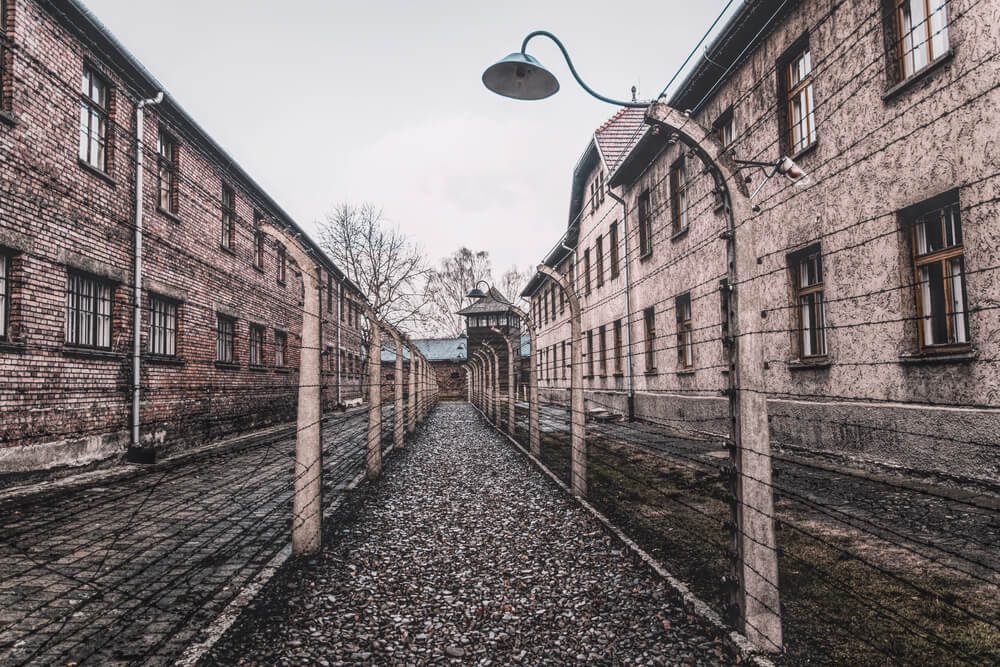
In April 1944, two prisoners hid inside a woodpile within the Auschwitz camp for three days until the search for them was called off, then made their way on foot to Slovakia, evading patrols along the way. Their detailed report on the camp’s mass killing operations became one of the earliest and most influential firsthand accounts to reach the outside world.
The Berlin Tunnel 57 Escape

In October 1964, a group of West Berlin students completed a tunnel beneath the Berlin Wall after months of digging, successfully guiding fifty-seven East Berliners to freedom before the operation was discovered by border guards. It remains one of the largest single tunnel escapes of the Cold War era.
Oleg Gordievsky’s Exfiltration From Moscow

A senior KGB officer secretly working for British intelligence for years, Oleg Gordievsky was recalled to Moscow in 1985 under suspicion of being a double agent, prompting British intelligence to activate a long-planned emergency extraction. He evaded Soviet surveillance long enough to reach a prearranged pickup point near the Finnish border and was smuggled out of the country hidden in a car.
The Doolittle Raiders Who Evaded Capture

Several crews from the 1942 Doolittle Raid on Japan, forced to bail out or crash-land over occupied China after running low on fuel, evaded Japanese search parties for weeks with help from local villagers and Chinese guerrilla fighters. Most of those crews eventually made their way back to Allied territory, though Japanese forces killed thousands of Chinese civilians in reprisal for the assistance given to them.
Giuseppe Garibaldi’s Escape From Rome

After the fall of the short-lived Roman Republic in 1849, revolutionary leader Giuseppe Garibaldi led several thousand followers on a grueling retreat across Italy, evading pursuing Austrian, French, and Spanish forces for weeks. Garibaldi himself eventually reached safety, though his wife died during the exhausting flight, and he went into exile before returning years later to lead Italy’s unification movement.
John Gerard’s Escape From the Tower of London

Jesuit priest John Gerard was held and tortured in the Tower of London in 1597 for his role in the underground Catholic network operating in Protestant England, and he escaped by climbing across a rope strung between the tower and a boat on the moat below. He made his way to the European continent and lived for decades afterward, later writing a detailed account of his imprisonment and escape.
Mary, Queen of Scots’ Escape From Loch Leven

Imprisoned on an island castle in Loch Leven in 1567 after being forced to abdicate the Scottish throne, Mary escaped the following year with help from a castle servant who smuggled the keys to her out during a diversion. She raised an army shortly afterward, though her later defeat forced her to flee to England, where she was eventually imprisoned again.
Henri Charrière’s Escape From Devil’s Island

French convict Henri Charrière, later known by his nickname Papillon, claimed to have made multiple escape attempts from France’s brutal penal colonies in South America before finally reaching Venezuela in the 1940s using a raft made of sacks filled with coconuts. His own memoir remains the primary source for the story, and historians have since debated how much of it reflects his own experience versus embellishment.
The Libby Prison Tunnel Escape

Union officers held at Libby Prison in Richmond, Virginia, during the Civil War spent weeks secretly digging a fifty-foot tunnel using little more than a chisel and a wooden spittoon, finally breaking out in February 1864. Of the 109 men who escaped, roughly half made it safely back to Union lines.
Billy the Kid’s Escape From Lincoln County Jail

Awaiting execution in April 1881, the outlaw Billy the Kid managed to slip out of his handcuffs, retrieve a hidden weapon, and shoot his way out of the Lincoln County courthouse, killing two guards in the process. He remained at large for roughly two months before being tracked down and killed by a local sheriff.
Alfie Hinds’ Repeated Escapes From Custody

British career criminal Alfie Hinds escaped from custody on at least three separate occasions during the 1950s and early 1960s, once famously walking out of a courtroom holding cell during his own appeal hearing. He later successfully sued the police for wrongful arrest during one of his periods of freedom, a legal victory that made him something of a folk figure in the British press.
The Long Odds of a Clean Getaway

For every name on this list, history holds dozens of failed attempts that ended in recapture, injury, or worse. What separated the successful escapes from the rest was rarely dramatic firepower; it was patience, careful timing, and often the quiet help of people who had nothing obvious to gain from taking the risk.
That pattern holds across centuries and continents alike. A tunnel, a forged document, or a borrowed identity meant little without someone on the outside willing to make the plan actually work.
More from Go2Tutors!

- The Romanov Crown Jewels and Their Tragic Fate
- 13 Historical Mysteries That Science Still Can’t Solve
- Famous Hoaxes That Fooled the World for Years
- 15 Child Stars with Tragic Adult Lives
- 16 Famous Jewelry Pieces in History
Like Go2Tutors’s content? Follow us on MSN.