16 Arcade Hits That Defined the ’80s
The 1980s transformed arcades from dimly lit hangouts into cultural phenomena that shaped an entire generation. These weren’t just games—they were shared experiences that brought people together, sparked conversations, and created memories that lasted decades.
From pizza parlors to shopping mall corners, the distinctive sounds of bleeps, bloops, and victory fanfares became the soundtrack of youth culture. The decade produced gaming legends that remain instantly recognizable today, establishing mechanics and characters that would influence entertainment for generations to come.
Here is a list of 16 arcade hits that truly defined the 1980s gaming landscape.
Pac-Man
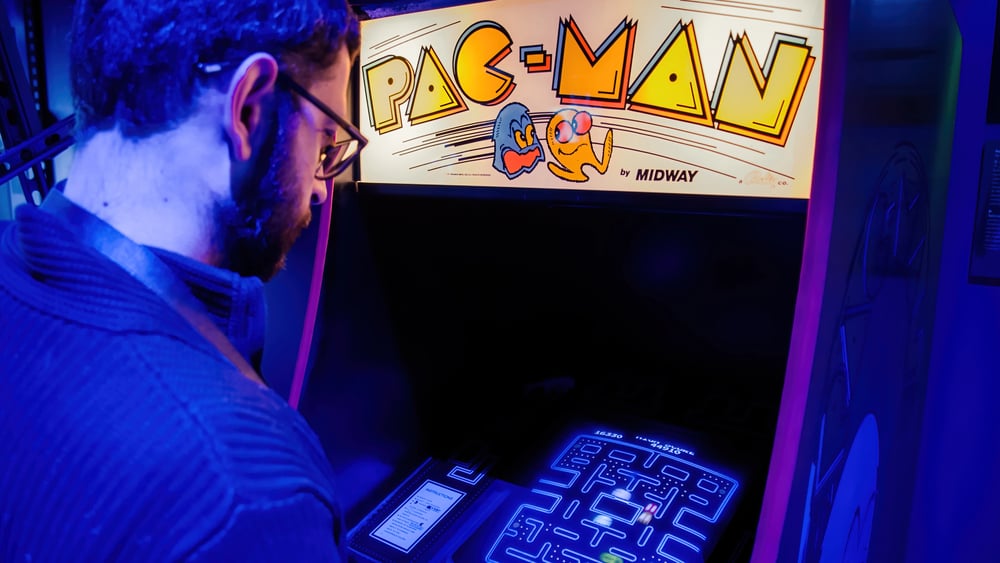
Released in 1980, Pac-Man became more than just a game—it turned into a global obsession. The simple concept of a yellow circle munching dots while avoiding ghosts proved irresistibly addictive, appealing to both hardcore gamers and casual players.
What made Pac-Man revolutionary wasn’t just its non-violent gameplay, but how it attracted female players to arcades in unprecedented numbers, fundamentally changing the demographics of gaming spaces.
Donkey Kong

Nintendo’s 1981 masterpiece introduced the world to both Mario (originally called Jumpman) and established the platform game genre. Players had to navigate construction sites, dodge barrels, and rescue the damsel in distress from the giant ape’s clutches.
The game’s layered gameplay and character-driven narrative set a new standard for arcade storytelling that would influence game design for decades.
Like Go2Tutors’s content? Follow us on MSN.
Galaga

This 1981 sequel to Galaxian perfected the space shooter formula with its distinctive formation-flying enemies and bonus stages. The game’s most memorable feature was the tractor beam mechanic, where players could deliberately let one ship get captured, then rescue it to fight with doubled firepower.
Galaga’s precise controls and escalating difficulty made it a favorite among serious arcade competitors who spent hours perfecting their patterns.
Centipede
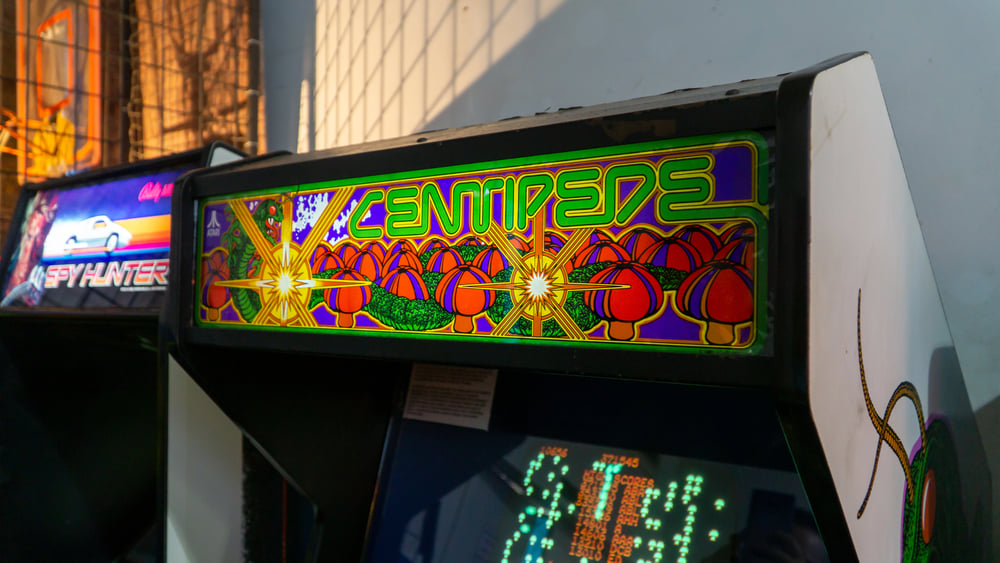
Atari’s 1980 creation brought something entirely different to arcade floors with its trackball controller and unique gameplay perspective. Players controlled a small shooter at the bottom of the screen, blasting through a centipede that wound its way down through a field of mushrooms.
The game’s co-creator Dona Bailey made history as one of the few women involved in early arcade game development, and her influence helped create a title that appealed to a broader audience.
Frogger
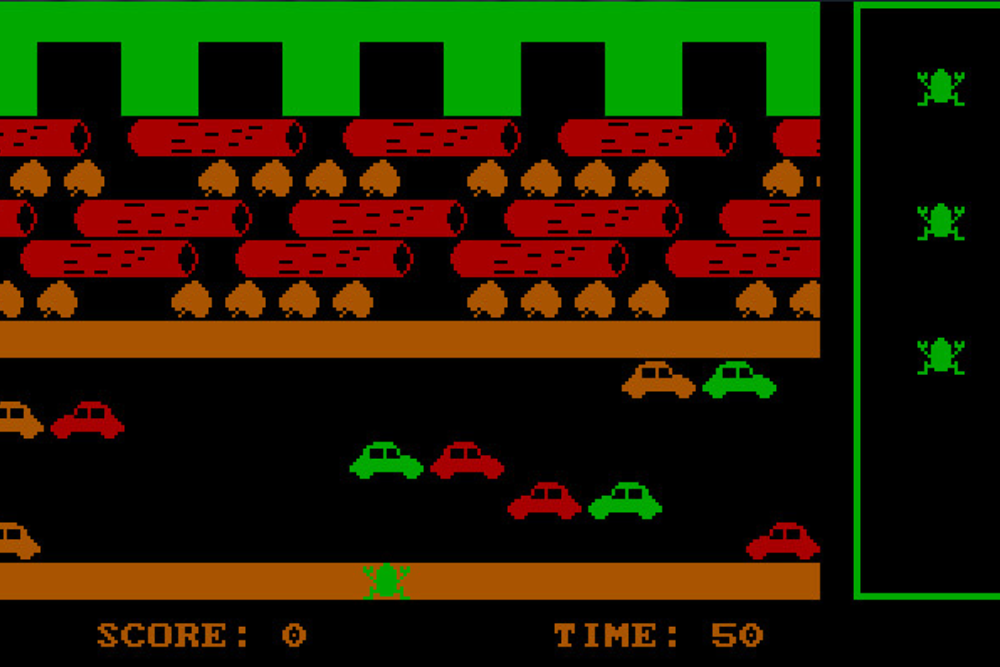
Konami’s 1981 traffic-dodging adventure turned a simple concept into pure arcade gold. Players guided a frog across busy roads and dangerous rivers, timing each move perfectly to avoid cars, trucks, and various water hazards.
The game’s combination of pattern recognition and split-second timing created an experience that was easy to understand but incredibly difficult to master.
Like Go2Tutors’s content? Follow us on MSN.
Ms. Pac-Man
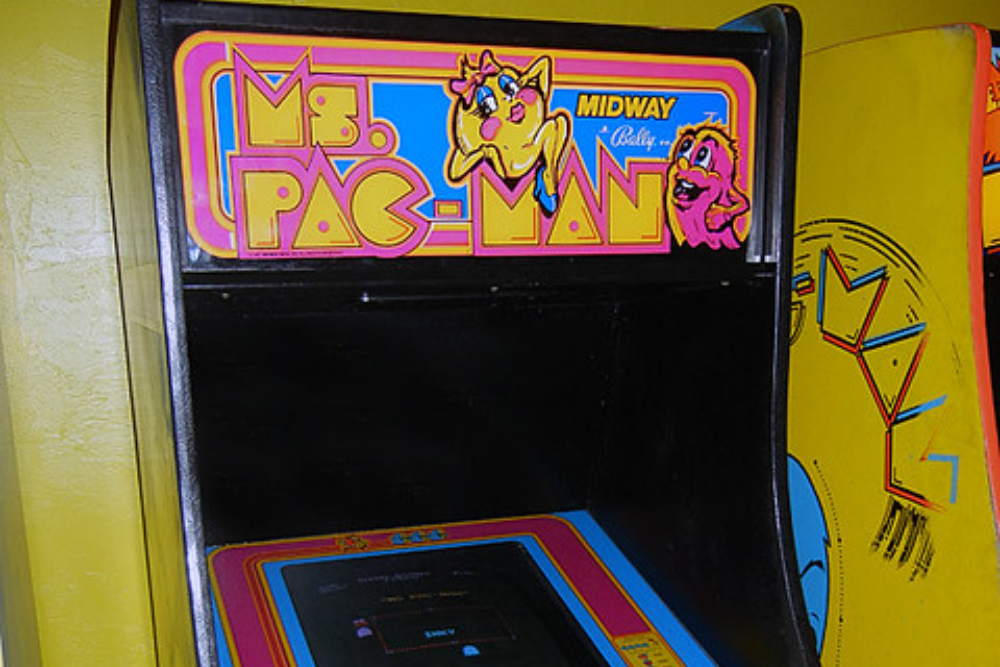
The unofficial 1982 sequel to Pac-Man actually improved on the original formula in nearly every way. With four different mazes, smarter ghost AI, and moving bonus fruits, Ms. Pac-Man offered more variety and challenge than its predecessor.
The game began as an unauthorized modification but became so popular that Namco officially adopted it, proving that sometimes the best innovations come from passionate fans.
Defender
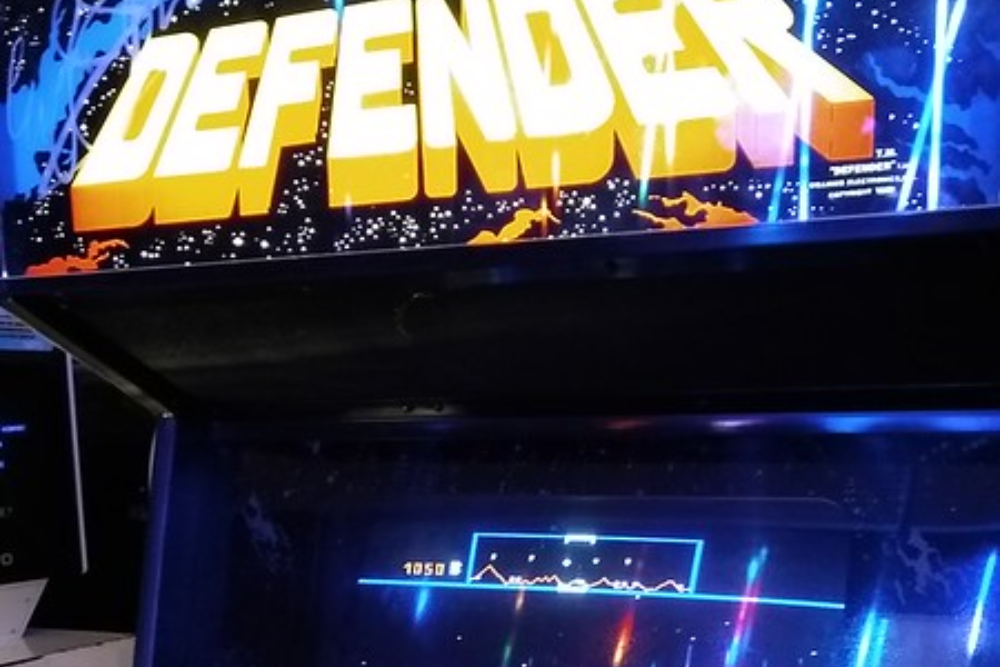
Eugene Jarvis created this 1981 horizontal scrolling shooter that pushed both players and hardware to their limits. The game featured complex controls with multiple buttons and a joystick, creating a steep learning curve that separated casual players from dedicated arcade warriors.
Defender’s fast-paced action and strategic depth made it a favorite among competitive players who appreciated its unforgiving difficulty.
Space Invaders
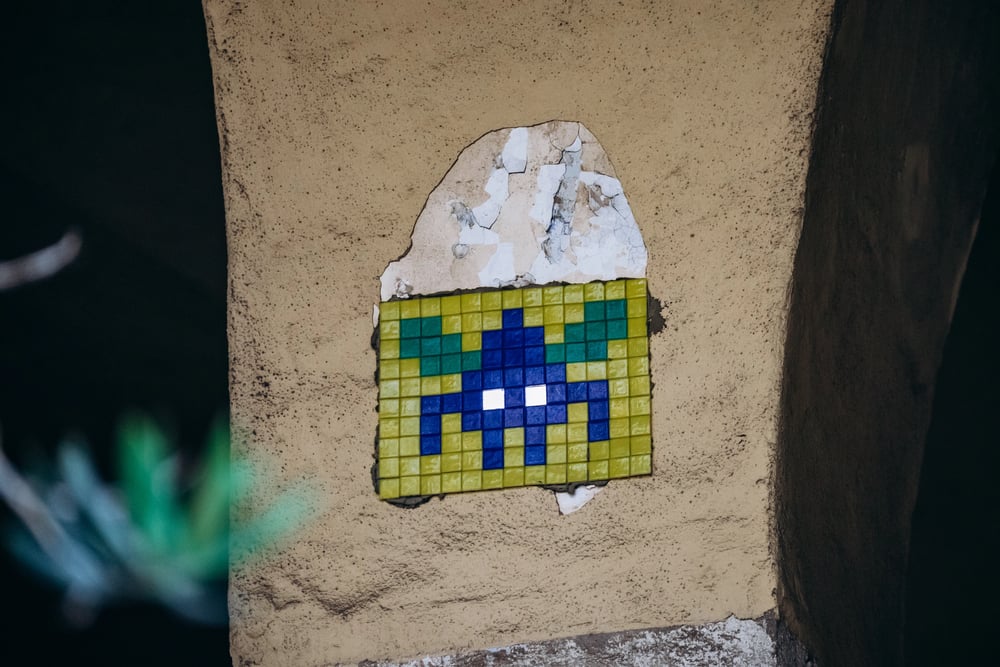
Though technically released in 1978, Space Invaders didn’t reach its cultural peak until the early 1980s in America. The game’s simple premise of shooting rows of descending aliens created an addictive loop that had players pumping quarters for hours.
Its influence extended far beyond gaming, inspiring everything from fashion to music and establishing many of the conventions that define shoot-em-up games today.
Like Go2Tutors’s content? Follow us on MSN.
Asteroids
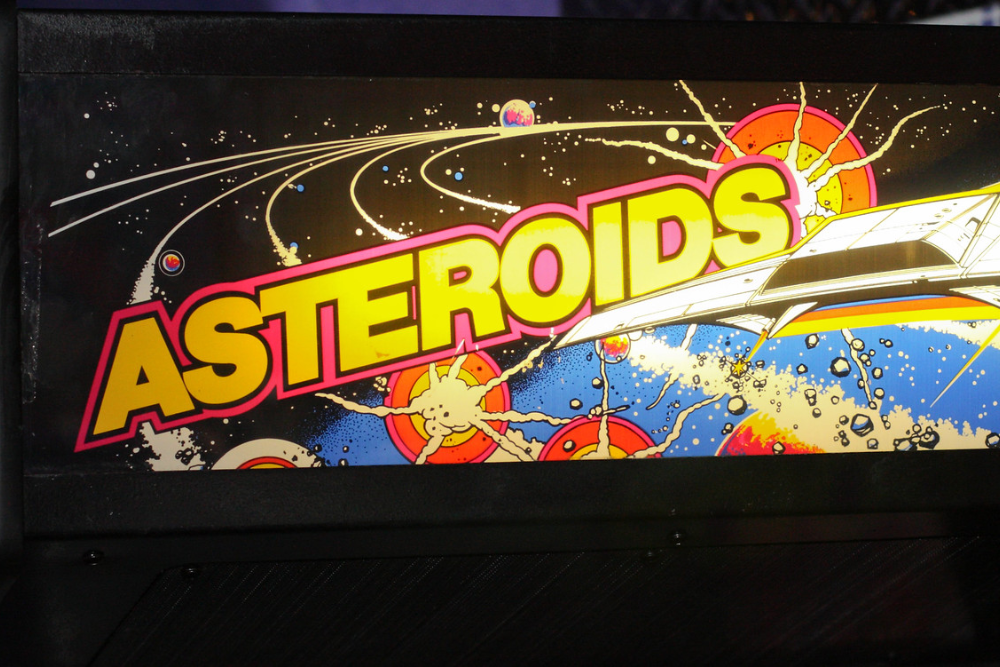
Atari’s 1979 vector graphics masterpiece continued dominating arcade floors throughout the early ’80s. Players piloted a small ship through an asteroid field, blasting rocks into smaller pieces while avoiding UFOs and the deadly physics of momentum.
The game’s unique rotation-based controls and infinite wraparound screen created a distinctly different feel from other space shooters of the era.
Missile Command
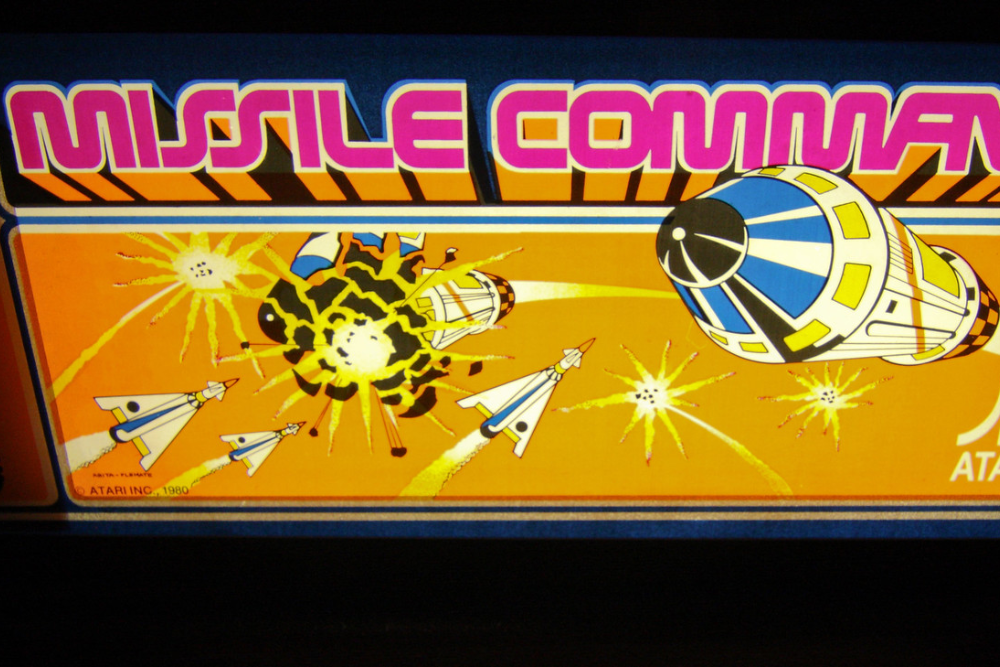
This 1980 Atari title tapped into Cold War anxieties by putting players in charge of defending cities from incoming nuclear missiles. The trackball-controlled crosshairs and multiple simultaneous threats created intense, sweaty-palm gaming sessions that felt genuinely stressful.
Missile Command’s apocalyptic theme and impossible final outcome reflected the era’s nuclear fears while delivering addictive gameplay.
Tempest
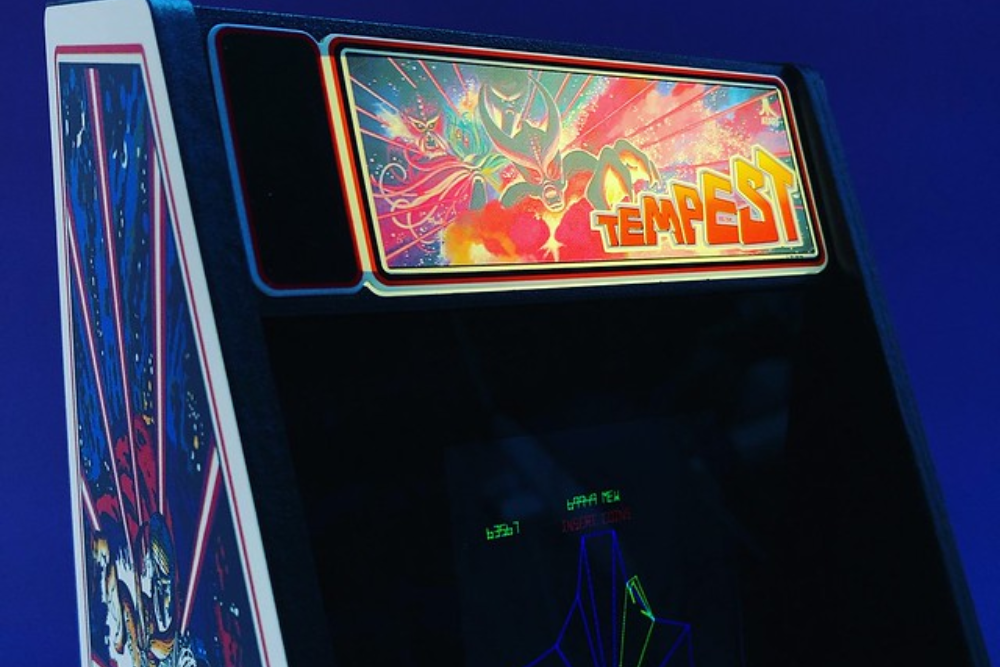
Dave Theurer’s 1981 vector graphics shooter transported players into a three-dimensional tube where they battled geometric enemies. The game’s unique perspective and smooth vector graphics created a mesmerizing visual experience unlike anything else in arcades.
Tempest’s distinctive electronic soundtrack and abstract enemies made it feel like playing inside a computer, years before such concepts became mainstream.
Like Go2Tutors’s content? Follow us on MSN.
Robotron 2084
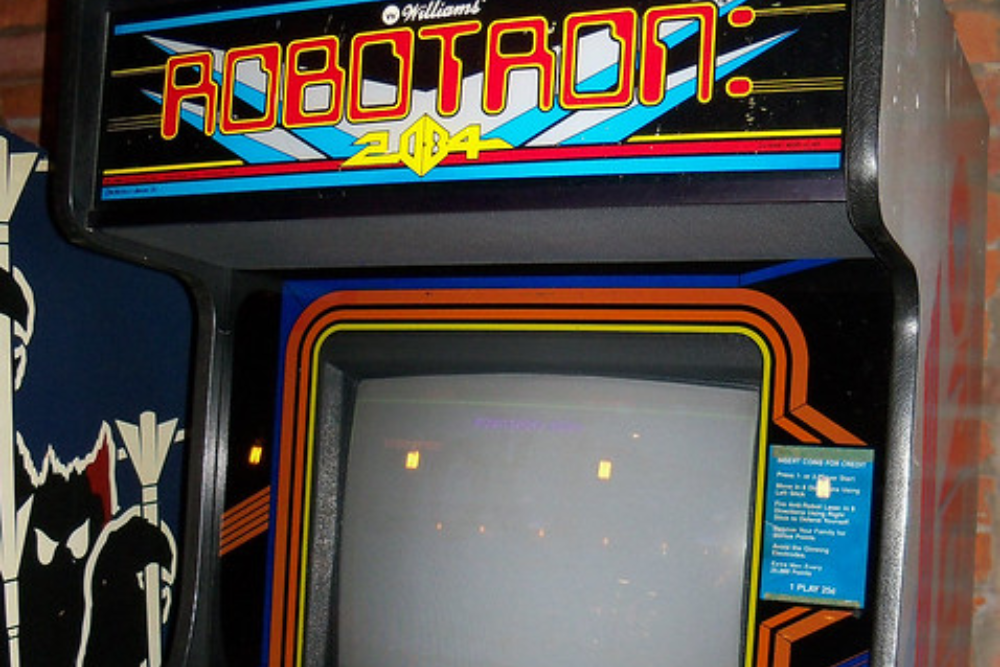
Eugene Jarvis struck gold again in 1982 with this intense twin-stick shooter set in a dystopian future. Players used two joysticks simultaneously—one for movement, one for shooting—creating a control scheme that felt revolutionary and overwhelming.
The game’s relentless pace and humanoid rescue missions added emotional weight to the frantic action, making every saved family member feel like a genuine victory.
Joust
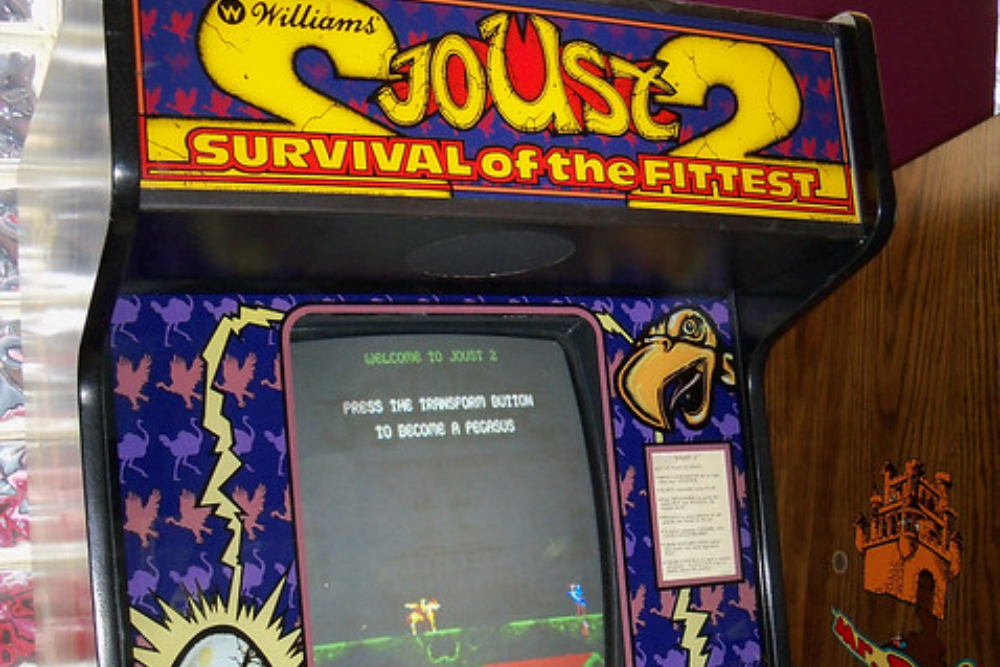
Williams Electronics’ 1982 medieval fantasy game featured knights riding flying ostriches in aerial combat. The unique momentum-based flying mechanics made every encounter feel like a delicate dance of physics and timing.
Joust’s cooperative two-player mode encouraged teamwork while its competitive elements ensured plenty of friendly betrayals when players inevitably turned on each other.
Q*bert
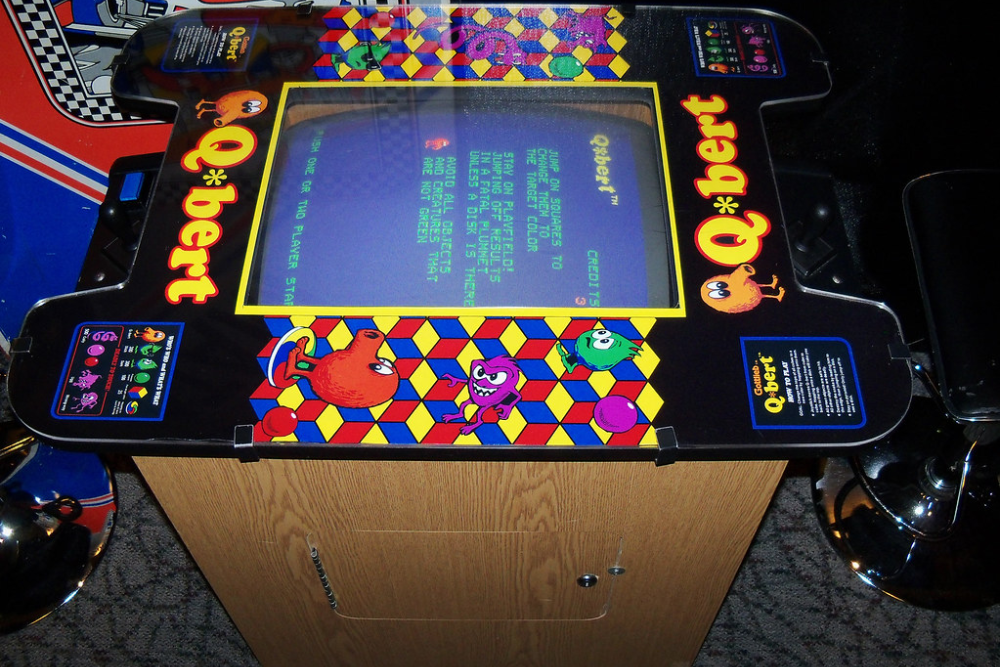
Gottlieb’s 1982 pyramid-hopping puzzle game introduced one of arcade gaming’s most distinctive characters. Players guided the orange, round protagonist up and down an isometric pyramid, changing colors while avoiding Coily the snake and other peculiar enemies.
Q*bert’s unique perspective, memorable sound effects, and family-friendly appeal made it an instant classic that appealed to players of all ages.
Like Go2Tutors’s content? Follow us on MSN.
Tron
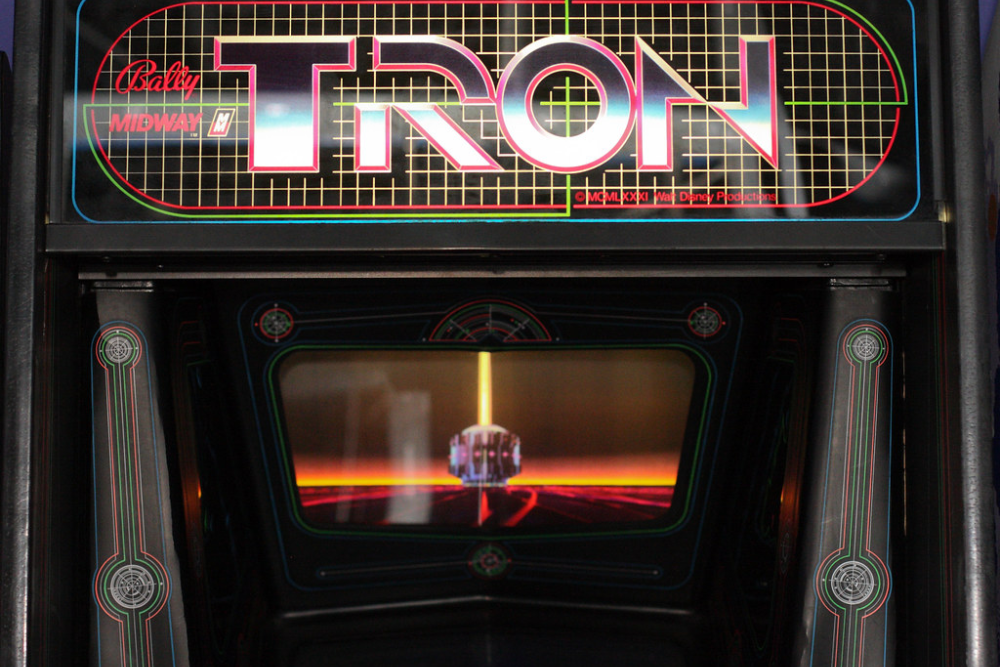
Disney’s 1982 tie-in to their groundbreaking film brought four different game modes to a single cabinet. Players could experience light cycle races, tank battles, and disc throwing competitions, all rendered in the movie’s distinctive neon aesthetic.
The game’s multiple gameplay styles and impressive audiovisual presentation made it feel like stepping directly into the digital world of the film.
Dragon’s Lair
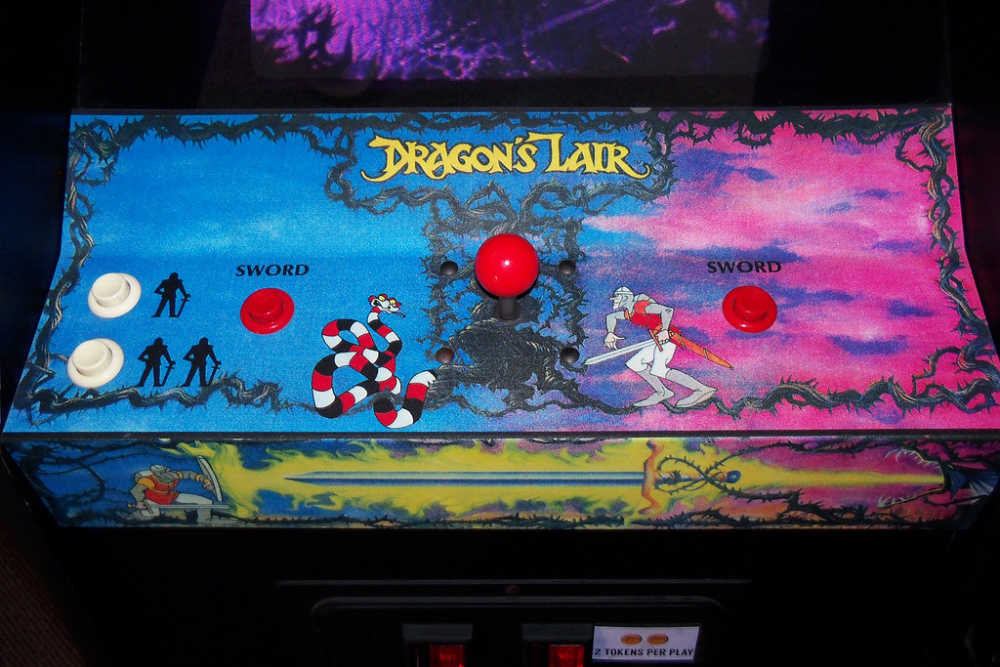
Don Bluth’s 1983 laser disc adventure revolutionized arcade visuals with full animation sequences that looked like a Disney movie. Players guided Dirk the Daring through a series of quick-time events, making split-second decisions to avoid elaborate death sequences.
While the gameplay was essentially memorizing patterns, the stunning visuals and cinematic presentation created an experience unlike anything else in arcades.
The Legacy Lives On

These sixteen games didn’t just define a decade—they established the foundation for an entire entertainment industry. Their influence extends far beyond arcade cabinets, shaping home console development, inspiring countless sequels, and creating characters that remain cultural icons today.
The social aspect of arcade gaming, where strangers would gather around cabinets to watch skilled players attempt high scores, created a sense of community that modern online gaming still tries to replicate. While technology has advanced exponentially since the 1980s, the core appeal of these games—simple concepts executed with perfect precision—continues to inspire game designers and delight players around the world.
Like Go2Tutors’s content? Follow us on MSN.
More from Go2Tutors!

- 16 Historical Figures Who Were Nothing Like You Think
- 12 Things Sold in the 80s That Are Now Illegal
- 15 VHS Tapes That Could Be Worth Thousands
- 17 Historical “What Ifs” That Would Have Changed Everything
- 18 TV Shows That Vanished Without a Finale
Like Go2Tutors’s content? Follow us on MSN.