28 Discoveries Made by Accident on Construction Sites
Construction crews break ground expecting to build something new, not to uncover something ancient, buried, or entirely unexpected. Yet excavators, jackhammers, and foundation digs have repeatedly stumbled onto discoveries that stopped entire projects and rewrote what archaeologists, historians, or scientists thought they knew.
The Terracotta Army Surfaced When Farmers Dug a Well
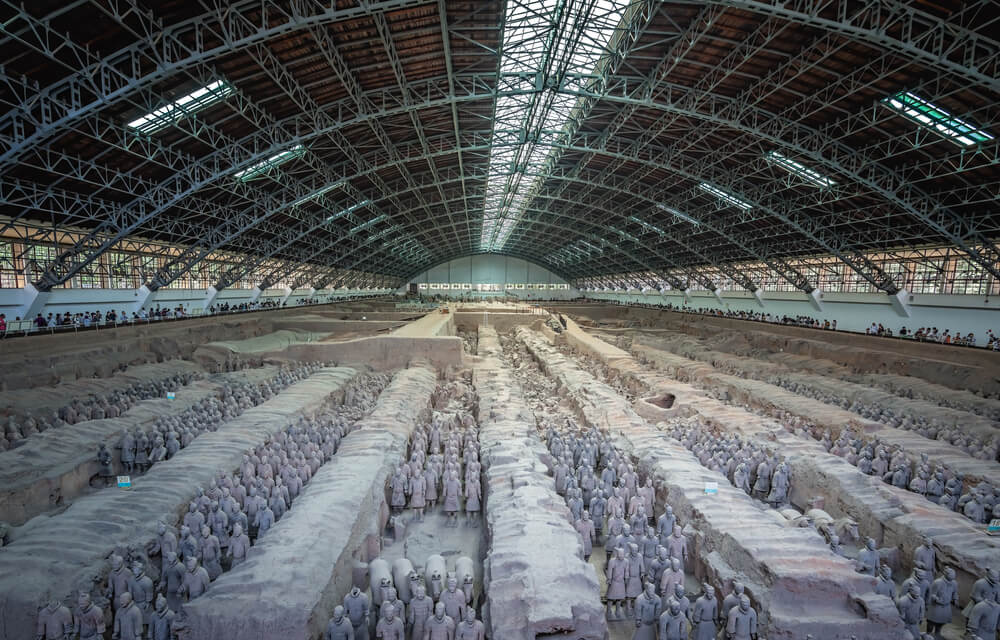
In 1974, farmers digging a well near Xi’an, China, struck fragments of clay figures that turned out to be part of an army of thousands of life-sized terracotta soldiers built to guard the tomb of China’s first emperor, Qin Shi Huang. Archaeological excavation of the site has continued for decades since, with thousands more figures still believed to remain buried.
The well-digging farmers received little immediate recognition, though the site has since become one of the most visited archaeological sites in the world.
The Lascaux Cave Paintings Were Found by Boys Chasing a Dog
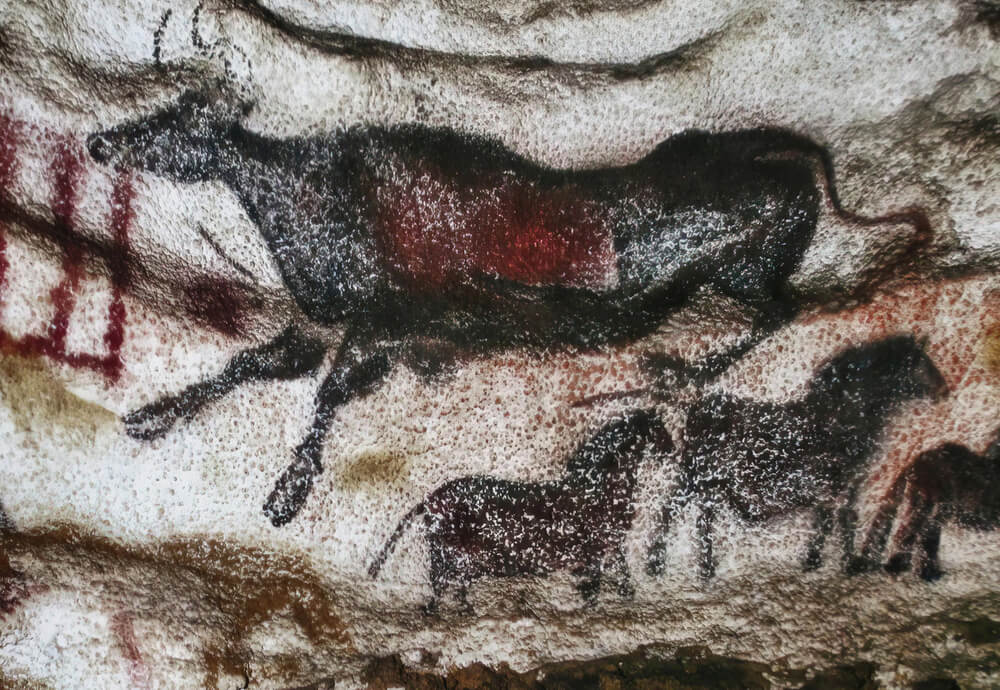
In 1940, a group of teenagers in southwestern France followed their dog into a gap in the rocks after it disappeared while chasing a scent, discovering a cave system containing some of the most significant prehistoric paintings ever found. The boys initially kept the discovery largely to themselves before eventually alerting local authorities and a schoolteacher familiar with archaeology.
The cave’s paintings, estimated at roughly seventeen thousand years old, transformed understanding of Paleolithic art.
The Rosetta Stone Was Uncovered During Fort Construction
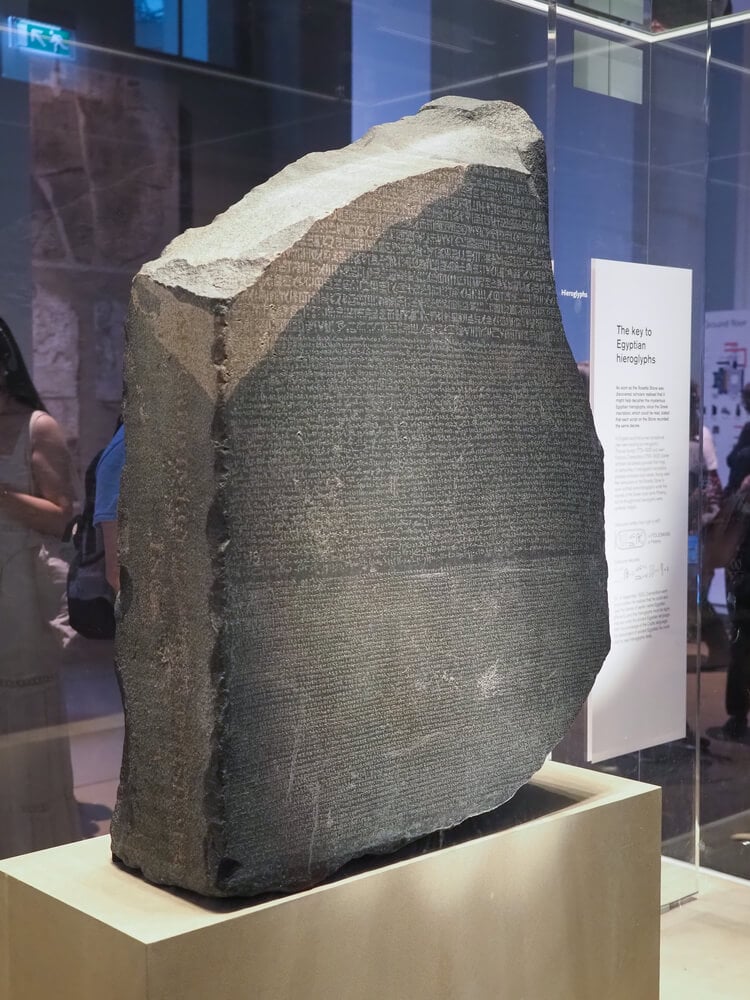
French soldiers rebuilding a fort near the Egyptian town of Rosetta in 1799 discovered a large inscribed stone slab being used as building material, unaware it contained the same text in three scripts that would eventually allow scholars to decode Egyptian hieroglyphics. The stone changed hands to British control following France’s later military defeat in Egypt.
It remains one of the most consequential archaeological finds ever made incidentally during military construction work.
The Antikythera Mechanism Was Found by Sponge Divers, Not Builders, But Recovered During Salvage Work
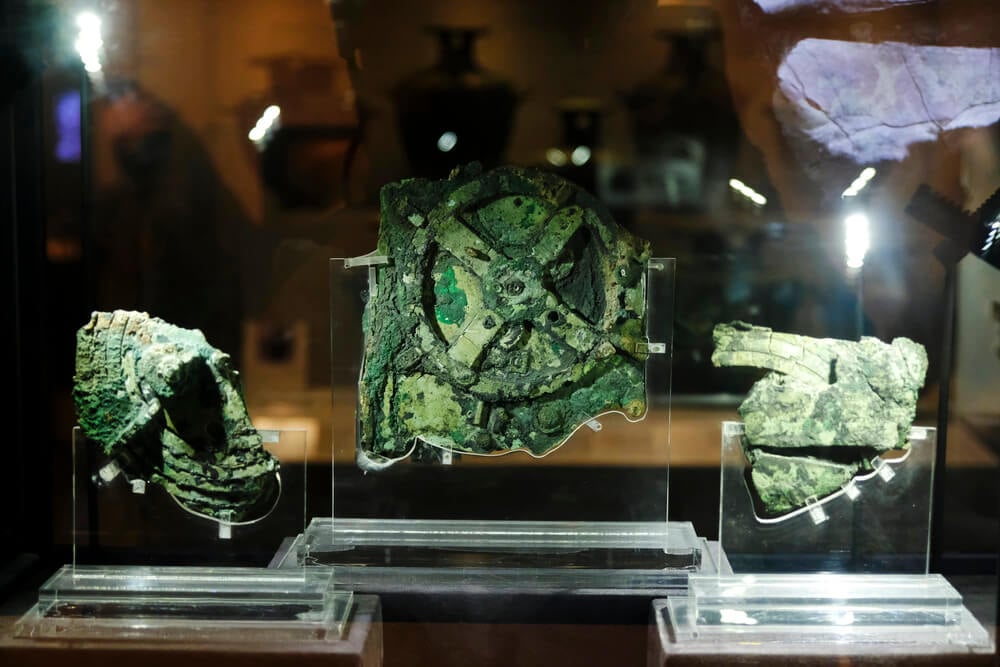
Greek sponge divers investigating a shipwreck near the island of Antikythera in 1901 recovered a corroded bronze device that later analysis revealed to be an extraordinarily sophisticated ancient astronomical calculator, centuries ahead of anything else known from the period. Detailed understanding of the mechanism’s full function took over a century of subsequent scientific study to fully unravel.
It remains one of the most technologically advanced artifacts recovered from the ancient world.
Herculaneum’s Buried Library Was Found During Well Digging
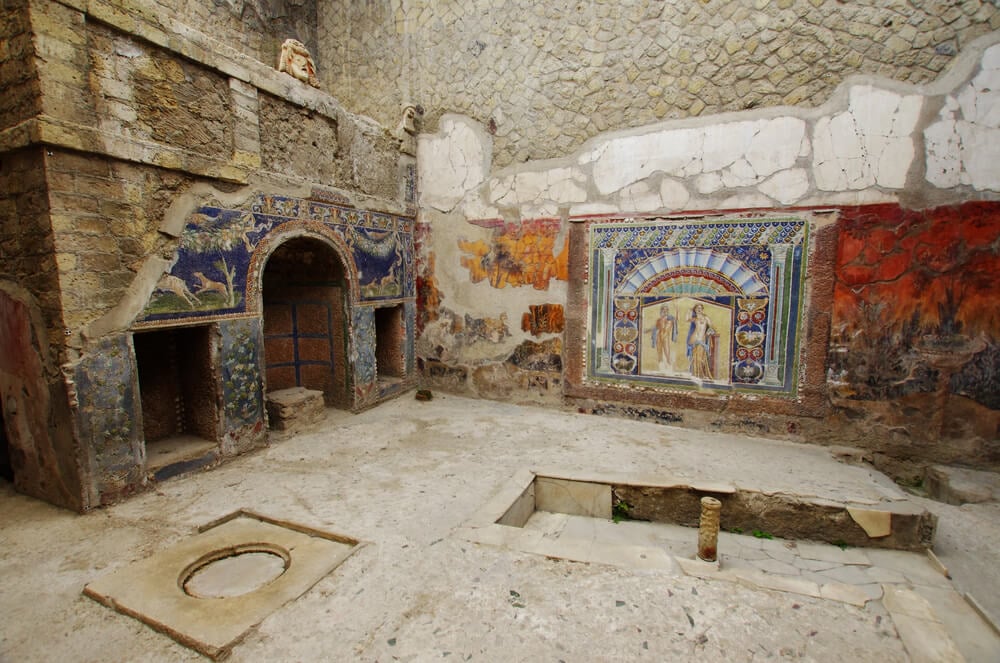
Workers digging a well near the buried Roman town of Herculaneum in 1709 struck marble fragments that led to the eventual excavation of an entire town preserved by the same volcanic eruption that destroyed Pompeii in 79 CE. Continued digging eventually uncovered the Villa of the Papyri, containing a library of carbonized ancient scrolls still being deciphered using modern imaging technology.
The well digger’s accidental strike opened one of the richest archaeological sites connected to Pompeii’s eruption.
The Staffordshire Hoard Emerged From a Farmer’s Field Metal Detecting
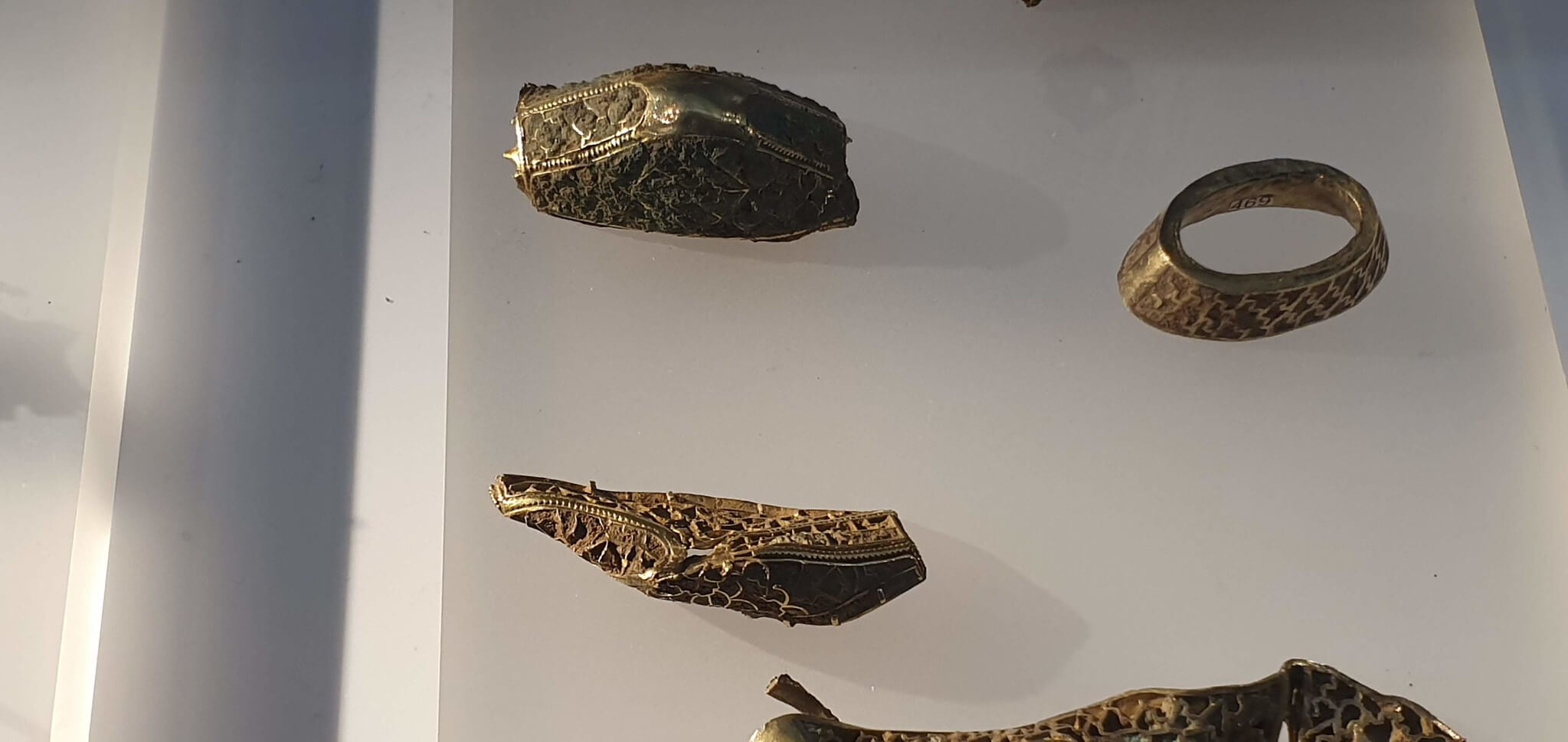
In 2009, a metal detectorist searching a recently plowed farm field in Staffordshire, England, uncovered the largest known hoard of Anglo-Saxon gold and silver metalwork ever found, including thousands of individual pieces from war gear and religious objects. The field had been farmed for generations without anyone suspecting what lay beneath the topsoil.
The hoard’s discovery significantly reshaped understanding of Anglo-Saxon craftsmanship and wealth.
The Dead Sea Scrolls Were Found by a Shepherd Searching for a Lost Goat
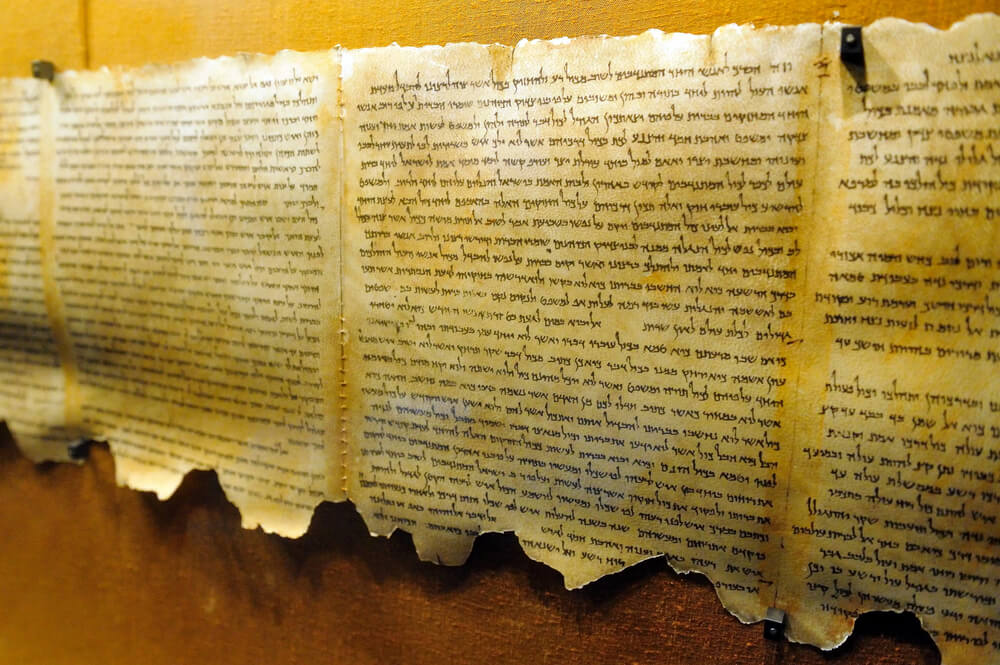
In 1947, a young Bedouin shepherd searching for a stray goat threw a rock into a cave near the Dead Sea and heard it strike pottery, leading to the discovery of ancient Hebrew and Aramaic scrolls that included the oldest known copies of biblical texts. Additional caves in the area yielded more scrolls over the following years as archaeologists searched the region more systematically.
The find remains one of the most significant biblical archaeology discoveries of the twentieth century.
The Sutton Hoo Ship Burial Was Found During a Landowner’s Excavation of Ancient Mounds
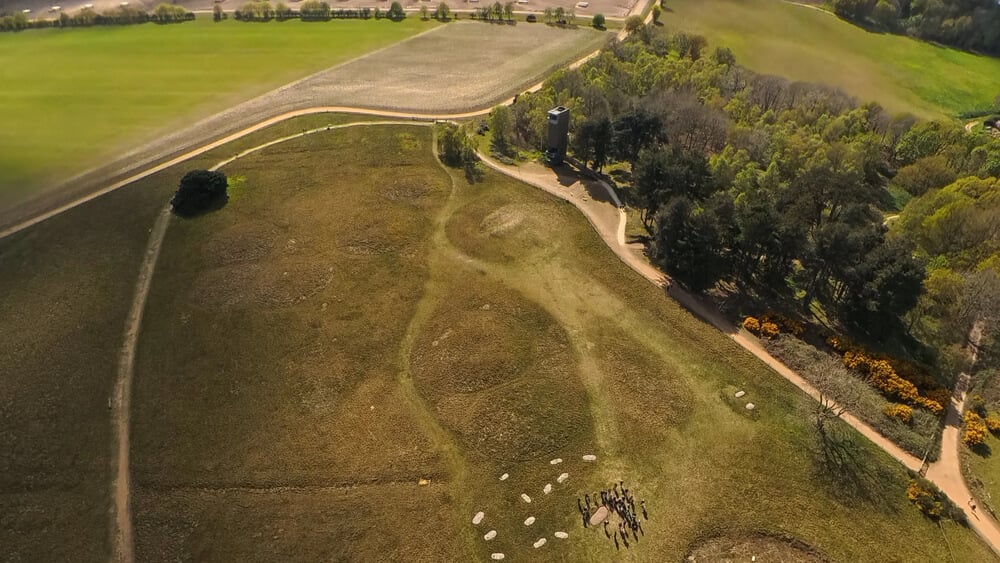
In 1939, an excavation commissioned by a landowner curious about mysterious mounds on her English property uncovered an entire Anglo-Saxon ship burial containing an extraordinary collection of gold and silver artifacts, including an ornate ceremonial helmet. The find occurred just before the outbreak of World War II, delaying full scholarly analysis for years.
It remains one of the richest and most significant archaeological discoveries ever made in Britain.
The Cave of Altamira Was Discovered by a Girl Following Her Father
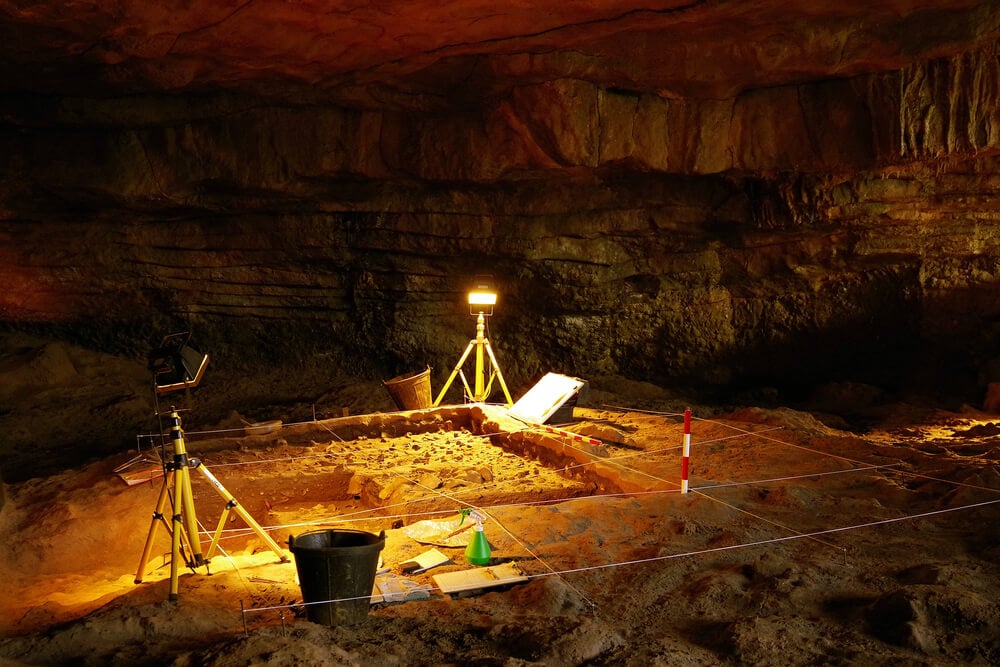
In 1879, an amateur archaeologist’s young daughter noticed painted bison figures on the ceiling of a cave in northern Spain while accompanying her father during his excavation of the cave floor for other artifacts. Her father’s subsequent claims about the paintings’ age were initially dismissed by the scientific community, who suspected fraud, before later discoveries elsewhere validated his findings decades after his death.
The cave’s paintings are now recognized among the finest examples of Paleolithic art in existence.
The Cerne Abbas Giant’s True Age Was Clarified Through Unrelated Excavation Work

While the chalk hill figure known as the Cerne Abbas Giant in England had been known for centuries, routine excavation work conducted by the National Trust to investigate erosion around the figure’s outline in 2020 recovered snail shell samples that allowed scientists to date the figure’s creation far more precisely than previous estimates. The dating placed the giant’s origin in the late Saxon period rather than the ancient origins long assumed by popular legend.
The maintenance excavation fundamentally revised the site’s accepted history.
A Roman Mosaic Was Found Beneath an English Farmer’s Field During Lockdown Gardening
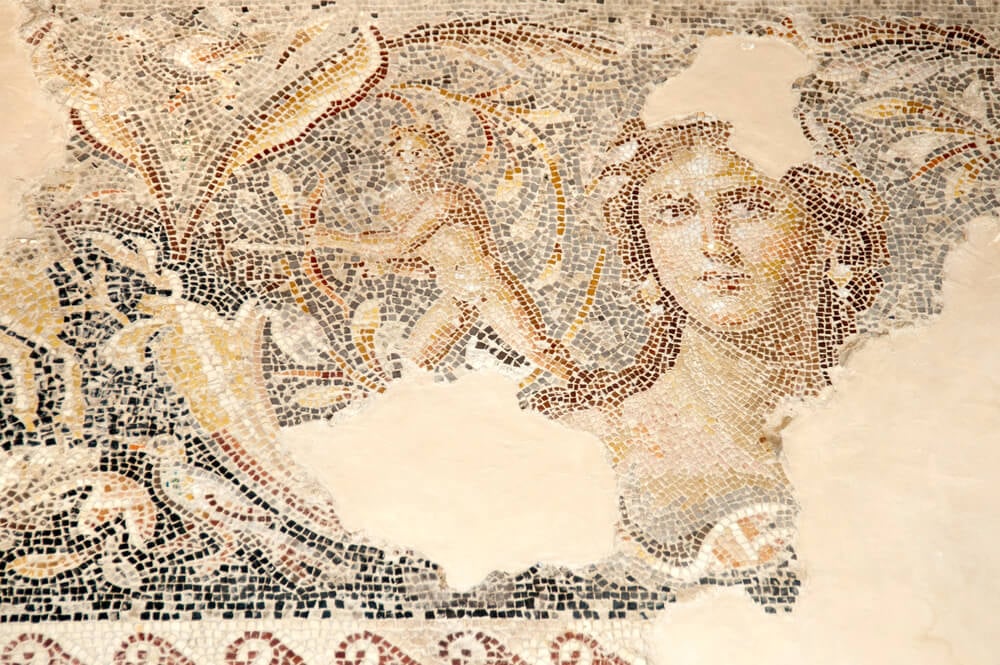
In 2020, a farmer in Rutland, England, investigating unusual crop patterns on his land during a period of reduced outdoor activity uncovered an exceptionally well-preserved Roman mosaic floor depicting scenes from the Trojan War. Archaeologists who subsequently excavated the site called it one of the most significant Roman finds in England in decades.
The floor had remained undisturbed beneath farmland for roughly 1,500 years before the accidental discovery.
The Cave of Forgotten Dreams’ Chauvet Paintings Were Found by Recreational Cavers
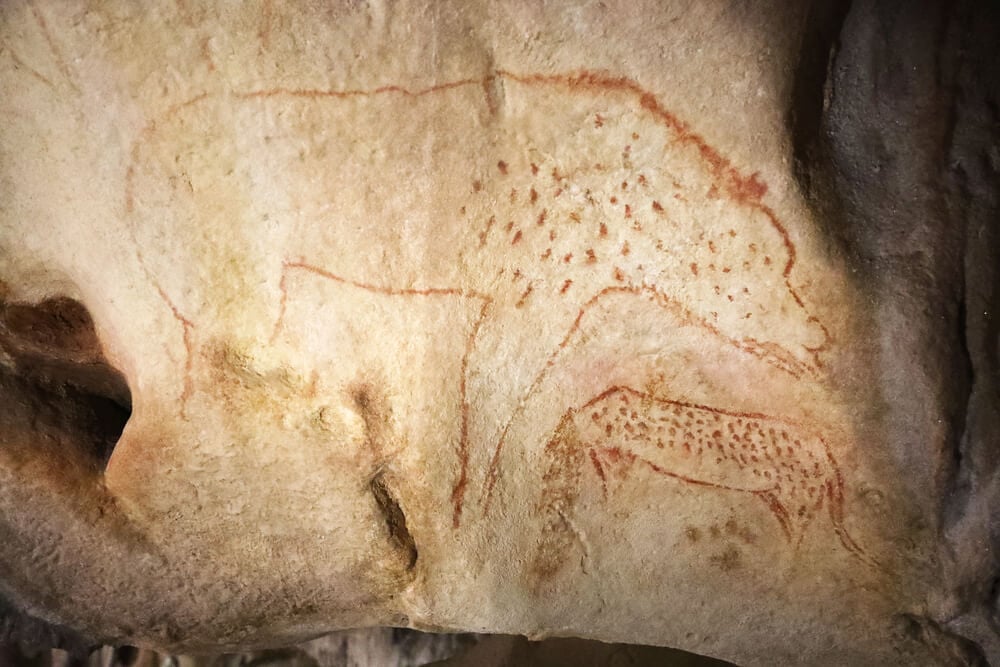
In 1994, three recreational cave explorers in southern France felt air moving through a small gap in rock and, after clearing the opening, discovered the Chauvet Cave’s extraordinarily well-preserved prehistoric paintings, later dated to roughly 30,000 years old. The cave’s isolation for millennia had left the artwork in exceptional condition compared to more accessible prehistoric sites.
Access has been tightly restricted ever since to preserve the fragile paintings from human-caused deterioration.
The Xi’an Ancient City Wall Foundations Were Uncovered During Subway Construction

Workers excavating tunnels for a Xi’an subway line uncovered ancient city wall foundations and artifacts dating back over a thousand years, forcing construction crews to coordinate with archaeological teams before continuing the build. Similar discoveries have repeatedly slowed infrastructure projects across Chinese cities built atop centuries of continuous habitation.
Authorities have developed standing protocols specifically for handling the frequency of such construction-related finds.
London’s Crossrail Project Uncovered Thousands of Years of Burials
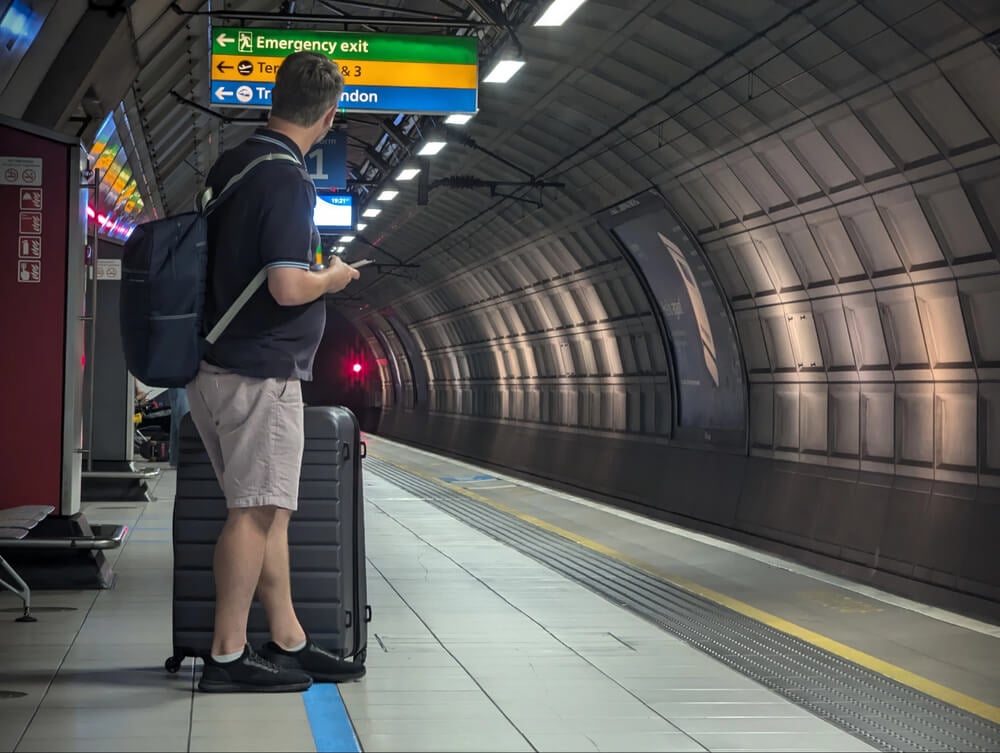
Construction of London’s Crossrail rail line, now known as the Elizabeth line, uncovered more than ten thousand archaeological finds during excavation, including a mass burial pit linked to the Great Plague of 1665 and Roman-era artifacts along the tunnel route. Archaeologists worked alongside construction crews throughout the multi-year project to document finds without permanently halting the build.
The project became one of the largest archaeological undertakings in Britain’s history almost entirely as a byproduct of transit construction.
A Viking Ship Burial Was Found Using Ground-Penetrating Radar During a Norwegian Road Survey

In 2018, a routine survey using ground-penetrating radar ahead of planned road construction in Norway detected the outline of a previously unknown Viking ship burial beneath farmland. The find prompted archaeologists to reassess the surrounding area for additional undiscovered burial sites.
Excavation of the ship has continued in phases since the initial detection.
The La Brea Tar Pits’ Fossil Deposits Were Found During Oil Prospecting
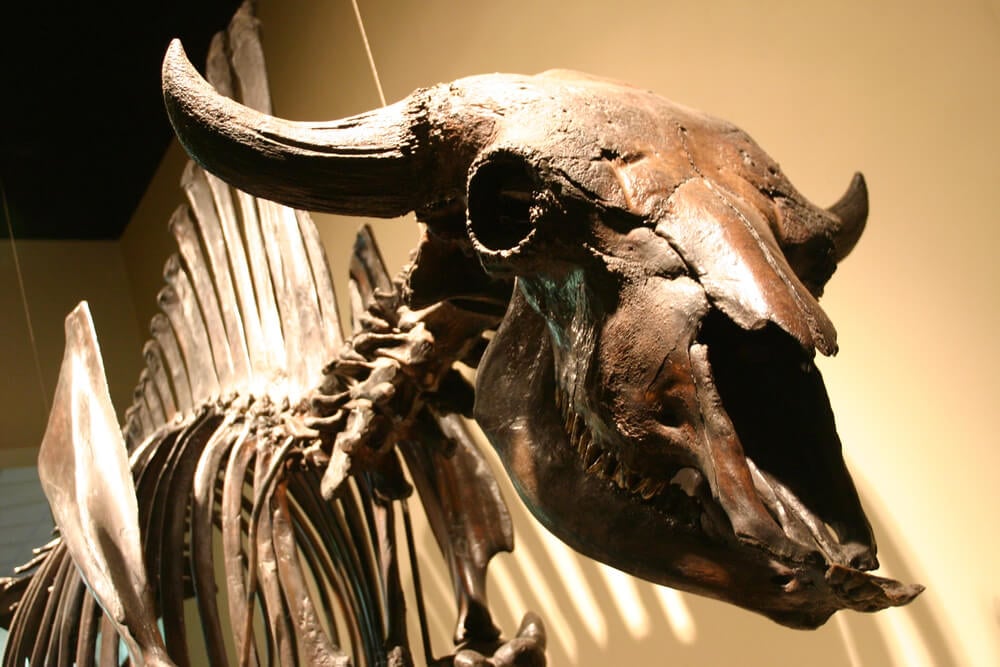
Oil prospectors and early excavators working the tar seeps in what is now Los Angeles in the early twentieth century began finding extensive Ice Age animal bones trapped in the naturally occurring asphalt deposits, initially mistaking them for the remains of trapped modern cattle before recognizing their prehistoric age. The site has since yielded remains from saber-toothed cats, mammoths, and dire wolves numbering in the millions of individual bones.
It remains one of the richest Ice Age fossil sites in the world, found entirely through work aimed at extracting asphalt rather than fossils.
A Roman Villa Was Discovered During a British Housing Development Survey
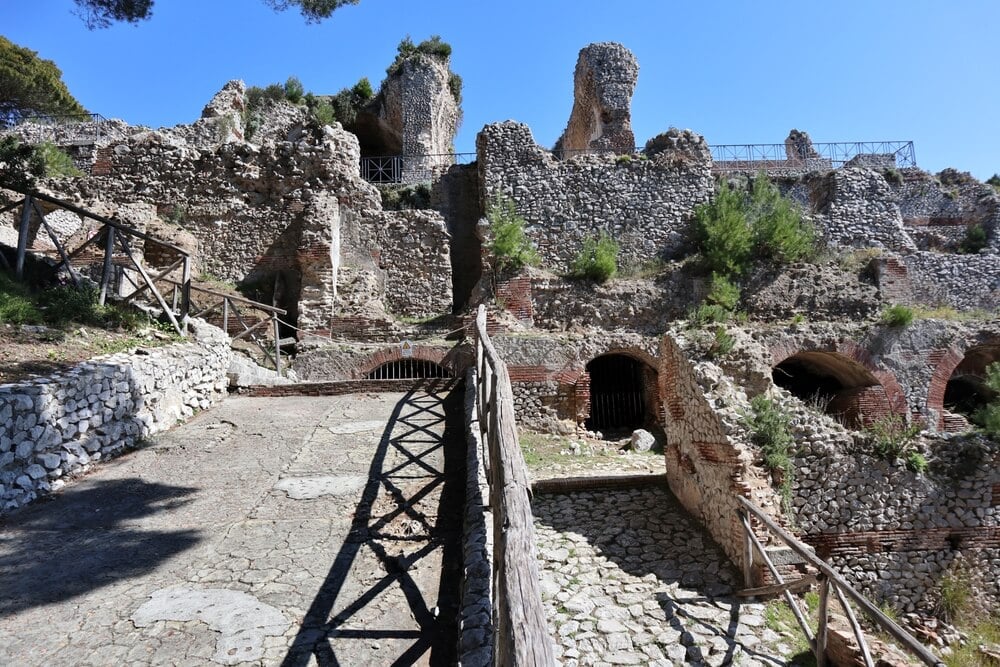
Archaeologists conducting a routine pre-construction survey ahead of a housing development in Wiltshire, England uncovered the remains of a previously unknown Roman villa complex, complete with mosaic floors and evidence of a bathhouse. The developer was required to fund a full archaeological excavation before construction could proceed on the affected portion of the site.
Such pre-development surveys have become standard practice across much of the United Kingdom specifically because of how frequently they yield significant finds.
The Peking Man Fossils Were Found During Quarry Excavation
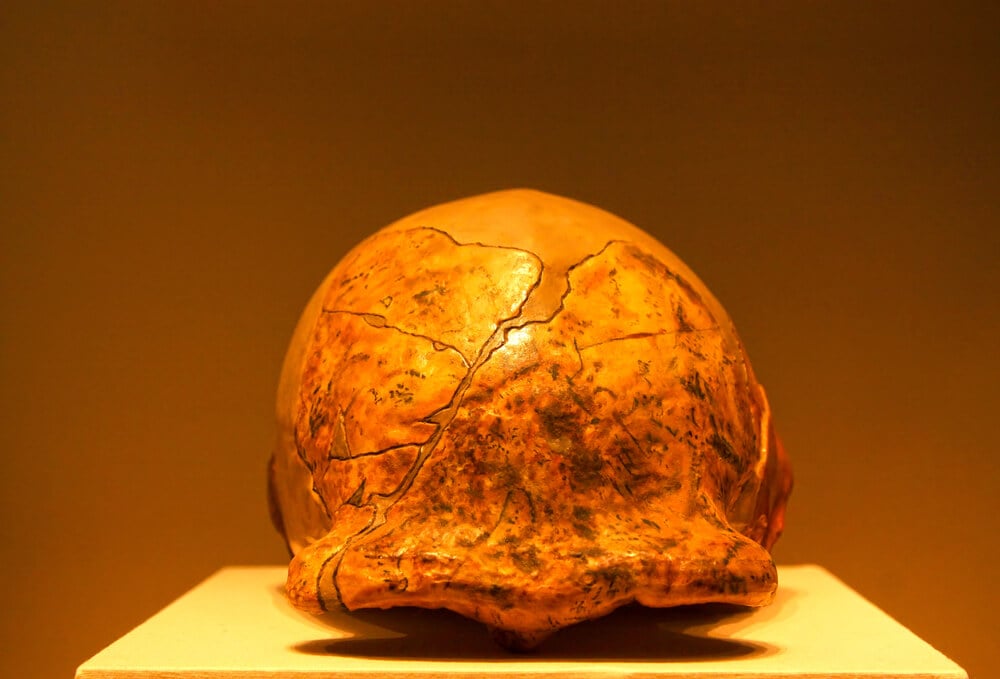
Fossil fragments belonging to Homo erectus, later known as Peking Man, were discovered during quarrying and excavation work at Zhoukoudian, China, beginning in the 1920s, providing crucial evidence in the study of early human evolution in Asia. The original fossils were tragically lost during the chaos of World War II while being transported for safekeeping and have never been recovered.
Casts and detailed records made before the loss remain the primary scientific record of the original specimens.
The Zhoukoudian Site Also Yielded Evidence of Early Fire Use
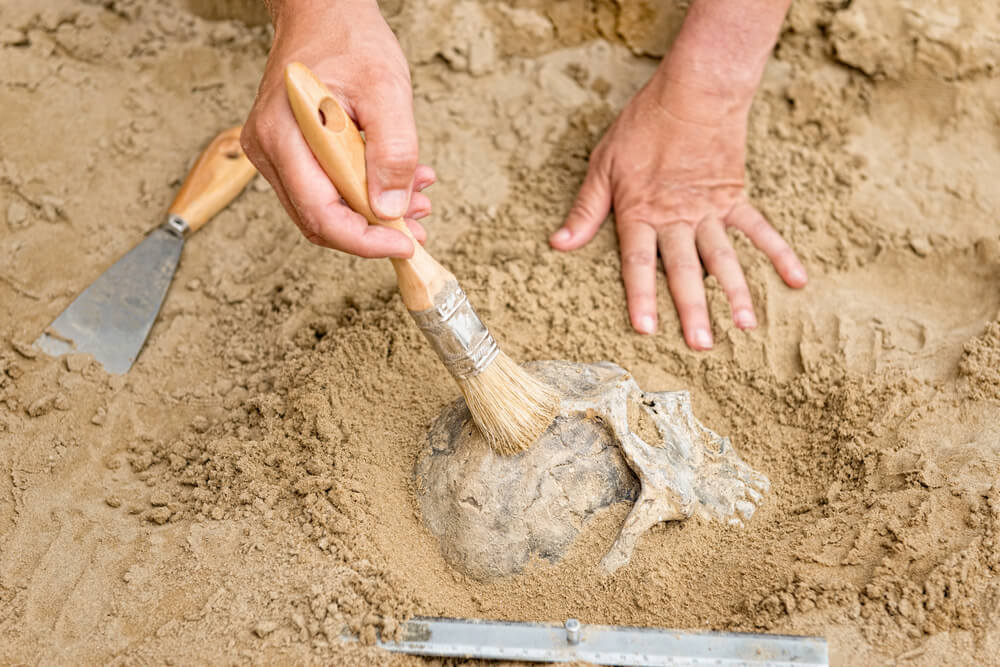
Continued excavation at the same Zhoukoudian quarry site that produced the Peking Man fossils also uncovered layers of ash and charred bone that researchers initially interpreted as some of the earliest evidence of controlled fire use by early humans. Later reanalysis introduced some scientific debate over exactly how the deposits formed.
The site remains a significant reference point in discussions of early human fire use regardless of the ongoing scholarly debate.
A Medieval Skeleton Was Found Beneath a Leicester Parking Lot
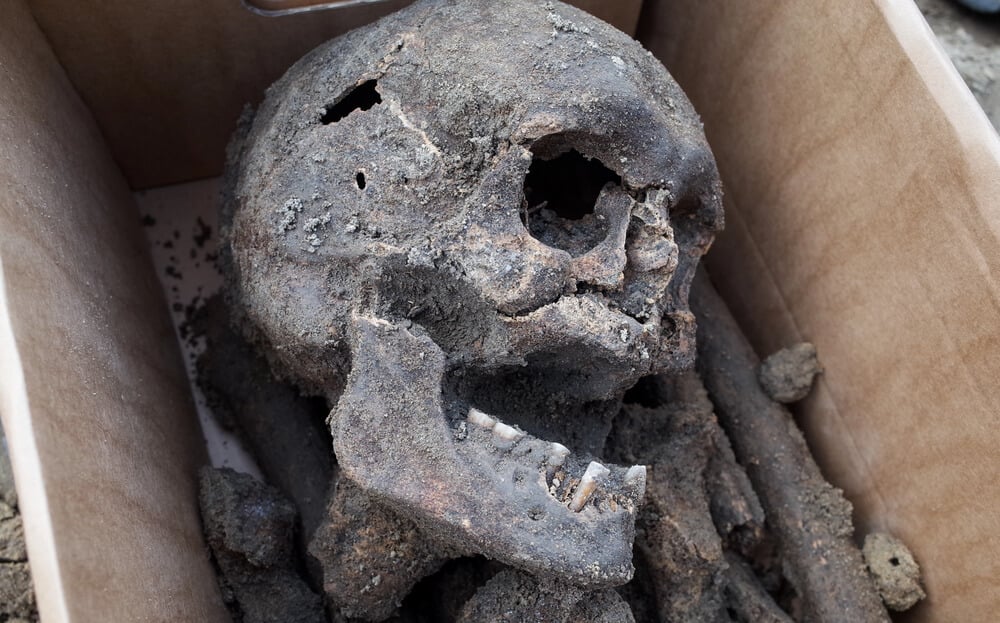
In 2012, archaeologists excavating a municipal parking lot in Leicester, England, ahead of a planned redevelopment discovered a skeleton later confirmed through DNA analysis to be King Richard III, whose remains had been lost since his death and burial following the 1485 Battle of Bosworth Field. The discovery resolved centuries of uncertainty about the location of the king’s remains.
Richard III was reburied with full ceremony at Leicester Cathedral in 2015 following the identification.
The Ancient City of Mohenjo-daro Was Found During Railway Construction Material Sourcing
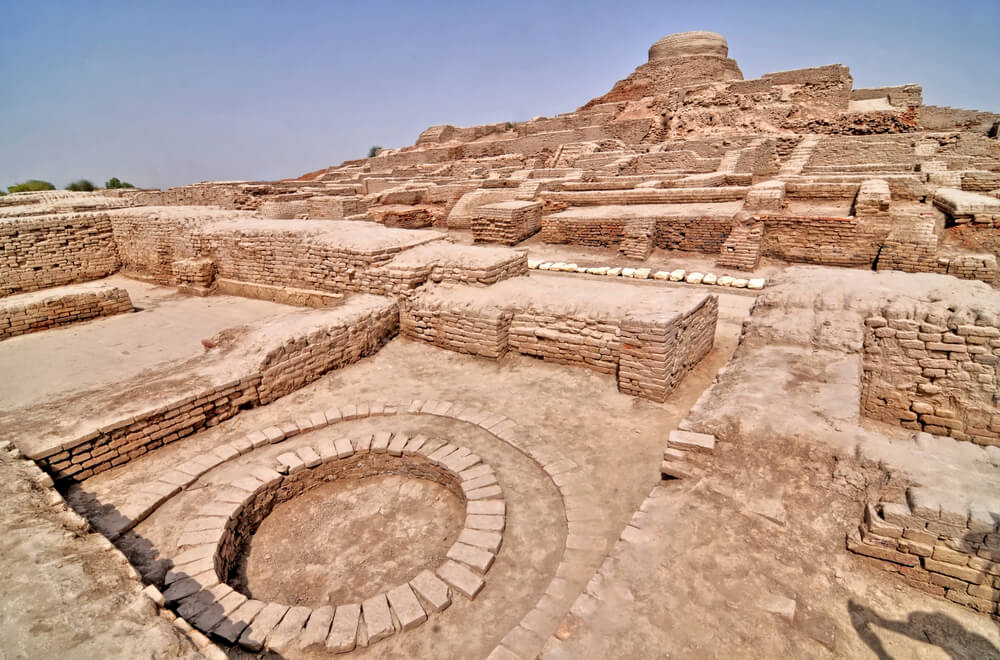
British railway engineers in the nineteenth century unknowingly used ancient bricks from the buried Indus Valley city of Mohenjo-daro as railway ballast before archaeologists later identified the site’s true significance in the 1920s. The scale of accidental destruction from earlier unregulated brick removal is impossible to fully calculate.
Formal excavation eventually revealed one of the most sophisticated urban civilizations of the ancient world.
A Mammoth Skeleton Halted Seattle Light Rail Construction
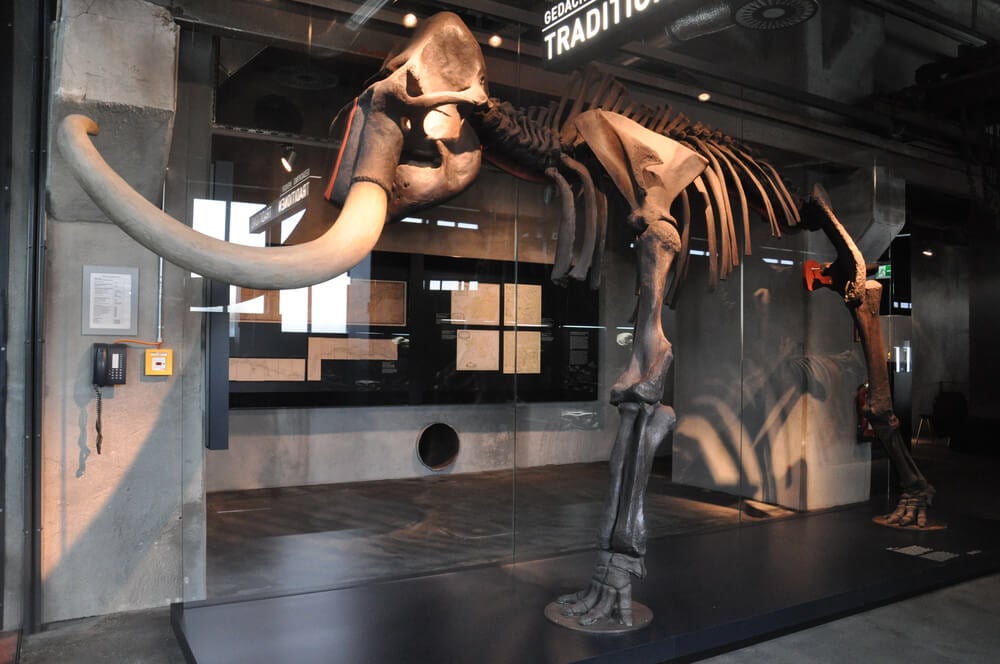
Construction crews building a Seattle light rail extension in 2014 struck the bones of an ancient mammoth during routine excavation, prompting a temporary construction pause while paleontologists recovered and documented the remains. Similar large mammal fossil finds have periodically interrupted infrastructure projects throughout the Pacific Northwest given the region’s Ice Age history.
The mammoth remains were transferred to a research institution for further study following recovery.
A Roman Amphitheater Was Uncovered Beneath a London Office Redevelopment
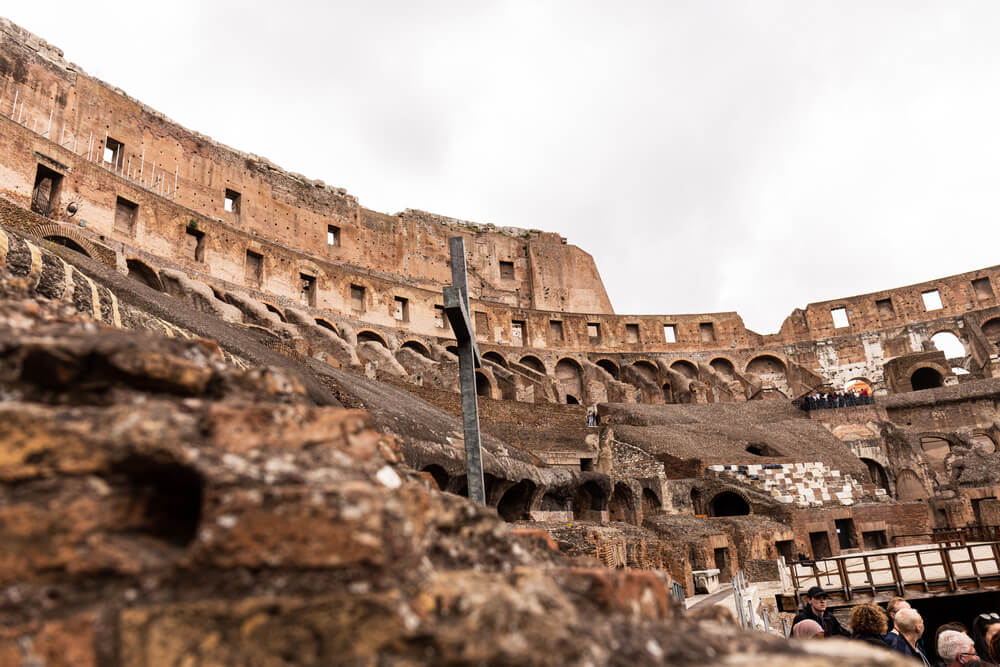
Construction work ahead of a new building at London’s Guildhall site in 1988 uncovered the remains of a Roman amphitheater that had lain hidden beneath the city for centuries, forcing redesign of the planned building to accommodate public display of the ruins. The amphitheater’s discovery significantly expanded understanding of Roman London’s scale and civic infrastructure.
Portions of the original amphitheater remain publicly viewable beneath the modern Guildhall Art Gallery today.
The Xochimilco Canal Dredging Revealed Aztec-Era Artifacts
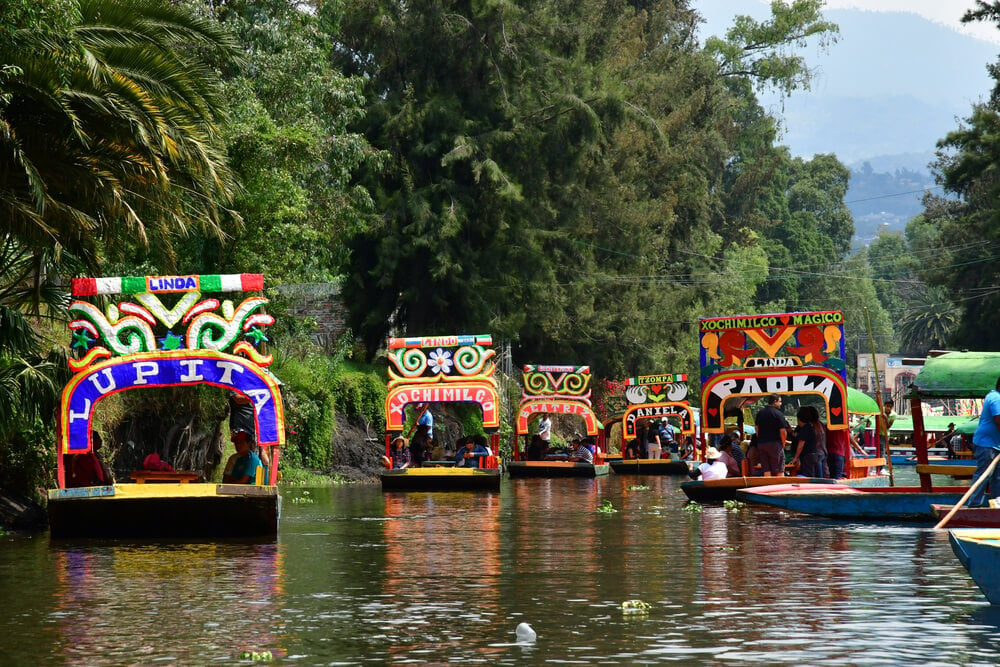
Routine dredging and maintenance work on the historic Xochimilco canal system near Mexico City has periodically surfaced Aztec-era ceramic and stone artifacts, prompting archaeologists to work alongside maintenance crews to document finds as they emerge. The area’s continuous habitation since the pre-Columbian era means construction and maintenance work regularly intersects with buried cultural material.
Authorities have developed standing procedures for handling artifacts recovered during routine canal work.
A Bronze Age Settlement Was Found During English Quarry Excavation at Must Farm
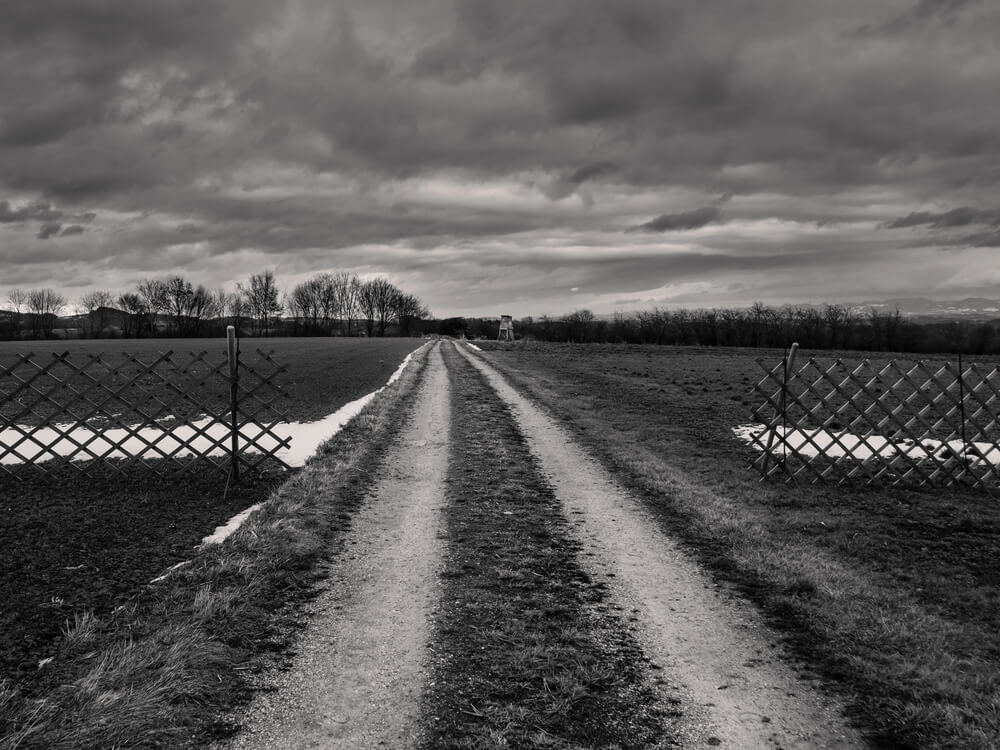
Quarry excavation work at Must Farm in eastern England uncovered an exceptionally well-preserved Bronze Age settlement, sometimes described by archaeologists as Britain’s Pompeii, after a fire preserved timber structures and household items in unusually complete condition. The site has yielded textiles, tools, and food remains offering an unusually detailed picture of daily Bronze Age life.
Quarrying operations were paused for extended archaeological excavation once the significance of the find became clear.
A Cache of Dinosaur Eggs Was Found During Chinese Road Construction
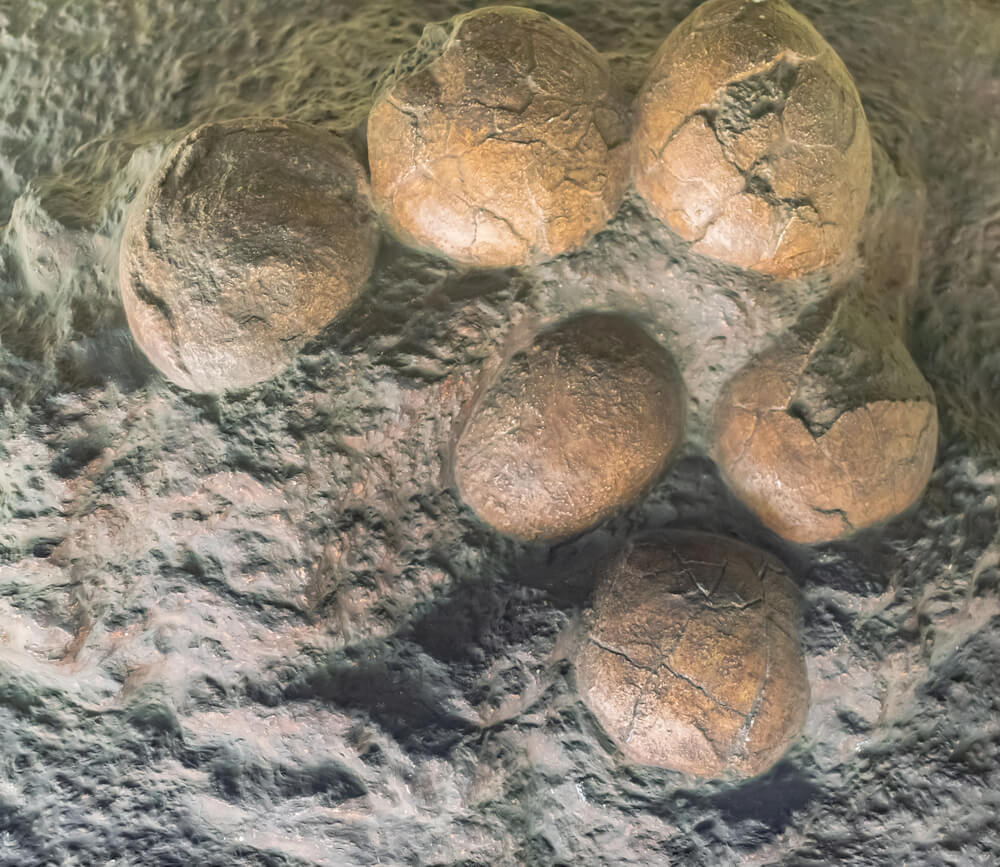
Road construction crews in Heyuan, China, uncovered a cache of fossilized dinosaur eggs during excavation work in 2015, part of a broader pattern of dinosaur fossil discoveries made incidentally during the region’s rapid infrastructure development. The city has become known among paleontologists specifically for the frequency of construction-related dinosaur finds.
Authorities have established a dedicated museum in the region largely built around specimens recovered through this kind of accidental discovery.
The Tomb of Tutankhamun Followed Systematic Search, But a Water Boy’s Misstep Found the First Step
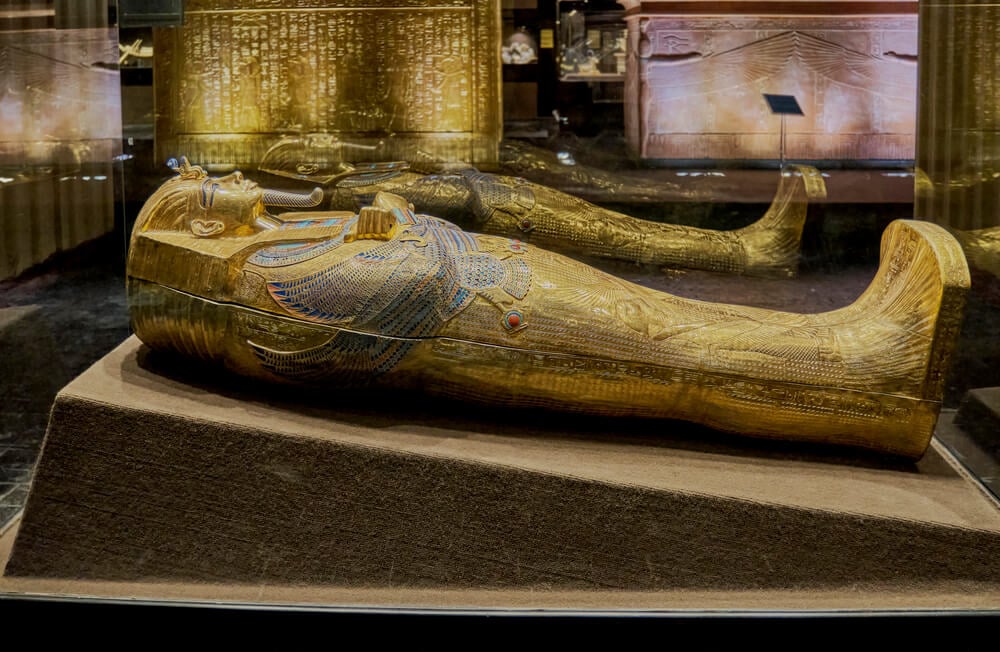
While archaeologist Howard Carter had spent years methodically searching the Valley of the Kings, the actual first physical step of the buried tomb entrance was uncovered in 1922 when a young water boy on the excavation team accidentally tripped over a stone that turned out to be the top step of a hidden staircase. The chance stumble led directly to the most complete pharaonic tomb ever discovered largely intact.
Carter’s systematic search combined with the specific accidental discovery of that single obscured step.
A World War II Bunker Was Discovered During Berlin Apartment Construction
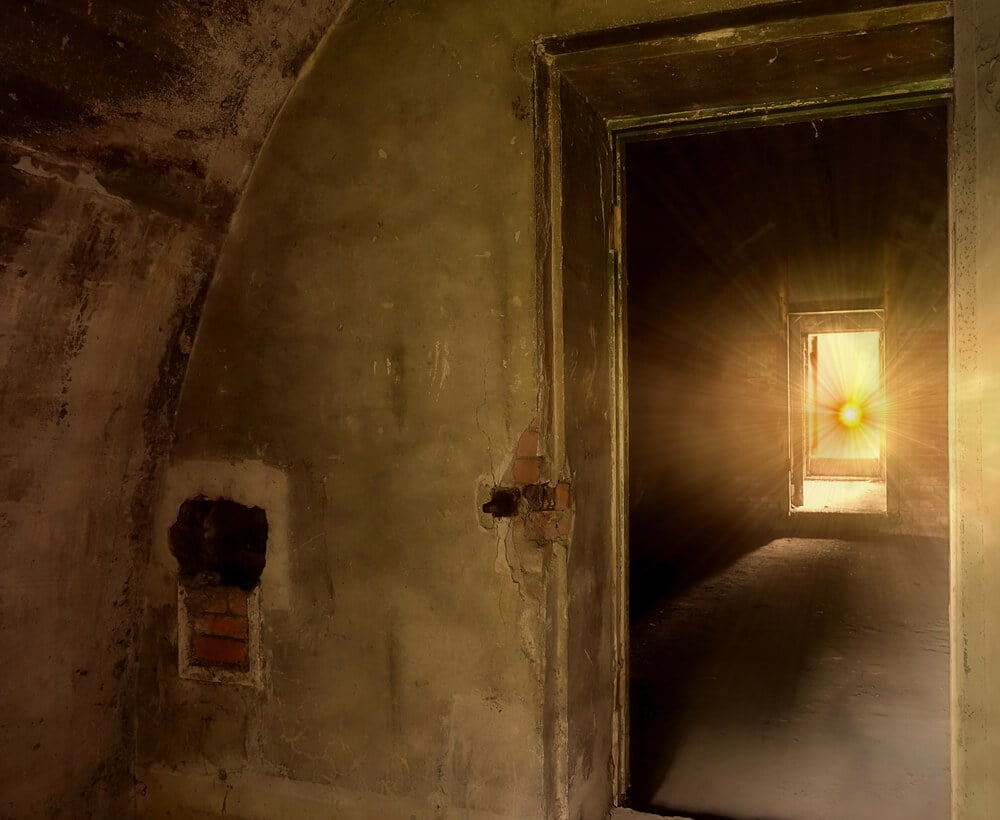
Construction crews excavating for a new apartment building in Berlin in 2016 uncovered a previously unmapped World War II-era air raid bunker still containing unexploded ordnance, requiring a full bomb disposal operation before construction could safely proceed. Similar unexploded wartime ordnance discoveries continue to interrupt German construction projects on a regular basis decades after the war’s end.
Authorities maintain standing emergency response protocols specifically for handling this recurring category of construction find.
When the Ground Gave Up What It Was Hiding
Every discovery on this list happened because someone was digging for an entirely different reason, a well, a road, a subway line, a parking lot, and found something that had nothing to do with the original plan. None of these projects set out to make history.
That pattern says something about how much remains buried beneath ordinary ground going about ordinary business. The past does not announce itself.
It waits, indifferent to schedules and blueprints, until a shovel or an excavator happens to hit exactly the wrong, or right, spot.
More from Go2Tutors!

- The Romanov Crown Jewels and Their Tragic Fate
- 13 Historical Mysteries That Science Still Can’t Solve
- Famous Hoaxes That Fooled the World for Years
- 15 Child Stars with Tragic Adult Lives
- 16 Famous Jewelry Pieces in History
Like Go2Tutors’s content? Follow us on MSN.



