19 Energy Conservation Tricks from the Animal Kingdom
Animals face a constant challenge in the wild: how to survive while using as little energy as possible. Over millions of years, they’ve developed some pretty incredible strategies to stretch every calorie.
From tiny hummingbirds that basically shut down overnight to massive elephants coating themselves in mud, nature’s efficiency experts have figured out ways to thrive without wasting precious resources. These evolutionary solutions aren’t just fascinating — they’re also remarkably practical.
Here is a list of 19 energy conservation tricks that showcase how animals have mastered the art of doing more with less.
Torpor in Hummingbirds
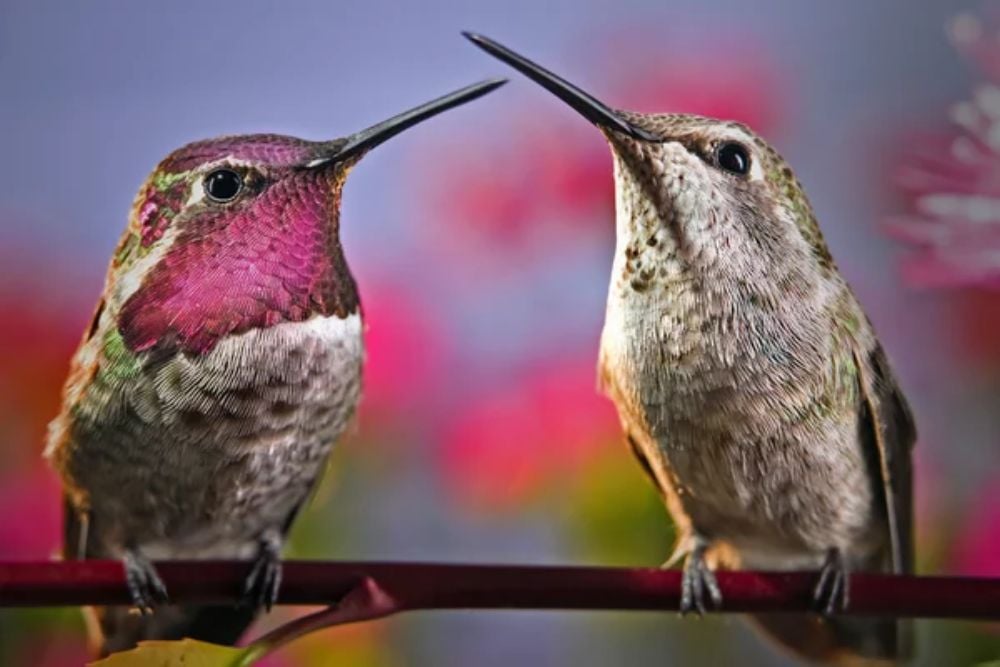
Every night, hummingbirds essentially flip an internal switch that drops their body temperature by up to 50 degrees Fahrenheit. Their heart rate plummets from a frantic 1,200 beats per minute down to just 50 — a slowdown so dramatic it reduces energy consumption by 95 percent.
Without this nightly shutdown, these tiny powerhouses would literally starve before dawn since they burn through calories at an absolutely incredible rate when awake.
Penguin Huddles
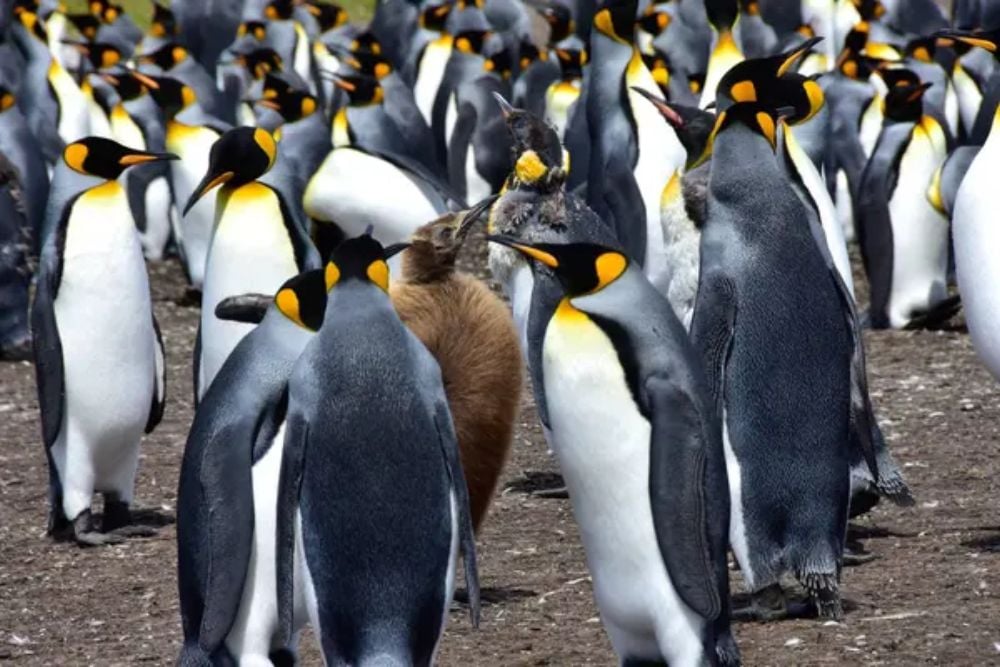
Emperor penguins have mastered the art of sharing warmth through massive group huddles that can contain thousands of individuals. The birds on the frigid outside edges gradually work their way toward the cozy center while others take their turn facing the brutal Antarctic winds.
This rotation system cuts each penguin’s energy needs in half compared to going it alone in temperatures that would otherwise be lethal.
Like Go2Tutors’s content? Follow us on MSN.
Spider Web Recycling
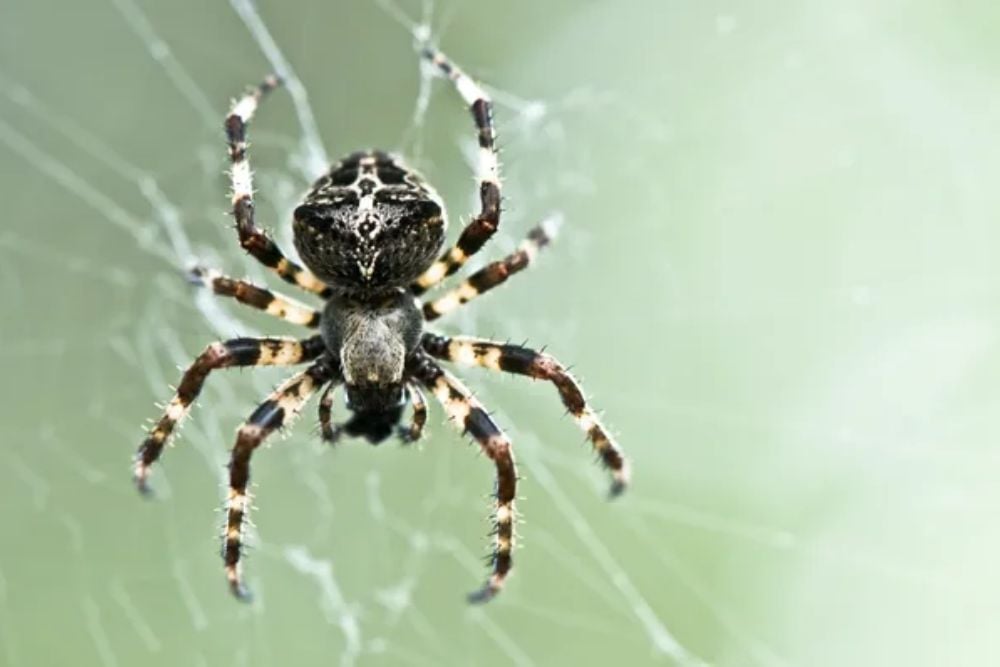
Most spiders don’t just abandon their old webs — they actually eat them each morning before spinning fresh ones. This recycling process recovers up to 95 percent of the valuable proteins that went into the original construction. It’s nature’s version of sustainable manufacturing, allowing some species to rebuild their entire trap using mostly recycled materials rather than starting from scratch.
Sloth Metabolism
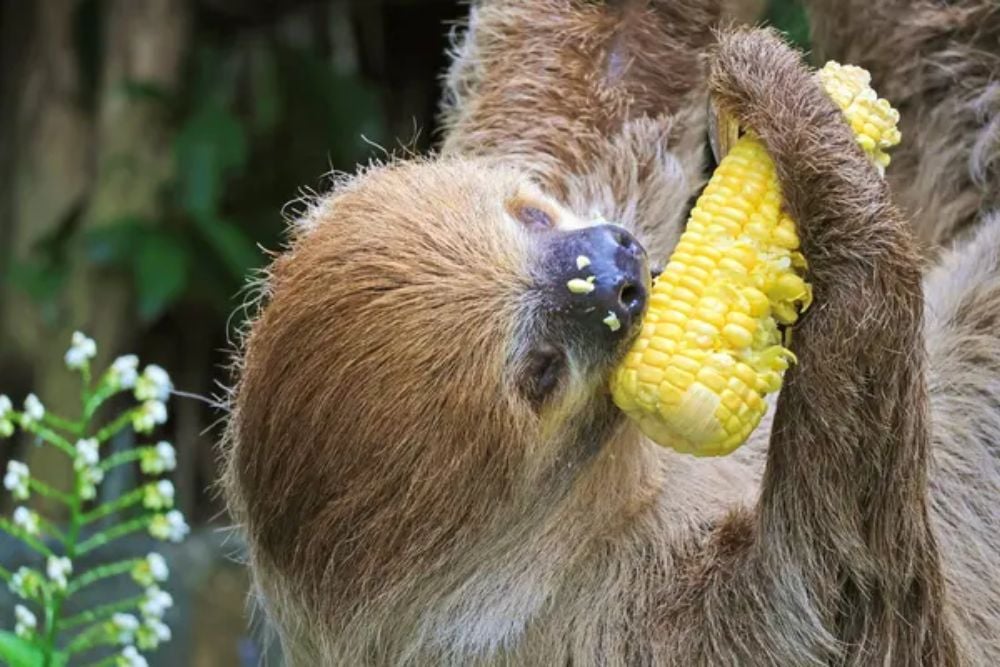
Three-toed sloths have taken the concept of living slowly to an extreme level. Their metabolism runs at just 40 percent the rate of similar-sized mammals — so efficiently that they can survive on a mere 160 calories per day.
This ultra-conservative energy budget means they only need to make the dangerous journey to the forest floor once a week for bathroom breaks.
Crocodile Ambush Strategy
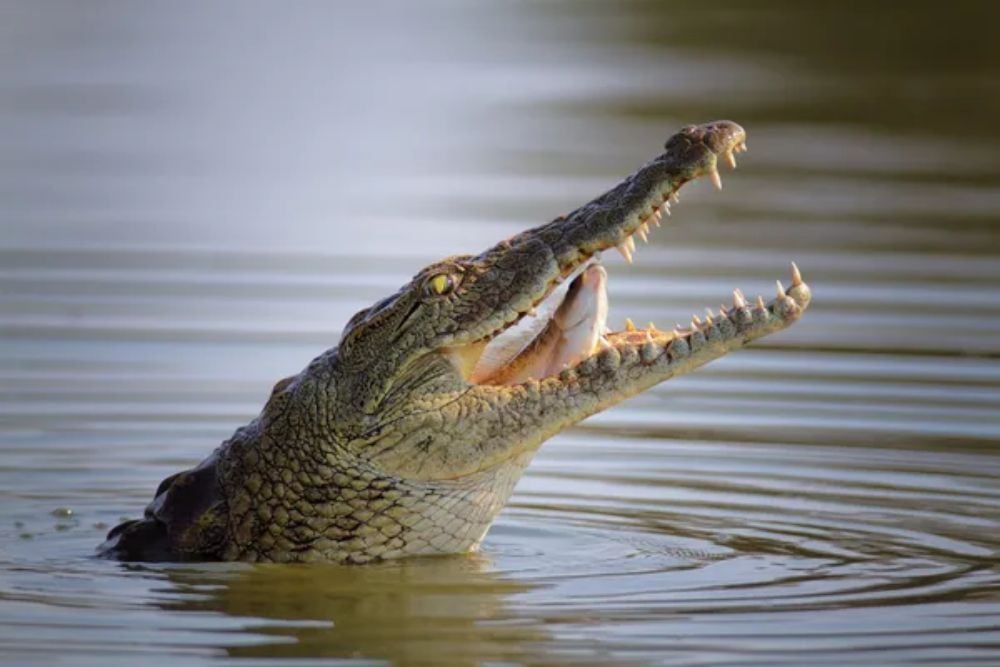
Crocodiles can remain perfectly still for hours while waiting for the right moment to strike. This patient approach eliminates all the energy costs associated with active hunting — no chasing, no multiple attempts, just one perfectly timed ambush.
The strategy works so well that a single large meal can sustain them for months, which explains why crocodilians have remained virtually unchanged for millions of years.
Like Go2Tutors’s content? Follow us on MSN.
Arctic Fox Fur Adaptation

The Arctic fox’s winter coat is so incredibly insulating that these animals don’t need to burn extra calories until temperatures drop below minus 70 degrees Fahrenheit. Multiple layers of fur trap air so effectively that foxes maintain normal body temperature without any metabolic adjustment — even in conditions that would quickly kill most other mammals.
This biological winter gear allows them to conserve energy when food becomes scarce across the frozen landscape.
Bat Hibernation
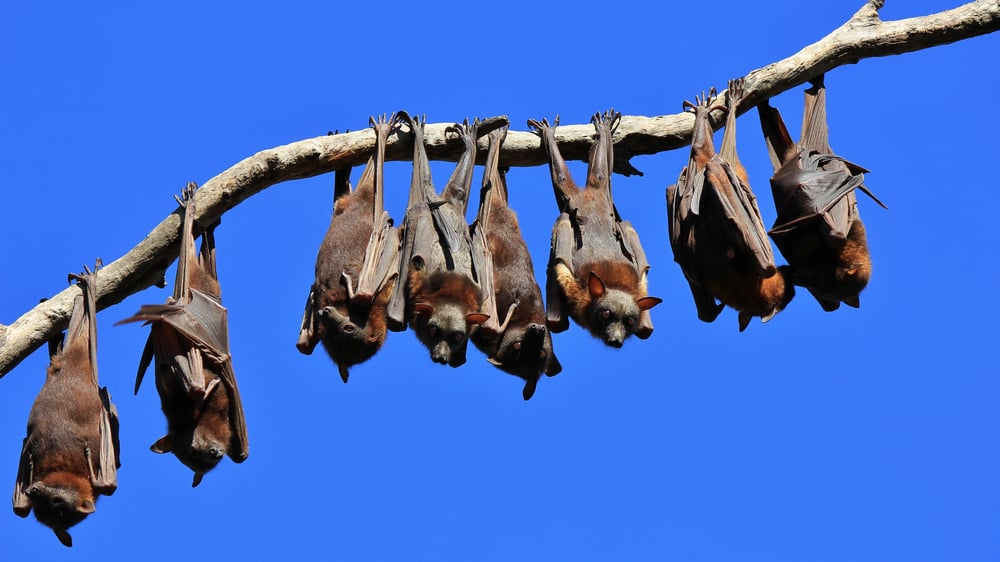
When winter arrives, bats essentially become living icicles — dropping their body temperature to just above freezing while their heart rate falls to one beat per minute. This extreme conservation mode lets them survive up to seven months without eating, burning 99 percent less energy than they would while active.
They’re basically running on the biological equivalent of airplane mode until spring returns.
Dolphin Echolocation Efficiency
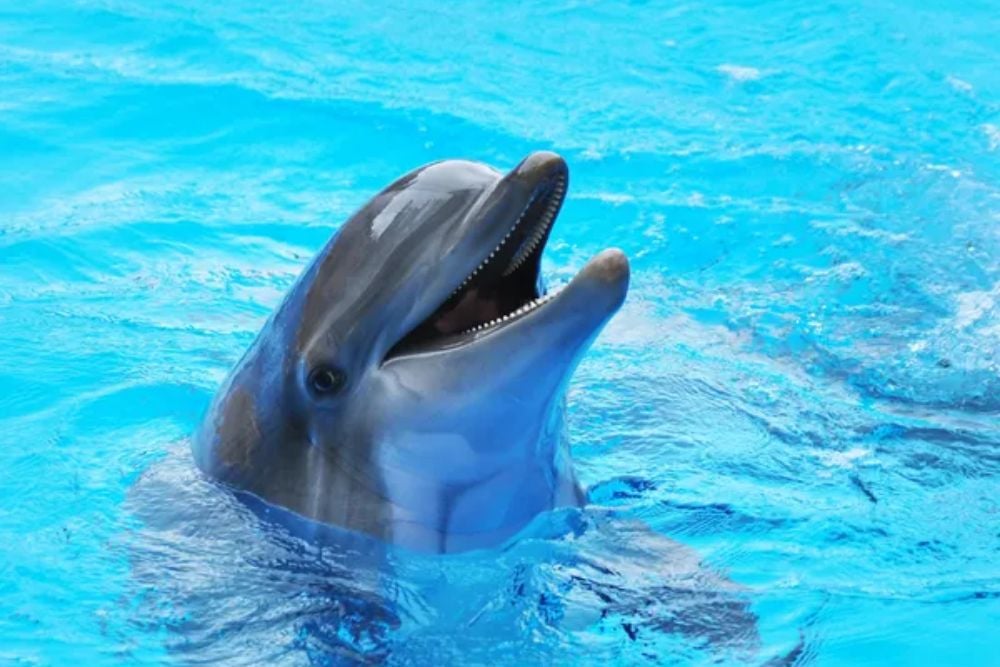
Dolphins have turned hunting into a precision science using their built-in sonar system. Their echolocation is so accurate that they can detect fish buried in sand or identify specific species from considerable distances — eliminating the wasted energy that comes with missed attempts.
While visual hunters often strike out repeatedly, dolphins can target prey with laser-like accuracy.
Like Go2Tutors’s content? Follow us on MSN.
Polar Bear Platform Hunting
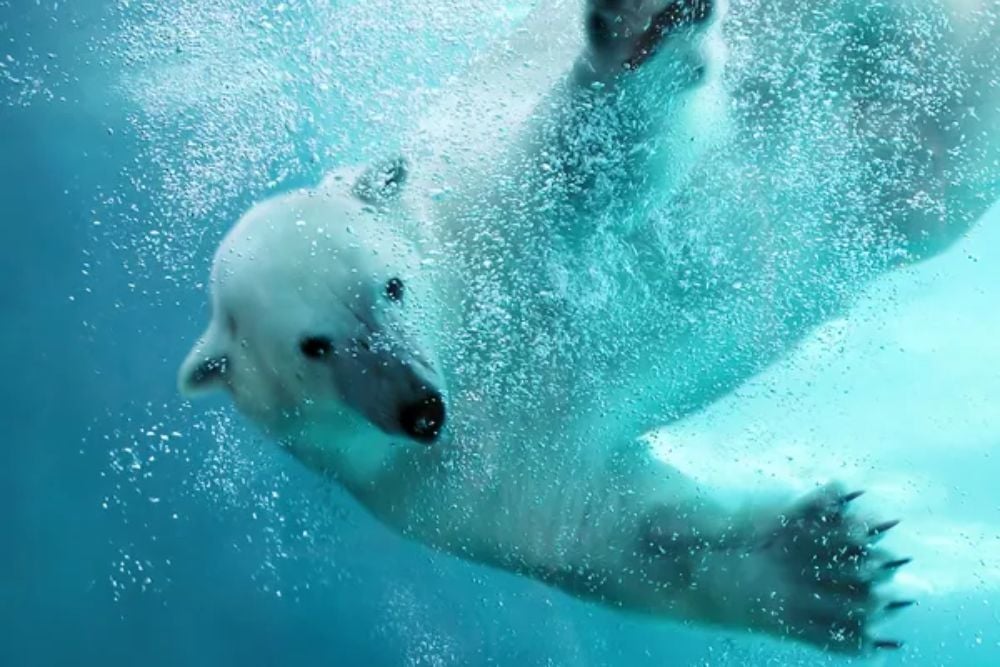
Rather than wandering across miles of ice searching for seals, polar bears practice the ultimate form of patience. They’ll lie motionless at breathing holes for hours — sometimes even flattening themselves to reduce heat loss while they wait.
When a seal finally surfaces for air, one successful strike can provide enough calories to last several days, making this sit-and-wait strategy incredibly efficient.
Kangaroo Hopping Mechanics

Kangaroos have evolved something that seems to defy physics — they actually use less energy as they hop faster. Their massive tendons work like biological springs, storing energy on landing and releasing it on takeoff — reducing the muscular effort required for each bound.
At top speed, they’re more efficient per mile than four-legged animals of similar size running at their optimal pace.
Snake Thermoregulation
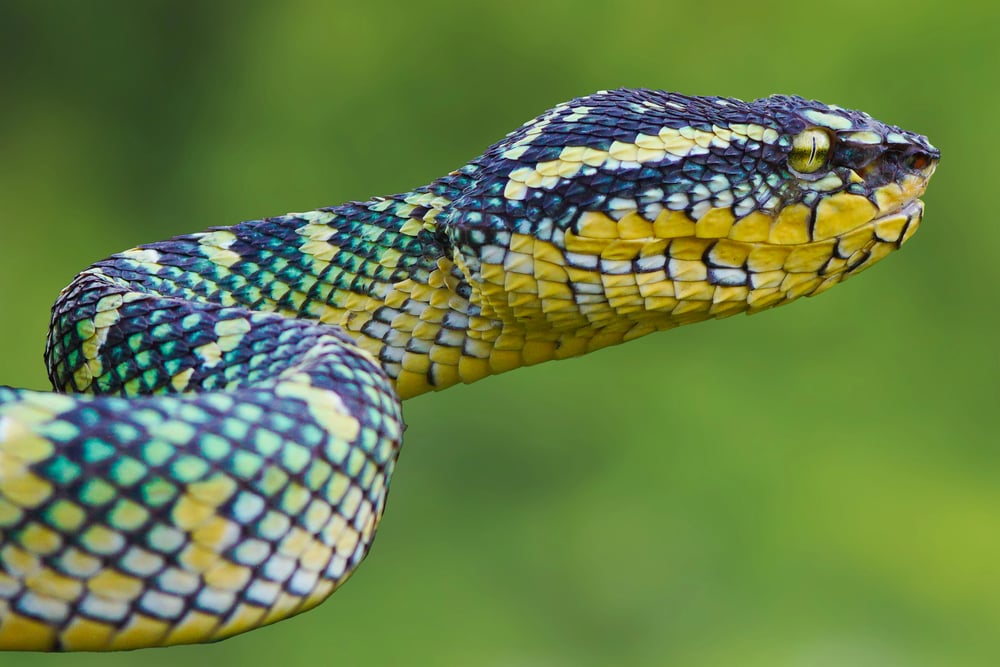
Snakes have figured out how to use the environment as their personal heating and cooling system. They bask in sunshine to warm up and seek shade when things get too hot, avoiding the massive energy costs that warm-blooded animals face in maintaining constant body temperature.
This behavioral thermoregulation is so effective that snakes can survive on just one-tenth the food that a similar-sized mammal requires.
Like Go2Tutors’s content? Follow us on MSN.
Owl Silent Flight
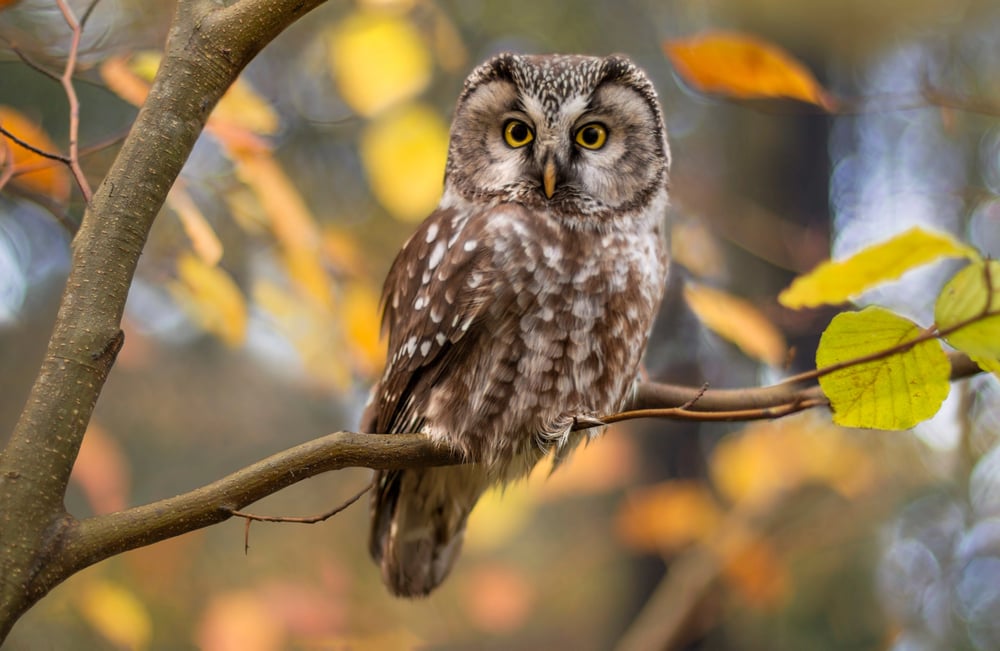
Specialized feathers with soft, fringed edges allow owls to fly in complete silence, eliminating the whoosh of air that would otherwise announce their approach. This acoustic stealth gives them such a hunting advantage that they often succeed on their first attempt rather than burning energy on repeated tries.
The silent approach has made owls some of the most efficient nighttime predators on the planet.
Bear Denning Behavior

Bears don’t technically hibernate, yet they still manage to reduce their energy consumption by up to 75 percent during winter denning. Their heart rate and breathing slow dramatically while they live entirely off stored fat reserves for months.
Unlike true hibernators though, they can still wake up if needed, which becomes crucial when caring for cubs born during the denning period.
Camel Water Conservation

Camels can lose up to 40 percent of their body weight in water and still function normally, far exceeding what most mammals can tolerate. Their incredibly efficient kidneys and specialized blood cells mean they rarely need to waste energy searching for water sources in desert environments.
Since finding water in arid regions requires significant caloric expenditure, this conservation ability translates directly into energy savings.
Like Go2Tutors’s content? Follow us on MSN.
Woodpecker Shock Absorption

Woodpeckers have developed specialized skull structures and neck muscles that absorb the tremendous impact of repeated drilling without causing injury. This anatomical engineering allows them to access high-protein insect larvae that other birds simply cannot reach.
The efficient drilling technique means they can harvest premium food sources while avoiding the energy-wasting effects of brain trauma that would occur in other species.
Turtle Shell Retraction
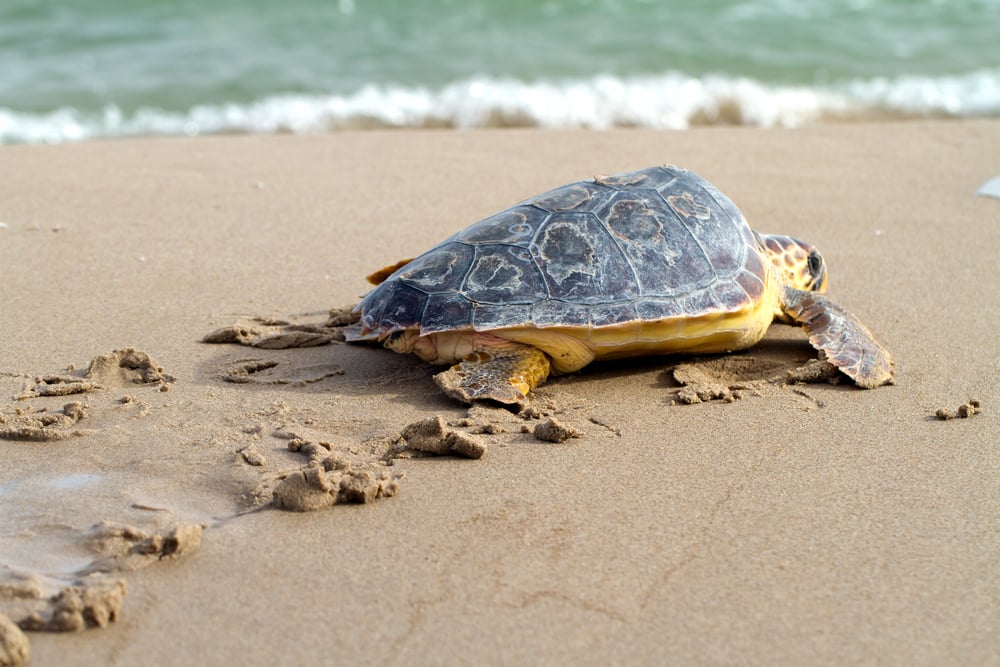
When danger approaches, turtles simply pull everything inside their portable fortress rather than burning calories on escape attempts. This defensive strategy eliminates the high energy costs associated with fleeing from predators while providing excellent protection.
The shell is such an effective solution that turtles can literally wait out threats without any energy expenditure beyond basic metabolic functions.
Cheetah Sprint Efficiency
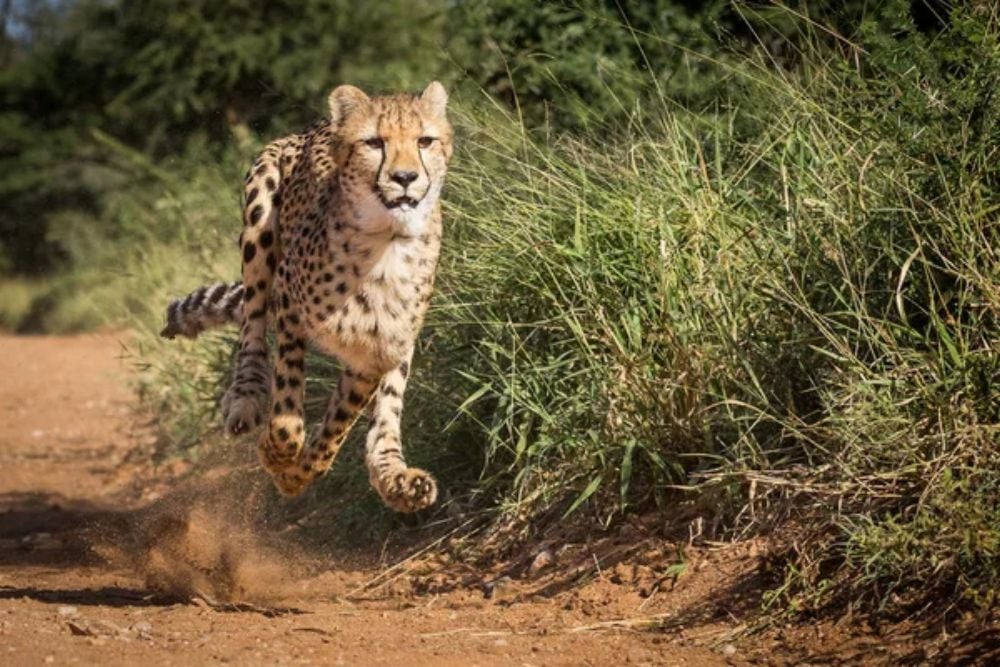
Cheetahs have evolved bodies perfectly designed for brief, explosive hunting rather than sustained endurance running. Their strategy focuses entirely on short, high-speed chases that end quickly, avoiding the massive caloric costs of prolonged pursuits.
This sprint-and-rest approach is so efficient that cheetahs spend most of their day lounging around, recovering from their intense but brief hunting efforts.
Like Go2Tutors’s content? Follow us on MSN.
Elephant Mud Bathing
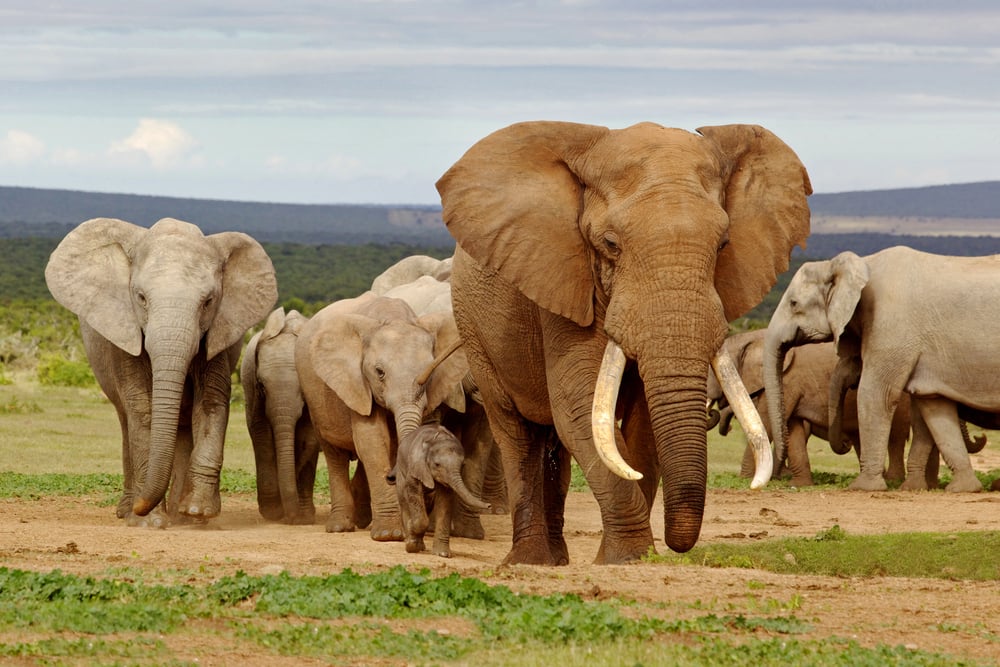
Elephants create their own natural sunscreen and insect repellent by coating themselves in mud. This behavioral adaptation reduces heat absorption from the sun while providing protection from biting insects, allowing them to maintain comfortable body temperatures without relying on internal cooling mechanisms.
The mud coating is effective enough that elephants can reduce their water requirements and avoid energy-intensive trips to distant water sources.
Beaver Dam Engineering
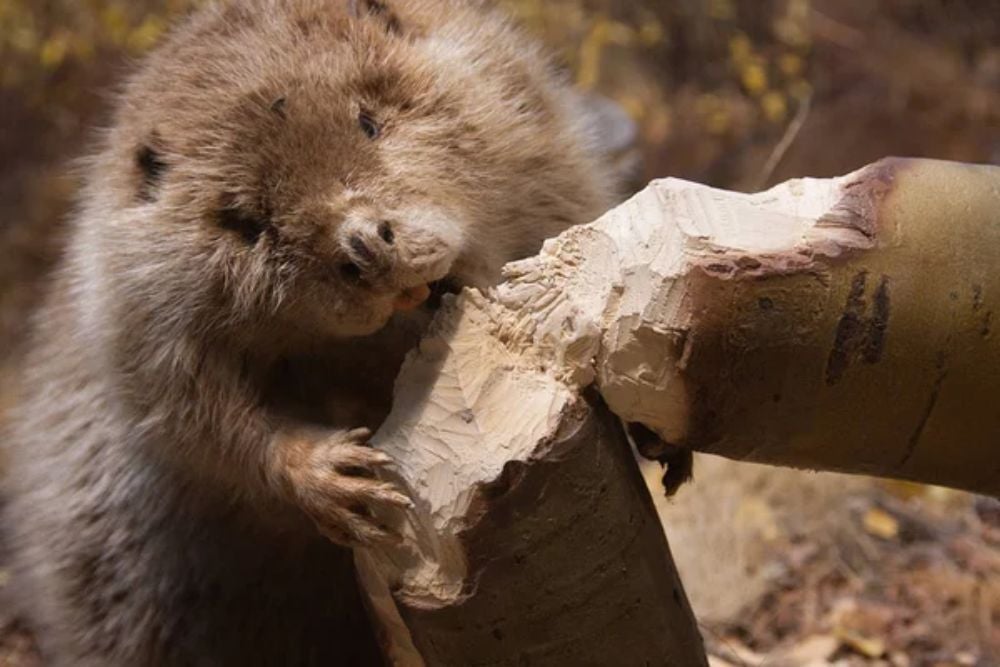
Beavers transform entire landscapes by building dams that create deep water pools which won’t freeze solid during winter. These engineered water systems ensure access to underwater food caches without requiring long, dangerous foraging trips through harsh conditions.
The dams also provide protection from predators, eliminating energy spent on constant vigilance and escape behaviors while creating a controlled environment for year-round survival.
Nature’s Blueprint for Modern Efficiency

The energy conservation strategies that animals have perfected over millions of years continue to inspire human innovation and sustainable technology today. From insulation techniques borrowed from Arctic mammals to transportation designs based on animal locomotion, nature remains our most effective teacher for efficient living.
These time-tested approaches offer practical solutions for modern energy challenges while demonstrating that the most successful conservation methods typically work with natural systems rather than against them.
Like Go2Tutors’s content? Follow us on MSN.
More from Go2Tutors!

- 16 Restaurant Chains That Went Too Fast
- 12 Things Sold in the 80s That Are Now Illegal
- 15 Strange Things People Have Tried to Ban (And Failed)
- 16 Collectibles People Tossed Out Too Soon
- 17 Myths from Your Childhood That Were Actually Based on Real Things
Like Go2Tutors’s content? Follow us on MSN.