32 Items Families Kept by the Telephone
Before phones lived in pockets, they lived on a small table or mounted to a kitchen wall, and that fixed spot in the house accumulated its own small ecosystem of objects. Anyone could walk up to the phone table in a stranger’s house and learn something real about how that family actually lived, just by looking at what had piled up around the receiver.
A Spiral-Bound Address Book
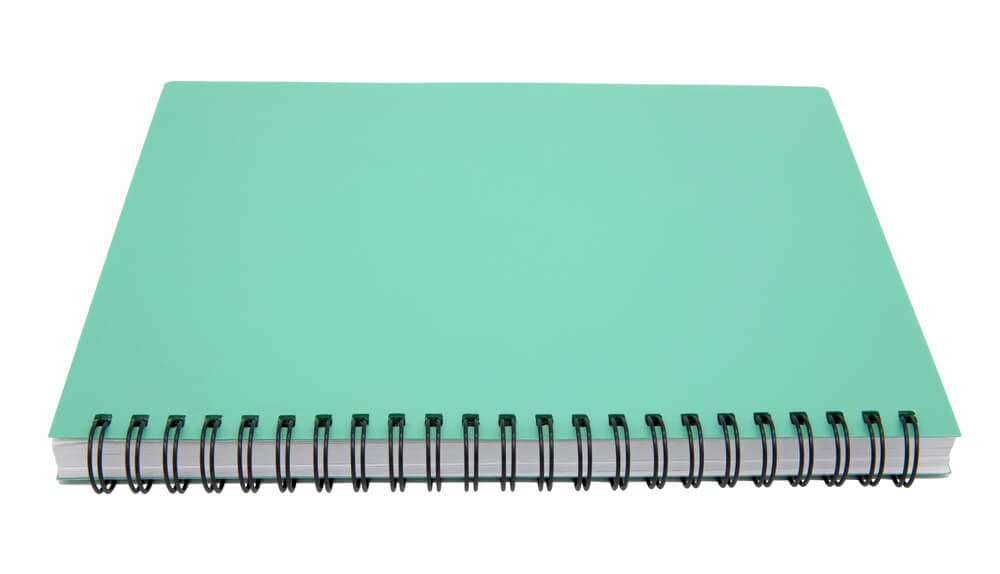
Nearly every household kept a small book, often alphabetically tabbed, filled with handwritten names, addresses, and phone numbers accumulated over years. Crossed-out entries and new numbers squeezed into margins told a quiet history of moves, divorces, and lost touch that a digital contacts list rarely preserves in the same way.
A Notepad With a Pen on a String
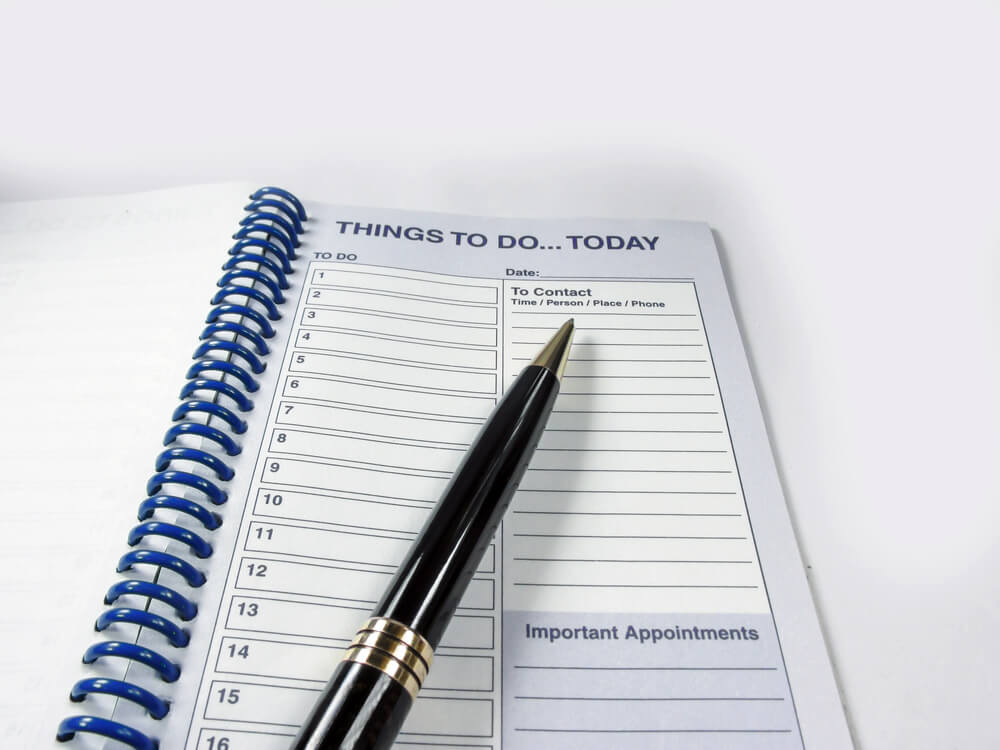
A dedicated pad of paper sat by nearly every landline specifically for jotting down messages mid-call, often paired with a pen physically tied to the phone or table with a string to keep it from wandering off. The string itself became a small, universal admission that pens otherwise disappeared within days in any household with more than one person.
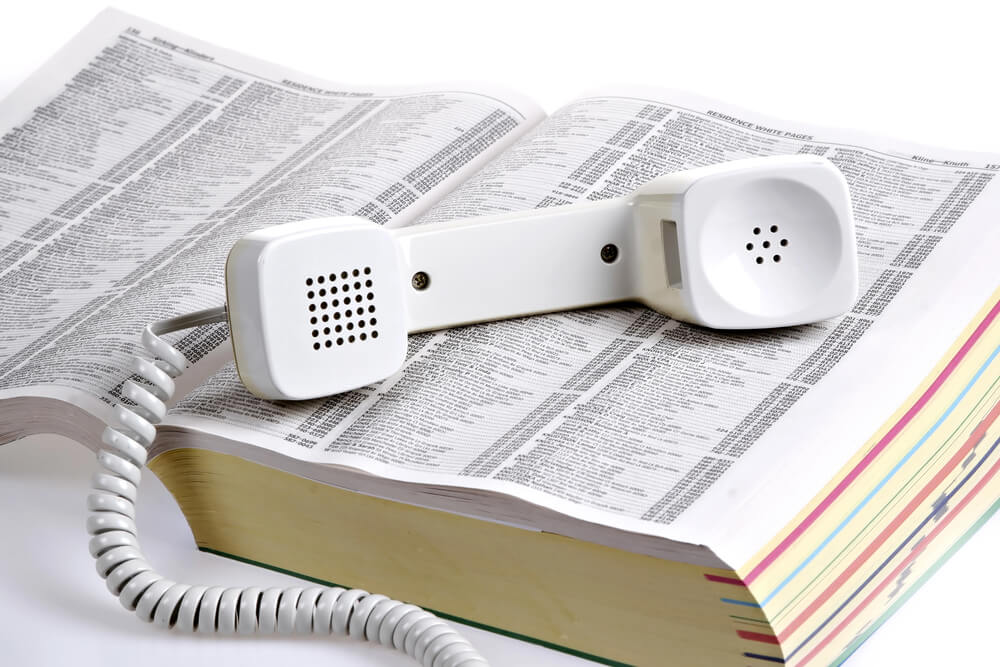
The Phone Book
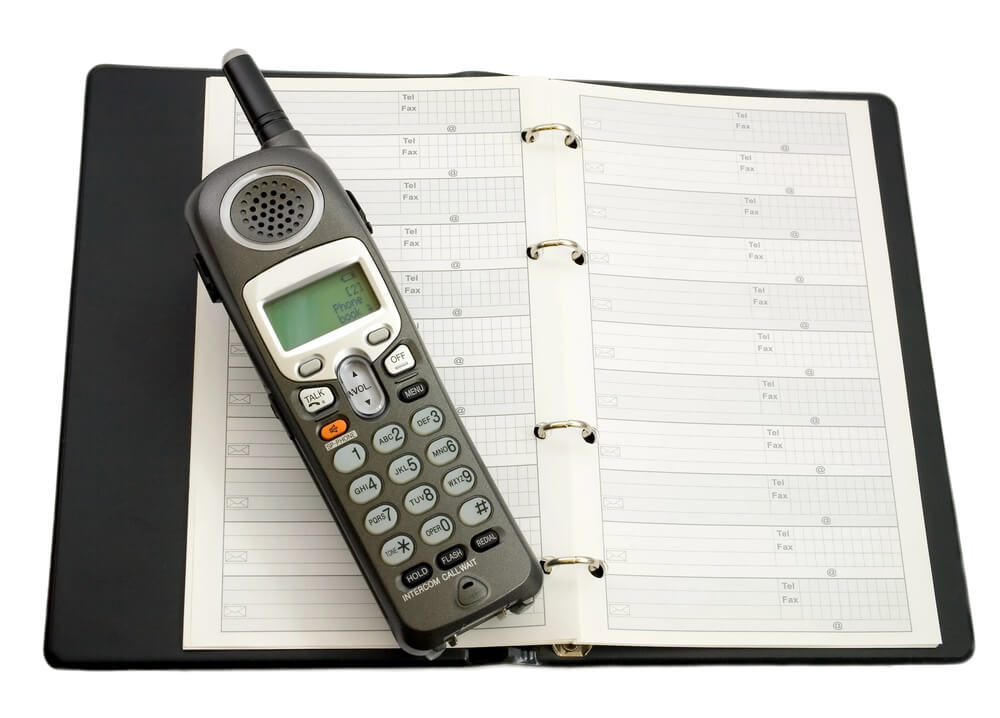
A thick, annually updated directory listing every household and business number in the local area sat within reach of most home phones well into the 1990s and beyond. Its yellow-page business section doubled as an early form of local search, flipped through by hand long before anyone could type a query into a screen.
A List of Emergency Numbers Taped to the Wall

Many households kept a handwritten or printed list of emergency contacts, doctors, and family members taped directly to the wall or the phone itself, ensuring the information was available even to a child or babysitter unfamiliar with the house. The practice reflected an era when a landline was the only reliable way to reach help quickly.
A Rolodex
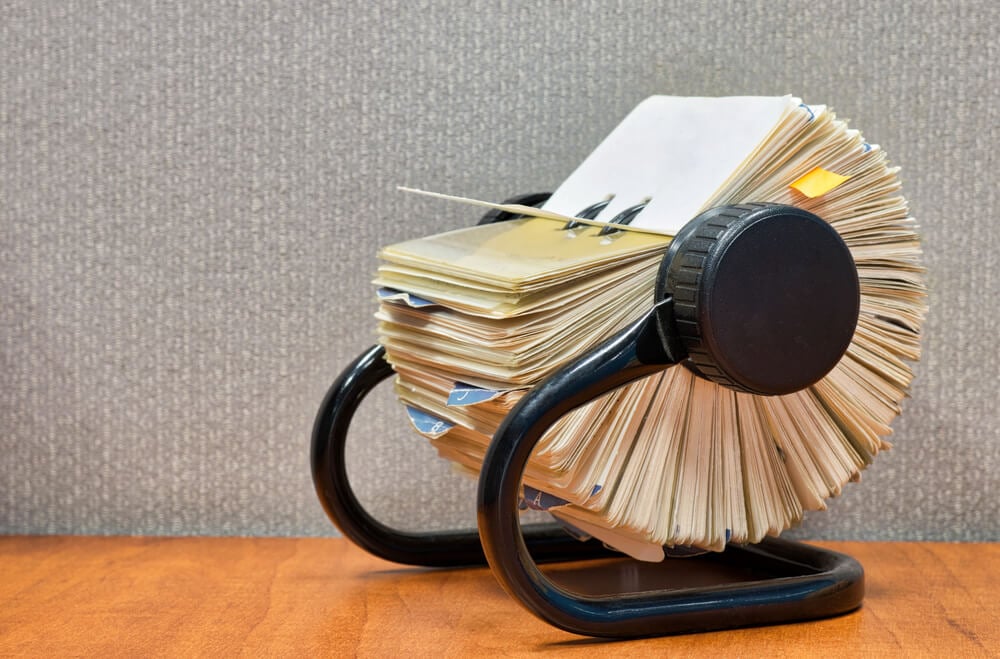
A rotating card file holding individually written contact cards was common in home offices and family kitchens alike, letting anyone flip through by hand to find a specific name. Its mechanical flutter as it spun became a distinctive sound of its own, tied directly to the act of looking someone up.
An Answering Machine
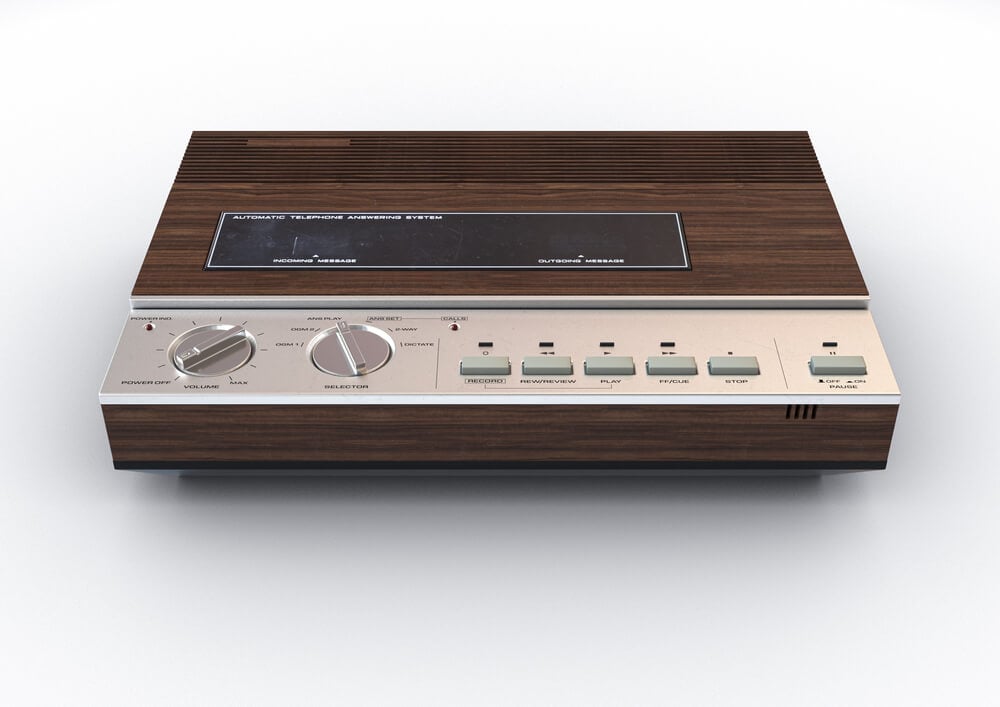
A dedicated device that recorded incoming messages onto a small cassette tape sat next to many phones starting in the 1980s, with a blinking light indicating how many messages waited. Family members often left brief, playful outgoing greetings recorded together, turning the machine into a small shared household project.
A Cork Board With Pinned Reminders

Positioned near the phone for convenience, a small cork board often held pinned appointment reminders, takeout menus, and school notices, functioning as an informal family bulletin board built around the phone’s location. Its contents shifted constantly, giving a rough visual timeline of whatever the household had going on that particular week.
Takeout Menus in a Drawer
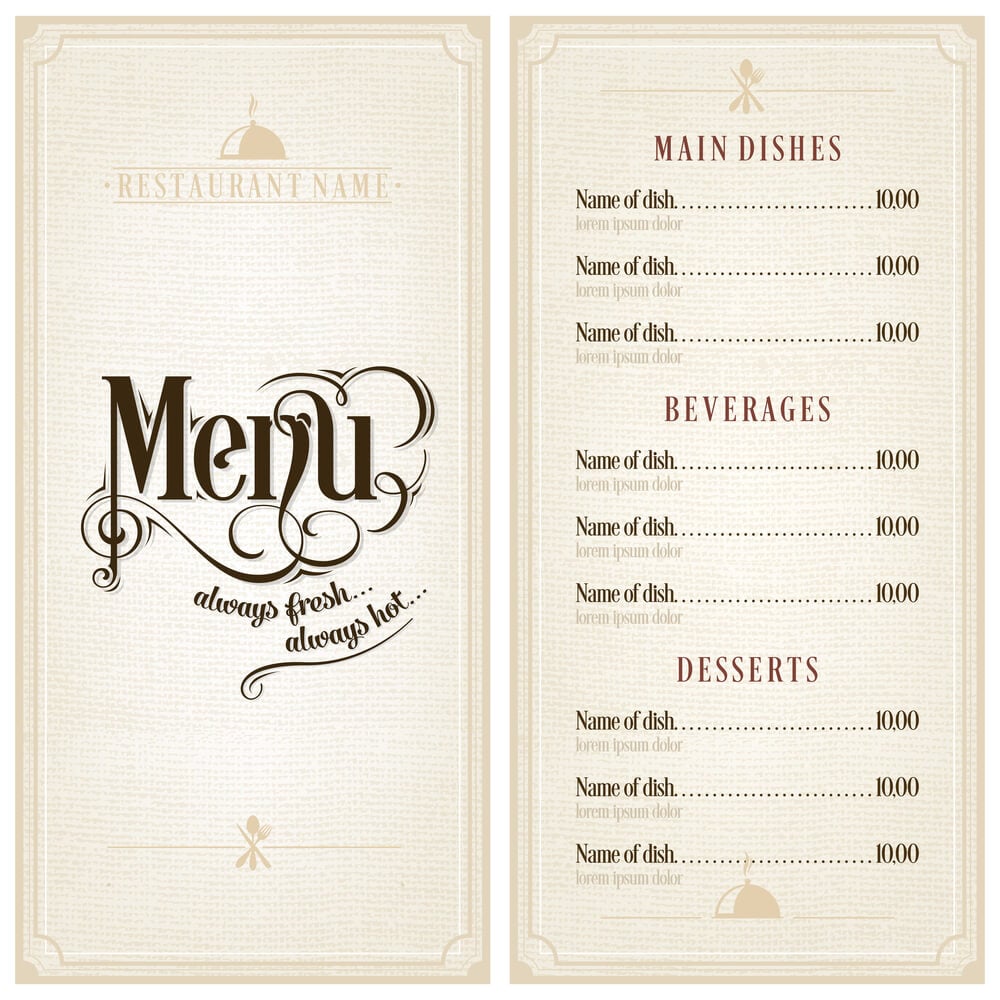
A drawer near the phone commonly held a growing stack of local restaurant menus, collected over years from delivery flyers and mail drops, since ordering food required calling and reading the menu at the same time. Restaurants understood this well enough that many menus were specifically designed to be easy to read while holding a phone receiver.
A Calendar With Appointments Written In
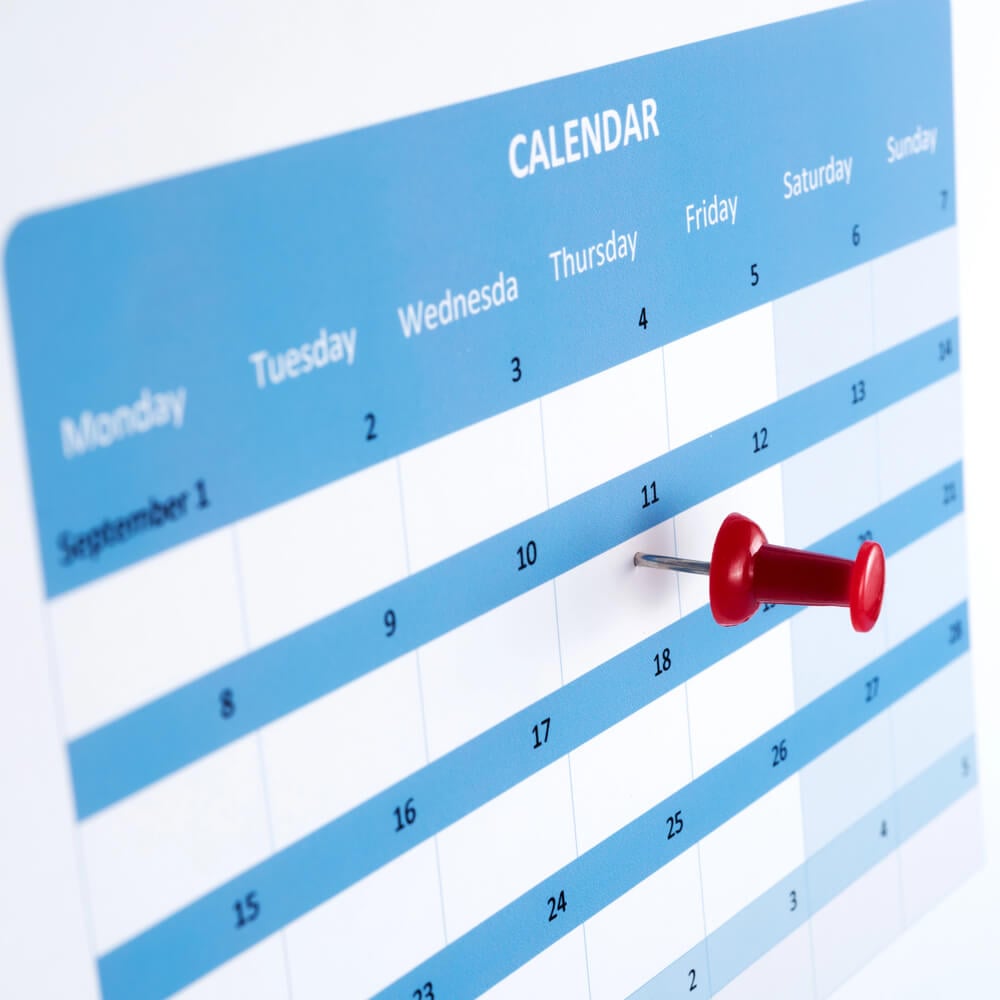
A wall or desk calendar near the phone often served as the household’s shared scheduling system, updated in real time as calls came in about appointments, school events, or family plans. Its location by the phone made it the natural place to write something down the moment a call ended.
A Long, Coiled Phone Cord
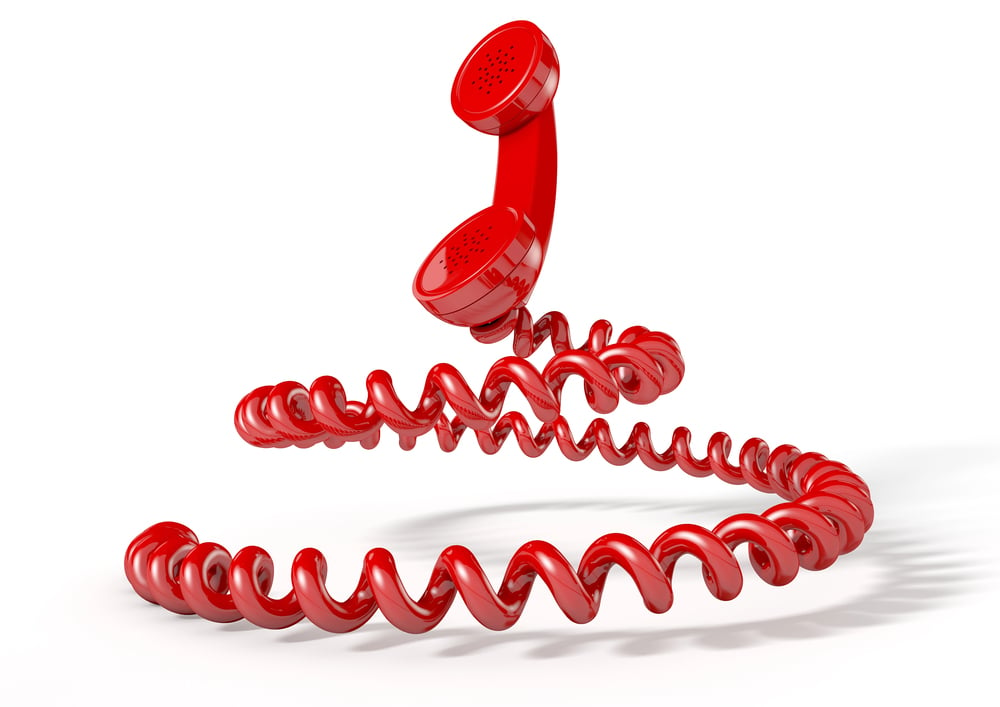
The cord connecting a handset to its base was often stretched, twisted, and looped over the years as family members paced around the kitchen while talking, sometimes reaching well beyond the room the phone was actually mounted in. A badly tangled cord became such a common household nuisance that untangling it was practically its own periodic chore.
A Piece of Paper With the Wi-Fi-Era Precursor: The Modem Access Number

Once households began connecting to early online services through a phone line, a handwritten slip with the specific dial-up access number was often kept taped near the phone, since the connection required manually dialing that number before a modem could take over the line. Losing that slip of paper meant losing internet access entirely until someone could track the number down again.
A Local Directory of Babysitters
Some families kept a small handwritten or typed list of trusted babysitters and their numbers specifically by the phone, ready for last-minute plans. The list often included informal notes about availability or reliability that never made it into any formal record.
A Landline Handset in a Distinctive Color

Many households owned at least one novelty phone, shaped like a cartoon character or molded in a bright color, often kept in a child’s room or a playroom rather than the main household line. These phones were as much decor as function, and their specific shape or color often became a distinct memory tied to a particular era of a family’s home.
A Small Dish for Loose Change
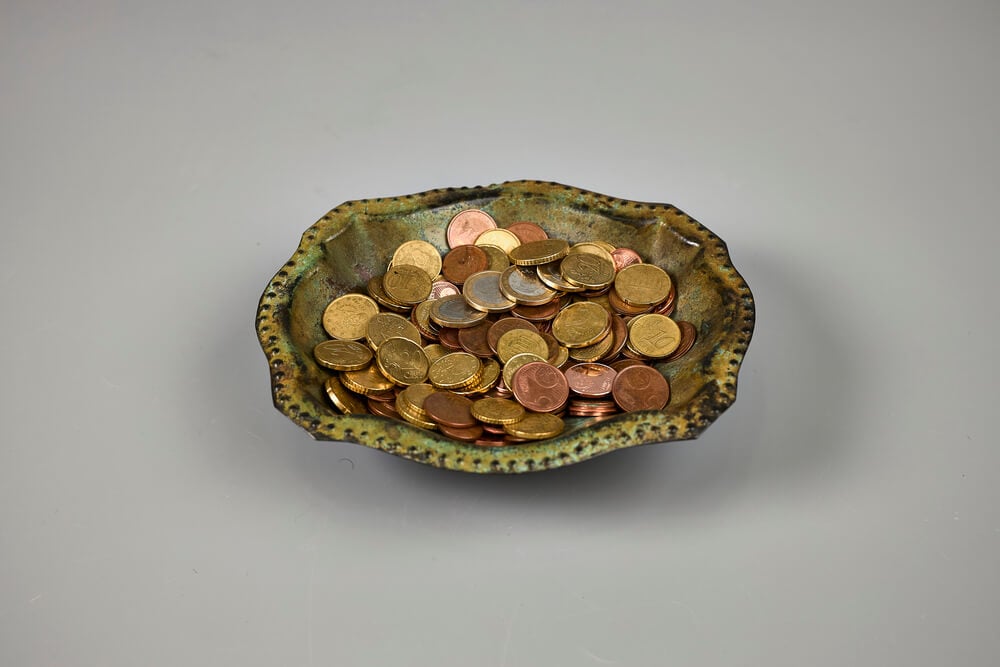
A shallow dish or bowl near the phone commonly collected loose change, pulled from pockets before laundry or set aside for the next payphone call. The change rarely accumulated to much, but its presence by the phone reflected how often a household member might need a coin on short notice.
A Framed Photo or Two

The phone table often doubled as an informal display shelf, holding one or two framed family photos alongside the more functional items around it. The specific photos chosen for that spot, rather than a formal living room display, often revealed which pictures the household actually looked at daily.
A List of Long-Distance Rates or Calling Card Numbers

Before flat-rate calling plans became standard, many families kept a written note of which hours offered cheaper long-distance rates, or a calling card number used specifically to avoid high per-minute charges. The practice reflected an era when a phone call to a relative in another state was a deliberate, budgeted decision rather than a casual one.
A Small Radio or Intercom Unit
Some households kept a small radio or an intercom system near the main phone, particularly in larger homes where the phone doubled as a way to relay messages between rooms or floors before cordless models became common. The units were often clunky and required a specific button to be held down to speak, a small daily ritual now almost entirely forgotten.
A Stack of Blank Postcards
Some families kept pre-addressed or blank postcards near the phone specifically for quick notes to relatives, since a postcard required no envelope and could be dropped in the mail on the way to school or work. The habit reflected a household where written and spoken communication were treated as two halves of the same ongoing correspondence.
A Pushpin Map for Marking Travel
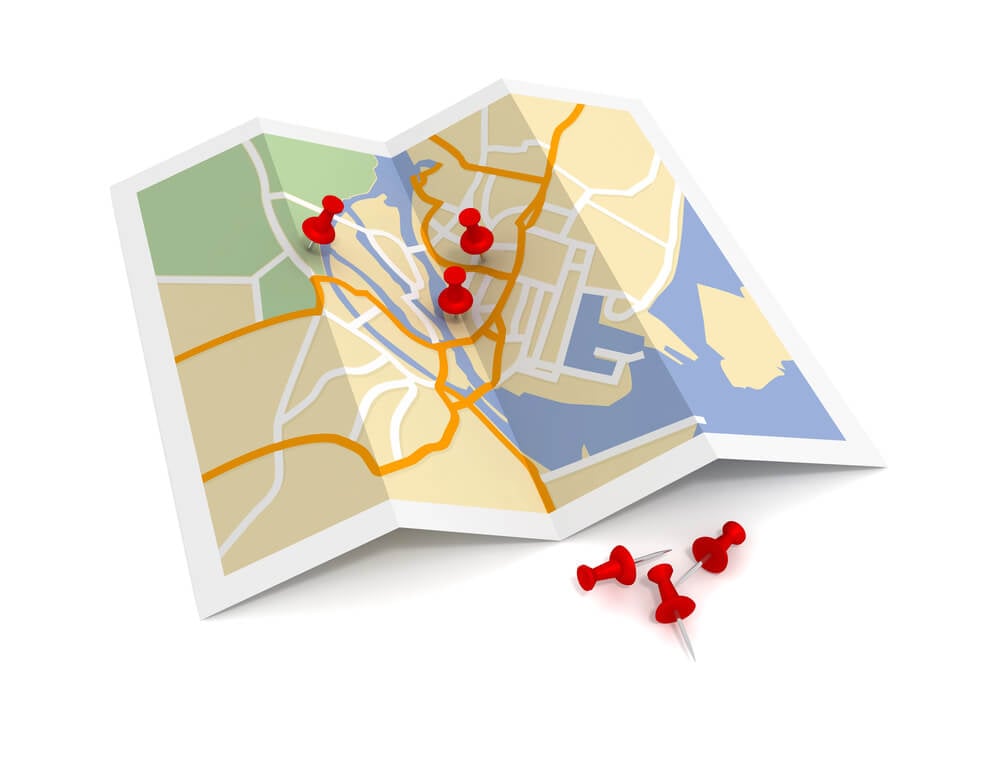
Occasionally paired with the cork board, some families kept a small map with pushpins marking where relatives or friends lived, a visual reference used specifically when planning long-distance calls or figuring out time zone differences before dialing. The map doubled as a rough family history, accumulating pins as relatives moved or new friendships formed.
A List of Time Zone Differences
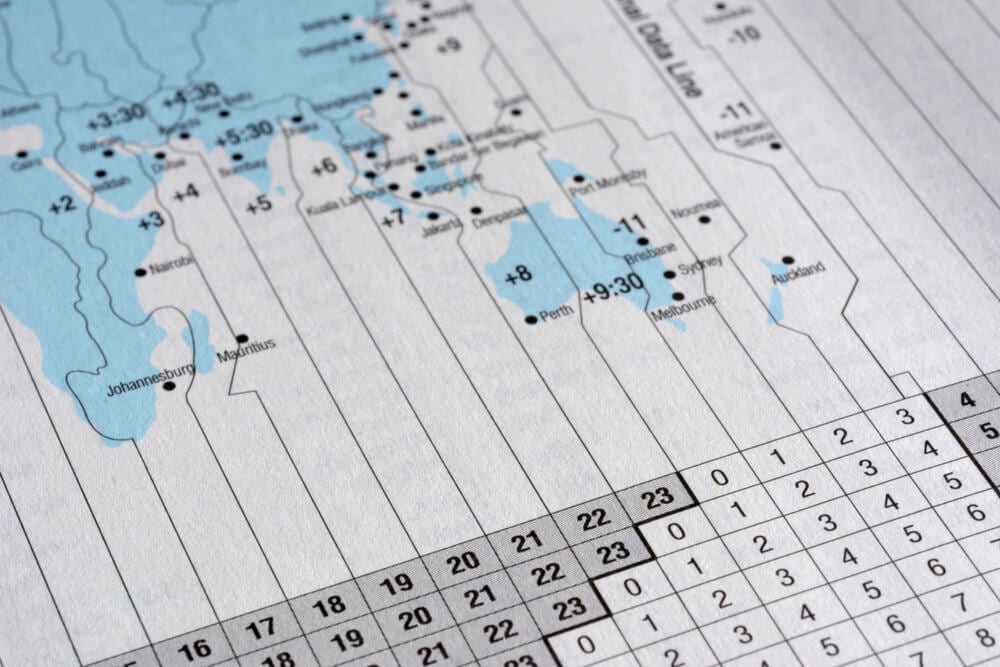
Families with relatives living across the country or overseas often kept a handwritten reference of time zone differences taped near the phone, avoiding the awkwardness of calling someone at an inconvenient hour. The note became especially important around holidays, when call volume to distant relatives spiked considerably.
A Small Flashlight

Kept specifically near the phone in case of a power outage, a small flashlight ensured a household could still find and use a corded landline phone, which unlike cordless models did not require electricity to function. This was one of the more practical reasons some families deliberately kept at least one corded phone even after upgrading the rest of the house to cordless models.
A Stack of Stamps and Envelopes
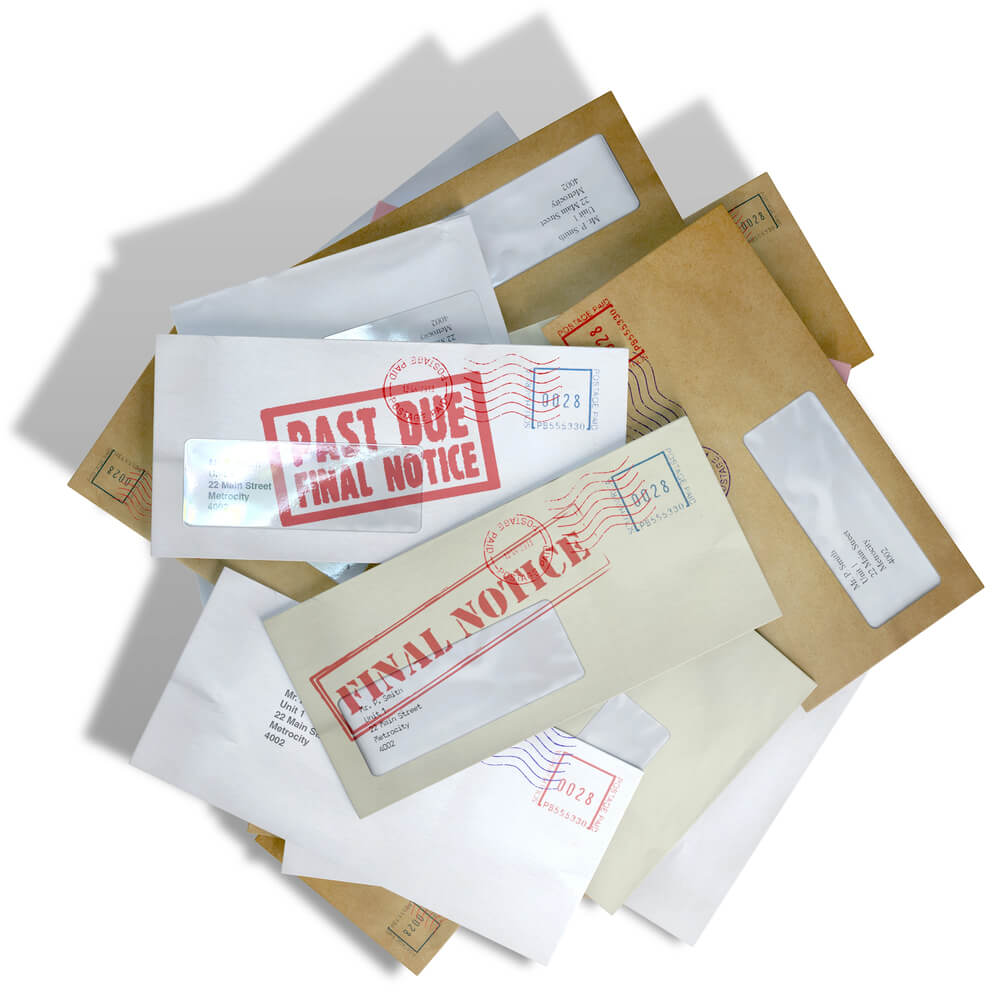
Since paying bills or sending letters often happened in the same general area of the house as making calls, many families kept a small stash of stamps and envelopes within reach of the phone table. The habit reflected how much household administrative work was centered around a single fixed location before online banking and email existed.
A Family Chore Chart
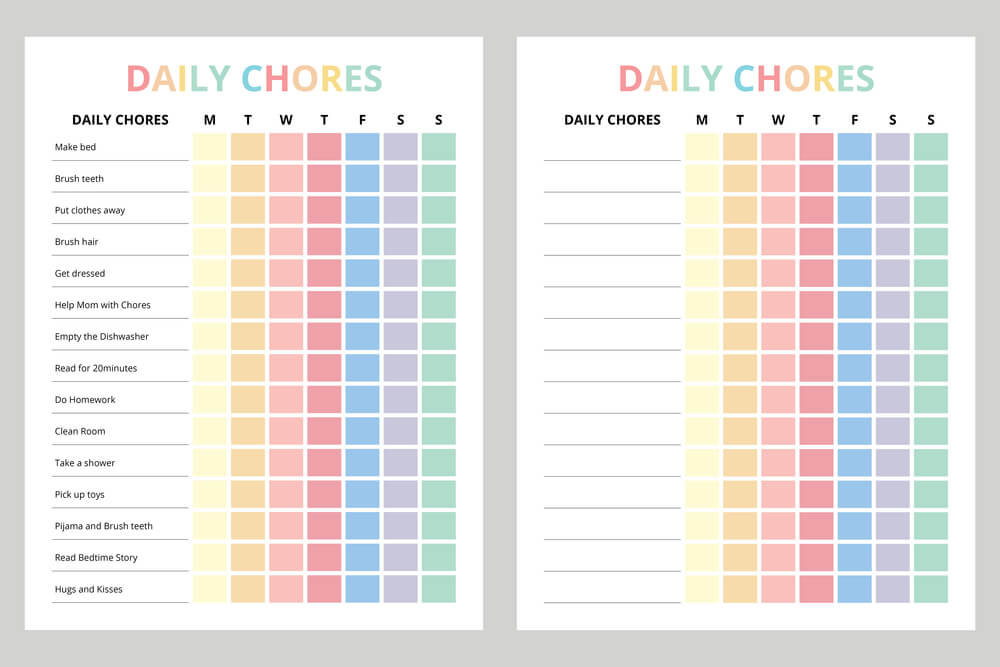
Some households posted a chore chart near the phone specifically because it was a high-traffic spot everyone passed multiple times a day, making it an effective place to post reminders that needed to be seen. The chart’s location said as much about household traffic patterns as it did about the chores themselves.
A Sign-In Sheet for Shared Household Landlines
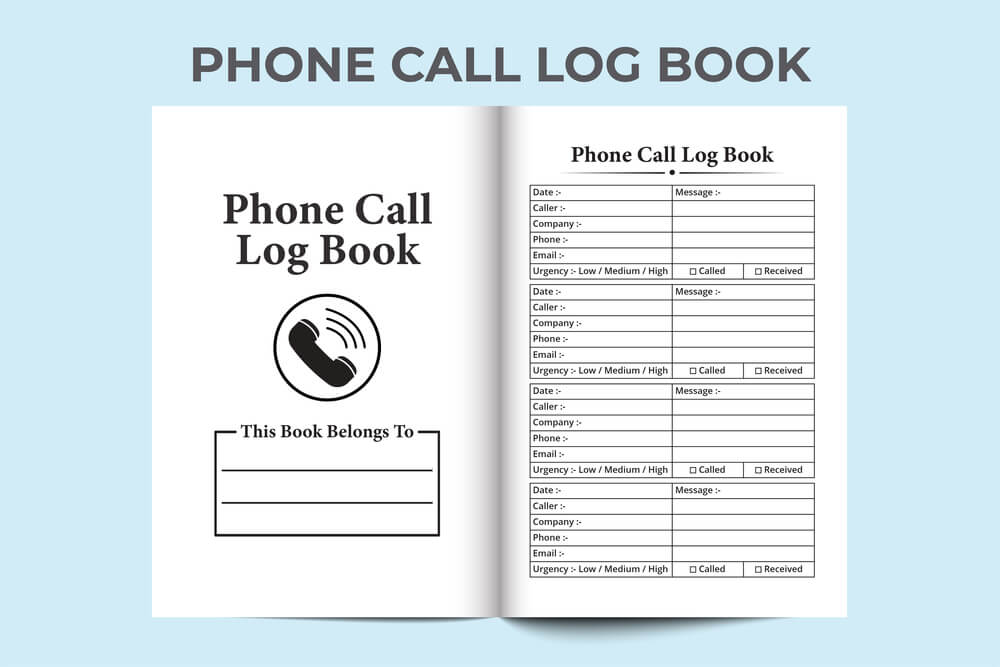
In larger households or shared living situations, some families kept an informal sign-in sheet or tally near the phone to track which member had made long-distance calls, since those calls were billed by the minute and needed to be divided fairly among housemates. The practice largely disappeared once flat-rate long-distance plans became standard.
A Small Bulletin of School Closures or Weather Alerts
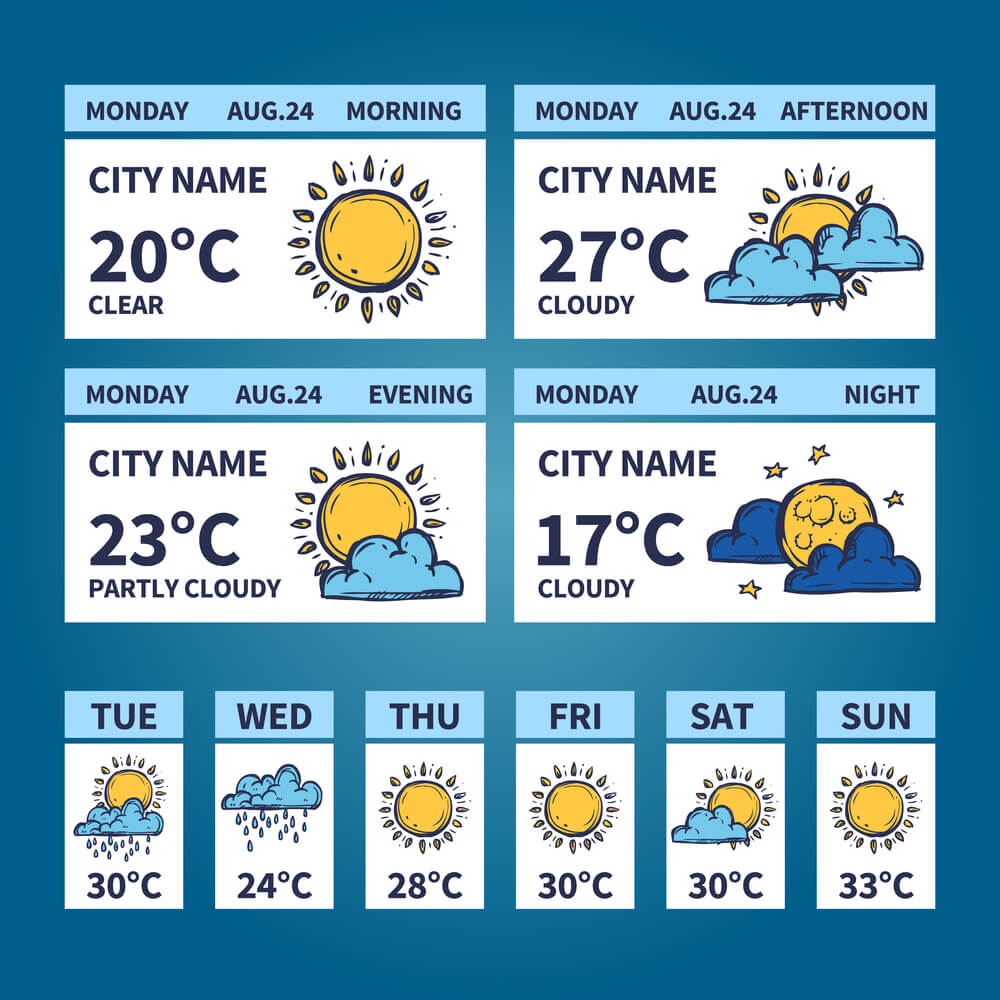
Some households kept a card listing local radio station frequencies or a specific phone number to call for school closure announcements during winter weather, a system that predated automated text alerts entirely. Checking that number became a specific morning ritual on any day with questionable weather.
A List of Extension Numbers for a Larger Household System
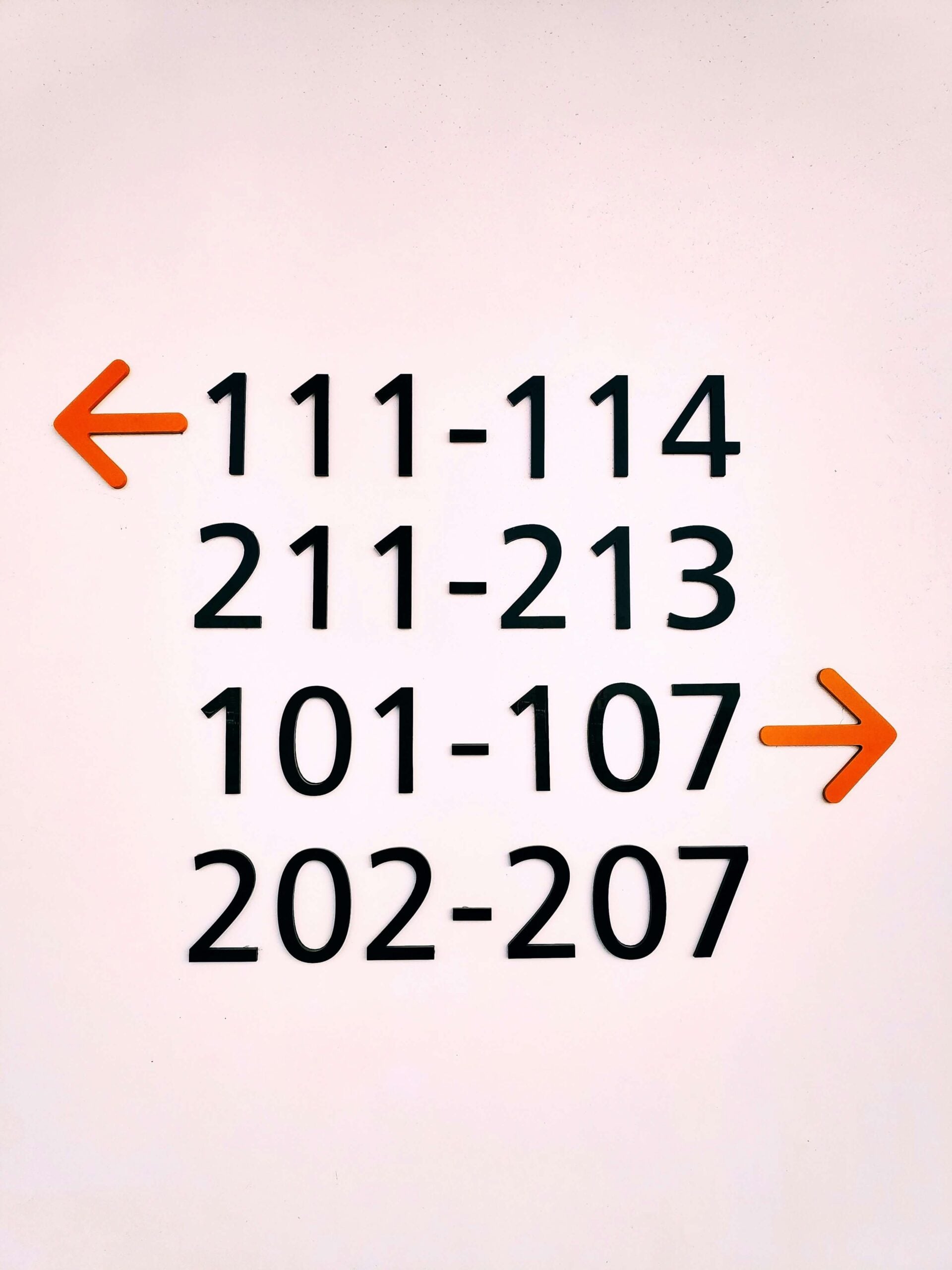
Homes with an internal intercom or multi-line phone system sometimes kept a printed list of which extension corresponded to which room, particularly in larger houses where yelling across the house was not always practical. The system reflected a level of household phone infrastructure that has largely disappeared along with the landline itself.
A Jar of Pens That Didn’t Work

Despite the notepad and its tethered pen, most phone tables also accumulated a small jar or cup of loose pens, many of which had long since run out of ink, kept anyway out of habit rather than function. Testing three or four dead pens before finding one that worked was a near-universal small household frustration.
A List of Wake-Up Call Instructions

Some households used the phone itself as an alarm system, arranging with a relative or friend to call at a specific time to wake someone up, and kept a written note of that arrangement near the phone as a backup. The practice largely disappeared once dedicated alarm clocks and, later, phone-based alarms made the manual wake-up call unnecessary.
A Small Collection of Business Cards
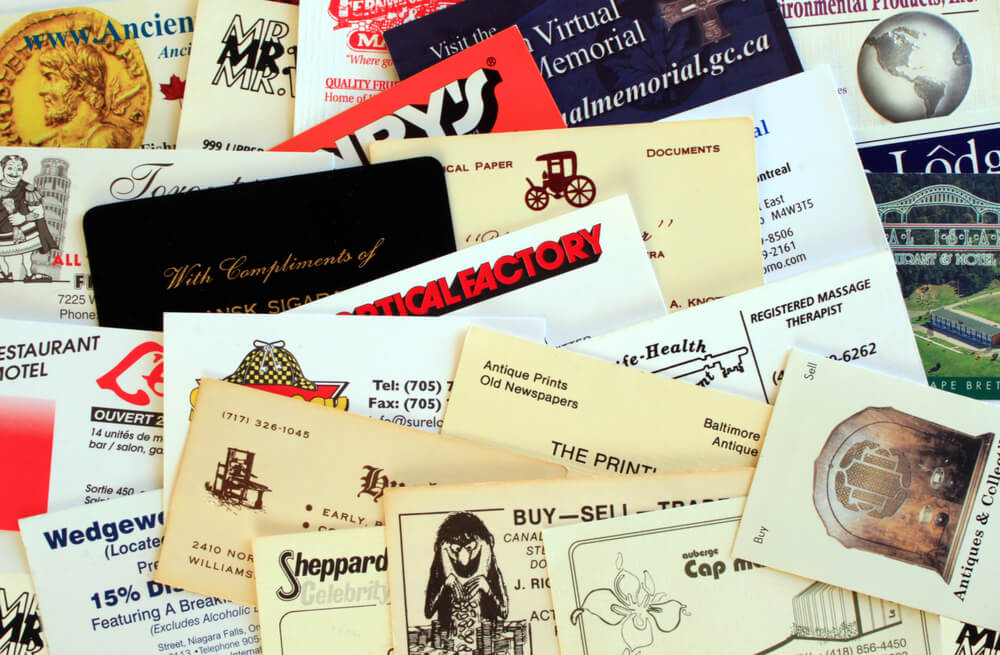
Business cards collected from repair technicians, doctors, and service providers often accumulated in a small pile or clip near the phone, ready to be referenced the next time that particular service was needed. The collection functioned as an informal, physical version of a saved contacts list.
A Handwritten List of Passwords for Early Online Accounts
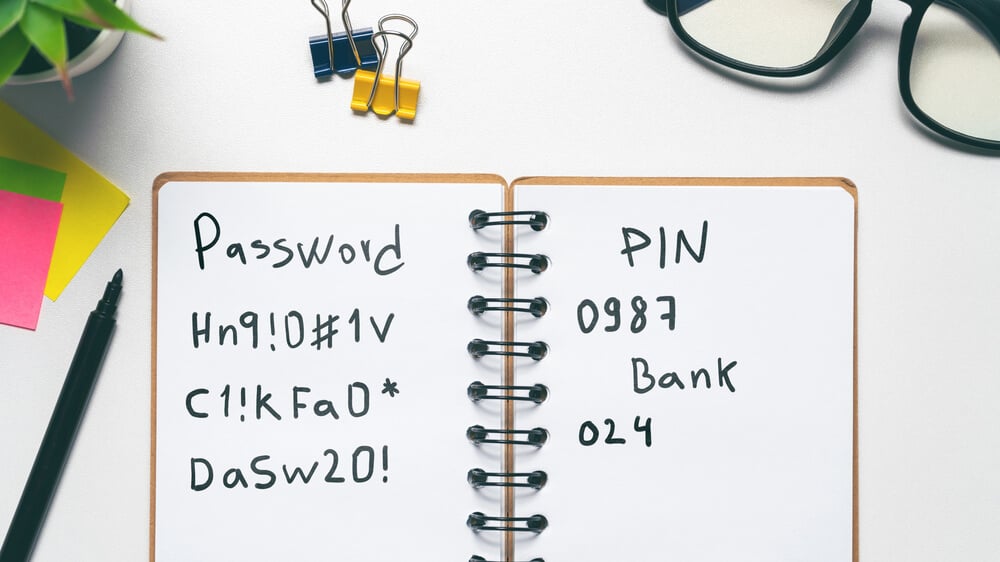
As households began signing up for early email and online banking accounts in the 1990s, a surprising number kept a written list of usernames and passwords near the phone, given that the same phone line was often used to connect to the internet in the first place. The practice, while a clear security risk by modern standards, reflected how new and unfamiliar online account management still felt at the time.
A Small Clock
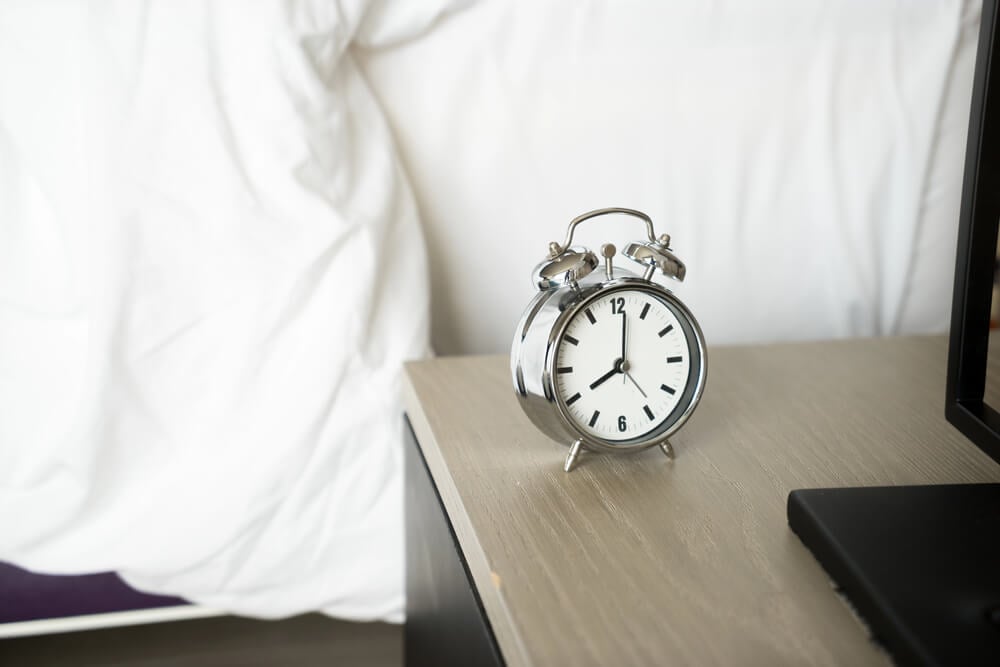
A dedicated clock near the phone let household members quickly check the time before or after a call, particularly relevant when tracking long-distance rate changes or avoiding calling someone too early or late. Its presence was practical rather than decorative, chosen specifically for legibility from across the room.
A Well-Worn TV Guide

Since many households also used the phone table area as a general information hub, a weekly television guide often sat within reach, letting family members check listings while simultaneously fielding a call about weekend plans. Its presence reflected how thoroughly that single spot in the house had become the household’s informal command center.
The Command Center That Disappeared
None of these objects were particularly valuable, and most of them would look like clutter to anyone encountering them out of context. Together, though, they formed something closer to a household’s operating system: a fixed point where information came in, got written down, and got acted on, all within arm’s reach of a single cord.
Smartphones absorbed nearly every function this spot once served, from the address book to the calendar to the emergency contact list, and did it more efficiently in almost every measurable way. What got lost in that consolidation was the specific, accidental archive that piled up simply because a family kept walking past the same table, day after day, for years.
More from Go2Tutors!

- The Romanov Crown Jewels and Their Tragic Fate
- 13 Historical Mysteries That Science Still Can’t Solve
- Famous Hoaxes That Fooled the World for Years
- 15 Child Stars with Tragic Adult Lives
- 16 Famous Jewelry Pieces in History
Like Go2Tutors’s content? Follow us on MSN.