30 Vintage Basketball Cards Now Worth A Fortune
Cardboard that once sold for a nickel a pack has become one of the stranger asset classes of the past few decades. A few square inches of ink and paper stock, kept flat and clean for fifty years, can now outprice a house.
The catch is that almost nobody kept them flat and clean. Kids flipped them, traded them and wrapped them in rubber bands, which is exactly why the survivors cost so much.
Nat Holman in the 1933 Sport Kings Set
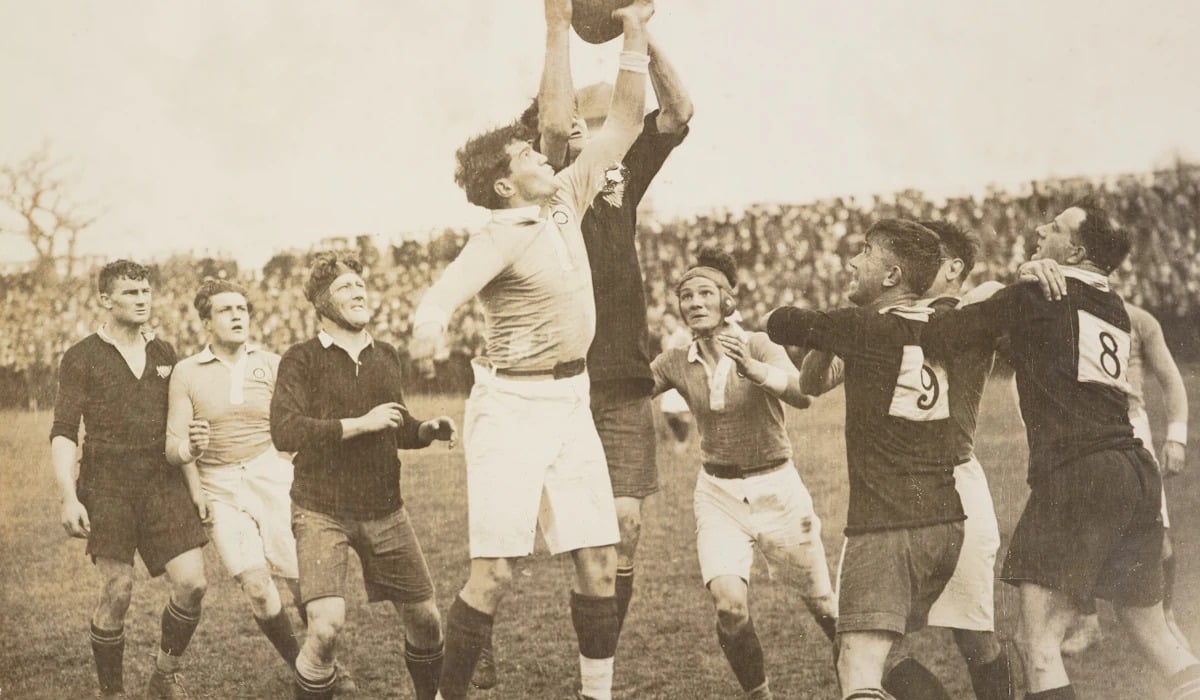
Goudey’s 48-card Sport Kings set of 1933 mixed athletes from across the sporting map, putting Babe Ruth, Ty Cobb and Jim Thorpe in the same checklist as swimmers, wrestlers and dogsled racers. Four hoops figures made the cut, and Nat Holman of the Original Celtics, card number 3, is the best known of them.
That makes it one of the earliest mainstream cards of a pro hoops player, issued more than a decade before the NBA existed. Prices depend heavily on how much color and corner survive after ninety years.
Presentable copies generally sell for hundreds of dollars, and the rare high-grade example climbs well into the thousands.
George Mikan’s 1948 Bowman Rookie
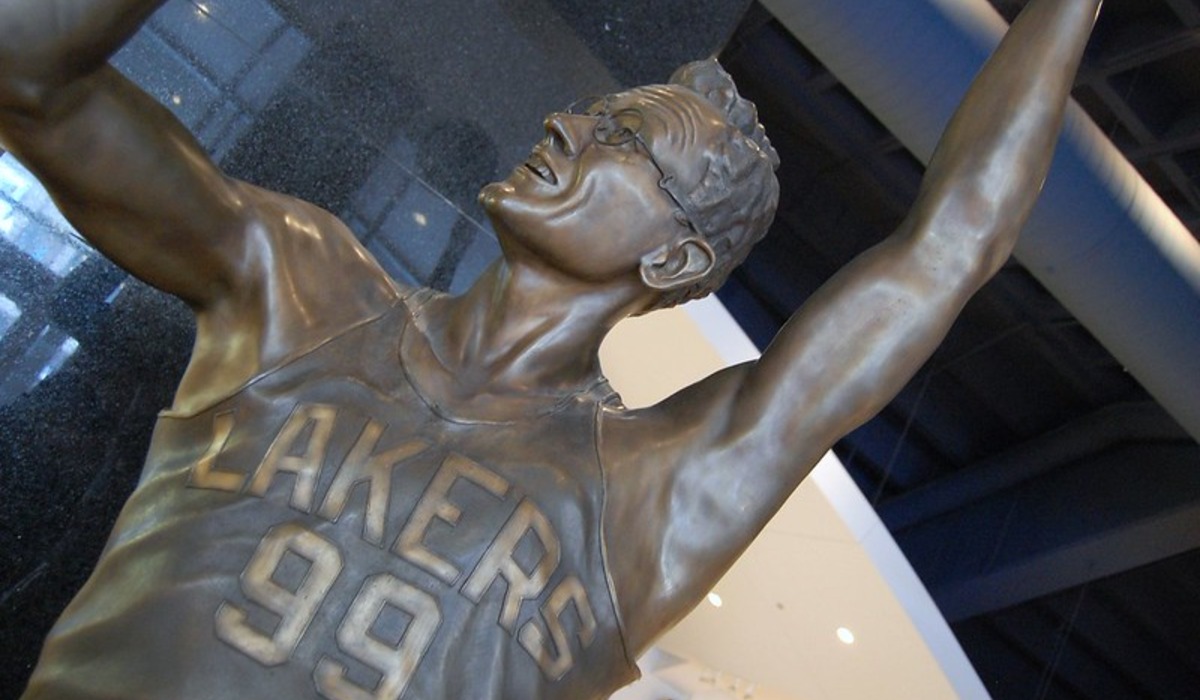
Bowman’s 72-card set from 1948 is widely regarded as the first major release devoted to the pro game, and card number 69 shows the Minneapolis Lakers center who made the young league matter. Mikan sits in the second half of the checklist, which collectors have long found tougher than the first 36 cards.
In late 2015, SCP Auctions sold a copy graded a perfect 10 by Professional Sports Authenticator, the company known as PSA, for 403,664 dollars. That figure says as much about the grade as the picture.
Worn examples with rounded corners and creases trade for a small fraction of it, and most surviving copies look like they spent a decade in a shoebox.
Bill Russell’s 1957 Topps Rookie
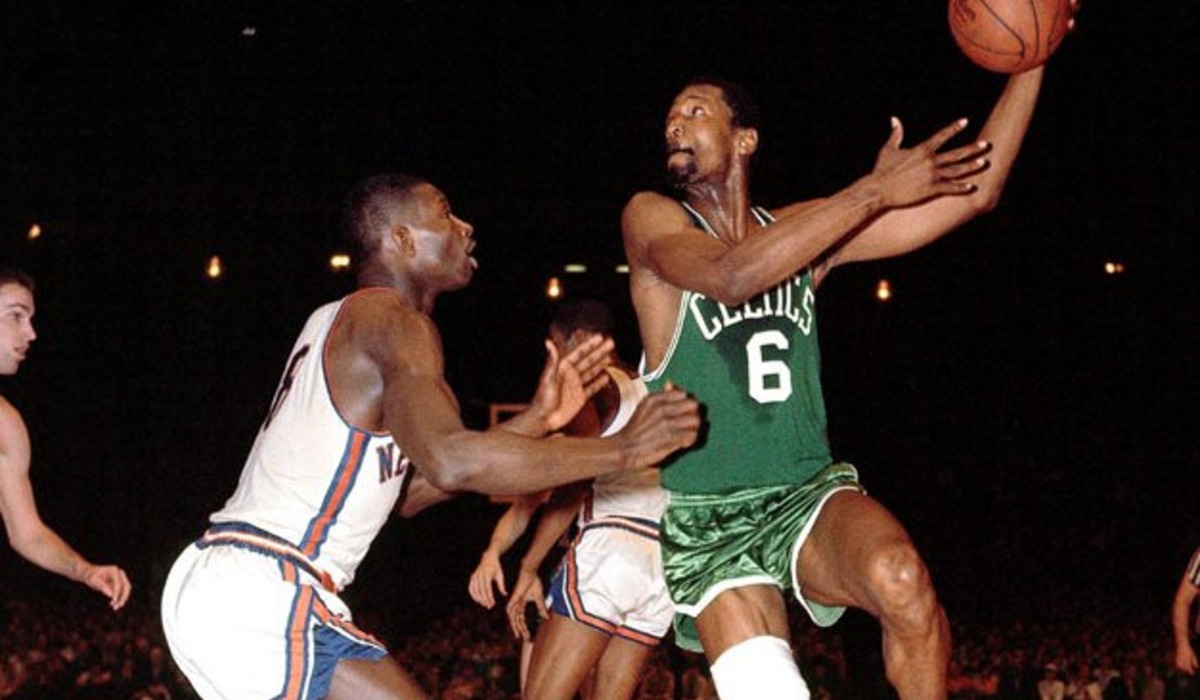
Topps entered the hoops market in 1957 with an 80-card set, then walked away from the sport for more than a decade. Card number 77 shows Russell after his first season in Boston, and it is notoriously hard to find in clean shape.
White print specks that collectors call snow dot the colored backgrounds across the set, and the image frequently sits off-center. A copy graded PSA 8.5 brought 660,000 dollars at a PWCC auction in May 2023, a record for the card at that point.
Buyers with smaller budgets settle for creased, low-grade examples, which still typically cost thousands because demand for the eleven-time champion never seems to cool.
Bob Cousy’s 1957 Topps Rookie
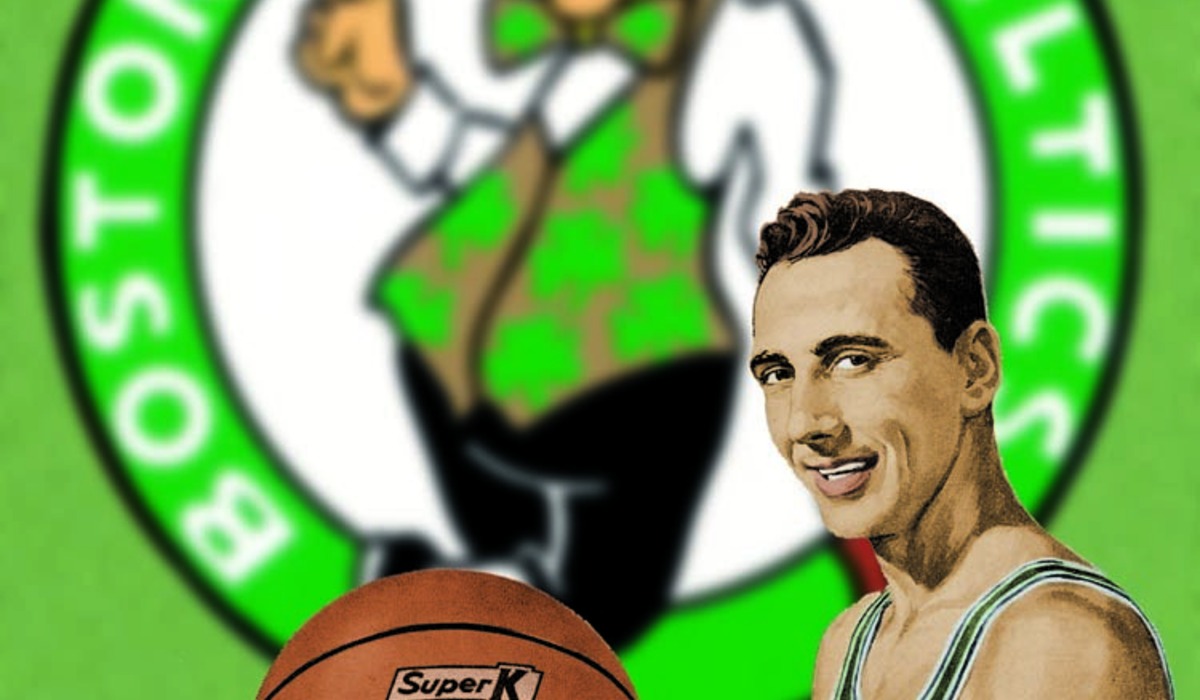
Cousy had already played seven NBA seasons and won a Most Valuable Player award by the time his so-called rookie card appeared. Nobody had printed a major hoops set between Bowman’s 1948 effort and this one, so an entire generation of players debuted on cardboard in 1957 as veterans.
His card is number 17 in the set, and it suffers from the same print snow and wandering centering as the rest of the run. Mid-grade copies tend to sell for hundreds of dollars up to the low thousands.
The handful graded 8 or better by PSA have gone for five figures, a gap that shows how steeply the scale rewards sharp corners.
Wilt Chamberlain’s 1961 Fleer Rookie
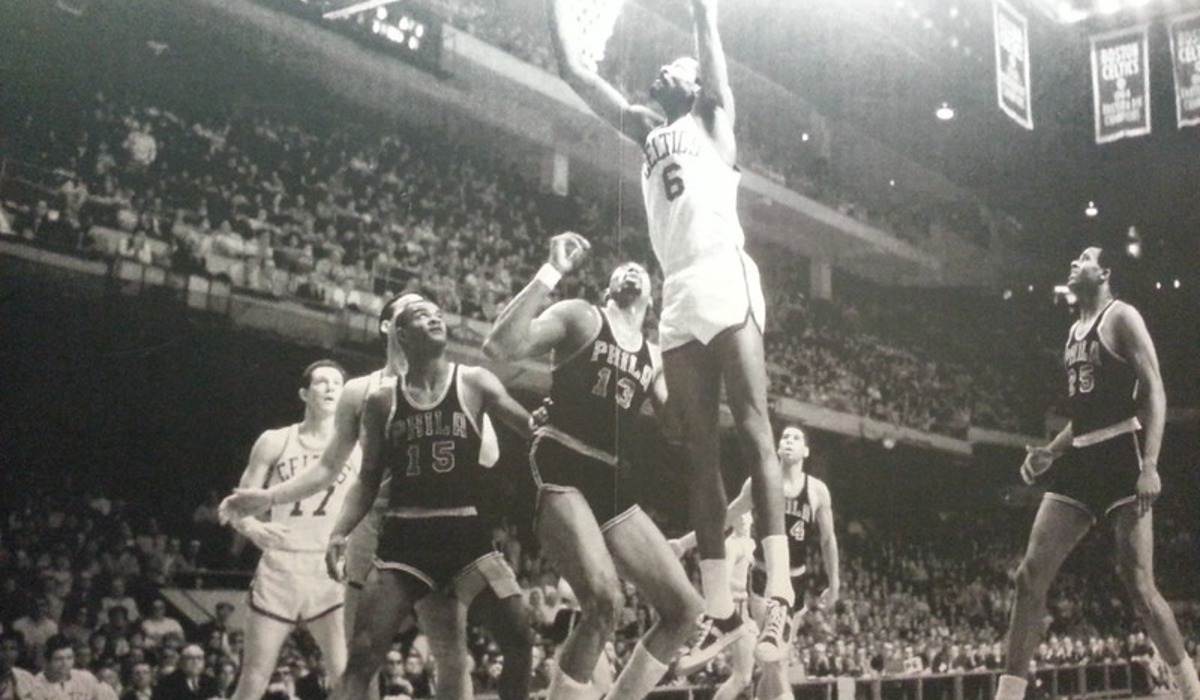
Fleer’s 66-card set of 1961 was the company’s only hoops release for a quarter century, and card number 8 is its centerpiece. In September 2024, Goldin announced a private sale of a Chamberlain graded 10 by SGC, a PSA rival, for a reported 1.7 million dollars.
According to coverage of the deal, the card had spent roughly sixty years in a closet at a grocery store once run by the owner’s family before surfacing at a card shop in Crosby, Minnesota. At the time it was the only copy SGC had ever awarded that grade.
Ordinary examples live in a different universe, with well-handled copies available for a few thousand dollars and miscut ones for less.
Oscar Robertson’s 1961 Fleer Rookie
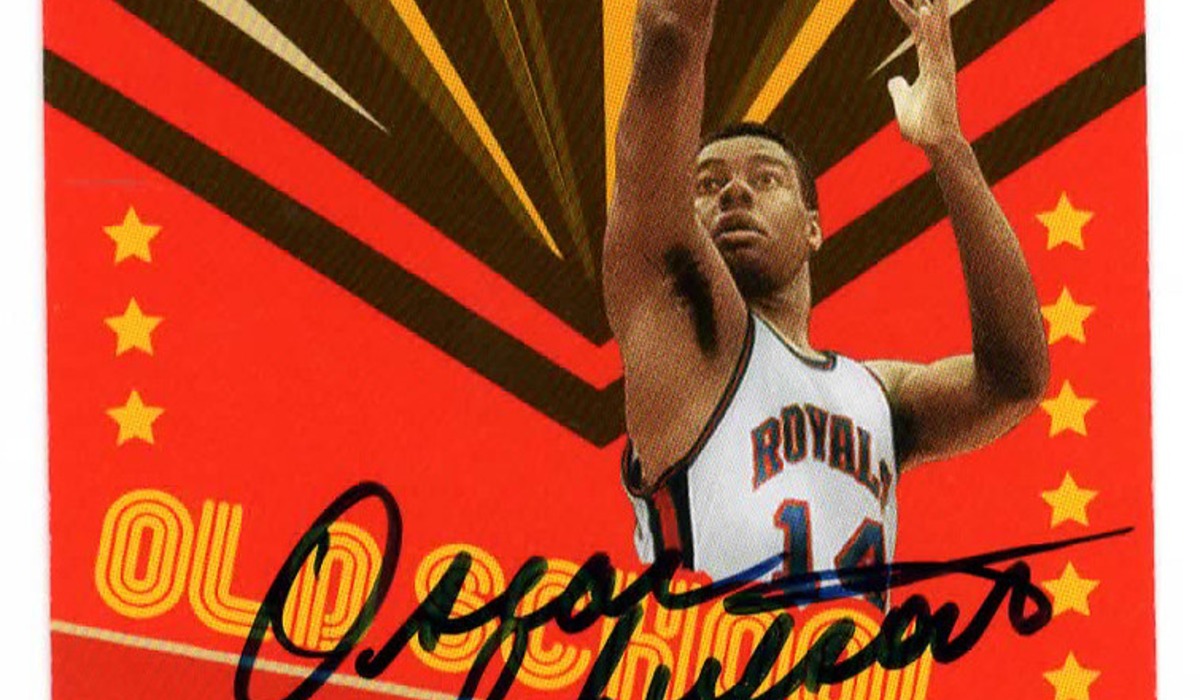
Robertson averaged a triple-double across the 1961-62 season, the same winter this card was sitting in nickel packs with a slab of gum. Fleer gave him number 36 in the base run and a second In Action card later in the checklist, a format used for the set’s biggest names.
Centering is the usual complaint, since the tilted, off-register cuts of the era leave many copies with one fat border and one thin. Sharp, well-centered examples graded 8 or higher have sold for five figures.
Lower grades are far more forgiving on the wallet, though a clean surface without wax or gum staining still adds a noticeable premium.
Elgin Baylor’s 1961 Fleer Rookie
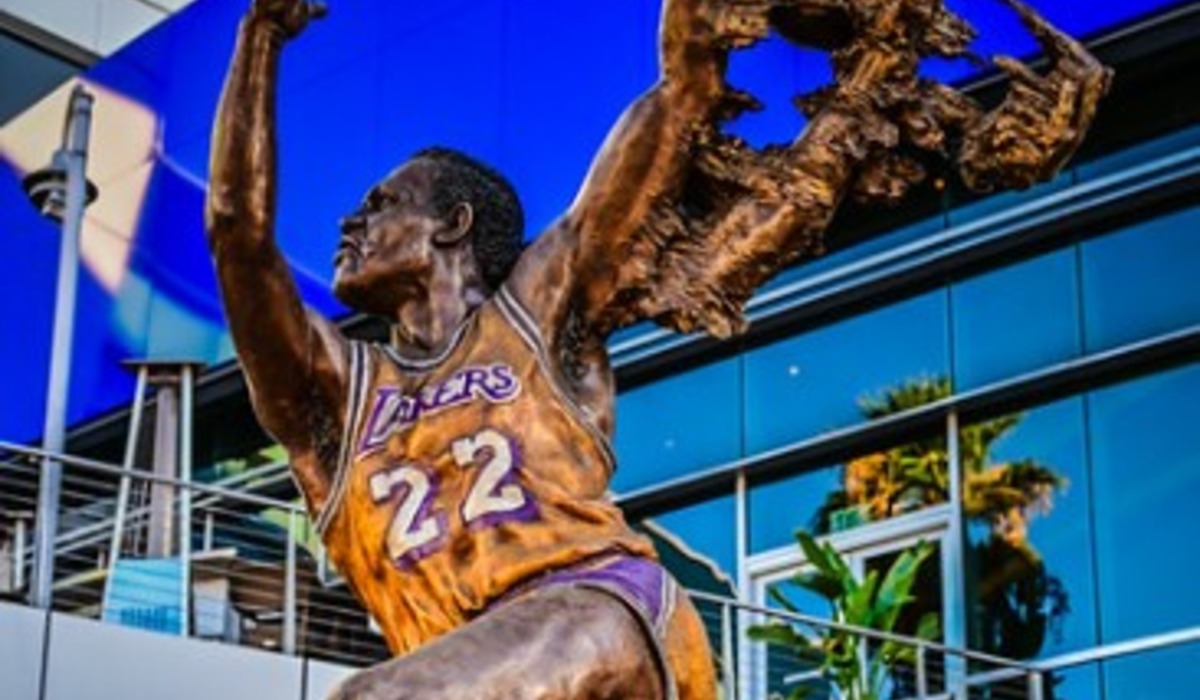
Baylor reached the NBA in 1958, but no major company made hoops cards that year, or the next, or the one after. Fleer finally caught up with him at card number 3, listing the forward with Los Angeles after the Lakers had moved west from Minneapolis in 1960.
Once this set left the shelves, the hobby went dark again until 1969, so it carries the weight of an entire decade. Top-graded Baylors have reached five figures at auction.
Value drops quickly with each visible flaw, and a copy with soft corners or a faint crease usually sells for a small slice of what a mint one brings.
Lew Alcindor’s 1969 Topps Rookie
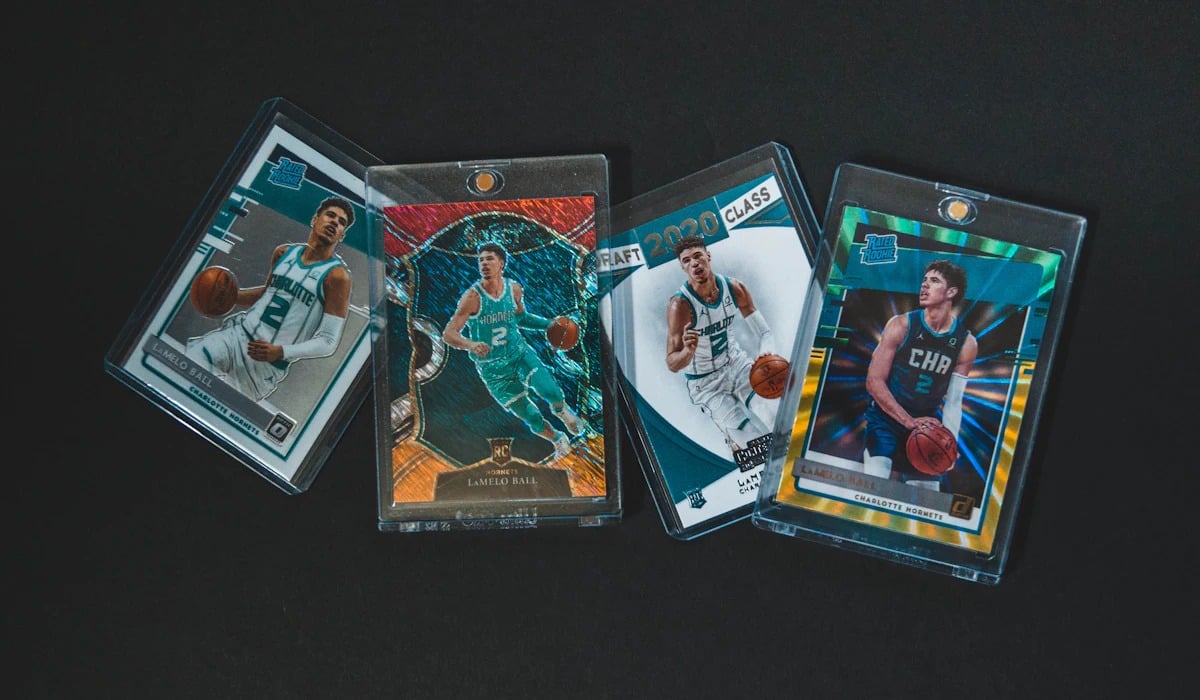
When Topps came back to the sport in 1969, it printed 99 cards in an odd tall format, about two and a half inches wide and more than four and a half inches high. Card number 25 shows a Milwaukee Bucks rookie under the name he would change to Kareem Abdul-Jabbar in 1971.
A PSA 10 copy sold for 501,900 dollars at Heritage Auctions in August 2016. The tall shape is the enemy here, because the cards stuck out of standard boxes and took damage along the top edge.
Any copy with four crisp corners is unusual, and the price climbs sharply with each grade point.
John Havlicek’s 1969 Topps Rookie
Seven seasons and several championships into his Boston career, Havlicek finally appeared on a card, number 20 in the 1969 Topps set. He is one of a long line of 1960s stars whose rookie cards arrived late because no one printed hoops sets during the middle of the decade.
The white borders show every bit of wear, and the tall stock tends to bow or crease across the middle. High-grade copies have brought five figures, while examples in average shape usually land in the hundreds.
Collectors often point to this set as proof that a rookie card is defined by printing schedules as much as by playing careers.
Pete Maravich’s 1970 Topps Rookie
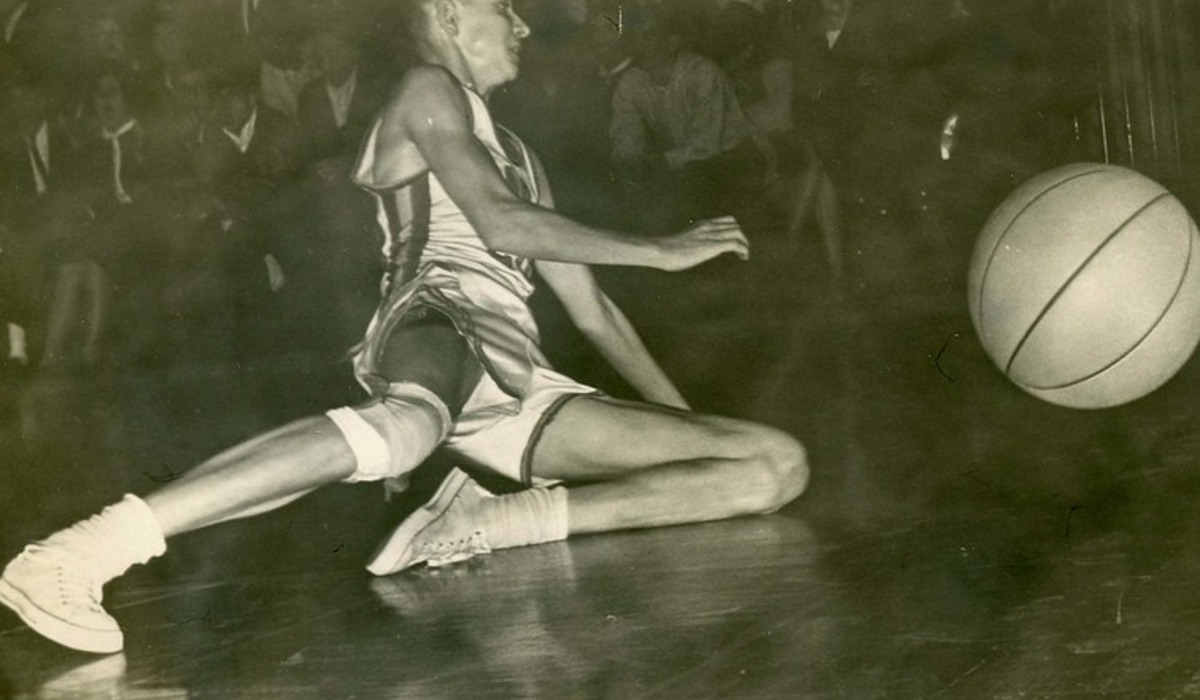
Maravich arrived in Atlanta in 1970 as college scoring’s all-time leader, and Topps put him on card number 123 of a 175-card set. It was the second and last year of the tall format, so the card shares every storage problem of its 1969 cousins.
Floppy socks and a mop of hair made him the most recognizable player of his era, and the rookie has been chased ever since. Gem-mint copies are extremely scarce and have reportedly reached six figures.
A typical example with light corner wear costs far less, generally in the hundreds, which keeps it within reach of collectors who care more about the player than the plastic.
Julius Erving’s 1972 Topps Rookie
Erving was playing for the Virginia Squires of the ABA when Topps issued his first card, number 195 in the 1972 set. The company split its 264-card checklist between the two rival leagues, placing the ABA players in the back portion.
Centering is the well-known flaw, and a large share of surviving copies lean heavily to one side. That defect matters because grading companies measure border widths and cap the grade when the image drifts too far.
Well-centered copies graded 9 have sold for five figures, and the tiny population of 10s for considerably more. Off-center examples, which are the norm, remain a few hundred dollars.
Bill Walton’s 1974 Topps Rookie
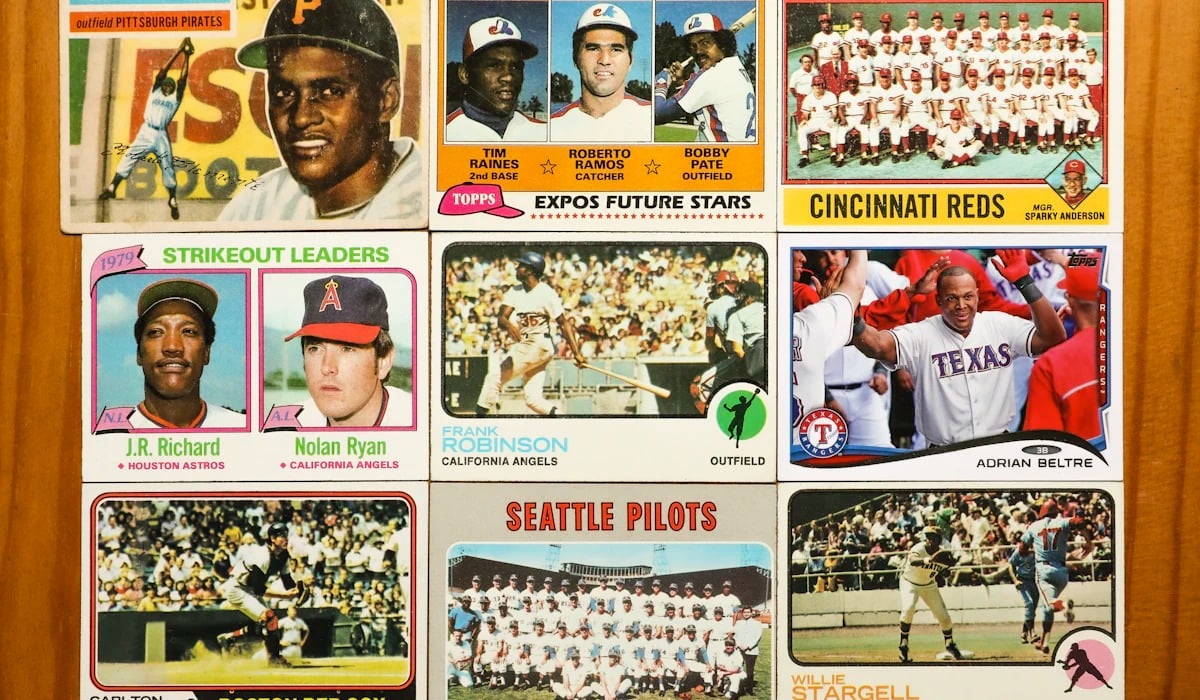
Portland took Walton first in the 1974 draft, and Topps had him on card number 39 that same season. By the mid-1970s the company was printing more cards and collectors were saving more of them, so this rookie is far easier to find than anything from the previous decade.
Fortune is a relative term here. Most copies sell for well under a hundred dollars, and only the sharpest graded examples reach the thousands.
The spread between those two numbers is the lesson, since the picture, the player and the paper are identical. All that separates them is a number printed on a label after a few minutes under magnification.
David Thompson’s 1976 Topps Rookie
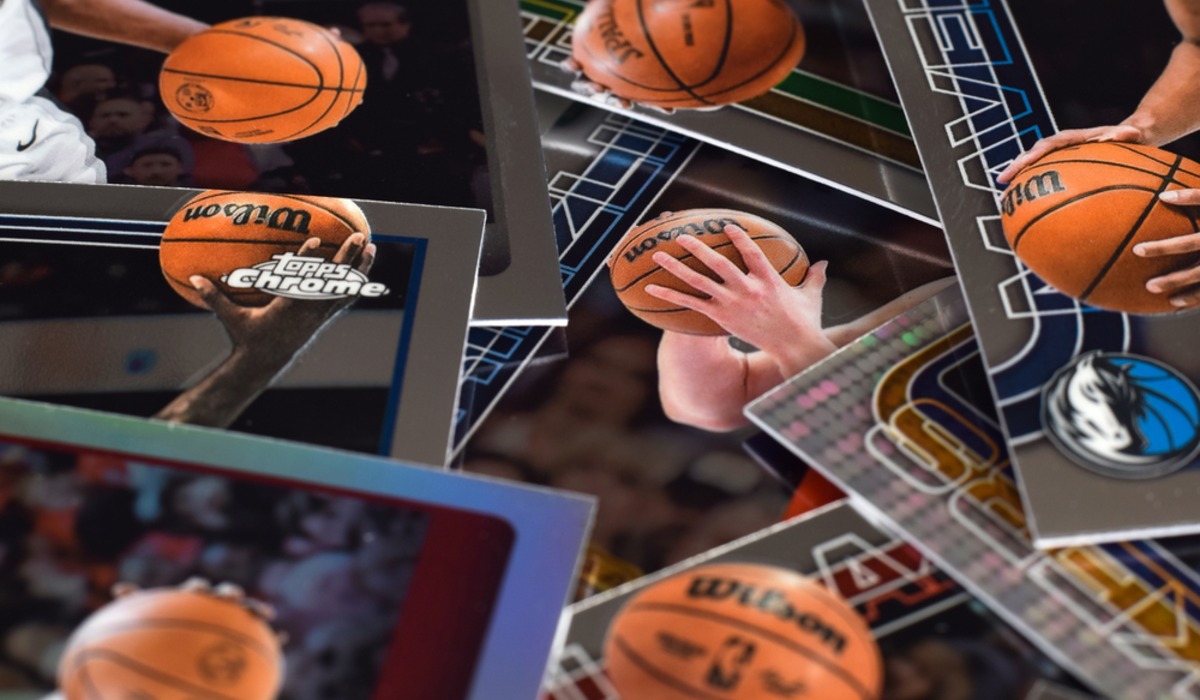
For one season only, Topps printed its hoops cards oversized, at roughly three inches by five. The 144-card set of 1976 arrived just as four ABA clubs joined the NBA, and card number 110 shows Thompson of the Denver Nuggets, one of the great leapers of the decade.
Michael Jordan later chose Thompson to present him at the Naismith Hall of Fame in 2009, which has not hurt interest. Big cards meant big problems, since they fit no standard sleeve or box of the day and their corners suffered for it.
Clean high-grade copies have sold for thousands of dollars, with typical examples a small fraction of that.
Three Legends on One 1980 Topps Card
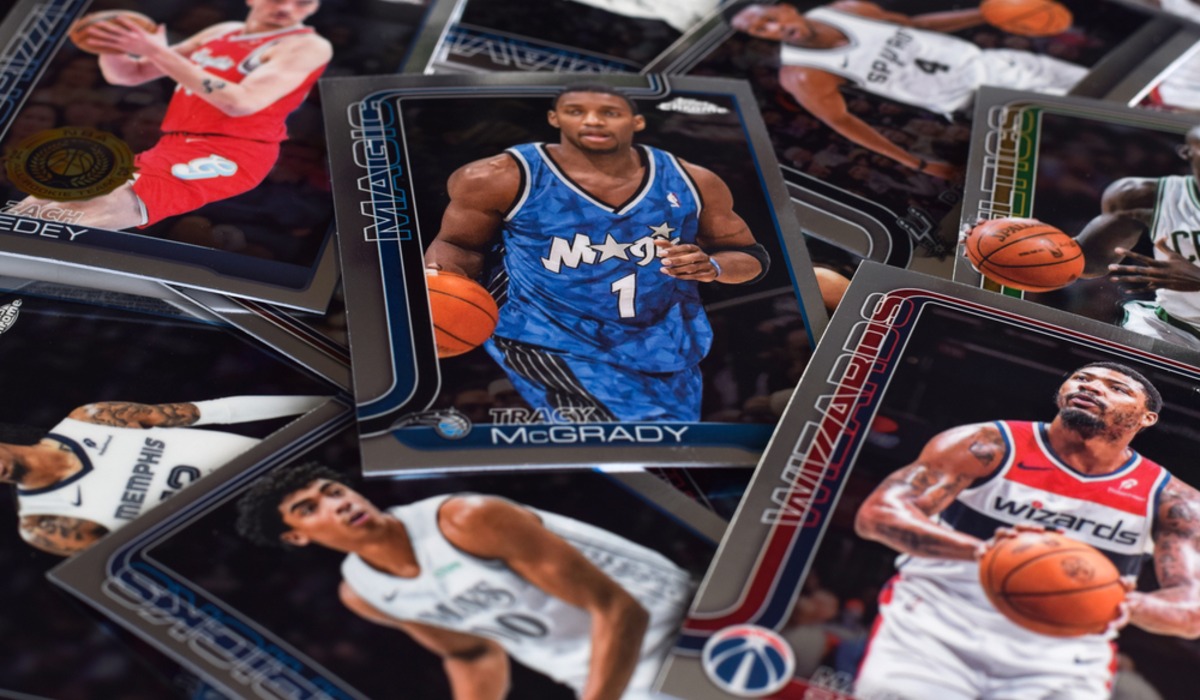
Topps tried something odd in 1980, printing three small player panels on each card with perforations between them. One combination put Larry Bird on the left, Julius Erving in the middle and Magic Johnson on the right, creating the rookie card of two rivals at once.
Plenty of children tore the panels apart, which ruins the value. Intact copies often show black print dots and rough perforated edges, so PSA 10s are scarce and have sold for six figures.
In 2024, Memory Lane sold a PSA 9 signed by all three players for 173,389 dollars. Unsigned copies in middling condition cost a few hundred.
Star Company’s 1984 Jordan Number 101
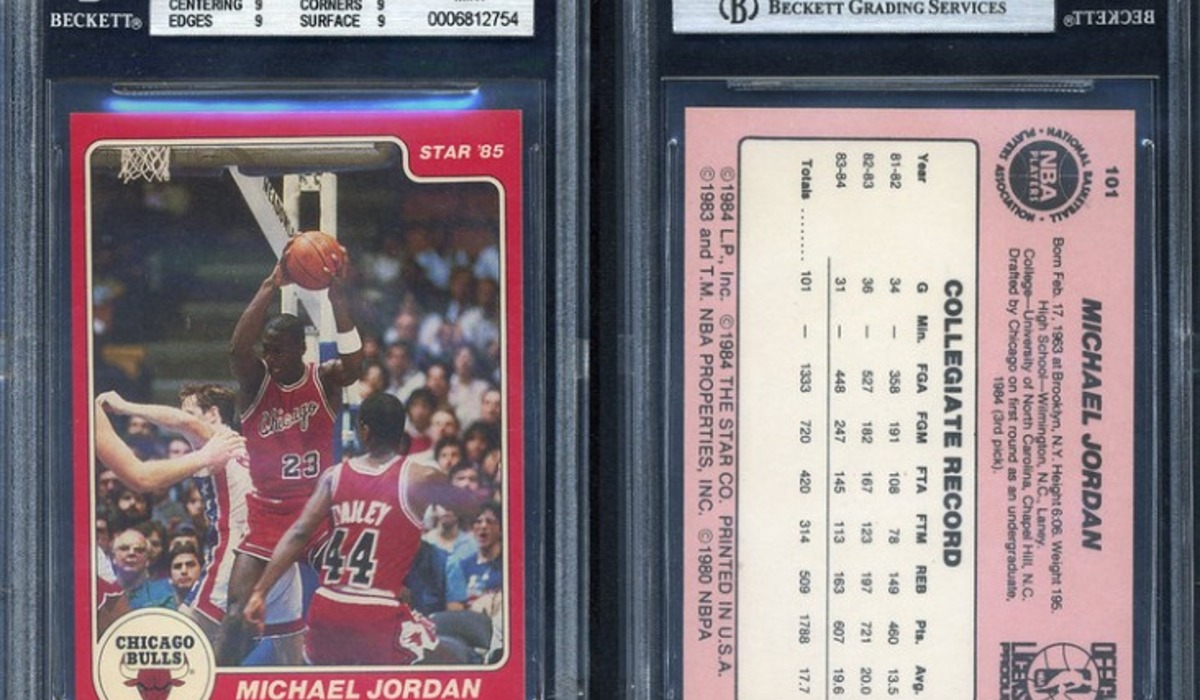
Star Company held the NBA license from 1983 to 1986 and sold its cards in sealed team bags through hobby dealers, never in packs at the corner store. Jordan’s card, number 101, sat on top of the Chicago bag, where it took the scuffs and pressure marks.
It predates the famous Fleer card by two years. For a long time PSA declined to grade Star issues because of counterfeits and unauthorized later printings, and the company only resumed in 2022.
Since then prices have surged, and trade press has reported a PSA 9 changing hands privately for more than 1 million dollars. Ungraded copies are risky purchases at any price.
Hakeem Olajuwon’s 1984 Star Rookie
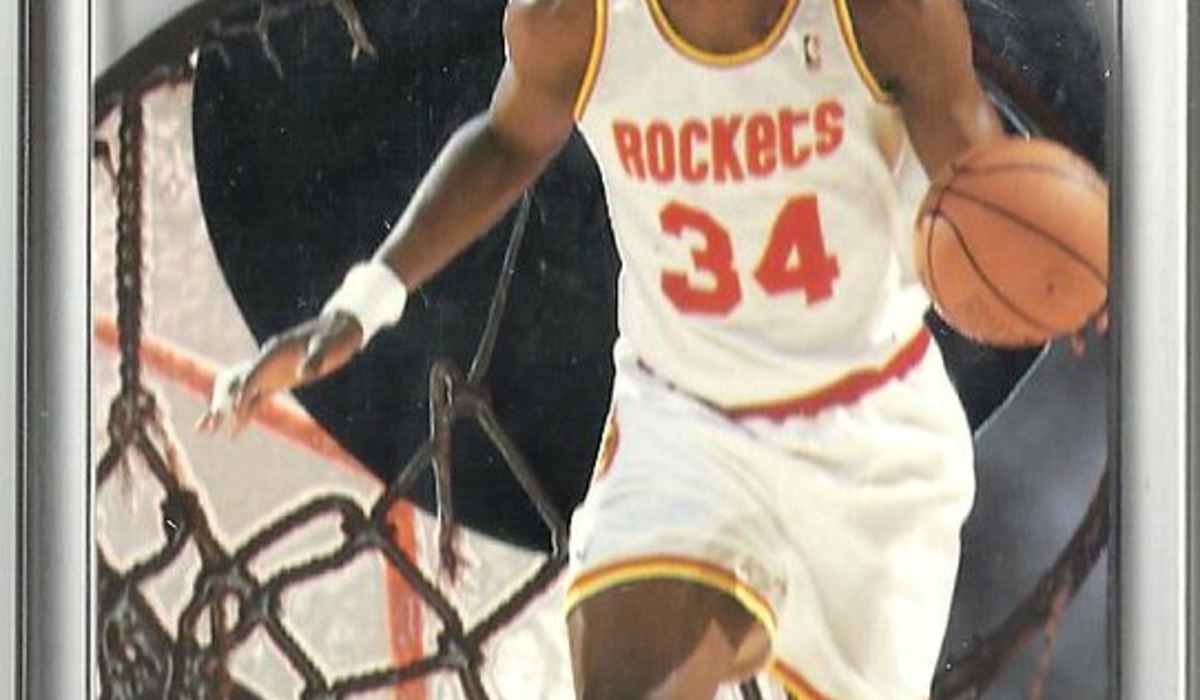
Houston’s first overall pick of 1984 appears on Star card number 237 with his first name spelled Akeem, the way he wrote it until 1991. Limited distribution means far fewer copies exist than of his 1986 Fleer card, though no production figures were ever published.
The colored borders used on Star cards show white chipping at the slightest touch, and many were cut poorly at the factory. High-grade authenticated examples have sold for thousands of dollars.
Authentication carries more weight than usual with this brand, because the fakes are plentiful and a card without a reputable slab sells at a steep discount, if it sells at all.
Michael Jordan’s 1986 Fleer Rookie
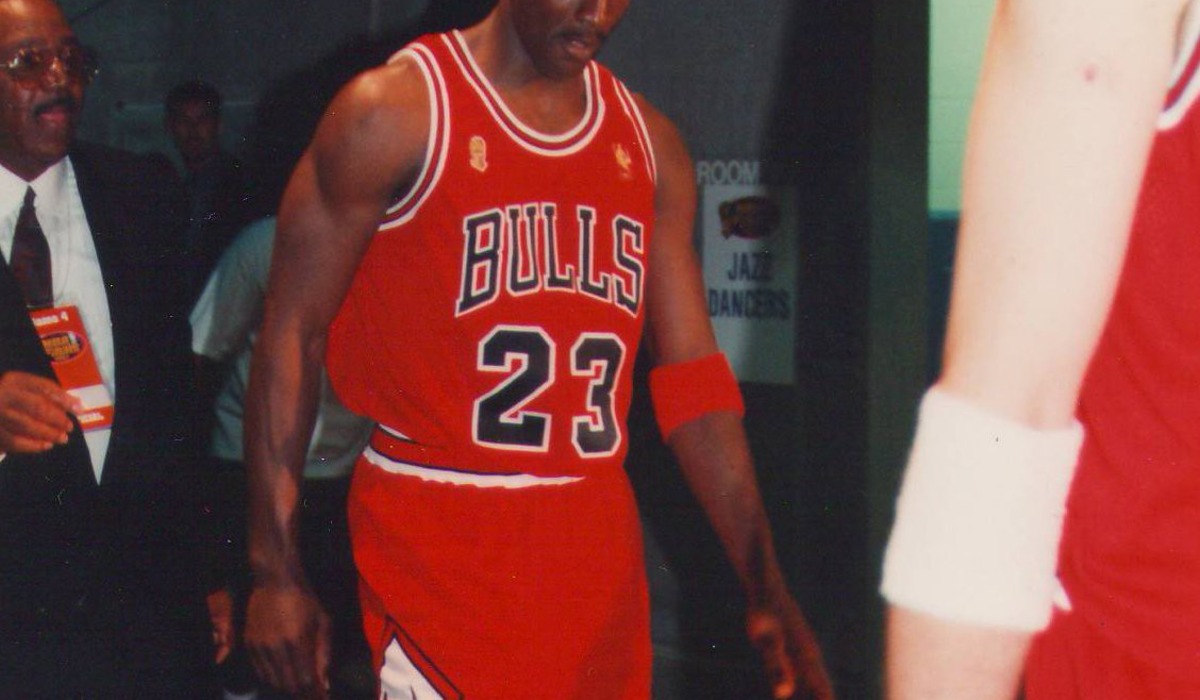
No modern card is better known than number 57 in the 132-card 1986 Fleer set. In January 2021, at the height of a pandemic-era boom, two PSA 10 copies each sold for 738,000 dollars at Goldin Auctions.
Prices have since cooled considerably, though a gem-mint copy remains a six-figure card. It is also among the most counterfeited cards in the hobby.
Experts check the sharpness of the Fleer crown logo, the dot pattern in the photograph and the printing on the reverse. The red, white and blue borders chip easily and centering varies widely, so a mid-grade copy costs only a few thousand dollars.
Fleer’s 1986 Jordan Sticker
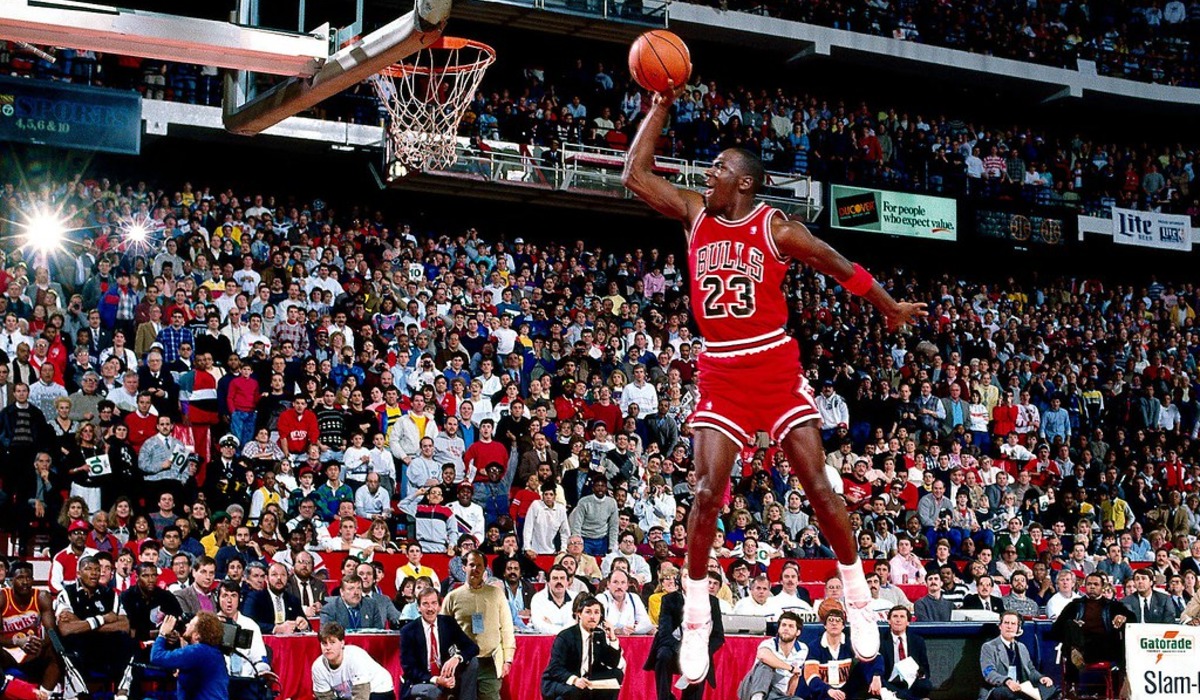
Each wax pack of 1986 Fleer held twelve cards and one sticker from an eleven-piece insert set, and Jordan was number 8. Stickers rode on the outside of the stack, pressed against the wrapper, so their backs often carry wax stains and their fronts show roller marks.
Centering is poor on most of them. As a result, the sticker is considerably harder to find in top grade than the base rookie, even though it is the less famous of the two.
Gem-mint copies have sold for tens of thousands of dollars and more during market peaks. Lesser grades follow the usual slope downward, landing in the hundreds for stained or off-center copies.
Charles Barkley’s 1986 Fleer Rookie
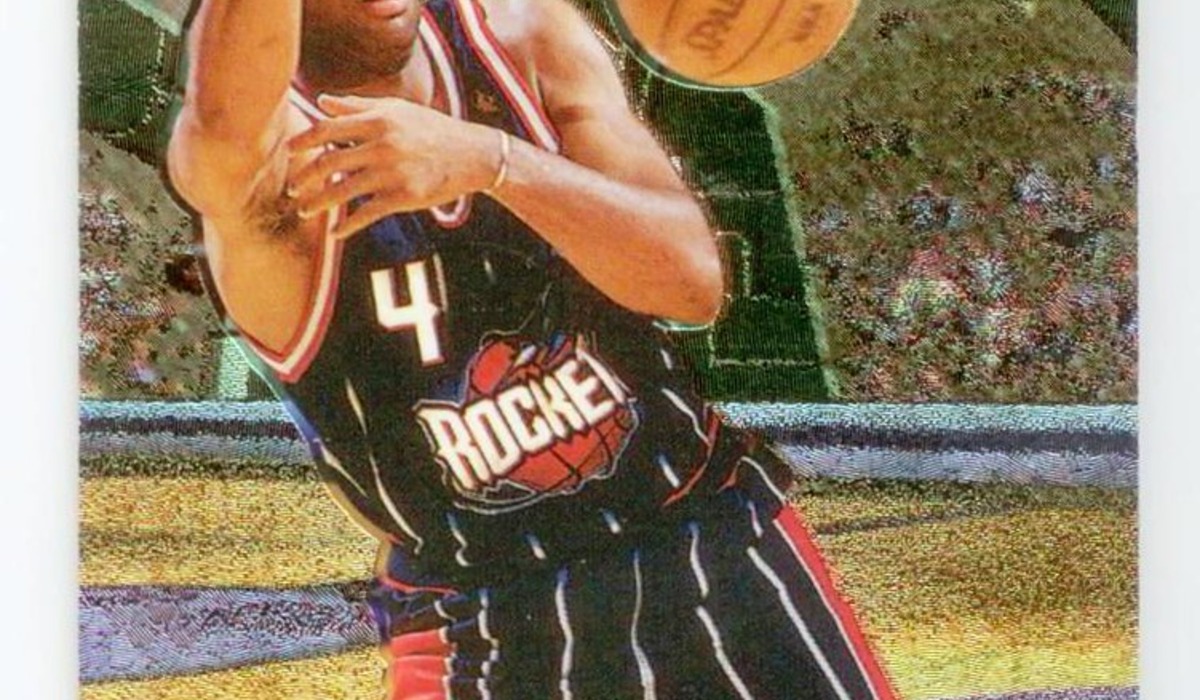
Barkley holds card number 7 in the 1986 Fleer checklist, shown in a Philadelphia uniform two seasons into his career. Because Topps had quit the sport after 1981 and Star cards never reached ordinary stores, Fleer’s set became the widely accepted rookie issue for everyone who entered the league in the gap.
That list includes Barkley, Jordan, Olajuwon, Karl Malone, Isiah Thomas, Clyde Drexler and Dominique Wilkins. A PSA 10 Barkley has sold for several thousand dollars, and for more during the 2021 surge.
Copies with border chipping, which is most of them, generally change hands for under a hundred, so careful inspection of the edges pays off.
Patrick Ewing’s 1986 Fleer Rookie
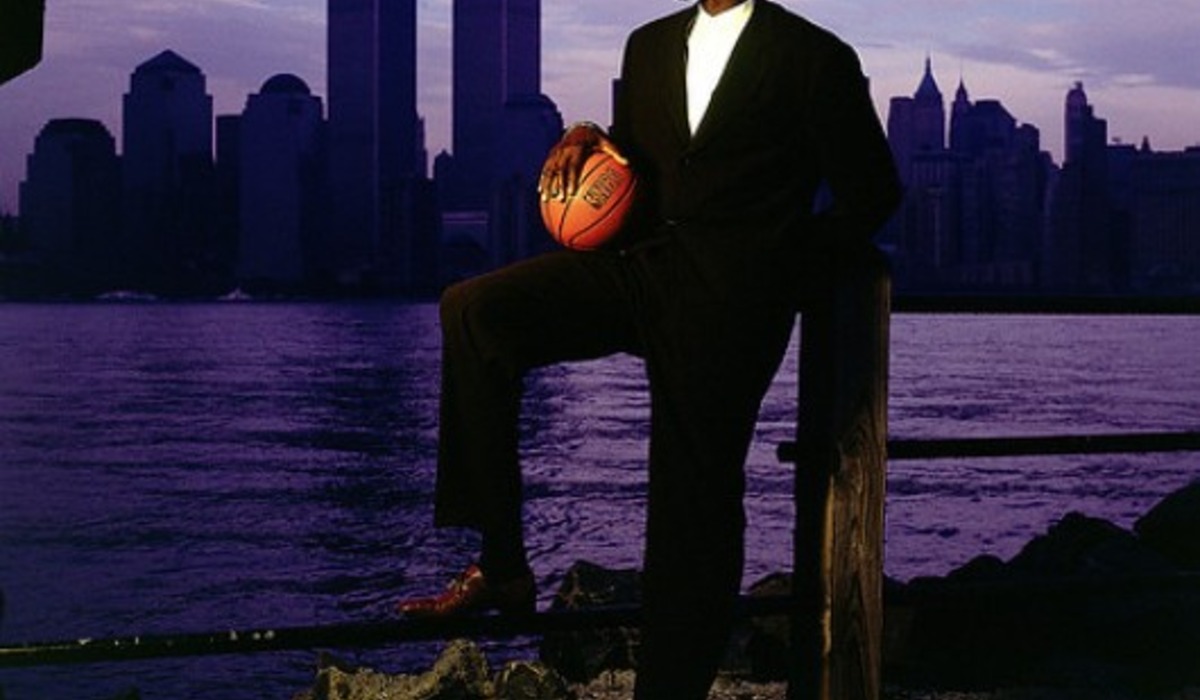
Georgetown’s star center went first in the 1985 draft lottery, the league’s first, and landed on card number 32 the following year. His rookie has always traded in the shadow of the Jordan from the same packs, which makes it an affordable way into a famous set.
Sealed boxes of 1986 Fleer now sell for six figures, largely on the chance of three or four Jordans inside, so few are ever opened. That keeps the supply of fresh, untouched Ewings low.
Top-graded copies have sold for a few thousand dollars at peak, and prices fall away fast below a grade of 9.
Jordan’s Second-Year 1987 Fleer
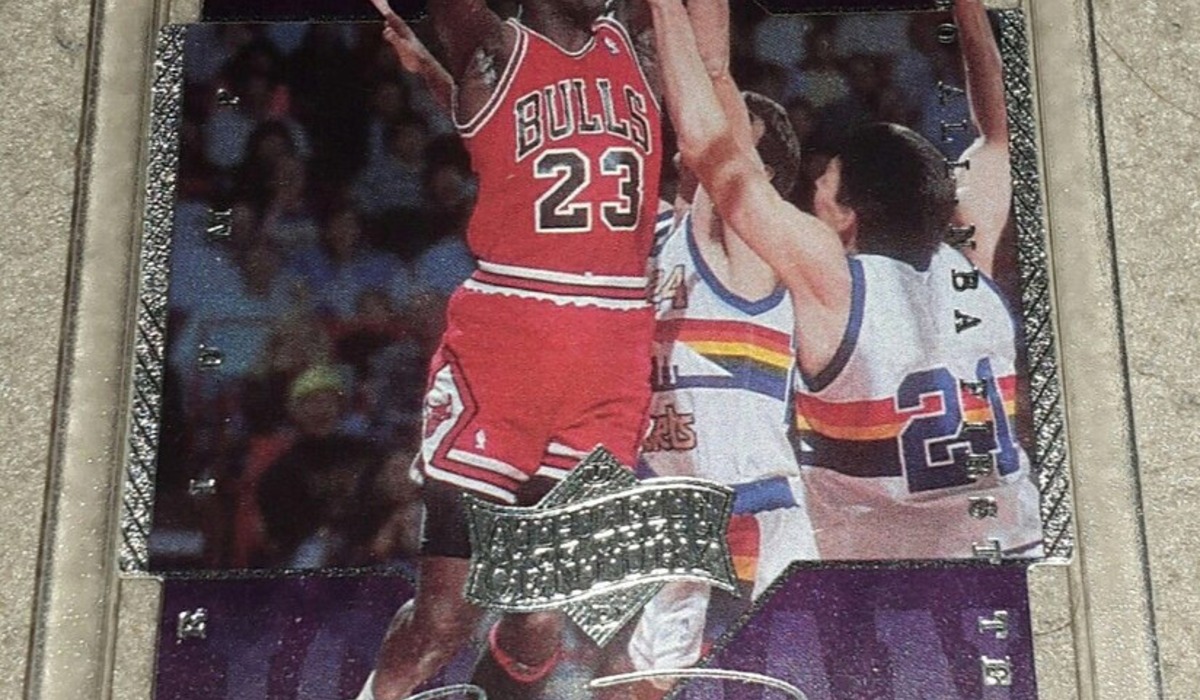
Fleer’s follow-up set kept the 132-card size and gave Jordan number 59. Second-year cards usually live in obscurity, but this one benefits from being the next best thing for anyone priced out of the rookie.
Production is believed to have been lower than in 1986, though Fleer never released numbers. The design has its own grading headaches, including a border pattern that makes poor centering obvious at a glance.
Gem-mint copies have sold for five figures in strong markets. An ungraded copy in respectable shape is typically a few hundred dollars, and the gap between those points is almost entirely a matter of corners, edges and surface gloss.
Scottie Pippen’s 1988 Fleer Rookie
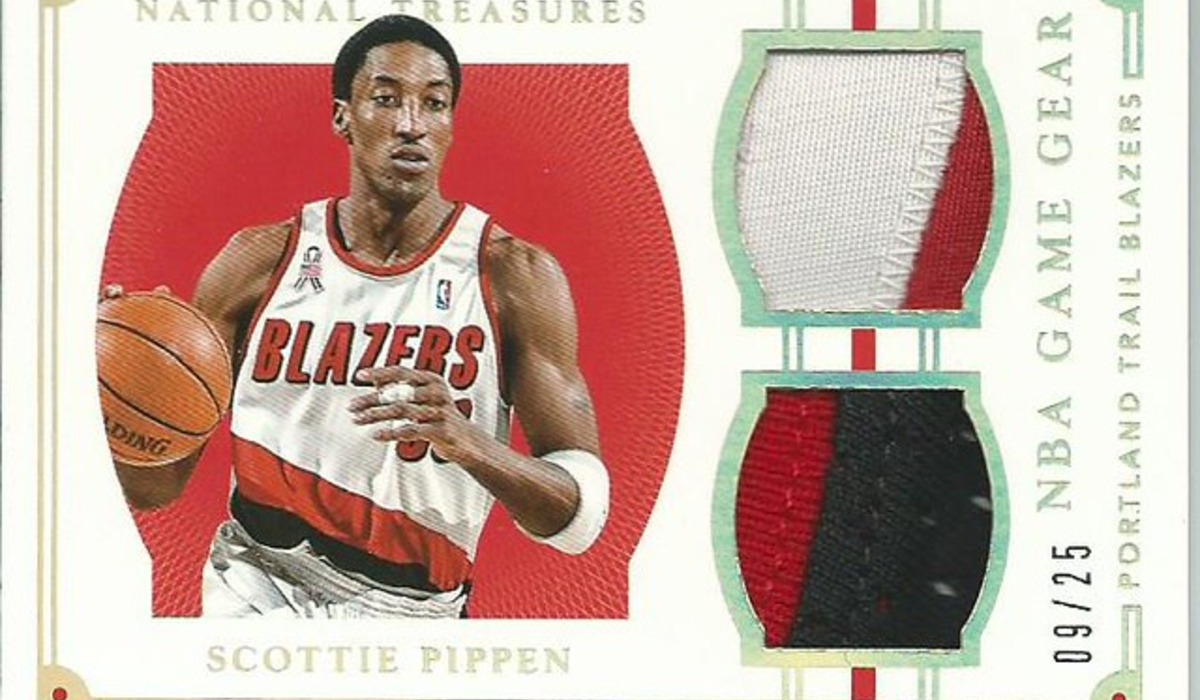
Pippen’s first card is number 20 in the 1988 Fleer set, the last small Fleer release before the industry flooded the market. The 132-card checklist also carries the rookies of Dennis Rodman, Reggie Miller and John Stockton, which gives it real depth.
A 1998 television audience measured in the tens of millions watched his final Chicago title, and a 2020 documentary series revived interest in every member of that roster. PSA 10 copies have sold for a few thousand dollars at the height of demand.
Lower grades are plentiful and inexpensive, often under fifty dollars, so the premium is paid almost entirely for perfection.
Dennis Rodman’s 1988 Fleer Rookie
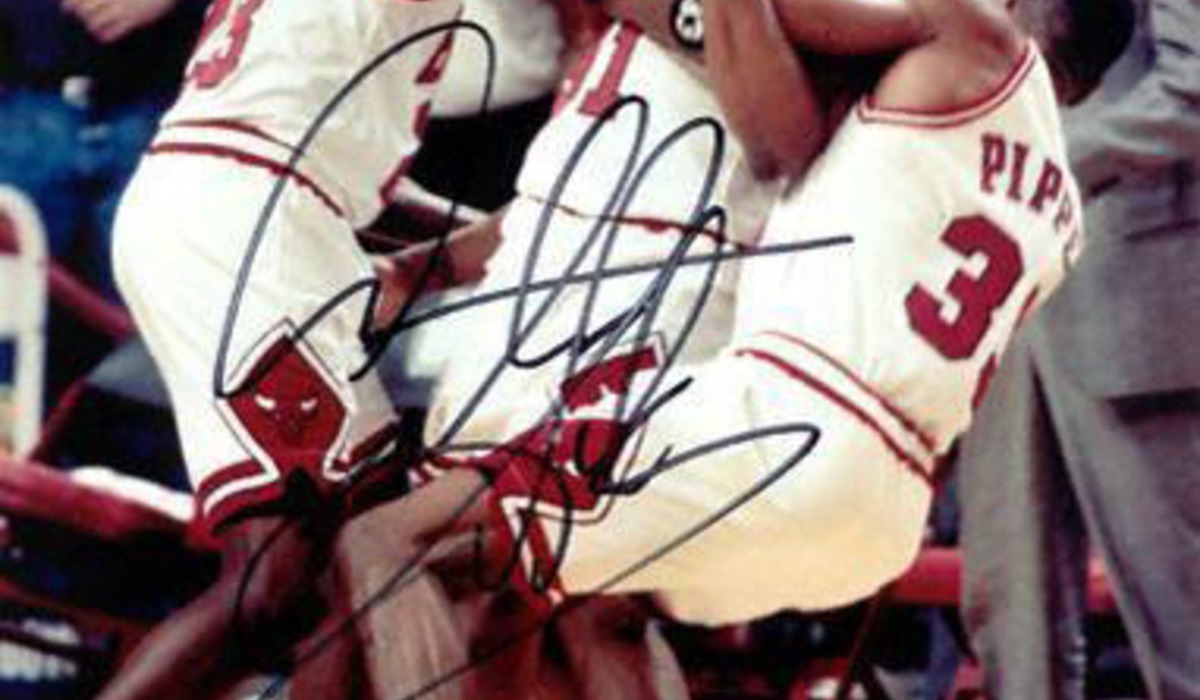
Long before the dyed hair, Rodman was a little-known Detroit forward on card number 43 of the 1988 Fleer set. The photograph shows a lean, unadorned young defender, which is part of its appeal to collectors who remember only the later version.
Detroit had drafted him in the second round in 1986, and he would go on to lead the league in rebounding seven straight times. Gem-mint examples have reached four figures in hot markets.
Raw copies in decent shape remain cheap, frequently less than the fee to have one graded, and that arithmetic keeps many of them out of slabs altogether.
David Robinson’s 1989 Hoops Rookie
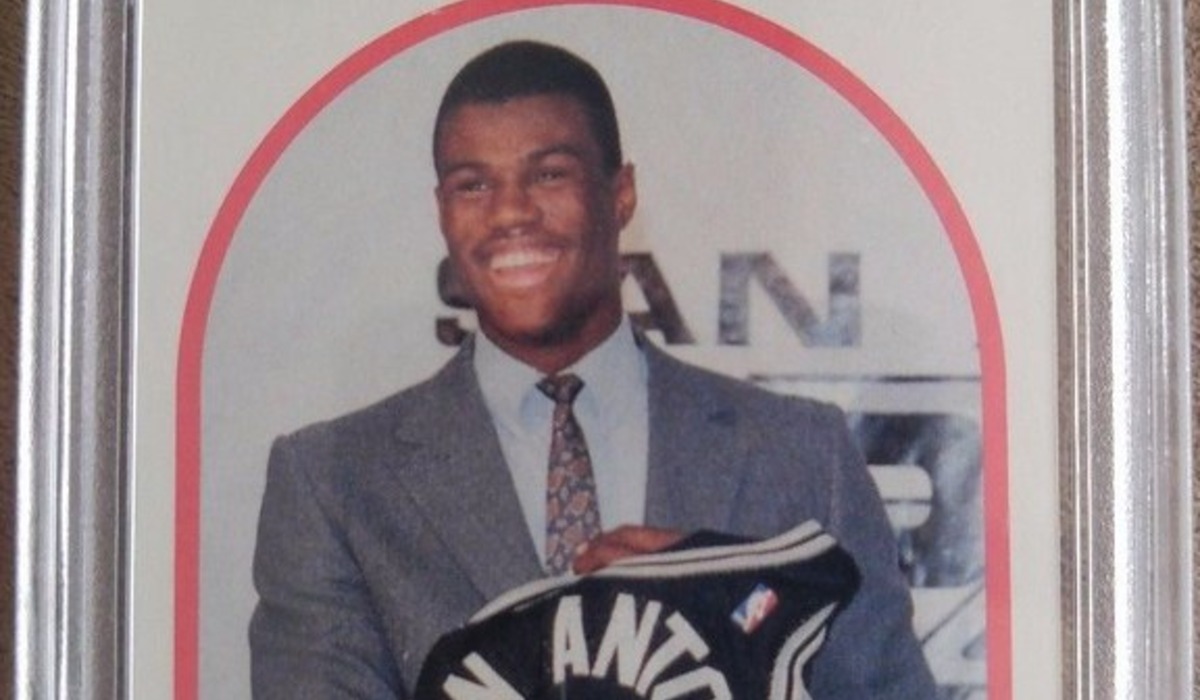
NBA Hoops debuted in 1989 and put Robinson on card number 138 before he had played a minute for San Antonio. The Spurs had drafted him in 1987, but he owed two years of service to the Navy first.
Hoops pulled the card from its second series and replaced it with another Robinson, which gave the original a reputation for scarcity it only partly deserves. The set was printed in enormous quantities.
An ordinary copy is worth a few dollars, and only PSA 10 examples bring meaningful money, usually in the hundreds. It remains a useful reminder that a famous card and a valuable card are different things.
Mark Jackson’s 1990 Hoops Card With Unexpected Guests
Nothing about card number 205 in the 1990 Hoops set seemed special for nearly three decades. It shows the Knicks point guard passing at Madison Square Garden, with spectators seated courtside behind him.
In 2018, collectors noticed that two of those spectators appear to be Lyle and Erik Menendez, photographed in the months between their parents’ deaths in August 1989 and their arrests in March 1990. A common card worth pennies suddenly sold for ten or twenty dollars, and eBay briefly removed listings before allowing them again.
Graded gem-mint copies have gone for several hundred. Supply is vast, so condition and the slab account for nearly all of the price.
Shaquille O’Neal’s 1992 Beam Team Insert
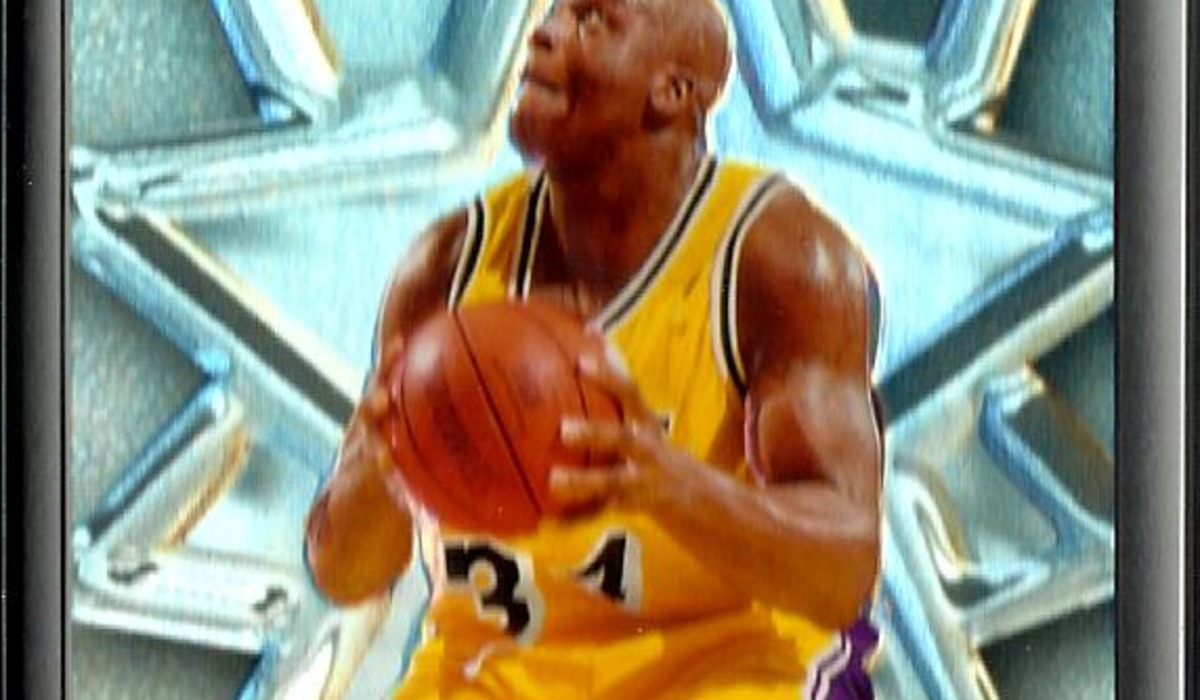
Orlando’s 1992 top pick appeared on dozens of rookie-year cards, most of them printed by the million. The Stadium Club Beam Team insert is the exception that collectors singled out early.
The 21-card insert set, themed around a laser light show, was seeded sparingly into second-series packs, and O’Neal is the final card. Its glossy coating picks up scratches and fingerprints, and the edges show every nick.
Top-graded copies have sold for thousands of dollars, with the scarcer Members Only version higher still. Most other 1992 O’Neal rookies are worth little, which makes this a case study in how an insert could beat the base card.
Finest Refractor Jordan From 1993
Topps introduced chromium card stock to hoops with its 1993 Finest set and slipped in a parallel version called a Refractor, which throws a rainbow sheen when tilted under light. Jordan is card number 1.
The parallels were scarce from the outset, and many have since developed a greenish tint, a chemical quirk that collectors call greening and that graders treat as a flaw. Finding one with true color, good centering and a clean surface is hard.
Top-graded copies have sold for five figures, and sometimes much more. A greened or scratched example is a different proposition and can cost a small part of that sum.
Kobe Bryant’s 1996 Topps Chrome Refractor
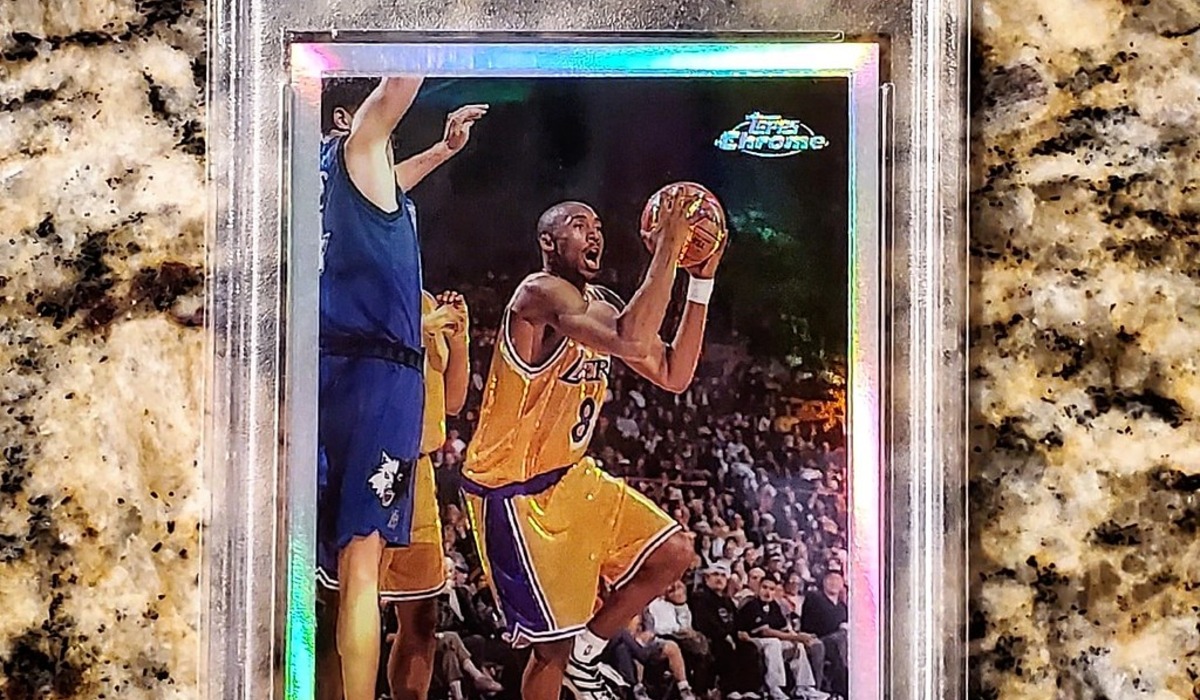
Bryant was 18 when Topps Chrome put him on card number 138, and the Refractor parallel of that card became the defining rookie of his generation. In March 2021, Goldin Auctions sold a copy for 1.795 million dollars.
It carried a Black Label 10 from Beckett Grading Services, or BGS, which scores centering, corners, edges and surface separately and reserves the black label for cards that earn a perfect 10 in all four. Very few copies have managed that.
Chrome stock scratches easily and suffers from the same greening as earlier Refractors, so PSA 9s and BGS 9.5s sell for a tiny portion of the record.
Precious Metal Gems Jordan From 1997
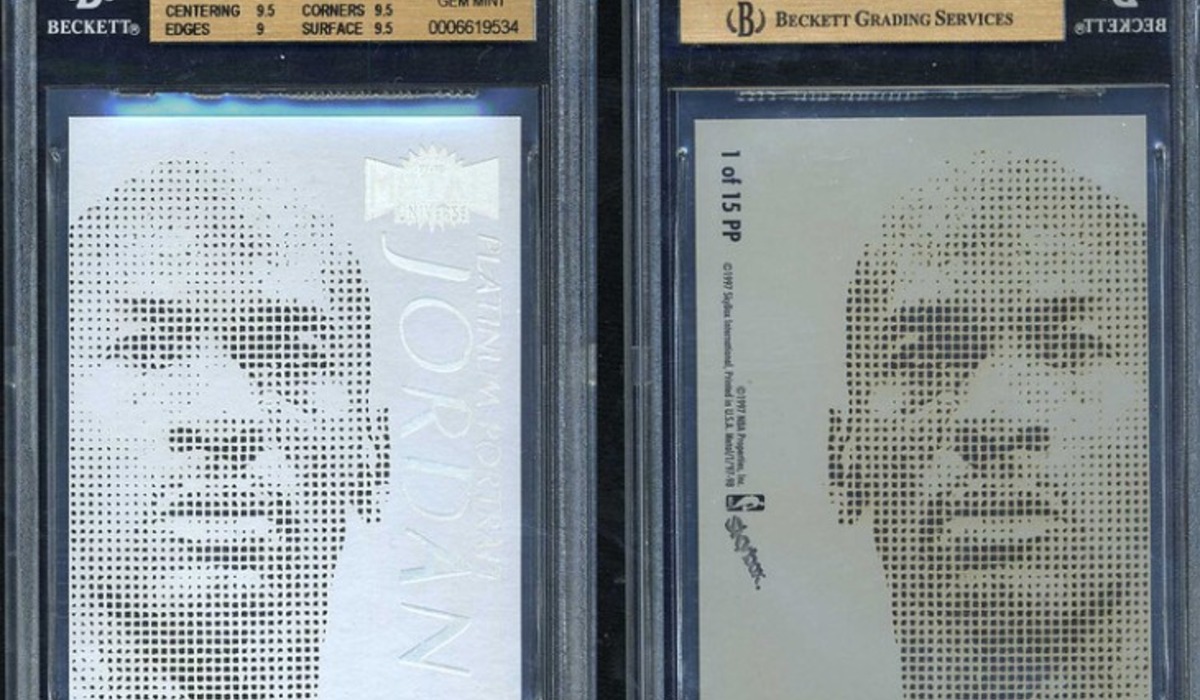
Metal Universe produced only 100 Precious Metal Gems copies of each player in 1997, with the first ten printed in green foil and the remaining ninety in red. Each is stamped with its serial number on the reverse.
Jordan’s card is the prize, and the colored foil flakes so readily that almost every known copy shows chipping along the edges. In August 2015 a green example that PSA had labeled only as authentic, with no numerical grade, drew bids above 90,000 dollars on eBay.
Sales since then have reached well into six figures for both colors. Here scarcity counts for more than polish, though a cleaner copy still brings a clear premium.
Tim Duncan’s 1997 Topps Chrome Refractor
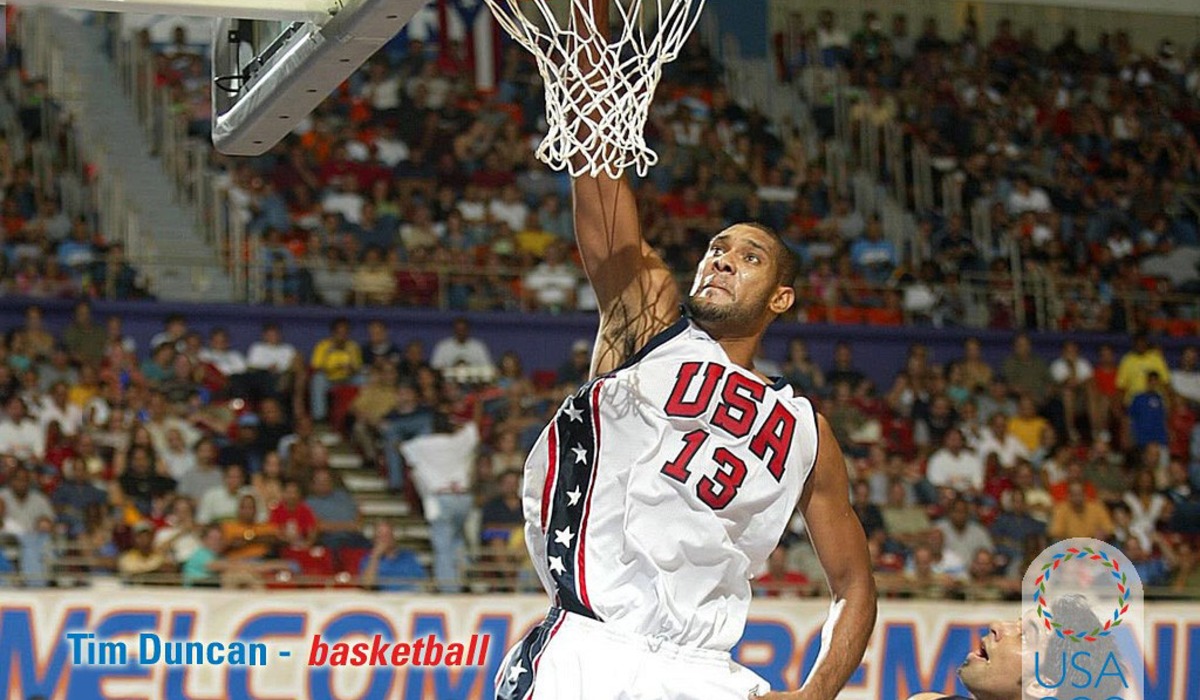
San Antonio won the 1997 lottery and drafted Duncan first, and Topps Chrome gave him card number 115 that fall. His Refractor follows the Bryant formula of a year earlier, a scarce shiny parallel of an already popular chromium rookie.
Duncan’s quiet reputation has kept his cards cheaper than those of flashier contemporaries, despite five championships. Gem-mint Refractors have sold for five figures at the top of the market, while the plain base version is a fraction of that.
Surface scratches, print lines and centering decide the grade on nearly every copy, and a single hairline mark can cut the value in half.
Grading Turned Cardboard Into Currency
Nearly every price on this list is really a price for a grade. The same card can be worth forty dollars or forty thousand depending on a number assigned by a stranger with a loupe, and the gap widens every year.
That system rewards the rare child who put cards in a drawer and forgot them. It punishes everyone who enjoyed them.
There is some irony in that. Cards were made to be handled, sorted, traded and argued over, and the ones now locked in plastic are valuable because they escaped their purpose.
The market has also proven fickle, with many prices well below their 2021 highs. A slab protects the corners, but it offers no protection against changing tastes.
More from Go2Tutors!

- The Romanov Crown Jewels and Their Tragic Fate
- 13 Historical Mysteries That Science Still Can’t Solve
- Famous Hoaxes That Fooled the World for Years
- 15 Child Stars with Tragic Adult Lives
- 16 Famous Jewelry Pieces in History
Like Go2Tutors’s content? Follow us on MSN.