15 Everyday Objects Magnified Under A Microscope
The world around us changes completely when viewed through a microscope. Objects you handle every day reveal intricate patterns, alien-like structures, and surprising details that exist just beyond the reach of the naked eye.
That smooth surface of your smartphone screen? It’s actually a landscape of peaks and valleys. The simple table salt in your kitchen? It forms perfect crystalline cubes that look like they belong in a geometric art installation.
Microscopy transforms the mundane into the magnificent, revealing that even the most ordinary items carry extraordinary secrets. Here are 15 everyday objects that become completely unrecognizable when magnified, each one offering a glimpse into the hidden architecture of our daily lives.
Table Salt

Salt crystals are perfectionists. Perfect cubes, clean edges, no deviation from the plan.
Under magnification, what looks like white powder becomes a collection of tiny glass buildings. Each crystal follows the same blueprint, yet no two are exactly identical in size.
Human Hair

The surface of human hair tells stories that shampoo commercials never mention (and for good reason) — what appears smooth to the touch reveals itself as a series of overlapping scales, like roof shingles that have seen better days. The cuticle layer, when magnified several hundred times, resembles tree bark more than the silky strands we imagine, with each scale catching light differently and creating texture that explains why hair tangles, why it breaks, and why some days it simply refuses to cooperate.
And here’s where it gets interesting: damaged hair shows up immediately under magnification, with lifted scales and rough patches that make the strand look like it’s been through a windstorm, which in many ways it has.
Snowflake
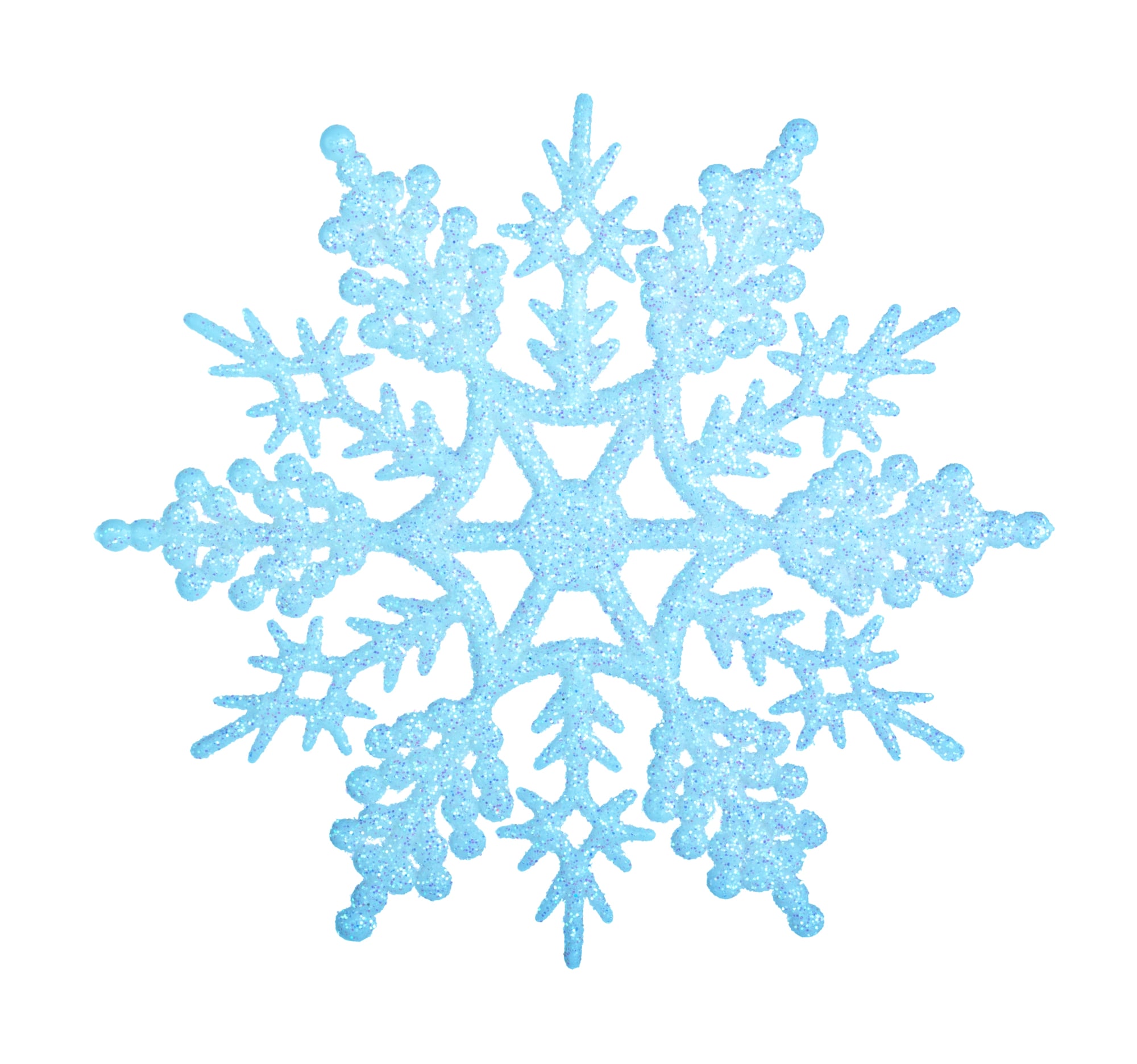
No two snowflakes are alike — but that’s not the remarkable part. The remarkable part is that each one builds itself according to mathematical rules it has never learned.
Six-sided symmetry emerges from chaos. Water vapor crystallizes in patterns that repeat across cultures, across centuries, across entirely different weather systems.
The snowflake doesn’t know it’s creating art.
Coffee Grounds

Coffee grounds under a microscope look like a landscape after an earthquake — jagged fragments, hollow cavities, and surfaces that seem designed to trap as much flavor as possible before releasing it. The cellular structure of the coffee bean, once smooth and orderly, has been shattered into a thousand irregular pieces, each one a tiny reservoir that held oils, acids, and compounds that morning coffee depends on.
What’s striking is how much empty space exists between the fragments: coffee grounds are mostly air, which explains why they can hold so much water during brewing and why that first pour blooms outward like a small volcano awakening.
Cotton Fabric
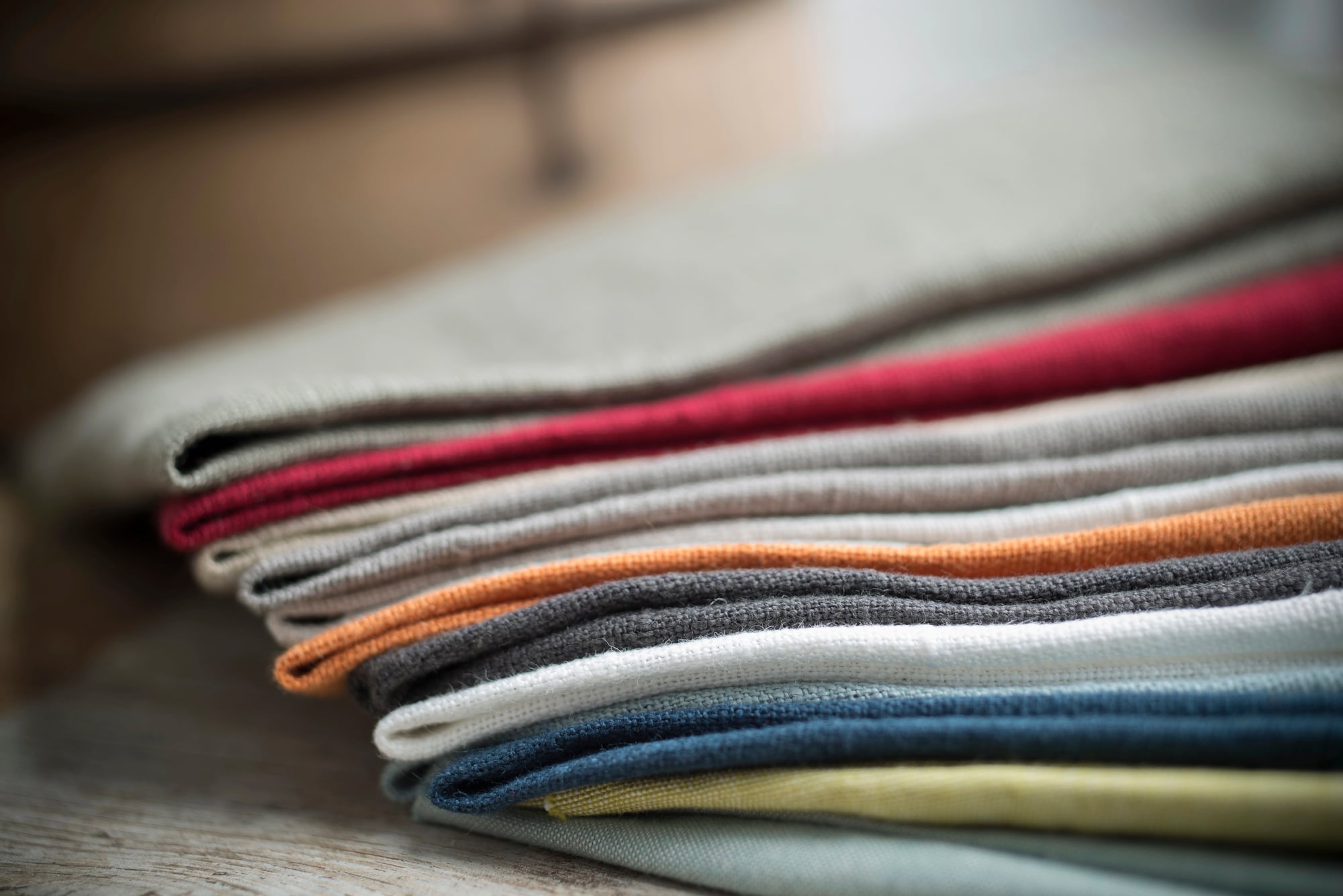
Cotton fibers are stubborn. They twist as they grow, creating natural spirals that refuse to straighten completely even after processing.
Under magnification, woven cotton looks like rope made from smaller ropes. Each thread contains dozens of individual fibers, all wound together in the same direction.
The spaces between the weaves become caverns.
Pencil Graphite
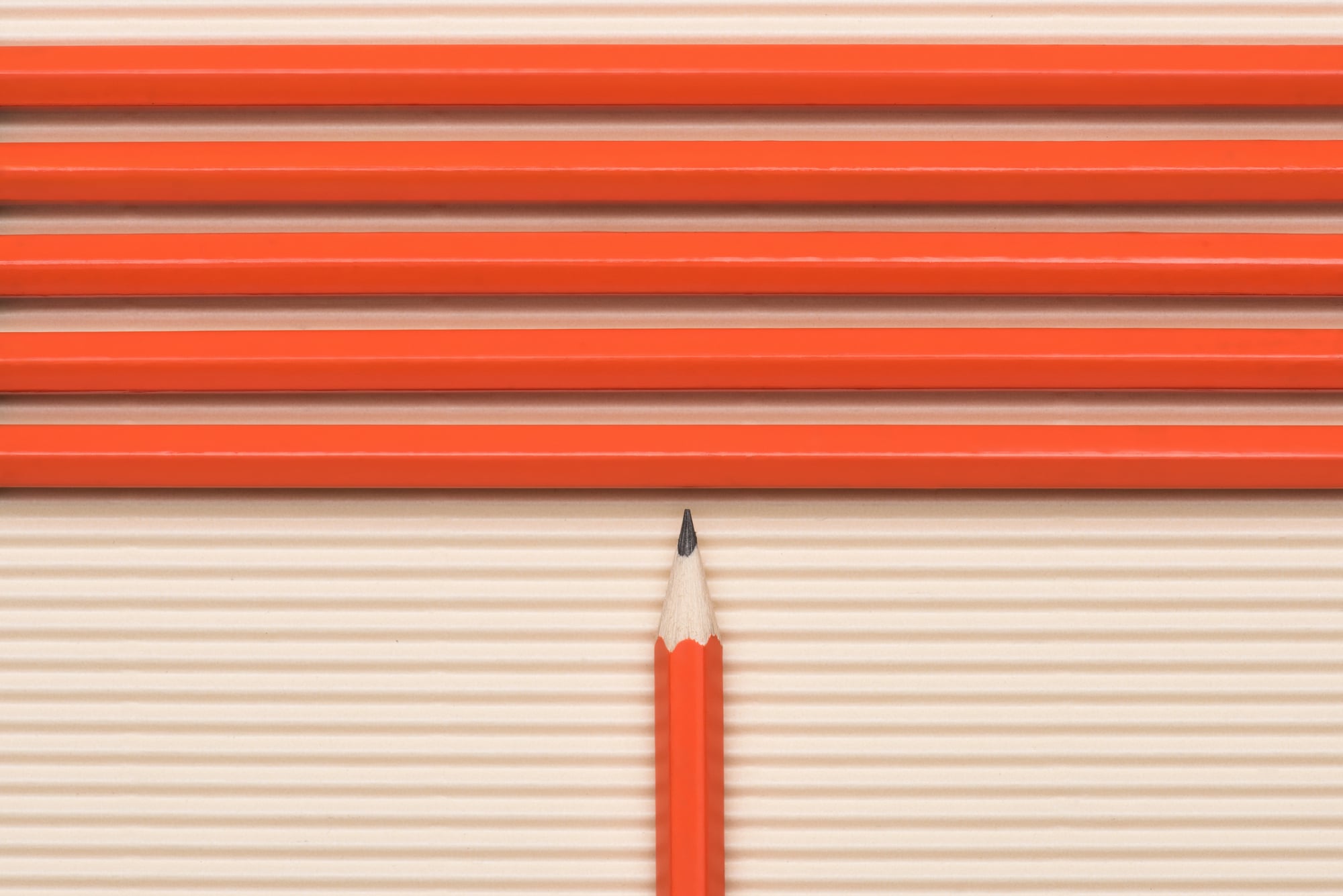
The graphite in pencils exists as layers — thousands of carbon sheets stacked like pages in a book, and when you write, you’re essentially convincing some of those pages to stick to paper instead of staying with their neighbors (which they do reluctantly, since carbon atoms prefer the company of other carbon atoms). Under magnification, a pencil mark looks less like a smooth line and more like scattered debris from a microscopic landslide, with graphite flakes of various sizes clinging to the paper’s surface in whatever pattern the paper’s texture allows.
The rougher the paper, the more chaotic the graphite distribution becomes, turning each stroke into a tiny representation of chance and physics working together.
Sugar Crystal
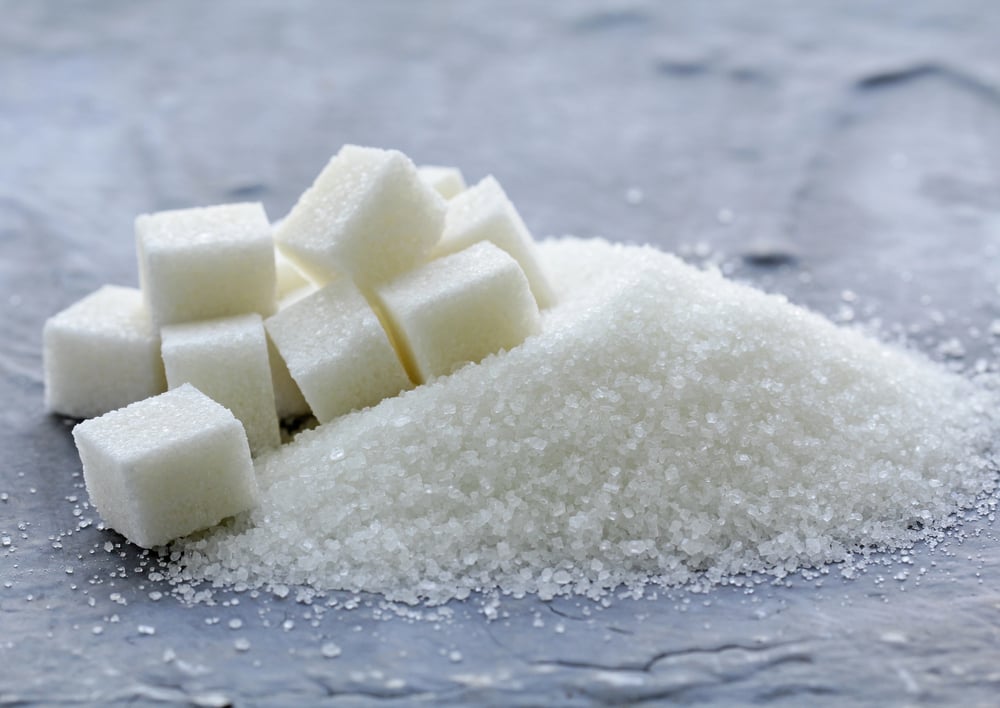
Sugar builds itself into perfect shapes that would make architects jealous. Clean lines, precise angles, transparent walls that catch light like miniature prisms.
Table sugar under a microscope looks like a collection of glass sculptures. Each crystal grows according to its own timeline, but follows the same geometric rules.
Dust

Household dust is a collection of stories — skin cells you shed weeks ago, fabric fibers from clothes that no longer fit, pollen that traveled hundreds of miles to end up on your bookshelf, and particles from sources you’d never think to consider. Under magnification, dust becomes a miniature archaeological dig: each speck represents something that was once part of a larger whole, now reduced to microscopic fragments that drift through your home like tiny ghosts of daily life.
The variety is staggering — smooth spherical particles next to jagged crystalline structures, organic material alongside synthetic fibers, all of it suspended in air currents too subtle for you to notice but strong enough to keep this microscopic debris dancing through shafts of sunlight.
Butterfly Wing

Butterfly wings don’t contain pigment the way you might expect. Instead, they’re built from microscopic scales that manipulate light through pure structure.
Each scale acts like a tiny prism, bending and reflecting specific wavelengths while absorbing others.
The wing becomes a living optical illusion, creating colors that change depending on the angle of view.
Paper
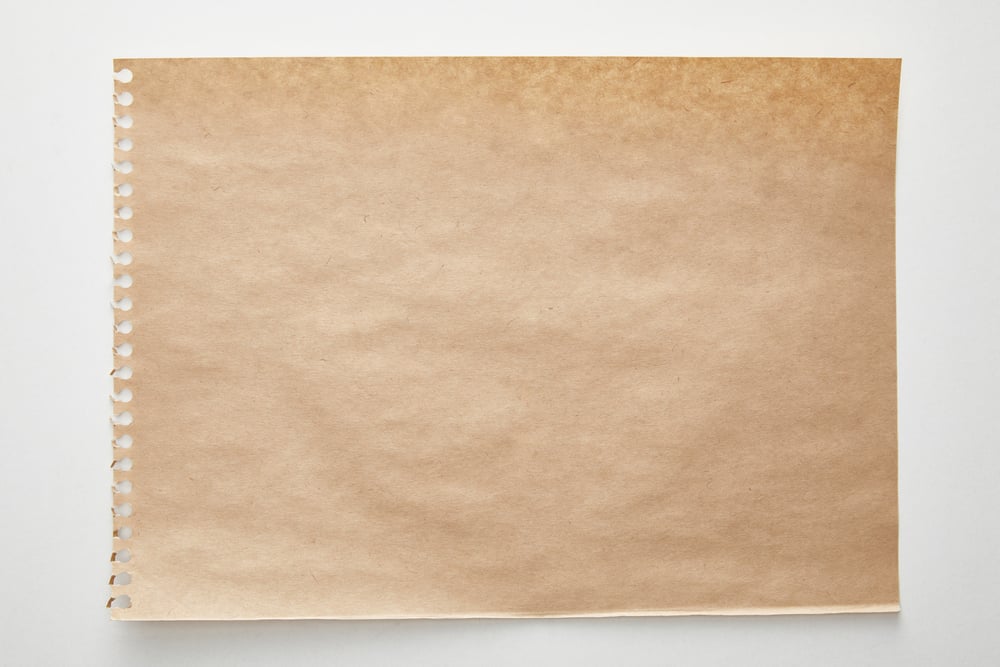
Paper under a microscope reveals its true nature: a felt-like mat of wood fibers that have been beaten, pressed, and convinced to hold hands with each other through a combination of mechanical force and chemical attraction (the wood fibers don’t actually want to stick together, which is why paper tears more easily in one direction than another, following the grain where the fibers happen to align). The surface that feels smooth to your fingertips is actually a landscape of peaks and valleys formed by overlapping cellulose strands, and when you write on paper, the ink doesn’t just sit on top — it seeps down into those valleys and gets trapped between the fibers like water finding its way into a maze with no exit.
The spaces between fibers explain why different papers absorb ink differently and why some pens bleed through while others don’t.
Velcro
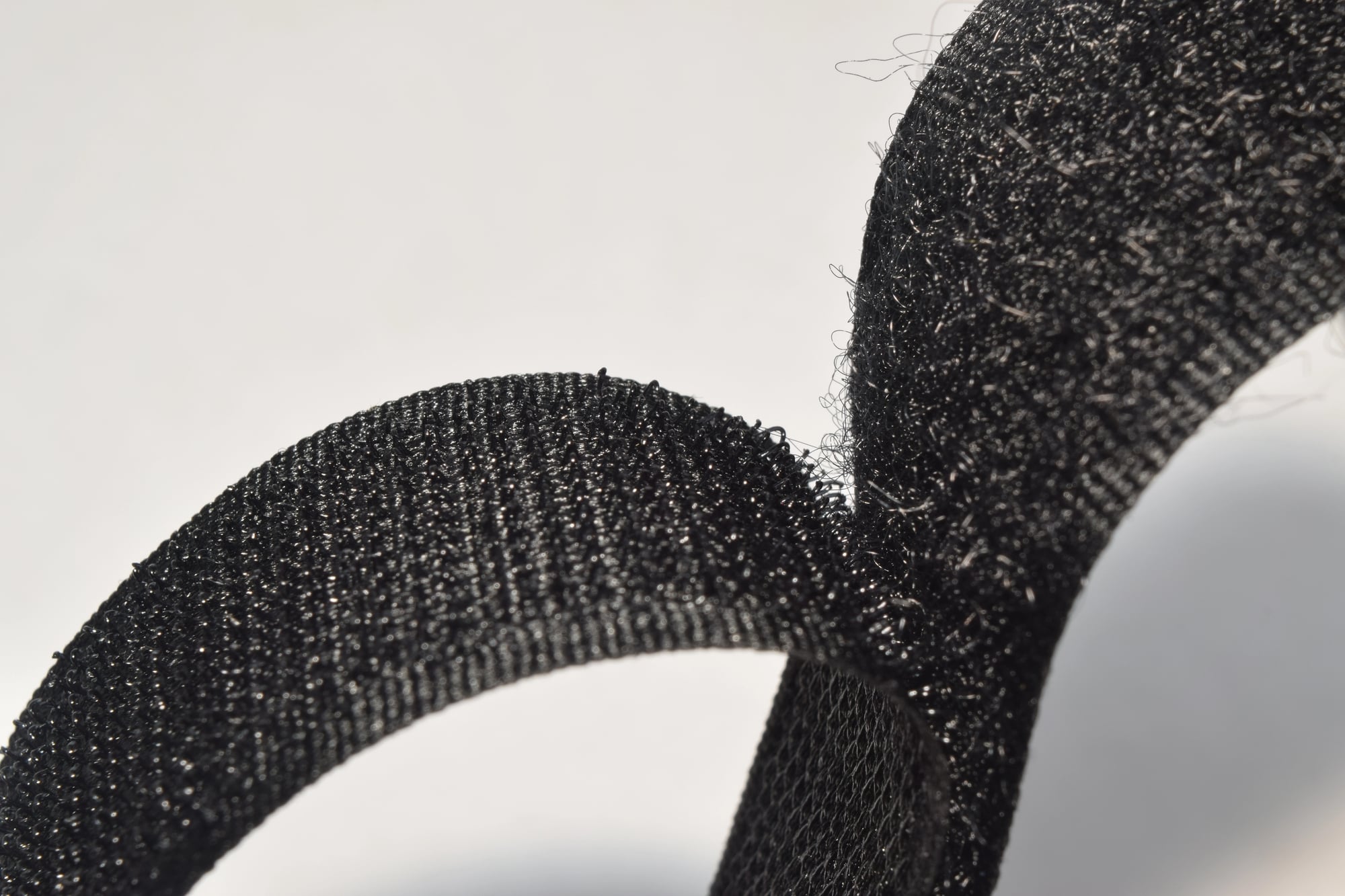
Velcro hooks are aggressive. Each one curves inward like a question mark, designed to grab and hold whatever crosses its path.
The soft side reveals thousands of loops, each one a potential anchor point.
Under magnification, Velcro becomes a study in mechanical engineering at microscopic scale.
Sand

Sand grains are travelers, and under magnification, they carry the evidence of their journeys — smooth, frosted surfaces that speak of countless collisions with other grains during their migration from mountain to beach, while sharper, more angular pieces reveal themselves as recent arrivals to the erosion process, still carrying the jagged signatures of their parent rocks. Each grain is essentially a tiny sculpture shaped by time and distance: the longer the journey, the more rounded the edges become, which means beach sand looks different from desert sand looks different from riverbank sand when viewed under a microscope.
And the colors that blend into uniform beige from a distance separate into distinct personalities up close — clear quartz crystals, black magnetite specks, pink feldspar fragments, and green olivine pieces, each one a miniature gemstone that took millions of years to reach your hand.
Soap Bubble Film
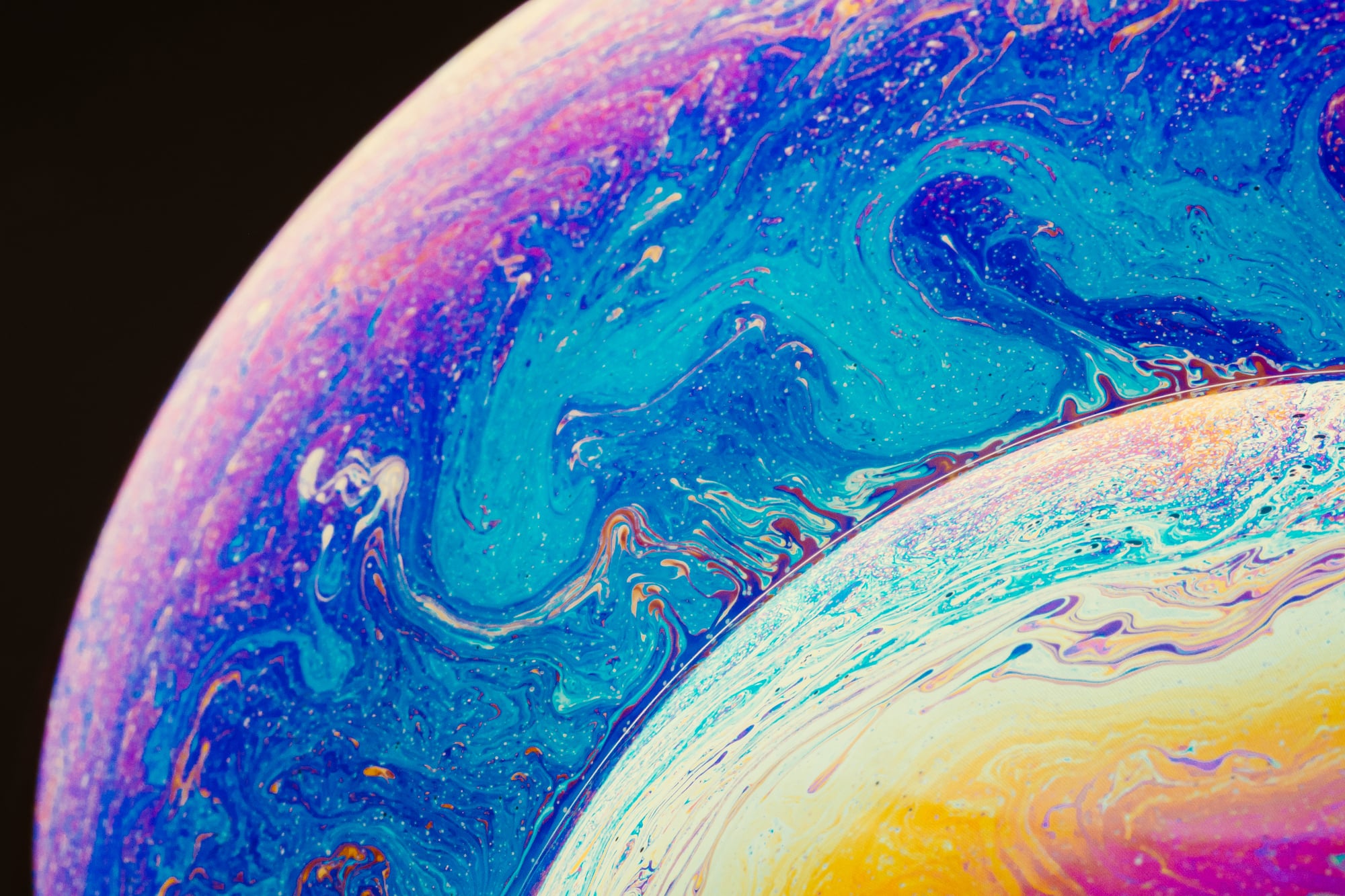
Soap bubbles exist in a state of constant tension. The film stretches and thins until it reaches the theoretical limit of how thin a layer can be while still maintaining structure.
Under magnification, bubble film shows interference patterns where light waves collide and create rainbow swirls.
The colors shift continuously as the film drains and thins toward inevitable collapse.
Honeycomb
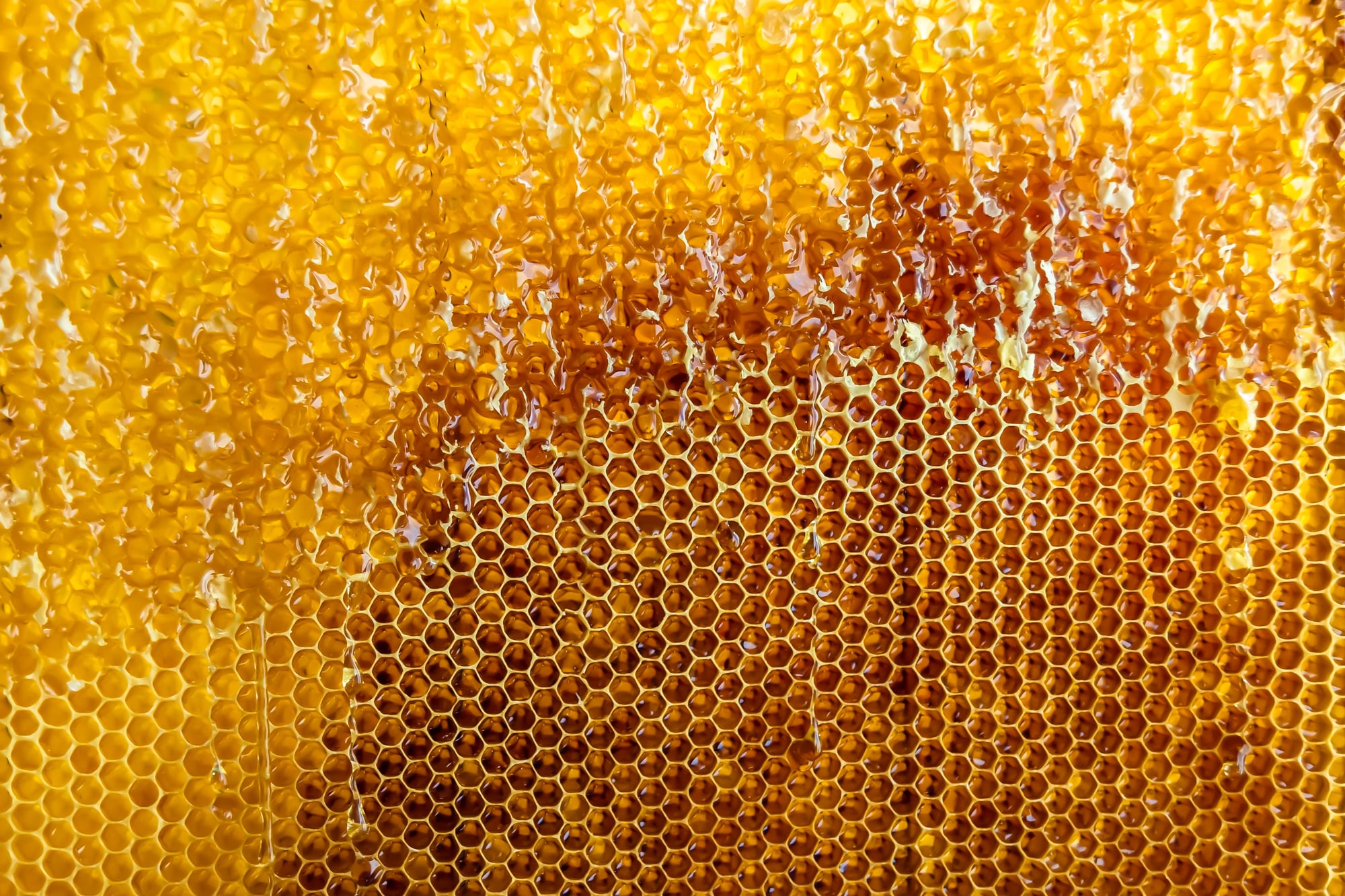
Honeycomb construction follows mathematical principles that humans didn’t discover until centuries after bees perfected them. Hexagonal cells maximize storage while minimizing material use.
The wax walls appear perfectly smooth from a distance, but magnification reveals tool marks from bee mandibles.
Each cell shows evidence of the construction process — not machine-made perfection, but biological engineering.
Fingerprint
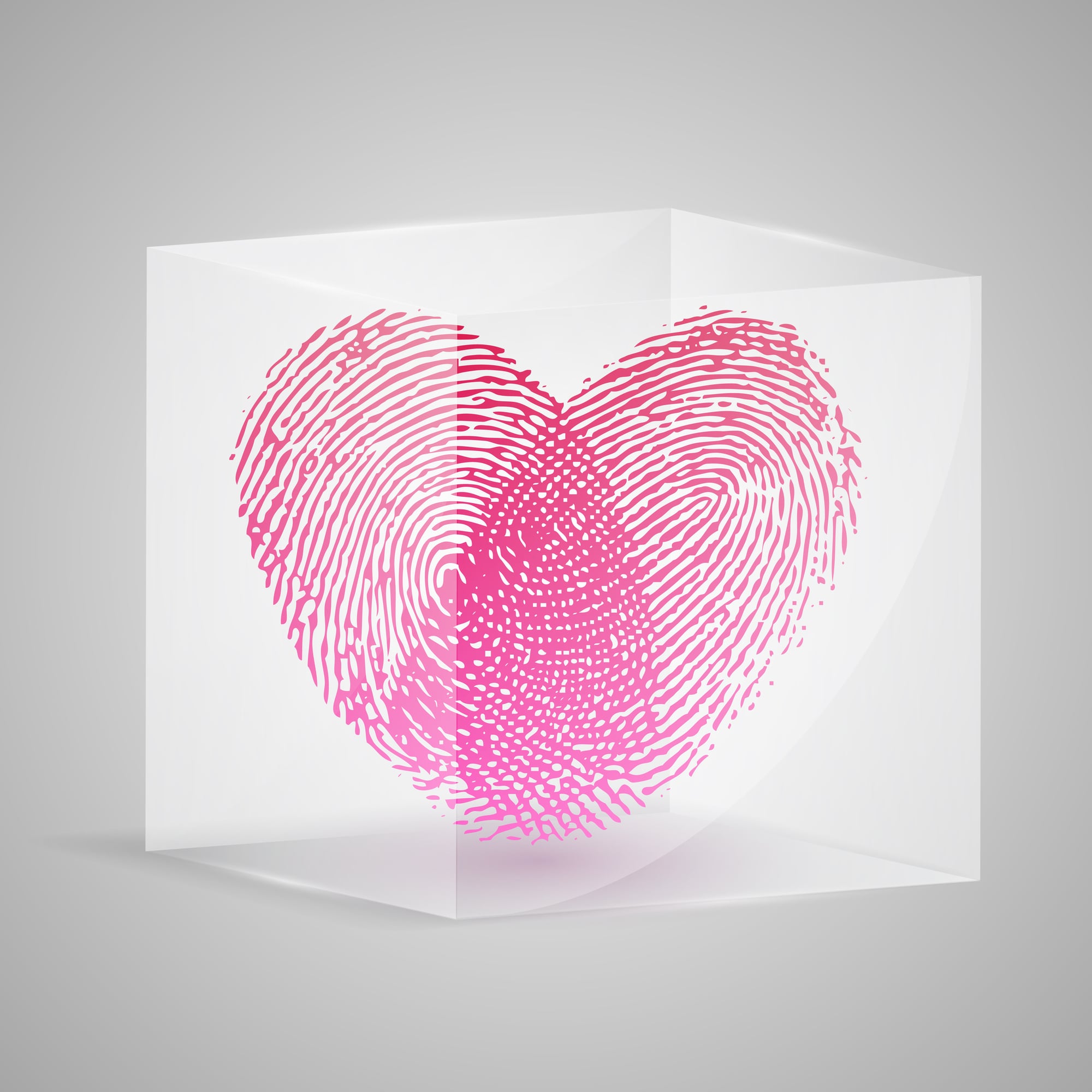
Your fingerprint ridges serve a purpose beyond identification — they’re essentially tire treads for your fingertips, designed to channel moisture and increase grip through a pattern that formed before you were born and will remain unchanged throughout your entire life (unless damaged by injury deep enough to reach the dermis layer). Under magnification, those familiar swoops and curves reveal themselves as raised highways separated by valleys, with the ridges themselves showing a landscape of pores and texture that explains why fingerprints leave such distinctive marks on surfaces.
The pattern is so consistent that forensic experts can match partial prints from crime scenes, yet so unique that the chance of two people sharing the same print pattern is essentially zero, making your fingertips a biological signature that’s both personal and permanent.
The Hidden World Beneath Our Touch

Every surface you encounter carries secrets that exist just beyond perception. These microscopic landscapes remind us that the familiar world operates on principles we rarely consider — crystalline mathematics in salt shakers, architectural precision in insect wings, and engineering solutions in soap films that took nature millions of years to perfect.
The next time you handle any ordinary object, remember that you’re touching a universe of detail that reveals itself only when we choose to look closer. Sometimes the most extraordinary discoveries happen not by traveling to distant places, but by examining what’s already in our hands.
More from Go2Tutors!

- The Romanov Crown Jewels and Their Tragic Fate
- 13 Historical Mysteries That Science Still Can’t Solve
- Famous Hoaxes That Fooled the World for Years
- 15 Child Stars with Tragic Adult Lives
- 16 Famous Jewelry Pieces in History
Like Go2Tutors’s content? Follow us on MSN.