30 Designs Built for the Military That Reached Households
Wartime budgets and battlefield urgency have produced some of the most durable engineering ideas of the modern era. Long after the conflict that funded them ended, many of these designs quietly moved into ordinary homes.
Duct Tape
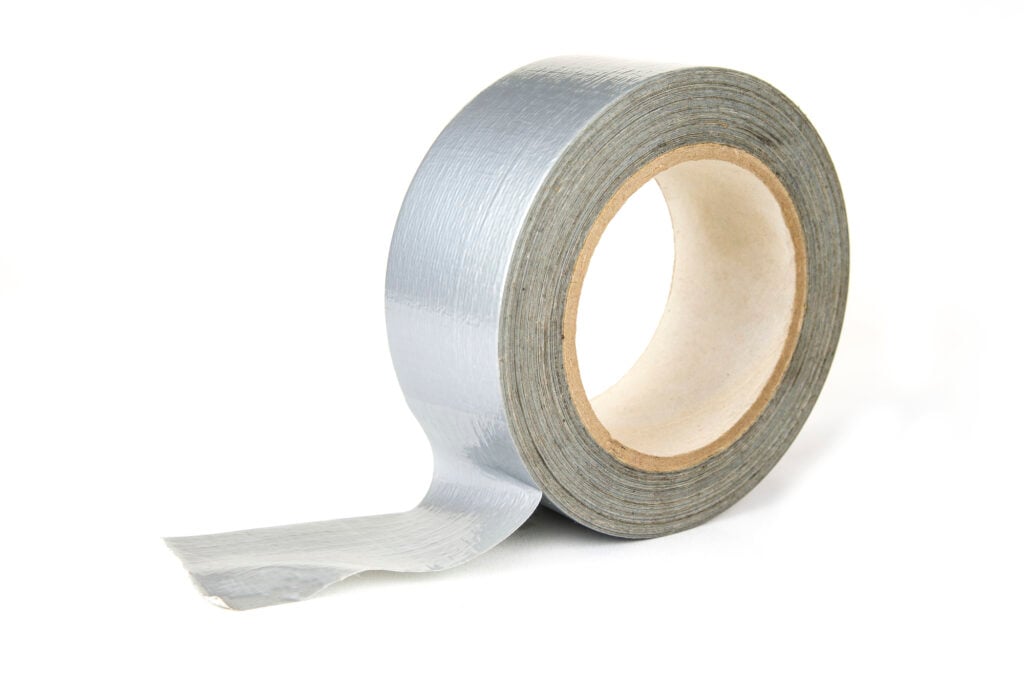
The United States military developed a waterproof, cloth-backed adhesive tape during World War II to seal ammunition cases against moisture, requiring a material soldiers could tear by hand without tools. Its strength and flexibility quickly proved useful for far more than ammunition storage, including emergency battlefield repairs on vehicles and equipment.
After the war, the material was rebranded for civilian use, initially marketed for sealing heating ducts, which gave the product its lasting name. It remains a fixture in households and toolkits worldwide.
The Microwave Oven
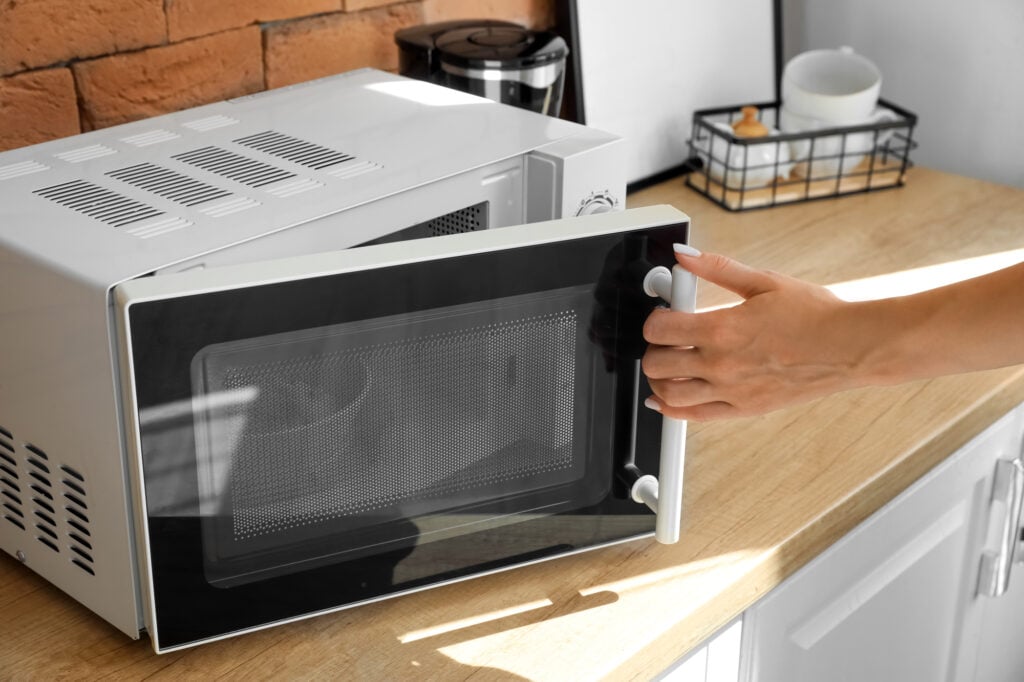
Engineer Percy Spencer was working with military radar equipment in 1945 when he noticed a candy bar in his pocket had melted near an active magnetron tube. Radar technology itself had been developed for wartime aircraft and ship detection, and Spencer’s employer recognized the heating effect could be adapted for cooking.
The first commercial microwave ovens launched in the late 1940s, though they remained too large and expensive for most homes for another two decades. Compact household models became widely affordable by the 1970s.
GPS Navigation

The United States Department of Defense developed the Global Positioning System beginning in the 1970s to provide precise location and targeting data for military operations. Civilian access to the satellite network was initially limited and deliberately degraded in accuracy for security reasons.
The government removed that intentional signal degradation in 2000, dramatically improving civilian GPS precision overnight. The technology now underpins consumer navigation apps, ridesharing services, and countless other everyday tools.
The Internet

The United States Department of Defense funded the development of ARPANET in the late 1960s, a networked communication system designed to allow research and military computers to exchange data reliably, including under the threat of a compromised network. Universities and research institutions gradually joined the growing network throughout the 1970s and 1980s.
Commercial and public access expanded significantly once the network’s protocols were opened for broader use in the 1990s. The resulting infrastructure became the foundation of the modern internet used by billions of people daily.
Cargo Pants

Military forces in Britain and the United States developed trousers with large, secured pockets in the 1930s and 1940s to let soldiers carry ammunition, maps, and supplies without needing a separate bag. The design prioritized function over appearance, with reinforced stitching and pocket flaps built for durability in the field.
Surplus military clothing entered civilian fashion markets after World War II, and the pocket design was gradually adapted into standalone civilian workwear and casual clothing. Cargo pants have cycled in and out of mainstream fashion trends for decades since.
Aviator Sunglasses

The United States Army Air Corps commissioned a specialized sunglasses design in the early 1930s to protect pilots from intense glare at high altitude, where standard eyewear of the era proved inadequate. Bausch & Lomb developed the resulting teardrop lens shape specifically for cockpit visibility conditions.
The company began marketing a civilian version under the Ray-Ban name later in the decade, separate from its military contracts. The aviator shape has remained one of the most recognizable and enduring sunglasses styles ever produced.
The Trench Coat

British military outfitters developed a waterproof, belted coat during World War I as a lighter alternative to the heavy rubberized coats soldiers had previously worn in muddy trench conditions. The design included storm flaps and D-rings originally intended for attaching field equipment. Returning soldiers continued wearing their coats after the war, and fashion houses adapted the practical design for general civilian sale.
The trench coat has remained a staple of both formal and casual outerwear for over a century.
The Bomber Jacket
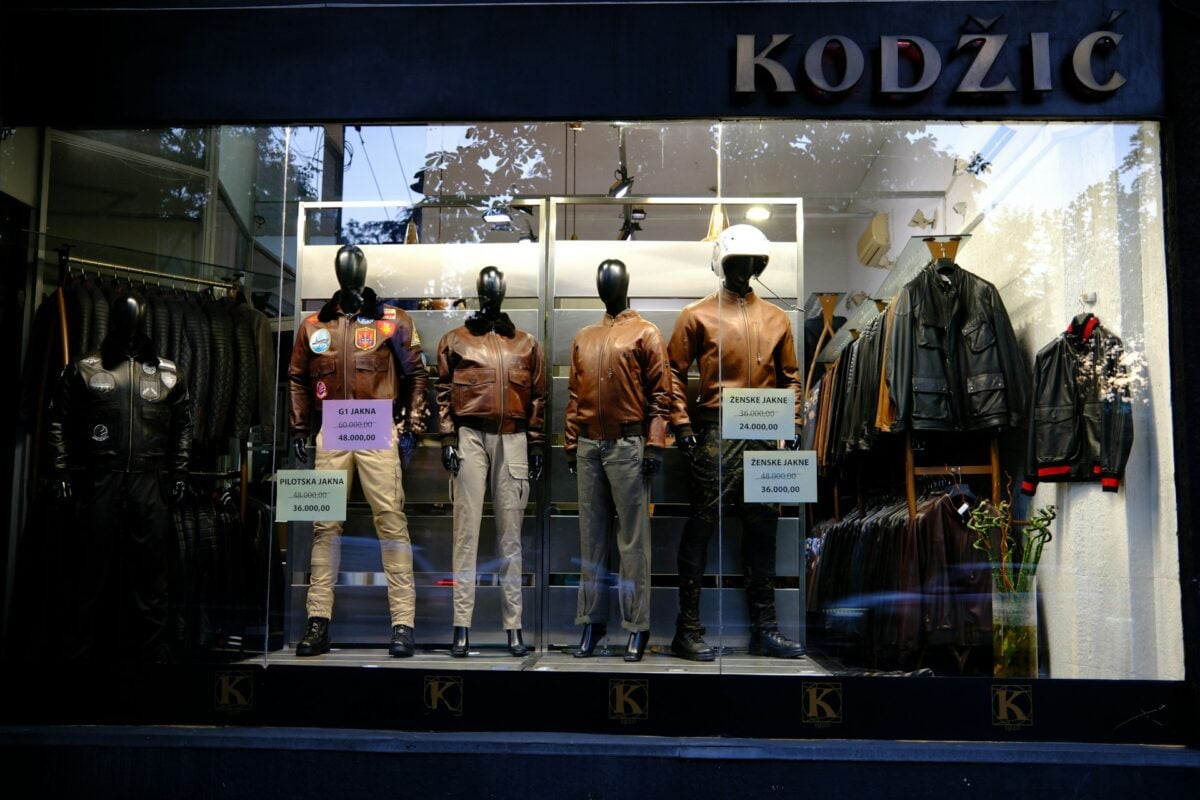
The United States military developed insulated leather flight jackets in the 1910s and 1920s to protect pilots from extreme cold in unpressurized, open cockpits. Later versions introduced during World War II added ribbed cuffs and waistbands to seal out wind at high altitude. Surplus jackets entered civilian markets after the war, and the design was gradually adopted into mainstream fashion over subsequent decades.
The bomber jacket silhouette remains a recurring staple across menswear and womenswear collections today.
Canned Food

The French military, under a government prize established by Napoleon in the early 1800s, sought a reliable method for preserving food during long military campaigns without spoilage. Inventor Nicolas Appert developed a sealed glass jar preservation technique that won the prize in 1810, and British engineers soon adapted the concept using metal cans instead of glass.
The technology allowed armies to carry provisions over far greater distances and durations than previously possible. Canned food became a household grocery staple within decades of its military origins.
Freeze-Dried Food

The United States military expanded freeze-drying technology significantly during and after World War II to produce lightweight, long-lasting field rations that retained nutritional value without refrigeration. The process removes moisture from food while preserving its structure, allowing it to be rehydrated later with minimal quality loss.
Space programs later adopted the same technology for astronaut meals, further advancing the underlying process. Freeze-dried products are now common in camping supplies, emergency preparedness kits, and grocery store snack aisles.
The Walkie-Talkie
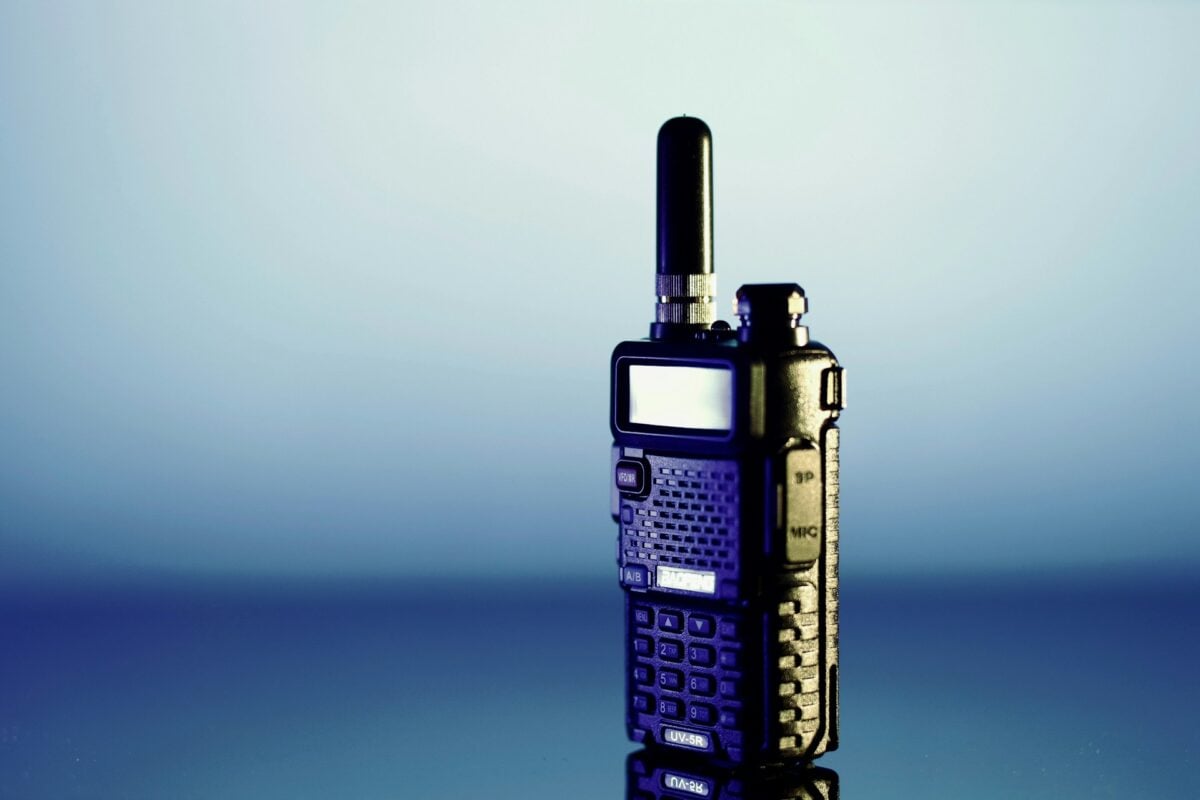
Engineers developed portable two-way radio devices for military field communication during World War II, allowing soldiers to coordinate movements without relying on fixed telephone lines. The technology required significant miniaturization from earlier bulky radio equipment to become genuinely portable for infantry use.
Civilian versions became available for commercial and recreational use within a decade of the war’s end. The core technology behind modern cordless phones and consumer two-way radios traces directly back to these wartime designs.
Super Glue
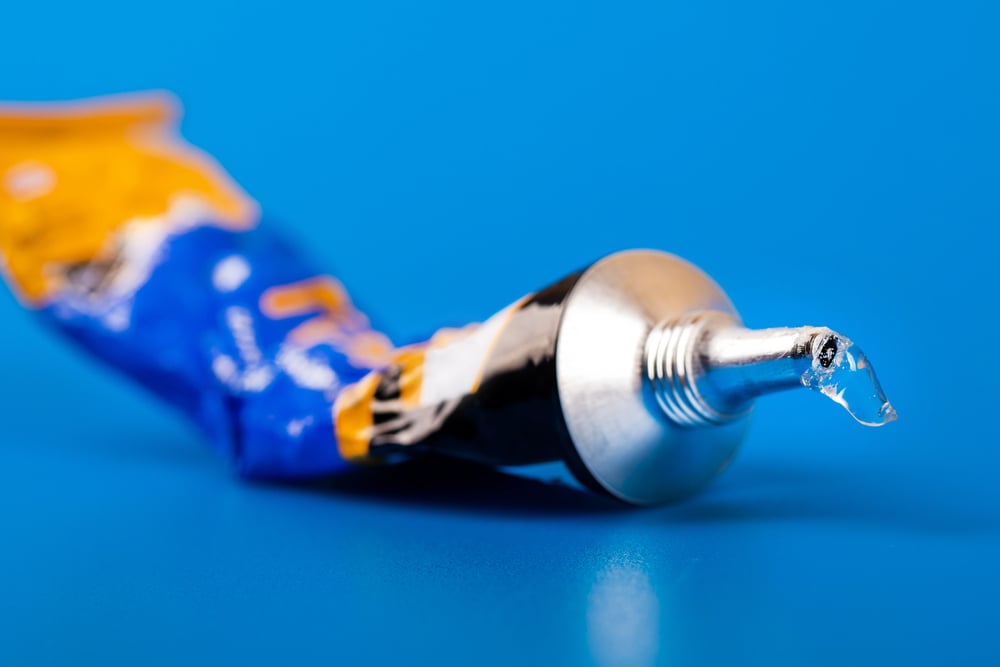
Researchers developing clear plastic gunsight lenses for the military during World War II accidentally discovered a cyanoacrylate compound that bonded almost instantly to any surface it touched, an inconvenient property for optical lens work at the time. The compound was set aside as unsuitable for its original purpose.
A researcher at the same company rediscovered its practical adhesive potential years later, and it was marketed commercially as Super Glue beginning in 1958. It remains one of the fastest-bonding adhesives sold to consumers.
The EpiPen
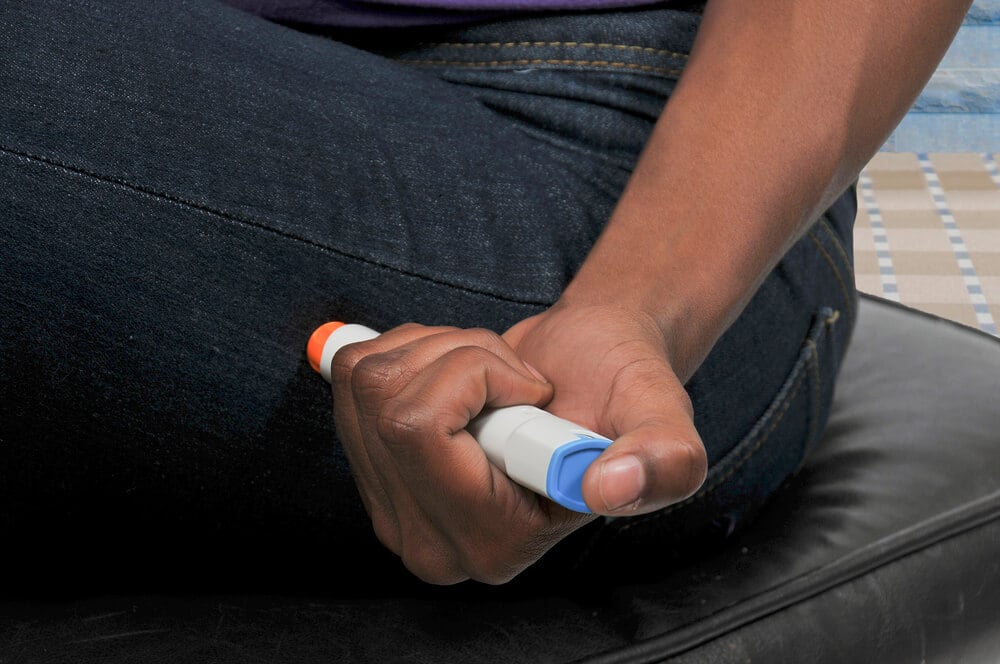
Military researchers developed early spring-loaded auto-injector technology to allow soldiers to rapidly self-administer antidotes to nerve agents in the field without requiring precise medical training. The mechanical design allowed for quick, reliable injection under high-stress conditions. Civilian medical researchers adapted the same auto-injector mechanism in the 1970s to deliver epinephrine for severe allergic reactions instead.
The resulting EpiPen became a standard emergency medical device carried by millions of people with severe allergies.
The Jeep

The United States military commissioned a compact, rugged, four-wheel-drive vehicle in 1940 for reconnaissance and general transport across difficult terrain during World War II. The resulting design proved so versatile that it became one of the most recognizable vehicles of the war.
Willys-Overland began selling a civilian version shortly after the war ended, marketed toward farmers and outdoor recreation users. The Jeep brand remains a major automotive line built directly on its wartime origins.
Sonar-Based Fish Finders

Naval forces developed sonar technology extensively during both World Wars to detect submarines by measuring sound waves reflecting off underwater objects. The underlying principle of interpreting echo signals to map submerged objects proved adaptable well beyond its original military application.
Commercial fishing equipment manufacturers adapted the same core technology in the following decades to detect fish schools instead of enemy vessels. Sonar-based fish finders are now standard equipment on recreational and commercial fishing boats.
Weather Radar

Military radar operators during World War II frequently noticed that storm systems interfered with their ability to detect aircraft, an effect initially treated as unwanted background noise. Researchers eventually recognized that the same interference could be systematically studied to track precipitation and storm movement.
Meteorologists adapted military radar technology for dedicated weather forecasting use in the following decades. Weather radar is now standard infrastructure behind daily forecasts and severe storm warnings worldwide.
Night Vision Goggles
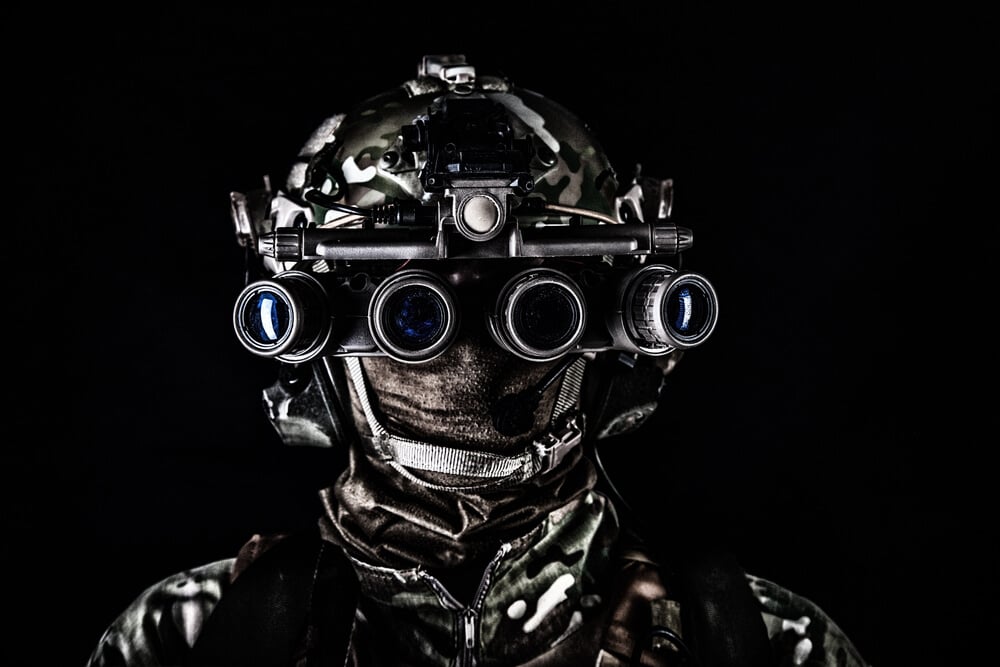
The United States military developed early infrared night vision technology during World War II to allow snipers and vehicle operators to see in darkness without visible light sources that could reveal their position. Later generations of the technology, developed during the Vietnam War era, significantly improved image clarity using ambient light amplification instead of active infrared projection.
Civilian versions became available to hunters, security professionals, and outdoor enthusiasts in subsequent decades. Consumer night vision products now range from hunting optics to home security cameras.
Consumer Drones
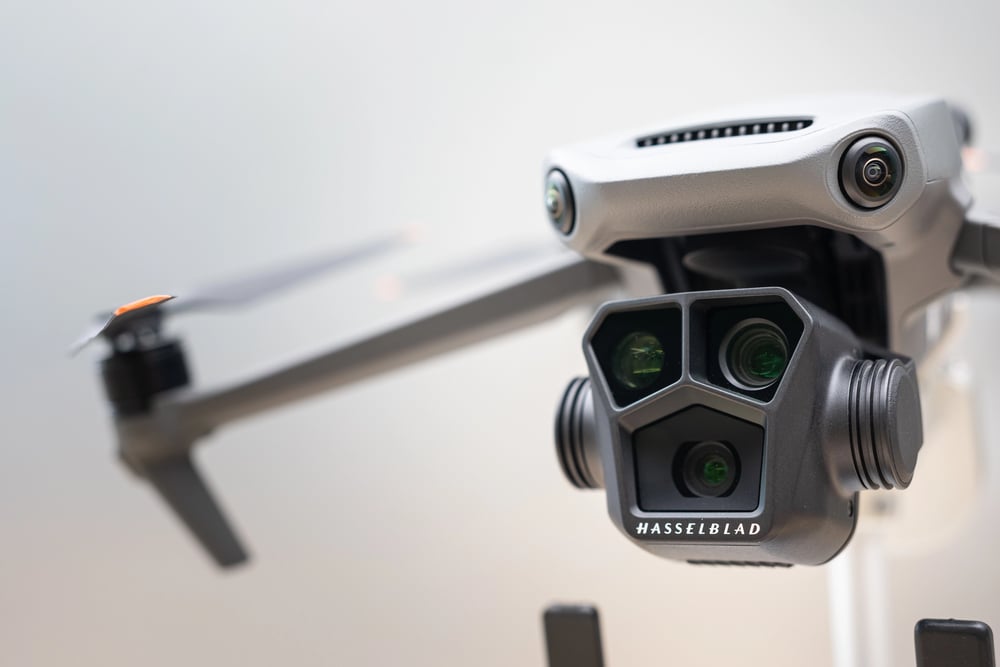
Military forces developed unmanned aerial vehicles for reconnaissance and surveillance purposes across several decades of the twentieth century, with significant technological advances occurring during the Vietnam War and later conflicts. The underlying flight stabilization and remote-control technology gradually became smaller, cheaper, and easier to produce.
Hobbyist and commercial drone manufacturers adapted comparable technology for civilian photography, delivery, and recreational use beginning in the 2000s. Consumer drones are now sold in the tens of millions annually worldwide.
Khaki Fabric
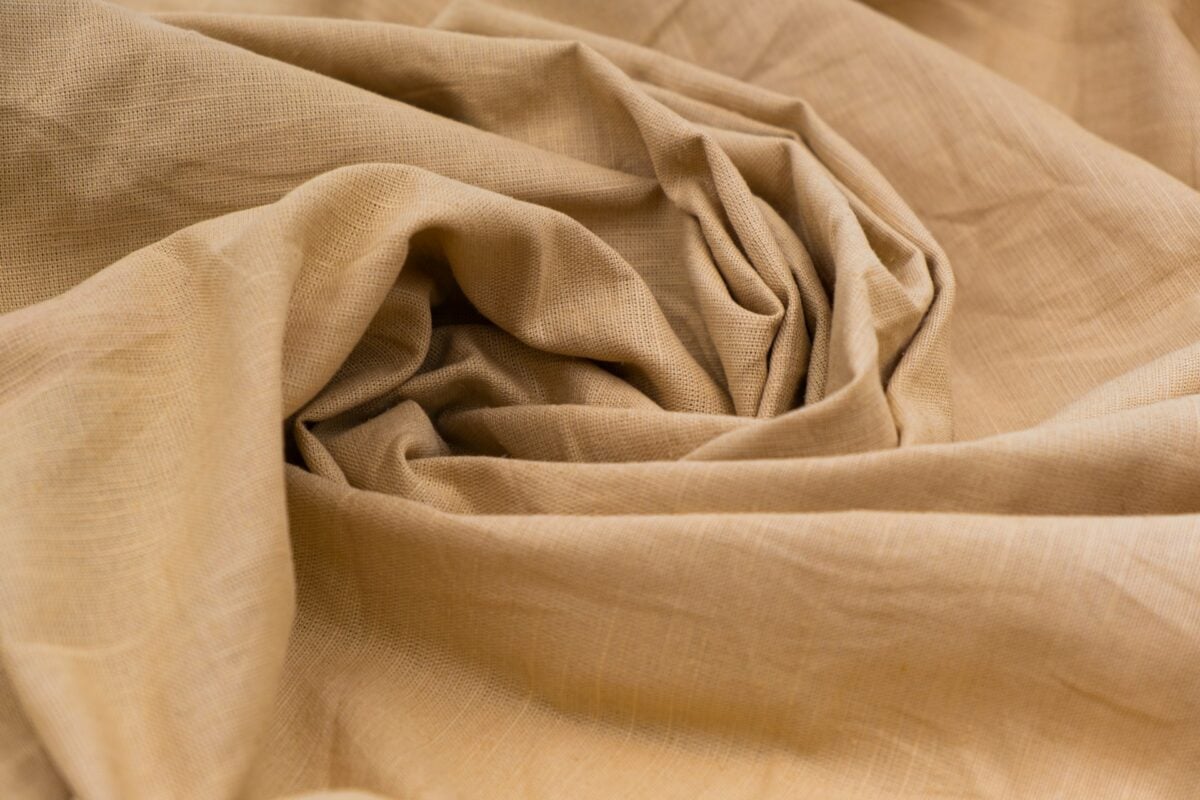
British colonial military forces in India adopted a dust-colored fabric dye in the 1840s to replace bright red uniforms that made soldiers highly visible targets in desert and rural terrain. The color, whose name derives from a Hindi and Urdu word for dust, spread throughout British and later other national militaries as a practical camouflage measure.
Surplus and demobilized uniforms introduced the fabric and its color into general civilian clothing markets during the twentieth century. Khaki remains a standard color and fabric type in casual and workwear clothing today.
M&M’s Candy Shell
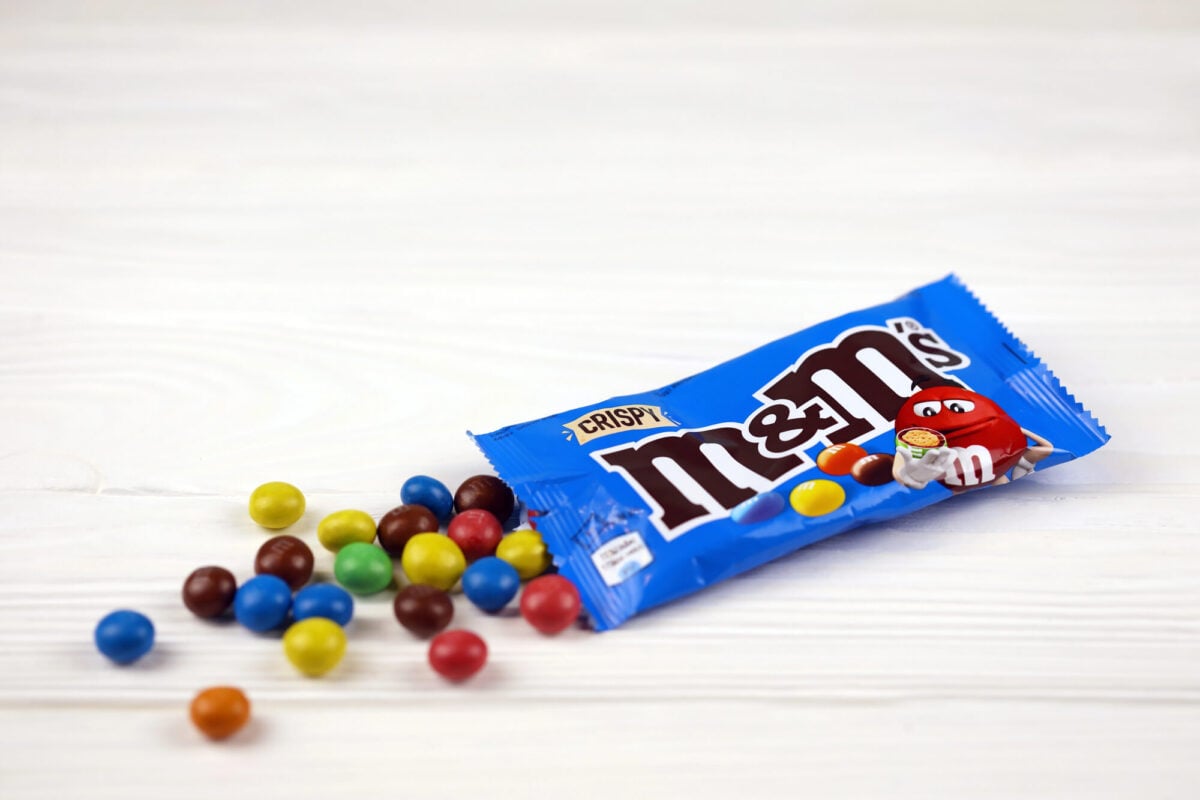
Candy maker Forrest Mars observed soldiers during the Spanish Civil War eating chocolate pellets coated in a hard sugar shell that prevented melting in warm conditions, a practical solution to a common battlefield problem. He developed a similar hard-shelled chocolate candy and secured a contract to supply it to American soldiers during World War II, since it traveled well without melting in field conditions.
The candy’s heat-resistant shell design became its defining commercial feature once it launched to general consumers after the war. M&M’s remain one of the best-selling candy brands in the world.
Instant Coffee

Military demand during both World Wars drove significant investment in soluble, quickly prepared coffee that soldiers could brew without full equipment in field conditions. Manufacturers refined dehydration and processing techniques considerably to improve the taste and shelf stability of instant coffee during this period.
Civilian grocery demand grew substantially after each war as returning soldiers continued the habit at home. Instant coffee remains a significant category within the global coffee market today.
Memory Foam
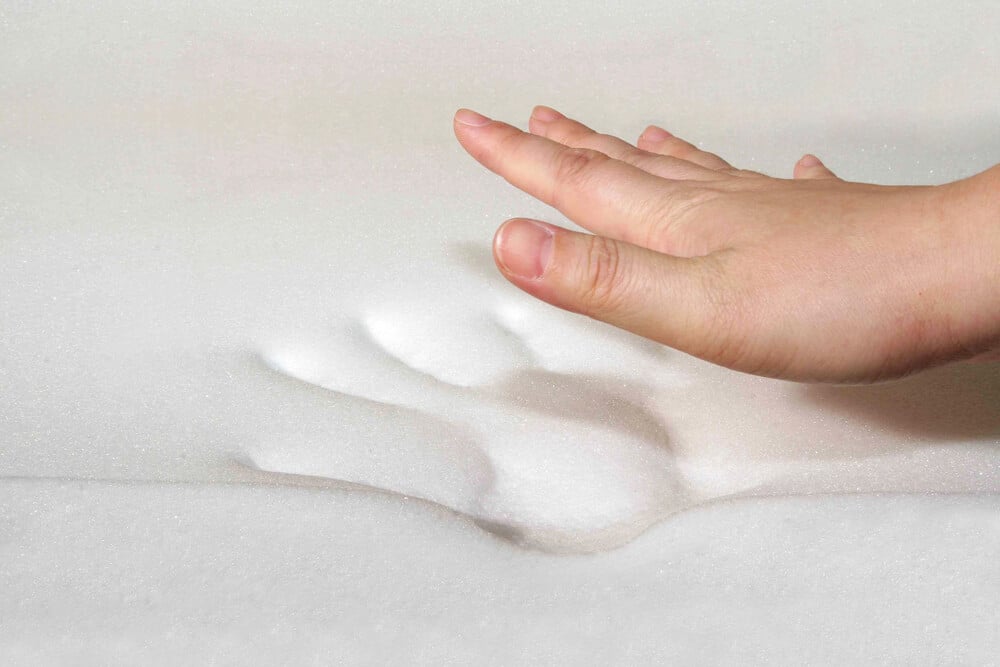
NASA engineers developed a pressure-absorbing polyurethane foam material in the 1960s to improve crash protection and seating comfort for astronauts during spaceflight, a program closely tied to broader national defense-era aerospace research. The foam’s ability to conform to body shape and slowly return to its original form proved useful well beyond aerospace applications.
Mattress and pillow manufacturers began adapting the material for consumer bedding products in the 1990s. Memory foam is now a standard material across the mattress and cushioning industry.
Nylon
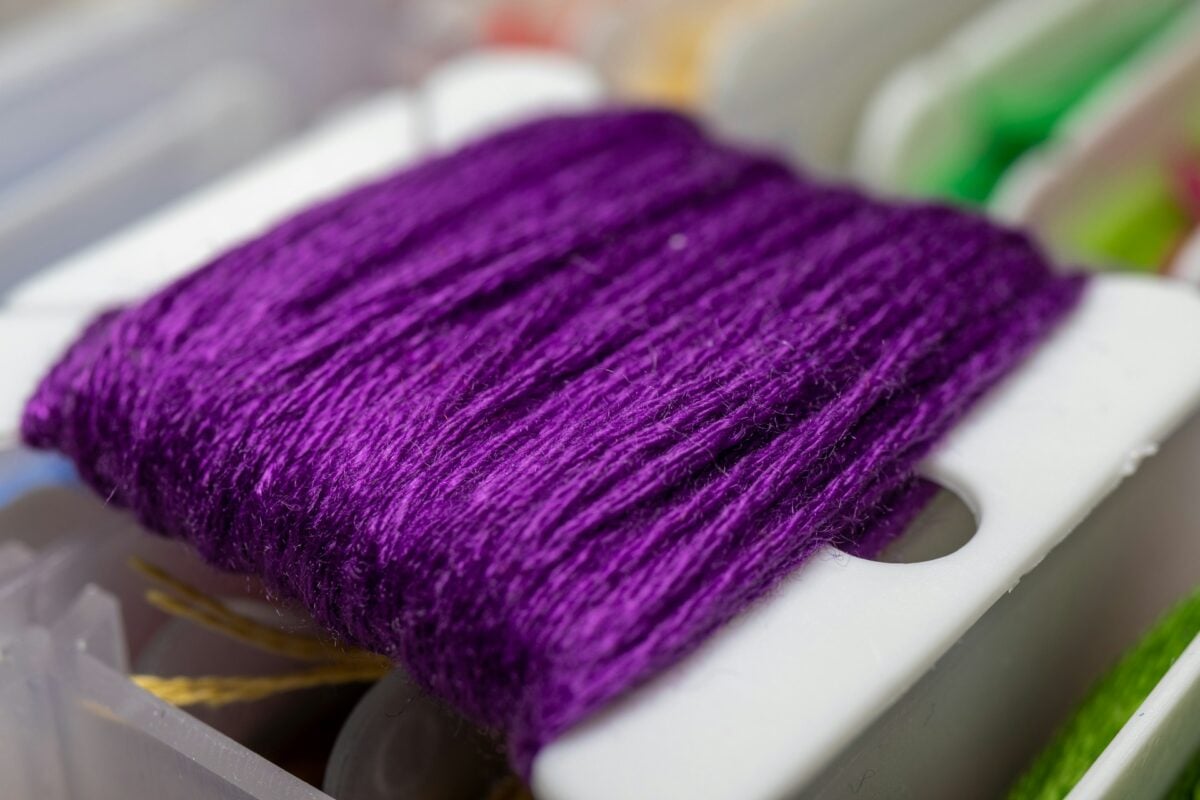
DuPont chemists developed nylon in the 1930s, and wartime demand during World War II redirected nearly the entire early supply toward military uses, including parachutes, tents, and rope, given the material’s exceptional strength and light weight. Civilian access to nylon products was extremely limited during the war due to these military priorities.
Once the war ended, DuPont redirected significant nylon production toward consumer goods, most famously women’s stockings, which sold out rapidly upon release. Nylon remains one of the most widely used synthetic fibers in consumer textiles today.
Parkas

Military forces adapted insulated, hooded outerwear inspired by Arctic Indigenous clothing designs for extreme cold-weather operations during and after World War II, particularly for Arctic and high-altitude assignments. The design prioritized wind resistance and heat retention using fur-lined hoods and heavily insulated fabric.
Outdoor clothing manufacturers adapted military parka designs for civilian cold-weather markets in the following decades. Parkas remain a standard winter outerwear category sold across mainstream and outdoor specialty retailers.
Combat Boots as Fashion Footwear

Military forces developed heavy-duty, reinforced combat boots across the twentieth century to withstand harsh field conditions and provide ankle support during extended marches. The rugged, utilitarian design was never originally intended to serve any fashion purpose.
Punk and grunge subcultures in the late twentieth century adopted military surplus combat boots as a statement of anti-establishment style. Combat boot-inspired designs have since cycled repeatedly through mainstream fashion collections.
Camouflage Print in Streetwear

Military forces developed printed camouflage patterns extensively throughout the twentieth century to help soldiers and equipment blend into varied natural terrain, from forests to deserts. Pattern designs were refined considerably using both practical field testing and, in later decades, digital pattern analysis.
Fashion designers began incorporating camouflage prints into mainstream streetwear and high fashion collections beginning in the 1960s and expanding significantly in later decades. Camouflage print remains a recurring and instantly recognizable fashion motif decades after its practical military origins.
The Wristwatch

Officers coordinating precisely timed attacks during World War I found pocket watches impractical to retrieve quickly under combat conditions, prompting a shift toward wrist-worn timepieces that could be checked instantly. Watchmakers adapted existing pocket watch movements into smaller wrist-worn cases and leather straps specifically to meet this military demand.
Returning soldiers continued wearing their wristwatches after the war, shifting general public perception of the format from a feminine novelty to standard menswear. Wristwatches have remained the dominant timepiece format for both men and women ever since.
Penicillin’s Mass Production
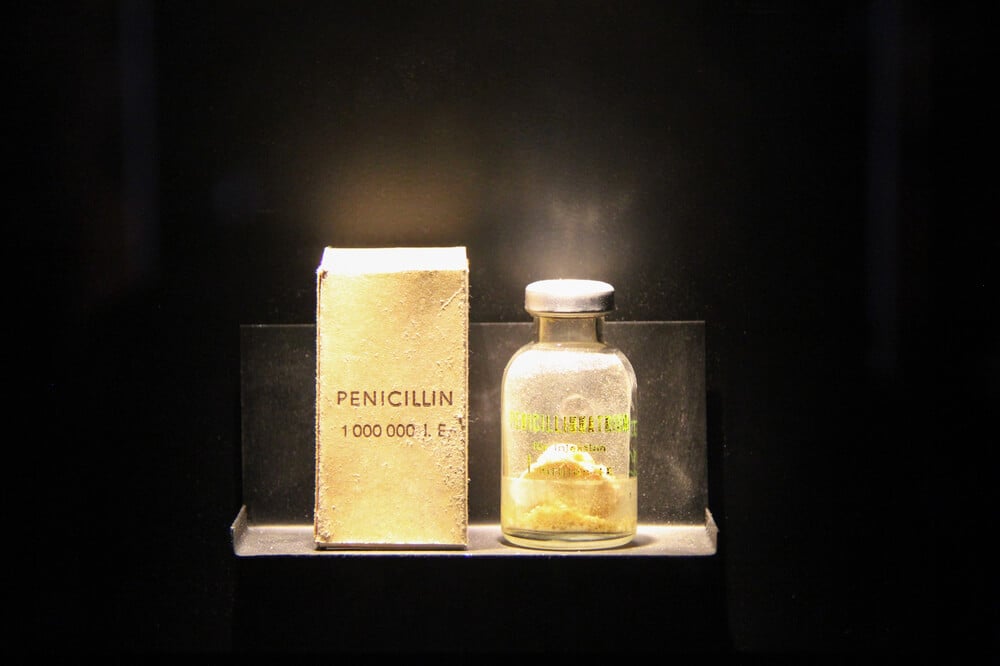
Researchers discovered penicillin’s antibacterial properties in a laboratory setting in 1928, but producing it in usable quantities remained a significant unsolved challenge for over a decade afterward. Wartime demand during World War II drove an intense, government-funded push to develop industrial-scale fermentation and production methods capable of treating wounded soldiers.
The resulting manufacturing breakthroughs made mass production commercially viable for the first time. Civilian access to penicillin and later antibiotics expanded rapidly once the wartime production techniques were adapted for general pharmaceutical manufacturing.
Non-Stick Cookware Coating

PTFE, discovered in 1938, proved essential for the Manhattan Project when researchers needed a chemically resistant coating to handle highly corrosive materials in the uranium enrichment process. A French engineer later adapted the coating for cookware in the early 1950s after his wife suggested applying it to a frying pan.
Non-stick cookware built on the same coating remains a standard kitchen product worldwide.
WD-40
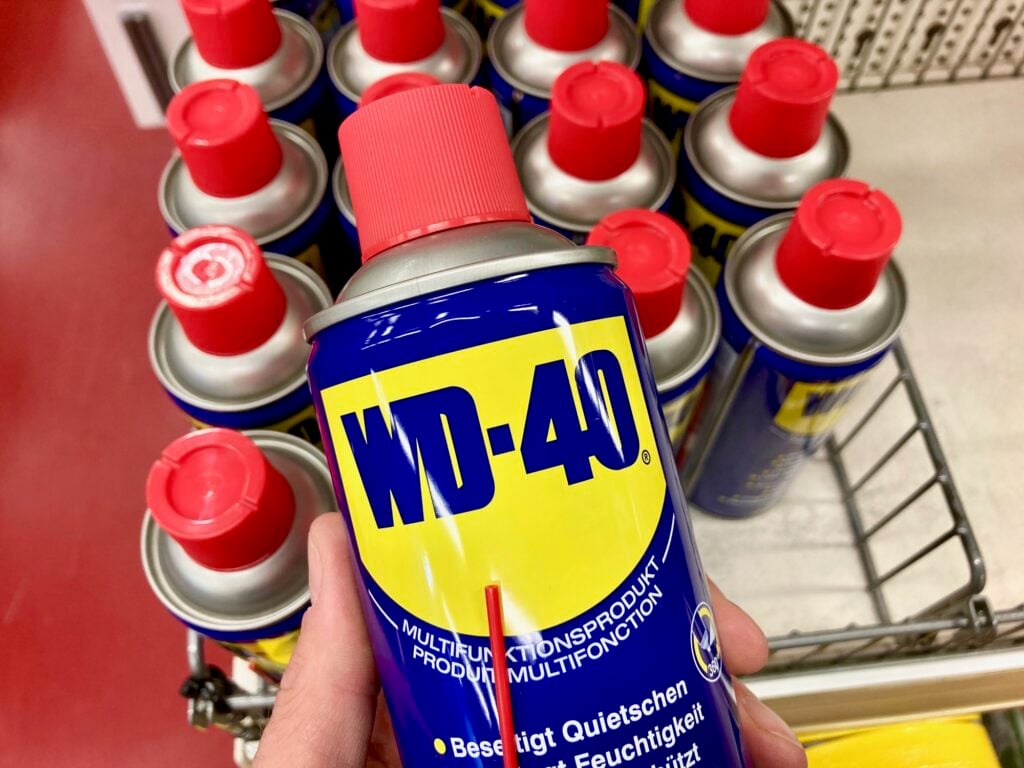
Chemists at a small California company spent the 1950s developing a rust-prevention and degreasing formula intended for the aerospace industry, working through 39 unsuccessful formulations before finding one that worked, which gave the product its name. The successful fortieth formula was initially used to protect the outer skin of Atlas missiles from corrosion during the defense program.
Employees began sneaking cans of the industrial formula home for personal use around the house, prompting the company to package it for consumer retail in 1958. WD-40 remains a household staple for lubrication and rust prevention worldwide.
Where the Battlefield Ends and the Kitchen Begins
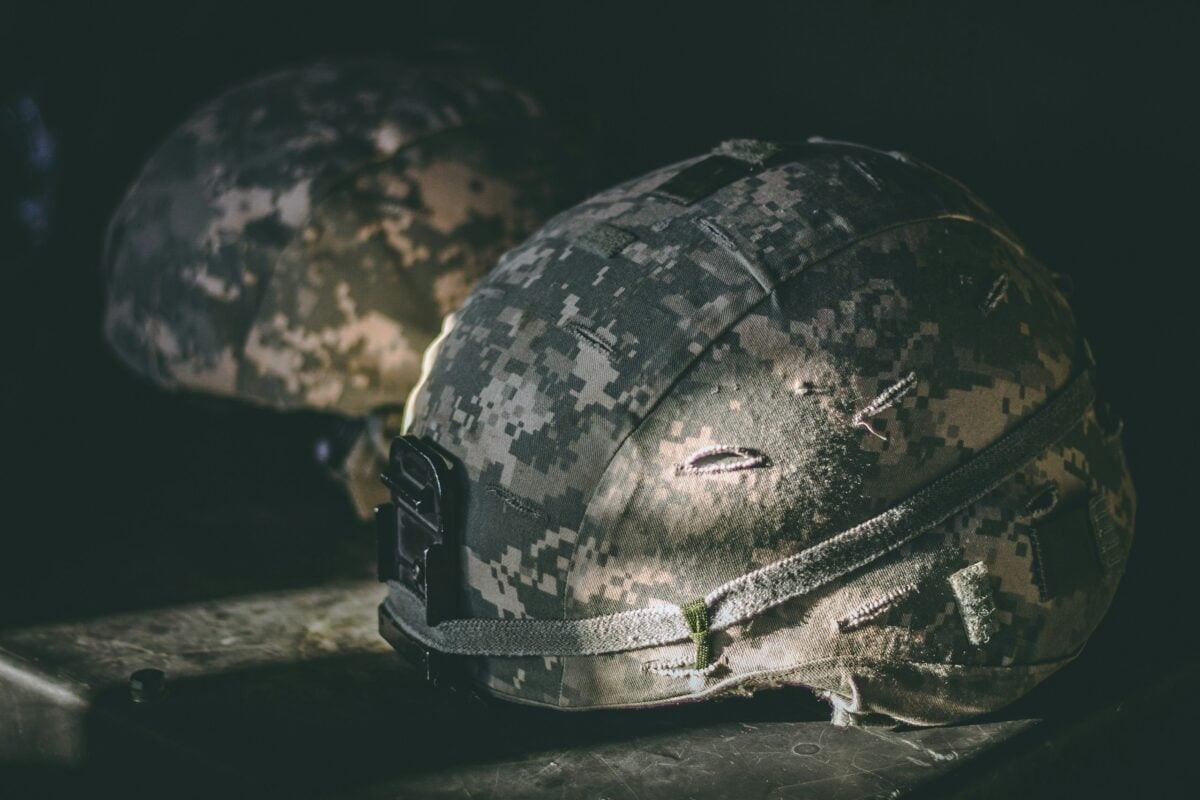
None of these designs were built with a household in mind. Every one of them solved an urgent, narrow problem, keeping a soldier warm, a pilot’s vision clear, a ration edible, under conditions no ordinary consumer product ever has to survive.
That extreme design pressure is exactly what made so many of these solutions durable enough to outlast the wars that funded them. The pattern repeats often enough that it stops looking like coincidence.
When a government spends heavily enough on solving a hard problem, the resulting engineering tends to leak out into ordinary life eventually, arriving in a hardware store or a department store years after it left a battlefield.
More from Go2Tutors!

- The Romanov Crown Jewels and Their Tragic Fate
- 13 Historical Mysteries That Science Still Can’t Solve
- Famous Hoaxes That Fooled the World for Years
- 15 Child Stars with Tragic Adult Lives
- 16 Famous Jewelry Pieces in History
Like Go2Tutors’s content? Follow us on MSN.