15 Ways Nature Is Reclaiming Abandoned Places
When humans pack up and leave, something remarkable happens. Nature doesn’t waste time sending out a welcome committee—it simply moves in and starts redecorating.
From ancient temples wrapped in tree roots to ghost towns swallowed by sand, our planet has countless examples of the wild world taking back what was once its own. These transformations happen faster than you might think, and they’re more dramatic than any home makeover show.
Here’s a list of 15 fascinating ways nature is reclaiming abandoned places around the world.
Tree Roots Dismantling Ancient Temples
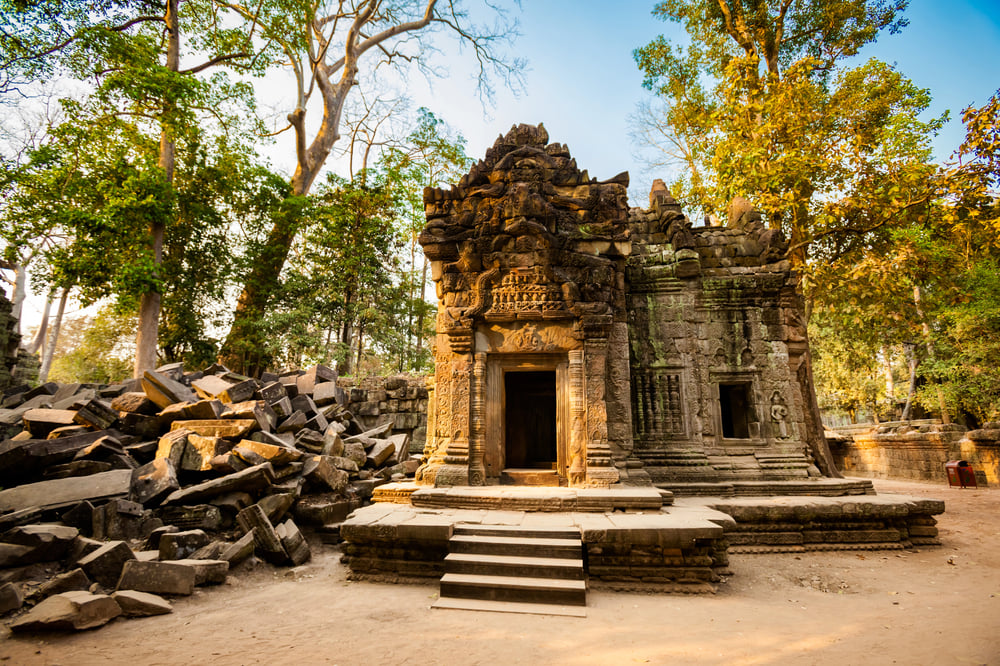
Ta Prohm in Cambodia shows what happens when nature gets centuries to work its magic. Built in 1186 as a Buddhist monastery, this temple was abandoned when the Khmer Empire fell in the 15th century.
Massive strangler figs and silk-cotton trees have since grown directly through the stone structures, their roots becoming part of the architecture itself. The trees aren’t just decorating the ruins—they’re literally holding some sections together while simultaneously tearing others apart.
Wildlife Populations Exploding in Radiation Zones
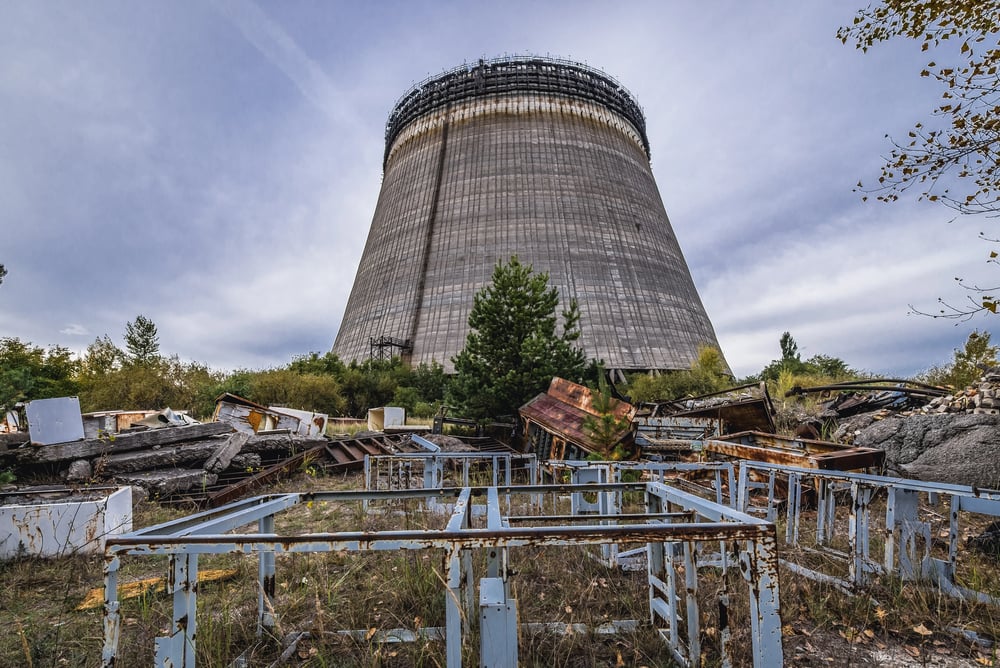
The Chernobyl Exclusion Zone proves that sometimes the absence of humans trumps even nuclear contamination. Wolf populations here are seven times higher than in neighboring nature reserves, and the area now hosts brown bears, lynx, wild horses, and over 200 bird species.
What was once considered a dead zone has become one of Europe’s most biodiverse regions, all because people stayed away for nearly four decades.
Entire Villages Buried Under Vegetation

Houtouwan on China’s Shengshan Island looks like something from a fairy tale gone wild. This fishing village housed over 3,000 people until the 1990s, when residents started moving away due to its remote location.
Now thick green vines blanket every structure, creating an emerald carpet over abandoned homes. The transformation was so complete that it became a tourist attraction, drawing over 90,000 visitors in 2021.
Desert Sands Consuming Ghost Towns
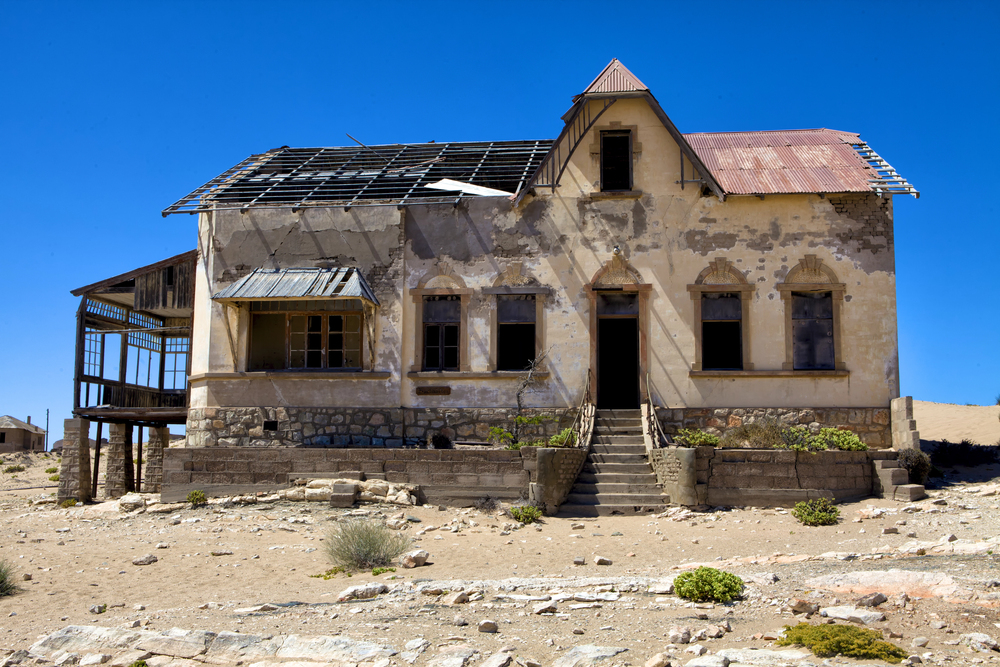
Kolmanskop in Namibia tells the story of what happens when the desert decides to reclaim its territory. This diamond mining boom town was abandoned in 1956 after richer deposits were found elsewhere.
The Namib Desert has been steadily filling the buildings with sand ever since, creating surreal scenes of half-buried rooms where dunes pour through doorways and windows like frozen waterfalls.
Forests Swallowing Military Installations

Abandoned Soviet military bases across Eastern Europe have become accidental nature preserves. These once-restricted areas kept civilians out for decades, giving forests time to grow thick and wild.
Now deer graze where tanks once rolled, and birds nest in concrete bunkers designed for warfare.
Coral Gardens Growing on Shipwrecks
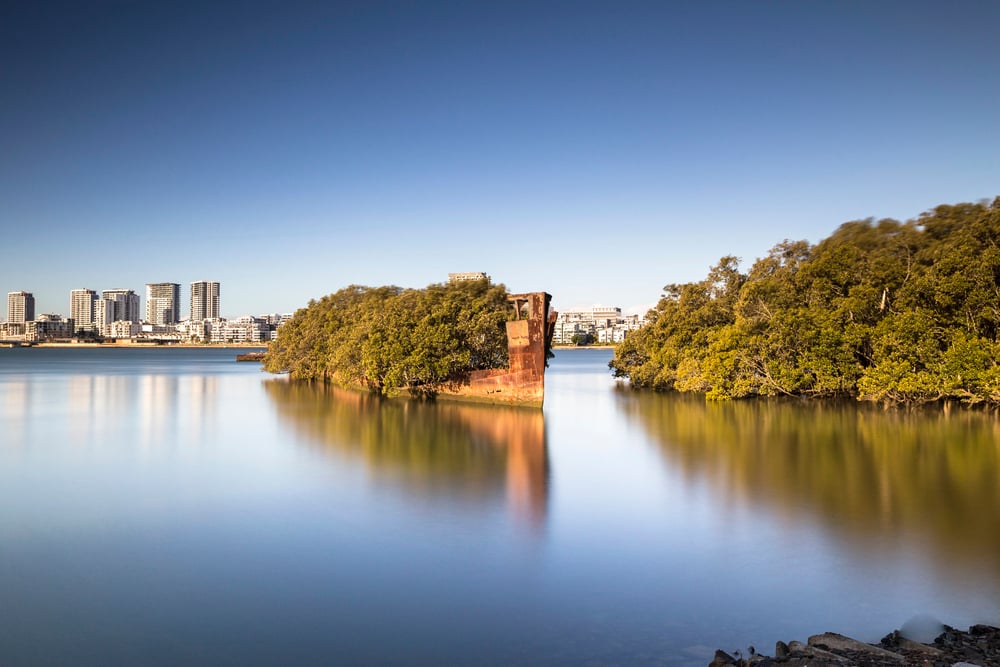
The SS Ayrfield in Australia’s Homebush Bay has transformed from a decommissioned cargo ship into a floating forest. Mangrove trees now grow directly from its rusted hull, creating what locals call the ‘floating forest.’
This 102-year-old vessel proves that even in water, nature finds a way to take root and thrive.
Vines Transforming Industrial Buildings
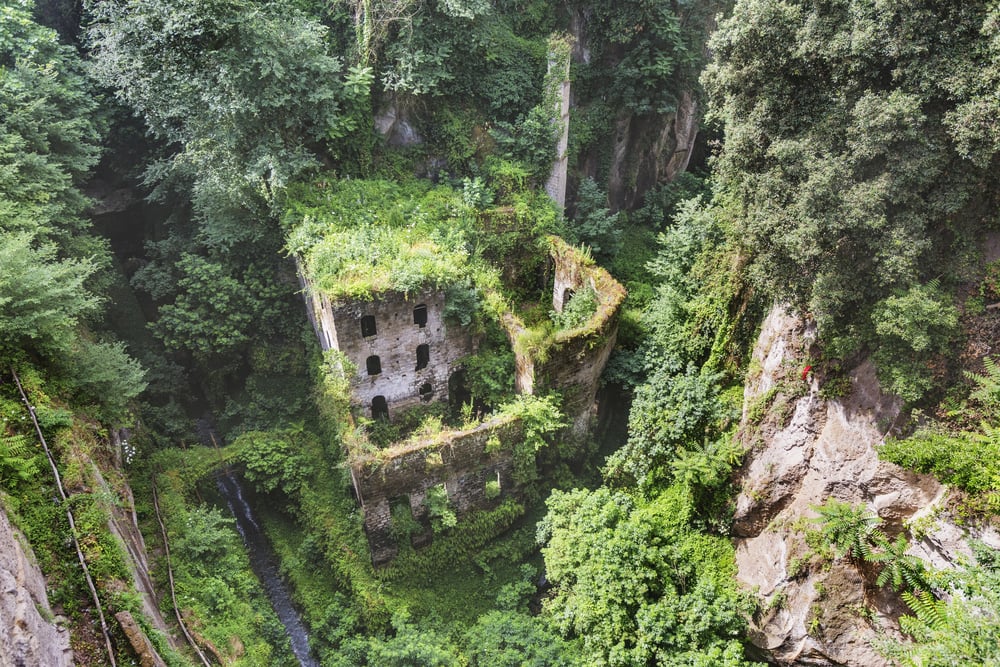
Italy’s Valle dei Mulini near Sorrento shows how quickly vegetation can reclaim stone structures. These flour mills operated for centuries before being abandoned in the 1940s when modern facilities made them obsolete.
Thick ivy and other climbing plants have since covered every surface, creating a green canyon that’s become one of the area’s most photographed spots.
Underground Fires Creating New Ecosystems

Centralia, Pennsylvania, demonstrates nature’s ability to adapt even to extreme conditions. A coal mine fire that started in 1962 still burns underground today, forcing most residents to evacuate.
The empty lots where houses once stood have become grasslands, and heat-loving plants now thrive in soil warmed by the subterranean inferno.
Wild Animals Reclaiming Urban Spaces

Detroit’s abandoned neighborhoods have become hunting grounds for urban wildlife. Coyotes now roam through empty lots where houses once stood, while peregrine falcons nest on vacant skyscrapers.
These animals have adapted to city life in ways that would have been impossible when humans fully occupied these spaces.
Wetlands Returning to Drained Areas
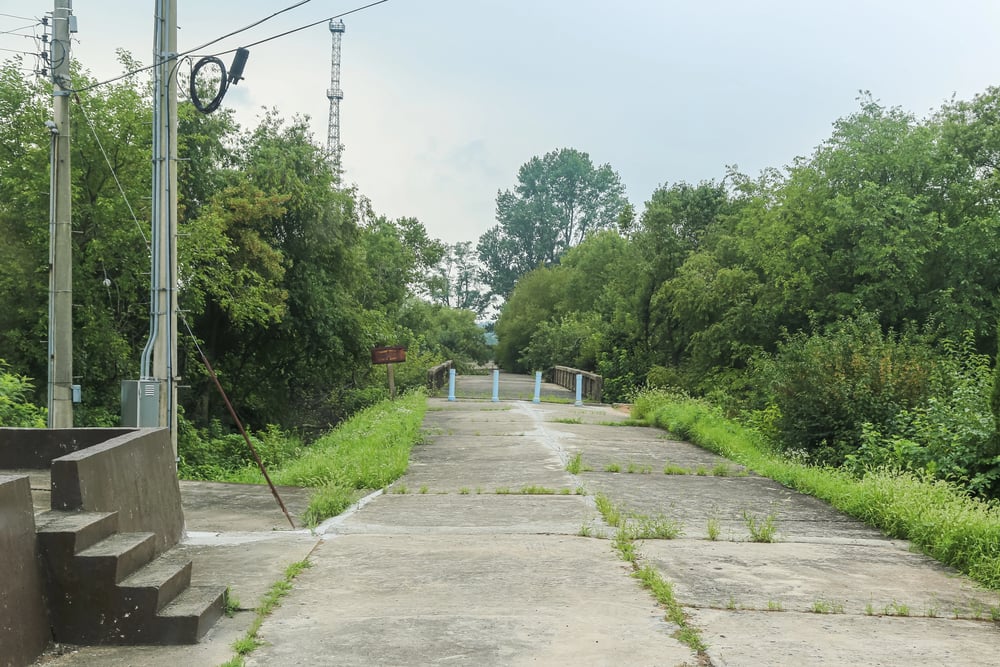
The Korean Demilitarized Zone has accidentally become one of Asia’s most important wetland habitats. This 2.5-mile-wide strip between North and South Korea has been largely untouched since 1953, allowing marshes and grasslands to flourish.
It’s now the only place where red-crowned and white-naped cranes still coexist, proving that even political barriers can benefit wildlife.
Beaches Expanding Without Human Interference

Año Nuevo Island off California’s coast shows how coastal areas recover when people leave. This former fog signal station is now home to one of the largest elephant seal colonies on the West Coast.
Without human interference, the beaches have expanded naturally, and native plant communities have reestablished themselves across the nine-acre island.
Toxic Sites Becoming Wildlife Havens

Japan’s Okunoshima Island, once a secret chemical weapons facility, is now overrun with wild rabbits. After the facility was abandoned following World War II, the test rabbits were released and their population exploded.
Today, hundreds of these furry residents have turned the island into an unlikely tourist destination known as ‘Rabbit Island.’
Rivers Carving New Channels

When the Mangapurua Valley settlement in New Zealand was abandoned in the 1940s, nature wasted no time reclaiming the area. The famous ‘Bridge to Nowhere’ now spans a river that has carved new channels through the valley floor.
Dense native forest has grown back around the concrete structure, making it look like something from a lost civilization.
Lighthouses Disappearing into Shifting Landscapes
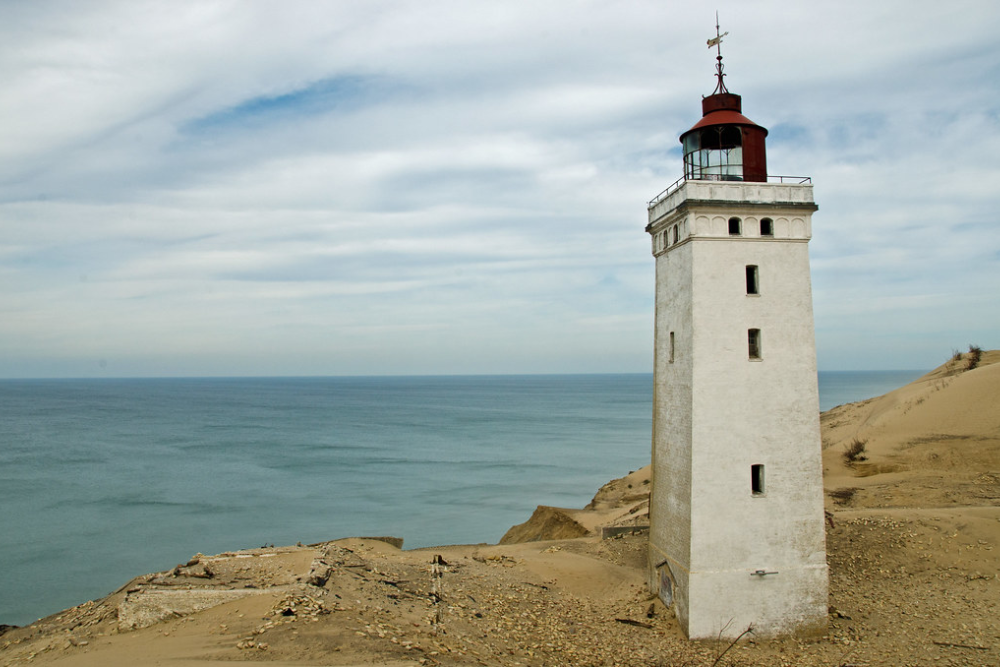
Denmark’s Rubjerg Knude Lighthouse tells a dramatic story of coastal erosion and shifting sands. Built in 1900, it was abandoned in 2002 as the coastline eroded at five feet per year.
Migrating sand dunes have partially buried the structure, and it’s expected to tumble into the sea within the next few years—a reminder that even our most permanent-seeming structures are temporary in nature’s timeline.
Mining Towns Reverting to Wilderness

Australia’s Wittenoom was once a booming asbestos mining town until deadly dust levels forced its closure in 1966. The government has since removed most buildings, but nature has been the real cleanup crew.
Native vegetation has reclaimed the mining sites, and the area now supports wildlife populations that are healthier than they were during the mining era.
When the Earth Reclaims Its Own

These abandoned places tell the same story over and over: nature is incredibly patient, but it never stops trying to come home. Whether it takes decades or centuries, whether the obstacle is radiation or desert sand, life finds a way to return and thrive.
These reclaimed spaces aren’t just curiosities—they’re proof that our planet has a remarkable ability to heal itself when given the chance.
More from Go2Tutors!

- The Romanov Crown Jewels and Their Tragic Fate
- 13 Historical Mysteries That Science Still Can’t Solve
- Famous Hoaxes That Fooled the World for Years
- 15 Child Stars with Tragic Adult Lives
- 16 Famous Jewelry Pieces in History
Like Go2Tutors’s content? Follow us on MSN.