31 Sodas and Drinks People Still Ask Stores to Bring Back
Grocery store shelves rotate constantly, but a handful of discontinued drinks never quite left public memory. Decades later, people still describe the exact taste from memory, arguing about it online with a level of detail usually reserved for much bigger losses.
Beverage companies rarely explain why a formula gets shelved. Sales numbers make the decision quietly, long before any customer gets a say.
Crystal Pepsi
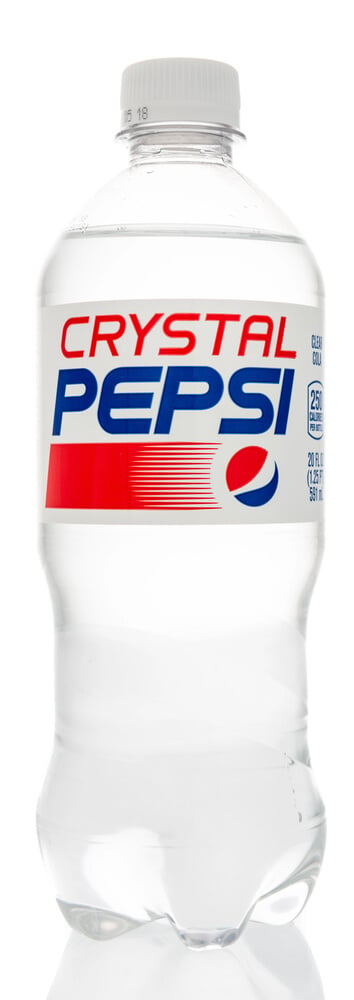
Crystal Pepsi launched nationally in 1992 as a clear cola positioned around the era’s fascination with transparent, seemingly purer products, backed by a reported forty million dollar marketing push including a Super Bowl ad. It captured only a small fraction of market share and was discontinued by 1994.
Pepsi has since revived it briefly for anniversary releases in 2016 and 2022, though never as a permanent product.
Surge
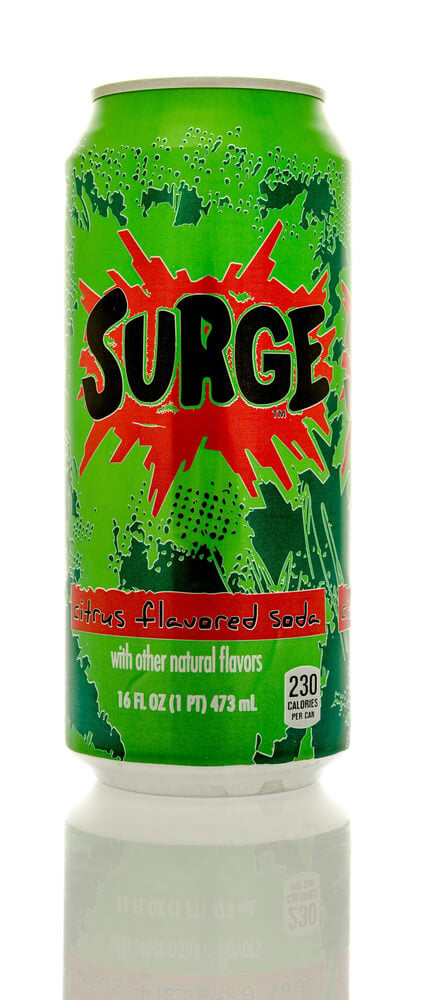
Coca-Cola launched Surge in 1997 as a neon-green, highly caffeinated answer to Mountain Dew, backed by an aggressive extreme-sports marketing campaign. Some schools banned it from vending machines over exaggerated beliefs about its caffeine content.
Coca-Cola discontinued it in 2003, though a fan campaign eventually pushed the company toward limited Amazon-exclusive revivals in 2014 and 2015.
OK Soda
Coca-Cola created OK Soda in 1993 specifically to appeal to Generation X, using deliberately ironic marketing and comic-style artwork on the cans instead of a traditional upbeat pitch. The self-aware approach never translated into consistent sales beyond its limited test markets.
Coca-Cola quietly pulled it by 1995 without a wide national release ever happening.
Vault
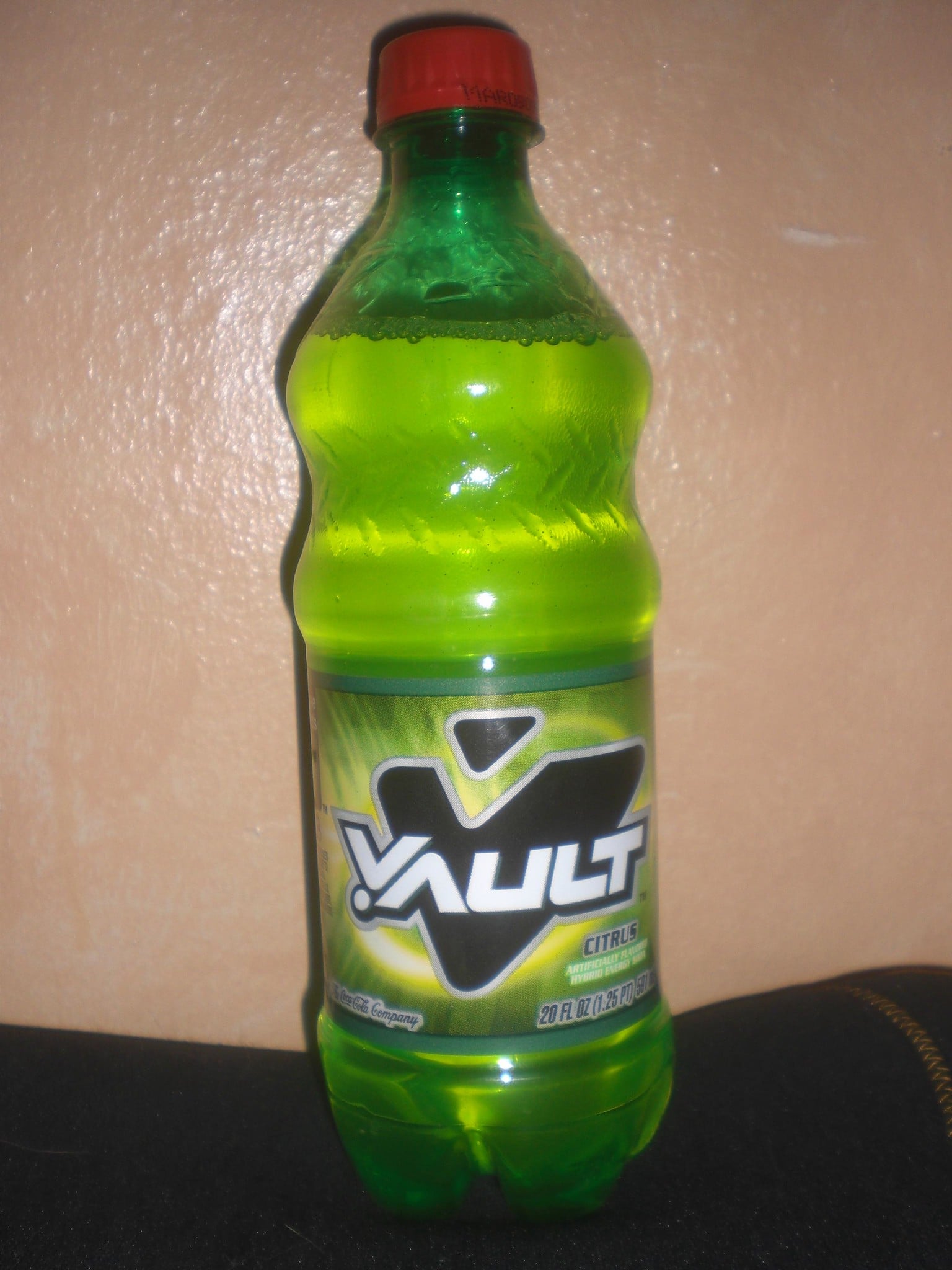
Coca-Cola introduced Vault in 2005 as a citrus soda marketed as a hybrid between a soft drink and an energy drink, aimed directly at Mountain Dew’s audience. Despite an aggressive early push, it struggled to differentiate itself from the company’s own existing citrus soda, Mello Yello.
Coca-Cola discontinued Vault in 2011 as part of a broader cutback on underperforming energy-adjacent drinks.
Pepsi Blue
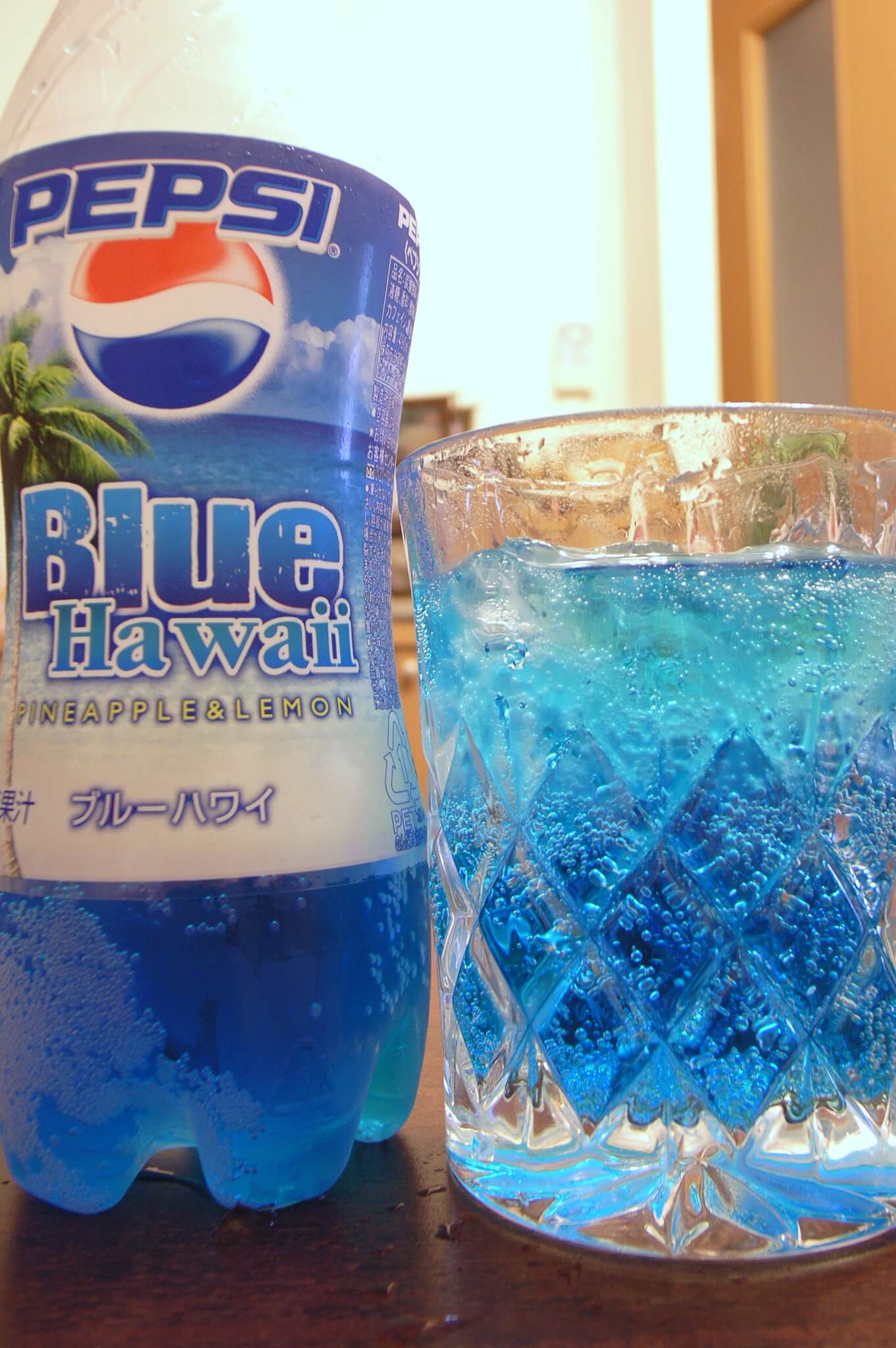
Pepsi released Pepsi Blue in 2002, a bright blue, berry-flavored cola aimed squarely at younger soda drinkers looking for something visually different from standard colas. Its U.S. run ended by 2004 as novelty interest faded quickly.
Pepsi brought it back briefly in 2021 for a limited nostalgia release before pulling it again.
Dr Pepper Red Fusion
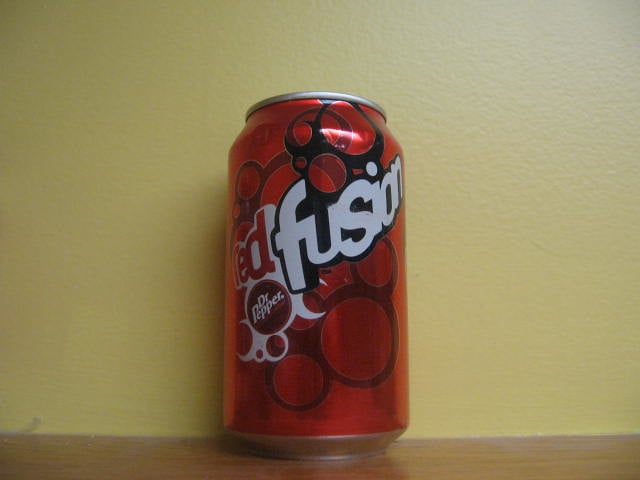
Dr Pepper introduced Red Fusion in 2002, a bright red, fruit-flavored variation that marked the brand’s first new flavor addition in more than a century. Early sales moved it beyond initial test markets into wider distribution.
It failed to sustain that momentum, and Dr Pepper discontinued it by 2004.
Coca-Cola C2
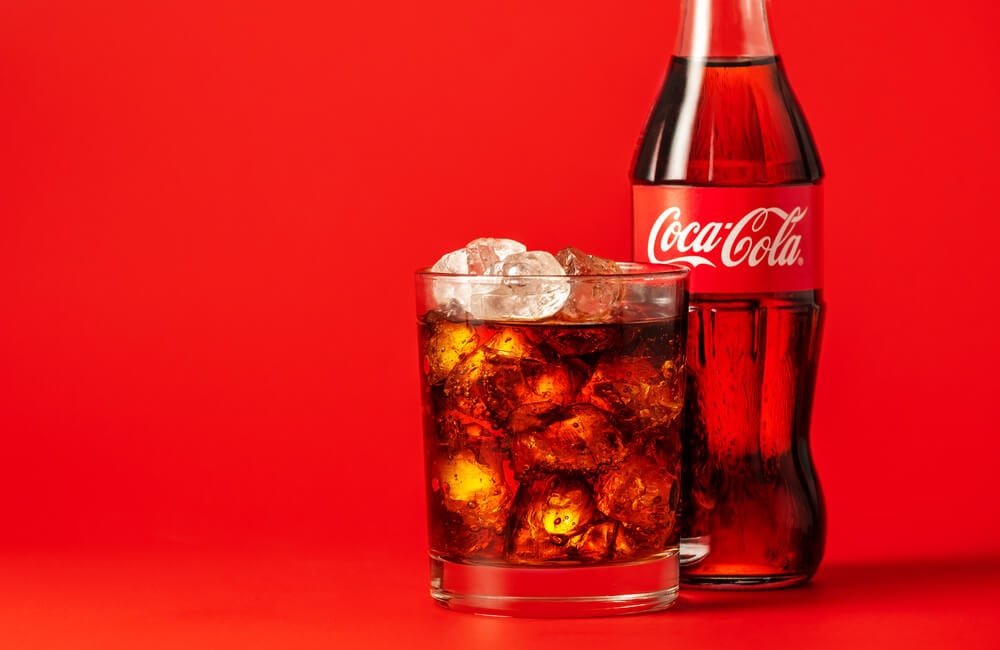
Coca-Cola released C2 in 2004 as a mid-calorie cola positioned between regular Coca-Cola and Diet Coke, offering half the sugar and calories of the original. The compromise product never found a clear audience willing to choose it over either full-sugar or zero-sugar alternatives.
Coca-Cola discontinued it in 2007.
Diet Pepsi Jazz
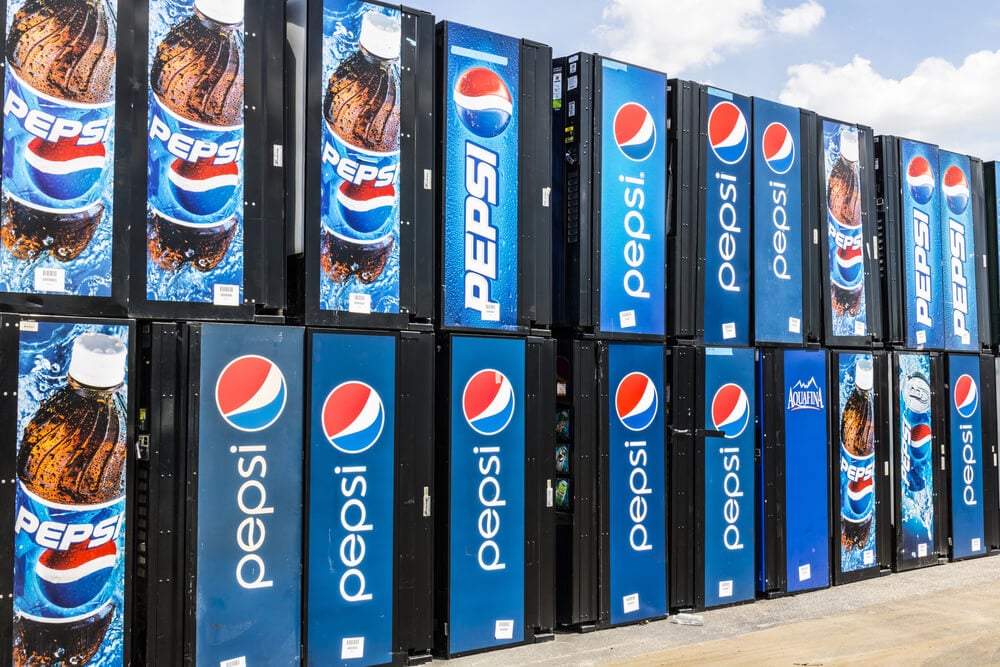
Pepsi released Diet Pepsi Jazz in 2006, offering flavors like Strawberries and Cream alongside standard cola, aiming to make diet soda feel more like an indulgent treat. It came in three separate flavor variations during its short run.
Pepsi discontinued the entire line by 2008 after it failed to build lasting sales.
Josta
Pepsi introduced Josta in 1995 as one of the first mainstream sodas built around guarana, a caffeine-rich ingredient more commonly used in energy drinks at the time. It developed a small but devoted following among people looking for an alternative energy boost before energy drinks became their own dominant category.
Pepsi discontinued it by 1999 as the guarana trend failed to expand into the mainstream.
Pepsi Kona
Pepsi tested Pepsi Kona in the late 1990s, a coffee-flavored cola aimed at combining soda and coffee culture into a single drink. It never expanded beyond limited regional test markets.
The concept was shelved entirely before Pepsi attempted any wider national rollout.
Tab
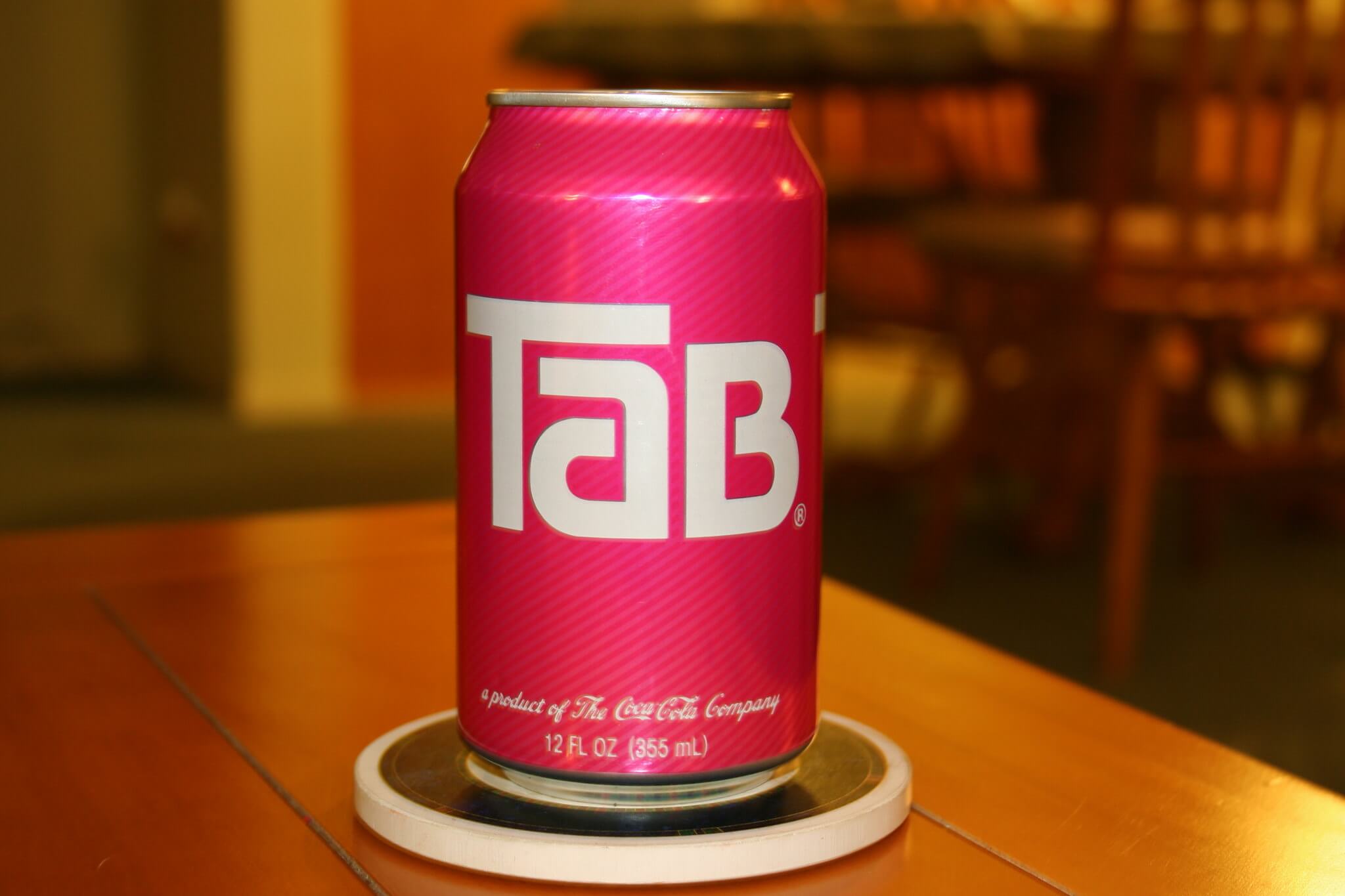
Coca-Cola introduced Tab in 1963 as one of the first diet sodas on the American market, developing a devoted following among longtime drinkers who preferred its distinct saccharin-based taste over newer diet colas. It remained in limited production for decades even after Diet Coke became the company’s primary diet offering.
Coca-Cola officially discontinued Tab in 2020, ending a run of well over fifty years.
Tab Clear
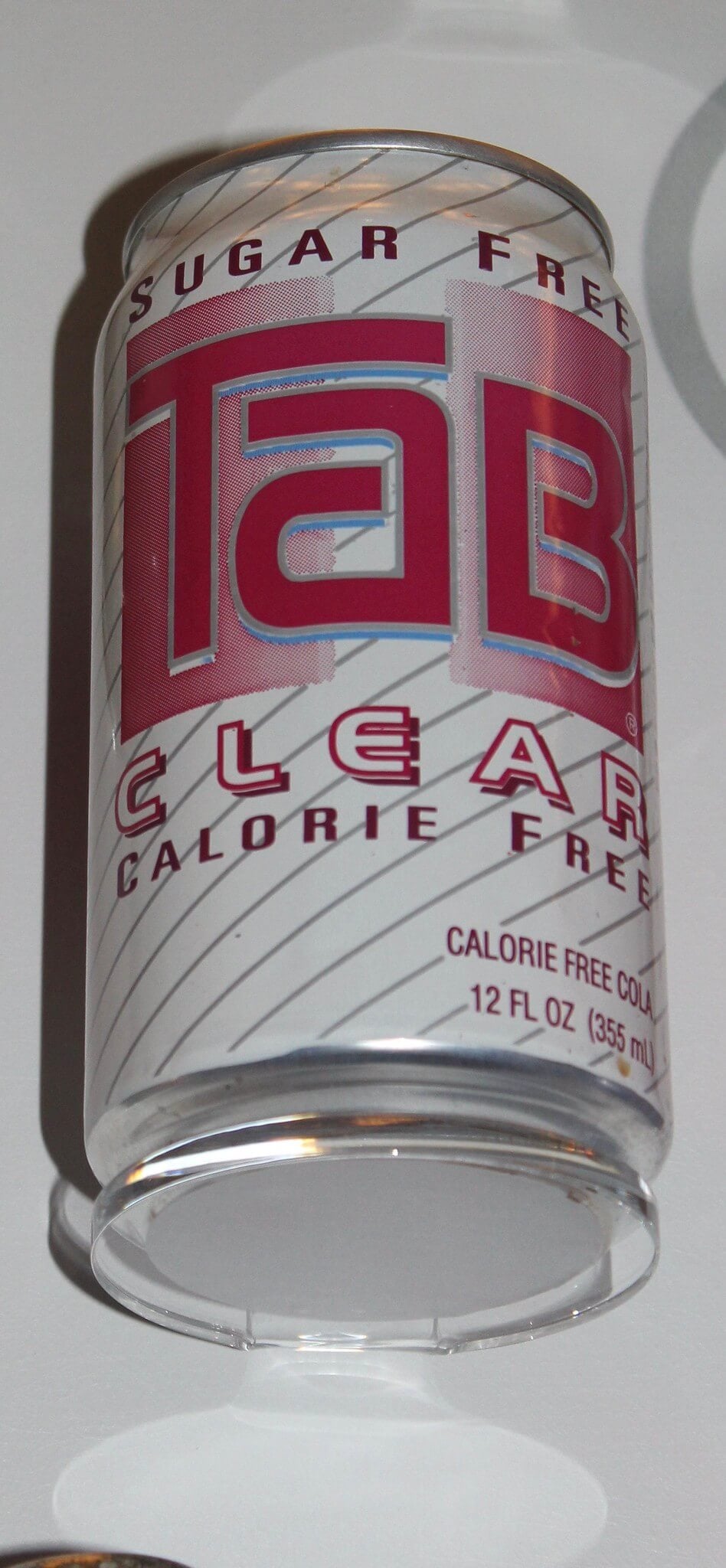
Coca-Cola briefly released Tab Clear in 1992 as a direct response to the clear-cola trend Crystal Pepsi had sparked, marketing it as caffeine-free and colorless despite carrying the Tab name. It struggled to distinguish itself from its competitor and disappeared from shelves within about a year.
Its short run made it one of the shortest-lived entries in the clear soda trend of the early 1990s.
New Coke
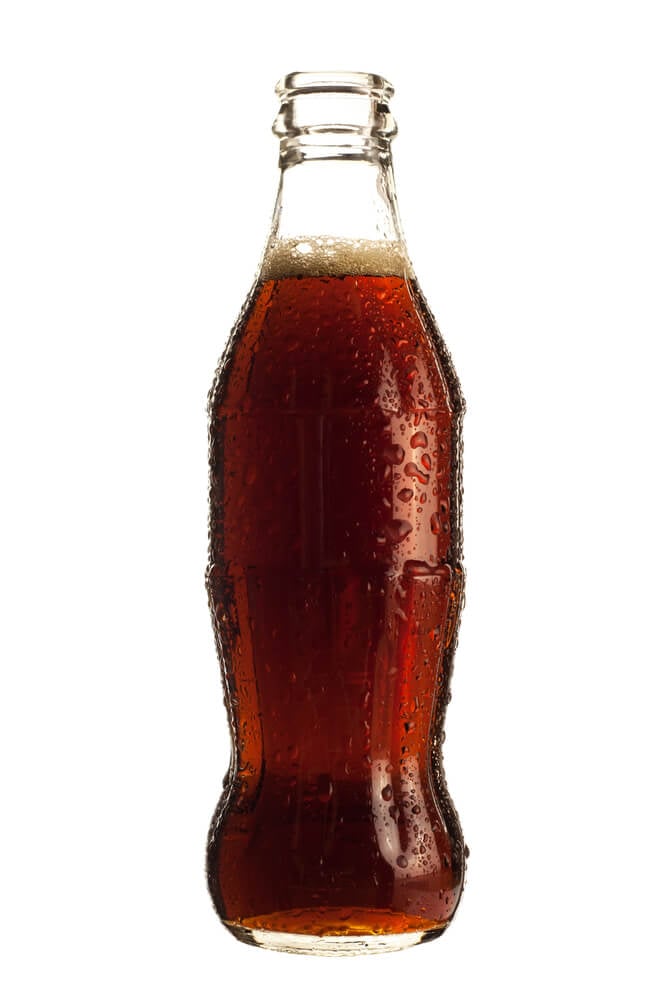
Coca-Cola reformulated its flagship soda in 1985, a change so unpopular with longtime customers that the company reversed course within roughly three months and brought back the original formula under the name Coca-Cola Classic. The reformulated version stuck around under the name Coke II for over a decade afterward.
Coca-Cola quietly discontinued Coke II in 2002, ending the entire chapter for good.
Jolt Cola
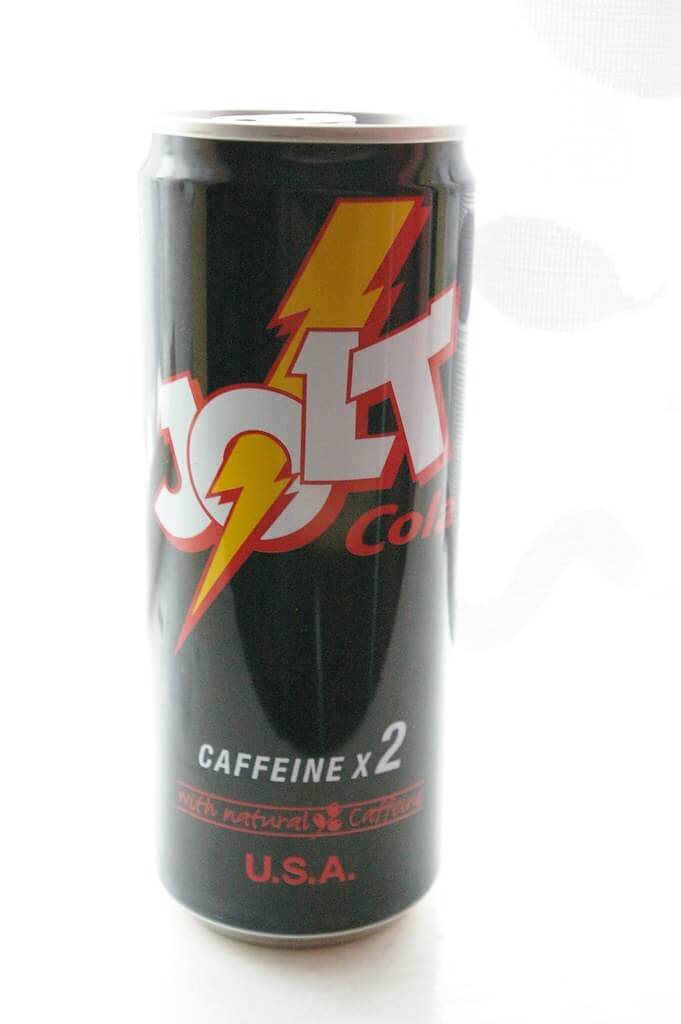
Jolt Cola launched in 1985 marketing itself directly around having more caffeine than any competing soda on the market, aimed at students and late-night workers rather than casual soda drinkers. Its bold branding made it a fixture in computer labs and dorm rooms through the following decade.
Ownership changes and shrinking distribution led to its effective disappearance from most shelves by the 2010s.
Orbitz
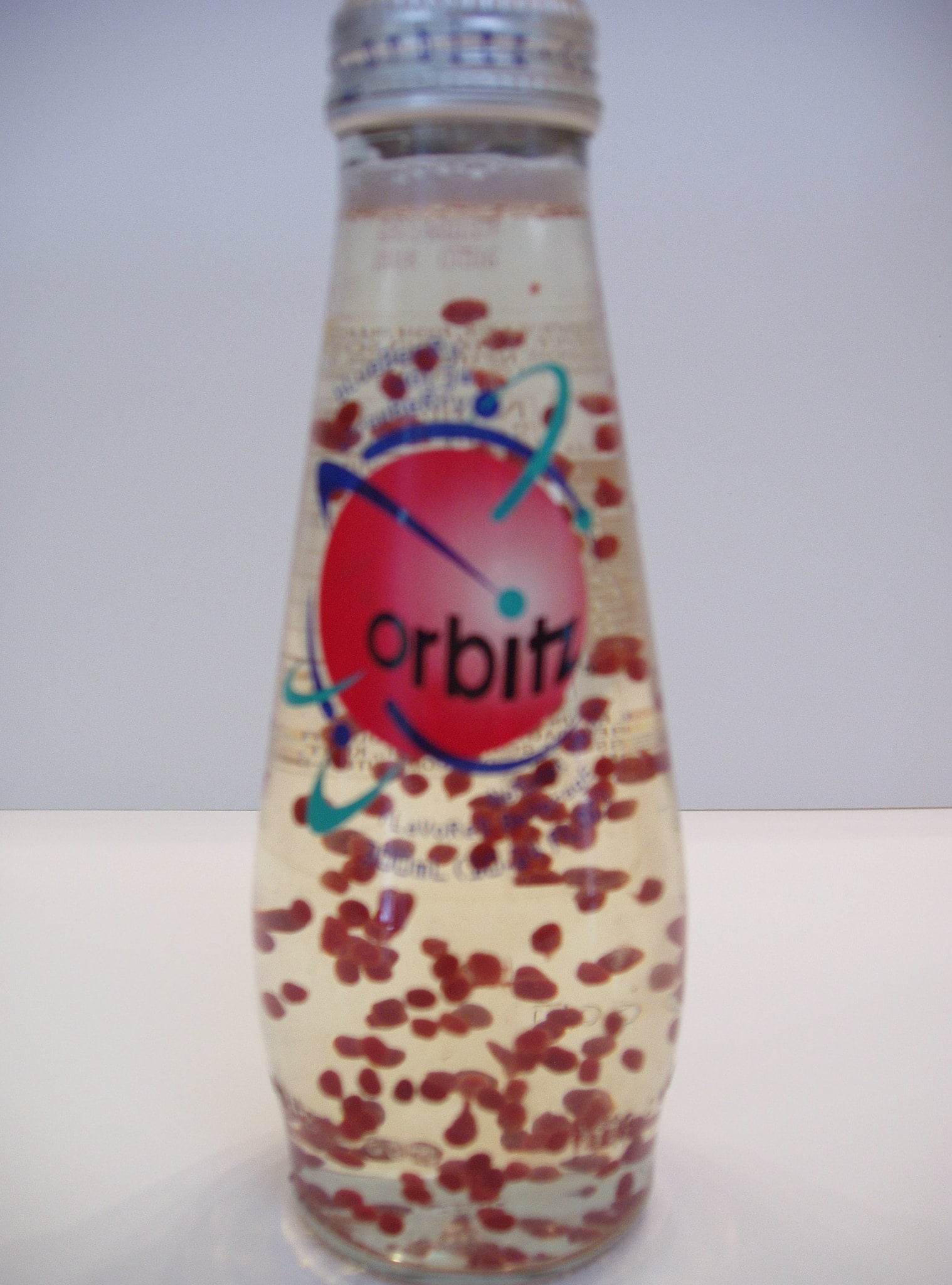
Clearly Canadian released Orbitz in 1997, a soft drink suspended with small, colorful gelatinous spheres designed to look like a lava lamp in a bottle rather than a typical clear soda. Its unusual texture generated curiosity but never translated into repeat purchases at scale.
It disappeared from shelves within about a year of its debut.
Sierra Mist
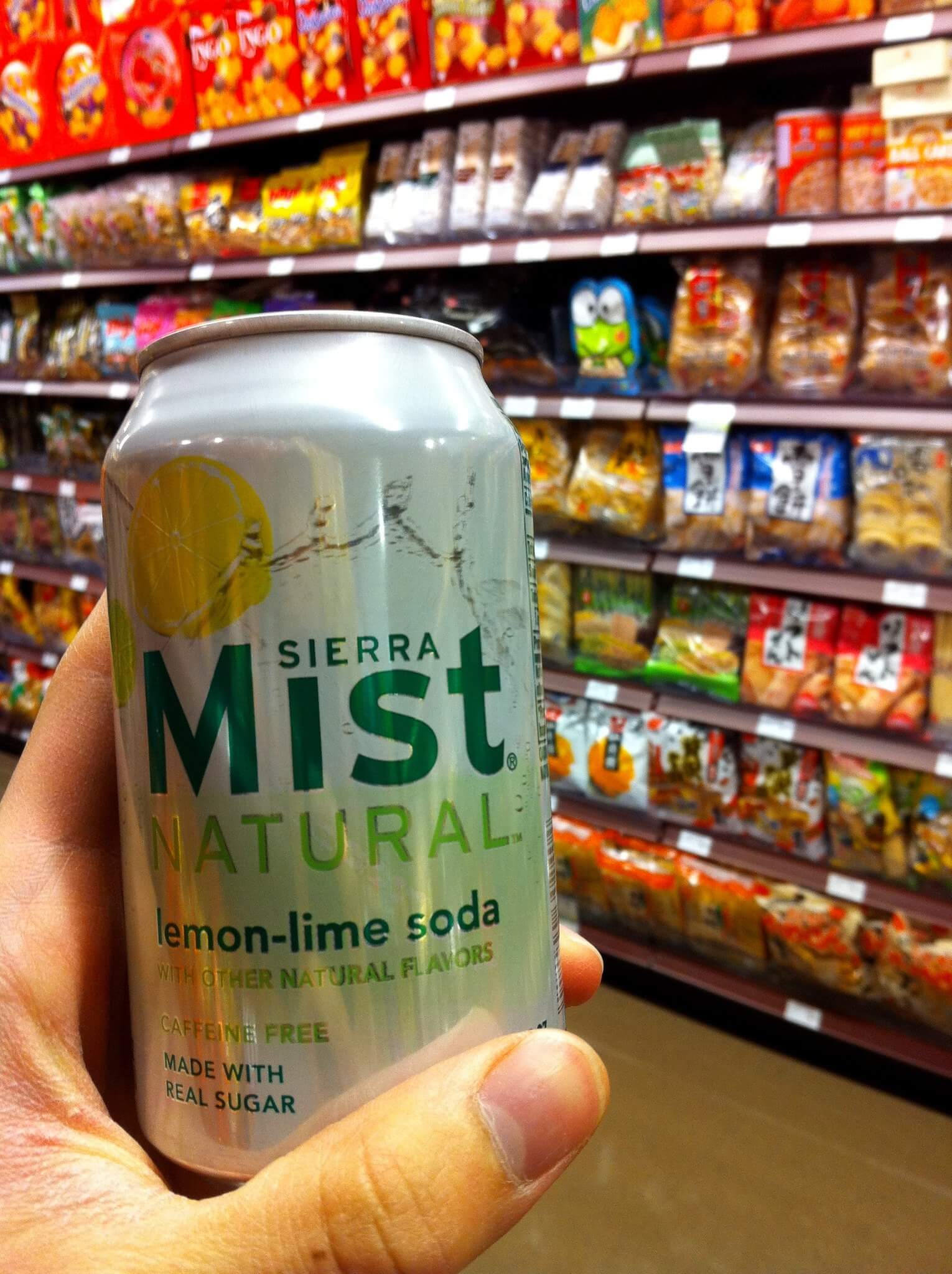
PepsiCo launched Sierra Mist in 1999 as its answer to Sprite and 7 Up, building a loyal following over more than two decades on store shelves. PepsiCo rebranded the entire line as Starry in 2023, retiring the Sierra Mist name in the process despite keeping a broadly similar underlying product.
Longtime drinkers still search for the original name out of habit years after the switch.
Hi-C Ecto Cooler
Hi-C released Ecto Cooler in 1987 as a tie-in with the Ghostbusters animated series, giving the citrus drink bright green packaging featuring the franchise’s Slimer character. It became one of the most requested nostalgia items among people who grew up drinking it from school lunch thermoses.
Hi-C discontinued it in 2001, though limited seasonal revivals have appeared periodically since.
Squeezit
Squeezit launched in 1989 as a small, flexible plastic bottle drink aimed squarely at kids, requiring a squeeze rather than a straw or cap to access the sugary contents inside. Its bright colors and bendable packaging made it stand out immediately in lunch boxes throughout the 1990s.
General Mills discontinued the brand in the early 2000s as juice pouches became the more dominant format.
Slice
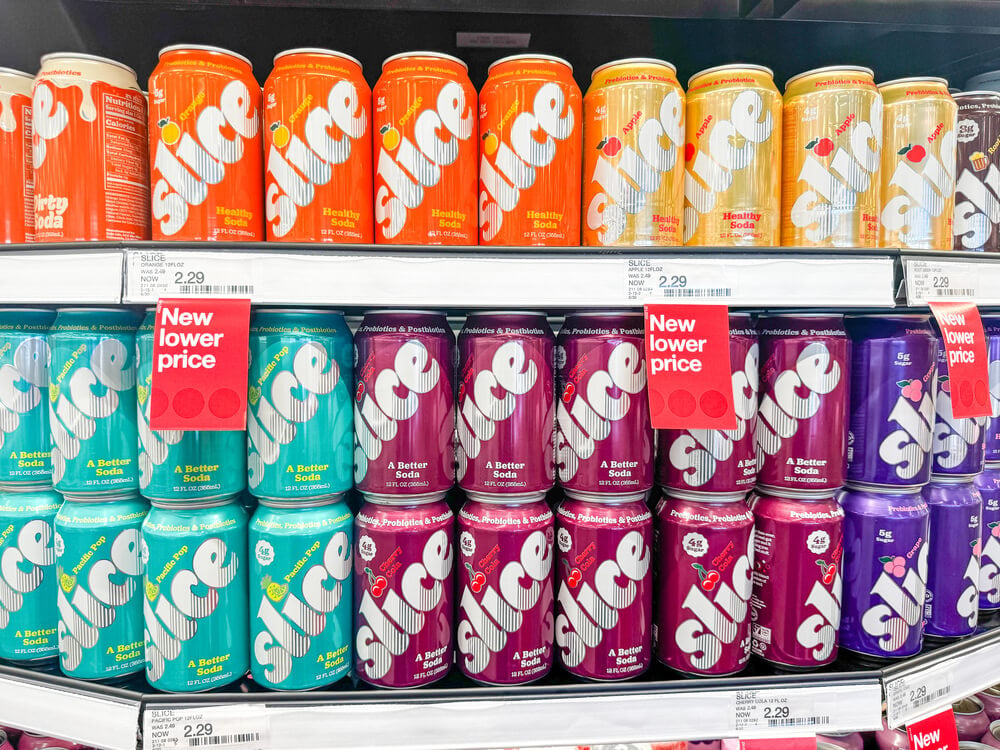
PepsiCo introduced Slice in 1984, marketing it as one of the first mainstream sodas to contain real fruit juice rather than artificial flavoring alone. It built a strong following through the late 1980s before PepsiCo gradually folded most of its flavors into other brand lines.
Most Slice varieties disappeared from U.S. shelves by the early 2000s, though the brand persists in some international markets.
Clearly Canadian
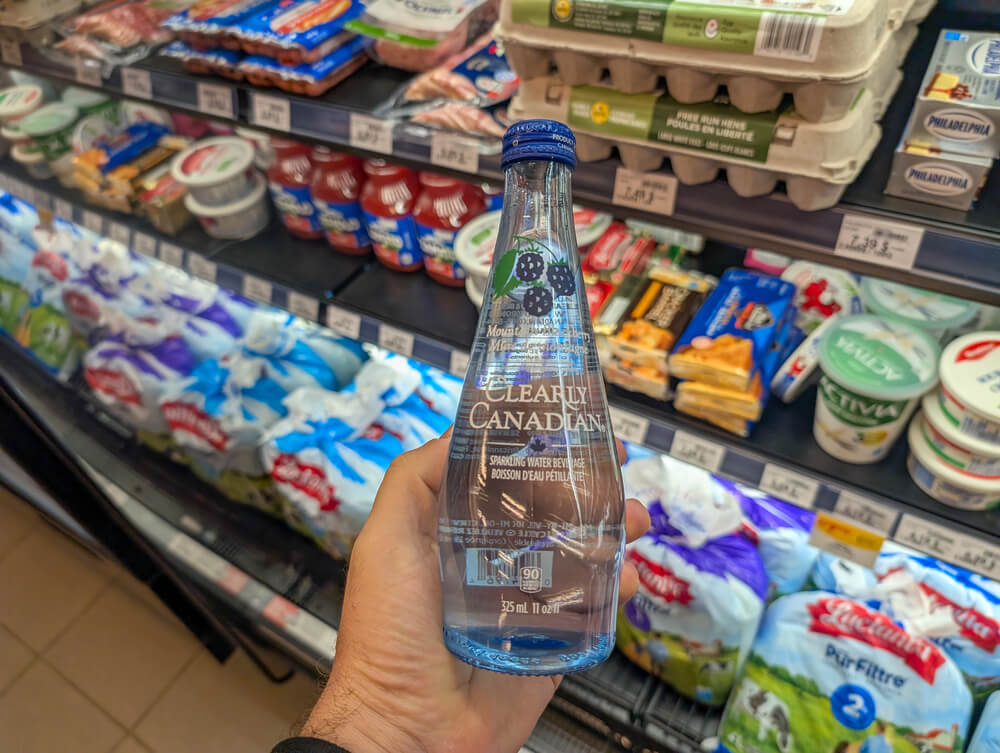
Clearly Canadian launched in 1988, packaging lightly flavored sparkling water in distinctive frosted glass-style bottles that made it feel more premium than a typical soda. It became a genuine cultural fixture through the early 1990s before gradually losing shelf space to newer flavored water brands.
Production paused entirely for several years before a smaller-scale revival brought it back to limited retailers.
Zima
Coors introduced Zima in 1993, a clear malt beverage marketed as a lighter alternative to beer, and it became a genuine cultural moment through the mid-1990s before losing momentum. Coors discontinued it in 2008 after years of declining sales.
A limited 2017 revival briefly returned it to shelves before it was quietly pulled again.
7 Up Gold
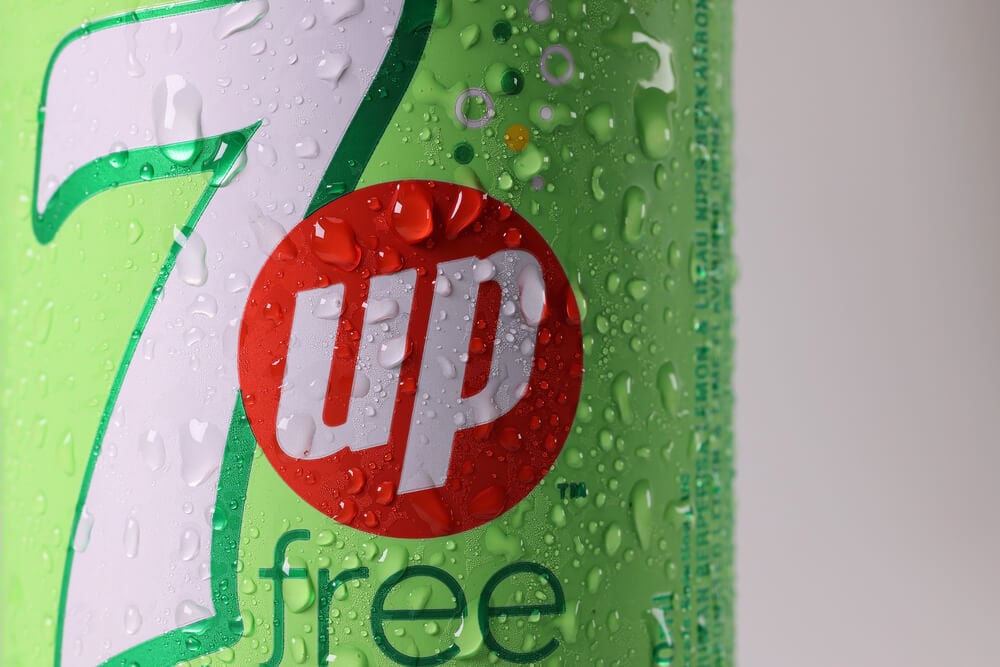
Seven-Up introduced 7 Up Gold in 1988, a spiced cola-like variation that broke sharply from the brand’s usual lemon-lime identity. The flavor confused longtime 7 Up drinkers who expected something closer to the original formula.
It was pulled from shelves within the same year it launched, making it one of the shortest-lived sodas from a major brand.
Like Cola
Seven-Up released Like Cola in the early 1980s, a caffeine-free cola aimed at customers who wanted a traditional cola taste without the stimulant. It struggled to compete against far larger established cola brands with much bigger marketing budgets.
The product quietly disappeared within a few years of its introduction.
Pepsi A.M.
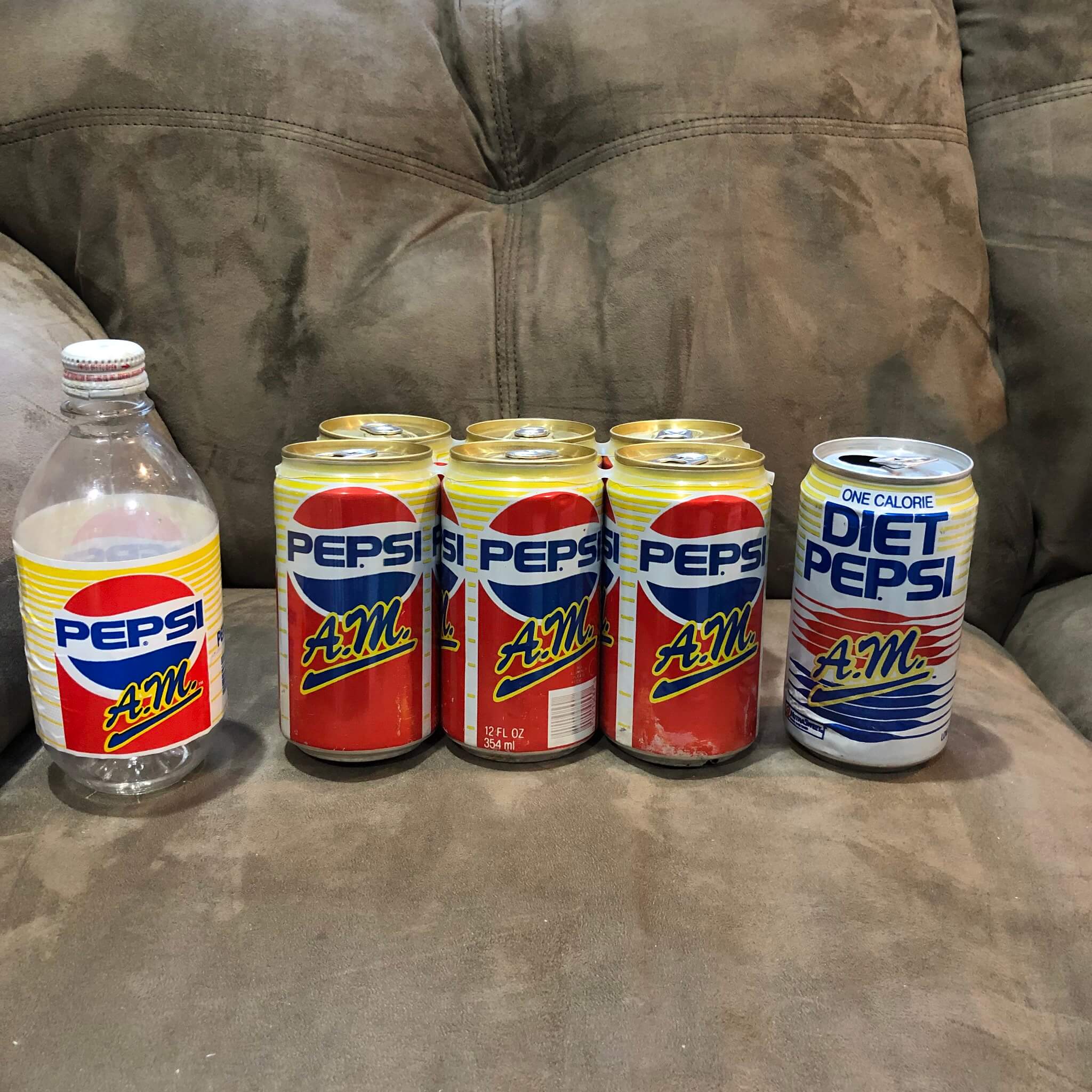
Pepsi tested Pepsi A.M. in 1989, a version of its cola formulated with extra caffeine and marketed specifically as a morning alternative to coffee. The framing struck many potential customers as unnecessary, since regular Pepsi was already widely consumed in the morning.
It was discontinued within its first year after failing to expand past limited test markets.
Coca-Cola BlāK
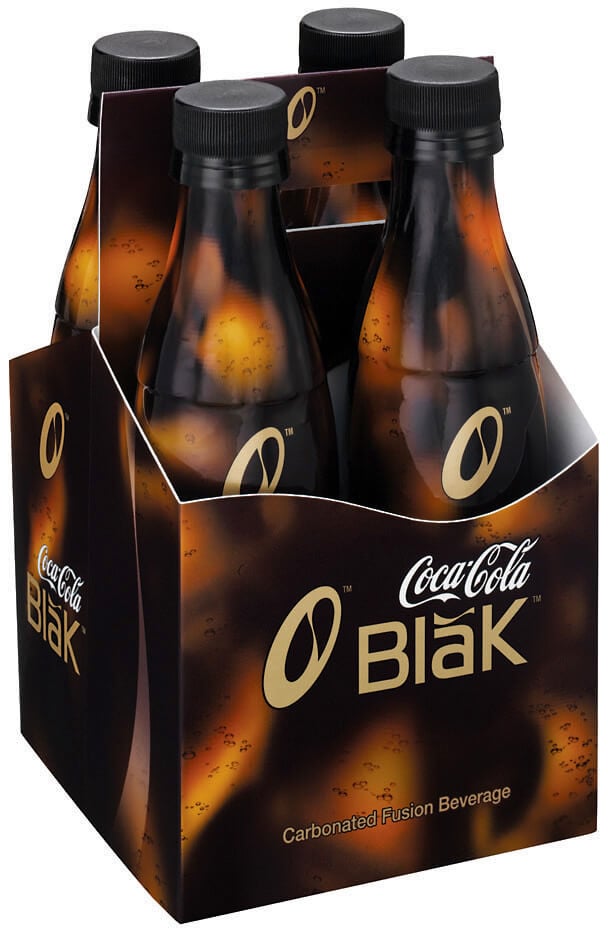
Coca-Cola released BlāK in 2006, a coffee-flavored cola aimed at adult drinkers looking for something positioned between a soda and a coffee drink. It launched with a sleek, premium bottle design meant to separate it visually from standard Coca-Cola products.
Coca-Cola discontinued it in the United States by 2008 after it failed to build a lasting audience.
Mountain Dew Pitch Black
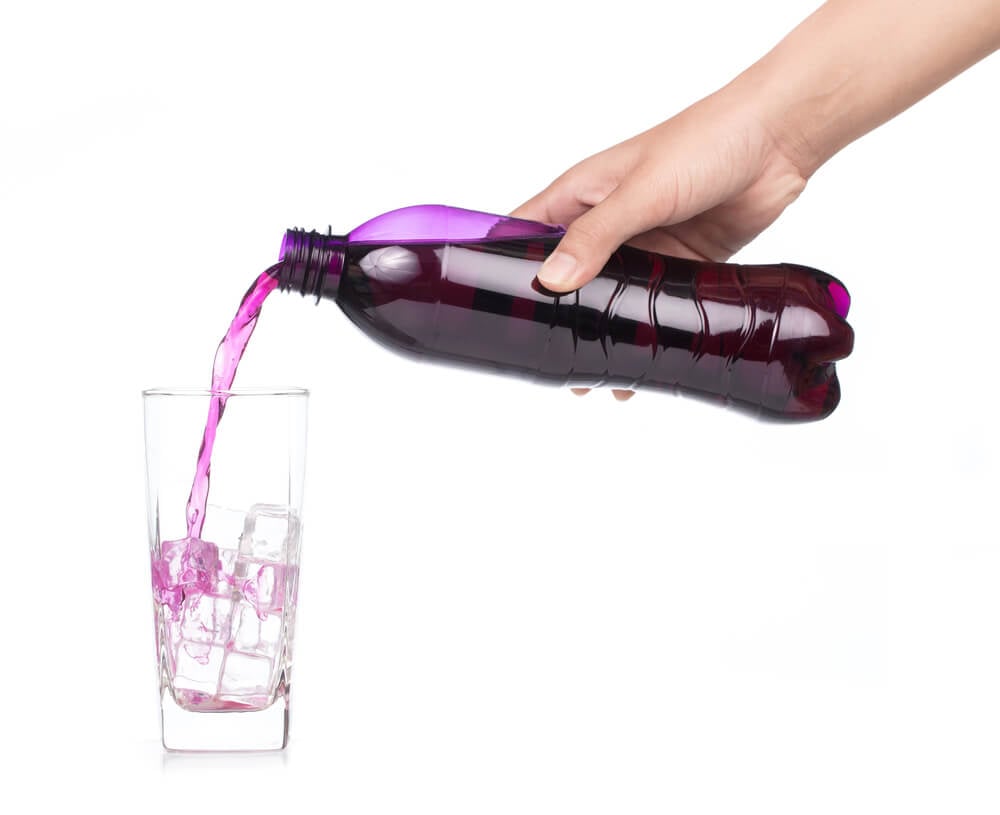
Mountain Dew released Pitch Black as a limited Halloween-themed flavor in 2004, a dark grape-flavored variation that stood out sharply from the brand’s usual bright green color. Its limited-time framing built genuine anticipation each fall among fans who tracked its return.
Repeated re-releases eventually stopped, leaving many fans still checking store shelves out of habit every October.
Fruitopia
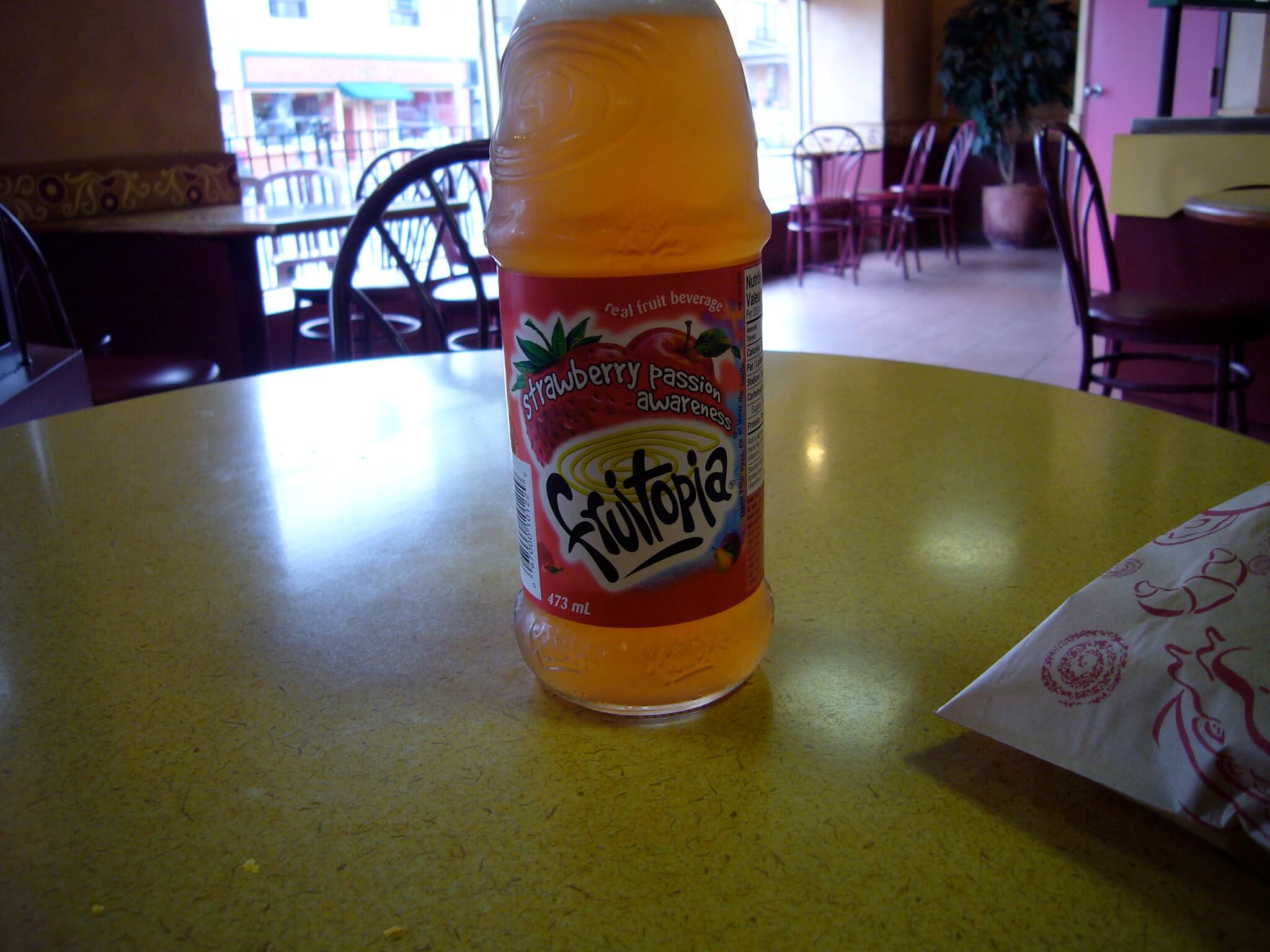
Coca-Cola launched Fruitopia in 1994, a fruit-flavored drink line marketed with deliberately trippy, offbeat advertising aimed at a younger audience skeptical of typical soda marketing. It built a loyal following through the mid-1990s with flavors like Strawberry Passion Awareness.
Coca-Cola discontinued it in the United States by the early 2000s, though it has remained available in Canada.
Barq’s Red Creme Soda
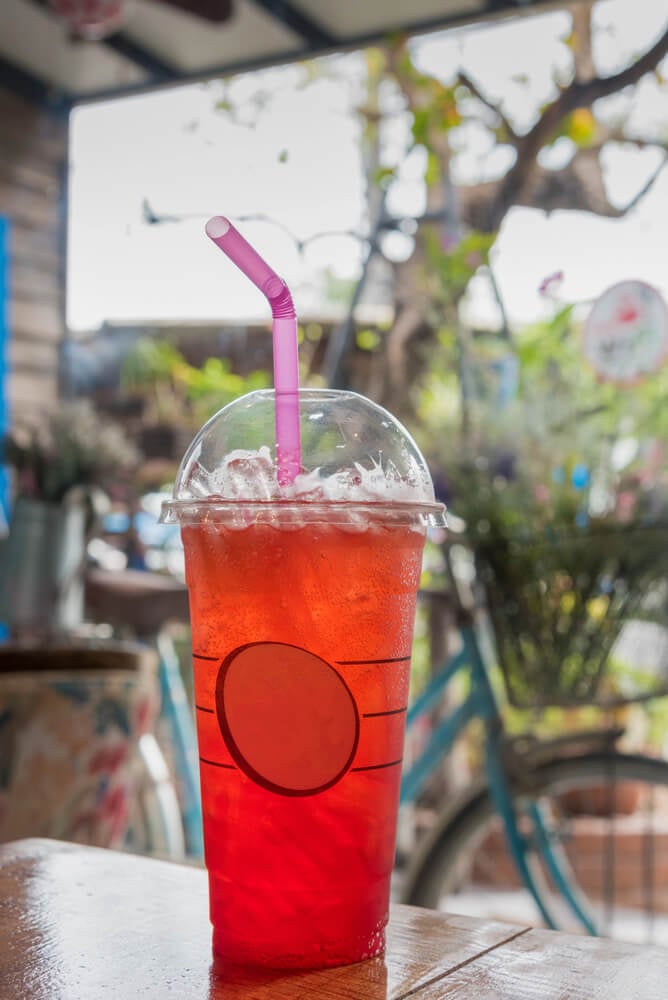
Barq’s, better known for its root beer, released a red creme soda variation aimed at fans of cream soda who wanted something closer to Barq’s signature bite. It found a modest regional following in areas where Barq’s already had strong brand loyalty.
It disappeared from most shelves as the company narrowed its focus back to its core root beer product.
Mountain Dew Livewire
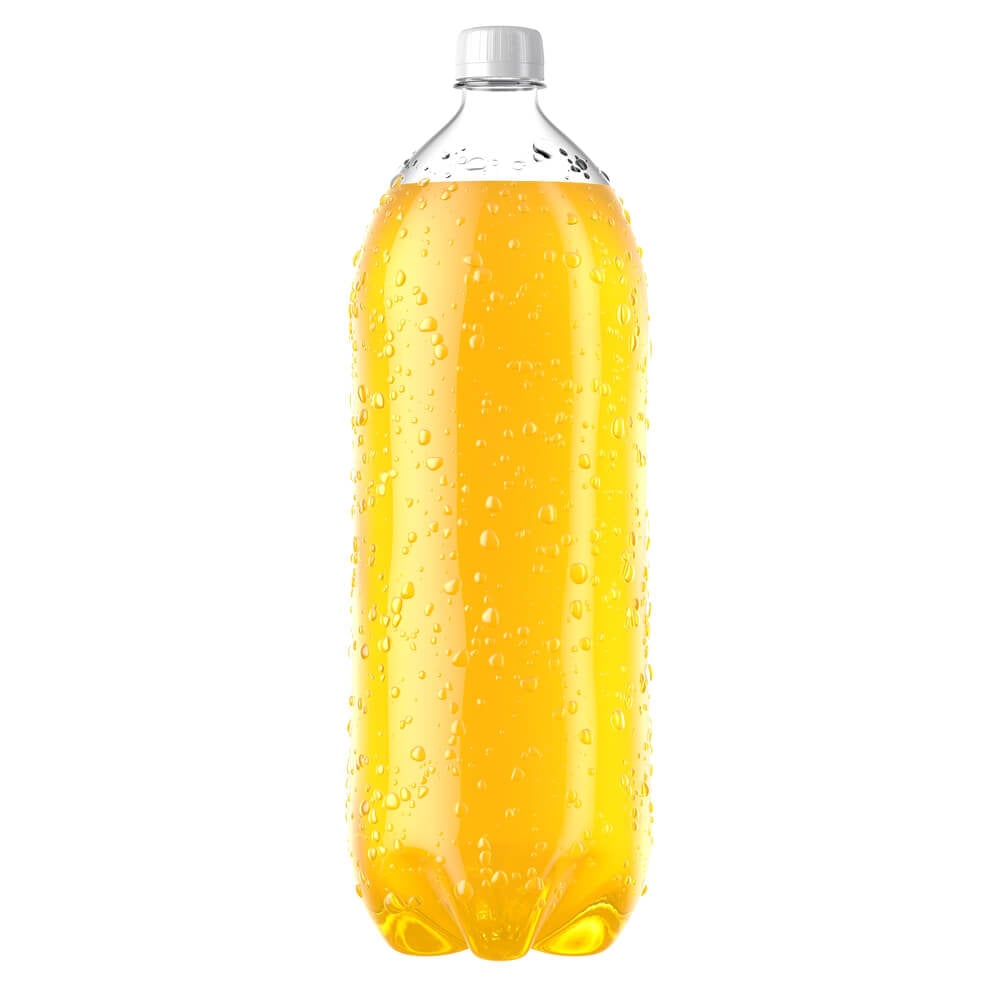
Mountain Dew introduced Livewire in 2007, an orange-flavored variation aimed at fans who wanted something between the original citrus formula and a fruit soda. It maintained a modest but consistent following through several years of limited availability.
PepsiCo discontinued it by 2010 as the brand shifted focus toward other flavor variations.
Vanilla Coke
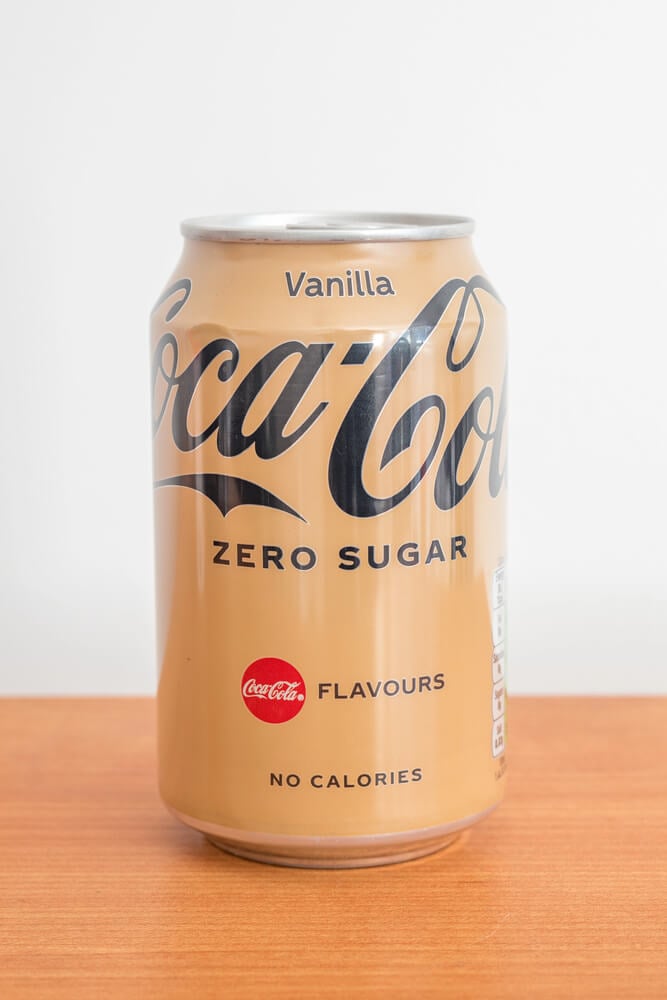
Coca-Cola introduced Vanilla Coke in 2002, adding a vanilla flavor to the original formula in a move that proved more successful than many of the company’s earlier flavor experiments. Coca-Cola discontinued it in 2005 after sales began to slow.
Customer demand eventually brought it back in 2007, and it has remained on shelves in some form since.
Kool-Aid Bursts
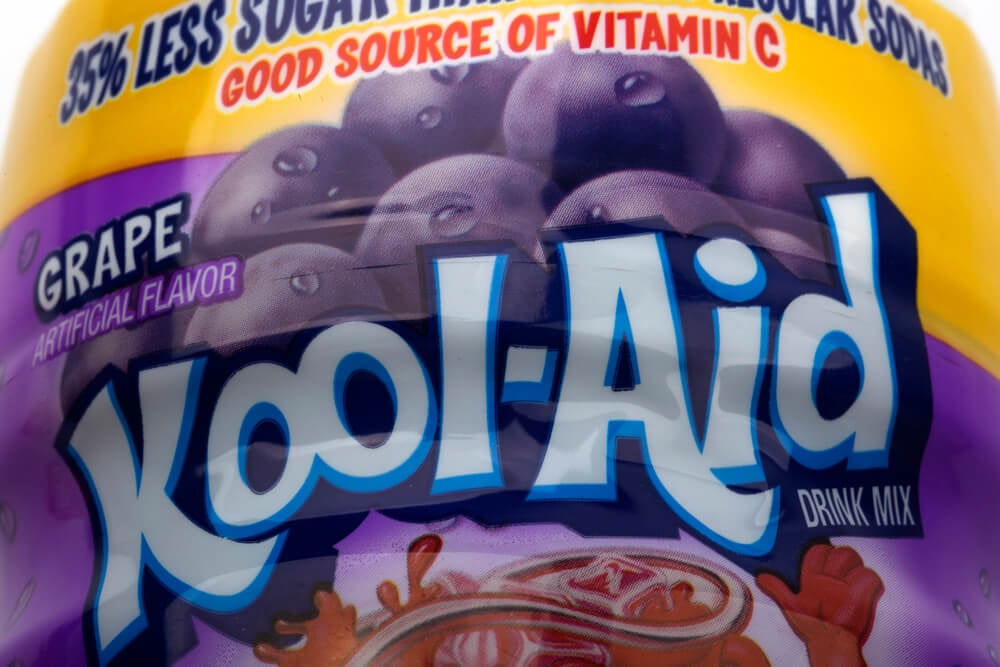
Kraft introduced Kool-Aid Bursts in 1998, packaging the powdered drink mix’s flavors into small, ready-to-drink plastic bottles aimed at direct competition with juice box and pouch formats. The bottles became a common lunch box staple through the early 2000s.
The product line was gradually phased out as the company shifted focus toward its more established Kool-Aid pouch formats.
The Taste Memory Nobody Can Quite Recreate
None of these drinks disappeared because a customer complained. A spreadsheet somewhere decided the shelf space was better used elsewhere, and the formula quietly stopped shipping to stores without any real announcement to the people who had been buying it regularly.
What keeps these particular drinks alive in conversation, decades after most of them vanished, is how specific the memory of taste actually is. Nobody argues this passionately about a food they only sort of remember.
They argue because they can still taste exactly what got taken away.
More from Go2Tutors!

- The Romanov Crown Jewels and Their Tragic Fate
- 13 Historical Mysteries That Science Still Can’t Solve
- Famous Hoaxes That Fooled the World for Years
- 15 Child Stars with Tragic Adult Lives
- 16 Famous Jewelry Pieces in History
Like Go2Tutors’s content? Follow us on MSN.