16 Films That Were Saved in the Editing Room
Movies aren’t made—they’re remade. While directors get most of the glory, editors are the unsung heroes who transform hours of footage into coherent stories.
Sometimes their work goes beyond mere assembly to completely rescue troubled productions from disaster. Here is a list of 16 films that would’ve flopped without their editors’ magical touch.
These movies were essentially saved in the editing room through creative solutions and masterful cutting.
Star Wars
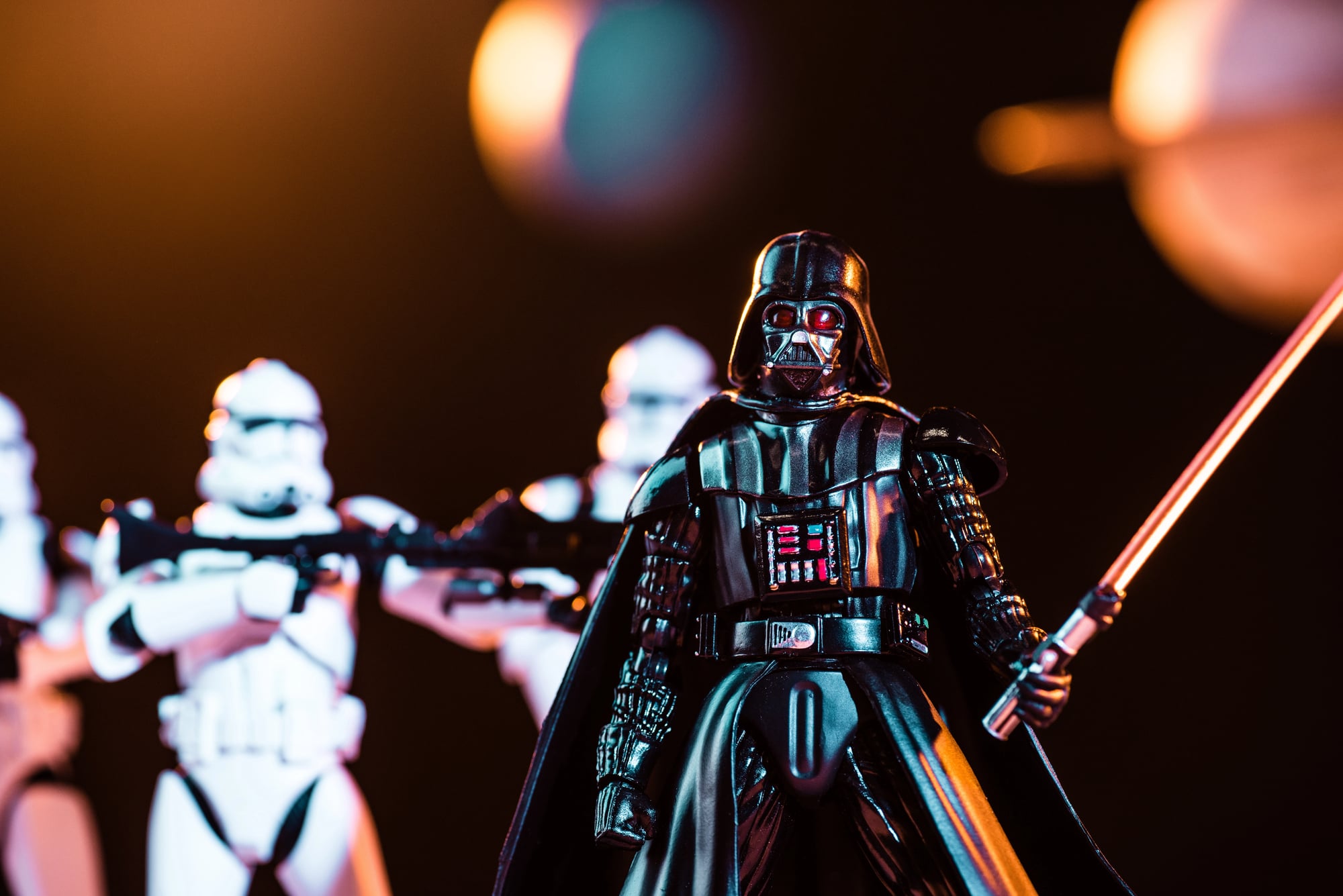
The original cut of George Lucas’s space opera was a confusing mess. His wife Marcia Lucas along with editors Paul Hirsch and Richard Chew restructured the entire film, tightening action sequences and enhancing emotional beats.
They transformed the Death Star trench run from dull footage into one of cinema’s most thrilling sequences. The film went from potential disaster to cultural phenomenon thanks to their editing genius.
Jaws
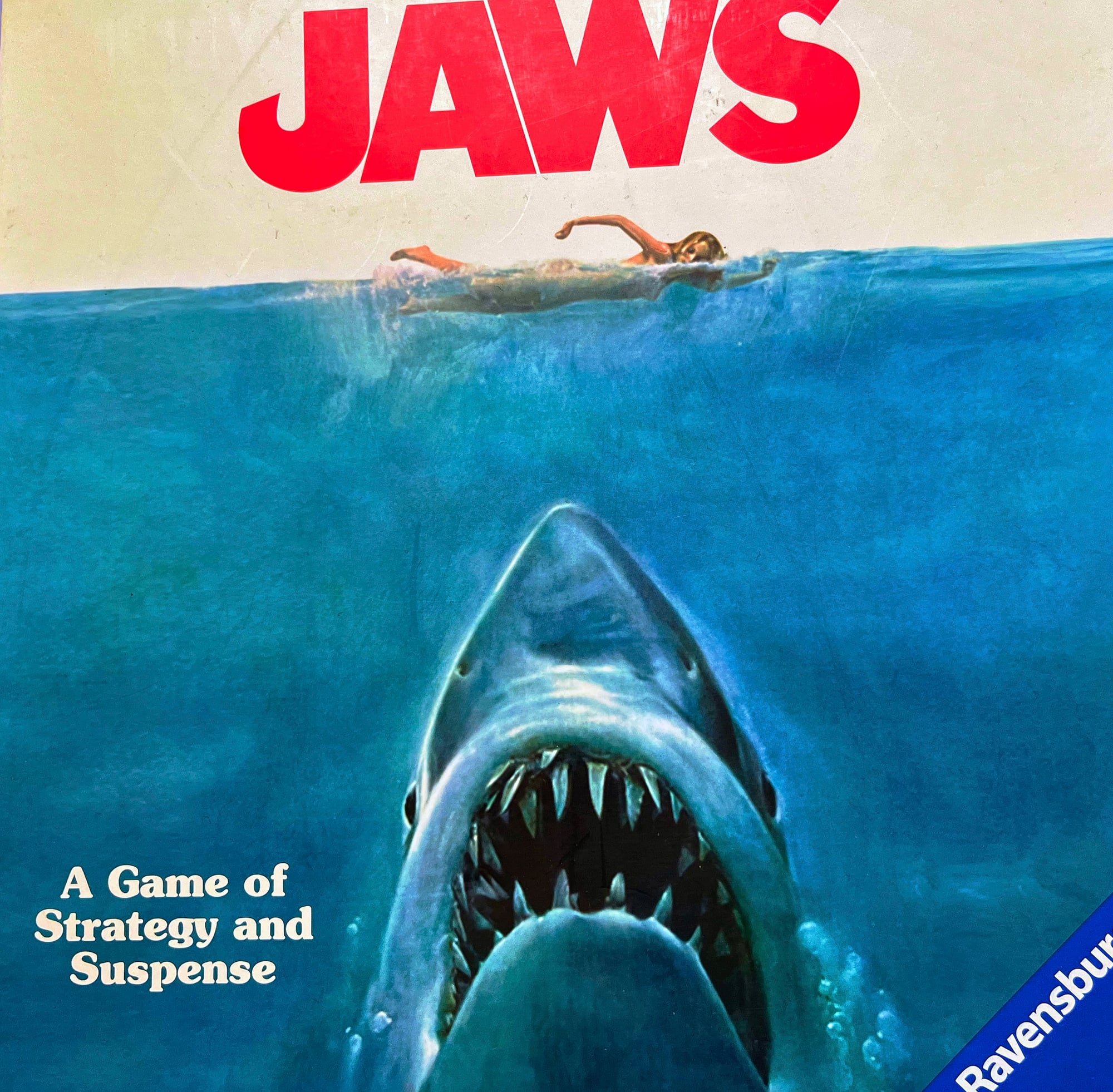
Steven Spielberg’s mechanical shark rarely worked, forcing editor Verna Fields to get creative. She built tension by showing less of the malfunctioning prop and more reactions from characters.
Fields cut the film to maximize suspense using John Williams’ iconic score as a substitute for shark appearances. Her approach turned a technical nightmare into a masterpiece of suspense that defined what a summer blockbuster could be.
Rocky
The initial cut of Sylvester Stallone’s underdog story ran nearly three hours and tested poorly with audiences. Editors Richard Halsey and Scott Conrad trimmed it down to a tight 119 minutes, emphasizing Rocky’s personal journey rather than boxing scenes.
They created the iconic training montage that condensed weeks of preparation into a few powerful minutes. Their work transformed a sprawling drama into a focused crowd-pleaser that won Best Picture.
Apocalypse Now

Francis Ford Coppola shot nearly 200 hours of footage for his Vietnam War epic. Editor Walter Murch spent two years crafting a coherent narrative from this overwhelming material.
Murch pioneered sound design techniques that enhanced the film’s hallucinatory quality and helped shape the famous helicopter attack sequence. His work turned a potential career-ending debacle into one of the greatest war films ever made.
The Godfather
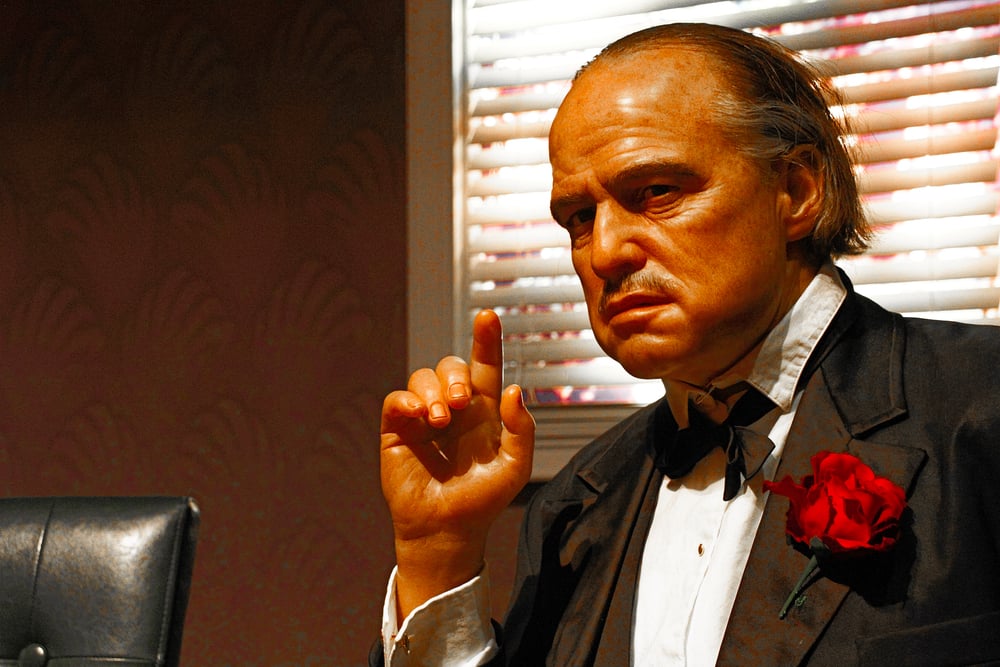
The studio wanted a quick gangster flick, but editor William Reynolds helped Coppola deliver something deeper. Reynolds crafted parallel editing between the baptism scene and the murders of rival mob bosses, creating one of cinema’s most powerful sequences.
His pacing decisions transformed what could have been a standard crime movie into an operatic masterpiece about family and corruption in America.
Blade Runner
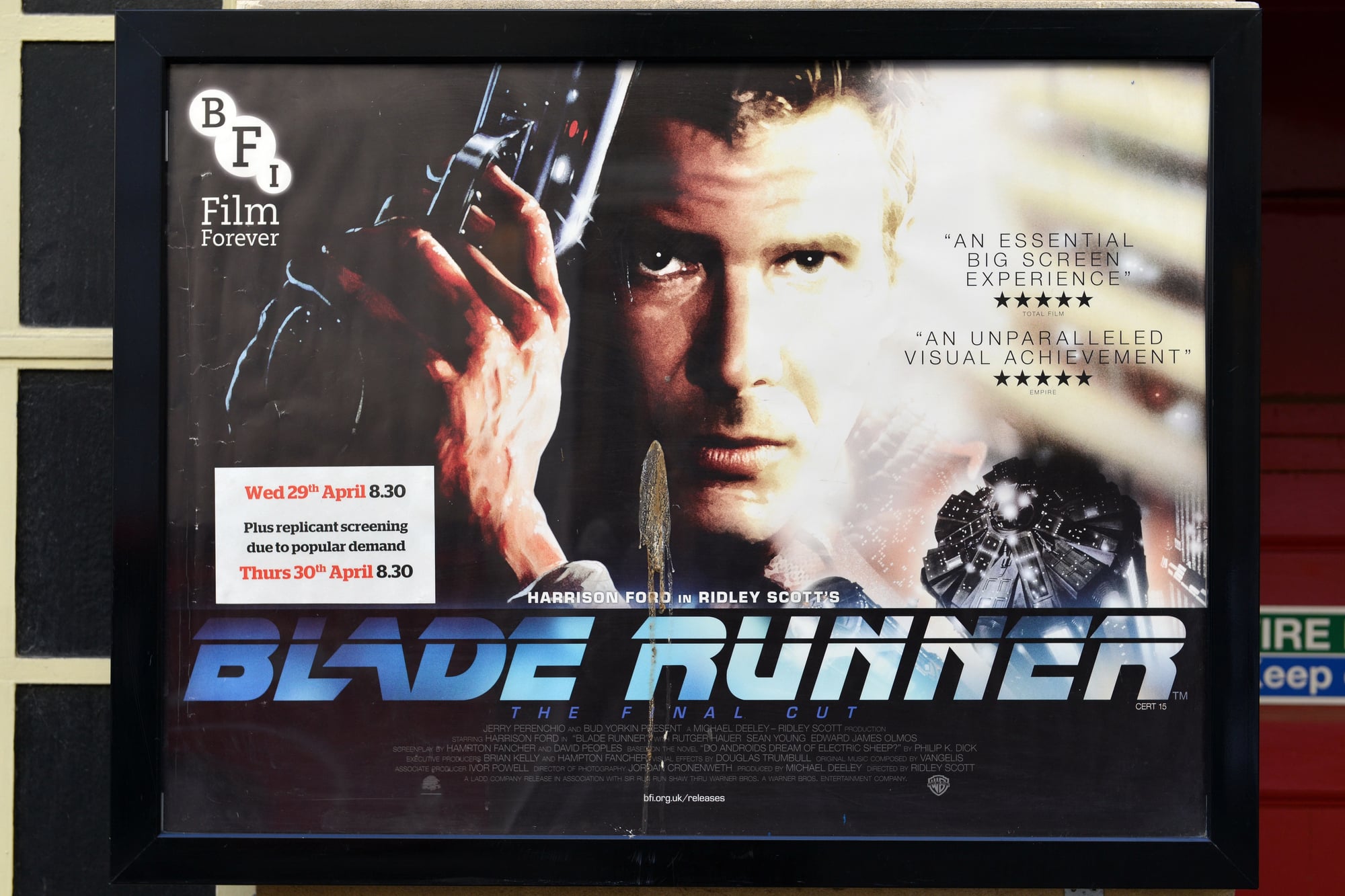
The studio-mandated version of Ridley Scott’s sci-fi noir included a clunky voiceover and a happy ending that audiences hated. Years later, editors created the ‘Director’s Cut’ and later the ‘Final Cut’ that removed these elements.
These revised versions embraced ambiguity regarding whether Deckard was a replicant and allowed the film’s visual storytelling to breathe. The editing transformations turned a commercial disappointment into a revered classic.
Donnie Darko
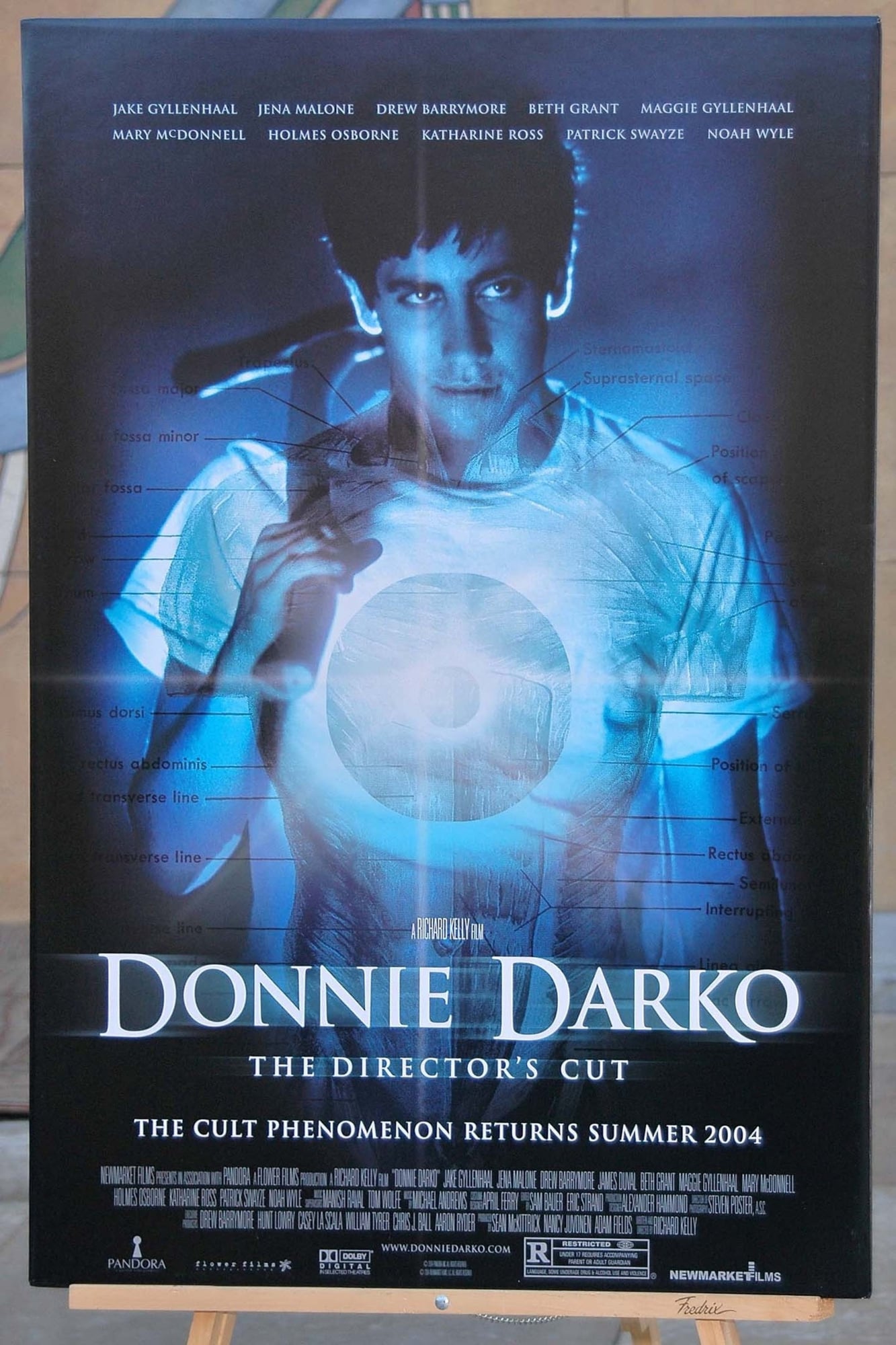
Richard Kelly’s mind-bending debut was initially incomprehensible to test audiences. Editor Sam Bauer helped reshape the narrative, clarifying the time travel elements while maintaining mystery.
The theatrical cut still underperformed, but the subsequent Director’s Cut became a cult phenomenon. Bauer’s editing choices preserved the film’s unusual vision while making it accessible enough to find its audience.
Annie Hall
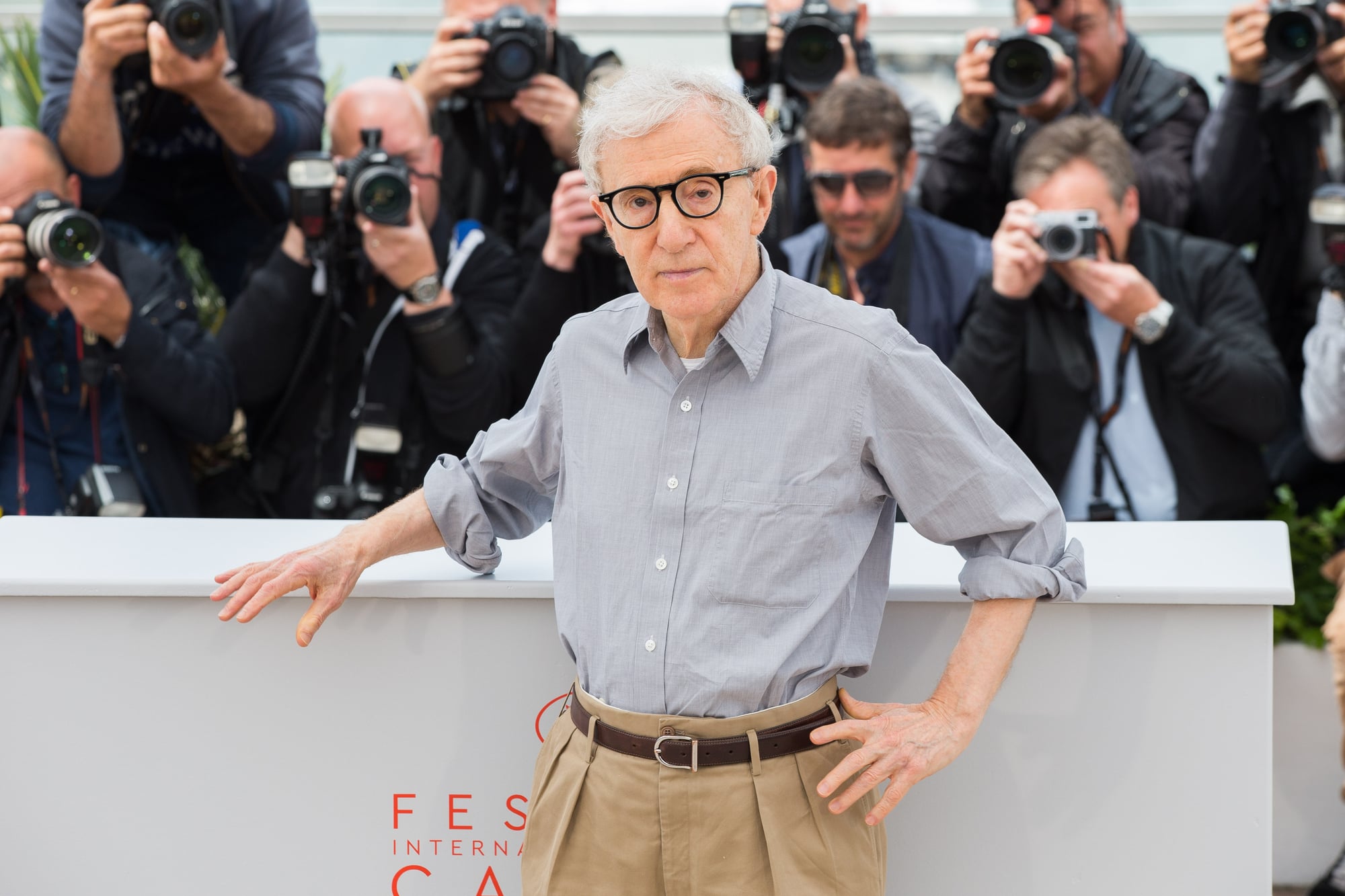
Woody Allen’s original vision was a murder mystery with romantic elements called ‘Anhedonia.’ Editors Ralph Rosenblum and Wendy Greene Bricmont convinced Allen to focus on the relationship between Alvy and Annie.
They restructured the film as a non-linear exploration of a failed romance, cutting many subplots. Their bold editing choices created a revolutionary romantic comedy that won Best Picture instead of a forgettable murder mystery.
American History X
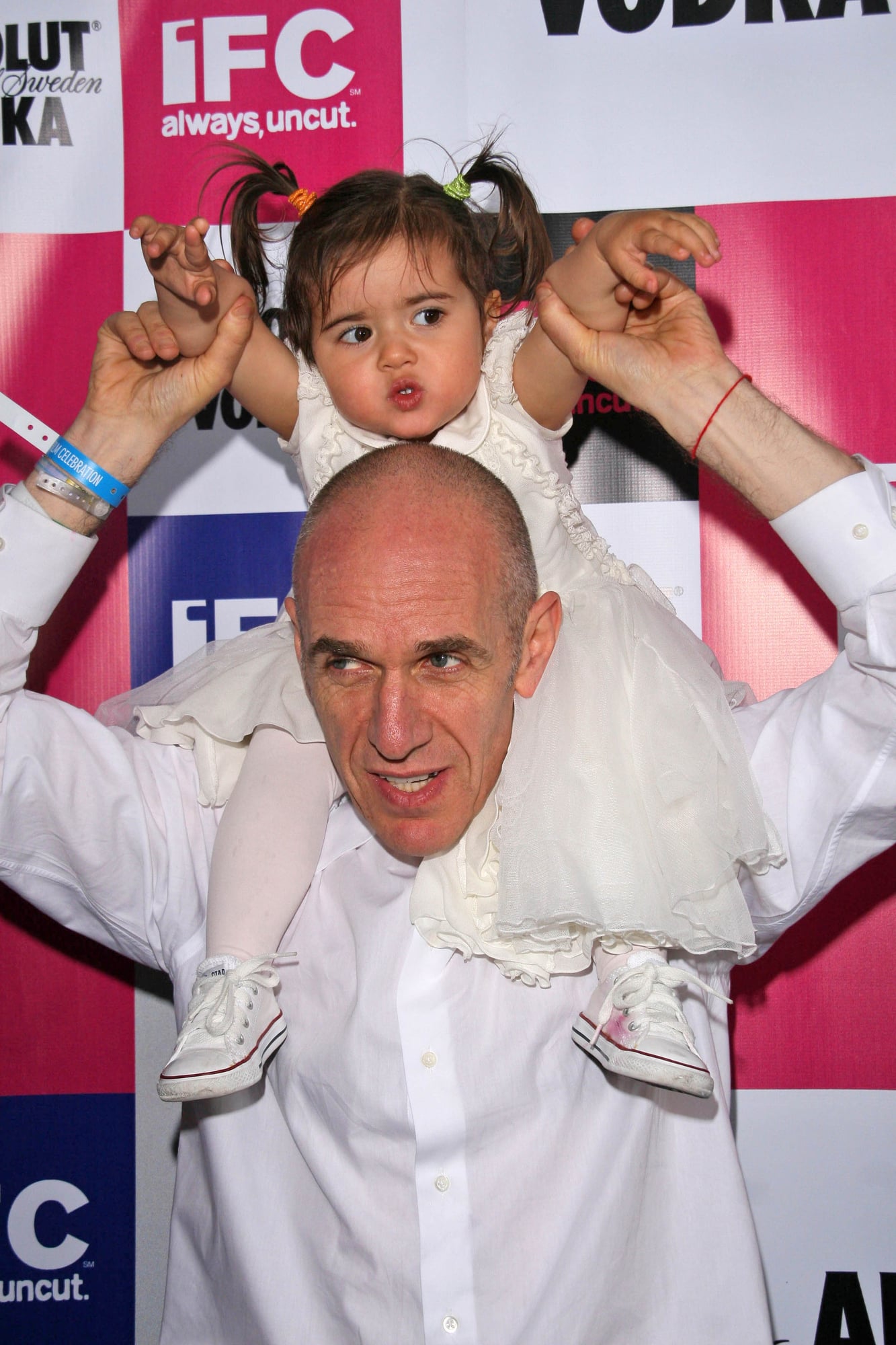
Director Tony Kaye wanted to remove his name from the film after the studio gave Edward Norton control over the final cut. Editor Jerry Greenberg worked with Norton to shape a more nuanced narrative about racism and redemption.
The restructured film used black and white flashbacks more effectively to illustrate the main character’s transformation. This editor-actor collaboration created a powerful film despite behind-the-scenes conflict.
ET: The Extra-Terrestrial
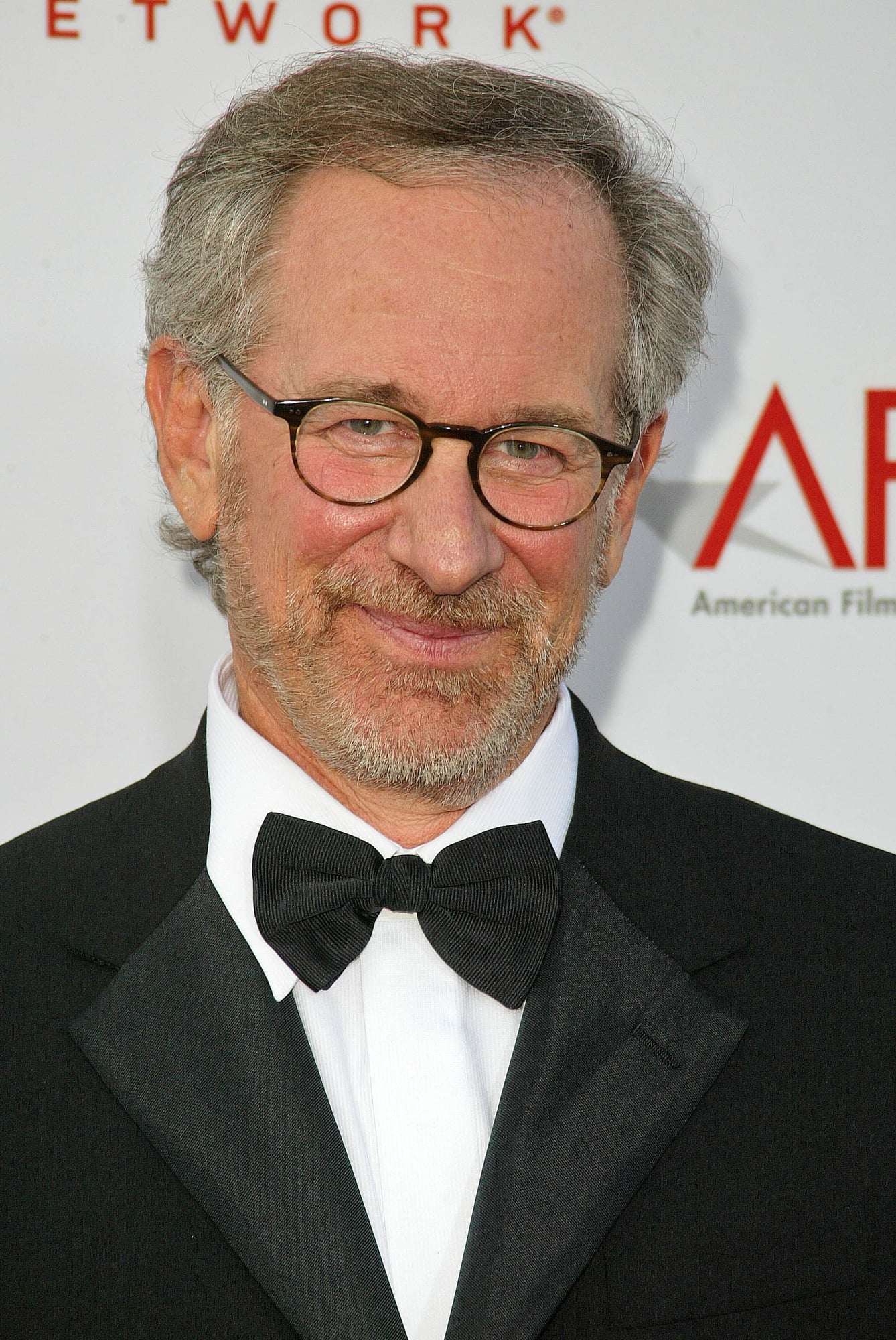
Spielberg and editor Carol Littleton faced the challenge of making an alien puppet emote convincingly. Littleton’s careful selection of takes and perfectly timed cuts gave E.T. apparent emotional reactions.
Her editing choices focused on children’s faces to sell the wonder of the story. The result was movie magic that made audiences worldwide believe in and care deeply about a rubber puppet from outer space.
The Terminator

James Cameron’s low-budget sci-fi film could have been just another B-movie. Editors Mark Goldblatt and Conrad Buff created a relentless pace that never let up.
They established the unstoppable nature of the Terminator through editorial rhythm rather than expensive effects. Their cutting style transformed modest action sequences into something genuinely menacing and helped launch one of the biggest franchises in film history.
Pulp Fiction
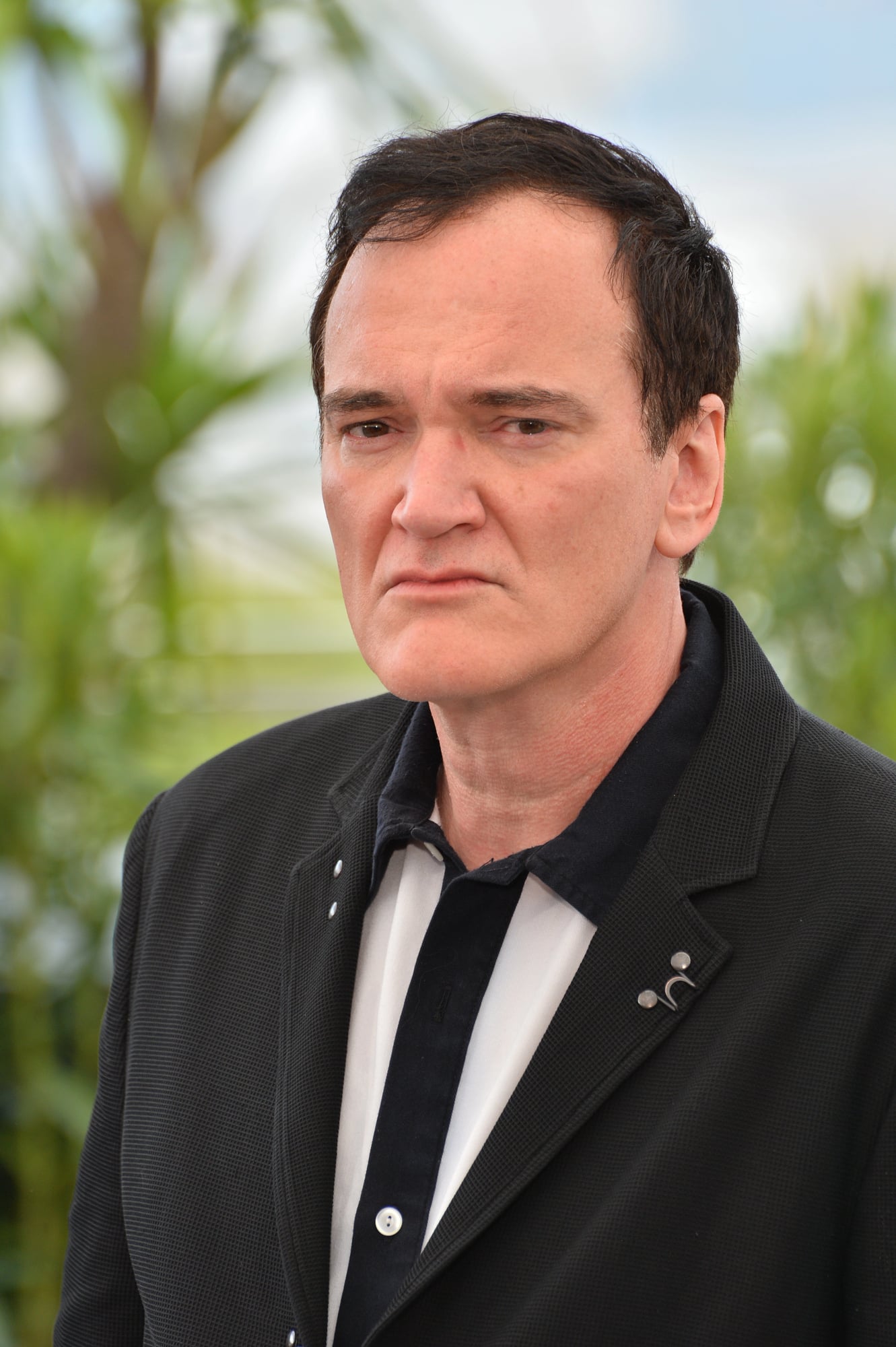
Quentin Tarantino’s non-linear crime epic could have been an incomprehensible mess in less skilled hands. Editor Sally Menke crafted a complex structure that jumbled chronology while remaining completely coherent.
Menke knew exactly when to cut away from scenes for maximum impact. Her editing turned a collection of interconnected stories into an influential masterpiece that redefined independent cinema.
Touch of Evil
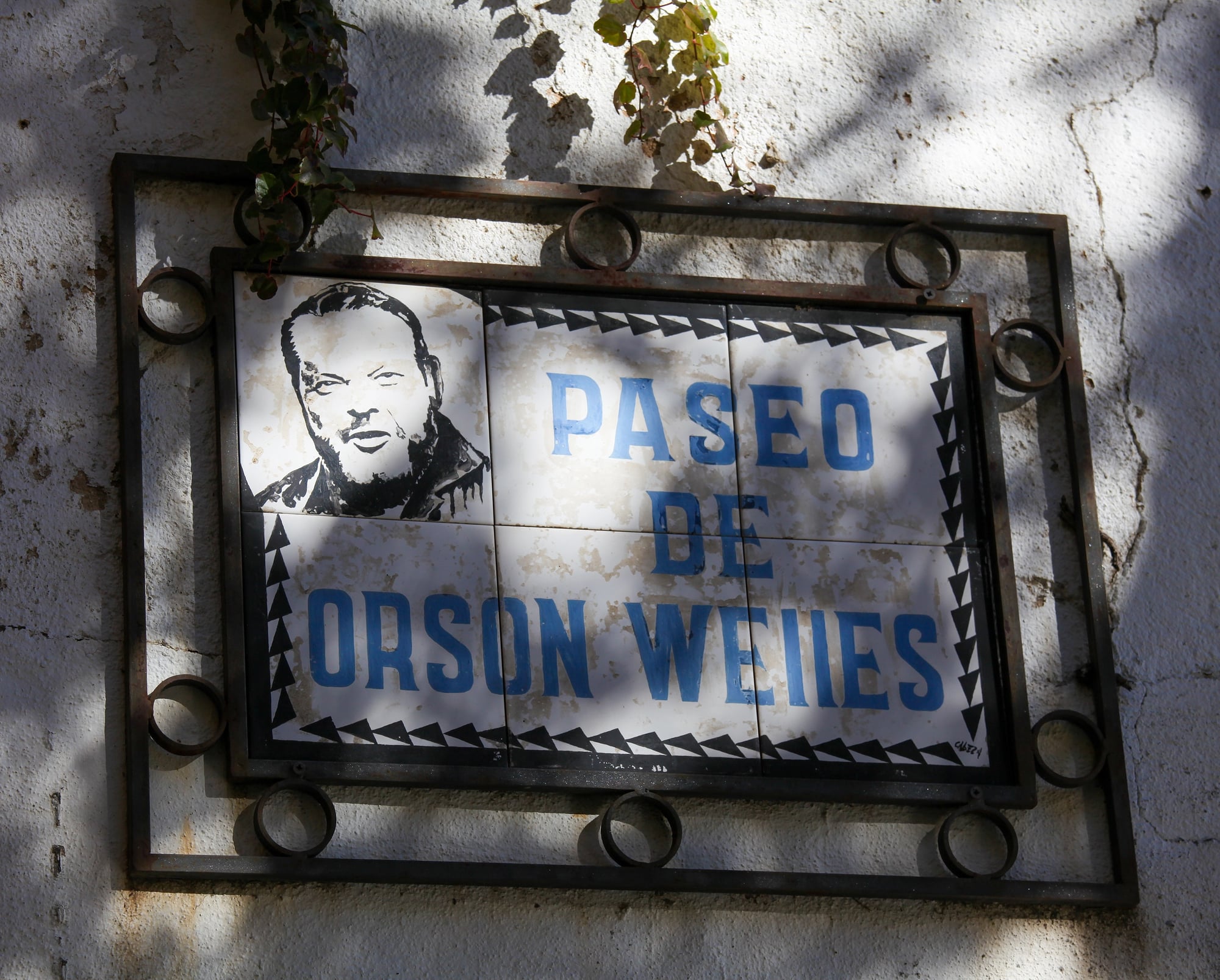
Orson Welles submitted a complex edit of his noir thriller, but the studio took control and released a simplified version. Decades later, editor Walter Murch re-edited the film based on Welles’ detailed 58-page memo.
Murch restored the famous unbroken opening tracking shot and removed studio-mandated music overlays. This restoration rescued Welles’ vision from studio interference and secured the film’s place in cinema history.
Mad Max: Fury Road
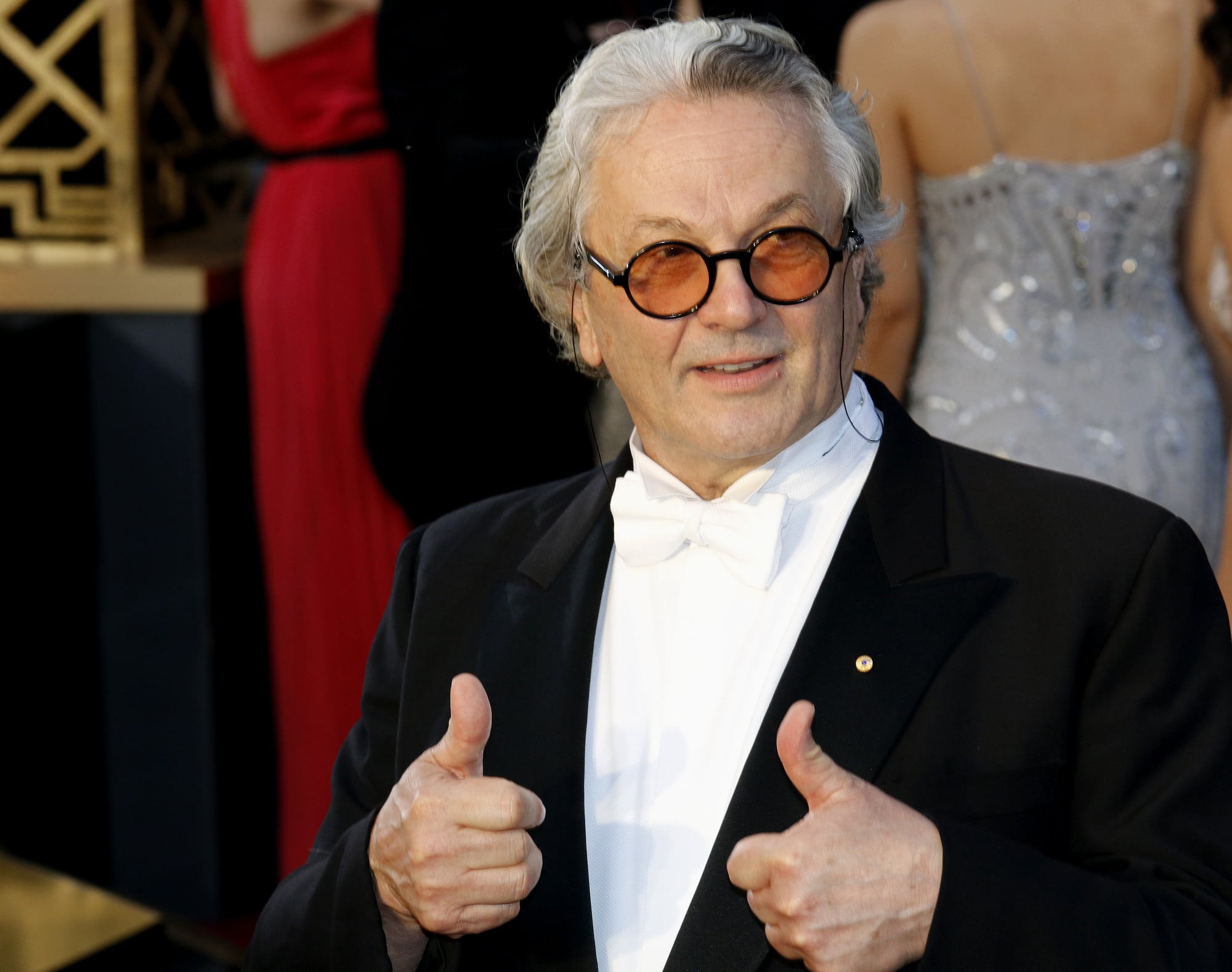
George Miller’s action masterpiece had to convey complex world-building despite minimal dialogue. Editor Margaret Sixel (who had never cut an action film before) spent two years shaping 480 hours of footage.
Sixel created comprehensible geography within chaotic chase sequences and established emotional beats amid constant motion. Her revolutionary approach transformed what could have been an incomprehensible blur into the most acclaimed action film of its decade.
Raging Bull
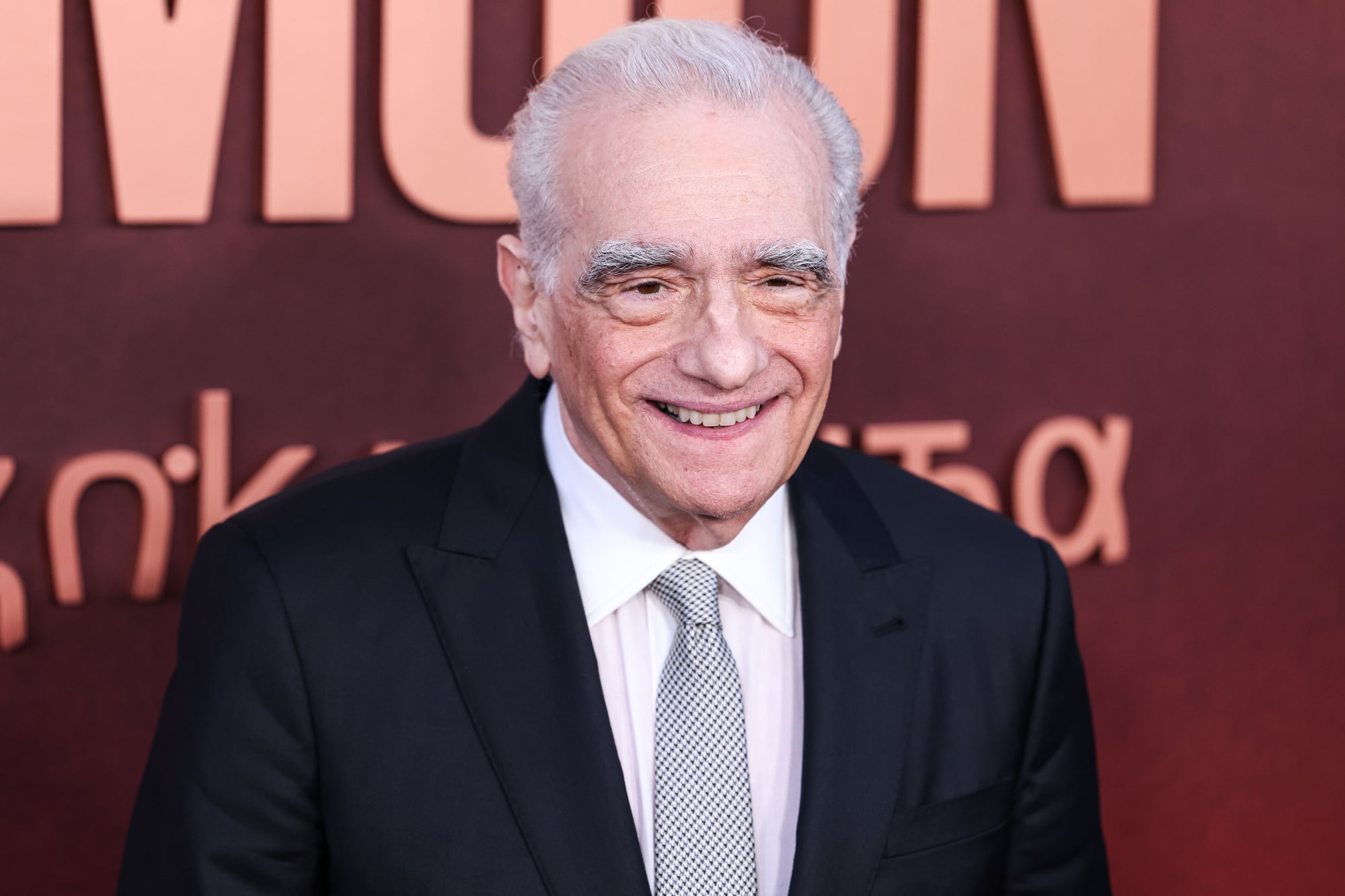
Martin Scorsese’s boxing biopic needed to distinguish multiple fights while showing Jake LaMotta’s psychological deterioration. Editor Thelma Schoonmaker crafted unique visual approaches for each boxing sequence.
Some fights were balletic while others were brutally quick cuts, reflecting LaMotta’s mental state. Schoonmaker’s brilliant editing turned what could have been repetitive sports sequences into a profound character study.
Whiplash
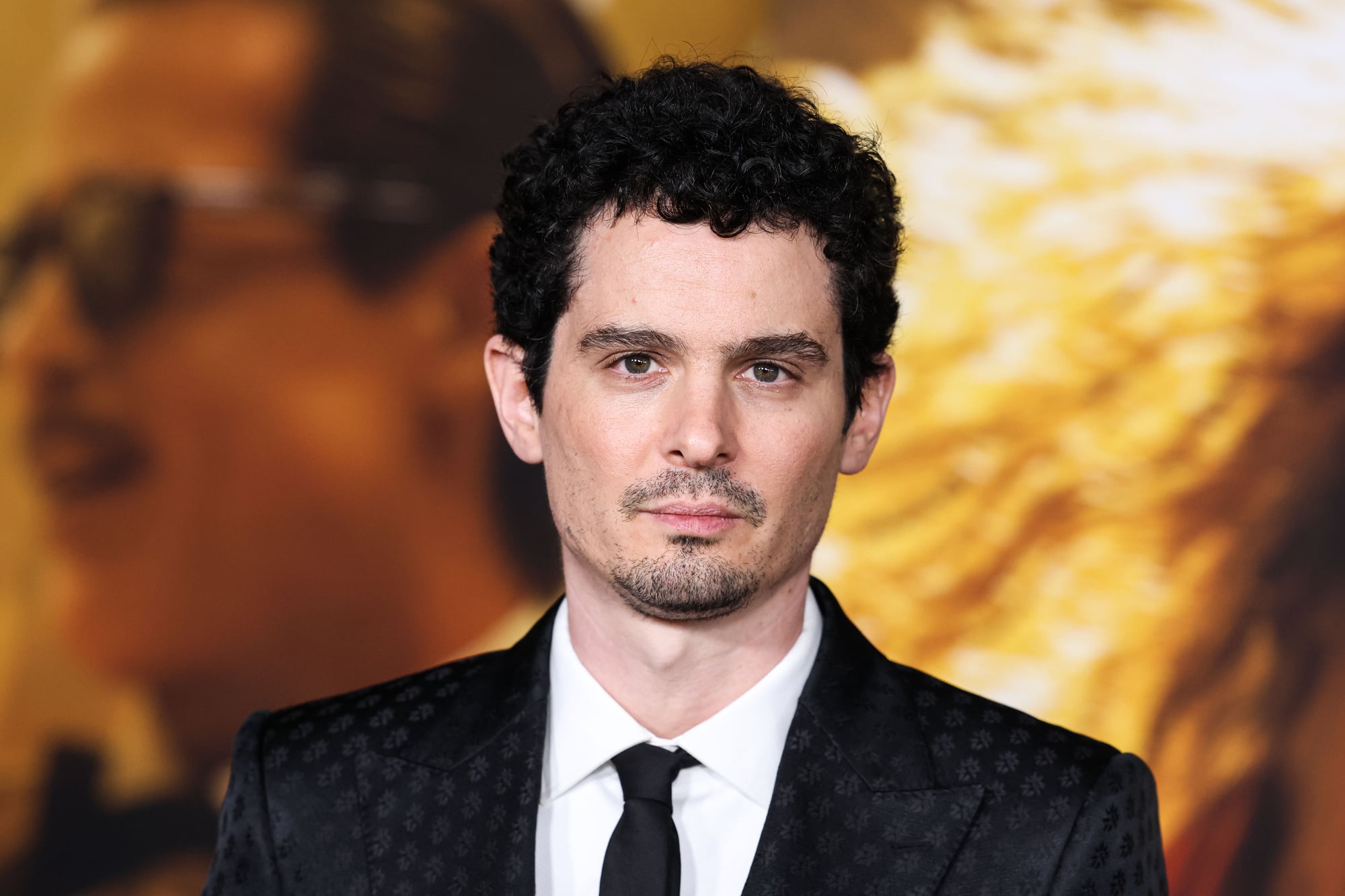
Damien Chazelle’s jazz drama hinged on making music rehearsals as intense as action scenes. Editor Tom Cross synchronized cuts to match the tempo of the music, creating rhythm through editing itself.
Cross used increasingly rapid cutting during practice scenes to convey mounting pressure on the protagonist. His approach transformed potentially static music performances into some of the most suspenseful sequences in recent cinema.
The Magic of the Cutting Room
The films we love often bear little resemblance to their initial versions. Editors work in darkness to bring stories into light, making thousands of invisible choices that profoundly shape our viewing experience.
While directors and actors take the spotlight, these 16 films demonstrate that sometimes the most important creative decisions happen long after the cameras stop rolling. The cutting room is where movies truly become movies.
More from Go2Tutors!

- The Romanov Crown Jewels and Their Tragic Fate
- 13 Historical Mysteries That Science Still Can’t Solve
- Famous Hoaxes That Fooled the World for Years
- 15 Child Stars with Tragic Adult Lives
- 16 Famous Jewelry Pieces in History
Like Go2Tutors’s content? Follow us on MSN.