14 Retail Stores That Were Staples in Malls Across America (Now Gone)
Over the last few decades, the American shopping mall experience has changed drastically. Once the heart of suburban social life, what has changed now leaves memories of famous stores that influenced the retail scene for many years.
Walking through malls today feels much different from the busy commercial corridors of years past. Here are 14 retail businesses that formerly ruled mall areas all throughout America but have now closed their doors for good.
Toys “R” Us
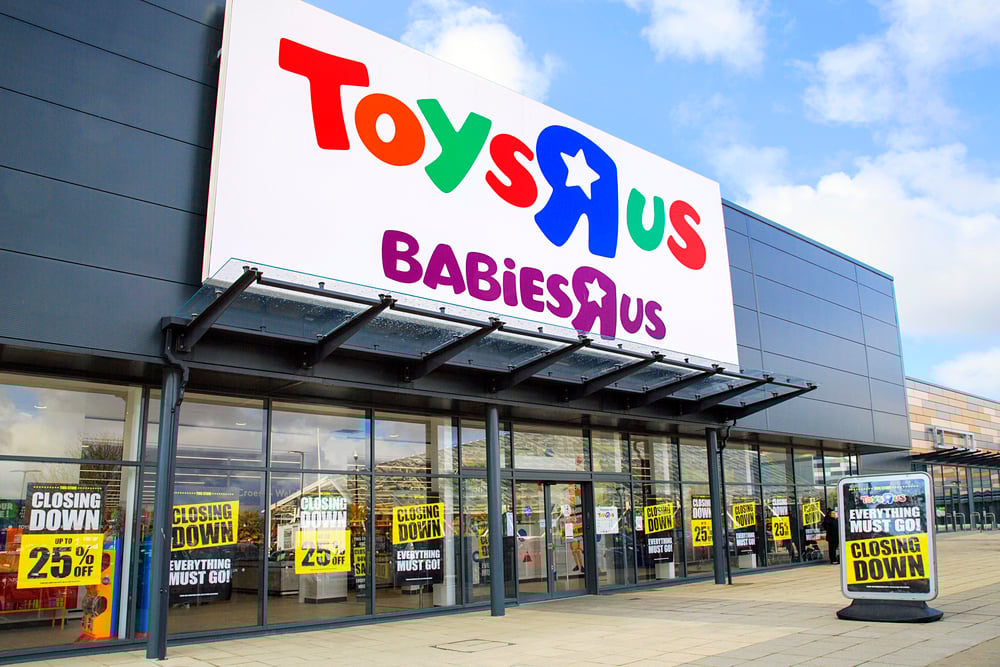
The toy store giant with its backward “R” and colorful logo was more than just a retailer—it was a childhood wonderland. Toys “R” Us occupied massive spaces in malls nationwide, featuring aisles upon aisles of toys, games, and bikes that children could explore while parents struggled to pull them away.
After 70 years of operation, the company filed for bankruptcy in 2017 and closed all its U.S. stores by 2018, ending an era of Geoffrey the Giraffe’s reign over the toy kingdom.
Radio Shack

Before smartphones and online electronics retailers, Radio Shack was where Americans went for their technology needs. These compact stores were packed with everything from radio components and computer accessories to remote-controlled cars and early cell phones.
At its peak, the company operated over 7,000 stores, with most malls housing at least one location. The digital revolution ultimately rendered their business model obsolete, and after multiple bankruptcy filings, nearly all stores had disappeared by 2017.
Sam Goody

Music enthusiasts of past generations will remember the excitement of flipping through rows of cassettes and CDs at Sam Goody. These music retailers were mall fixtures throughout the 1980s and 1990s, often positioned near main entrances to catch shoppers with their latest promotions and new releases.
The rise of digital music and streaming services made physical media increasingly unnecessary, and by 2006, most Sam Goody locations had closed or been absorbed into other brands.
Waldenbooks

Before massive bookstore chains and online retailers dominated the market, Waldenbooks provided mall-goers with literary escapes between shopping sprees. These cozy bookstores offered bestsellers, magazines, and comfortable corners where readers could preview their potential purchases.
Parent company Borders began phasing out the Waldenbooks name in the early 2000s, and by 2011, all locations had closed as the book retail landscape shifted dramatically toward online sales.
The Limited

Fashion-forward women flocked to The Limited for trendy workwear and casual attire throughout the 1980s and 1990s. The store focused on providing stylish clothing at accessible price points, making it a go-to destination for young professionals and college students alike.
After struggling to compete with fast-fashion retailers and online shopping, The Limited closed all its physical stores in January 2017, ending its 50-year presence in American malls.
KB Toys

The smaller but mighty competitor to Toys “R” Us, KB Toys occupied prime real estate in mall corridors nationwide. Their compact stores maximized every square foot with action figures, dolls, and board games stacked from floor to ceiling.
Parents trying to bribe children through long shopping trips often promised a stop at KB Toys as a reward for good behavior. The retailer filed for bankruptcy twice in the 2000s before eventually liquidating all stores in 2009, leaving a toy-shaped void in malls across the country.
Circuit City

The red and white storefronts of Circuit City were impossible to miss in malls and shopping centers throughout America. These electronics superstores carried everything from massive television sets to the latest video game consoles, with uniformed employees ready to demonstrate the newest technology.
Competition from online retailers and big-box stores like Best Buy proved too fierce. In 2009, Circuit City closed all 567 locations after 60 years in business, marking one of the most significant retail closures in American history.
Sharper Image

For consumers looking for high-end devices and conversation starters, Sharper Image was the best place to go. Specialising in unusual, frequently superfluous, but intriguing items like air purifiers, massage chairs, and electronic toys, the business drew in inquisitive mall patrons.
Their creative product demos attracted large audiences, making it a well-liked destination even for people who had no plans to buy. The company still operates as an online and catalog shop despite declaring bankruptcy in 2008, but its recognizable mall presence has entirely disappeared.
Warner Bros. Studio Store
Once upon a time, movie lovers and cartoon aficionados enjoyed the vibrant displays of Looney Tunes products and Batman souvenirs in the Warner Bros. Studio Store. These themed shop sections provided unique goods connected to Warner’s newest film and television assets, hence bringing Hollywood enchantment to suburban malls.
The stores have interactive displays that turned them entertainment attractions rather than only shopping and larger-than-life character sculptures. Bringing an end to Bugs Bunny’s retail career, parent firm Time Warner shut all North American sites in 2001.
Gadzooks
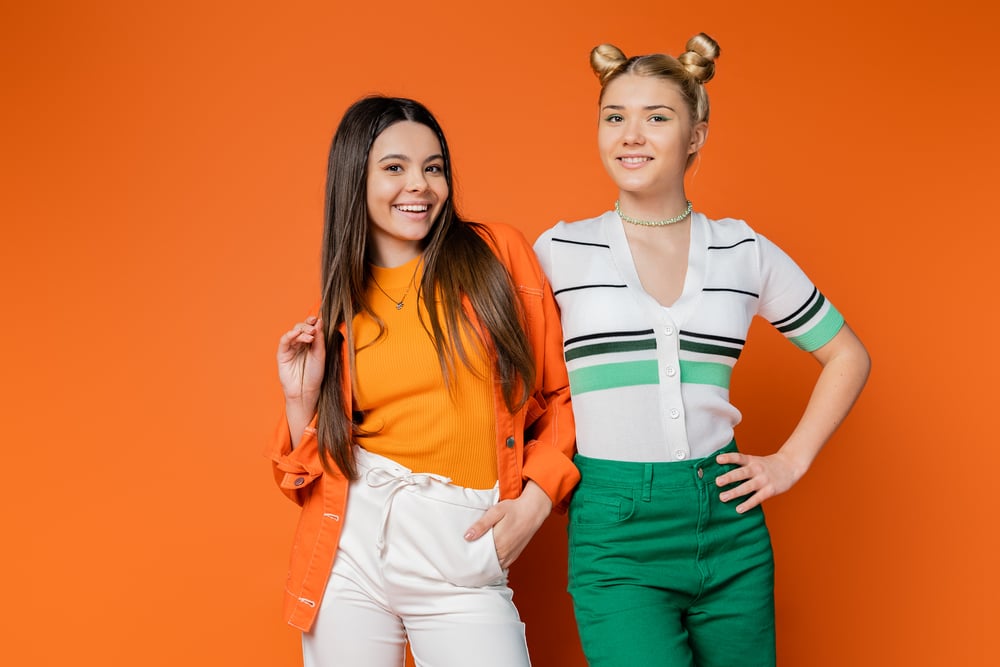
Teen fashion in the 1990s and early 2000s was heavily influenced by Gadzooks and its edgy selection of clothing and accessories. The store catered to trend-conscious adolescents with graphic tees, wide-leg jeans, and chunky platform shoes that defined the era’s distinctive style.
Shopping at Gadzooks was practically a weekend ritual for mall-dwelling teenagers looking to refresh their wardrobes. The retailer was acquired by Forever 21 in 2005, and the Gadzooks name gradually disappeared from mall directories across the country.
B. Dalton Bookseller

Before Barnes & Noble’s rise to dominance of the book retailing landscape, B. Dalton Bookseller provided readers with literary oases in shopping malls nationwide. These compact bookstores were able to stock impressive lists considering their limited square footage, and friendly clerks who could recommend the perfect book.
The chain’s convenience, within easy mall locations, brought book buying into routine shopping outings rather than a special trip to an independent bookstore. Parent company Barnes & Noble phased out the B. Dalton brand by 2010, closing the final pages on this vintage bookstore.
CompUSA

As personal computers entered American homes in the 1980s and 1990s, CompUSA became the go-to destination for hardware, software, and tech support. These computer superstores featured rows of desktop machines for customers to test, walls of software boxes, and tech service centers for troubleshooting.
The rise of online retailers like Amazon and specialized competitors like Apple Stores gradually eroded CompUSA’s market share. After several attempts at reinvention, the company closed its last stores in 2012, marking the end of an era in computer retail.
Structure

Before men’s fashion became mainstream in malls, Structure offered stylish alternatives to department store options. The retailer focused exclusively on menswear, providing everything from casual basics to professional attire with an emphasis on quality and contemporary design.
Structure’s targeted approach helped many fashion-hesitant men update their wardrobes with confidence. Parent company Limited Brands converted many Structure locations to Express Men stores around 2001 before phasing out the brand entirely, leaving many male shoppers without their preferred clothing destination.
Suncoast Motion Picture Company

Movie collectors once made regular pilgrimages to Suncoast to browse the latest VHS tapes and, later, DVDs. These specialty stores catered to film enthusiasts with comprehensive selections that went far beyond what general retailers offered, including foreign films, classics, and hard-to-find titles.
Suncoast stores were instantly recognizable by their backlit movie poster displays and staff members who could discuss cinema with scholarly enthusiasm. As digital streaming services replaced physical media, Suncoast gradually disappeared from malls, with the last locations closing around 2010.
Retail Remembrance

These departed retailers represent more than just closed businesses—they were formative spaces where generations of Americans shopped, socialized, and created lasting memories. While e-commerce continues to reshape retail landscapes nationwide, these stores remain preserved in the collective nostalgia of anyone who ever spent a Saturday at the mall.
Their legacies live on in vintage photographs, cherished purchases still in use today, and countless “remember when” conversations between shoppers of a bygone era.
More from Go2Tutors!

- The Romanov Crown Jewels and Their Tragic Fate
- 13 Historical Mysteries That Science Still Can’t Solve
- Famous Hoaxes That Fooled the World for Years
- 15 Child Stars with Tragic Adult Lives
- 16 Famous Jewelry Pieces in History
Like Go2Tutors’s content? Follow us on MSN.



