31 Ways Daily Life Changed After 2001
Some of the changes below happened within days of September 11, 2001. Others took years to fully arrive, layered in gradually enough that most people never registered a single moment when the shift occurred.
Together they touch nearly everything: how people fly, how buildings are designed, what a school day looks like, and what a stranger’s backpack means at a concert. A quarter century later, most of these changes are simply how things are.
The Creation of the TSA
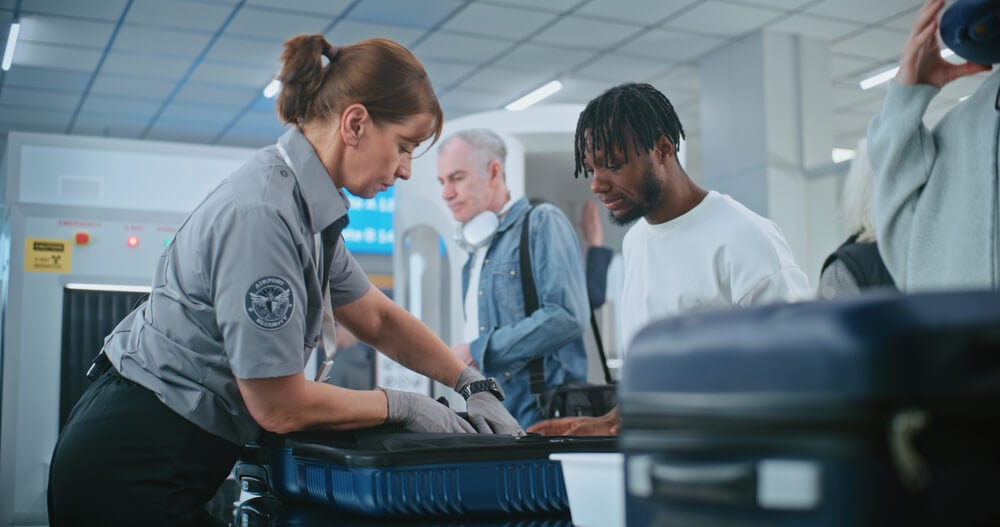
Before 2001, airport security was handled by individual airlines, which typically hired private contractors, and standards varied widely from one airport to the next. The Transportation Security Administration was created within months of the attacks and placed under the newly formed Department of Homeland Security, standardizing screening at every commercial airport in the country.
Taking Off Your Shoes
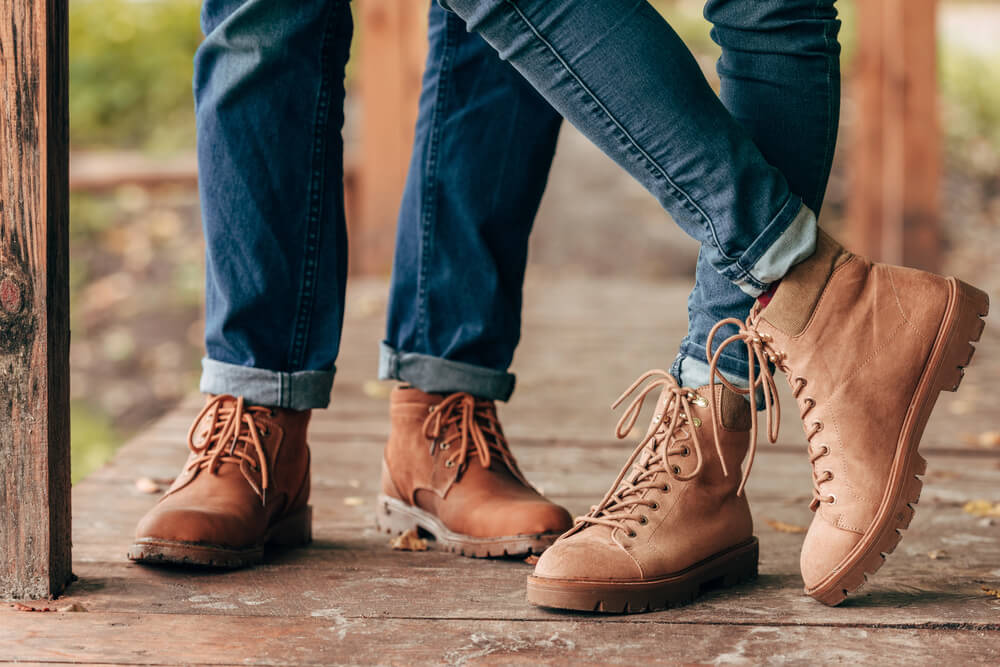
Shoe removal at security checkpoints became standard after Richard Reid attempted to detonate explosives hidden in his shoes on a transatlantic flight in December 2001. The practice remained in place for more than two decades before the TSA began rolling back the requirement in 2025, meaning an entire generation of travelers grew up never having flown any other way.
The Liquids Rule
Following a foiled 2006 plot to detonate liquid explosives on flights bound for the United States, the TSA introduced what became known as the 3-1-1 rule, limiting carry-on liquids to 3.4-ounce containers inside a single clear quart bag. Airports installed the small plastic-bag dispensers and disposal bins that became a fixture of every checkpoint.
Full-Body Scanners
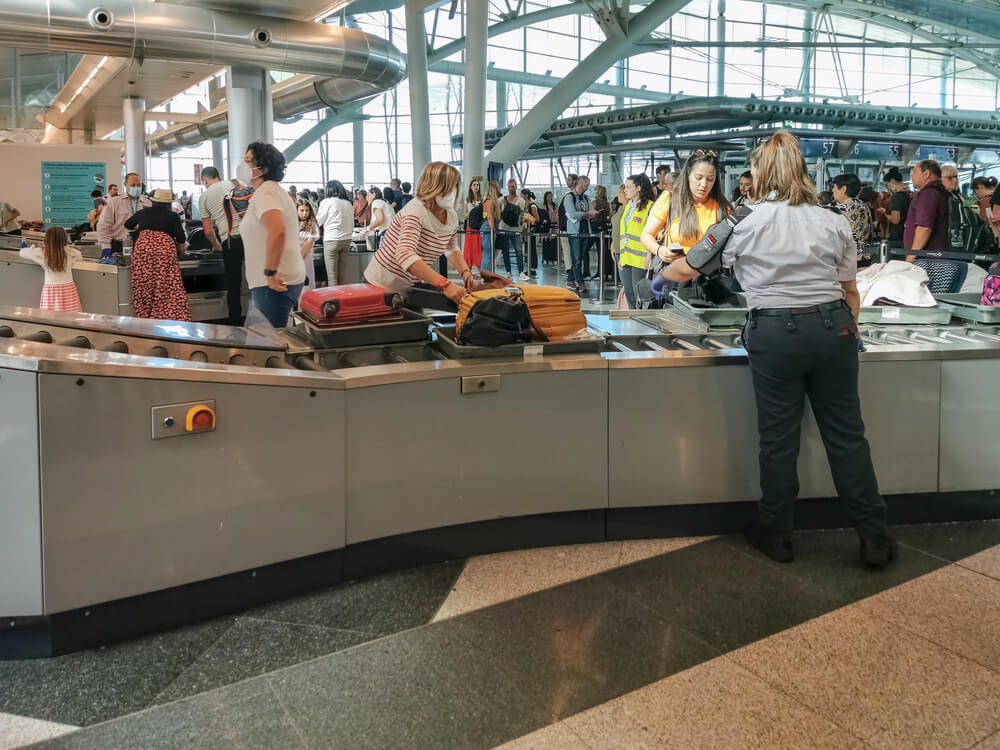
The TSA began installing full-body scanning machines at major airports in 2007 and 2008, allowing screeners to detect nonmetallic threats that traditional metal detectors could miss. The technology drew controversy over privacy concerns and has been revised several times since, including software updates designed to generate generic outlines rather than detailed body images.
Reinforced Cockpit Doors
Federal regulations enacted after 2001 required airlines to install reinforced, bullet-resistant cockpit doors on commercial aircraft, along with new procedures restricting when and how the doors could be opened during flight. The change was one of the fastest implemented of any post-2001 aviation rule.
Expanded Federal Air Marshals
The Federal Air Marshal Service, which had only a small number of agents before 2001, expanded dramatically afterward, placing armed, undercover officers on a much larger share of domestic and international flights. Exact staffing numbers remain classified.
REAL ID Requirements
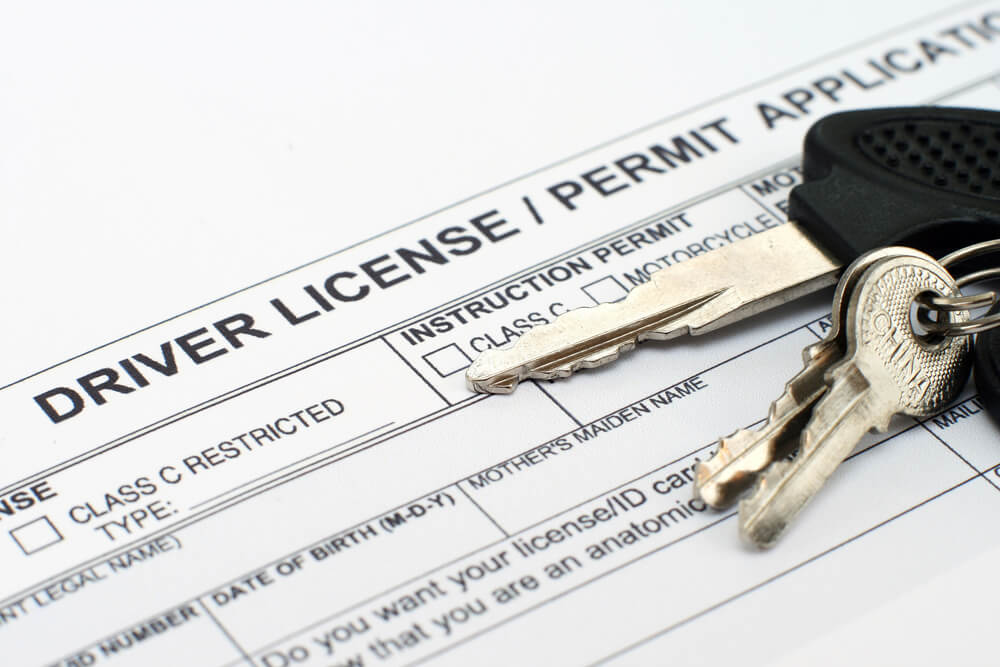
Congress passed the REAL ID Act in 2005 following a recommendation from the 9/11 Commission, establishing federal security standards for state-issued driver’s licenses. After repeated delays, enforcement finally began on May 7, 2025, requiring a compliant license or a passport to board any domestic flight or enter certain federal buildings.
Passports for Nearby Countries
Before 2001, U.S. citizens could typically enter Canada, Mexico, and much of the Caribbean with just a driver’s license or birth certificate. The Western Hemisphere Travel Initiative closed that loophole over the following decade, phasing in a passport requirement for virtually all travel across those borders.
The USA PATRIOT Act
Passed just six weeks after the attacks, the USA PATRIOT Act expanded the federal government’s authority to conduct surveillance, share intelligence between agencies, and detain individuals suspected of terrorism-related activity. Portions of the law remained a subject of ongoing legal and political debate for years afterward.
Warrantless Surveillance Programs
Reporting years later revealed that the National Security Agency had been conducting bulk collection of phone records and other communications data under authority tied to the post-2001 legal framework. The programs were scaled back and restructured after public disclosure and subsequent legislation.
The Color-Coded Terror Alert System
The Department of Homeland Security introduced a five-level, color-coded threat scale in 2002, ranging from green to red, that briefly became a fixture of daily news broadcasts and airport announcements. The system was retired in 2011 in favor of the more specific National Terrorism Advisory System, which issues plain-language alerts with defined expiration dates instead of an ongoing color status.
If You See Something, Say Something
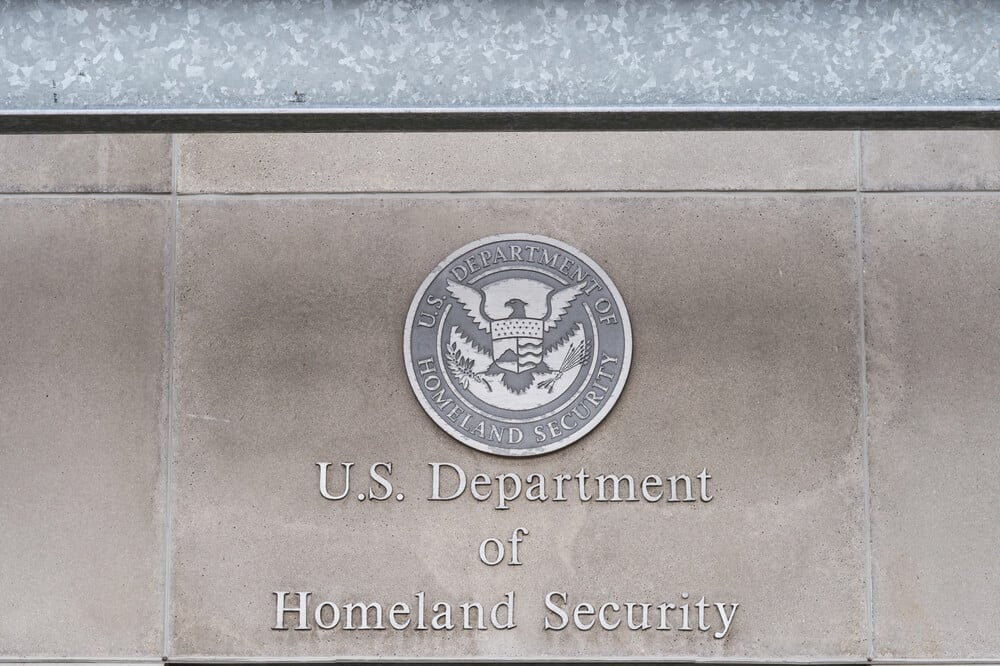
The Department of Homeland Security’s public awareness campaign, encouraging people to report unattended bags and suspicious behavior, became one of the most recognized public safety slogans in the country after its national rollout in 2010. Versions of the phrase now appear on signage in subway systems, stadiums, and airports nationwide.
The No-Fly List
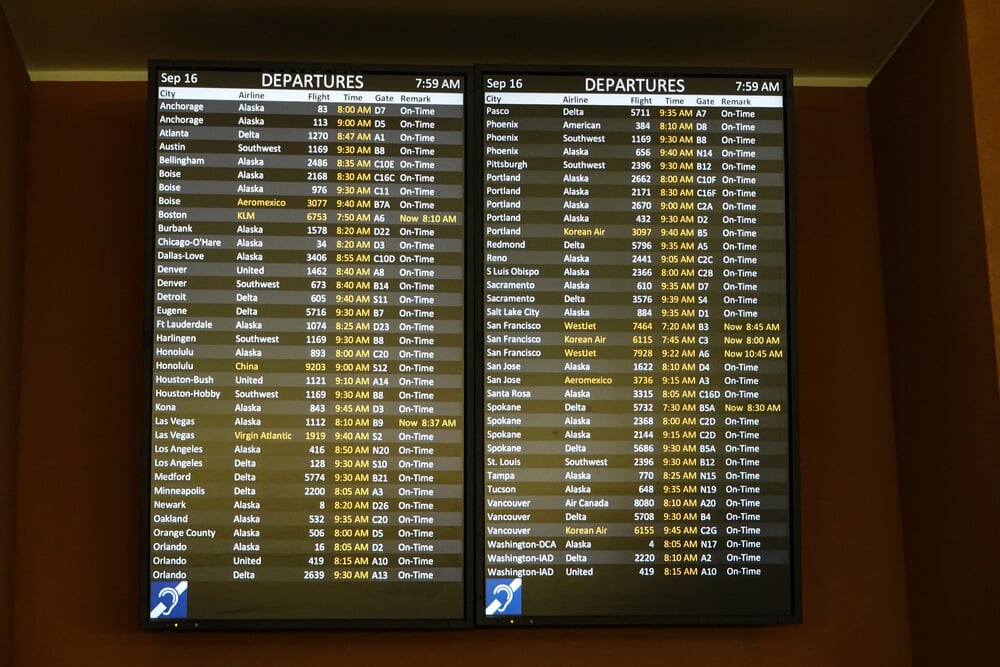
A federal watchlist barring certain individuals from boarding commercial flights was created in the months after the attacks and has expanded and drawn legal challenges over its size and accuracy ever since. Being placed on the list, and the process for being removed from it, remained a source of litigation for years.
ID Checks in Office Lobbies
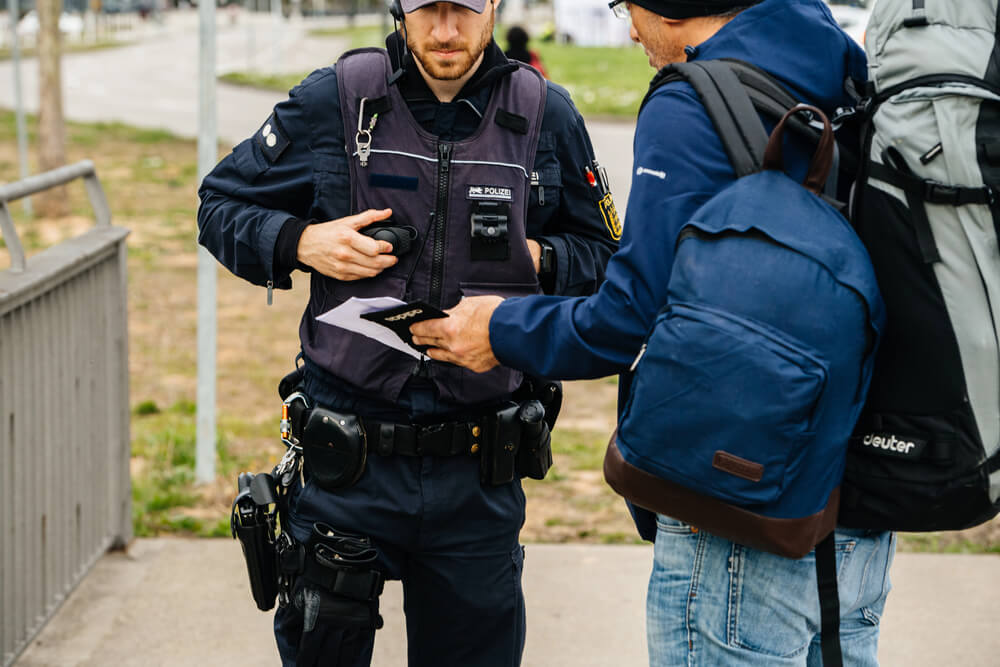
Photo identification checks, visitor badges, and turnstile access systems became standard in office buildings and corporate lobbies across the country in the years following 2001, replacing what had often been an unstaffed front desk. Many buildings added the requirement even though they had never previously considered themselves a security target.
Security Bollards Outside Government Buildings
Concrete barriers, planters, and retractable bollards became standard features outside courthouses, federal buildings, and city halls, designed to prevent vehicles from being driven into building entrances. Many of these barriers were installed so quickly after 2001 that they were originally meant as temporary measures.
Bag Checks at Stadiums and Arenas

Major sports leagues and concert venues began requiring clear-bag policies and physical bag searches at entry gates in the years following 2001, a practice that had been rare at most large public events beforehand. The policies have since become close to universal at major professional venues.
School Lockdown Drills

Lockdown drills, in which students and staff practice sheltering in place against an intruder, became standard practice in American schools alongside traditional fire drills in the years after 2001, later expanding further after subsequent school shootings. Surveys of parents and students now generally describe the drills as a routine part of the school calendar rather than an unusual event.
Landmark Security Overhauls
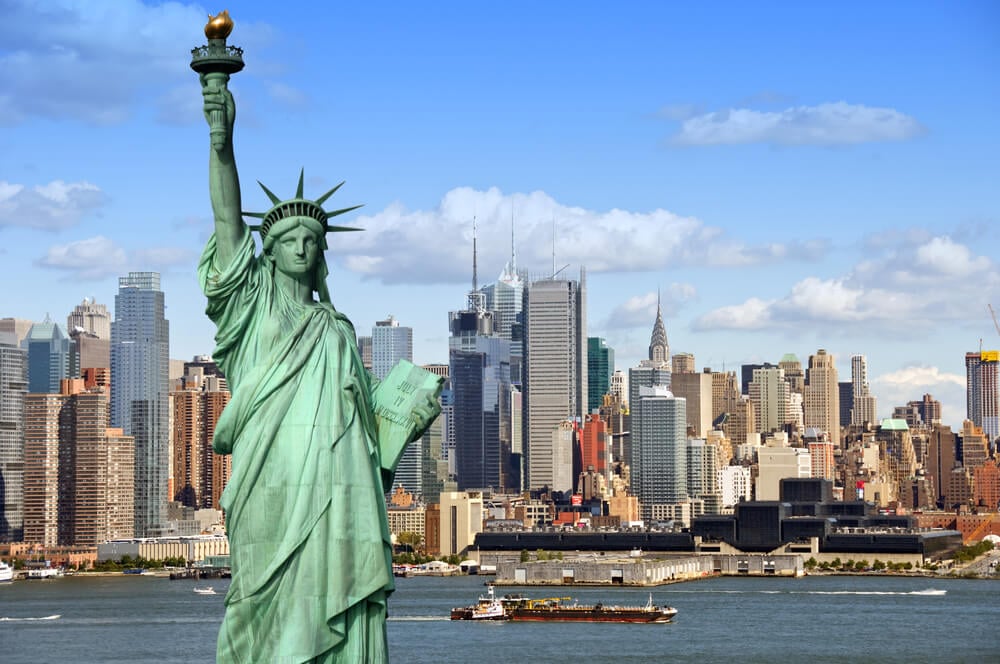
The Statue of Liberty closed entirely after the attacks and did not fully reopen its crown to visitors until 2009, following an eight-year process of adding new fire safety and security infrastructure inside the statue itself. Similar security overhauls, including new screening areas and visitor limits, were carried out at landmarks across the country.
Skyscraper Design Changes
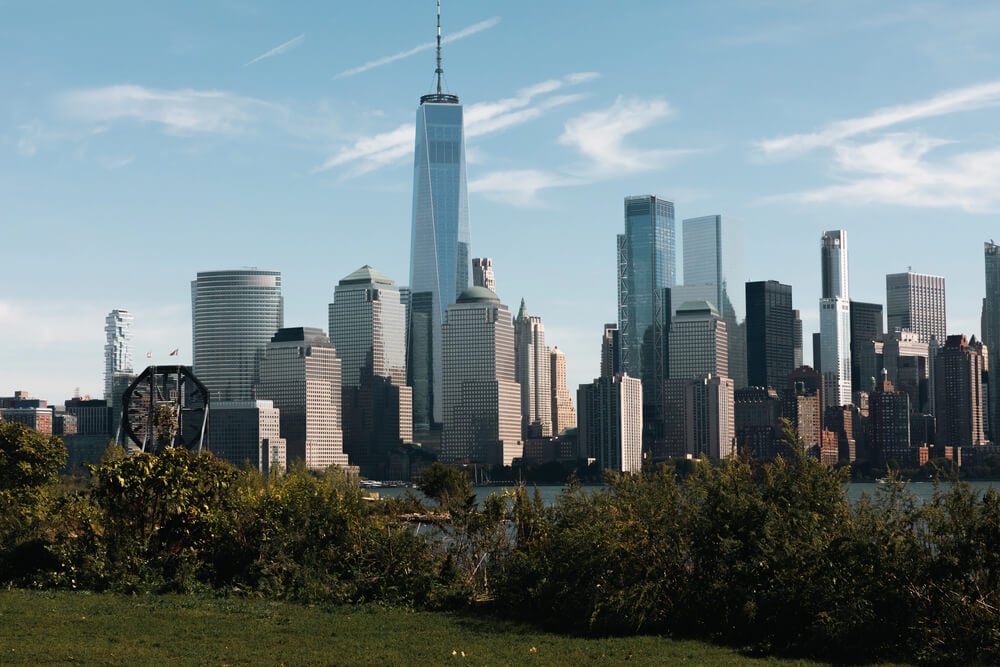
Building codes adopted after 2001 in cities including New York required wider, more clearly marked stairwells, additional exit routes, and reinforced structural cores in new high-rise construction. Several major skyscrapers built after the attacks, including the current World Trade Center towers, incorporated design elements specifically intended to improve evacuation and structural resilience.
The Rise of Private Security Employment
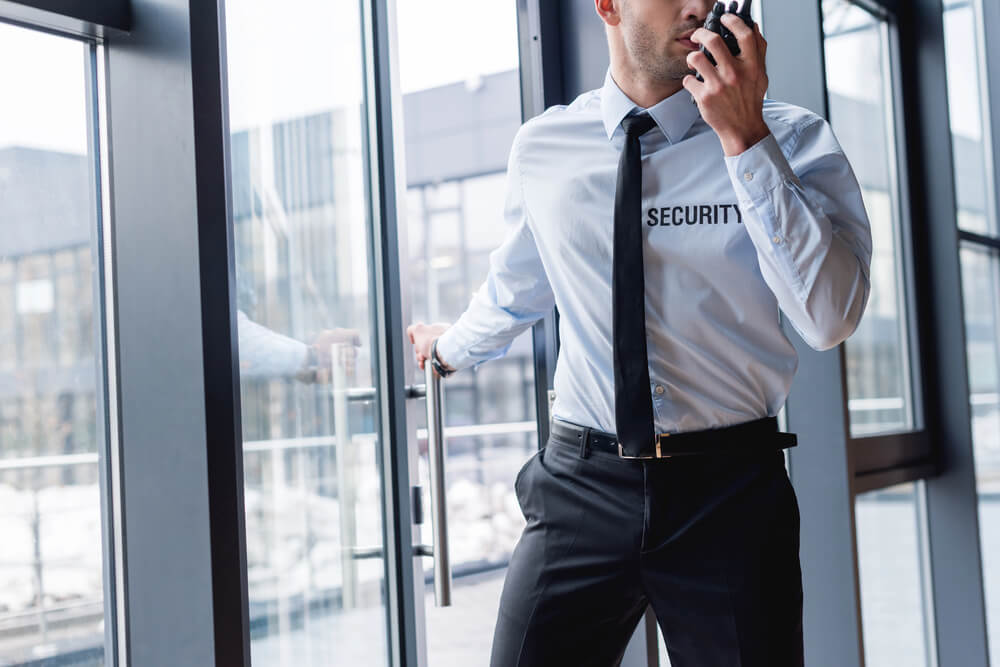
The number of Americans employed as private security guards grew substantially in the decade following 2001, as office buildings, retail centers, and event venues added personnel to handle new screening and access-control responsibilities. The occupation became one of the more common entry-level jobs in many metropolitan areas.
Public Surveillance Camera Networks
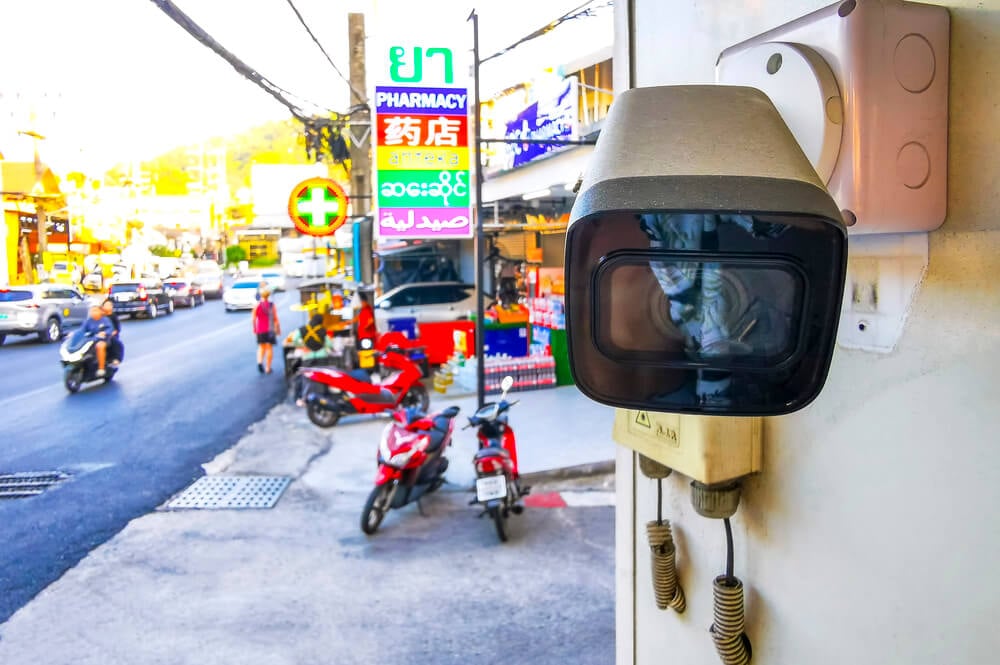
Cities significantly expanded networks of public surveillance cameras in the years after 2001, often citing counterterrorism funding to install systems monitoring transit hubs, financial districts, and other high-traffic areas. Lower Manhattan alone added thousands of cameras tied into a centralized monitoring system.
Random Subway Bag Searches
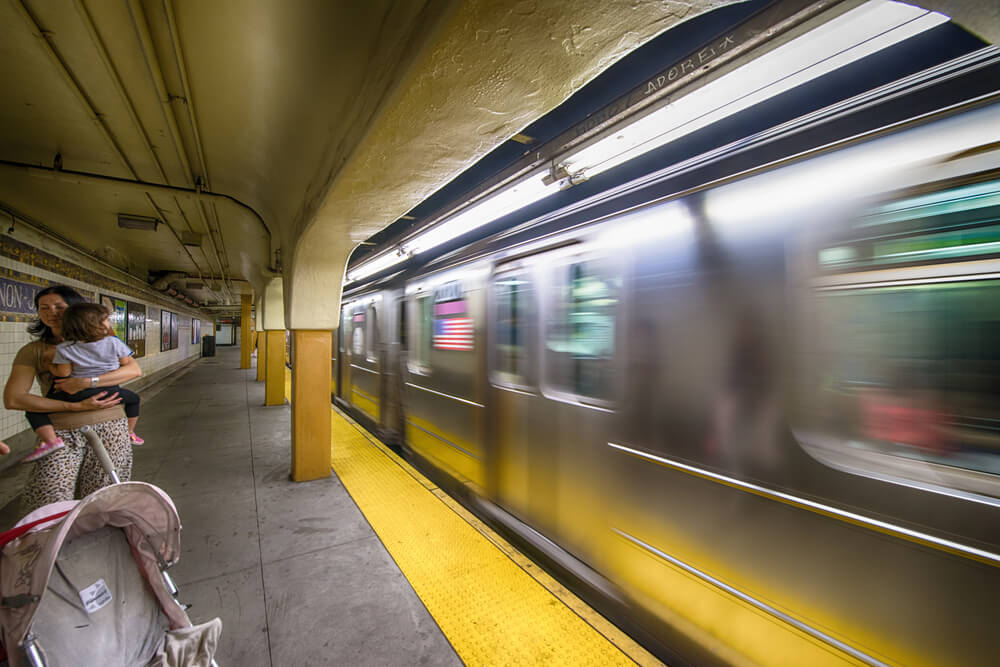
Transit systems in several major cities began conducting random bag searches at subway and train station entrances, a policy first implemented in New York in 2005 and adopted by other cities afterward. Riders may decline a search but are then denied entry to the system with that bag.
Temporary Flight Restrictions Over Stadiums
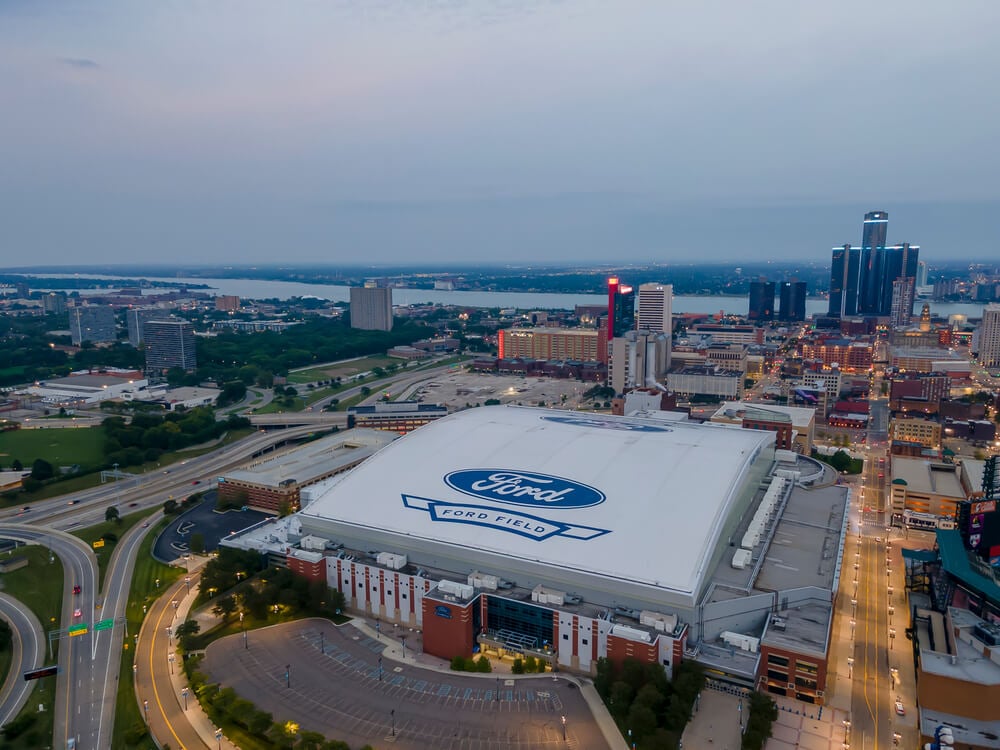
The Federal Aviation Administration began routinely imposing no-fly zones over major stadiums during large sporting events after 2001, restricting small aircraft from flying near packed venues during games. The restrictions are now issued automatically for events above a certain attendance threshold.
Hate Crime Tracking Against Muslim and Arab Americans
Federal law enforcement agencies began separately tracking anti-Muslim and anti-Arab hate crimes in the years following 2001, after advocacy groups documented a sharp rise in reported incidents in the months after the attacks. The category remains a distinct line item in annual federal hate crime statistics today.
The National Guard’s Expanded Domestic Role
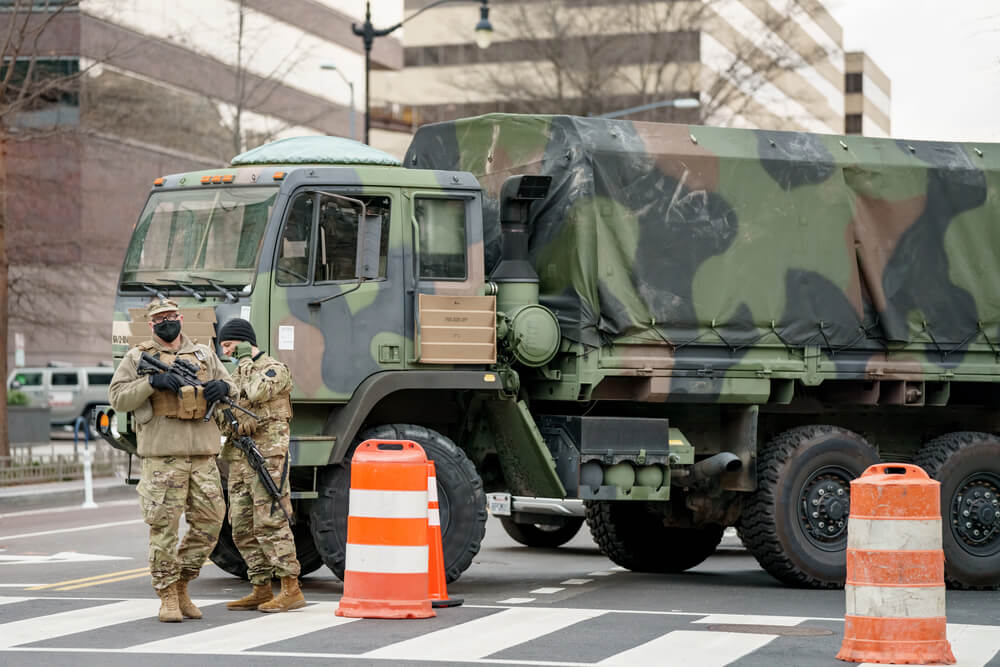
State National Guard units took on a significantly larger role in domestic security assignments after 2001, including extended deployments to airports, borders, and major public events. Guard units patrolled airport terminals with visible armed presence for months immediately following the attacks.
Federal Grants for Local Counterterrorism Equipment
The Department of Homeland Security began distributing billions of dollars in grants to local police and fire departments for counterterrorism training and equipment, funding everything from armored vehicles to chemical-detection sensors in cities of all sizes. The grant programs remain active and are renewed annually by Congress.
Times Square New Year’s Eve Security
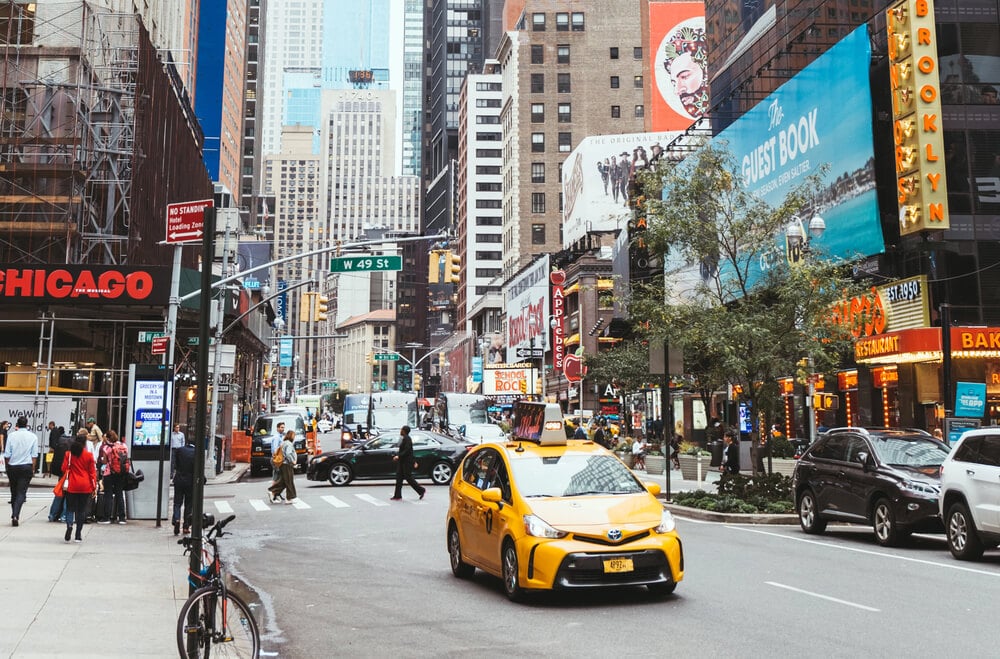
New Year’s Eve security in Times Square transformed after 2001 into a multi-layered operation involving sealed perimeters, mandatory bag checks, and thousands of officers, a scale of security that organizers had not previously considered necessary for the event. Attendees are now typically required to pass through checkpoints hours before the countdown.
The September 11th Victim Compensation Fund
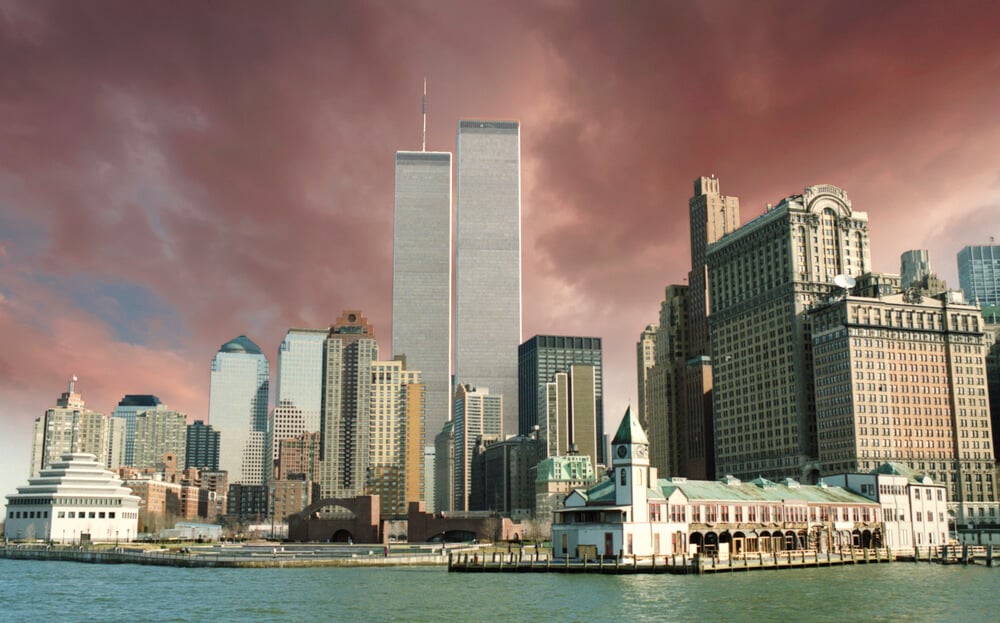
Congress created a federal fund within weeks of the attacks to compensate victims’ families and, later, responders who developed illness from exposure at the site, a model that shaped how the federal government approached compensation after subsequent mass-casualty events. The fund’s authorization has been extended multiple times as illnesses among surviving responders continued to emerge years later.
Backpack and Bag Restrictions at Public Events
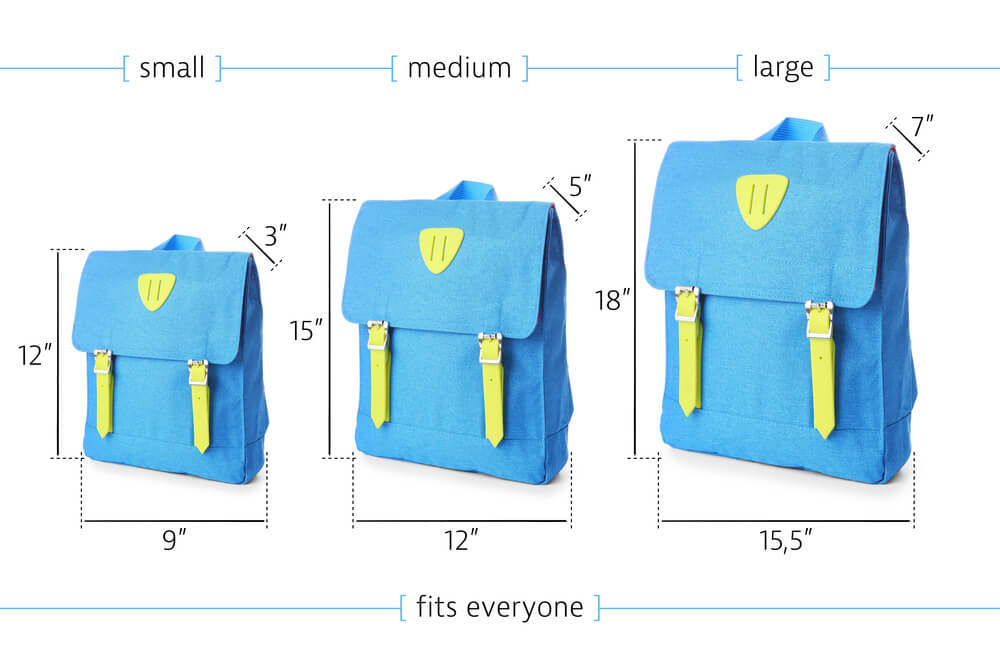
Large public gatherings, including marathons, parades, and fireworks displays, began imposing bag-size restrictions and prohibiting backpacks entirely in the years following 2001, a shift accelerated further after later attacks on public events. Many cities now publish detailed prohibited-items lists ahead of major public gatherings.
Wireless Emergency Alerts
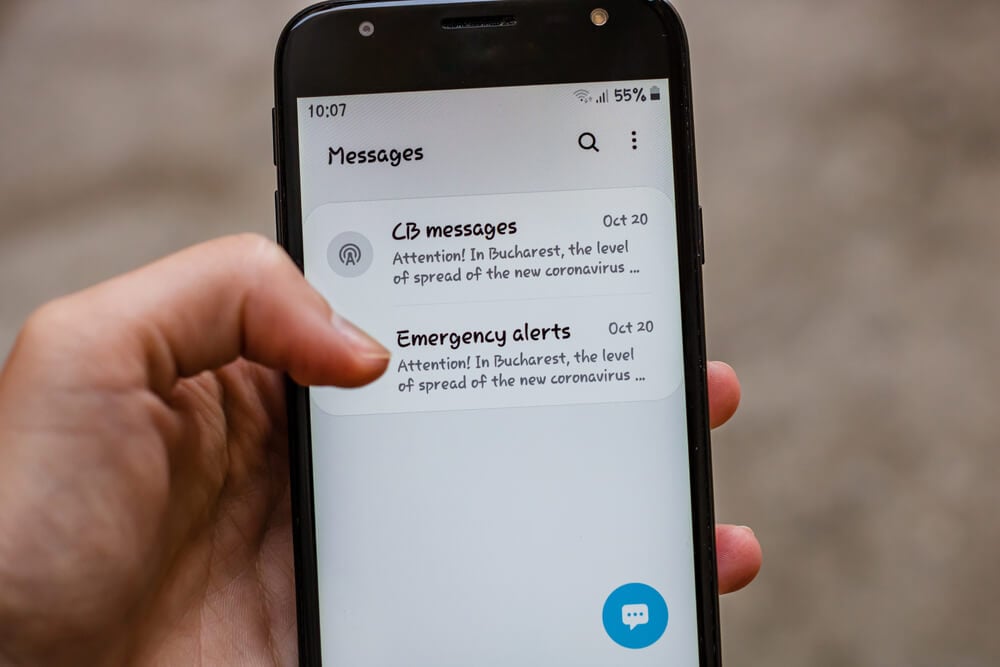
The federal Wireless Emergency Alerts system, which sends text-based safety warnings directly to cell phones, was developed in the years following 2001 as part of a broader push to improve how the public receives urgent threat information. The system now also delivers weather warnings and Amber Alerts through the same infrastructure originally built for terrorism-related notifications.
The Shoes-and-Liquids Rollback
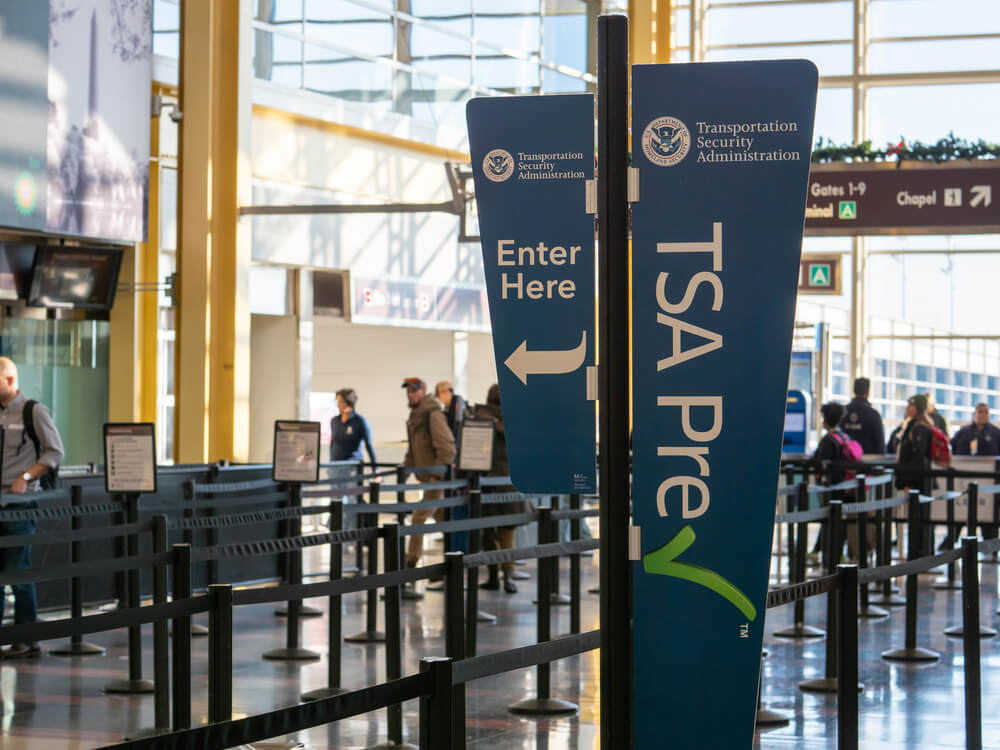
More than two decades after the rules were introduced, the TSA began relaxing its shoes-off policy in 2025 and signaled that changes to the liquids restrictions could follow. For travelers who had never known airport security any other way, the rollback marked one of the first times a major post-2001 security measure had been meaningfully reversed rather than expanded.
A Quarter Century Later
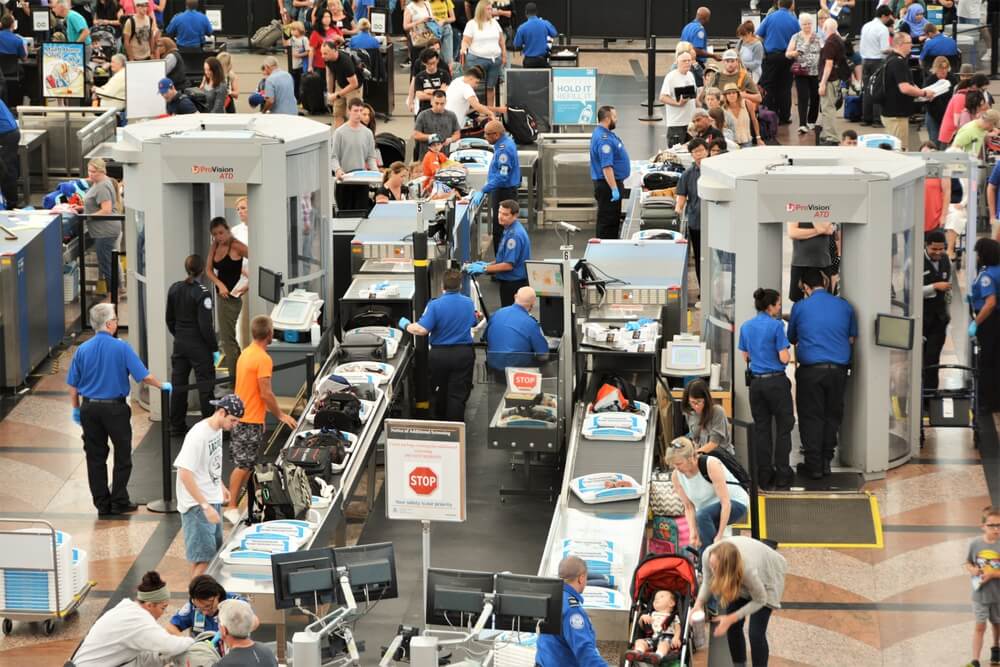
Almost none of these changes arrived with a vote or a single announcement that most people noticed at the time. They accumulated instead, one new rule layered onto the last, until an entire generation grew up assuming a barefoot walk through a metal detector was simply what flying meant.
That is, in some ways, the clearest measure of how much changed. A security apparatus built quickly, under emergency conditions, became permanent enough that its slow unwinding a quarter century later counts as news.
More from Go2Tutors!

- The Romanov Crown Jewels and Their Tragic Fate
- 13 Historical Mysteries That Science Still Can’t Solve
- Famous Hoaxes That Fooled the World for Years
- 15 Child Stars with Tragic Adult Lives
- 16 Famous Jewelry Pieces in History
Like Go2Tutors’s content? Follow us on MSN.