29 Antique Books Worth Checking the Copyright Page For
Book collecting has a reputation for being intimidating, but most of the real work happens on a single page most readers skip entirely. The copyright page, tucked just behind the title page, is where a book quietly discloses whether it is a true first edition or one of countless later printings wearing the same cover.
That single check separates a book worth real money from a nearly identical-looking copy worth very little. Learning to read it is the single most useful skill in the entire hobby.
The Great Gatsby, First Edition First Printing
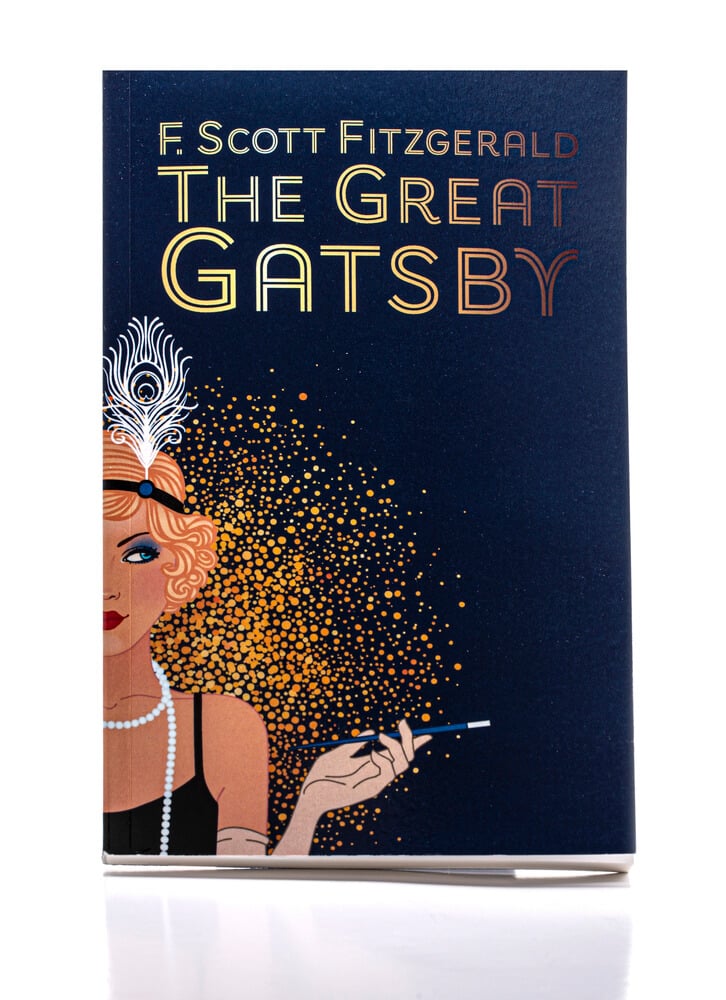
F. Scott Fitzgerald’s The Great Gatsby, published in 1925 by Scribner’s, is one of the most consistently sought-after twentieth-century American first editions. Genuine first printings are identified by a specific set of textual errors on particular pages that were corrected in later printings, making the copyright page and interior text equally important to check before assuming a copy is valuable.
To Kill a Mockingbird, First Edition
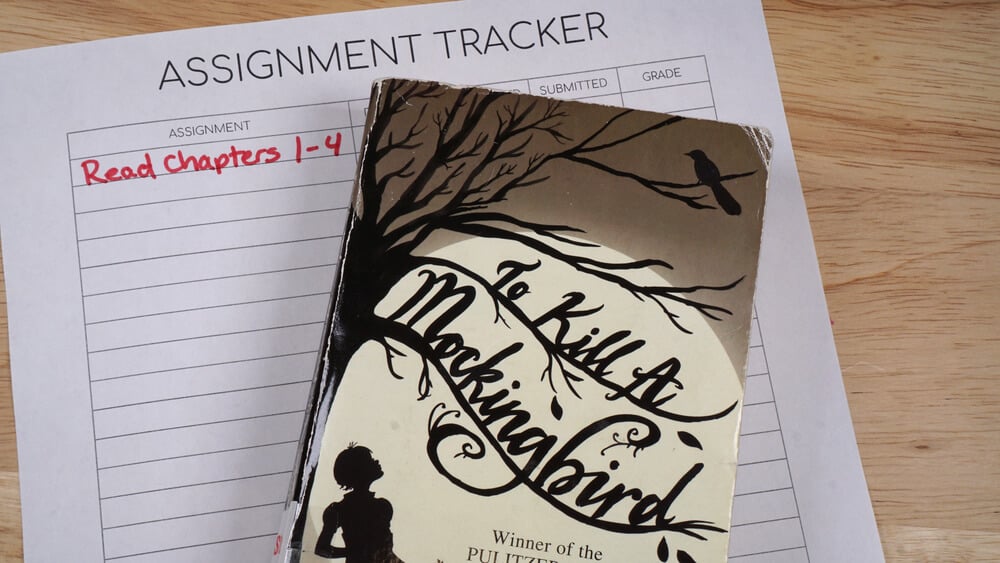
Harper Lee’s 1960 novel is identified as a true first printing through specific details on the copyright page, including the absence of later printing numbers that were added to subsequent runs. Because the book has remained continuously in print for decades, distinguishing an early first printing from a later one requires careful attention to these small but decisive publishing details.
Little Women, First Edition

Louisa May Alcott’s Little Women was published in two volumes, in 1868 and 1869, and true first editions are authenticated by confirming both volumes match their correct original printing details rather than a later combined edition. Because the book was an immediate commercial success, publishers moved quickly to additional printings, making the distinction between a genuine first printing and an early subsequent one especially important to collectors.
Ulysses, 1922 Shakespeare and Company Edition
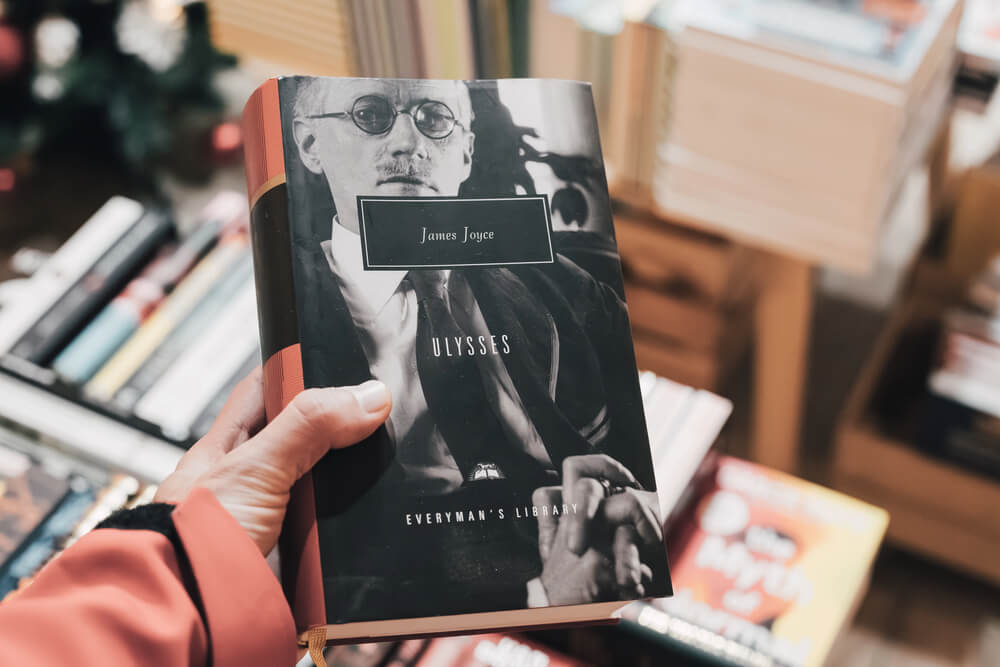
James Joyce’s Ulysses was first published in 1922 by Sylvia Beach’s Shakespeare and Company in Paris in a limited print run, making the copyright and colophon pages essential for confirming a copy’s place within that original, numbered printing. Numbered copies from the earliest portion of the print run are generally considered more desirable than later numbers within the same edition.
The Adventures of Huckleberry Finn, First Edition
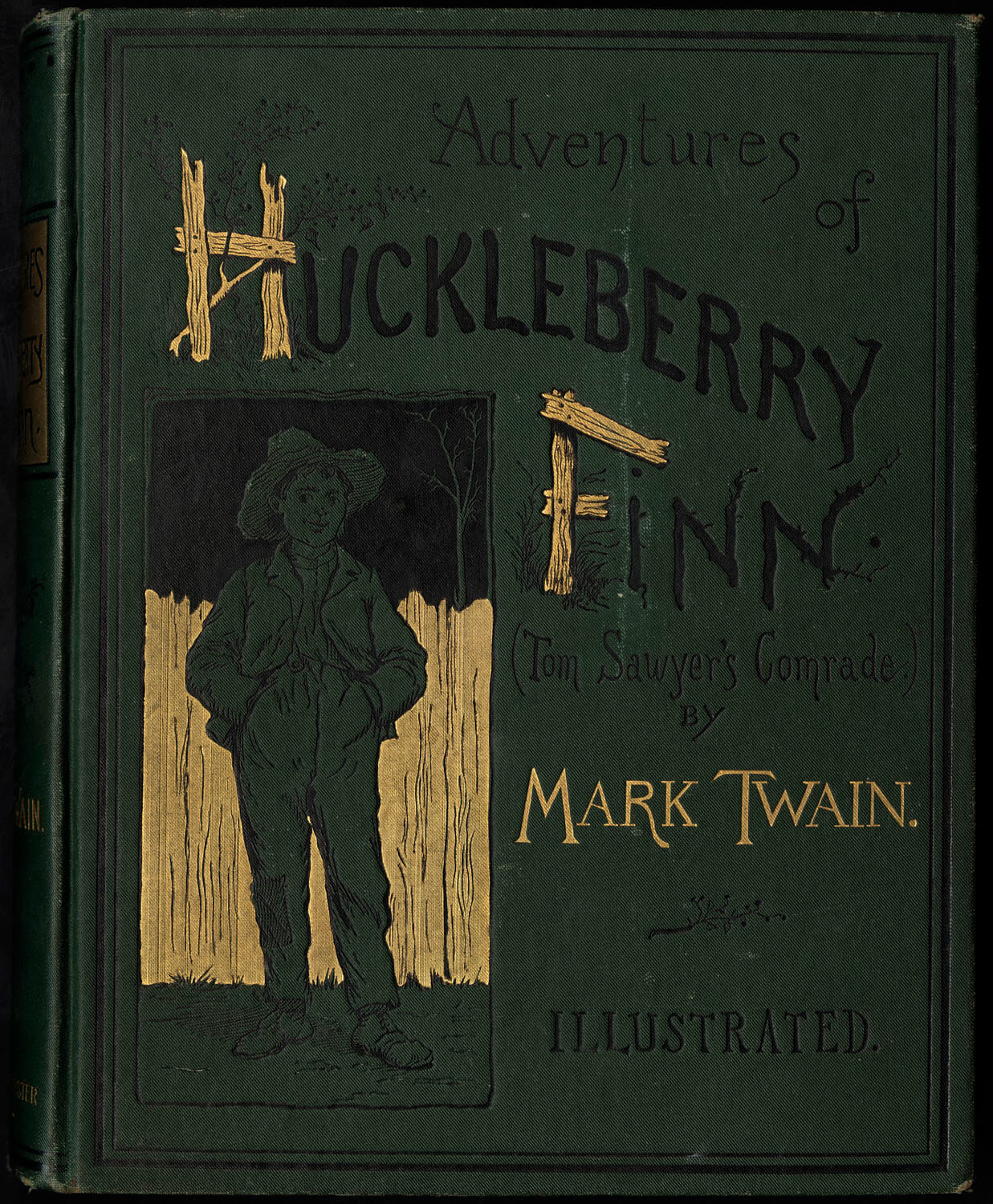
Mark Twain’s novel, first published in 1884 in Britain and 1885 in the United States, is identified as a genuine first edition partly through a specific printing flaw affecting an illustration in early copies, which was corrected in later printings. Collectors specifically check for the presence or absence of this flaw alongside standard copyright page details.
Pride and Prejudice, 1813 First Edition
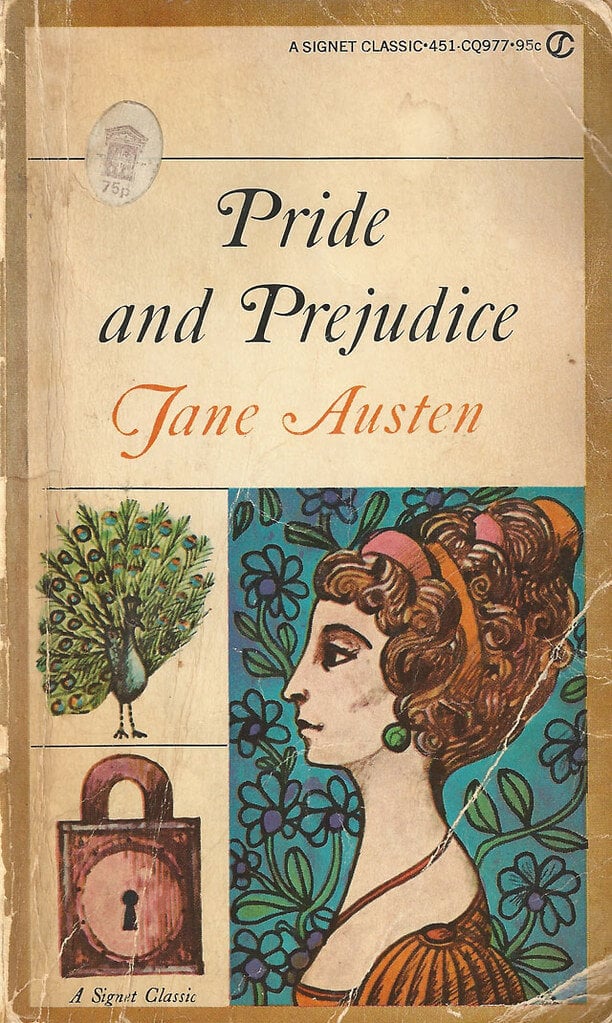
Jane Austen’s Pride and Prejudice was published anonymously in 1813, crediting only “the author of Sense and Sensibility” rather than Austen by name, a detail reflected on the title page rather than a modern copyright page given the era’s publishing conventions. Because the novel predates standardized copyright page practices, collectors instead rely on specific printer’s marks and binding details documented in Austen bibliographies.
The Catcher in the Rye, First Edition
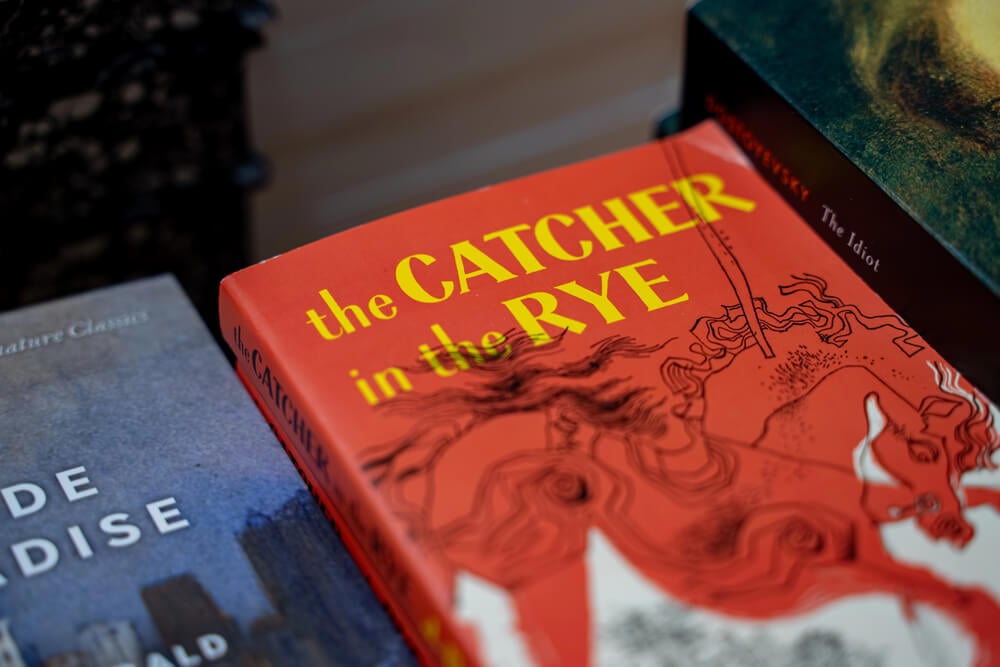
J.D. Salinger’s 1951 novel is identified as a true first printing through specific details on the copyright page combined with the presence of the original author photograph on the dust jacket, which was removed from later printings at Salinger’s request. This makes the dust jacket, not just the copyright page, essential to fully authenticating an early copy.
Frankenstein, 1818 First Edition
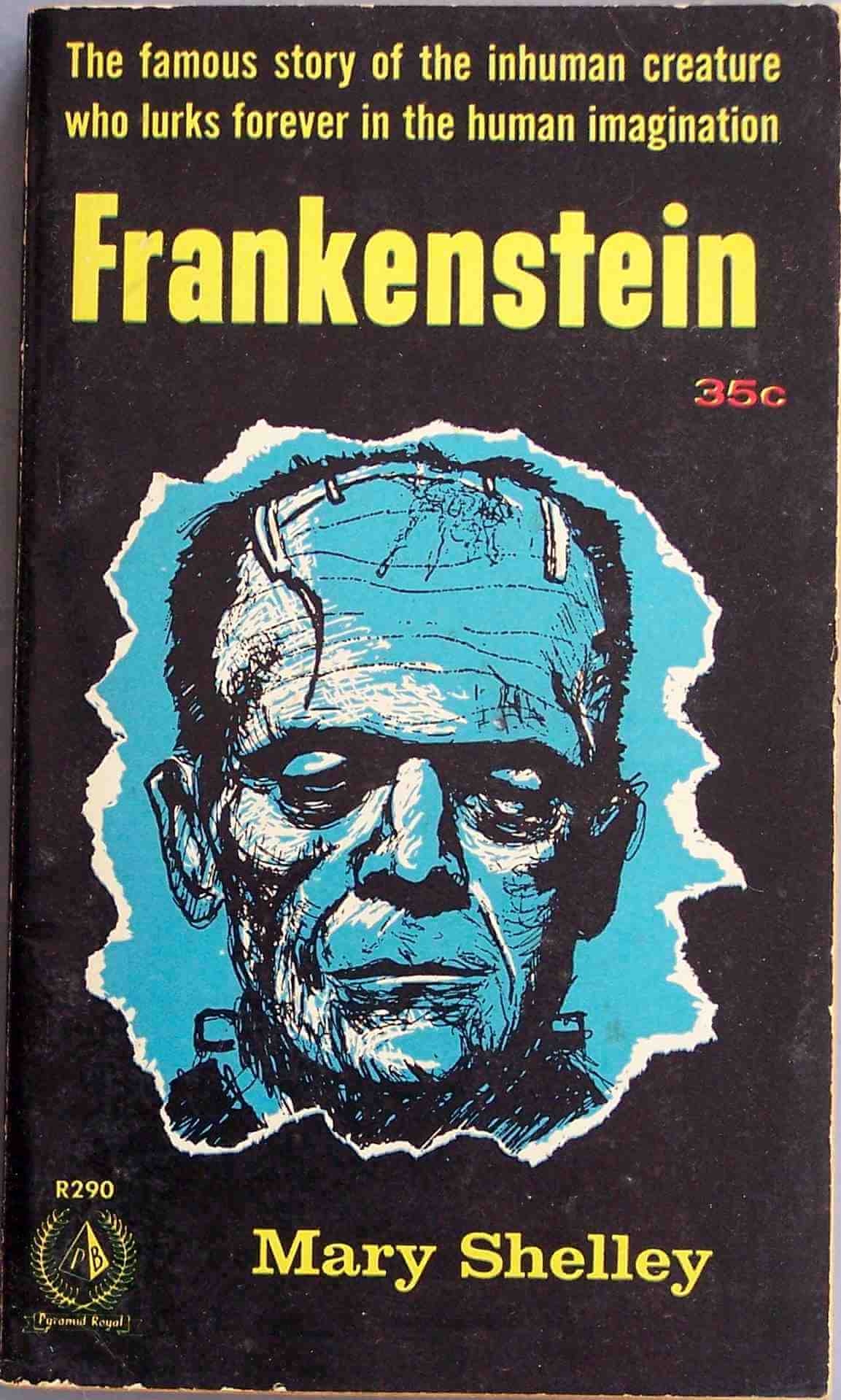
Mary Shelley’s Frankenstein was published anonymously in 1818 in a small print run of around five hundred copies, making genuine first editions extraordinarily scarce and typically handled only through specialist antiquarian dealers. Because the novel predates modern copyright page conventions, authentication relies on period-specific printing and binding characteristics documented by rare book specialists.
Leaves of Grass, 1855 First Edition
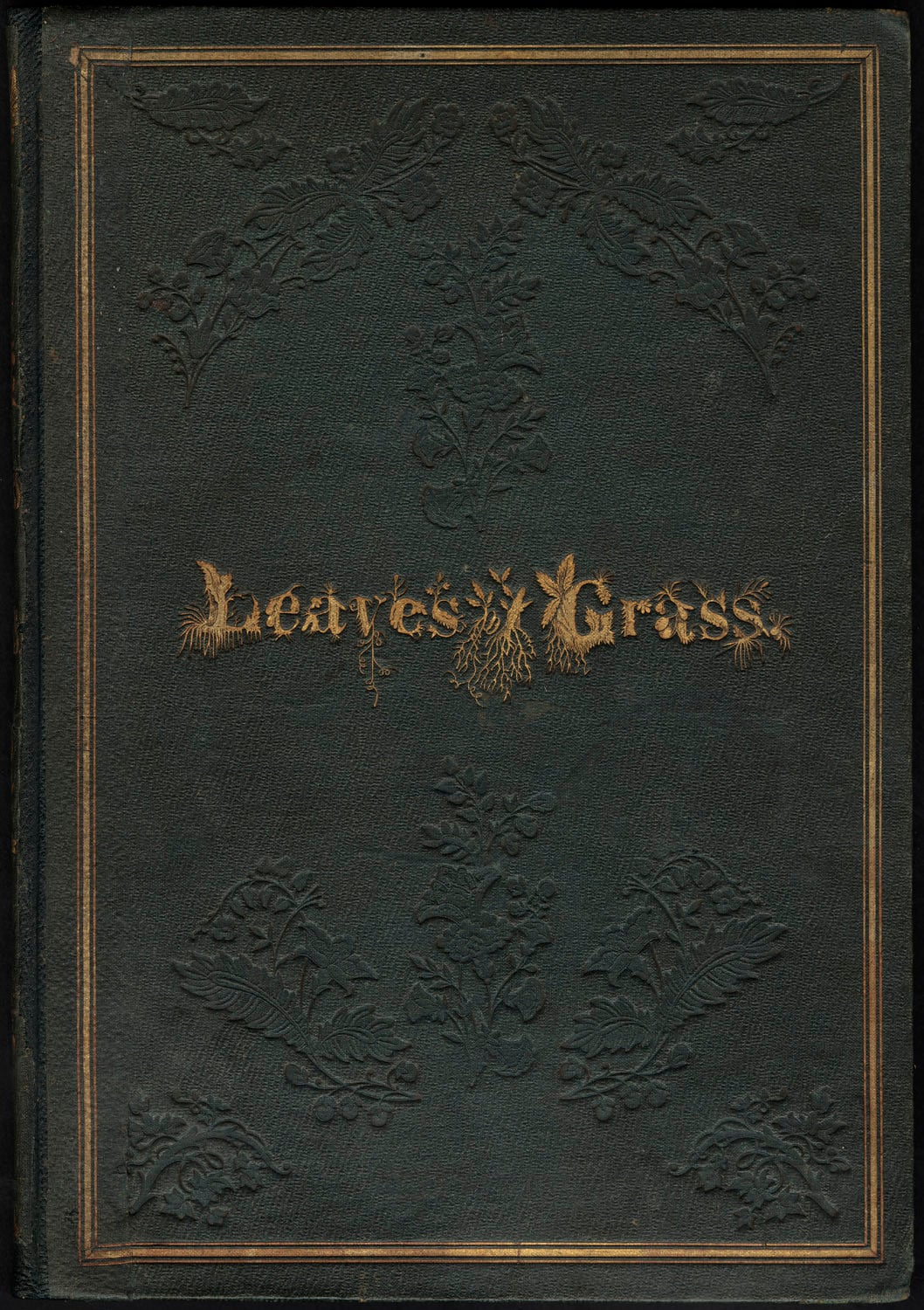
Walt Whitman’s Leaves of Grass was self-published in 1855 in a small initial printing, and copies are authenticated through specific binding details and the absence of Whitman’s name from the title page, since the poet was initially credited only through his portrait. Later editions expanded the collection substantially, so collectors specifically distinguish the slim original 1855 printing from any of the poet’s numerous subsequent revised editions.
The Hobbit, First Edition First Printing
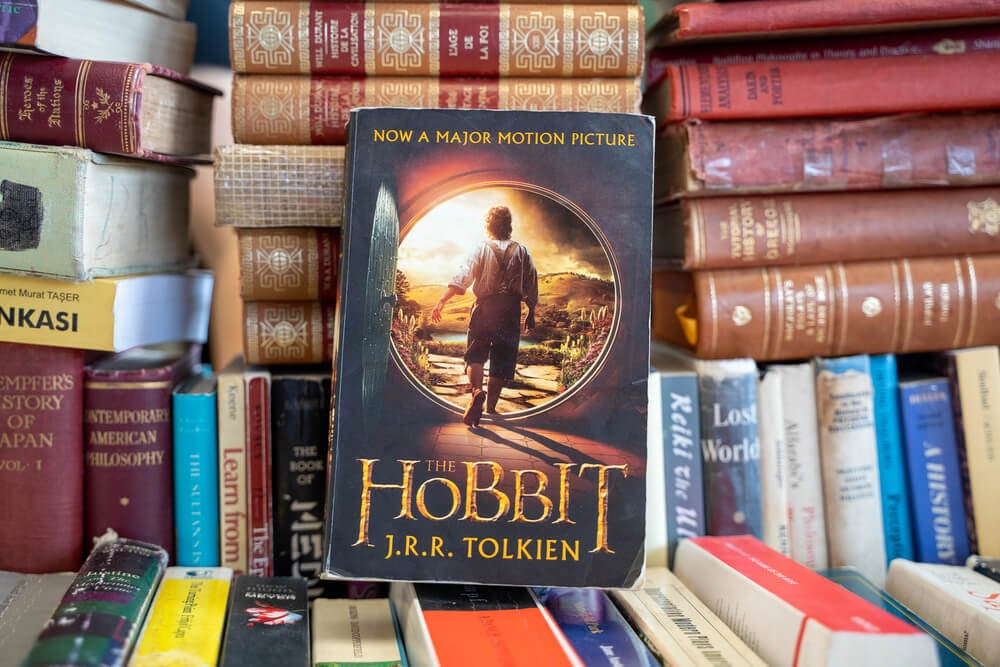
J.R.R. Tolkien’s The Hobbit, published in 1937, is identified as a true first printing partly through the presence of specific black-and-white illustrations that were later supplemented or altered in subsequent printings. The copyright page’s printing statement, combined with dust jacket details, is what collectors cross-reference to confirm an early copy.
A Farewell to Arms, First Edition
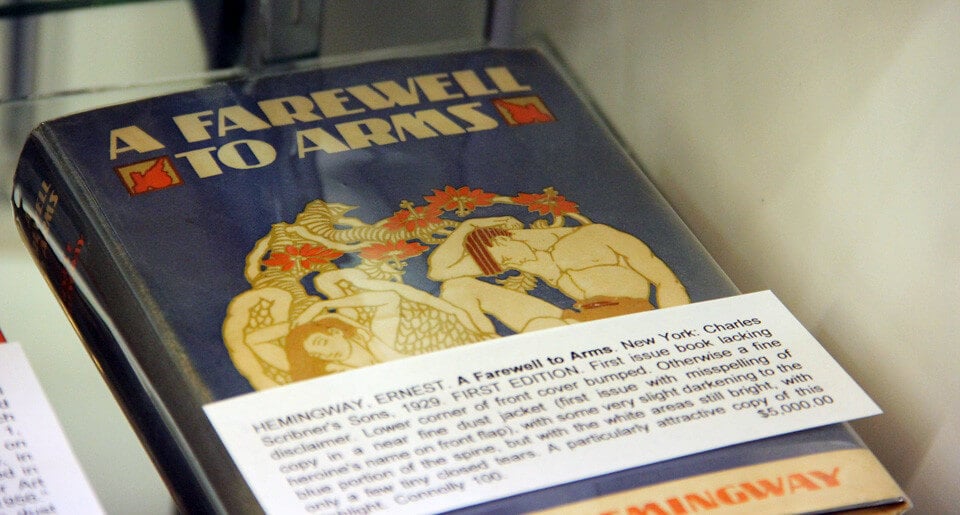
Ernest Hemingway’s 1929 novel is authenticated as a genuine first printing through specific copyright page wording and a particular typographical detail on an early page that was corrected in later printings. Because Hemingway’s books remain heavily collected, reference guides documenting these exact printing points are considered essential tools for anyone evaluating a potential first edition.
Alice’s Adventures in Wonderland, 1865 Withdrawn Edition
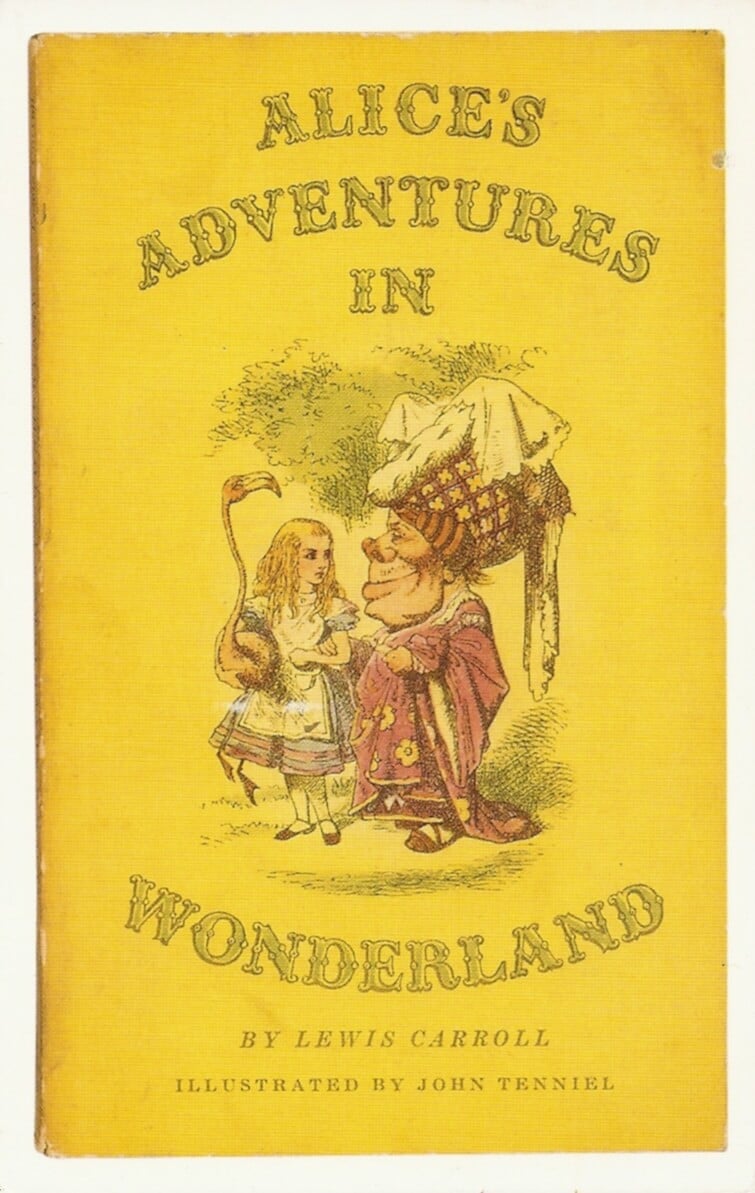
The very first printing of Lewis Carroll’s Alice’s Adventures in Wonderland, dated 1865, was withdrawn from sale shortly after printing due to the illustrator’s dissatisfaction with the print quality, making surviving copies of this withdrawn edition extraordinarily rare. The more commonly found “first edition” in circulation is actually a corrected 1866 reprint, so distinguishing between these two closely related printings is essential and requires expert authentication.
The Grapes of Wrath, First Edition

John Steinbeck’s 1939 novel is authenticated as a true first printing through specific copyright page details and dust jacket characteristics documented in Steinbeck bibliographies. Because the novel’s social themes made it both celebrated and controversial at the time of publication, surviving first editions with an intact dust jacket are considerably scarcer than the book’s later, more comfortable literary reputation might suggest.
Winnie-the-Pooh, First Edition
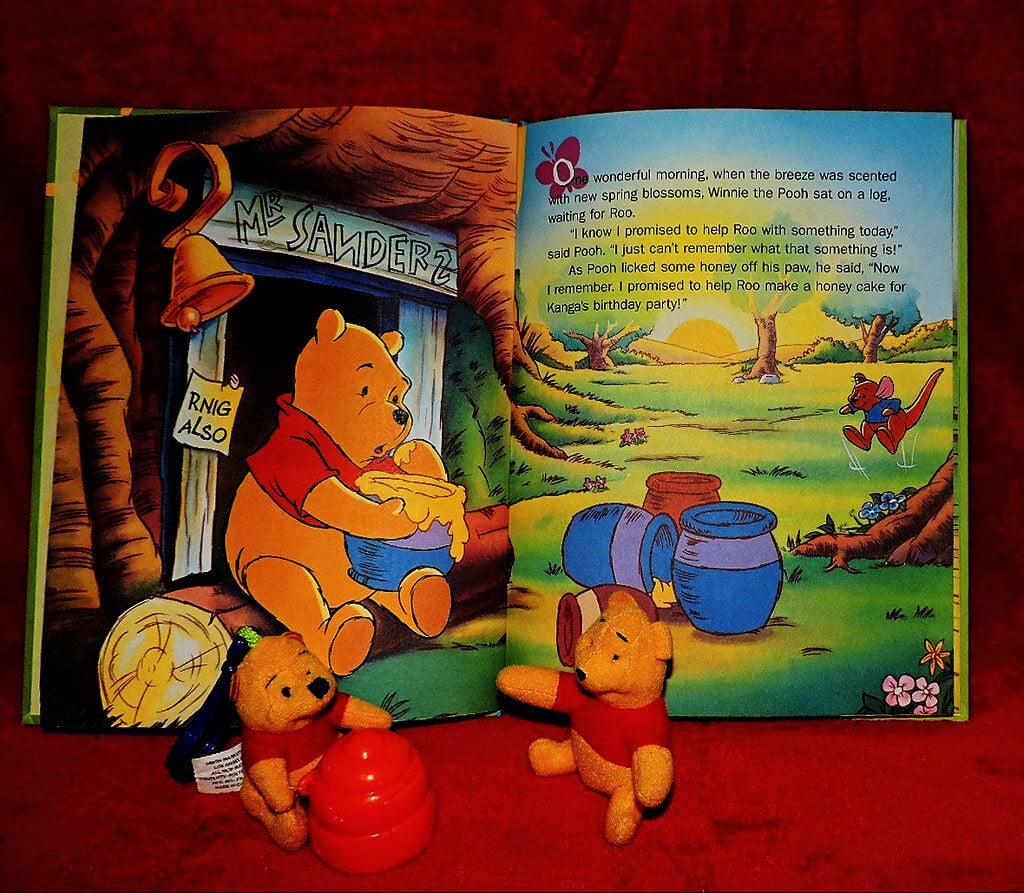
A.A. Milne’s Winnie-the-Pooh, published in 1926 with illustrations by E.H. Shepard, is authenticated through specific copyright page and binding details alongside the quality and placement of the original Shepard illustrations, which varied slightly across early printings. Complete first editions with the dust jacket intact are considerably more valuable than the book alone, since most surviving jackets did not survive decades of children’s handling.
The Sun Also Rises, First Edition
Ernest Hemingway’s 1926 debut novel is authenticated through specific copyright page wording distinguishing the true first printing from Scribner’s subsequent printings released within the same year. Because demand for the book was strong immediately upon release, multiple printings followed quickly, making careful copyright page comparison essential to confirming a genuine first.
Gone with the Wind, First Edition First Printing
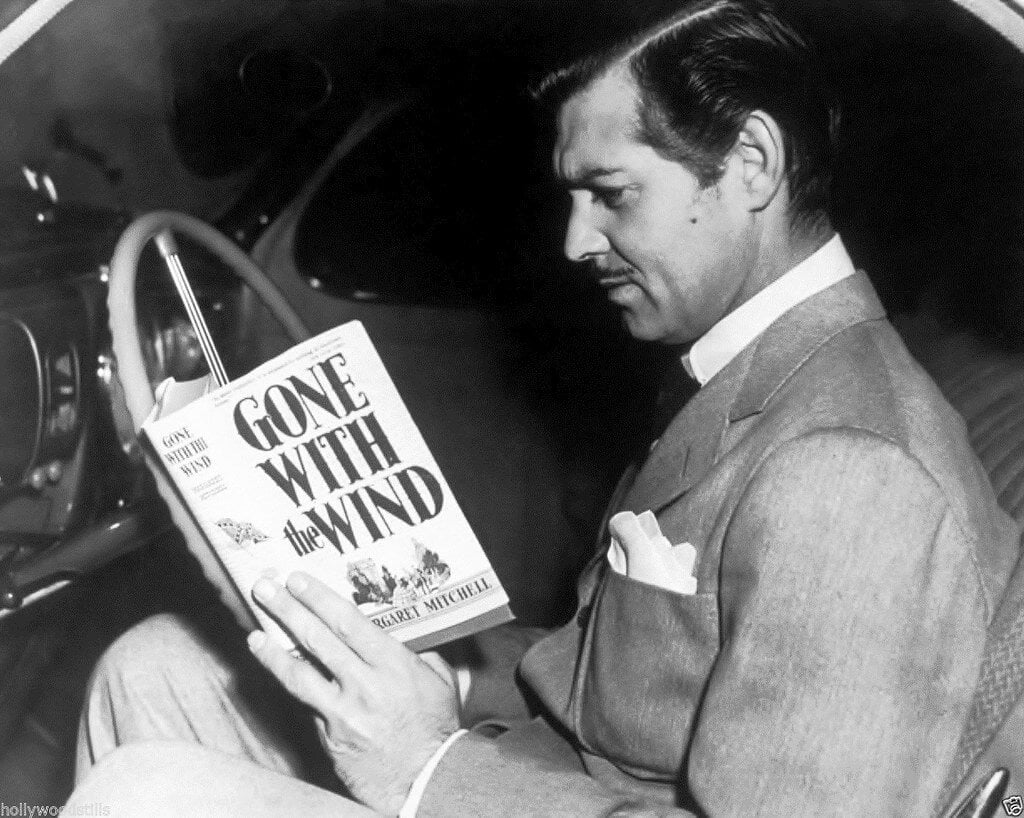
Margaret Mitchell’s 1936 novel is authenticated as a true first printing through a specific set of printing details on the copyright page, since the book’s immediate and enormous popularity led to numerous subsequent printings within its first year alone. Collectors treat the distinction between a true first printing and a later printing from the same year as critical to the book’s value.
Dracula, First Edition
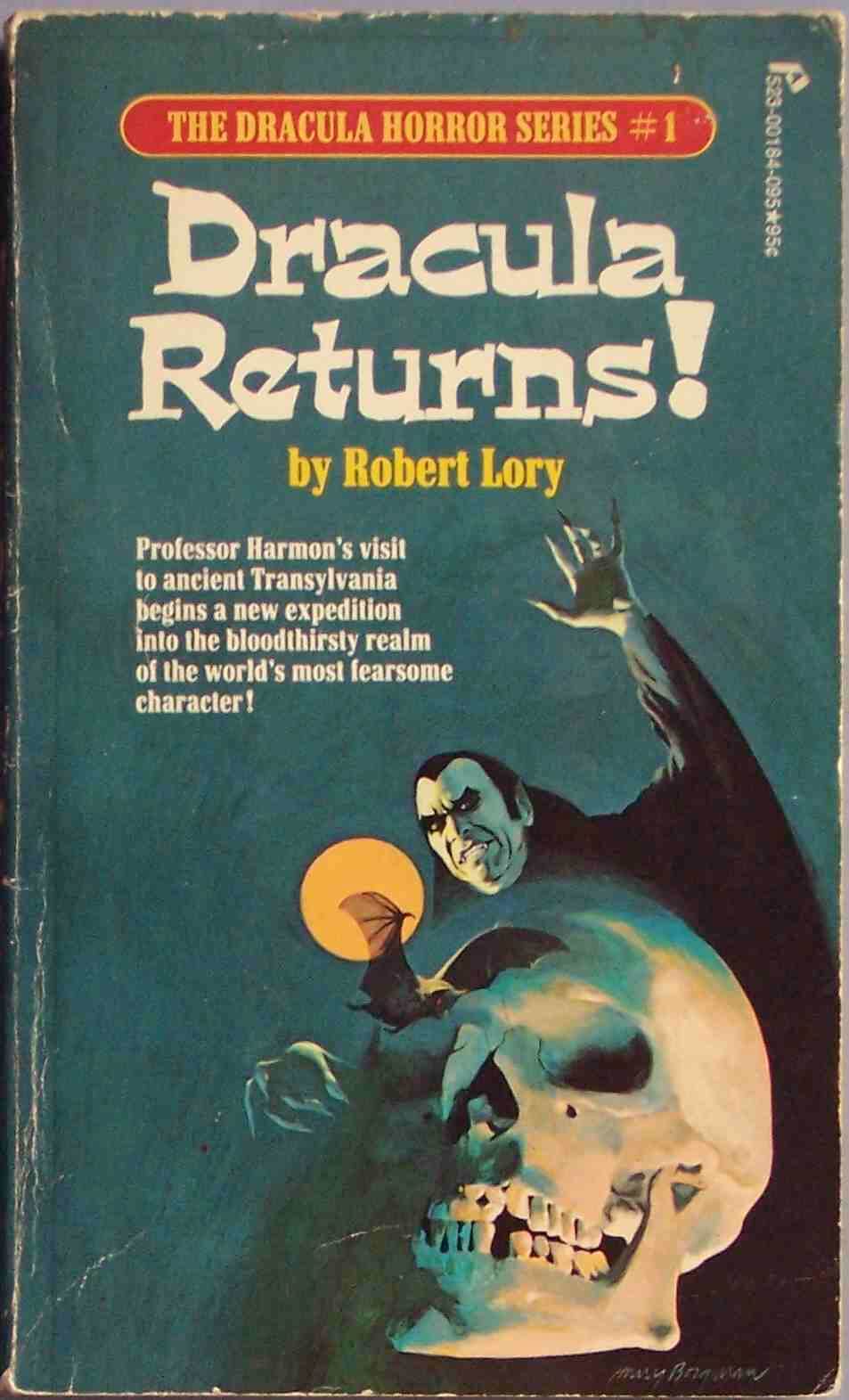
Bram Stoker’s Dracula, published in 1897, is authenticated through specific binding color and copyright page details documented in vampire literature bibliographies. Because the novel has never gone out of print, distinguishing a genuine 1897 first edition from the many later reprintings requires careful attention to period-specific publisher’s binding conventions.
Charlotte’s Web, First Edition
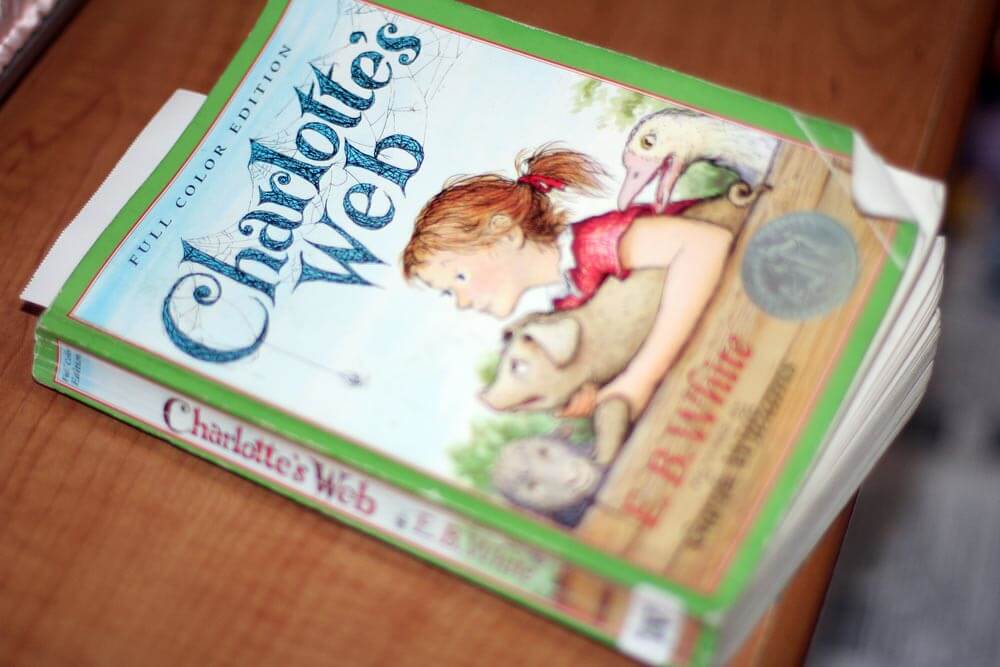
E.B. White’s Charlotte’s Web, published in 1952 with illustrations by Garth Williams, is authenticated as a true first printing through specific copyright page details and dust jacket characteristics. As with many mid-century children’s books, surviving copies with an undamaged dust jacket are considerably scarcer than the book itself, since dust jackets on children’s books rarely survived actual use.
Fahrenheit 451, First Edition
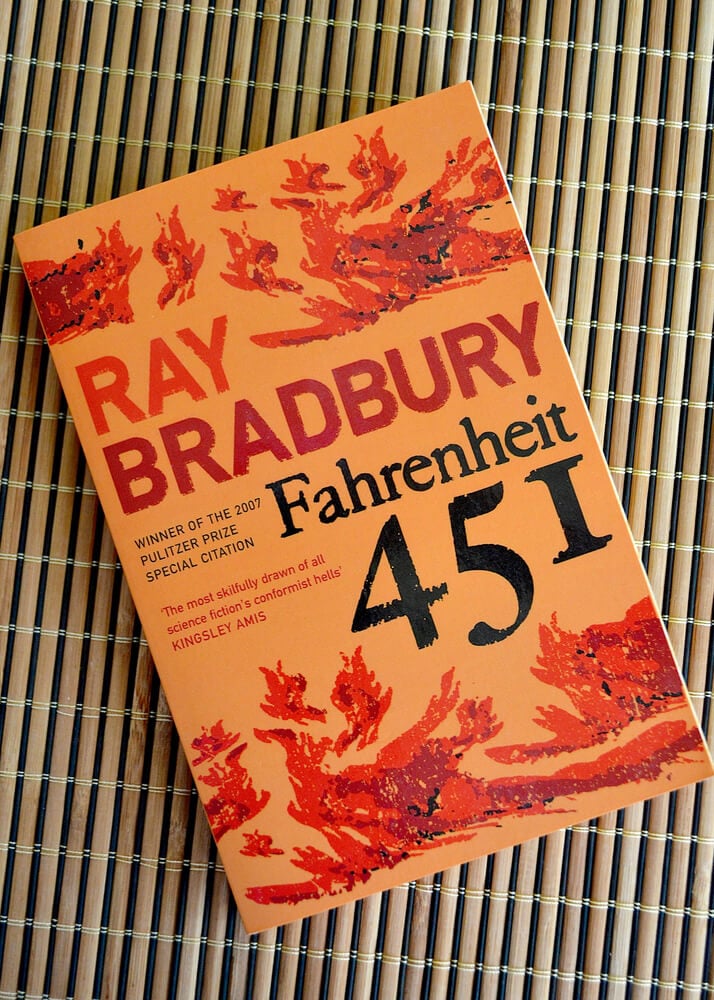
Ray Bradbury’s 1953 novel was originally published with several variant bindings, including a rare asbestos-covered edition produced in a very limited run, making binding type as important as the copyright page in authenticating a specific copy. Collectors specifically distinguish between the standard trade first edition and the far scarcer asbestos-bound variant.
The Lord of the Rings, First Edition Set
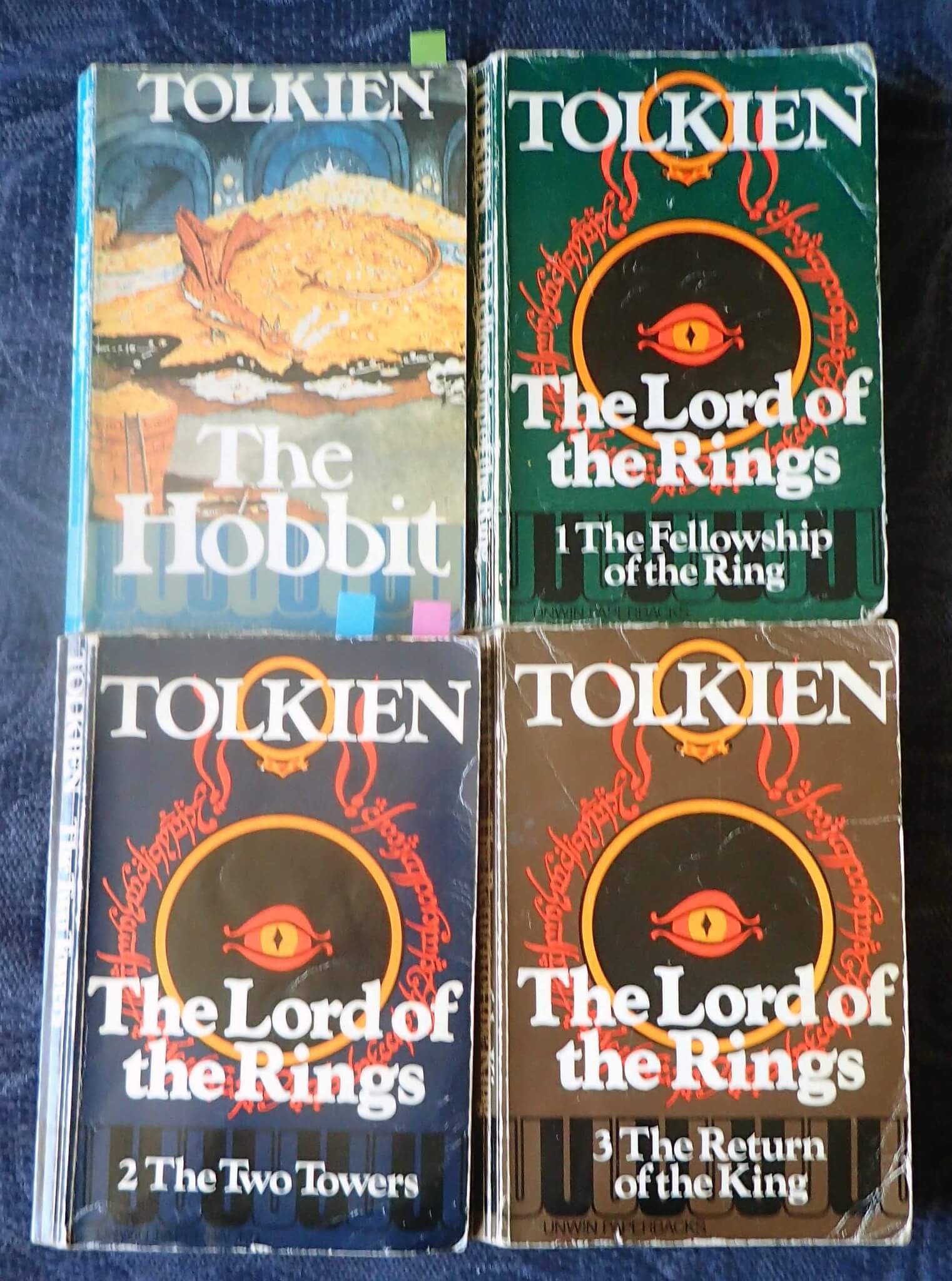
J.R.R. Tolkien’s three-volume Lord of the Rings, published between 1954 and 1955, is authenticated volume by volume, since each book has its own specific first printing details and the volumes were not always kept together as a matched set over the decades. A genuine matched first-edition set, with all three volumes confirmed as true first printings, is considerably more valuable than the same three books assembled from different printings.
Their Eyes Were Watching God, First Edition

Zora Neale Hurston’s 1937 novel has seen significant reappraisal in literary reputation since its original publication, and first editions have risen accordingly in collector interest as the novel’s importance has become more widely recognized. Authentication relies on specific copyright page details documented in more recent bibliographic research on Hurston’s work.
Slaughterhouse-Five, First Edition
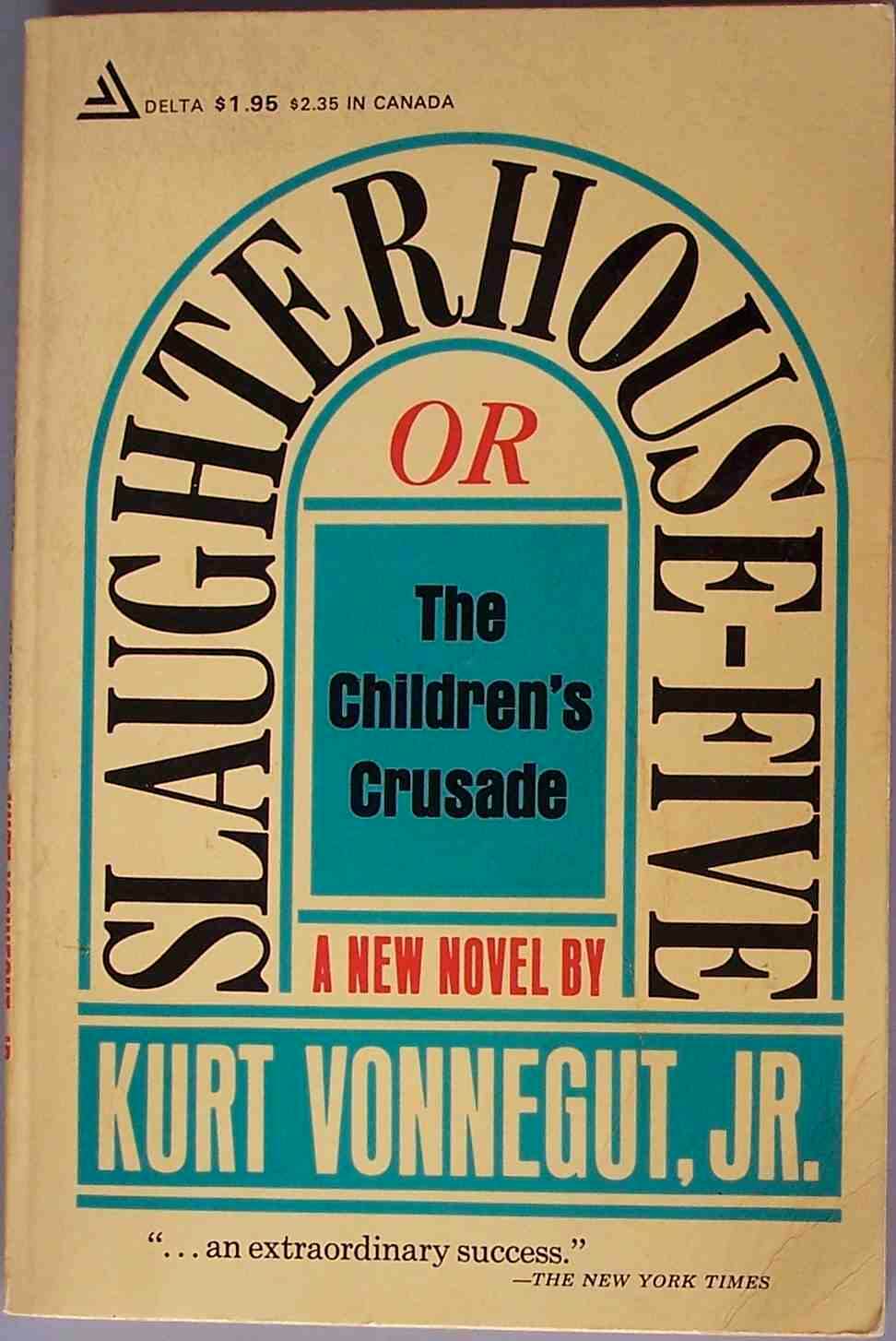
Kurt Vonnegut’s 1969 novel is authenticated as a true first printing through specific copyright page wording, and because the book has remained continuously popular, later printings from the same general era can closely resemble the original in overall appearance. Careful comparison of the stated printing number is essential to confirming a genuine first.
Beloved, First Edition

Toni Morrison’s 1987 novel is authenticated through specific copyright page details documented in more recent bibliographic guides, reflecting the novel’s status as a comparatively modern addition to serious first-edition collecting. Signed first editions, particularly those signed at specific documented author events, carry a substantial premium over unsigned copies.
The Old Man and the Sea, First Edition

Ernest Hemingway’s 1952 novella is authenticated as a true first printing through specific copyright page wording and dust jacket details, distinguishing it from the many book club editions that followed given the work’s immediate popularity. First editions with an intact, unclipped dust jacket price flap are considered notably more desirable than clipped copies.
Charlie and the Chocolate Factory, First Edition
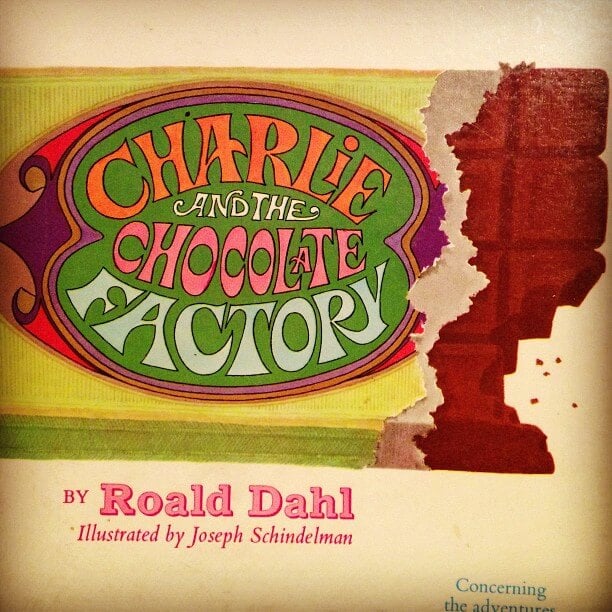
Roald Dahl’s 1964 novel is authenticated through specific copyright page and illustration details, since the book’s early editions featured illustrations by Joseph Schindelman that differed somewhat from the more widely recognized later illustrations by Quentin Blake. Collectors specifically seek out the Schindelman-illustrated first editions as distinct from later reillustrated printings.
The Bell Jar, First Edition
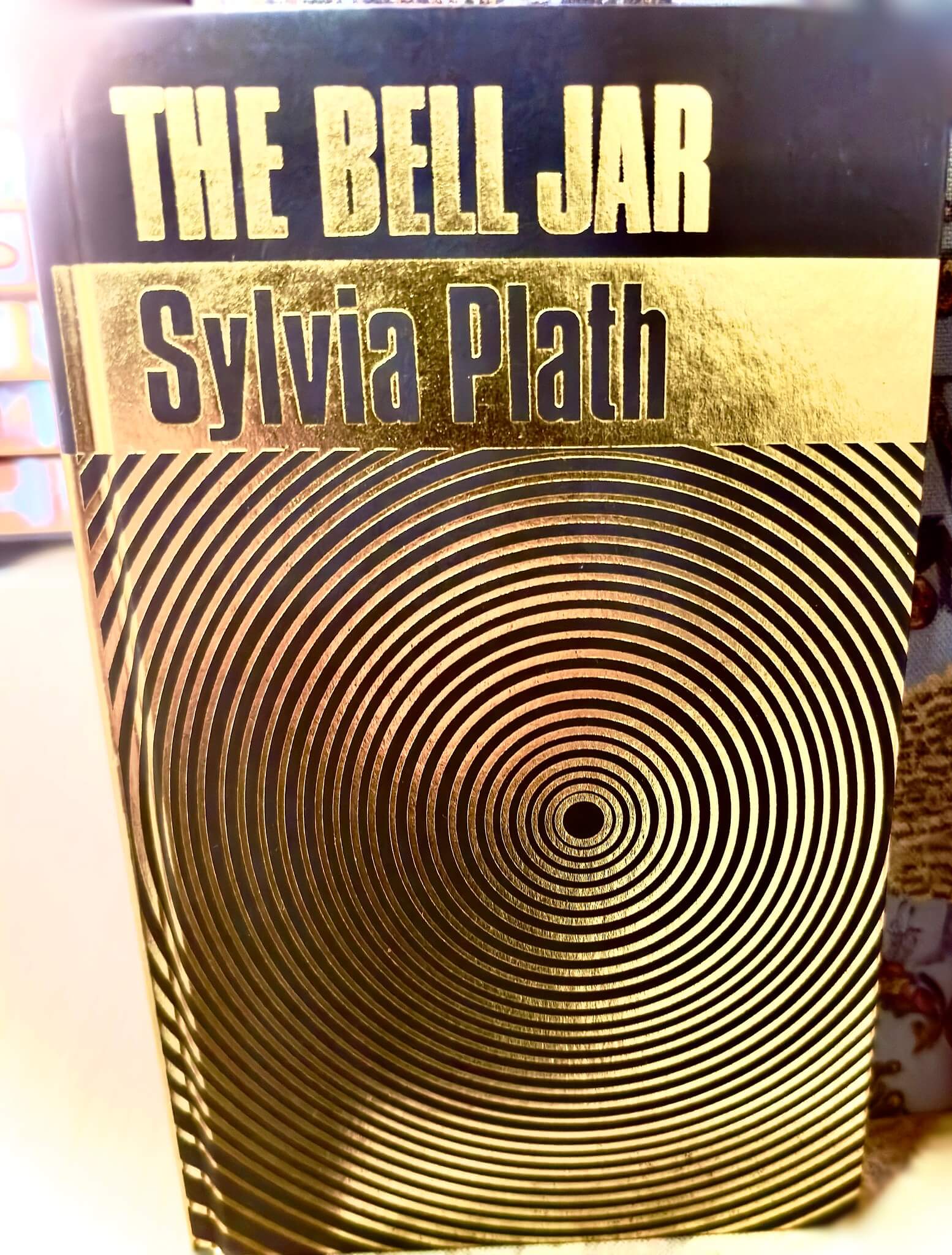
Sylvia Plath’s The Bell Jar was first published in 1963 in Britain under a pseudonym rather than Plath’s own name, making the pseudonymous first edition a distinct and considerably scarcer collectible than the later editions published under Plath’s actual name. Authentication requires confirming both the correct publication year and the pseudonymous byline.
One Hundred Years of Solitude, First English Edition
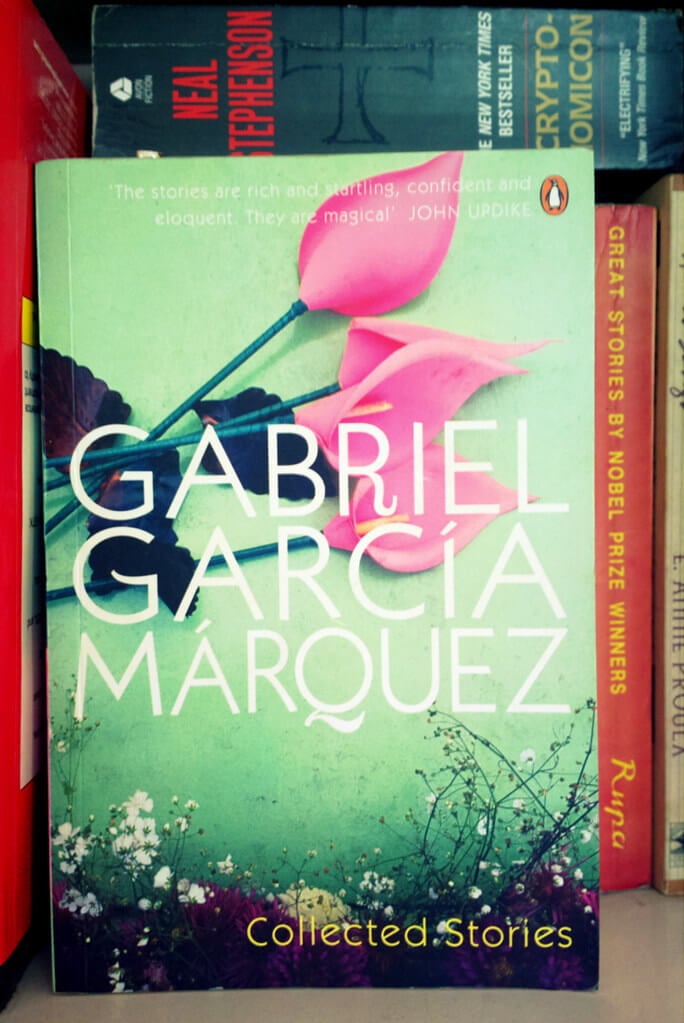
Gabriel García Márquez’s novel was first published in Spanish in 1967, with the first English translation following in 1970, and collectors distinguish carefully between these two distinct first editions depending on which language edition they are pursuing. Copyright page details for the English translation specifically credit the translator, a detail collectors cross-reference against known bibliographic records.
Brave New World, First Edition
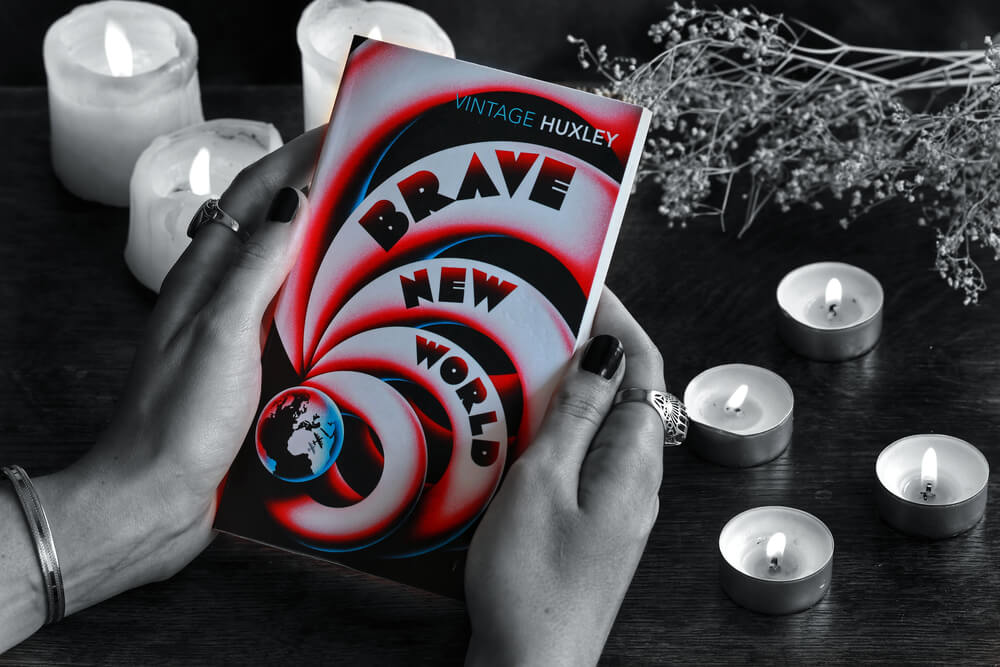
Aldous Huxley’s Brave New World, published in 1932, is authenticated as a genuine first printing through specific copyright page wording and binding details documented in Huxley bibliographies, distinguishing it from the many later reprints that followed the novel’s rise to standard classroom reading. Collectors specifically check for the correct first-issue dust jacket design, which differed from covers used on subsequent printings within the same decade.
Animal Farm, First Edition
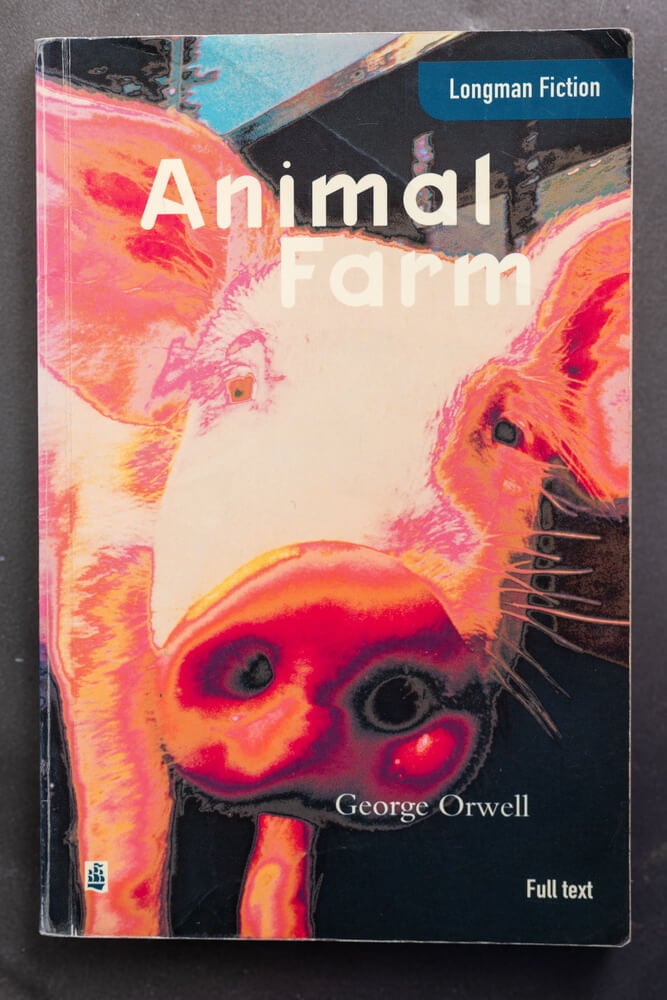
George Orwell’s Animal Farm, published in 1945, is authenticated through specific copyright page details, and because the book was initially rejected by several publishers before finding a home, its first print run was comparatively small relative to its later fame. First editions with an intact, unclipped dust jacket are considered notably scarcer than the book alone, given wartime paper shortages that affected jacket durability at the time of original printing.
Reading What the Page Actually Says

The copyright page rewards patience rather than guesswork. It is usually a short block of small type, easy to skim past, but it contains the specific printing history that determines whether a book is a genuine first edition or simply a later copy wearing the same jacket and the same words. That is the entire discipline of serious book collecting in miniature: learning to trust the smallest, least decorative part of the book over everything louder around it.
The cover can lie by omission, but the copyright page, read correctly, generally cann
More from Go2Tutors!

- The Romanov Crown Jewels and Their Tragic Fate
- 13 Historical Mysteries That Science Still Can’t Solve
- Famous Hoaxes That Fooled the World for Years
- 15 Child Stars with Tragic Adult Lives
- 16 Famous Jewelry Pieces in History
Like Go2Tutors’s content? Follow us on MSN.