28 Scenes From America’s Meatpacking Boom
Before the 1860s, most Americans bought meat from a local butcher who knew where the animal came from. Within a few decades, a handful of companies were killing, chilling, canning, and shipping livestock at a scale that fed cities a thousand miles from the nearest pasture.
The boom ran on railroads, ice, and an obsessive eye for scrap. It also ran on tens of thousands of workers, many of them immigrants, who earned the industry its fortunes and its notoriety. These are the places, people, and turning points that built it.
Christmas Day at the Union Stock Yards
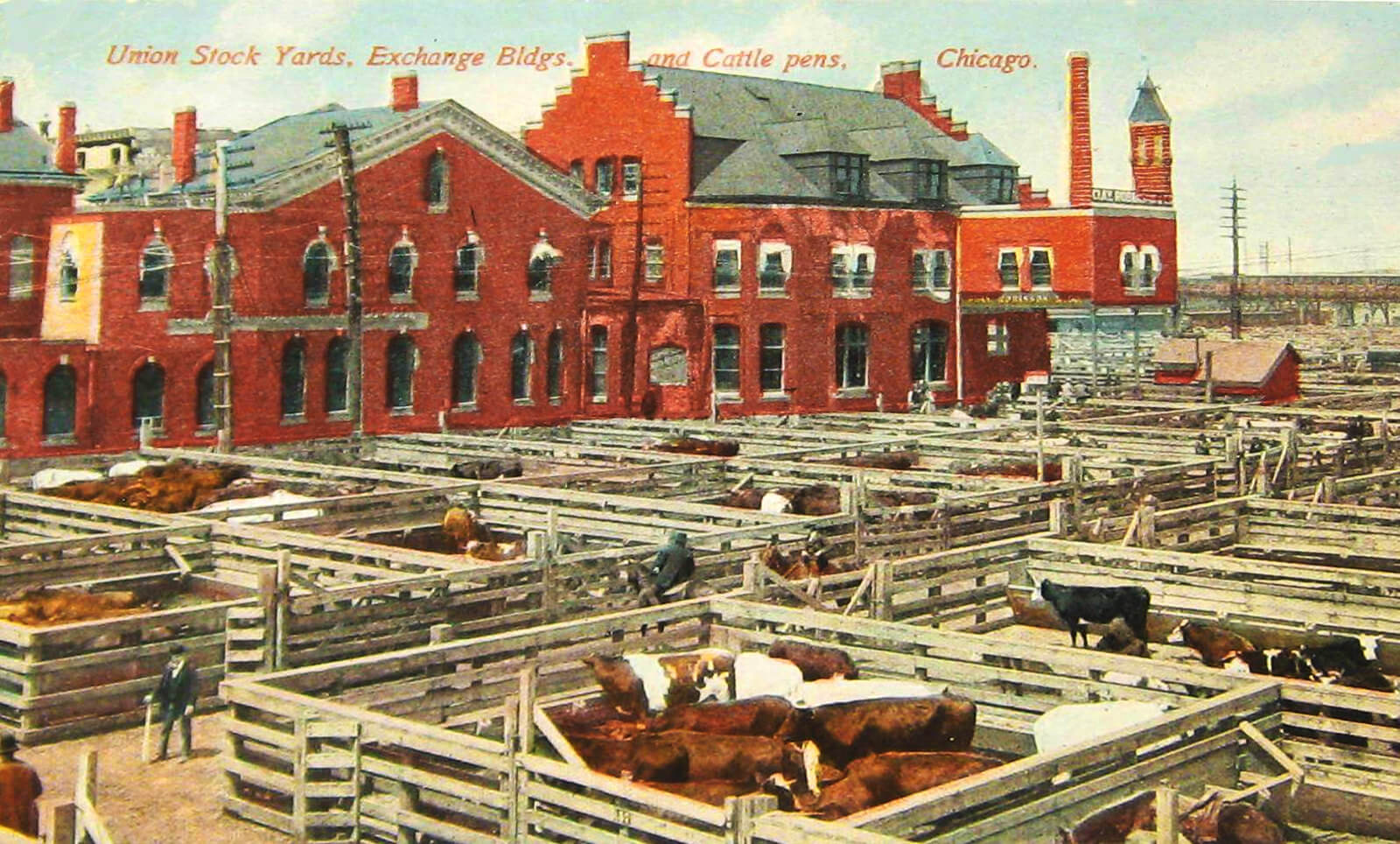
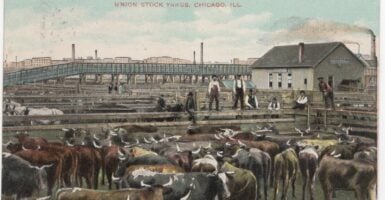
The Union Stock Yards opened on December 25, 1865, on low ground south of Chicago’s city limits. The site covered 320 acres and replaced a patchwork of smaller yards scattered along the rail lines.
Pens, scales, and rail spurs were laid out so a train could unload, weigh, and sell its livestock in one stop. Within a generation, the yards would grow into the busiest livestock market in the country.
The Stockyards Gate on Exchange Avenue
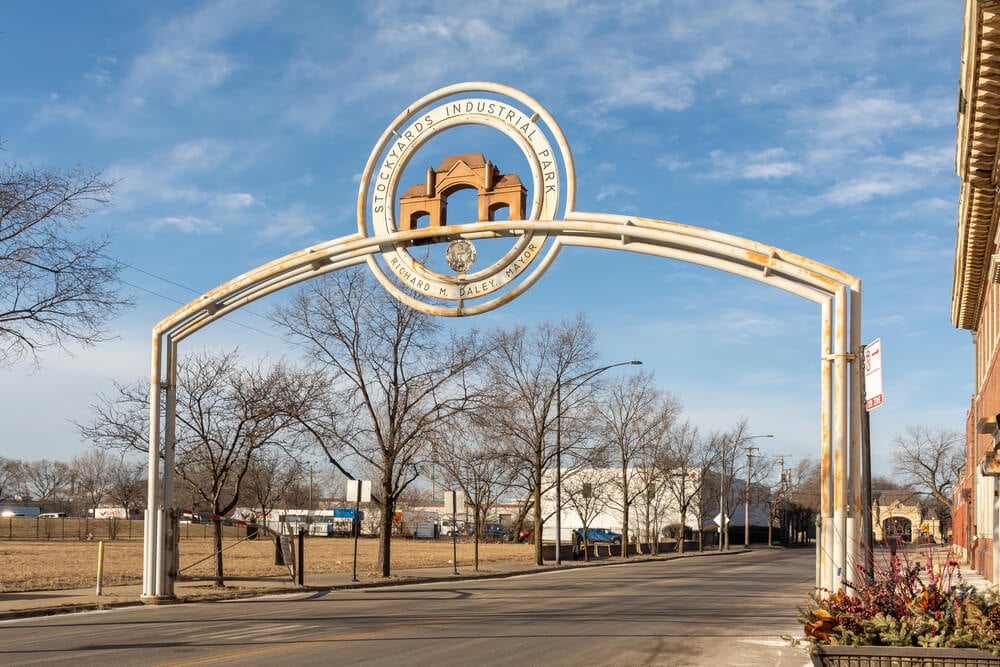
The limestone entrance arches were built in 1879 and are attributed to the firm of Burnham and Root, years before Daniel Burnham became famous for the 1893 World’s Columbian Exposition. Buyers, drovers, and visitors passed through the gate to reach the pens.
A carved bull’s head crowns the central arch. The gate outlived the yards by decades and was designated a National Historic Landmark in 1972.
Cincinnati Becomes Porkopolis
Cincinnati earned the nickname Porkopolis in the first half of the 1800s, when it packed more pork than any other American city. The work was seasonal, running through the cold months because salted pork spoiled in warm weather.
Hogs arrived on foot and on Ohio River steamboats, and the city’s river landing doubled as a trade route for barrels of cured meat headed south and east. Chicago would not pass Cincinnati as the nation’s leading pork packer until after the Civil War.
Candles and Soap from Packinghouse Fat

Procter & Gamble began in Cincinnati in 1837, when English-born candlemaker William Procter and Irish-born soapmaker James Gamble went into business together. The two men were brothers-in-law, having married sisters.
Their raw material was animal fat, which the city’s pork packers produced in enormous quantities. A waste product of the meat trade became the foundation of one of the largest consumer-goods companies in the world.
Joseph McCoy and the Abilene Shipping Yards
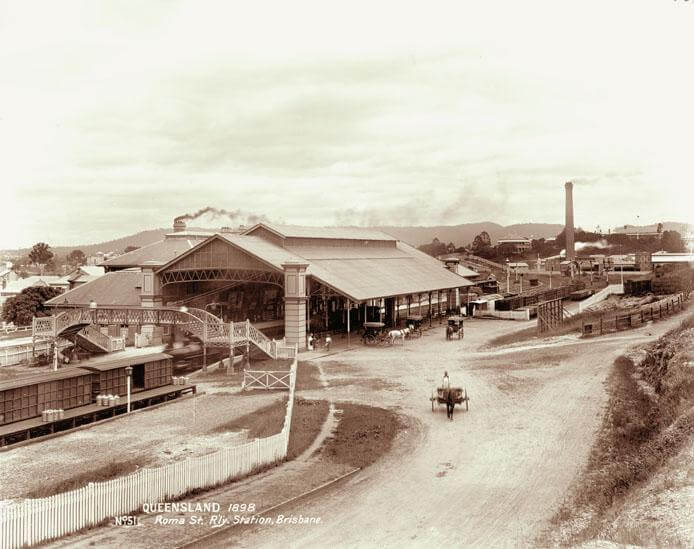
In 1867, livestock dealer Joseph G. McCoy built a shipping yard beside the Kansas Pacific tracks at Abilene, Kansas. Texas cattle herds could now be driven north along a trail to a railhead instead of all the way to market.
The first shipment left Abilene for Chicago in September of that year. The cattle drive era that followed fed the packinghouses that were rising along the Chicago yards.
Gustavus Swift and the Iced Railcar
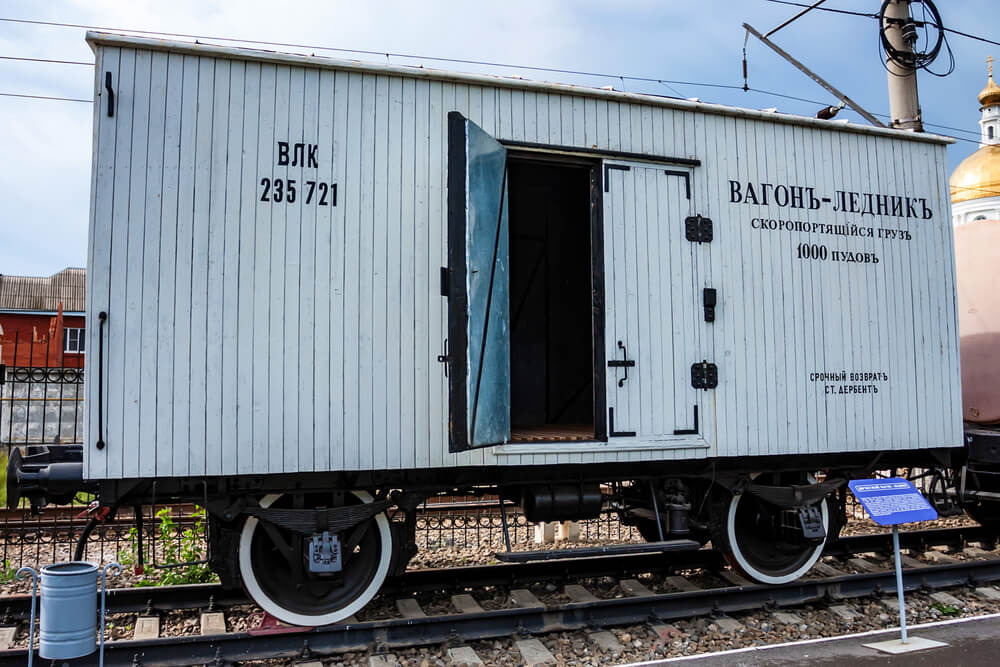
Massachusetts-born Gustavus Swift moved to Chicago in 1875 with a plan to slaughter cattle at the yards and ship the dressed beef east rather than live animals. Railroads that had invested in livestock cars resisted the idea, so Swift built his own fleet of insulated, ice-cooled refrigerator cars.
Eastern butchers distrusted the chilled beef at first, but it arrived cheaper than meat from locally slaughtered cattle. The fleet eventually operated as the Swift Refrigerator Line.
Philip Armour’s Bet Against Pork
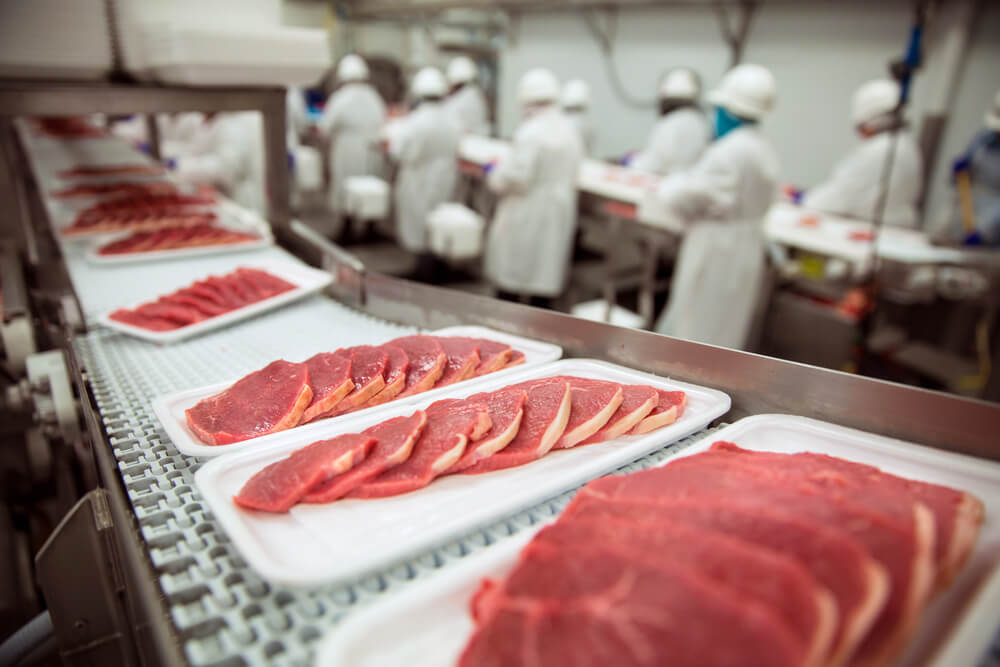
Philip Armour made his first large fortune during the Civil War by selling pork he did not yet own. In 1864, expecting a Union victory to bring prices down, he sold short on the market and profited when the war’s end collapsed the price.
His profit is often put at well over a million dollars. Armour & Company grew into one of the largest meatpackers in the country, with its headquarters at the Chicago yards.
Nelson Morris, Cattle Dealer to Packer
Nelson Morris was born in Germany, came to the United States as a boy, and made his way to Chicago, where he began as a livestock trader. During the Civil War he held contracts to supply beef to the Union Army.
He later built Morris & Company, which joined Armour and Swift among the largest packers in the country. His son Edward led the firm after him, and the Morris name appeared on canned and packaged meats for decades.
The Cudahy Brothers and Their Packing Empire
Irish-born Michael Cudahy worked for Armour before breaking away, and in 1887 he and his brother John opened a packing plant at South Omaha, Nebraska. His brother Patrick Cudahy built a separate plant in Milwaukee in 1888.
The Wisconsin community that grew up around it still carries the family name. Cudahy products competed directly with Chicago’s biggest brands from plants far from the Chicago yards.
South Omaha, the Magic City
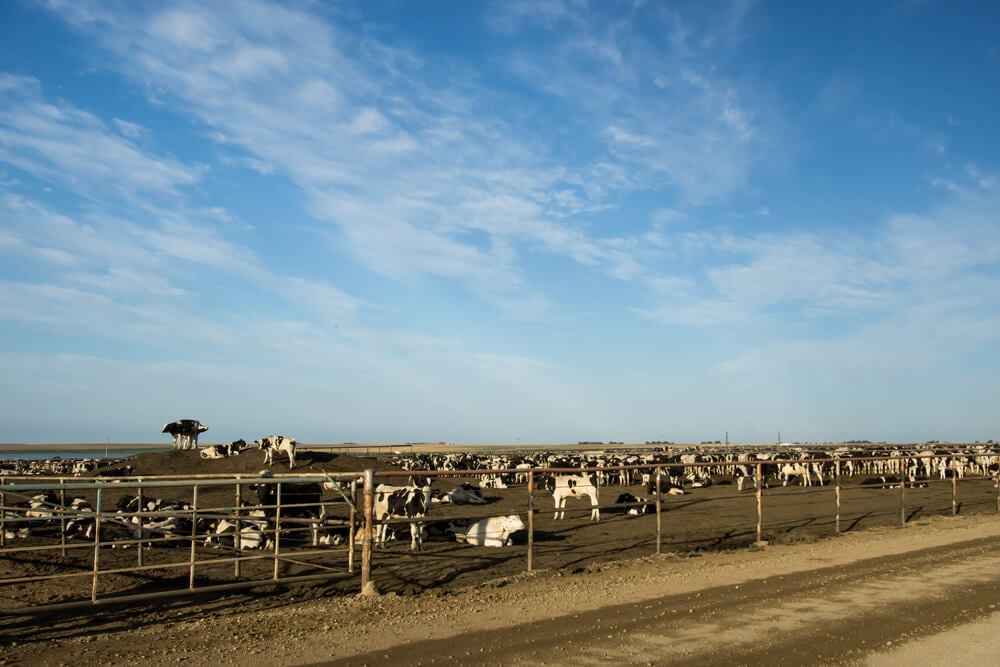
South Omaha incorporated as its own city in the 1880s and took the nickname Magic City for the speed at which it grew. The Union Stock Yards Company of South Omaha opened in 1884, and Armour, Swift, Cudahy, and other packers followed.
Immigrants from Ireland, Poland, Bohemia, and other parts of Europe filled the neighborhoods near the plants. The stockyards operated until 1999, ending a livestock market more than a century old.
Kansas City’s West Bottoms
The Kansas City Stockyards opened in 1871 in the West Bottoms, a low stretch of land where the Kansas and Missouri rivers meet. Cattle from the Great Plains arrived by rail, were sold in the pens, and went on to packinghouses, many of them just across the state line in Kansas.
The livestock trade also gave birth to the American Royal, a livestock show that began in 1899 and still runs in Kansas City today. The stockyards themselves wound down their operations in the early 1990s.
Swift and Armour Come to Fort Worth
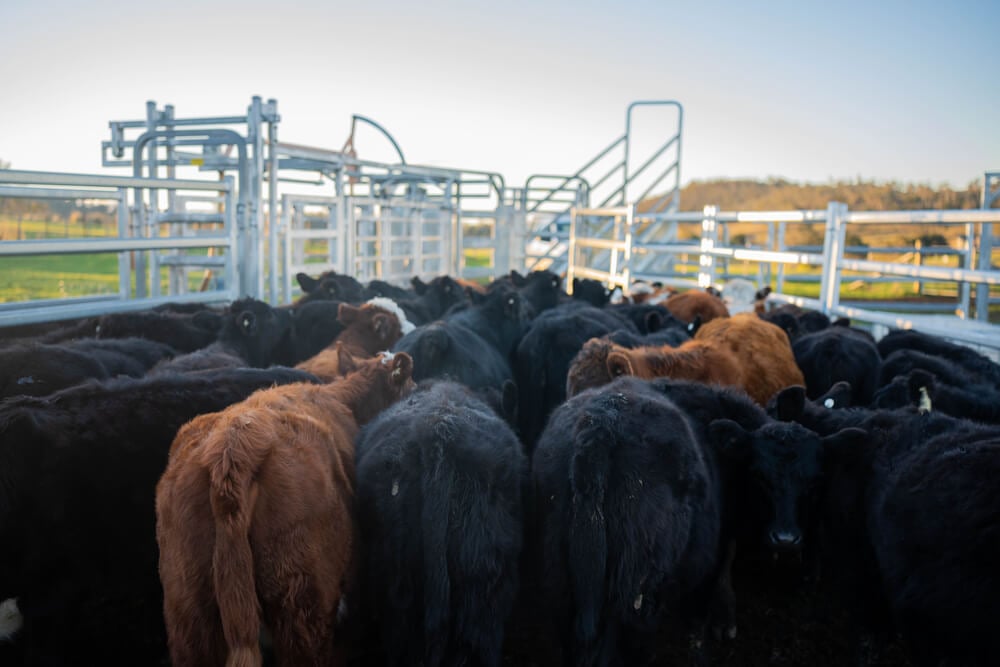
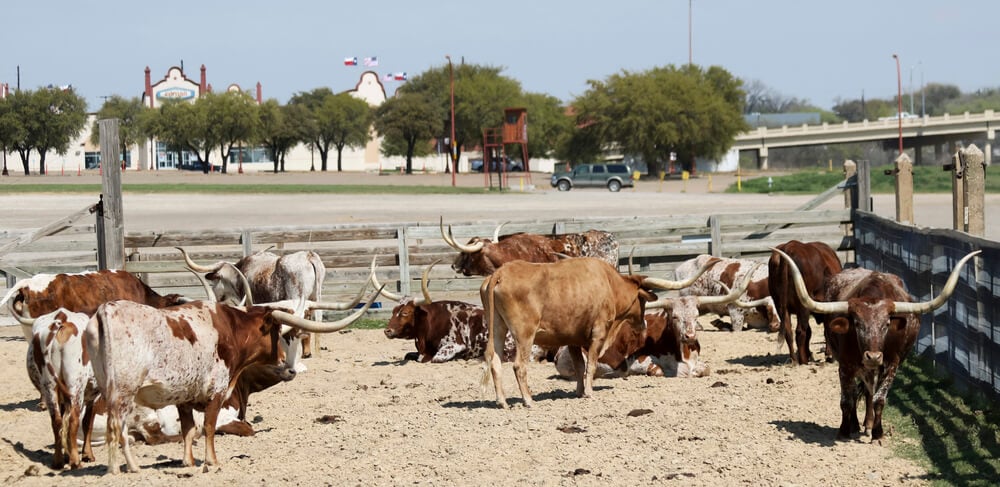
Fort Worth businessmen lured Swift and Armour to Texas in the early 1900s by offering incentives to build packinghouses beside the existing stockyards. Armour’s plant opened in 1903, with Swift’s following soon after.
The Livestock Exchange Building, finished in 1902, became the center of cattle trading in the Southwest. Today the Fort Worth Stockyards survive as a historic district, with a twice-daily cattle drive staged for visitors.
The National Stock Yards Across the River
The National Stock Yards sat on the Illinois side of the Mississippi River, across from St. Louis, in the community of National City. Opened in the 1870s, it drew cattle and hogs from Missouri, Illinois, and beyond.
Packers including Armour, Swift, and Morris operated nearby plants. Because the yards were in Illinois rather than Missouri, St. Louis’s packing economy depended on a bridge and a state line.
South St. Paul on the Mississippi
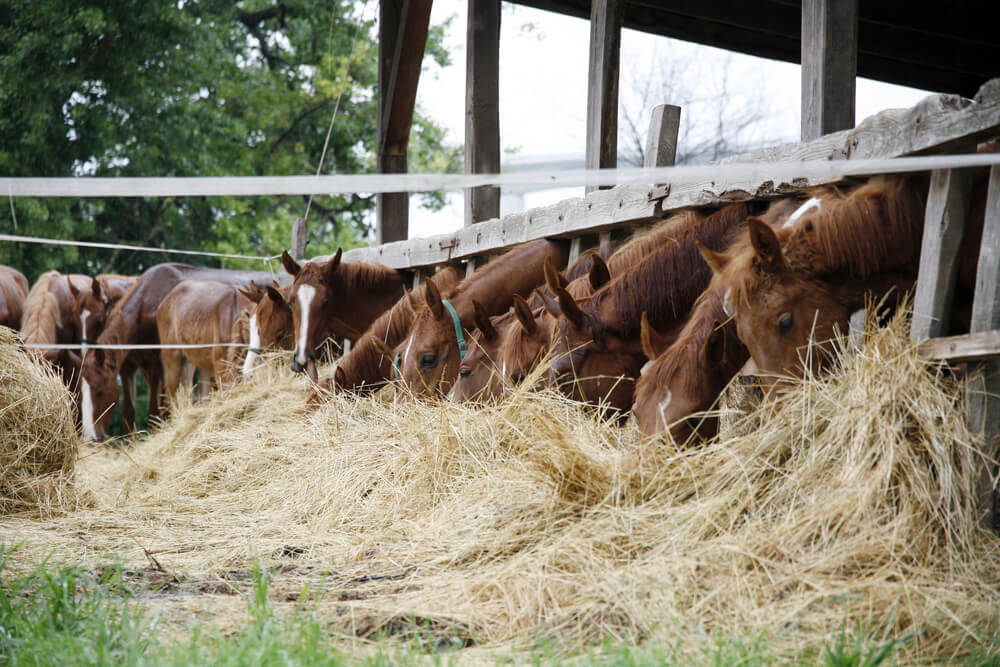
The Union Stockyards in South St. Paul, Minnesota, opened in 1886 and became the leading livestock market in the Upper Midwest. Swift, Armour, and Cudahy all built packing plants nearby.
Farmers from Minnesota, the Dakotas, and Montana shipped cattle and hogs to the pens by rail. The yards kept operating well into the 21st century, long after Chicago’s had closed.
Oscar and Gottfried Mayer Open a Meat Market
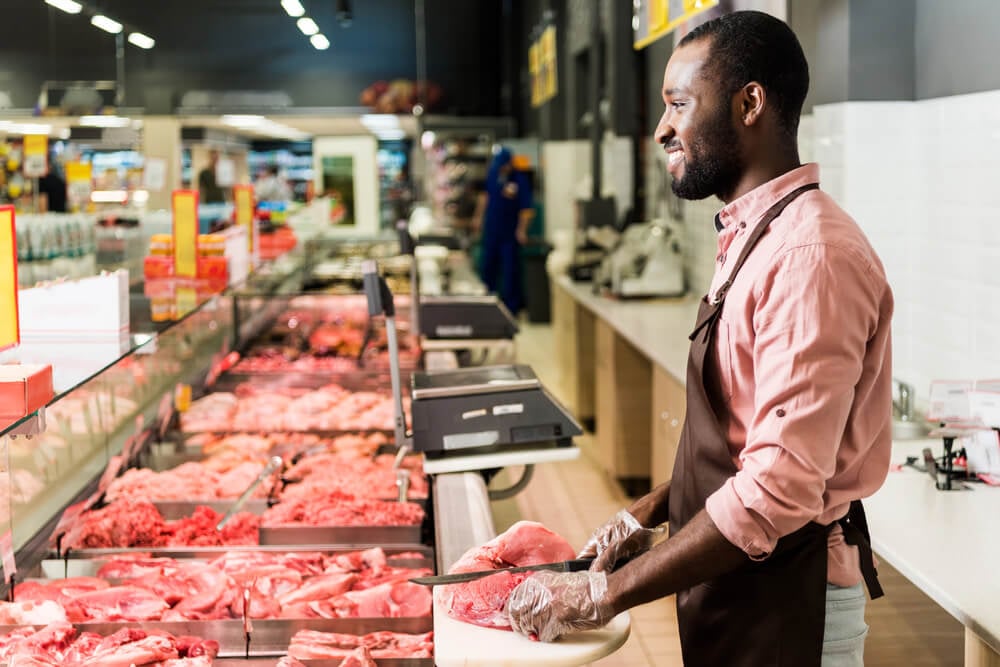
Oscar Mayer arrived from Bavaria and in 1883 opened a small meat market on Chicago’s North Side with his brother Gottfried. The two built their business on sausages and cured meats made to German recipes.
In 1919 the company opened a large plant in Madison, Wisconsin, where it would eventually become the company’s center of operations. The business that began as a neighborhood butcher shop grew into a national brand.
The Wienermobile Rolls Out
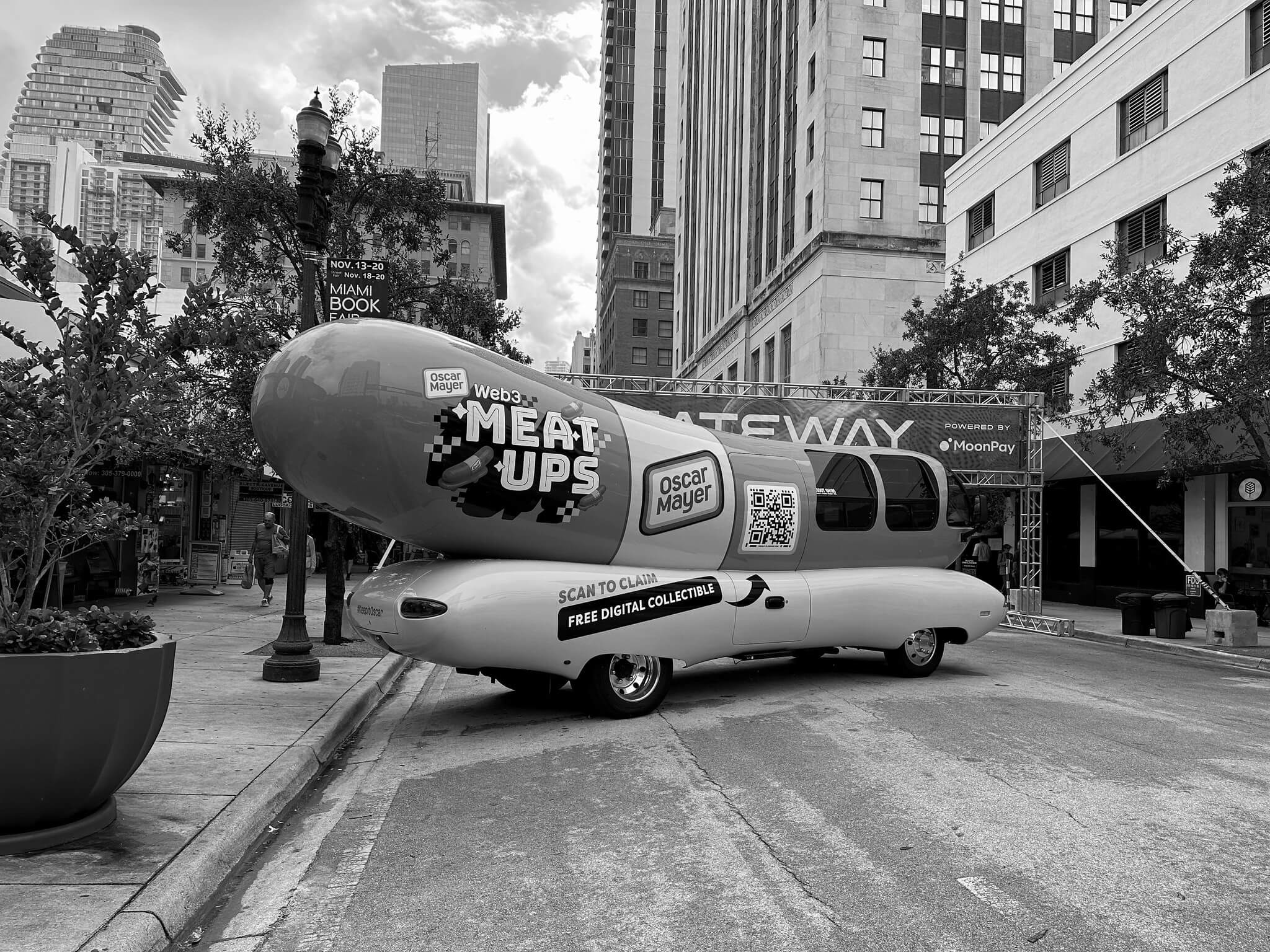
In 1936, Carl Mayer, a nephew of Oscar Mayer, built a vehicle shaped like an oversized hot dog on a bun. The original Wienermobile was designed to promote the company’s hot dogs around Chicago.
Over the decades it grew into a fleet of vehicles that traveled the country. The stunt turned a packinghouse product into a roadside attraction.
Hormel’s Guaranteed Annual Wage
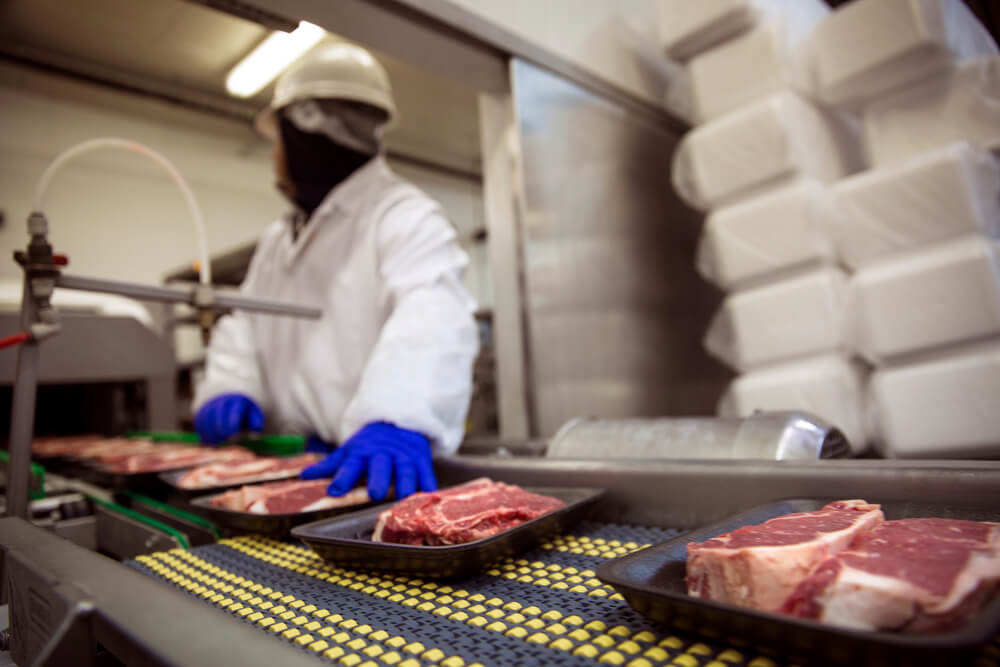
George A. Hormel founded his company in Austin, Minnesota, in 1891. In 1931 his son Jay Hormel introduced a guaranteed annual wage that promised workers pay for 52 weeks of the year, at a time when packinghouse work was seasonal and unpredictable.
The plan was unusual in an industry known for layoffs. It helped make Hormel one of the more stable employers in the business.
Spam Gets Its Name
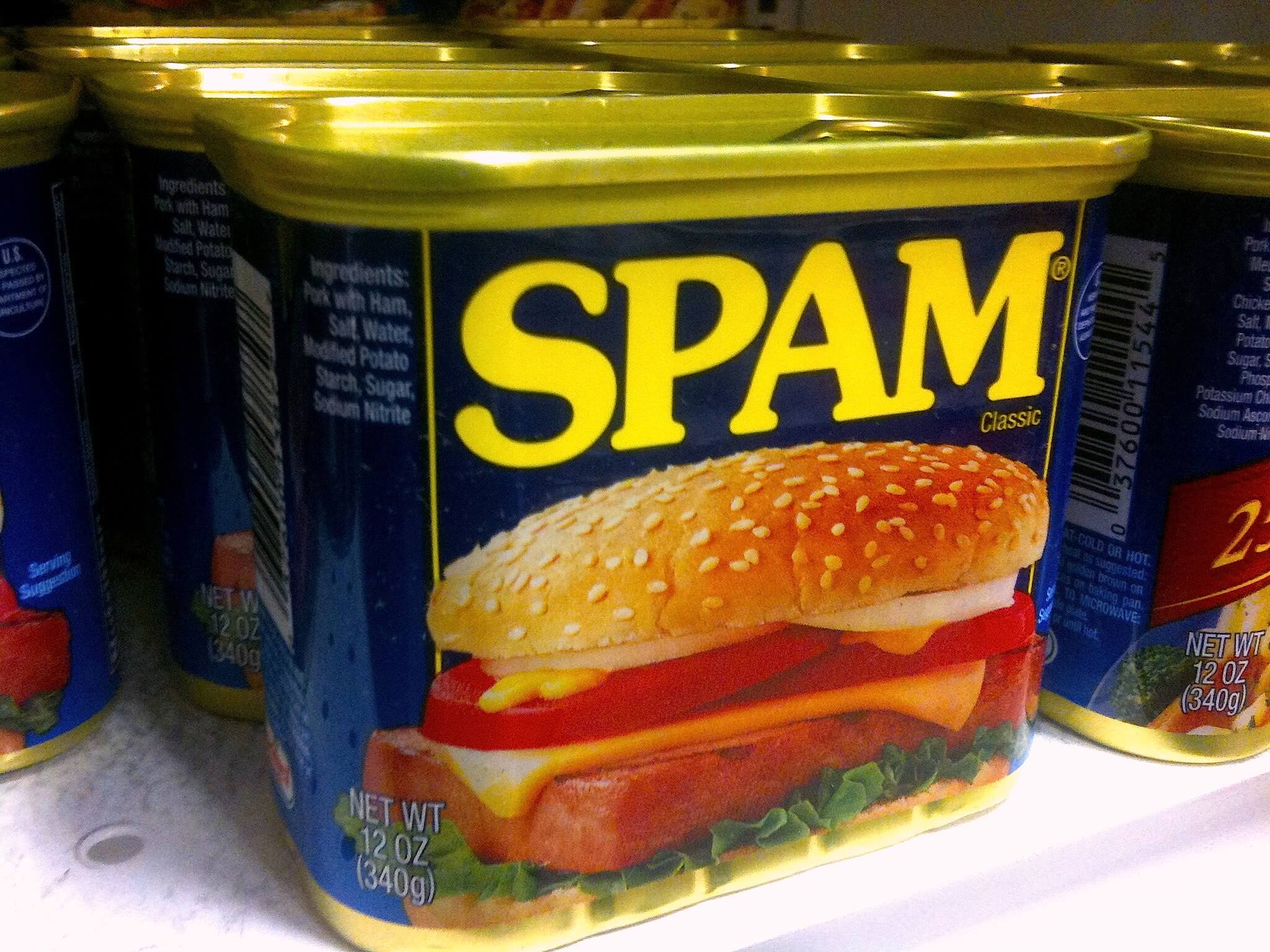
Hormel introduced Spam in 1937, a canned spiced pork product that needed no refrigeration. The company held a naming contest, and Kenneth Daigneau, an actor and the brother of a Hormel executive, won $100 for the name.
During World War II, Spam was shipped overseas to feed Allied troops. It remains one of the best-known canned meats ever produced in the United States.
Wilson & Company and the Ashland Manufacturing Company
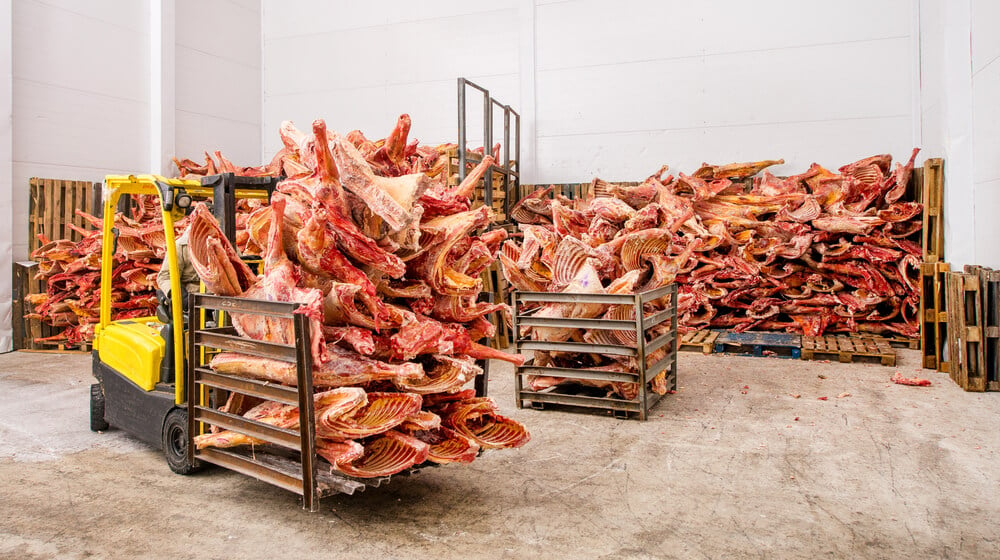
Sulzberger & Sons became Wilson & Company in 1916 under company president Thomas E. Wilson. Wilson Sporting Goods traces its roots to a packinghouse subsidiary, the Ashland Manufacturing Company, formed in 1913 to put animal by-products to use.
The company used gut from slaughtered animals, a material that became tennis strings and surgical sutures. It is one of the clearest examples of a meatpacker turning waste into a separate line of business.
Everything but the Squeal
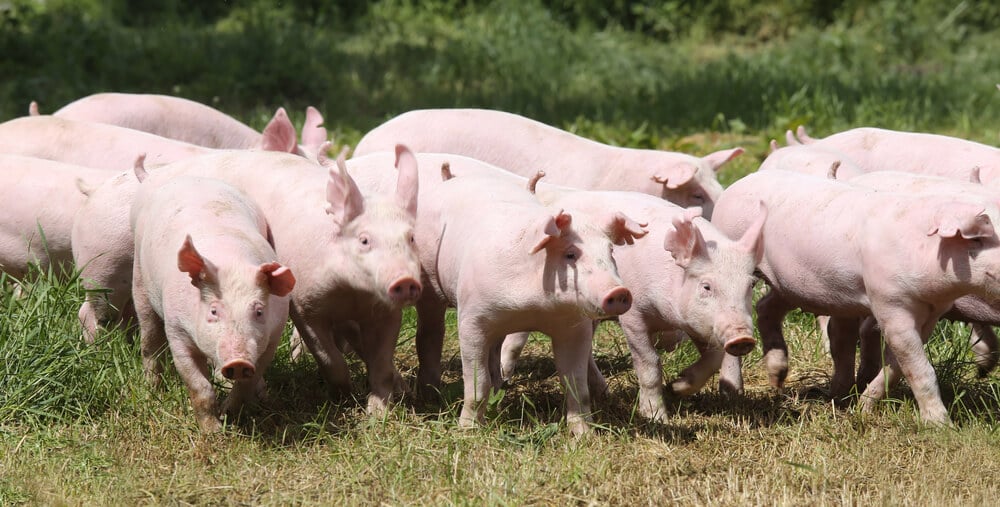
Packers boasted that they used every part of the pig except the squeal. Armour & Company turned hides into leather, bones into buttons and fertilizer, and hooves and hair into glue and other goods.
Its pharmaceutical operation also processed animal glands into medicines, including insulin. These by-products often made the difference between profit and loss in a business with razor-thin margins on the meat itself.
The Disassembly Line That Inspired Henry Ford
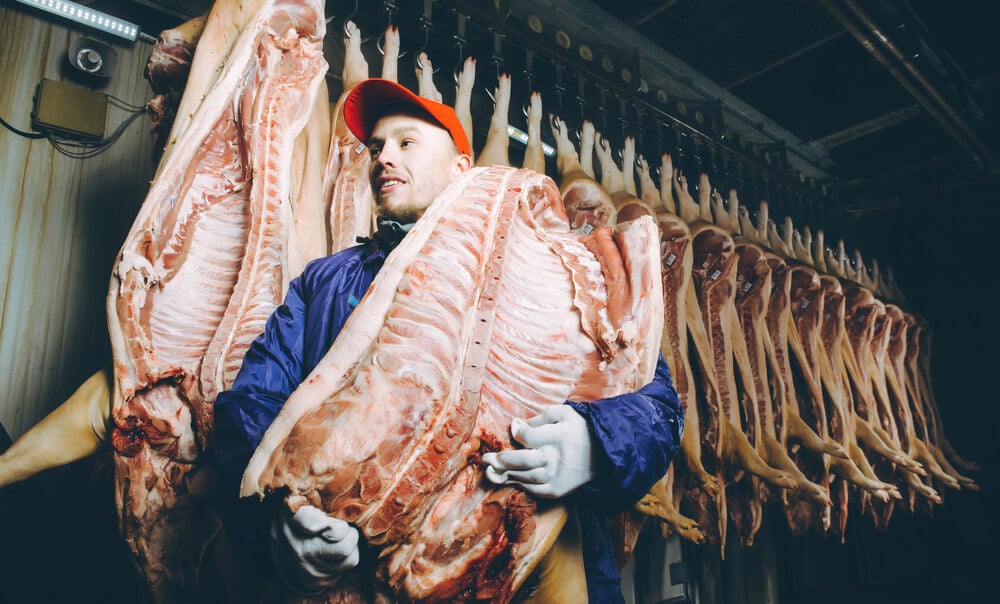
Chicago packers moved carcasses past workers on overhead trolleys, each worker performing one task as the animal passed. Henry Ford later wrote that the idea for his moving assembly line came partly from watching this system at the Chicago packinghouses.
Ford’s engineers applied the principle at the Highland Park plant in 1913. In effect, the assembly line began as a disassembly line.
Upton Sinclair Goes Undercover in Packingtown
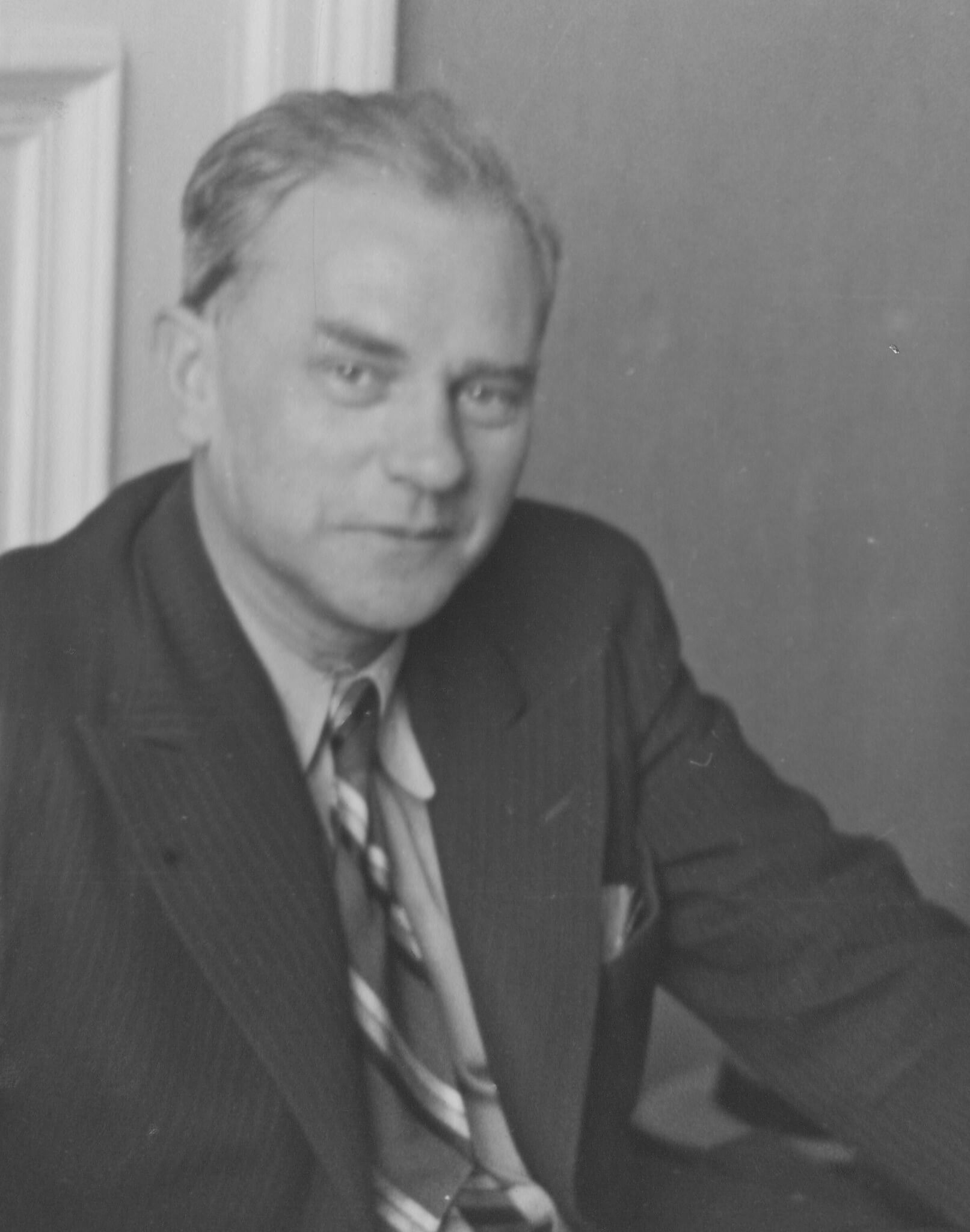
Upton Sinclair spent about seven weeks in Chicago’s Packingtown in 1904, observing the stockyards and the packinghouses. His novel The Jungle appeared in serialized form in the socialist newspaper Appeal to Reason in 1905 and as a book in 1906.
He wanted to expose the conditions faced by immigrant workers. He later remarked that he had aimed at the public’s heart and by accident hit it in the stomach.
The Meat Inspection Act of 1906
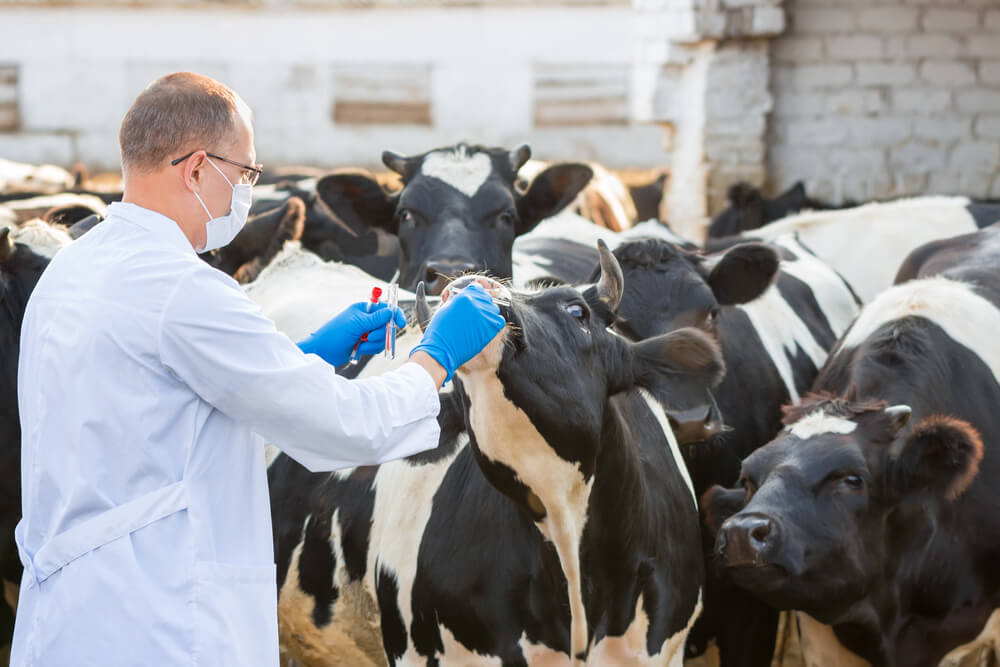
President Theodore Roosevelt signed the Meat Inspection Act on June 30, 1906, the same day he signed the Pure Food and Drug Act. The law followed public outrage over The Jungle and a federal investigation led by Charles Neill and James Reynolds.
It required federal inspection of animals before and after slaughter and of meat processing plants. Congress passed it within months of the novel’s publication.
Bubbly Creek

The South Fork of the South Branch of the Chicago River became known as Bubbly Creek because decaying packinghouse waste released gas that bubbled up to the surface. Packers had used the branch as a dumping ground for blood, fat, and scraps.
Upton Sinclair wrote about the creek in The Jungle. The waterway was long known for its foul condition and has since been the subject of cleanup efforts.
The Strike of 1904
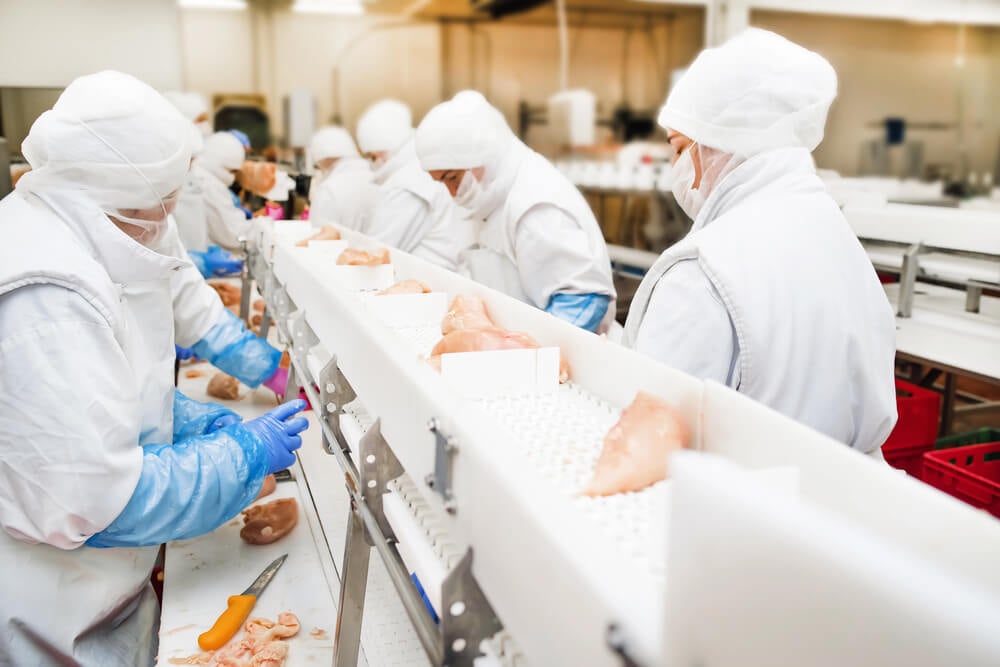
In July 1904, the Amalgamated Meat Cutters and Butcher Workmen called a strike against the major packers over wages. Some 50,000 workers walked out in Chicago and in other packing cities, and the strike lasted into September.
Michael Donnelly led the union. It ended in defeat for the strikers, and many were not rehired.
The Strike of 1921
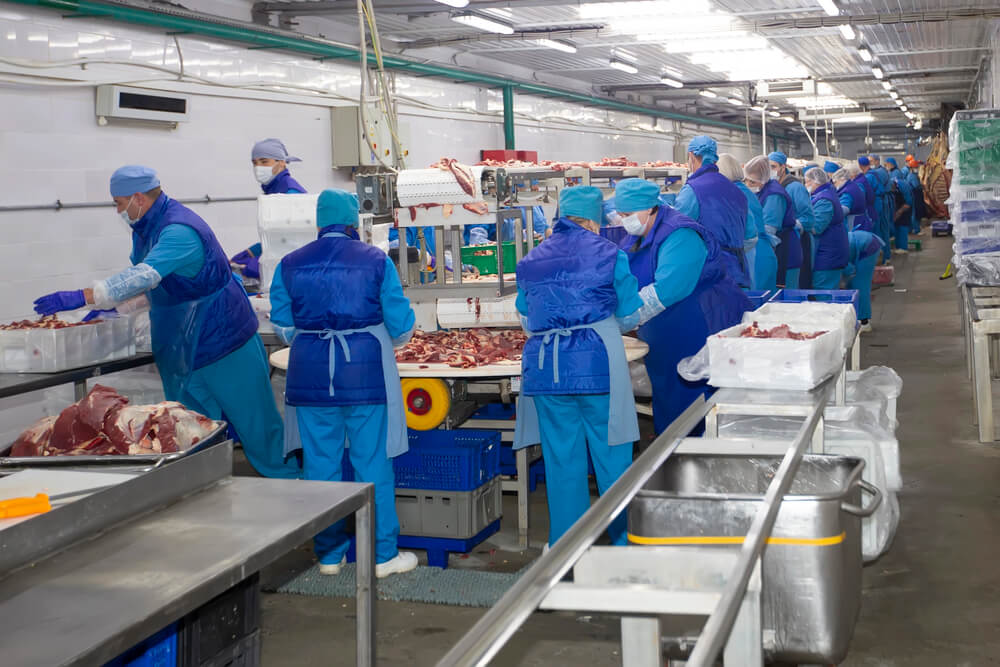
In December 1921, packinghouse workers struck after the major packers cut wages. The walkout failed within weeks, and unions lost much of their strength in the yards.
Black workers who had migrated north during and after World War I were hired in large numbers during the strike. Organized labor would not regain a strong footing in the packinghouses until the 1930s.
The Embalmed Beef Scandal
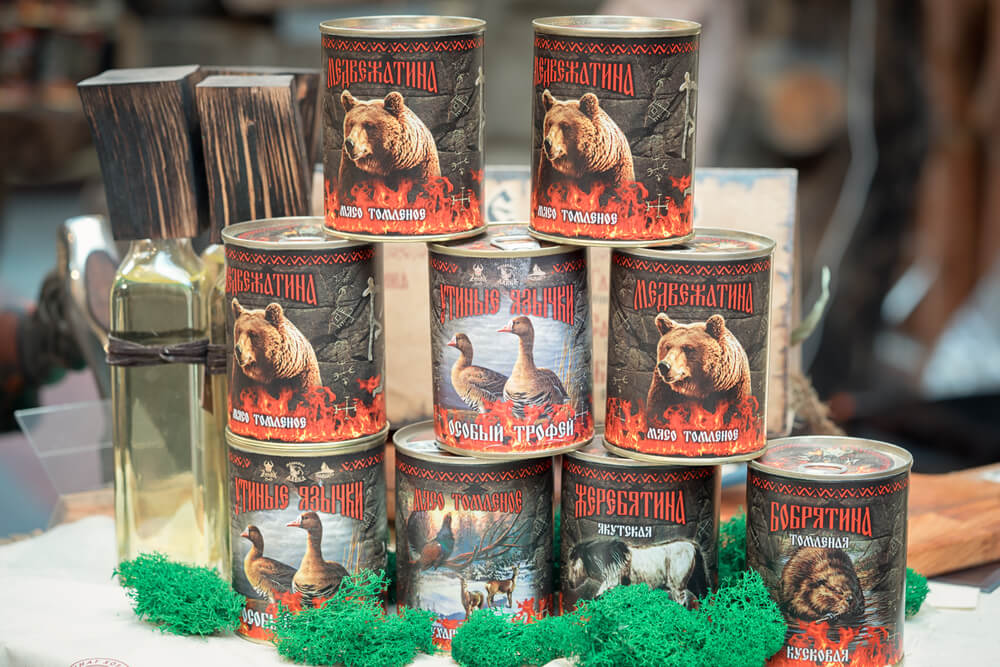
During the Spanish-American War in 1898, Army Commanding General Nelson Miles charged that the beef supplied to soldiers was chemically treated, a claim that became known as the embalmed beef scandal. The canned and refrigerated beef shipped to troops in Cuba and elsewhere was widely blamed for sickness among soldiers.
A military inquiry investigated the charges. The episode kept meatpacking in the headlines years before The Jungle.
The Stock Yards Fire of 1910
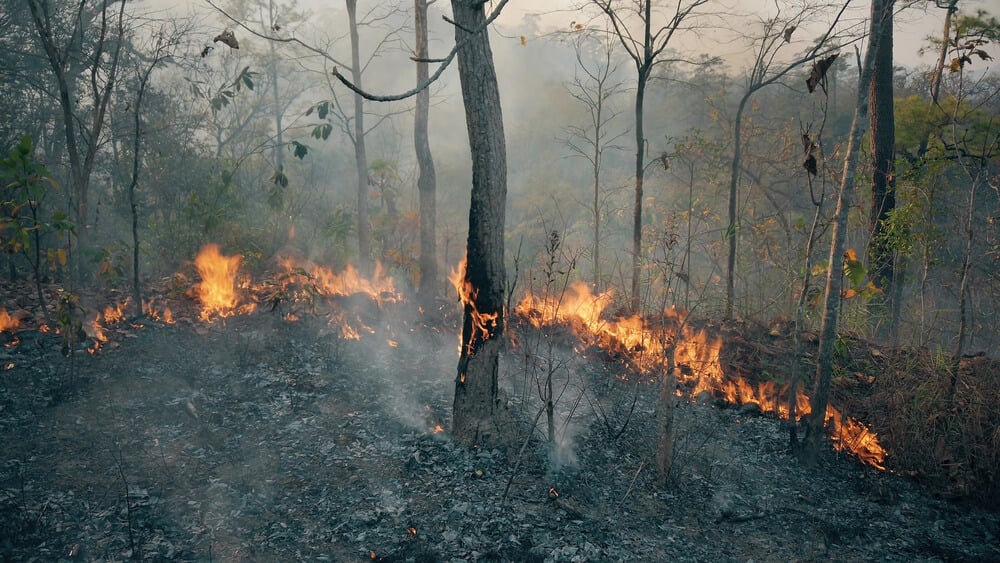
On December 22, 1910, a fire broke out at the Union Stock Yards and spread through lumber and packing buildings. Twenty-one Chicago firefighters died when a wall collapsed on them.
It remains the deadliest single incident in the history of the Chicago Fire Department. A memorial to those who died stands near the old yards.
The Price of Cheap Meat
The packers did what they promised. They made beef, pork, and sausage cheap and available to ordinary families, and they did it by building the most efficient production system the country had seen.
Refrigerated cars, overhead trolleys, and the use of every part of the animal brought down the cost of a meal. Entire cities grew around the yards, and the techniques developed in them spread to other industries.
The costs were carried by workers, neighbors, and animals. Strikes were broken, a creek turned into a sewer, and a novel about immigrant workers became a law about food safety.
The Union Stock Yards closed in 1971, 106 years after opening, but the system they pioneered shaped the industry that followed.
More from Go2Tutors!

- 27 Silver Dollars and Half Dollars Worth Keeping
- 28 Restaurant Menu Items Nobody Orders Anymore
- 17 Places Built in Seemingly Impossible Spots
- 27 Vintage Rings Worth More Than They Look
- 25 Restricted Sites Tourists Can’t Enter
Like Go2Tutors’s content? Follow us on MSN.