The Items That Filled Old Travel Agencies
Before the internet, a trip began in a small office with carpet, a counter, and a wall of paper promises. The agent knew things the customer did not, and the room was arranged to make sure everyone remembered it.
Most of the equipment that filled those offices has vanished, but nobody who sat in the customer chair has forgotten it.
Brochure Racks

Tiered racks of wire or acrylic held glossy folders for destinations from the Caribbean to the Alps, and a customer could pick up an armful without speaking to anyone. Plenty of people browsed for weeks before approaching the desk.
Some kept a shoebox of brochures for trips they never booked.
Ticket Jackets

Paper airline tickets arrived in a cardboard or vinyl jacket printed with the carrier’s logo, and the agent handed it across the counter like a diploma. Inside sat a stack of coupons, each one good for a single flight segment.
Lose the jacket and the trip was in serious trouble.
Multipart Carbon-Copy Tickets

Paper tickets came in layers, with carbon paper or specially treated sheets transferring the agent’s entries onto the copies behind. Passengers kept one stub while the airline and agency kept the rest.
A smudged copy could complicate a refund long after the trip was over.
The Official Airline Guide
This thick reference listed flight schedules from many airlines in tiny type, and agents flipped through it to match routes and connections. Schedules changed constantly, so new editions kept arriving and old ones became hazards.
Many offices kept outdated volumes on the shelf long after the new ones came in.
Sabre Reservation Terminals

In 1976, Sabre terminals began appearing in travel agency offices, linking agents to the same American Airlines reservation system its own staff used. About 130 locations had the system by the end of that year.
For the first time, an agent could see real-time seat availability instead of phoning an airline and waiting.
Eurail Passes
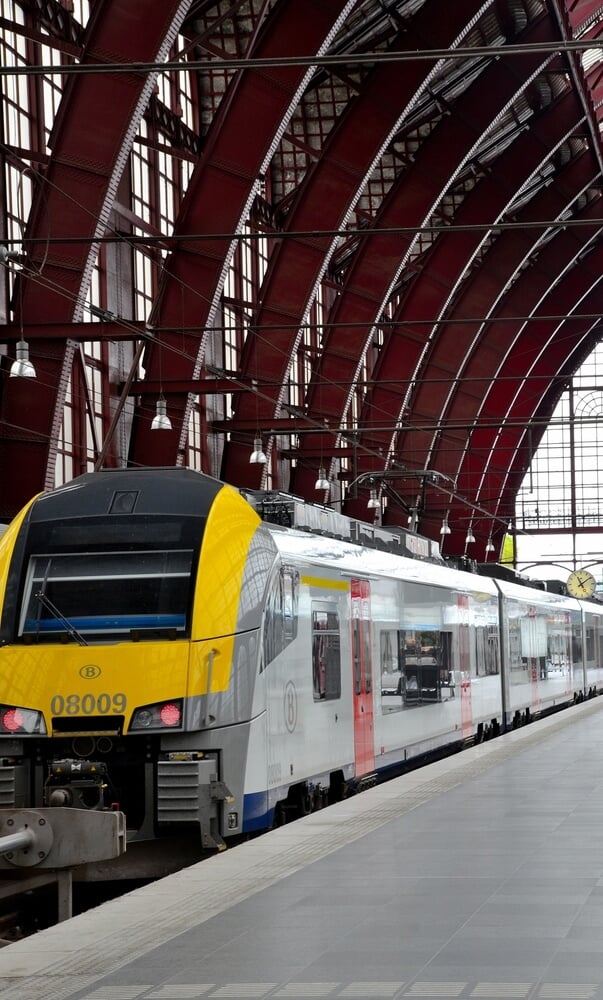
The Eurail pass debuted in 1959, and overseas travelers bought roughly 5,000 of the wallet-sized passes in its first year. Agents sold them to students and backpackers heading across Europe by rail.
The pass eventually grew to cover more than 30 countries.
Traveler’s Checks
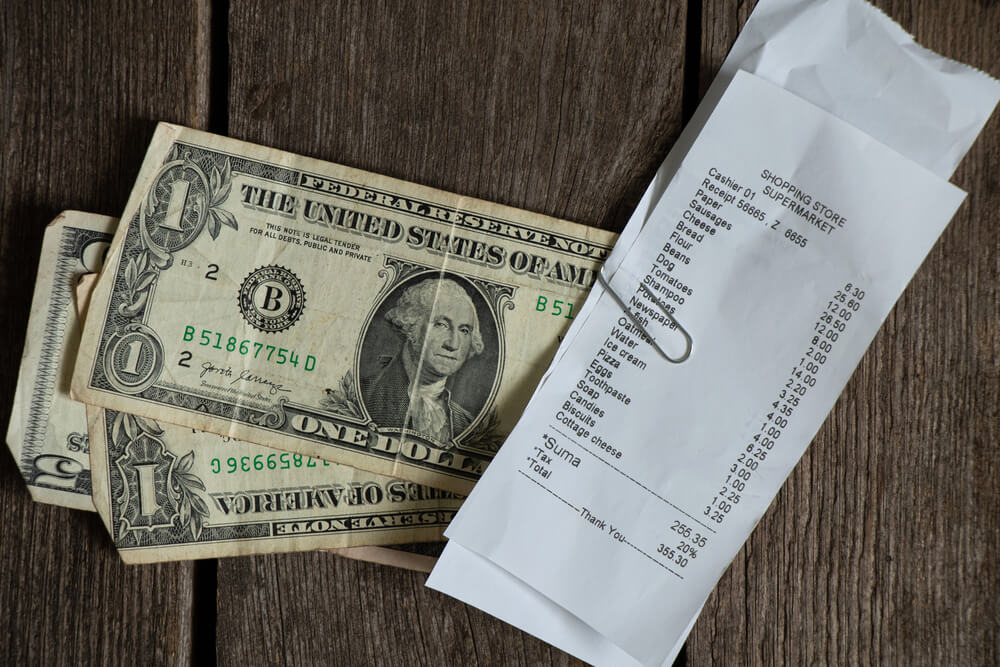
Printed checks sold in fixed denominations let travelers carry money that could be replaced if stolen, and agencies often sold them alongside tickets. Signing each one twice, once at purchase and again when spending it, was the security system.
They were the most analog form of travel insurance a person could carry.
Wall Maps With Pins

Large world maps hung behind the counter, sometimes with pins marking the destinations clients had booked. They gave the office an air of authority and gave waiting customers something to stare at while a printer chugged.
An agent could often point to the exact spot a client had been dreaming about.
Desk Model Airplanes

Small replica jets in airline colors perched on desks and shelves, each a miniature of a real carrier’s paint scheme. Collectors now treat the models as aviation memorabilia, and original paint and intact landing gear count for more than the plane’s age.
Cruise Line Posters

Posters of ships, beaches, and mountain towns covered agency walls because a trip is something people buy with their imagination first. The images were consistently cheerful about the weather.
No poster ever showed the line for the buffet.
Credit Card Imprinters
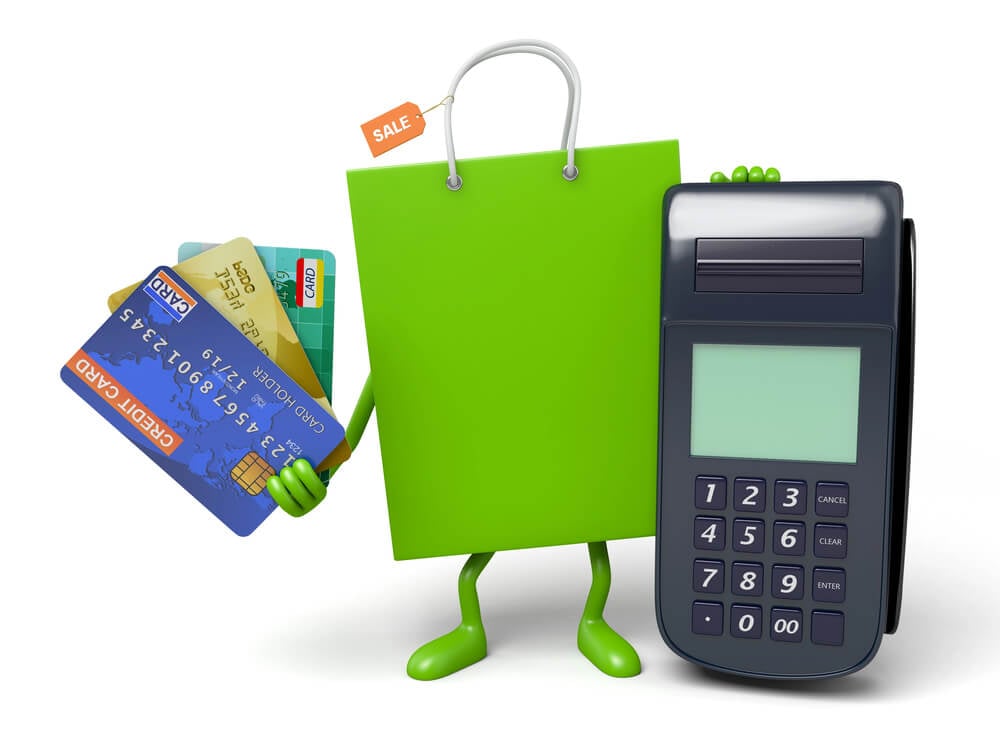
Before card readers, a sliding imprinter pressed the raised numbers on a plastic card onto a multi-copy slip, and the sound it made was unmistakable. The agent ran the slider across with one firm pass and handed over a pen.
The slips doubled as receipts and, when something went wrong, as evidence.
Rotating Card Files
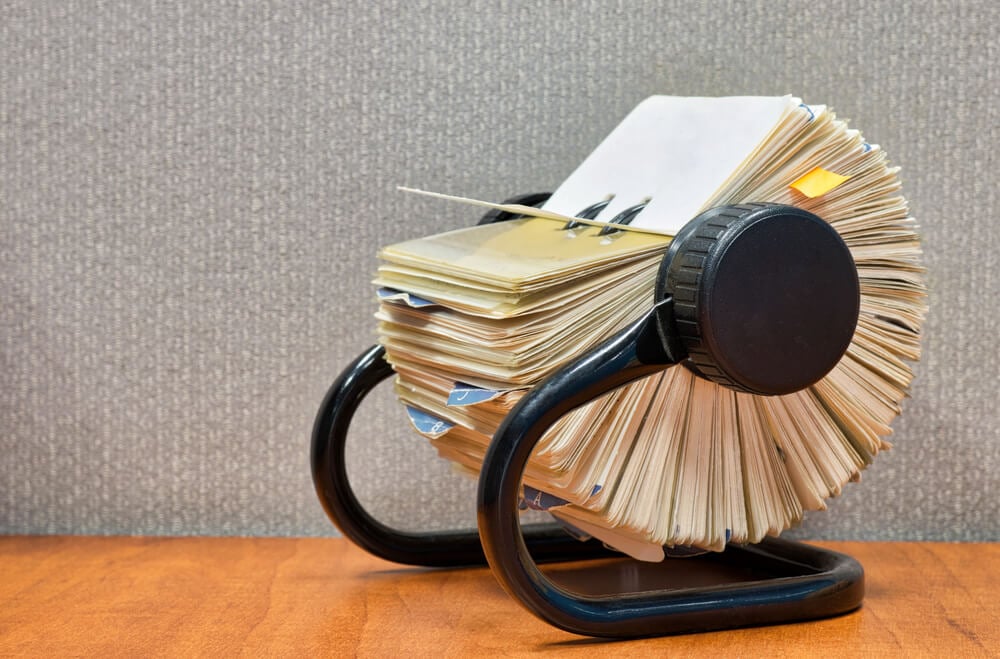
Rotating card files held the phone numbers of hotel sales offices, airline desks, and tour operators, each card filled out by hand. A seasoned agent’s file was practically a business asset.
The cards stayed in use long after computers could store the same information.
Dot-Matrix Itinerary Printers
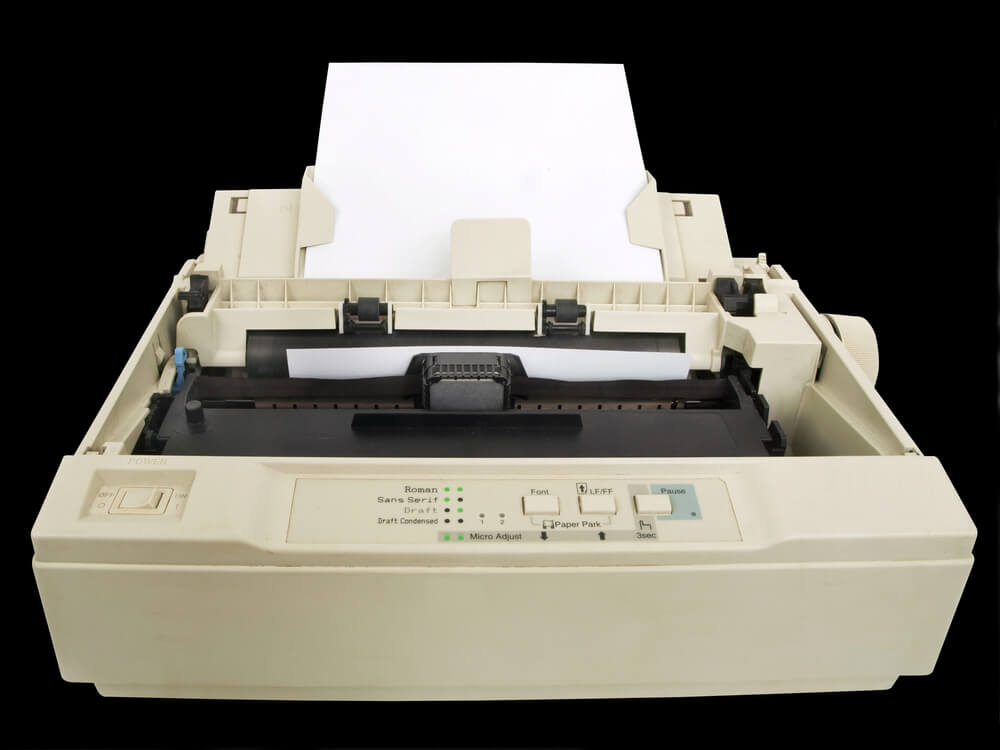
The agent’s terminal fed a dot-matrix printer that screeched out itineraries on continuous fan-fold paper. The agent tore the pages along the perforated edges and slid them into the ticket jacket.
The noise was the signature sound of a finished booking.
A Wall of World Clocks
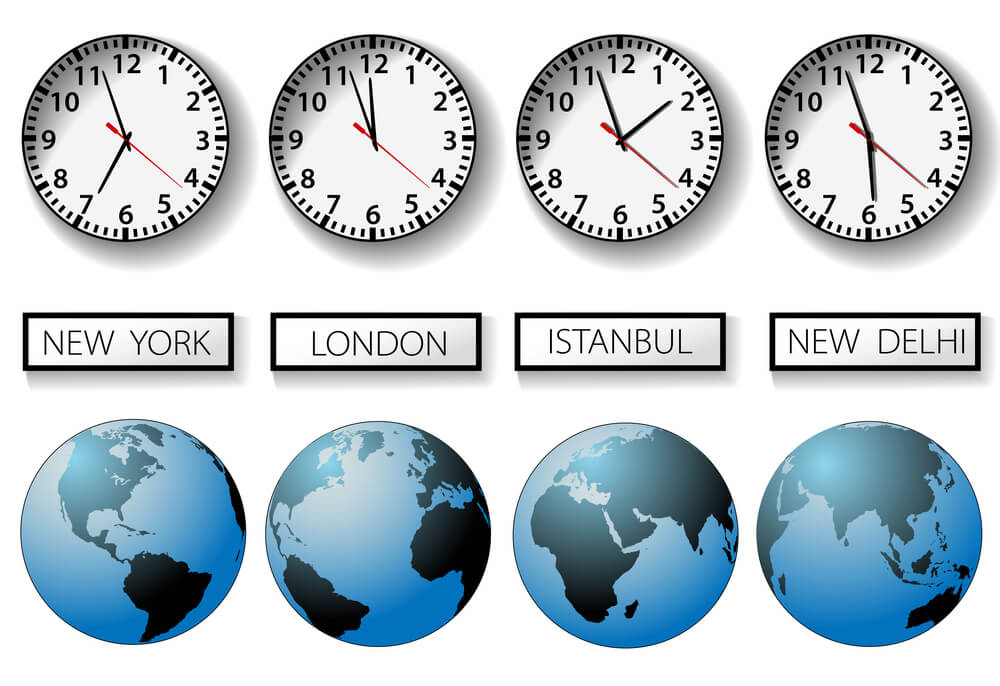
A row of clocks showed the time in New York, London, Tokyo, and other cities, which helped agents work out flight times and call overseas hotels. Each clock doubled as a quiet advertisement for global reach.
Customers watched them out of the corner of an eye while waiting for a reply.
Luggage Tags and Stickers
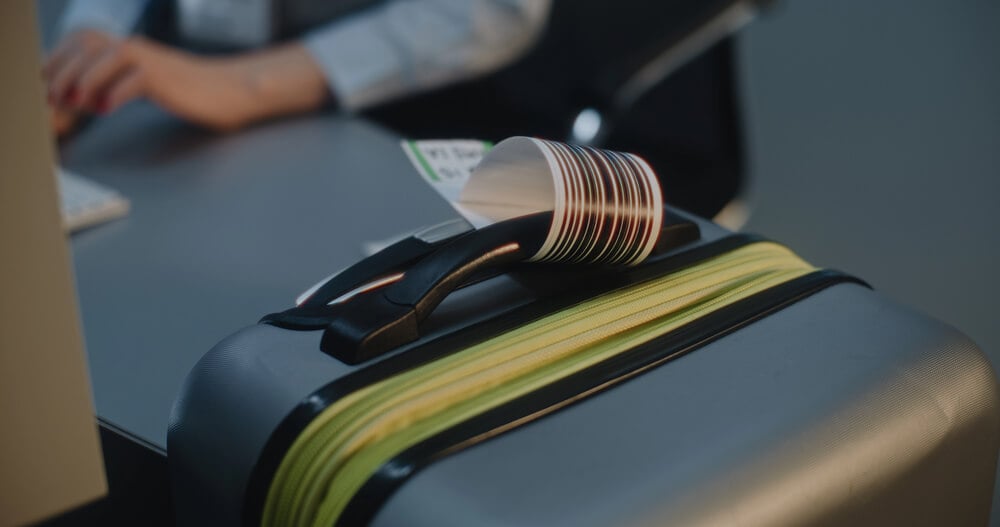
Luggage tags with three-letter airport codes turned cities into shorthand, and a tag still clinging to an old suitcase tells part of its story. Vinyl tags with an agency’s name on them were a common giveaway.
The stickers on a well-traveled bag served as a travel diary no one had to write.
Thick Hotel Directories
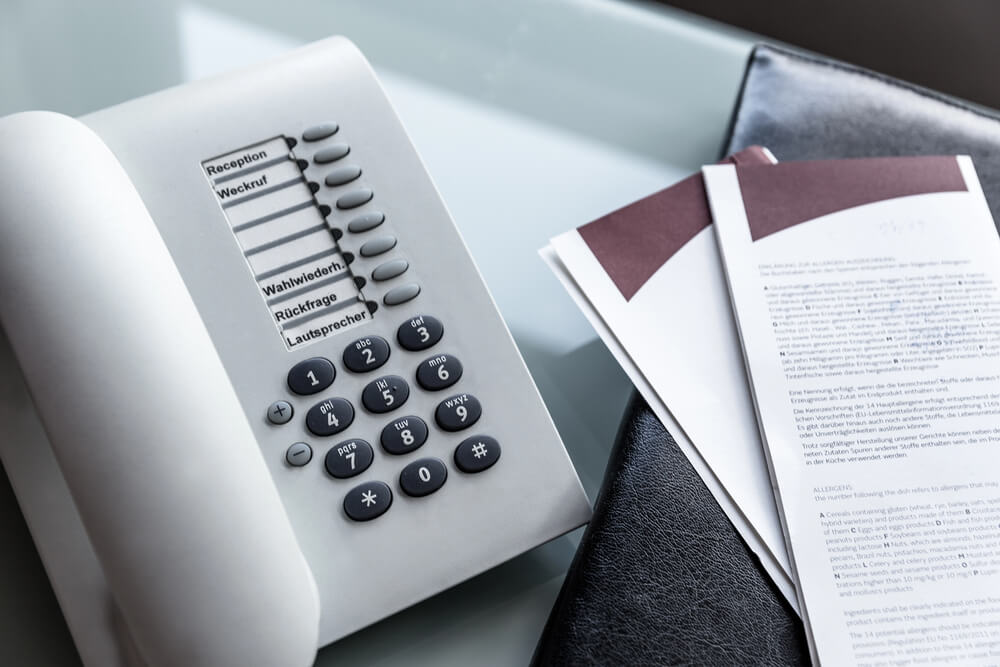
Thick directories listed hotels by city with rates, ratings, and phone numbers, and agents used them to confirm that a property was real before sending a client there. Some editions were so heavy they needed their own shelf.
Anyone who has trusted a photo online will see the appeal.
Currency Conversion Cards
Laminated cards listed exchange rates for common currencies, and agents quoted from them when clients asked how many francs or lire a dinner might cost. The euro replaced many of those currencies in 2002, which turned the cards into instant relics.
A few are probably still tucked into the back of desk drawers.
Rail Timetables
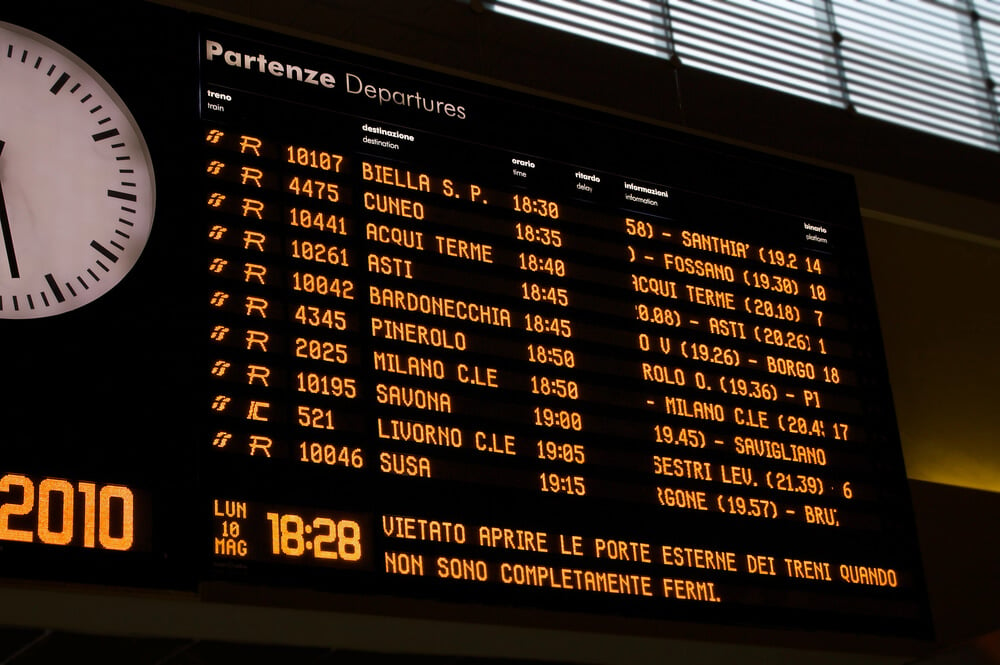
Paper timetables listed train departures across entire countries in fine print, and an agent could build a connection by tracing a finger down the column. Rail passes were sold alongside them, since the two tools worked as a pair.
A missed connection usually meant the finger had slipped one row.
Promotional Travel Videos on VHS
Many agencies played VHS tapes of beaches and ship decks on a corner television, narrated in the voice of someone who had never been delayed by weather. The tapes ran on a loop while customers waited.
A few clients booked trips purely on the strength of a sunset in a video that was already several years old.
Floor Globes

A large globe on a stand sat near the entrance as an invitation to point somewhere. Countries changed names and borders in the early 1990s, leaving older globes as accidental history lessons.
A spin and a finger on the map was the cheapest form of trip planning available.
Where the Waiting Went

Almost every item here solved a problem that screens later handled silently. Schedules, prices, and seat maps now arrive in seconds, and the paper that carried that information has gone with them.
The agency counter was a place where information moved at the speed of a person flipping pages.
What the old office offered besides tickets was a sense of occasion. The brochures, maps, and clocks built a small stage for a decision that felt large.
Few booking pages today try to do the same.
More from Go2Tutors!

- 27 Silver Dollars and Half Dollars Worth Keeping
- 28 Restaurant Menu Items Nobody Orders Anymore
- 17 Places Built in Seemingly Impossible Spots
- 27 Vintage Rings Worth More Than They Look
- 25 Restricted Sites Tourists Can’t Enter
Like Go2Tutors’s content? Follow us on MSN.