30 Soda Flavors Bottlers Pulled From Shelves
Soda companies experiment constantly, chasing whatever flavor trend seems poised to catch on, and most of those experiments quietly disappear within a few years. Some are mourned by devoted fans who still hunt for surviving cans on resale sites.
Others are remembered mainly as cautionary tales about which flavors never should have left the lab.
Here are thirty sodas that once lined store shelves and then didn’t.
Crystal Pepsi
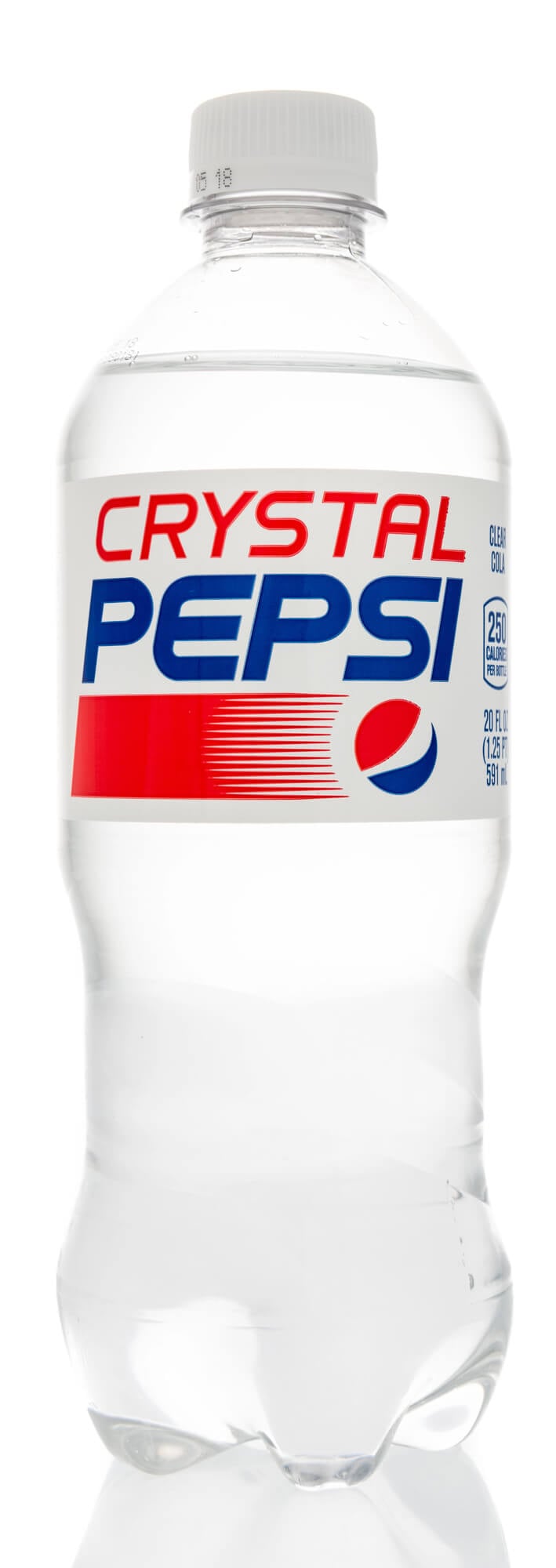
Marketed in the early 1990s as a revolutionary clear cola meant to signal purity and freshness, Crystal Pepsi generated enormous buzz before consumers decided the clear appearance clashed with the cola taste they expected. It was discontinued within a couple of years of launch, though PepsiCo has revived it periodically as a limited-time nostalgia product.
New Coke
Coca-Cola’s 1985 reformulation, intended to modernize the brand’s flavor and compete more directly with Pepsi, triggered a public backlash so severe that the original formula was brought back within three months under the name Coca-Cola Classic. New Coke itself lingered under different names for a few more years before being discontinued entirely, remembered today as one of the most studied marketing missteps in beverage history.
Surge
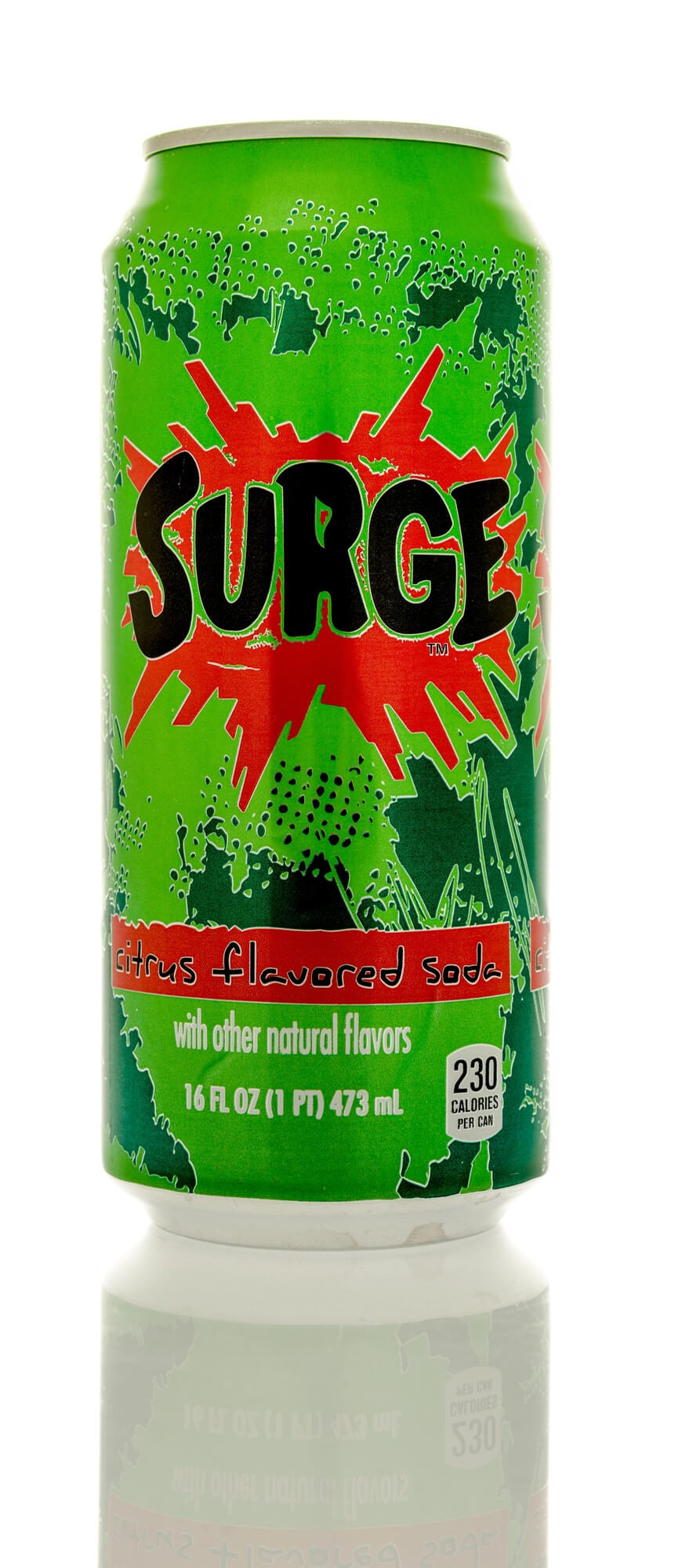
Coca-Cola’s neon-green, high-caffeine citrus soda launched in the mid-1990s specifically to compete with Mountain Dew, building a cult following among a generation of soda drinkers before being discontinued in the early 2000s. Persistent fan demand eventually convinced Coca-Cola to bring it back for a limited run years later, a rare example of nostalgia successfully reviving a fully discontinued soda.
OK Soda
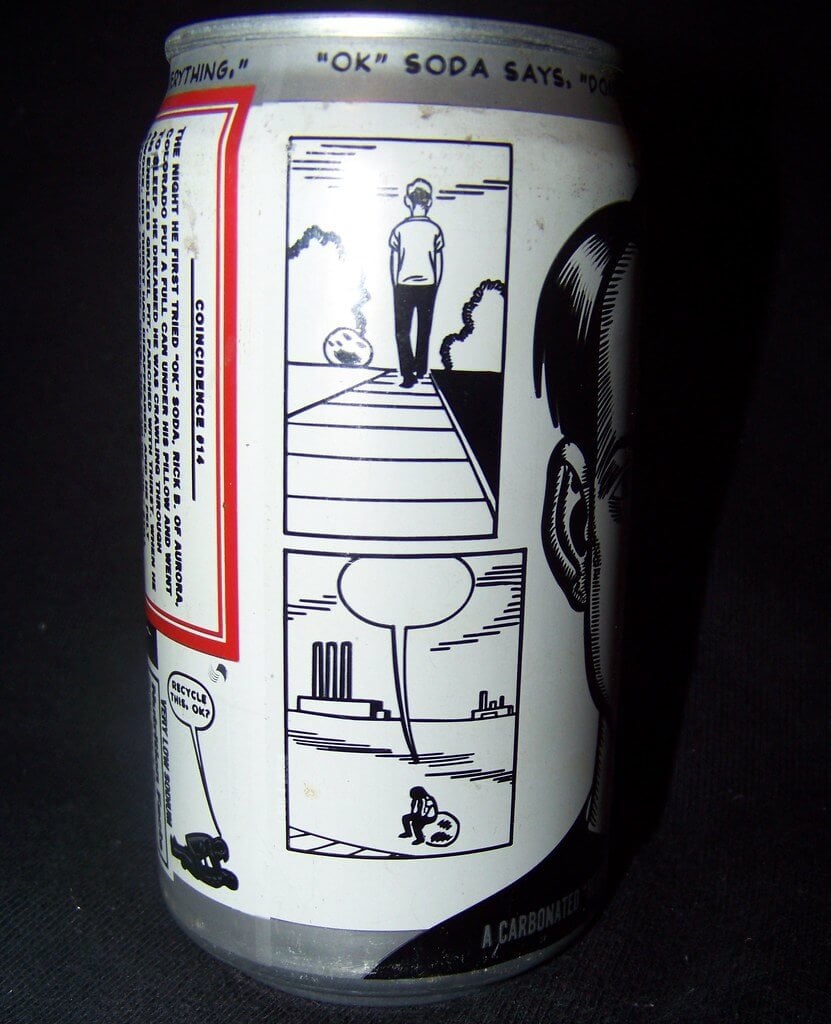
Coca-Cola’s ironic, intentionally ambiguous marketing campaign for OK Soda leaned into Gen X skepticism toward traditional advertising, but the strategy failed to translate into lasting sales. The soda was pulled from most markets within about a year of its early 1990s launch.
Josta
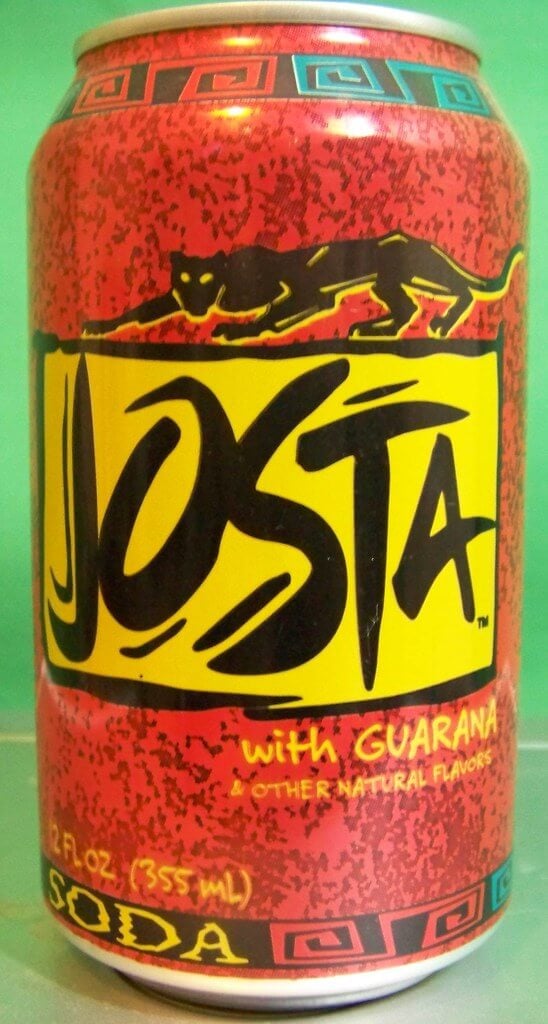
A guarana berry-flavored soda released by Pepsi in the early 1990s, Josta was one of the first mainstream American sodas to market itself specifically around an energy-boosting ingredient, years before the energy drink category exploded. It was discontinued by the end of the decade as PepsiCo shifted focus toward other beverage categories.
Pepsi Blue
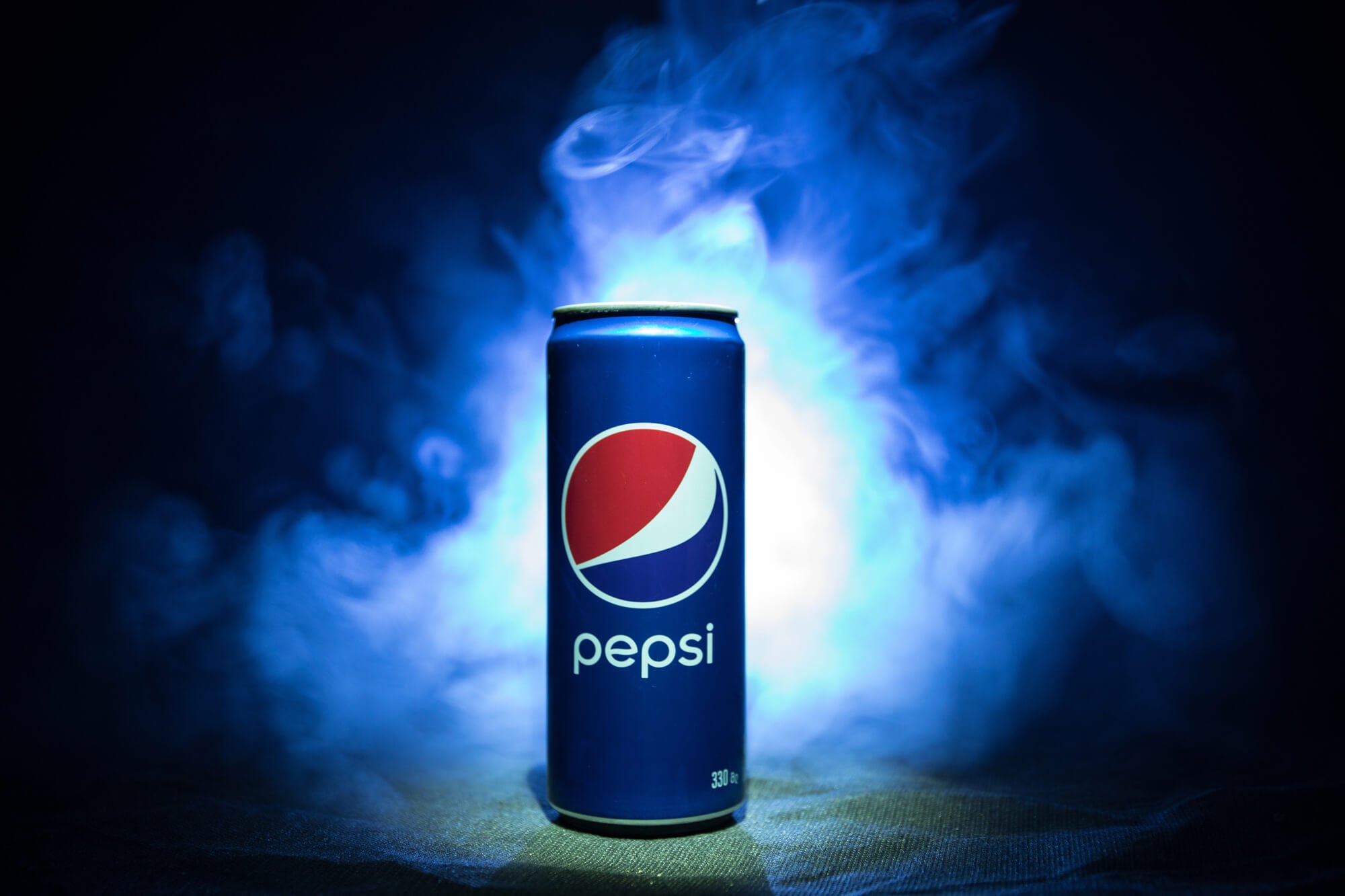
Released in 2002 with a bright blue color and berry-cola flavor aimed squarely at younger consumers, Pepsi Blue generated initial curiosity but failed to build a lasting customer base. It was pulled from the U.S. market within about two years, though it found brief continued life in some international markets afterward.
Pepsi A.M.
Marketed directly at the breakfast beverage market with extra caffeine relative to standard Pepsi, Pepsi A.M. launched in the late 1980s as an attempt to position soda as a morning drink alongside coffee. The concept never gained meaningful traction and was quietly discontinued within about a year.
Coca-Cola Blak
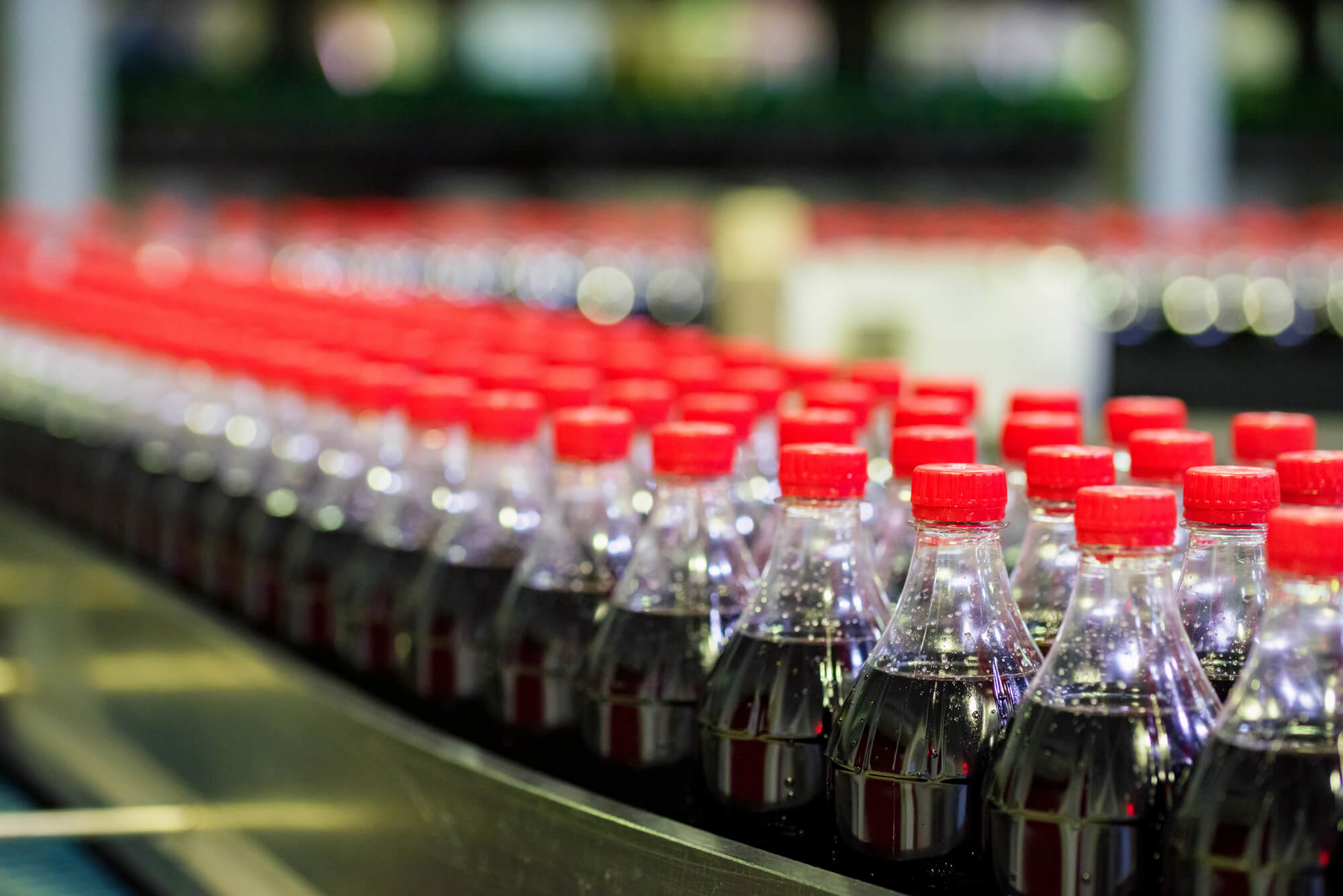
A coffee-flavored cola launched in 2006 with a creamy, frothy pour meant to evoke an actual coffee beverage, Coca-Cola Blak was positioned as a sophisticated, adult-oriented soda option. Unusual packaging and a niche marketing strategy failed to build sufficient demand, and it disappeared from shelves by 2008.
Slice
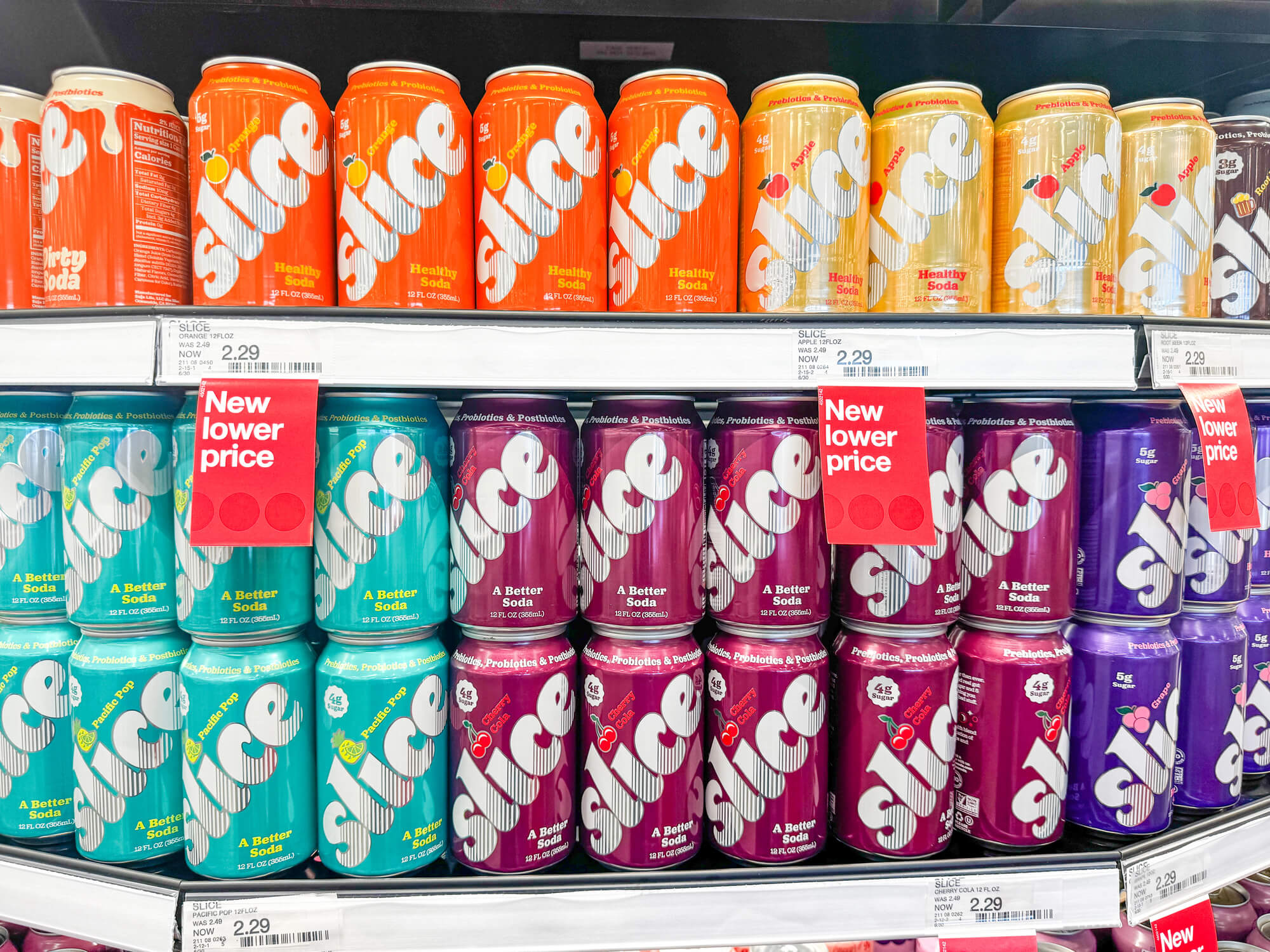
Introduced in 1984 as one of the first major sodas to incorporate real fruit juice into its formula, Slice built a loyal following, particularly for its apple flavor, before PepsiCo retired the brand in 2000 to make room for the newly launched Sierra Mist. Some regional bottlers continued producing Slice under license for a period afterward, but it disappeared from most major markets.
Aspen Soda
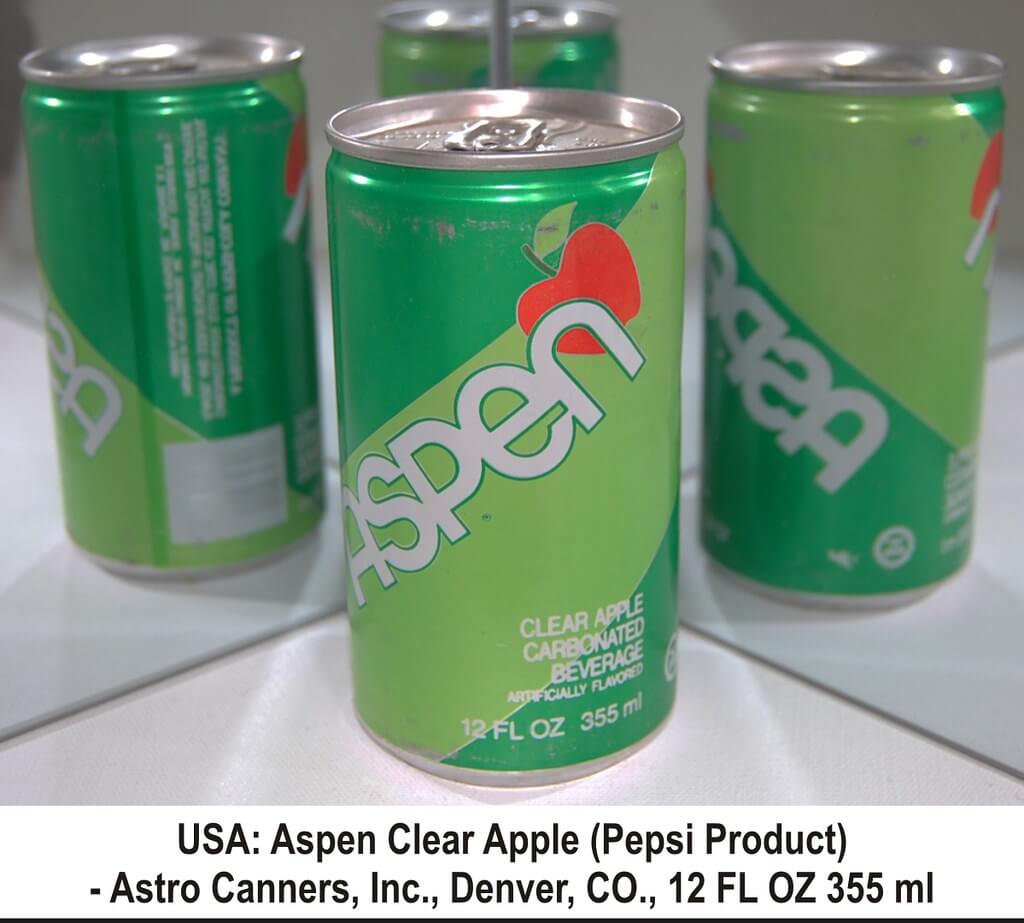
Launched in 1978 as a clear, apple-flavored soda meant to evoke crisp mountain air, Aspen Soda built a modest fan base but never achieved the sales volume needed to sustain national distribution. It was pulled from shelves by 1982, one of the earlier examples of a novelty-flavored soda failing to find a lasting audience.
dnL
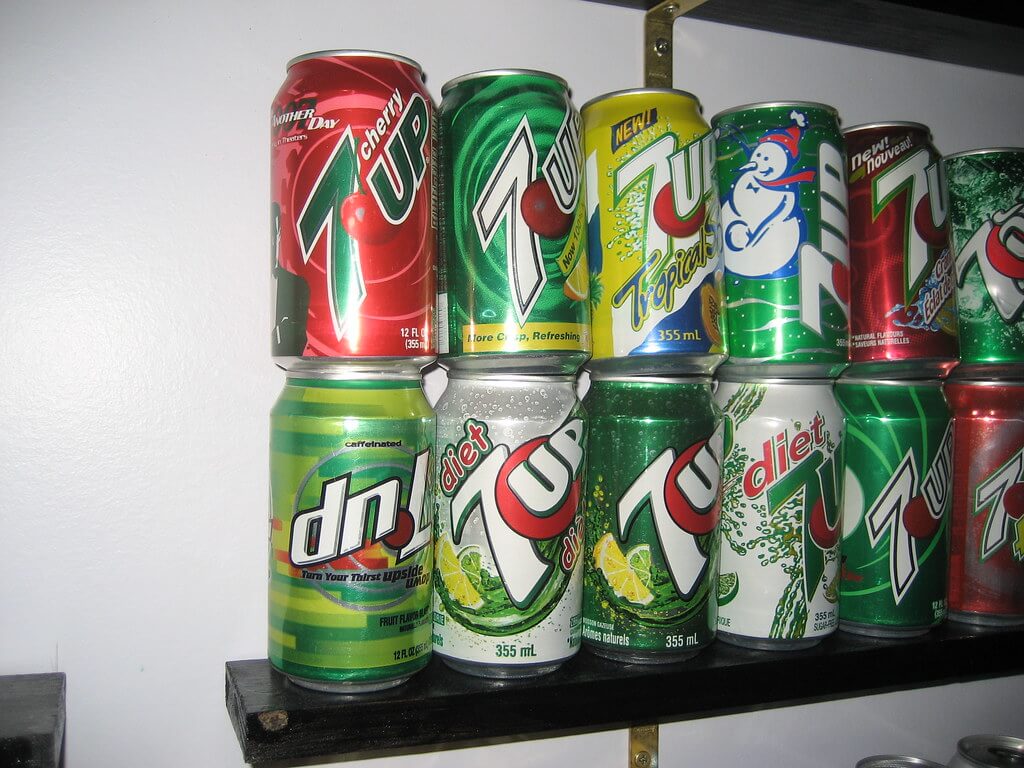
A quirky, caffeinated twist on 7Up featuring an upside-down logo and bold green coloring, dnL launched in 2002 as an attempt to appeal to younger consumers with an ironic marketing hook. The soda failed to catch on, and Cadbury Schweppes officially discontinued it at the end of 2005.
Hubba Bubba Soda
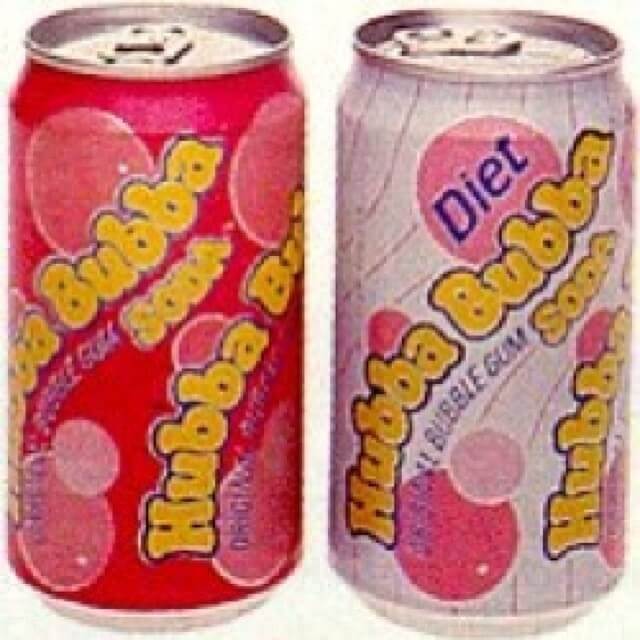
Introduced in 1988 under license from Wrigley by Chicago’s A.J. Canfield Company, Hubba Bubba Soda attempted to bottle bubblegum flavor into a bright pink carbonated drink. Its unusual flavor concept limited its appeal, and it disappeared from shelves within about five years of its release.
Life Savers Soda
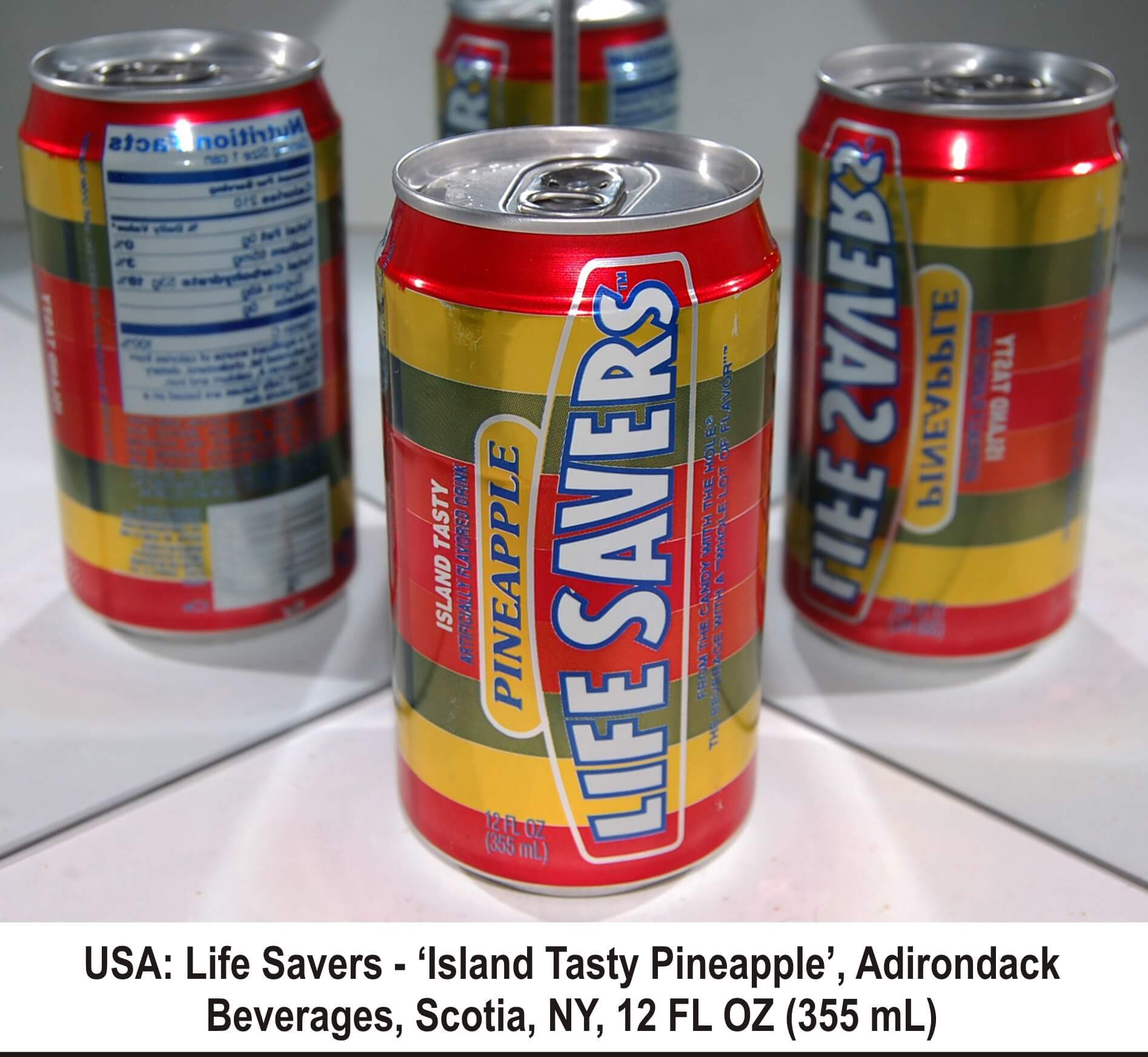
Released in 1995 as a candy-inspired soda hoping to replicate the success of the original hard candy brand, Life Savers Soda offered a lineup of colorful, fruit-flavored options meant to taste like a drinkable version of the candy. It failed to sustain long-term sales and was discontinued within a few years.
Sierra Mist
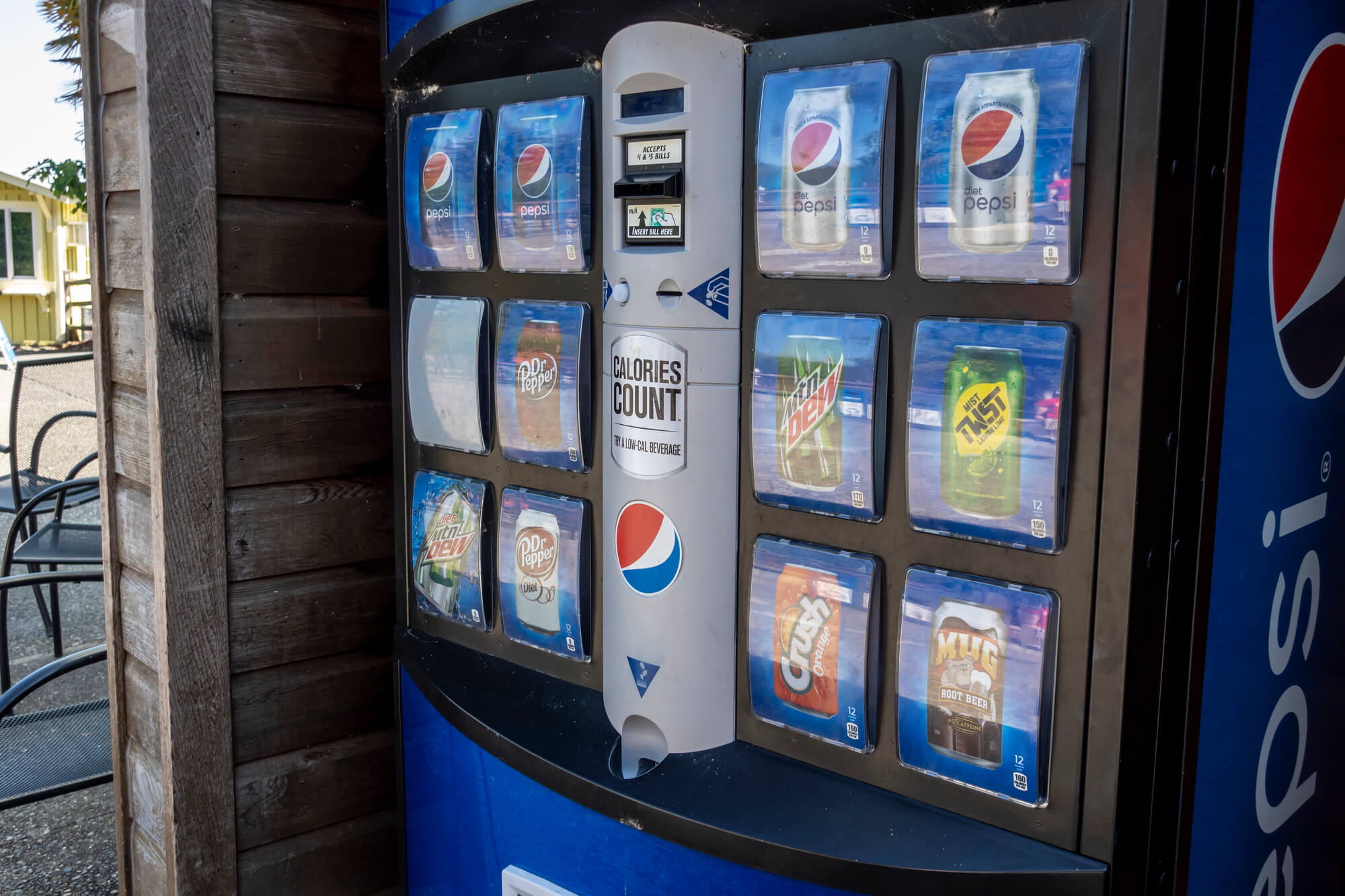
Launched by PepsiCo in 1999 to compete directly with Sprite, Sierra Mist built two decades of market presence, including popular variations like Cranberry Splash and Ruby Splash, before struggling to gain ground in the lemon-lime category against stronger competitors. PepsiCo discontinued the brand in January 2023, replacing it with a reformulated soda called Starry.
Barq’s Floatz
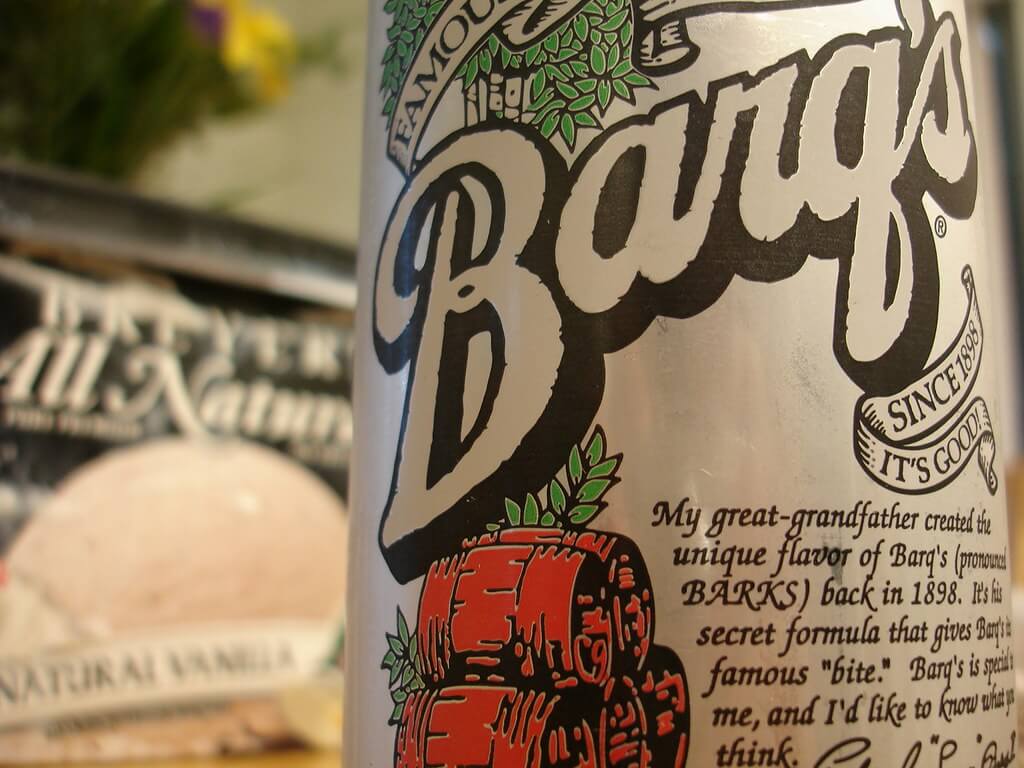
Launched in 2003, Barq’s Floatz combined root beer and cream soda flavors into a single drink meant to replicate the taste of a root beer float without the ice cream. The novelty flavor lasted only a few years on shelves before being discontinued.
Jolly Rancher Soda
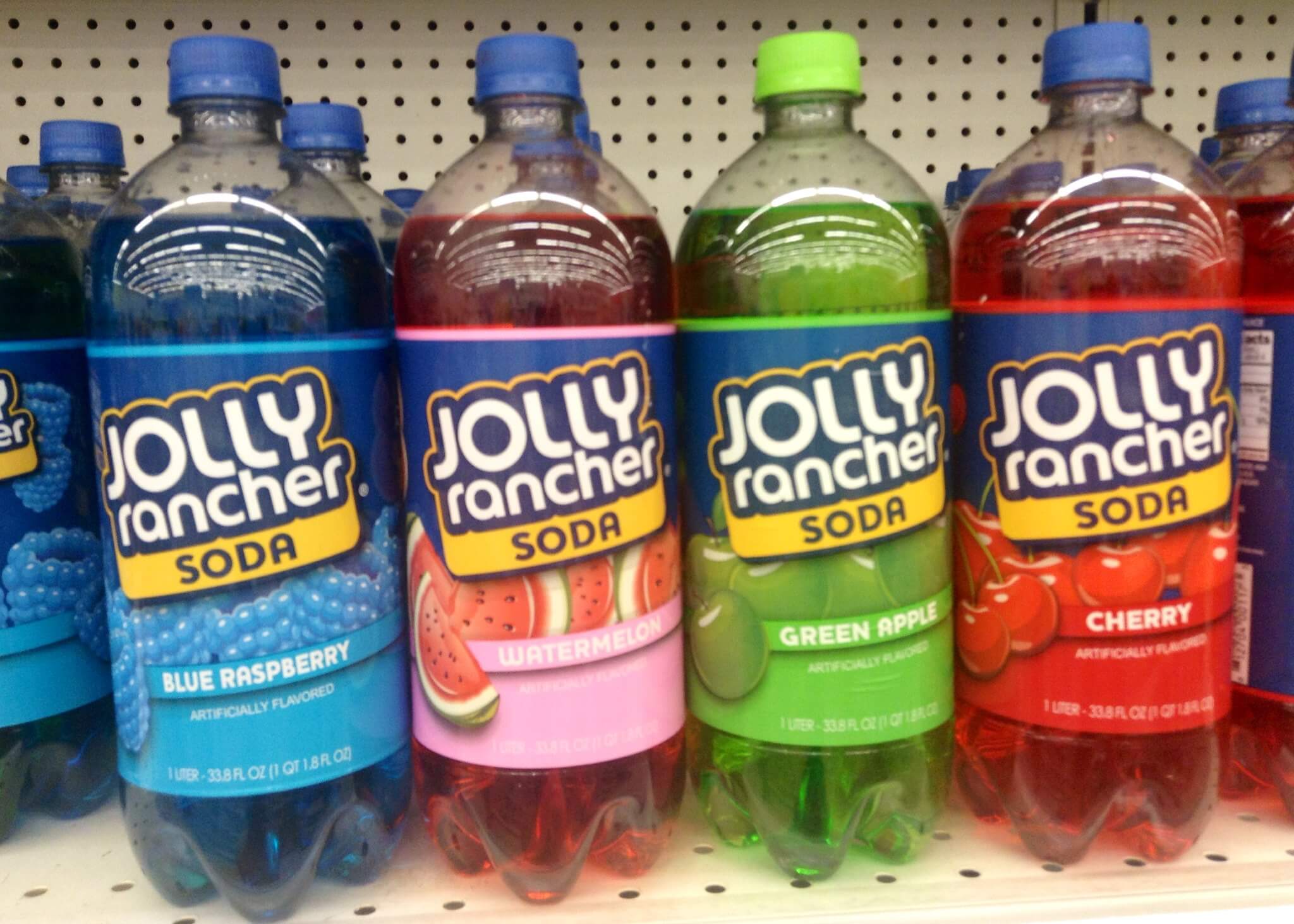
Offering fourteen candy-inspired flavors including Watermelon, Green Apple, Blue Raspberry, and Grape, Jolly Rancher Soda let fans of the hard candy drink a fizzy version of their favorite flavors for several years. The line was discontinued in 2021 after failing to sustain the sales levels needed to justify continued production.
Mountain Dew Fruit Quake
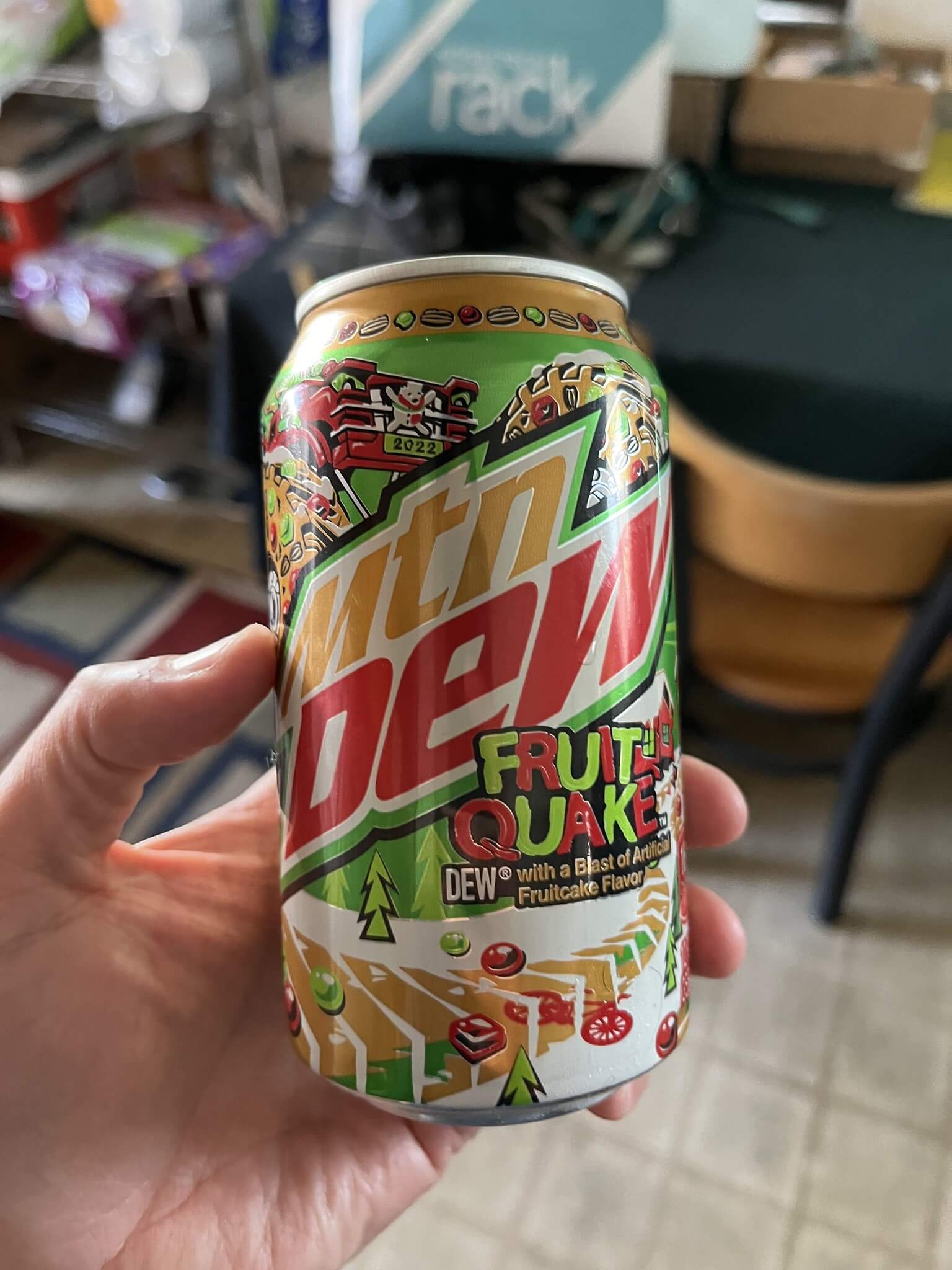
A limited-release holiday flavor from 2022 inspired by fruitcake, Mountain Dew Fruit Quake combined carbonated fruit punch with warming spices like ginger and clove in a deliberately divisive seasonal offering. Following in the footsteps of earlier limited holiday flavors, it was not brought back after its initial release, joining a growing list of Mountain Dew’s more experimental seasonal experiments.
7Up Gold
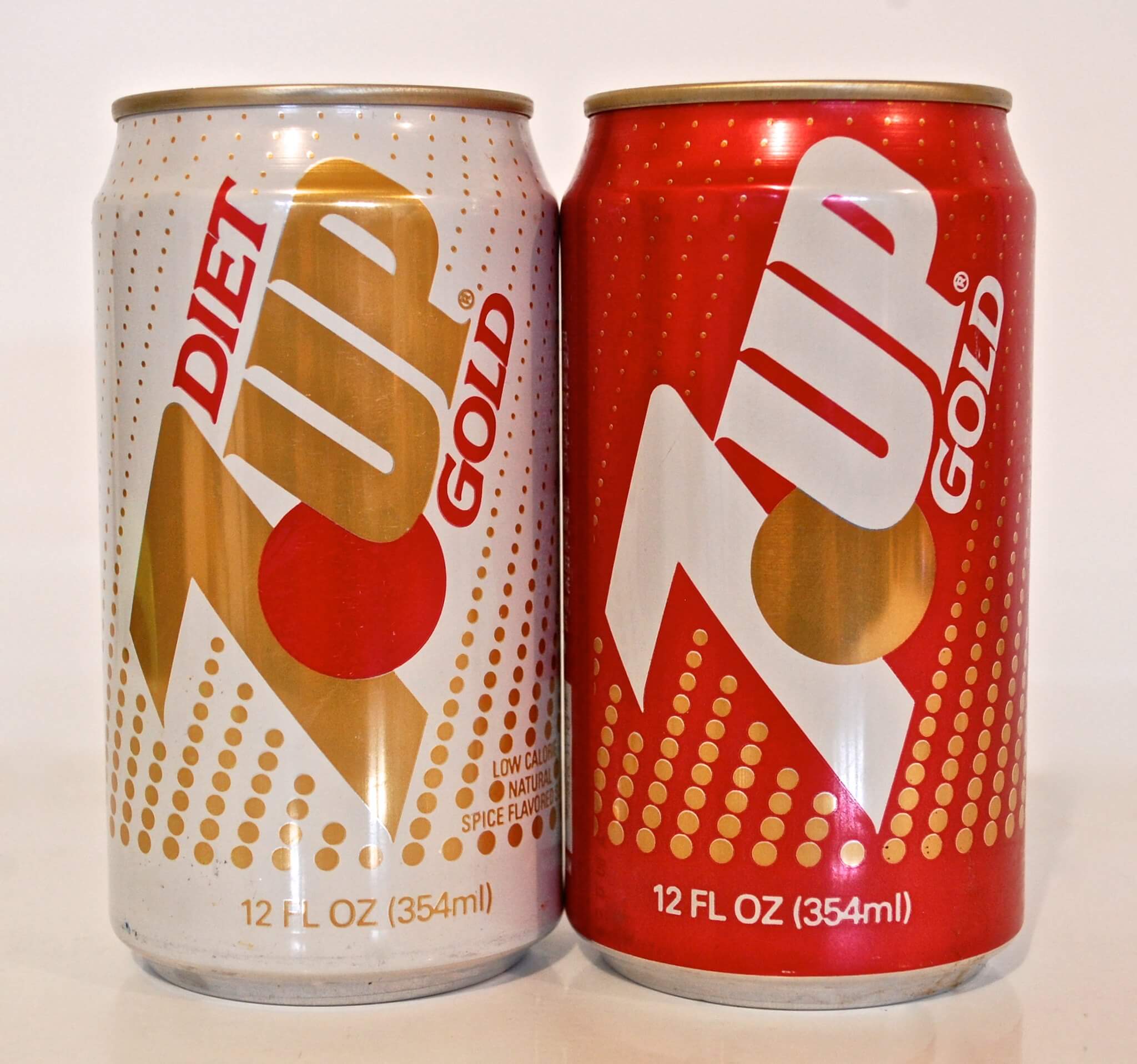
A spiced cola-adjacent variant of 7Up launched in the late 1980s, 7Up Gold departed sharply from the brand’s usual clear lemon-lime identity, confusing longtime customers who expected a familiar flavor profile. It was pulled from the market within roughly a year of its release.
Tab
One of the first mass-marketed diet sodas, Tab launched in 1963 and maintained a small but devoted following for decades even as newer diet soda brands overtook it in popularity. Coca-Cola officially discontinued Tab in 2020, citing declining sales as younger diet soda drinkers had shifted almost entirely to more modern brands.
Orbitz
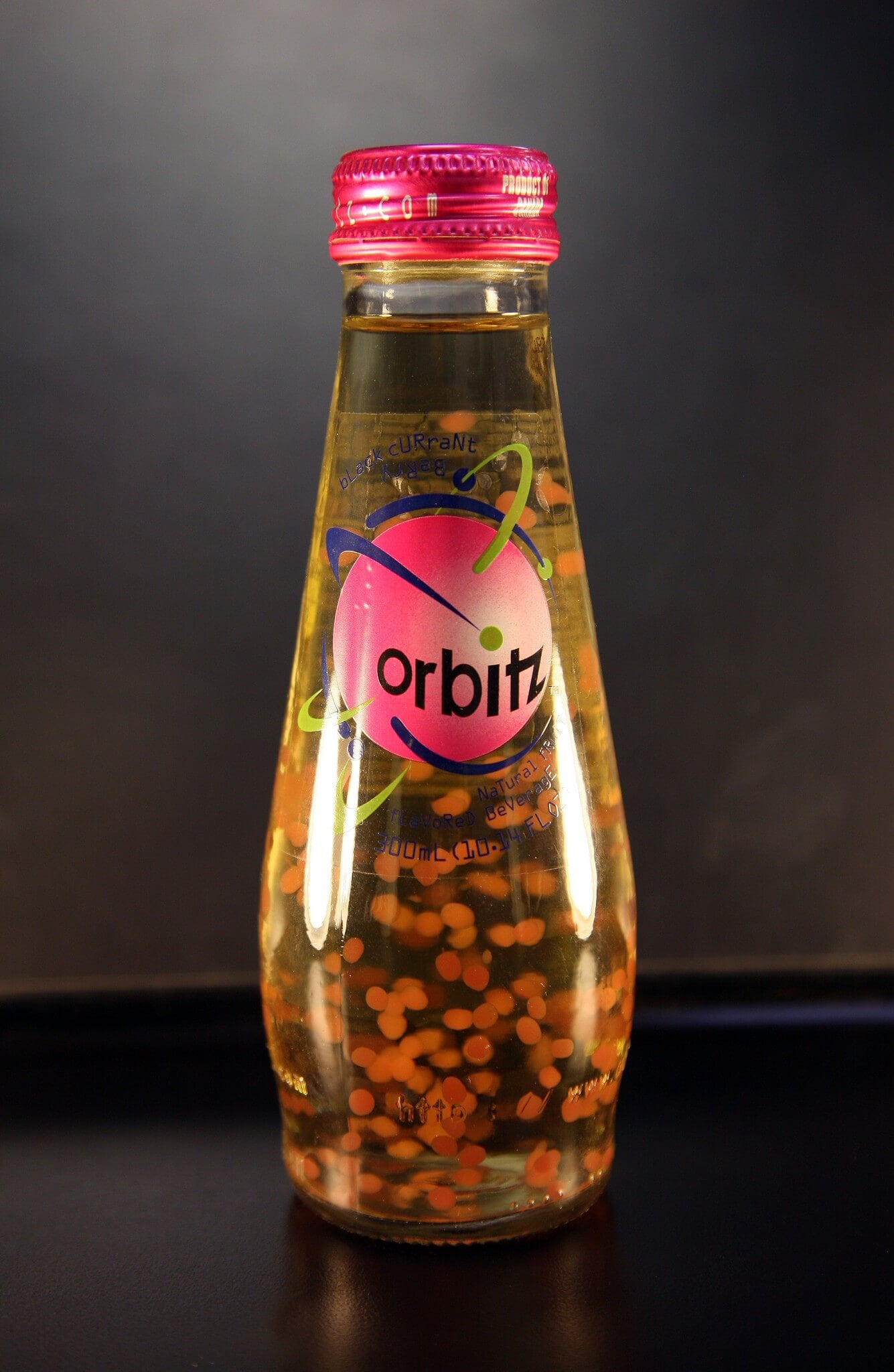
Known for the small, colorful gelatin-like orbs suspended throughout the liquid, Orbitz was marketed in the mid-1990s as a novelty beverage more than a conventional soda, prized for its unusual visual appearance rather than any particular flavor. The drink’s texture proved more of a curiosity than a lasting selling point, and it was discontinued within about a year of its release.
Pepsi Lime
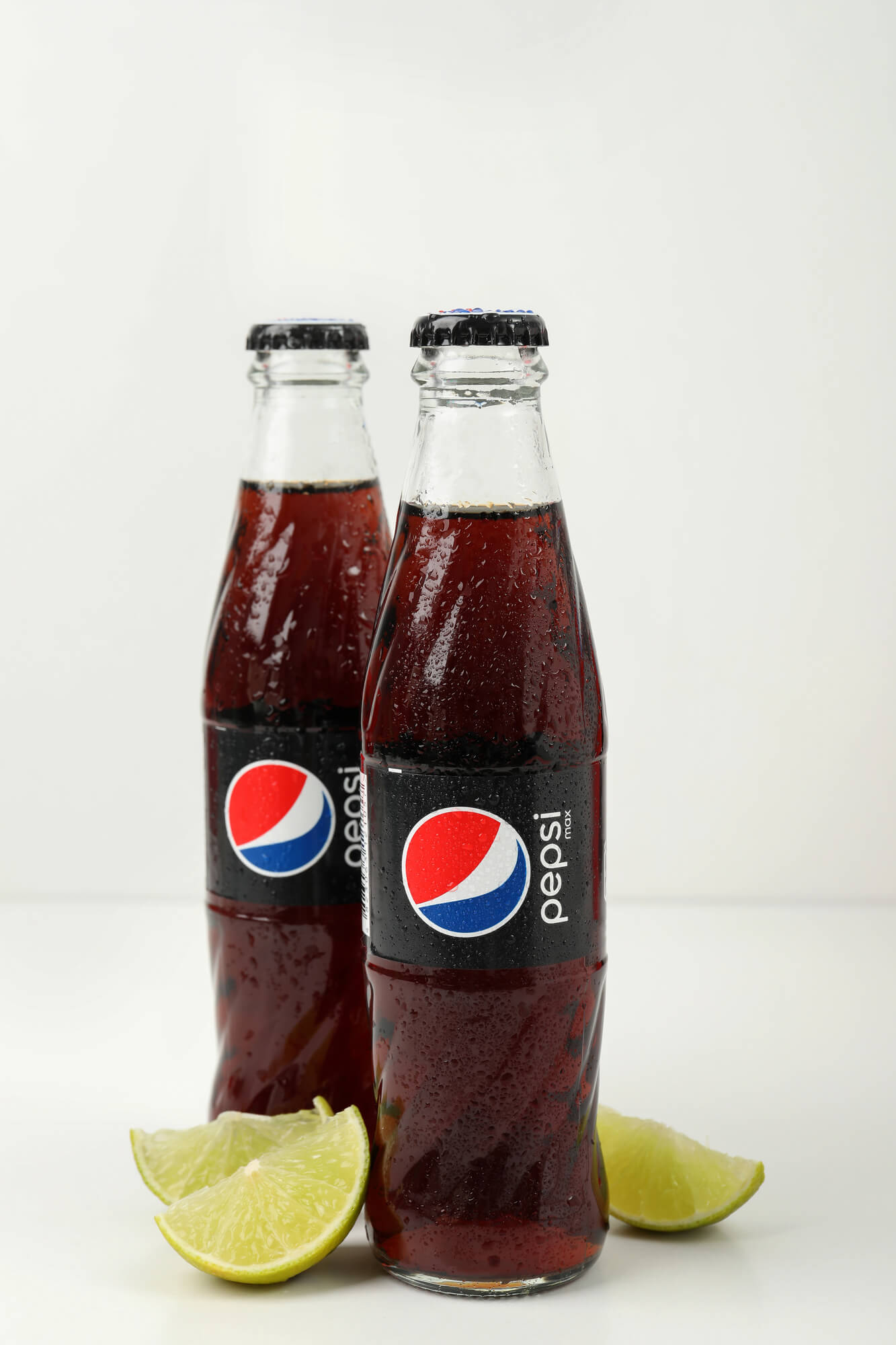
A citrus-forward variation on standard Pepsi that briefly expanded into a Diet Pepsi Lime version as well, Pepsi Lime maintained a smaller, loyal customer base for years before being phased out. PepsiCo confirmed its discontinuation as part of a broader trimming of niche flavor variants from its product lineup.
Pepsi Peach
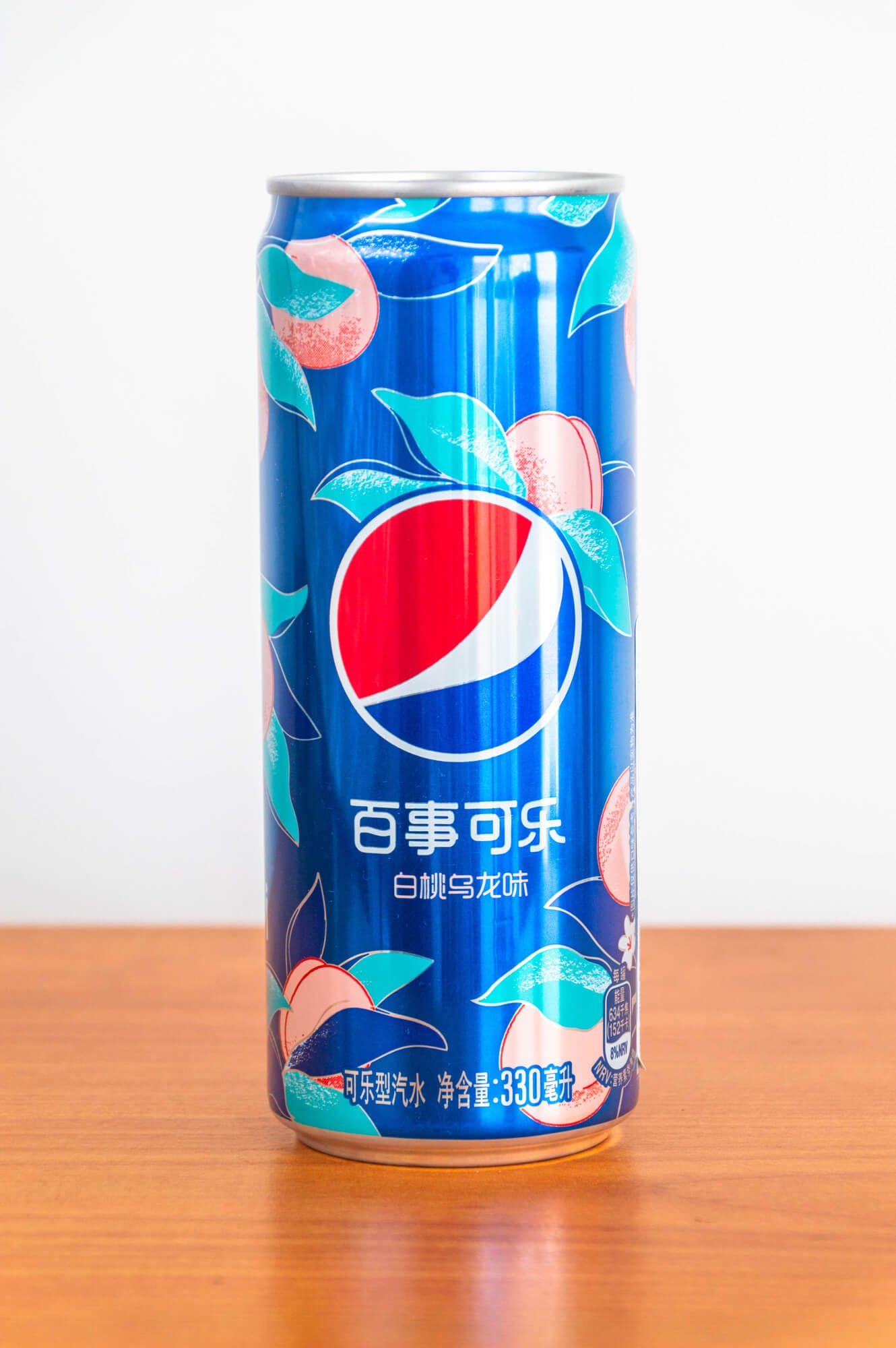
Introduced as a seasonal fruit variation on the core Pepsi formula, Pepsi Peach built a modest following among fans of fruit-flavored colas before being discontinued as part of PepsiCo’s periodic streamlining of its beverage portfolio. Its removal from the product locator confirmed the flavor’s exit from regular production.
Nitro Pepsi Vanilla
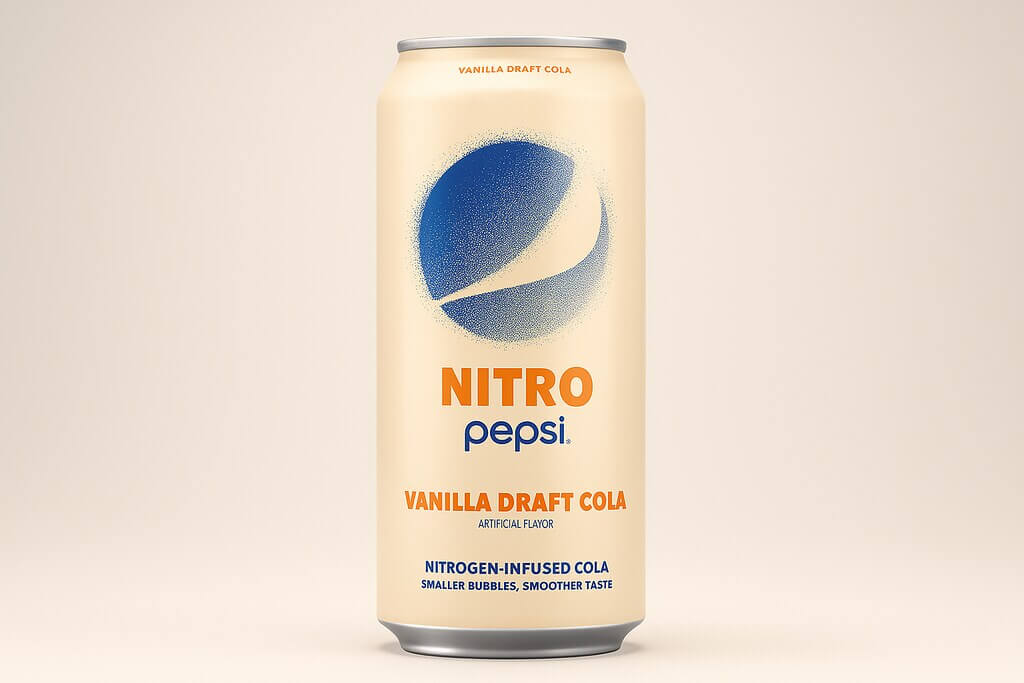
Part of PepsiCo’s nitrogen-infused Nitro Pepsi line, introduced in 2022 to offer a smoother, creamier soda texture, the vanilla variant built a passionate niche following despite limited availability. Its discontinuation left resale prices for remaining cases climbing sharply on secondary markets, with some listings reportedly exceeding a hundred dollars per case.
Mountain Dew Major Melon
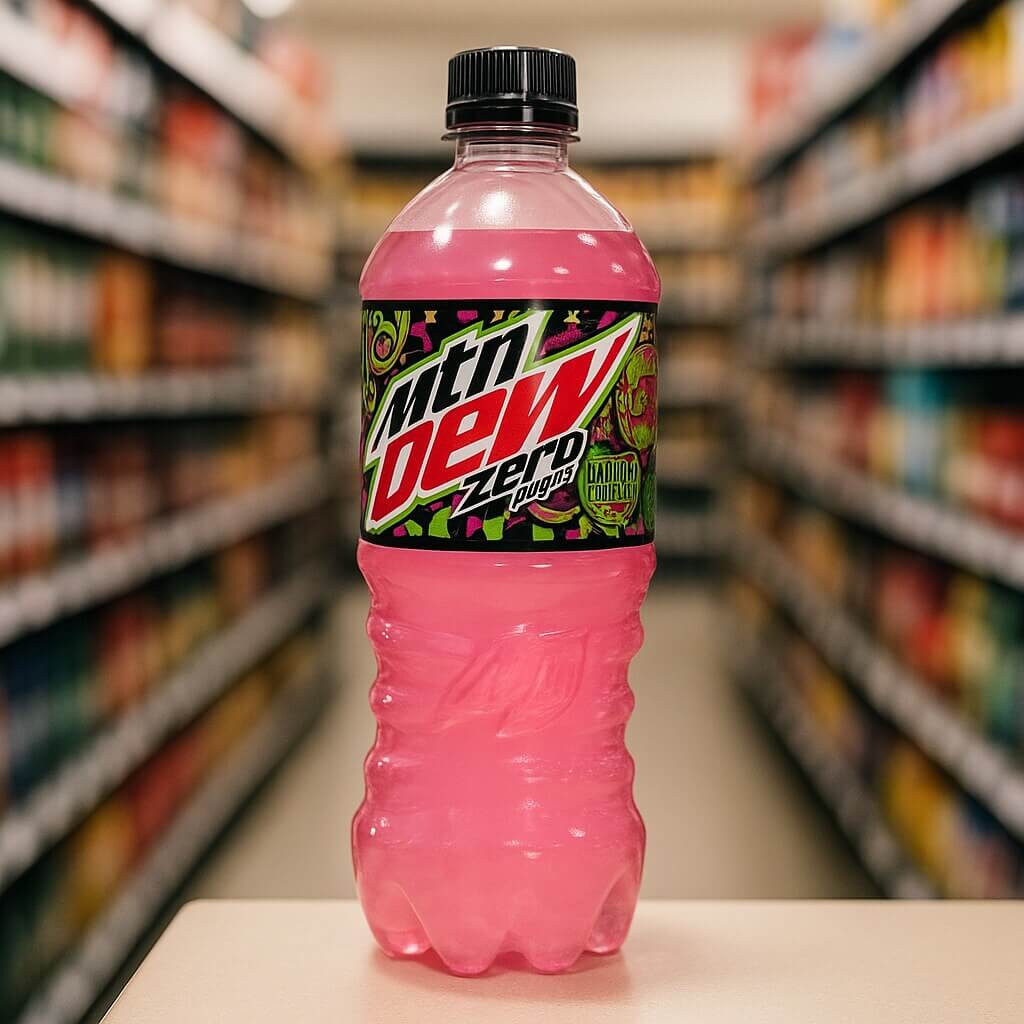
A watermelon-flavored variant of Mountain Dew that built a dedicated fan base after its release, Major Melon was ultimately discontinued as PepsiCo consolidated its Mountain Dew flavor lineup. Its removal from the product locator confirmed the flavor would no longer be part of regular distribution.
Pepsi Kona
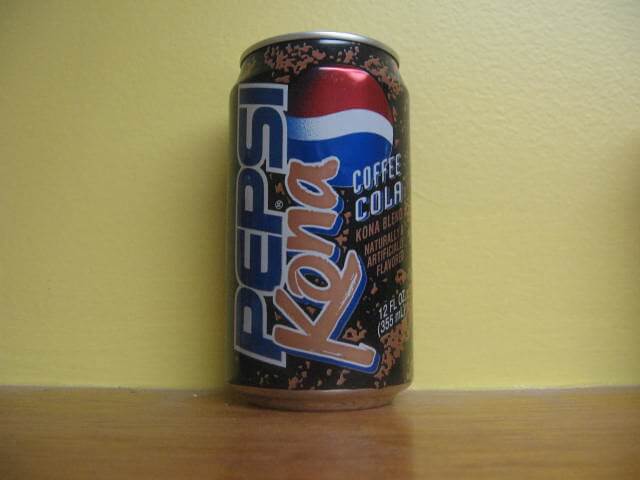
A coffee-infused variation of Pepsi launched as a limited offering, Pepsi Kona aimed to combine cola and coffee flavors into a single caffeinated beverage. It failed to build the sustained demand needed for a permanent spot in PepsiCo’s lineup and was discontinued after a limited run.
Vanilla Coke
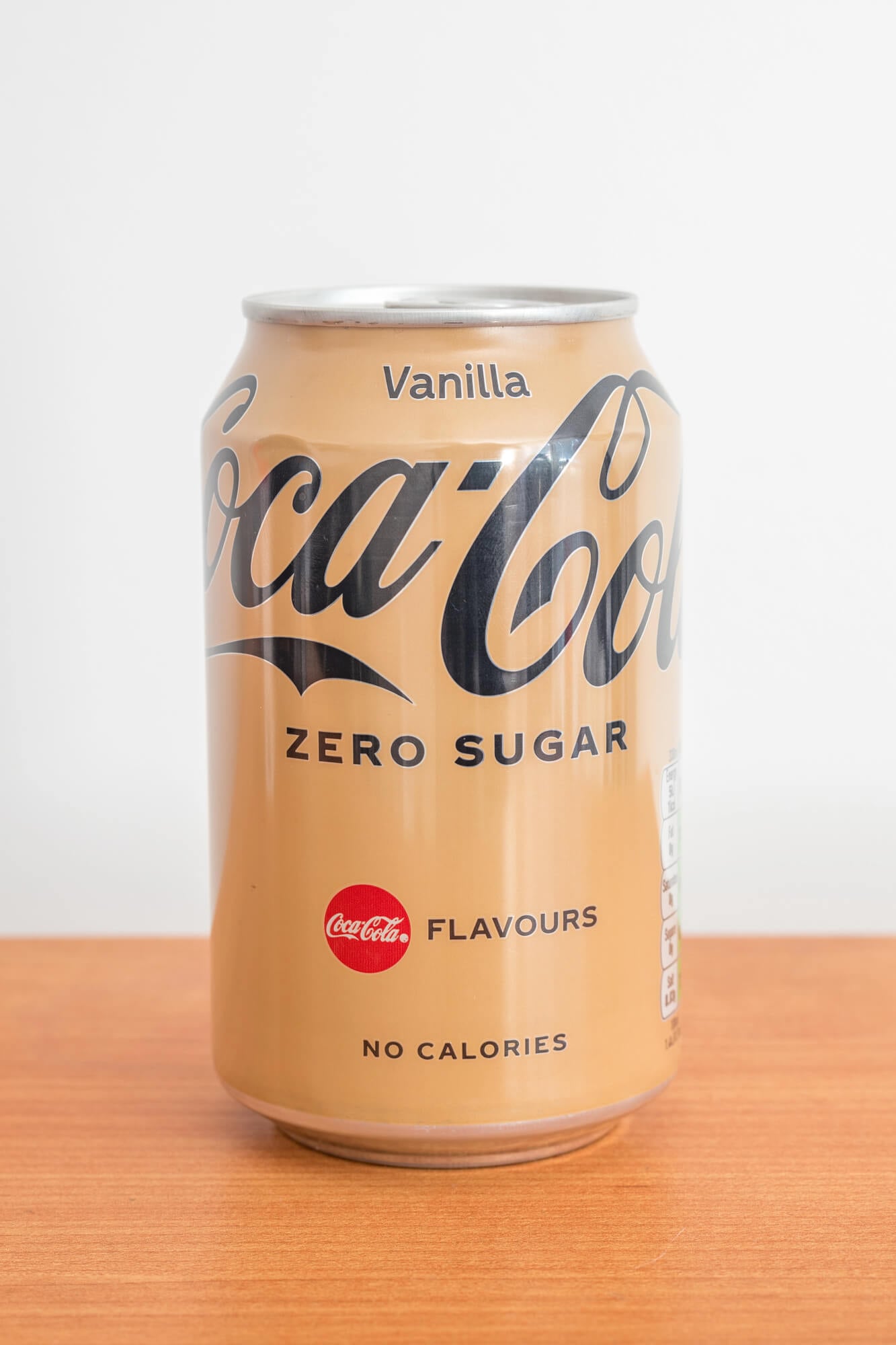
Coca-Cola’s original vanilla-flavored cola launched in 2002 and remained available in various formulations throughout subsequent decades, with the product line evolving but not being fully discontinued in 2005. While the original 2002 formula may have been reformulated, Vanilla Coke continued presence in Coca-Cola’s portfolio rather than undergoing a complete market withdrawal.
Mountain Dew Pitch Black
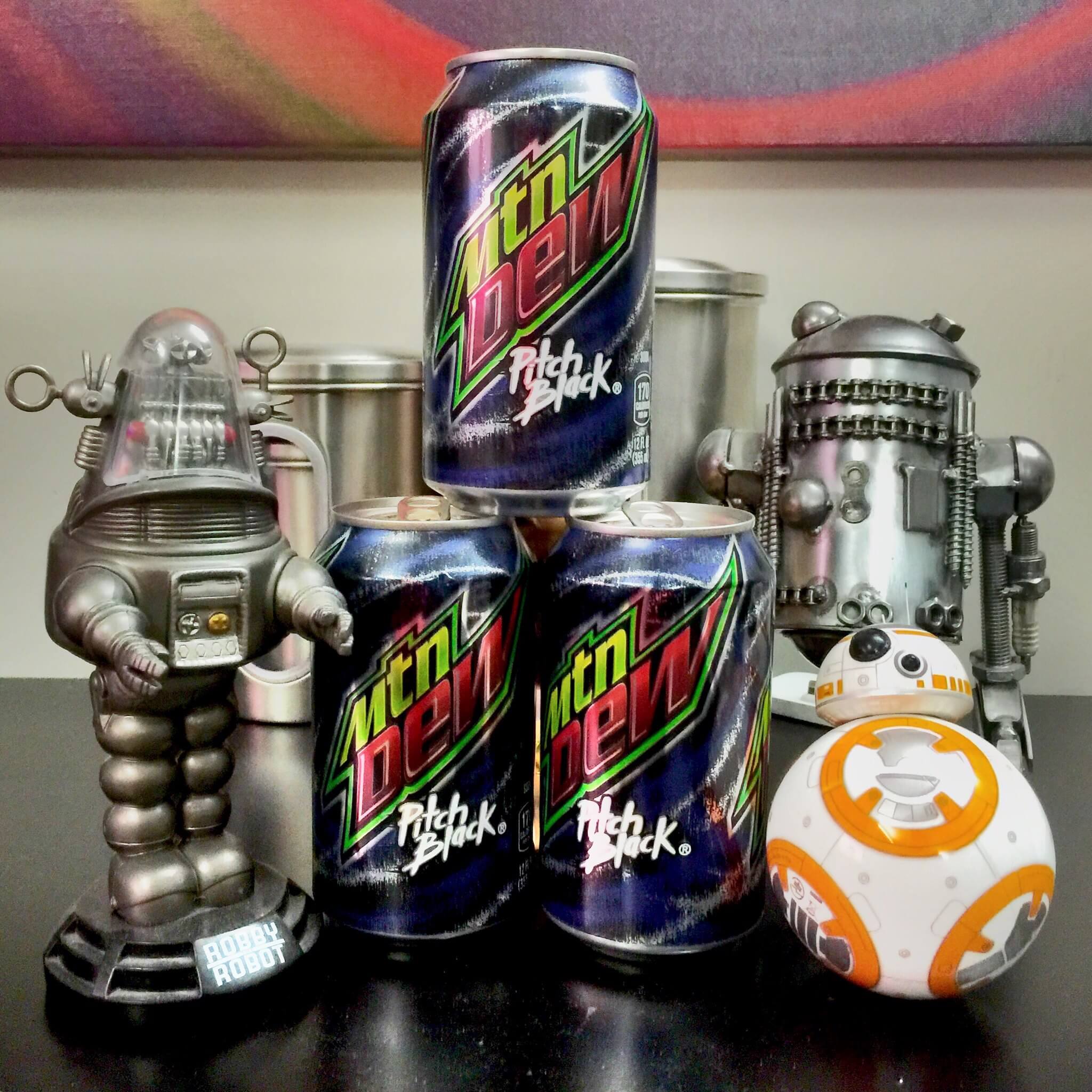
A grape-flavored, black-colored seasonal variant released around Halloween in the early 2000s, Mountain Dew Pitch Black built a strong cult following specifically because of its limited seasonal availability. PepsiCo discontinued regular production of the flavor, though it has occasionally resurfaced as a limited seasonal offering in the years since.
Diet Coke Sweetened With Splenda
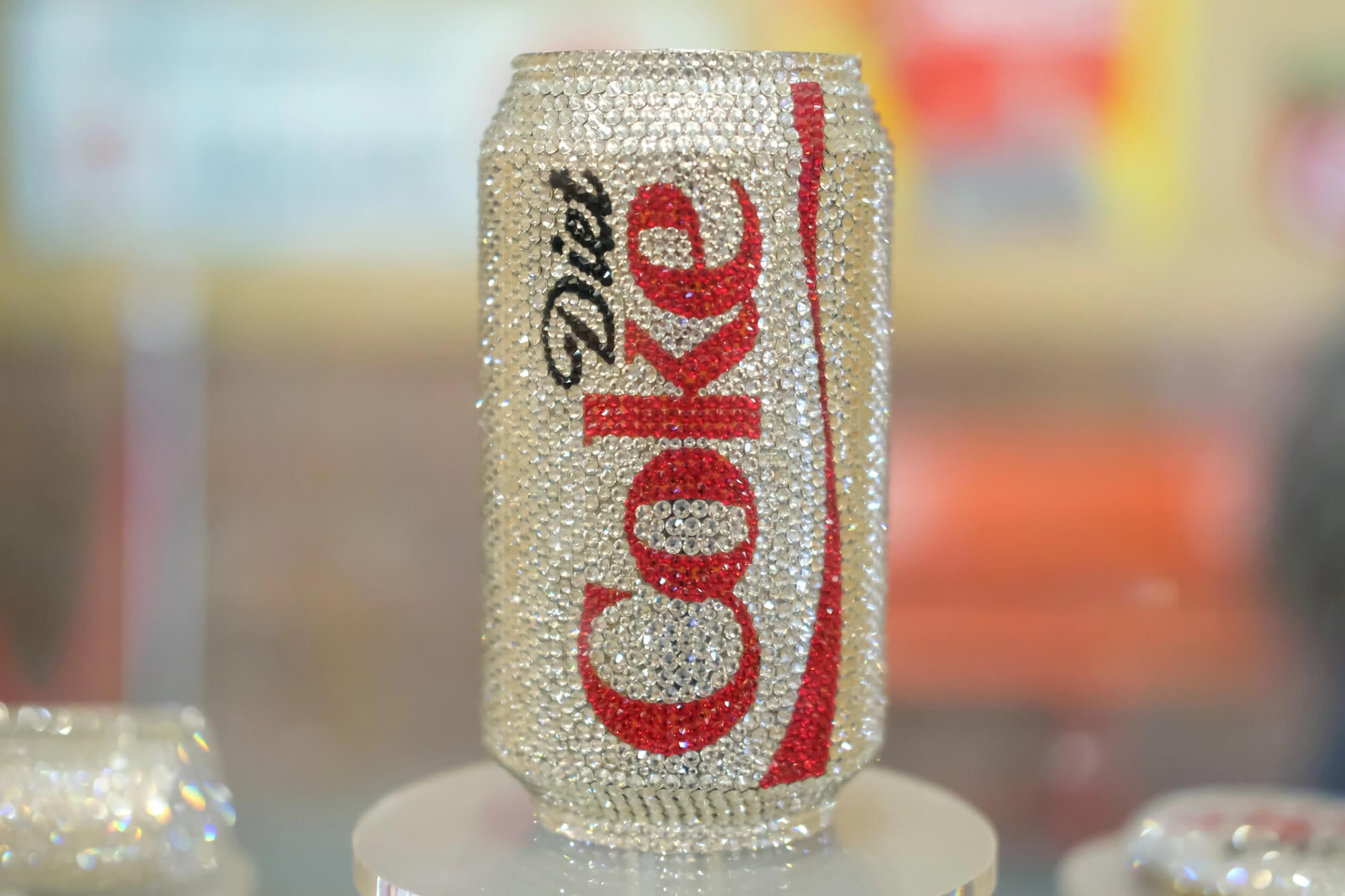
Introduced as an alternative to standard Diet Coke’s aspartame-based sweetener, Diet Coke Sweetened with Splenda offered consumers concerned about aspartame a different sugar-substitute option for several years. Coca-Cola discontinued the variant in 2011, citing insufficient demand relative to the cost of maintaining a separate product line.
Coca-Cola C2
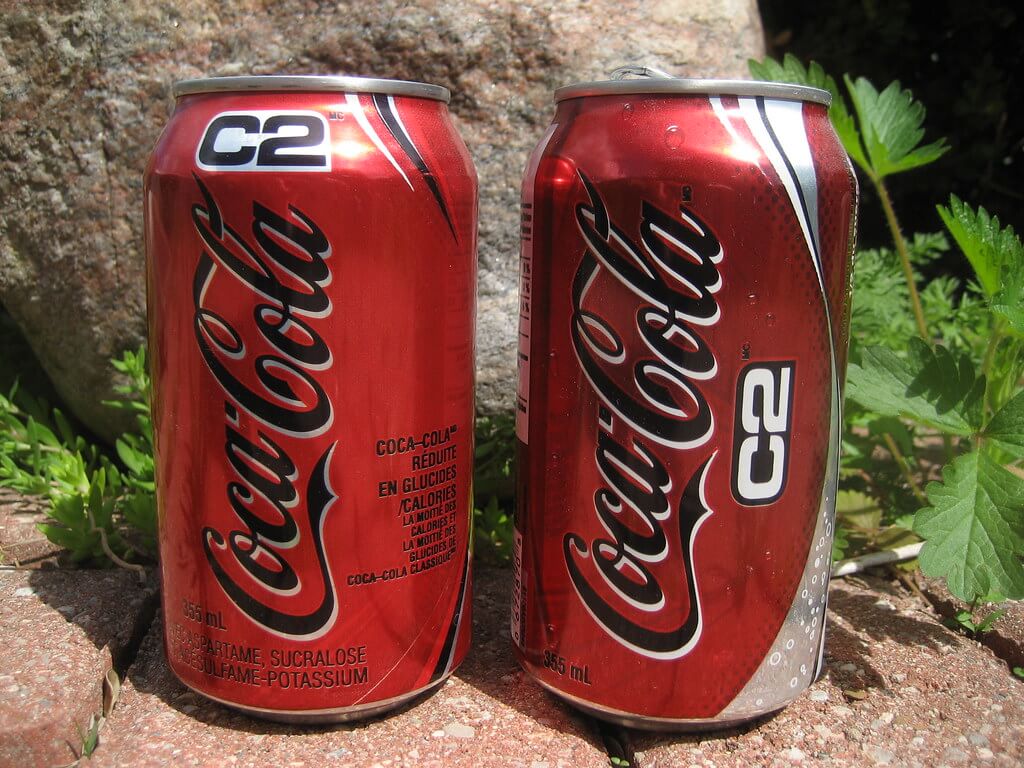
Launched in 2004 as a mid-calorie cola positioned between regular Coca-Cola and Diet Coke, C2 aimed to capture health-conscious consumers who found Diet Coke’s taste unappealing but still wanted fewer calories than regular cola. The product failed to find a lasting market and was discontinued within a few years, a fate shared by several other mid-calorie colas launched around the same period.
Pepsi Edge
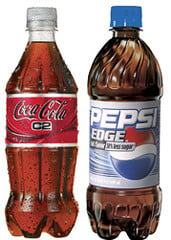
PepsiCo’s own entry into the mid-calorie cola category, Pepsi Edge launched around the same time as Coca-Cola’s C2 with a nearly identical value proposition of reduced calories without the taste trade-off of diet soda. Like its direct competitor, Pepsi Edge failed to sustain consumer interest and was discontinued within a similarly short window.
The Shelf Space That Didn’t Last
Soda companies treat new flavors as low-cost experiments, cheap enough to test nationally and cheap enough to abandon quickly if sales numbers don’t cooperate. Most of these thirty drinks never had a real chance to become permanent fixtures; they were designed from the outset as bets on a trend, and when the trend didn’t materialize, the shelf space went to whatever launched next.
What’s notable is how many of them still have devoted followings decades later, proof that a short shelf life doesn’t necessarily mean a flavor was bad, only that it launched into a market that wasn’t ready to commit to it. The handful that have actually returned, Crystal Pepsi and Surge among them, suggest that bottlers have started to notice the difference between a flavor that failed and a flavor that simply arrived too early.
More from Go2Tutors!

- The Romanov Crown Jewels and Their Tragic Fate
- 13 Historical Mysteries That Science Still Can’t Solve
- Famous Hoaxes That Fooled the World for Years
- 15 Child Stars with Tragic Adult Lives
- 16 Famous Jewelry Pieces in History
Like Go2Tutors’s content? Follow us on MSN.