Genius Ideas That Failed in the Worst Ways
Some of the brightest minds in history have come up with ideas that seemed perfect on paper. They had the funding, the technology, and the confidence to change the world.
But somewhere between the drawing board and real life, things went terribly wrong. These weren’t small missteps or minor setbacks.
These were complete disasters that cost millions, hurt reputations, and became cautionary tales for anyone who thinks they’ve figured it all out. Let’s look at some of the most spectacular failures that started as genius ideas.
The Titanic
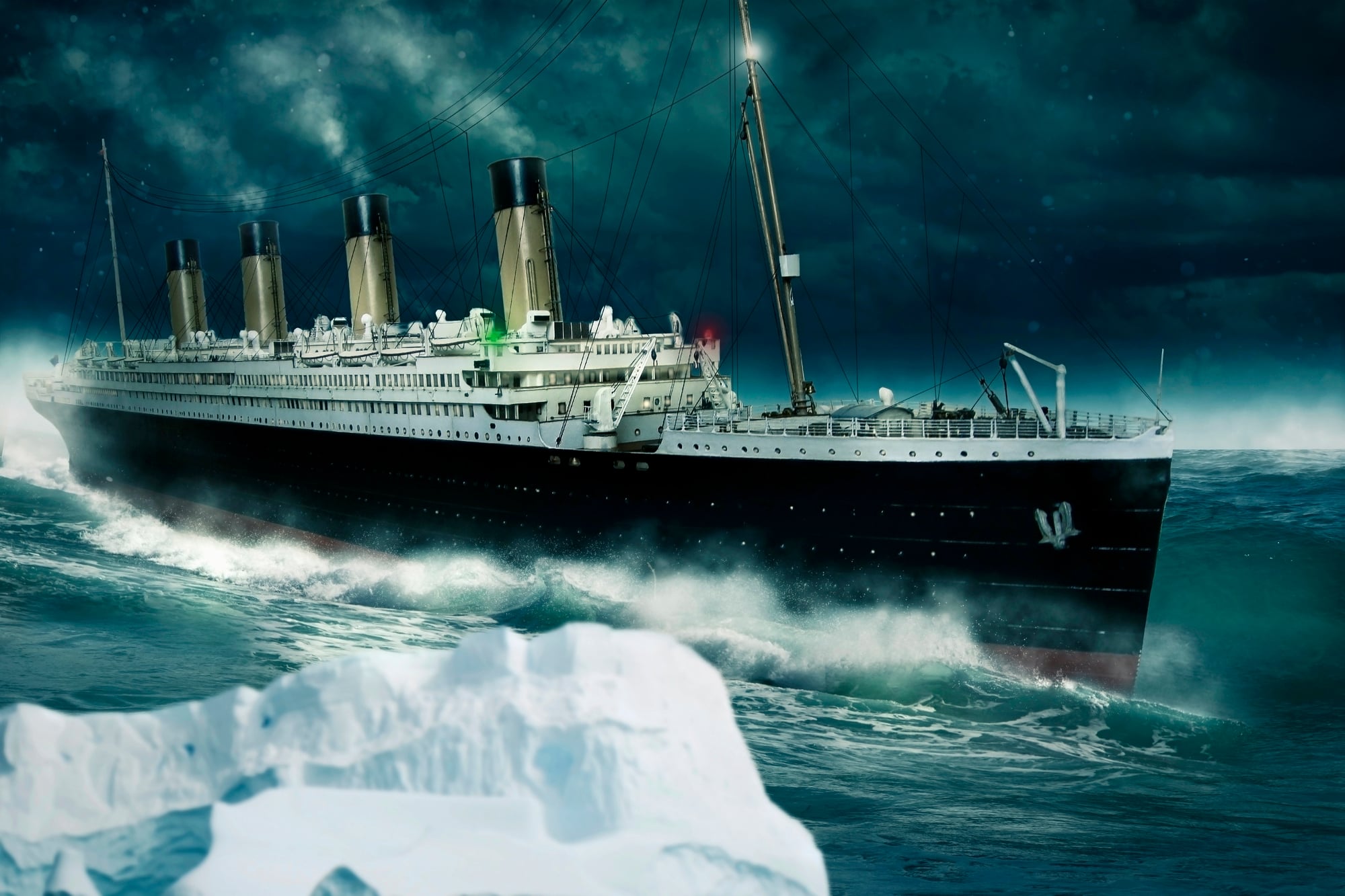
The ship was supposed to be unsinkable. Engineers built it with the latest technology of the early twentieth century, including watertight compartments and advanced hull design.
Everyone from the builders to the passengers believed this vessel was the safest way to cross the Atlantic Ocean. Then it hit an iceberg on its very first voyage and sank in less than three hours.
Over one thousand five hundred people died because there weren’t enough lifeboats, since the designers thought the ship itself was basically a lifeboat. The disaster changed maritime safety laws forever, but it came at a horrible cost.
New Coke

Coca-Cola decided in the mid eighties to change their secret formula after nearly a century. They spent millions on research and taste tests that showed people preferred the sweeter taste.
The company was convinced they’d discovered the perfect way to beat Pepsi in the cola wars. Customers absolutely hated it.
People started hoarding old Coke, protests broke out, and the company received hundreds of thousands of angry calls and letters. Just seventy nine days later, Coca-Cola brought back the original formula and made the whole expensive experiment look foolish.
The Hindenburg

Airships seemed like the future of luxury travel in the thirties. The Hindenburg was the largest aircraft ever built, stretching hundreds of feet long and carrying passengers across the Atlantic in style.
German engineers filled it with hydrogen because helium was too expensive and hard to get. It caught fire while landing in New Jersey, and dozens of people died as the world watched in horror.
The disaster was captured on film and radio, and it ended the era of passenger airships almost instantly. A single spark destroyed an entire industry.
Google Glass

Google wanted to put computers on everyone’s face. The company spent years developing glasses with a tiny screen that could take photos, give directions, and connect to the internet.
Early adopters paid a high price to test them, and Google expected the devices to become as common as smartphones. People found them creepy and intrusive.
Bars banned them, movie theaters kicked users out, and the word Glasshole became popular. Google pulled them from the market after admitting the public wasn’t ready.
The Ford Edsel

Ford Motor Company researched this car more than any vehicle in history. They spent hundreds of millions developing it in the late fifties.
Marketing campaigns were massive, and dealers were trained for months before the launch. The car looked strange, arrived during a recession, and had quality problems from day one.
Ford lost hundreds of millions, and the Edsel became the most famous flop in automotive history. The name itself became shorthand for a spectacular failure.
Betamax
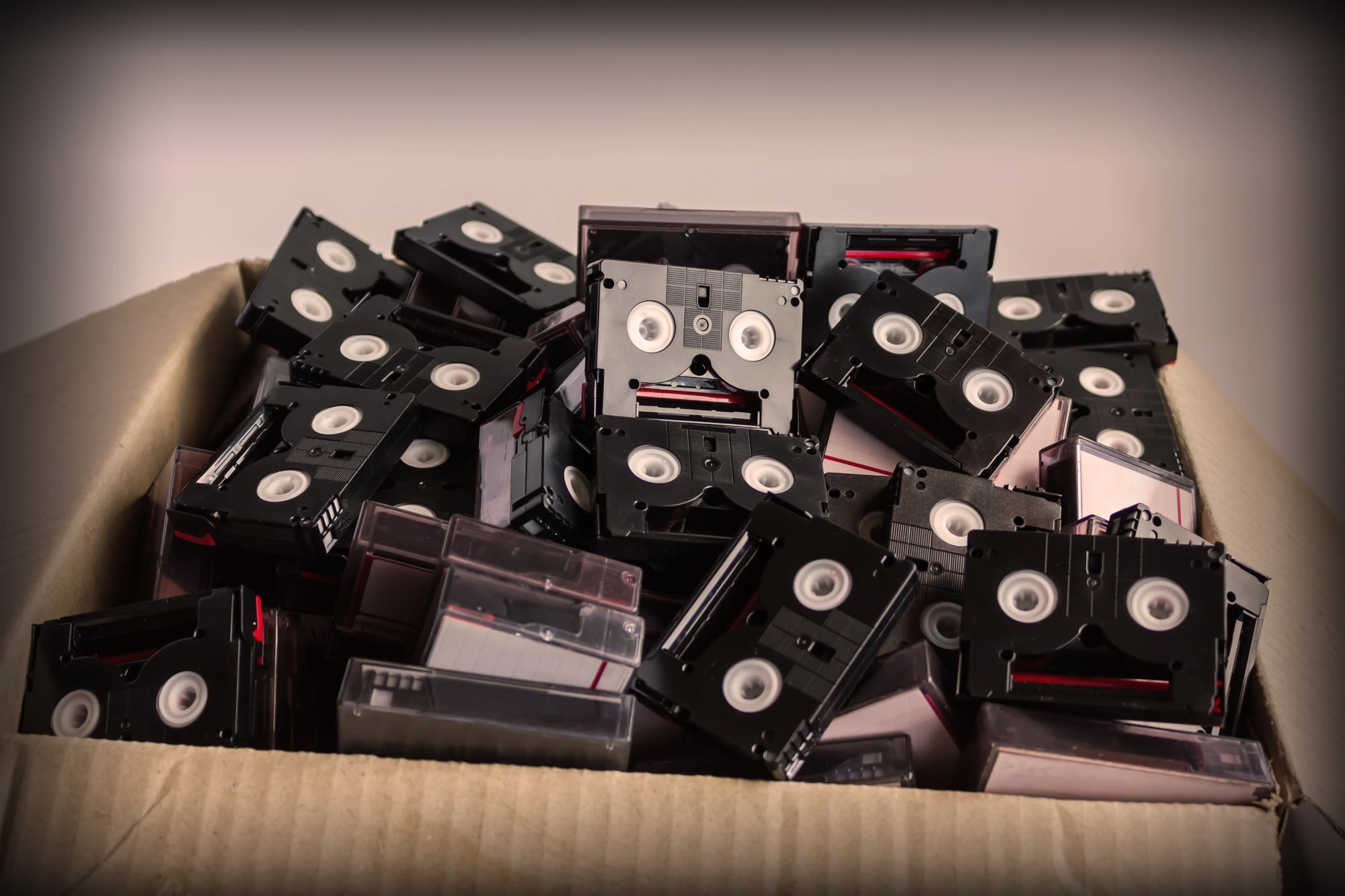
Sony created a better video format than VHS in almost every technical way. Betamax had superior picture quality, more reliable tape mechanisms, and arrived earlier.
Sony controlled the format tightly and made it expensive to license. VHS manufacturers made their players cheaper and offered longer recording times.
By the mid eighties, Betamax was gone despite being better technology. Being first and best isn’t enough when you misread the market.
The Supersonic Transport

The United States wanted to beat the British and French Concorde with an even faster plane. Boeing designed the SST to carry hundreds of passengers at several times the speed of sound.
The government funded the project with massive sums through the sixties. Environmental groups opposed it because of sonic booms and pollution.
Congress canceled it after spending had reached astronomical levels. The Concorde eventually flew but never made money, proving the entire concept was doomed.
Kodak’s Digital Camera

Kodak invented the digital camera in the mid seventies. Their engineer built the first one using spare parts, and it actually worked.
Executives decided not to pursue it because they made too much money selling films. The decision made sense then since film was incredibly profitable and digital images looked terrible.
By the two thousands, digital cameras destroyed the film business, and Kodak went bankrupt. They had the winning technology decades early but were afraid to disrupt themselves.
The Metaverse

Facebook renamed itself Meta and bet everything on virtual reality. The company believed people would spend hours daily in digital worlds as cartoon avatars.
They spent tens of billions developing the technology and building virtual spaces. Almost nobody used it.
The avatars looked strange, the headsets were uncomfortable, and most people didn’t see the purpose. The company’s reputation collapsed along with its stock.
Quibi

Jeffrey Katzenberg and Meg Whitman raised billions for short videos on phones. They hired big stars, made expensive shows, and launched with confidence.
The idea was that people would watch ten minute episodes during commutes and breaks. Nobody wanted to pay for content they could get free.
The pandemic meant people weren’t commuting anyway. Quibi shut down within months and became a punchline.
Segway

Dean Kamen invented a self-balancing scooter he believed would revolutionize transportation. Investors like Steve Jobs and Jeff Bezos backed it.
Press coverage before the launch suggested it might change cities. The device cost thousands, looked odd, and offered no advantage over walking.
Sales were terrible, and the company eventually sold for a fraction of its valuation. Segways became tourist rental toys instead of world changers.
Microsoft Zune

Microsoft wanted to compete with the iPod. The Zune had features like wireless sharing and a bigger screen.
It launched with a brown color option no one understood. The problem was that people already owned iPods and had bought music on iTunes.
Zune had no real benefit, and marketing failed to explain its purpose. It was discontinued after losing huge amounts of money.
McDonald’s Arch Deluxe

McDonald’s spent hundreds of millions to create a burger for adults in the nineties. They wanted to move beyond kids’ meals and attract sophisticated diners.
The burger had fancy toppings and cost more than usual menu items. Marketing showed kids hating it to emphasize maturity.
Regular customers didn’t want expensive burgers, and adults looking for fancy food didn’t go to McDonald’s. The Arch Deluxe disappeared quickly.
The Concorde

The supersonic passenger jet was an engineering marvel that flew for decades. Governments spent billions developing a plane that crossed the Atlantic in half the time.
Tickets were extremely expensive, and fuel costs were enormous. Sonic booms limited where it could fly.
A deadly crash hurt its image, and airlines retired it after years of losses. Fast did not mean successful.
Amazon Fire Phone
Amazon wanted to compete with the iPhone and Android. The phone had a special three dimensional interface and four front cameras.
Jeff Bezos promised it would change shopping. Nobody cared about the gimmicks, and the phone barely functioned well.
Amazon sold them for almost nothing within months. The project collapsed, losing hundreds of millions.
Juicero

A Silicon Valley startup raised massive funding to sell a pricey juice press. The machine squeezed proprietary packets that cost several dollars each.
Investors loved the subscription model. Reporters discovered you could squeeze the packets by hand with the same results.
The machine became unnecessary overnight. Juicero became a symbol of startup excess and shut down quickly.
Windows Vista

Microsoft spent years developing a replacement for Windows XP. Vista arrived with new security features and a redesigned interface.
It required powerful hardware that most computers lacked. It crashed often and didn’t work with many programs.
Companies refused to upgrade, and consumers demanded the old system instead. Microsoft had to rush out a replacement to fix the disaster.
MoviePass

The subscription service let people watch unlimited movies for a low monthly cost. It sounded too good to be true because it was.
MoviePass lost money on every customer. Theaters refused to cooperate, and losses piled up.
The company began blocking popular films and changing rules constantly. It collapsed and left subscribers frustrated.
Why Smart People Keep Making the Same Mistakes

These failures share common threads that repeat through history. Companies and inventors become so excited about ideas that they ignore warnings.
They spend too much money before testing whether people actually want what they’re building. Sometimes the technology is right but the timing is wrong, and the world just isn’t ready.
More from Go2Tutors!

- The Romanov Crown Jewels and Their Tragic Fate
- 13 Historical Mysteries That Science Still Can’t Solve
- Famous Hoaxes That Fooled the World for Years
- 15 Child Stars with Tragic Adult Lives
- 16 Famous Jewelry Pieces in History
Like Go2Tutors’s content? Follow us on MSN.