15 Unsolved Mysteries of the Pyramids
The Egyptian pyramids stand as colossal monuments to human ingenuity and persistence. These massive structures have captivated our imagination for millennia, drawing millions of visitors each year who stand in awe at their base.
Despite centuries of archaeological research and technological advancements, many aspects of these ancient wonders remain shrouded in mystery. Here is a list of 15 enduring mysteries surrounding the Egyptian pyramids that continue to puzzle archaeologists, historians, and engineers alike.
Precise Construction
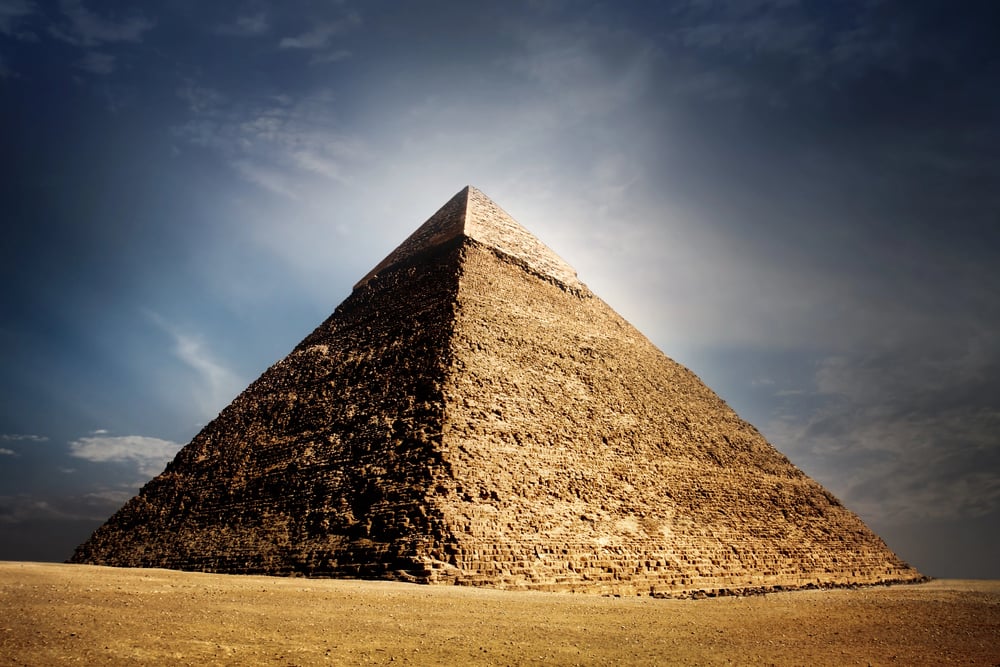
The Great Pyramid of Giza was built with an astonishing level of precision that would challenge even modern builders. Its base is level to within just 0.8 inches across its entire 13-acre footprint.
The massive limestone blocks, some weighing over 80 tons, fit together so perfectly that you can’t slide a credit card between them in many places.
Transport Methods

Moving massive stone blocks across vast distances remains one of Egypt’s greatest puzzles. The heaviest blocks likely came from quarries over 500 miles away from the construction sites.
Theories range from wooden rollers to sleds on wet sand, but no conclusive evidence exists for how ancient Egyptians moved such enormous weights with primitive technology.
Like Go2Tutors’s content? Follow us on MSN.
Alignment Accuracy
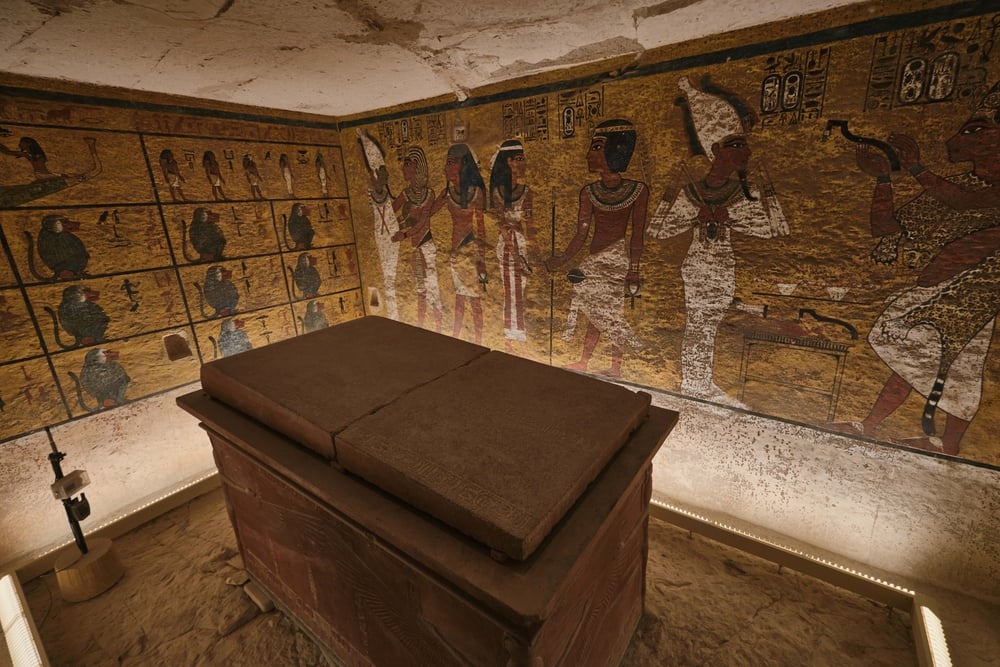
The pyramids align with remarkable accuracy to true north, with an error margin smaller than that achievable with a basic compass. This alignment is so precise that it accounts for the difference between true north and magnetic north, something modern builders achieve only with advanced equipment.
How ancient Egyptians accomplished this feat remains unexplained.
Interior Temperature
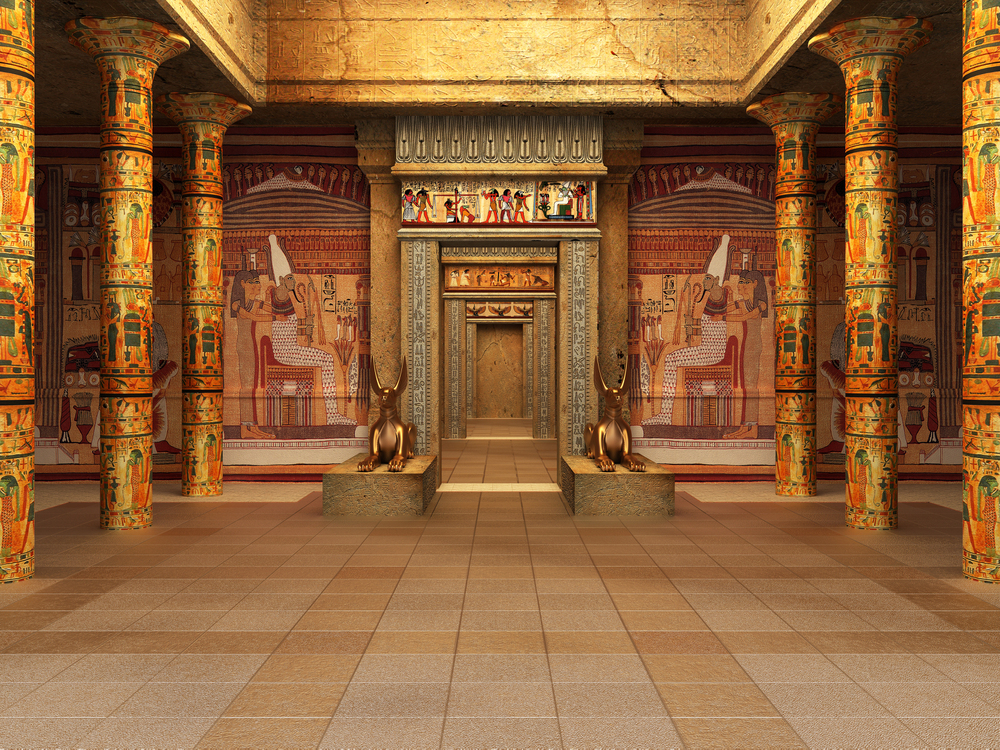
The interior of the Great Pyramid maintains a constant temperature of exactly 68 degrees Fahrenheit year-round, regardless of external conditions.
This natural climate control occurs without any ventilation system we can identify. Engineers remain baffled by how this thermal stability was achieved in a solid stone structure.
Hidden Chambers

Advanced scanning technologies continue to reveal previously unknown spaces within the pyramids. In 2017, scientists used cosmic ray imaging to discover a massive void above the Grand Gallery in the Great Pyramid.
The purpose of this chamber, roughly 100 feet long, remains unknown, and researchers debate whether more undiscovered rooms exist within these ancient structures.
Like Go2Tutors’s content? Follow us on MSN.
Construction Speed

Historical records suggest the Great Pyramid was built in just 20 years, meaning workers placed approximately 800 tons of stone per day. This extraordinary pace would require setting a perfectly cut multi-ton block every few minutes during working hours.
Modern construction experts cannot explain how this timeline was achieved with ancient technology.
Tool Limitations

The precision cutting of pyramid stones seems impossible with the copper and stone tools archaeologists believe were available. Some granite blocks show evidence of cutting techniques requiring technology supposedly not invented until thousands of years later.
The mysteriously advanced tooling has led to speculation about lost ancient technologies.
Internal Ramps

How workers moved massive stones to the upper levels of the pyramids remains unclear. The leading theory involves internal ramps that spiraled upward inside the structure as it was built.
Yet conclusive evidence for these ramps has never been found, and the space they would occupy doesn’t appear in scans of the pyramid interiors.
Labor Organization

Building the Great Pyramid required coordinating approximately 20,000 workers over two decades. The organizational system that managed this massive workforce, their housing, food, and medical care represents an administrative achievement as impressive as the engineering.
How Egyptian officials orchestrated this complex operation without modern communication tools remains poorly understood.
Like Go2Tutors’s content? Follow us on MSN.
Astronomical Connections

While air shafts in the Great Pyramid aim directly at particular stars significant in Egyptian mythology, the three pyramids at Giza exactly line up with the constellations of Orion’s Belt. These alignments are too exact to be accidental, and they purportedly required astronomical expertise that the ancient Egyptians lacked.
Researchers are perplexed as to how they accomplished remarkable astronomical accuracy without the use of contemporary instruments.
Mathematical Knowledge

Centuries before they were formally discovered, the pyramids used mathematical concepts like pi and the golden ratio. With astonishing accuracy, the Great Pyramid’s circumference divided by its height matches 2π.
This mathematical knowledge seems too sophisticated for the era, indicating that Egyptian mathematicians had a highly developed understanding not previously recorded.
Mortar Mystery

The mortar used between stones in the Great Pyramid has proven impossible to reproduce. Analysis shows it’s stronger than the limestone blocks themselves and has maintained its integrity for 4,500 years.
Modern scientists cannot determine its exact composition despite advanced chemical analysis, making it stronger than any modern cement.
Like Go2Tutors’s content? Follow us on MSN.
Acoustic Properties

The Grand Gallery in the Great Pyramid has unusual acoustic features that create specific resonant frequencies when certain notes are played. These acoustic properties appear deliberately engineered rather than accidental.
Some researchers believe these acoustic chambers served religious purposes, but their exact function remains unexplained.
Construction Without Writing

Despite meticulous record-keeping in other areas, Egyptians left virtually no contemporary documentation of pyramid construction techniques. This absence of building records is particularly odd given the importance of these projects.
Why something requiring such immense resources wasn’t documented when much less significant events were carefully recorded remains a puzzling oversight.
Rapid Evolution

Within a few generations, the design of the Egyptian pyramids changed from basic mud-brick constructions to the engineering wonder that is the Great Pyramid. Compared to other ancient civilizations, this quick growth indicates a higher learning curve in architecture.
It seems inexplicable how the Egyptians were able to master such intricate building methods in such a short period of time without the use of contemporary equipment or materials.
Like Go2Tutors’s content? Follow us on MSN.
Enduring Legacy

The pyramids’ secrets reveal an intriguing fact about human achievement: even the most remarkable feats can occasionally lose their connection to their techniques. These historic buildings stand as tributes to human brilliance in general as well as to pharaohs in particular.
As contemporary science aims to comprehend what ancient knowledge enabled these architectural wonders, the issues they pose continue to spur archaeological innovation.
More from Go2Tutors!

- 16 Restaurant Chains That Went Too Fast
- 12 Things Sold in the 80s That Are Now Illegal
- 15 Strange Things People Have Tried to Ban (And Failed)
- 16 Collectibles People Tossed Out Too Soon
- 17 Myths from Your Childhood That Were Actually Based on Real Things
Like Go2Tutors’s content? Follow us on MSN.