32 Ancient Remedies Doctors Used Before Modern Medicine
Before laboratories, clinical trials, or a working theory of germs, physicians still had patients in front of them and pain that demanded some kind of answer. What they reached for ranged from genuinely effective plant compounds to substances that caused more harm than the illness they were meant to treat.
Looking back at what passed for medicine across the centuries says as much about human ingenuity as it does about the limits of guesswork.
Willow Bark for Pain
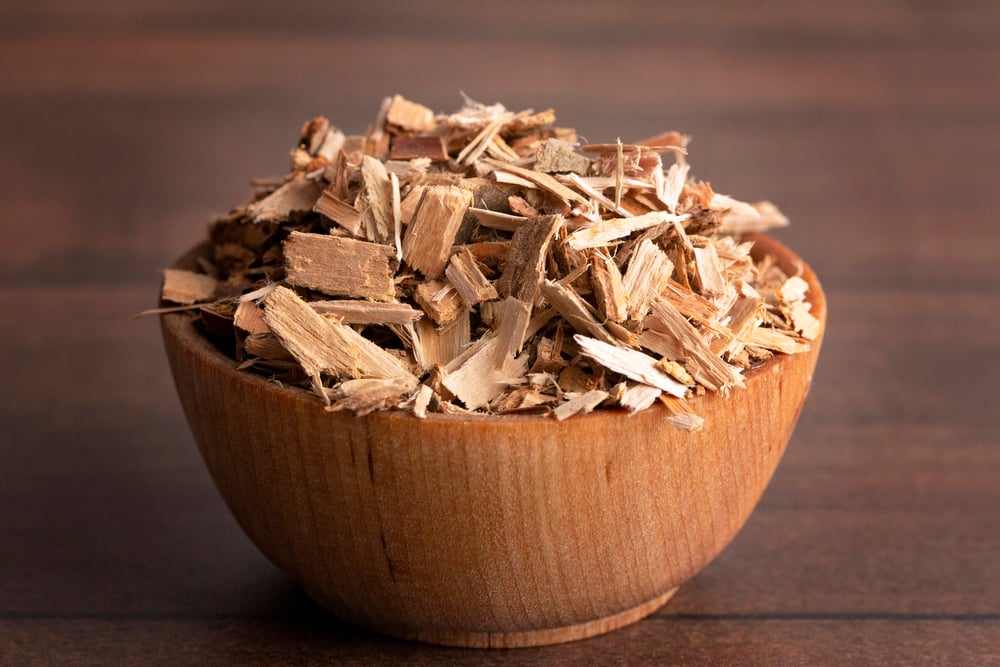
Ancient Egyptian, Greek, and Chinese physicians independently found that chewing or brewing willow bark eased pain and fever. The active compound, salicin, is chemically related to the acetylsalicylic acid that would eventually become aspirin.
Physicians had no idea why it worked, only that patients who took it reliably felt better.
Moldy Bread for Infected Wounds
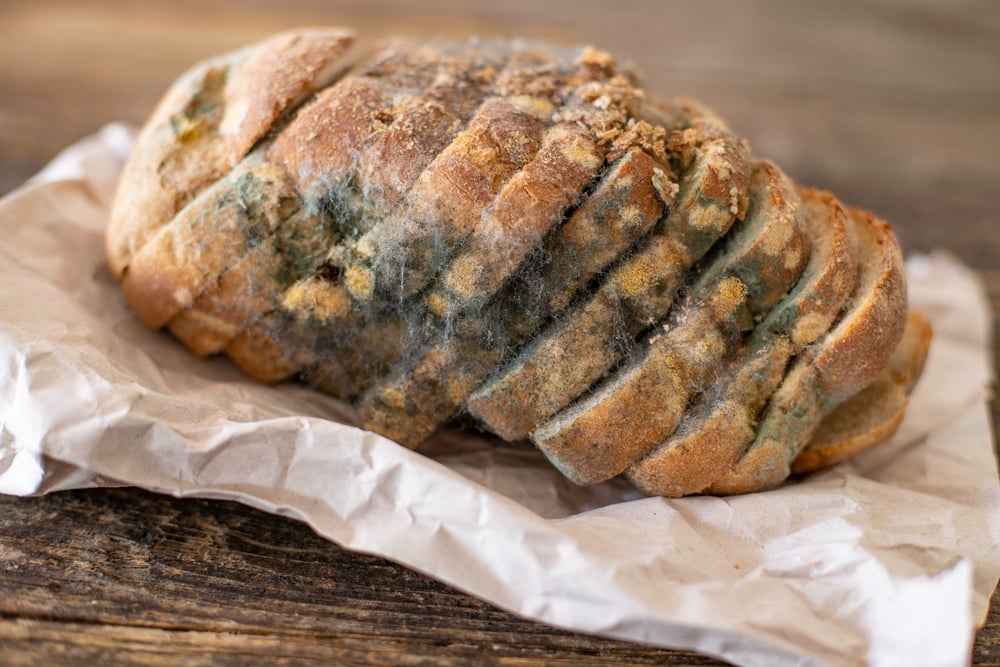
Long before Alexander Fleming identified penicillin in 1928, healers across ancient Egypt, Greece, and medieval Europe packed moldy bread directly onto open wounds.
Some molds do produce antibiotic compounds, so the practice occasionally worked, though inconsistently and without any understanding of what was actually happening. Other applications likely introduced new infections instead of curing them.
Honey as a Wound Dressing
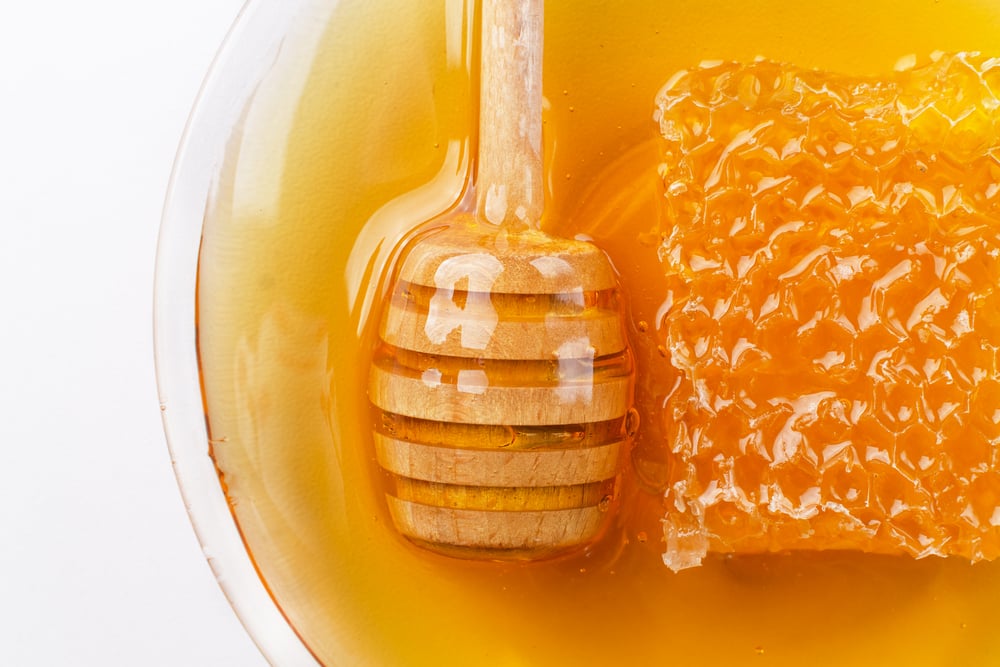
Egyptian medical texts dating back thousands of years describe honey packed onto wounds and burns, a practice later adopted across Greek, Roman, and Islamic medicine. Honey’s low water content and natural acidity do inhibit many types of bacteria, which gave the treatment a real, if accidental, basis.
Medical-grade honey dressings are still used in modern wound care today.
Mercury for Syphilis

From the late 15th century onward, physicians treated syphilis with mercury administered as ointments, vapors, or pills, a treatment so common it produced the grim saying that a night with a certain kind of woman led to a lifetime with mercury. The metal is highly toxic, and patients often suffered tremors, tooth loss, and organ damage from the treatment itself.
Mercury remained a standard syphilis treatment until antibiotics replaced it in the 20th century.
Bloodletting for Fevers
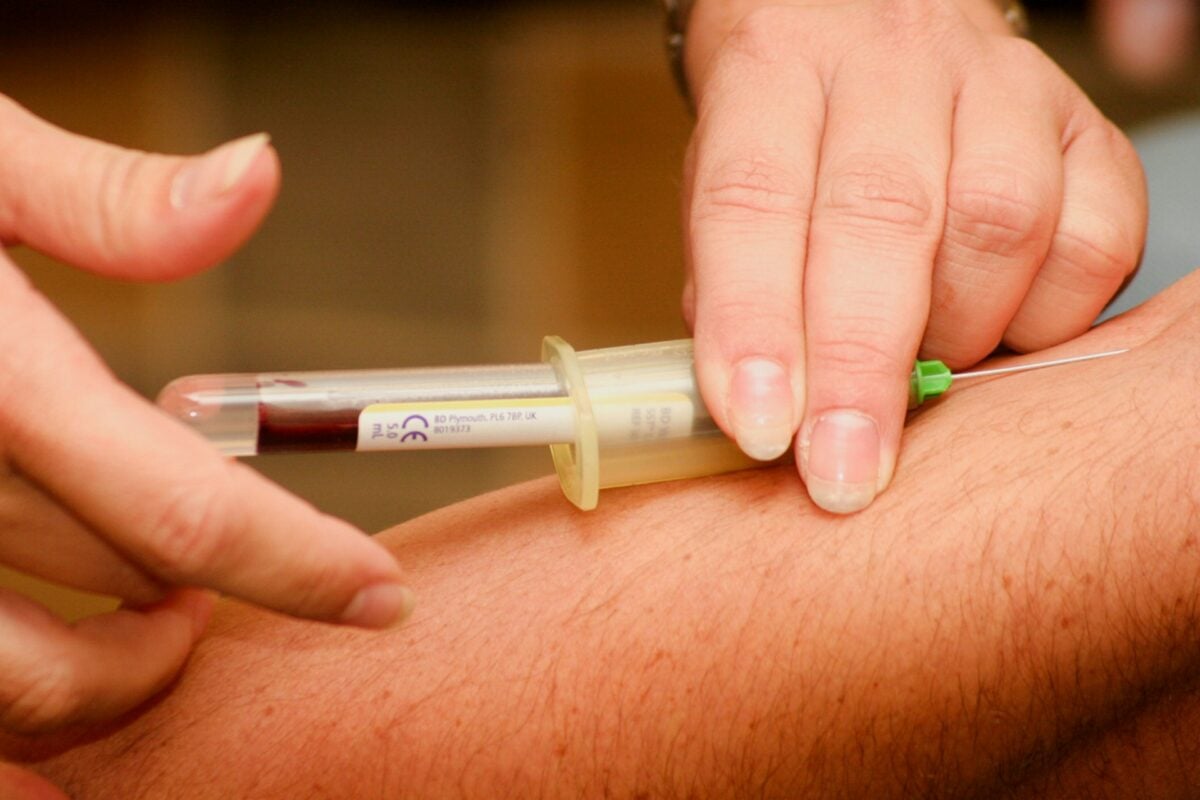
For roughly two thousand years, physicians across Europe and the Middle East believed illness stemmed from an imbalance of bodily fluids and that draining blood could restore health. Barbers as well as doctors performed the procedure using lancets or leeches, applying it to conditions ranging from fever to mental illness.
The practice weakened already sick patients and is now understood to have hastened the deaths of a number of prominent historical figures, including George Washington.
Trepanation for Head Ailments
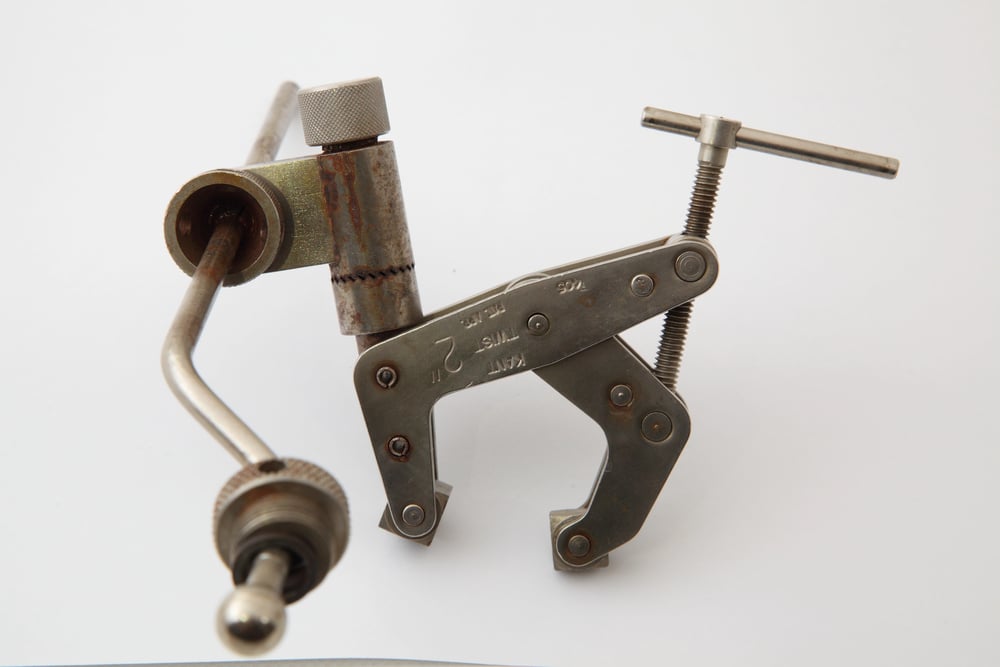
Archaeological evidence shows that healers as far back as the Neolithic period drilled or scraped openings into the skull to treat headaches, seizures, and head injuries, apparently believing it released pressure or evil influences.
Skulls recovered from ancient burial sites show signs of bone regrowth, indicating some patients survived the procedure and lived for years afterward. Trepanation persisted in various forms into the early modern era.
Opium for Pain and Sleep
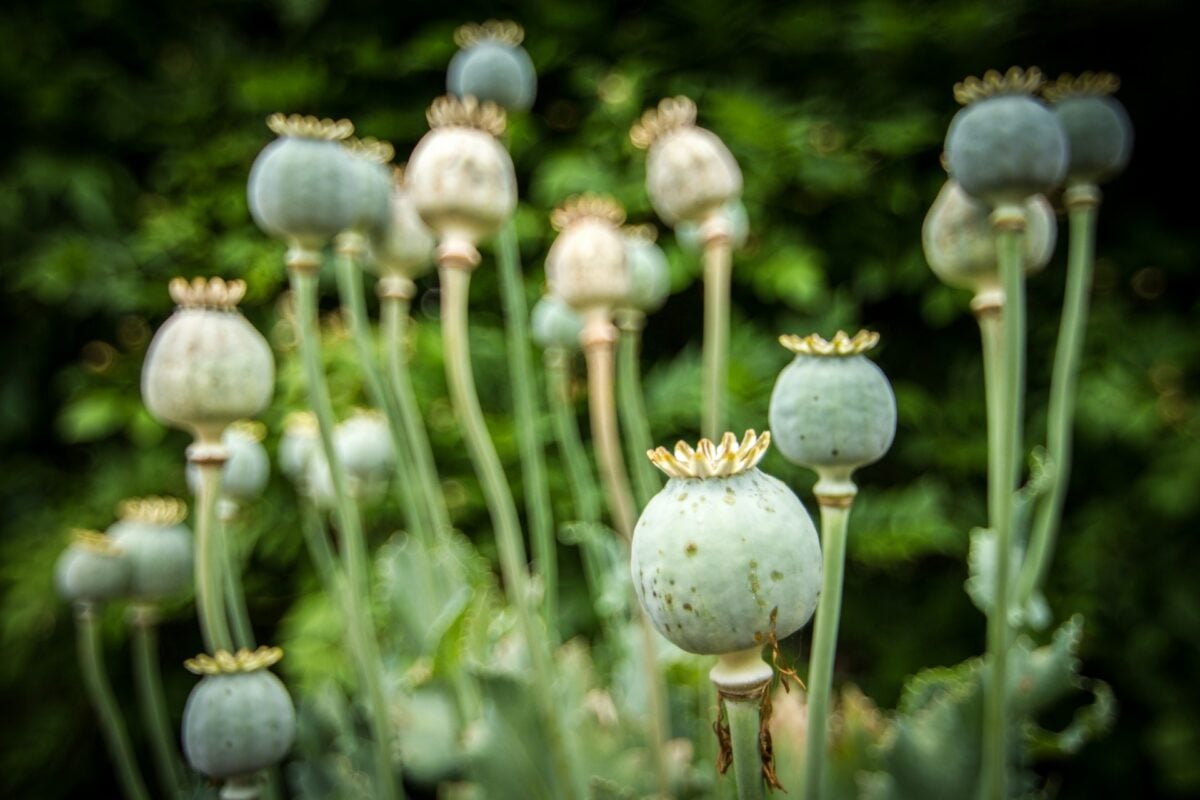
Sumerian and Egyptian physicians used extracts of the opium poppy for pain relief, sedation, and diarrhea as early as 3000 BC, a practice that continued largely unchanged through Greek, Roman, and later European medicine.
Its pain-relieving effects are genuinely powerful, which is exactly why it remained in continuous medical use for thousands of years despite significant risks of dependence that were poorly understood at the time.
Foxglove for Heart Trouble

English physician William Withering documented in 1785 that extracts of the foxglove plant could treat dropsy, a swelling condition often caused by heart failure. The active compounds, now known as cardiac glycosides, do strengthen heart contractions, and a purified version called digoxin remains in cardiology use today.
Withering’s dosing was imprecise enough that overdose was a real danger for his patients.
Leeches for Swelling
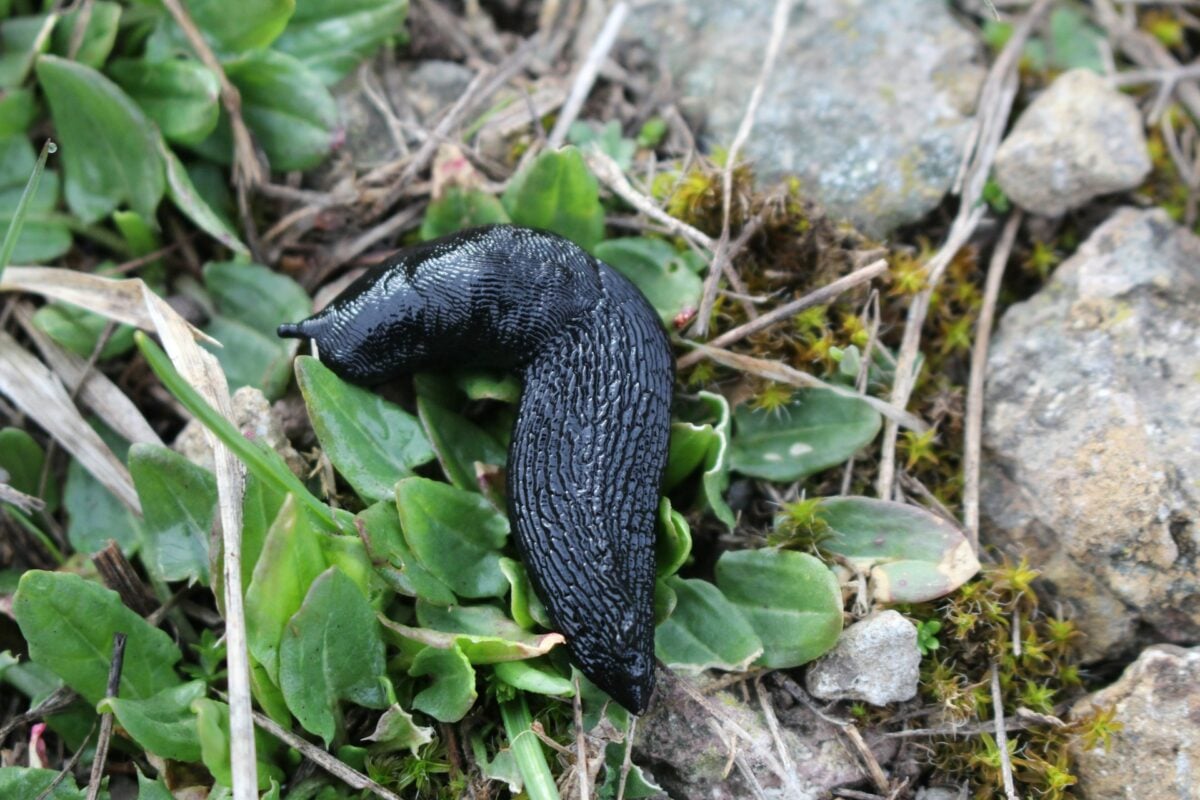
Physicians from ancient Rome through the 19th century applied blood-feeding leeches to draw out what they believed were harmful excess fluids from swollen or bruised tissue. Leech saliva contains a genuine anticoagulant, and modern reconstructive surgeons still use medicinal leeches today to relieve venous congestion after tissue reattachment.
The 19th-century version of the practice, however, was often applied indiscriminately to almost any ailment.
Maggots for Wound Cleaning

Military surgeons since at least the Napoleonic Wars noticed that wounds infested with fly larvae sometimes healed faster and cleaner than untreated wounds, because the maggots consumed dead tissue while leaving healthy tissue alone.
The observation was formalized into deliberate maggot therapy in World War I. Sterile medical maggots are still used in some modern wound care clinics for exactly the same reason.
Mustard Plasters for Chest Colds
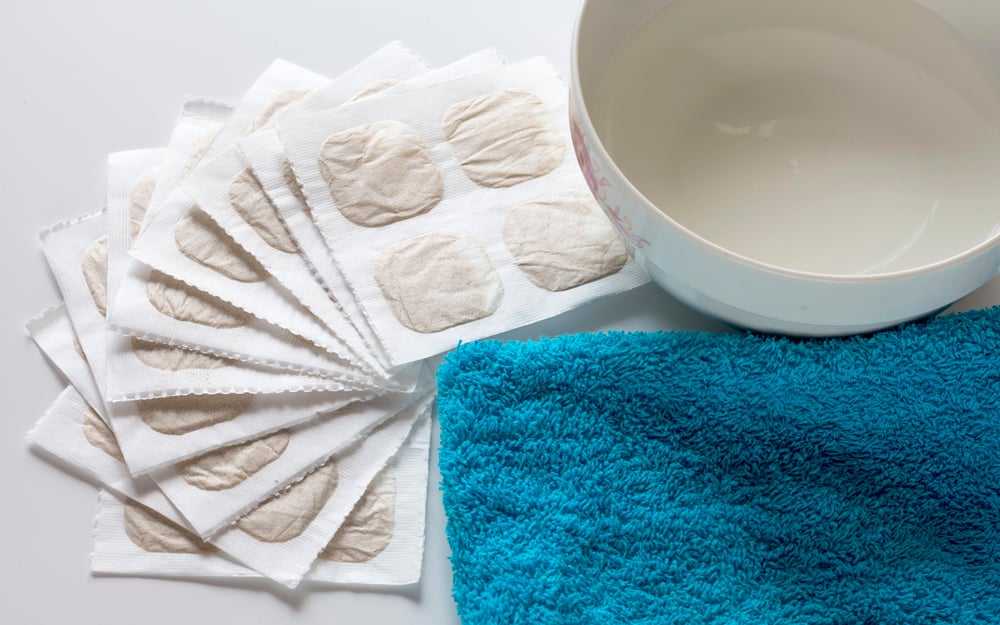
A paste of ground mustard seed mixed with water or flour was spread on cloth and applied to the chest or back to treat coughs, congestion, and chest pain from the 18th through early 20th centuries. The mustard compound irritates the skin and increases blood flow to the area, producing a warming sensation patients interpret as therapeutic.
Left on too long, the same plaster could cause chemical burns.
Garlic as an Antiseptic
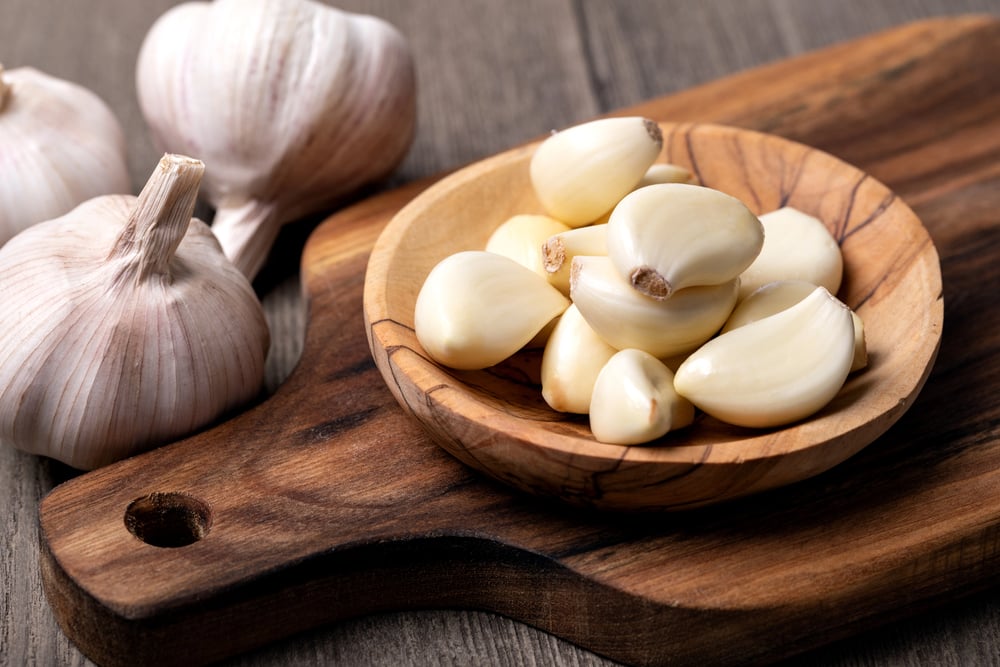
Ancient Egyptian, Greek, and Roman physicians used crushed garlic on wounds and infections, and Louis Pasteur later confirmed in 1858 that garlic does have measurable antibacterial properties. During both World Wars, when manufactured antiseptics ran short, field surgeons in several countries used garlic juice on wound dressings as a practical substitute.
Vinegar for Wound Cleaning
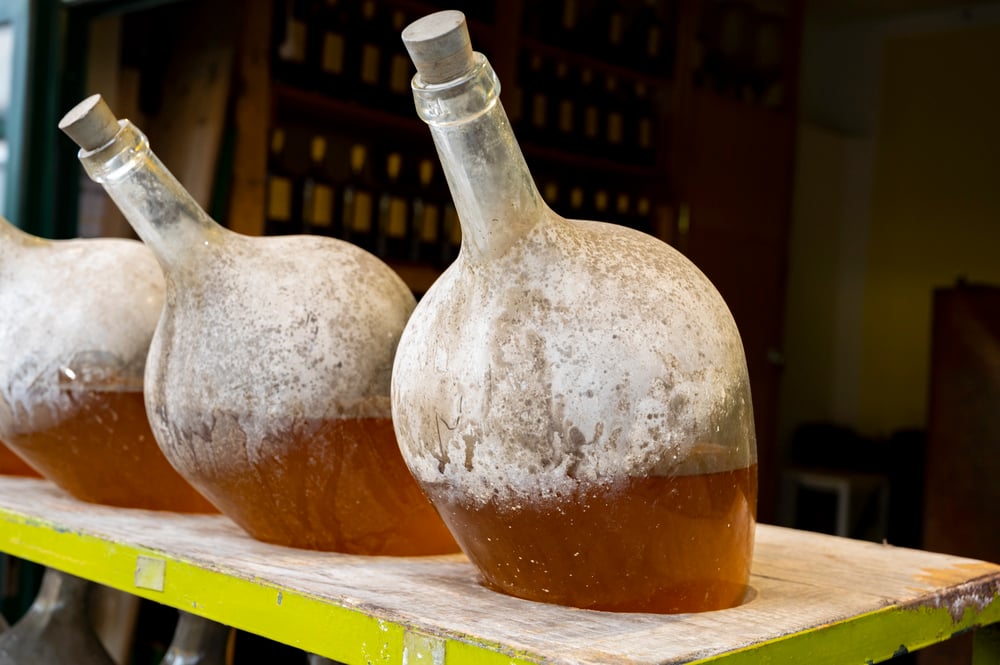
Hippocrates recommended diluted vinegar for cleaning wounds and treating ulcers as early as the 5th century BC, a practice that persisted through Roman military medicine and beyond. Vinegar’s acidity does have mild antimicrobial effects, giving the ancient practice a genuine, if limited, scientific basis that later germ theory would help explain.
Silver for Infection Control
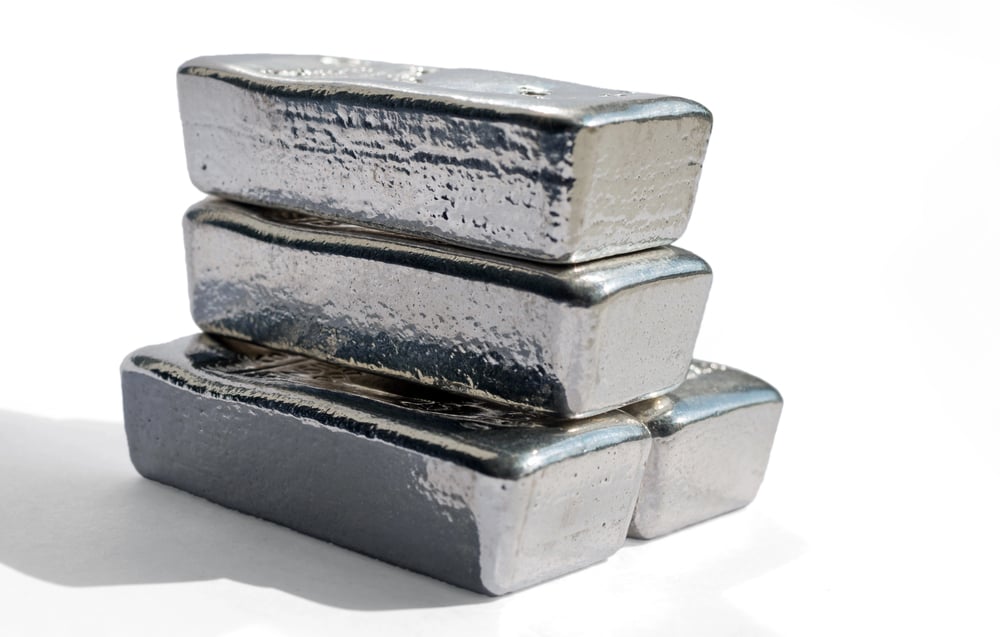
Ancient Greek and Roman households stored water and wine in silver vessels, apparently noticing that it stayed fresher longer, and by the 19th century physicians were applying silver nitrate solutions to newborns’ eyes and open wounds to prevent infection.
Silver ions do have antimicrobial properties, and silver-infused dressings remain part of modern burn and wound care.
Cinchona Bark for Malaria
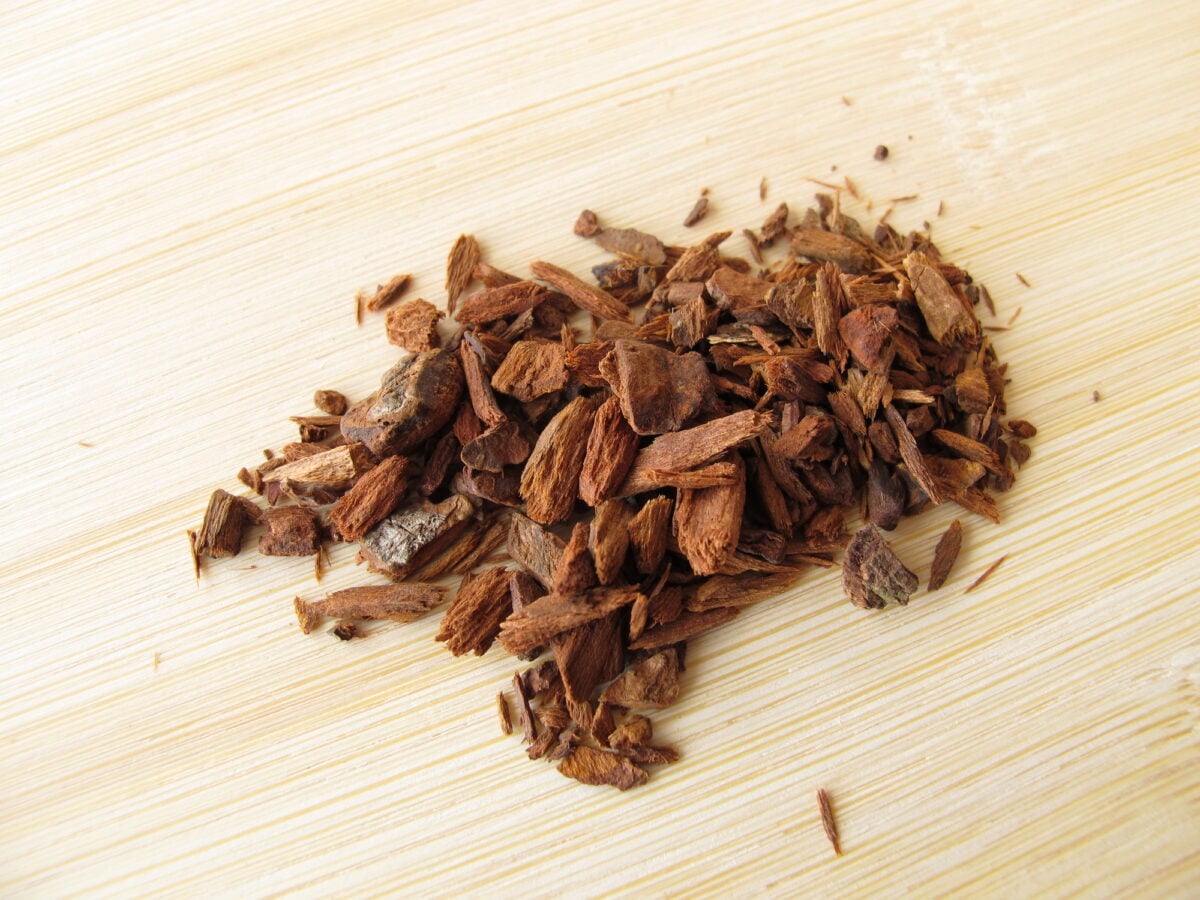
Indigenous healers in Peru introduced Spanish colonizers to the bark of the cinchona tree in the 17th century as a treatment for fevers, and it proved remarkably effective against malaria specifically.
The bark’s active compound, quinine, became the primary malaria treatment worldwide for roughly 300 years until synthetic alternatives were developed in the 20th century.
Castor Oil as a Purgative

Egyptian medical papyri describe castor oil as a laxative as far back as 1550 BC, and physicians continued prescribing it for constipation and to induce labor for thousands of years afterward.
The oil does reliably stimulate the intestines, making it one of the rare ancient remedies whose mechanism modern pharmacology fully confirms, though it can also cause severe cramping at higher doses.
Turmeric Paste for Wounds
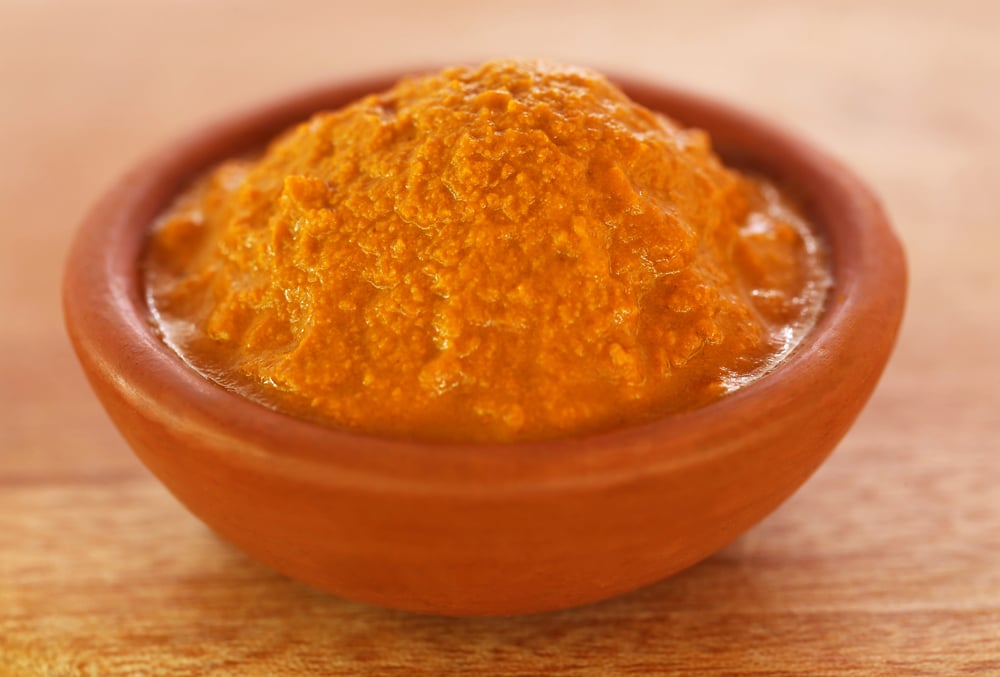
Practitioners of traditional Ayurvedic medicine in India applied turmeric paste to wounds and skin conditions for thousands of years, attributing its benefits to balancing bodily forces. Modern research has since identified curcumin, turmeric’s active compound, as having genuine anti-inflammatory and antimicrobial properties, giving the old remedy a scientific footing its original users could not have articulated.
Snake Oil Liniments
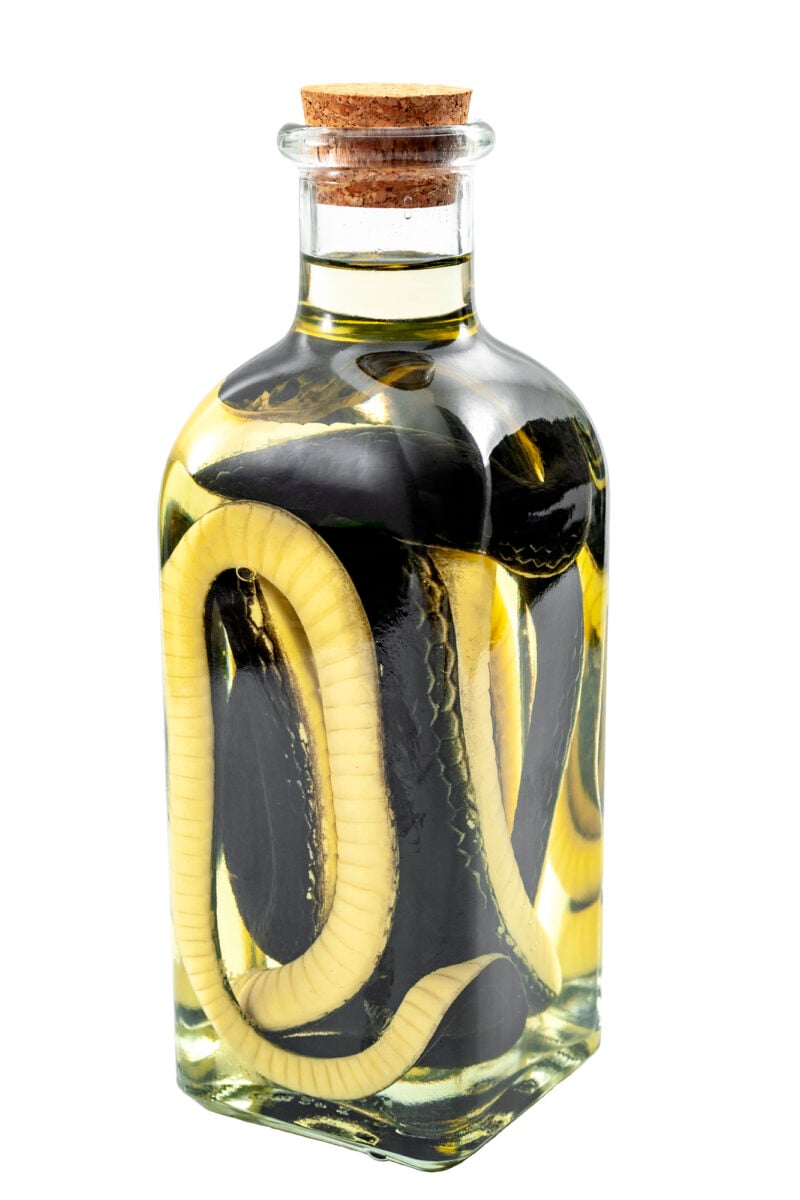
Chinese laborers who came to the American West in the 19th century brought with them a genuine remedy made from Chinese water snake fat, which is naturally rich in anti-inflammatory omega-3 compounds and was rubbed on sore joints.
American entrepreneurs who copied the idea often used no snake product at all, selling mineral oil and additives under the same name, which is how the phrase came to mean a fraudulent cure rather than the original, more legitimate remedy.
Theriac as a Universal Antidote
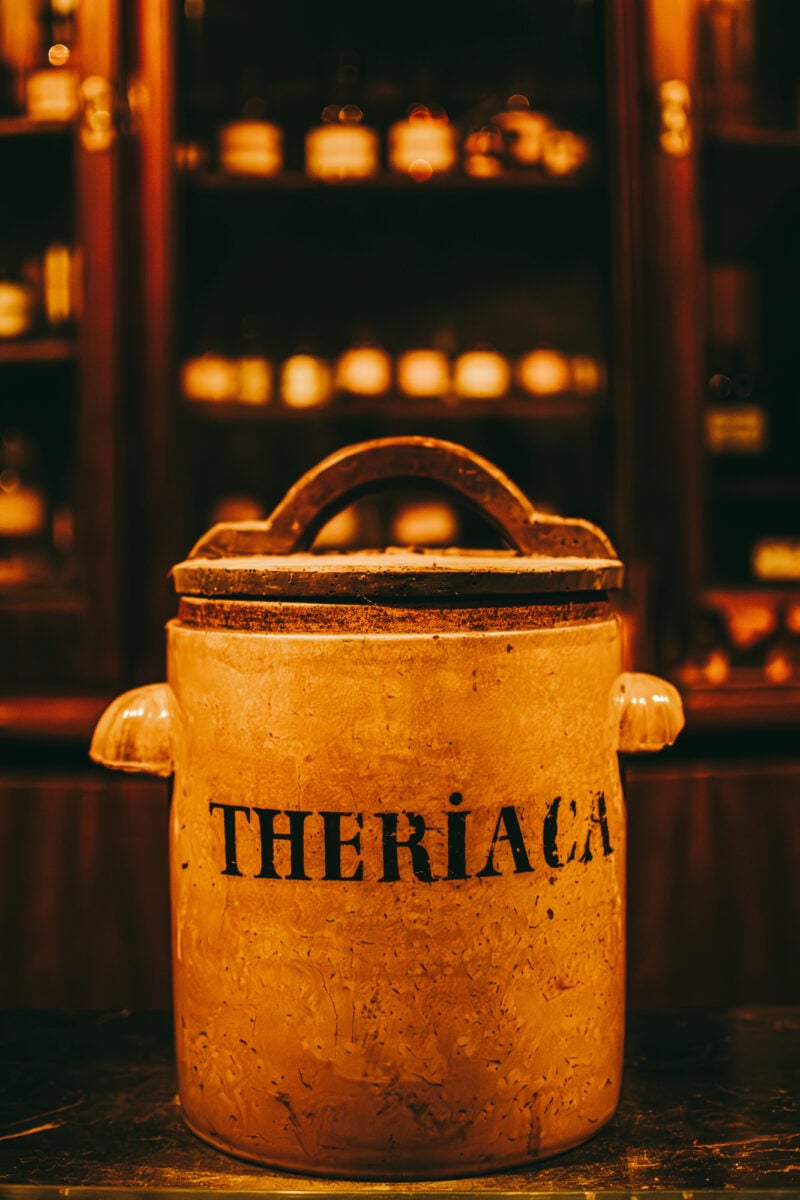
First developed in the court of a Pontic king around the 1st century BC and expanded by Roman physician Galen, theriac was an enormously complex mixture of dozens of ingredients, sometimes including viper flesh, sold as a cure for poisoning and virtually every other ailment.
European apothecaries continued manufacturing versions of theriac well into the 18th century, despite it having no consistent formula or proven effect.
Camphor for Colds
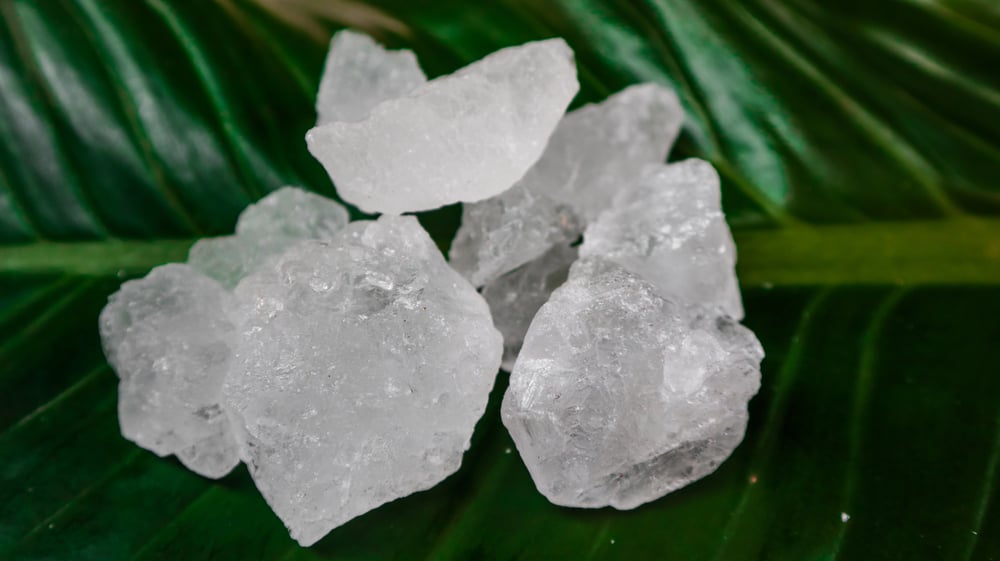
Camphor, extracted from the wood of the camphor laurel tree, was used across Chinese, Indian, and later European medicine as a rub or inhalant for congestion and respiratory complaints. It does produce a cooling sensation and mild decongestant effect when applied topically, which kept it in continuous use in home remedies and, later, commercial chest rubs for centuries.
Narwhal Tusk Sold as Unicorn Horn

Medieval and Renaissance European apothecaries sold ground narwhal tusk as unicorn horn, marketed as a powerful antidote to poison and a cure for various illnesses, commanding prices higher than gold. Physicians and nobility alike believed in its protective powers, and the trade in genuine narwhal ivory, disguised as a mythical creature’s horn, continued for centuries before naturalists identified the actual source.
Mandrake Root as an Anesthetic
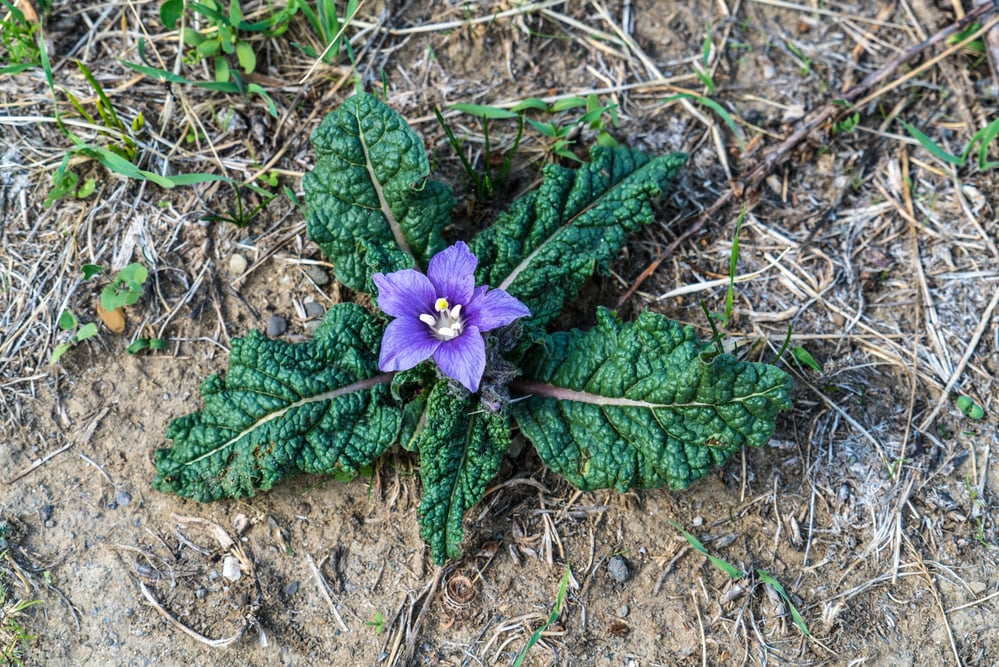
Ancient physicians in Mesopotamia, Egypt, and later medieval Europe used the mandrake plant’s roots, which contain genuinely sedative and pain-relieving alkaloids, to dull pain before surgery. Dosing was wildly inconsistent, since the plant’s potency varies significantly, making the line between effective sedation and fatal poisoning dangerously thin.
Powdered Mummy as Medicine
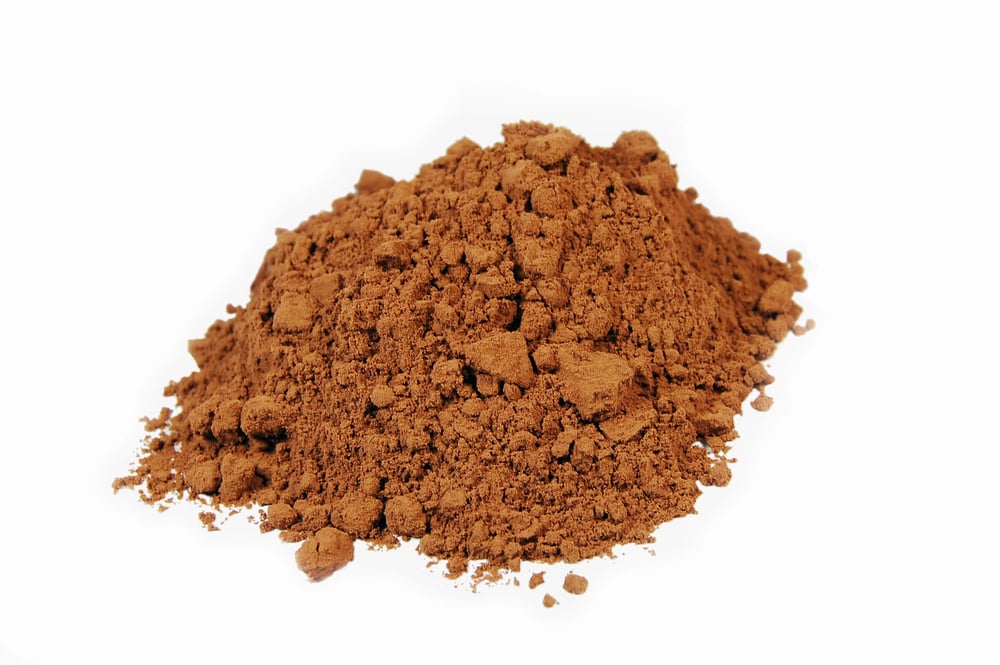
From the 12th through the 18th centuries, European apothecaries sold ground Egyptian mummy remains, marketed as mumia, as a treatment for bruising, internal injury, and a wide range of other ailments. Demand grew so large that traders eventually resorted to manufacturing fake mummies from recently deceased bodies to meet it.
The practice only faded out in the 18th century as medical opinion turned against it.
Cocaine as a Local Anesthetic
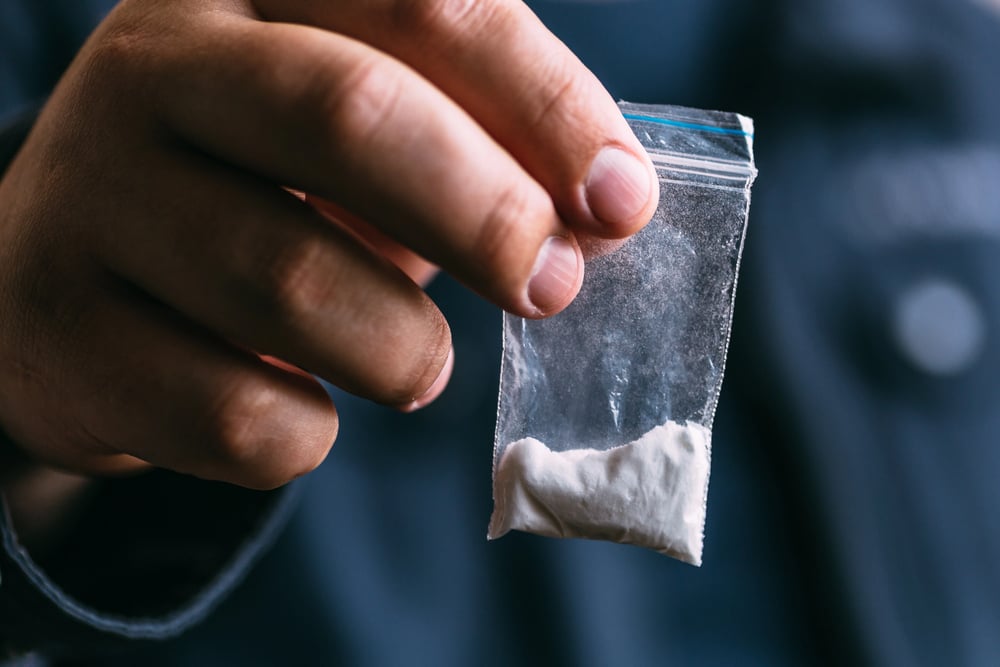
Austrian ophthalmologist Karl Koller demonstrated in 1884 that cocaine could numb the eye for surgery, launching its rapid adoption as a legitimate local anesthetic across surgical and dental practice.
It genuinely does block nerve signals effectively, and derivatives of it remain in limited clinical anesthetic use today, though its addictive potential led to strict regulation by the early 20th century.
Radium Water as a Tonic

In the early 20th century, companies bottled and sold water infused with radioactive radium as a health tonic, claiming it boosted vitality and cured ailments ranging from arthritis to fatigue.
Wealthy consumers who drank it regularly, most famously businessman Eben Byers, suffered severe radiation poisoning, and public reporting on his death in 1932 helped end the fad.
Heroin as a Cough Remedy
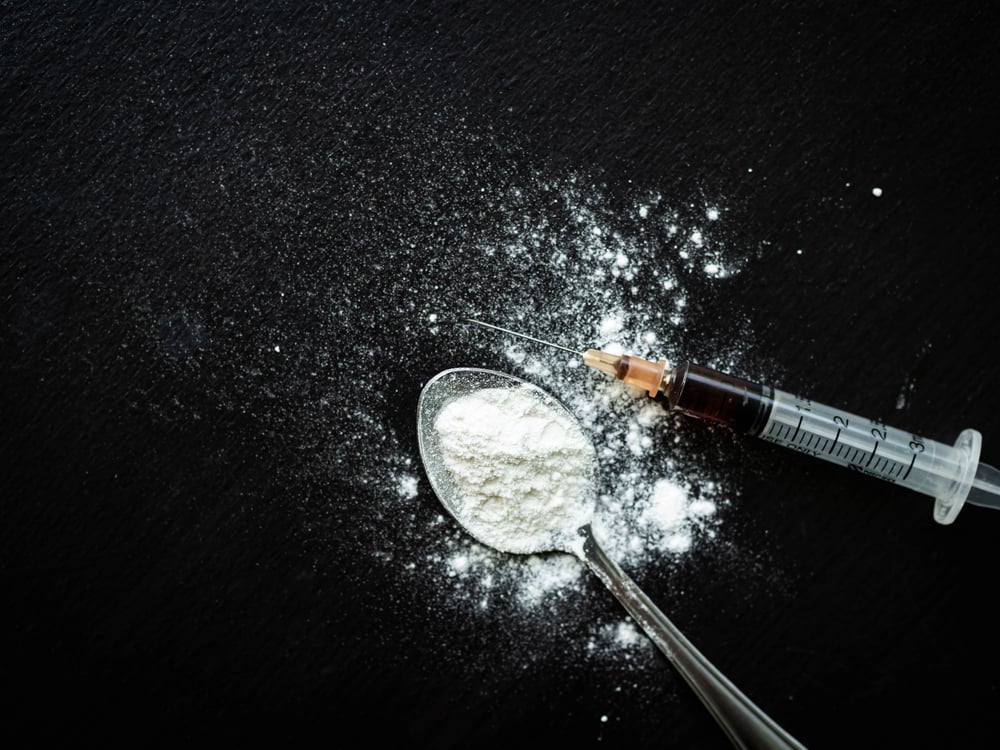
Bayer began marketing heroin commercially in 1898 as a non-addictive cough suppressant and treatment for tuberculosis and pneumonia, promoting it for both adults and children. Its addictive properties became undeniable within a few years, and the United States moved to restrict it under the Harrison Narcotics Tax Act of 1914.
Arsenic Wafers for Complexion
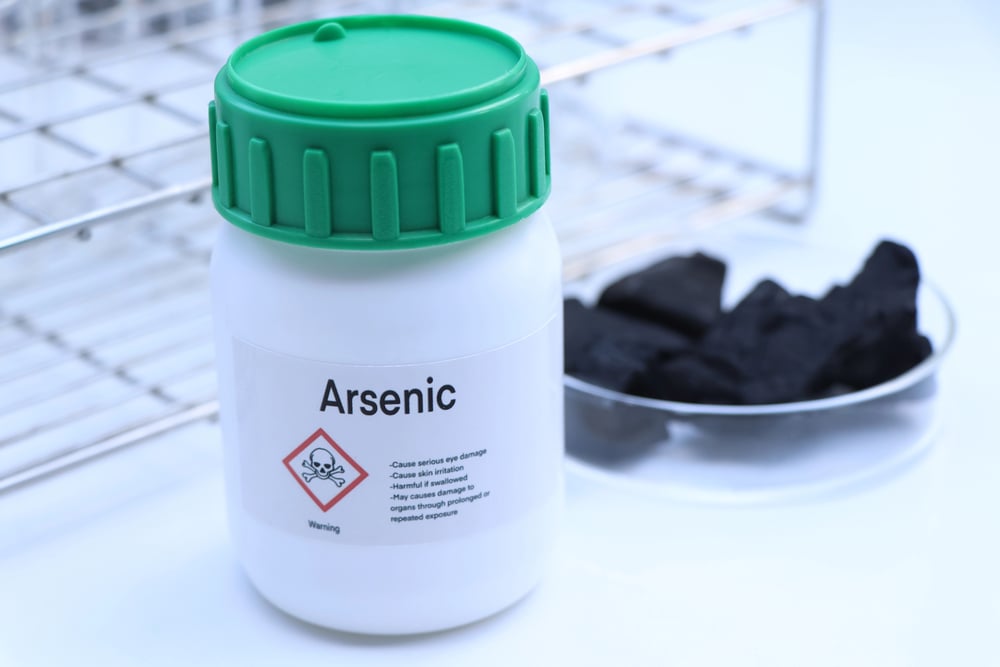
Victorian-era women in Europe and America consumed small wafers containing arsenic, marketed to lighten and clear the complexion by producing a fashionably pale appearance. The arsenic did alter skin tone through low-level toxicity, but regular use caused cumulative poisoning, and the products remained on the market for decades before being phased out.
Strychnine as a Tonic
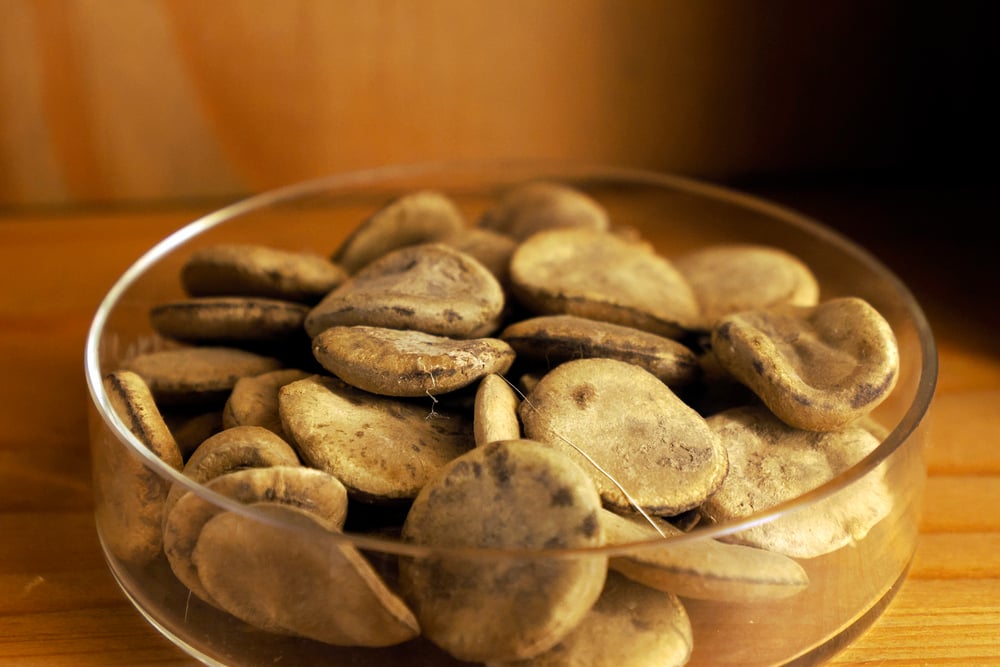
Physicians in the 19th and early 20th centuries prescribed extremely low doses of strychnine, more commonly known as a rodent poison, as a stimulant tonic for fatigue and digestive complaints. In small enough amounts it does produce a stimulant effect on the nervous system, but the margin between a therapeutic dose and a lethal one is narrow, and the practice was eventually abandoned as safer stimulants became available.
Chloroform for Surgery
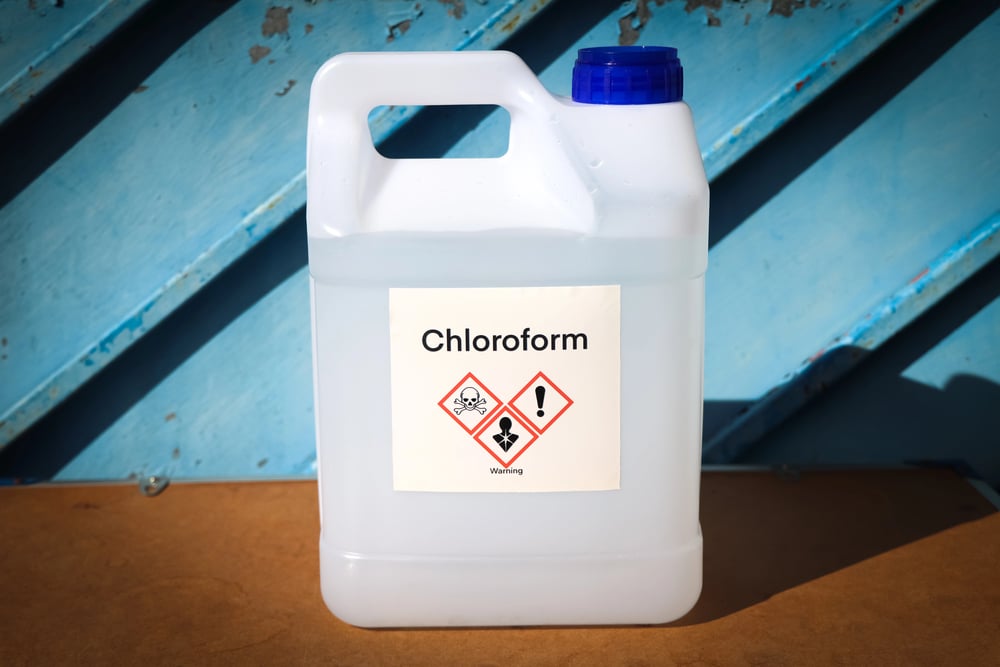
Scottish physician James Young Simpson introduced chloroform as a surgical anesthetic in 1847, and it was quickly adopted across Europe, including for Queen Victoria’s childbirths, which helped make it socially acceptable. It reliably induced unconsciousness, but its narrow safety margin caused a number of anesthesia-related deaths, and it was gradually replaced by safer agents through the 20th century.
Ether for Surgery
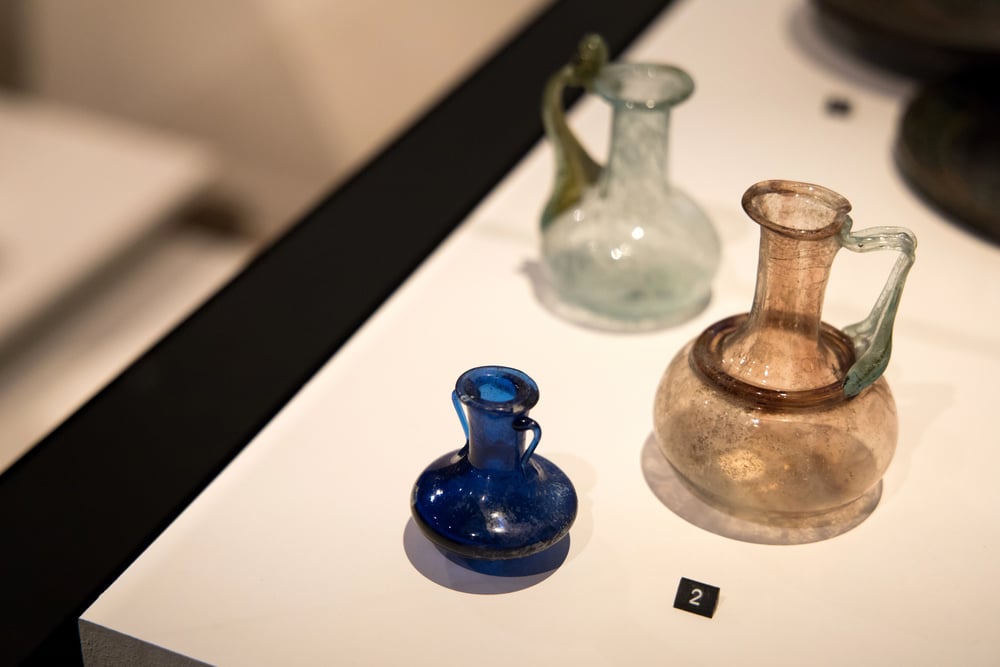
Dentist William Morton publicly demonstrated ether as a surgical anesthetic in Boston in 1846, allowing, for the first time, major operations to be performed on unconscious, pain-free patients. The demonstration marked a genuine turning point in surgical history, even though ether’s flammability and side effects eventually led hospitals to adopt other anesthetic agents.
Laudanum for Pain and Cough
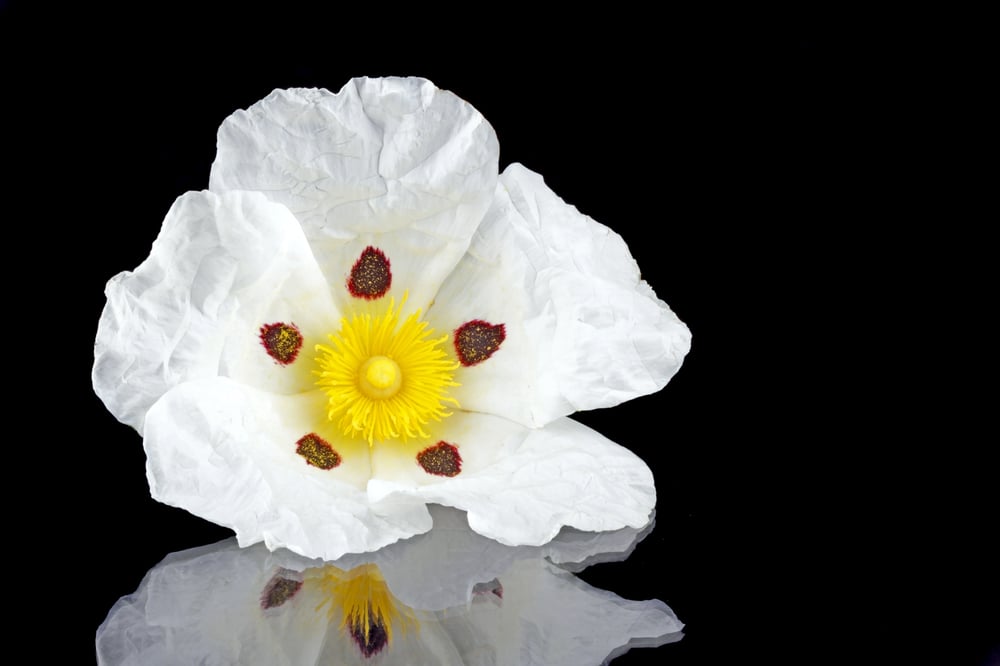
A tincture of opium dissolved in alcohol, laudanum was sold over the counter without restriction across Europe and America from the 17th through the early 20th centuries, used for everything from teething infants to chronic pain. It was genuinely effective at suppressing pain and coughing, which is precisely what made its widespread, unregulated availability so dangerous, contributing to widespread dependence before regulation caught up.
Blue Mass Pills of Mercury

Photo by Geoff Henson, via Flickr. Licensed under CC BY-ND 2.0
Blue mass, a pill made from mercury combined with licorice root, rosewater, and honey, was prescribed throughout the 19th century for ailments ranging from tuberculosis to depression to toothaches, and was reportedly used by Abraham Lincoln for a time. Later chemical analysis found the pills delivered mercury doses far above what would be considered safe by any modern standard.
The Confidence Behind the Cure
Nearly every remedy on this list was prescribed with total confidence by physicians who had no way of testing whether it actually worked. Some, like willow bark and honey, turned out to contain real medicine hiding inside folk practice.
Others, like arsenic wafers and radium water, turned out to be slow poison dressed up as treatment, and patients had no reliable way to tell the difference in advance. What separates ancient medicine from modern medicine is not effort or intelligence but method: the willingness to test a remedy against evidence rather than tradition.
Doctors were not fools for reaching for mercury or mandrake root. They were doing the best they could with what they had, which is exactly what makes the history of medicine worth remembering rather than mocking.
More from Go2Tutors!

- The Romanov Crown Jewels and Their Tragic Fate
- 13 Historical Mysteries That Science Still Can’t Solve
- Famous Hoaxes That Fooled the World for Years
- 15 Child Stars with Tragic Adult Lives
- 16 Famous Jewelry Pieces in History
Like Go2Tutors’s content? Follow us on MSN.