25 Sunday Dinner Dishes Families Made Weekly
Before takeout apps and meal kits, Sunday dinner ran on a fixed rotation of dishes that showed up so often they became shorthand for home itself. These were not fancy meals. They were reliable ones, built around whatever cut of meat was on sale and whatever vegetable was in season, repeated until the recipe lived in muscle memory rather than on a card.
The dishes below were not regional specialties or holiday showpieces. They were the everyday backbone of the American table, and most families could name at least a dozen of them without thinking twice.
Pot Roast
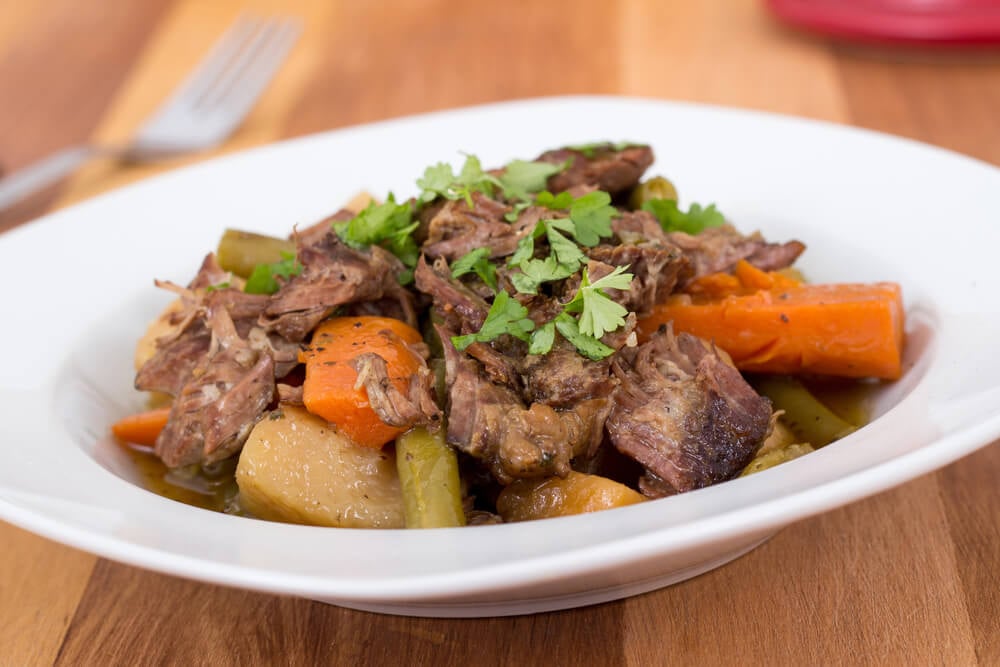
A chuck roast braised for hours with carrots, onions, and potatoes until the meat pulled apart with a fork, pot roast was the default centerpiece for families without a big grocery budget. The dish worked because the toughest, cheapest cuts became tender through slow cooking, and the leftover gravy was often stretched into a second meal on Monday.
Many households timed it to finish exactly when church let out, filling the house with its smell for hours beforehand.
Fried Chicken
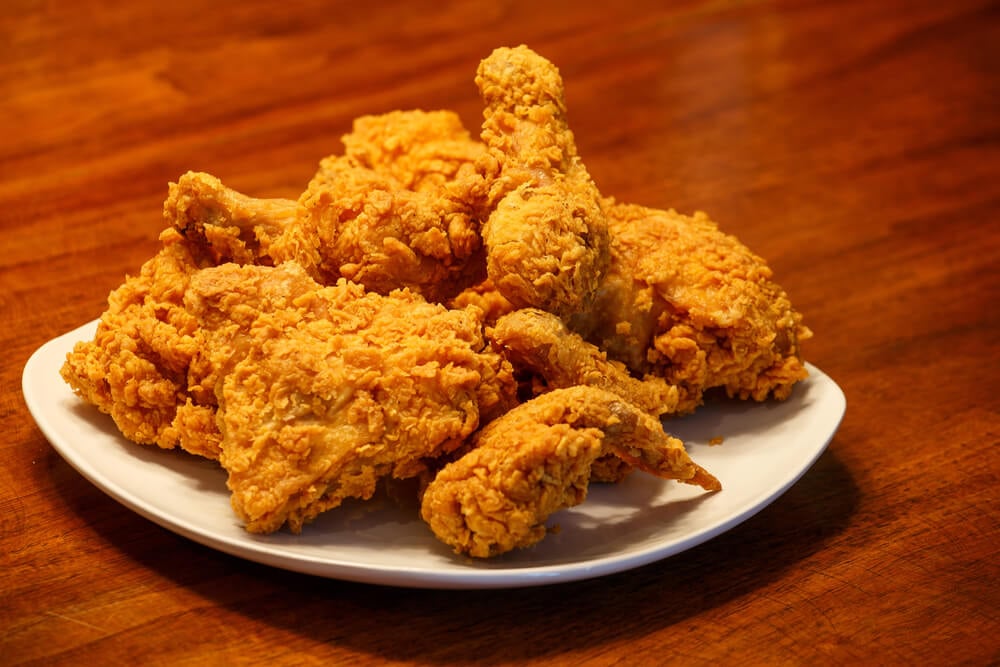
Pan-fried in cast iron rather than deep-fried, Sunday fried chicken was often started the night before with a buttermilk soak that tenderized the meat and seasoned it through. The ritual of frying in batches, keeping the first pieces warm in the oven while the rest cooked, meant the cook rarely sat down until everyone else had eaten.
Leftover pieces, eaten cold the next day, were considered by many a reward in their own right.
Meatloaf
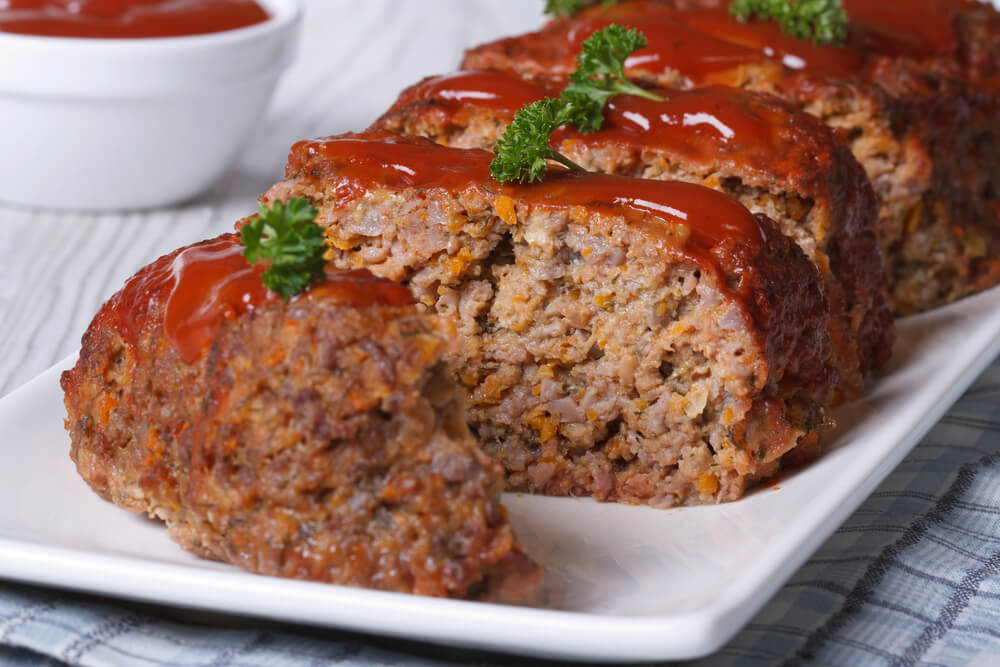
Built from ground beef, breadcrumbs or crushed crackers, egg, and a glaze of ketchup or chili sauce baked onto the top, meatloaf stretched a small amount of meat to feed a large family cheaply. Recipes varied wildly by household, with some adding oats, onion soup mix, or diced peppers, but the basic loaf pan shape stayed constant for generations.
It reheated well, which made it a practical choice for families who cooked once and ate twice.
Roast Turkey
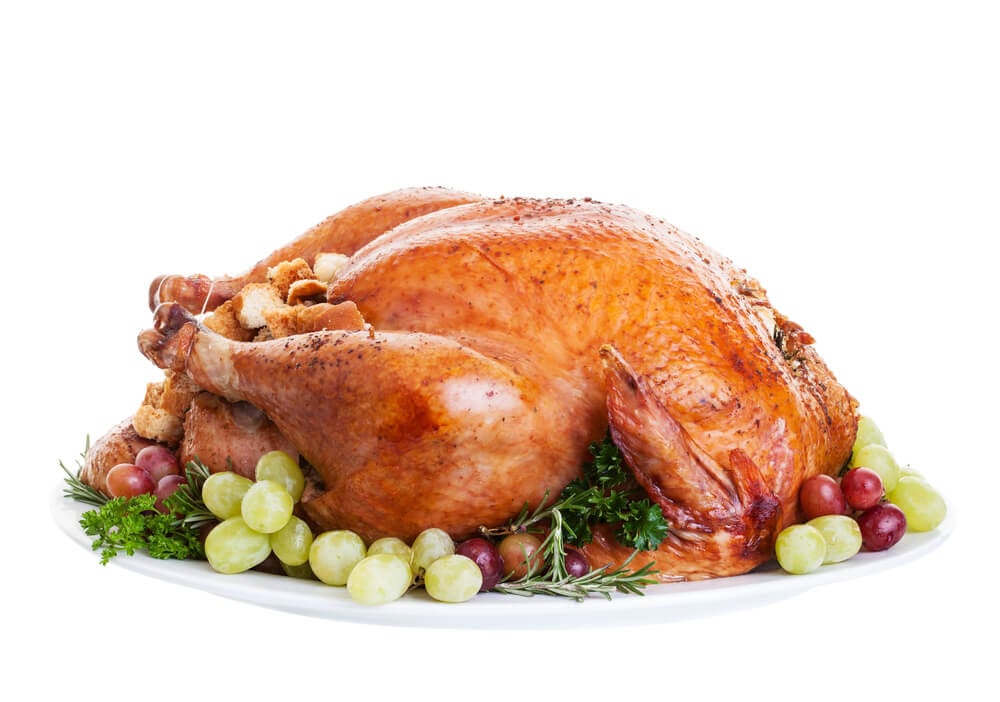
Long before it became a holiday-only dish, roast turkey was a regular Sunday option in many households, particularly once refrigeration made buying a whole bird for a single meal practical. Families that raised their own poultry often rotated turkey with chicken depending on which bird was ready for the table.
The carcass was rarely wasted, going into soup stock for the following week.
Baked Ham
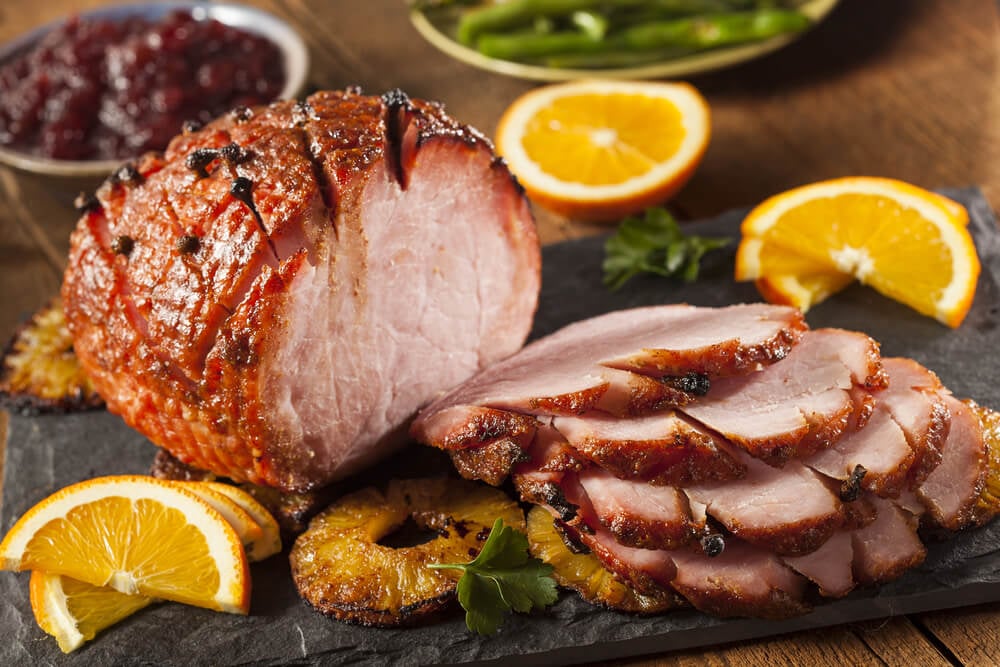
A bone-in ham studded with cloves and glazed with brown sugar or pineapple was common enough to become a punchline about repetitive cooking, since a single ham could feed a family for several consecutive meals. The bone itself was saved for flavoring bean soup once the meat was gone.
Grocery stores often ran ham specials specifically timed around church schedules.
Chicken and Dumplings
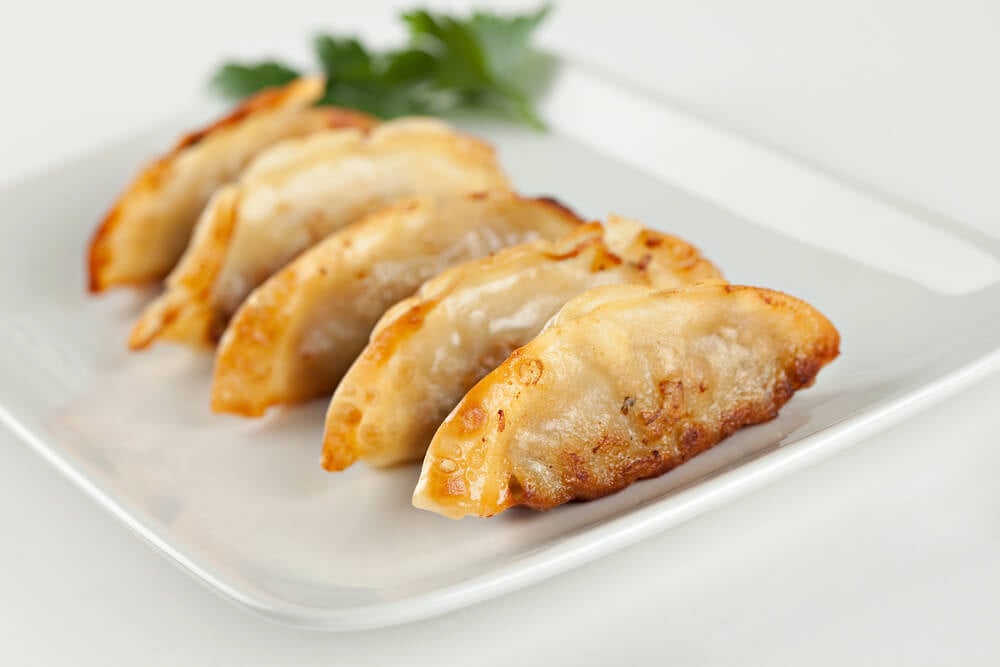
Made by poaching a whole chicken until the meat fell from the bone, then dropping flour dumplings into the simmering broth, this dish turned a single bird into a thick, filling stew. Regional variations split sharply between flat, noodle-like dumplings and puffy, biscuit-style ones, and family arguments over the correct version were common.
The broth itself was often considered the best part.
Salisbury Steak
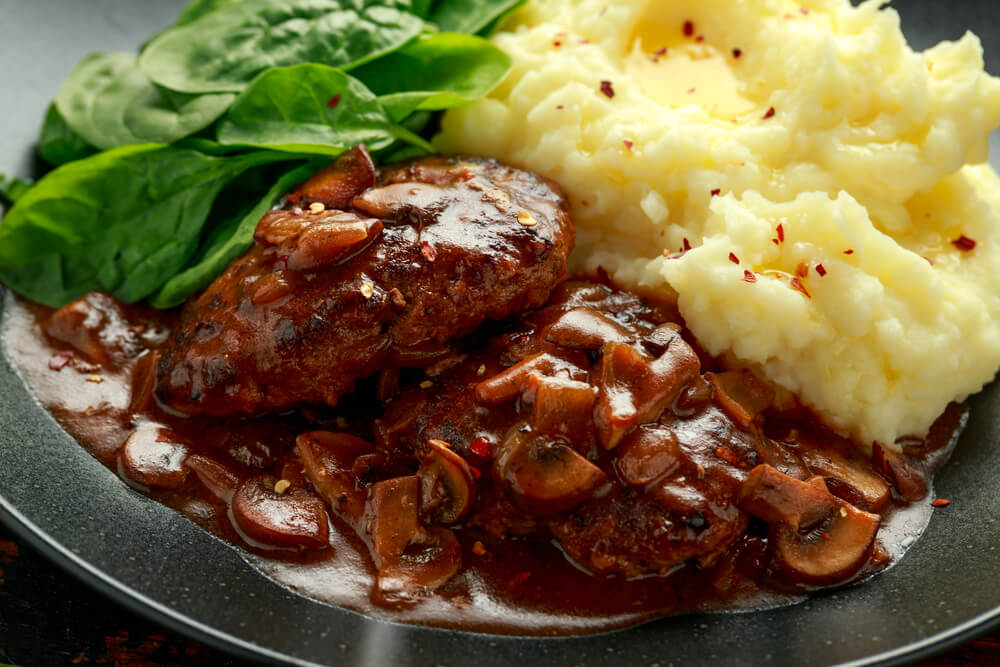
Seasoned ground beef patties smothered in brown mushroom gravy, Salisbury steak offered the flavor of a steak dinner at a fraction of the cost. It became a fixture of both home kitchens and, later, frozen dinner trays, which cemented its reputation as comfort food rather than fine dining.
Onions cooked into the gravy were considered essential by most home cooks.
Macaroni and Cheese
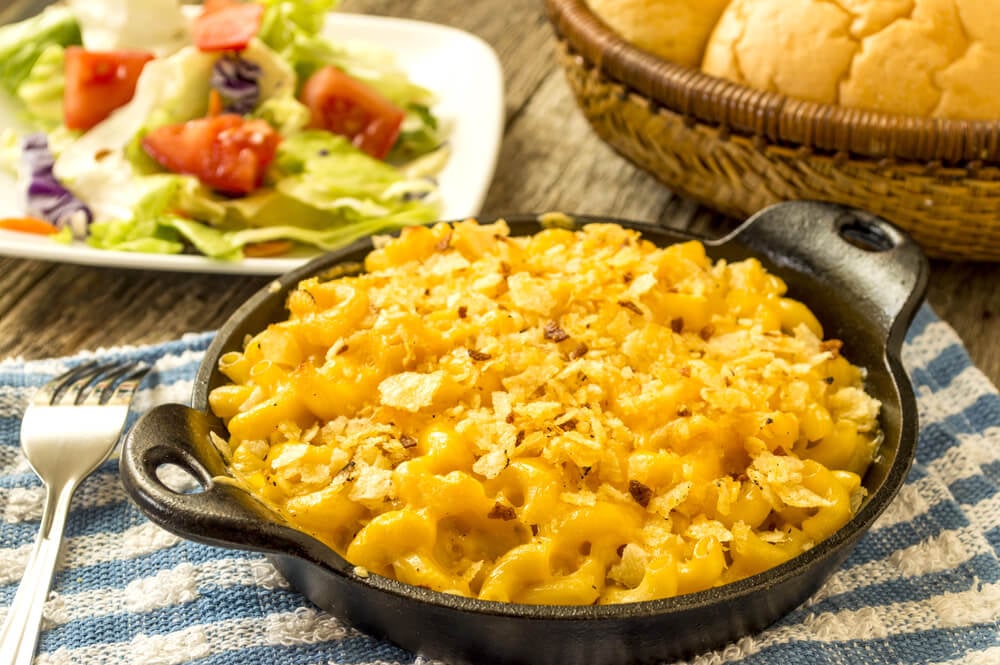
Baked rather than stovetop, with a breadcrumb or cracker topping browned under the broiler, macaroni and cheese was one of the few dishes that appeared on both children’s plates and adults’ without complaint. Sharp cheddar was the traditional choice, prized for cutting through the richness of the sauce.
Many families treated the burnt edge pieces as the most desirable part of the pan.
Deviled Eggs
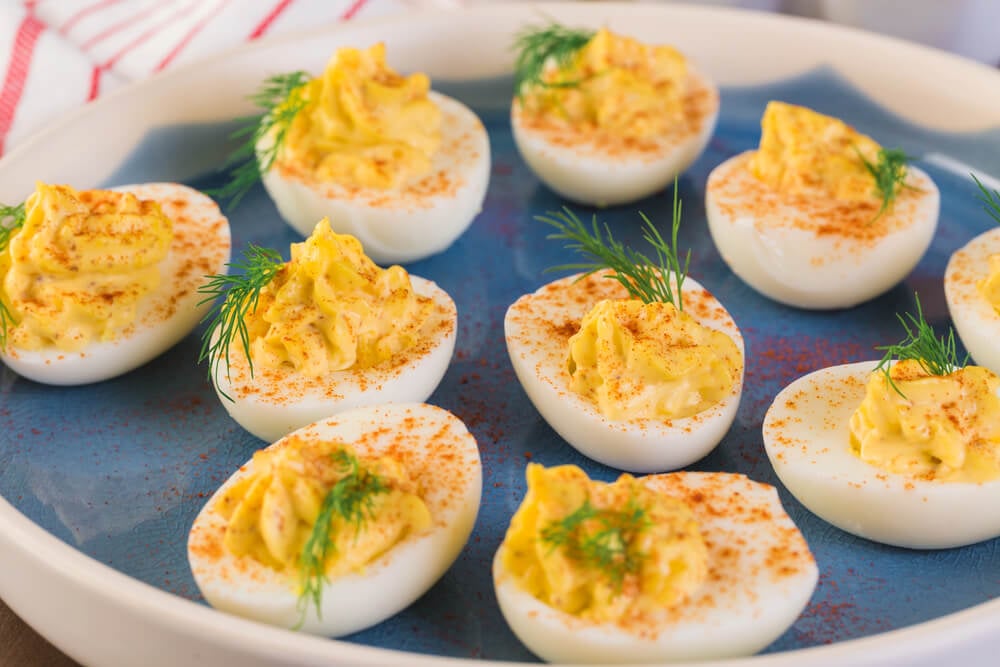
Hard-boiled eggs halved and filled with a mixture of the mashed yolk, mayonnaise, mustard, and a dash of paprika on top, deviled eggs were a near-mandatory side dish rather than a snack. A dedicated deviled egg plate with indentations for each half was a common wedding gift, signaling how central the dish was to entertaining.
Recipes were fiercely guarded within families and rarely written down.
Green Bean Casserole
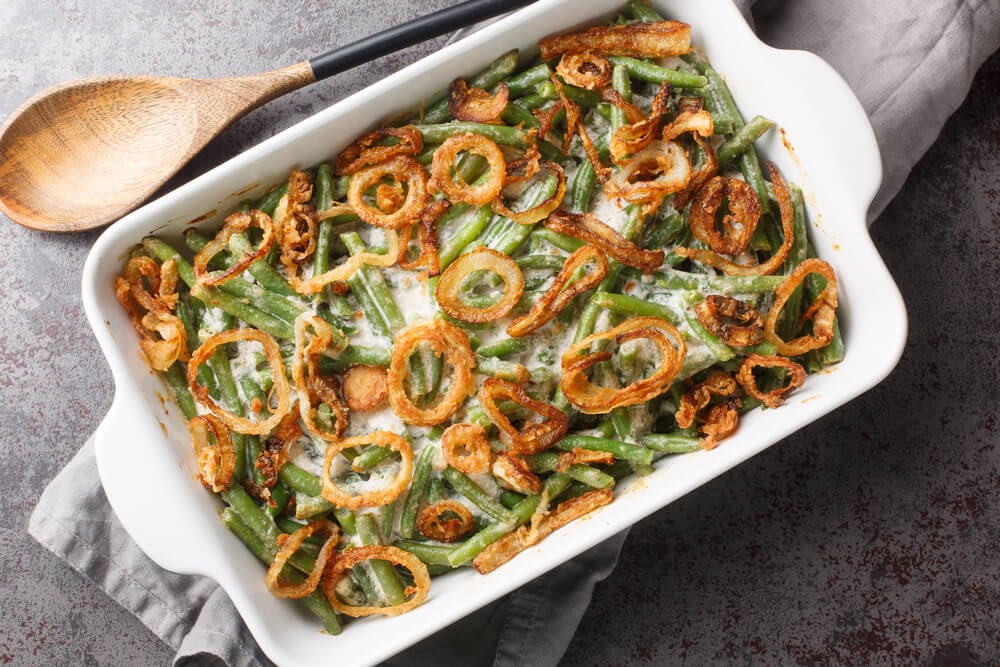
Built from canned green beans, canned mushroom soup, and crispy fried onions on top, this dish became a Sunday staple after its recipe was published by a soup company in the 1950s and spread through word of mouth and community cookbooks. Its appeal was less about flavor complexity and more about how little active cooking it required.
Many families consider it interchangeable between Sunday dinner and holiday tables.
Mashed Potatoes
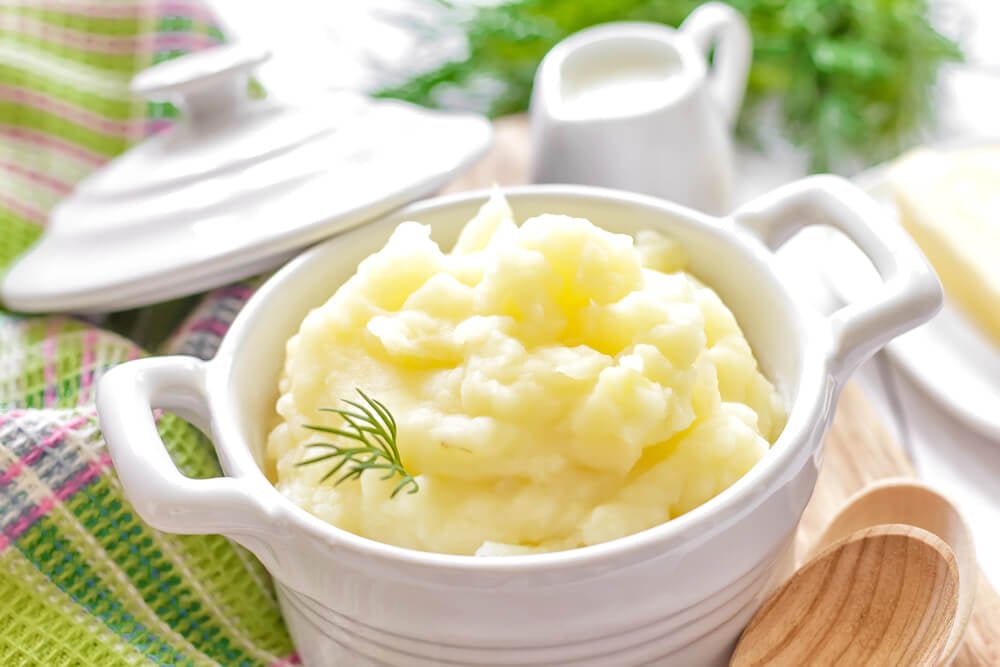
Made with butter, milk, and hand-mashing rather than a mixer in most kitchens, mashed potatoes served as the base for gravy from whatever meat was cooking. The debate between smooth and lumpy mashing technique divided households, and the leftover potatoes were frequently reformed into potato cakes fried up for breakfast the next morning.
Real butter, rather than margarine, was often reserved specifically for this dish.
Candied Yams
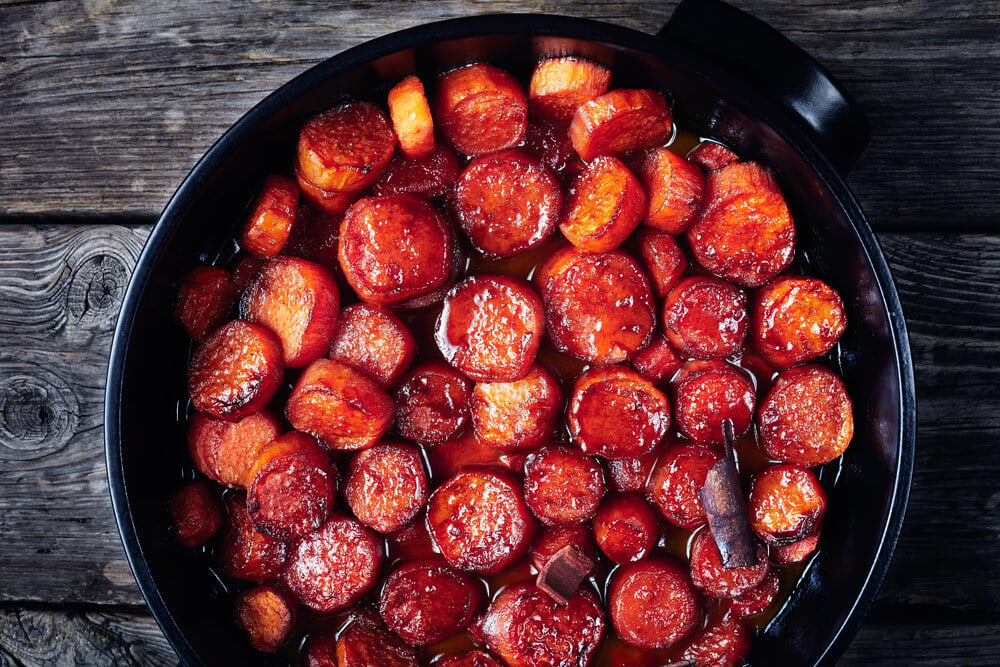
Sweet potatoes baked with butter, brown sugar, and sometimes marshmallows on top, candied yams occupied a space between side dish and dessert. The dish’s sweetness made it a rare vegetable that children asked for seconds of, which secured its place on the weekly rotation in many households.
Cast iron skillets were often used specifically because they could go from stovetop to oven for this dish.
Dinner Rolls
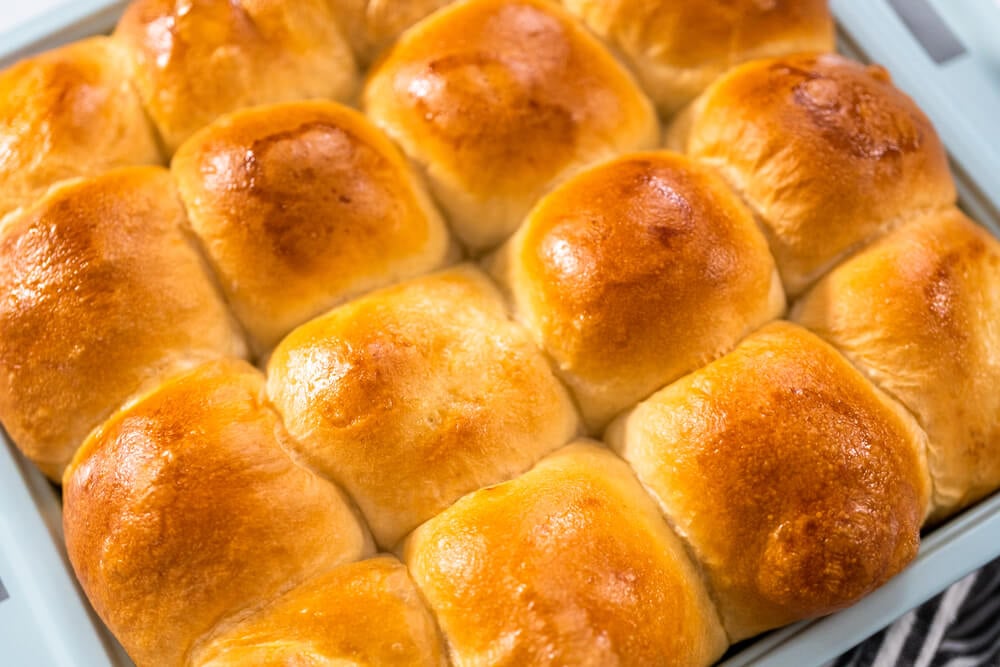
Yeast rolls made from scratch on Saturday and baked fresh Sunday morning filled the house with the smell of rising bread before the rest of the meal was even started. Families without a spare hour for kneading often relied on a simplified no-knead version passed down through generations.
Rolls were routinely used to sop up leftover gravy once the main dish was gone.
Gravy
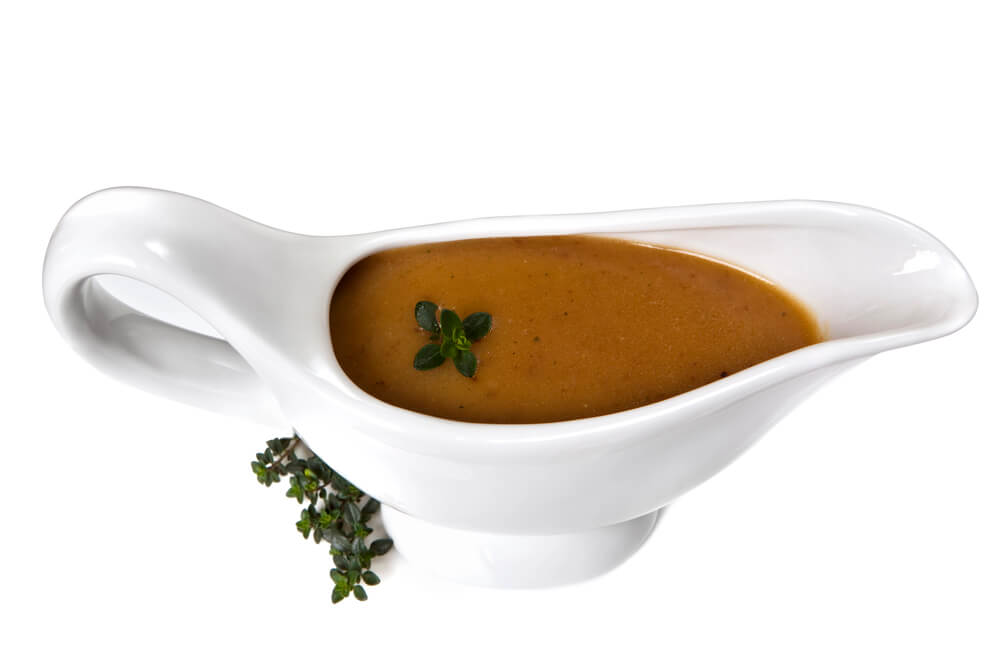
Made from the drippings of whatever meat had just come out of the oven, thickened with flour and thinned with milk or stock, gravy was less a dish than a connective tissue that held the rest of the meal together. Lumps were considered a minor kitchen failure, and getting a smooth gravy was treated as a mark of cooking skill.
Extra gravy was often kept in the refrigerator to pour over leftovers throughout the week.
Coleslaw
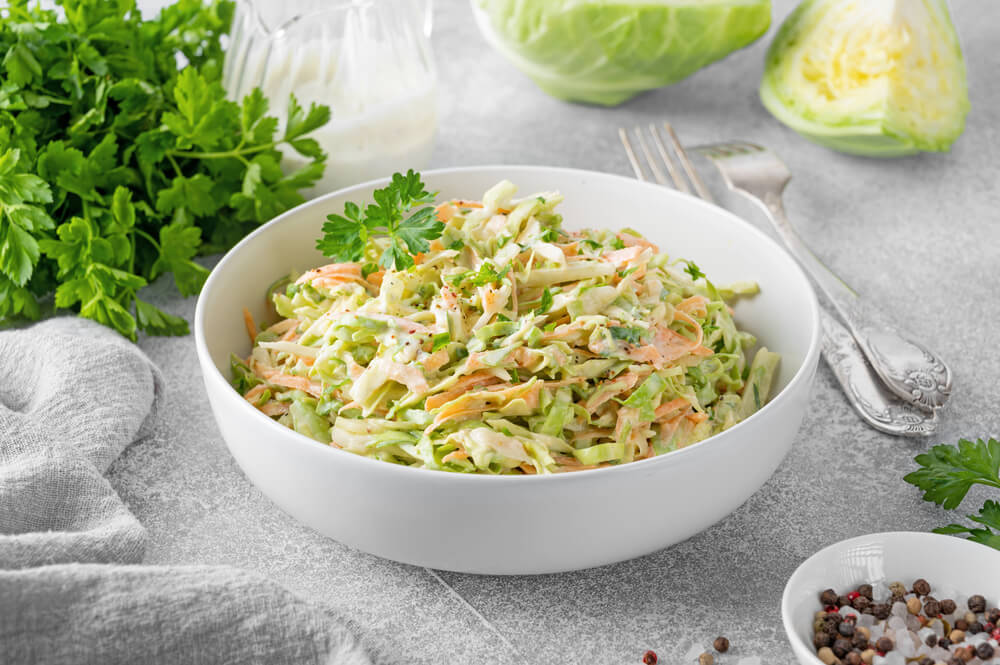
A simple mix of shredded cabbage and carrot in a mayonnaise-based dressing, coleslaw provided a cold, crunchy counterpoint to the heavier, hot dishes dominating the table. Vinegar-based versions were more common in the South, while creamy versions dominated further north.
It was one of the few dishes that could be made well ahead of time without suffering for it.
Chicken Pot Pie
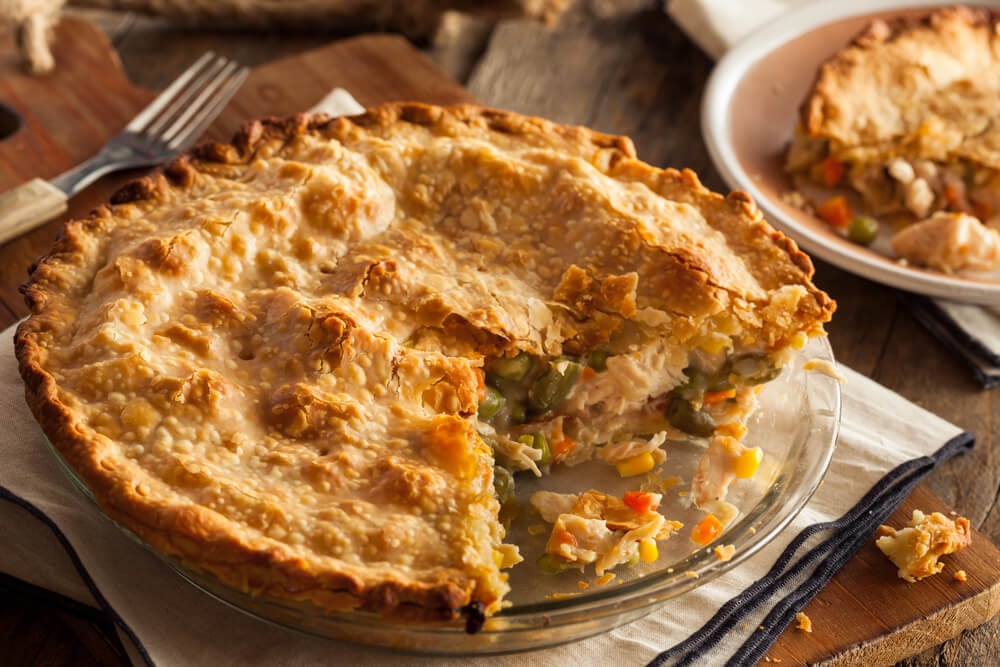
Leftover roast chicken, diced vegetables, and gravy baked under a flaky pie crust turned Monday’s leftovers into a dish that felt like a fresh meal rather than a repeat. The crust, whether homemade or store-bought, was the deciding factor in how the dish was judged by the family.
Individual ramekin versions were considered a special-occasion upgrade from the standard casserole dish.
Swiss Steak
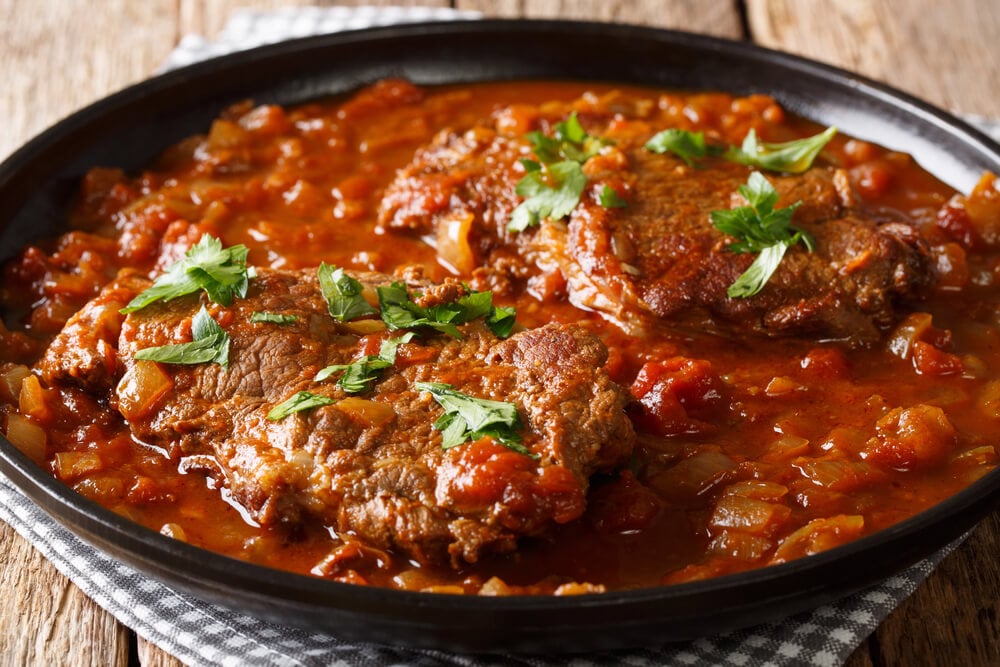
A tougher cut of round steak pounded thin, dredged in flour, seared, then braised slowly in tomatoes and onions until fork-tender, Swiss steak was a way to make an inexpensive cut taste like a much pricier one. The long braise meant the dish could be started before church and left to cook unattended for hours.
It was frequently served over rice or noodles to catch the sauce.
Beef Stroganoff
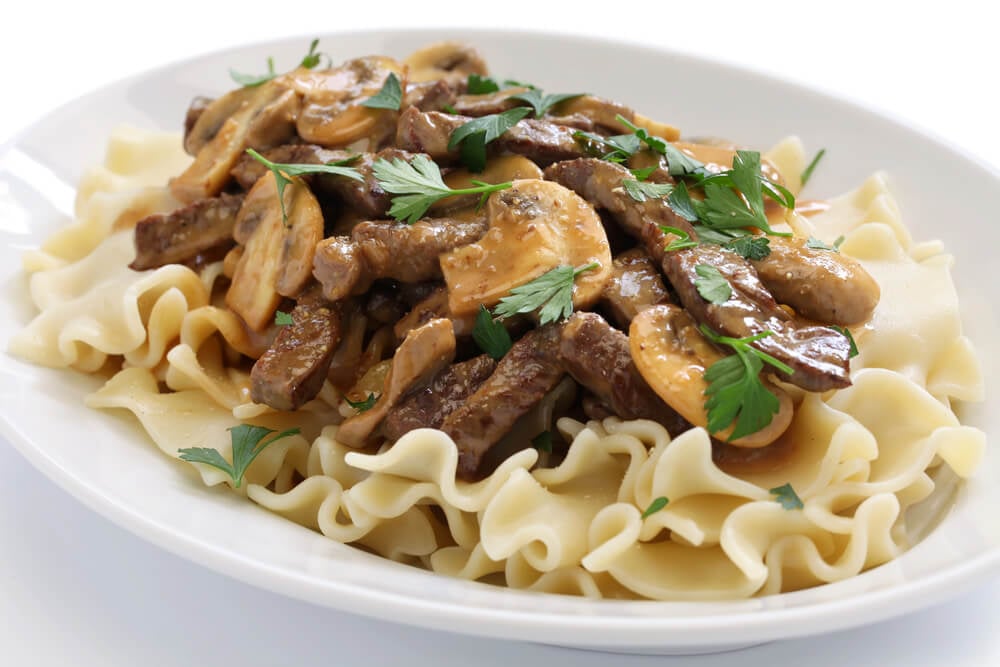
Strips of beef cooked in a sour cream and mushroom sauce and served over egg noodles, stroganoff was viewed as slightly more elevated than the average weeknight dish, which made it a common Sunday-specific choice. The sour cream had to be added off the heat to avoid curdling, a detail that tripped up many first-time cooks.
Ground beef versions became common later as a budget substitute for the original cut.
Tuna Noodle Casserole
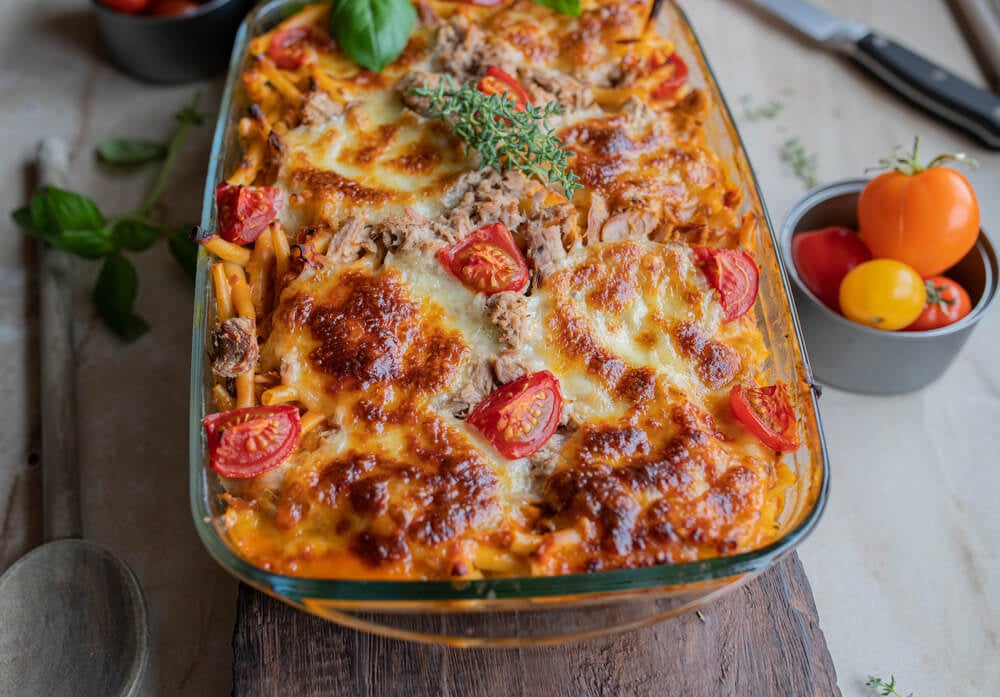
Canned tuna, egg noodles, canned cream of mushroom soup, and a crushed potato chip or breadcrumb topping combined into a dish that could be assembled almost entirely from pantry staples. Its low cost and long shelf-stable ingredient list made it a reliable fallback when the weekly grocery budget was tight.
Peas were the most common vegetable addition, though opinions on their necessity varied by household.
Scalloped Potatoes
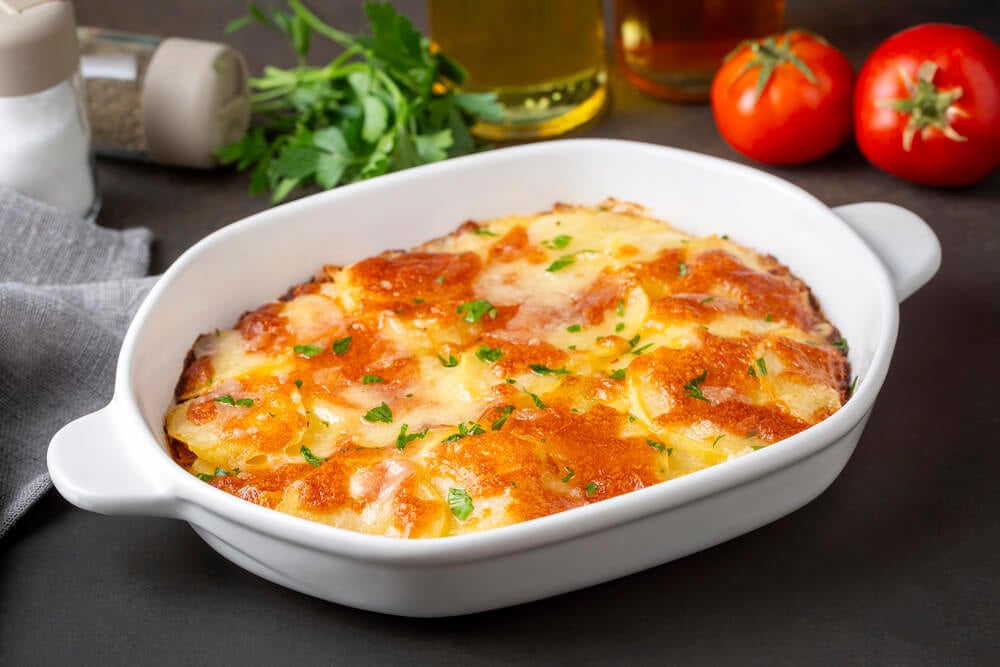
Thin potato slices layered with a milk-based white sauce and baked slowly until tender, scalloped potatoes were often confused with the cheese-topped version known as au gratin, though purists insisted on the distinction. The dish required real attention to avoid a raw center or a curdled sauce, making it a test of a cook’s patience.
Ham was its most common dinner pairing, since the two often finished baking around the same time.
Apple Pie
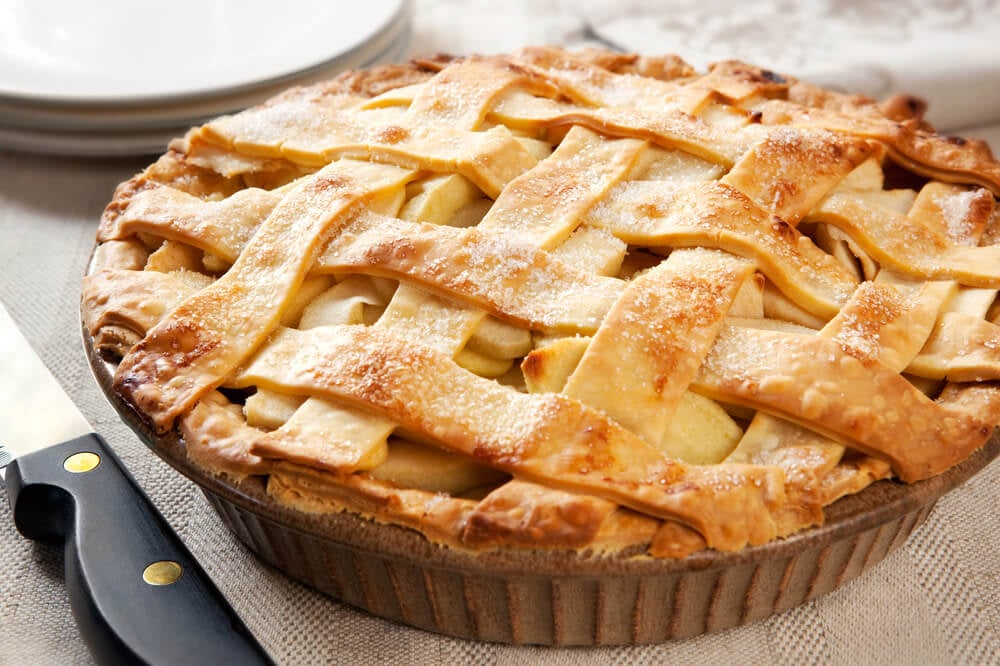
A double-crust pie filled with sliced apples, cinnamon, and sugar, apple pie closed out the Sunday meal in more households than any other dessert. The crust, made with lard or shortening rather than butter in many older recipes, was considered the true measure of a baker’s skill.
A wedge served warm with a slice of cheddar cheese on top was a regional habit that split families sharply into supporters and skeptics.
Banana Pudding
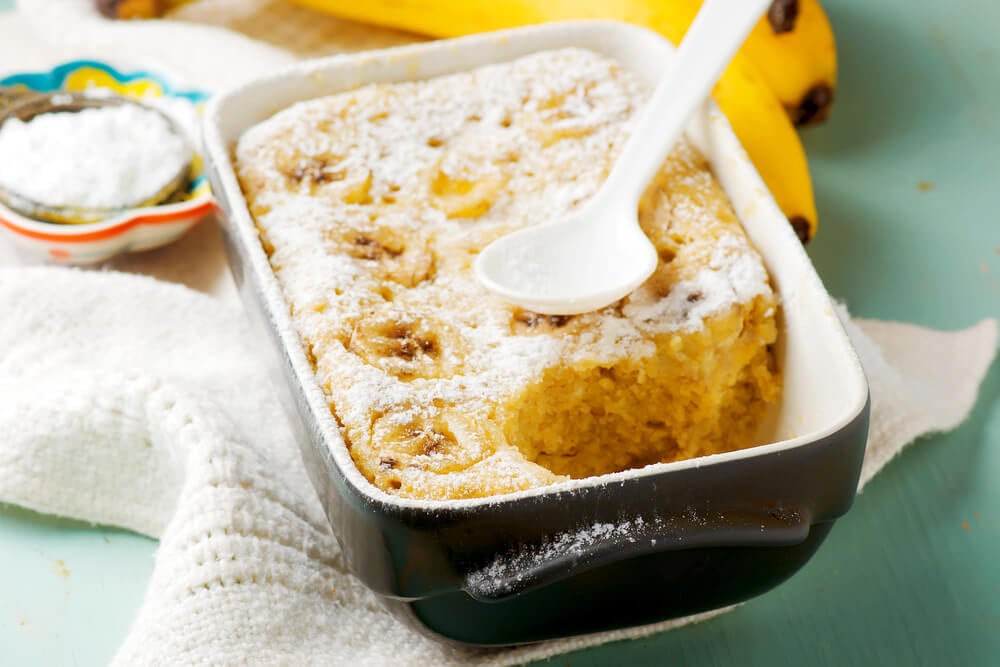
Layers of vanilla wafers, sliced bananas, and a cooked vanilla custard, topped with whipped meringue or whipped cream, banana pudding was a dessert that improved after sitting overnight as the wafers softened into a cake-like texture. Families debated endlessly over instant pudding shortcuts versus a from-scratch custard base.
It traveled well to potlucks, which made it a frequent second stop after Sunday dinner at home.
Rice Pudding
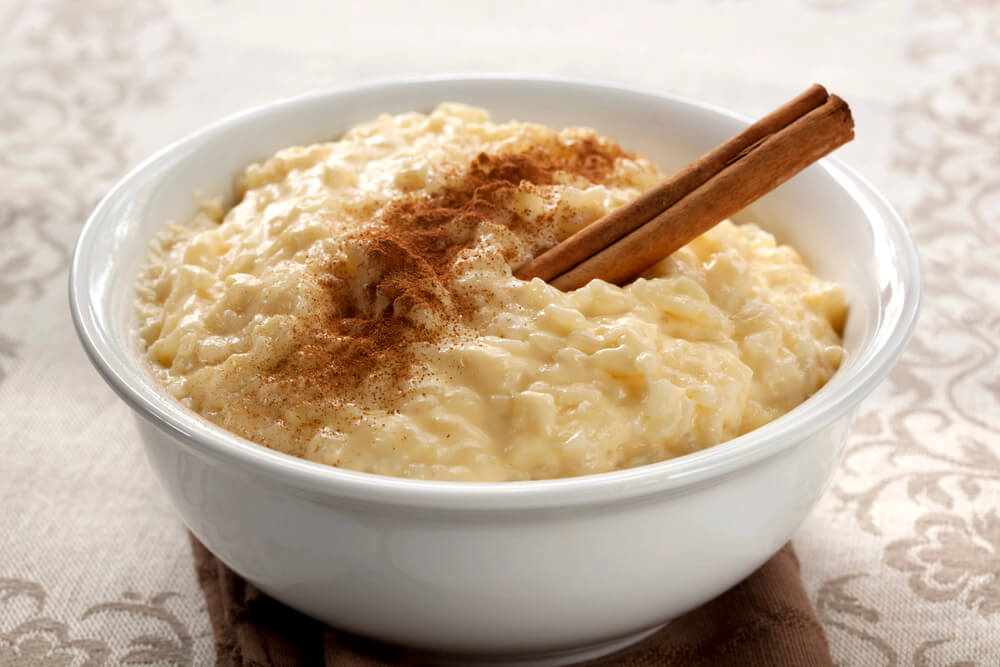
Made from leftover cooked rice simmered with milk, sugar, and a beaten egg until thick, rice pudding was a dessert born partly out of thrift, using up rice that would otherwise go to waste. Raisins and a dusting of cinnamon on top were the most common additions.
Served warm or cold, it was one of the few desserts eaten just as often for breakfast the next day.
Waldorf Salad
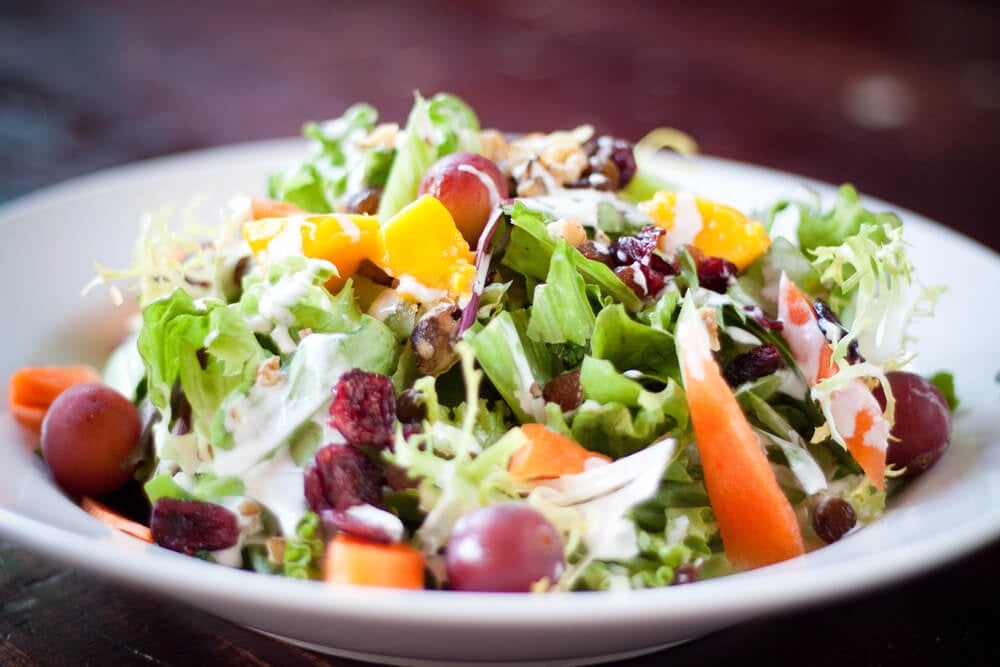
A mix of diced apples, celery, walnuts, and mayonnaise, Waldorf salad occupied an odd space between side dish and dessert on the Sunday table. Its crunch and sweetness made it a popular counterpoint to heavier braised meats.
Grapes were a common later addition that purists considered a departure from the original combination.
Jell-O Salad
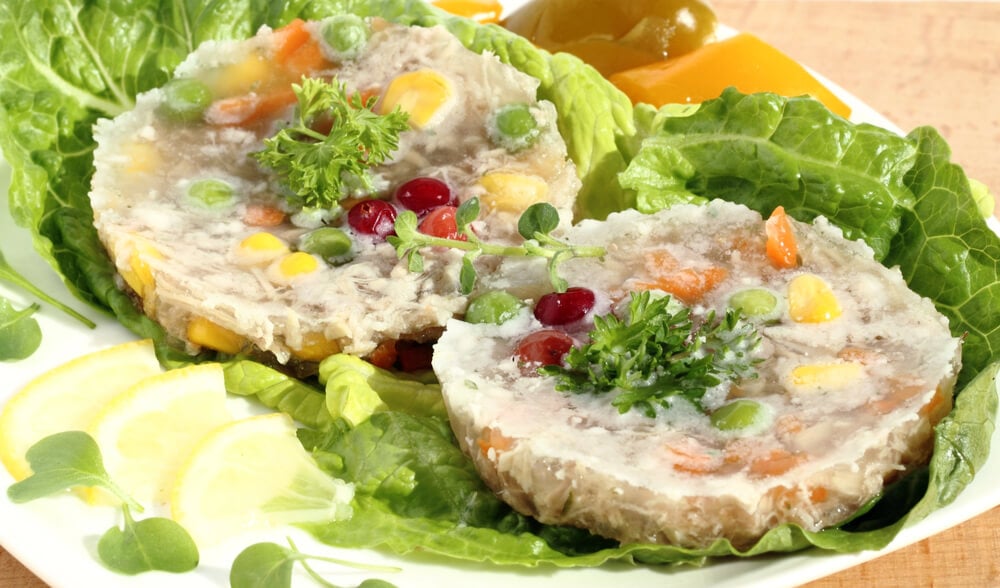
Set gelatin combined with fruit, shredded carrots, or even cottage cheese, Jell-O salad was less a salad in the traditional sense and more a molded, wobbling centerpiece meant to show off a dedicated ring mold. Its bright colors made it a visual anchor on a table otherwise dominated by browns and tans.
Recipes were often clipped from the backs of gelatin boxes and passed between neighbors as much as between relatives.
The Table as the Real Recipe
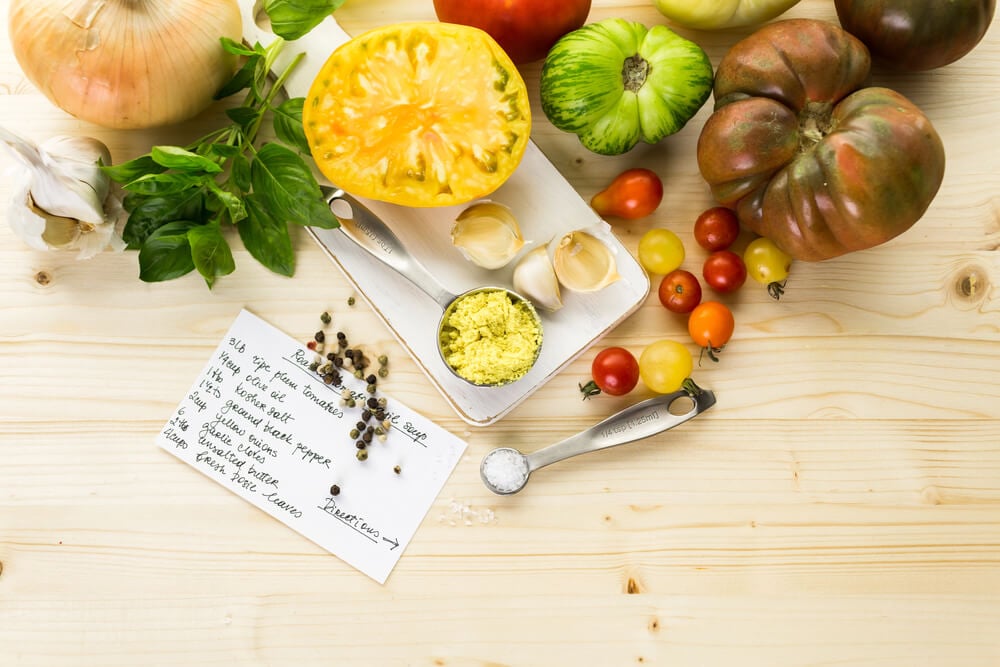
None of these dishes required rare ingredients or professional technique, and that was precisely the point. They were built to be repeatable, forgiving of a rushed morning or a tight budget, and flexible enough to stretch into Monday’s lunch.
The skill was not in reinventing the meal each week but in making the same handful of dishes taste like home every single time. What is often remembered decades later is not the specific taste of any one dish but the rhythm itself: the smell that met you at the door, the same chair at the same table, the same argument over the last dinner roll.
The food was simple because the goal was never novelty. It was continuity.
More from Go2Tutors!

- The Romanov Crown Jewels and Their Tragic Fate
- 13 Historical Mysteries That Science Still Can’t Solve
- Famous Hoaxes That Fooled the World for Years
- 15 Child Stars with Tragic Adult Lives
- 16 Famous Jewelry Pieces in History
Like Go2Tutors’s content? Follow us on MSN.