15 Most Influential Women History Almost Erased
History has a strange way of forgetting the people who shaped it most.
Open any textbook and the names that dominate are predictable, often male, and frequently white.
But behind nearly every major breakthrough, movement, or cultural shift, there were women whose contributions got buried under convenient narratives or outright theft.
Some were erased by colleagues who took credit.
Others were dismissed because their work didn’t fit the expectations of their time.
A few simply existed in eras that refused to acknowledge women as capable of genius.
What’s remarkable isn’t just what these women accomplished, but how close we came to losing their stories entirely.
Here’s a closer look at fifteen women who changed the world, even as the world tried to forget them.
Rosalind Franklin
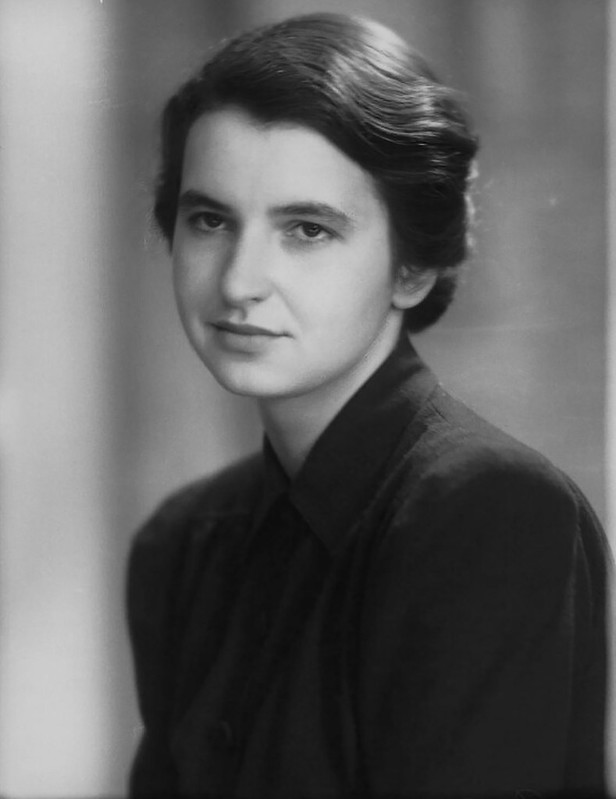
When James Watson and Francis Crick received the Nobel Prize in 1962 for discovering the structure of DNA, Rosalind Franklin’s name was conspicuously absent.
Franklin, a British chemist, produced the critical X-ray diffraction image known as Photo 51, which revealed the double helix structure.
Watson later admitted in his memoir that he and Crick used her unpublished data without permission.
Franklin died in 1958 at age 37, four years before the Nobel was awarded, but even in life, her contributions were minimized by male colleagues who viewed her as difficult rather than brilliant.
Her story only resurfaced decades later when historians reexamined the record.
Henrietta Lacks
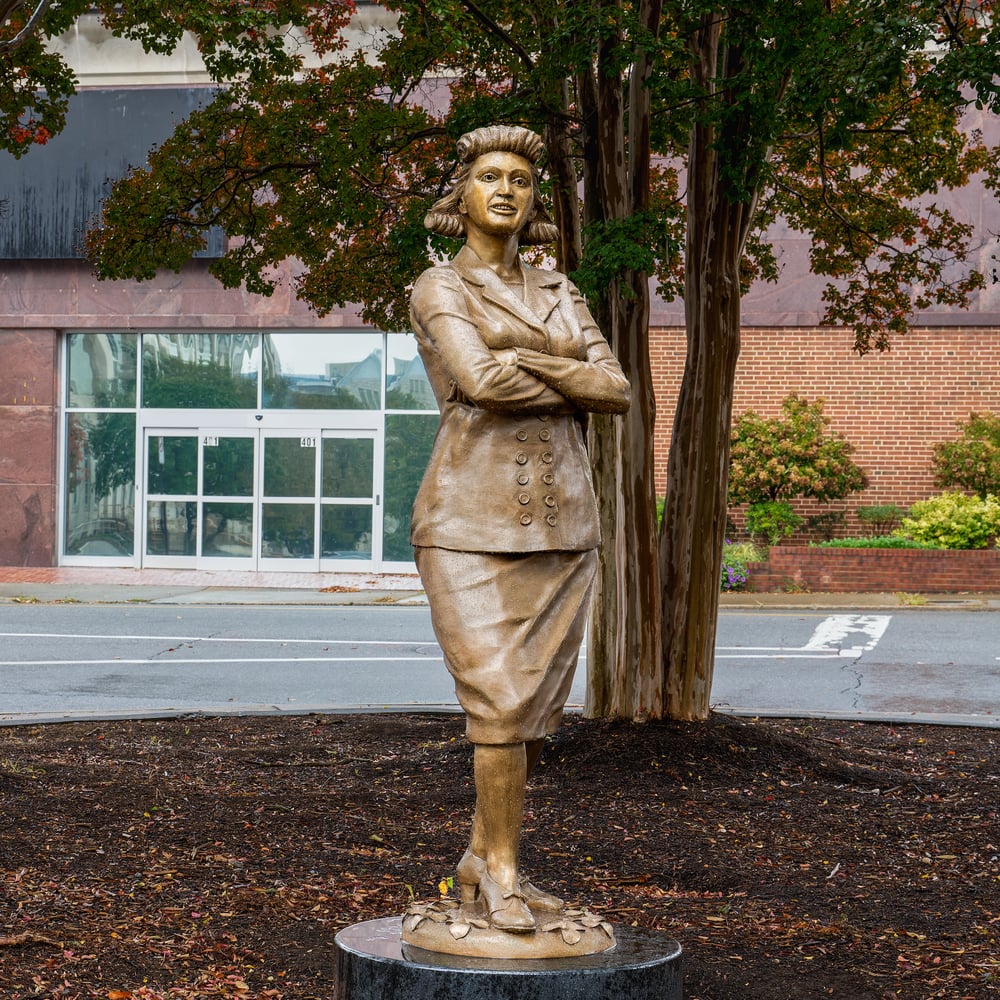
In 1951, doctors at Johns Hopkins Hospital took tissue samples from Henrietta Lacks, a Black woman being treated for cervical cancer, without her knowledge or consent.
Those cells became the first immortal human cell line, known as HeLa, and revolutionized medical research.
They’ve been used to develop the polio vaccine, study cancer, test the effects of radiation, and advance countless other breakthroughs.
Lacks died eight months after her diagnosis, and her family didn’t learn about HeLa cells until the 1970s.
For decades, the scientific community profited enormously from her cells while her name remained unknown.
Her contribution is now recognized, but it took over half a century.
Hedy Lamarr
Most people remember Hedy Lamarr as a glamorous Hollywood actress from the 1940s, but few know she co-invented a frequency-hopping technology that became the foundation for modern WiFi, Bluetooth, and GPS.
During World War II, Lamarr and composer George Antheil developed a system to prevent enemies from jamming torpedo guidance signals.
The U.S. Navy dismissed the invention at the time, partly because they couldn’t take a movie star seriously as an inventor.
The technology was finally adopted in the 1960s, but Lamarr never received financial compensation.
She wasn’t publicly recognized for her contribution to wireless communication until late in her life.
Chien-Shiung Wu
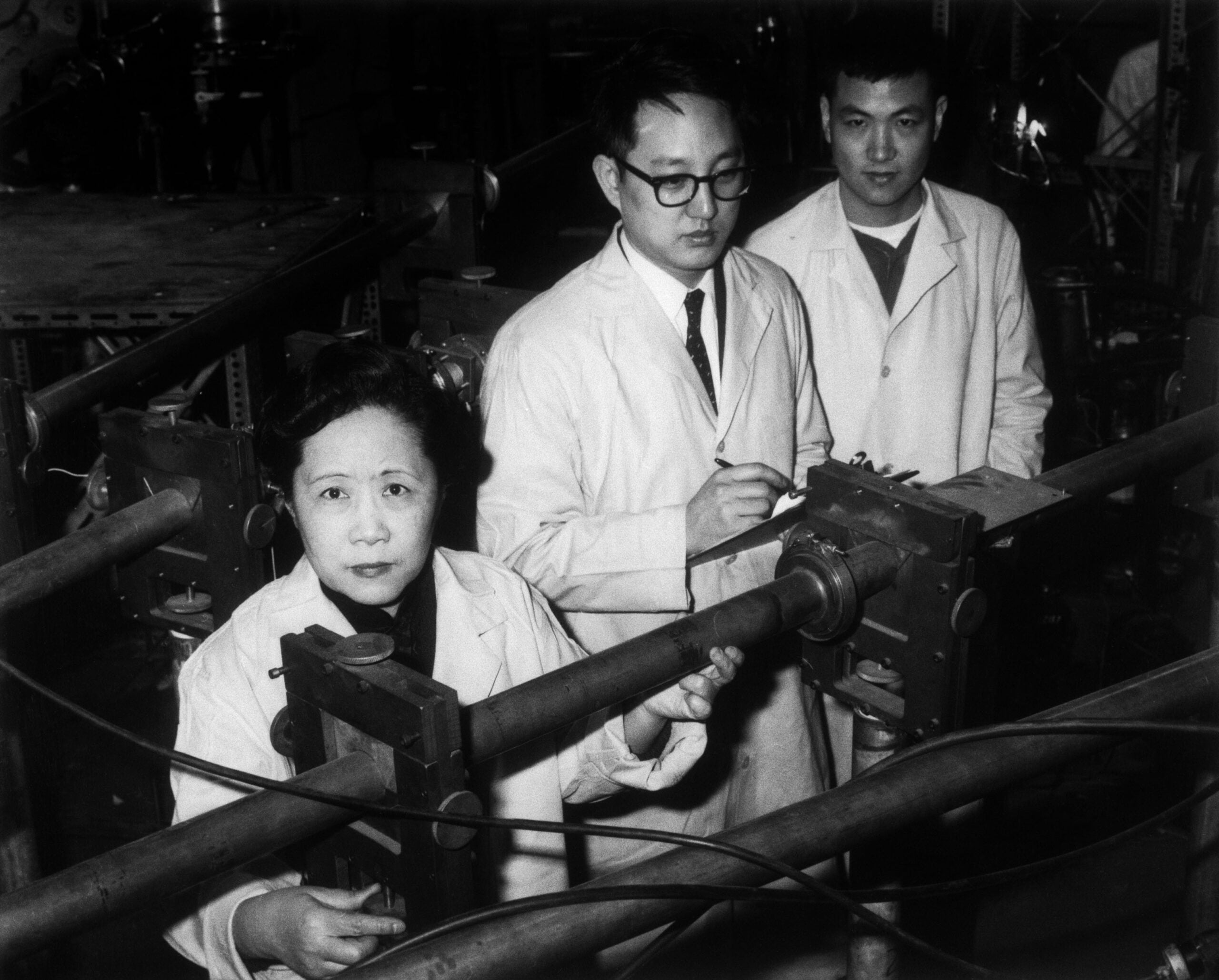
Chien-Shiung Wu was a Chinese-American physicist whose experiments in the 1950s disproved the law of conservation of parity, a fundamental principle in quantum mechanics.
Her work was groundbreaking and led directly to a Nobel Prize in Physics in 1957, but the award went to her male colleagues, Tsung-Dao Lee and Chen-Ning Yang, who had theorized what she proved experimentally.
Wu conducted the actual experiments that validated their hypothesis, yet she was excluded from the recognition.
The omission was so glaring that even the Nobel committee later acknowledged it as one of the prize’s most significant oversights.
Wu continued her pioneering work in physics for decades, but the credit she deserved never fully materialized.
Marsha P. Johnson
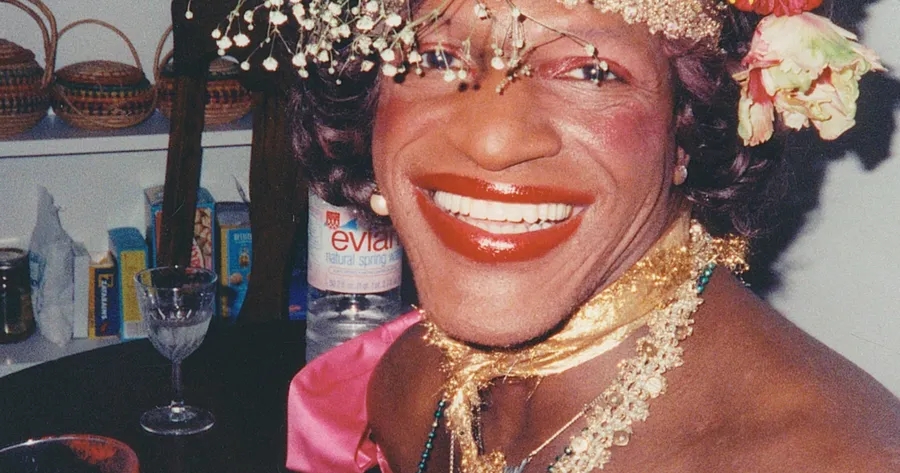
Marsha P. Johnson was a Black transgender activist who stood at the forefront of the LGBTQ+ rights movement, yet mainstream history largely wrote her out.
Johnson was present at the Stonewall Riots in 1969, a pivotal moment that sparked the modern fight for equality.
She co-founded the Street Transvestite Action Revolutionaries, advocating for homeless queer youth and transgender people at a time when even progressive movements often excluded them.
Johnson’s death in 1992 was ruled self-harm despite suspicious circumstances, and her case was only reopened decades later after activists demanded justice.
Her legacy was overlooked for years while others received credit for the movement she helped ignite.
Lise Meitner
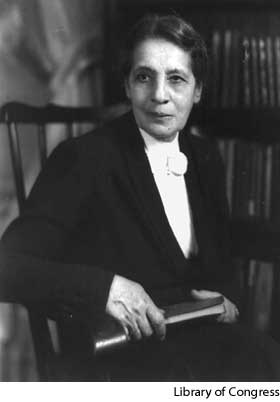
Lise Meitner was the physicist who provided the theoretical explanation for nuclear fission, one of the most important discoveries of the 20th century.
Working alongside chemist Otto Hahn, Meitner realized that atomic nuclei could split and release enormous energy.
When Hahn published the findings in 1938, he omitted Meitner’s name, and in 1944, he alone received the Nobel Prize in Chemistry.
Meitner, who was Jewish, had fled Nazi Germany just months before the discovery was announced, which made it easier for Hahn to take sole credit.
Though she was nominated for the Nobel Prize 48 times, she never won.
Element 109, meitnerium, was later named in her honor, but the recognition came far too late.
Katherine Johnson
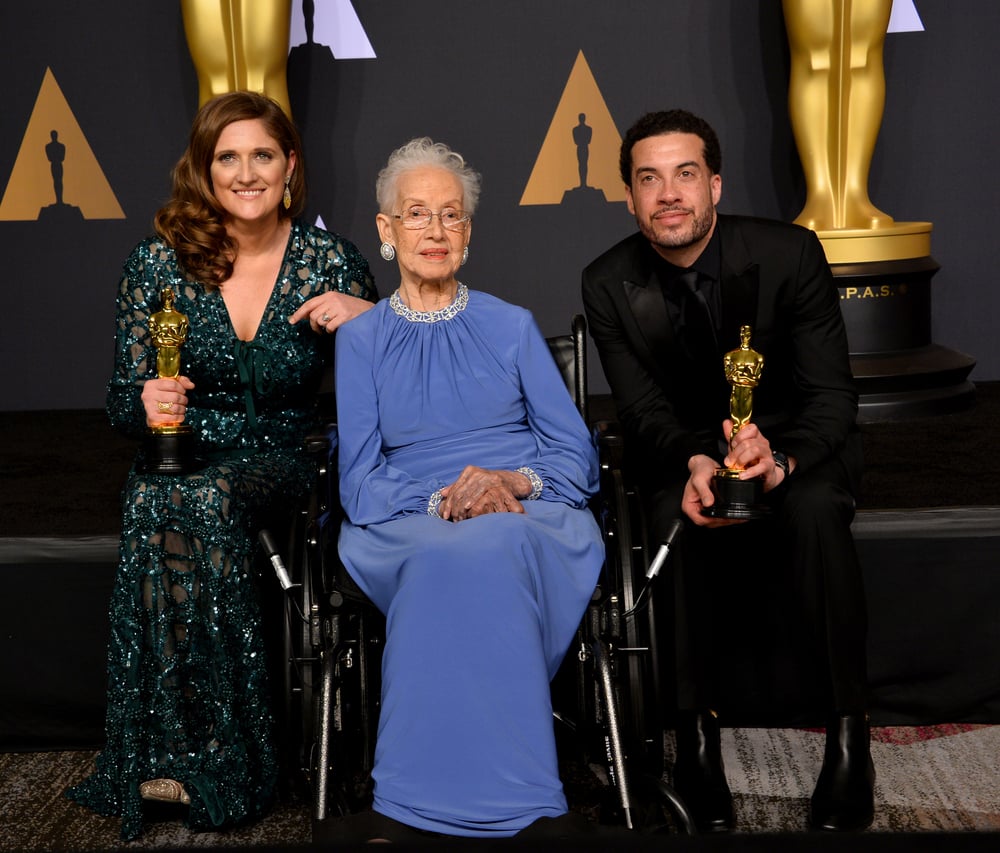
Katherine Johnson calculated the trajectories that sent Americans to space and to the moon, yet for decades, NASA didn’t publicly acknowledge her contributions.
As a Black woman working at a segregated agency in the 1950s and 60s, Johnson faced systemic barriers but still became indispensable to the space program.
Her calculations were critical to the success of John Glenn’s orbit and the Apollo 11 moon landing.
Despite her role, Johnson and her colleagues were often referred to as ‘colored computers’ and worked in separate facilities.
It wasn’t until the 2016 film ‘Hidden Figures’ that her story reached mainstream audiences.
She received the Presidential Medal of Freedom in 2015, more than 50 years after her most significant work.
Nettie Stevens

Nettie Stevens discovered the chromosomal basis of gender in 1905, identifying that the presence of the Y chromosome determines male characteristics.
It was a monumental finding in genetics, yet her colleague Edmund Bexon Wilson is often credited with the discovery because he published similar findings around the same time.
Wilson had more institutional support and recognition, while Stevens worked with minimal funding and faced constant skepticism as a woman in science.
She died of breast cancer in 1912 at age 50, just seven years after her discovery, and her contributions were largely forgotten until feminist historians revived her legacy decades later.
Even today, many textbooks credit Wilson alone.
Alice B.
Alice B. developed the first effective treatment for leprosy in 1915 when she was just 23 years old.
Her technique, which involved isolating compounds from chaulmoogra oil, became the standard treatment for decades.
Alice died unexpectedly the following year, and the president of her university, Arthur Dean, took over her research, publishing it without giving her credit.
The treatment became known as the Dean Method, erasing Alice’s name entirely.
It wasn’t until 1977 that a historian uncovered her contribution, and the University of Hawaii finally recognized her work.
Alice was the first woman and first African American to receive a master’s degree from the university, yet her legacy was nearly lost.
Claudette Colvin
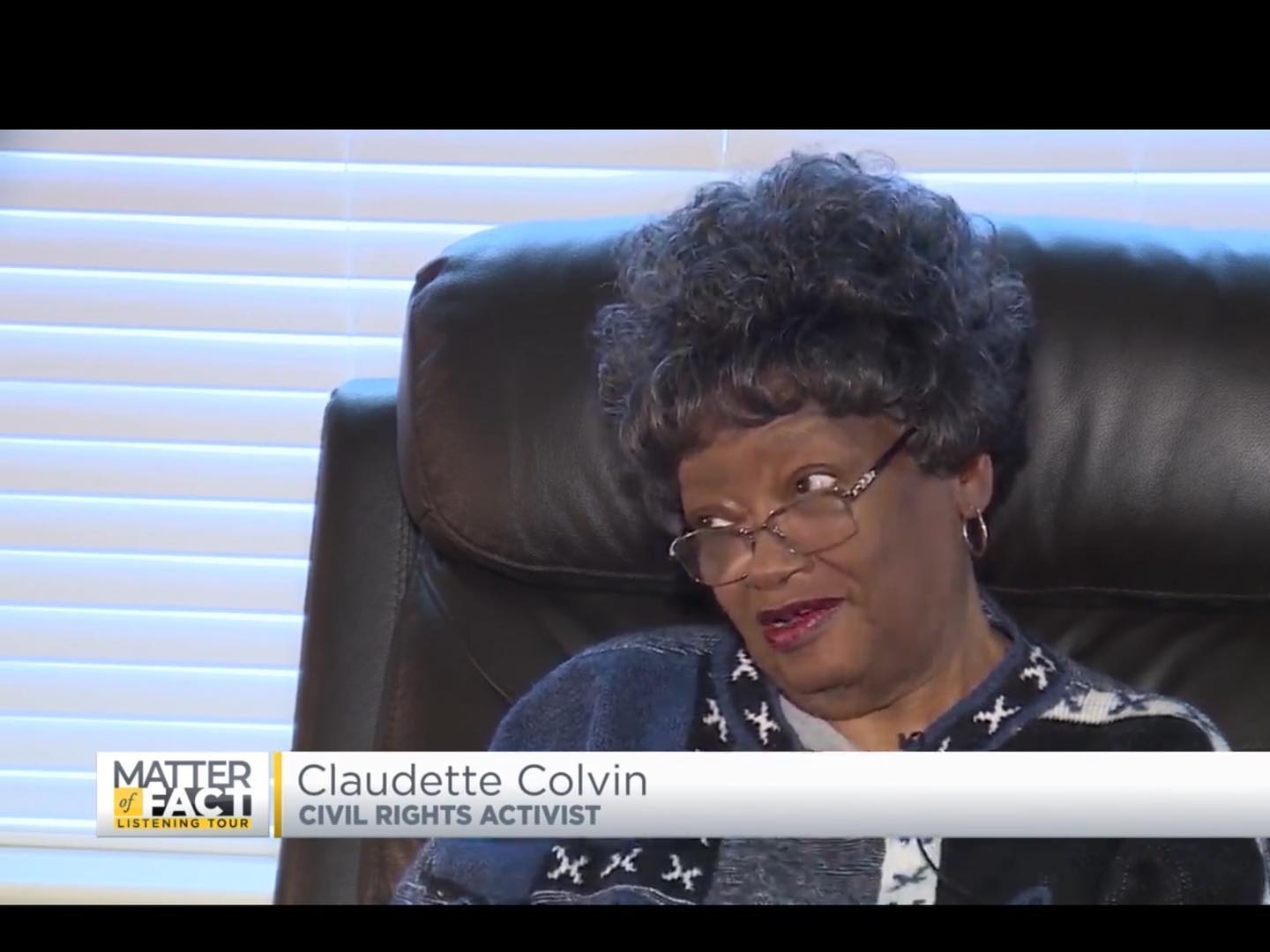
Nine months before Rosa Parks refused to give up her seat on a Montgomery bus, 15-year-old Claudette Colvin did the same thing.
Colvin was arrested and became one of four plaintiffs in the case that eventually struck down bus segregation in Alabama.
However, civil rights leaders chose not to make her the face of the movement because she was young, dark-skinned, and later became pregnant out of wedlock.
Parks, who was older and fit a more palatable image, was positioned as the symbol of resistance instead.
Colvin’s story remained largely unknown for decades, and she struggled financially even as the movement she helped launch achieved historic victories.
Only recently has her role been properly acknowledged.
Mileva Marić
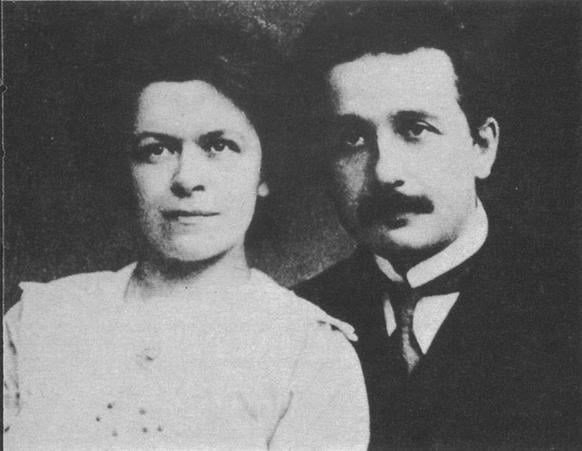
Mileva Marić was Albert Einstein’s first wife and a physicist in her own right, and there’s strong evidence she contributed significantly to his early work, including the theory of relativity.
Letters between the couple suggest collaborative efforts, and some scholars believe Marić’s mathematical skills were crucial to Einstein’s 1905 papers.
However, Einstein published the work under his name alone, and their divorce settlement reportedly included a clause giving Marić a share of any future Nobel Prize money, which some interpret as acknowledgment of her contributions.
After their separation, Einstein’s career soared while Marić struggled financially and faded into obscurity.
The debate over her role continues, but mainstream science has largely credited Einstein exclusively.
Rukmini Devi Arundale
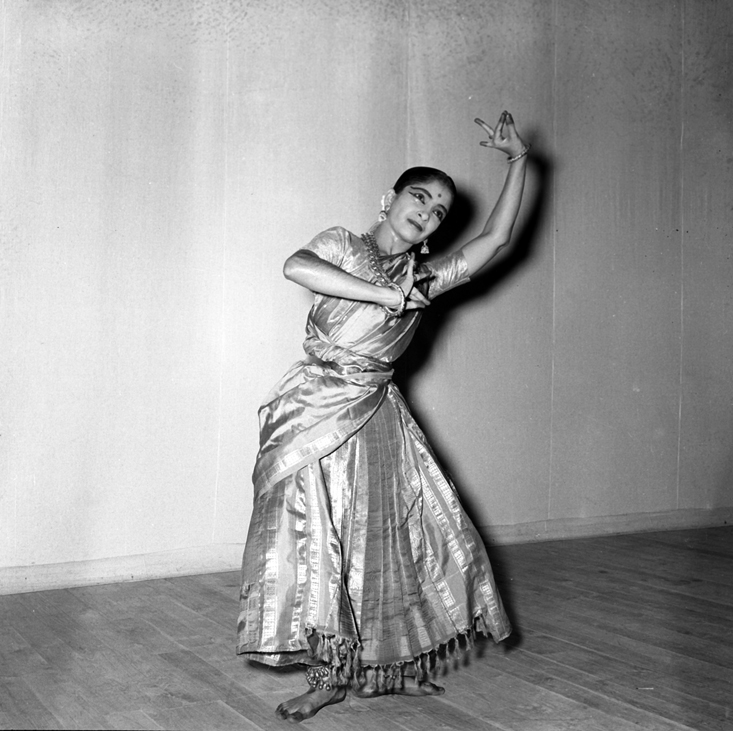
Rukmini Devi Arundale almost single-handedly revived Bharatanatyam, one of India’s oldest classical dance forms, at a time when it was stigmatized and nearly extinct.
In the early 20th century, the dance was associated with temple dancers and courtesans, and respectable society shunned it.
Arundale, from an upper-class Brahmin family, defied convention by learning and performing the art, then founded an academy that trained thousands of dancers.
She transformed Bharatanatyam into a respected cultural treasure and elevated its global profile.
Jeannette Rankin
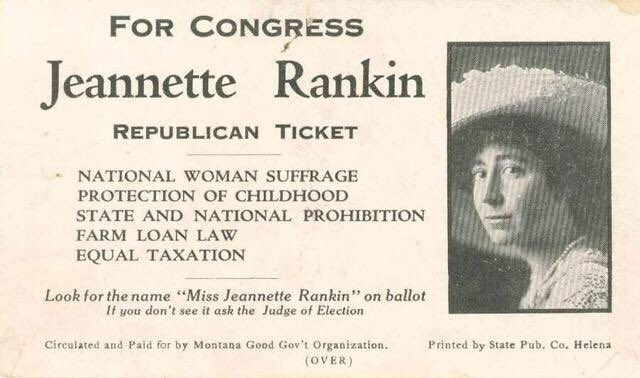
Jeannette Rankin was the first woman elected to the U.S. Congress, taking office in 1917, three years before women even had the right to vote nationwide.
She was a lifelong pacifist and cast the only vote against entering World War II, a decision that effectively ended her political career.
Rankin continued advocating for peace and women’s rights for the rest of her life, leading protests against the Vietnam War in her eighties.
Mary Anning
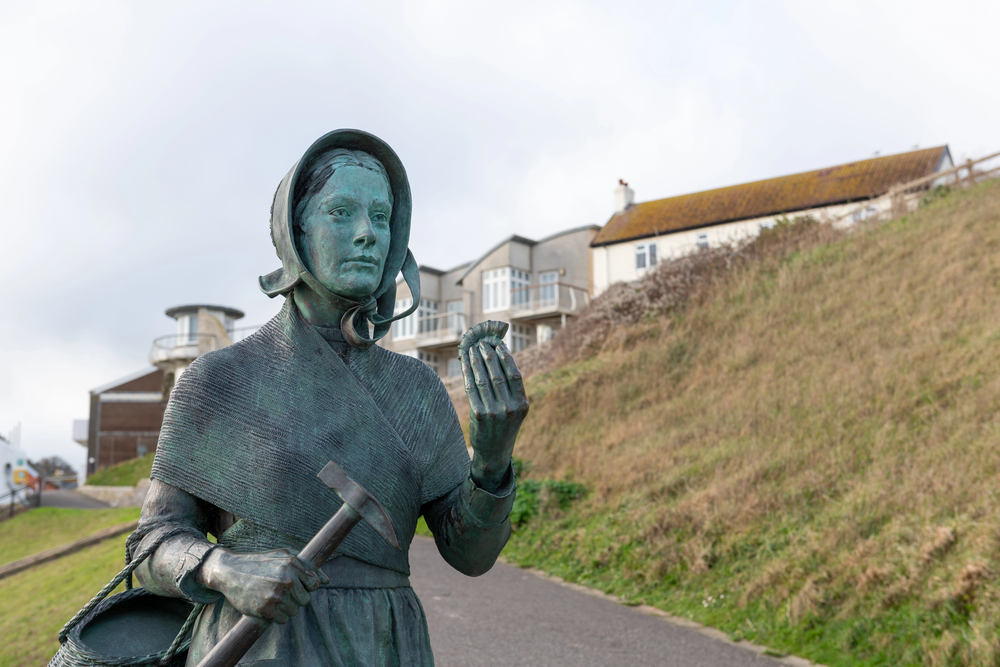
Mary Anning discovered some of the most important fossils in paleontology, including the first complete ichthyosaur skeleton, yet she received almost no recognition during her lifetime.
Working along the cliffs of Lyme Regis in England in the early 1800s, Anning made discoveries that reshaped scientific understanding of prehistoric life and extinction.
However, as a working-class woman with no formal education, she was excluded from scientific societies and rarely credited in publications.
Ida B. Wells
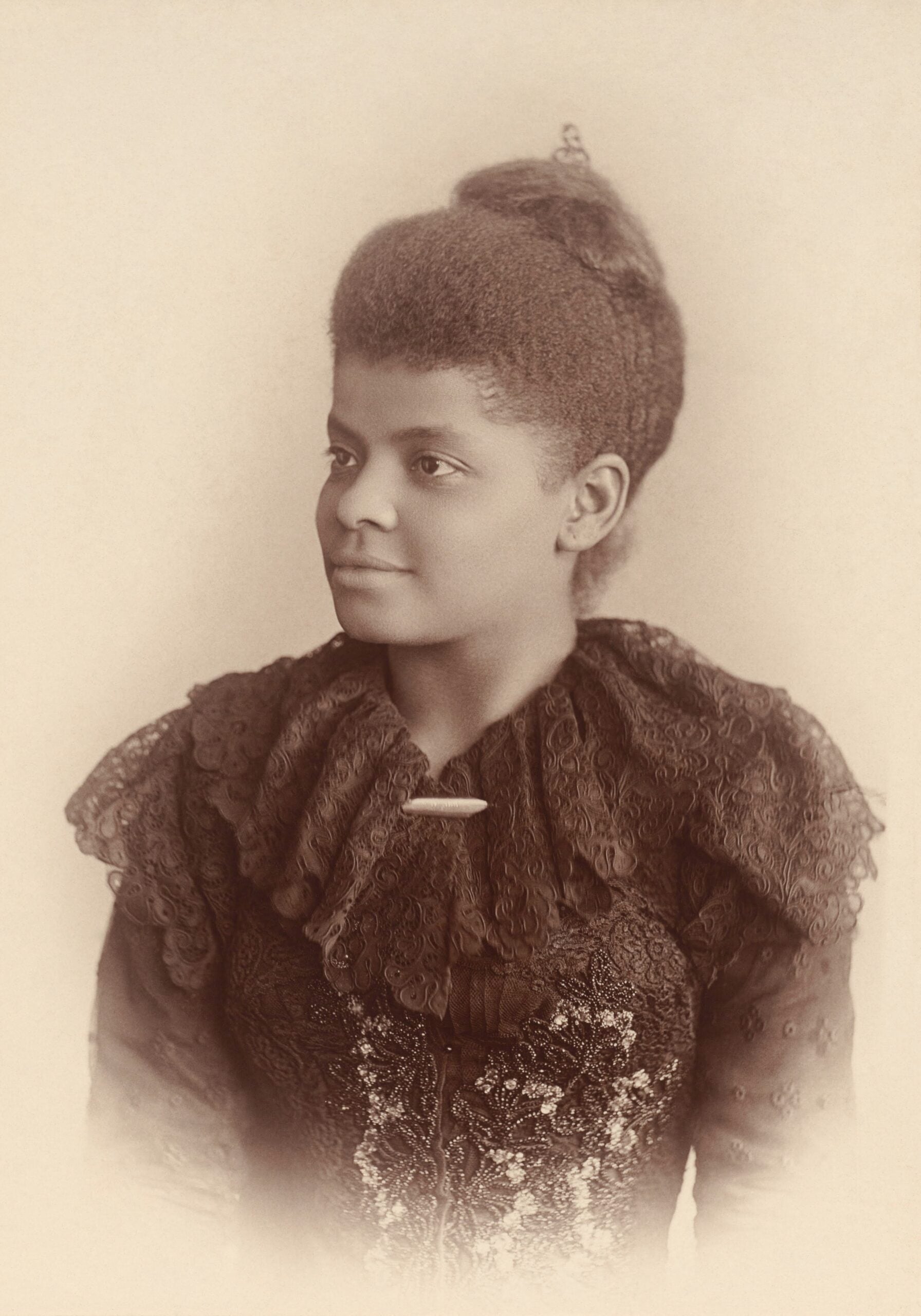
Ida B. Wells was an investigative journalist and activist who documented the horrors of lynching in America and campaigned tirelessly for anti-lynching legislation.
Her work in the 1890s exposed the lies used to justify racial violence and put her own life at risk.
Wells co-founded the NAACP and was a powerful voice for both racial and gender equality, yet her contributions were often overshadowed by male contemporaries like W.E.B. Du Bois and Booker T. Washington.
She was considered too radical, too confrontational, and too uncompromising for the more conservative elements of the civil rights movement.
Wells’ journalism laid the groundwork for investigative reporting on social justice, but her name only recently regained prominence.
Why They Matter Now
These women weren’t footnotes in history—they were architects of it.
The fact that their names nearly vanished says more about the systems that recorded history than it does about their importance.
Many were excluded simply because they were women, or because they were women of color, or because they didn’t fit the sanitized narratives that institutions preferred to tell.
More from Go2Tutors!

- The Romanov Crown Jewels and Their Tragic Fate
- 13 Historical Mysteries That Science Still Can’t Solve
- Famous Hoaxes That Fooled the World for Years
- 15 Child Stars with Tragic Adult Lives
- 16 Famous Jewelry Pieces in History
Like Go2Tutors’s content? Follow us on MSN.