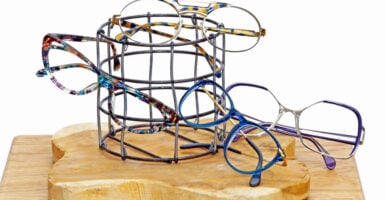
25 Vintage Eyeglass Frames Shops Buy
Old eyeglass frames occupy an unusual corner of the collecting world, valued not for their original prescription lenses, which are almost always replaced, but for the frame itself as a piece of industrial design. Materials, hinge construction, and manufacturer markings matter far more to buyers than whether the glasses still hold their original lens power.
Condition standards are strict, since even small cracks in older cellulose acetate frames can spread over time, and buyers routinely check hinges for looseness that would make a frame impractical to wear again. The categories below are among the styles shops and specialty dealers most consistently seek out from sellers.
Cat-Eye Frames

Defined by upswept outer corners that taper to a point, cat-eye frames were a dominant style through the mid-20th century and remain one of the most consistently in-demand vintage shapes today, both for collectors and for buyers seeking wearable pairs. Frames with intact, undamaged points at the corners are considerably more valuable than examples where the acetate has chipped or cracked at that stress point.
Two-tone color combinations, rather than a single solid color, are often more sought after due to their relative rarity.
Browline Frames
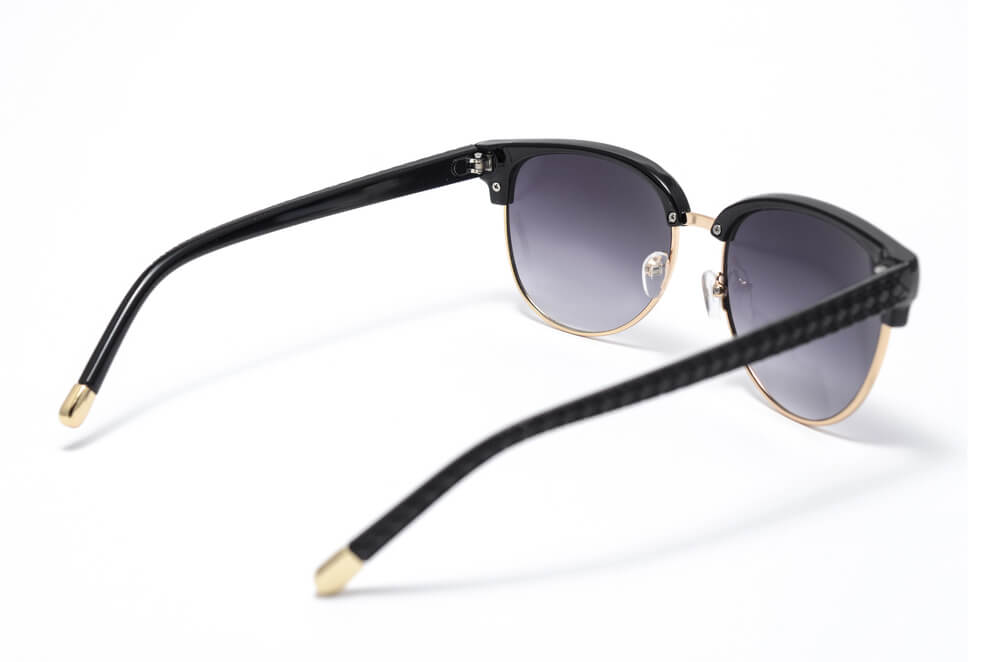
Featuring a heavier upper frame line mimicking the look of thick eyebrows, with a thinner metal lower rim, browline frames were a distinctive mid-century style that split the difference between a bold plastic frame and a subtler metal one. Buyers specifically look for examples where the join between the acetate top and metal bottom remains structurally sound, since this junction is a common failure point on worn pieces.
Original manufacturer markings on the inside of the temple arm are a key detail used to confirm authenticity over later reproductions.
Round Wire Frames

Simple circular frames made from thin wire, often in gold or silver tone, round wire frames have cycled in and out of fashion repeatedly, which keeps steady demand from both collectors and buyers seeking a wearable vintage pair. Buyers check carefully for pitting or discoloration in the wire, since thin metal frames corrode more visibly than heavier constructions.
Original nose pads, rather than replacements, add to a frame’s completeness and value.
Aviator-Style Frames
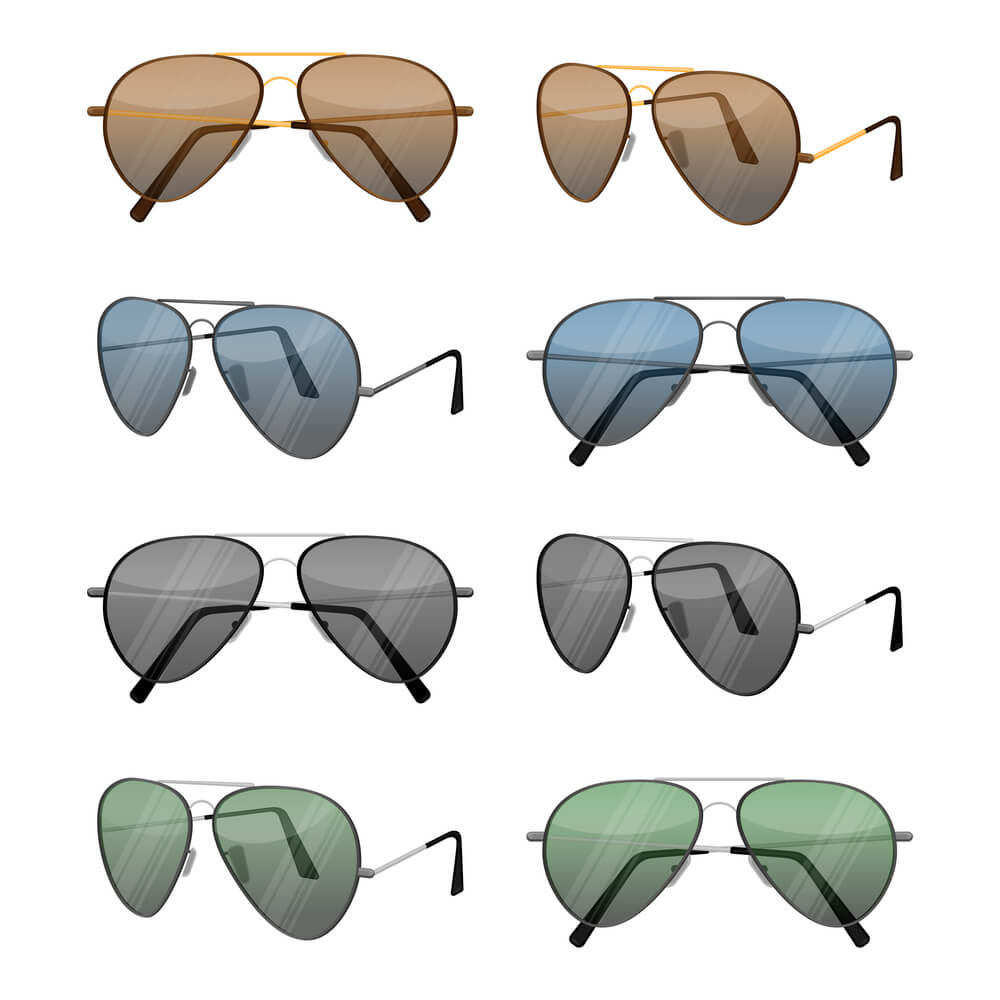
Featuring a distinctive teardrop lens shape and thin double-bridge construction, aviator frames were originally developed for functional sun protection before becoming a broader fashion style. Buyers specifically seek examples with intact original spring hinges, a mechanical detail that allowed the temple arms to flex without breaking.
Gold-filled construction, identifiable by a specific stamped marking, generally commands a higher price than plated versions that show base metal through worn plating.
Horn-Rimmed Frames
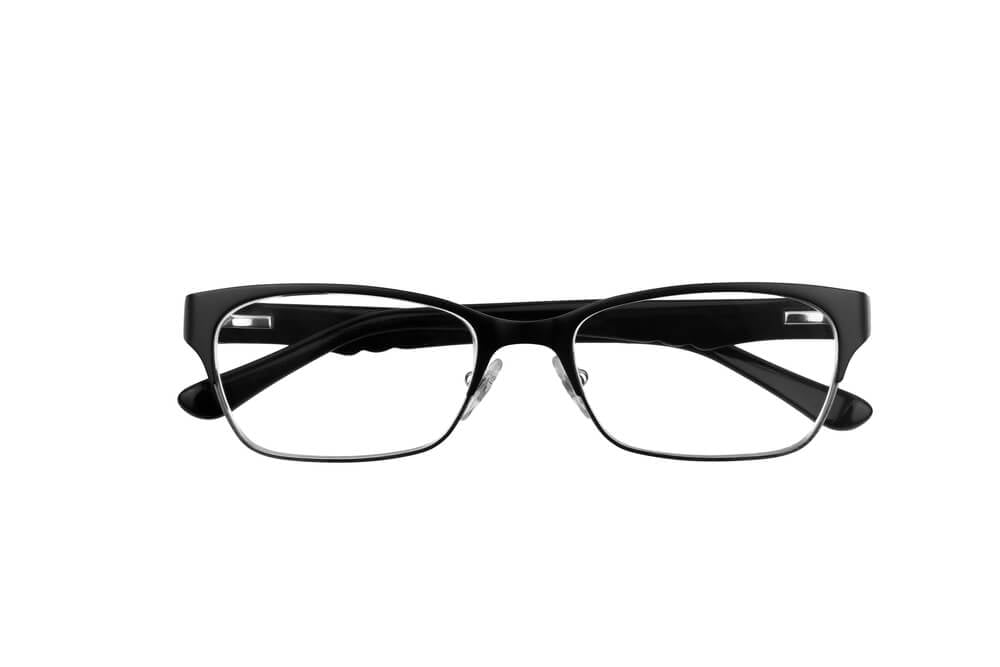
Made from genuine tortoiseshell material in earlier production before synthetic substitutes became standard, horn-rimmed frames are among the more complicated vintage categories due to international restrictions on the trade of genuine tortoiseshell material. Buyers today generally focus on frames made from synthetic acetate designed to mimic the tortoiseshell pattern rather than genuine shell material, given the legal complexities involved.
The mottled brown and amber pattern itself remains highly sought after regardless of the underlying material.
Oversized Square Frames
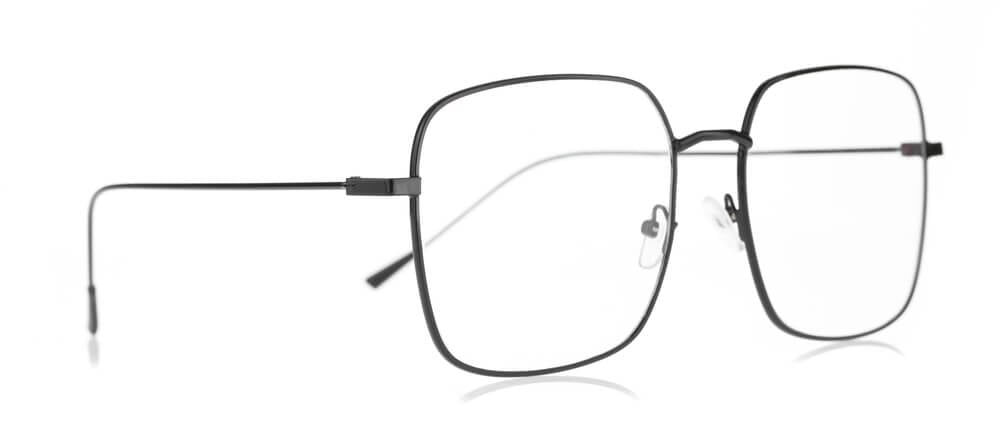
Popular for their bold, statement-making presence, oversized square frames from the 1970s are valued by buyers specifically for their scale, since reproduction frames rarely match the exact proportions of genuine vintage examples. Acetate in a deep, saturated color without significant fading is preferred over frames that have yellowed or lightened with age.
Buyers frequently check the hinge area closely, since the added weight of larger lenses puts additional stress on this component over decades of use.
Rimless Frames
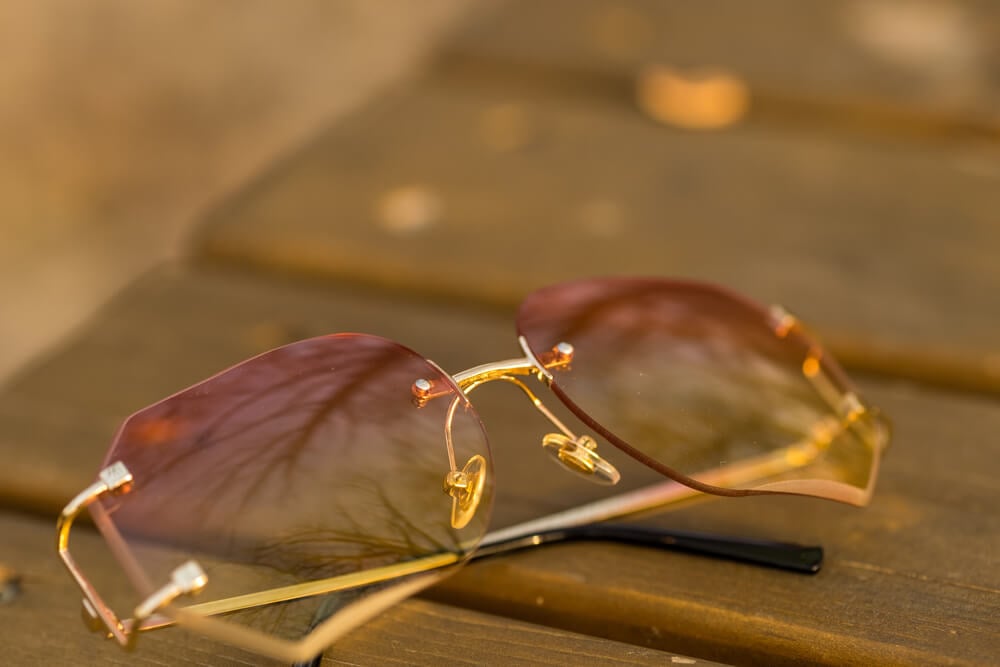
Constructed without a full frame around the lens, held instead by small drilled mounting points, rimless frames from earlier production eras are valued for their minimalist design and the precision required in their original manufacturing. Buyers examine the drilled mounting points closely for hairline cracks, since this is the most common failure point on rimless construction.
Original screws and mounting hardware, rather than replacements, are an important factor in a frame’s overall completeness.
Butterfly Frames
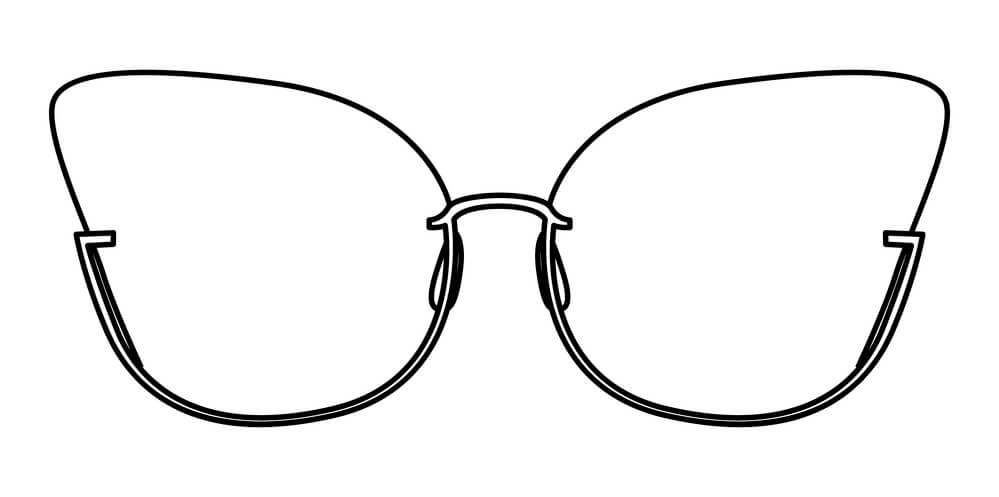
An exaggerated variation on the cat-eye shape, with even more dramatic upswept and widened outer edges resembling wings, butterfly frames represent a bolder subset of the broader cat-eye category. Their larger surface area makes color and pattern especially visible, and buyers specifically seek examples with vibrant, well-preserved acetate coloring.
Because their dramatic shape makes them harder to wear comfortably for extended periods, buyers note that these are frequently sought more for display or costume purposes than daily wear.
Windsor Rim Frames
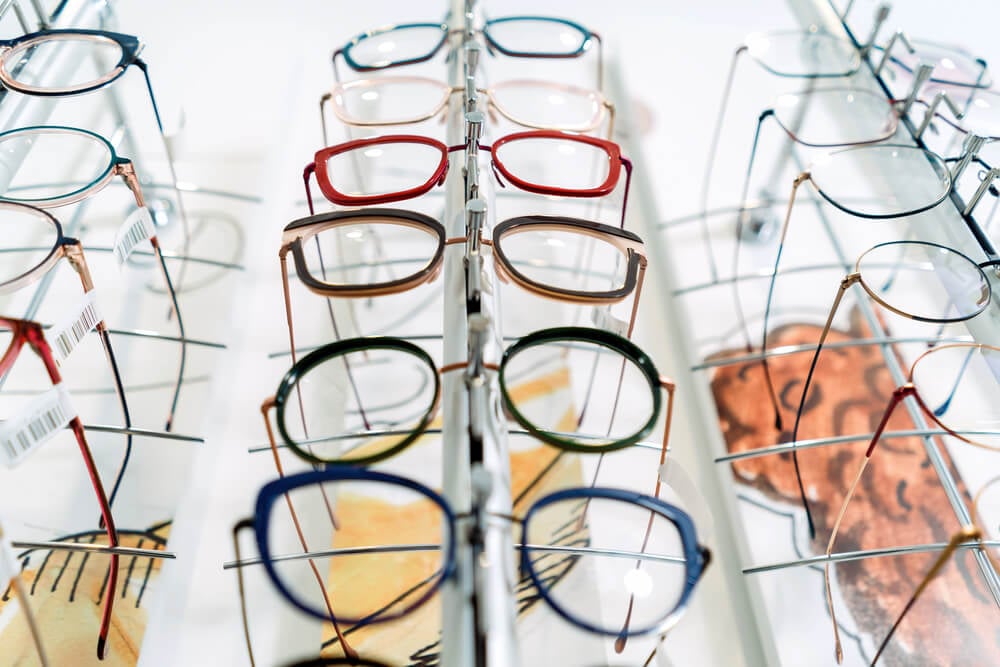
Featuring a thin metal rim around the lens combined with a saddle-style bridge, Windsor frames were associated with an academic or intellectual aesthetic through much of the 20th century. Buyers look for consistent plating across the entire rim, since uneven wear on the metal is a common issue with this style.
Original case and cleaning cloth, when included with a sale, can add modestly to overall value by suggesting careful storage over the frame’s lifetime.
Oval Wire Frames
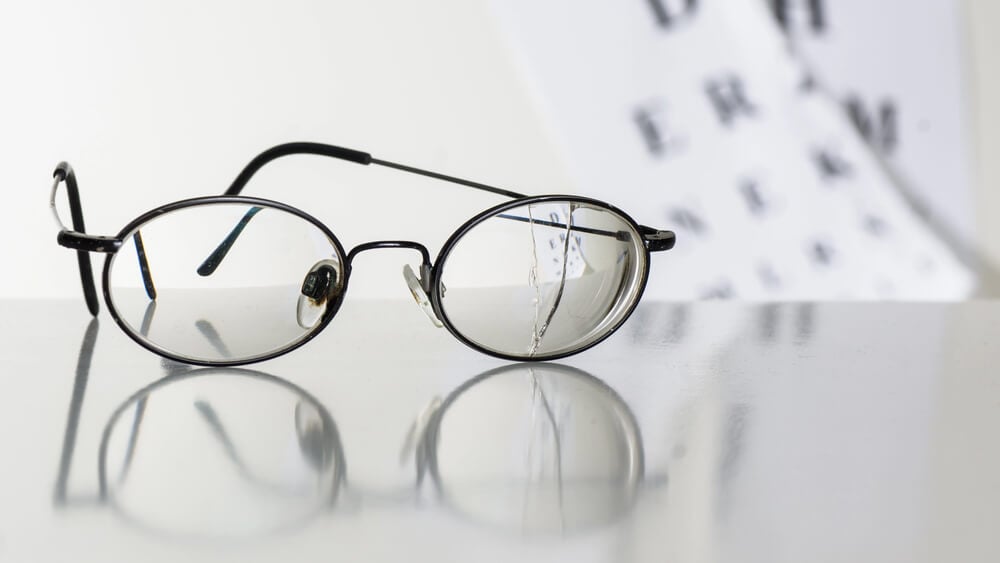
Similar in construction to round wire frames but with a more elongated oval lens shape, these frames were a common everyday style rather than a bold fashion statement, which paradoxically makes well-preserved examples somewhat harder to find, since they were often used until they wore out entirely rather than retired while still in good condition. Buyers specifically value examples with minimal wire discoloration and fully functional, unstretched hinges.
Two-Tone Combination Frames
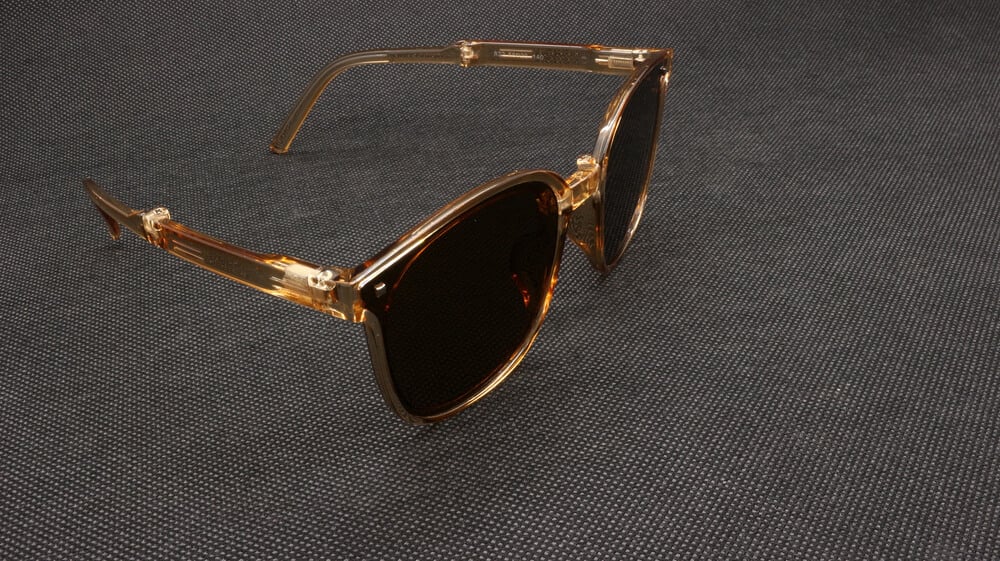
Blending two contrasting acetate colors, often with a darker upper section fading or transitioning into a lighter lower section, two-tone frames represent a more complex manufacturing process than a single-color frame. Buyers specifically seek examples where the color transition remains crisp and has not blurred or faded unevenly over time.
This style overlaps significantly with cat-eye and browline shapes, and two-tone examples within either category typically command a premium over single-color versions.
Flip-Up Sunglass Frames
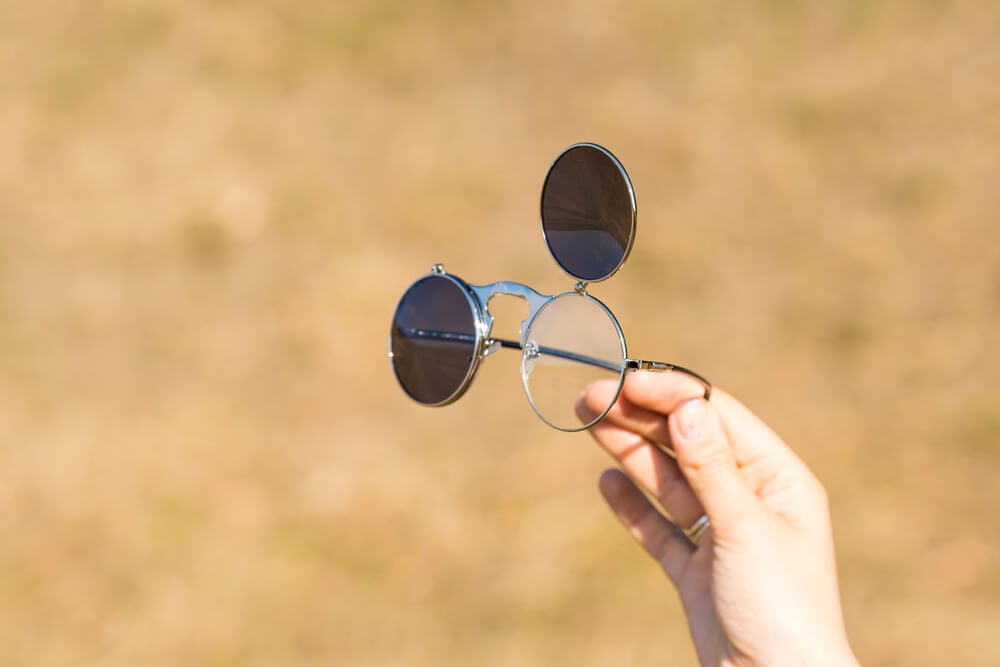
Featuring a hinged secondary lens that could be flipped up over the primary prescription lens, flip-up frames solved a specific practical problem for wearers who needed both a prescription pair and simultaneous sun protection. Buyers specifically test the flip mechanism for smooth, secure operation, since a loose or non-functional hinge significantly reduces the frame’s appeal.
This category is considerably rarer than standard sunglass frames, given the more complex original manufacturing involved.
Diamond-Point Temple Frames

Featuring small decorative studs or faceted points set into the temple arms, this detail added a jeweled accent to an otherwise standard frame shape and was typically reserved for higher-end original production. Buyers examine each decorative point closely to confirm none are missing or damaged, since a full, intact set of points is essential to the design’s visual impact.
This detail appears across multiple base shapes, including cat-eye and browline frames, rather than constituting its own distinct silhouette.
Faceted Acetate Frames
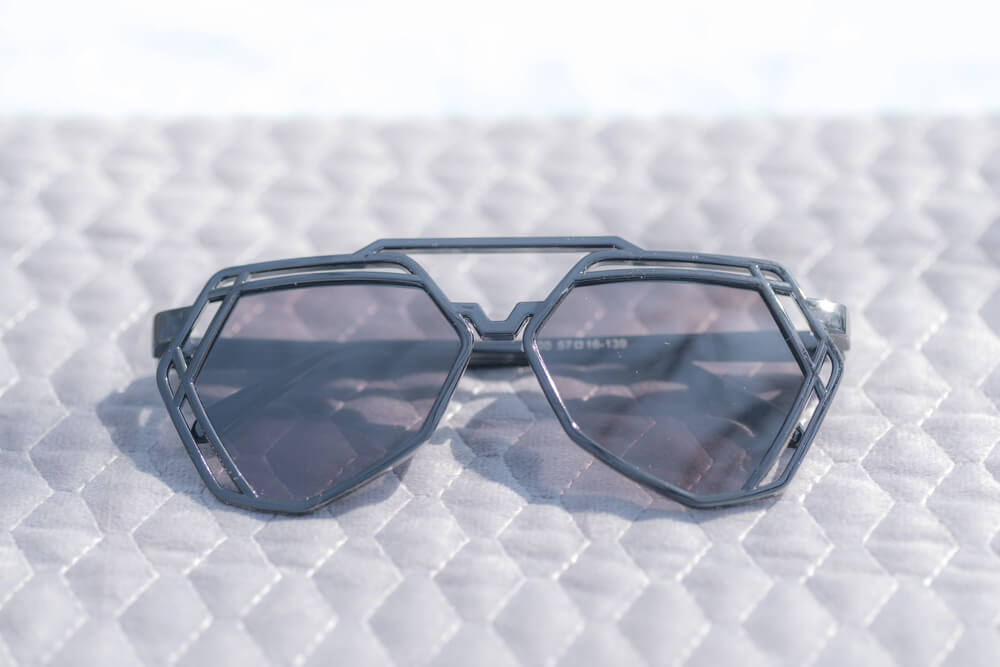
Cut with angled, gem-like facets along the frame’s edge rather than a smooth curved surface, faceted acetate frames reflect light in a distinctive way that smooth frames do not replicate. Buyers specifically look for sharp, well-defined facet edges, since these can soften and round off with decades of handling and wear.
This construction technique required more labor-intensive original manufacturing, which is reflected in generally higher prices for well-preserved examples today.
Layered Acetate Frames
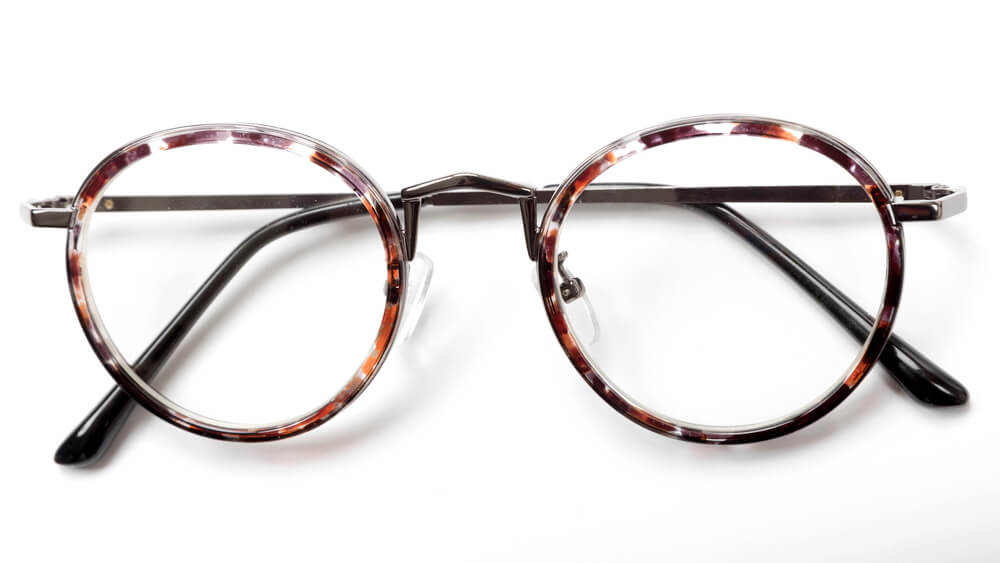
Built from multiple thin layers of acetate laminated together, often in contrasting colors, layered frames reveal a striped or marbled edge where the layers are visible along the frame’s profile. Buyers specifically seek examples where the lamination remains fully bonded, since separation between layers is a serious and largely irreversible defect.
The visible layering effect is considered a mark of higher-quality original manufacturing compared to single-layer acetate construction.
Keyhole Bridge Frames
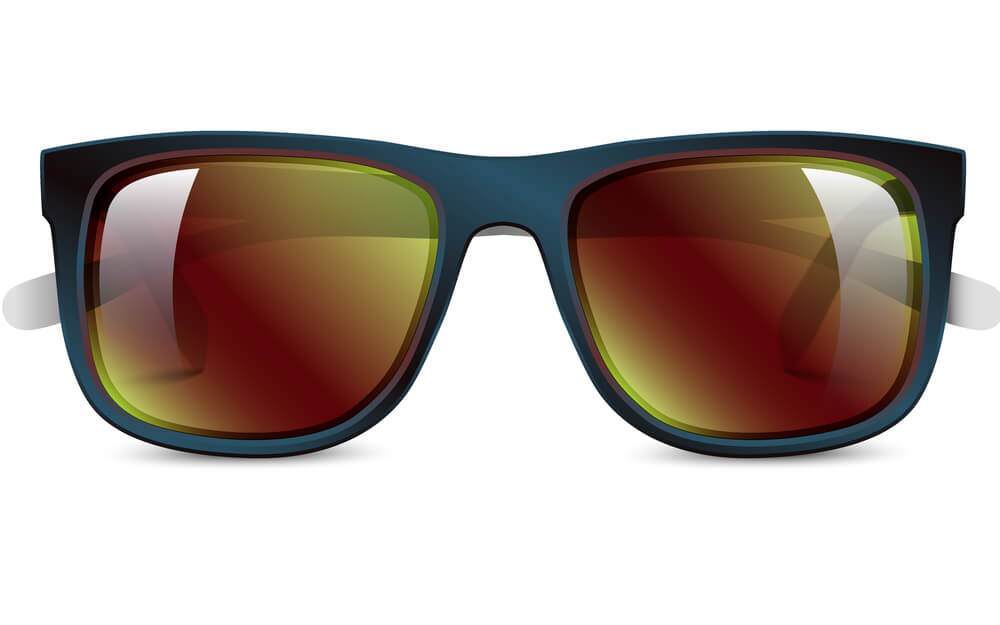
Named for the distinctive keyhole-shaped cutout where the bridge meets the lenses, this bridge style was both a functional weight-distribution solution and a visible design detail. Buyers examine the bridge area closely for stress cracks, since this is a common failure point given the material removed to create the keyhole shape.
This bridge style appears across multiple frame shapes and eras, making it a detail collectors track independently of the overall frame silhouette.
Metal Aviator Frames With Bayonet Temples
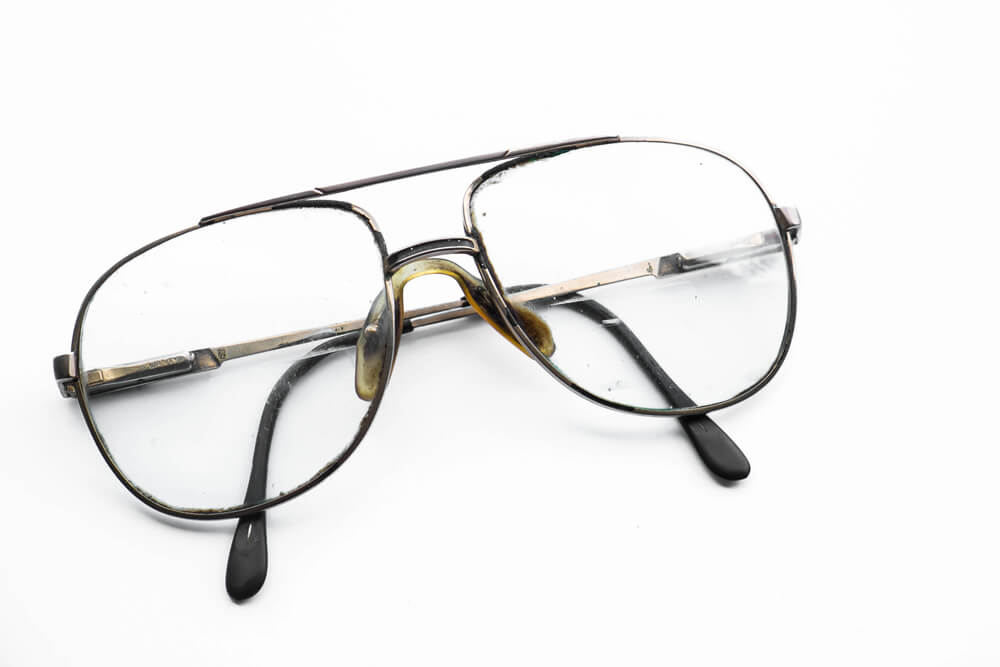
A variation on the standard aviator shape featuring temple arms with an angled bend rather than a straight design, bayonet temples were intended to improve fit and comfort. Buyers specifically check the bend point for metal fatigue or cracking, since this angled section experiences more stress than a straight temple arm.
Original manufacturer stamps near the hinge are closely examined to distinguish genuine vintage examples from later reproductions using a similar design.
Pantos Frames
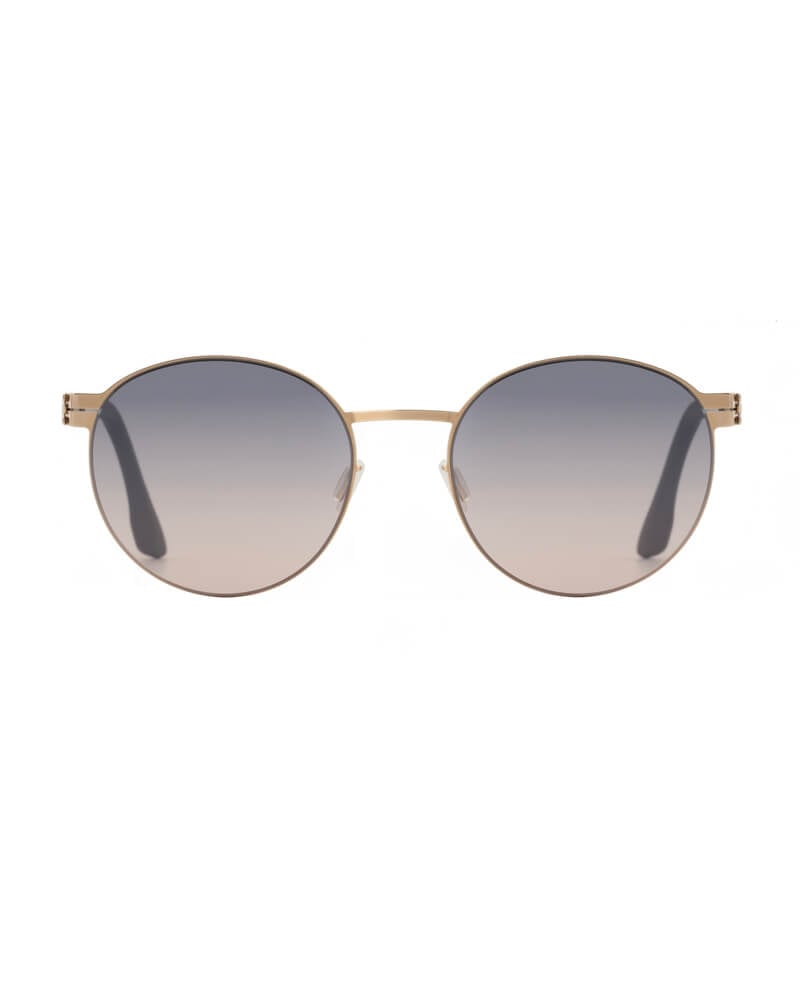
Featuring a simple rounded, slightly tapered lens shape without dramatic upswept corners, pantos frames represent an understated, classic style that predates many of the more dramatic mid-century shapes on this list. Buyers value examples in genuinely early production, identifiable through specific hinge construction and manufacturer markings, over later reissues using the same basic shape.
This style’s timeless quality has made it one of the more consistently reproduced vintage shapes, making authentication especially important to serious buyers.
Nylor Frames
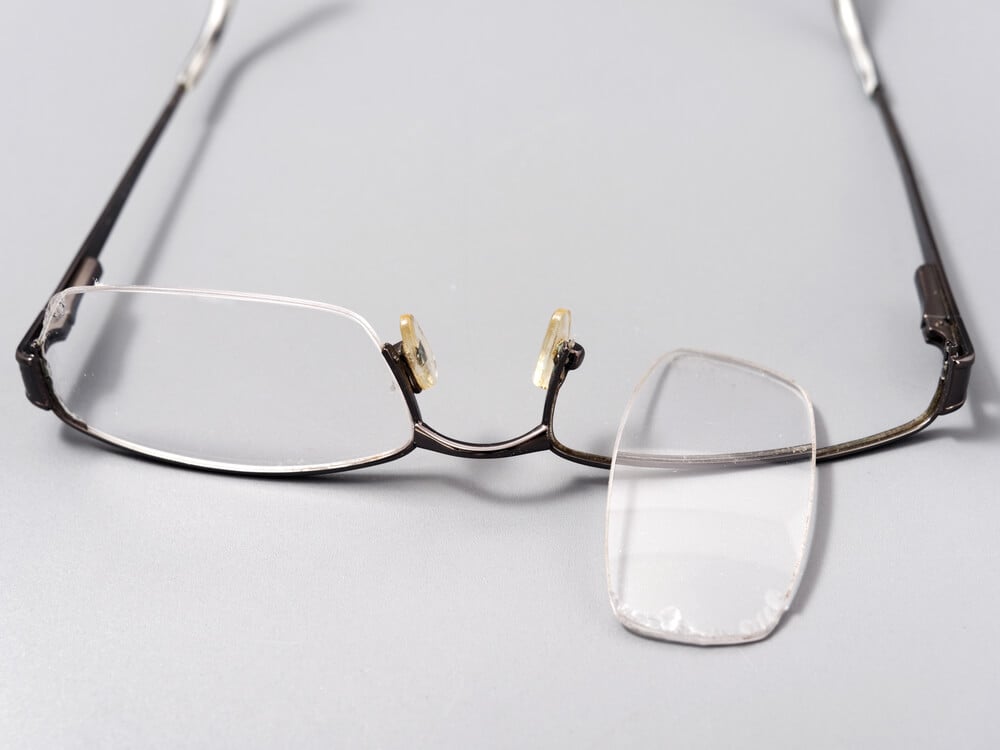
Using a thin nylon cord rather than a solid rim to hold the lens in place along its lower edge, nylor construction was a specific engineering innovation combining some benefits of rimless design with more structural stability. Buyers specifically check the condition of the nylon cord itself, since this material degrades with age and sun exposure far more readily than the metal or acetate frame components.
A frame with the original cord still intact and unreplaced is considered more valuable to purist collectors, despite the cord’s practical fragility.
Oxford Frames

A compact, minimalist round or oval shape without a bridge in the traditional sense, Oxford frames used a small clip or pinch mechanism to sit directly on the nose without arms extending to the ears in some earlier variations, though later versions incorporated standard temple arms. Buyers specifically seek examples with the original, often delicate spring mechanism still intact and functional.
This style’s rarity compared to more common shapes makes well-preserved examples a particular target for specialized collectors.
Colored Lens Frames With Original Tinted Glass
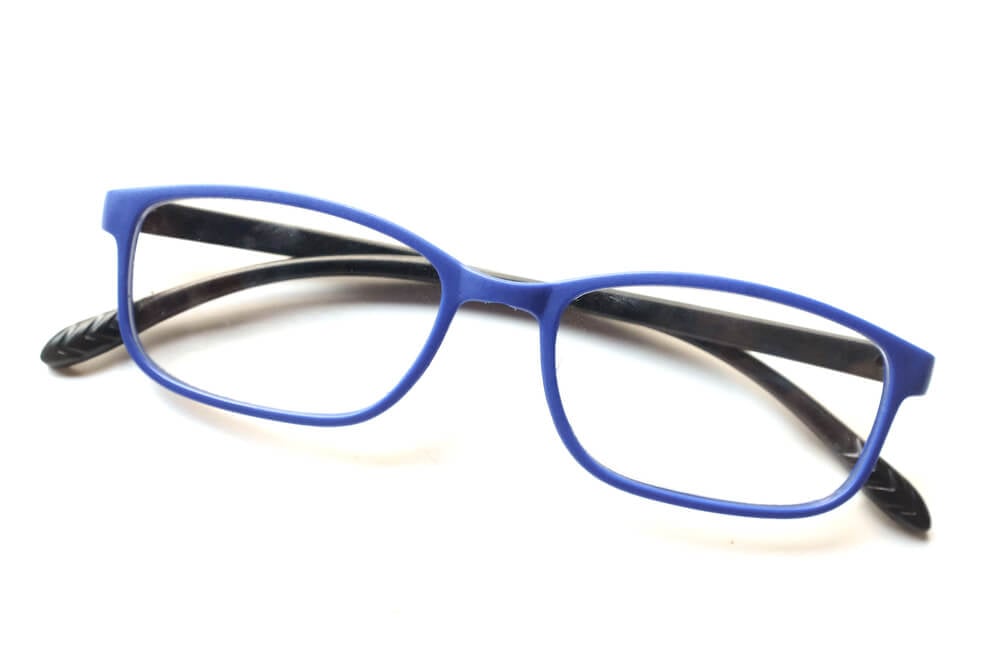
Distinct from the frame itself, original tinted glass lenses in good condition, free of significant scratching or clouding, add meaningfully to a frame’s overall value, particularly for sunglass-specific styles. Buyers specifically distinguish between original glass lenses and later plastic replacements, since glass was standard in earlier production before lighter plastic lenses became more common.
A frame retaining both its original shape and its original lens material is considered a more complete and historically accurate example.
Marbled Acetate Frames
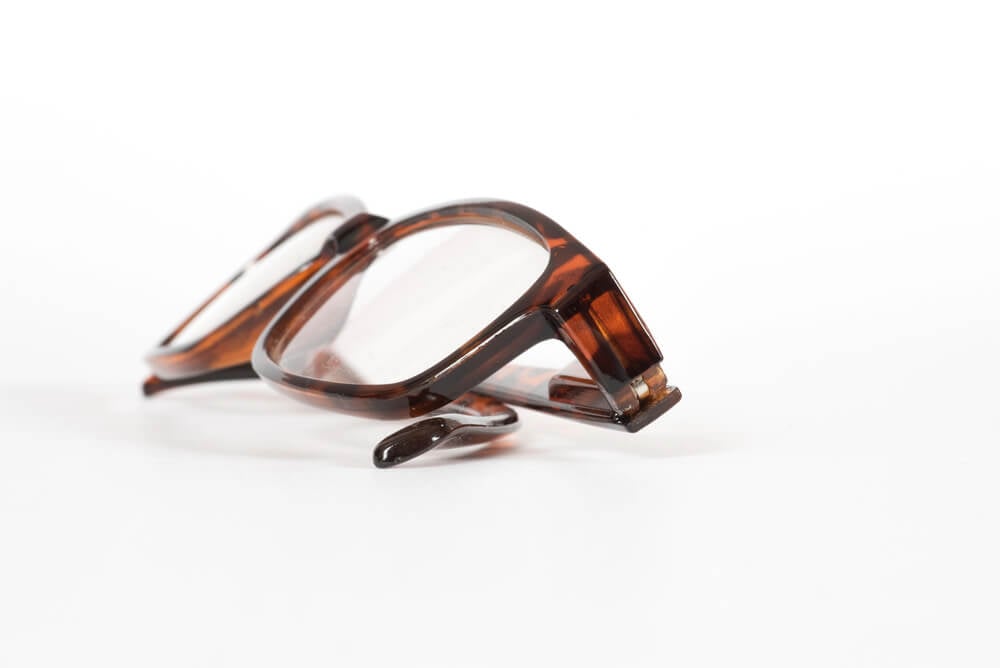
Featuring a swirled, marble-like pattern achieved by blending multiple colors of acetate during manufacturing, marbled frames produced a unique pattern in each individual piece rather than a uniform, repeatable color. Buyers specifically value examples with strong, high-contrast marbling, since some production runs produced more subtle, less visually striking patterns than others.
This unpredictability in the original manufacturing process is part of what makes certain marbled examples more desirable than others of the same general style.
Clip-On Sunglass Attachments
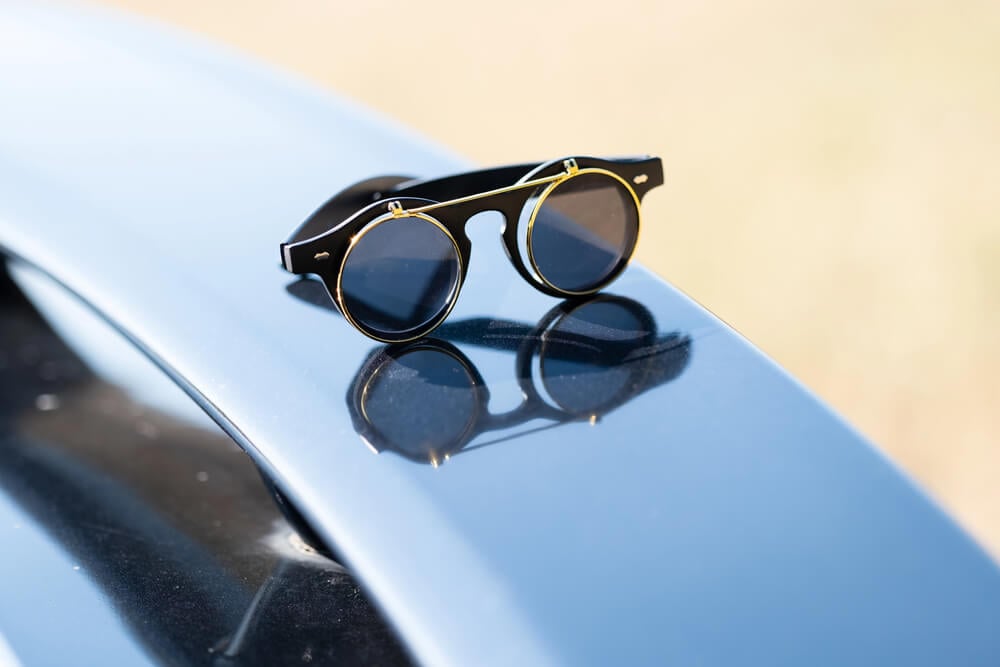
Designed to attach magnetically or mechanically to an existing prescription frame, clip-on sunglasses are collected both as accessories to a matched frame and independently for their own design merits. Buyers specifically seek clip-ons still paired with their original matching frame, since a correctly matched set is considerably harder to source than either piece separately.
The attachment mechanism itself, whether magnetic, spring-clip, or another style, is a key detail used to date and identify the manufacturer.
Saddle Bridge Frames

Featuring a bridge shaped to rest more broadly across the nose rather than pinching at two narrow points, saddle bridge construction was intended to improve comfort for extended wear. Buyers examine the saddle area closely for cracking, since this broader contact surface experiences different stress patterns than a standard bridge design.
This bridge style appears across multiple frame shapes and eras, making it, like the keyhole bridge, a detail tracked somewhat independently of overall silhouette.
Children’s Vintage Frames
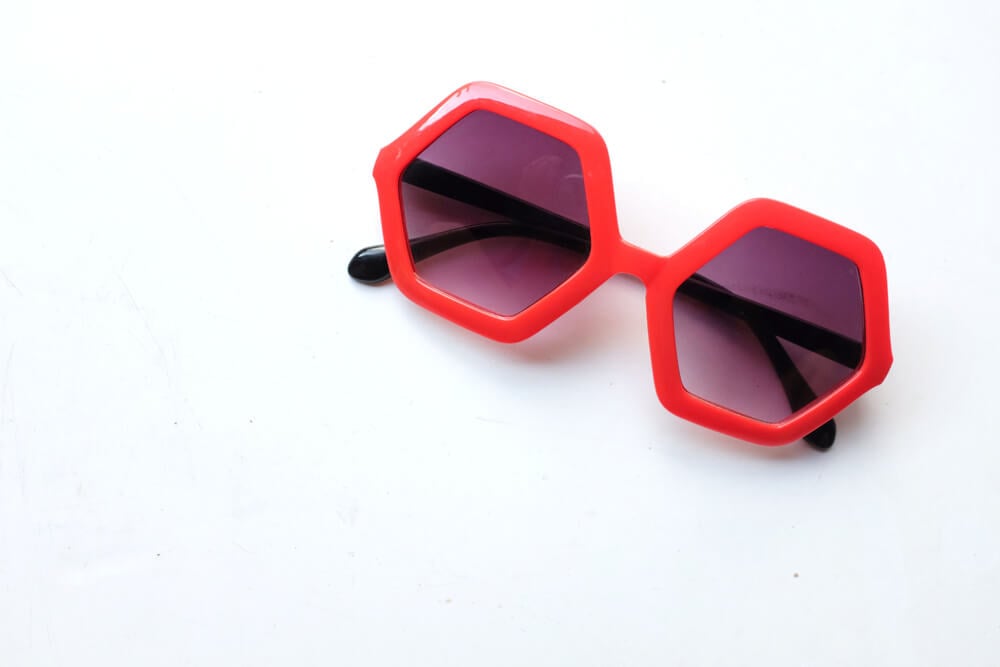
Smaller-scaled versions of standard adult frame shapes, children’s vintage frames are a notably underrepresented category in most collections, since they were more likely to be broken, outgrown, and discarded rather than carefully preserved. Buyers specifically seeking this category often pay a premium for well-preserved examples precisely because of their relative scarcity compared to adult frames from the same era.
Bright, playful colors and simplified versions of adult styles are common defining characteristics.
What the Frame Remembers
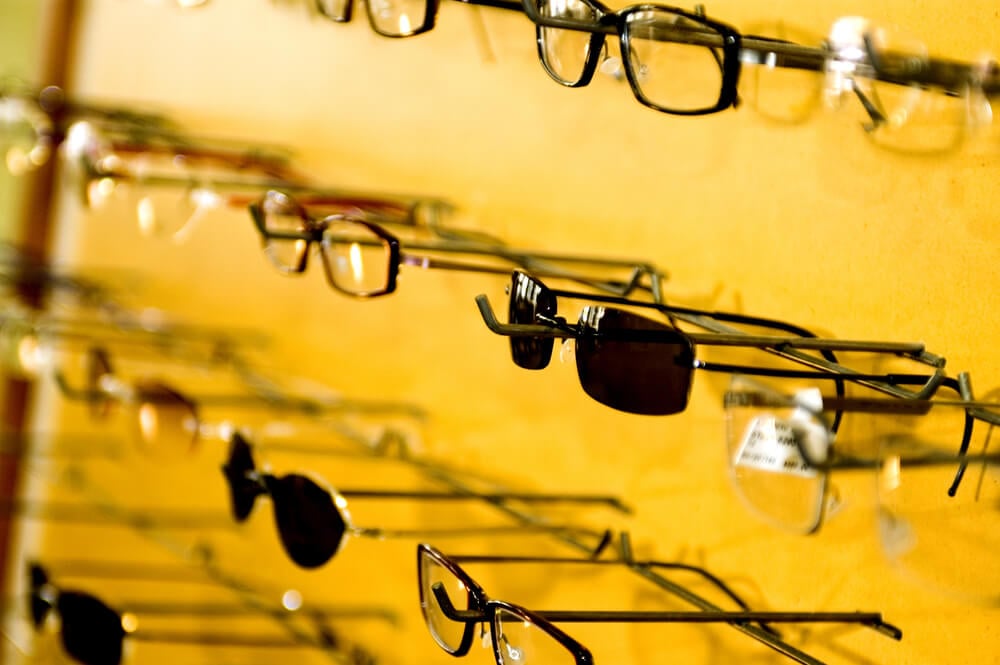
Unlike most vintage collectibles, eyeglass frames carry an unusually intimate history, shaped in small, specific ways by the exact face that wore them for years. A slightly loosened hinge, a faint discoloration where skin oils contacted the frame daily, or nose pads worn into a particular shape are not flaws so much as evidence of a genuinely personal object being used exactly as intended.
That intimacy is part of what makes the category compelling to collectors and shops alike. A pair of frames is rarely purchased for investment potential the way some other collectibles are.
It is purchased because a specific silhouette, hinge design, or acetate pattern captures something about mid-century manufacturing that no current production run quite replicates, however closely a modern designer might try.
More from Go2Tutors!

- The Romanov Crown Jewels and Their Tragic Fate
- 13 Historical Mysteries That Science Still Can’t Solve
- Famous Hoaxes That Fooled the World for Years
- 15 Child Stars with Tragic Adult Lives
- 16 Famous Jewelry Pieces in History
Like Go2Tutors’s content? Follow us on MSN.