How One Forgotten Treaty Quietly Shaped the Borders of an Entire Region
There are agreements that get framed and hung on walls, celebrated in history books, taught to schoolchildren as turning points. And then there are the other kind — the ones signed in obscure rooms by tired diplomats, filed away in archives, and more or less forgotten by everyone except the people whose land they quietly rearranged.
The Treaty of Turkmenchay, signed in February 1828 between the Russian Empire and Qajar Persia, belongs firmly in that second category. Most people outside the South Caucasus have never heard of it. And yet it drew lines across a landscape that are still contested, still bled over, and still reshaping lives nearly two centuries later.
The War That Made It Necessary
Russia won. That’s the short version.
The Russo-Persian War of 1826–1828 ended with Qajar forces routed, the Russian army deep inside Persian territory, and Abbas Mirza — the Qajar crown prince who had led the campaign — negotiating from a position of near-total collapse. The treaty that followed wasn’t a compromise; it was a dictation.
What Persia Actually Surrendered
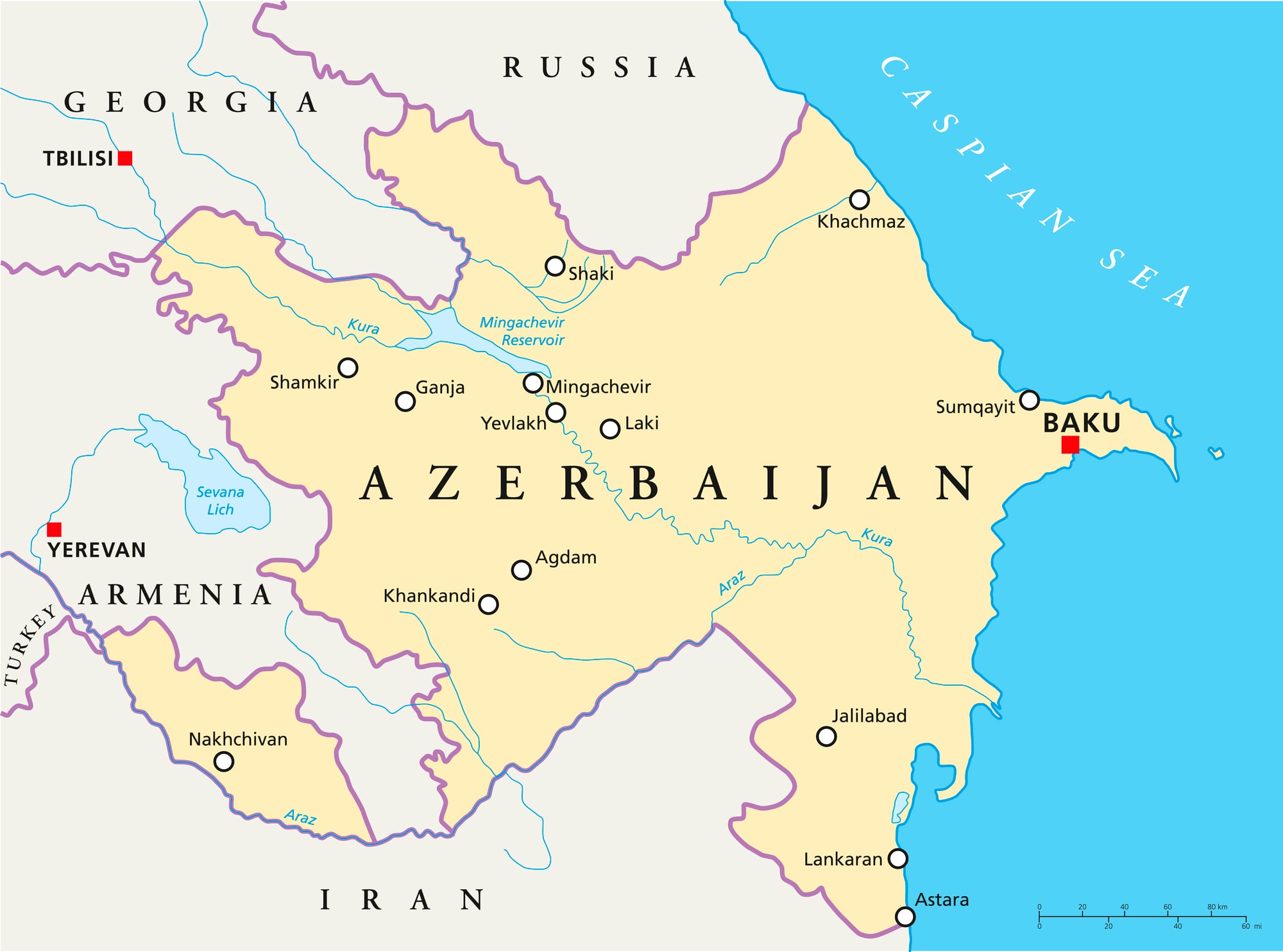
Persia ceded two khanates that would define the South Caucasus for generations: Erivan and Nakhchivan. These weren’t empty administrative zones — they were densely populated territories with distinct ethnic, religious, and cultural compositions, handed over in a document that took less time to sign than the war took to fight.
The Line That Split the Aras River
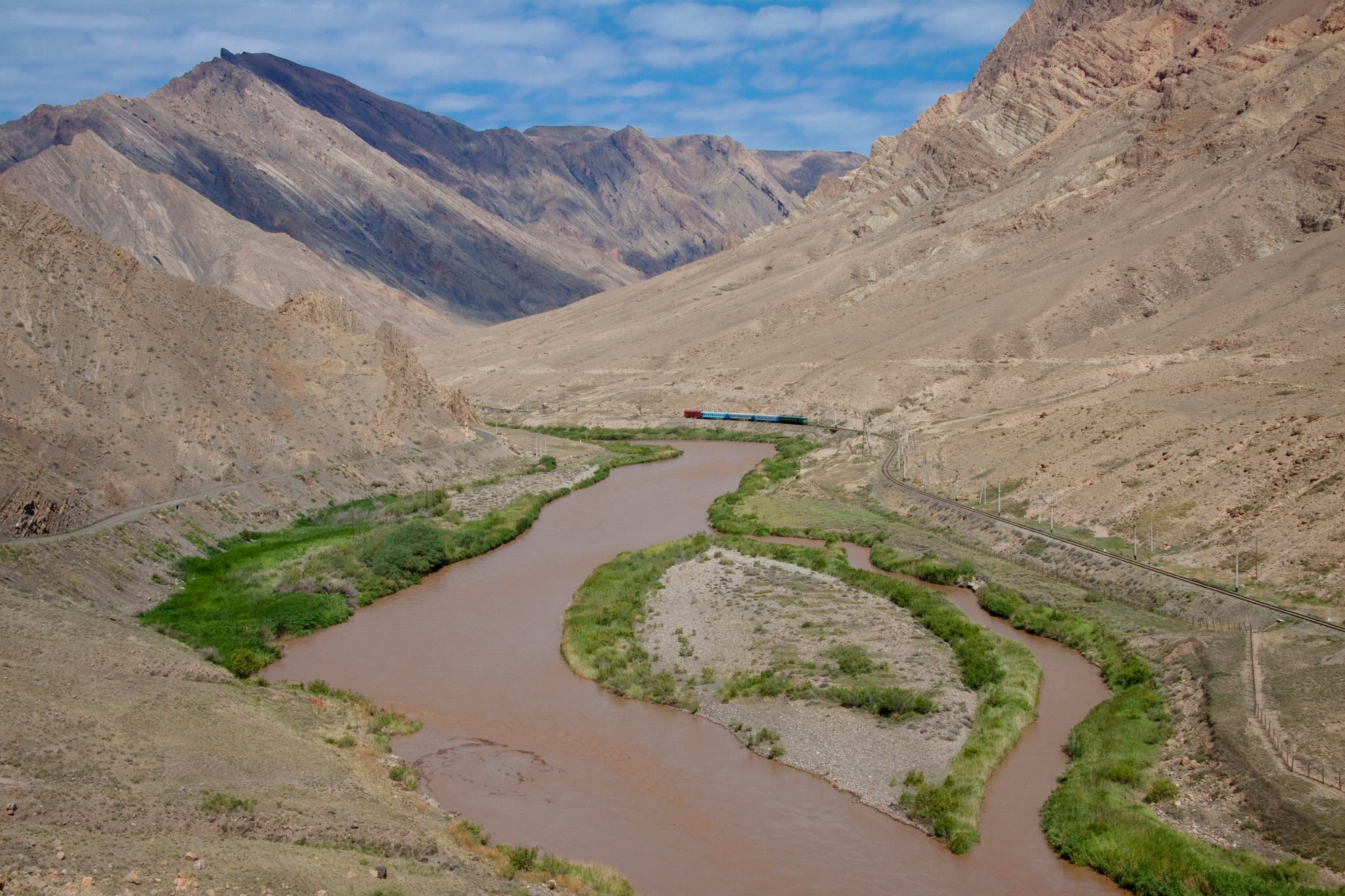
The Aras River became the new boundary between Russian and Persian territory, and that choice — apparently practical, geographically obvious — turned out to be one of the most consequential decisions in regional history. Rivers feel like natural borders until you realize that the communities living along both banks had never treated the water as a wall.
So it was imposed on them from outside, by men who had never stood on those riverbanks.
What Happened to the Armenian Population
The treaty included provisions for population resettlement — specifically, Armenians living in Persian-controlled territory were encouraged to relocate into the newly Russian-controlled khanate of Erivan. Between 1828 and 1830, somewhere between 40,000 and 57,000 Armenians made that move, fundamentally shifting the demographic weight of the region.
This wasn’t incidental. It was deliberate, and it planted seeds that would grow into something far more complicated over the next hundred years.
The Creation of the “Armenian Oblast”
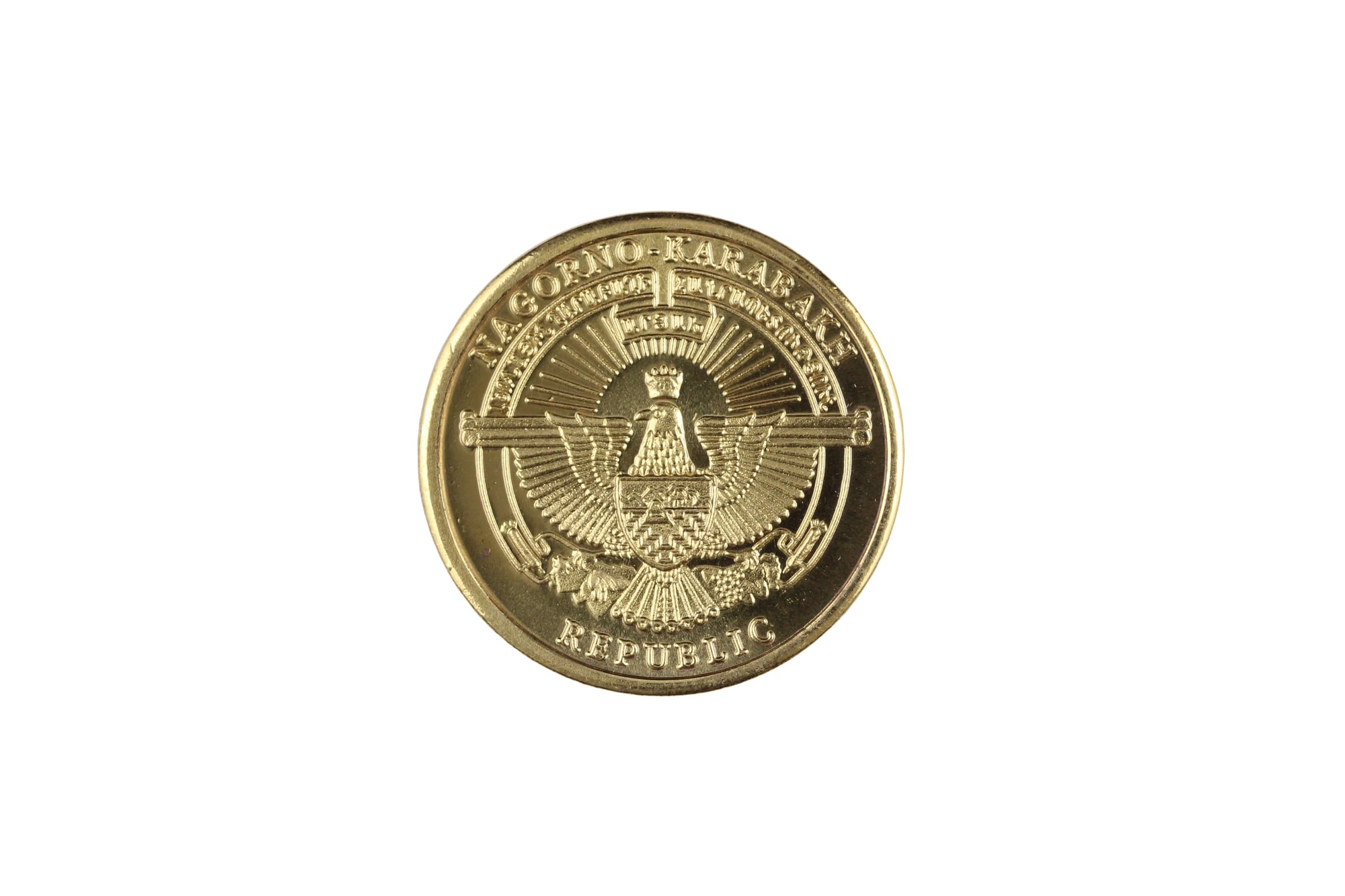
Almost immediately after the treaty, Russia reorganized its new acquisition into the Armenian Oblast — a territorial designation that hadn’t existed before and that consciously named the region after one of its populations. This was administration as a political statement: a way of anchoring Armenian presence in the Caucasus under Russian protection while simultaneously marginalizing others.
The name stuck around for only about a decade before being absorbed into the larger Erivan Governorate, but the demographic logic it represented never went away.
Nakhchivan and Its Peculiar Geography
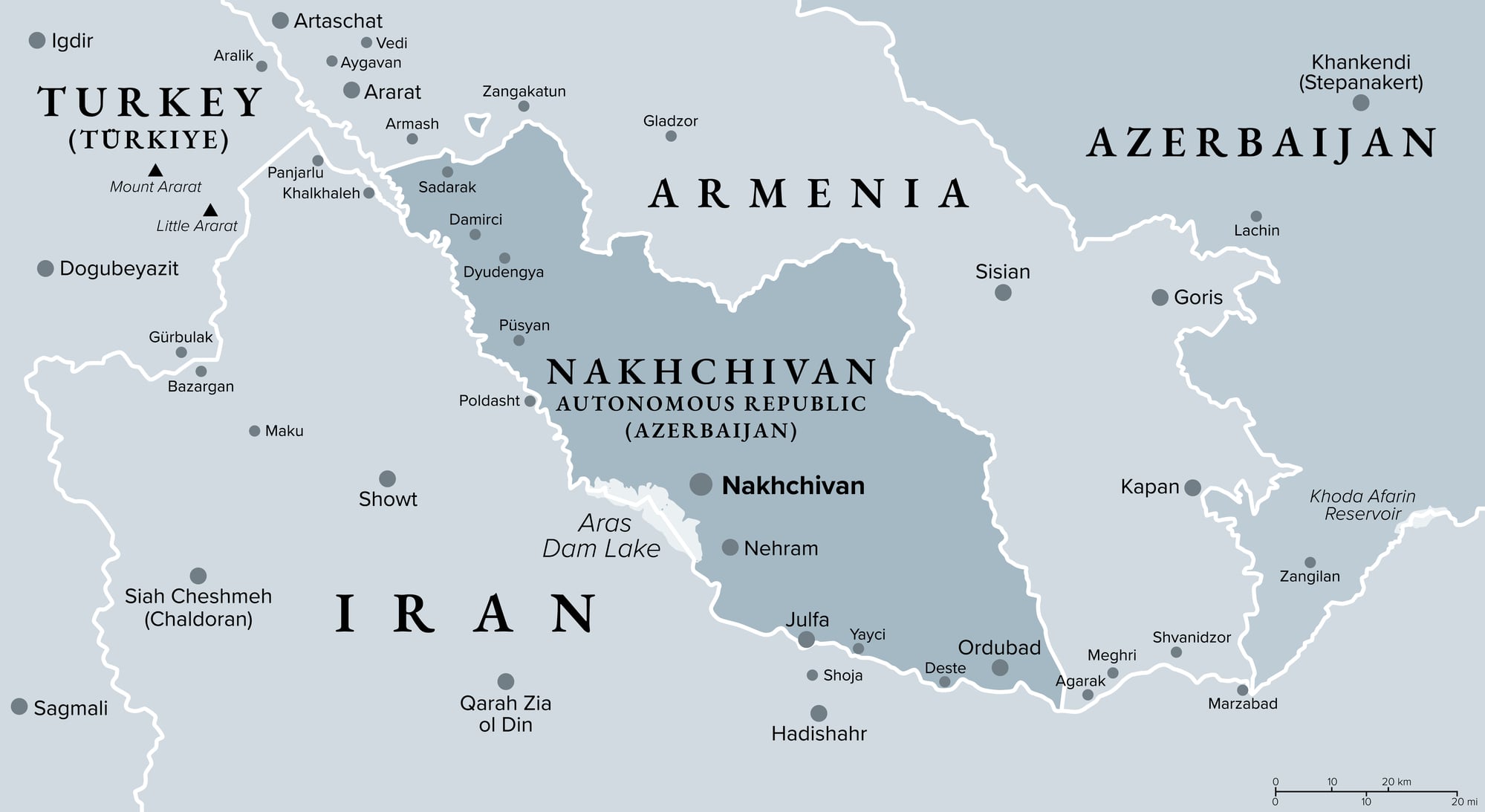
Nakhchivan is one of those places that makes you realize how strange borders can get when politics, not geography, is doing the drawing. Transferred from Persia to Russia under Turkmenchay, it eventually became part of Soviet Azerbaijan — but as an exclave, physically separated from the rest of Azerbaijan by a strip of Armenian territory.
That separation, which defines Nakhchivan’s existence to this day, traces its origins directly back to the administrative decisions cascading out of 1828.
The Azerbaijani Dimension
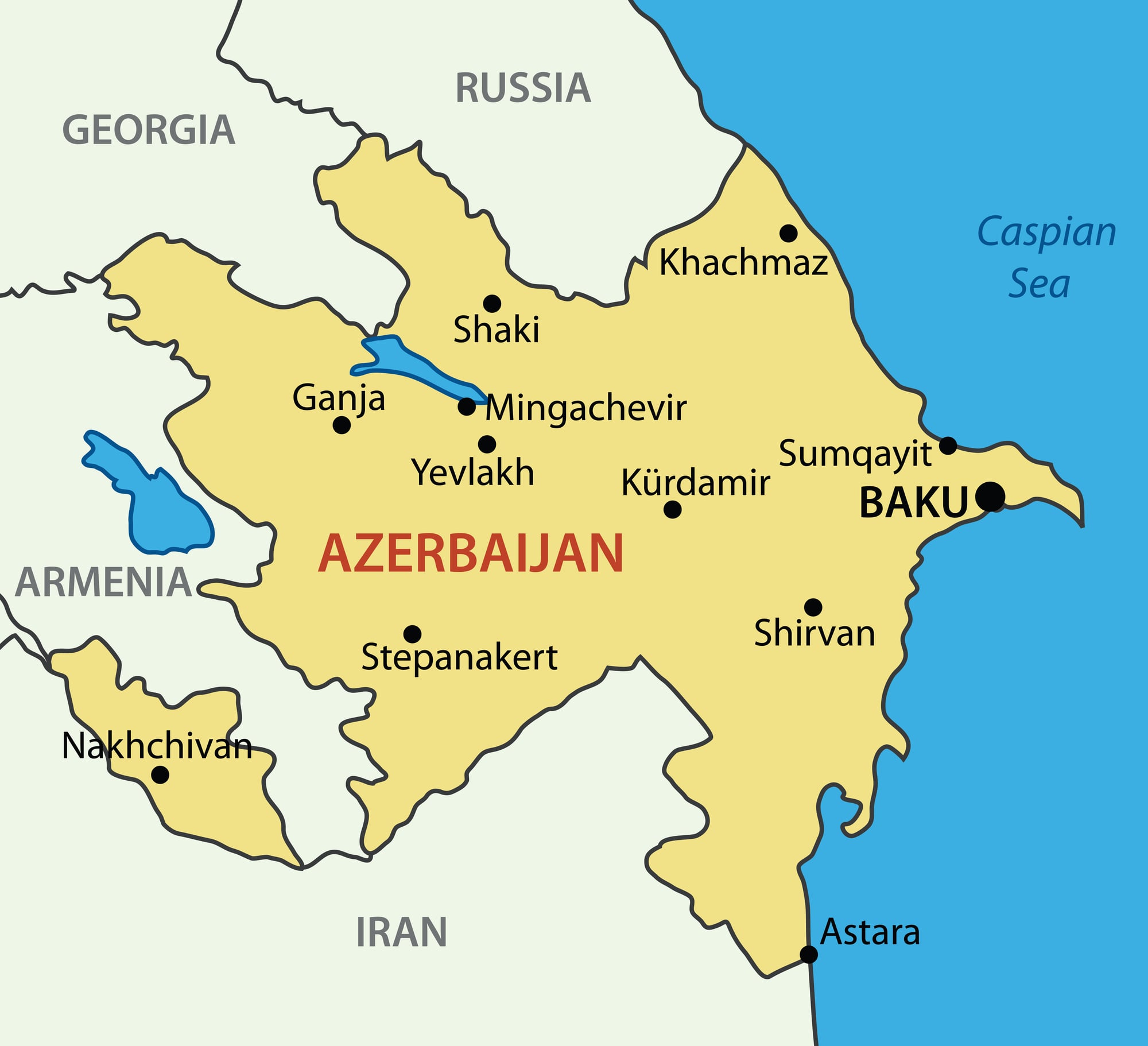
The Turkic-speaking Muslim populations of the Erivan and Nakhchivan khanates — people who would later come to be called Azerbaijanis — found their world reorganized around them by a treaty they had no hand in drafting. Their communities were now embedded in a Russian imperial structure that categorized, counted, and administered them on Russian terms, and the demographic competition with the resettled Armenian population was baked in from the start.
You could argue that the conflict still running between Armenia and Azerbaijan today has a direct bloodline back to those resettlement policies.
How Russia Used the Treaty as a Template
Turkmenchay wasn’t just a one-off; Russia treated it as a proof of concept for how to absorb contested Caucasian territory. The combination of formal cession, population engineering, and immediate administrative reorganization became a playbook that Russian imperial strategists would reach for again — in other parts of the Caucasus, in Central Asia, in arrangements that would outlast the empire itself and resurface in Soviet policy.
To be fair, every empire borrows from its own successes.
The Article Thirteen Problem

Article 13 of the treaty is one of those clauses that looks bureaucratic until you read it carefully. It granted Russian subjects extraterritorial privileges inside Persia — legal protections, essentially, that placed Russians beyond the reach of Persian courts on Persian soil.
This was the same logic that European powers were simultaneously imposing on China through unequal treaties, and it signaled something important: Turkmenchay wasn’t just about the Caucasus. It was about which empires got to operate on what terms, and Persia was being told clearly where it stood.
Indemnities and the Financial Stranglehold

Persia was also required to pay a war indemnity of ten kurur of tomans — roughly the equivalent of 20 million rubles — to Russia. This was a staggering sum for a state already economically exhausted by two wars in a decade (Turkmenchay followed an earlier loss in 1813 under the Treaty of Gulistan), and the financial strain it imposed on the Qajar government reverberated through Persian domestic politics for years.
Weakness invites pressure, and the indemnity made Persia weaker in ways that proved very hard to reverse.
The Reaction in Tehran
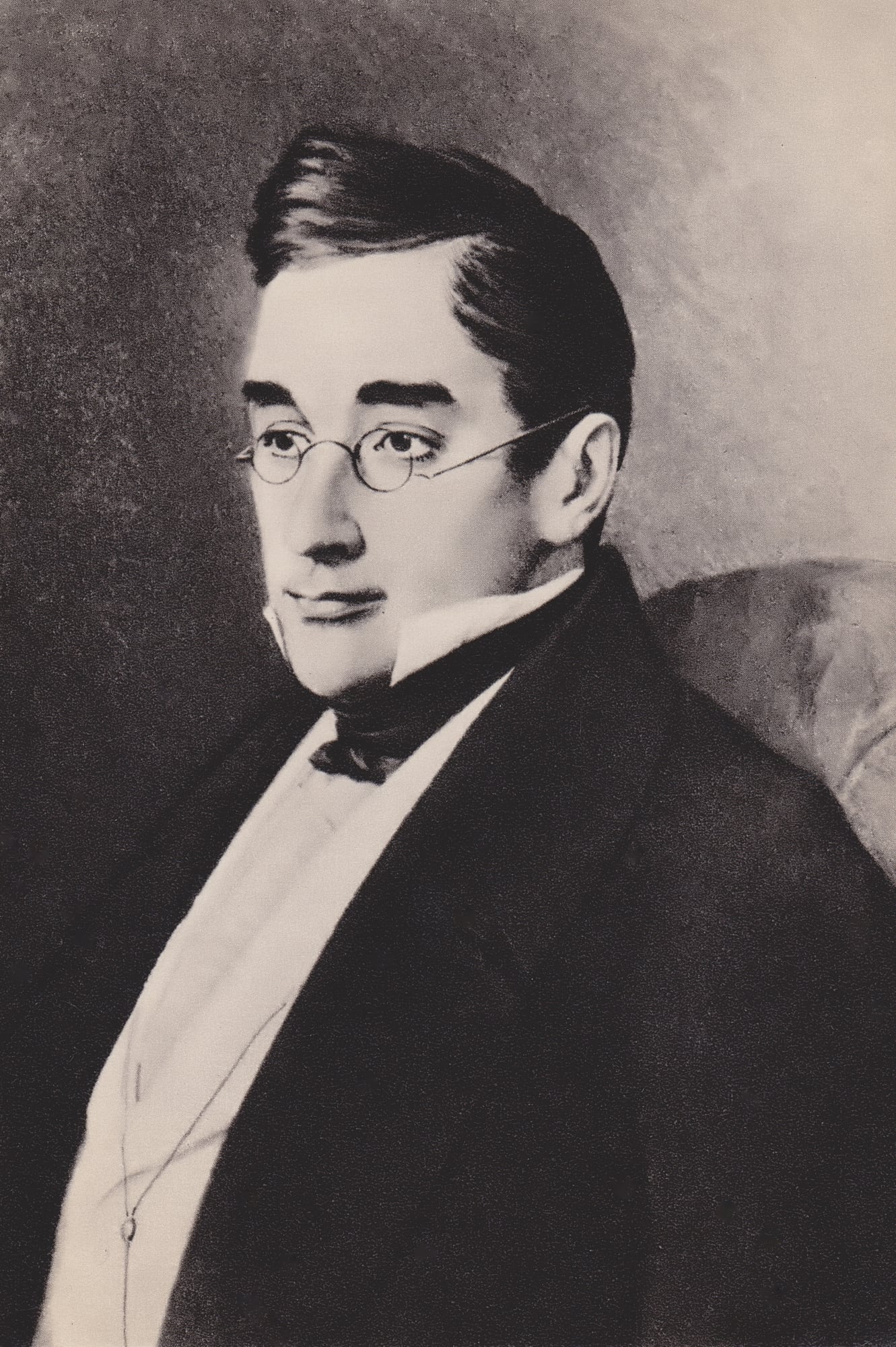
The Russian diplomat Alexander Griboyedov — who had actually helped negotiate the treaty — was sent to Tehran to oversee its implementation and found the city seething. In February 1829, a mob stormed the Russian mission, and Griboyedov was killed along with nearly his entire staff.
It was one of the most dramatic diplomatic incidents of the 19th century, largely forgotten outside specialist circles, and it tells you something about how the treaty was received by the people it was imposed upon: not as a settlement, but as a wound.
What the Soviet Union Inherited
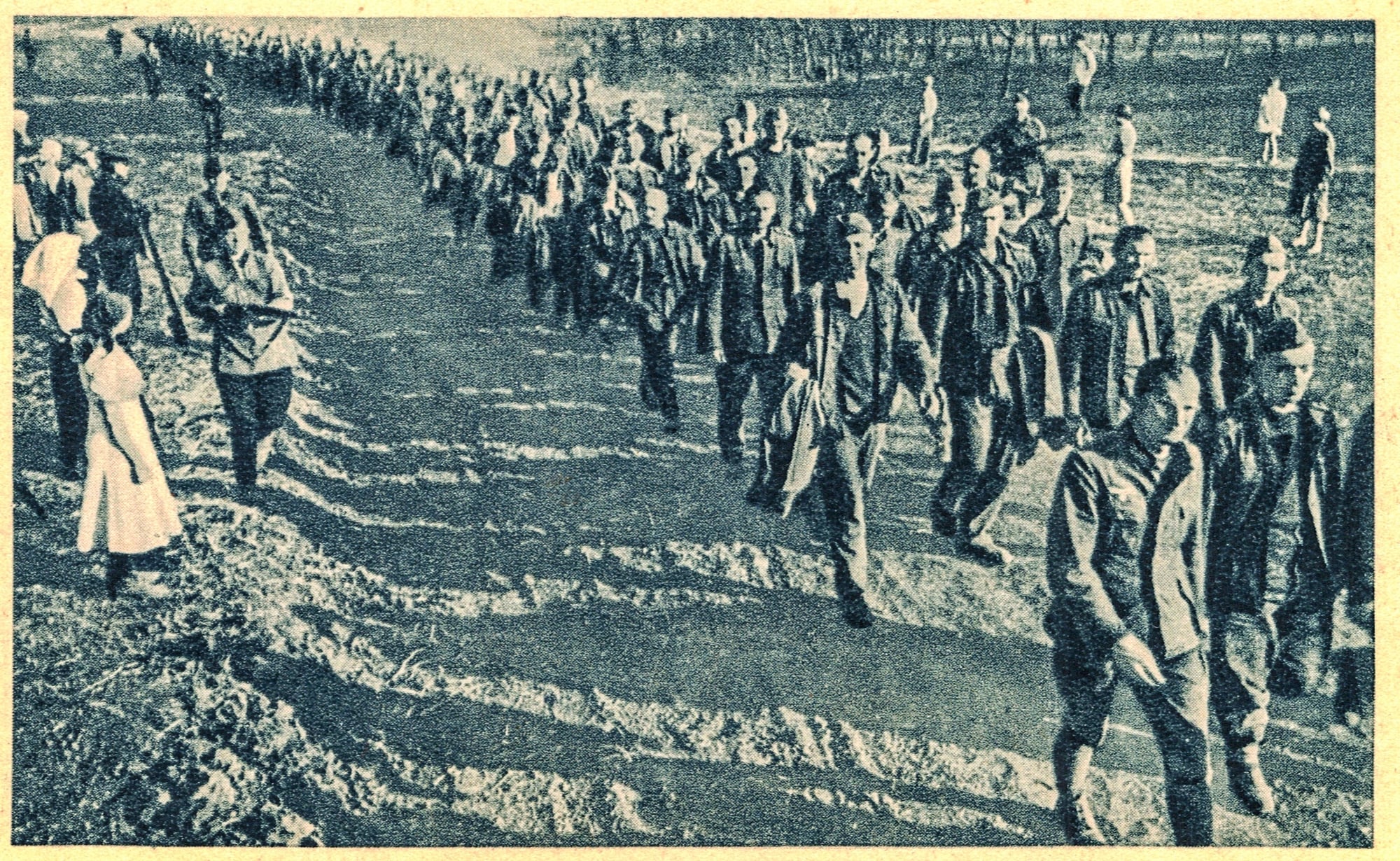
When the Russian Empire collapsed and the Soviet Union drew its internal borders in the early 1920s, it didn’t start from nothing. It inherited the demographic map that Turkmenchay and subsequent Russian imperial policies had created — Armenian populations concentrated in the Erivan region, Azerbaijani populations spread across adjacent territories, and communities interleaved in ways that made clean borders impossible.
The Soviet nationality policies then froze these arrangements into place, which meant that when the USSR dissolved in 1991, every fault line traced back further than anyone wanted to admit.
The Nagorno-Karabakh Connection
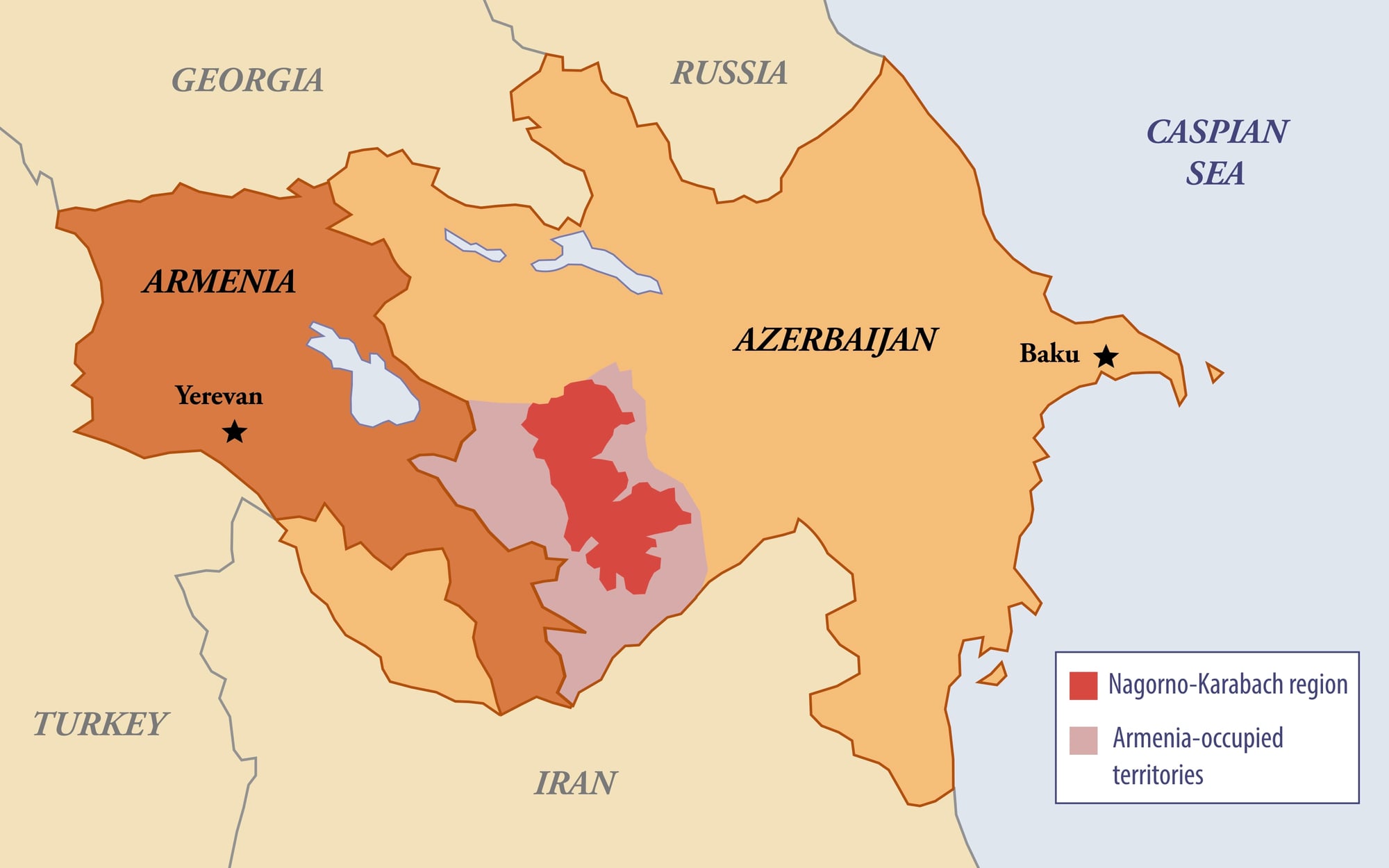
Nagorno-Karabakh — the mountainous enclave at the center of one of the post-Soviet world’s bitterest conflicts — exists where it does, populated the way it is, because of decisions made in the century following Turkmenchay. The Armenian demographic concentration in the Caucasus, engineered partly through the 1828 resettlements, eventually produced an Armenian-majority population inside territory that Soviet borders assigned to Azerbaijan.
The 1988–1994 war, and the 2020 war, and everything still unresolved today: all of it is downstream of a treaty signed in a small Iranian town by men who thought they were simply wrapping up a war.
Iran’s Long Memory
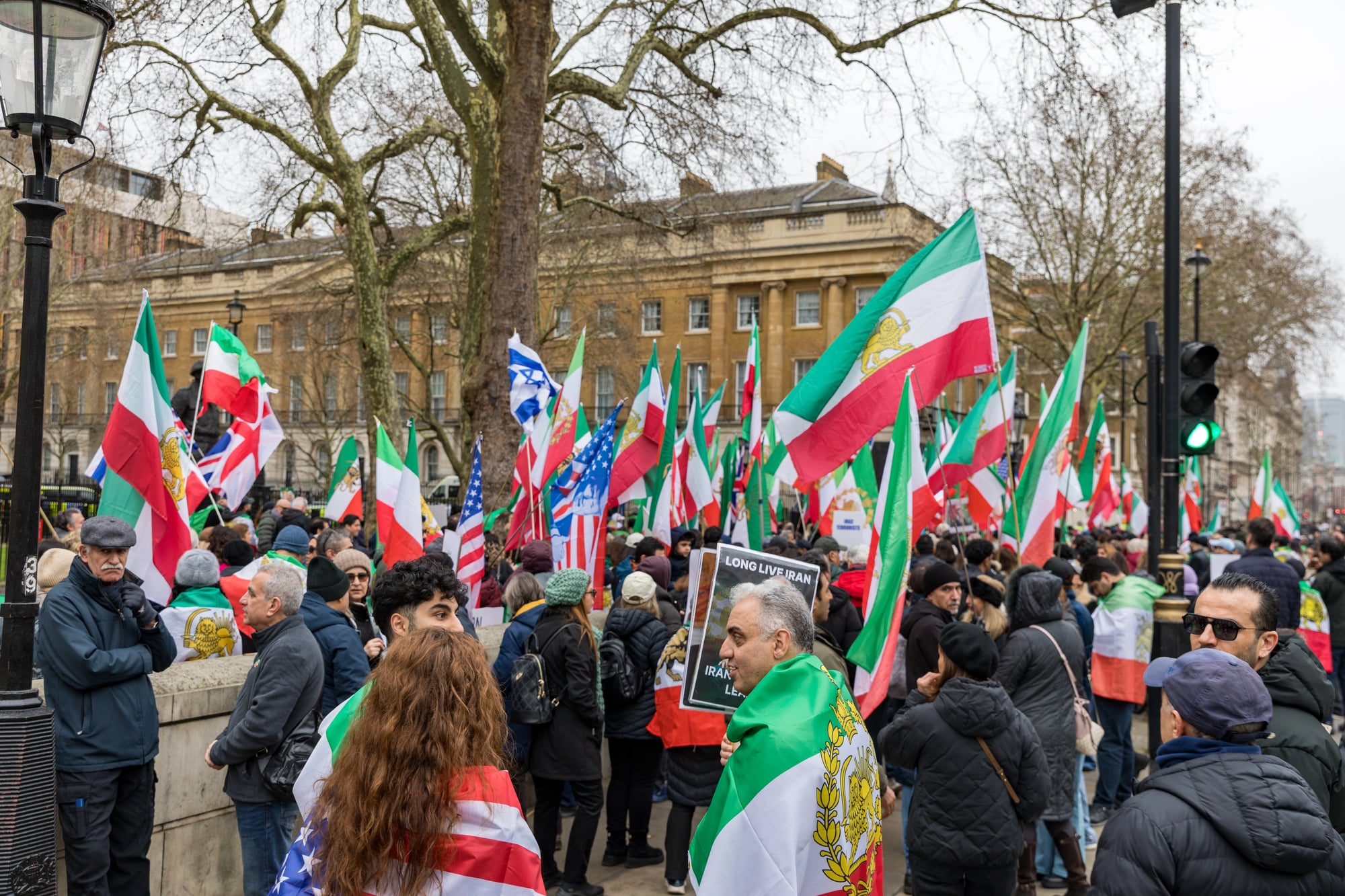
Modern Iran has never quite let go of Turkmenchay. The treaty is referenced in Iranian political discourse as the archetypal symbol of national humiliation — the moment when outside powers carved up Persian territory with impunity and left Persia to manage the consequences.
When Iranian leaders today invoke the language of sovereignty and resistance to external pressure, they are drawing on a well of historical grievance that was first filled in February 1828. Some losses don’t stay in the past; they become part of how a nation understands itself.
Why Historians Keep Returning to It

Turkmenchay keeps pulling serious historians back not because it was spectacular but because it was so quietly decisive — the kind of agreement that looks minor in the moment and turns out to be load-bearing. It shows up in scholarship on Armenian history, Azerbaijani history, Iranian history, Russian imperial history, and the history of modern border conflicts, always playing a slightly different role depending on who’s telling the story.
That’s the mark of a document that actually mattered: it has more than one interpretation, and none of them are wrong.
The Names That Didn’t Change
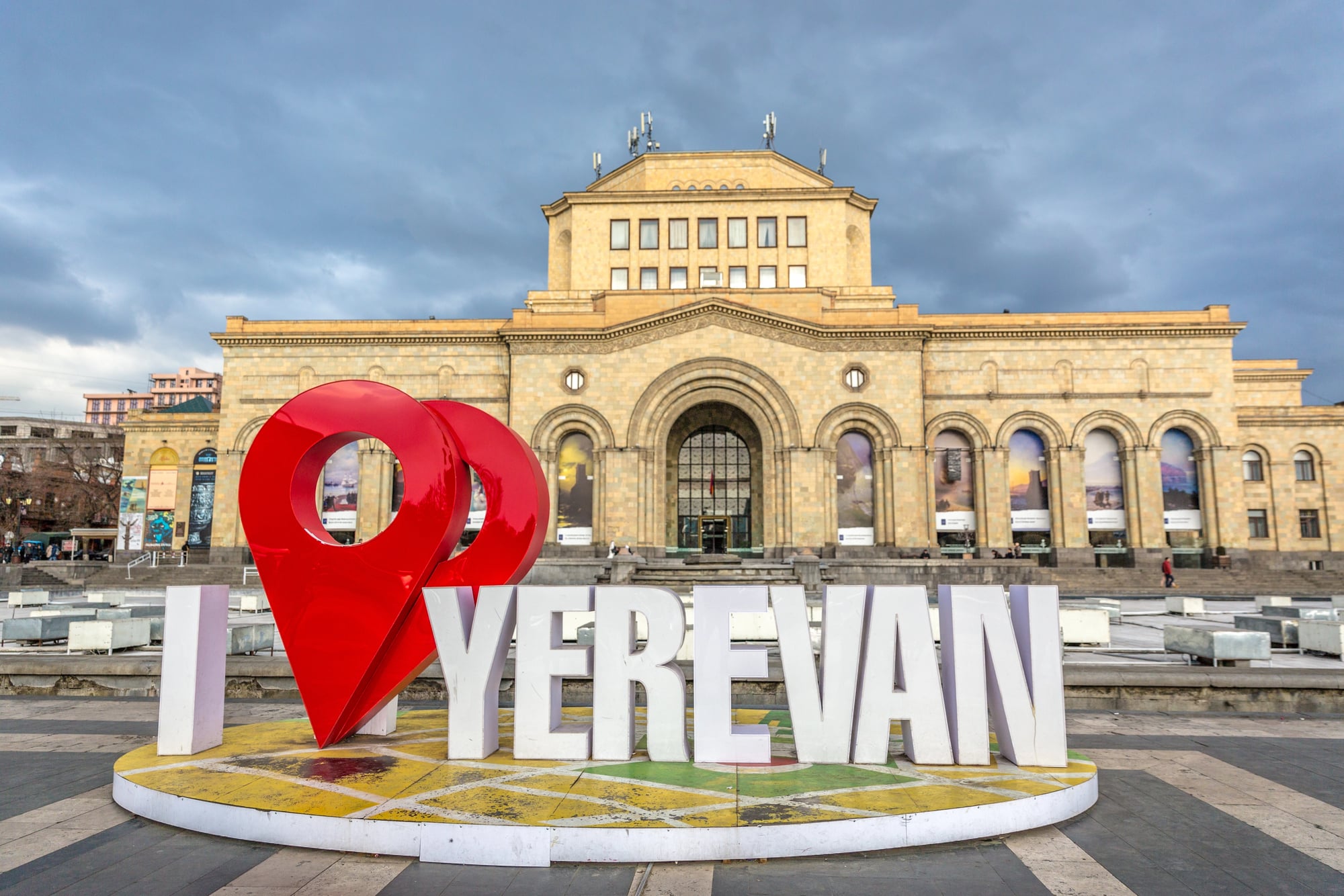
One of the stranger things about Turkmenchay’s legacy is that some of the place names it shuffled around are still there, carrying their histories with them. Erivan became Yerevan, the capital of independent Armenia.
Nakhchivan is still Nakhchivan. The Aras River still runs where it ran in 1828, still marking a border — though what’s on each side of it has been renegotiated by empires, Soviet planners, and two newly independent nations in the 200 years since. The land itself is indifferent to all of it.
Where the Lines Actually Came From
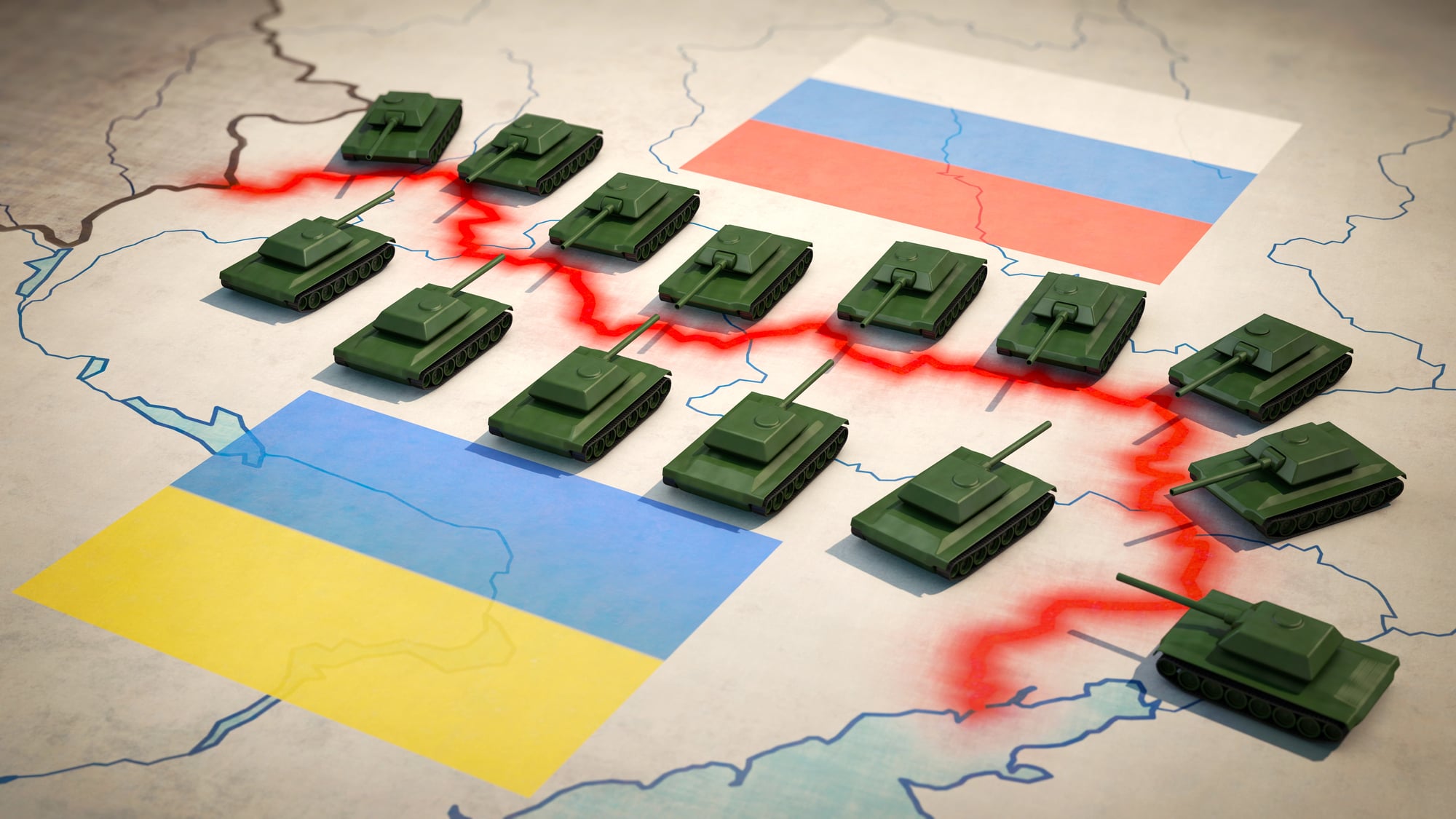
Here’s the thing about borders that look ancient and immovable: almost none of them are. The boundaries of the South Caucasus — the ones that determine whether a village is Armenian or Azerbaijani or Iranian, the ones that have sent people to fight and die — were drawn in a process that started with a treaty most of the world has forgotten.
Turkmenchay didn’t cause every conflict that followed; history is rarely that tidy. But it set the conditions, arranged the populations, and handed future generations a set of unsolvable puzzles dressed up as settled facts.
The Weight of What Gets Forgotten
There’s something almost perverse about how little attention Turkmenchay gets outside the regions it shaped most directly. A document that resettled tens of thousands of people, redrew an international boundary, humiliated a regional power, planted the demographic seeds of a conflict that would eventually become a full-scale war — twice — and still influences the foreign policy calculations of three nations sits largely unexamined in the general historical consciousness.
The borders it drew were never quiet. It’s only the treaty itself that forgot to make noise.
More from Go2Tutors!

- The Romanov Crown Jewels and Their Tragic Fate
- 13 Historical Mysteries That Science Still Can’t Solve
- Famous Hoaxes That Fooled the World for Years
- 15 Child Stars with Tragic Adult Lives
- 16 Famous Jewelry Pieces in History
Like Go2Tutors’s content? Follow us on MSN.