31 Medical Advances That Changed Life Expectancy
A child born in 1900 faced odds that look barbaric now. In many cities, one baby in five never reached a first birthday, and a scratch from a garden thorn could end an adult life within the week.
Global life expectancy sat near 32 years. It has more than doubled since, and no single miracle did the work.
The gain came in layers, some from laboratories, some from pipes and salt shakers, and several from people who were ignored for years before anyone listened.
Smallpox Vaccination
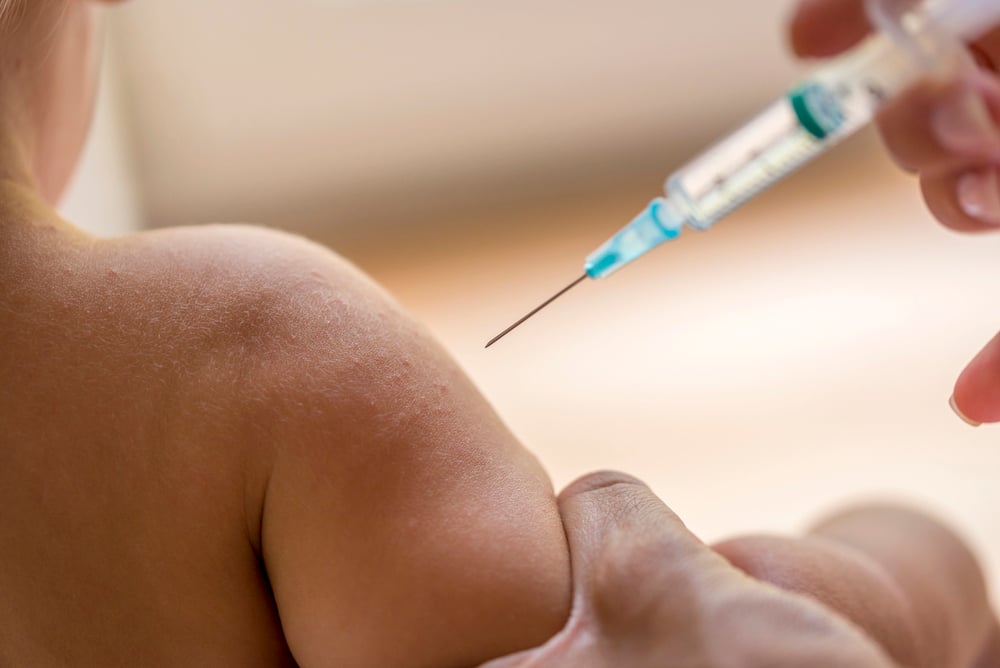
Edward Jenner scratched cowpox matter into the arm of eight-year-old James Phipps in 1796, then exposed the boy to smallpox and watched nothing happen. The disease he was fighting killed an estimated 300 million people in the twentieth century alone, more than every war of that century combined.
A global campaign of ring vaccination chased the virus into its last corners, and the final natural case turned up in a Somali hospital cook named Ali Maow Maalin in 1977. The World Health Organization declared smallpox eradicated in 1980.
It remains the only human disease ever deliberately wiped out.
Germ Theory
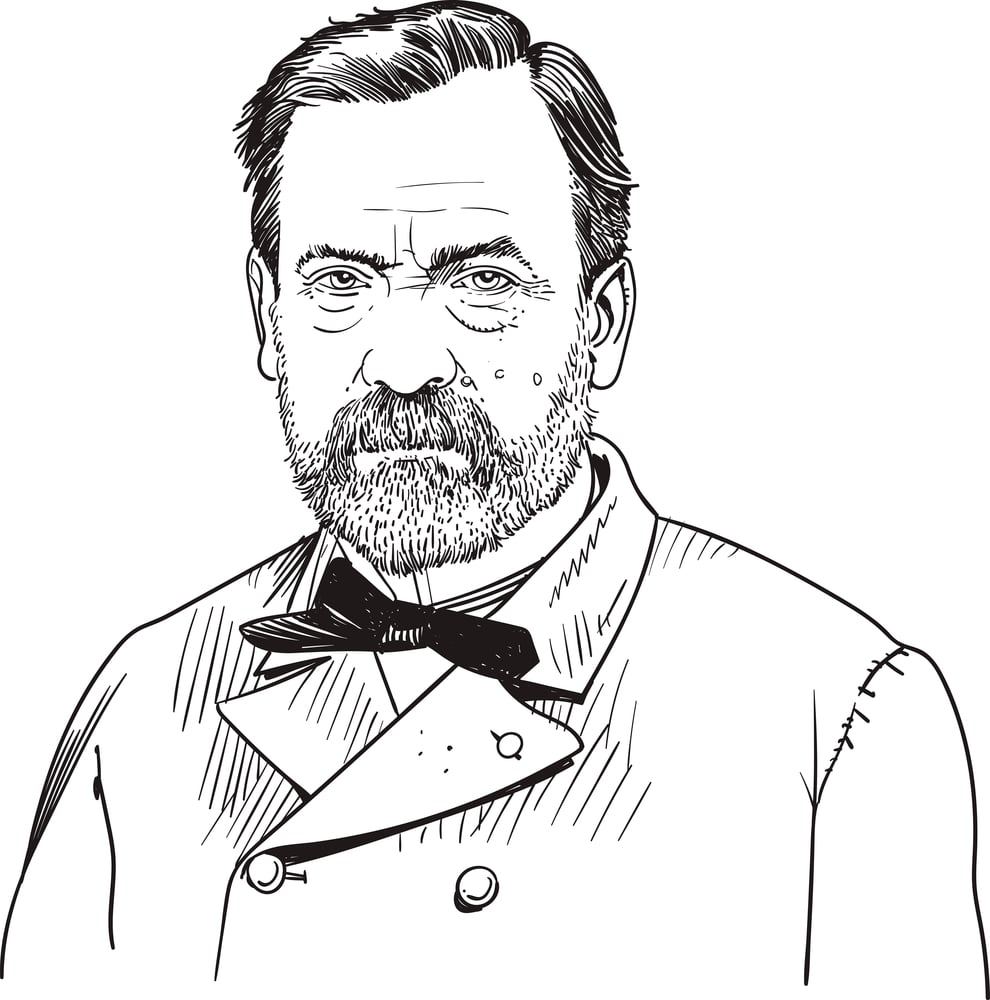
Before Louis Pasteur and Robert Koch, physicians blamed epidemics on miasma, the foul air rising from swamps and graveyards. Pasteur’s swan-neck flask experiments in the early 1860s showed that broth stayed clear until airborne microbes reached it, and Koch followed in 1876 by tying a single bacterium to anthrax.
His postulates gave medicine a repeatable method for matching a germ to a disease. Within two decades researchers had named the organisms behind tuberculosis, diphtheria, typhoid and plague.
Nearly every other entry on this list depends on that one shift in thinking.
Antiseptic Surgery

Surgeons of the 1860s operated in coats stiff with old blood and wore the crust as a badge of experience. Joseph Lister read Pasteur, reasoned that wounds rotted for the same reason broth did, and began soaking dressings in carbolic acid at the Glasgow Royal Infirmary in 1865.
His first test case was an eleven-year-old boy with a compound leg fracture, an injury that usually ended in amputation or death. The boy walked out six weeks later.
Deaths after amputation on Lister’s wards fell from roughly 45 percent to about 15 percent, and the mouthwash named after him is a smaller legacy.
Surgical Anesthesia

On October 16, 1846, a Boston dentist named William Morton held a glass inhaler of ether to the face of Gilbert Abbott while surgeon John Collins Warren cut a tumor from the young man’s neck. Abbott lay still.
Warren turned to the gallery and announced that this was no humbug. Before that morning, speed was a surgeon’s chief skill, and the best could take a leg off in under three minutes because patients could bear no more.
Anesthesia made slow, careful, internal surgery possible, which means every appendectomy and bypass since traces back to that room.
Chlorinated Drinking Water

Jersey City became the first American city to chlorinate its public water supply in 1908, after physician John Leal quietly added the chemical without asking permission and then defended the decision in court. Typhoid deaths dropped so sharply that hundreds of cities copied the method within a decade.
Economists David Cutler and Grant Miller later estimated that clean water technologies accounted for nearly half of the total mortality decline in major American cities between 1900 and 1936, and about three quarters of the drop in infant deaths. A few parts per million did that.
City Sewer Systems

London’s Great Stink of 1858 grew so foul that Parliament soaked its curtains in chloride of lime and then, within eighteen days, funded a fix. Engineer Joseph Bazalgette built 82 miles of main intercepting sewers and more than 1,000 miles of street sewers to carry waste away from the Thames, which had served as both toilet and tap.
He deliberately doubled the pipe diameter his calculations called for, reasoning that the job would only be done once. The waterborne epidemics that had killed tens of thousands of Londoners never returned, and those Victorian brick tunnels still carry the load.
Pasteurized Milk

Raw city milk in the 1890s was a reliable killer of infants, carrying bovine tuberculosis, typhoid and scarlet fever from filthy dairies into nursery bottles. Philanthropist Nathan Straus opened his first milk depot in New York in 1893, selling heat-treated milk at cost, and the death rate among children at one city orphanage fell by more than half once it switched.
Chicago passed the first American pasteurization mandate in 1908. Dairymen fought the laws for years, arguing that heating ruined the flavor.
The infant mortality tables settled that argument.
Diphtheria Antitoxin

Diphtheria strangled children slowly, growing a leathery membrane across the throat, and Spanish families called it el garrotillo after the executioner’s device. Emil von Behring and Kitasato Shibasaburo showed in 1890 that serum from immunized animals could neutralize the toxin, and von Behring won the first Nobel Prize in Medicine in 1901 for it.
Horses became living pharmaceutical factories. When an outbreak hit icebound Nome, Alaska, in 1925, twenty mushers and about 150 sled dogs relayed the serum 674 miles in five and a half days.
A later vaccine made the rescue runs unnecessary.
Blood Typing
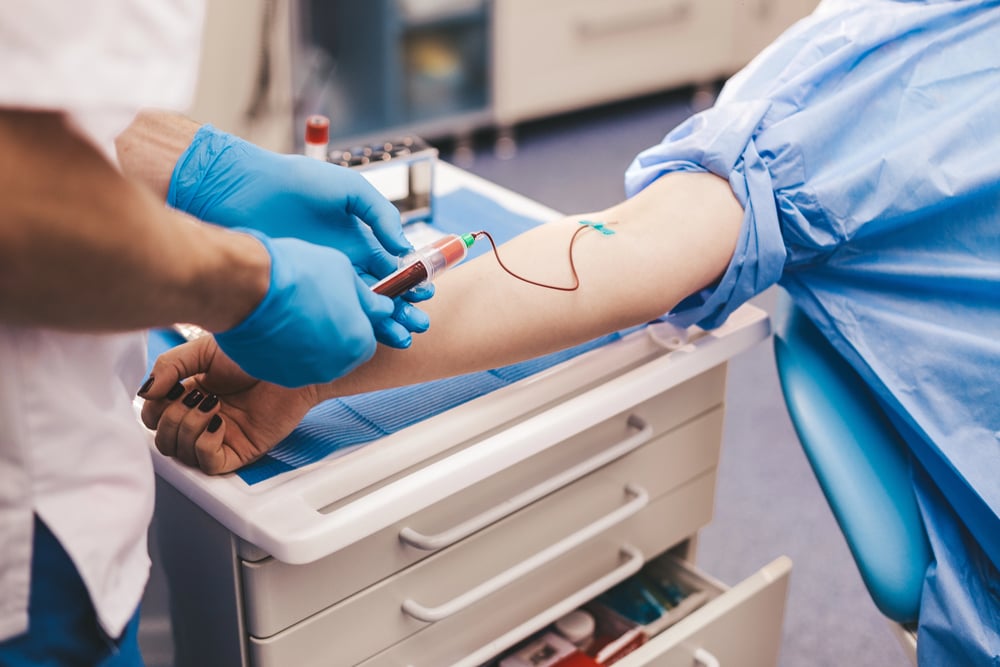
Early transfusions were a coin toss, and many patients died within minutes as their bodies attacked the donated blood. Viennese physician Karl Landsteiner mixed samples from his own laboratory staff in 1901 and noticed that some combinations clumped while others did not.
From that simple grid he identified the A, B and O groups, and colleagues added AB a year later. The finding sat mostly unused until the First World War forced the issue.
Landsteiner collected his Nobel Prize in 1930, and matched transfusion now backs up nearly every major operation, difficult birth and trauma case.
Insulin
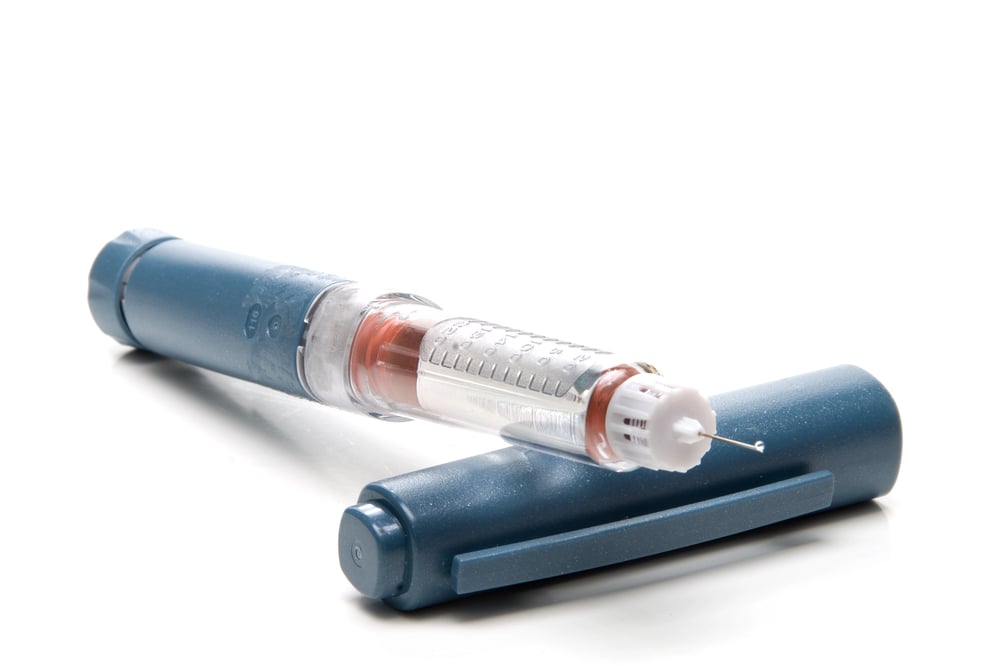
A diagnosis of juvenile diabetes before 1922 meant a starvation diet and perhaps a year to live. In January of that year, doctors in Toronto injected a pancreatic extract into Leonard Thompson, a fourteen-year-old who weighed 65 pounds, and after a purified second attempt his blood sugar fell to near normal.
Frederick Banting, Charles Best and James Collip sold the patent to the University of Toronto for one dollar each. Banting said insulin belonged to the world.
Thompson, who had been days from death, lived another thirteen years.
Sulfa Drugs
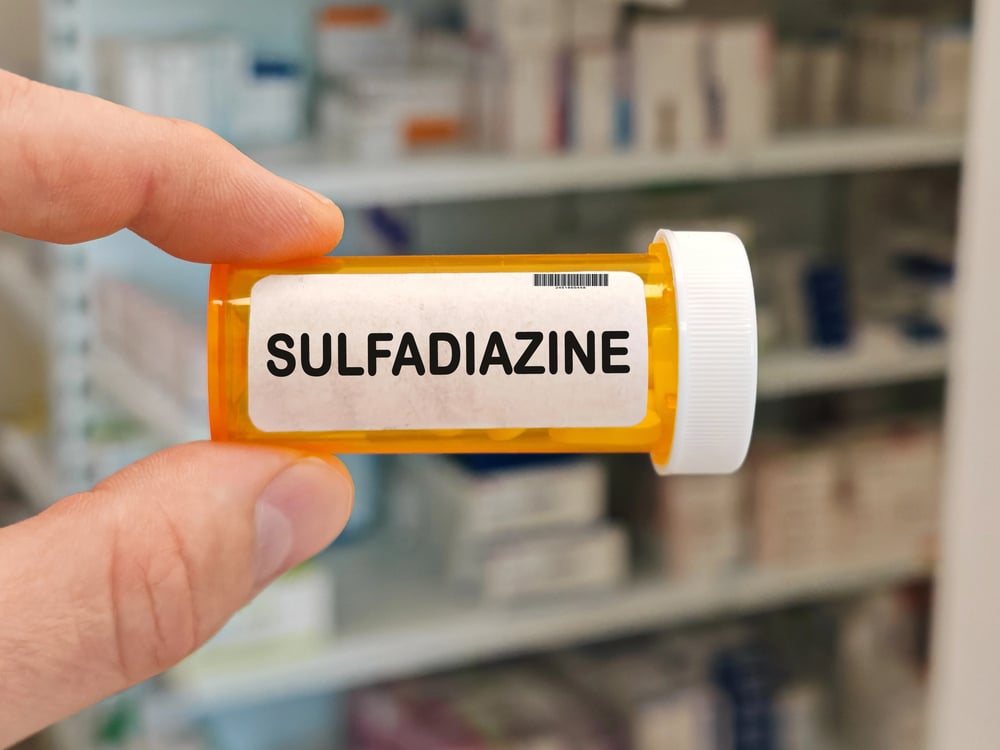
The first medicine that could cure a bacterial infection from inside the body came from a dye works. Gerhard Domagk, testing red industrial dyes at Bayer in the early 1930s, found that one called Prontosil saved mice from lethal streptococcus, and he soon gave it to his own daughter Hildegard when a needle wound threatened her arm.
Deaths from childbed fever, pneumonia and meningitis fell almost at once. The Nazi government forced Domagk to refuse his 1939 Nobel Prize, and he finally collected the medal, without the money, in 1947.
Penicillin

Alexander Fleming noticed the mold killing his bacterial cultures in 1928 and then largely dropped the matter. A decade passed before Howard Florey, Ernst Chain and Norman Heatley at Oxford turned the observation into a drug, growing mold in bedpans and milk churns because nothing better existed.
The production breakthrough came from a lab in Peoria, Illinois, where a moldy cantaloupe from a local market yielded a strain many times more productive. American factories had 2.3 million doses ready for the Normandy landings.
Pneumonia, once called the captain of the men of death, lost its rank.
Streptomycin for Tuberculosis

Tuberculosis caused roughly one in seven deaths in Europe and America during the nineteenth century, and penicillin did nothing against it. In October 1943 a Rutgers graduate student named Albert Schatz, working in a basement lab because colleagues feared his cultures, isolated streptomycin from a soil microbe.
His supervisor Selman Waksman took the 1952 Nobel Prize alone, a slight Schatz fought for decades. Britain’s 1948 trial of the drug is widely regarded as the first modern randomized controlled trial.
The sanatoriums that once ringed every major city emptied and became hotels and schools.
Whooping Cough Vaccine
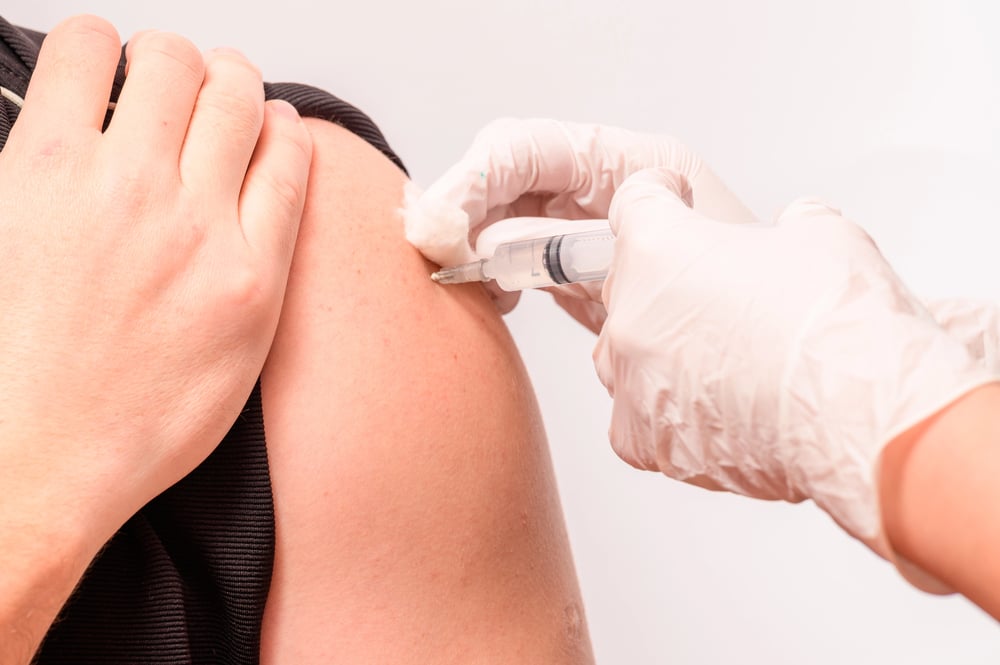
Pertussis killed around 6,000 American children a year in the early 1930s, most of them under five. Pearl Kendrick and Grace Eldering, two bacteriologists at a Michigan state lab in Grand Rapids, worked on a vaccine after hours during the Depression, collecting samples by having sick children cough onto culture plates in their own homes.
Their field trial in the mid 1930s was a model of careful design, and a visit from Eleanor Roosevelt helped shake loose the funding to finish it. Deaths fell by more than ninety percent within a generation.
Polio Vaccine
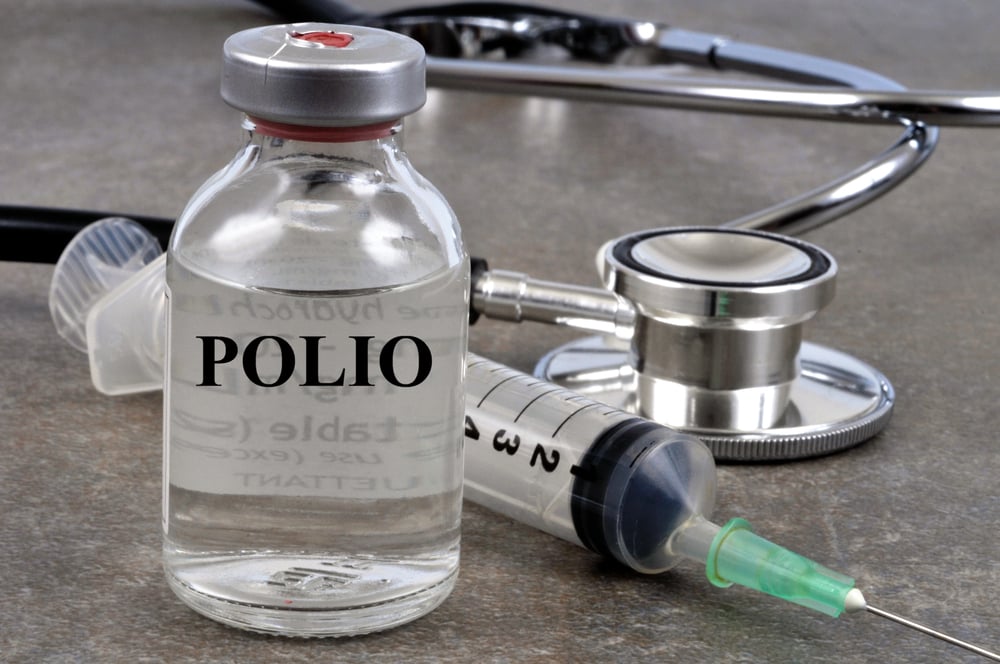
Summer once meant closed swimming pools and parents who dreaded a child’s stiff neck. The 1952 American epidemic struck nearly 58,000 people, leaving thousands paralyzed.
Jonas Salk’s killed-virus vaccine went into the arms of 1.8 million schoolchildren in the largest field trial ever run, and church bells rang across the country when the results came back positive on April 12, 1955. Asked who owned the patent, Salk answered that the people did, and compared it to patenting the sun.
American cases fell below a thousand within seven years, and wild polio now survives in only two countries.
Measles Vaccine
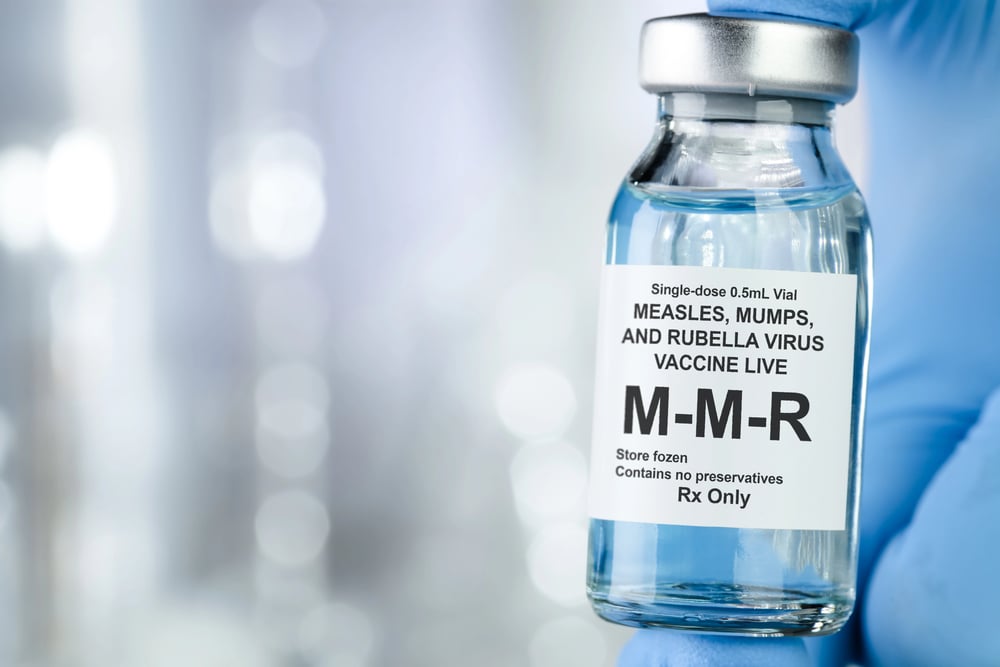
Measles was so universal that people born before 1957 are presumed immune, because nearly all of them caught it. The virus killed an estimated 2.6 million people a year worldwide before vaccination.
John Enders grew the strain for the first vaccine from a throat swab taken in 1954 from a thirteen-year-old boarding school student named David Edmonston, and the product reached clinics in 1963. Maurice Hilleman refined it into the gentler version still used today.
The World Health Organization credits measles shots with preventing tens of millions of deaths since 2000.
Oral Rehydration Solution
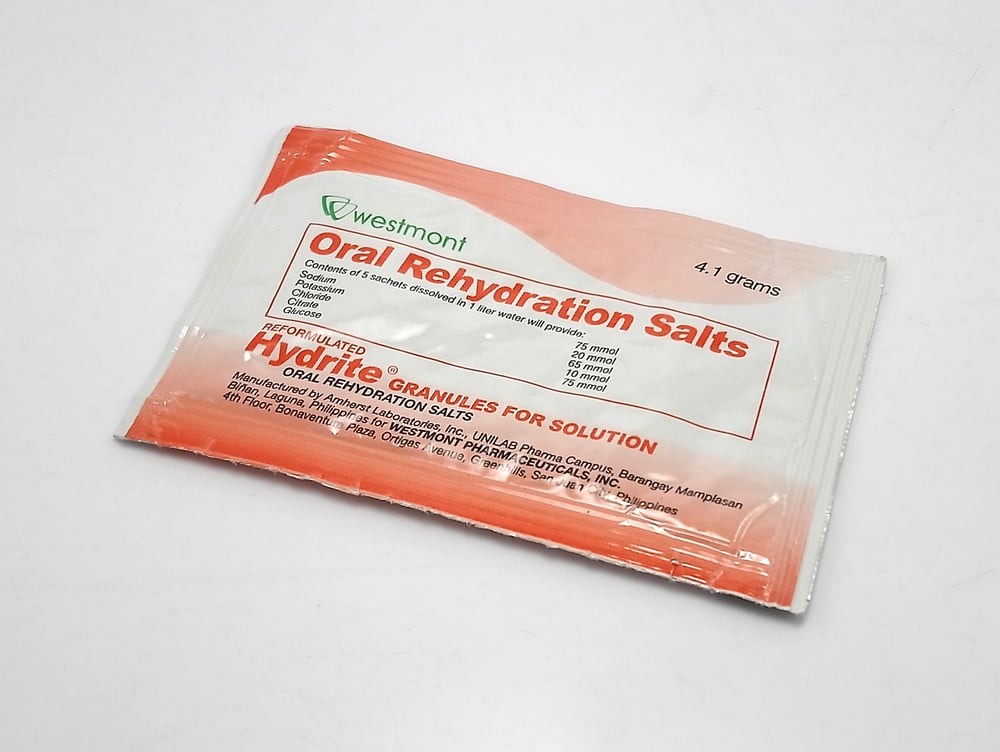
Diarrheal disease kills by draining water and salt faster than a body can replace them, and until the 1960s the only reliable fix was an intravenous drip. Researchers in Dhaka and Calcutta found that glucose helps the gut absorb sodium even during severe illness.
During the 1971 refugee crisis on the Indian border, physician Dilip Mahalanabis ran out of drips and handed out drums of sugar-salt solution instead, cutting camp death rates from around thirty percent to under four. The Lancet called the discovery potentially the most important medical advance of the century.
A packet costs a few cents.
Blood Pressure Pills

Franklin Roosevelt’s blood pressure reached 300 over 190 before a massive stroke killed him in April 1945, and his doctors had nothing to offer except rest and phenobarbital. Many physicians then considered high pressure a necessary adaptation that should be left alone.
Chlorothiazide, released by Merck in 1958, was the first pill that lowered pressure safely enough for daily use by millions. Large trials in the late 1960s proved that treatment prevented strokes and heart failure.
Death rates from stroke in the United States have fallen by roughly three quarters since, and cheap generics carry most of that load.
Statins
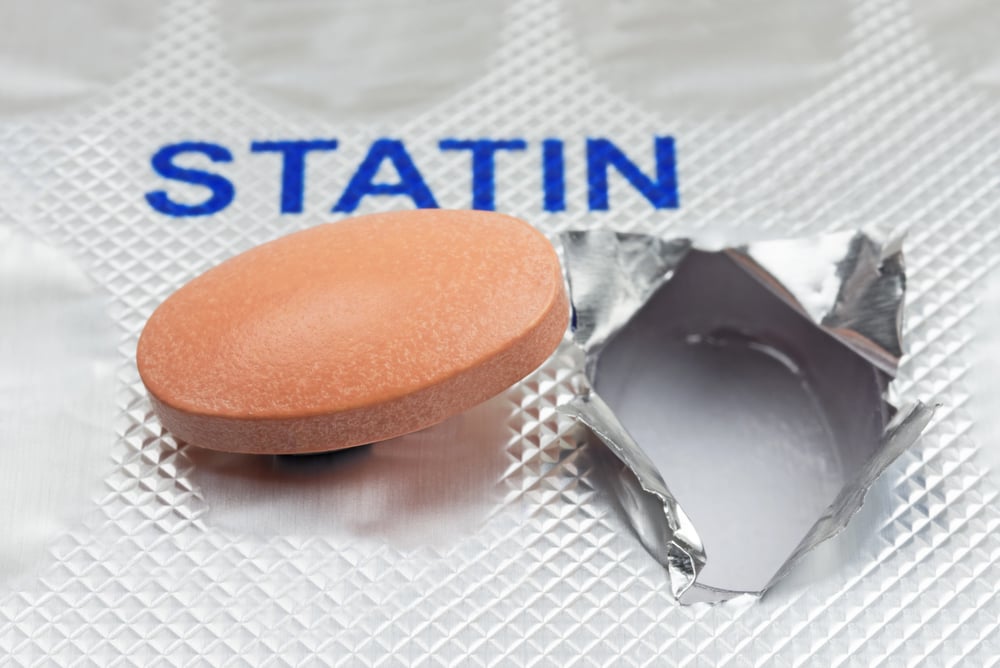
Japanese biochemist Akira Endo screened about 6,000 fungal broths in the early 1970s, betting that some mold had evolved a chemical weapon against the lipid-making enzymes of its rivals. He found one in a blue-green Penicillium growing on rice from a Kyoto grain shop.
Merck brought the first commercial statin, lovastatin, to market in 1987. A Scandinavian trial published in 1994 showed a thirty percent drop in deaths among heart patients who took one.
Endo never earned royalties from the drug class, which became one of the best-selling in pharmaceutical history.
Coronary Care Units

Heart attack patients in the 1950s were scattered across general wards, where a fatal rhythm disturbance could go unnoticed until a nurse found the body. Edinburgh physician Desmond Julian proposed in 1961 that such patients be gathered in one room, wired to monitors, and watched by nurses trained and authorized to deliver a shock themselves.
Early units opened in Kansas City, Toronto and Sydney the following year. In-hospital deaths from heart attack fell from about thirty percent to roughly fifteen.
The idea that a nurse could act without waiting for a doctor was nearly as radical as the electronics.
Antiretroviral Therapy

An HIV diagnosis in 1990 came with a life expectancy counted in months. At a Vancouver conference in 1996, researchers presented combinations of three drugs that pushed the virus below detectable levels, and American AIDS deaths fell by 47 percent the following year.
The larger story unfolded further south. South Africa, after years of official delay, built the biggest treatment program in the world, now reaching more than five million people.
National life expectancy, which had sunk to the low fifties in the mid 2000s, climbed back to the mid sixties within about fifteen years.
Iodized Salt
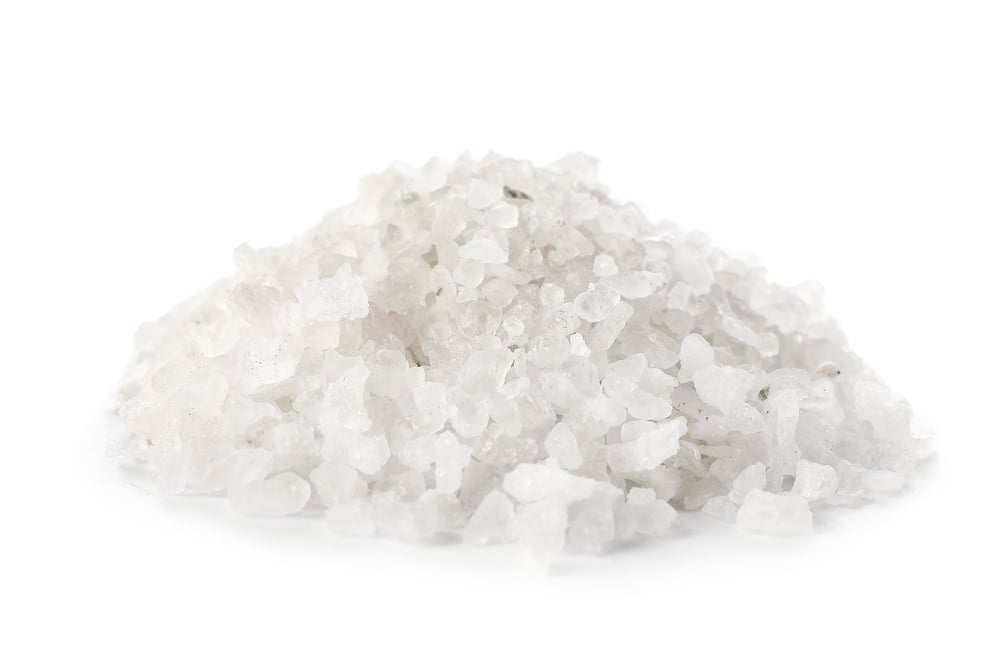
Across the American Great Lakes region, the so-called goiter belt, army doctors in 1917 found so many recruits with swollen necks that uniform collars would not button. The soil lacked iodine, and so did everything grown in it.
Pediatrician David Cowie persuaded Michigan salt producers to add a trace of the element, and iodized salt reached grocery shelves on May 1, 1924, with Morton carrying it nationwide that autumn. Goiter rates collapsed within a decade.
Iodine deficiency also stunts brain development, so the same blue canister quietly raised measured intelligence across entire regions.
The Apgar Score

Anesthesiologist Virginia Apgar noticed in the late 1940s that delivery room staff gave struggling newborns little attention, often assuming a blue, limp baby was a lost cause. In 1952 she proposed scoring every infant at one minute of life on five signs, namely heart rate, breathing, muscle tone, reflexes and color, each rated zero to two.
A number demanded a response in a way that a vague impression never had. Hospitals began competing to improve their scores, which meant warming, suctioning and resuscitating babies who would once have been set aside.
She reportedly jotted the five signs on the nearest scrap of paper in the hospital cafeteria when a student asked how to judge a newborn.
Surfactant for Premature Lungs
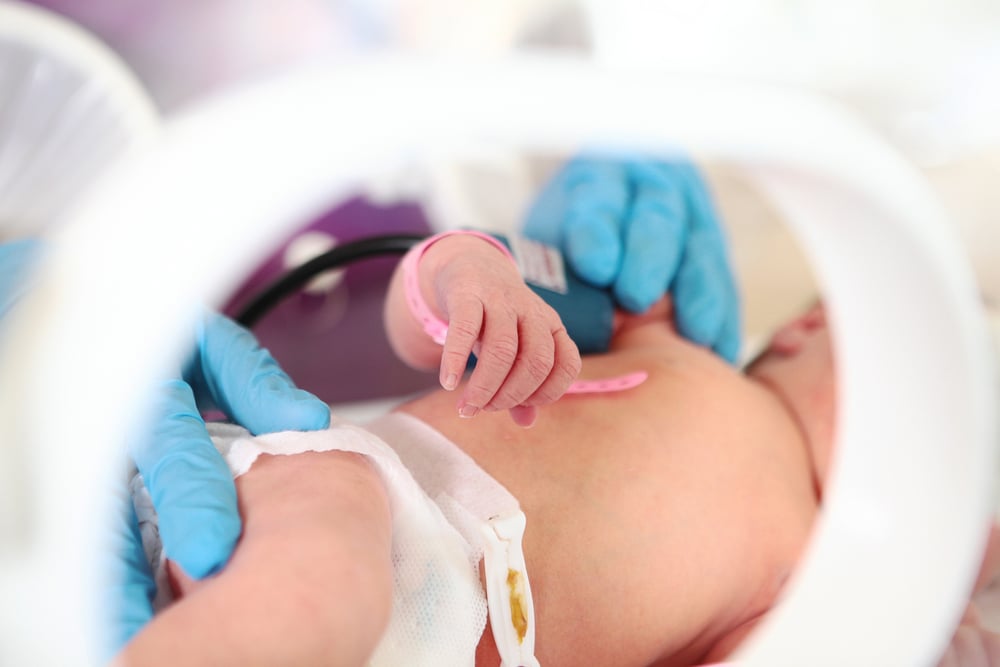
Patrick Bouvier Kennedy, the president’s son, was born two months early in August 1963 and died 39 hours later because his lungs could not stay open. Pediatrician Mary Ellen Avery had shown in 1959 that premature babies lack surfactant, the slippery coating that keeps air sacs from collapsing on every breath.
It took until 1980 for Tetsuro Fujiwara in Japan to treat infants successfully with a replacement, and American approval came in 1990. Deaths from respiratory distress syndrome in newborns fell by roughly half within a few years.
A baby of Patrick’s size today is expected to go home.
Hib Vaccine
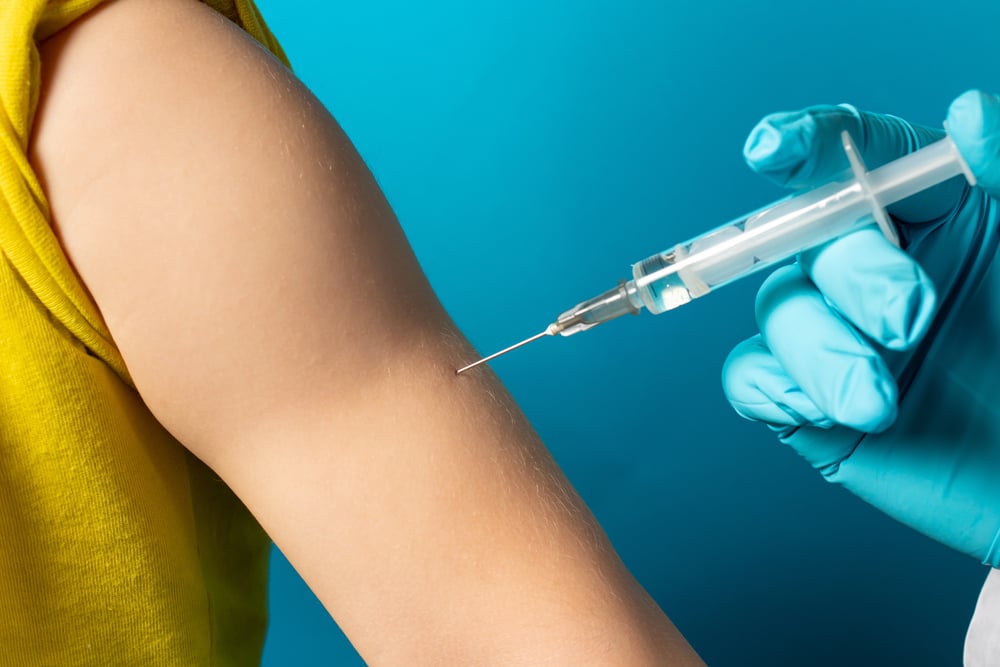
Haemophilus influenzae type b is a name few parents know, which is the measure of the vaccine’s success. Before the late 1980s it caused about 20,000 serious infections a year in American children under five and was the leading cause of bacterial meningitis, killing hundreds and leaving many survivors deaf or brain damaged.
Early versions failed in infants, the group most at risk, until researchers bonded the bacterial sugar coat to a protein carrier that a baby’s immune system could recognize. Cases among young children have since dropped by more than 99 percent.
Hepatitis B Vaccine
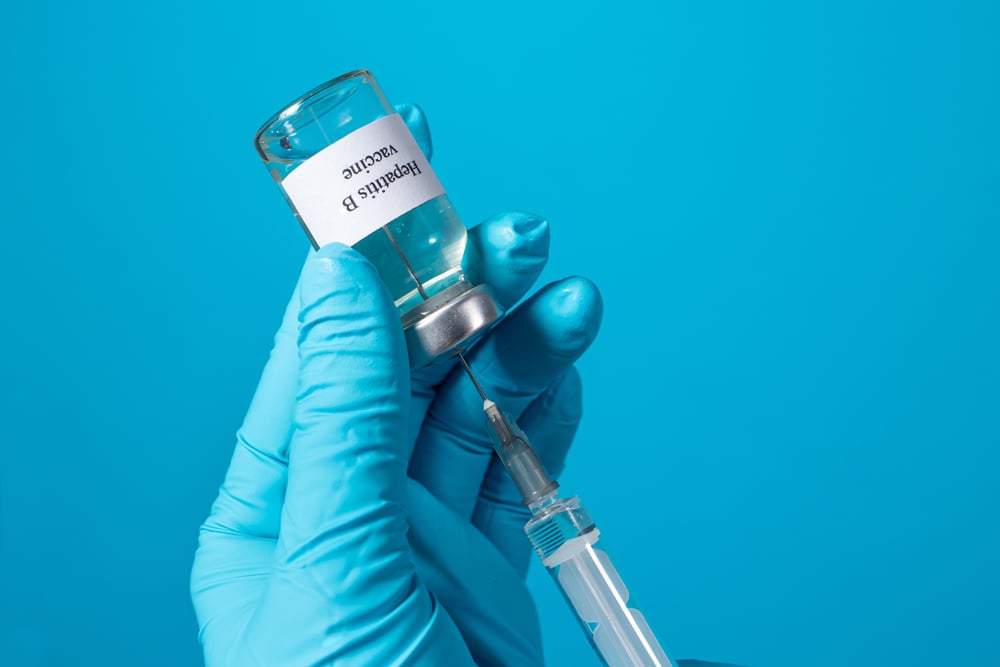
Maurice Hilleman, who developed more than forty vaccines, brought the first hepatitis B shot to market at Merck in 1981 using purified particles from the blood of infected donors. A genetically engineered yeast version replaced it in 1986, the first recombinant vaccine licensed for people.
Chronic infection with the virus is a leading cause of liver cancer, which makes this the first vaccine to prevent a human cancer. Taiwan began vaccinating all newborns in 1984, and liver cancer rates among its children fell by roughly half within a decade.
The Pap Smear
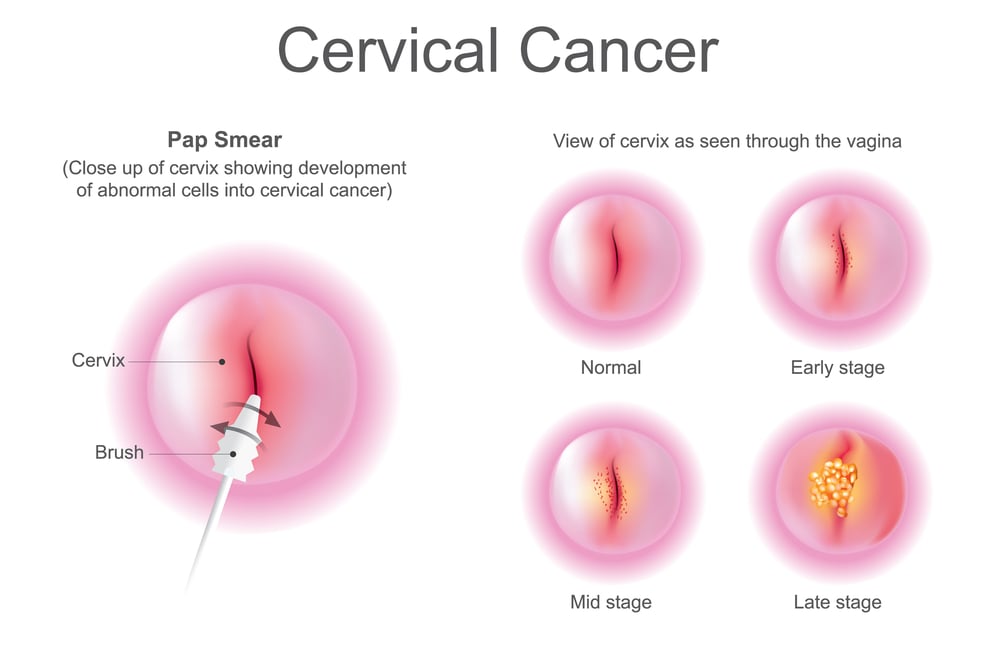
George Papanicolaou presented his idea of spotting cancer in cells brushed from the cervix at a 1928 conference in Battle Creek, Michigan, and the audience of pathologists shrugged. He kept at it for thirteen more years, much of the time using daily samples from his wife Mary, who worked unpaid as his lab technician.
His 1941 paper finally persuaded the profession. Cervical cancer had been the leading cancer killer of American women, and deaths have fallen by about seventy percent since screening became routine.
The test catches changes years before they turn dangerous.
Artemisinin

North Vietnam asked China for help in the 1960s because malaria was disabling more soldiers than combat, and the parasite had grown resistant to existing drugs. The secret military program that followed, Project 523, assigned pharmacologist Tu Youyou to comb through ancient herbal texts.
A fourth-century handbook recommended soaking sweet wormwood in cold water, a clue that the usual boiling had been destroying the active ingredient. Her cold extraction cleared the parasite from lab animals in late 1971, and she volunteered as the first human test subject the following year.
Artemisinin combinations are now the standard malaria treatment worldwide, and Tu received a Nobel Prize in 2015.
Mosquito Control

Yellow fever and malaria had defeated the French attempt at a Panama canal, killing more than 20,000 workers. Army physician William Gorgas, fresh from clearing yellow fever out of Havana in 1901 by attacking mosquito breeding sites, brought the same method to the isthmus.
His sanitation squads drained pools, oiled standing water, fumigated houses and screened windows across a fifty-mile corridor. The last yellow fever case in the canal zone was recorded in 1906.
The engineering triumph that followed rested on thousands of men with oil cans, and the approach reshaped public health across the tropics.
HPV Vaccine

Two strains of human papillomavirus cause about seventy percent of cervical cancers, a link German virologist Harald zur Hausen spent the 1970s defending against a skeptical field. The vaccine built on his finding arrived in 2006.
Scotland began offering it to schoolgirls aged twelve and thirteen in 2008, and a national study published in 2024 tracked those girls into adulthood. Among women fully vaccinated at that age, researchers found zero cases of cervical cancer.
Australia expects to eliminate the disease as a public health problem within a decade or so.
Rh Immune Globulin
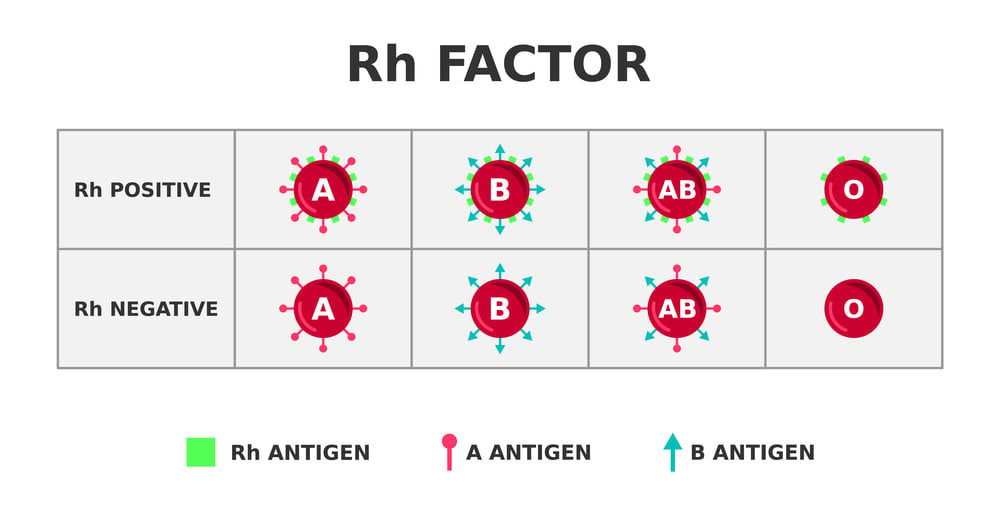
When a mother with Rh-negative blood carries an Rh-positive baby, her immune system can learn to attack the blood of every later pregnancy. Rh disease once killed roughly 10,000 American babies a year and left many survivors with brain damage.
Researchers at Columbia University and Ortho Pharmaceutical reasoned in the early 1960s that an injection of ready-made antibodies just after delivery would mop up stray fetal cells before the mother’s body noticed them. The treatment, licensed in 1968 as RhoGAM, turned a common tragedy into a rarity.
Few medical fixes have been so simple, and few are so little known.
Borrowed Decades

None of these advances felt inevitable at the time. Several were resisted by the very profession that now takes credit for them, and a few of the people responsible died obscure, underpaid or openly mocked.
Progress in medicine has rarely been a march and has more often resembled an argument that the evidence eventually won.
The result is that an ordinary person today carries around three or four decades that a great-grandparent never had. Those years arrived through water pipes, salt canisters, schoolyard injections and pills that cost pennies.
Most of the people who benefit will never know which item on this list saved them, and that anonymity is the finest compliment public health can receive.
More from Go2Tutors!

- The Romanov Crown Jewels and Their Tragic Fate
- 13 Historical Mysteries That Science Still Can’t Solve
- Famous Hoaxes That Fooled the World for Years
- 15 Child Stars with Tragic Adult Lives
- 16 Famous Jewelry Pieces in History
Like Go2Tutors’s content? Follow us on MSN.