30 Board Games Families Played on Rainy Days
Rain canceled plans, and the hall closet held the backup. Stacked boxes with split corners and taped lids came down from the shelf, and the kitchen table became a battlefield for the afternoon.
Most of these games have been in print for decades, some for close to a century. Nearly every family owned a copy missing a few pieces, replaced with buttons, coins or bottle caps.
Monopoly and the Endless Afternoon
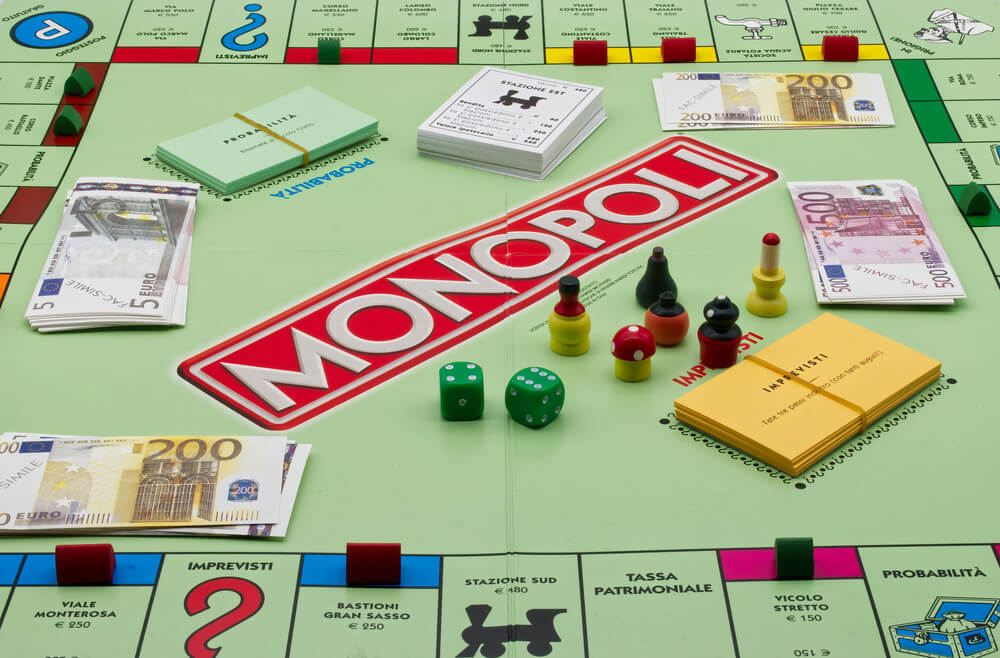
Monopoly’s reputation for lasting forever was earned at kitchen tables where nobody followed the auction rule. Parker Brothers began selling it in 1935 after buying the rights from Charles Darrow, though the game descended from The Landlord’s Game, patented by Lizzie Magie in 1904 to show the dangers of concentrated land ownership.
The property names come from Atlantic City, New Jersey. House rules like piling fines in the middle for whoever landed on Free Parking slowed things further.
Families rarely finished a game, and the arguments over trades lasted longer than the play itself.
Scrabble and the Family Dictionary
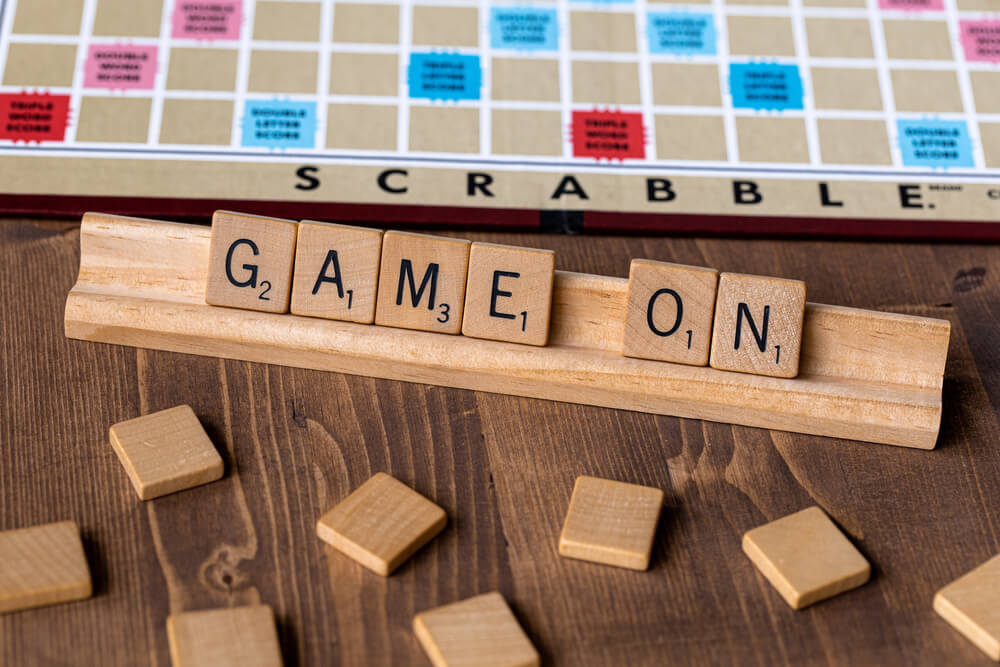
Architect Alfred Butts invented the game that became Scrabble during the Depression, working out letter frequencies by counting them on the front page of The New York Times. James Brunot acquired the rights and trademarked the Scrabble name in 1948, and sales took off in the early 1950s.
A worn dictionary often sat beside the board to settle challenges. Grandparents who did the daily crossword tended to win.
Children learned early that a Q without a U was a serious problem and that a triple word score could decide the entire afternoon.
Clue Around the Mansion
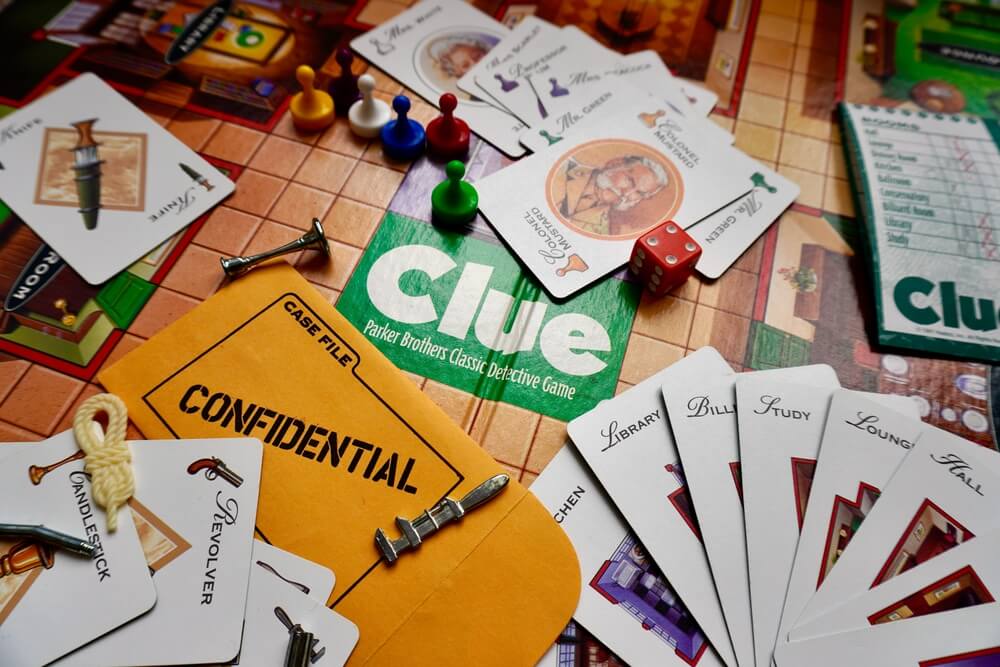
Clue was invented in England by Anthony Pratt, a musician, and published there as Cluedo by Waddingtons in 1949, the same year Parker Brothers released it in the United States as Clue. Players move through nine rooms of a mansion to work out who killed Mr. Boddy, where and with which weapon.
The original weapons were the rope, lead pipe, knife, wrench, candlestick and revolver. The detective notepads ran out long before the box wore out.
Kids learned deduction and bluffing at the same time, usually from an older sibling.
Candy Land From a Hospital Ward
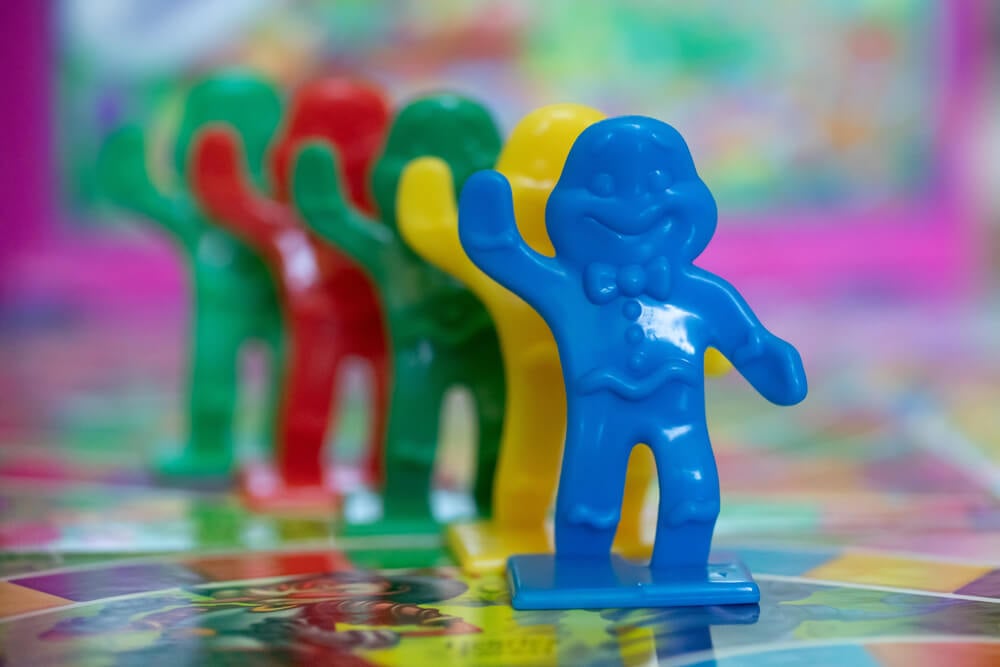
Eleanor Abbott designed Candy Land while recovering from polio in San Diego in the 1940s, creating it for children in the hospital ward. Milton Bradley bought it and released it in 1949.
The game requires no reading and no strategy, since players draw colored cards and move to the matching space. That made it the first board game for millions of preschoolers.
Molasses Swamp and Gumdrop Mountains sit along the path, and drawing the card that sent a player back near the beginning was the game’s version of heartbreak.
Chutes and Ladders on the Living Room Floor
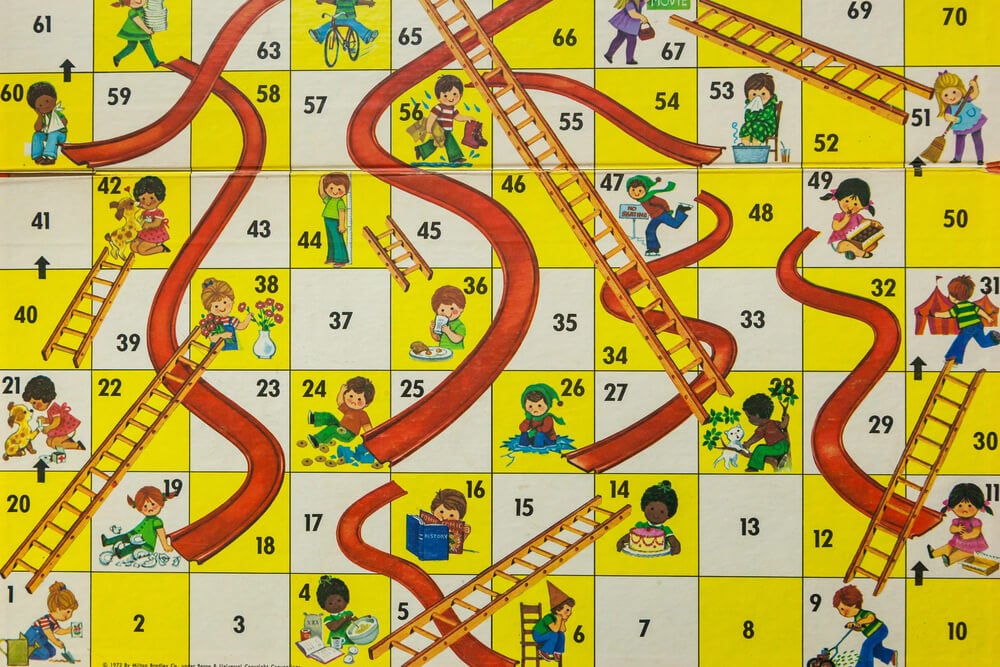
Chutes and Ladders descends from Snakes and Ladders, an ancient Indian game known as Moksha Patam that taught lessons about virtue and vice. Milton Bradley published the American version in 1943 and replaced the snakes with playground chutes, which felt friendlier to young children.
Good deeds on the board, like helping with chores, lead up ladders, while bad ones, like eating too much candy, lead down chutes. The longest chute sits near the top of the board.
Landing on it one space from victory taught preschoolers their first lesson in cosmic unfairness.
Sorry and Its Polite Revenge
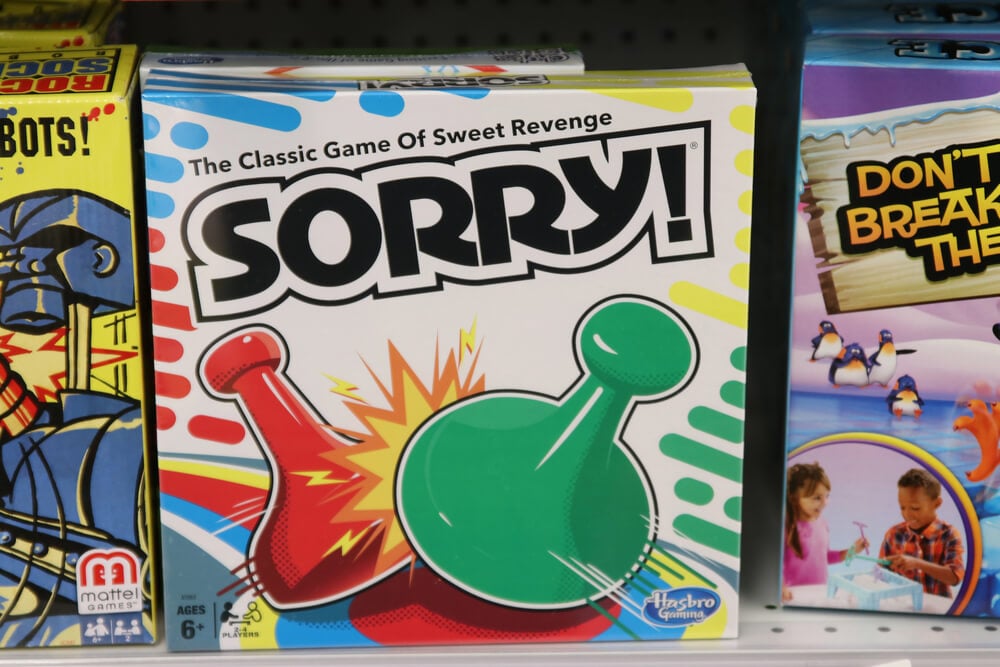
Sorry was patented in England in 1929 and published in the United States by Parker Brothers in 1934. Players race four pawns around the board and home, drawing cards instead of rolling dice.
The Sorry card lets a player take a space occupied by an opponent and send that pawn back to the beginning, and the apology that followed was usually sarcastic. The game produced a remarkable amount of family conflict for something named after good manners.
Kids learned early that sliding down a colored slide knocked off every pawn in its path.
Trouble and the Pop-O-Matic Bubble
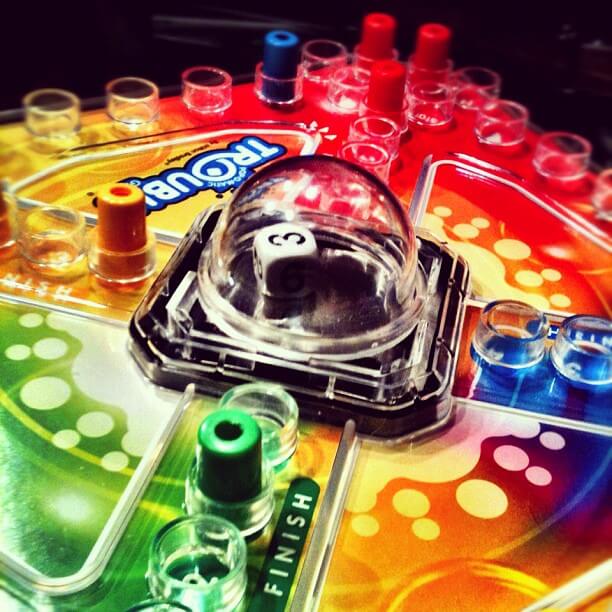
Trouble arrived in 1965 from Kohner Brothers, and its selling point was the Pop-O-Matic, a clear plastic dome that held the die. Players pressed the dome, and the die bounced and landed underneath, which made rolling fast and kept dice from disappearing under the couch.
The game is a race around the board in the same family as Sorry and Parcheesi, with the same rule about sending opponents home. Kids pressed the bubble compulsively even when it was not their turn.
The popping sound is a strong memory for anyone who grew up with it.
Plastic Cars in the Game of Life
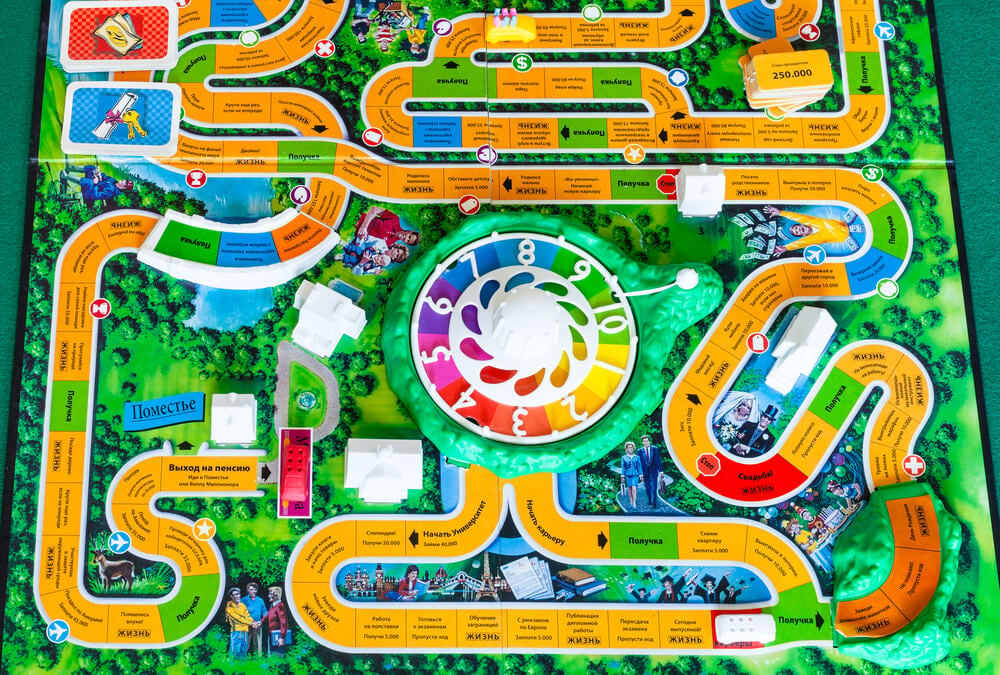
Milton Bradley released The Game of Life in 1960 to mark the company’s centennial, reworking its founder’s 1860 Checkered Game of Life. Toy designer Reuben Klamer developed the new version with a three-dimensional board, a spinner and small plastic cars filled with pink and blue pegs.
Players choose college or a career, collect salaries, buy insurance and hope to retire rich. A car overflowing with pegs was a sign of a very large family.
Kids spun too hard, and the spinner was usually the first part to break.
Yahtzee Rolled at the Kitchen Table
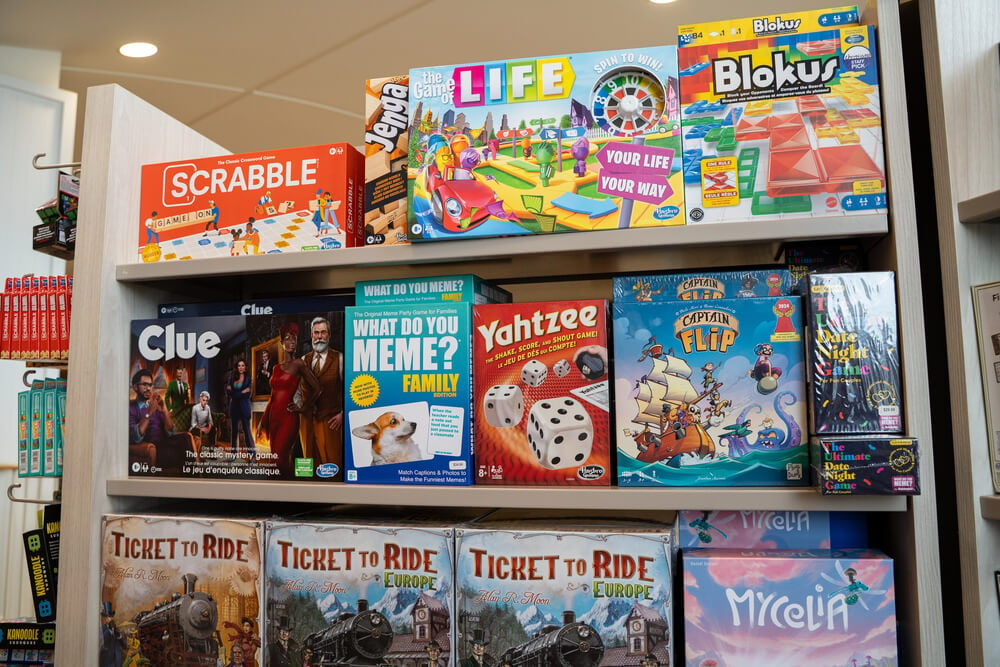
Yahtzee is a dice game rather than a board game, but it sat in the same closet and came out on the same afternoons. Toy entrepreneur Edwin Lowe bought the rights in 1956 from a Canadian couple who had invented it to play on their yacht, and he renamed it Yahtzee.
Players roll five dice up to three times per turn, filling in a scorecard with combinations like full houses and straights. The shaker cup was loud, and so were the celebrations.
Families burned through the score pads years before the dice showed any wear.
Battleship With Pegs and Plastic Fleets
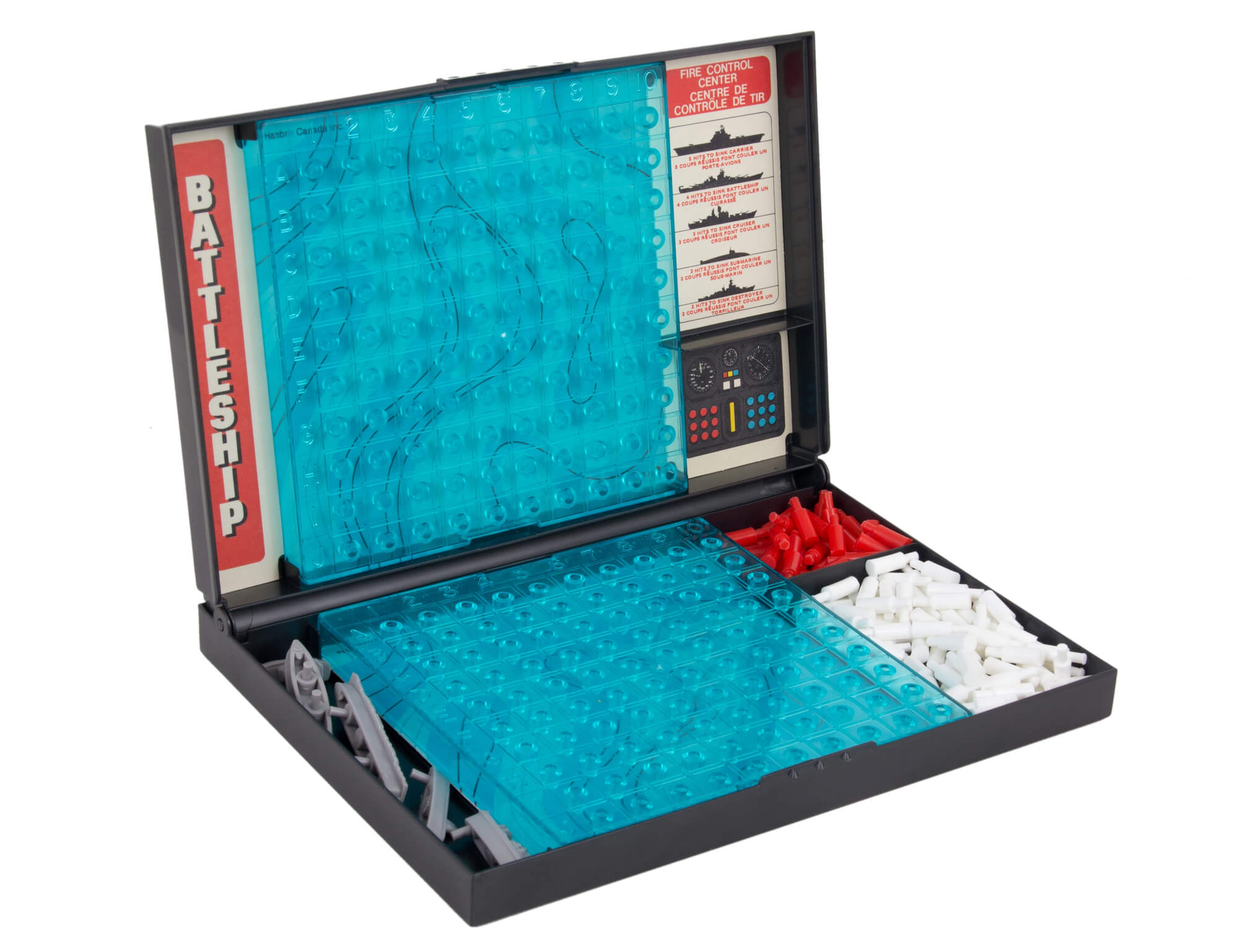
Battleship began as a pencil-and-paper game played by soldiers and schoolkids early in the twentieth century. Milton Bradley released the plastic version in 1967, with two folding cases, tiny gray ships and red and white pegs.
Players call out coordinates to find and sink the opponent’s fleet, marking hits and misses as they go. The anguished line from the television commercials, a player complaining about a sunk battleship, became a national catchphrase.
The pegs disappeared into carpet and couch cushions at an alarming rate, and the ships soon followed.
Connect Four in a Plastic Grid
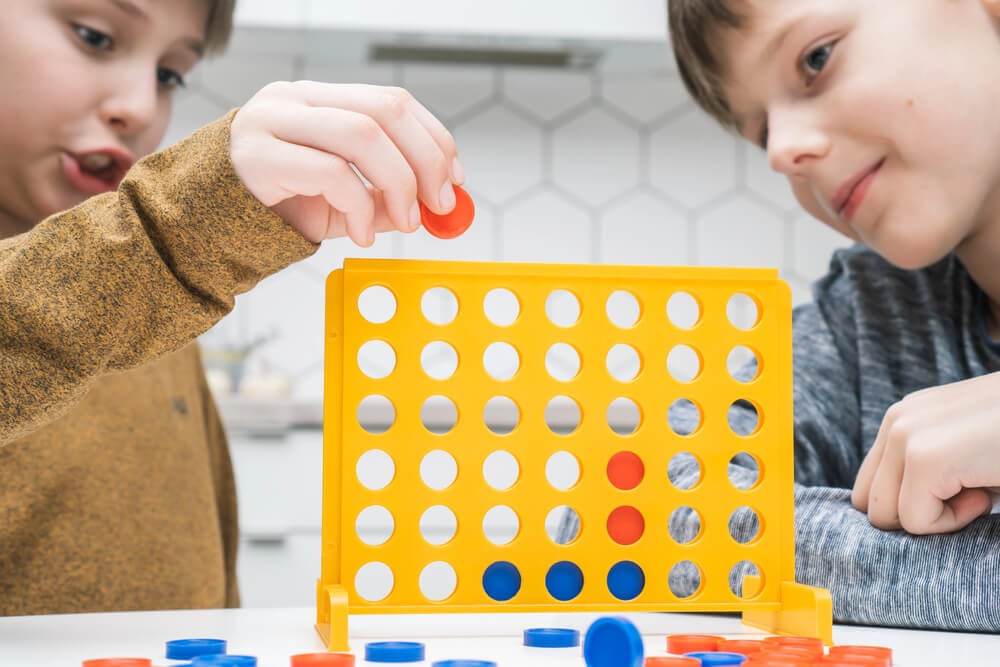
Connect Four arrived from Milton Bradley in 1974. The vertical grid has seven columns and six rows, and players drop red and yellow discs trying to line up four in a row.
The satisfying moment came at the end, when the loser pulled the slide and every disc clattered onto the table. In 1988, computer scientists showed that the first player can always win with perfect play.
Nobody at the kitchen table knew that. Kids demanded rematch after rematch because each game took only a few minutes, and the discs never stayed in the box.
Stratego and the Hidden Army
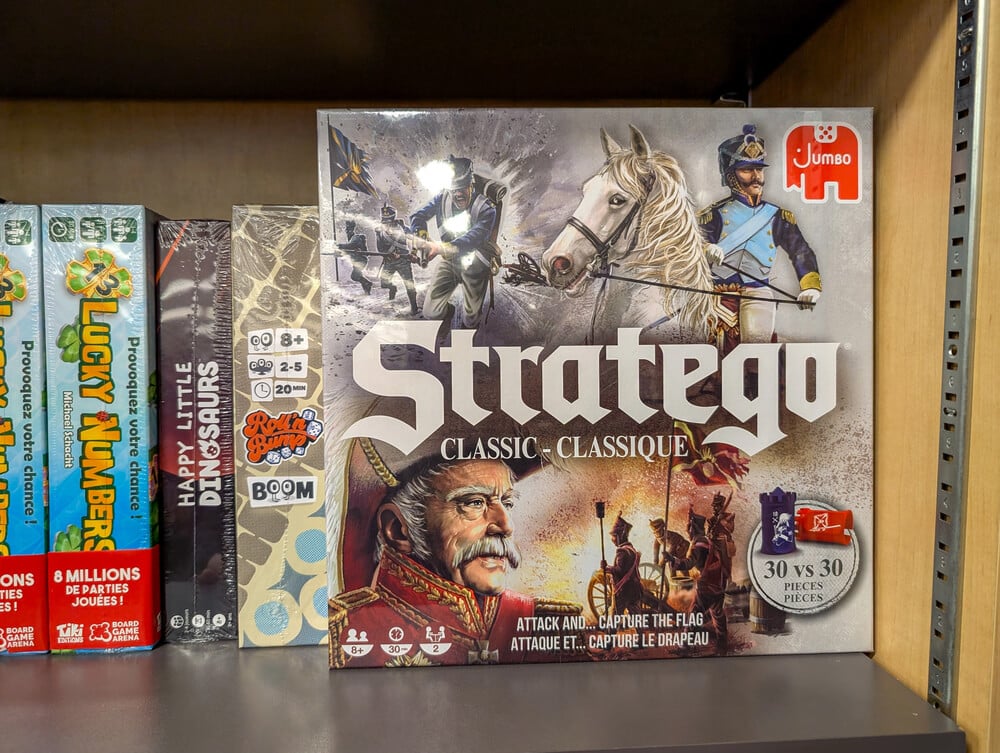
Stratego pits two armies against each other with pieces that face only their owner, so neither player knows the rank of an opposing piece until an attack reveals it. The Dutch company Jumbo developed the modern version after the Second World War, and Milton Bradley brought it to the United States in 1961.
The Marshal is the most powerful piece, but the Spy can defeat it by attacking first. Bombs stop everything except the Miners.
Kids spent nearly as long arranging their pieces as they did playing, and setups became closely guarded secrets.
Risk and World Conquest
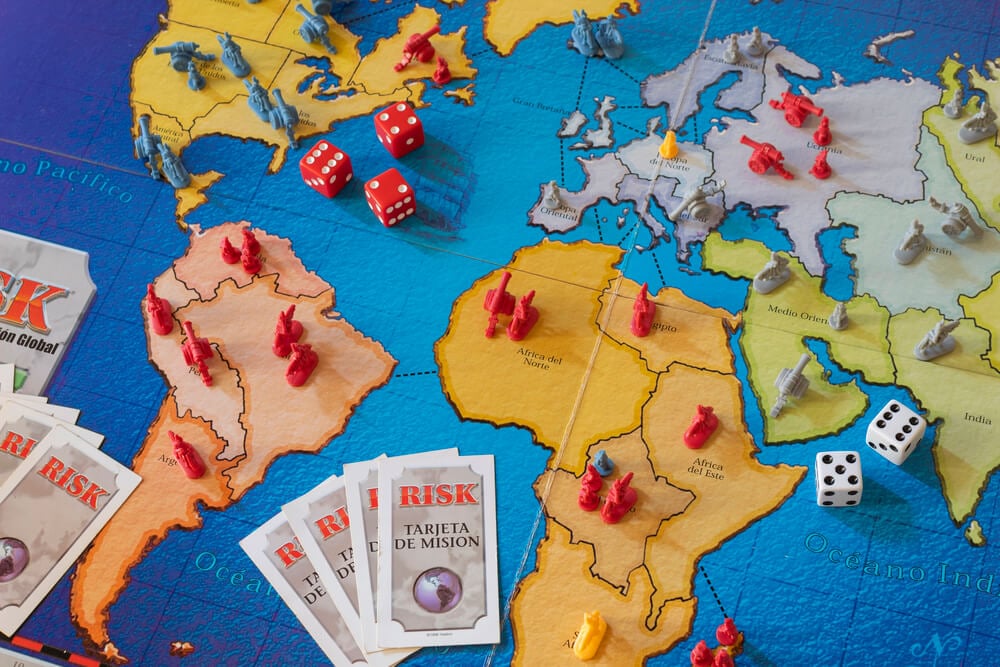
French filmmaker Albert Lamorisse created the game in 1957 as La Conquete du Monde, and Parker Brothers published it in the United States as Risk in 1959. The board divides the world into 42 territories across six continents.
Players roll dice to attack, and holding an entire continent, especially Australia, earns extra armies each turn. Games regularly ran for hours, which made Risk a rainy-day choice for older kids and patient adults.
Alliances formed and collapsed across the dining room table, and grudges sometimes lasted until the next rainy weekend.
Chinese Checkers With Glass Marbles
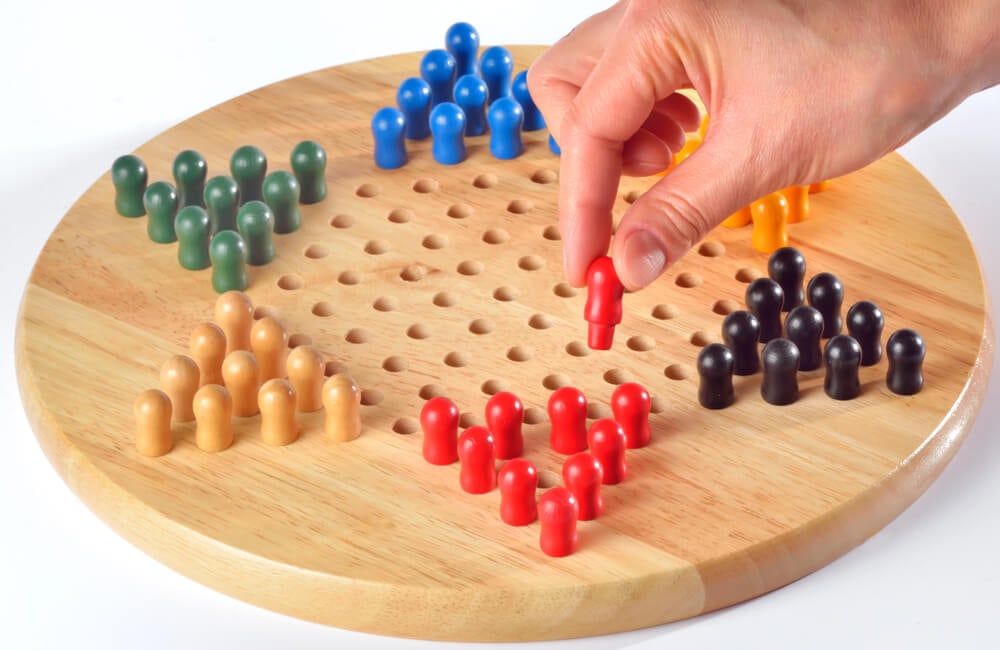
Chinese Checkers is neither Chinese nor a version of checkers. It began in Germany in 1892 as Stern-Halma, a star-shaped version of the game Halma, and American marketers gave it the Chinese name in the late 1920s to make it sound exotic.
Up to six players race marbles or pegs across the star-shaped board by hopping over other pieces. Many families owned a tin or wooden board with a set of glass marbles.
Missing marbles were replaced with any small round object in the house, and the replacements rarely matched.
Parcheesi and Its Indian Ancestor
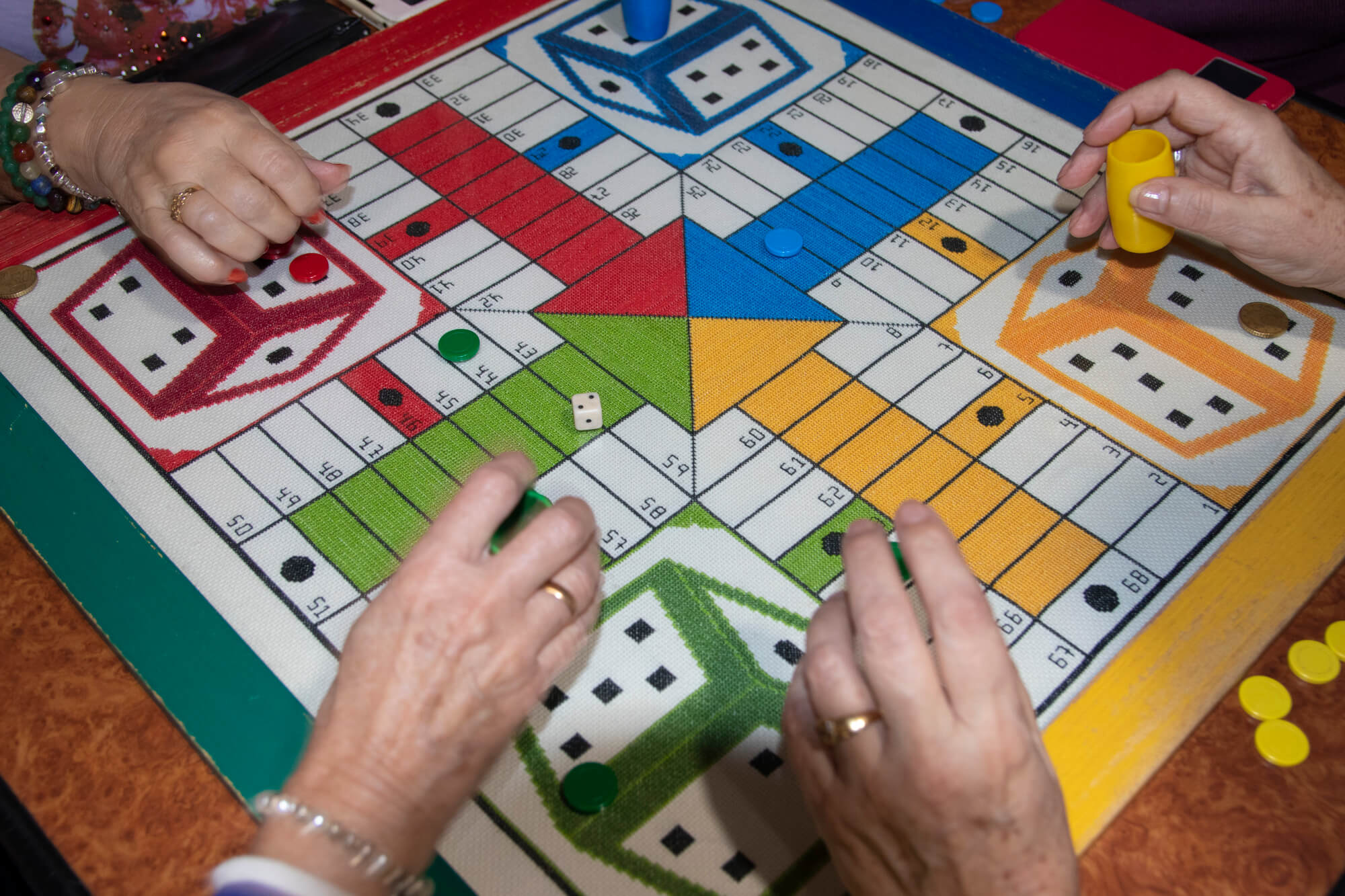
Parcheesi is an American version of Pachisi, an Indian game played for centuries. It was trademarked in the United States in the 1860s and later sold for generations by Selchow and Righter.
Players move four pawns around a cross-shaped board, capturing opponents and seeking shelter on protected spaces. The Mughal emperor Akbar reportedly played a version on a giant courtyard board using people as pieces.
The game rewards patience and a willingness to block opponents, and it gave families a way to argue politely for an entire afternoon.
Guess Who With Flip-Down Faces
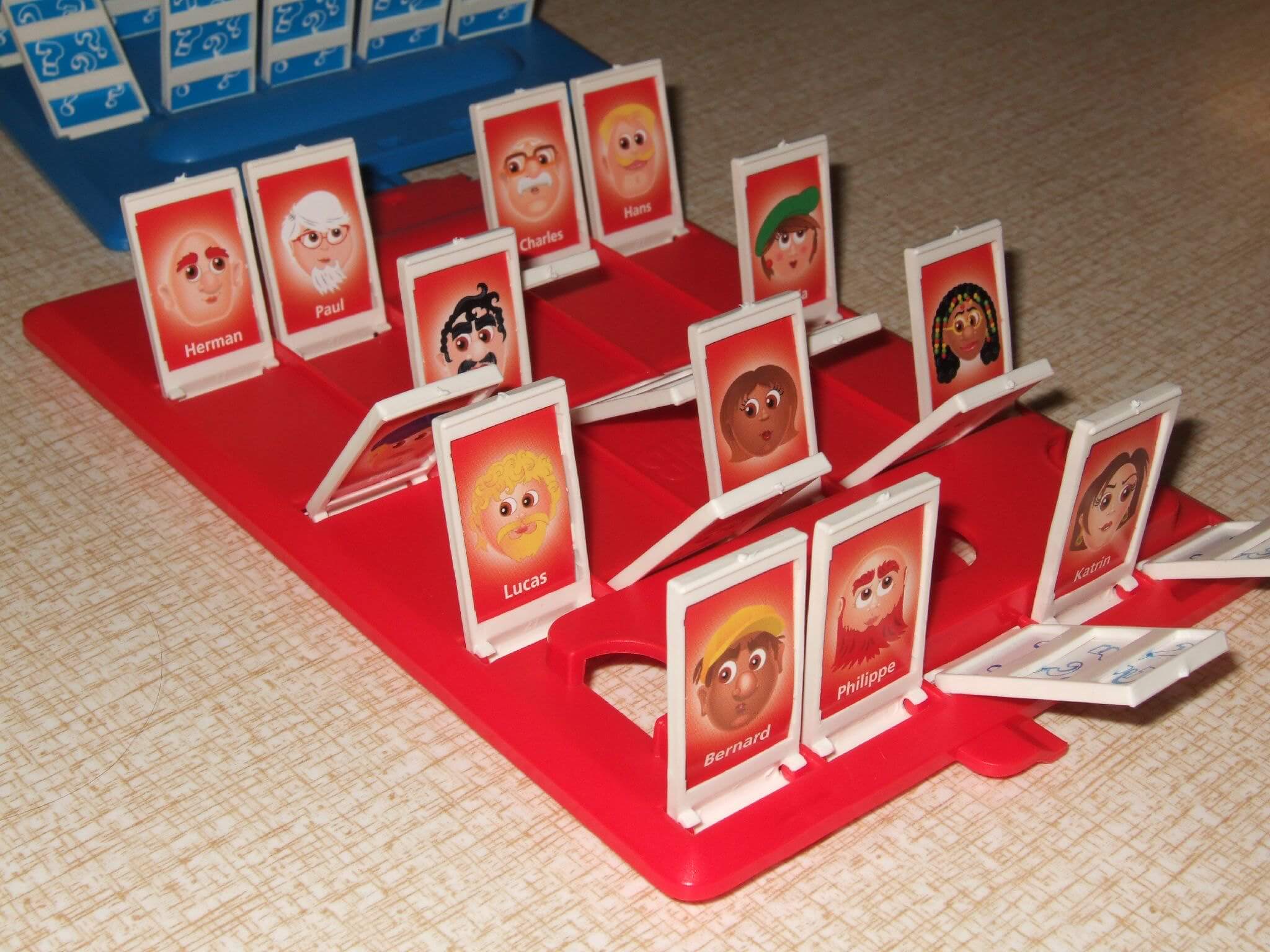
Guess Who was released in the United States by Milton Bradley in 1979. Each player has a board of 24 faces and asks yes-or-no questions about the other player’s mystery person, covering glasses, hats, beards and hair color.
Answers let players flip down faces until only one remains standing. The game quietly taught logic and elimination to young children.
Kids learned that asking about a feature only a few faces shared was a gamble, while a question that split the board in half was the smarter move.
Mastermind and the Code of Colored Pegs
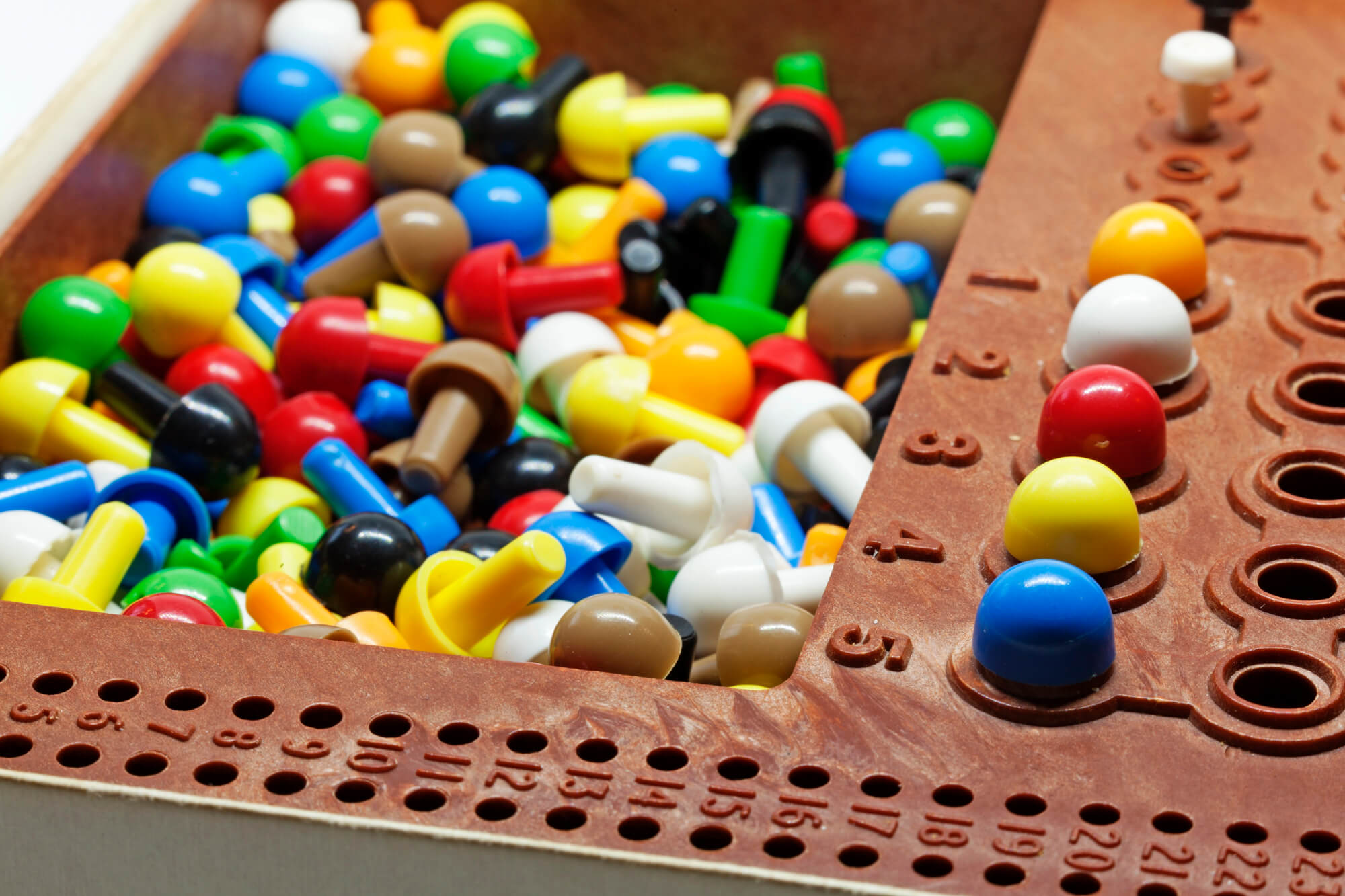
Mastermind was invented in 1970 by Mordecai Meirowitz, an Israeli postmaster and telecommunications expert, and produced by Invicta Plastics in England. One player hides a code of colored pegs, and the other tries to crack it in as few guesses as possible, using small black and white pegs as feedback.
The game rewards patient reasoning more than luck. Kids who played it with parents discovered that deduction could be competitive.
The best codebreakers kept a mental list of eliminated colors, while everyone else guessed and hoped.
Perfection and Its Pop-Up Tray
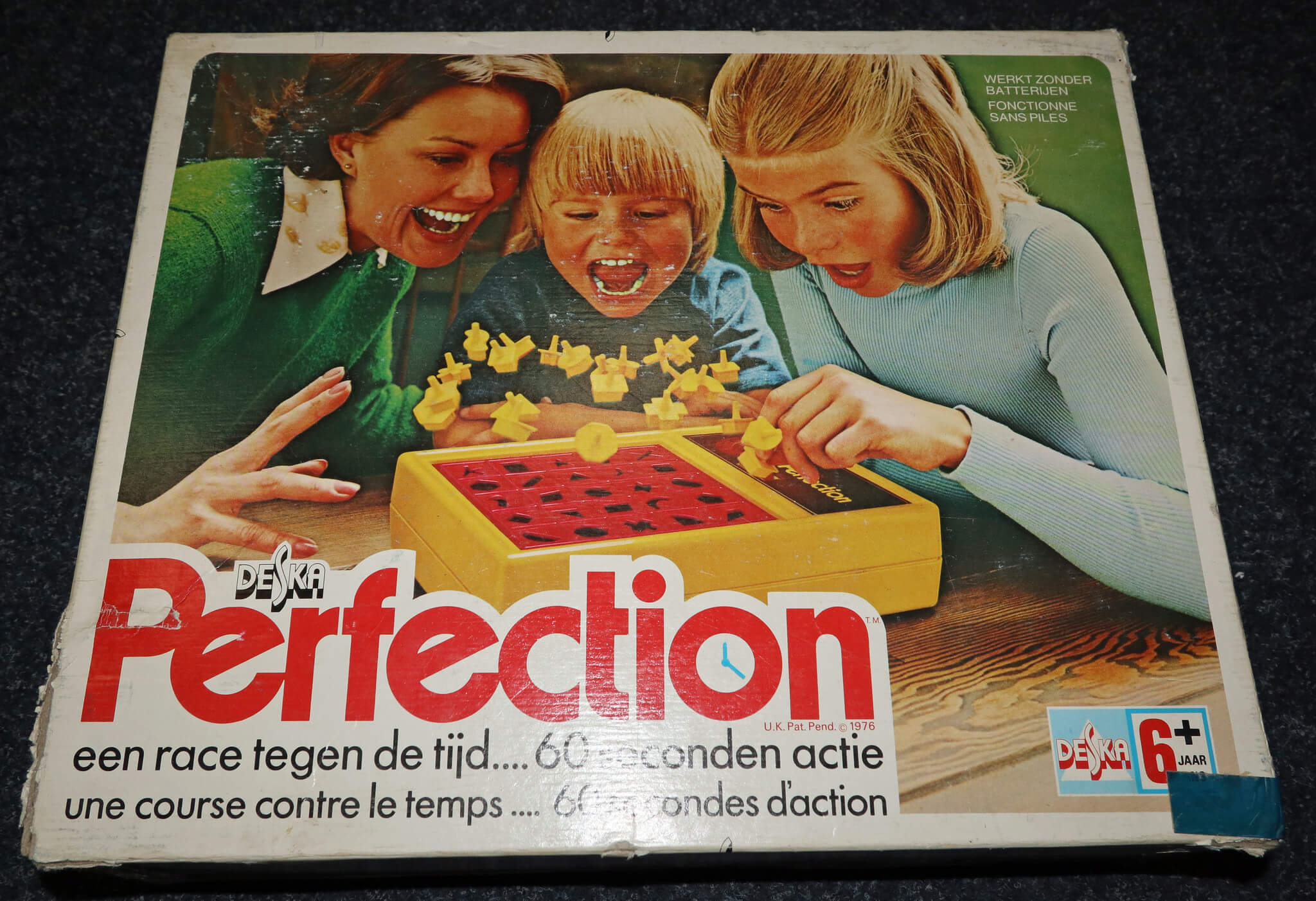
Perfection gives players 60 seconds to fit 25 shaped pieces into matching slots before the timer runs out and the tray springs up, launching every piece into the air. Lakeside Games released it in the early 1970s, and Milton Bradley later took it over.
The ticking timer made the game unbearably tense, and the sudden pop made everyone jump no matter how many times they had played. Kids learned to recognize the shapes by feel.
Lost pieces were a disaster, since the game could not be finished without all of them.
Boggle and the Three-Minute Timer
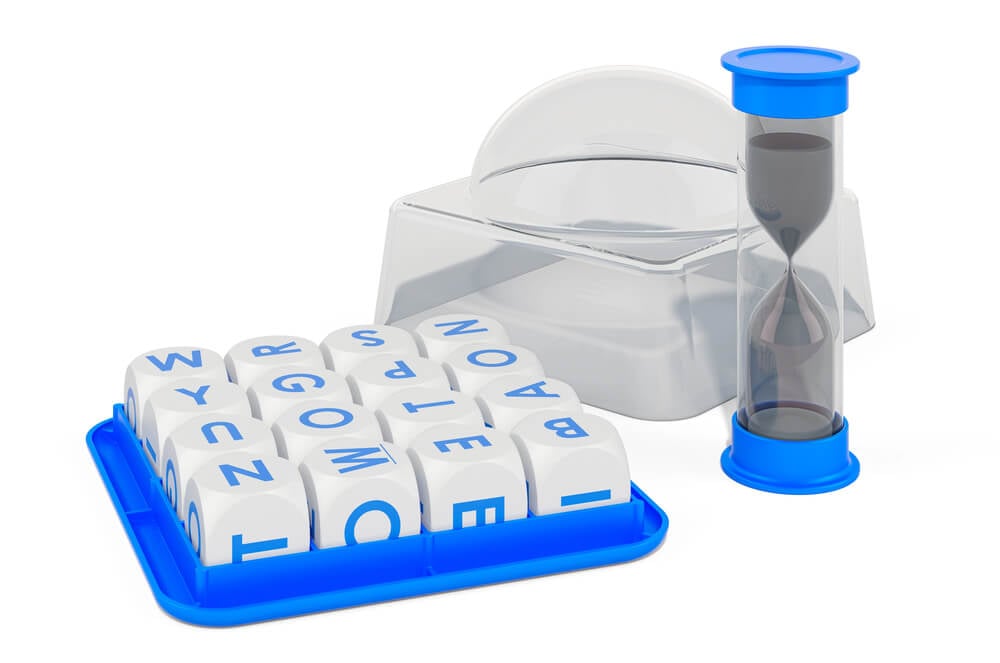
Boggle was released by Parker Brothers in 1972. Sixteen letter cubes are shaken inside a covered grid, and players have three minutes to find as many words as possible using adjacent letters.
The rattle of the cubes was the signal to begin. Words found by more than one player were crossed out, which rewarded finding obscure words.
Adults tended to dominate, although kids with strong spelling could surprise them. Families developed rules about plurals and proper nouns that nobody could find in the official instructions.
Pictionary and Sketches on Scratch Paper
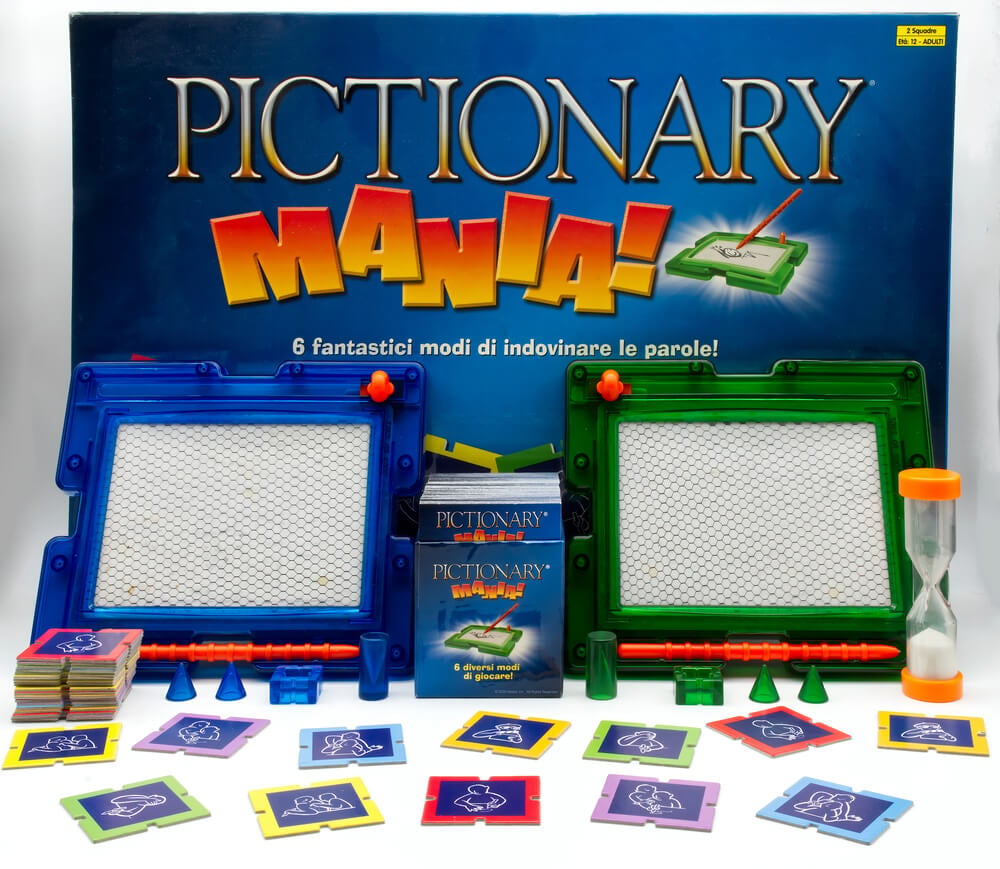
Rob Angel developed Pictionary in the 1980s while working as a waiter in Seattle, and the game became a party standard by the end of the decade. One player draws a word while teammates guess against a sand timer.
Artistic talent helps less than expected, since stick figures are often clearer than detailed drawings. Families burned through scratch paper and pencils.
Kids and adults were on equal footing, which is why it came out at holidays and on rainy weekends, and why the youngest player sometimes won.
Trivial Pursuit and Its Colored Wedges
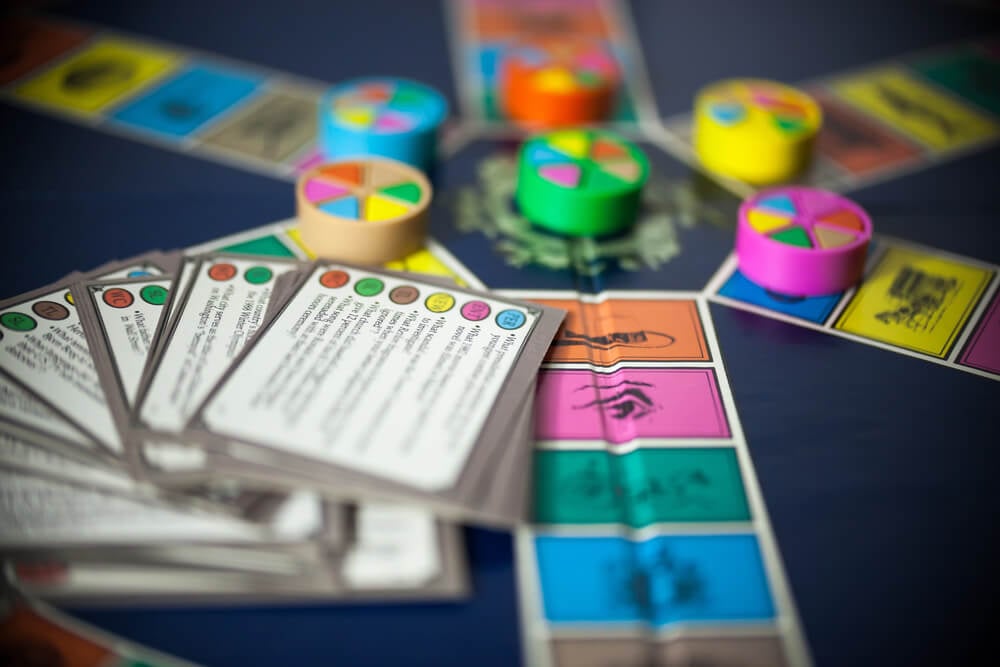
Two Canadian journalists, Chris Haney and Scott Abbott, came up with Trivial Pursuit in 1979 in Montreal after discovering that their Scrabble set was missing pieces. The game reached stores in 1981 and became a phenomenon by 1984.
Players answer questions in six categories to earn colored wedges for a round playing piece. Kids often struggled with questions written for adults, which led to separate junior editions.
Family arguments over the correct answer printed on the card were common, and the card was not always right.
Mouse Trap and Its Chain Reaction
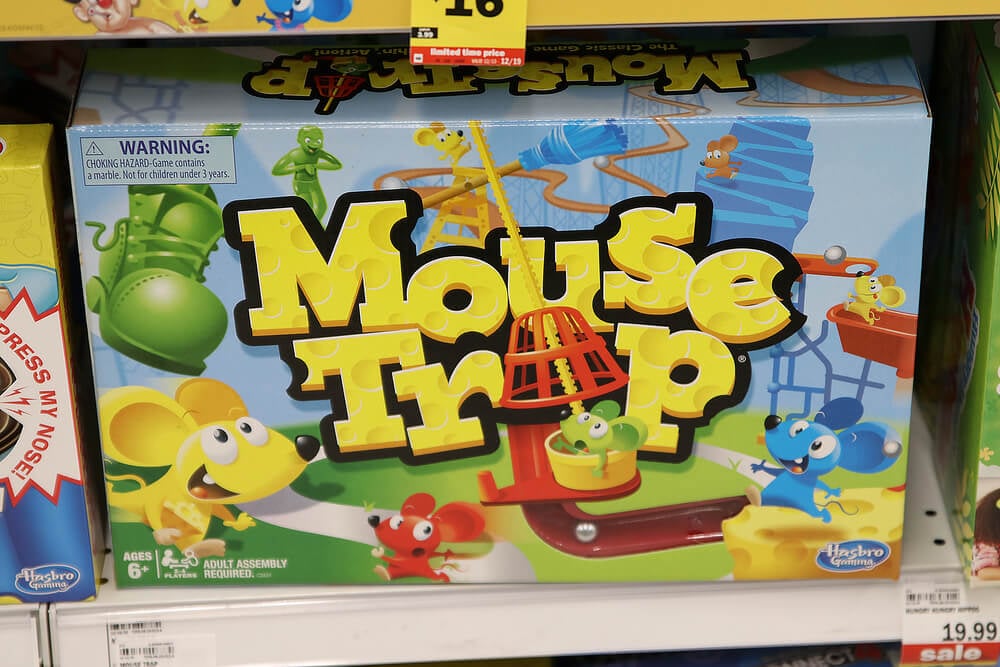
Mouse Trap, released by Ideal in 1963, was a contraption as much as a game. Players build a machine inspired by Rube Goldberg cartoons piece by piece, in which a crank turns gears that push a boot that kicks a bucket, sending a small metal sphere down a staircase and dropping a cage onto a plastic mouse.
The actual game was simple, and most kids just wanted to build the machine and watch it run. The trap rarely worked on the first try.
Missing parts made it almost impossible to operate.
Hungry Hungry Hippos and Its Marble Frenzy
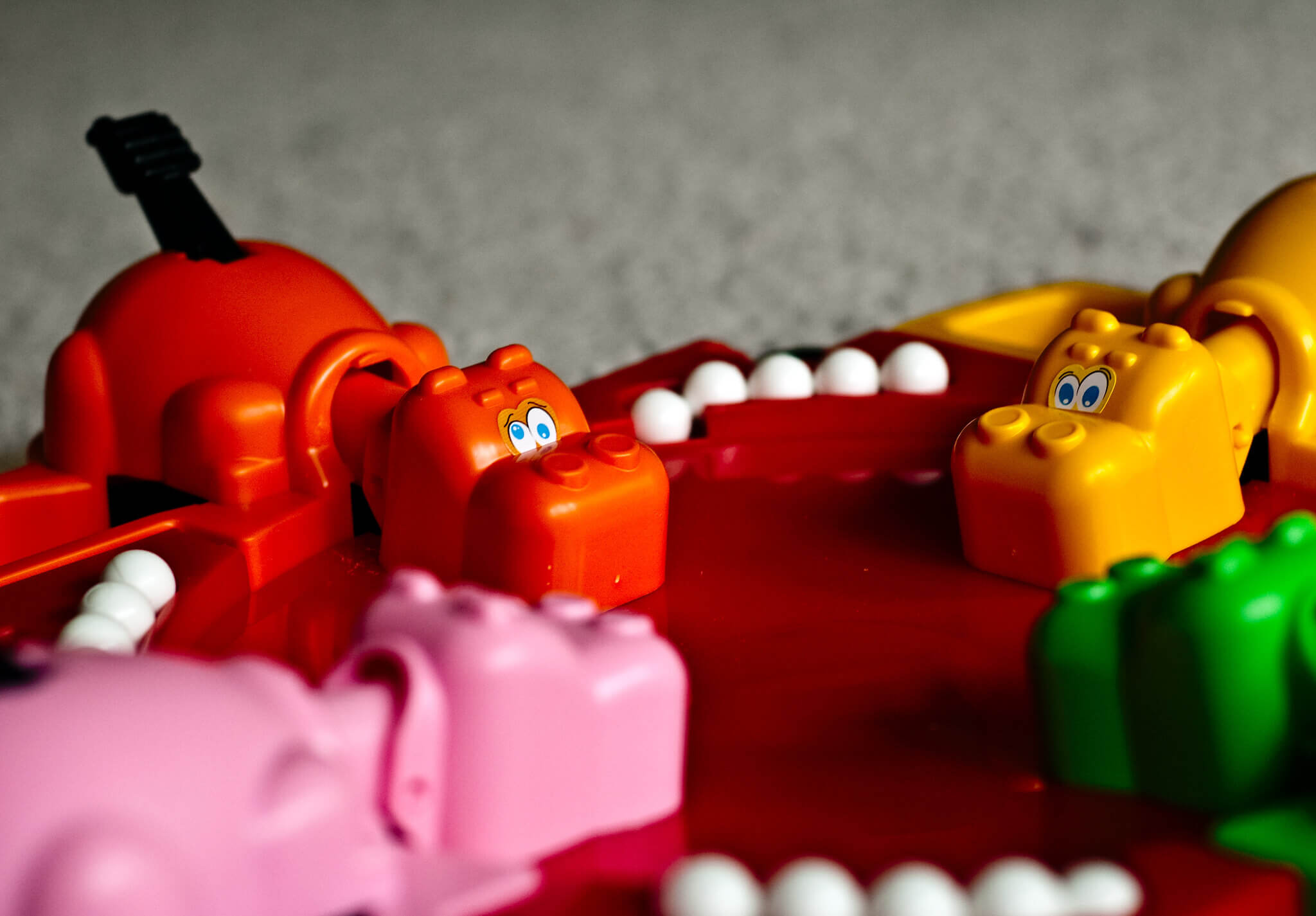
Hungry Hungry Hippos reached stores in 1978 from Milton Bradley. Four players pound levers to make plastic hippos snap up white marbles from the center of the board.
It is easily the loudest game in the closet, and parents often regretted buying it within minutes. There is almost no strategy involved beyond pressing faster than everyone else.
Kids loved the chaos, and marbles regularly ended up under the refrigerator or the radiator. A missing marble or two did little to slow the game, which may explain why so many copies survived.
Payday and the Monthly Calendar
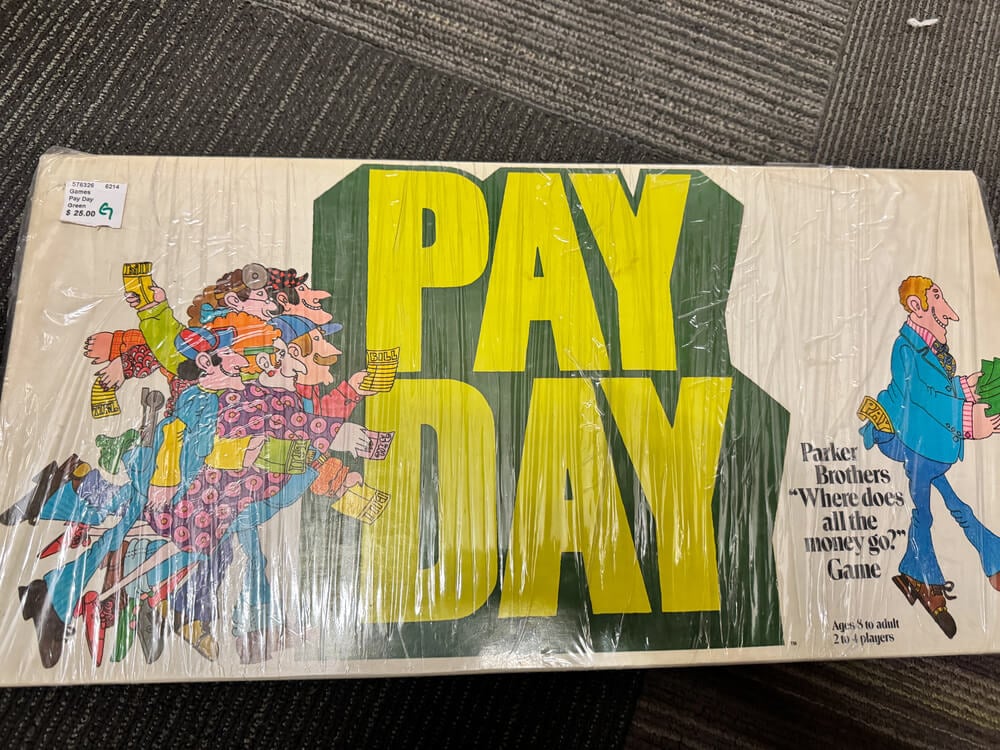
Parker Brothers released Payday in 1975, and its board is shaped like a calendar month. Players move through the days collecting a paycheck at the end of each month, paying bills and dealing with mail such as insurance offers and deals.
Designer Paul J. Gruen built it around budgets, loans and interest, subjects most board games avoided. The sweepstakes and lottery spaces were where the drama happened.
Kids learned that bills arrived regularly and paychecks never seemed to arrive fast enough, which parents considered a useful lesson.
Mall Madness and the Talking Mall
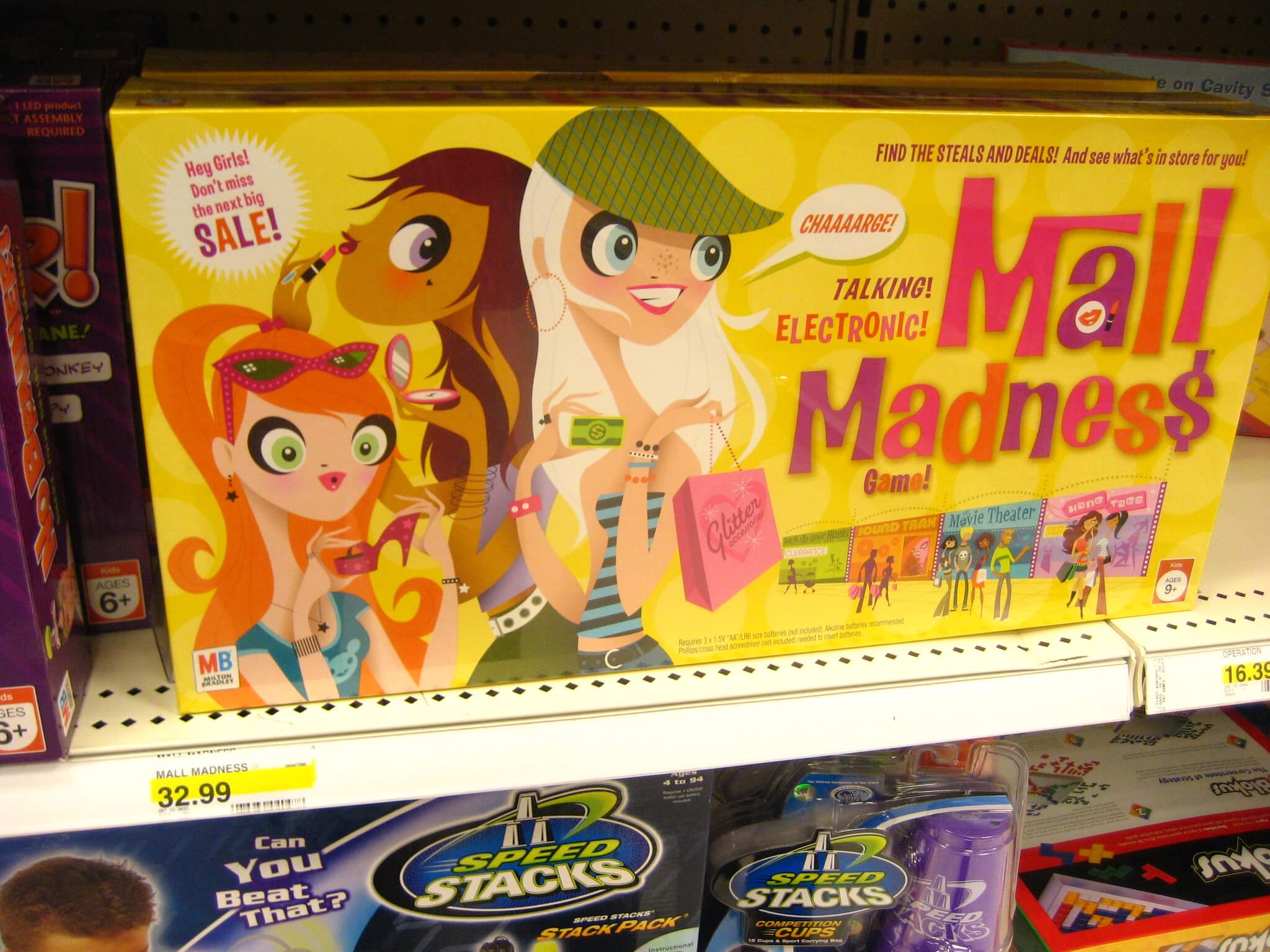
Milton Bradley released Mall Madness in 1988, an electronic board game with a recorded voice that announced sales and clearances at stores around a plastic two-story mall. Players had a shopping list and a credit card and raced to buy their items first and get back to the parking lot.
The electronic voice made it feel futuristic at the time. The game was aimed at young girls and became a sleepover staple.
Kids who grew up with it can still recall the voice announcing a sale at the shoe store.
Operation and Cavity Sam
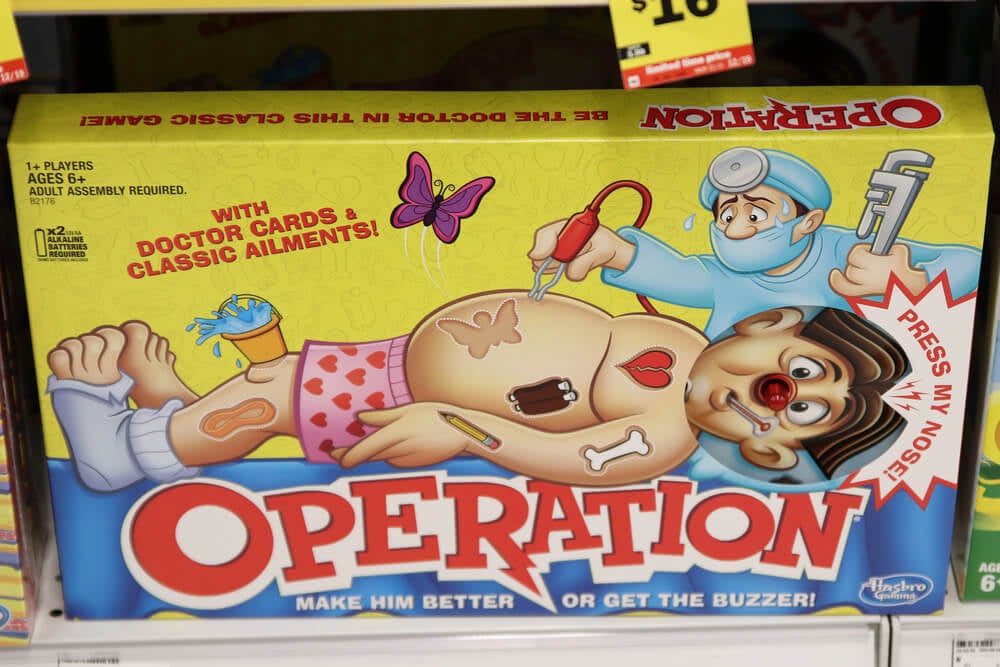
John Spinello designed the prototype as a student at the University of Illinois and sold the rights for 500 dollars. Milton Bradley released it as Operation in 1965.
Players use tweezers to remove pieces like the Charlie Horse and Funny Bone from a patient named Cavity Sam without touching the metal edges, which buzzes and lights up his red nose. Steady hands mattered more than age, so kids could beat adults.
The buzzer made everyone jump, and a dying battery made the patient sound even more pitiful.
Othello and Its Two-Sided Discs
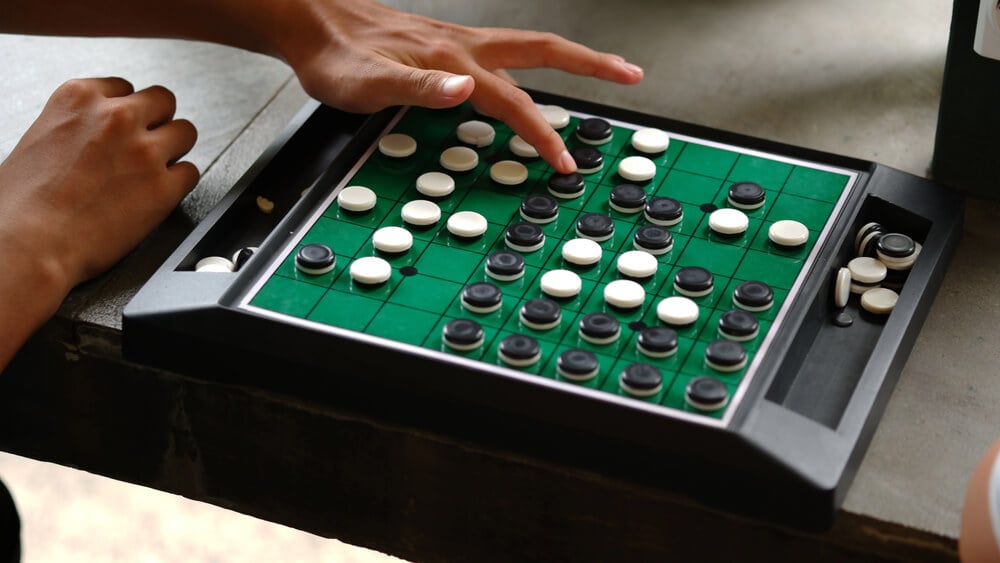
Othello is played on an eight-by-eight board with discs that are black on one side and white on the other. Goro Hasegawa published the modern version in Japan in the early 1970s and named it after the Shakespeare play, whose conflict between Othello and Iago he connected to the black and white pieces.
The marketing slogan promised a minute to learn and a lifetime to master. Flipping a long line of discs at once was deeply satisfying.
Families played it at the kitchen table, and comebacks late in the game were common.
Checkers on a Folding Board
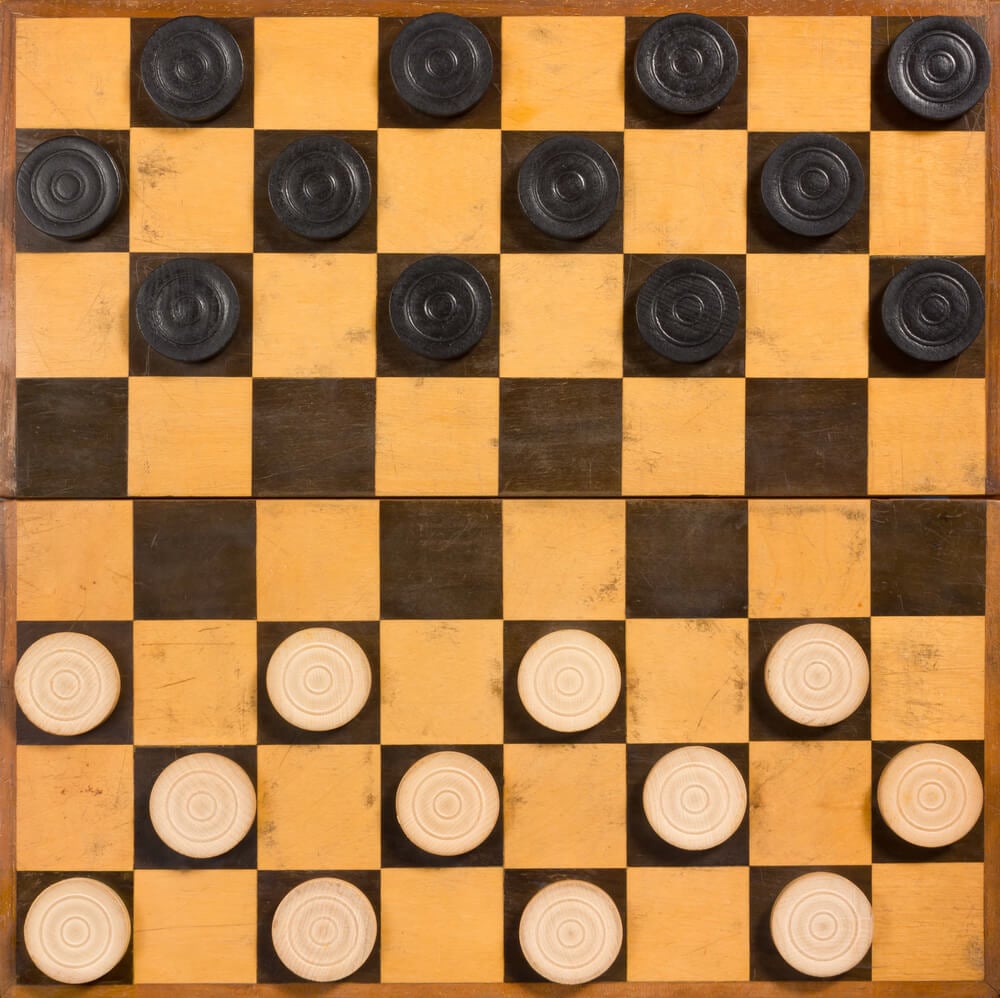
Checkers has roots stretching back centuries in Europe and was often the first strategy game kids learned. The folding board with checkers on one side and another game printed on the back was a standard household item, and the red and black pieces often doubled as poker chips or game tokens.
Getting a piece crowned king at the far side of the board was the highlight. Grandparents often taught it.
In 2007, researchers at the University of Alberta proved that perfect play from both sides ends in a draw.
Chess and the Grandparent Who Taught It

Chess was often the most serious game in the closet, and many kids learned it from a grandparent or older sibling. Bobby Fischer’s 1972 world championship match against Boris Spassky in Reykjavik set off a chess boom in the United States, and sales of sets surged.
Families kept a plastic set in a cardboard box or a wooden one in a hinged case. Kids learned how the pieces moved in a single rainy afternoon but spent years learning to win.
The knight’s odd move confused nearly every beginner.
Rummikub Tiles on a Rack
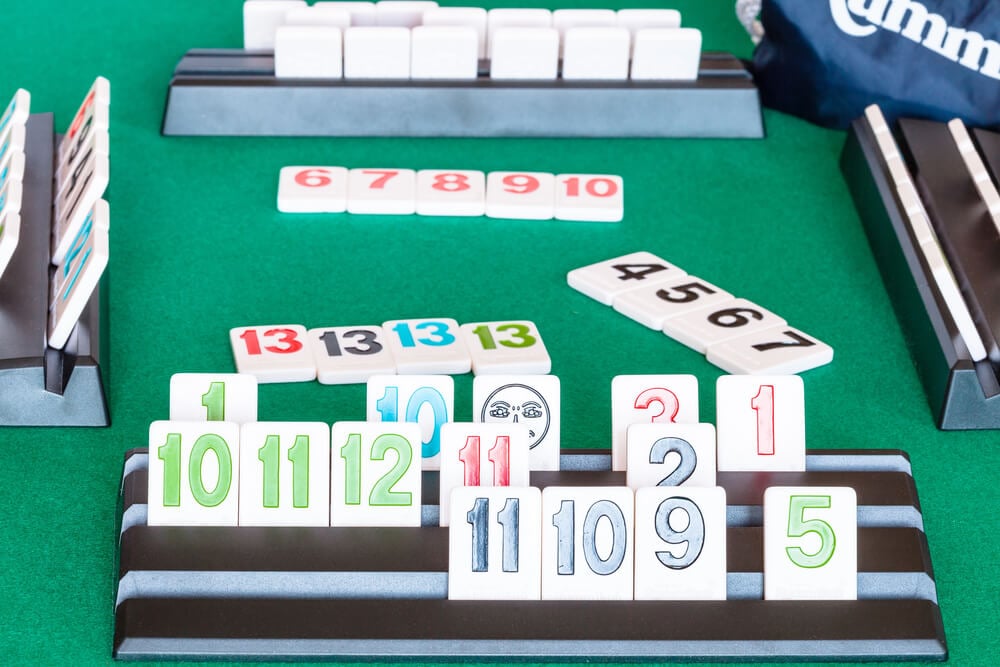
Rummikub combines the card game rummy with numbered tiles and was created by Ephraim Hertzano, a Romanian-born Jewish immigrant who developed it in the 1940s in what became Israel. Players arrange tiles into runs and groups, and they can rearrange sets already on the table to play their own tiles.
It won the German Game of the Year award in 1980. Kids could learn it quickly, and grandparents were often experts.
The click of tiles on the plastic racks became a familiar sound in many homes.
Rainy Afternoons and Rules Nobody Read
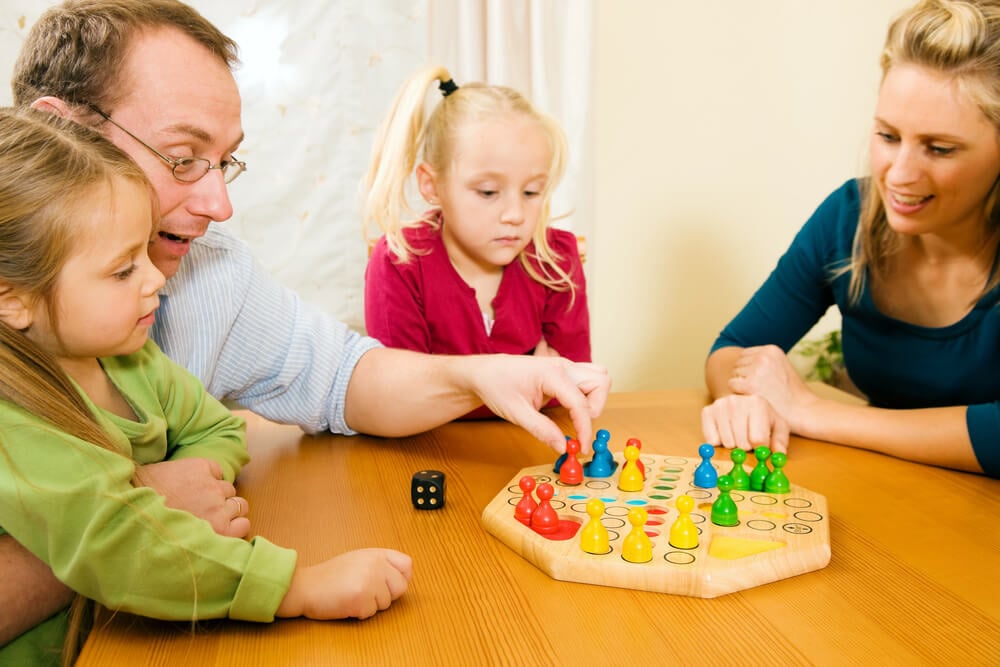
Board games lasted in family closets because they gave everyone a reason to sit at the same table for a few hours. The rules were often ignored, rewritten or disputed, and every family developed its own house versions.
Those arguments were part of the fun. Many of these games are still sold in nearly the same form, so grandparents and grandchildren can play by the same rules, at least in theory.
Missing pieces, taped boxes and old score sheets tell the story of years of use. A rainy day still sends people to the closet.
More from Go2Tutors!

- The Romanov Crown Jewels and Their Tragic Fate
- 13 Historical Mysteries That Science Still Can’t Solve
- Famous Hoaxes That Fooled the World for Years
- 15 Child Stars with Tragic Adult Lives
- 16 Famous Jewelry Pieces in History
Like Go2Tutors’s content? Follow us on MSN.