31 Old-School Hobbies Kids Spent Weekends On
Saturday mornings used to begin with cartoons and end at a card table covered in newspaper, glue, and small parts. Hobbies filled the long stretch between chores and dinner, and many of them took weeks to show any result at all.
Kids ordered kits from the back pages of comic books, waited for the mail, and then waited some more. Plenty of these pastimes still exist in some form.
What faded was the idea that a kid might spend an entire weekend on one of them without anyone thinking it strange.
Stamp Collecting With Hinges and Tongs
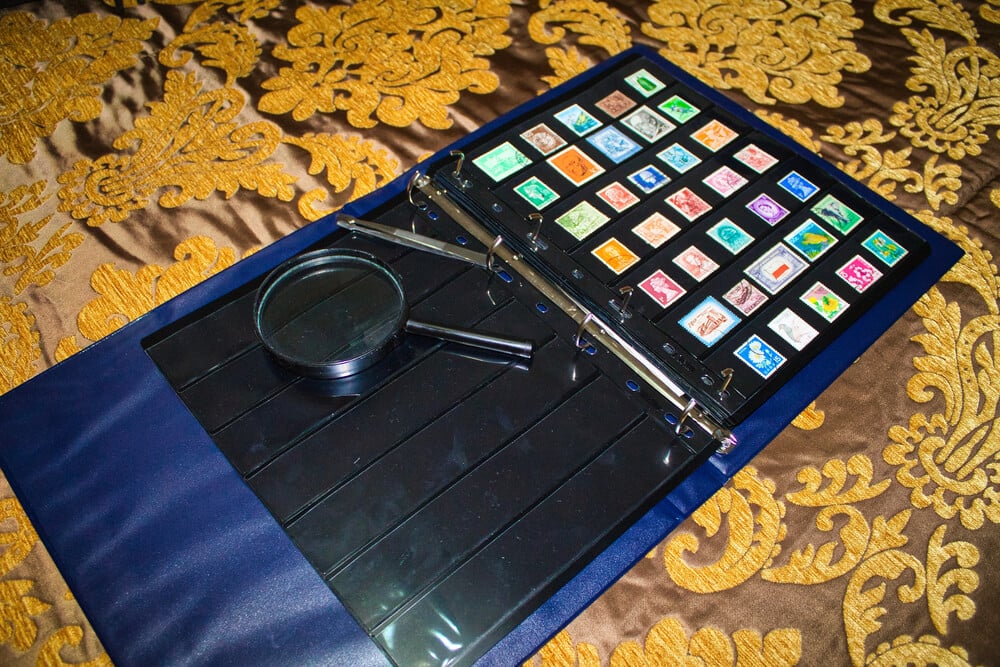
Stamp collecting was once so mainstream that President Franklin D. Roosevelt’s devotion to it was part of his public image. Kids bought packets of mixed foreign stamps at the five-and-dime, soaked envelopes to float the stamps off, and mounted them in albums with tiny gummed hinges.
Tweezers called tongs kept fingerprints off the paper, and a magnifying glass settled arguments over perforations. The hobby doubled as a geography lesson, since a single packet might hold stamps from places that no longer existed under the same name.
Coin Collecting in Blue Cardboard Folders
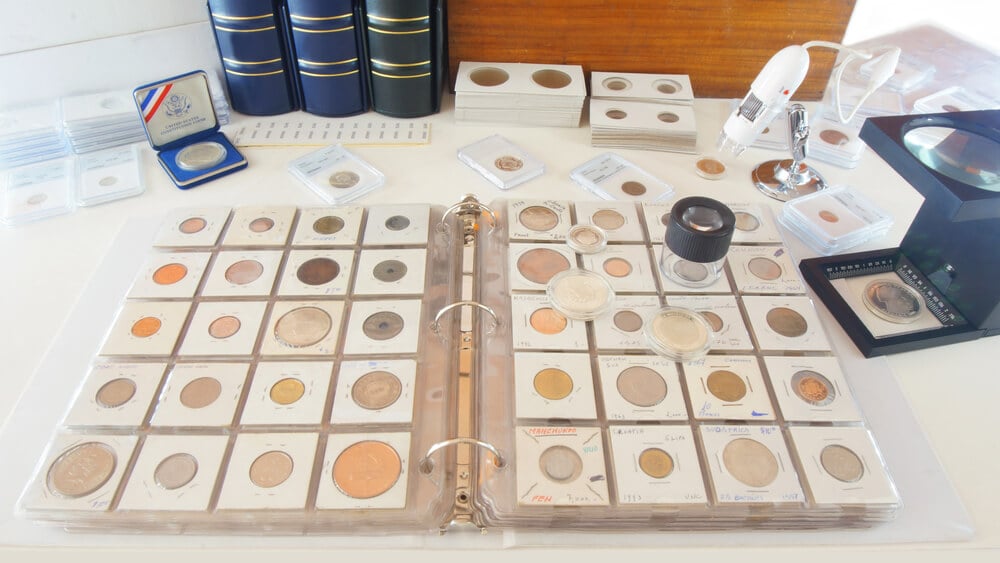
Whitman’s blue cardboard folders turned pocket change into a scavenger hunt. Each folder had a slot for every date and mint mark of a coin series, and kids pressed pennies into place one by one until only the rare dates stayed empty.
Checking change at the grocery store became a reflex, and relatives were asked to empty their coin jars. The hobby got a second wave from 1999 to 2008, when the United States Mint issued the 50 State Quarters program and millions of families bought maps with slots for each design.
Estes Model Rockets
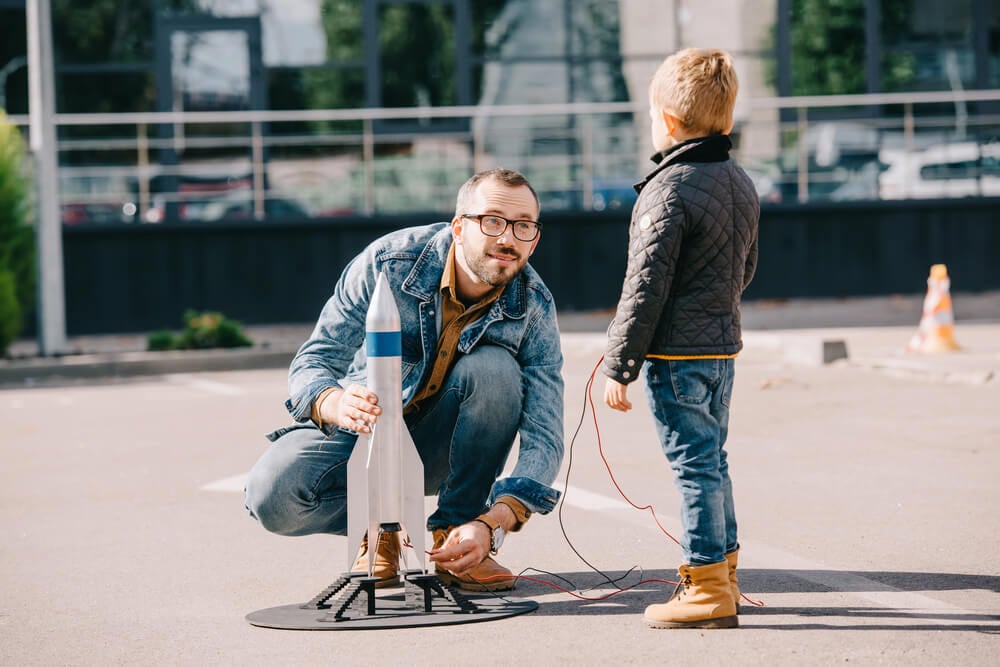
Vern Estes began producing model rocket engines in Denver in 1958, using a machine he built to press them out automatically, and his company later settled in Penrose, Colorado. Kids assembled cardboard tubes, balsa fins, and plastic nose cones, then launched them from a field with an electric igniter and a countdown.
A parachute or streamer brought the rocket back, though a strong wind could carry it into a tree or the next county. Estes kits were a gateway into aerospace for more than a few future engineers.
Plastic Model Kits and Tube Glue
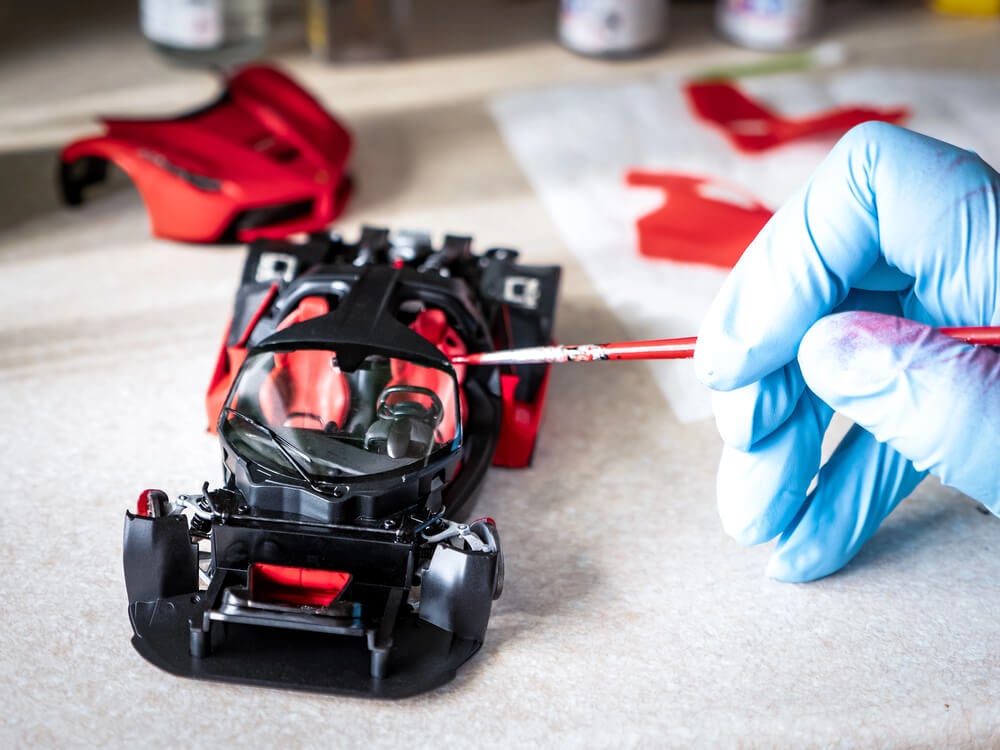
Plastic model kits from Revell, Monogram, and Aurora meant hours spent snipping parts from plastic trees, reading instruction sheets, and trying not to glue fingers together. Cars, warships, and fighter planes were the standards, and Aurora’s monster kits, launched with Frankenstein in 1961, gave the hobby a spooky wing.
Tiny bottles of enamel paint, decals soaked in a saucer of water, and the smell of tube cement defined the experience. A finished model went on a bedroom shelf, where it gathered dust and occasionally lost a wing to a younger sibling.
Crystal Radio Kits
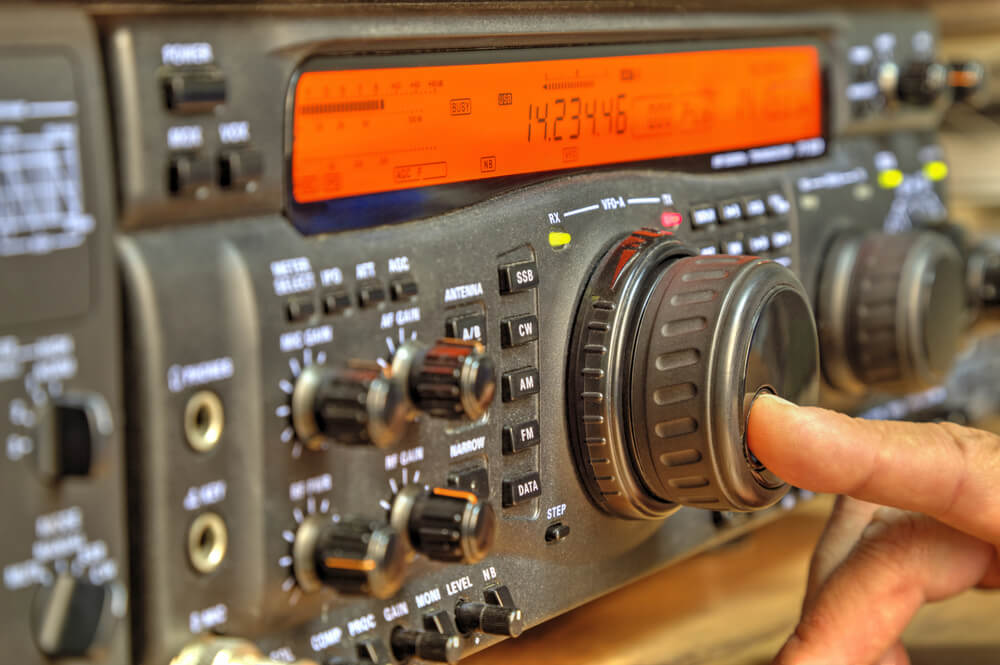
A crystal radio could pull voices out of the air with no batteries at all, which felt close to magic. The classic design used a coil of copper wire, a mineral crystal such as galena, a thin wire probe nicknamed a cat’s whisker, and an earpiece.
Kids strung long antenna wire out a bedroom window and moved the probe around the crystal until a station faded in. Kits sold through hobby shops and mail-order catalogs for decades, and many kids heard their first late-night broadcast through a single tinny earphone under the covers.
Ham Radio and Morse Code
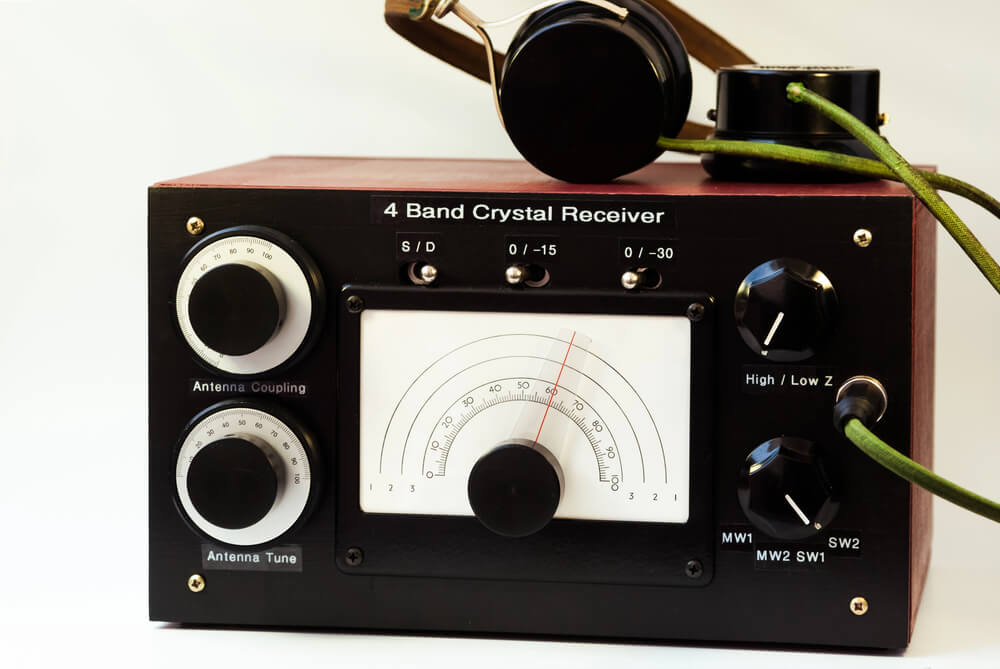
Amateur radio gave teenagers a way to talk to strangers across the world long before the internet. The Federal Communications Commission created an entry-level Novice license in 1951, and passing it required learning Morse code, which kids practiced by tapping on desks and kitchen tables.
Operators collected postcards called QSL cards from every station they reached, pinning them to bedroom walls as proof of distant contacts. The Morse code requirement for licenses was dropped in 2007, but by then the hobby had already become associated with an older crowd.
Erector Sets and Their Steel Girders
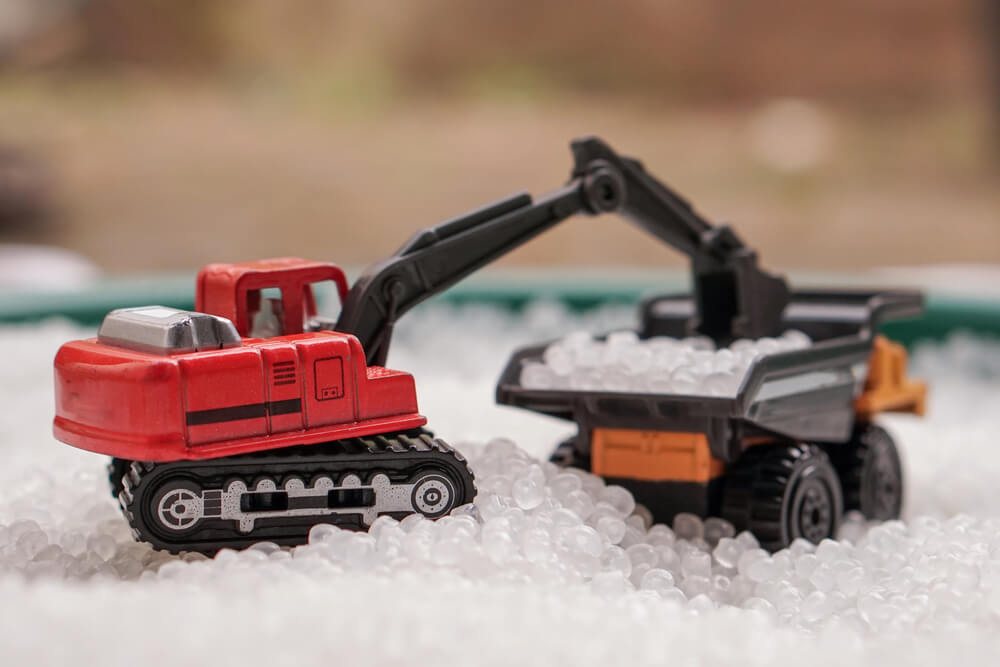
A.C. Gilbert, who shared the Olympic pole vault gold medal in 1908, introduced the Erector set in 1913. The kits came with perforated steel girders, nuts, bolts, pulleys, and, in the bigger sets, an electric motor.
Kids built bridges, cranes, and Ferris wheels on the living room rug, and the tiny screws had a way of disappearing into carpet forever. Gilbert marketed the sets as training for future engineers, and the larger versions arrived in handsome metal cases that became collectibles in their own right.
Chemistry Sets With Real Chemicals
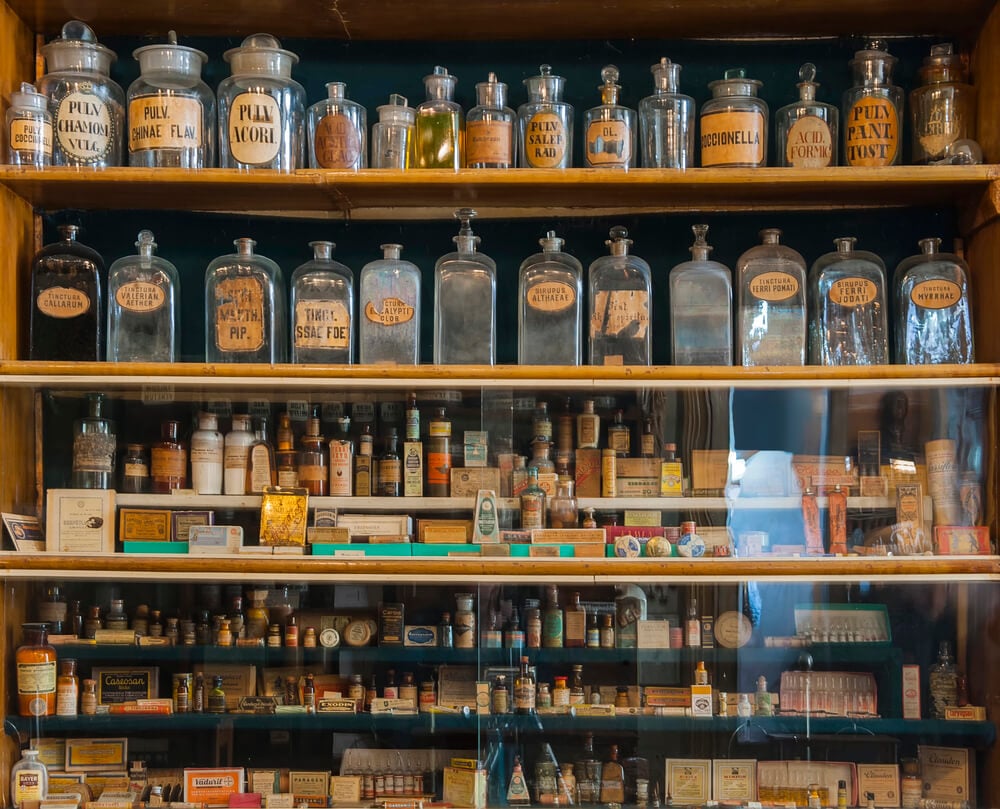
Mid-century chemistry sets from Gilbert and Chemcraft came with test tubes, an alcohol burner, and glass vials of chemicals that no toy company would ship today. Kids produced color-changing solutions, invisible ink, and the occasional smell that cleared the house.
The most famous extreme was Gilbert’s U-238 Atomic Energy Lab of the early 1950s, which included samples of uranium ore and a working Geiger counter. It sold for about 50 dollars, an enormous sum then, and few were made, but the sets as a group taught a generation that science could be done on a basement workbench.
Rock Tumbling for Weeks at a Time
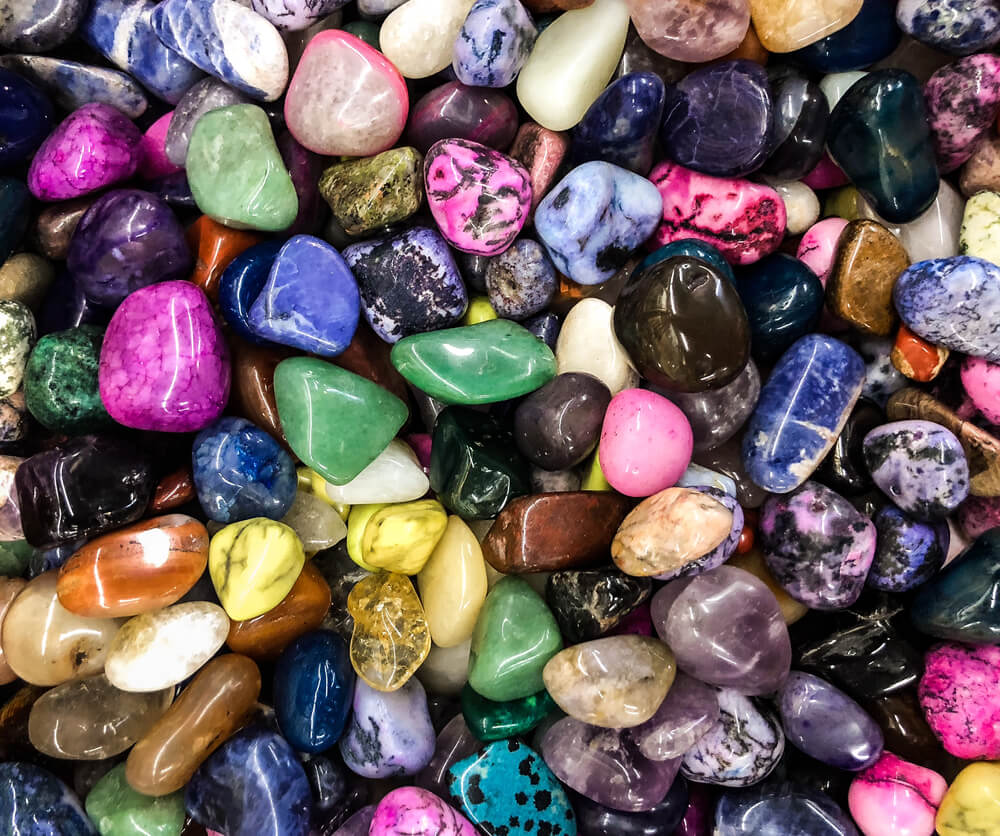
A rock tumbler was a small rotating barrel that turned rough stones into polished ones over the course of weeks. Kids loaded it with agates or beach pebbles, water, and silicon carbide grit, then switched to finer grits in stages until the stones came out glossy.
The machine rumbled day and night, usually in a garage because nobody could sleep next to it. Rock collecting went along with it, and family vacations often included gift shop bins of geodes, quartz points, and small bags of polished stones for comparison.
Insect Collections Pinned Under Glass
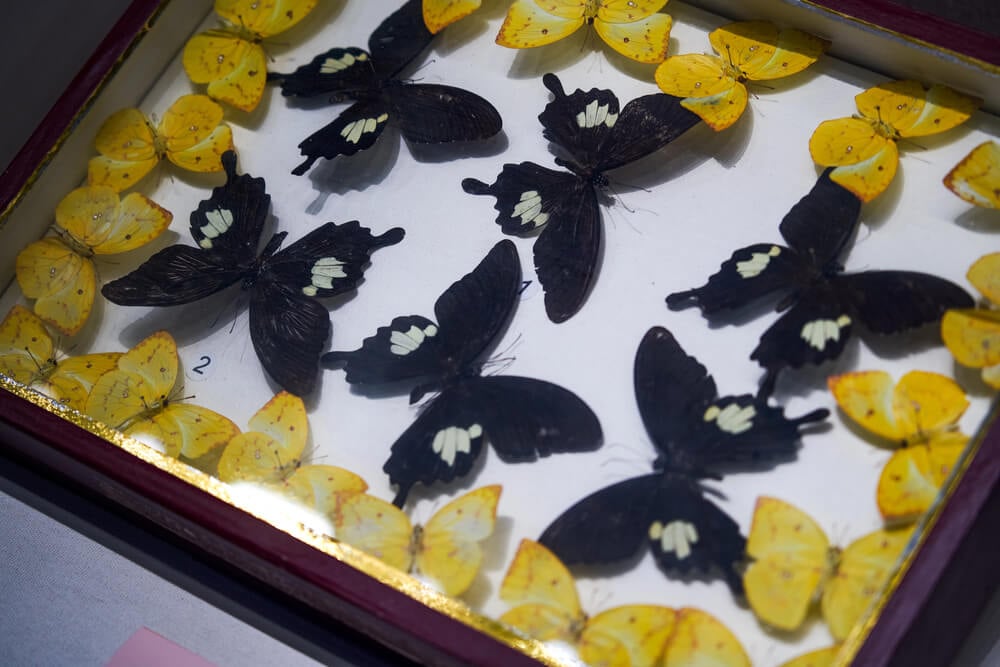
Bug collecting was a staple of summer science projects and scout badges. Kids chased butterflies with nets, used a jar with a bit of cotton and rubbing alcohol to preserve them, and pinned the specimens to a board with their wings spread flat.
Each insect got a tiny label with the date and place it was caught. The finished display, arranged in a shallow wooden or cardboard box with a glass lid, was a point of real pride, and some kids went on to study entomology because of one.
Pen Pals and Airmail Envelopes
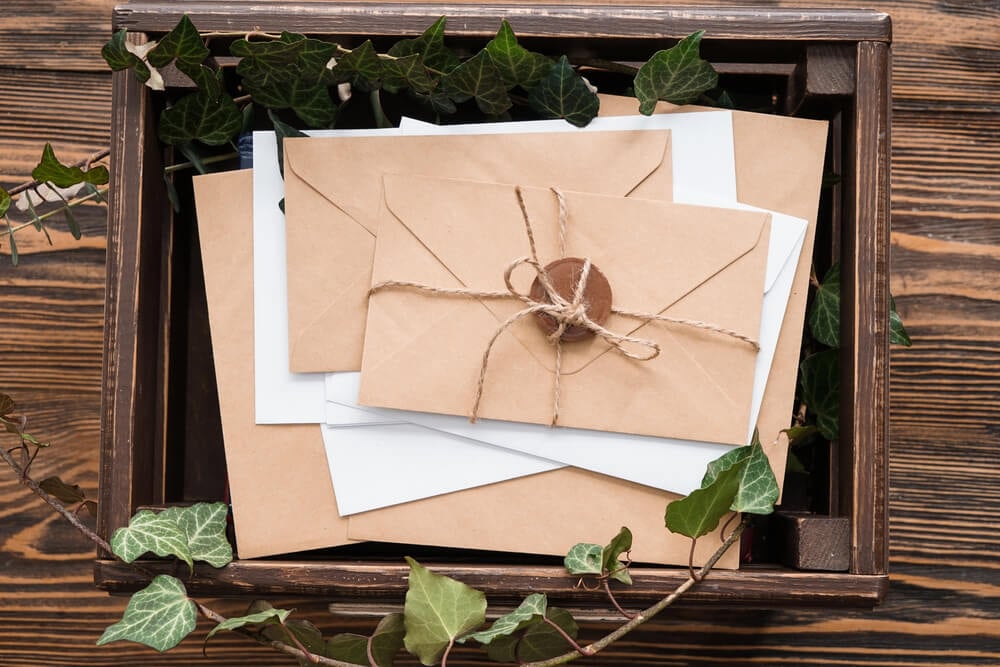
Pen pal programs matched kids with correspondents in other countries, and letters traveled for weeks in thin blue airmail envelopes with red and blue striped borders. Kids traded photos, postcards, stamps, and small souvenirs, and learned slowly about daily life somewhere else.
The wait between letters was part of the appeal, since checking the mailbox became a daily ritual. Some of these friendships lasted decades and ended with a visit in person, while others quietly faded after a school year when one side stopped writing back.
Slot Car Racing
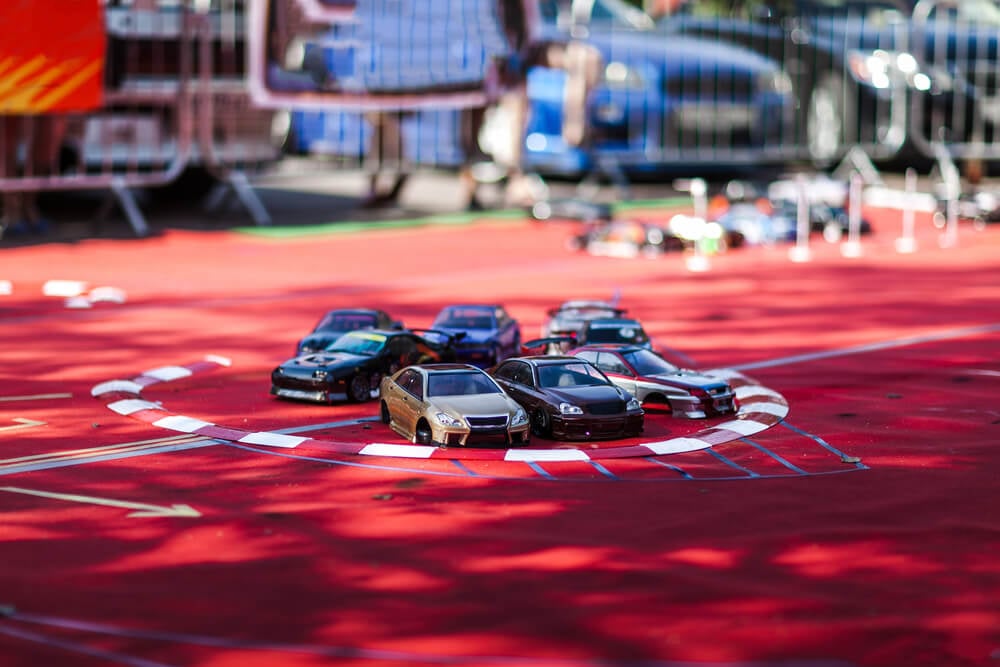
Slot cars exploded in the early 1960s, when commercial raceways with huge wooden tracks opened in strip malls across the country. Kids brought their own cars in tackle boxes, rented a lane by the hour, and controlled speed with a handheld trigger.
At home, Aurora’s HO-scale Model Motoring sets put smaller tracks on basement floors, and its Thunderjet cars from 1963 became the standard. Crashes sent cars flying off the track at every tight corner, which was often the most entertaining part.
Serious racers tinkered with motors, rewound armatures, and swapped tires in search of a few tenths of a second.
Electric Model Trains
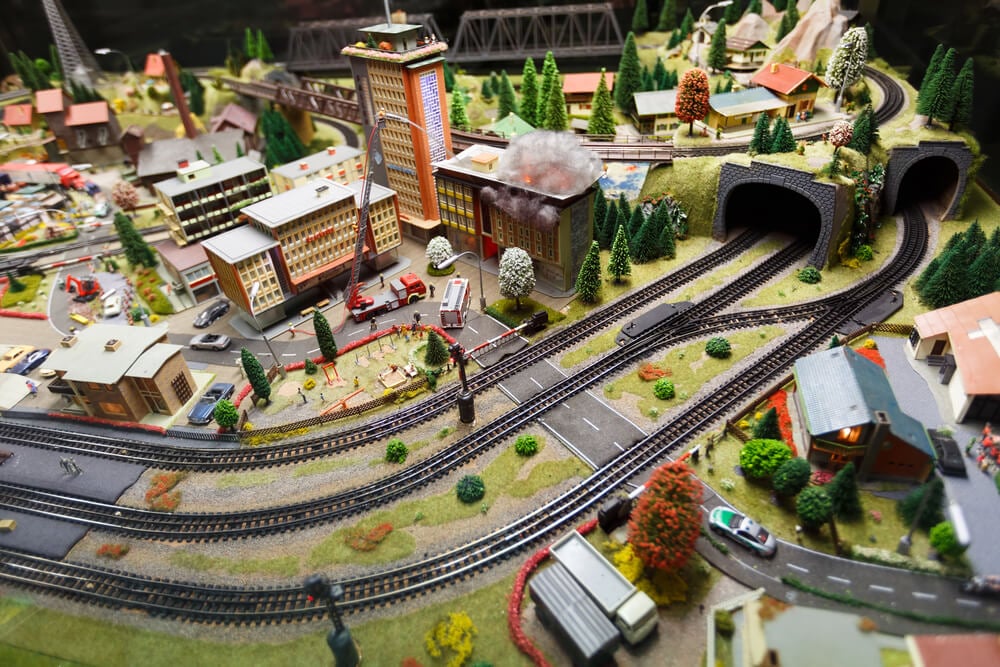
Lionel, founded in 1900 by Joshua Lionel Cowen, made the electric train a fixture under American Christmas trees for decades. Kids built layouts on plywood sheets in the basement, adding tunnels, papier-mache mountains, and miniature towns.
Postwar Lionel locomotives puffed actual smoke from small pellets dropped into the stack, and a transformer with a big handle controlled the speed. Many layouts took years to finish, and more than a few were never really finished, only expanded until the basement ran out of room.
The postwar years are still considered the company’s golden age by collectors.
Paint-by-Number Kits
Palmer Paint Company of Detroit introduced paint-by-number kits under the Craft Master name in 1951, with many of the early designs by artist Dan Robbins. Each kit came with a board printed with numbered outlines and tiny pots of matching paint.
Kids and adults alike filled in horses, harbors, and mountain lakes, and the results hung in living rooms across the country. Critics sneered at the craze, but it sold millions of kits and gave plenty of people their first experience with a brush.
Finished paintings from the 1950s now turn up at flea markets, and some collectors seek out the stranger designs on purpose.
Spirograph Gear Drawings
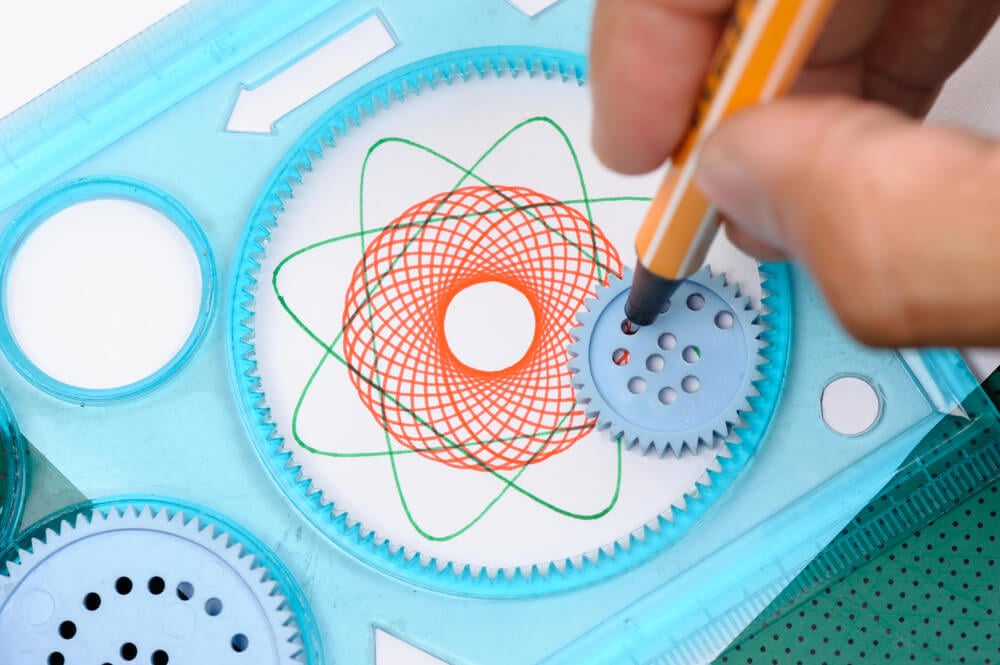
British engineer Denys Fisher invented Spirograph, and Kenner brought it to American kids in the mid-1960s. The set came with plastic rings and gears with small openings for a pen tip, and tracing a gear around the inside of a ring produced looping geometric patterns.
The trick was keeping steady pressure so the gear did not slip and ruin the design halfway through. Pushpins held the ring in place on corkboard, and the drawings covered refrigerator doors across the country.
Colored pens came in the box, and swapping colors partway through a design created layered effects that looked far more complicated than they were.
Shrinky Dinks in the Oven
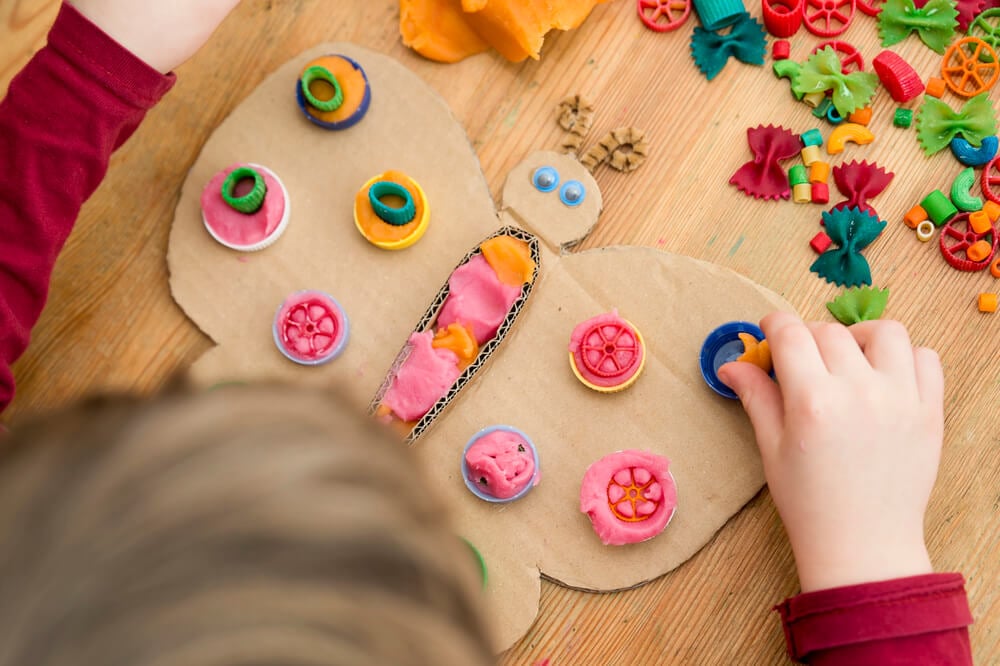
Shrinky Dinks began in 1973 as a Cub Scout project by two mothers in Brookfield, Wisconsin, Betty Morris and Kate Bloomberg. Kids colored designs on thin sheets of plastic, cut them out, and baked them in the oven, where they curled up, flattened again, and shrank to a fraction of their size.
Watching through the oven window was half the fun. The finished pieces became key chains, jewelry, and refrigerator magnets, and a paper punch used before baking left room for a string.
Parents sometimes discovered the oven had been preheated for an entire afternoon of batches.
Latch Hook Rugs
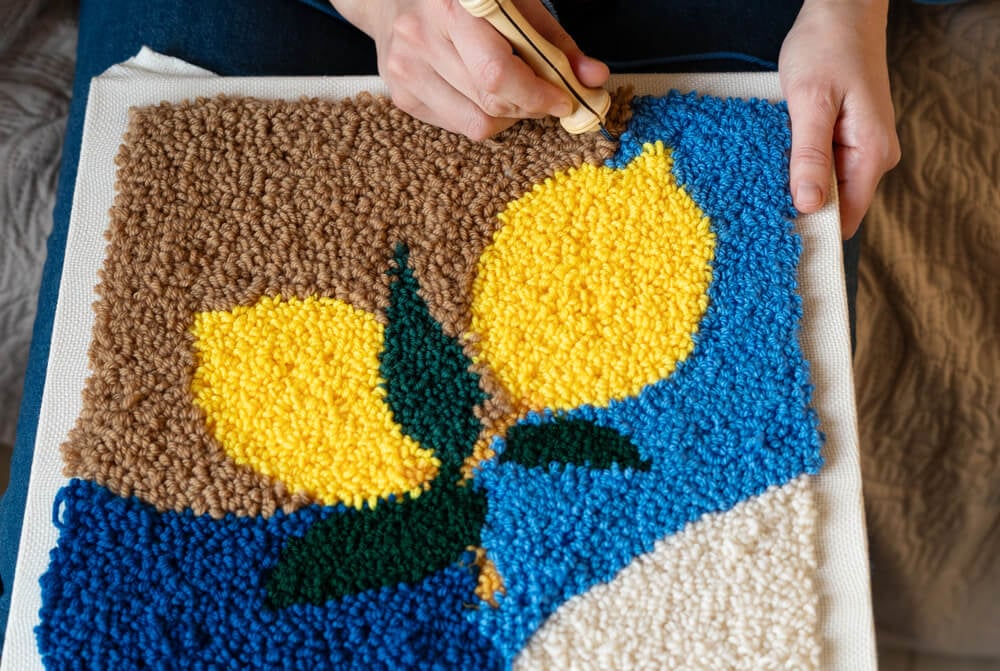
Latch hook kits came with a canvas grid printed with a design, bundles of precut yarn, and a small hooked tool with a hinged latch. Kids looped each strand through the canvas one knot at a time, and a rug the size of a bath mat took hundreds of knots and several weekends.
The designs were pure 1970s, with rainbows, owls, mushrooms, and smiling suns. Finished rugs landed on bedroom floors or hung on walls, and unfinished ones sat in closets for years with the yarn slowly tangling.
Lanyards at Summer Camp
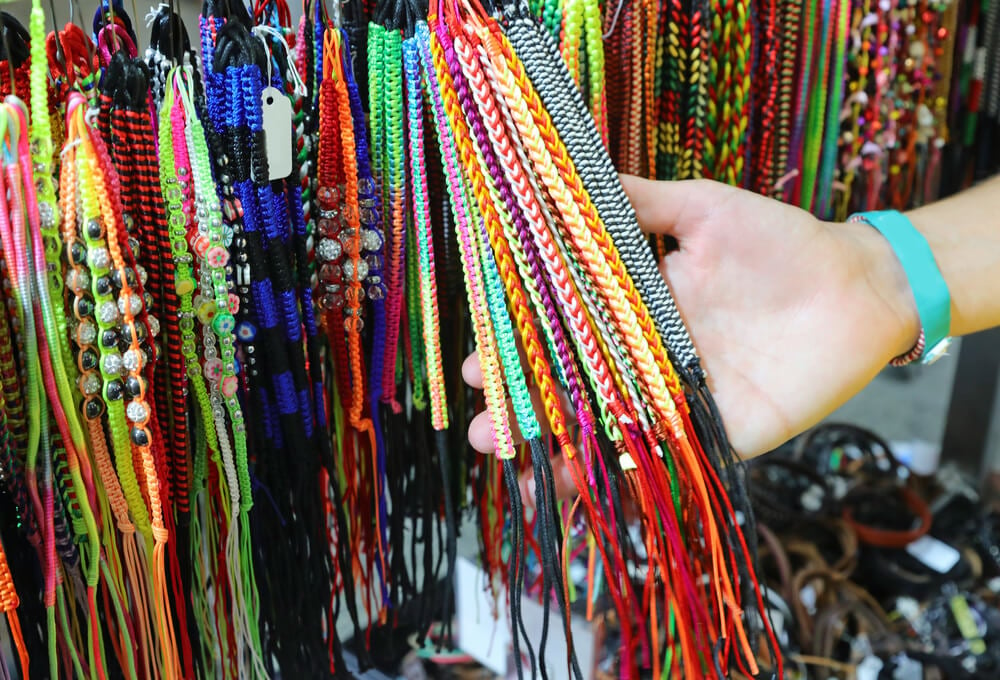
Lanyard making was the signature craft of summer camp, using flat plastic lacing that camps called gimp or boondoggle. Kids learned the box stitch, the round stitch, and the twist, and produced key chains and whistle cords in camp colors.
Every camper brought one home for a parent, who accepted it with appropriate ceremony. Poet Billy Collins built an entire poem called The Lanyard around the lopsided gift, a mark of how many adults remembered making one.
Counselors kept spools of lacing in every color, and the most ambitious campers braided four strands at once into chunky square cords that took days to finish.
Potholder Looms
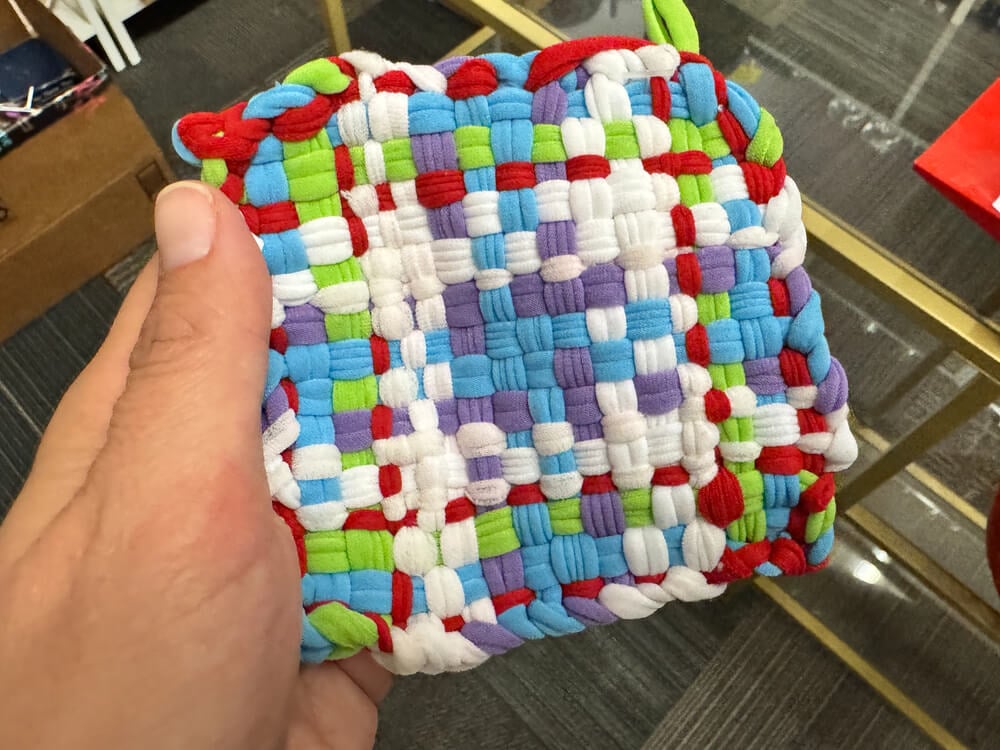
A metal potholder loom was a square frame with hooks along every side, sold with a bag of stretchy cotton loops in assorted colors. Kids stretched the loops across in one direction, wove the other set over and under, and finished the edges with a crochet hook.
Each potholder took about an hour, and the results were given to grandmothers and aunts in such quantity that kitchens overflowed with them. Some kids sold them door to door or at church bazaars for a quarter apiece.
Uncle Milton’s Ant Farm
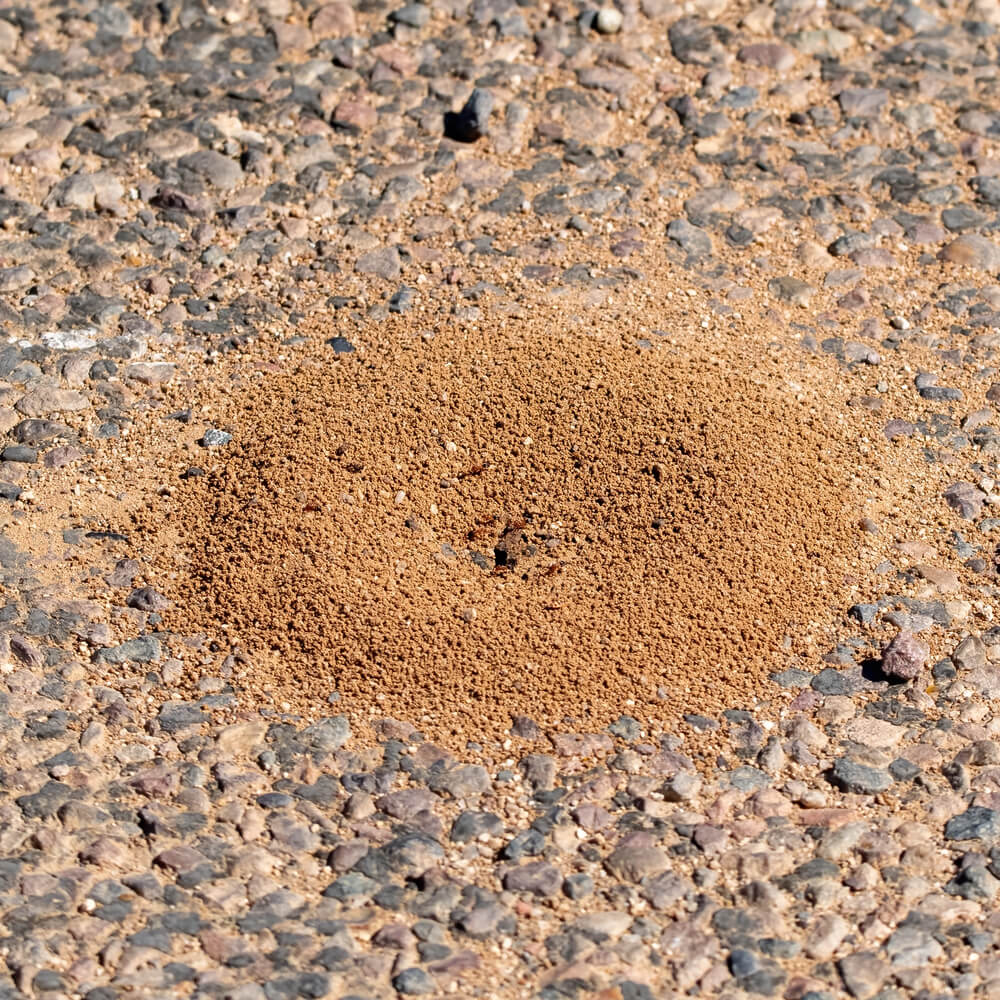
Milton Levine introduced his Ant Farm in 1956 after watching ants at a Fourth of July picnic. The kit was a thin plastic frame filled with sand, and the ants arrived separately by mail after kids sent in a coupon, since shipping live insects inside toy boxes was impractical.
Watching the colony dig tunnels against the clear walls became an absorbing pastime. Queens were not included, so each colony eventually dwindled, which gave many kids an early lesson in the limits of a sealed habitat.
Sea-Monkeys From Comic Book Ads
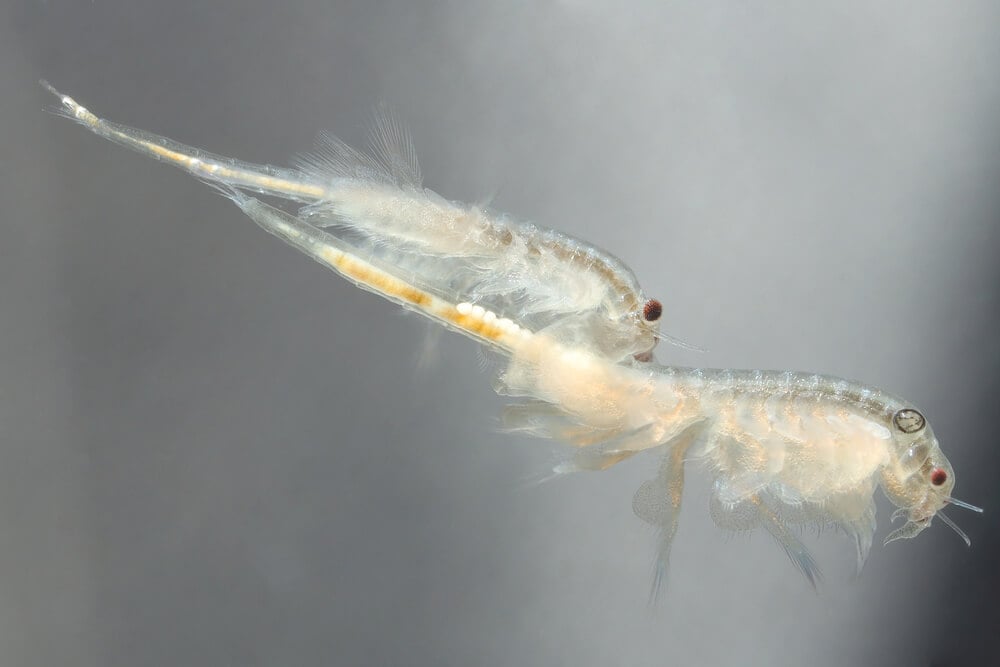
Sea-Monkeys were brine shrimp sold through comic book ads that showed a smiling family of humanlike creatures with crowns and tails. Harold von Braunhut marketed the product as Instant Life in 1957 and renamed it Sea-Monkeys in the early 1960s.
Kids added packets of powder to water, waited, and watched tiny specks swim around a plastic tank. The real creatures looked nothing like the drawings, yet the hobby survived disappointment for decades because the magic of hatching something from a packet never quite wore off.
Magic Tricks by Mail Order
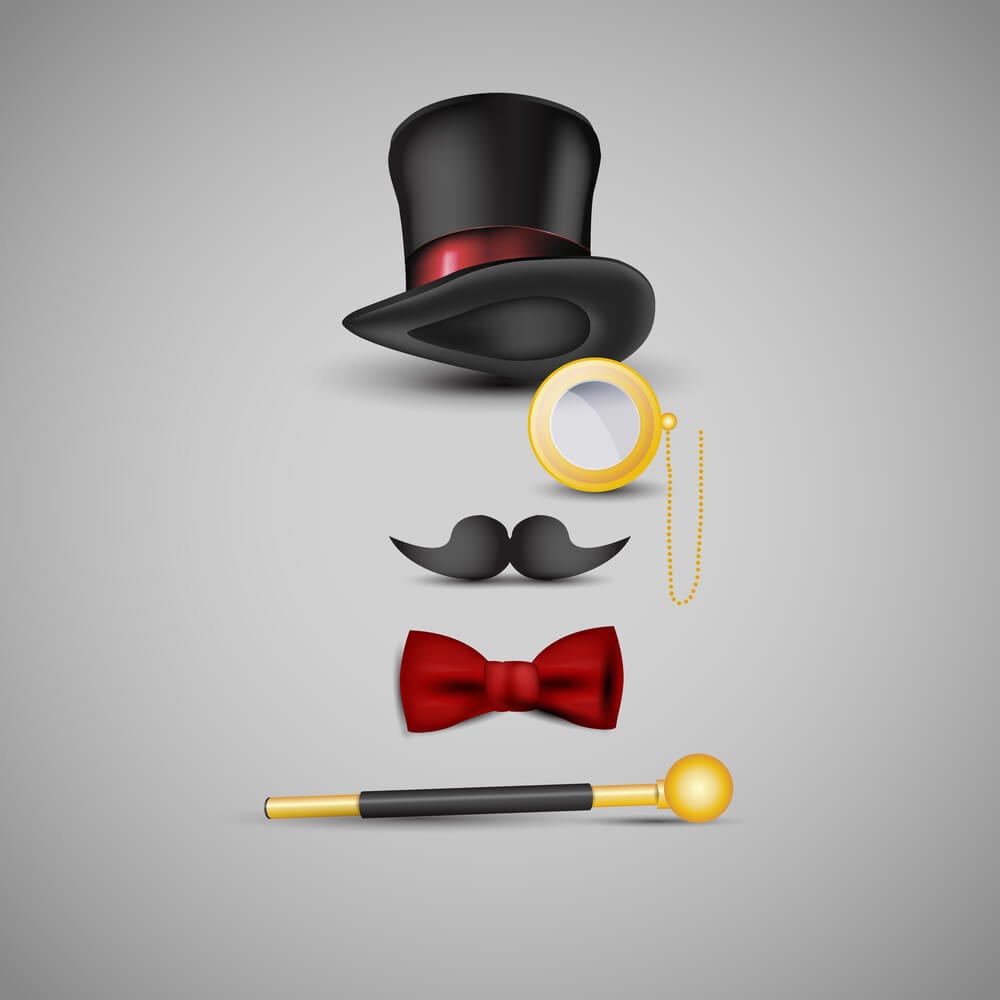
Magic kits sold in toy stores and through comic book ads promised disappearing coins, linking rings, and cards that found themselves. Kids practiced in front of mirrors and forced siblings to pick a card, any card, over and over.
The late 1970s brought Marshall Brodien’s TV Magic Cards, advertised heavily on television, which relied on a specially trimmed deck. The hobby taught patience, patter, and the fine art of not revealing how anything worked, even when an audience of cousins begged.
Some kids stuck with it long enough to perform at birthday parties for a few dollars.
Duncan Yo-Yos and Traveling Demonstrators
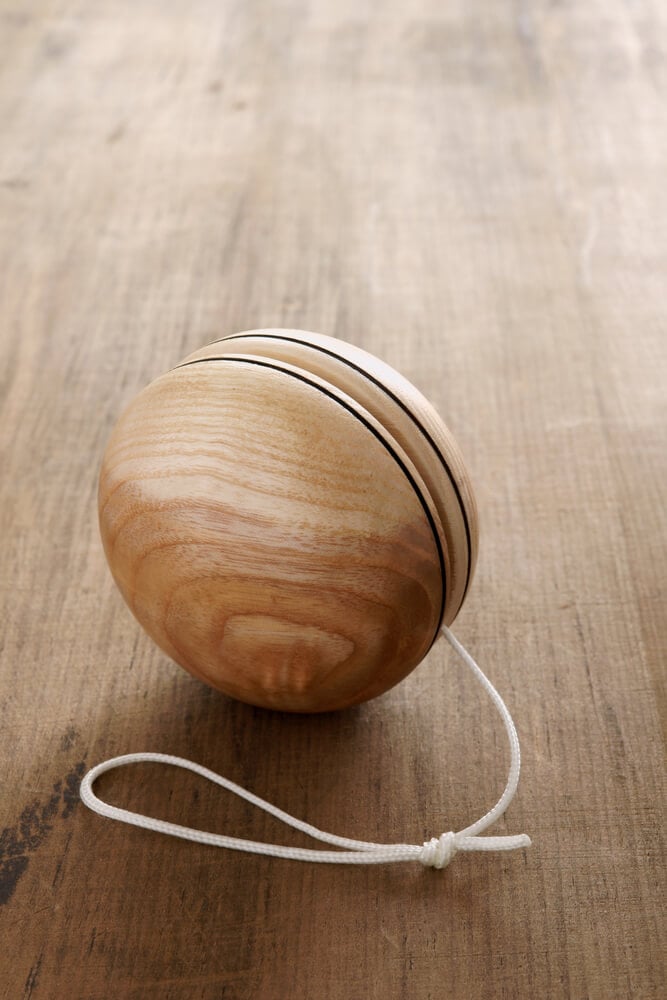
Donald Duncan built the yo-yo into a national craze beginning in 1929, and his company sent demonstrators to schools and candy stores through the 1950s and 1960s. These professionals performed tricks like walk the dog, around the world, and rock the baby, then ran contests that sent kids home practicing for hours.
The Duncan Imperial became the standard model. String burns, tangled knots, and the occasional cracked window were part of the deal, and a good sleeper that spun at the end of the string earned real respect.
Marbles Played for Keeps
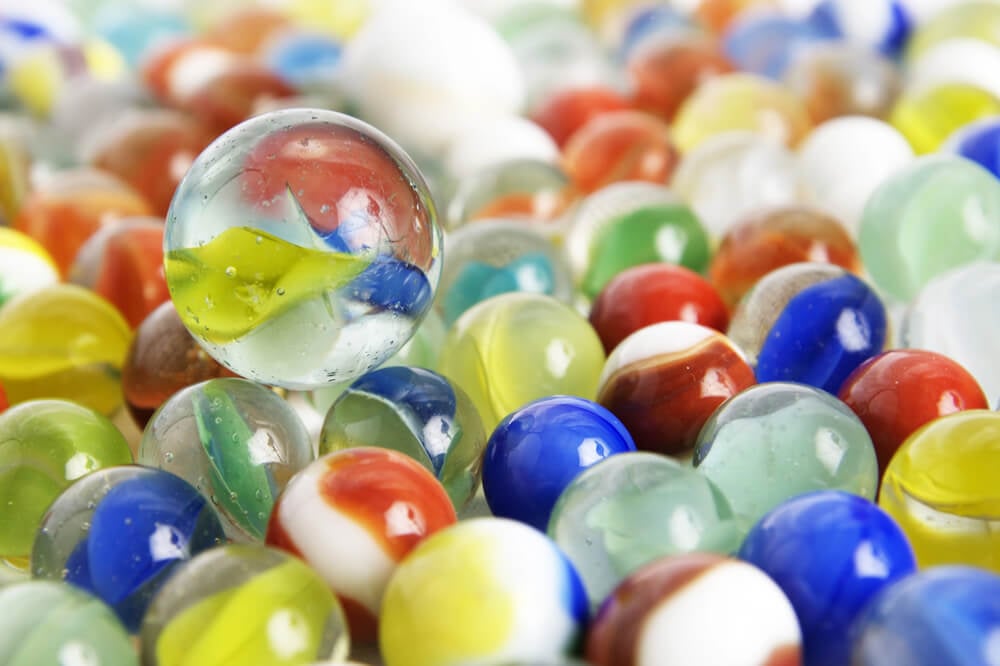
Marbles were a playground currency, traded and wagered in games drawn in the dirt with a stick. Kids learned to shoot with a flick of the thumb from a knuckle down on the ground, and a heavy shooter could clear a ring quickly.
Playing for keeps meant losing a favorite cat’s eye or steelie to a better player, which caused real heartbreak. The National Marbles Tournament, held since 1922 and long based in Wildwood, New Jersey, still crowns youth champions each year.
Collectors now pay real money for the handmade glass marbles that kids once lost in the grass.
Paper Kites From the Five-and-Dime
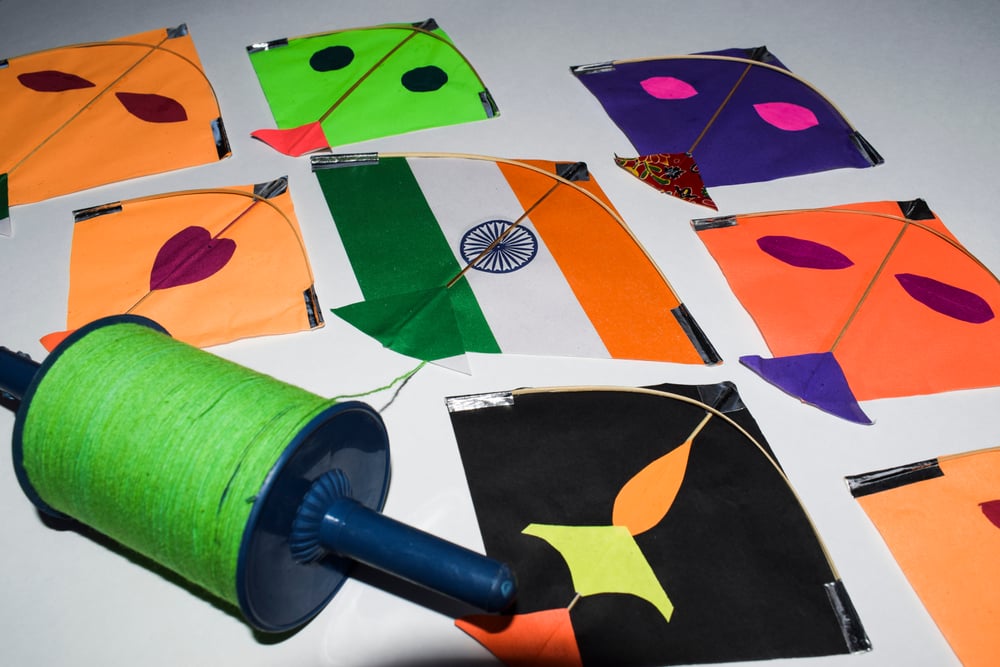
Kites sold for pocket change at dime stores and drugstores, with paper or plastic sails, thin wooden sticks, and a spool of cotton string. Kids assembled them on the living room floor, argued about tail length, and headed to the nearest open field on the first windy spring day.
Many kites ended their lives in a tree or on a telephone wire within minutes. The successful flights, with the kite so high it looked like a speck, made every broken stick worth it.
Charlie Brown’s endless battle with a kite-eating tree summed up the experience better than any instruction sheet.
Comic Book Collecting in Plastic Bags
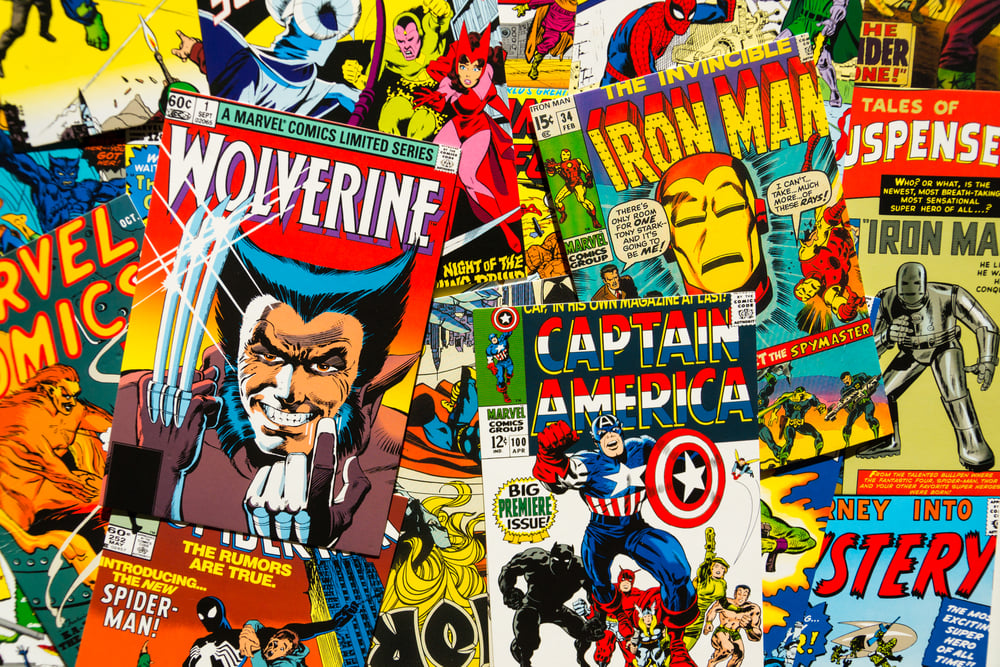
Comic books cost 10 or 12 cents in the early 1960s and sat on spinning wire racks at drugstores and newsstands. Kids bought them to read, traded them endlessly, and eventually learned that older issues could be worth serious money.
By the 1970s, collectors were storing comics in plastic bags with cardboard backing and consulting price guides. Plenty of adults still mourn the stack their mother threw out while they were at college, which is one reason early issues are so scarce.
Regular readers also clipped the order forms in the back pages, the same forms that sold Sea-Monkeys and X-ray glasses.
Soap Box Derby Cars
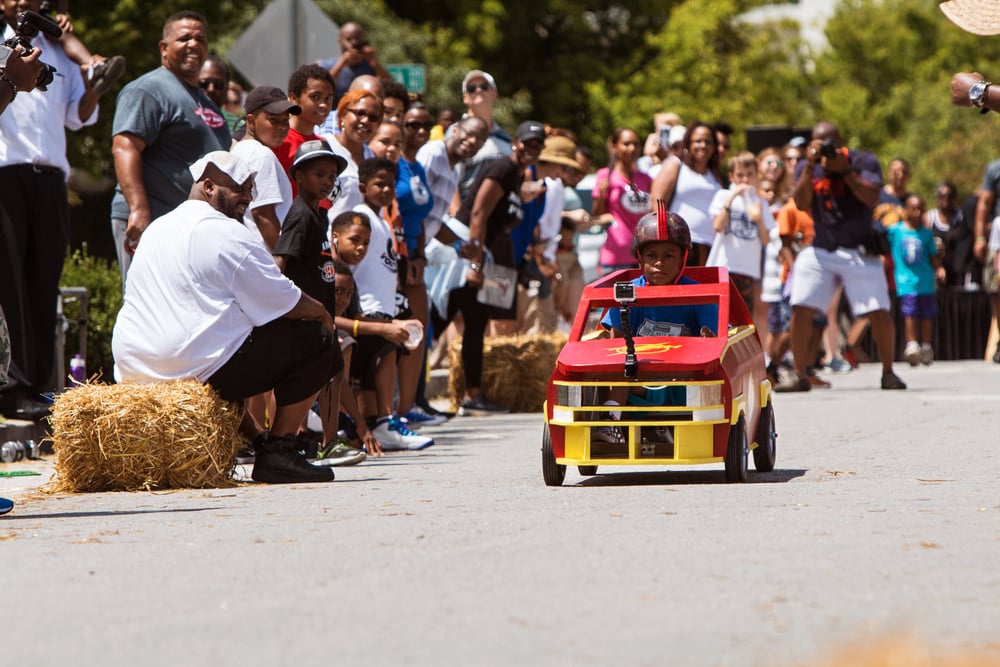
The Soap Box Derby held its first national race in Dayton, Ohio, in 1934 and moved to Akron the following year, where a dedicated track called Derby Downs opened in 1936. Kids built gravity-powered cars from wood and hardware, following strict rules on weight and cost, and raced them down a hill.
Fathers often helped more than the rules intended, which sparked years of debate. The event drew huge crowds in its heyday, and the winners became local celebrities.
Chevrolet sponsored the race for decades, and the national final was covered on network TV.
Wood-Burning Kits
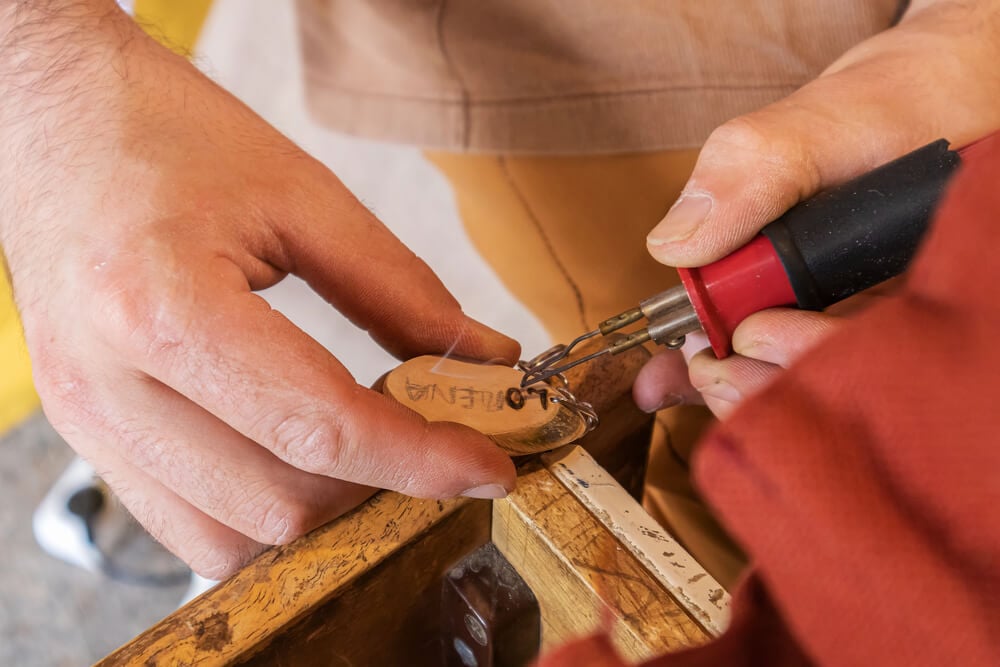
Wood-burning kits came with an electric pen that heated to a glowing tip and a stack of pine plaques stamped with designs. Kids traced horses, ducks, and their own names onto the wood, and the smell of scorched pine filled the house.
The results became gifts for parents and grandparents, often hung near the kitchen door. Burned fingertips were common, and the pen’s holder was rarely where anyone left it.
Some kids graduated from stamped plaques to freehand designs on scrap lumber, and a few carried the craft into adulthood as pyrography, which still has devoted hobbyists today.
Control-Line Model Airplanes
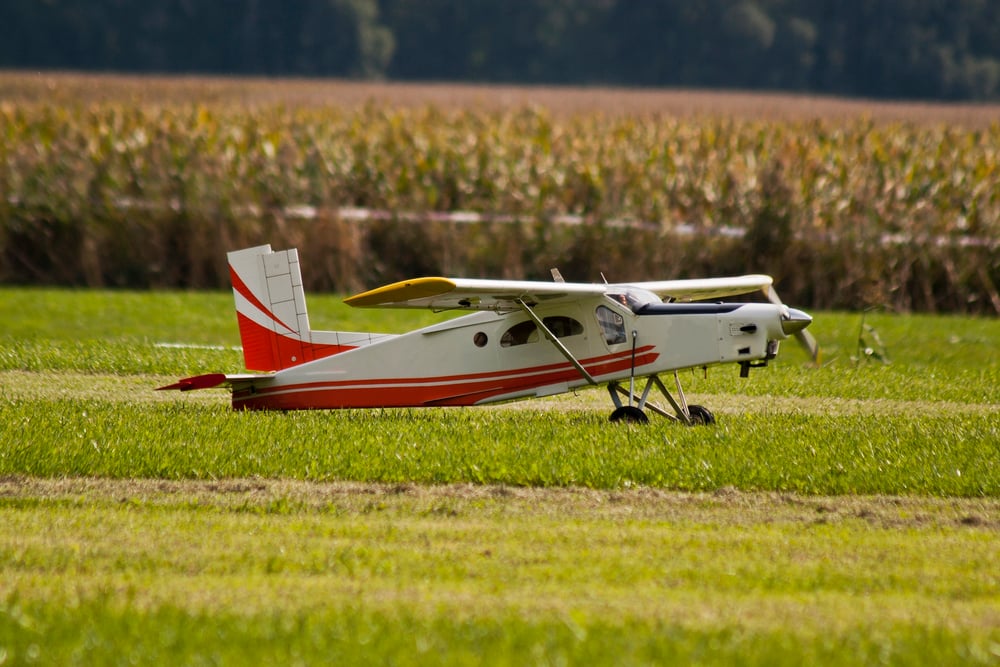
Control-line model airplanes flew in circles at the end of two long wires, with the pilot standing in the center turning slowly with a handle. Tiny glow-plug engines, especially the Cox .049, powered them with fuel that smelled of castor oil and made a whining noise audible across the neighborhood.
Getting the engine running meant flicking the propeller by hand until it caught, often at the cost of a sore finger. Crashes were frequent and repairs involved balsa, glue, and a lot of patience.
Parks and school fields on summer evenings buzzed with the sound.
Creepy Crawlers ThingMakers
Mattel’s ThingMaker arrived in 1964 with the Creepy Crawlers set, which let kids pour a liquid called Plastigoop into metal molds shaped like bugs and worms. The molds went onto a small electric hot plate, and after a few minutes the goop set into rubbery creatures.
The heater ran hot enough to burn fingers, which would be unthinkable in a toy today. The finished bugs were perfect for planting in a sibling’s cereal or a parent’s shoe.
Later sets let kids make flowers, soldiers, and other figures, but the bugs were always the bestsellers.
Autograph Requests by Mail
Kids once wrote letters to movie stars, astronauts, and athletes, tucked a self-addressed stamped envelope inside, and waited weeks for a reply. Many celebrities and studios had fan mail departments that sent back signed photos, some signed by secretaries or printed, which kids rarely realized.
A signed photo from a TV star went straight onto the bedroom wall. The hobby taught letter writing and patience, and it produced some genuinely valuable signatures that later turned up in shoeboxes.
Kids compared replies at school, and a personalized note carried bragging rights for weeks.
Patience Used to Be a Pastime

Most of these hobbies shared a slow rhythm. A rocket needed glue to dry, a rug needed hundreds of knots, and a pen pal needed weeks to reply.
That waiting was not a flaw to be engineered away but part of what made the finished thing feel earned. Many of these pastimes are still available, often sold as retro kits to adults who remember them.
The difference is that they now compete with endless instant entertainment. A kid who spends a weekend on a model airplane today is choosing slowness on purpose, which may be the most old-fashioned thing about it.
More from Go2Tutors!

- The Romanov Crown Jewels and Their Tragic Fate
- 13 Historical Mysteries That Science Still Can’t Solve
- Famous Hoaxes That Fooled the World for Years
- 15 Child Stars with Tragic Adult Lives
- 16 Famous Jewelry Pieces in History
Like Go2Tutors’s content? Follow us on MSN.