29 Places Travelers Are Never Allowed to Enter
A passport, a credit card, and enough leave days get you almost anywhere now. You can book Antarctica from your phone.
You can stand on the rim of an active volcano before lunch. So the places that still say no have a pull that open destinations lost long ago.
Some of these doors stay shut for security. Some for faith.
A few because what’s inside would kill you, and a few because a mountain is somebody’s god. None of them care how far you flew.
1. Svalbard Global Seed Vault, Norway
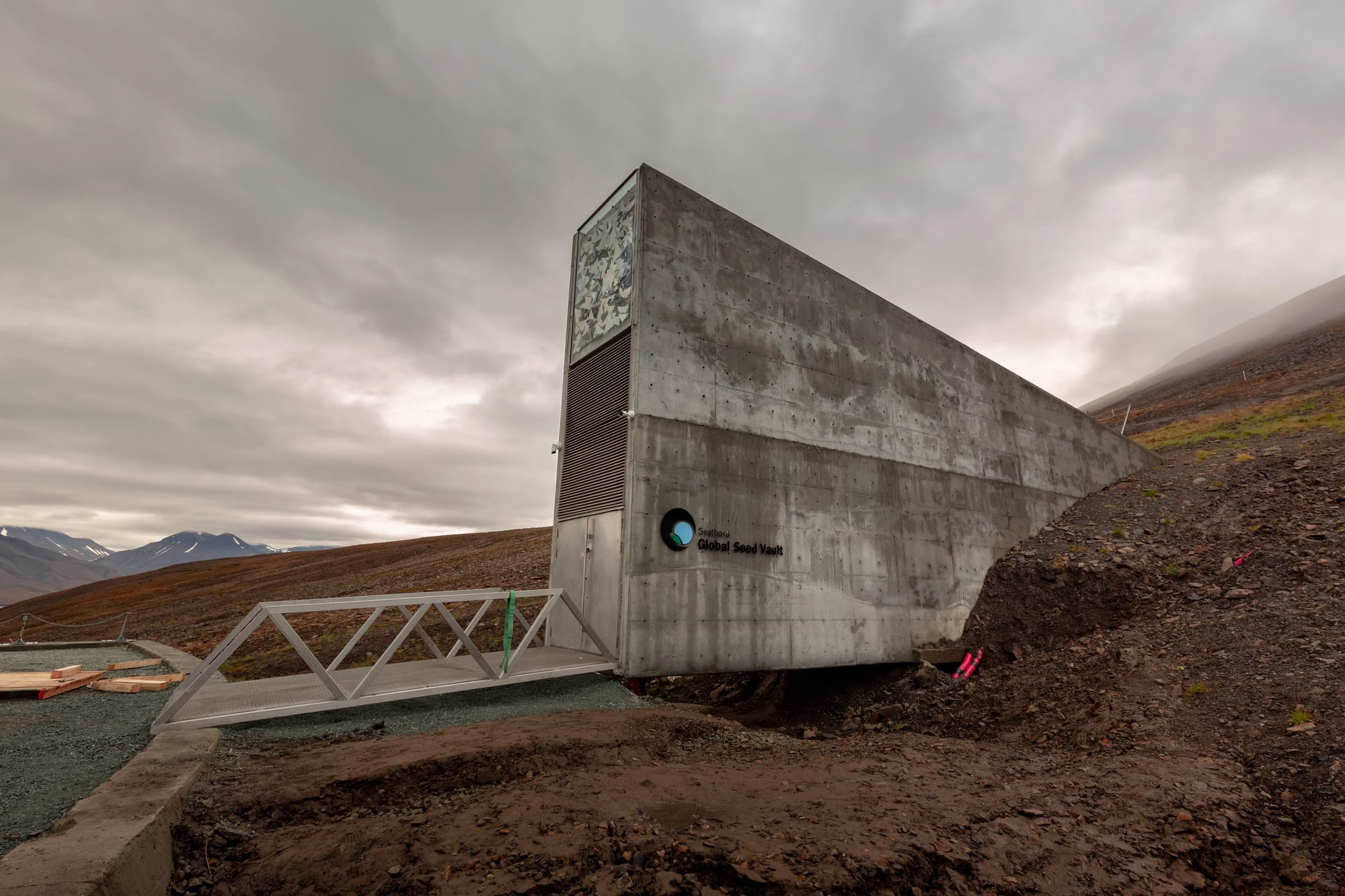
The vault sits 130 metres inside a frozen mountain on Spitsbergen and holds more than a million seed samples from almost every country on earth. You can walk up to the concrete entrance and take a photo.
That’s where your visit ends. Only staff and depositors go past the doors, and the vault opens just a few times a year for new deliveries.
It’s a backup drive for agriculture. Nobody lets tourists wander around the backup drive.
2. Vatican Apostolic Archive
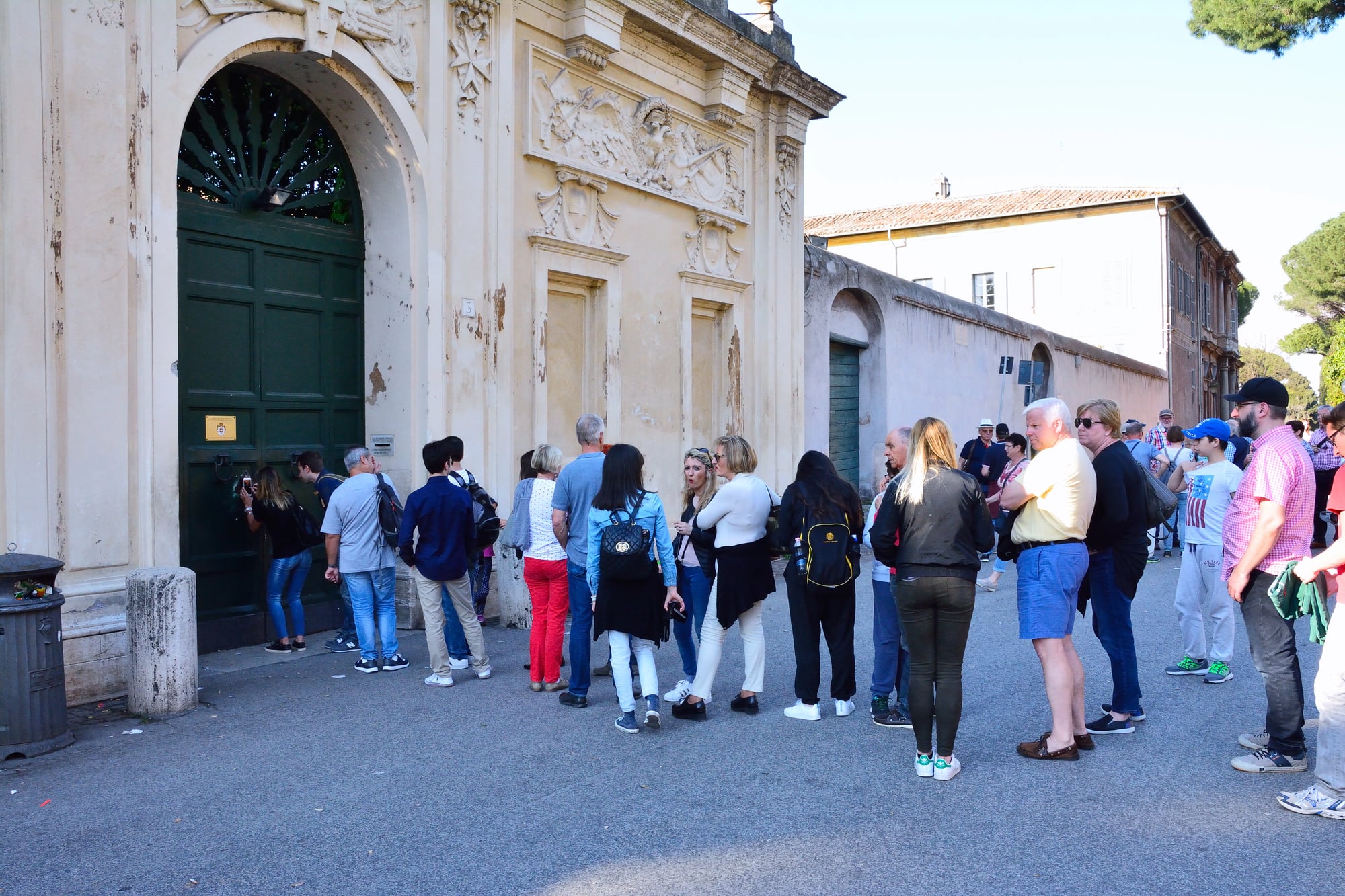
Around 85 kilometres of shelving hold twelve centuries of papal letters, trial records, and state papers, including the petition from English nobles asking for Henry VIII’s annulment. The Vatican admits accredited scholars only, a limited number per day, and each one requests specific documents in advance.
No browsing. No tours.
A university letter gets a researcher in, and a travel blog gets you nowhere.
3. Area 51, Nevada
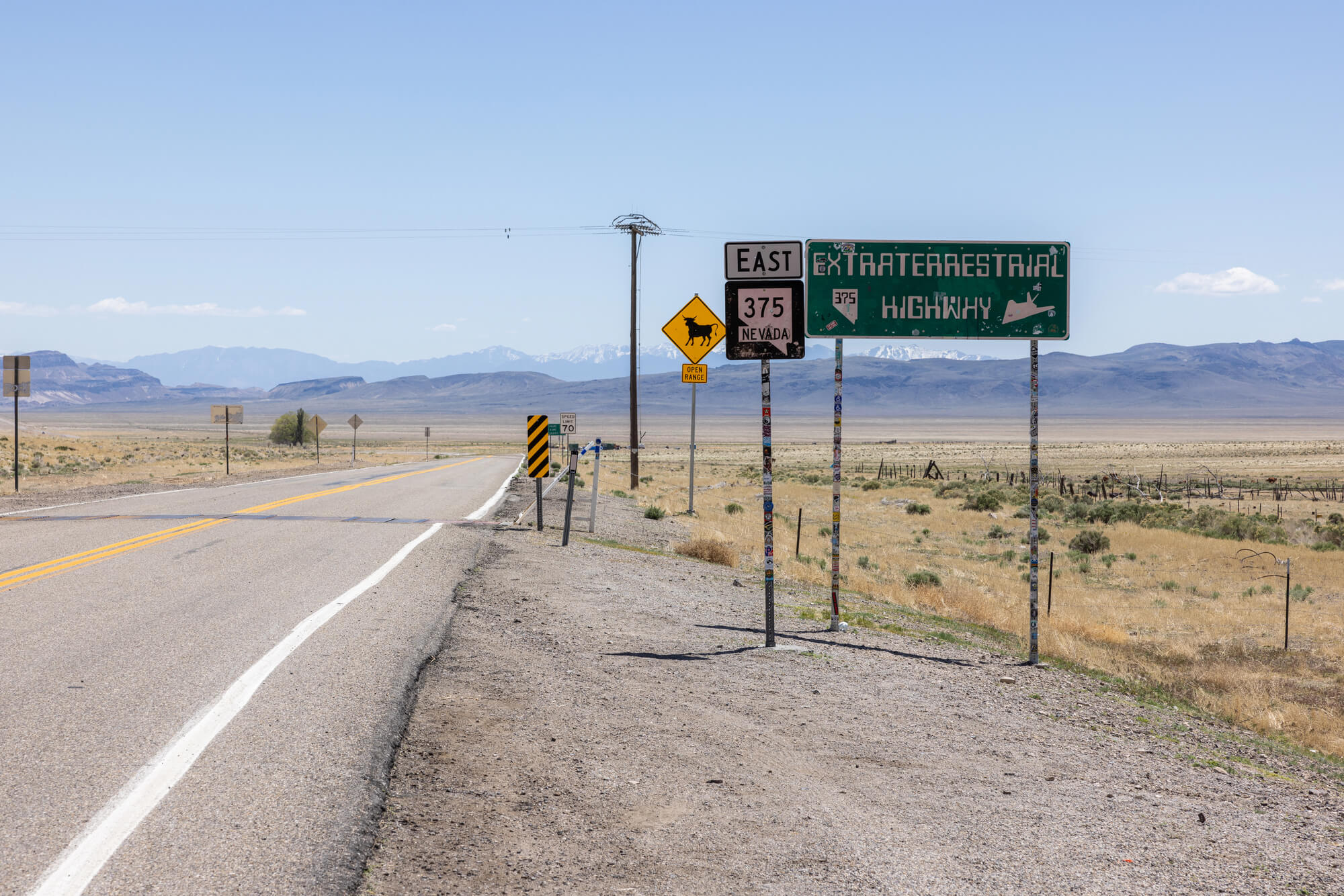
The American government only acknowledged the base existed in 2013. The perimeter has no fence for much of its length, just orange posts, warning signs, and white pickup trucks watching from the ridgelines.
Cross the line and armed guards arrest you within minutes. In 2019 a joke event on social media invited two million people to storm it.
About 150 turned up at the gate, and none went through.
4. Fort Knox Bullion Depository, Kentucky
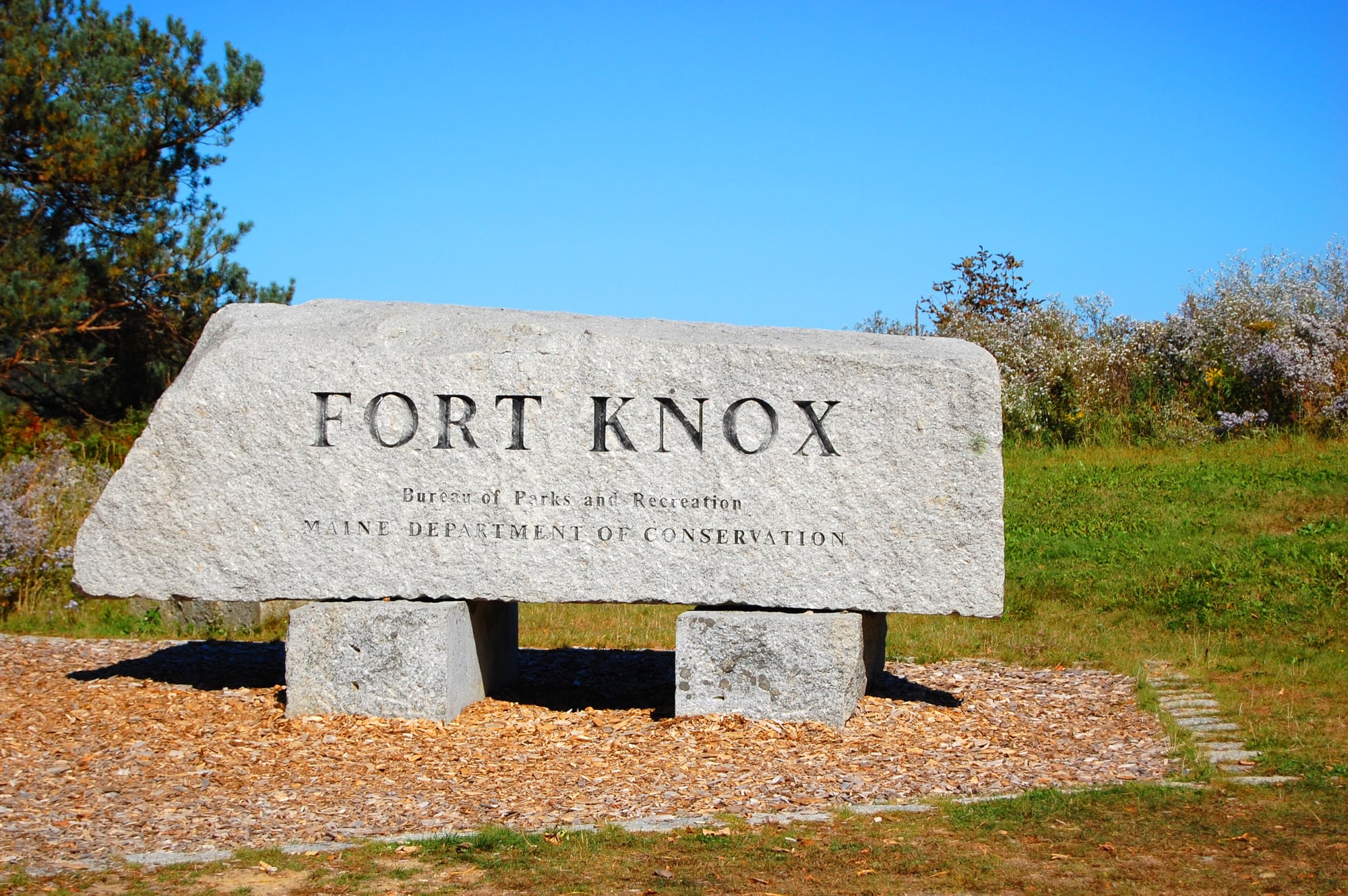
Roughly 4,500 tonnes of American gold sit behind a vault door that weighs more than 20 tonnes. No single person knows the full combination.
The depository has opened to outsiders only a handful of times since 1937, once for journalists and members of Congress in 1974 and once for a Treasury delegation in 2017. It has no visitor centre, and it never will.
5. The Inner Sanctum at Ise, Japan
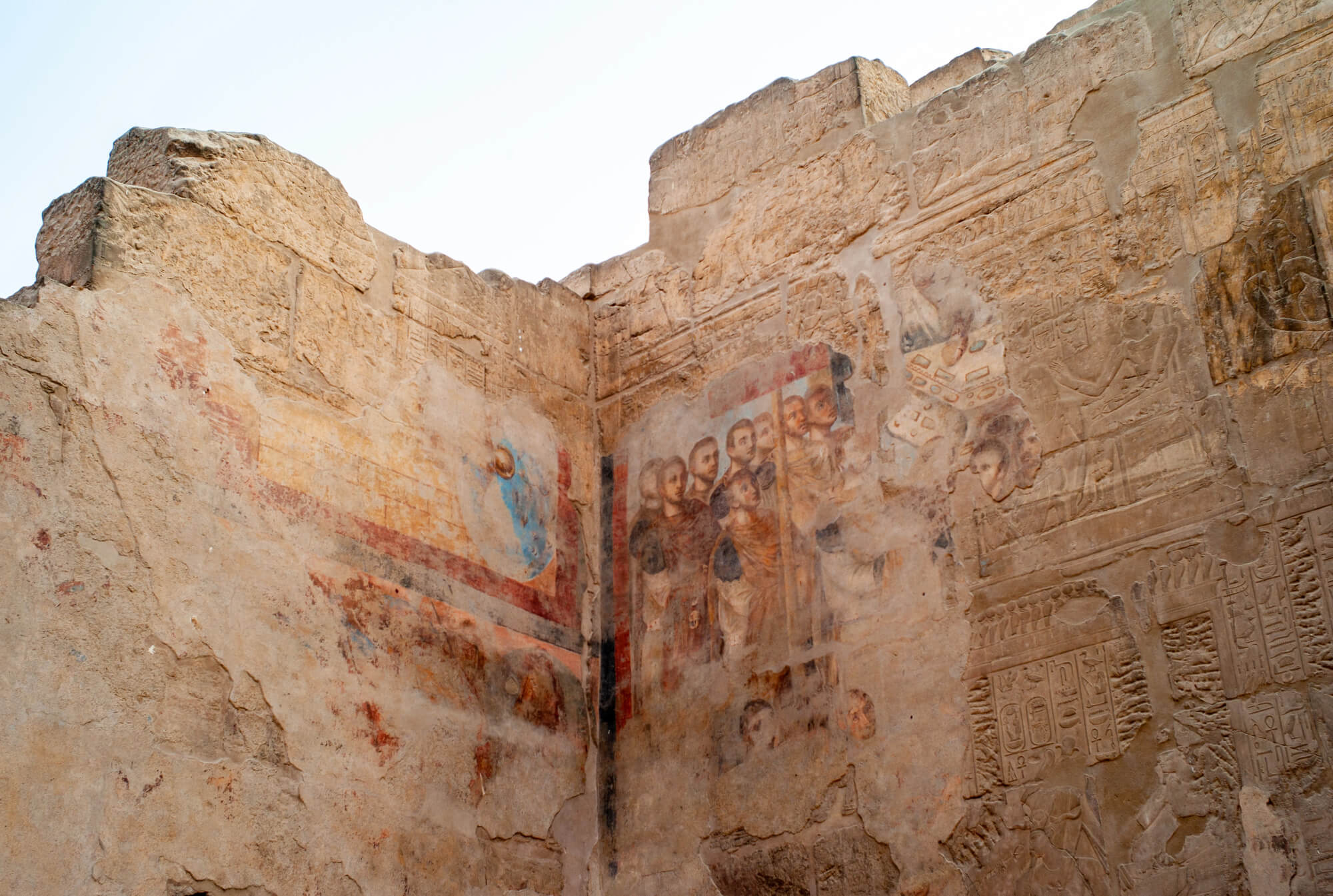
Ise Jingu is Shinto’s holiest site, home to the sacred mirror of the sun goddess Amaterasu. You can visit the grounds freely.
What you see of the main sanctuary is a thatched roofline above four rows of wooden fencing, because only the emperor, his family, and the highest priests go further. Every twenty years, carpenters rebuild the entire shrine on the neighbouring plot and move the mirror across at night.
They’ve done it for 1,300 years. In all that time the public has never been inside.
6. The Tomb of Qin Shi Huang, China
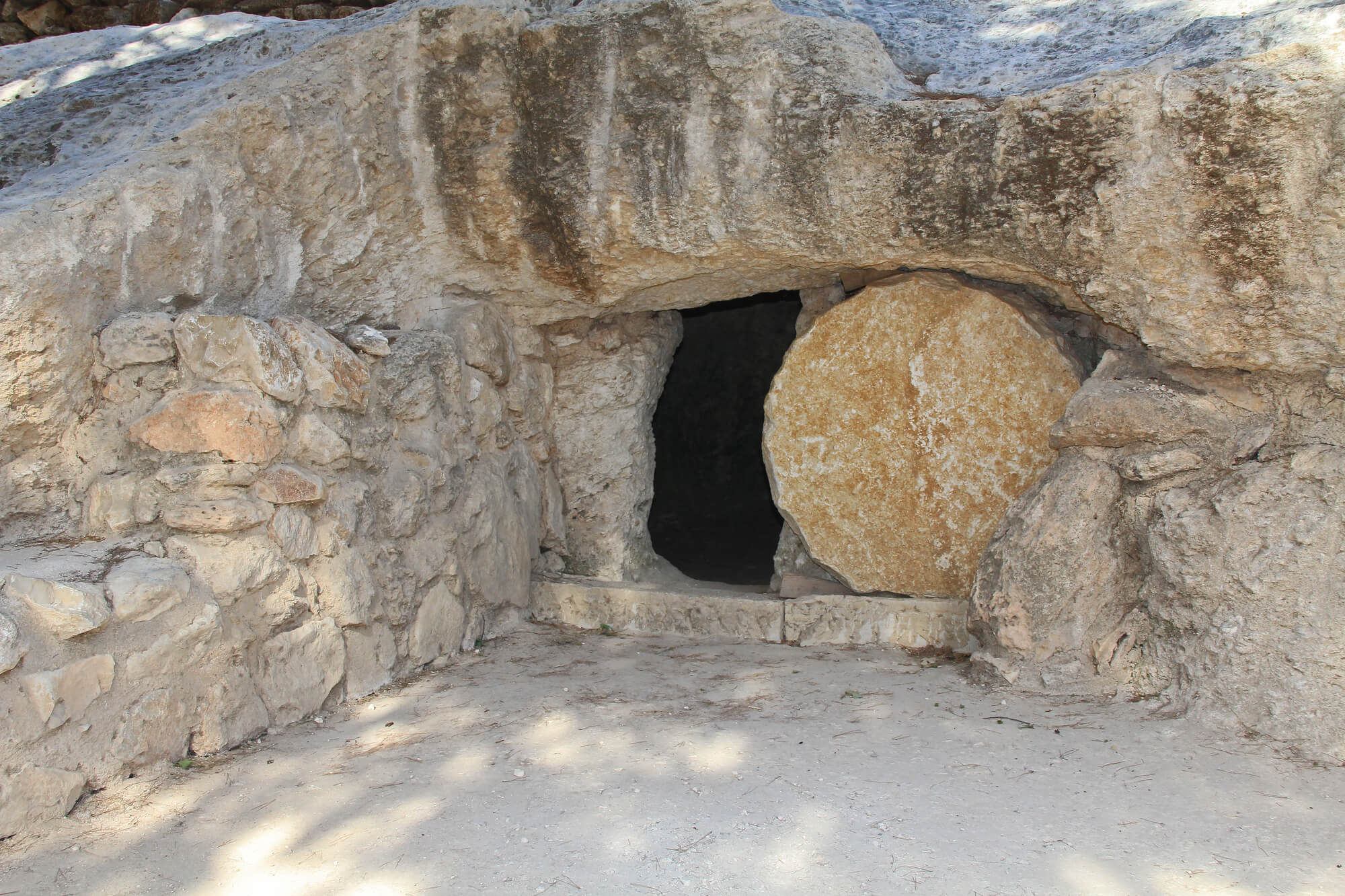
Millions of people file past the Terracotta Army every year. The emperor himself lies about a kilometre and a half away under a wooded mound that nobody has opened in 2,200 years.
Ancient records describe rivers of mercury inside, and soil tests around the mound show mercury levels far above normal. Chinese authorities refuse to excavate until they’re sure they can preserve what they find.
Tourists, archaeologists, everybody waits.
7. The Chapel of the Tablet, Aksum, Ethiopia
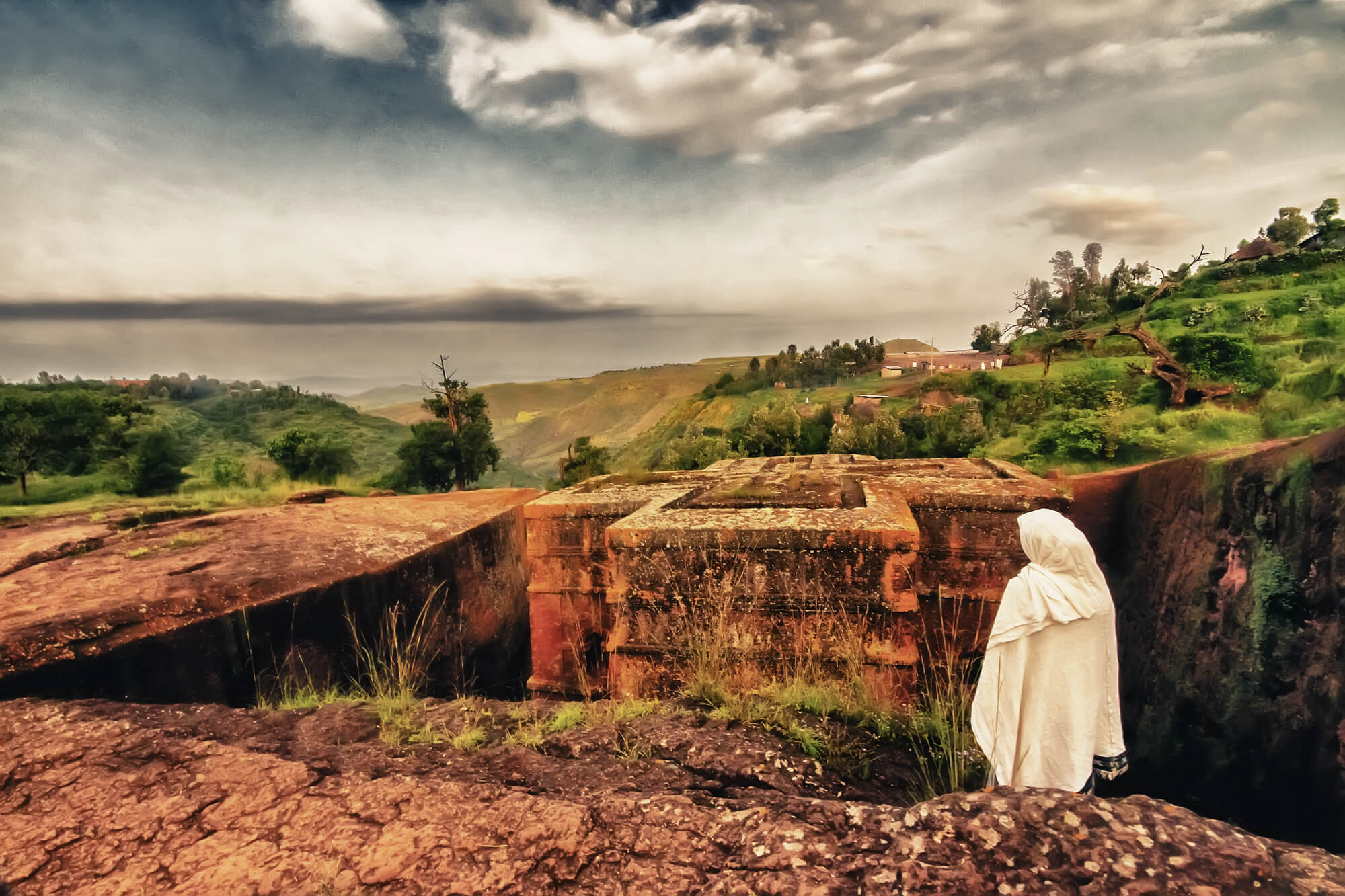
The Ethiopian Orthodox Church says the Ark of the Covenant rests in a small chapel beside the Church of Our Lady Mary of Zion. One monk guards it.
He’s appointed for life, never leaves the compound, and names his own successor before he dies. Nobody else sees the Ark.
Not the patriarch, not the president, not you. Whatever you believe about what’s in that chapel, the rule has held for centuries.
8. Mezhgorye, Russia
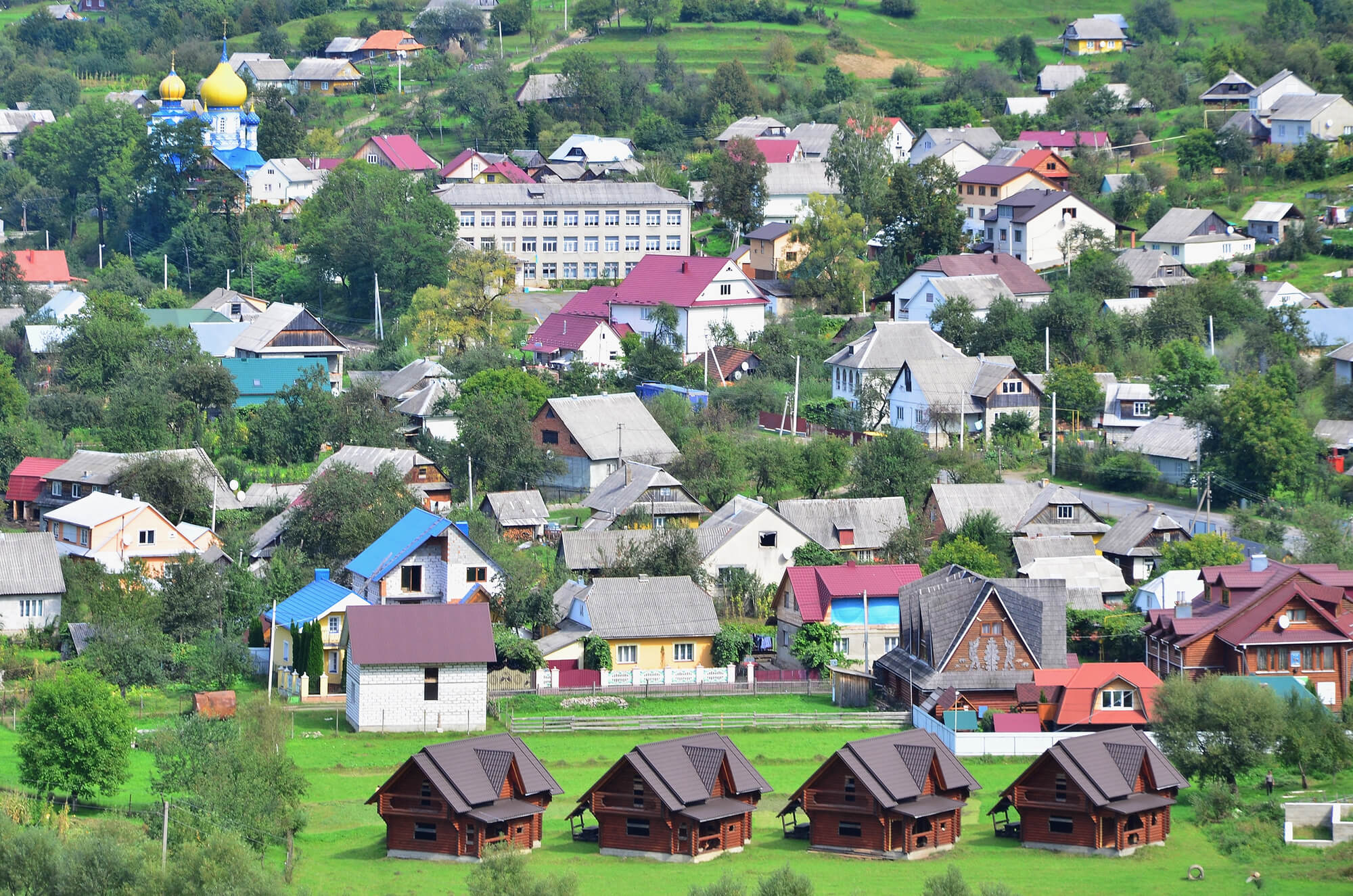
This closed town in the southern Urals sits beside Mount Yamantau, where satellite images have shown large-scale excavation since the Soviet era. Russia has given several different explanations over the years, from a mining site to a food store.
Residents need permits. Foreigners don’t get them.
The town appears on maps and that’s about all it offers you.
9. Pine Gap, Australia
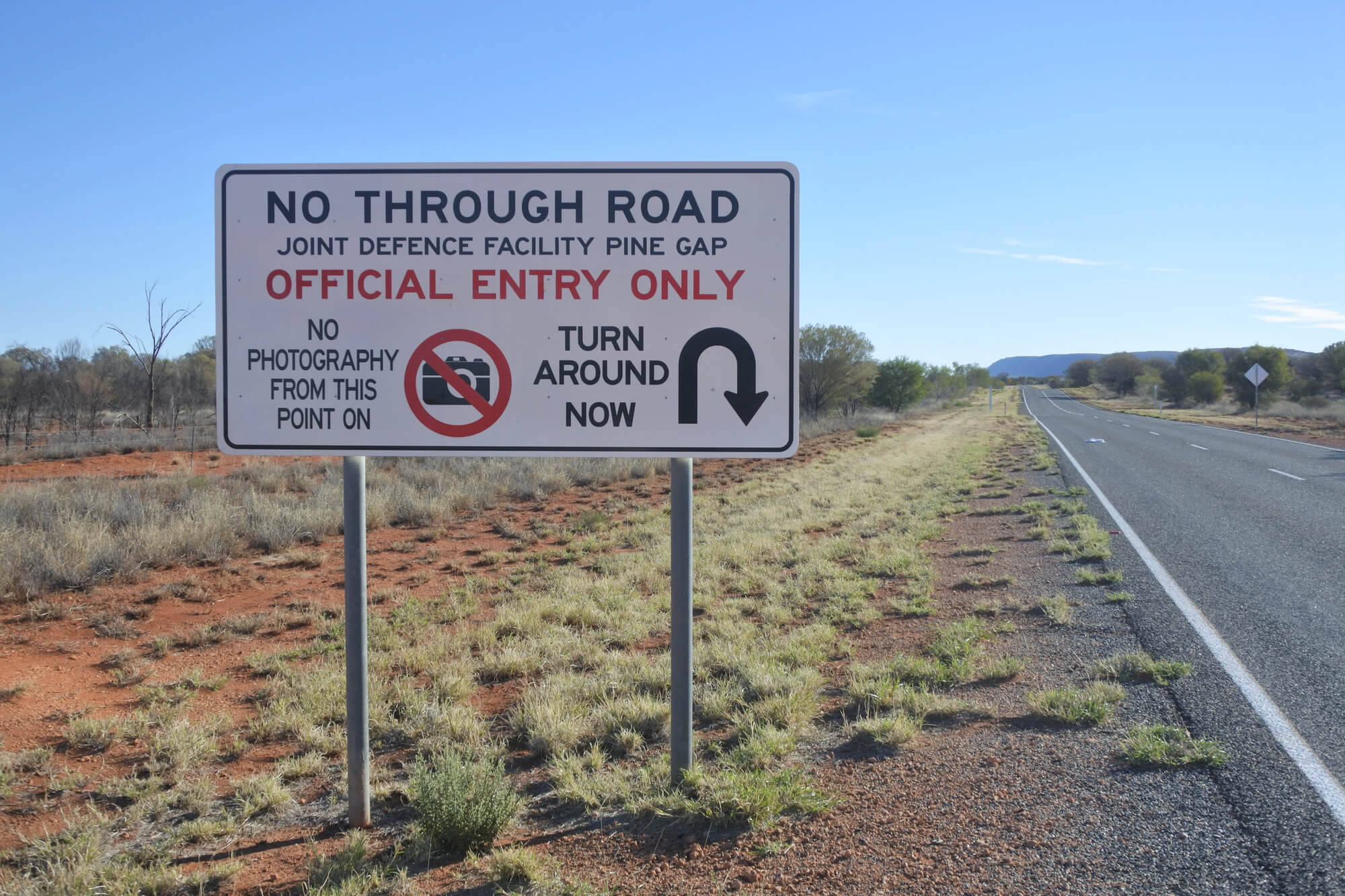
Twenty kilometres from Alice Springs, a cluster of white radomes sits in the desert like giant golf tees. Australia and the United States run the base jointly to collect satellite intelligence.
The access road has a turn-off, a sign, and a gate. The airspace above it is closed too, so not even a scenic flight gets a look.
10. Mount Weather, Virginia
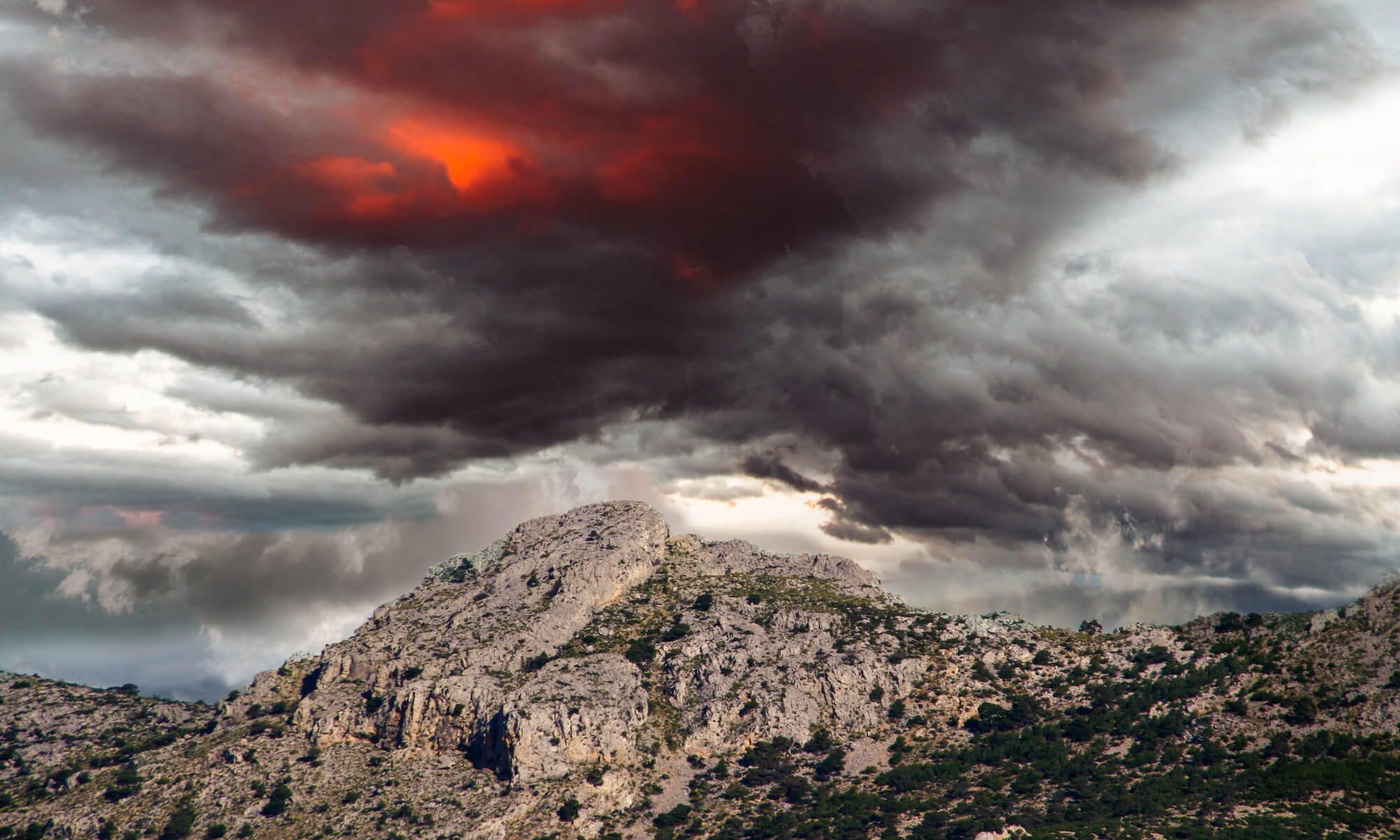
If Washington ever needs to evacuate the government, a good part of it goes here. Mount Weather is an underground complex with its own power plant, hospital, and water supply, run by America’s emergency management agency.
Congressional leaders were flown there on 11 September 2001. It shares its purpose with Raven Rock in Pennsylvania and a few other bunkers, and none of them run open days.
11. Bohemian Grove, California
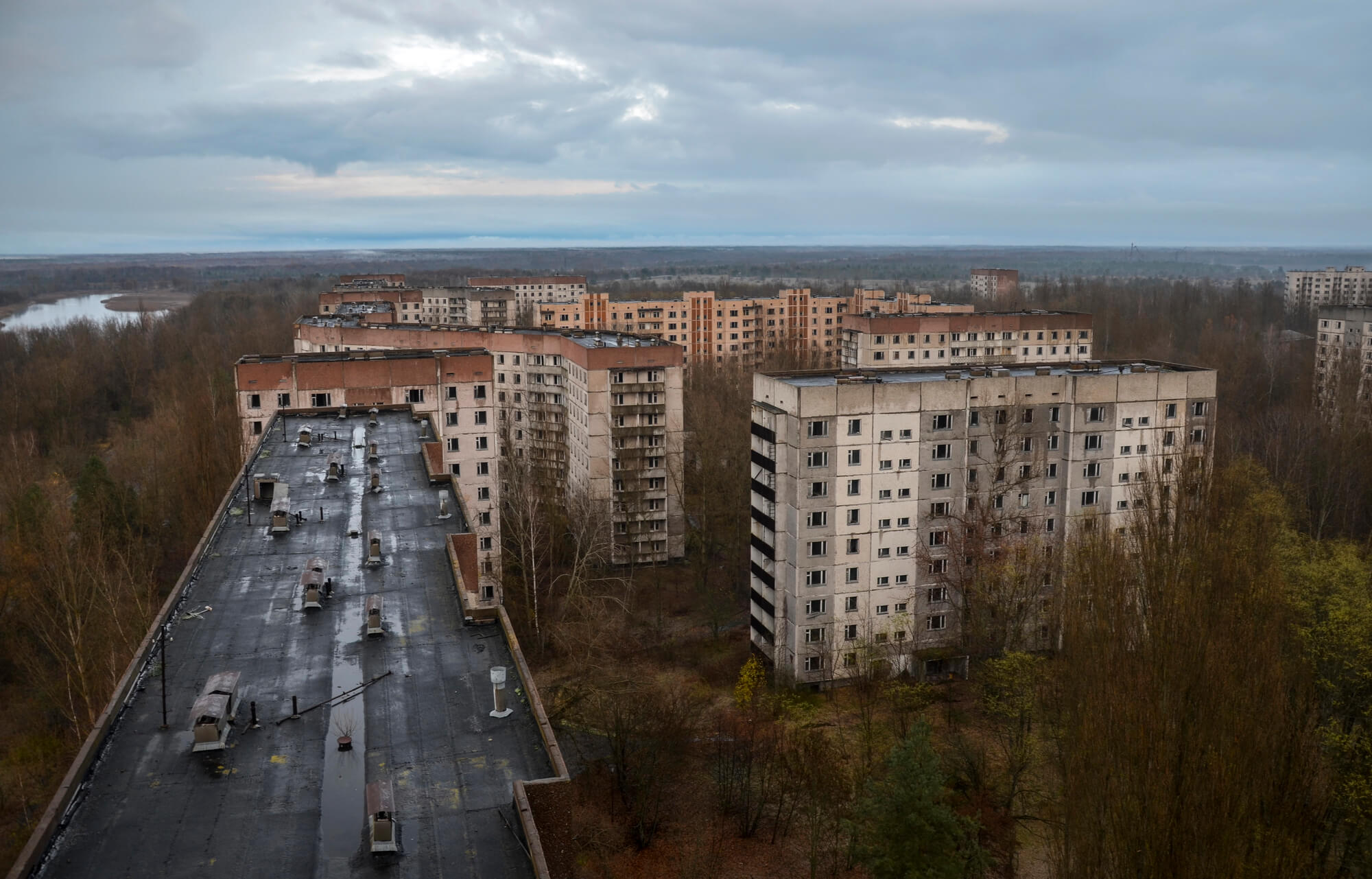
Every July, around 2,000 of America’s most powerful men gather in a private redwood forest for a fortnight of speeches, theatre, and drinking. Presidents, bankers, and defence contractors have all been members.
The waiting list runs to decades. A few journalists have sneaked in over the years, which tells you everything about how welcome the public is.
12. Inside Chernobyl’s Reactor 4
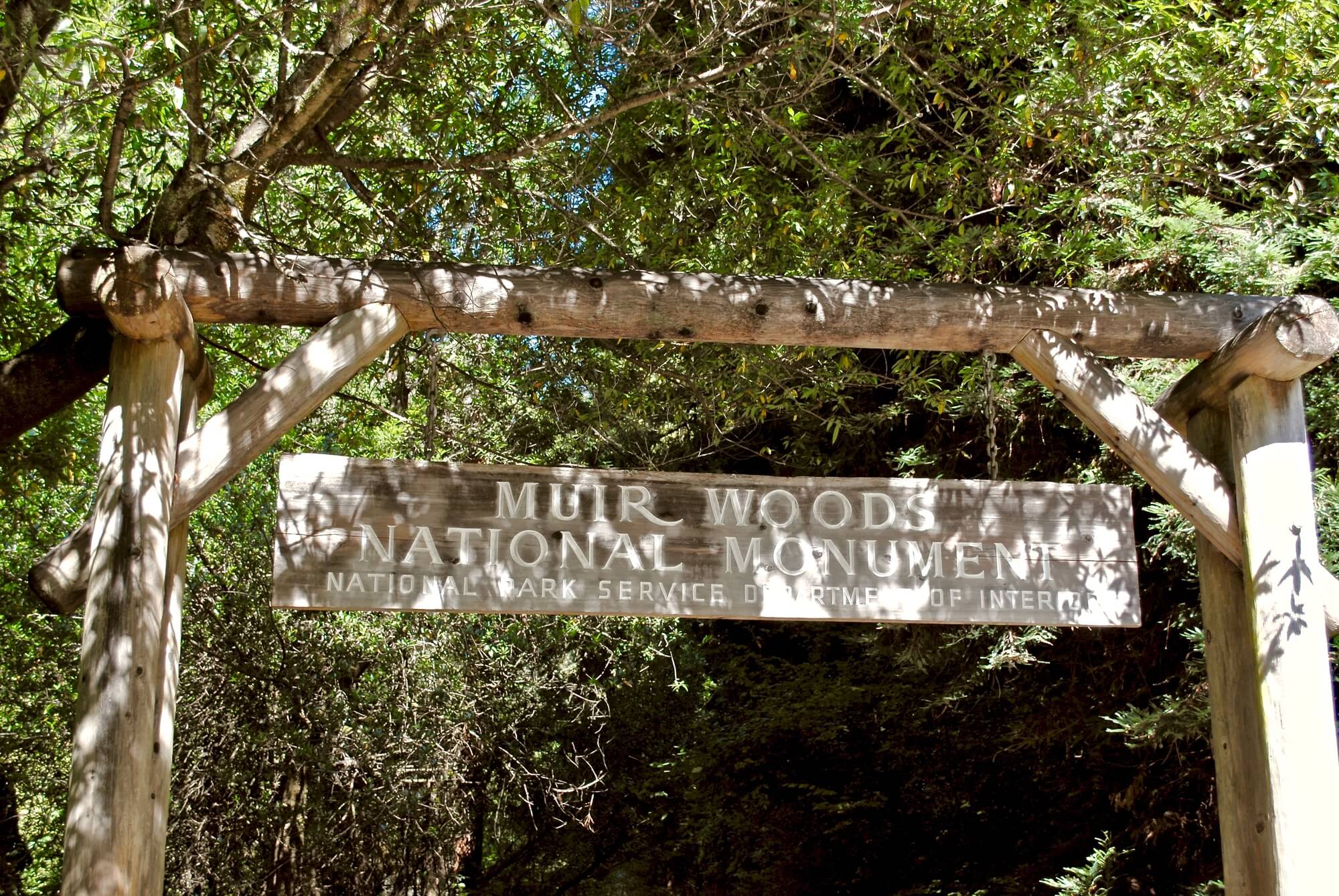
You can tour the exclusion zone in peacetime and stand a few hundred metres from the steel arch that covers the ruined reactor. Inside the arch is another matter.
The mass of melted fuel known as the Elephant’s Foot delivered a fatal dose in minutes when workers first found it in 1986. It has cooled since, but only specialist crews on timed shifts go in, and they count their exposure in seconds.
13. Inside the Dome of the Rock, Jerusalem
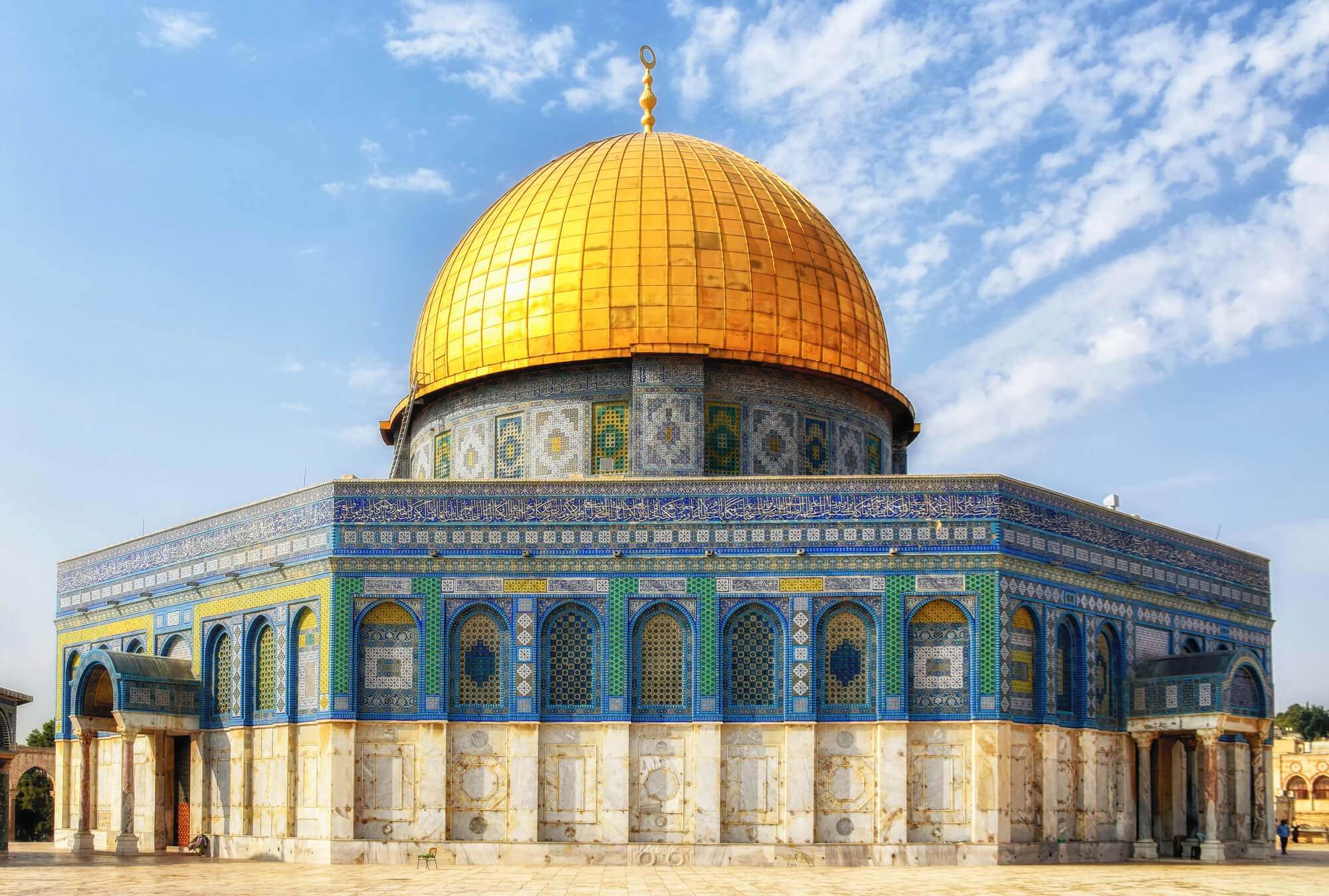
Non-Muslim visitors can walk the Temple Mount compound during set hours and admire the gold dome from outside. The interior has been closed to them since 2000.
Guards at the door check, and they turn people away politely and firmly. The building on a million postcards is one most visitors only ever see from the courtyard.
14. Mecca, Saudi Arabia
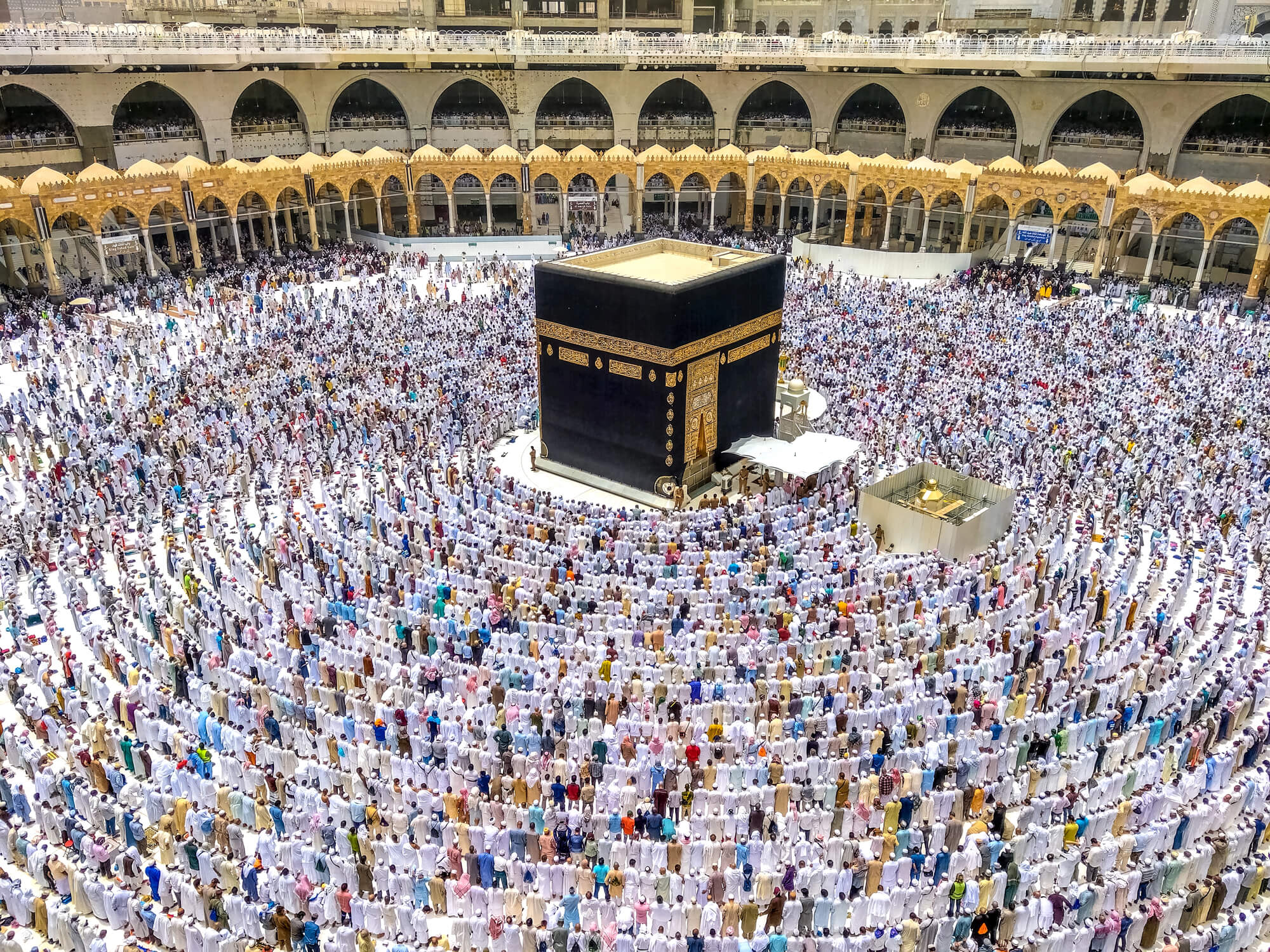
Road signs on the highway from Jeddah split the traffic. Muslims continue straight to the holy city.
Everyone else takes the exit that loops around it. Checkpoints enforce the rule, and Saudi Arabia’s newer tourist visas changed nothing about it.
Around two million pilgrims arrive for the Hajj each year, and entry depends on faith, not on a booking.
15. Menwith Hill, England
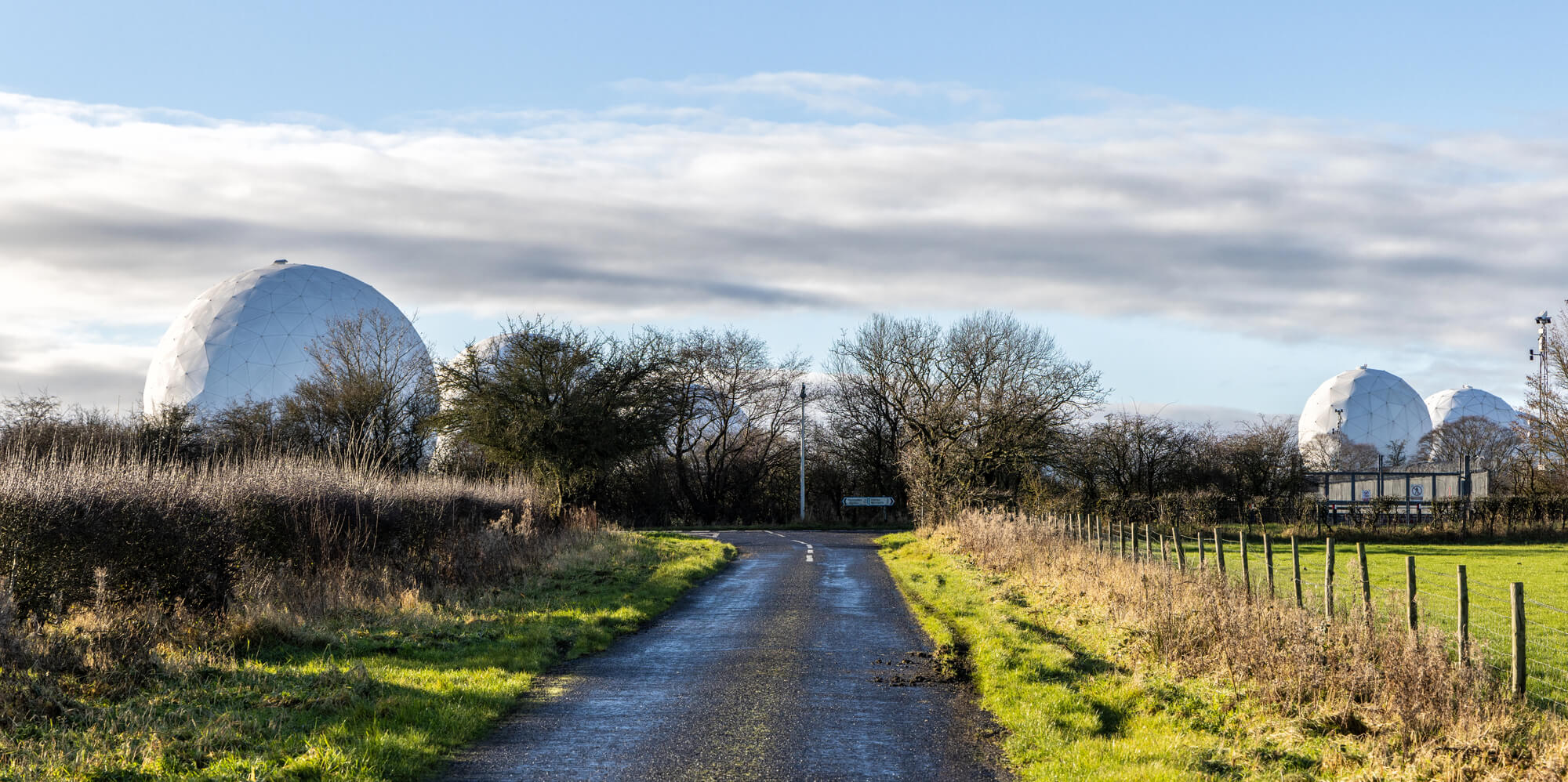
On the Yorkshire moors near Harrogate sits a field of giant white spheres behind razor wire. It’s officially a Royal Air Force station, but the American National Security Agency runs most of what happens inside.
Protesters have camped at the gates for decades. Sheep graze right up to the fence, and they’re the only visitors with that kind of access.
16. Woomera Prohibited Area, Australia
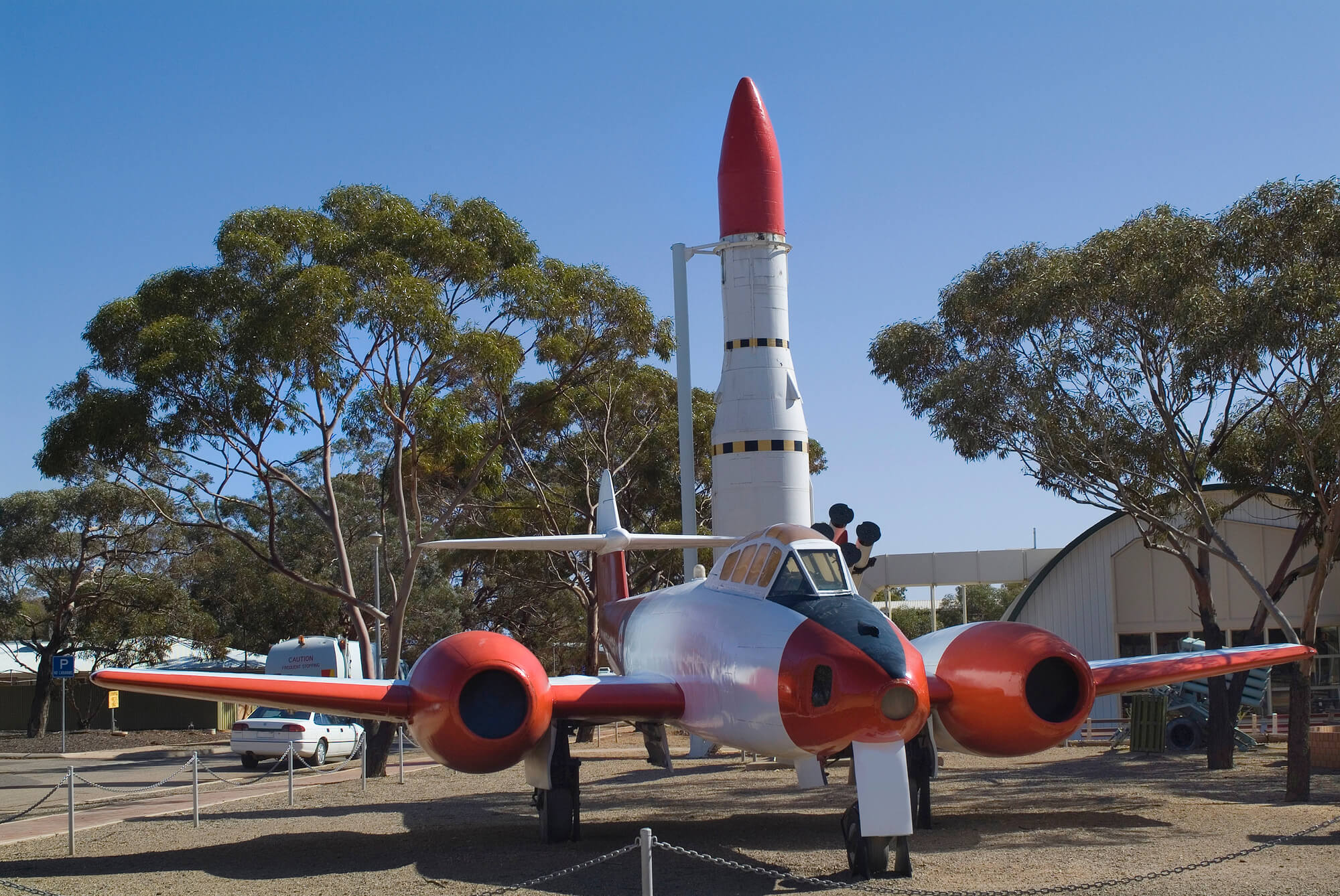
This weapons testing range in South Australia covers more than 120,000 square kilometres. That’s bigger than KwaZulu-Natal, set aside for rockets and bombs.
Britain tested nuclear weapons at Maralinga on its western edge in the fifties. A highway and a railway cross it under permit conditions, and authorities close them during tests.
Stray off the road and you’re trespassing on a missile range.
17. The Korean Demilitarised Zone
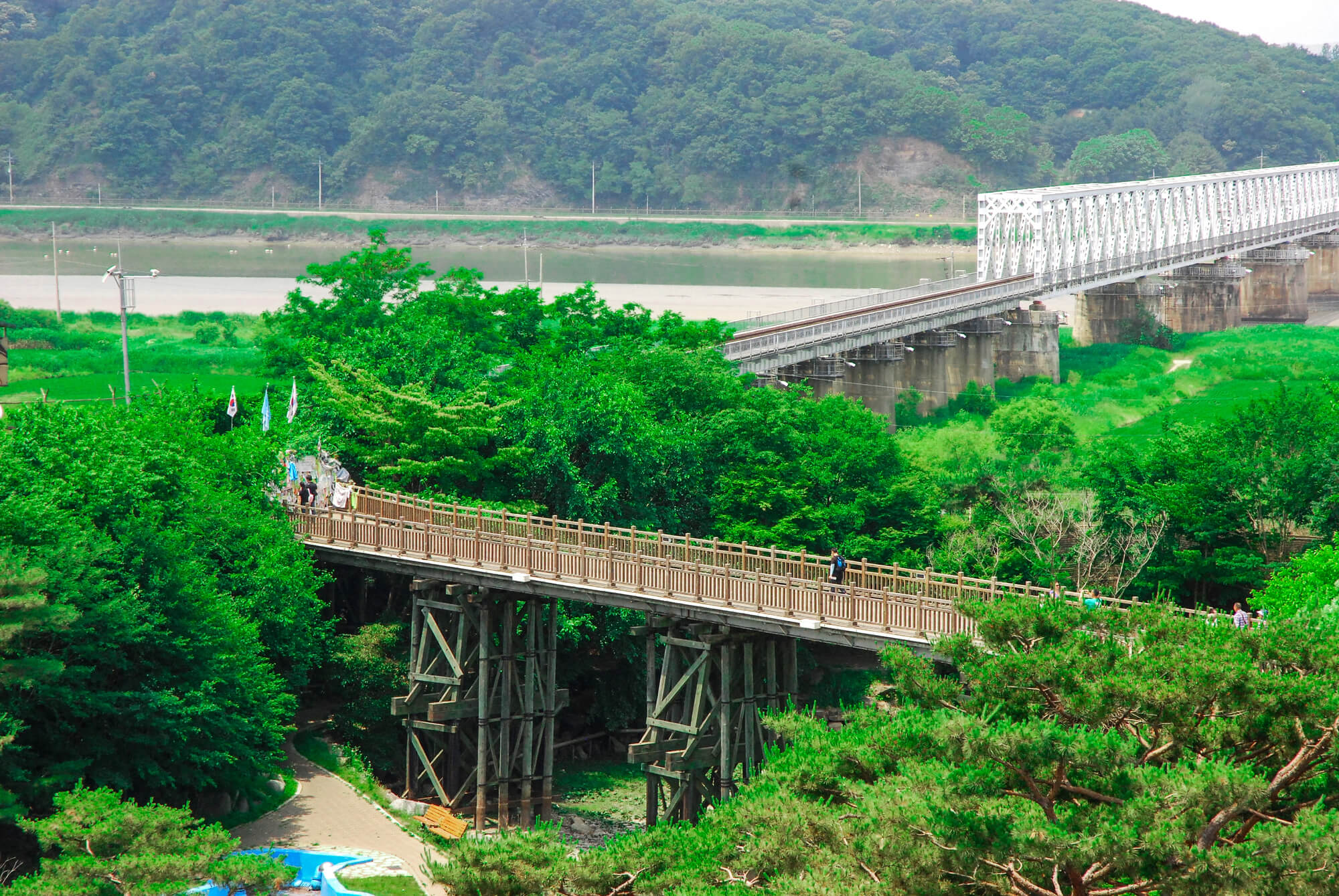
Tours take you to the edge, to the blue huts at Panmunjom where North and South meet. The zone itself is four kilometres wide and 250 long, and no civilian has walked it freely since 1953.
Landmines number in the hundreds of thousands. With people gone for seventy years, cranes, deer, and Asiatic black bears moved in.
It’s a nature reserve that nobody planned and nobody can visit.
18. Granite Mountain Records Vault, Utah
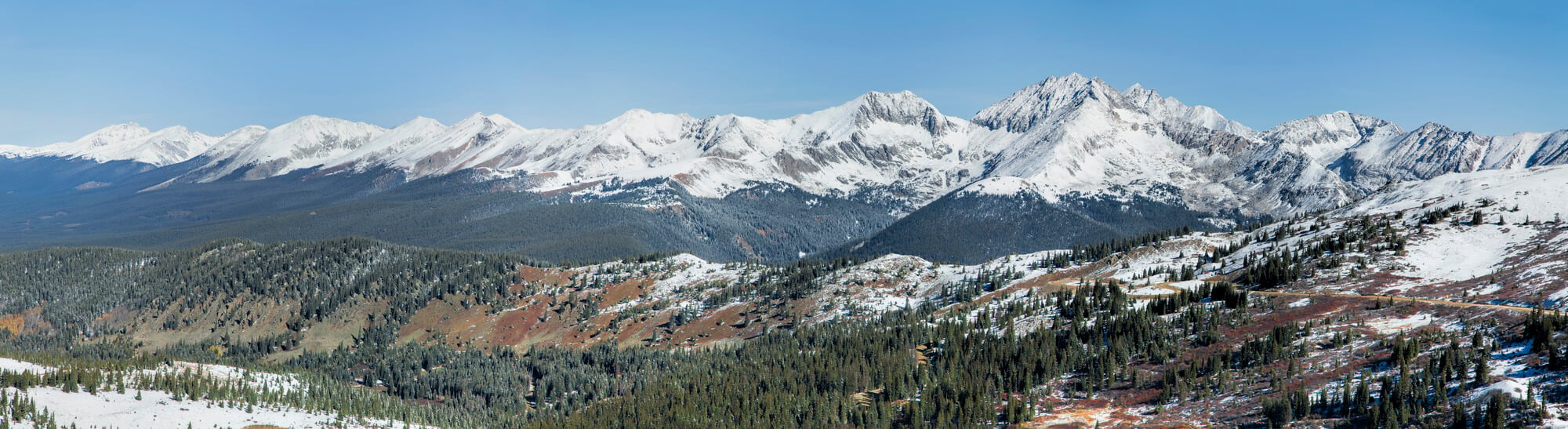
The Church of Jesus Christ of Latter-day Saints blasted this archive 180 metres into a granite canyon wall near Salt Lake City in the 1960s. It stores billions of genealogical records on microfilm and digital media behind doors built to survive a nuclear blast.
The church stopped public tours decades ago. You can search the records online from your couch in Centurion, but the mountain stays closed.
19. The Bank of England Gold Vaults
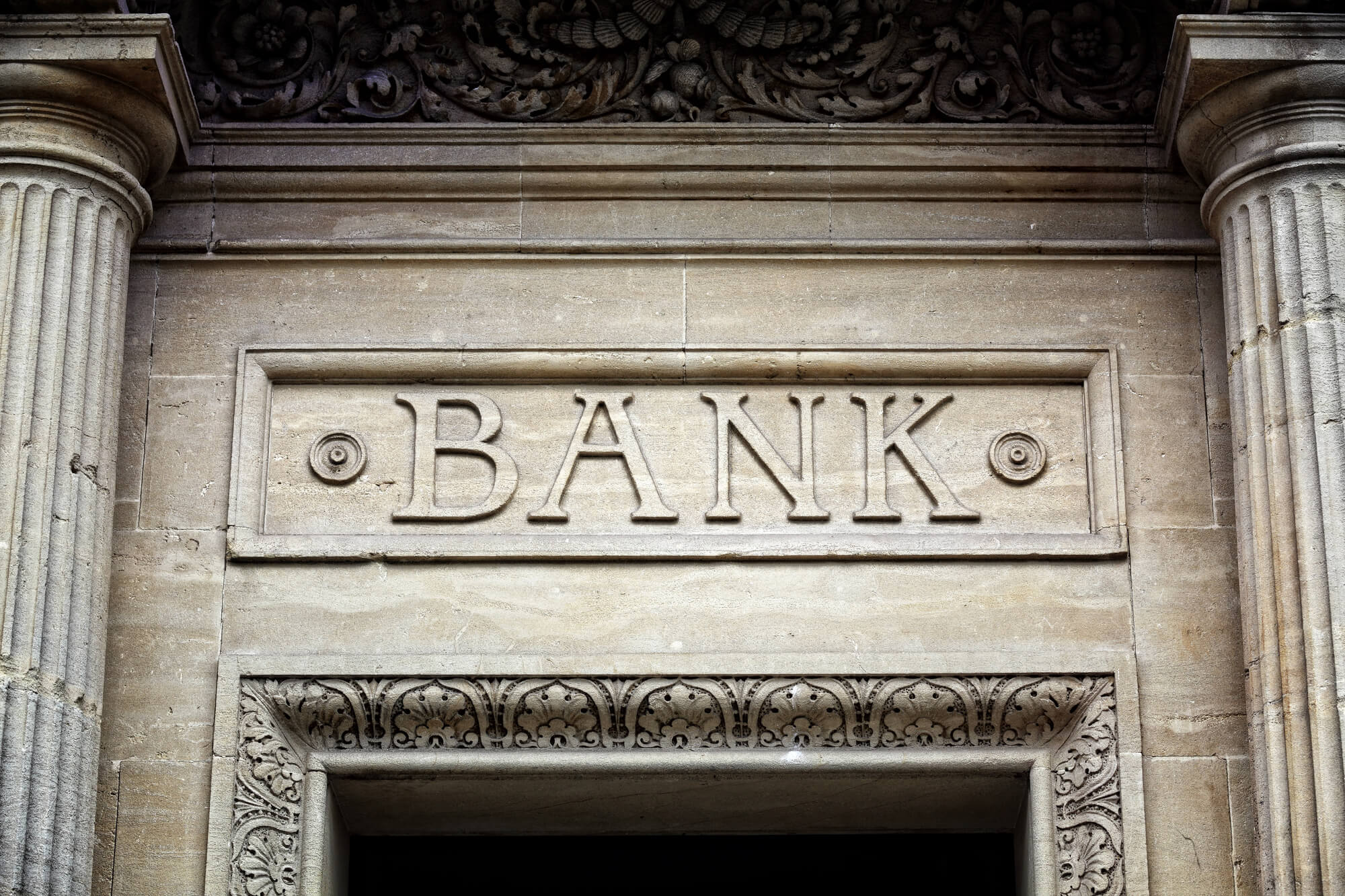
Under Threadneedle Street lie about 400,000 gold bars, the second-largest stockpile on the planet. The vault doors open with keys close to a metre long.
The bank built the vaults on London clay, so it limits how high it stacks the bars to stop them sinking. The museum upstairs lets you lift one bar inside a perspex case.
That’s the closest you get.
20. Cheyenne Mountain Complex, Colorado
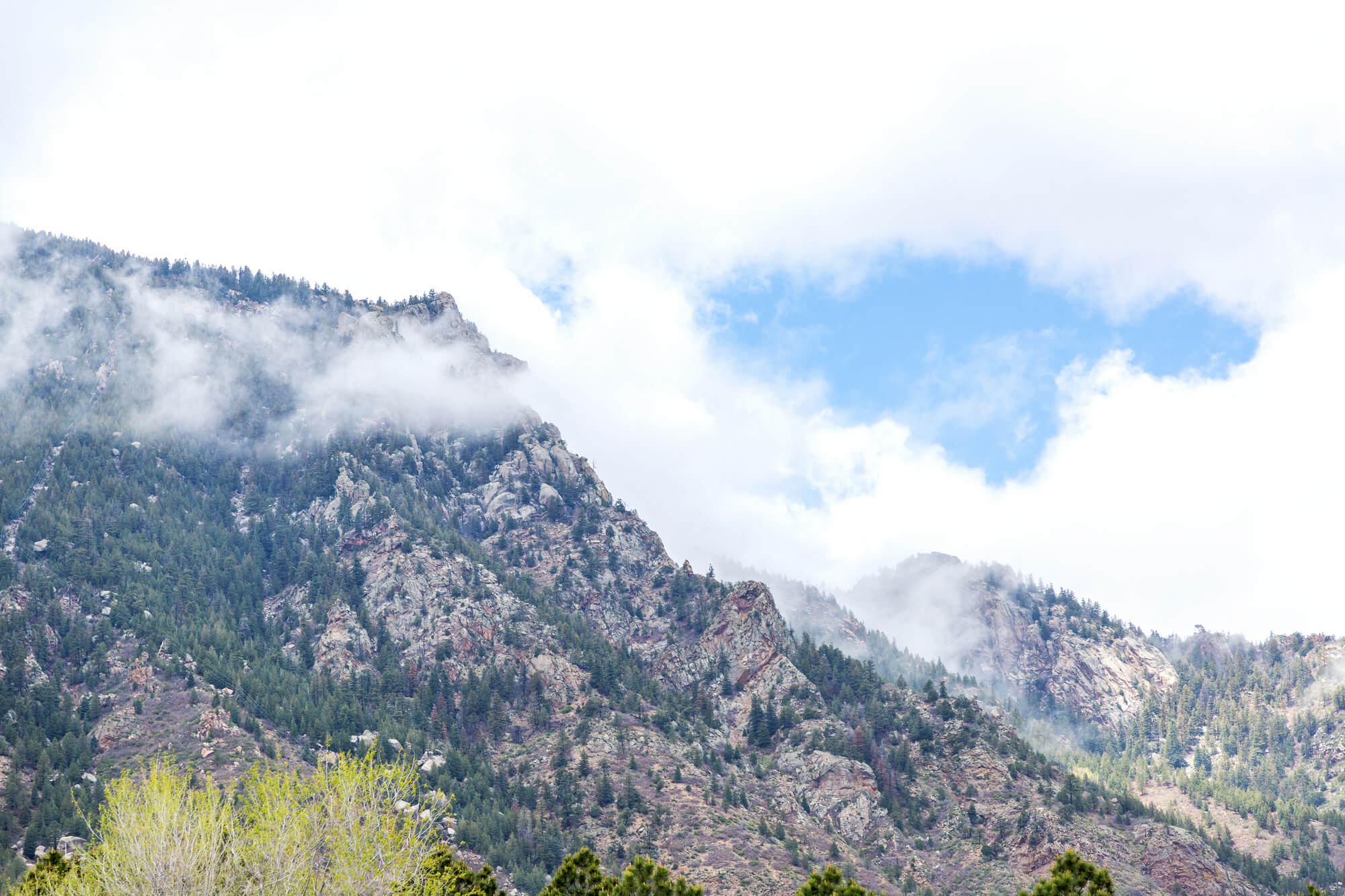
Fifteen buildings sit on giant springs inside a hollowed-out granite mountain, behind blast doors that weigh more than 20 tonnes each. For decades this was where America watched for incoming missiles.
Public tours ended after 2001. Today it serves as a backup command centre, sealed and staffed and ready.
21. The Summit of Uluru, Australia
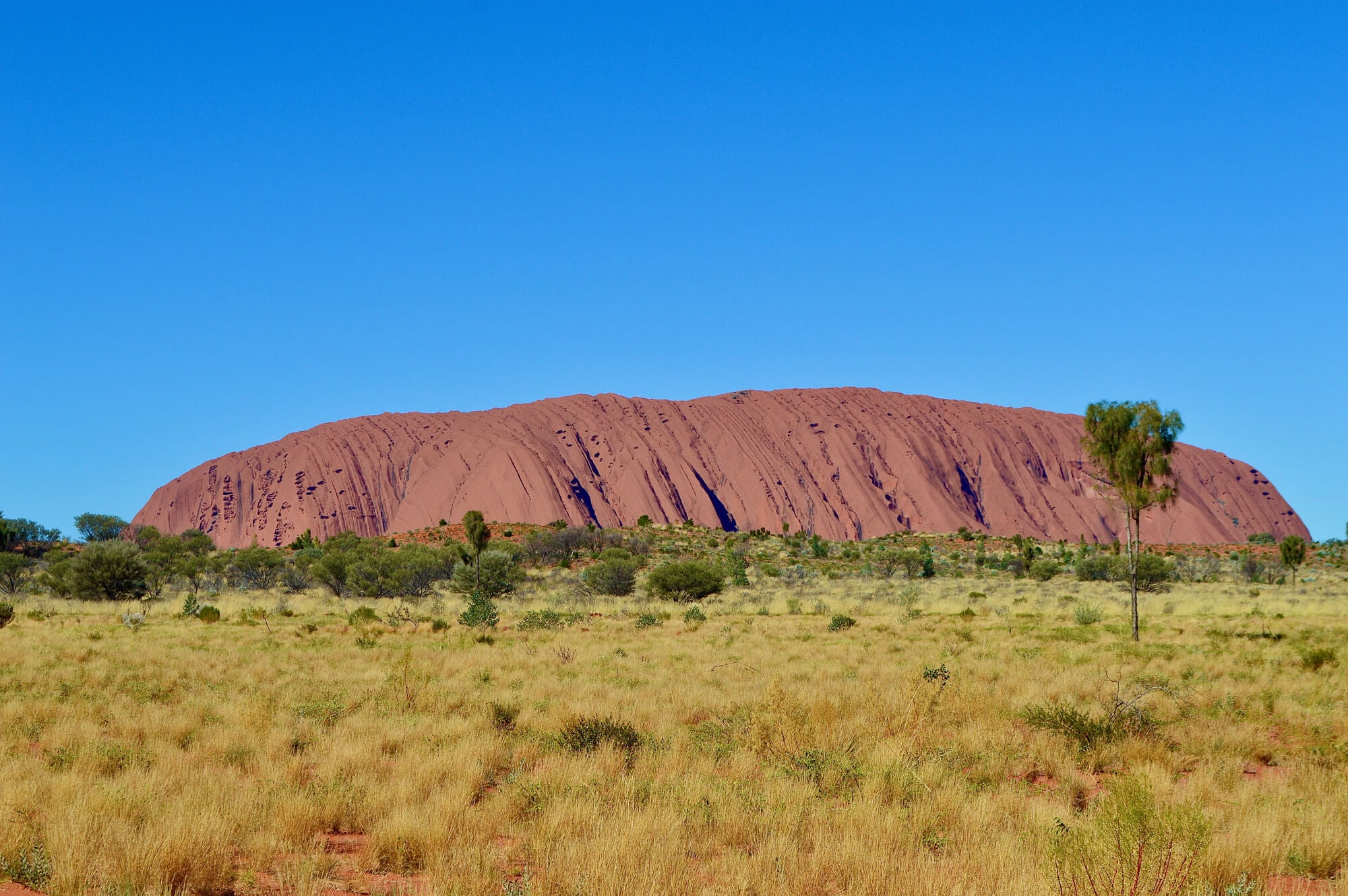
For decades tourists hauled themselves up a chain fixed to the rock, against the wishes of the Anangu people who own it. At least 37 climbers died.
The climb closed for good on 26 October 2019, and rangers removed the chain. You can still walk the ten-kilometre base track, which is the way the Anangu always asked visitors to see it.
22. Mount Kailash, Tibet
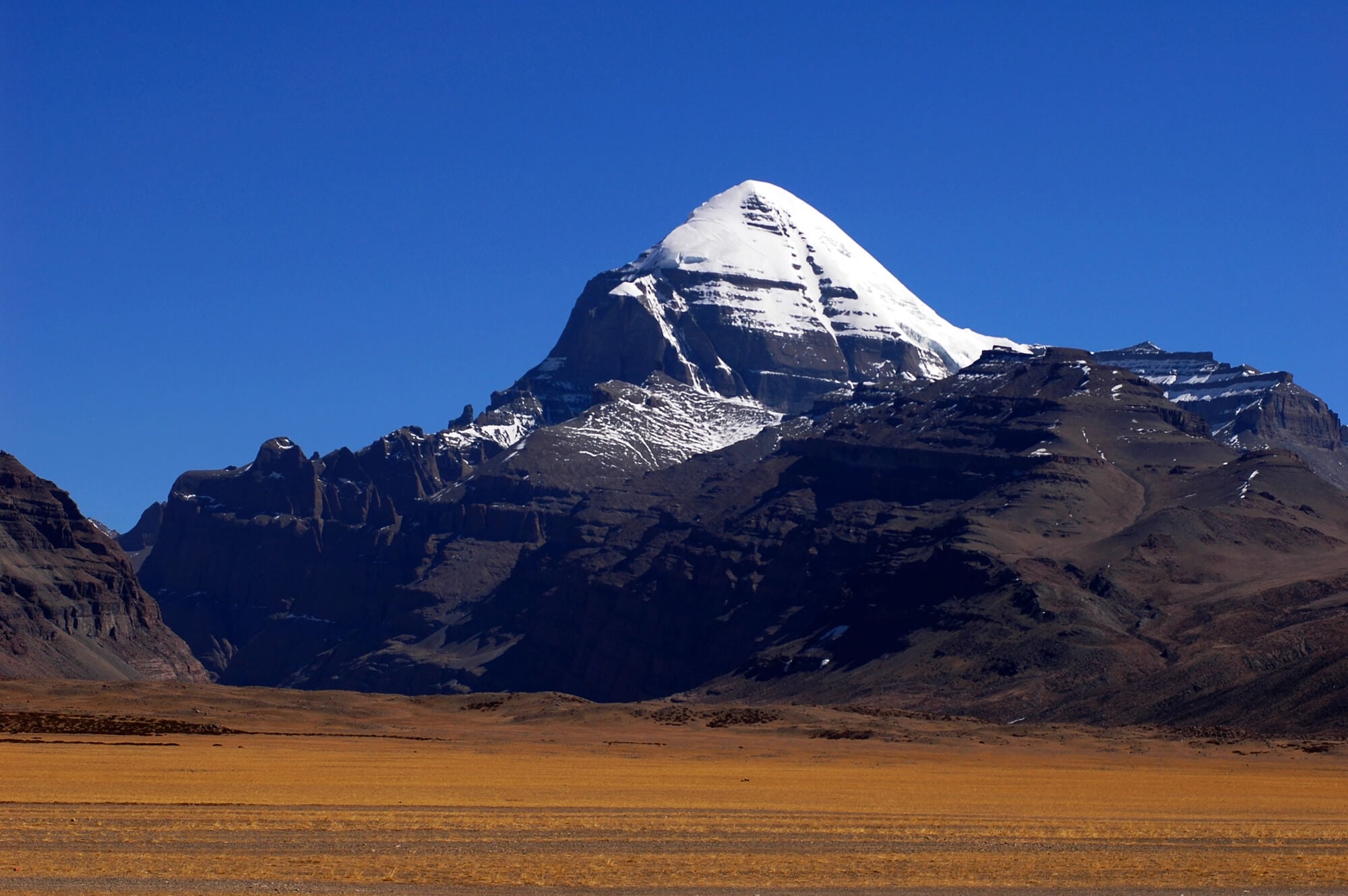
Four religions hold this 6,638-metre peak sacred. Hindus call it the home of Shiva.
Pilgrims walk a 52-kilometre circuit around its base, some of them prostrating the full distance. Nobody climbs it.
China has refused every expedition permit, and the great mountaineer Reinhold Messner turned down an offer in the eighties. Conquering it, he said, would conquer something in people’s souls.
23. Gangkhar Puensum, Bhutan
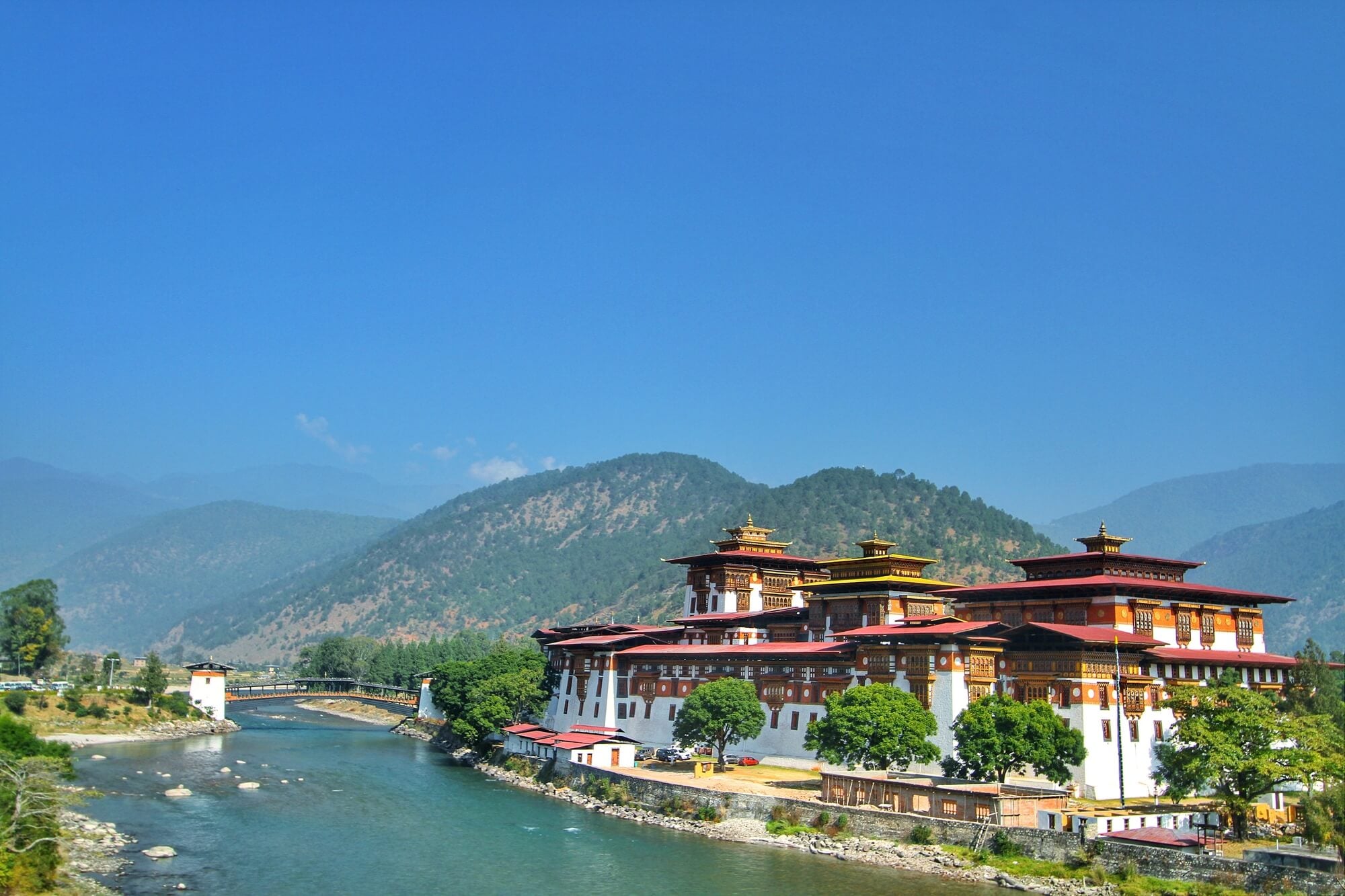
At 7,570 metres, this is the highest unclimbed mountain in the world, and it’s going to stay that way. Four expeditions failed in the 1980s.
Then Bhutan banned climbing above 6,000 metres out of respect for local beliefs, and in 2003 it banned mountaineering entirely. While the rest of the Himalaya sells summit permits, Bhutan chose the opposite.
24. Machapuchare, Nepal
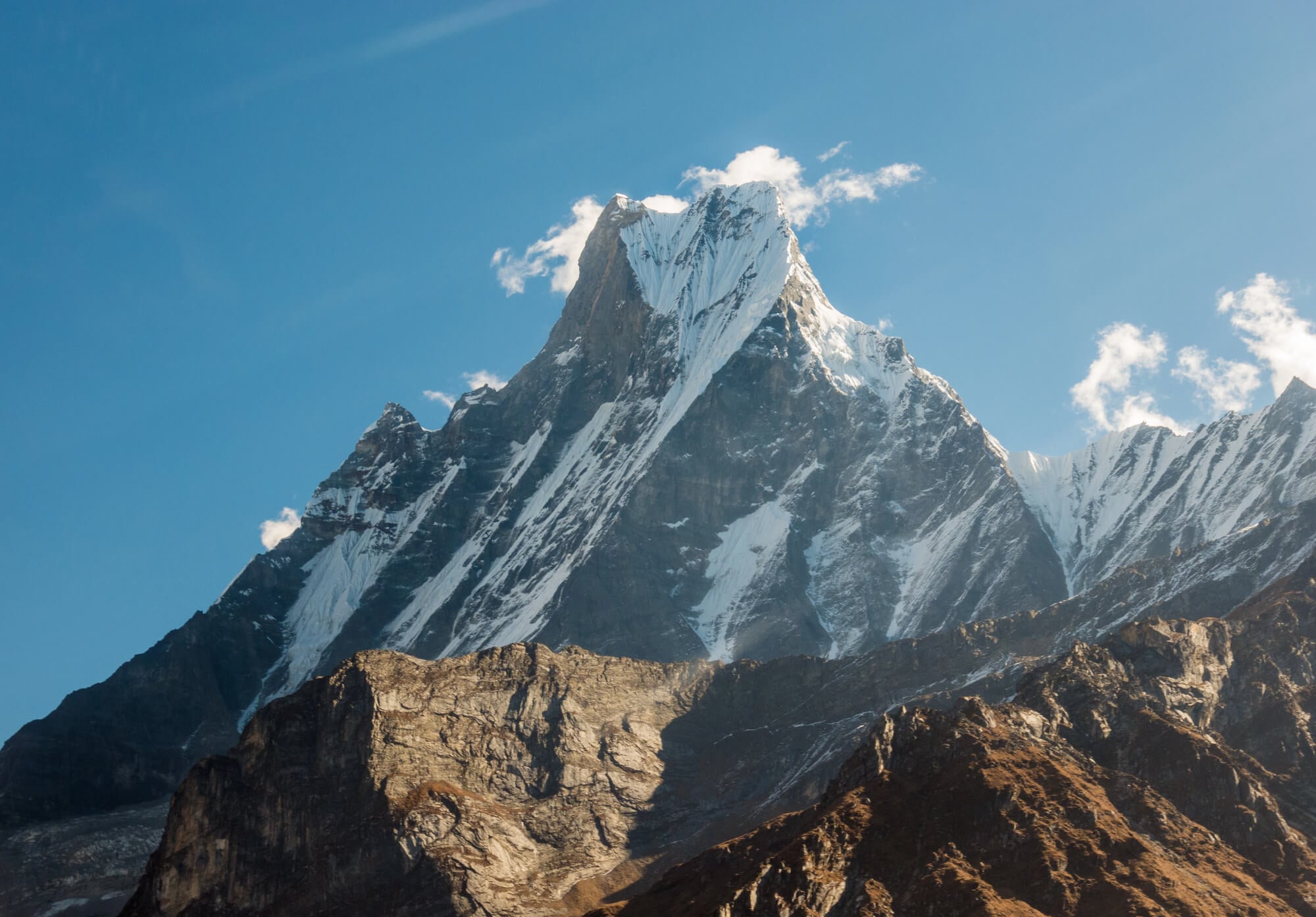
The fishtail peak dominates the skyline above Pokhara, and thousands of trekkers photograph it every season. A British team in 1957 stopped about 50 metres short of the top, keeping a promise made to the king.
Nepal has barred climbers ever since, because the mountain is sacred to Shiva. It’s one of the most recognisable summits on earth, and no one has officially stood on it.
25. Pelindaba, South Africa
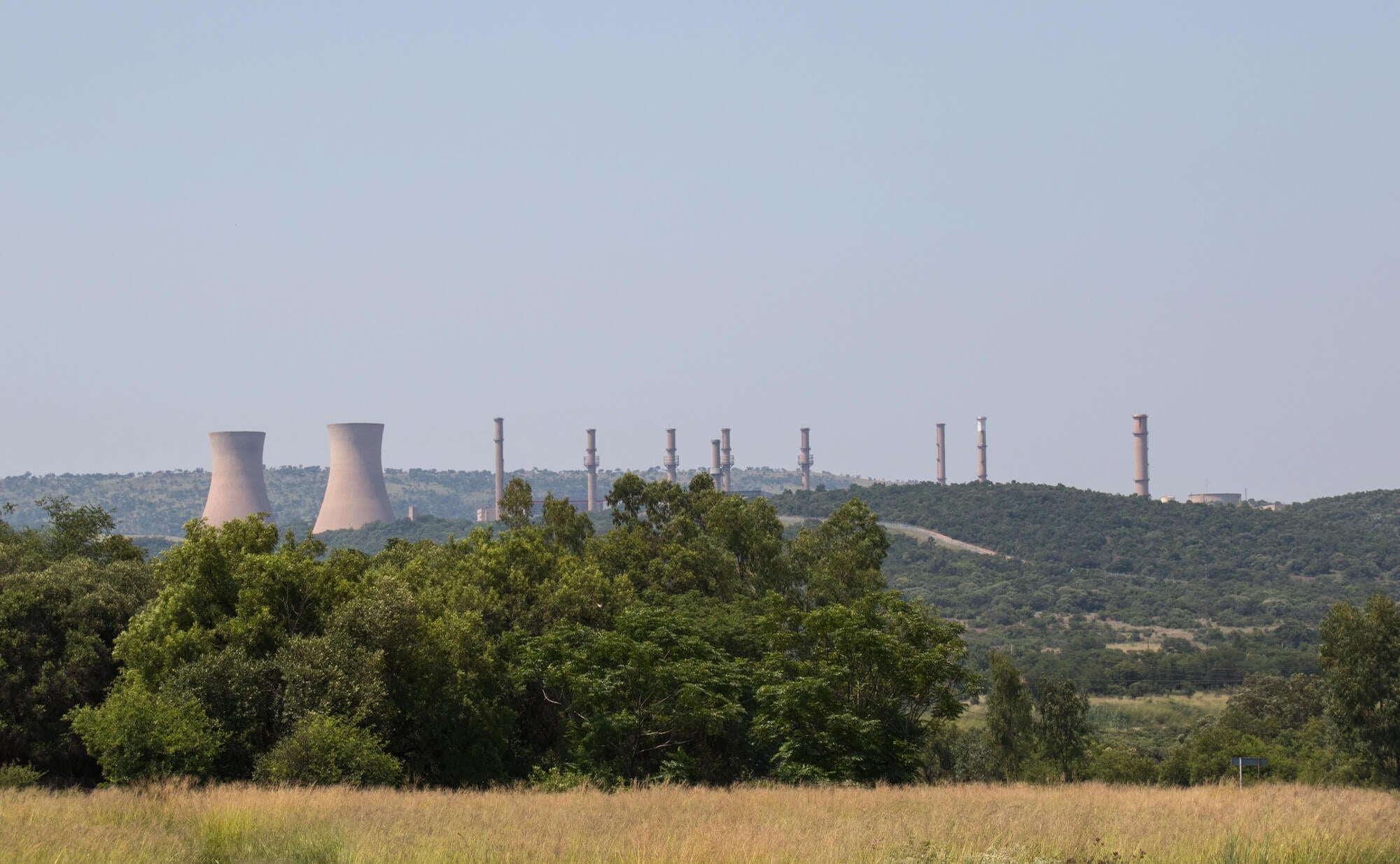
Drive west from Pretoria toward Hartbeespoort Dam and you pass a fenced complex on the hillside. This is where apartheid South Africa ran its nuclear programme, which produced six completed bombs before the government dismantled them around 1990.
The site remains a national key point under the Nuclear Energy Corporation. In 2007, armed men broke in and shot a staff member in the control room.
Security tightened further after that. You’re welcome to cycle past it on a Sunday morning, and the guards are welcome to watch you do it.
26. The Closed Catacombs of Paris
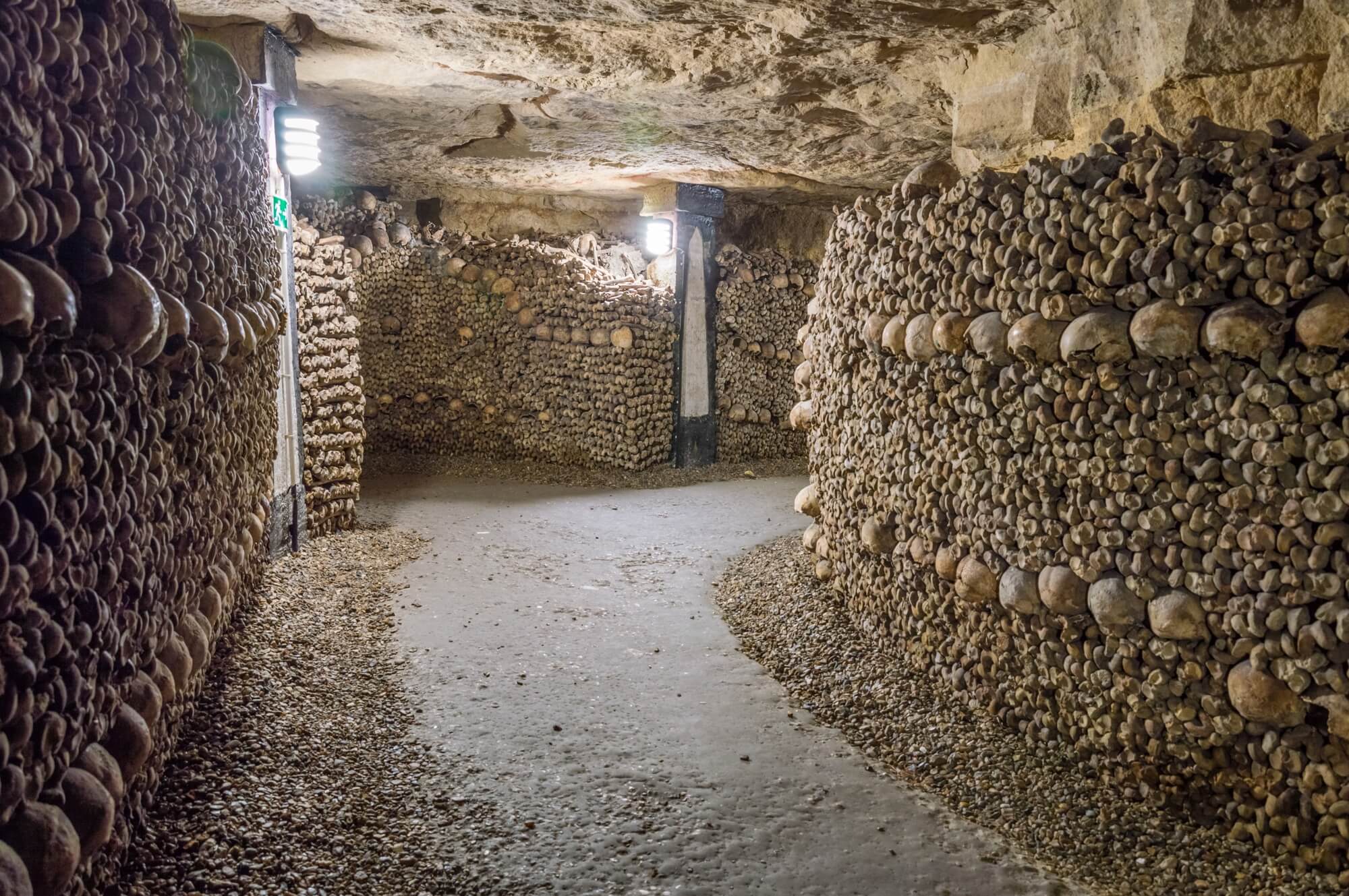
The official ossuary under Denfert-Rochereau covers less than two kilometres. The full network of old quarry tunnels runs to around 300.
Entering the rest has been illegal since 1955, and a dedicated police unit patrols down there and hands out fines. In 2004 officers found a working cinema in one chamber, complete with a bar.
When they came back, someone had cut the power and left a note telling them not to search.
27. Jagannath Temple, Puri, India
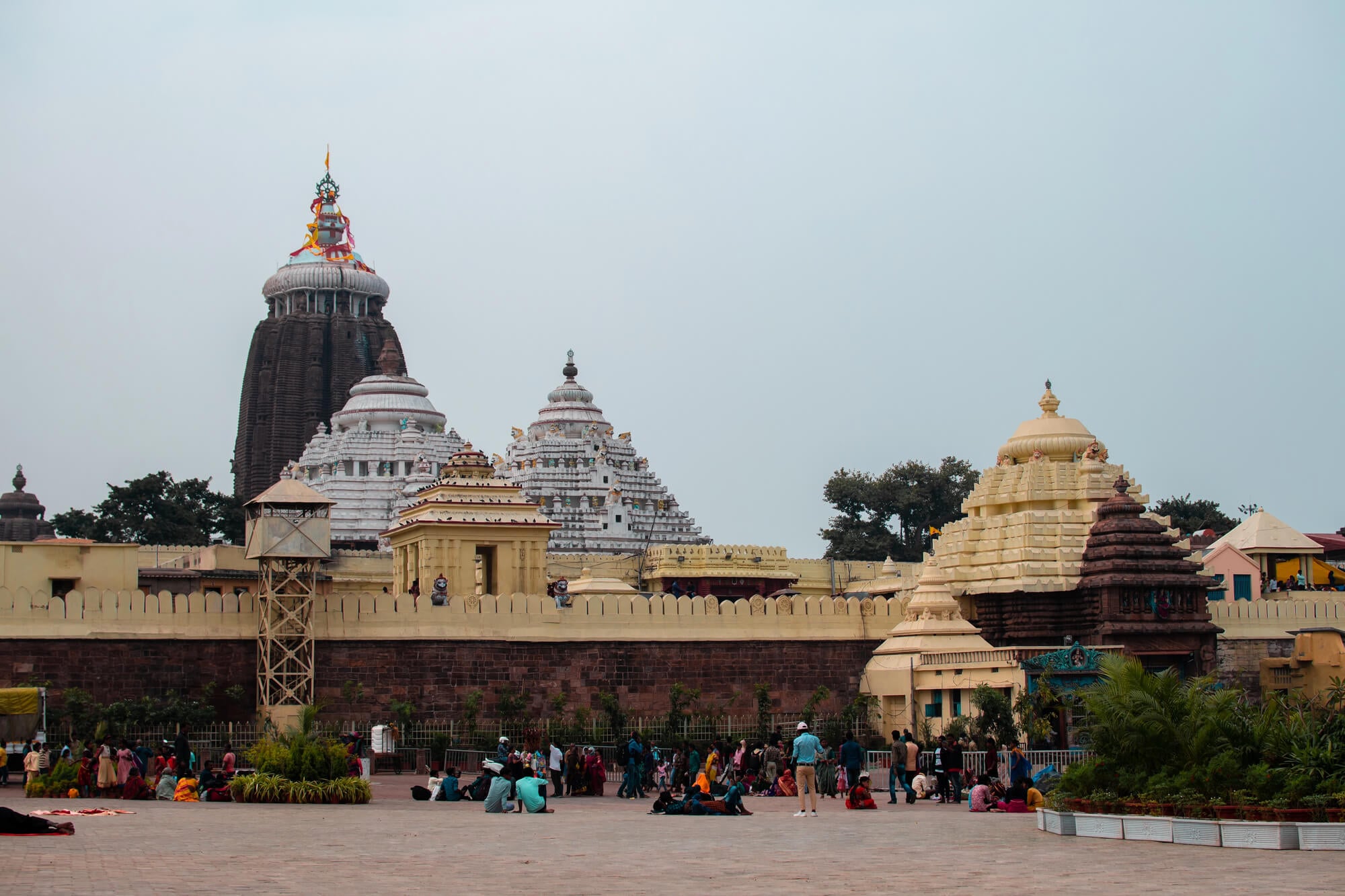
This twelfth-century temple on the Odisha coast admits Hindus only. The rule is old, and the temple has applied it without fear or favour.
Prime Minister Indira Gandhi was refused in 1984 because she had married a Parsi. Foreign visitors view the temple from the roof of a library across the road.
28. Vault B at Padmanabhaswamy Temple, India
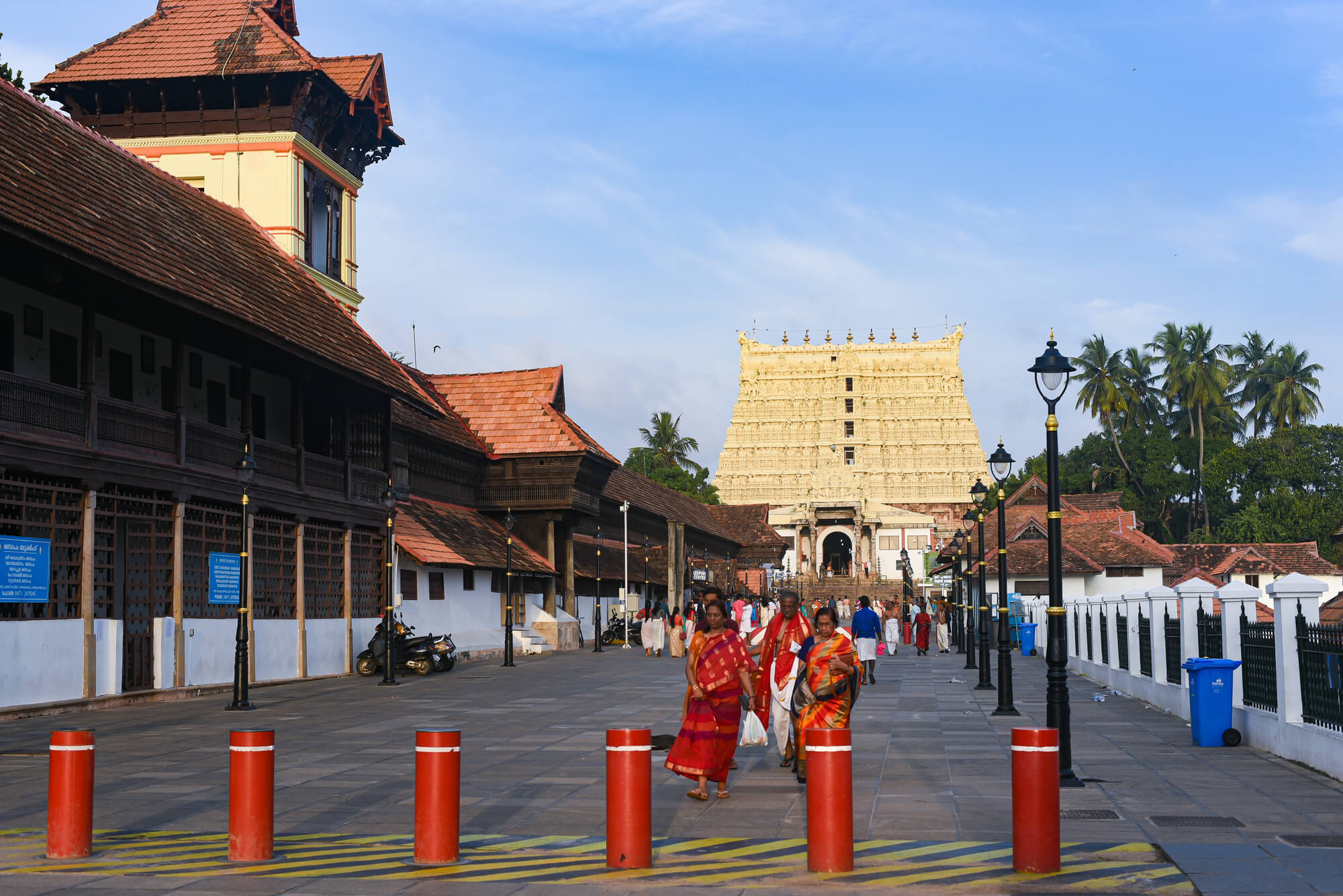
In 2011, a court-ordered inventory opened the underground vaults of this Kerala temple and found gold coins, jewels, and statues valued at around 20 billion dollars. One chamber stayed shut.
Vault B has an iron door with no visible lock or bolt and a serpent carved on it. The temple’s traditional custodians say opening it brings disaster, and India’s Supreme Court has.
29. Mount Athos, Greece
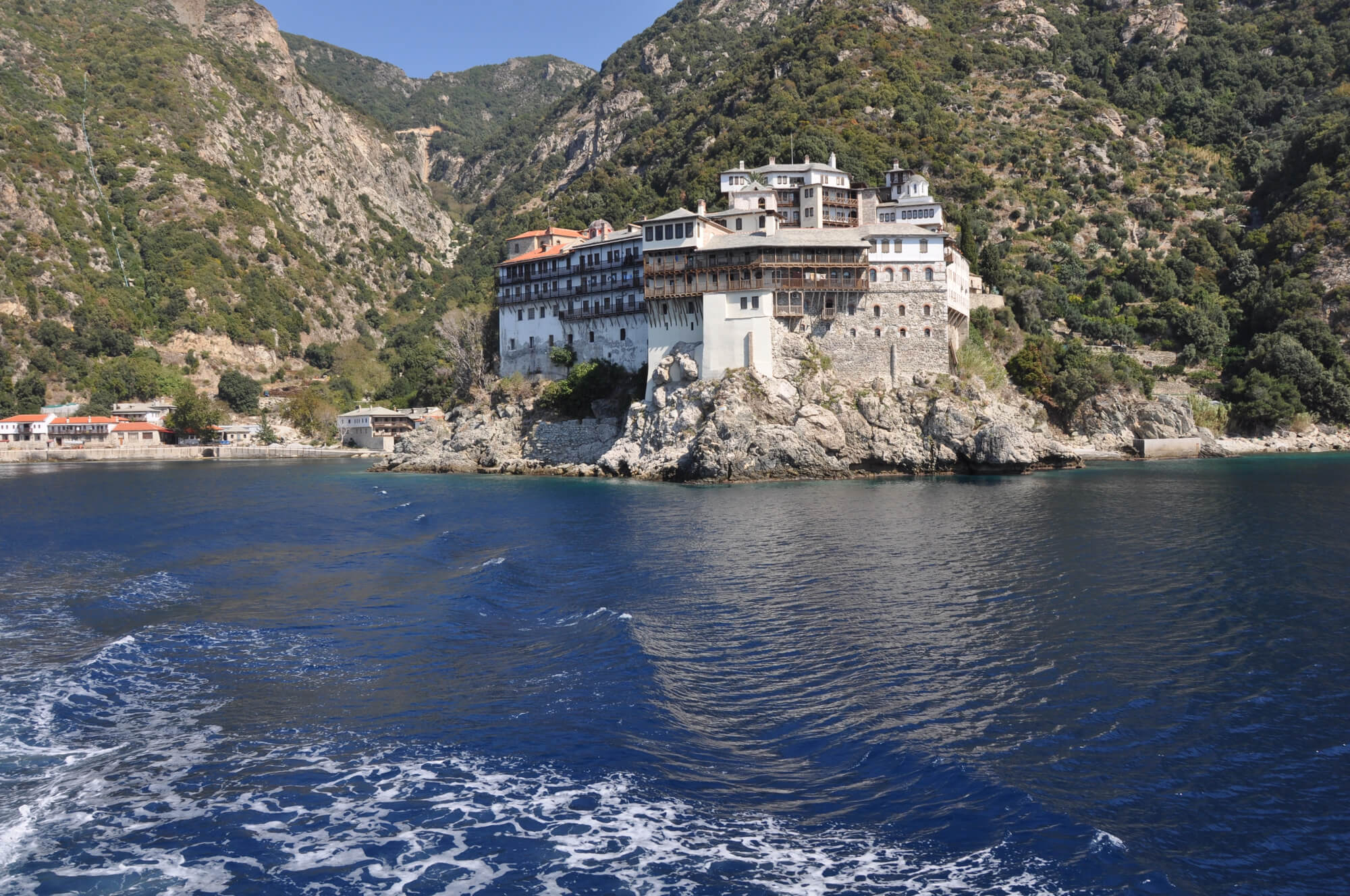
Twenty monasteries occupy this peninsula in northern Greece, and they’ve followed the same rule since 1046: no women. The ban extends to female domestic animals, with an exception for cats, which keep the mice down.
Men need a permit, and only about ten non-Orthodox visitors get one each day. For half the world’s population, the answer has been no for close to a thousand years.
What a Closed Door Does
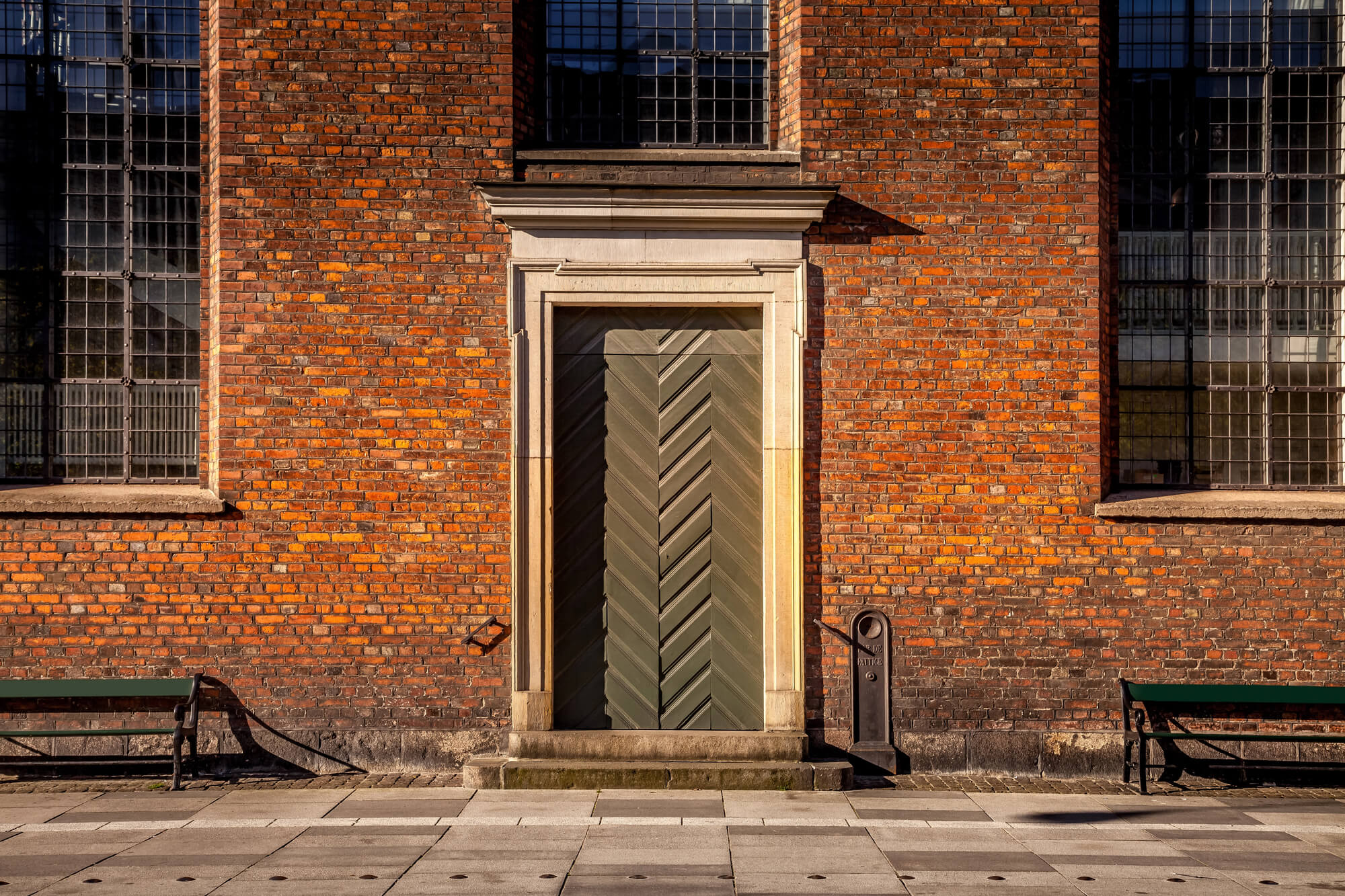
Make peace with the word no, because this list has no workaround. Spend your money on the viewing points instead: the base walk at Uluru, the circuit around Kailash, the museum above the gold.
The strange part is how much these places give you from the outside. A shut door makes you think harder about what’s behind it than an open one ever does.
Most of what you’ve walked through on holiday, you’ve forgotten. The gate you stood at and couldn’t pass stays with you for years.
More from Go2Tutors!

- The Romanov Crown Jewels and Their Tragic Fate
- 13 Historical Mysteries That Science Still Can’t Solve
- Famous Hoaxes That Fooled the World for Years
- 15 Child Stars with Tragic Adult Lives
- 16 Famous Jewelry Pieces in History
Like Go2Tutors’s content? Follow us on MSN.