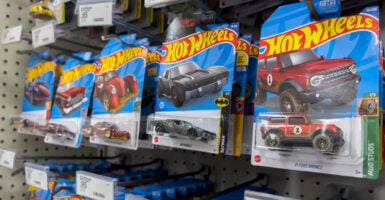
27 Hot Wheels Cars Worth Far More Than a Dollar
Mattel launched Hot Wheels in 1968 with sixteen cars and a promise that they were faster than anything else on the toy store shelf. Kids raced them down orange track, crashed them into baseboards, and traded them on playgrounds without a thought about resale.
Decades later, some of those same cars are worth more than the family car that drove them home from the store. Most Hot Wheels are still worth pocket change, and most of the famous rarities are variations that only a trained eye can spot.
Paint color, base markings, wheel types, and packaging decide everything, and the difference between a toy and a trophy is often a fraction of an inch.
Pink Rear-Loading Beach Bomb
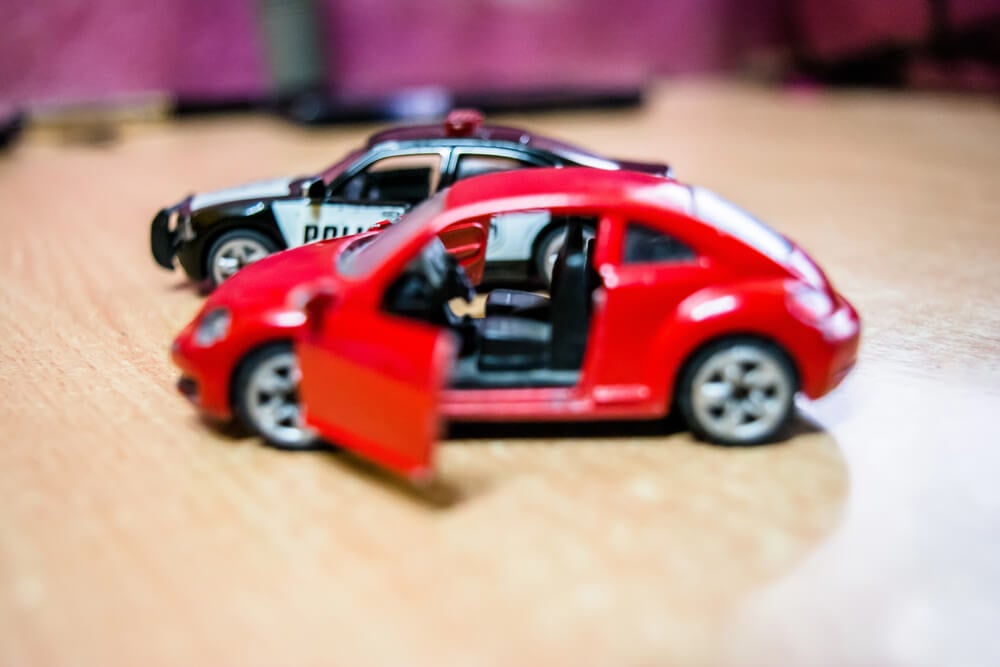
Volkswagen Beach Bomb prototypes from 1969 rank as the most famous Hot Wheels cars in existence. The design carried two surfboards sticking out of the rear window, but testing showed the van was too narrow and top-heavy to run well on track, so the production version moved the boards to side pods.
Only a handful of the rear-loading prototypes survive, and a pink example owned by collector Bruce Pascal has been valued at roughly 150,000 dollars. Condition still matters even at this level, and paint wear or damaged surfboards would lower any figure.
Most collectors will only ever see one in photographs.
White Enamel Custom Camaro Prototype
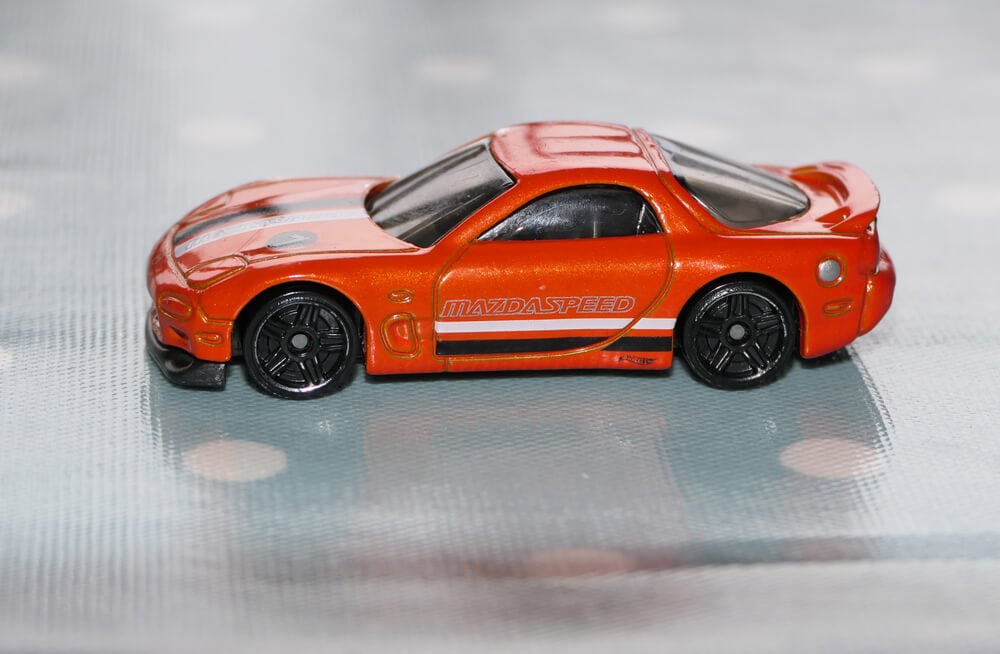
Before production began in 1968, Mattel painted some pre-production Custom Camaros in white enamel rather than the metallic finish that became standard. These cars were used for testing and photography, and very few survive outside the company archives.
Estimates for a white enamel Camaro reach six figures, though those figures come mostly from appraisals rather than public sales. Condition is central to any valuation, since chips in the white paint show plainly and prototype parts can be hard to verify.
Collectors treat any claimed example with caution until experts have examined it closely.
Mad Maverick Base on a Mighty Maverick
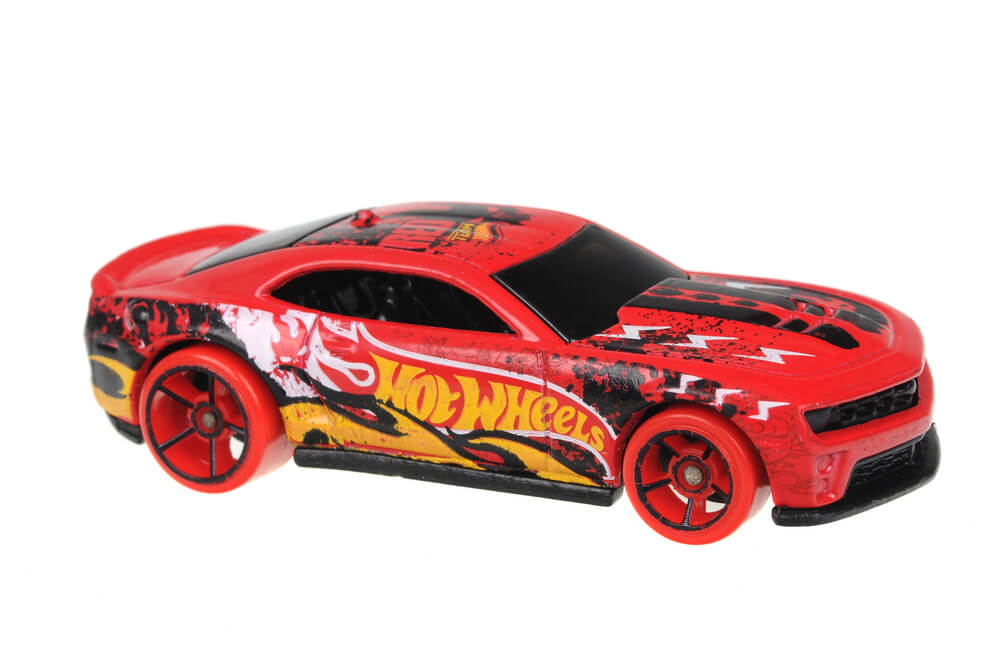
Mighty Maverick was released in 1970, but its earliest castings carried the name Mad Maverick on the base. Mattel changed the name before wide release, reportedly because of a conflict with another company’s product, and only a few cars with the original base are known to exist.
The rarity makes it one of the most talked-about variations of the redline era, with values estimated well into five figures. Condition dependence applies here too, since chipped paint or worn axles can cut deeply into a car’s value.
Few have changed hands publicly, which makes pricing difficult.
Purple Olds 442
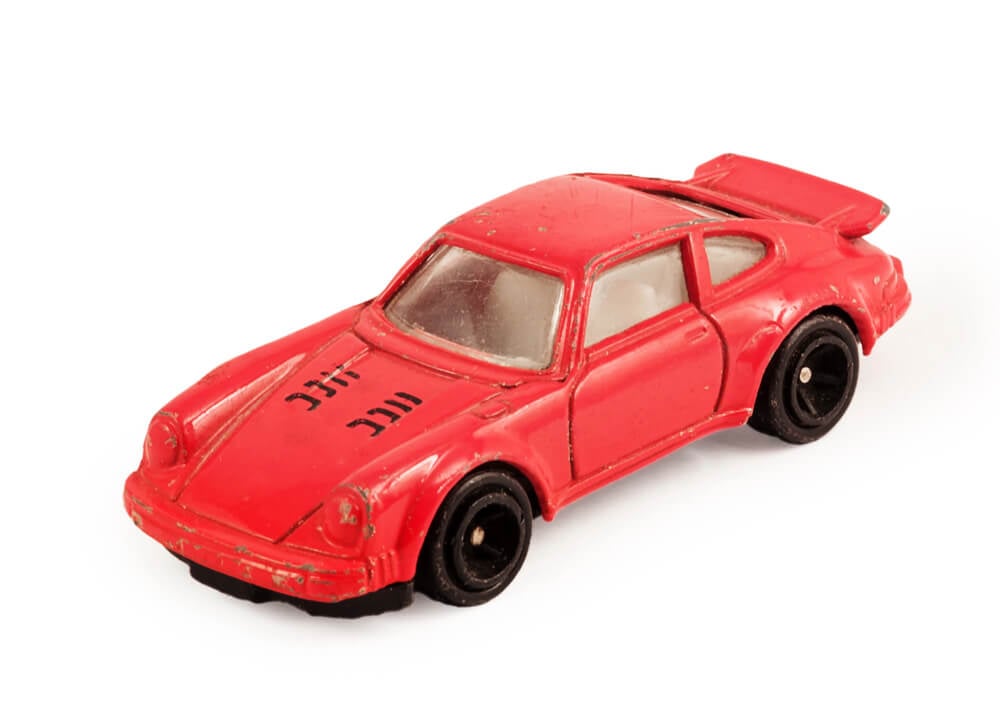
Purple is one of the rarest production colors among early Hot Wheels, and the 1971 Olds 442 in purple sits near the top of many collectors’ want lists. Most known examples were made in Hong Kong, and the color appears to have been produced in very small numbers.
Estimates for a purple 442 vary widely depending on the source, with top examples bringing several thousand dollars or more. Condition weighs heavily, with the glow of the Spectraflame paint and clean, unchipped edges mattering most.
Faded or scuffed examples bring far less.
Python With a Cheetah Base
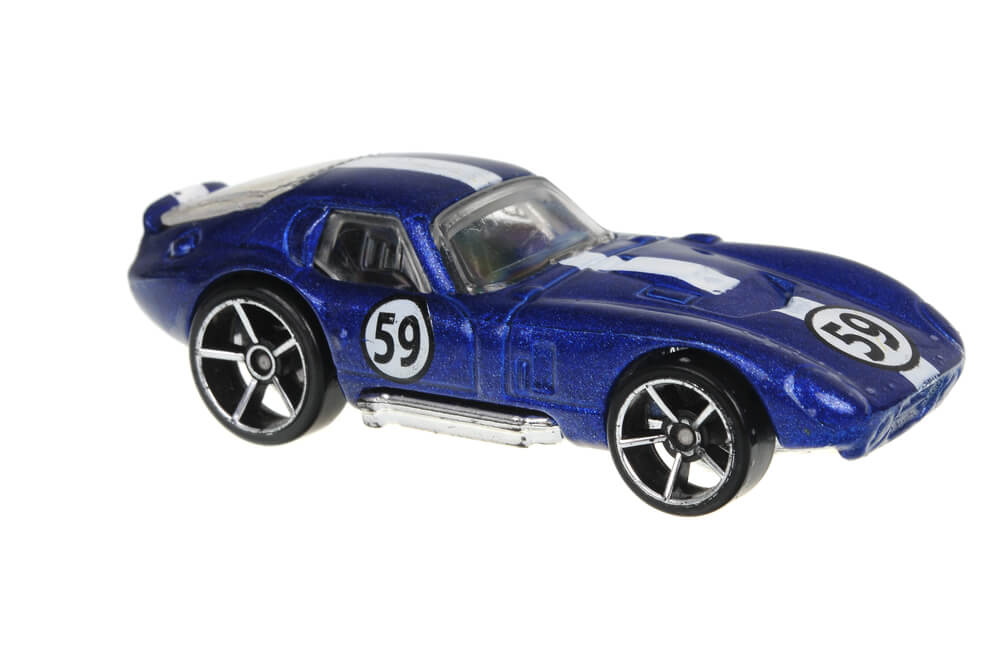
Python was one of the original sixteen cars from 1968, designed by Harry Bentley Bradley as a futuristic custom. Its early working name was Cheetah, and a small number of cars made in Hong Kong carry the Cheetah name on the base.
Those variations have brought thousands of dollars from collectors who specialize in early rarities. Condition matters as much as the base marking, with paint, wheels, and axles all checked carefully before any sale.
Sellers need to show the base clearly, since the Python itself is otherwise a fairly common redline.
Custom Volkswagen Without a Sunroof
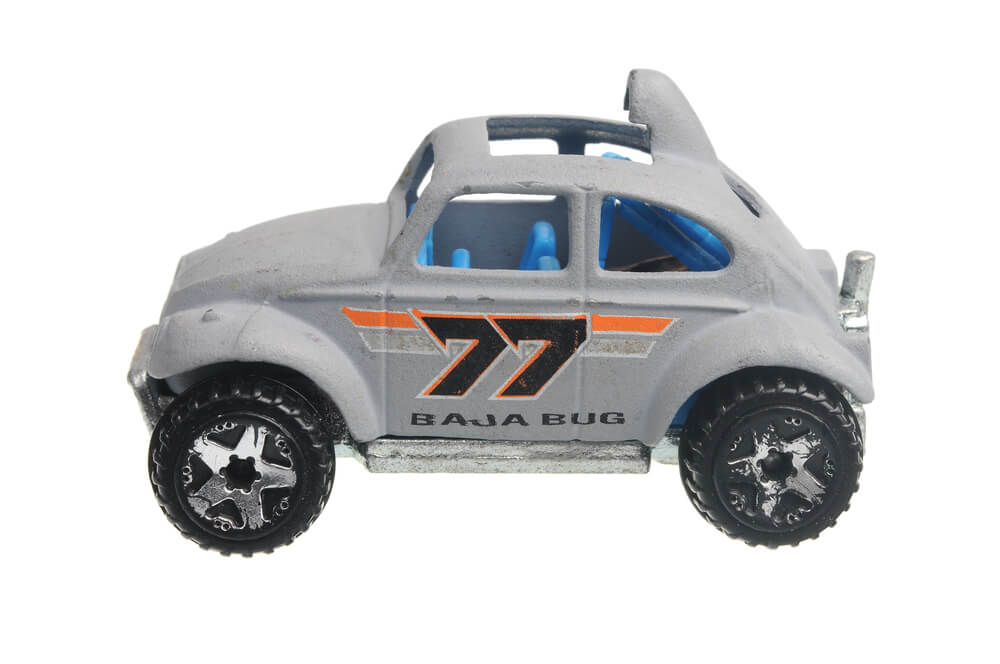
Among the very first Hot Wheels was the Custom Volkswagen, a Beetle with a sunroof and exposed engine. A version made without the sunroof opening was sold mainly in Europe, and it is far harder to find than the standard car.
Examples in good shape have brought several thousand dollars, depending on paint color and overall condition. Chips along the roofline, bent axles, or worn wheels can quickly reduce the price.
Collectors note the country of manufacture on the base, since Hong Kong and US production differ in small details that affect value.
Blue Rodger Dodger
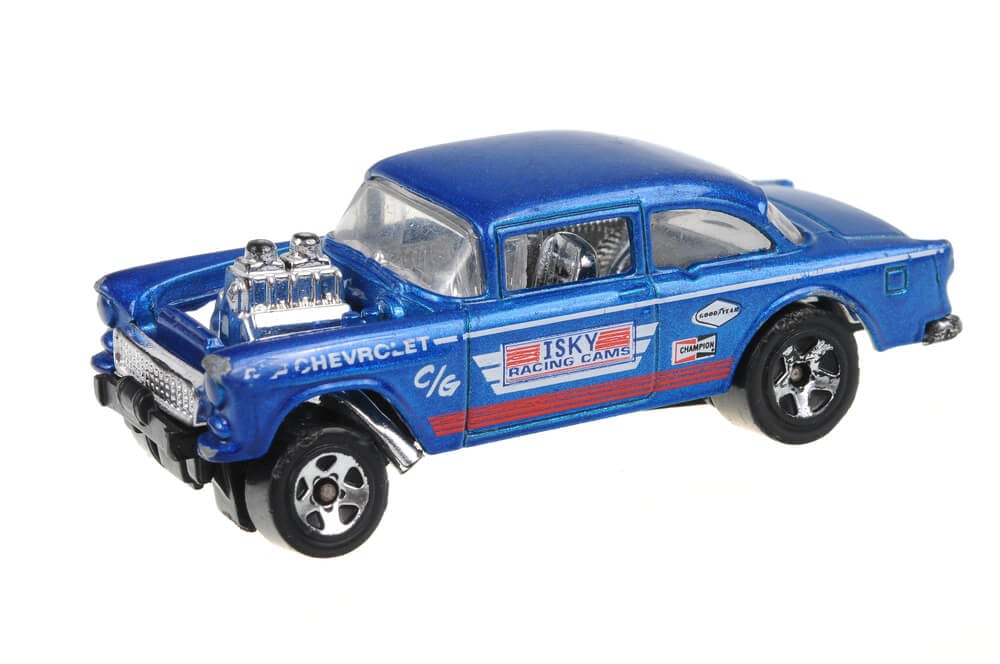
Rodger Dodger arrived in 1974, a Hot Wheels take on a Dodge Charger street machine with a big engine rising out of the hood. It came in the enamel colors Mattel used after moving away from Spectraflame, and a version in blue is extremely rare, with only a handful of examples reported to exist.
That scarcity has pushed estimates for authenticated pieces well into five figures. Condition drives any valuation, especially since enamel paint shows chips more plainly than the older metallic finish.
Serious collectors expect careful examination or documentation, since repainted cars occasionally appear on the market dressed up as the real thing.
Brown Custom Charger
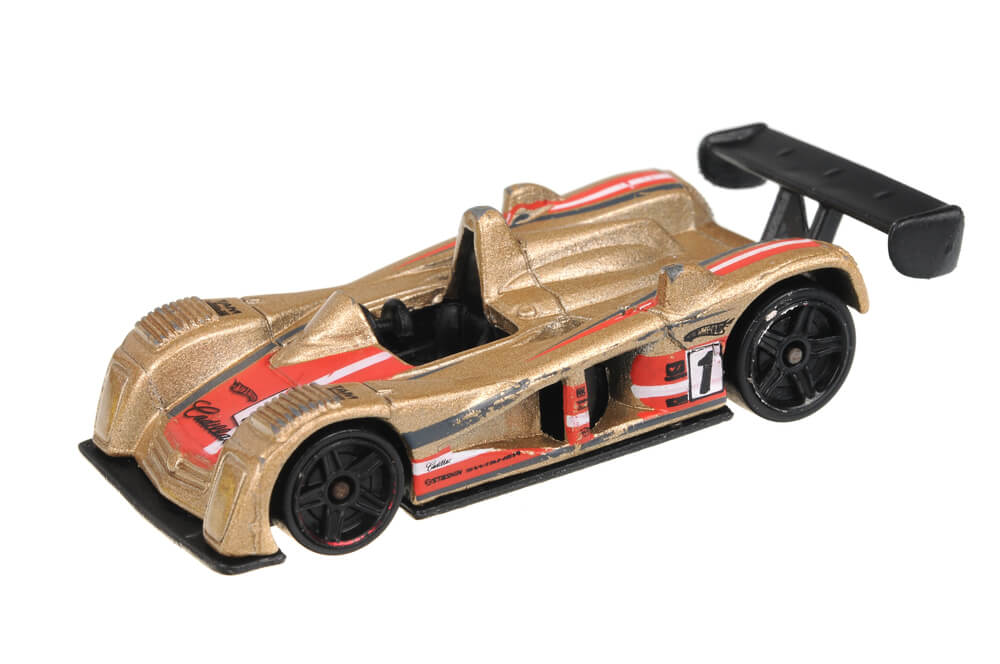
Spectraflame paint on the 1969 Custom Charger came in a range of colors, but brown is one of the rarest shades collectors have documented. Only a few brown examples are known, and those have brought thousands of dollars in private sales.
The price depends heavily on condition, including the richness of the brown paint and the state of the redline wheels. Sunlight and handling can shift Spectraflame paint over decades, so collectors examine these cars under consistent light before agreeing on a color.
The standard colors remain much easier to find.
Red Baron With a White Interior
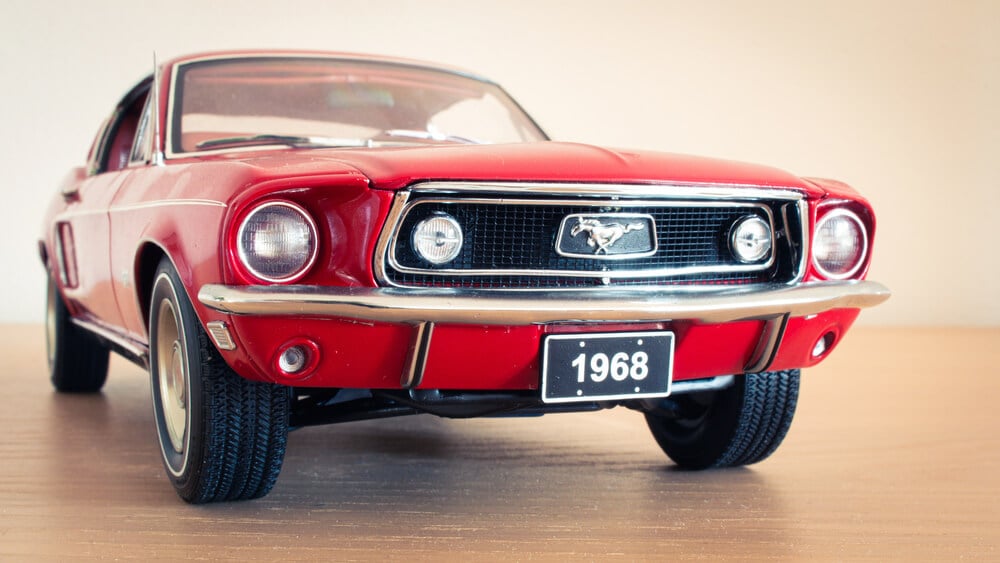
Red Barons, the 1970 Hot Wheels hot rod topped with a German helmet, usually came with black interiors. A small number of early cars left the factory with a white interior, and those variations have brought hundreds to thousands of dollars from collectors.
Condition is decisive, since the red paint shows chips easily and the helmet spike is prone to bending or breaking. Buyers look closely at the interior color to make sure it has not faded from black over time.
The black interior version is common and much less valuable.
Ed Shaver Custom AMX
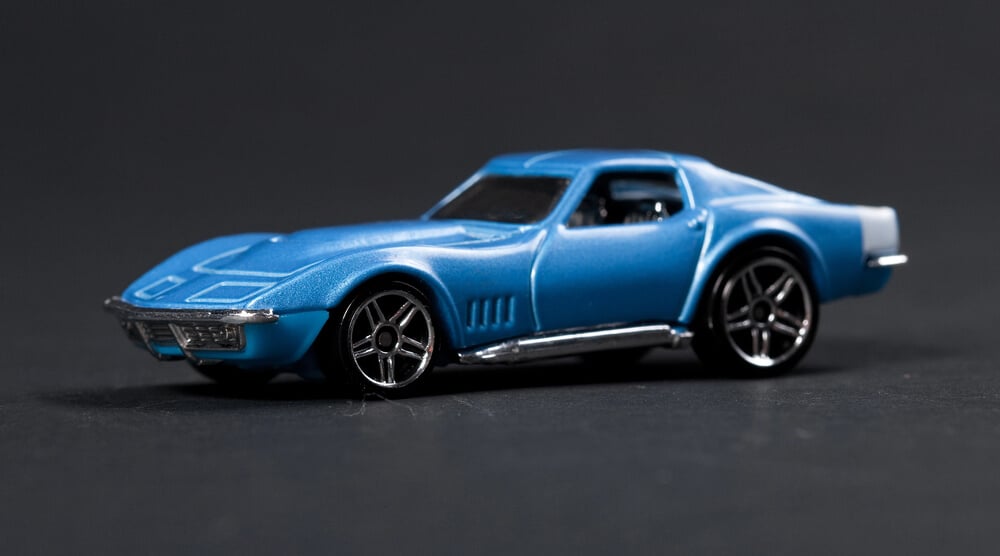
AMC’s muscle car became the Custom AMX in the 1969 Hot Wheels lineup. A version sold in the United Kingdom came with Ed Shaver racing decals, tied to an AMC racing program of the time.
The decaled cars are rare, and complete examples with the stickers intact have brought thousands of dollars. Condition is crucial because the decals peel and fade easily, and a car missing its stickers loses most of its premium.
Reproduction decals exist, so collectors examine these cars closely before paying serious money.
Pink Beatnik Bandit
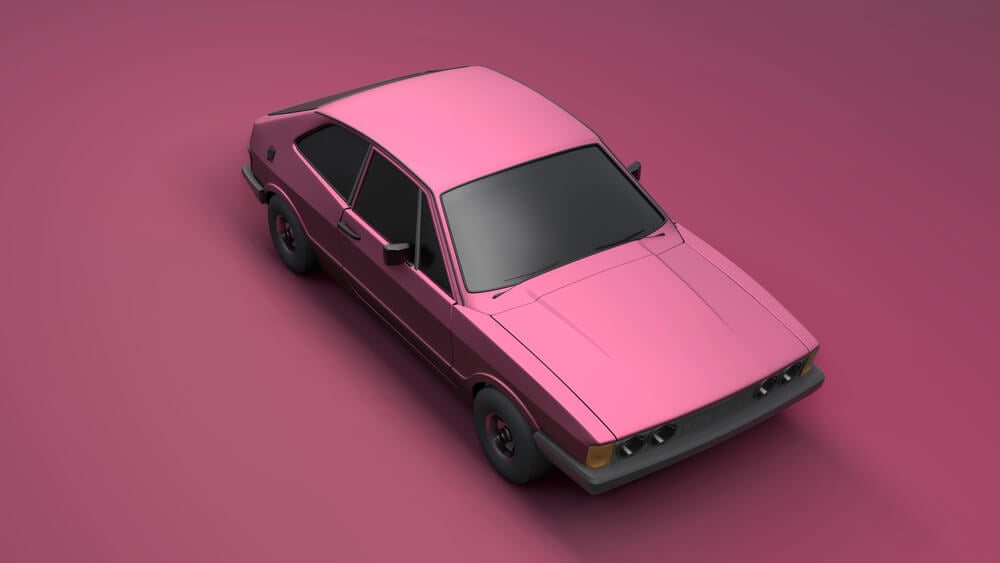
Beatnik Bandits were another of the original sixteen cars, a model of Ed Roth’s bubble-top show car. Pink was produced in smaller quantities than colors like blue or green, reportedly because it was seen as less appealing to boys in the 1960s.
Pink redlines of many models are now among the most sought-after colors, and a pink Beatnik Bandit brings much more than common shades. The price depends on condition, especially the clarity of the canopy and the state of the paint.
Scratched or clouded canopies lower the value.
Purple Bye-Focal
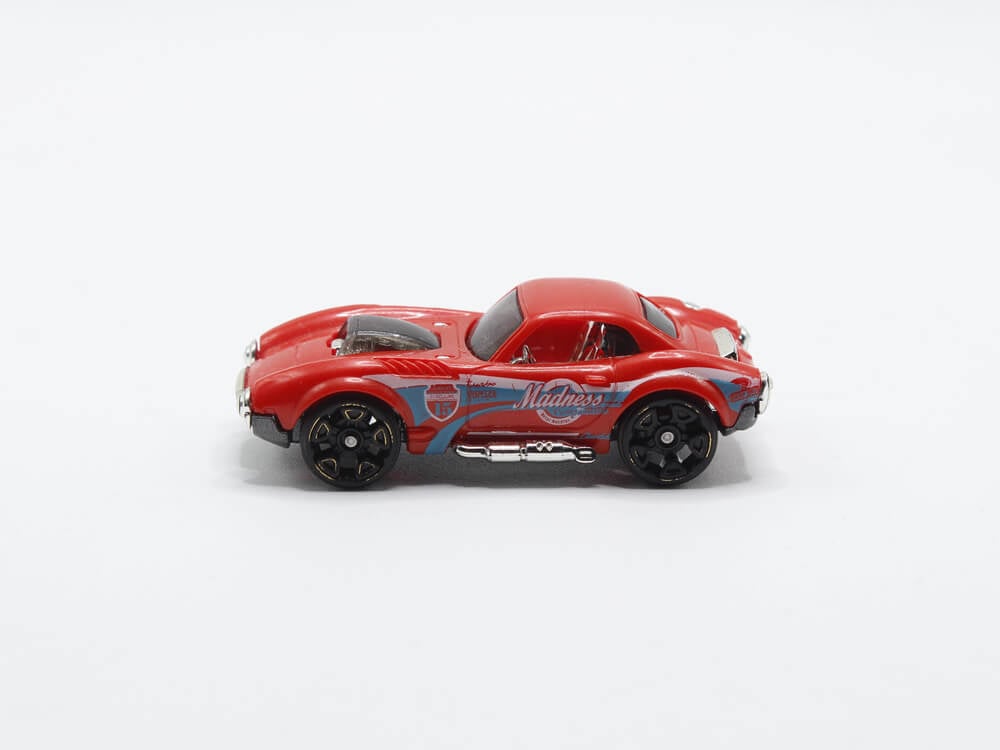
Bye-Focal was a 1971 Hot Wheels drag machine with two exposed engines, one mounted up front and one in the rear, a design that looked outrageous even by the standards of the era. Purple examples are scarce, and many collectors rank a purple Bye-Focal among the most desirable cars of the early 1970s.
Clean examples have brought thousands of dollars from specialists who focus on the redline years. Condition is key, including the chrome on both engines, which wears or flakes with play.
Spectraflame paint that has faded, darkened, or developed spots can also sharply lower what a buyer will offer.
Superfine Turbine
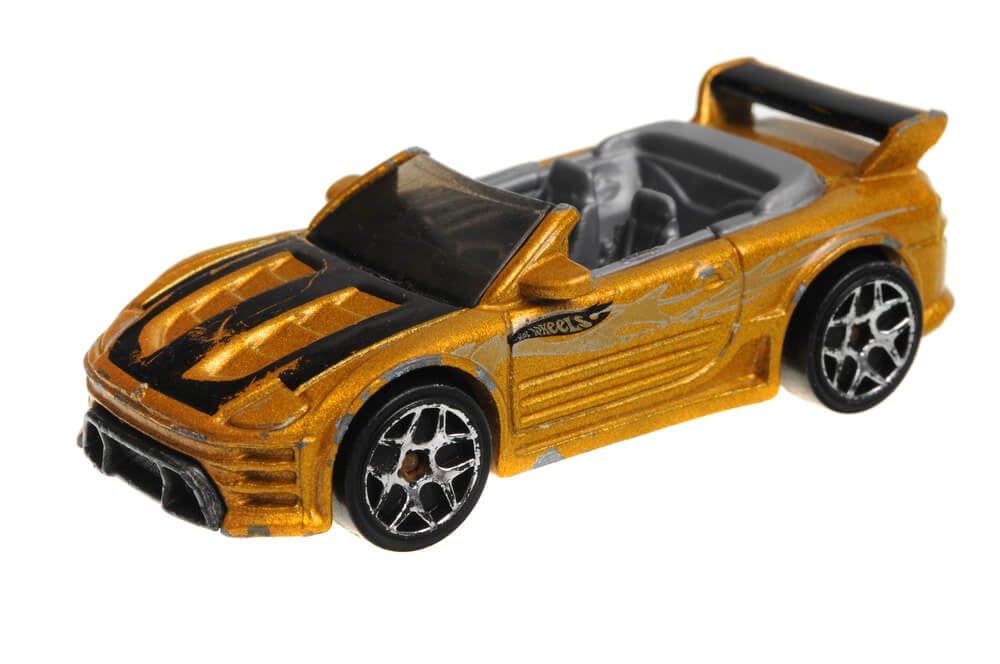
Superfine Turbines from 1973 rank among the rarest production Hot Wheels ever made. The car arrived in the year Mattel switched from Spectraflame to cheaper enamel paint, and it was produced in very small numbers as sales of the line cooled.
Its sleek jet-inspired shape made it easy to overlook on the pegs at the time. Even a played-with example has sold for around 450 dollars, while clean ones bring several thousand.
Condition controls value, especially since the enamel paint chips easily and the thin parts break. Collectors check the base and paint carefully, since the model has been reproduced and repainted over the years.
Side-Loading Beach Bomb
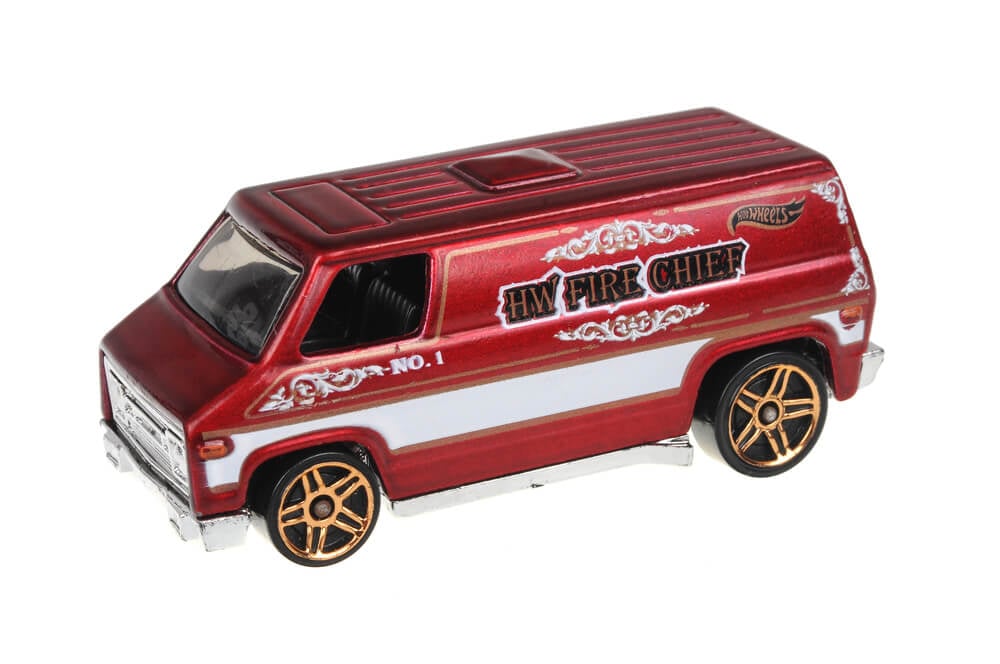
Production Beach Bombs moved the surfboards to side pods so the van would run properly on the orange track that came with so many Hot Wheels sets. It was released in 1969 and sold widely, so it is far less rare than the rear-loading prototype that made the name famous.
Clean examples in scarce colors have still brought hundreds to thousands of dollars from collectors of the Volkswagen castings. Value is condition dependent, since the surfboards were often lost or snapped and the paint chipped easily.
Complete vans with both boards and bright Spectraflame paint make the strongest showing at sale.
Dark Blue Custom Camaro
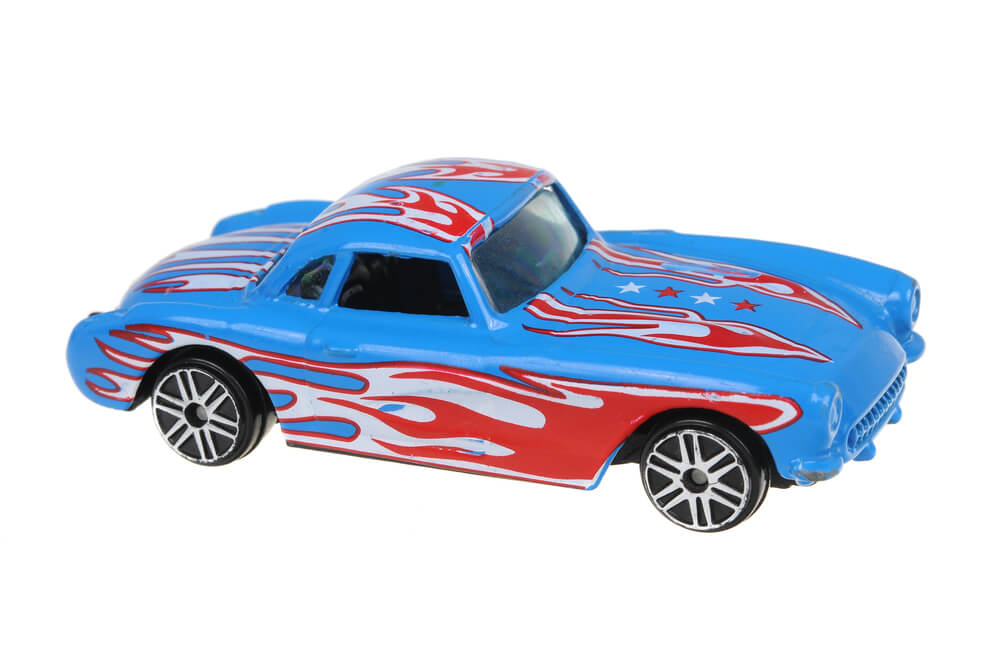
Hot Wheels history begins with a dark blue Custom Camaro, the first car ever sold, which went on sale on May 18, 1968, for 59 cents. The Custom Camaro came in many Spectraflame colors, and certain shades and US-made versions with clear windshields are more desirable than Hong Kong cars with blue-tinted windows.
Clean examples of the rarer colors have brought hundreds to thousands of dollars. Condition drives every sale, including paint wear, window clarity, and whether the wheels still spin freely.
Worn Camaros from the sandbox bring much less.
Deora
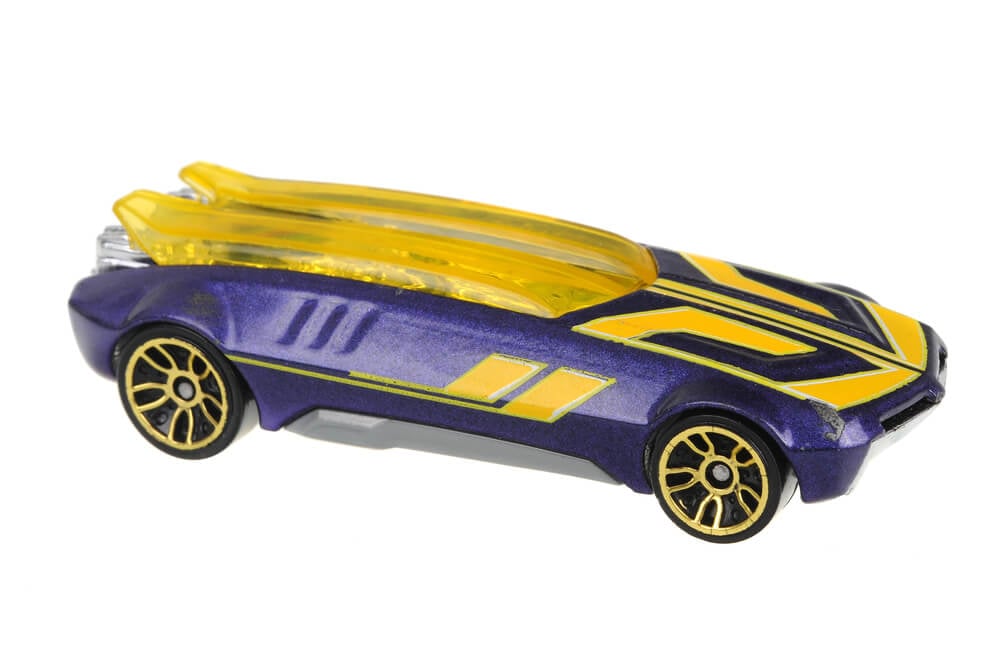
Deoras were among the original sixteen Hot Wheels, a model of the Alexander brothers’ custom pickup built on a Ford Econoline. It came with two surfboards in the bed, and most surviving examples have lost at least one.
Complete cars with both surfboards have brought hundreds of dollars or more, especially in rare colors. The value depends heavily on condition, including the paint, the clear windows, and the state of the wheels.
The surfboards alone are sometimes sold separately, which says something about how often they disappeared.
Snake and Mongoose Funny Cars
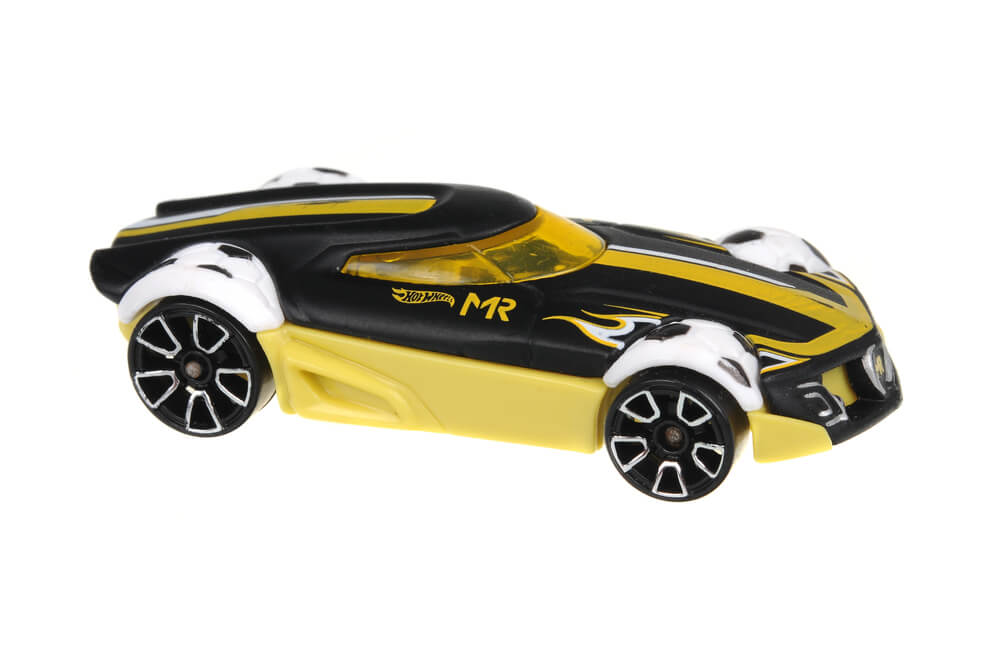
In 1970, Mattel released Hot Wheels versions of the funny cars driven by drag racers Don Prudhomme and Tom McEwen, known on the circuit as the Snake and the Mongoose. Mattel sponsored both drivers, and the rivalry was promoted heavily in advertising and on packaging aimed at kids.
Complete sets with the original box and track pieces have brought hundreds of dollars or more. Condition matters here, especially the decals, which peel easily, and the state of the cardboard packaging.
The cars appeal to drag racing fans as well as Hot Wheels collectors, which widens the pool of buyers.
Twin Mill
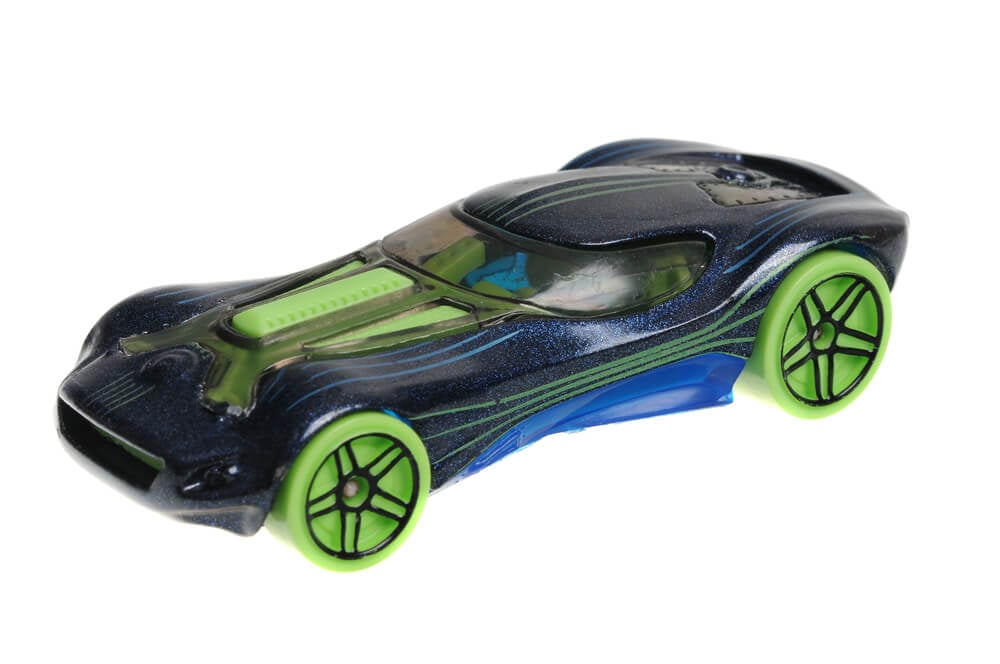
Designer Ira Gilford created the Twin Mill in 1969, a low, wide dream car with two engines poking through the hood. It became one of the most recognized Hot Wheels designs of all time, and Mattel later built a full-size, drivable version of the car in 2001.
Original redline examples in scarce colors have brought hundreds of dollars from collectors. Value depends on condition, especially the chrome on the engines and the Spectraflame paint on the body.
Because the Twin Mill has been reissued many times over the decades, collectors check the base markings and wheels closely to confirm an original.
Custom Corvette
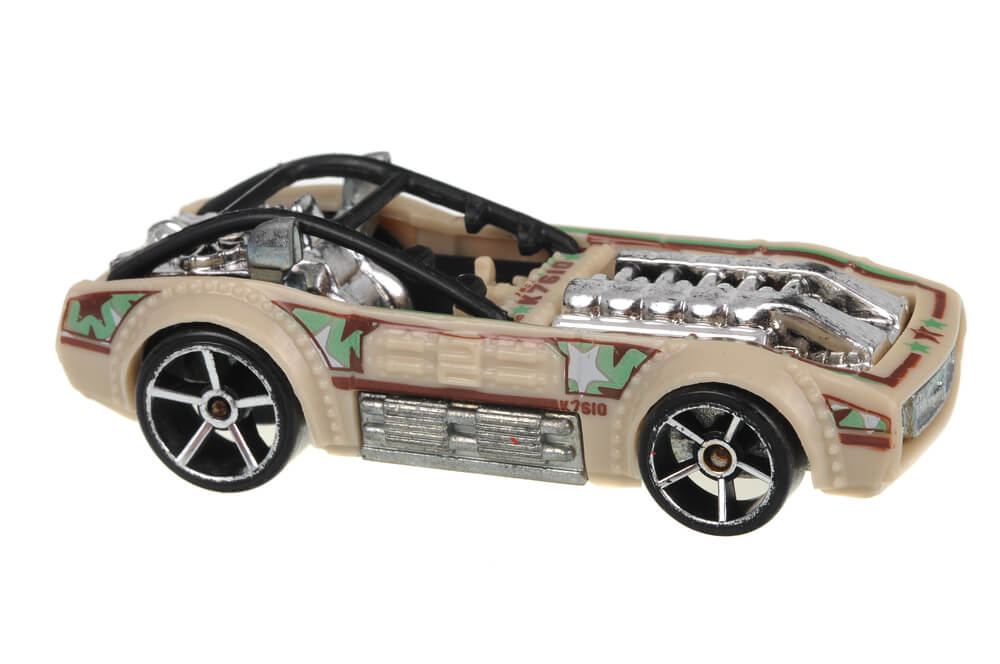
Custom Corvettes were part of the original 1968 lineup, and it is often said that the toy reached stores before the real 1968 Corvette arrived in showrooms, thanks to Mattel’s access to design information from General Motors. That story helped make it one of the most talked-about early Hot Wheels.
Clean examples in scarce colors have brought hundreds of dollars or more from collectors. Condition shapes the price, with paint, windows, and wheels all checked carefully.
The car was produced in large numbers, so common colors in played-with condition bring only modest sums.
First-Year Treasure Hunt ’67 Camaro
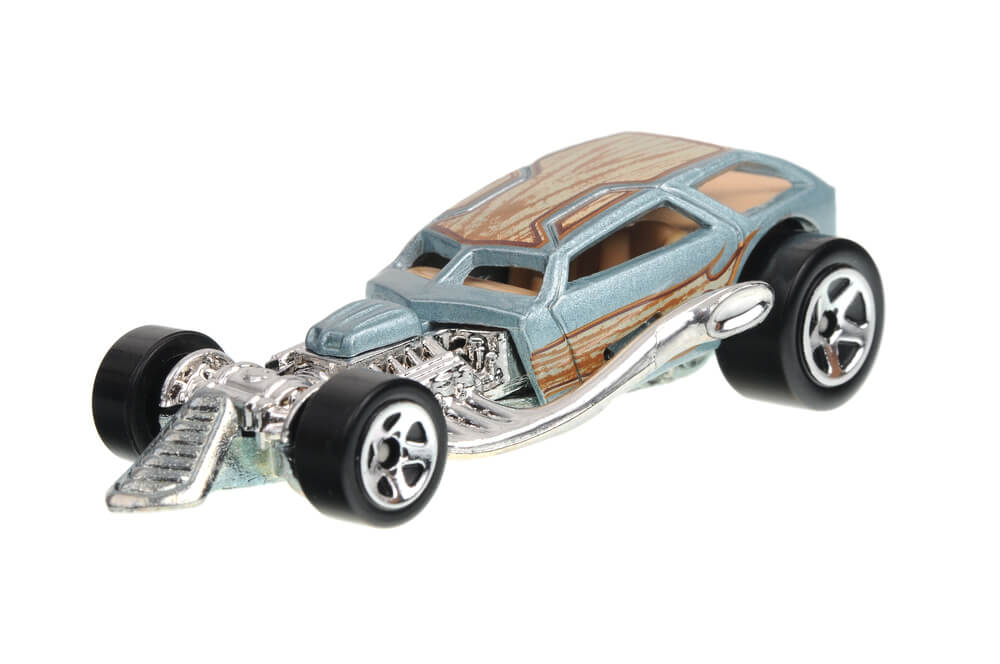
Mattel introduced Treasure Hunts in 1995, a series of limited cars mixed randomly into regular store shipments to reward sharp-eyed shoppers. The ’67 Camaro from that first year has become one of the most wanted modern Hot Wheels, with production far smaller than regular releases.
Carded examples in excellent shape have brought hundreds of dollars or more. Condition is everything for packaged cars, since bent corners, cracked blisters, and price stickers all lower value.
Loose examples bring much less than those still sealed on their original cards, which many collectors store in protective plastic cases.
Super Treasure Hunts
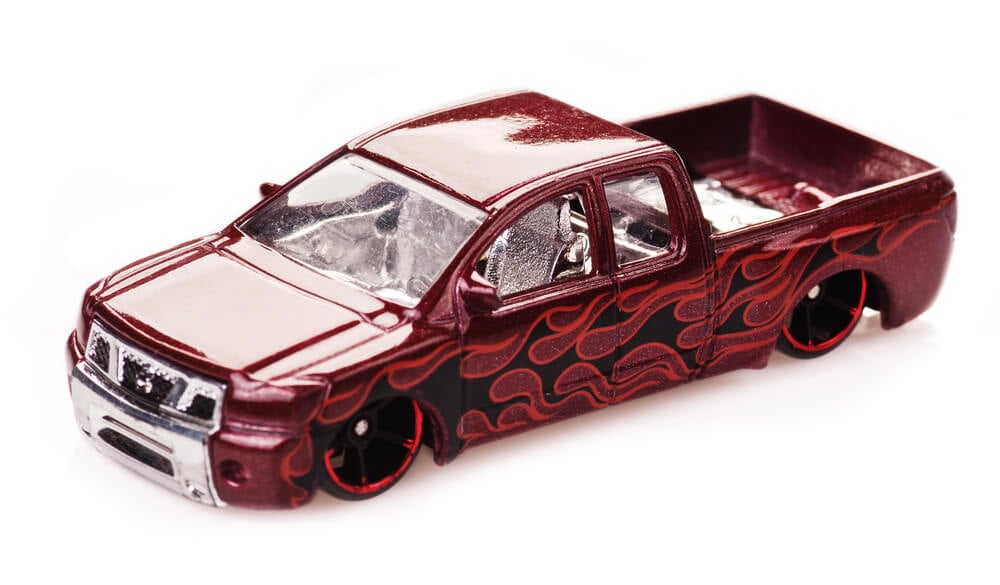
Super Treasure Hunts arrived in the late 2000s as a harder-to-find tier of the Treasure Hunt program. They use Spectraflame paint and rubber Real Riders tires, an echo of the premium finish of the early years, and they are hidden among ordinary cars in store shipments.
Popular castings have brought hundreds of dollars from collectors who never managed to find one on a store peg. Value depends on condition, including crisp cards and clear, uncracked blisters.
Collectors learn to spot the small symbol printed on the card behind the car, which marks it as a Super Treasure Hunt.
Real Riders of 1983
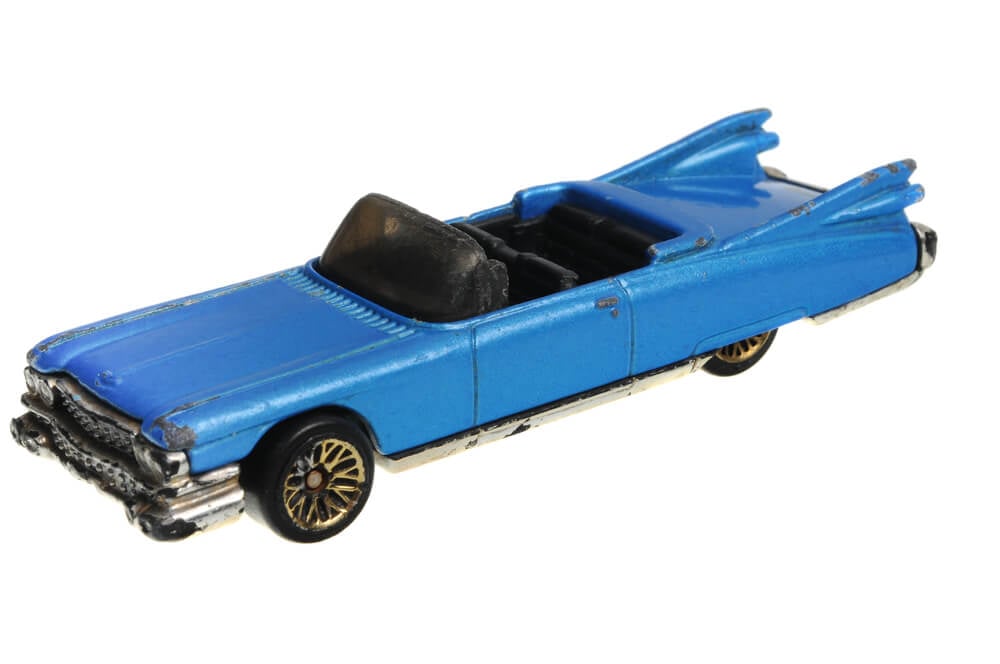
Mattel introduced Real Riders in 1983, a line of cars with genuine rubber tires instead of the usual plastic wheels. The tires gave the cars a more realistic look, and the earliest versions with gray hubs are more sought after than later ones with white hubs.
Clean, carded Real Riders have brought hundreds of dollars from collectors who focus on the 1980s. Value is condition dependent, especially the rubber tires, which can crack, harden, or flatten after decades in storage.
Collectors inspect the hubs, tires, and card closely, since swapped wheels from other cars sometimes turn up on loose examples.
Carded Redlines With Collector Buttons
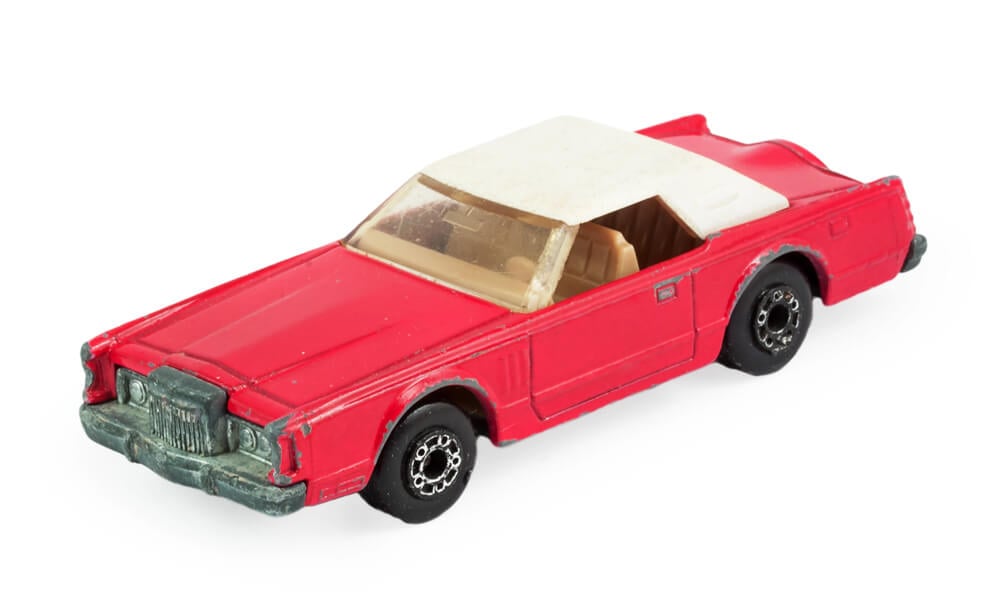
Early Hot Wheels came on blister cards that included a metal collector button showing the car inside. Kids tore open the packaging, threw away the cards, and scattered the buttons, so carded redlines with the button still attached are scarce today.
Examples in good shape have brought hundreds to thousands of dollars, sometimes far more than the same car sold loose. Condition drives the price, including creases in the card, yellowing of the blister, and the state of the button.
Even a common casting can bring serious money when its original packaging has survived intact.
Custom Mustang Variations
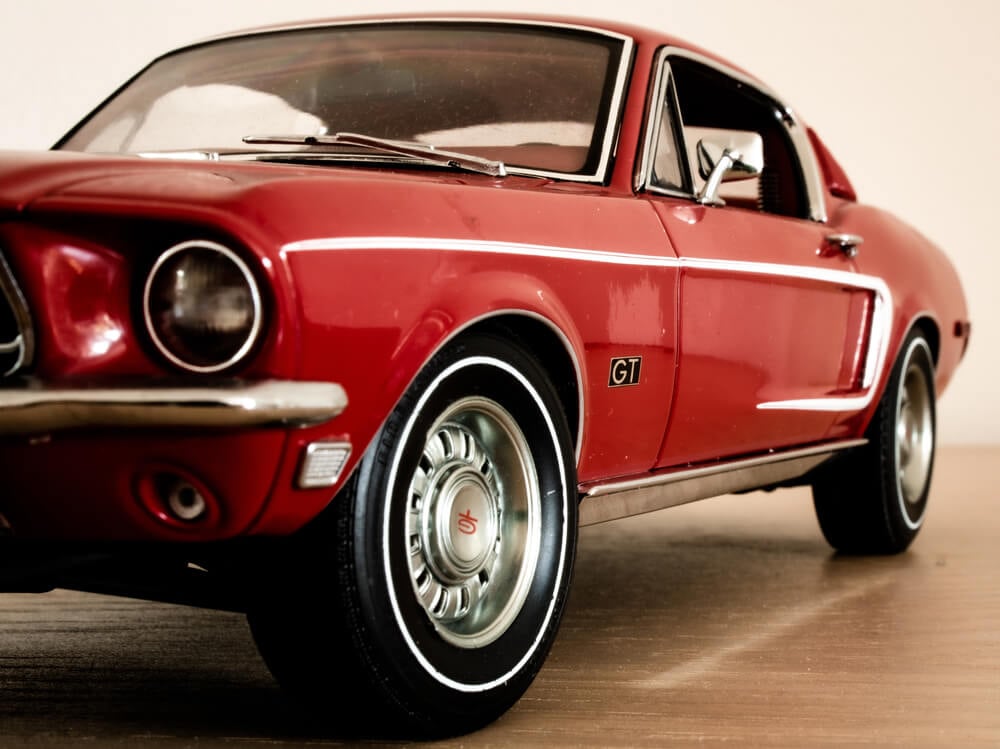
Custom Mustangs were part of the original 1968 lineup, and several variations of the car have become valuable. Versions with open hood scoops or louvered rear windows are reported to be much rarer than the standard casting, and experts disagree about how many were made.
Rare variations have brought thousands of dollars from collectors who specialize in the first year. Value depends on condition, including the paint, windows, and wheels.
Spotting the rare versions takes a close look at small details, which is why collectors compare suspected finds against reference photos before paying a premium.
Red Line Club Exclusives
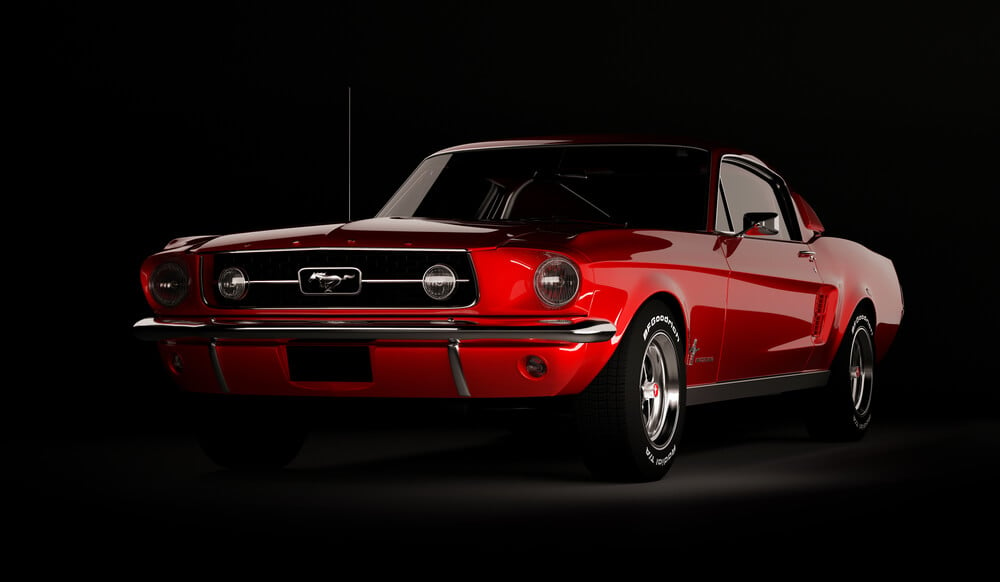
Mattel runs the Red Line Club, a paid collector club that sells limited-edition cars directly to members. Many releases are produced in small numbers, with premium paint, rubber tires, and special packaging, and they often sell out within minutes of going on sale.
Some club exclusives have brought hundreds of dollars on the secondary market. Condition matters, including the packaging, the protective cases some cars come in, and any certificates or patches included with them.
Many members keep the cars sealed, which helps preserve value but means relatively few are ever raced on a track.
Waste Wagon Heavyweight
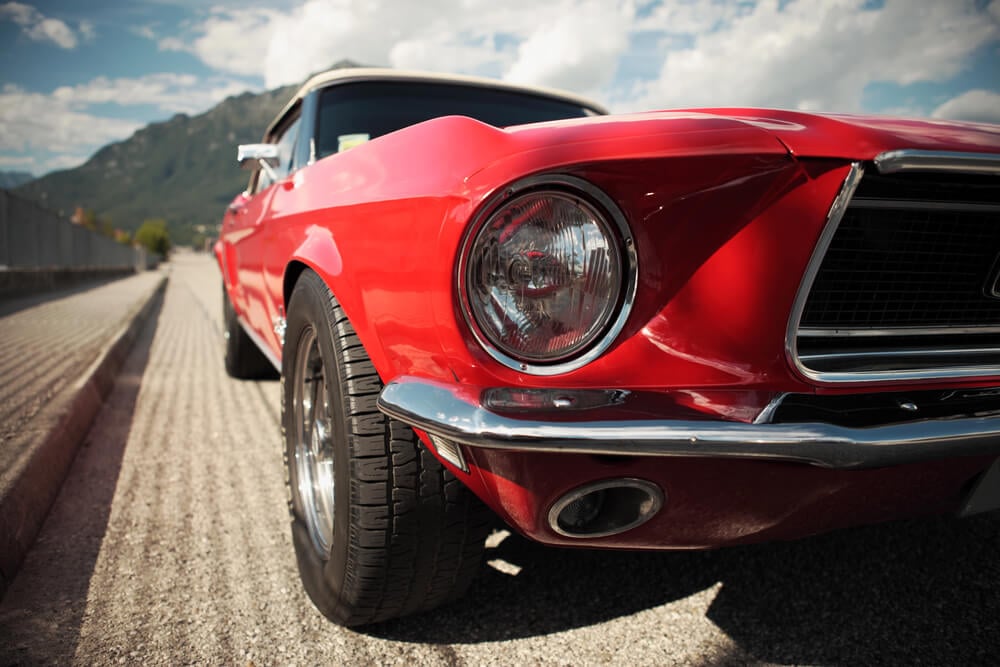
Heavyweights were a line of larger Hot Wheels trucks and service vehicles from the early 1970s, and the Waste Wagon garbage truck became one of the harder ones to find. Kids loved the working parts, which meant many were broken or scattered long before anyone thought of them as collectibles.
Clean examples have brought hundreds of dollars or more. Condition is key, especially the paint and the moving parts on the rear body.
Collectors check the base markings and redline wheels to confirm authenticity, since parts from other trucks sometimes find their way onto these.
Factory Error Cars
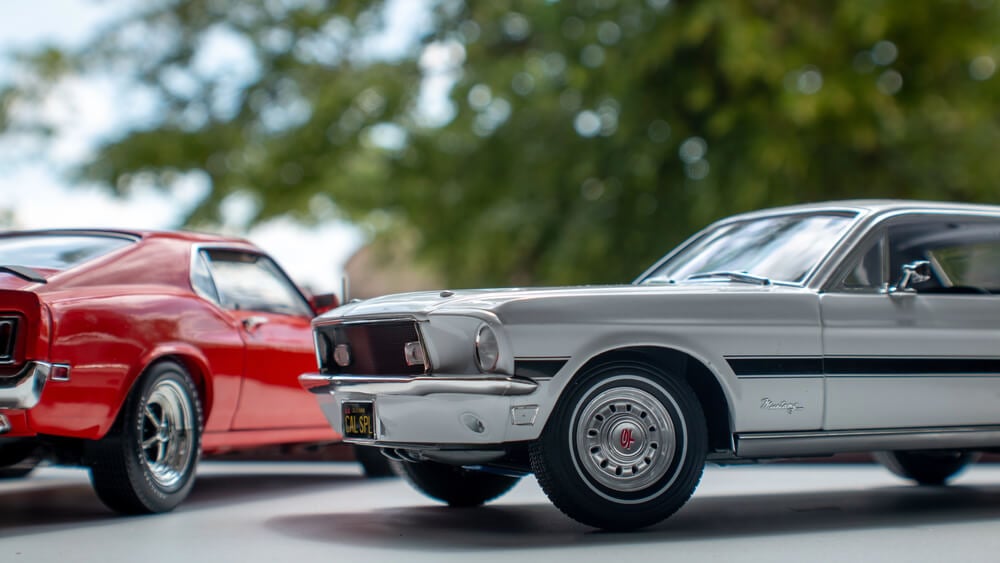
Factory errors, such as missing decals, wrong wheels, unfinished bases, or cars packaged on the wrong card, can bring far more than regular releases. Some errors are one of a kind, which makes them appealing to specialists who enjoy the stories behind mistakes on the production line.
Value depends on condition and on whether the error can be shown to have happened at the factory rather than at home. Collectors examine these cars closely, since some so-called errors are altered after purchase.
A genuine error still sealed in its original package brings the strongest interest from buyers.
Redlines and Grown-Up Money
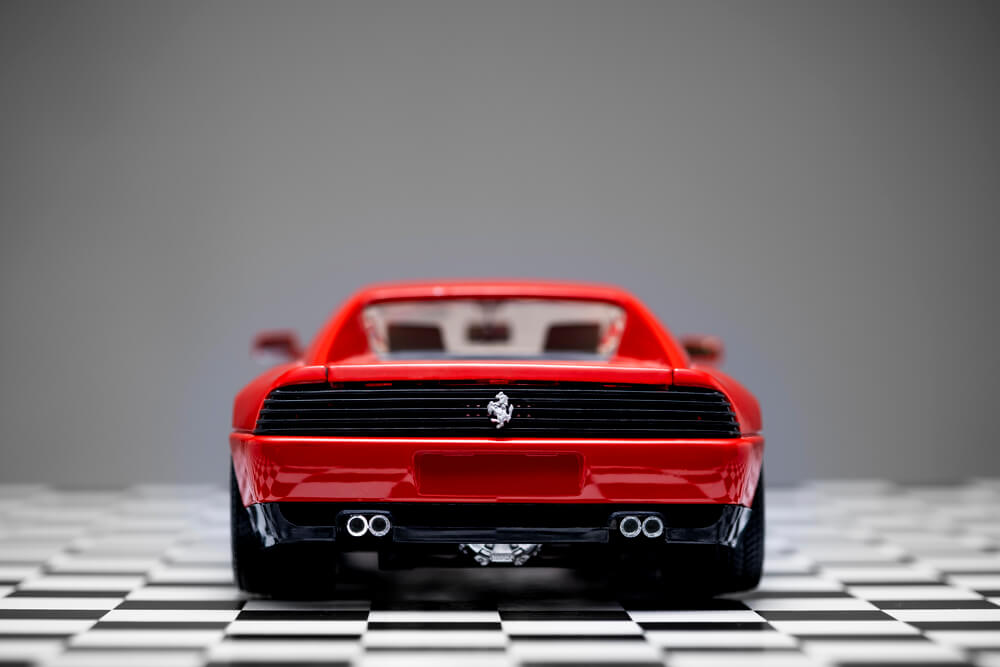
Hot Wheels began as a cheap toy built to be raced, crashed, and buried in the backyard. The cars that survived in clean shape, along with the odd variations that slipped through production, now change hands for sums that would have bought a real car in 1968.
Almost none of that value was visible when the cars sat on store pegs next to the gum. The market rewards patient storage and a sharp eye for small details like a base marking or a window tint.
Most redlines in a family shoebox will bring a few dollars each, and a chipped Camaro is still just a chipped Camaro. A careful look under good light costs nothing, though, and every so often the old car in the bin turns out to be the one collectors have been chasing for decades.
More from Go2Tutors!

- The Romanov Crown Jewels and Their Tragic Fate
- 13 Historical Mysteries That Science Still Can’t Solve
- Famous Hoaxes That Fooled the World for Years
- 15 Child Stars with Tragic Adult Lives
- 16 Famous Jewelry Pieces in History
Like Go2Tutors’s content? Follow us on MSN.