Universities Older Than the Aztec Empire
The Aztec Empire feels ancient. Museums display their artifacts, archeologists dig through their ruins, and history books place them firmly in the distant past.
But here’s something that throws that timeline into question: several universities were already teaching students when the Aztecs were still a nomadic tribe wandering through Mexico. The founding of Tenochtitlan in 1325 marked the birth of the Aztec civilization, but by that time, students had been attending lectures in Europe for more than two centuries.
Some institutions had been operating for nearly five hundred years.
When Oxford Was Young and the Aztecs Didn’t Exist
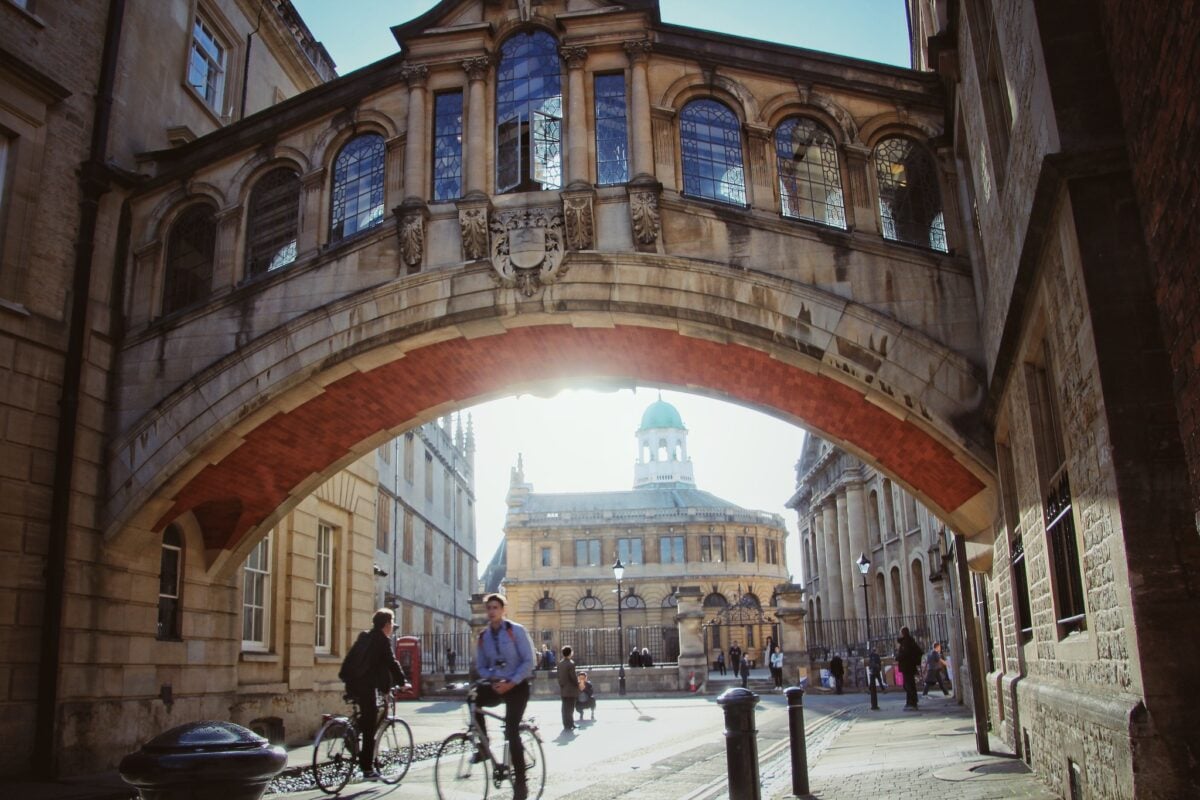
Teaching began at Oxford University in 1096. Nobody knows the exact founding date because the university grew organically from individual schools, but evidence confirms that students were learning there before the 12th century began.
By the time the Aztecs established their capital city, Oxford had already been running for 229 years. The institution had three residential colleges, a functioning administrative structure, and generations of alumni.
Henry II banned English students from attending the University of Paris in 1167, which caused Oxford to expand rapidly. Students flooded back from France and needed somewhere to study.
The university grew from a collection of individual teachers into a proper institution with formal structures and standards.
Bologna Started Even Earlier

The University of Bologna claims the title of the oldest university in Europe. Teaching began there around 1088, making it 237 years older than the Aztec Empire.
Students from across Europe traveled to Bologna specifically to study law. The institution became famous for civil and canon law, attracting scholars who wanted to understand the recently rediscovered texts of Roman legal tradition.
Emperor Frederick I granted the university a charter in 1158, giving it official recognition and special privileges. But historians traced its actual origins back to 1088 based on records of organized teaching and student guilds.
Unlike modern universities where administration controls everything, Bologna started as student-run guilds that hired professors to teach them. Students decided which teachers were good enough to employ and how much to pay them.
The Moroccan Institution That Predates Them All
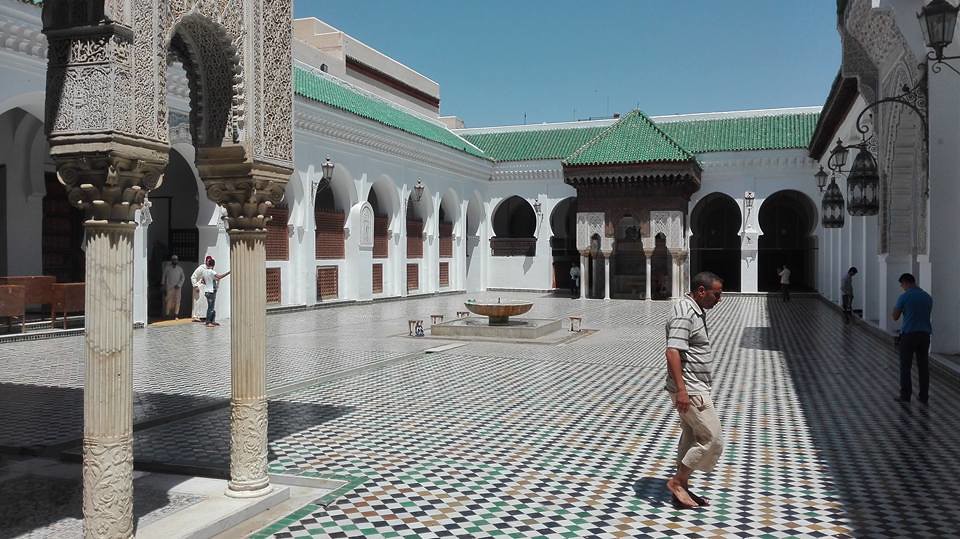
The University of Al-Qarawiyyin in Fez, Morocco, was founded in 859 by Fatima al-Fihri, a wealthy merchant’s daughter. She inherited money from her father and used her entire fortune to build a mosque with an associated school.
That makes it 466 years older than the Aztec Empire. UNESCO and Guinness World Records recognize Al-Qarawiyyin as the oldest continuously operating university in the world.
It started as a religious institution but grew into a center of learning that attracted students from across the Islamic world and beyond. Pope Sylvester II studied there in the 10th century and reportedly brought Arabic numerals back to Europe after his visit.
The institution taught Islamic law, theology, and Arabic grammar, but also offered mathematics, astronomy, medicine, and philosophy. Scholars needed to know the Quran by heart just to be admitted, and the selection process was intense.
Sultans supported the university with gifts, subsidies, and most importantly, books and manuscripts that filled multiple libraries across the complex.
Paris Was Teaching Before the Aztecs Arrived

The University of Paris was formed between 1150 and 1160, growing out of cathedral schools on the left bank of the Seine. By 1250, it had gained papal recognition and become one of the most respected centers of theology and philosophy in medieval Europe.
That puts it roughly 175 years ahead of the Aztec Empire. The French Revolution shut down the University of Paris in 1793, and it didn’t reopen until 1896.
Then in 1970, the government split it into 13 separate institutions. But for centuries before that disruption, Paris influenced how Europeans thought about education, theology, and philosophy.
The university introduced the concept of dividing into different faculties, which most other universities later copied.
Cambridge Started From a Dispute
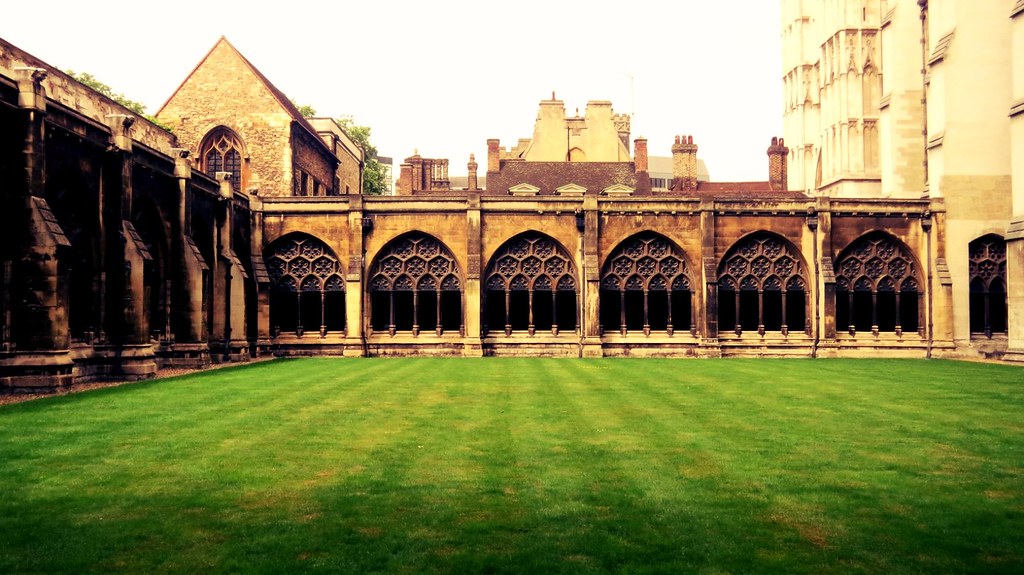
In 1209, scholars fled Oxford after a violent conflict with townspeople and established the University of Cambridge. They brought Oxford’s educational model with them and created a rival institution that’s still competing with Oxford today.
Cambridge opened 116 years before the Aztecs founded Tenochtitlan. The two universities share so many traditions that people refer to them collectively as Oxbridge.
But their rivalry runs deep, culminating each year in the famous Boat Race where rowing teams from both schools compete. The first woman to earn a doctoral degree in philosophy, Elena Cornaro Piscopia, actually studied at a different Italian university, but Cambridge became home to numerous groundbreaking scholars including Isaac Newton, Charles Darwin, and Stephen Hawking.
Spain’s Ancient University
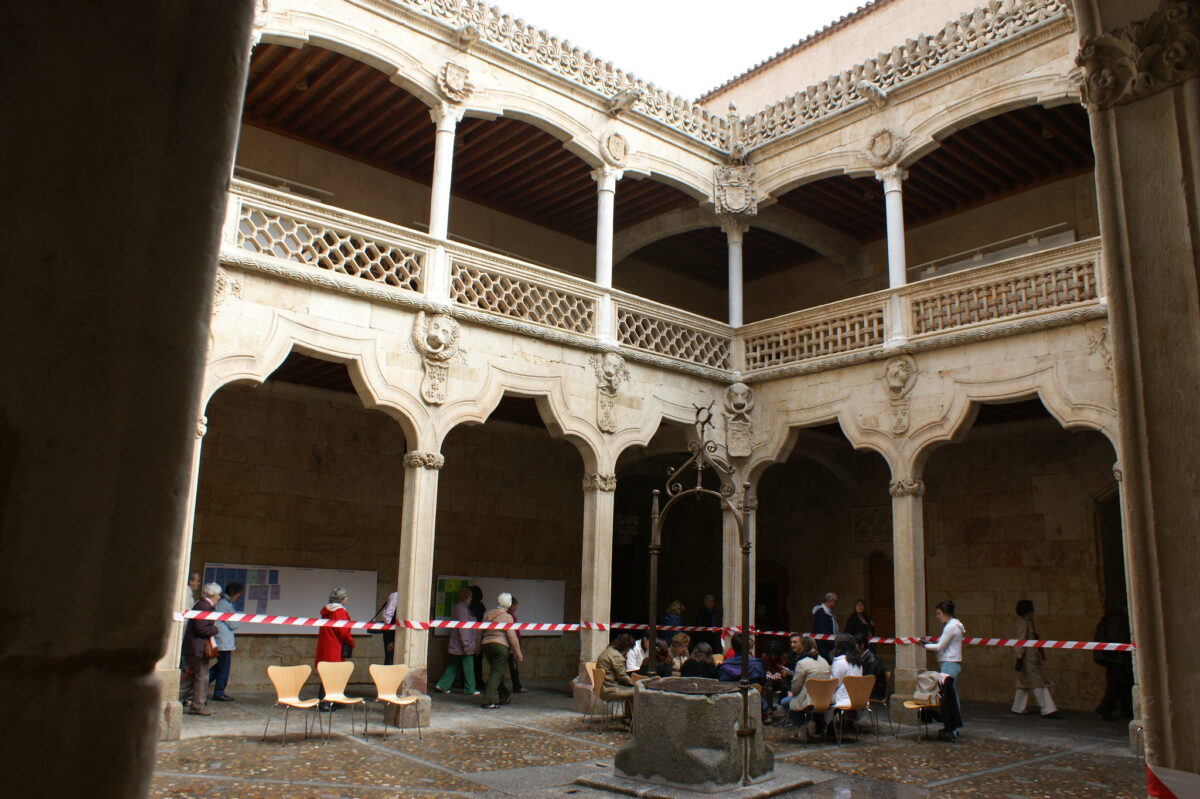
The University of Salamanca received its royal charter in 1218, making it 107 years older than the Aztec Empire. Founded in 1134, it took a few decades to gain official recognition, but once it did, the institution became Spain’s leading center for learning.
Christopher Columbus visited Salamanca to make his case for royal support before sailing to the Americas. Scholars at the university advised on whether his expedition was feasible.
The building itself features elaborate plateresque architecture with a hidden frog carved into the ornate facade. Students believe that finding the frog brings good luck.
The university’s library looks like something from a fantasy novel, with secret passages under the floors and medieval manuscripts lining the shelves. It’s the oldest university library in Spain and has been collecting books since the 13th century.
Padua’s Student Republic
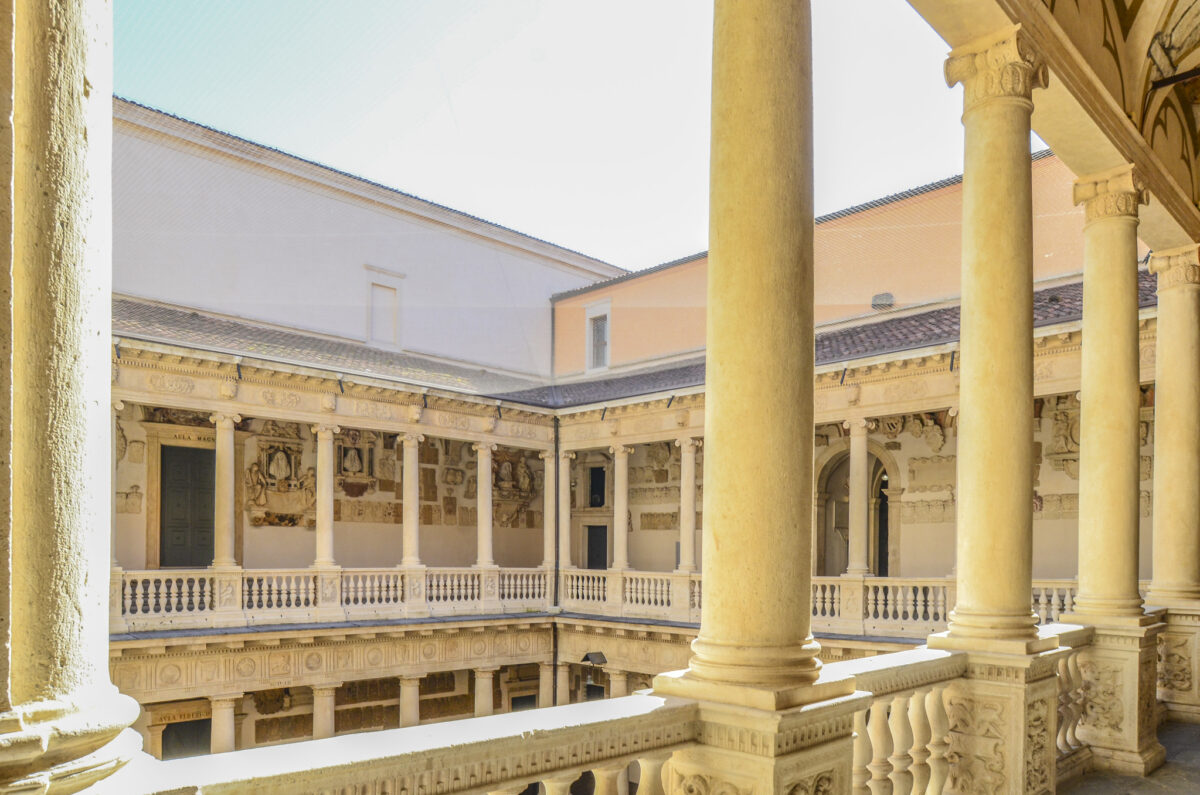
Students who left Bologna in 1222 founded the University of Padua. They wanted academic freedom and created an institution where students, not administrators, held the power.
Students chose which professors to hire and determined their salaries. The university’s motto became “Freedom of thought and research for all.”
The institution attracted major figures during the Renaissance. Galileo taught there.
Nicolaus Copernicus studied there. Andreas Vesalius revolutionized anatomy there.
By the time the Aztecs built their empire, Padua had already established itself as a center for scientific innovation. About 1,000 students initially attended Padua.
Today that number has grown to around 65,000, but the university still emphasizes the student-centered approach that defined its founding.
Naples and Royal Ambition
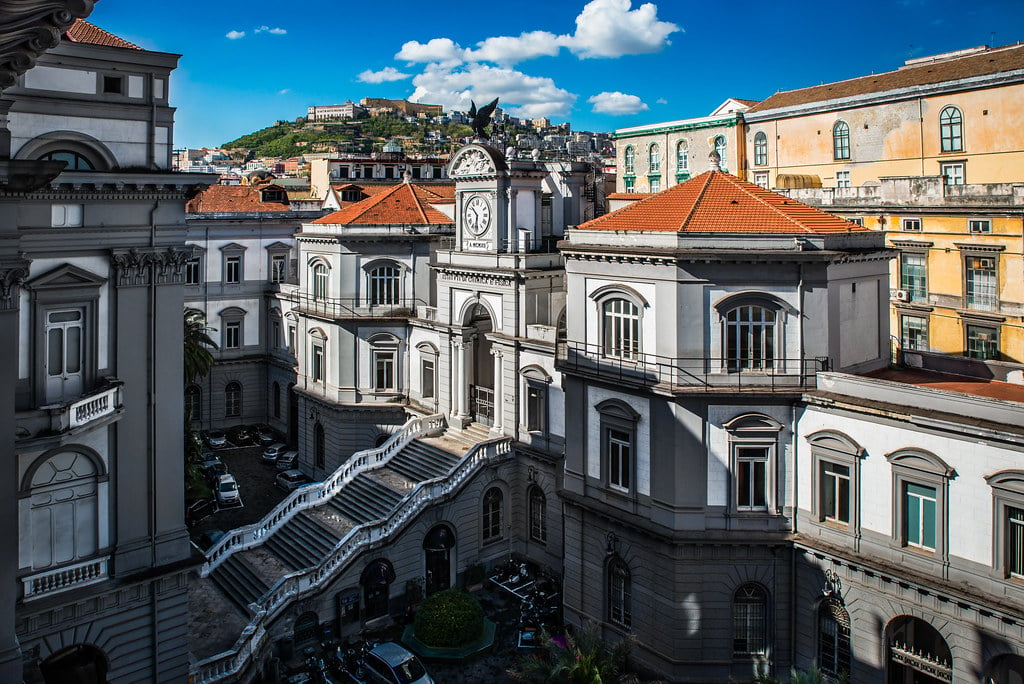
Emperor Frederick II of the Holy Roman Empire founded the University of Naples Federico II in 1224. He wanted to train administrators and lawyers for his kingdom, so he created a university under direct imperial control.
This made Naples different from Bologna or Paris, which had grown organically from student or teacher guilds. The university sits in Italy’s third-largest city and teaches around 100,000 students today.
Thomas Aquinas, the famous philosopher and theologian, studied there in the 13th century. The institution predates the Aztec Empire by 101 years.
The Small Town University
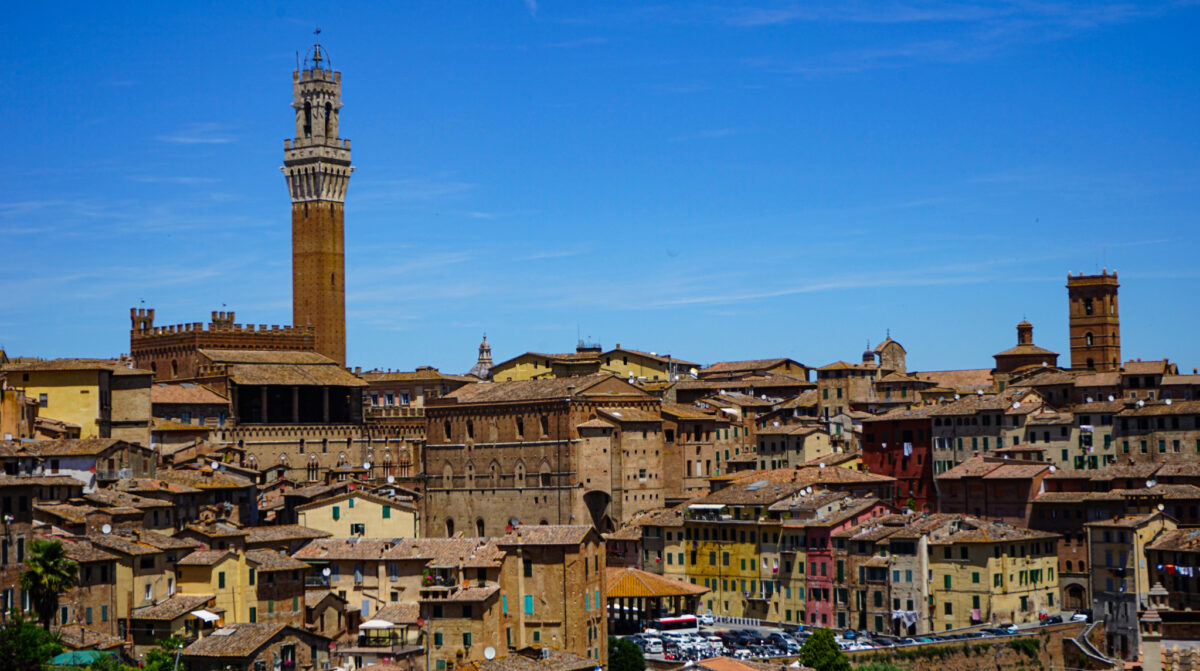
The University of Siena began in 1240 when students migrated there from Bologna. Located in the Tuscany region, Siena had only a small population, and the university quickly became central to the town’s identity.
About 20,000 students attend today, making up roughly half of Siena’s entire population. The historic campus is a UNESCO World Heritage Site.
The university buildings sit in the city center, and tourists visit to see the medieval architecture while students attend lectures in rooms that have been used for education for nearly eight centuries.
Portugal’s Wandering Institution
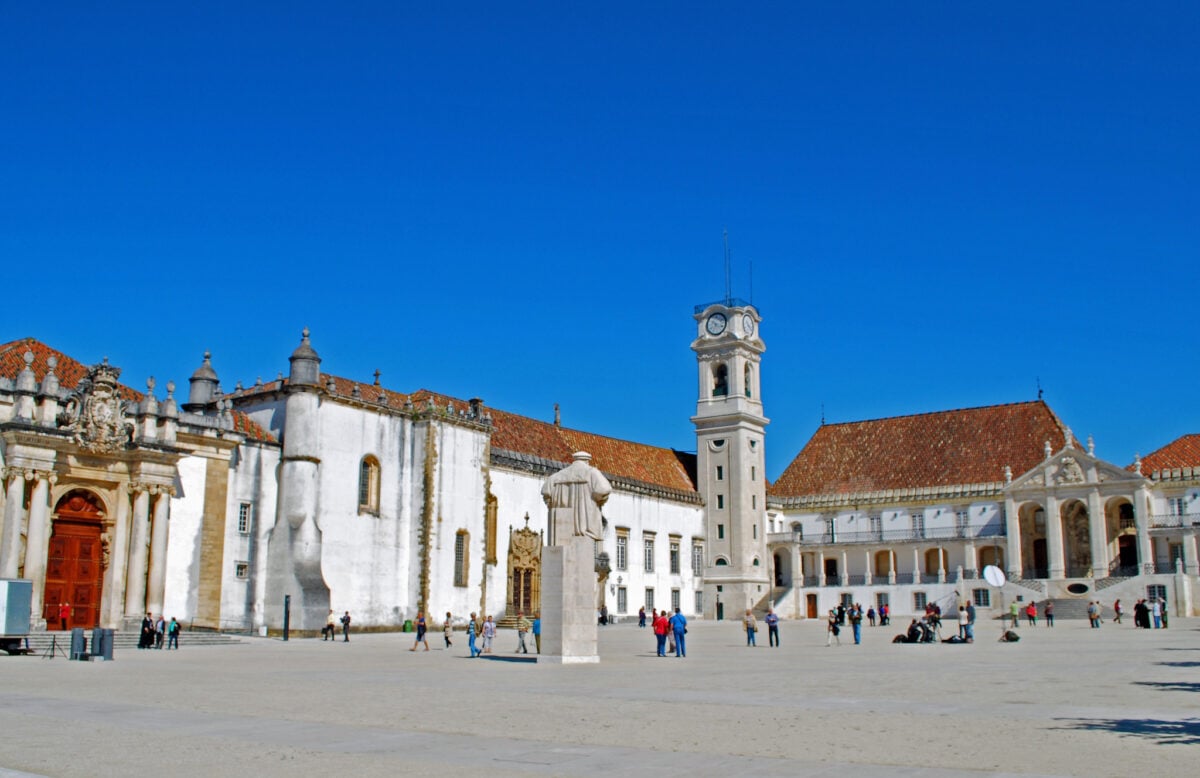
The University of Coimbra was founded in Lisbon in 1290 but didn’t stay in one place. Various kings moved it back and forth between Lisbon and Coimbra multiple times before it settled permanently in Coimbra in 1537.
For many decades in the 18th century, it was the only university in Portugal. The campus includes historically significant buildings that earned it UNESCO World Heritage status.
Like Siena, the architecture itself tells the story of centuries of academic tradition. About 24,000 students currently attend.
Toulouse After the Crusade

The University of Toulouse was established in 1229 following the Treaty of Paris, which ended the Albigensian Crusade. Initially focused on theology, the institution expanded to include law, medicine, and the sciences.
It became a major center of learning in southern France. The university provided education and research that helped shape intellectual life in the region for centuries.
It continues that tradition today as one of France’s respected institutions.
The Debate About What Counts

Scholars argue about which institution truly deserves the title of oldest university. The debate comes down to definitions. If you define a university as a degree-granting institution organized into faculties, then Bologna wins for Europe.
If you count any continuously operating center of higher learning, then Al-Qarawiyyin in Morocco takes the crown. Ancient institutions in Asia and Africa taught students for centuries before European universities existed, but they didn’t grant formal degrees or organize themselves the same way.
Nalanda in India was founded in the 5th century and operated until the 1100s, but it closed and doesn’t count as continuously operating. The definitions matter because they determine which institutions make the list.
Some universities claim founding dates that historians dispute. Changes in charters, names, and organizational structures make tracking difficult. The University of Paris split into 13 separate institutions, so which one inherits the original founding date? Oxford traces teaching back to 1096 but didn’t become a formal university until later.
These complications mean any list of the oldest universities comes with asterisks and qualifications.
Bettisia Gozzadini and Laura Bassi
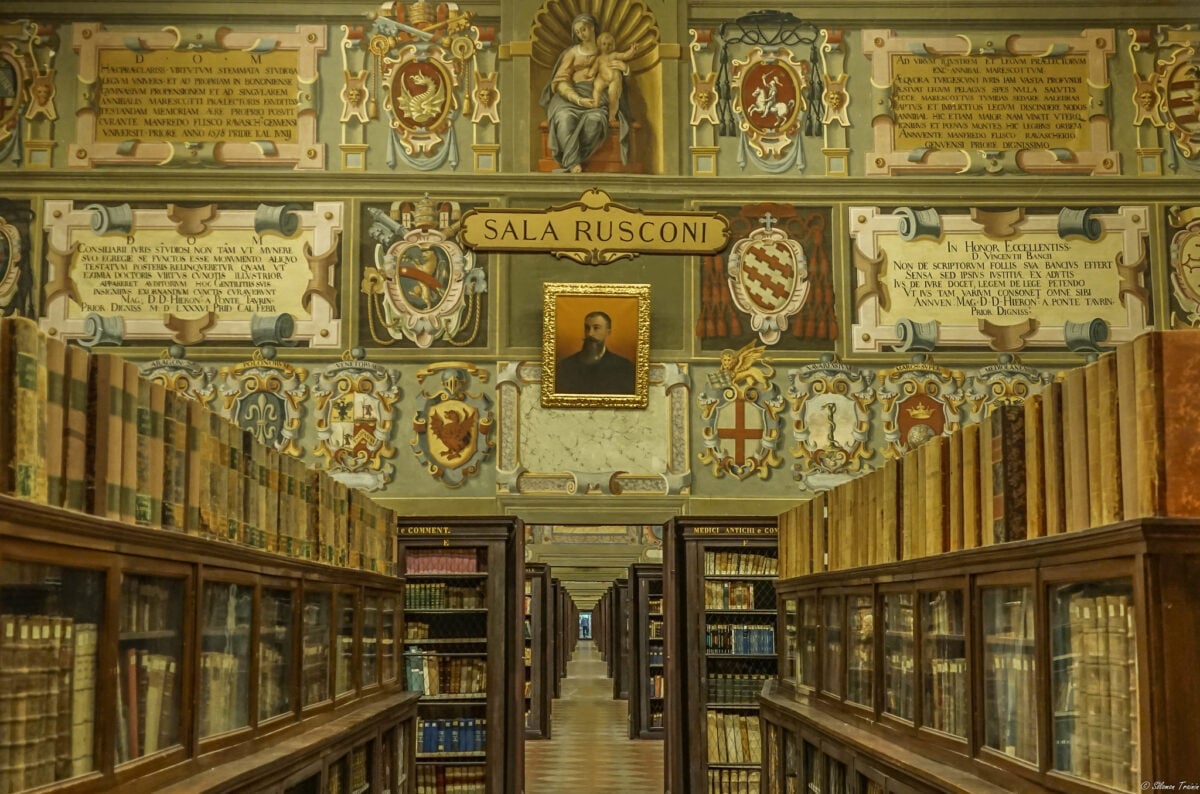
The University of Bologna saw the first woman to earn a university degree. Bettisia Gozzadini received a law degree in 1237 and taught from her home for two years before teaching at the university itself in 1239.
She lived in an era when the Aztecs didn’t yet exist. Laura Bassi became the first woman to earn a doctorate in science at Bologna in 1732.
She publicly defended 49 theses on philosophical studies before a crowd, and the university awarded her a degree on May 12. Later that year, she became the first woman to receive a paid position as a university professor anywhere in the world.
She brought Newton’s ideas about physics to Italy and joined the Academy of Sciences of the Institute of Bologna as its first female member. These women broke barriers at institutions that were already ancient by the time the Aztecs appeared on the historical stage.
Their achievements happened at universities with centuries of tradition behind them.
How Student Guilds Became Universities
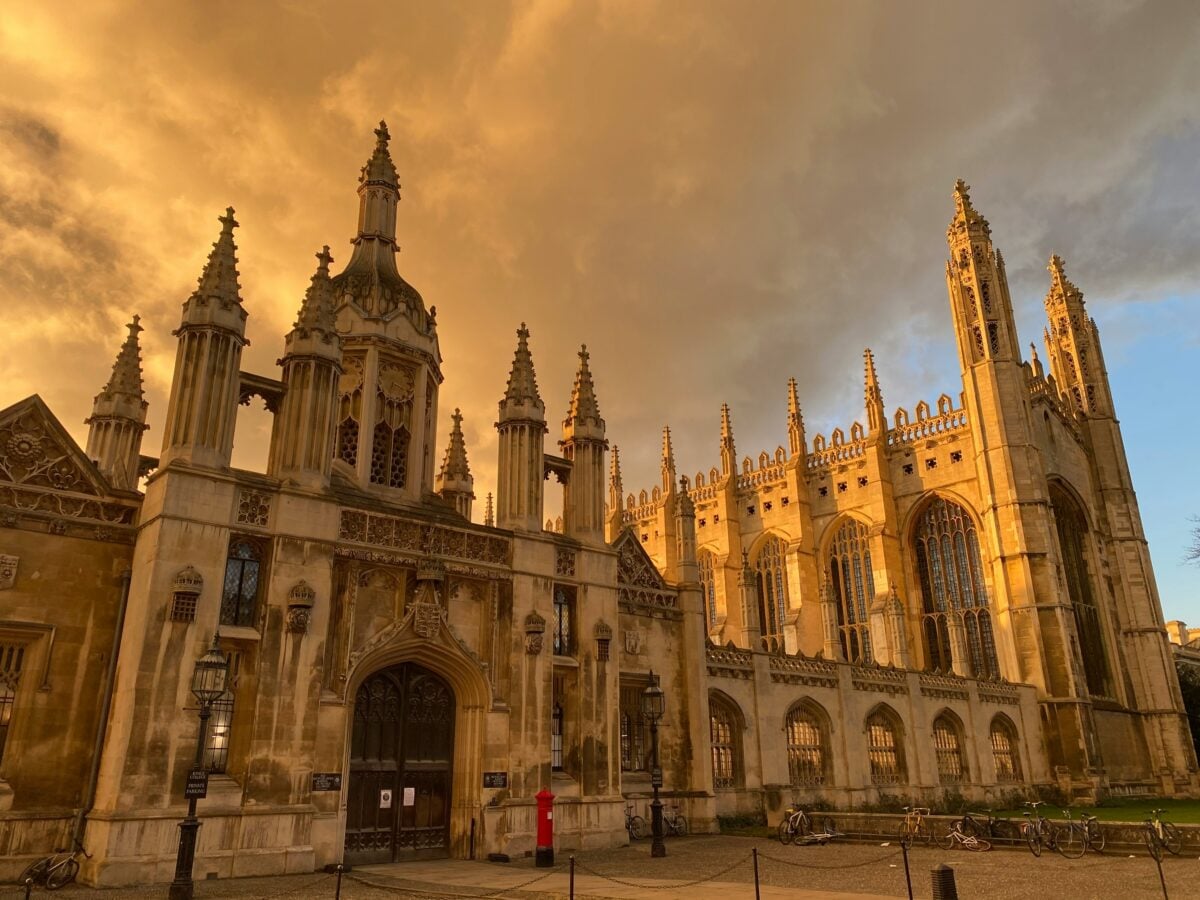
Medieval universities grew from informal arrangements into formal institutions over time. Teachers gathered students and taught them.
Students formed guilds to protect themselves from local laws and to hire the best teachers. These guilds eventually became universities with charters, privileges, and degree-granting authority.
Foreign students at Bologna faced particular challenges because local laws could punish all foreigners for one person’s actions. They organized themselves into nations based on their home countries, creating support networks and negotiating with local authorities.
These student nations hired teachers from the city and paid them to provide instruction. The model spread across Europe.
When students and teachers left one university to start another, they brought the organizational structure with them. Cambridge copied Oxford. Padua copied Bologna.
The pattern repeated until universities dotted the European landscape.
The Timeline Nobody Teaches
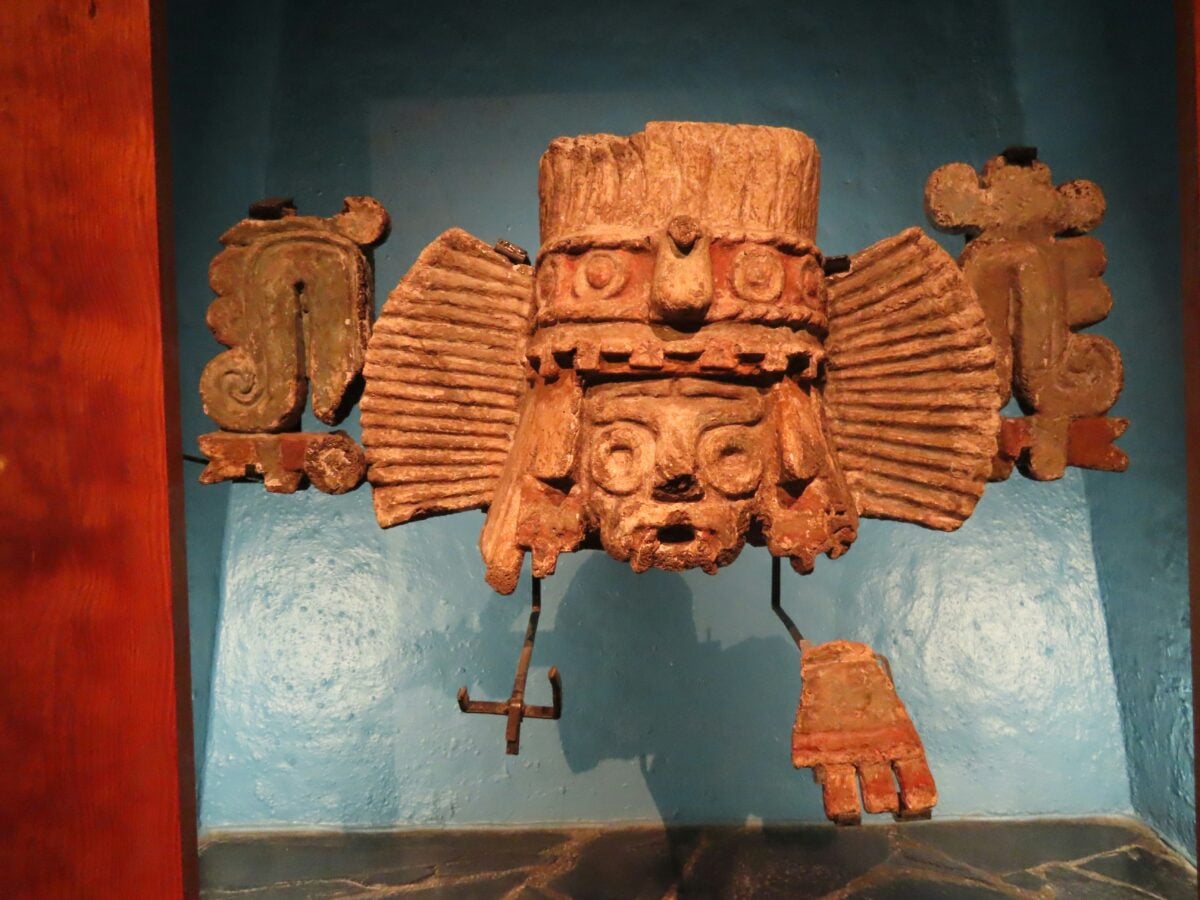
When you think about the Aztec Empire, your mind probably places it in the ancient past, contemporary with medieval Europe or perhaps earlier. But the Aztecs founded Tenochtitlan in 1325. The White House cornerstone was laid in 1792.
That means the White House has been standing longer than the Aztec Empire lasted in total. The Aztec Empire fell in 1521 when Spanish forces captured Tenochtitlan.
The entire empire existed for less than 200 years. Meanwhile, Oxford has been teaching students for over 900 years. Bologna has been operating for nearly a millennium.
These universities have outlasted empires, survived wars, weathered revolutions, and adapted to massive social changes. Students who attended Oxford in 1200 studied subjects like theology, philosophy, and the seven liberal arts.
They lived in a world of handwritten manuscripts, candlelight, and traveled by horse. Students who attend Oxford today study quantum physics, artificial intelligence, and genetic engineering. They live in a world of smartphones, satellites, and international air travel. But both groups attend the same institution with the same name in the same city.
Where Centuries Meet on Campus

Walking through the University of Bologna today means walking through layers of history. The buildings reflect different periods of architecture.
The library holds manuscripts that predate the printing press. Professors teach in rooms that have been used for lectures since the 1200s.
Students at these ancient universities don’t study history as something separate from their daily lives. They live it.
The bench they sit on might be older than their country. The building they enter might have taught their intellectual heroes.
The degree they earn comes from an institution that was already ancient when the Aztecs first saw an eagle eating a snake on a cactus and decided to build a city. The Aztec Empire rose and fell within a relatively brief window of time, leaving behind impressive ruins and cultural legacies that still fascinate people today.
But several European universities were already old when the Aztecs began and are still teaching students now, centuries after the Aztec Empire disappeared. That perspective shifts how you think about permanence, tradition, and what it means for something to be truly ancient.
More from Go2Tutors!

- The Romanov Crown Jewels and Their Tragic Fate
- 13 Historical Mysteries That Science Still Can’t Solve
- Famous Hoaxes That Fooled the World for Years
- 15 Child Stars with Tragic Adult Lives
- 16 Famous Jewelry Pieces in History
Like Go2Tutors’s content? Follow us on MSN.