Interesting Facts About Forgotten Empires
Most people know about Rome, Egypt, and Greece. These empires dominate history textbooks and pop culture to the point where you’d think the ancient world was just three civilizations taking turns being important. But the map was never that empty.
Dozens of powerful empires rose, thrived, and fell without making it into the standard curriculum. Here’s what you should know about some of the most fascinating ones.
Kingdom of Aksum
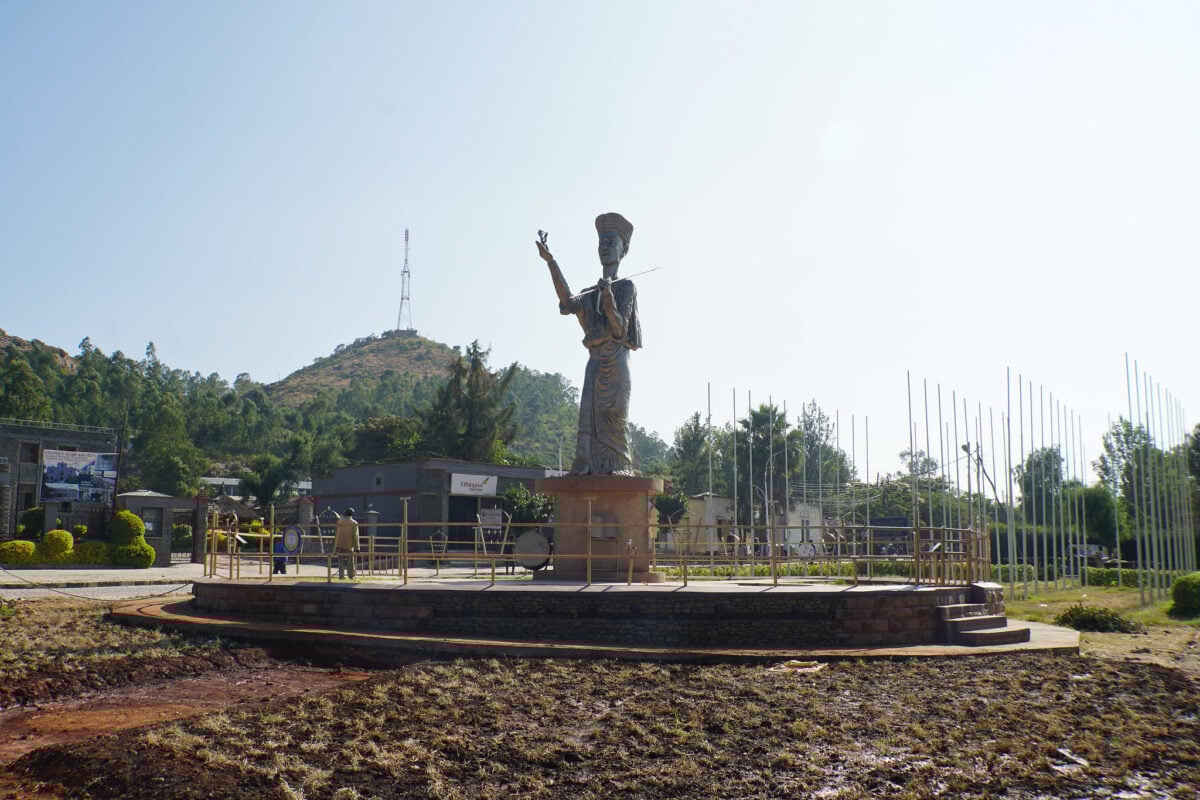
A 3rd-century Persian prophet once listed the four great kingdoms of Earth: Babylon and Persia, Rome, the Aksumites, and China. The Aksumites made the list alongside the biggest names in ancient history, yet most people have never heard of them.
Aksum controlled the Red Sea coast in what’s now northern Ethiopia and Eritrea – forming a critical link in the trade route between Asia and Europe. They became the first sub-Saharan African state to embrace Christianity.
The kingdom minted its own currency, which was a big deal back then. Only powerful states did that.
According to legend, the Church of Our Lady Mary of Zion in Aksum houses the Ark of the Covenant, though nobody’s allowed to check.
Hittite Empire

The Hittites rivaled ancient Egypt at their peak. Pharaoh Ramesses II fought them at the Battle of Kadesh – the largest chariot battle in history – and the fight ended in a stalemate.
Ramesses eventually signed a peace treaty with the Hittites, making it one of the earliest documented peace agreements between major powers. They pioneered iron working, which gave them a serious military advantage.
Their capital, Hattusa, had massive fortifications and housed thousands of clay tablets revealing their sophisticated legal system. Then around 1200 BCE, the empire collapsed suddenly during the Bronze Age collapse, and the Hittites slipped into obscurity.
Modern city names in Turkey like Sinop and Adana derive from Hittite names – one of the few remaining traces of their influence.
Khmer Empire

Angkor Wat gets attention from tourists, yet few realize the Khmer Empire built the largest pre-industrial city in human history. At its peak, Angkor housed around 750,000 people and sprawled across an area larger than modern Los Angeles.
This was happening while Europe was crawling out of the Dark Ages and London held around 18,000 residents. The Khmer developed an elaborate water management system with massive reservoirs called barays.
The Western Baray alone measured 8 kilometers by 2 kilometers – holding enough water to fill 21 Olympic swimming pools. During the monsoon season, excess water filled these reservoirs.
During dry months, the water irrigated rice fields through an intricate network of channels. The engineering required to build and maintain this system was staggering.
Angkor Wat itself took 50,000 workers nearly 30 years to construct, and it remains the world’s largest religious monument.
Kingdom of Kush
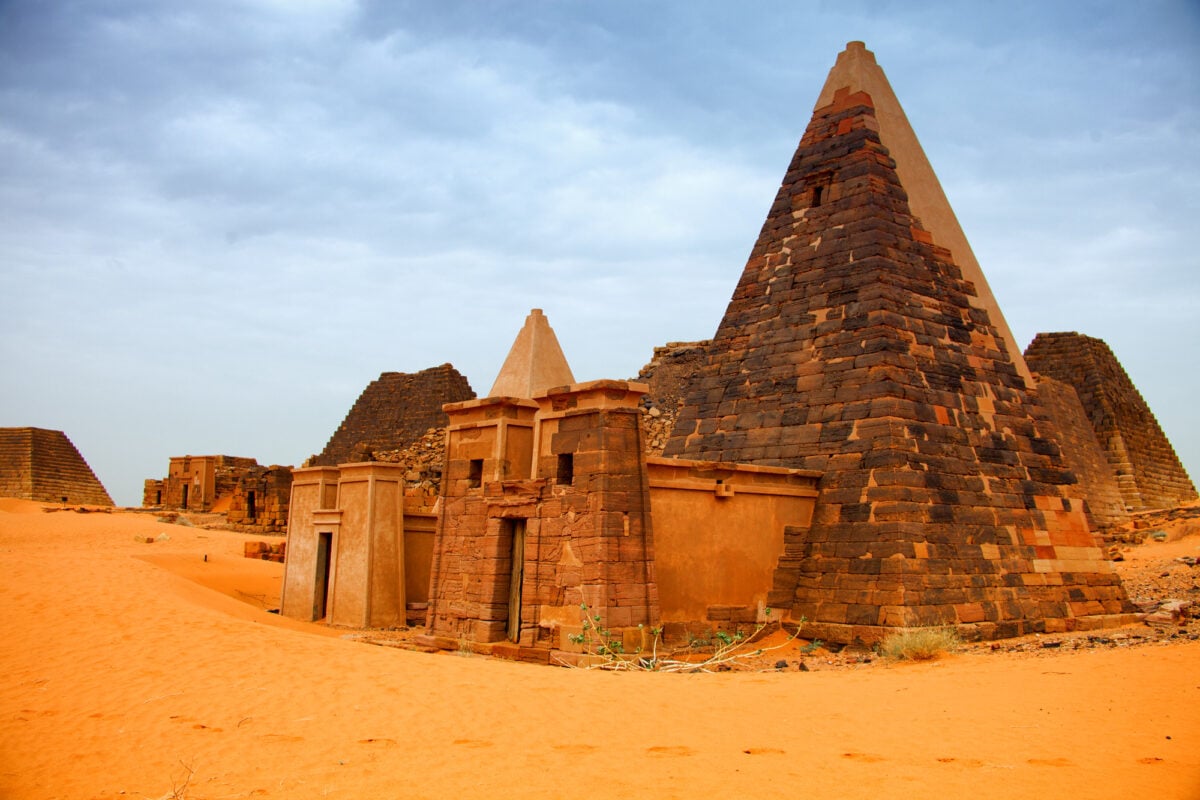
Kush gets overshadowed by Egypt, despite the fact that Kushites conquered Egypt and ruled as pharaohs during the 25th Dynasty. They created one of the longest-lasting empires in history, thriving from around 1070 BCE to 350 CE. Over 1,400 years.
The Kushites built their own pyramids, though theirs were steeper and smaller than Egyptian ones. Around 223 Nubian pyramids still stand in Sudan today – outnumbering the pyramids in Egypt.
Kush also became a center for iron smelting, which contributed to their economic power and military strength. When the kingdom finally fell, it left behind a legacy that influences modern Sudanese culture and represents African civilization at its height.
Caral Civilization
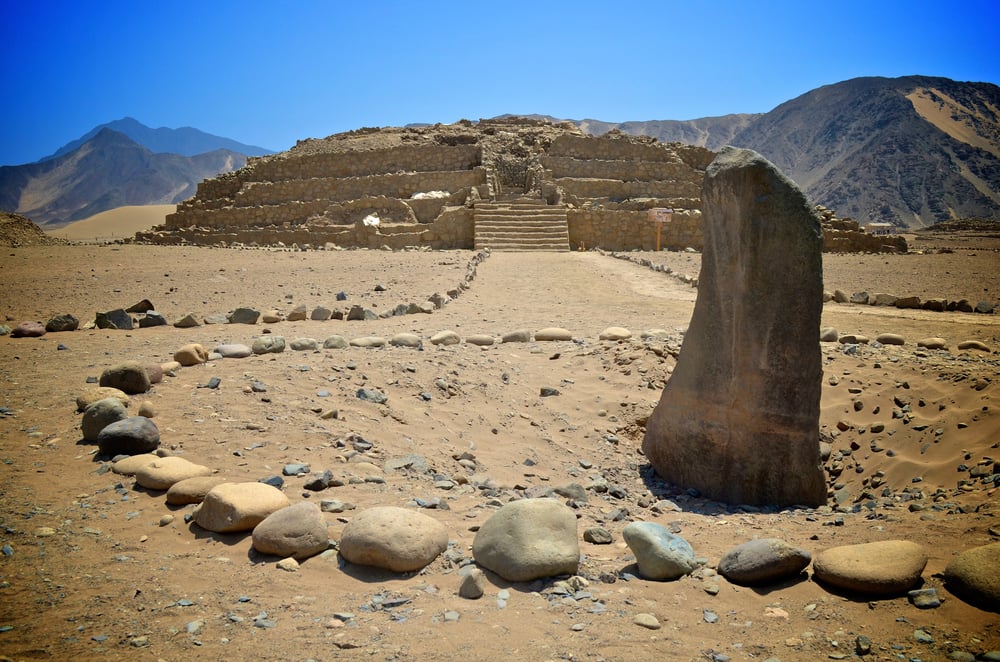
Long before the Maya built their cities in Central America, the Caral people created the oldest known civilization in the Americas. They flourished between the 4th and 2nd millennia BCE in what’s now Peru, predating other advanced American societies by thousands of years.
Here’s the strange part – they had no visual arts. Archaeologists found no paintings, sculptures, or pottery for storing food.
They did make flutes from animal bones, suggesting music mattered to them. And they were brilliant architects.
The Sacred City of Caral-Supe contains massive pyramids, sunken plazas, a circular amphitheater, and residential areas. The discovery of Caral in the 1990s completely rewrote the timeline of civilization in the Americas.
Tiwanaku Empire
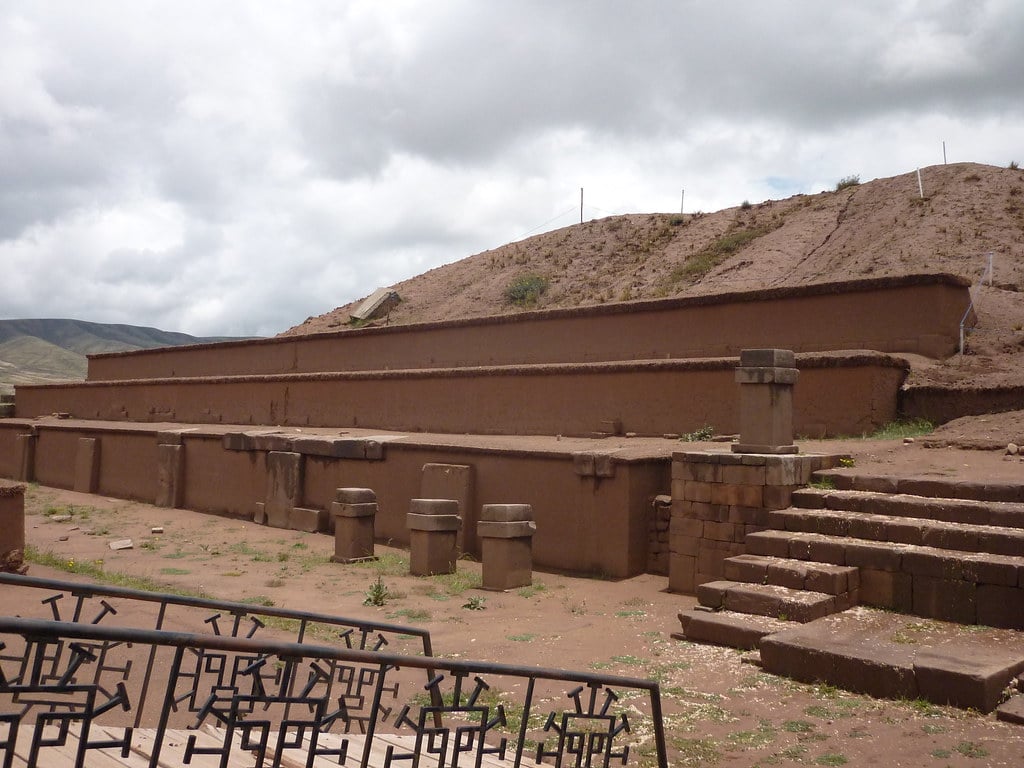
The Tiwanaku built an empire in the harshest conditions imaginable. The Altiplano plateau near Lake Titicaca sits at around 12,000 feet above sea level, yet they developed advanced terrace farming techniques that could feed more than 60,000 people despite the thin air and harsh climate.
Their agricultural innovations were so effective that some researchers believe they influenced later civilizations like the Inca. The empire mysteriously disappeared, likely due to a dramatic climate shift that devastated crops and caused mass starvation.
Since they had no writing system and never fought Spanish conquistadors – much of their history remains unknown. The massive stone structures they left behind are the main evidence of their existence.
Sanxingdui Culture
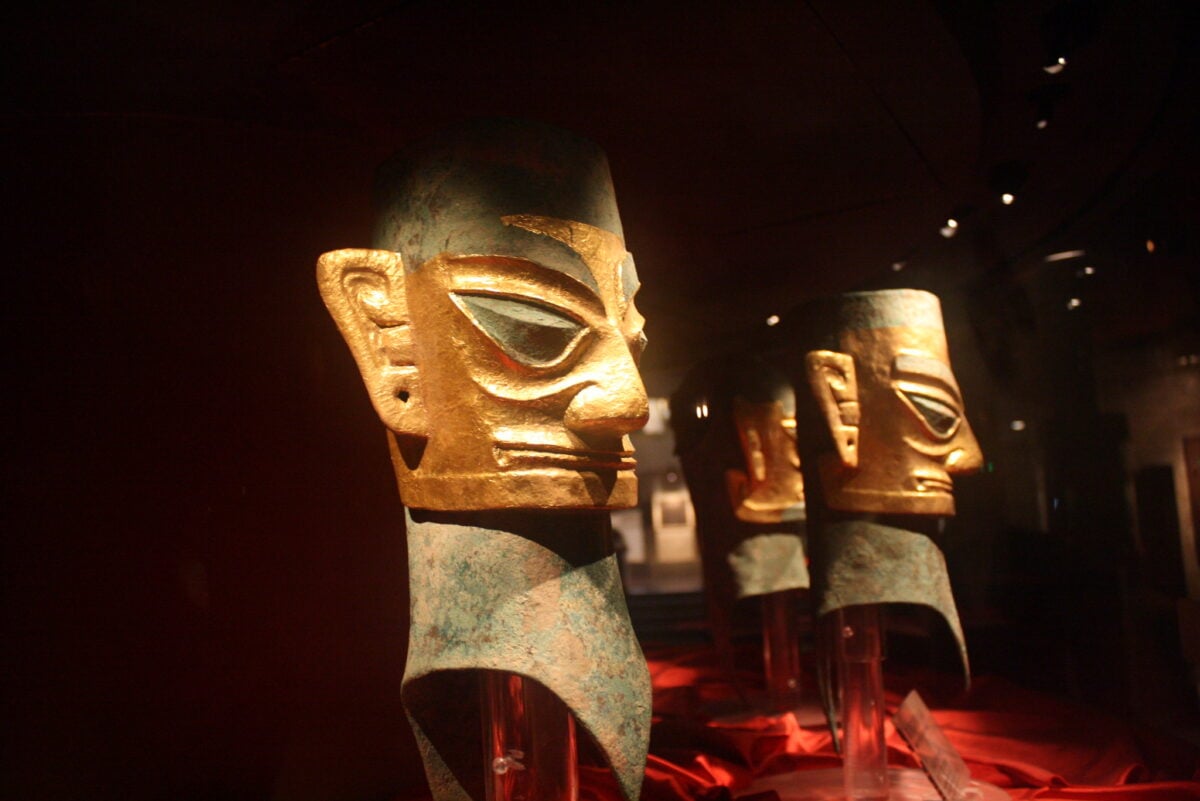
In 1986, archaeologists in China’s Sichuan province uncovered something bizarre. A Bronze Age culture nobody knew existed.
The Sanxingdui people lived at the same time as the Shang dynasty but developed completely independently, far from where Chinese civilization supposedly originated. Their bronze masks and sculptures depict faces with protruding eyes the size of eggs – ears shaped like wings and other features unlike anything else in Chinese art.
Some people jokingly theorize these represent ancient aliens. More likely, they show a distinct artistic tradition that developed in isolation.
The discovery proved that ancient China was more diverse and complex than previously thought.
Etruscan Civilization
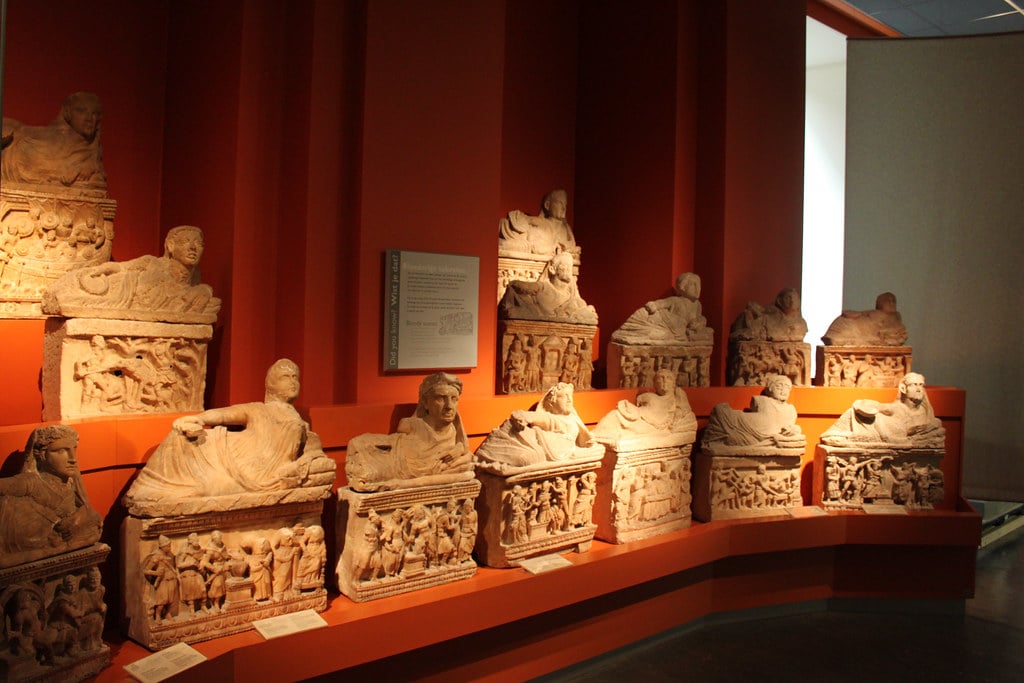
Before Rome dominated Italy, the Etruscans controlled much of the region. They thrived from around 800 to 250 BCE in what’s now Tuscany, building cities with advanced urban planning and becoming wealthy through trade in iron, copper, and agricultural products.
The Etruscans invented armed combat as entertainment – what we now know as gladiatorial games. Romans adopted this practice along with many other Etruscan customs.
Despite their influence on early Rome, the Etruscans left few written records, and their language remains only partially understood. Once Rome rose to power, Etruscan culture was gradually absorbed and forgotten.
Mitanni Kingdom

The Mitanni ruled a powerful kingdom in northern Syria and southeastern Turkey from roughly 1500 to 1300 BCE. What makes them unusual is their apparent Indo-Aryan origin in a region dominated by Semitic peoples.
They worshipped Hindu-like deities and practiced beliefs including karma, reincarnation, and cremation. Queen Nefertiti of Egypt was Mitannian – and her foreign background appears to have influenced the religious revolution she and her husband Amenhotep IV attempted in Egypt.
The Mitanni capital, Washukanni, has never been found. Archaeologists hope its discovery will reveal more about this mysterious kingdom and its cultural connections.
Dilmun Civilization
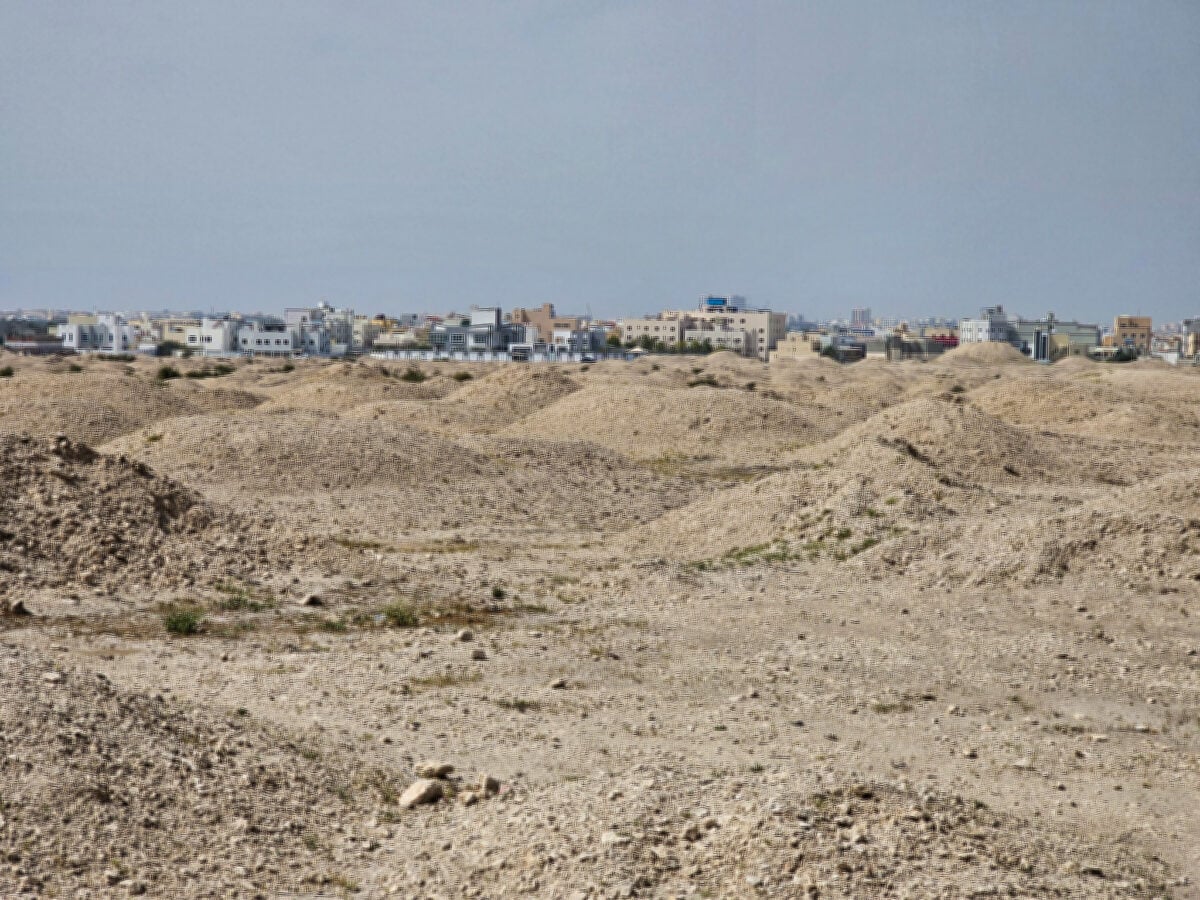
Dilmun controlled trade routes between Mesopotamia and the Indus Valley from the late 4th millennium BCE until around 800 BCE. The civilization encompassed what’s now Bahrain, Kuwait, and eastern Saudi Arabia, positioned perfectly to profit from maritime trade across the Persian Gulf.
Archaeological evidence shows their cities were carefully planned with impressive architecture and well-organized streets. For the first 300 years of the second millennium BCE, Dilmun experienced tremendous prosperity as a major trading power.
The Assyrians eventually conquered them, ending their independence. Their material culture included stone sculptures, pottery, beads, and bangles that reveal a sophisticated society.
Maurya Empire
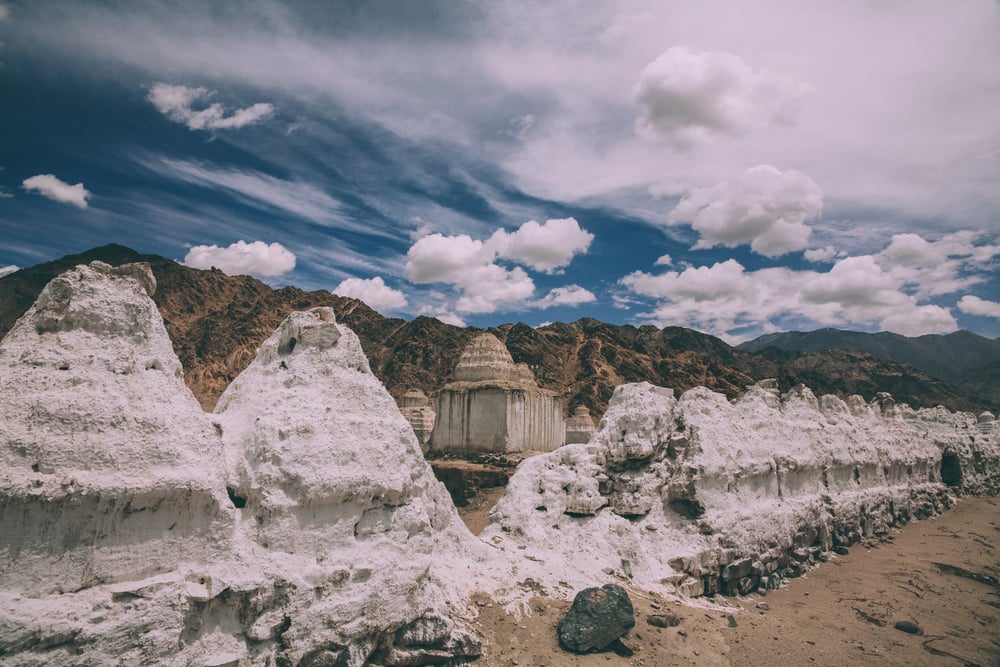
The Maurya Empire was the first to unify most of the Indian subcontinent, lasting from about 321 to 185 BCE. Founded by Chandragupta Maurya, the empire reached its height under his grandson Ashoka, often called Ashoka the Great.
Ashoka’s reign marked a turning point. After a particularly bloody conquest, he converted to Buddhism and shifted from military expansion to spreading Buddhist principles.
He established one of the earliest examples of a welfare state, building hospitals, roads, and rest houses throughout the empire. Rock edicts spreading his message still stand across South Asia, yet despite its massive influence on the region, the Maurya Empire rarely appears in Western discussions of ancient civilizations.
Yuezhi Confederation
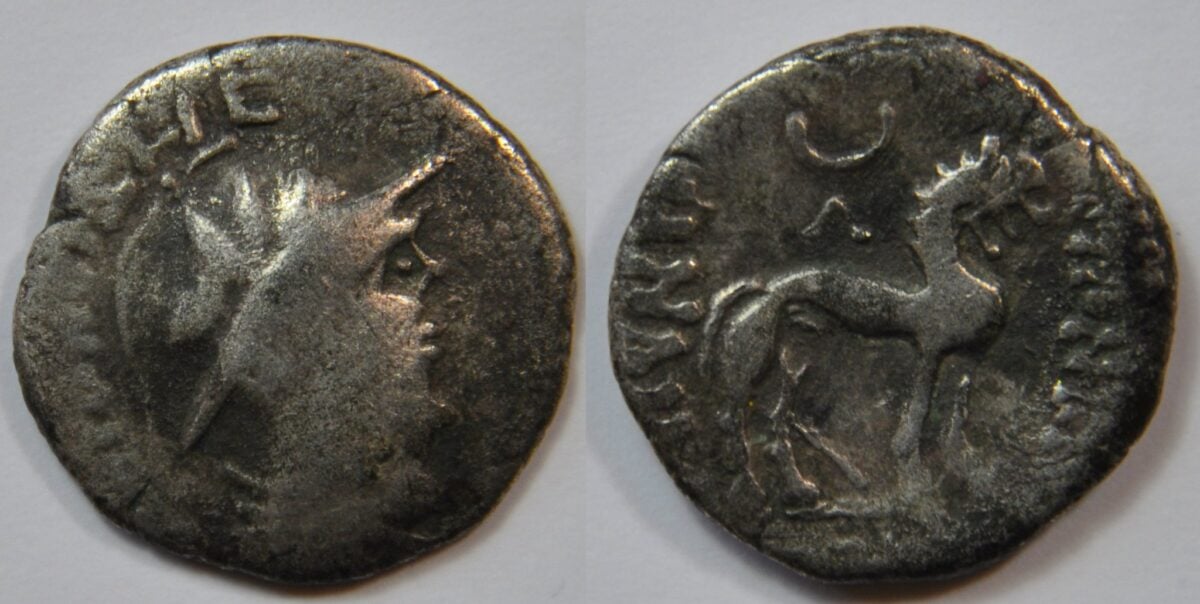
The Yuezhi were nomadic tribes who kept showing up in the background of major historical events across Eurasia. They originated on the steppes north of China and traded jade, silk, and horses over vast distances.
The Xiongnu forced them out of the Chinese trade network, so they migrated west. There they defeated the Greco-Bactrians, who then regrouped in India.
The Yuezhi migration also displaced the Saka people, who responded by overrunning parts of the Parthian Empire. The chain reaction from one group’s movement created ripples throughout ancient Asia, though despite their role in these major events, they’re essentially forgotten outside academic circles.
Great Zimbabwe

Between the 11th and 15th centuries, a sophisticated civilization built massive stone structures in what’s now Zimbabwe. The main complex features walls up to 36 feet high, constructed without mortar.
The kingdom controlled gold and ivory trade routes, becoming wealthy and powerful. The civilization had no written language, so much of their history comes from archaeological evidence and later oral traditions.
Great Zimbabwe influenced subsequent kingdoms like the Mutapa Empire, and the legacy of trading wealth continued in southern Africa for centuries. The ruins remain one of the most impressive archaeological sites in Africa.
Nabatean Empire
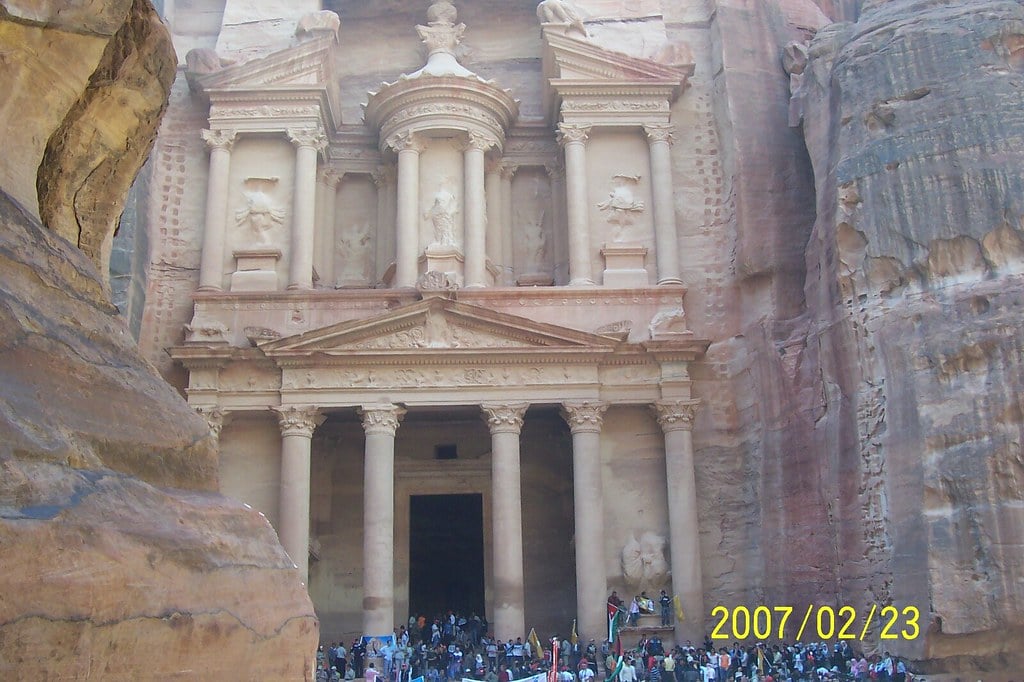
The Nabateans built Petra, the famous city carved into rose-colored rock cliffs in modern Jordan. But Petra was just one city in an empire that controlled vital trade routes connecting Asia, Africa, and Europe from the 4th century BCE to 106 CE.
The Nabateans mastered desert survival, developing sophisticated water collection and storage systems that allowed them to thrive in harsh conditions. They grew wealthy by taxing caravans passing through their territory.
When the Romans annexed the region in 106 CE, Nabatean culture gradually merged with Roman civilization. Even so, Petra remained hidden from the Western world until 1812, preserving its structures for modern discovery.
When History Forgets
These empires built cities, developed technologies, and shaped their regions for centuries. They minted coins, wrote laws, constructed monuments, and traded across continents.
Some fell to invasion, others to environmental disaster or internal collapse. Their disappearance from common knowledge says more about what we choose to remember than about their actual importance.
The civilizations that dominated history books did so partly through timing, location, and the survival of their records. But the forgotten empires were there too, building, trading, fighting, and leaving traces for anyone willing to look.
More from Go2Tutors!

- The Romanov Crown Jewels and Their Tragic Fate
- 13 Historical Mysteries That Science Still Can’t Solve
- Famous Hoaxes That Fooled the World for Years
- 15 Child Stars with Tragic Adult Lives
- 16 Famous Jewelry Pieces in History
Like Go2Tutors’s content? Follow us on MSN.