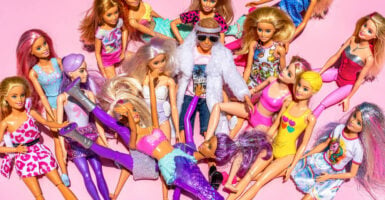
31 Barbie Dolls Collectors Pay Hundreds For
Barbie made her debut at the American International Toy Fair in New York in 1959, priced at 3 dollars and dressed in a striped swimsuit. Mattel co-founder Ruth Handler named her after her daughter, and the doll went on to sell in staggering numbers.
Most of those dolls were combed, dressed, undressed, and eventually packed away in closets and attics. The dolls that held their value are the ones that escaped that treatment, along with a handful of limited editions made for adults from the beginning.
Face paint, hair, box, and small factory details decide the price, and the gap between a played-with doll and a mint one can run to thousands of dollars.
Number 1 Ponytail Barbie
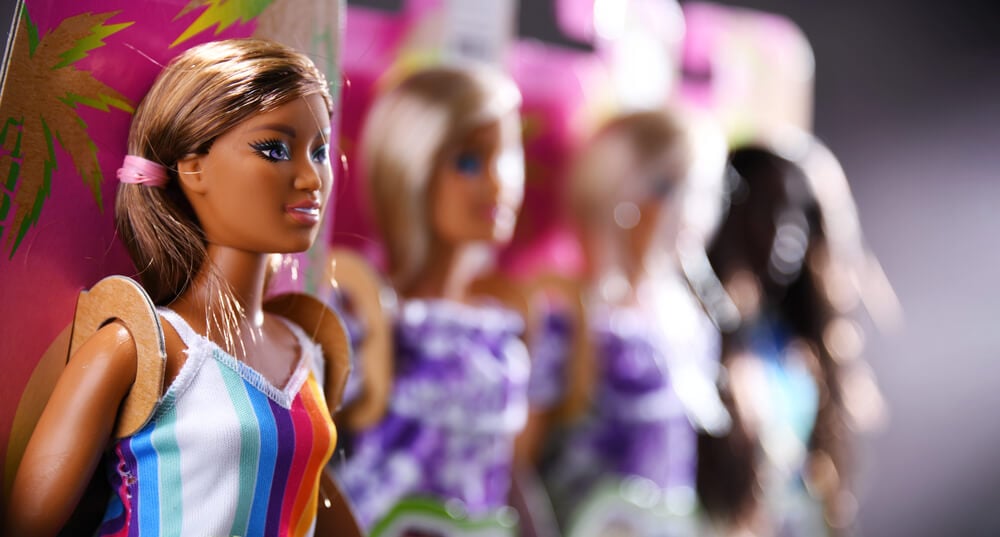
The very first Barbie, known to collectors as the Number 1 Ponytail, came in blond or brunette with white irises, pointed arched eyebrows, and a black and white striped swimsuit. Her feet had small openings lined with copper tubes that fit onto the prongs of her original stand, a feature dropped soon after.
A mint doll in her original box is worth thousands of dollars, and one reportedly sold for 27,450 dollars, a figure since surpassed. Condition is everything, since faded face paint, green ear from her earrings, and missing accessories all cut value sharply.
Reproductions exist, so authentication matters.
Number 2 Ponytail Barbie
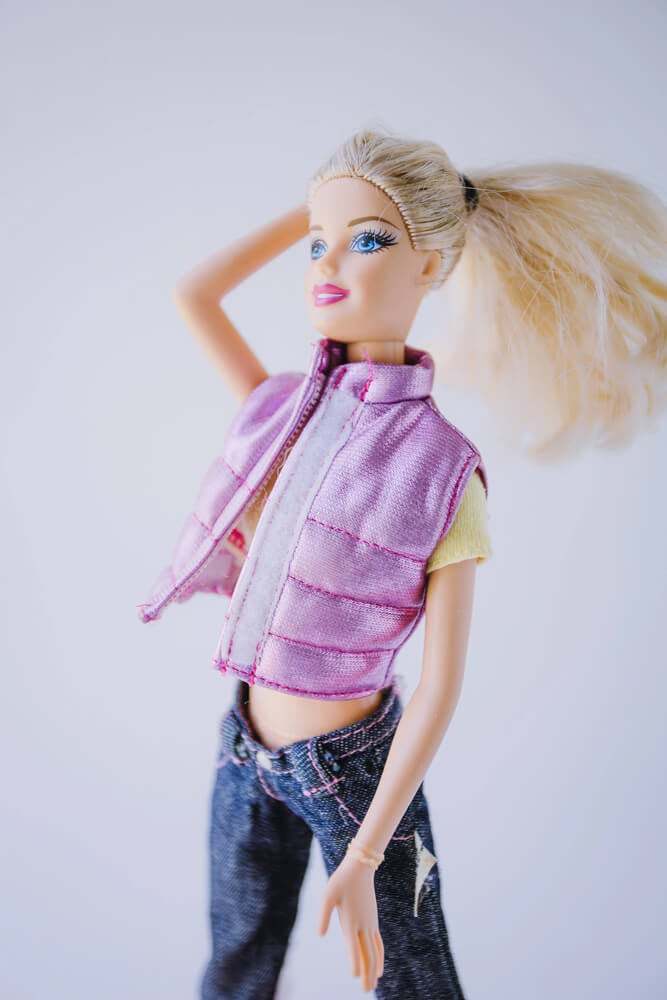
The Number 2 Ponytail looked almost identical to the first doll, with the same white irises and arched brows, but her feet had no openings for a stand. She was produced for only a short time in 1959, which makes her nearly as desirable as the first edition.
A 2003 price guide put a mint-in-box example at 3,500 to 7,000 dollars, and top examples have risen since. Price hinges on condition, including the face paint, hair, and whether she still wears her original swimsuit and earrings.
Dolls with green ear or pale lips bring far less.
Number 3 Ponytail With Brown Eyeliner
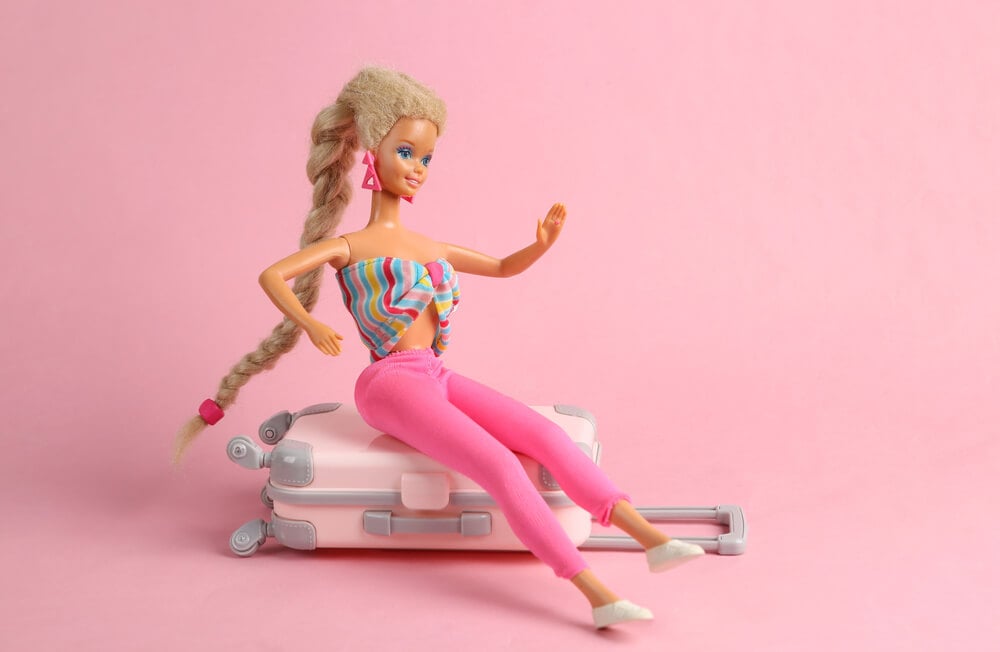
Number 3 Ponytail Barbie arrived in 1960 with blue irises and softer, curved eyebrows, a friendlier look than the first two editions. Most had blue eyeliner, but some had brown eyeliner, a rarer variation that collectors seek out.
A mint doll in her box runs well into four figures, with brown-liner examples often priced higher. Condition controls the figure, especially the face paint, hair set, and whether the original ponytail has been cut or restyled by a child.
Cleaned or repainted faces lower value, even when the work is skillful.
Bubble Cut Barbie
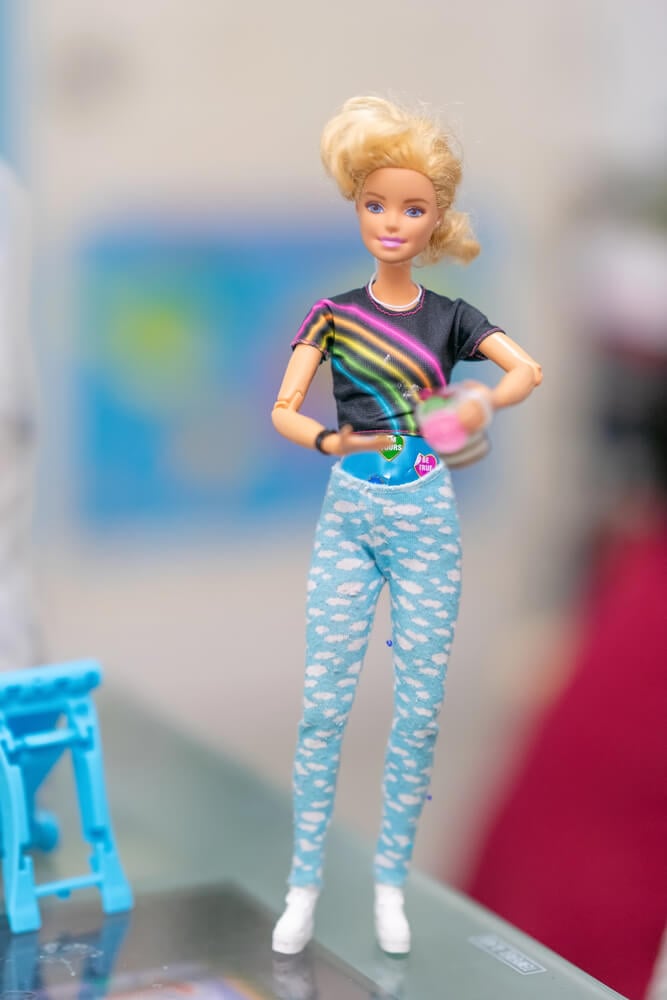
Bubble Cut Barbie debuted in 1961 with a short, rounded bouffant hairstyle that reflected the fashion of the day. Mattel produced her in many hair colors and with several face paint and body variations, so some Bubble Cuts are common while others are scarce.
Mint dolls in rare colors, such as certain shades of brownette, are worth hundreds of dollars. Price hinges on condition, including the hair set, lip paint, and whether the vinyl has discolored.
Played-with Bubble Cuts are easy to find and usually sell for modest sums.
Fashion Queen Barbie With Three Wigs
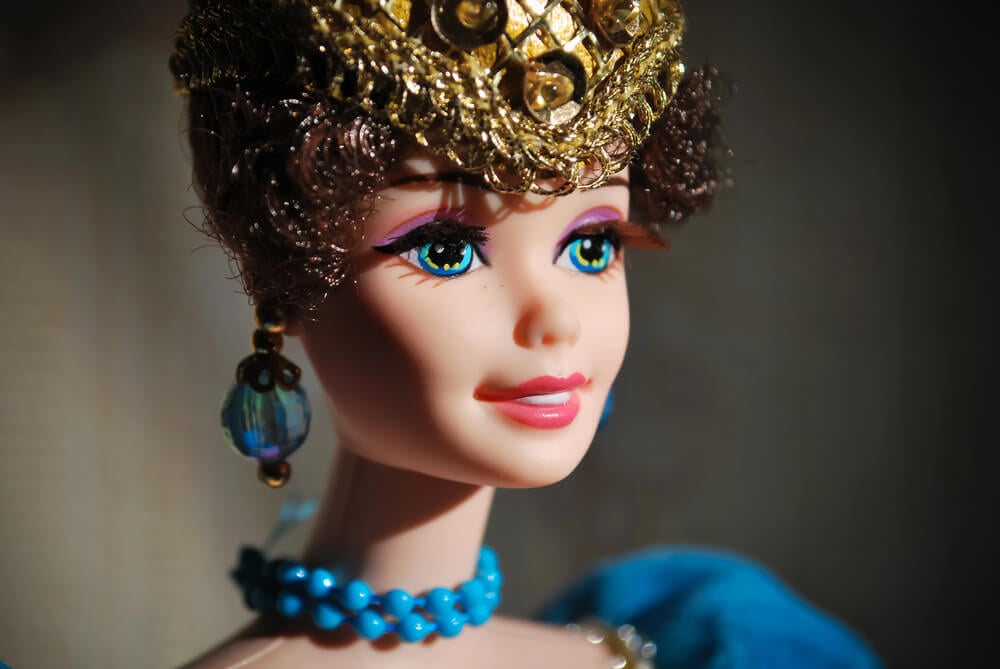
Fashion Queen Barbie appeared in 1963 with molded, painted hair covered by a striped headscarf, and she came with three wigs in different colors and styles. The idea let girls change her look quickly, a novelty for the time.
A complete doll with all three wigs, the wig stand, and the box is worth hundreds of dollars. Condition is the deciding factor, since wigs were easily lost or matted and the painted hair can wear away.
Collectors check that each wig is original rather than a replacement from another doll.
Swirl Ponytail Barbie
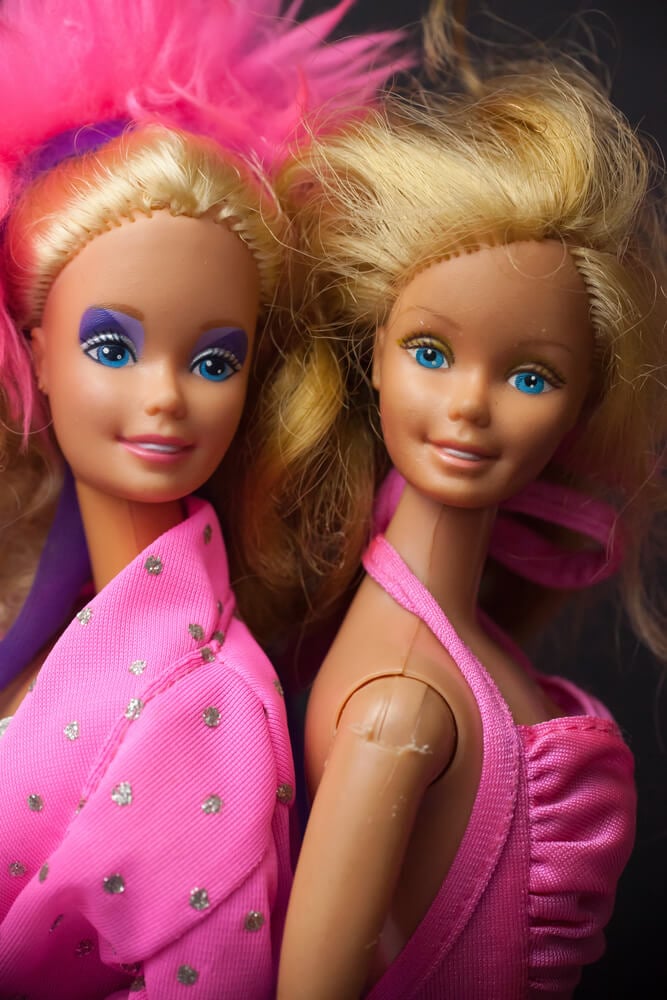
Swirl Ponytail Barbie arrived in 1964 with her bangs swept across her forehead and pulled into a ponytail, a more grown-up look than the earlier dolls. She came in several hair colors, and some shades are much harder to find than others.
A mint Swirl Ponytail in her box runs several hundred dollars or more, depending on the color. Condition drives value, especially the hair, which is easily disturbed and difficult to reset.
Dolls with their original ribbon, swimsuit, and box intact bring the strongest prices from collectors.
Miss Barbie With Sleep Eyes
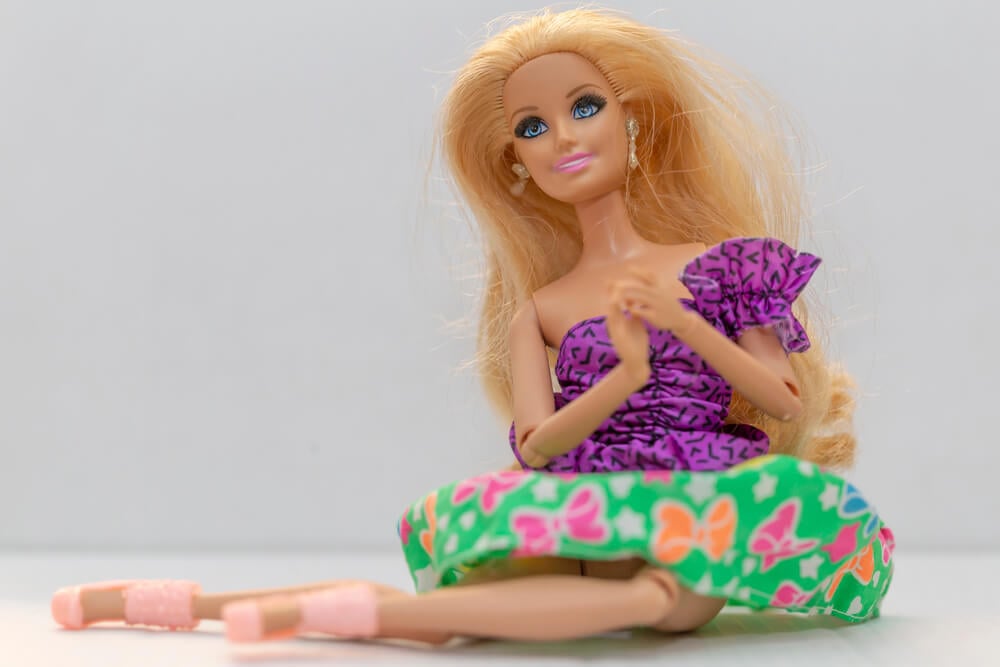
Miss Barbie, released in 1964, was the only Barbie of the era with eyes that opened and closed. She came with molded hair, a pink swimsuit, three wigs, and a lawn swing and planter set.
Sales were weak, and the doll was produced for a short time, which makes her scarce today. A mint example in the box is worth around 1,200 dollars or more.
Price hinges on condition, including the eyes, which can stick or cloud over time, and whether all accessories are present.
American Girl Barbie
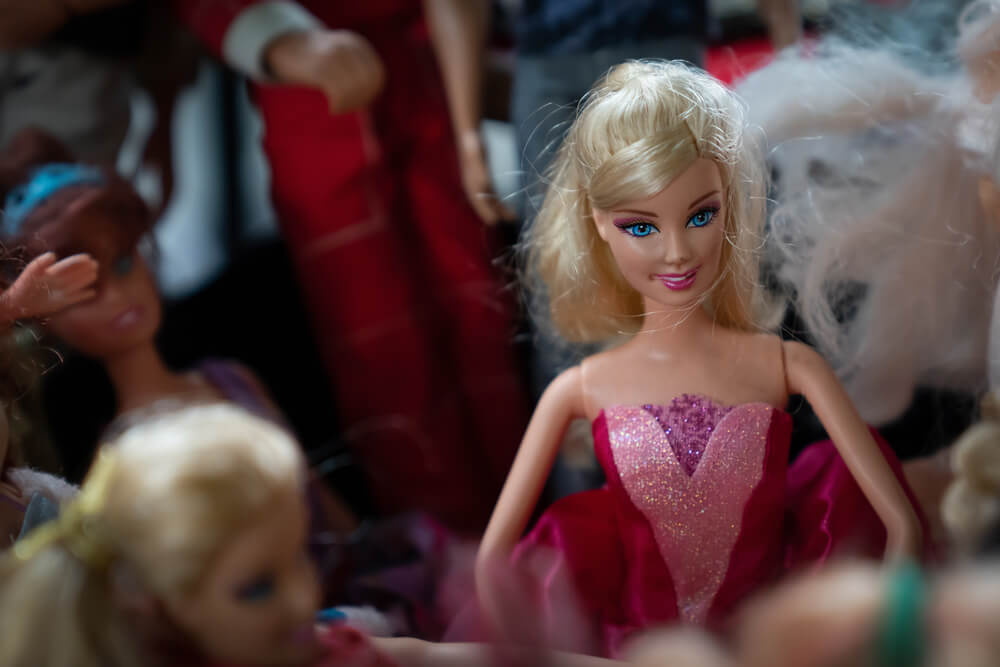
The doll collectors call American Girl Barbie arrived in 1965 with bendable legs and a short bob haircut. The nickname comes from an outfit of the same name, and the doll came in several hair colors.
A mint American Girl in her box is worth several hundred dollars or more, depending on the hair color and face paint. Condition shapes the price, especially the hair, which can be cut or restyled, and the legs, which can crack at the knees.
Dolls with green ear or faded lips are worth much less.
Side-Part American Girl
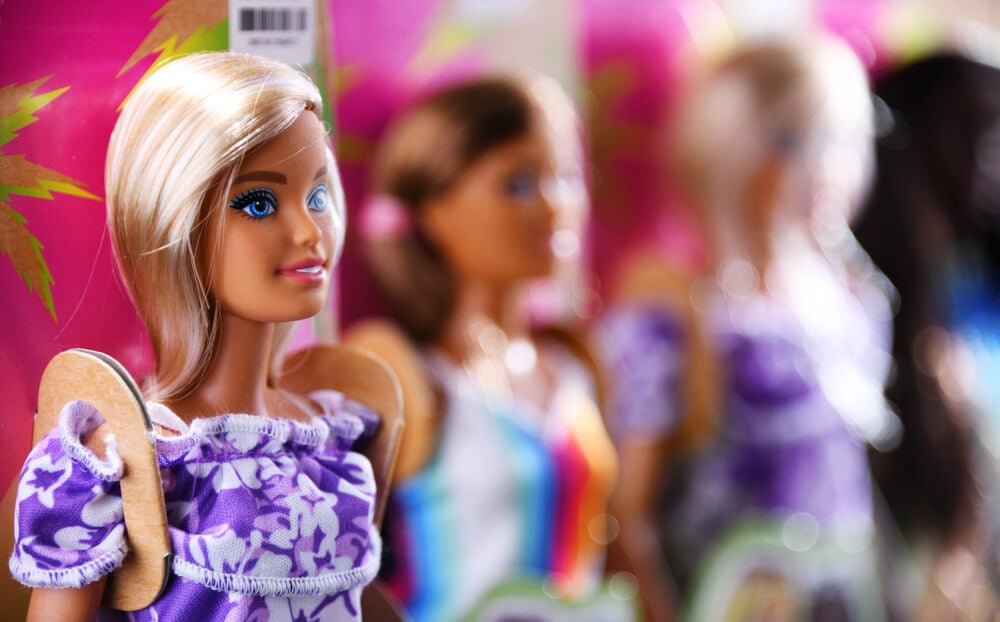
A rare version of American Girl Barbie had her hair parted on the side rather than in the center, and many of these dolls reportedly came in department store gift sets. Collectors consider the side-part version one of the most desirable Barbies of the 1960s.
Mint examples in original packaging are worth thousands of dollars. Condition is crucial, since hair that has been restyled can be hard to distinguish from the original part.
Collectors look closely at the hair rooting and the face paint to confirm an authentic doll.
Color Magic Barbie
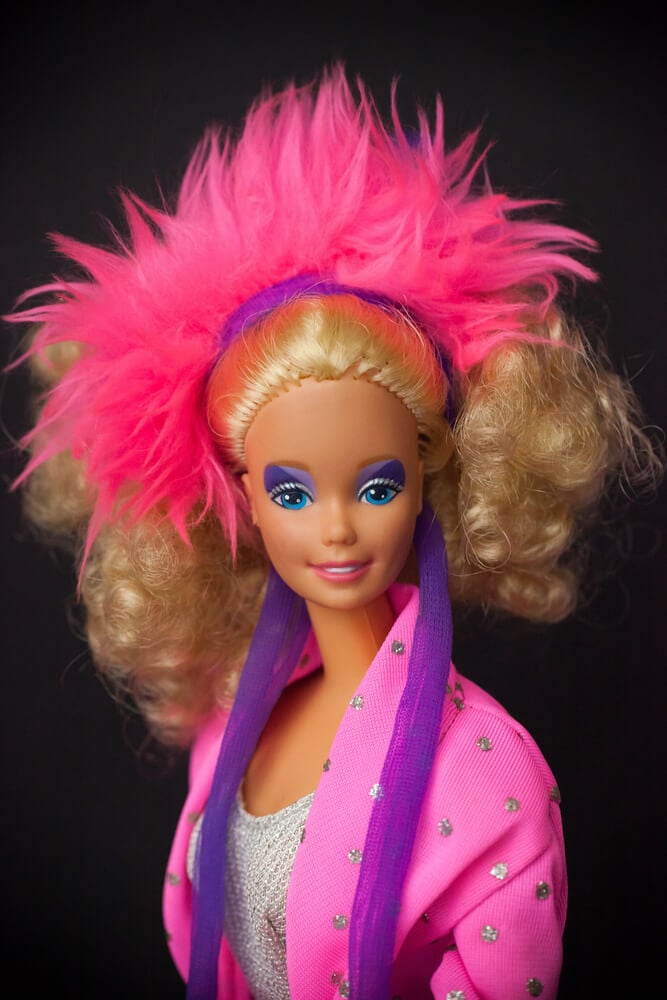
Color Magic Barbie was released in 1966, and her hair could change color when treated with a special solution that came in the box. Midnight black hair turned to ruby red, and golden blonde turned to scarlet flame.
A mint Color Magic in her box runs about 2,400 to 3,500 dollars in older guides. Condition is key, since the hair can be damaged by the solution and the face paint can fade.
Collectors check that the hair color is original and that the box and accessories are complete.
Gala Abend Barbie
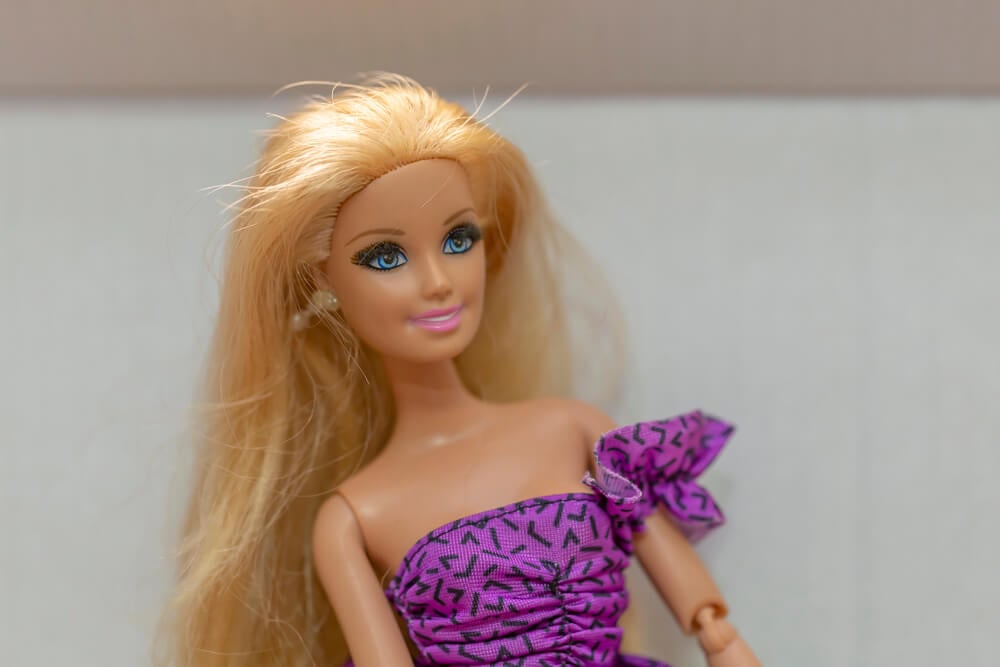
Gala Abend Barbie was a boxed gift set sold in Europe and Japan around 1965, pairing the doll with an elaborate evening gown and accessories. The name means gala evening in German, and the set was never sold in American stores, so few collectors in the United States saw one at the time.
An example sold at Christie’s in 2006 for more than 9,000 dollars, a strong figure for a 1960s doll. Price hinges on condition, including the gown, the box, and the doll’s face paint and hair.
Collectors check that every piece is original to the set rather than borrowed from a separate outfit.
Twist ‘N Turn Barbie
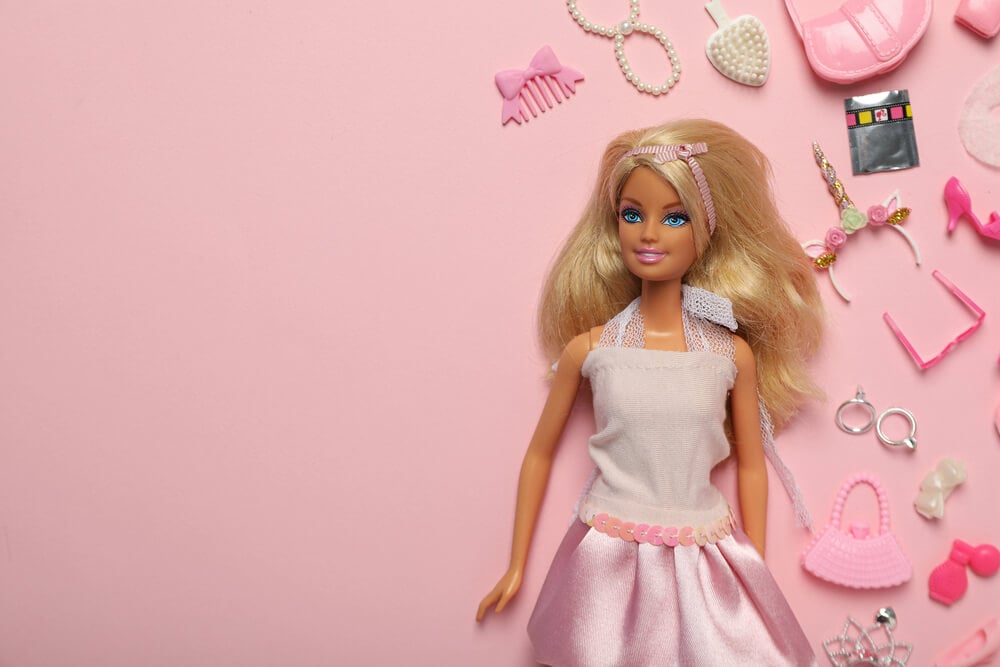
Twist ‘N Turn Barbie arrived in 1967 with a waist that swiveled, rooted eyelashes, and a younger, mod-inspired face. Mattel ran a trade-in promotion that let girls bring in an older Barbie for a discount on the new doll, and thousands of early dolls disappeared as a result.
That promotion makes some of the traded-in dolls rarer today, and a mint Twist ‘N Turn in her box is worth several hundred dollars. Condition matters, including the hair, face paint, and the rubbery waist joint, which can split with age.
Dolls with cut hair or missing lashes bring much less.
Standard Barbie
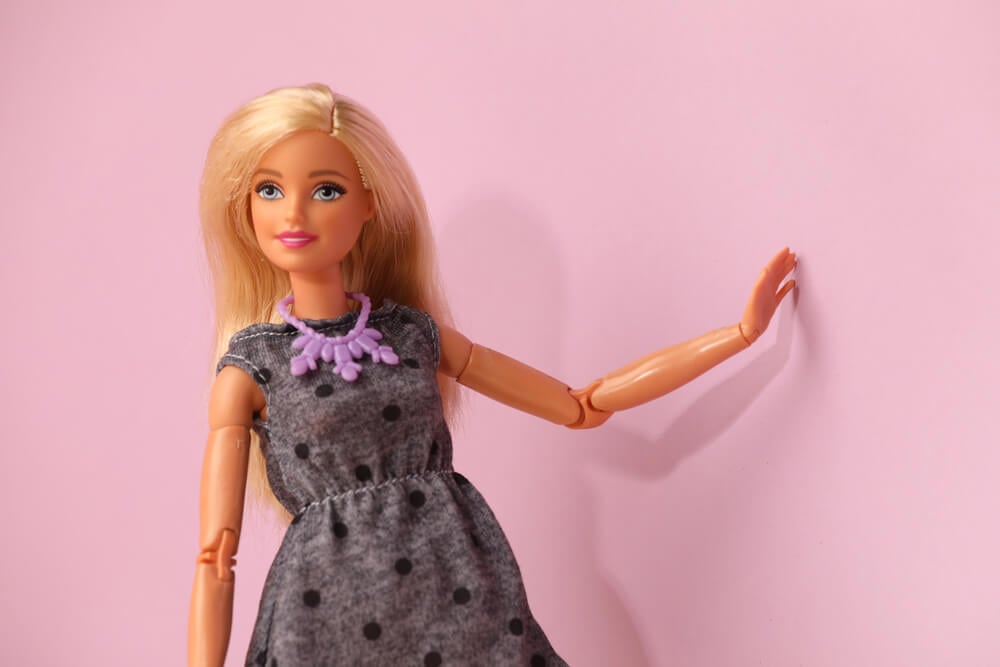
Standard Barbie was released in 1967 with the same updated face and rooted eyelashes as Twist ‘N Turn Barbie but with a stiff, straight waist and straight legs. She was sold as a lower-priced alternative, and fewer were produced than her more flexible sister.
Mint examples in the box are worth a few hundred dollars, with some hair colors drawing stronger interest. Condition decides value, especially the hair, face paint, and the color of the vinyl, which can darken or turn pale with age.
Collectors look for dolls still wearing their original swimsuits and packed in boxes without heavy shelf wear.
Talking Barbie
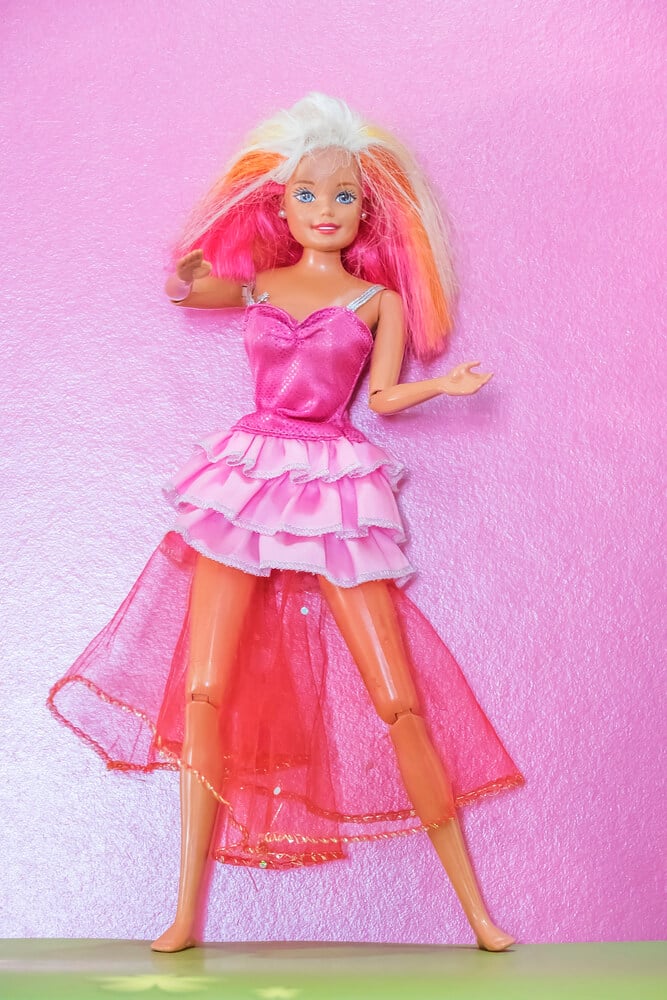
Talking Barbie arrived in 1968 with a pull string in her back that made her speak several phrases, including a few in Spanish on some versions. The voice feature was a big selling point, and the doll sold well enough to make played-with examples fairly common today.
A mint Talking Barbie with a working voice box runs several hundred dollars. Condition is essential, especially whether the voice unit still works, since the rubber parts inside often deteriorate.
Collectors pull the string gently and listen for clear speech before buying, because a silent doll is worth only a fraction of a talking one.
Living Barbie
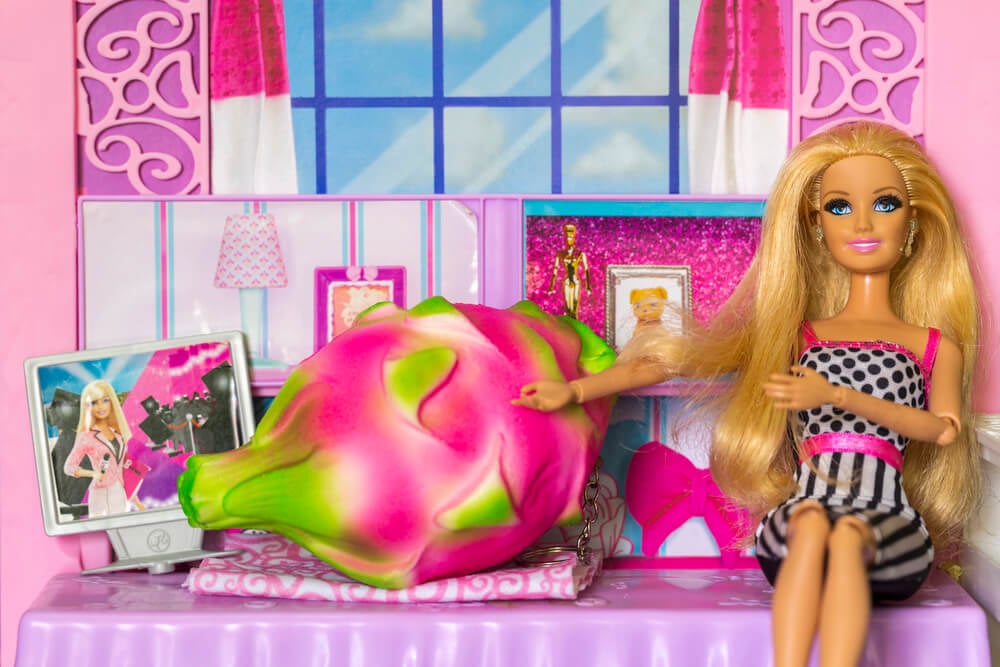
Living Barbie was released in 1970 with joints at her wrists, elbows, ankles, and neck, making her far more posable than any earlier Barbie. Mattel advertised her as a doll that could move almost like a real person, and she came in a gold and silver swimsuit with a matching cover-up.
A mint Living Barbie in her box is worth a few hundred dollars. Condition shapes the price, including loose joints, hair, and face paint.
Collectors look for dolls with their original clothing and boxes, since loose examples with worn limbs turn up frequently at yard sales and flea markets.
Growin’ Pretty Hair Barbie
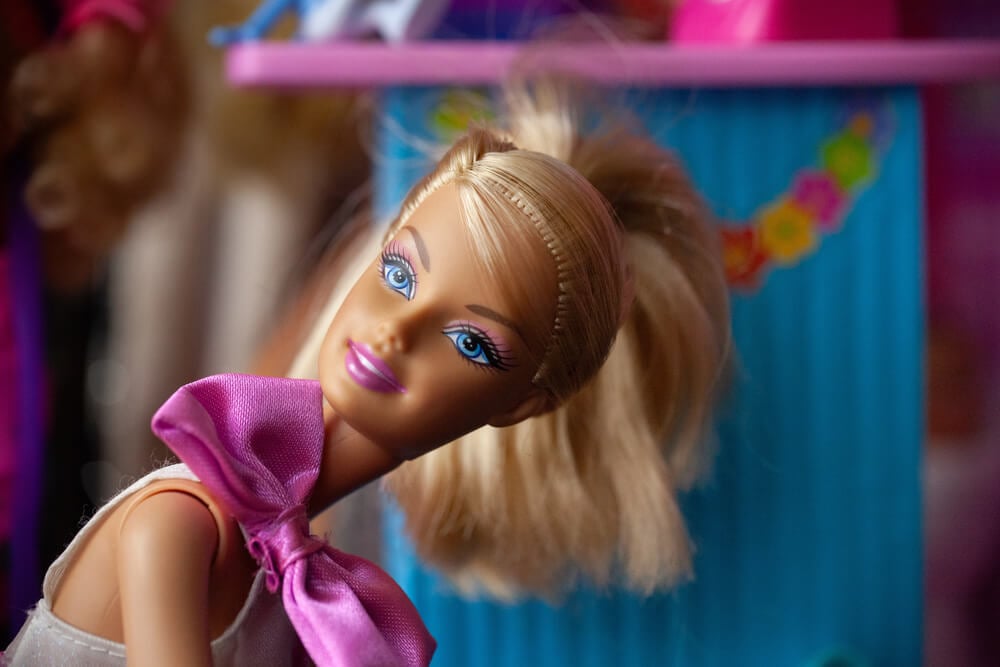
Growin’ Pretty Hair Barbie came out in 1971 with a ponytail that could be pulled out to lengthen or pushed back in to shorten, a mechanism that thrilled kids who liked to style. She came with hairpieces, pins, and accessories to create different looks.
A mint, complete example is worth a few hundred dollars. Condition matters, especially the hair and whether the growing mechanism still works smoothly.
Dolls missing their hairpieces bring less, and heavily brushed or tangled hair can reduce value as much as a missing accessory. Collectors prize dolls with their original hang tags and boxes intact.
Malibu Barbie
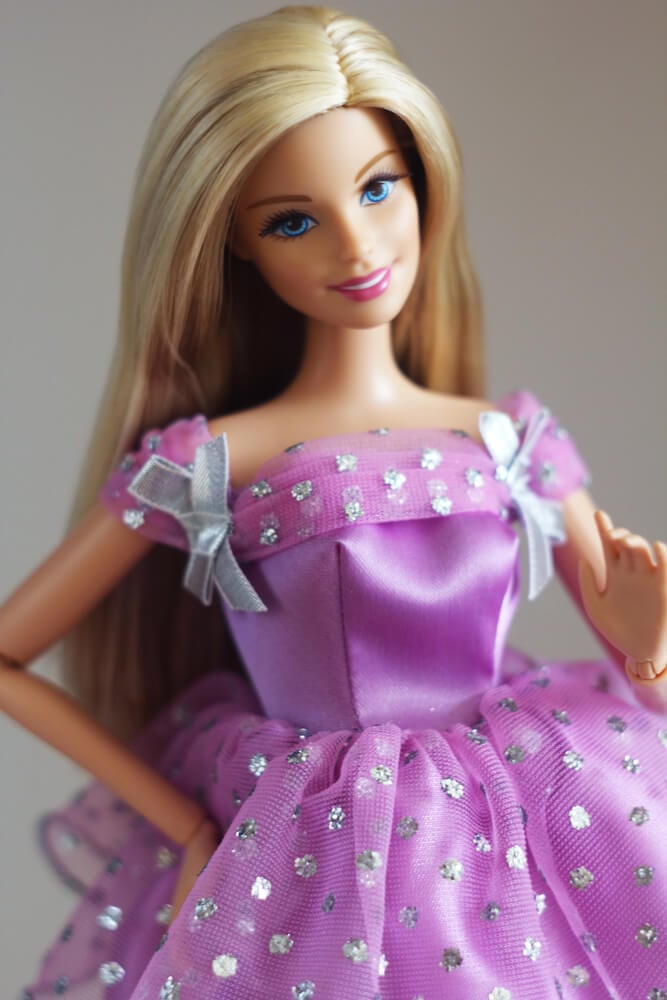
Malibu Barbie arrived in 1971 with a golden tan, long sun-streaked blond hair, and a blue swimsuit, a California beach look that replaced the more formal dolls of the 1960s. She was produced in huge numbers and became one of the best-selling Barbies of the decade.
Mint examples still in the box are worth a hundred dollars or more, with early versions and variations drawing the strongest interest. Condition is key, including the hair, tan, and face paint.
Played-with Malibu Barbies are common and usually bring modest sums, since almost every girl of the era owned one.
Superstar Barbie
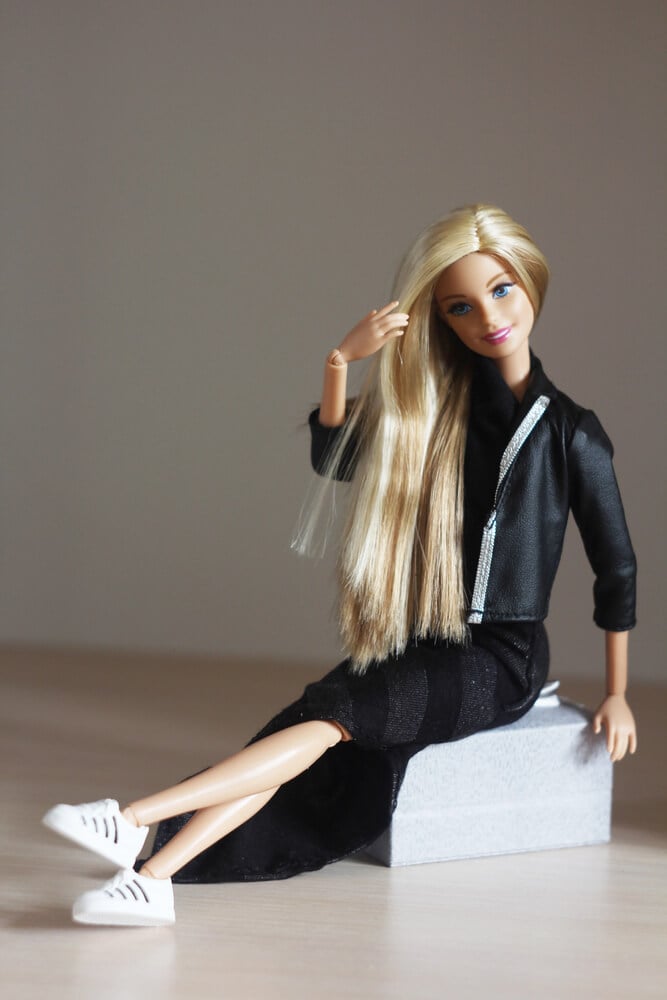
Superstar Barbie was released in 1977 with a new face sculpt featuring a wide, toothy smile, a change from the closed-lip look of earlier dolls. The Superstar face mold was used for decades afterward, making it one of the most important designs in Barbie history.
A mint Superstar Barbie in her box, with her pink gown and star-shaped ring, is worth a few hundred dollars. Condition matters, especially the box and accessories.
Collectors look for dolls that have never been removed from their packaging, since the pink gown can fade and the accessories are easily lost.
Black Barbie of 1980
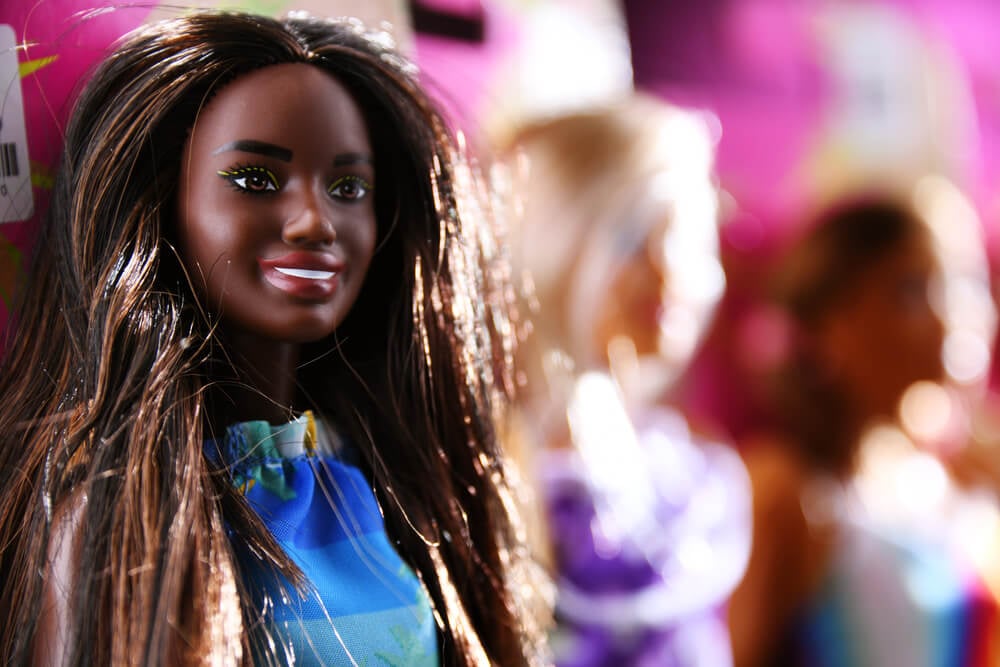
Mattel released the first Black doll named Barbie in 1980, designed by Kitty Black Perkins. Earlier Black dolls in the line, including Christie in 1968, were presented as friends of Barbie, so this doll marked a significant change.
She wore a red dress with a ruffled neckline and had an afro hairstyle. A mint example in her box is worth a few hundred dollars.
Condition shapes value, including the hair, dress, and box. Collectors value her historical importance, and demand has grown in recent years as museums and collectors pay more attention to diversity in toy history.
Day-to-Night Barbie
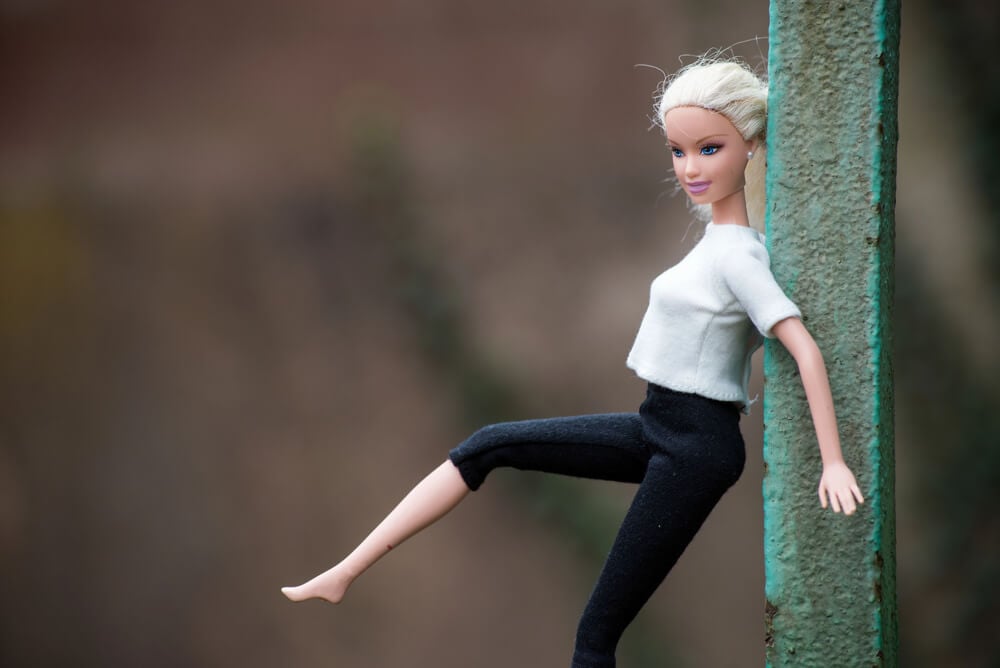
Day-to-Night Barbie arrived in 1985 with a pink business suit that converted into an evening gown, along with a briefcase, calculator, and business card. She reflected the working women of the 1980s and became one of the best-remembered dolls of the decade.
A mint example in her box is worth a hundred dollars or more. Condition matters, including the outfit and all the small accessories, which were easy to lose.
Collectors look for complete dolls with crisp boxes, since loose Day-to-Night dolls missing their accessories are common and sell for far less.
Blue Rhapsody Porcelain Barbie
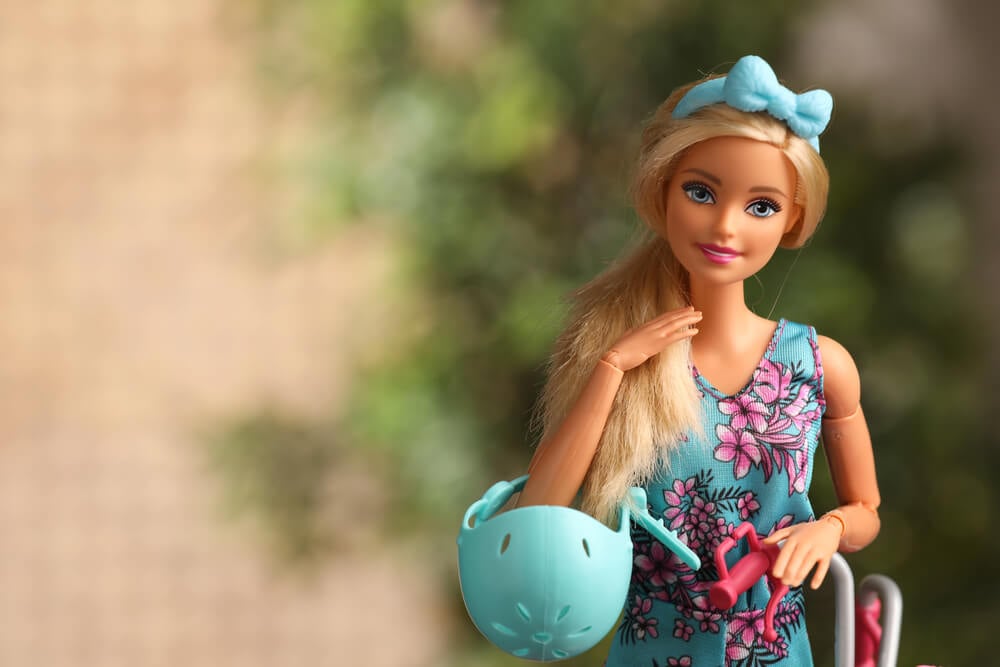
Blue Rhapsody was released in 1986 as the first porcelain Barbie, made for adult collectors rather than children. She wore a blue velvet gown and came with a certificate of authenticity, and her production was limited.
A mint example in her box is worth a few hundred dollars. Condition is essential, since porcelain can crack or chip, and a damaged face or hand lowers the value significantly.
Collectors check the doll, gown, and box carefully, along with the certificate, which helps establish authenticity and increases appeal at resale.
Happy Holidays Barbie of 1988
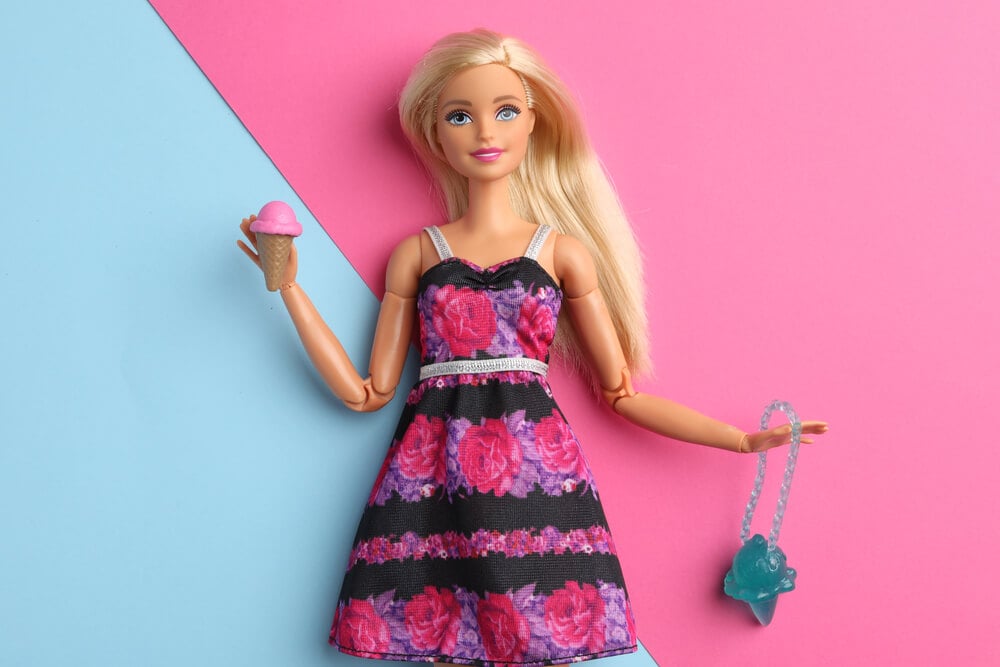
Happy Holidays Barbie was released in 1988 as the first in an annual holiday series that continues in various forms today. She wore a red gown with white trim, and many families bought her as a Christmas gift and left her in the box.
A mint 1988 example is worth a few hundred dollars. Condition shapes the price, especially the box, since collectors expect crisp corners and a clear window.
Later editions in the series were produced in larger numbers and usually sell for much less, which makes the first year the one worth checking.
Pink Jubilee Barbie
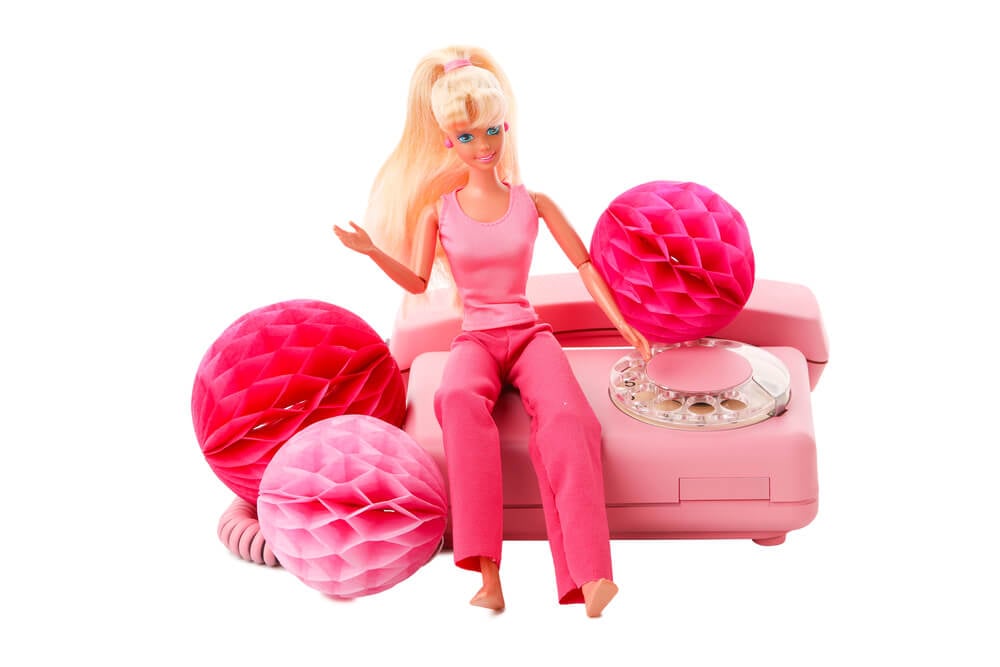
Pink Jubilee Barbie was made in 1989 for the 30th anniversary of Barbie and given to guests at an anniversary gala in New York. Reports suggest only about 1,200 were made, and the doll was never sold in stores.
A mint example with the box and certificate is worth thousands of dollars. Condition is key, including the box, certificate, and the doll’s pink gown.
Collectors look for authentic examples, since the doll’s rarity and high value have made it a target for misidentification. Provenance from a gala guest adds confidence for buyers.
Bob Mackie Gold Barbie
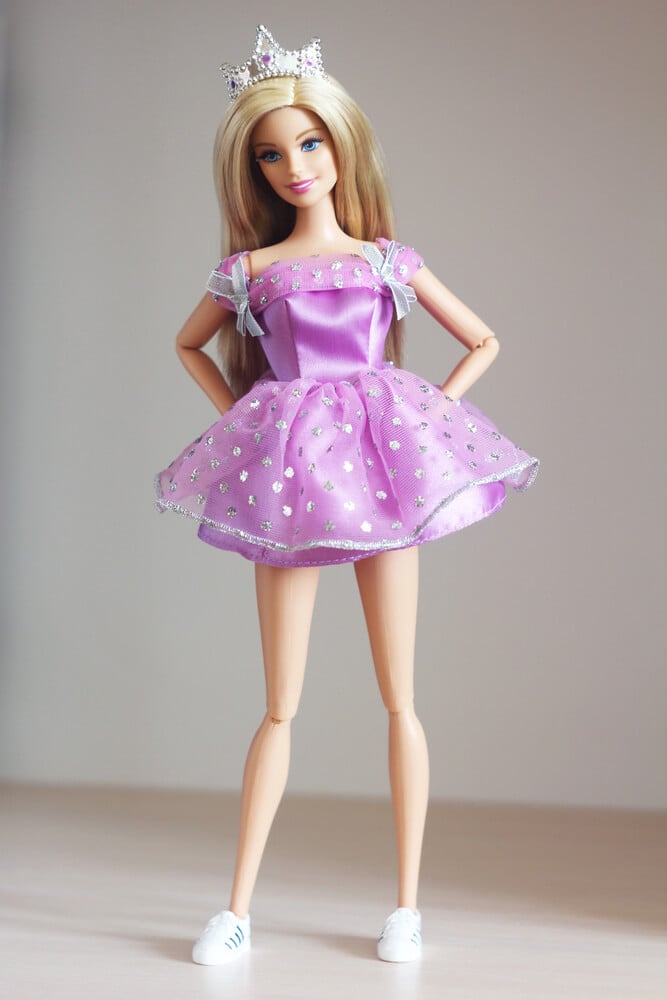
Bob Mackie Gold Barbie was released in 1990 as the first Barbie designed by Bob Mackie, the costume designer known for dressing Cher and other stars. She wore a gold sequined gown with a feathered headpiece and came with a certificate.
A mint example in her box is worth a few hundred dollars. Condition matters, especially the gown, since sequins can loosen, and the box, which should be free of shelf wear.
Collectors look for complete examples with all packaging and paperwork, and the success of this doll led to a long series of Mackie designs.
Totally Hair Barbie
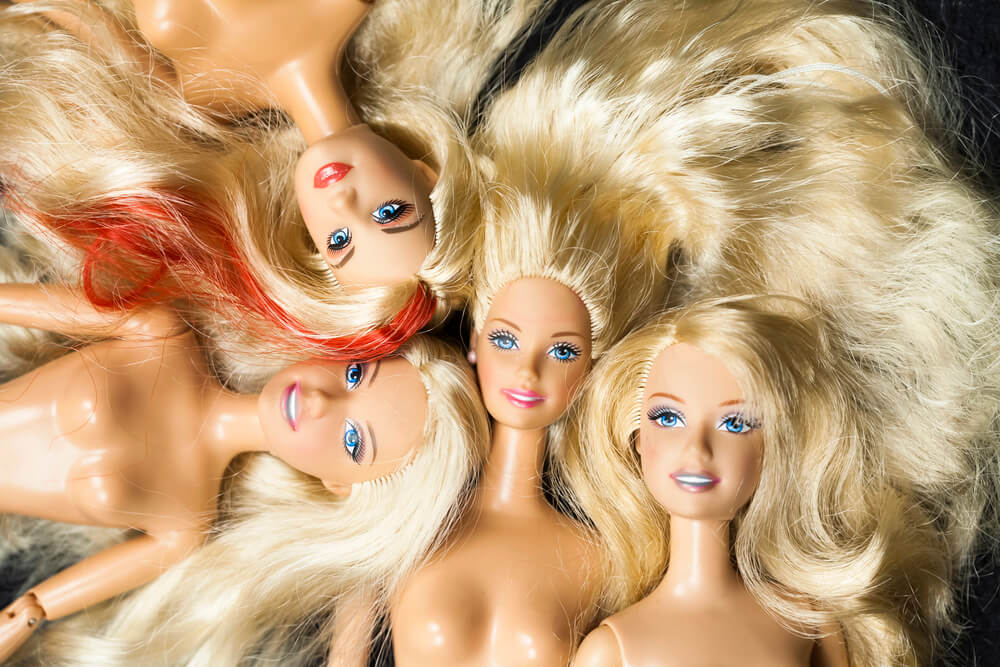
Totally Hair Barbie was released in 1992 with floor-length crimped hair and a colorful print dress. She became the best-selling Barbie ever, with more than 10 million sold, according to Mattel.
Because so many were made, played-with examples are common and inexpensive. A mint example in her box is worth a hundred dollars or more.
Everything hinges on condition, especially the hair, which tangles easily and is almost impossible to restore once brushed out. Collectors look for dolls that have never been removed from their boxes, with the hair still in its original crimp.
Teen Talk Barbie
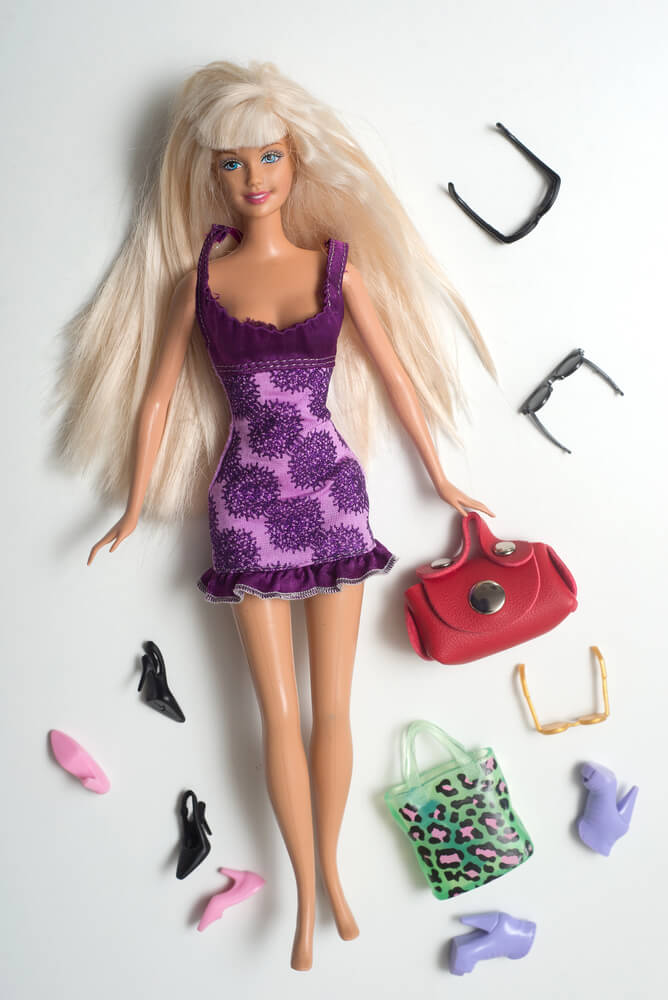
Teen Talk Barbie was released in 1992 with a voice box that could say several phrases chosen at random from a larger list. Some dolls said math class is tough, which caused controversy and led Mattel to remove the phrase from later production.
Mint examples with that phrase are worth more than others. Condition matters, including whether the voice box still works and whether the doll is still in her box.
Collectors check the phrases carefully, since the value depends heavily on which ones a particular doll says, and a working example with the controversial line is worth the most.
Pink Splendor Barbie
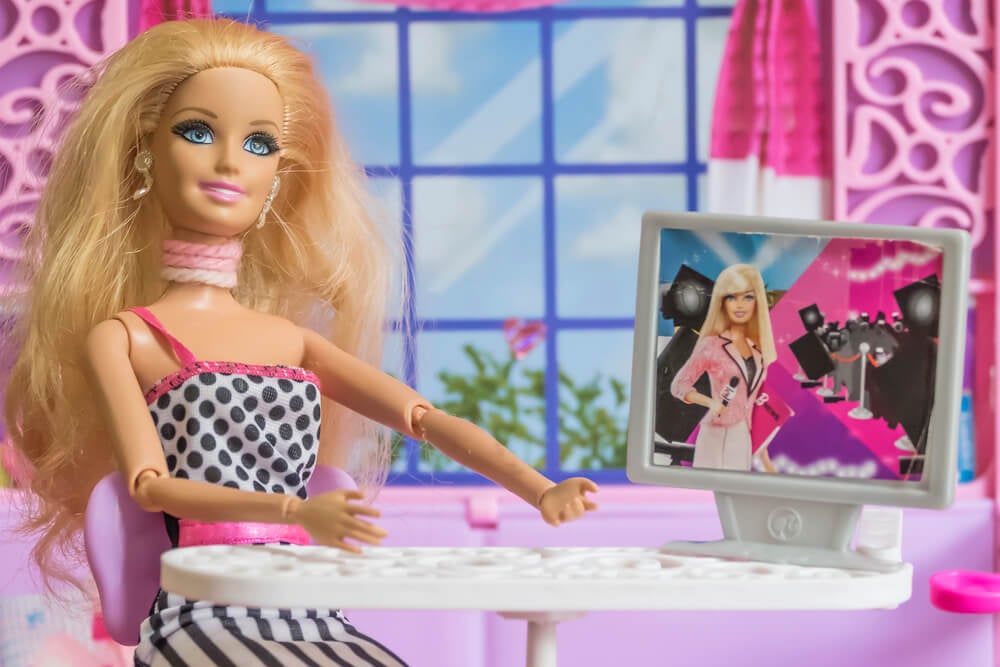
Pink Splendor Barbie was released in 1996 as a limited edition priced around 900 dollars, one of the most expensive Barbies Mattel sold at retail in the 1990s. She wore an elaborate pink gown with gold thread and crystal accents and came with a certificate.
A mint example is worth hundreds of dollars today. Condition matters, including the gown, box, and certificate.
Collectors look for complete examples, since the gown’s delicate fabric can discolor with time. Her high original price means many buyers kept her boxed, so mint examples are easier to find than older dolls.
De Beers 40th Anniversary Barbie
De Beers 40th Anniversary Barbie was made in 1999 to mark the doll’s 40th birthday, with 160 diamonds set into her outfit and jewelry. She was valued at 85,000 dollars and was a one-of-a-kind piece rather than a toy.
The doll was designed to attract attention to both brands. Condition and provenance matter most, since any damage to the diamonds or setting would lower her value.
Few collectors will ever own one, but the doll shows how far Barbie had moved from a 3 dollar toy to a luxury object for adult collectors.
Silkstone Barbie
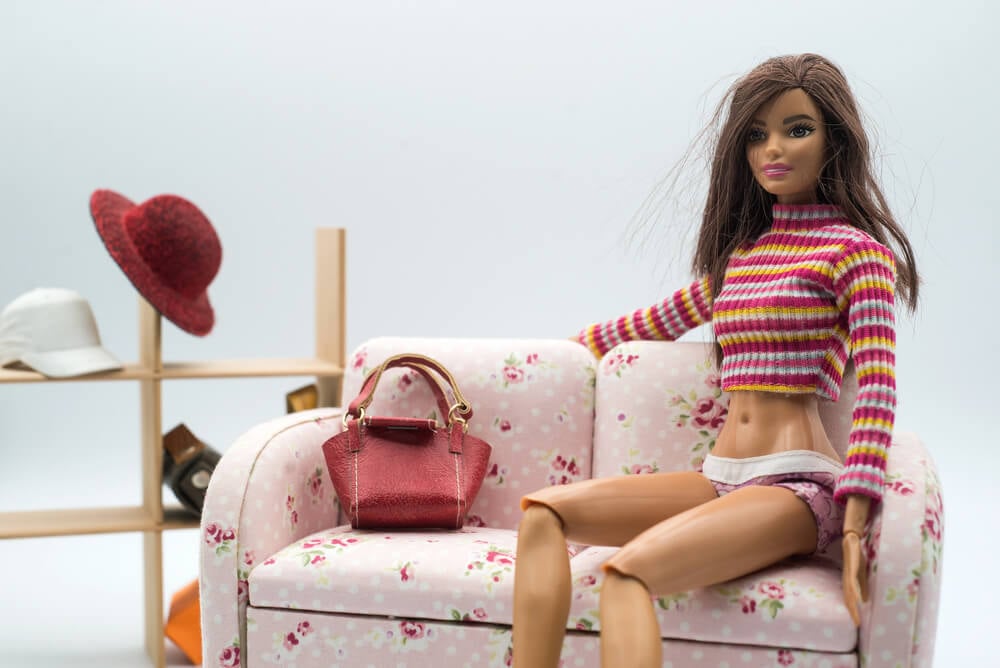
Silkstone Barbie dolls were introduced in 2000 as part of the Barbie Fashion Model Collection, made from a hard vinyl that feels similar to porcelain. The dolls were based on the original 1959 face sculpt and dressed in vintage-inspired fashions.
Some Silkstone dolls are worth hundreds of dollars, especially limited editions. Condition matters, including the box and the doll’s face paint, which can rub off.
Collectors look for rare editions and dolls that have never been removed from their boxes, since the hard vinyl can scratch and the hair is easily disturbed.
Karl Lagerfeld Barbie
Karl Lagerfeld Barbie was released in 2014 in a limited edition reportedly limited to 999 dolls. She wore the designer’s trademark black jacket, white collar, dark sunglasses, and fingerless gloves.
She sold out quickly, and resale prices climbed well above the original retail price. Examples are worth hundreds or thousands of dollars depending on condition.
Condition matters, including the box and whether the doll remains sealed. Collectors look for sealed examples with intact packaging, since the doll was designed for display rather than play and buyers expect perfection.
Stefano Canturi Barbie
Stefano Canturi Barbie sold for 302,500 dollars at Christie’s in New York in 2010, a record for a Barbie at auction. Australian jewelry designer Stefano Canturi created a necklace for the doll featuring a rare pink Argyle diamond.
Proceeds from the sale went to the Breast Cancer Research Foundation. Condition and provenance matter most for a one-of-a-kind piece like this.
The previous auction record for a Barbie had been about 17,091 dollars, so the sale represented an enormous leap and showed how jewelry could transform a doll into a charity centerpiece.
Plastic With a Paper Trail
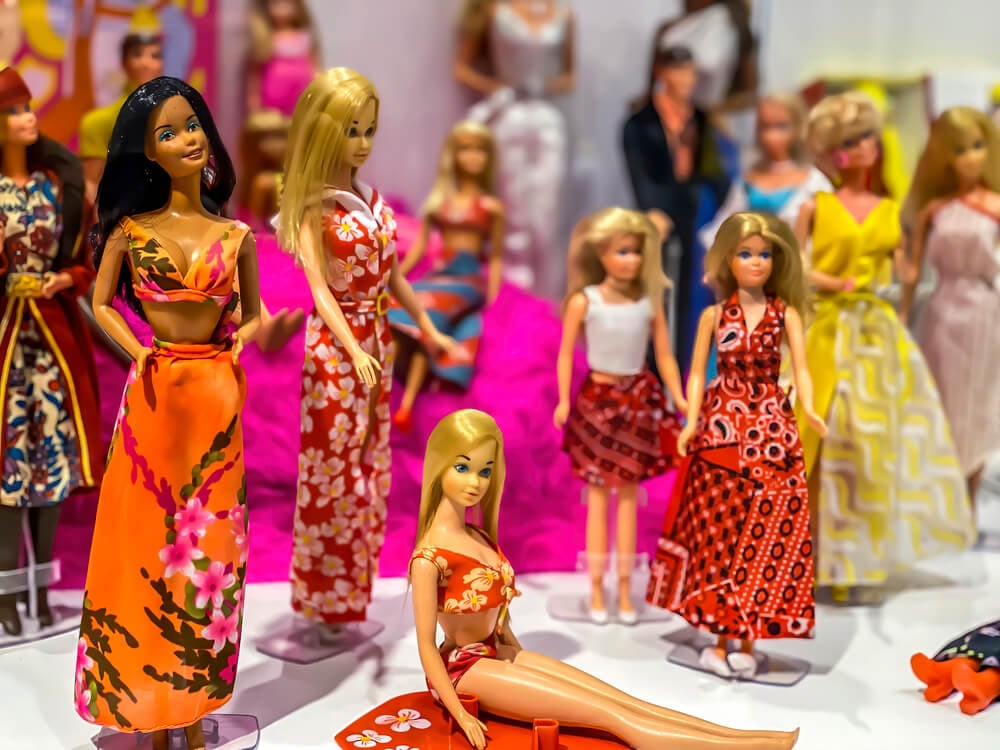
Barbie began as a 3 dollar toy sold to girls who dressed her, cut her hair, and dragged her across bedroom floors. The dolls that survived in mint condition, along with the rare variations that slipped through production, are now worth far more than anyone could have imagined in 1959.
Later, Mattel learned to make dolls for adult collectors from the beginning, with certificates, boxes, and limited runs built into the design. The value of a Barbie depends on the details, from the color of her eyeliner to the state of her box.
Most dolls found in attics are worth modest sums, especially if they were loved as toys. A careful look at the face paint, hair, and markings can still reveal a doll worth much more than a dollar or two.
More from Go2Tutors!

- The Romanov Crown Jewels and Their Tragic Fate
- 13 Historical Mysteries That Science Still Can’t Solve
- Famous Hoaxes That Fooled the World for Years
- 15 Child Stars with Tragic Adult Lives
- 16 Famous Jewelry Pieces in History
Like Go2Tutors’s content? Follow us on MSN.