Tales Of Explorers Nobody Remembers Now
The history books love their household names. Columbus, Magellan, and Shackleton get all the glory while countless other explorers who risked everything fade into obscurity. Some mapped entire continents, others opened trade routes that changed civilization, and a few even reached their destinations first but got written out of the story anyway.
Their achievements were just as remarkable, their journeys just as perilous, but time hasn’t been kind to their legacies.Here is a list of 16 explorers whose incredible feats have been largely forgotten by history.
Zhang Qian
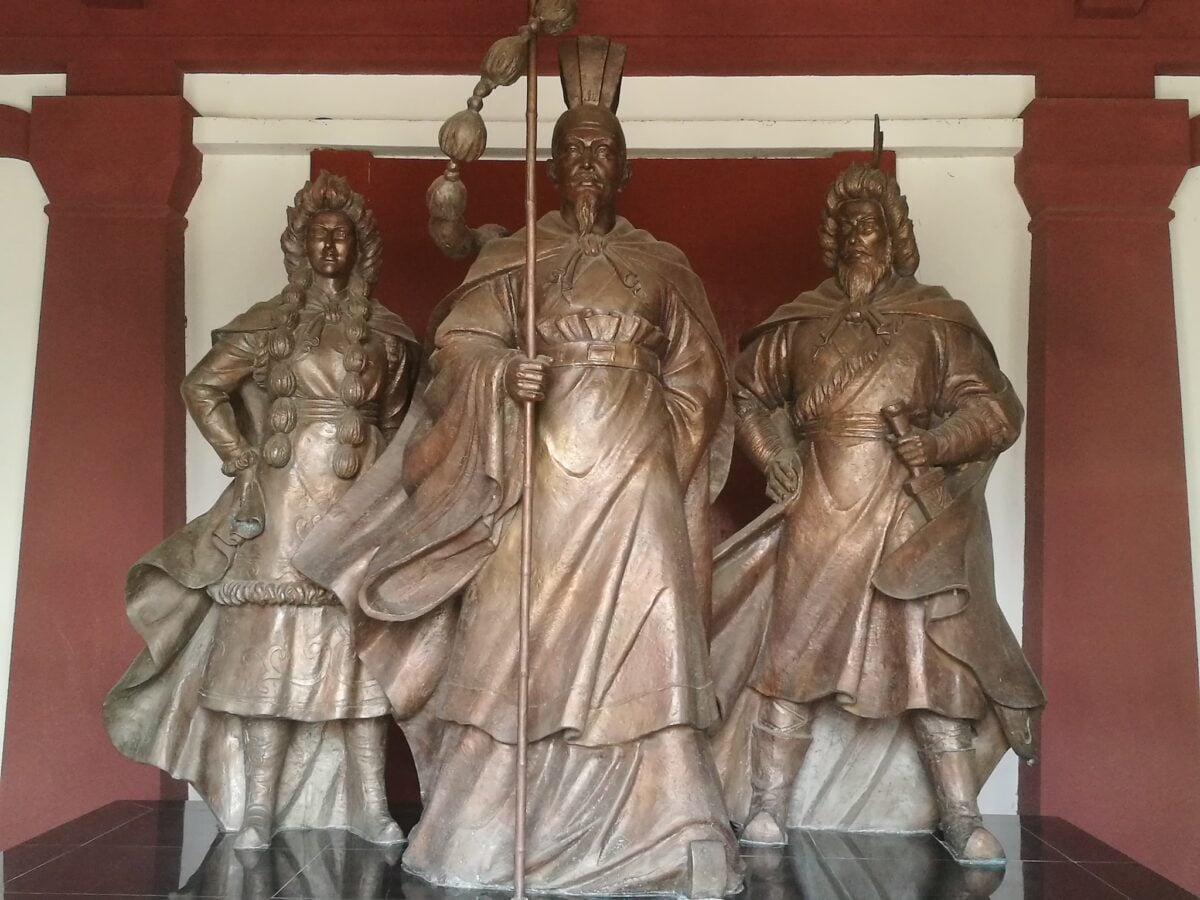
This Chinese diplomat spent 13 years wandering through Central Asia in the 2nd century BCE, and his journey accidentally created one of history’s most important trade networks. Emperor Wu sent him to forge a military alliance with the Yuezhi people against the Xiongnu nomads.
Zhang got captured almost immediately and spent a decade as a prisoner before escaping to continue his mission. The Yuezhi weren’t interested in his alliance proposal, but Zhang brought back detailed accounts of Central Asian kingdoms, their goods, and their markets.
Within years of his return, Chinese merchants were traveling the routes he’d mapped, exchanging silk for horses and establishing what became the Silk Road.
Hanno the Navigator
Long before anyone thought about circumnavigating Africa, this Carthaginian sea captain led a fleet of 60 ships and 30,000 people down the West African coast around 500 BCE. He wasn’t just exploring—he was colonizing, establishing trading posts and towns along the way.
His expedition got far enough south that his crew encountered animals they’d never seen before, including creatures with ‘hairy bodies’ that local interpreters called gorillas. Dwindling supplies forced him to turn back before completing a full circumnavigation, but his voyage provided some of the earliest detailed accounts of West African geography.
Like Go2Tutors’s content? Follow us on MSN.
Alexander Laing
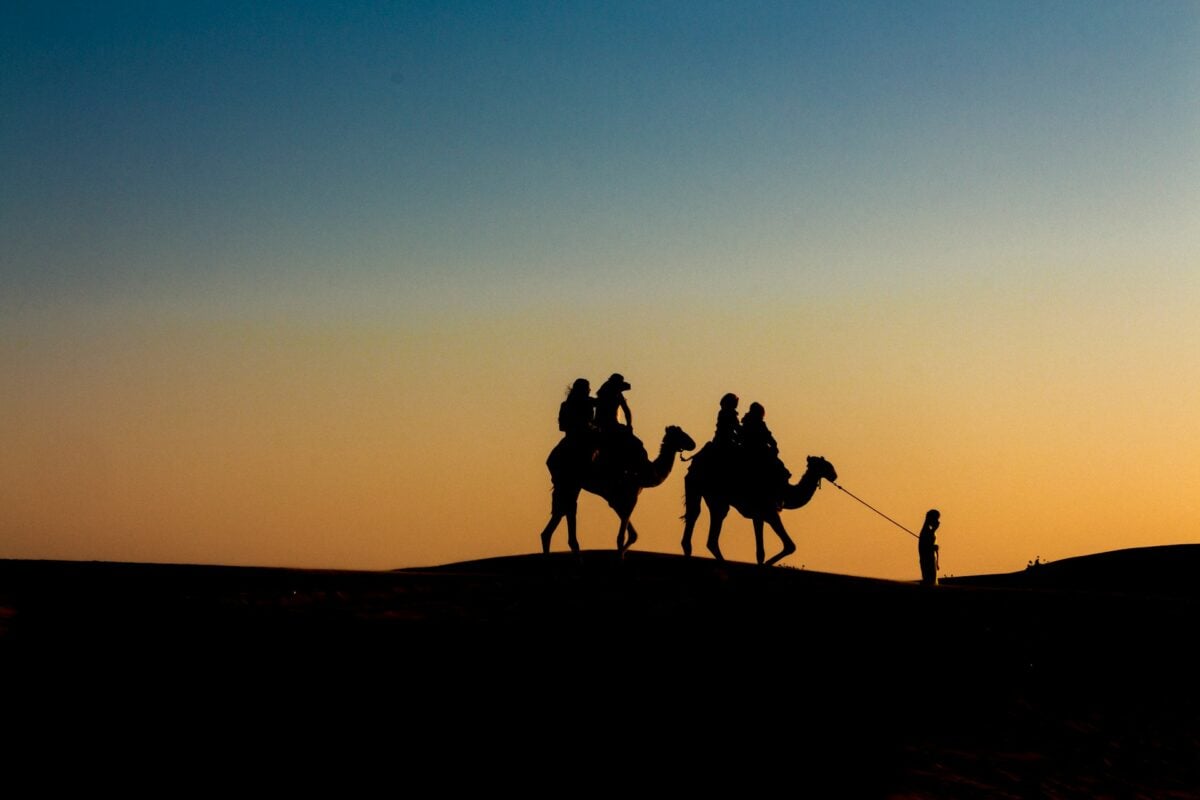
The Scottish army officer left Tripoli in 1825 with only a vague idea of where Timbuktu actually was, promised by his guide that the journey would take a few weeks. It took 13 months of wandering the Sahara, dodging hostile nomads, and fighting constant thirst and hunger.
Laing finally stumbled into Timbuktu in 1826, becoming the first European to reach the legendary city. He spent about five weeks there before being murdered on his return journey, and while his journal disappeared with him, his achievement was later confirmed by the second European to reach the city in 1828.
Pytheas
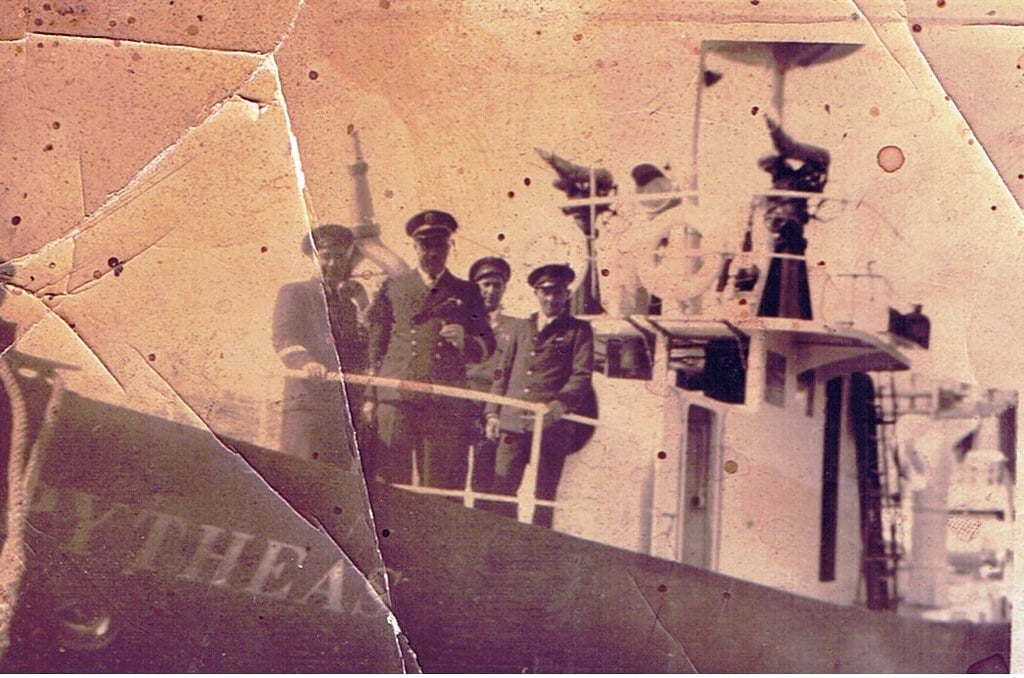
This Greek sailor discovered the British Isles from a Mediterranean perspective around 325 BCE, at a time when most people thought nothing existed beyond Gibraltar except endless ocean. Before he could even start exploring, he had to sneak past the Carthaginian blockade at the Strait of Gibraltar.
He successfully circumnavigated Britain, provided the first written accounts of the islands, and brought back information about tides and northern latitude that proved invaluable to later geographers. His reports were so outlandish to his contemporaries that many dismissed them as fiction.
Nain Singh
British surveyors needed to map Tibet in the 1860s, but the country had banned all foreigners from entering. So they trained this Indian schoolteacher from the Johar Valley to secretly survey the forbidden territory while disguised as a trader or pilgrim.
Singh walked over 1,500 miles counting every single step using a modified prayer bead rosary with exactly 100 beads instead of the traditional 108. He determined the location and altitude of Lhasa with remarkable accuracy, estimated by boiling water to measure elevation.
His measurements were so precise that they remained the standard for decades, and he walked roughly 3,160,000 paces to gather his data.
Like Go2Tutors’s content? Follow us on MSN.
Auguste Piccard
The Swiss physicist looked more like a stereotypical scientist than anyone in history, complete with wild hair and round spectacles from working alongside Albert Einstein. But Piccard wanted to study cosmic rays, and Earth’s atmosphere kept getting in the way.
His solution was elegantly simple—leave the atmosphere. He built pressurized balloon capsules and made over two dozen flights reaching altitudes between 50,000 and 75,000 feet, higher than anyone had gone before. His stratospheric explorations laid crucial groundwork for future high-altitude research and space travel.
Benjamin Leigh Smith
This British explorer undertook five Arctic expeditions between 1871 and 1882, mostly to Svalbard and Franz Josef Land. On his 1881 expedition, ice trapped his ship and forced Smith and his crew to take refuge on Northbrook Island for 10 months.
They survived by hunting walruses and salvaging what provisions they could from the wrecked vessel. When spring arrived, they built makeshift boats using tablecloths as sails, managed to reach open water, and were eventually rescued. Despite his achievements in Arctic exploration and cartography, Smith never gained the recognition of his contemporaries.
Carsten Borchgrevink
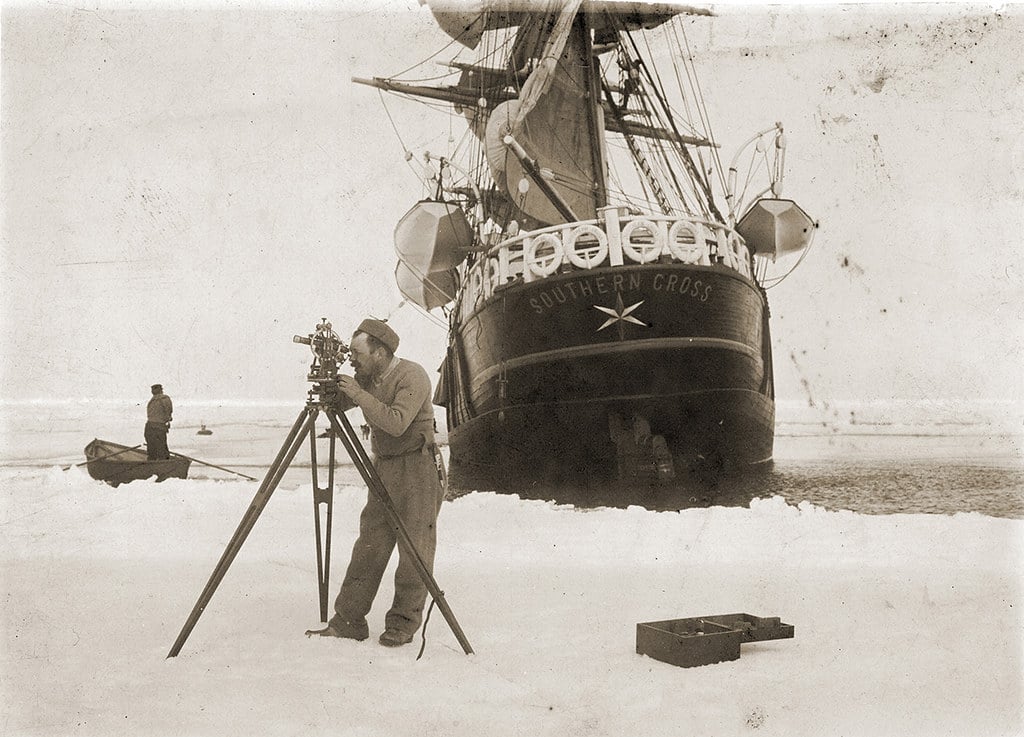
Everyone remembers Roald Amundsen reaching the South Pole, but this Norwegian explorer led an Antarctic expedition more than a decade earlier. Between 1898 and 1900, Borchgrevink’s Southern Cross Expedition established a base camp at Cape Adare and set a new record for traveling the farthest south.
His team included scientists who studied meteorology, cartography, and geology rather than just racing for the pole. While Amundsen’s base has long since been destroyed, Borchgrevink’s camp at Cape Adare still stands and is now protected as a historic site.
Like Go2Tutors’s content? Follow us on MSN.
Benedict the Pole
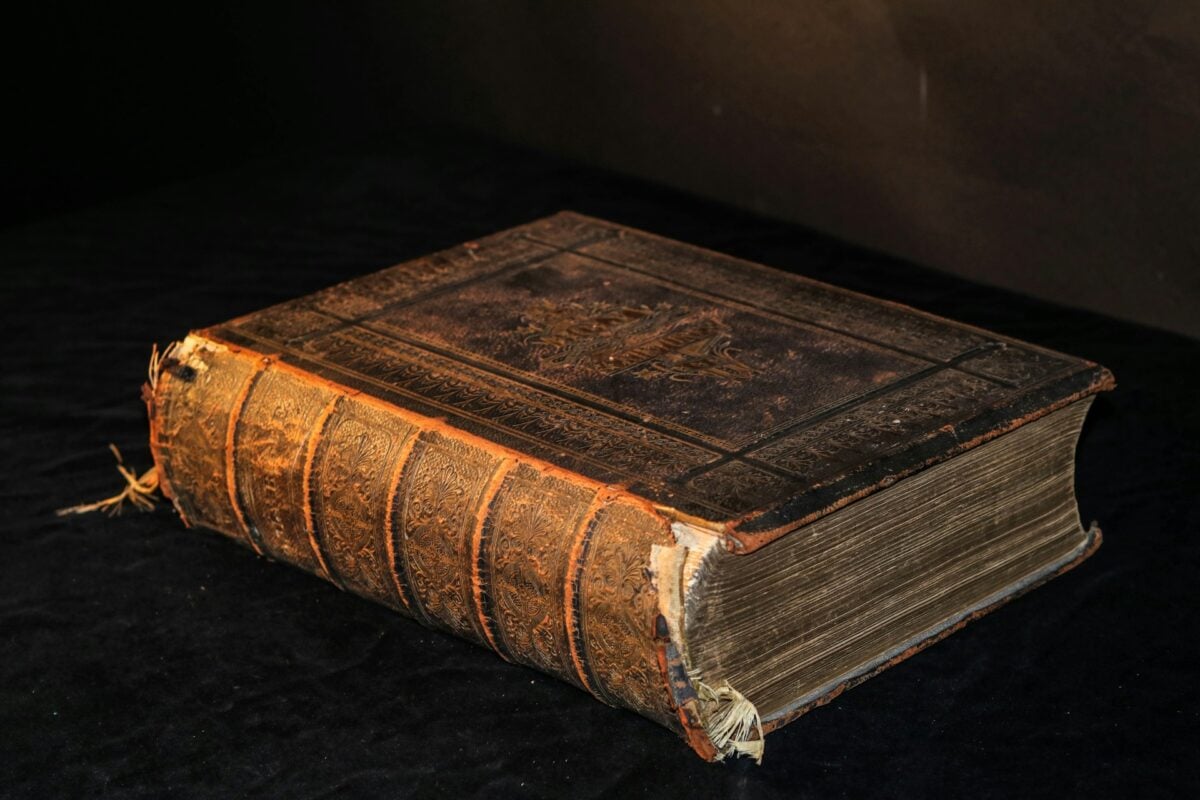
This Franciscan friar journeyed to Mongolia in the 13th century, half a century before Marco Polo made the same trip and got all the credit. Benedict traveled as part of a papal diplomatic mission to the Mongol Empire and wrote a detailed account called ‘Historia Tartarorum’ about his experiences.
The problem? His book got lost for 600 years. When it finally turned up in the 19th century, it was published in an obscure French scientific journal that hardly anyone read. By then, Marco Polo’s name was already legendary.
David Douglas

The Scottish botanist crisscrossed North America in the early 19th century, discovering and cataloging hundreds of plant species. He successfully introduced many of these plants to Britain, fundamentally changing British horticulture and forestry.
The Douglas fir, one of the most economically important timber trees in North America, bears his name. He explored vast stretches of the Pacific Northwest and California, enduring tremendous hardships to document the continent’s flora.
Despite his contributions to botany and the forestry industry, Douglas remains largely unknown outside specialist circles.
Alexander MacKenzie
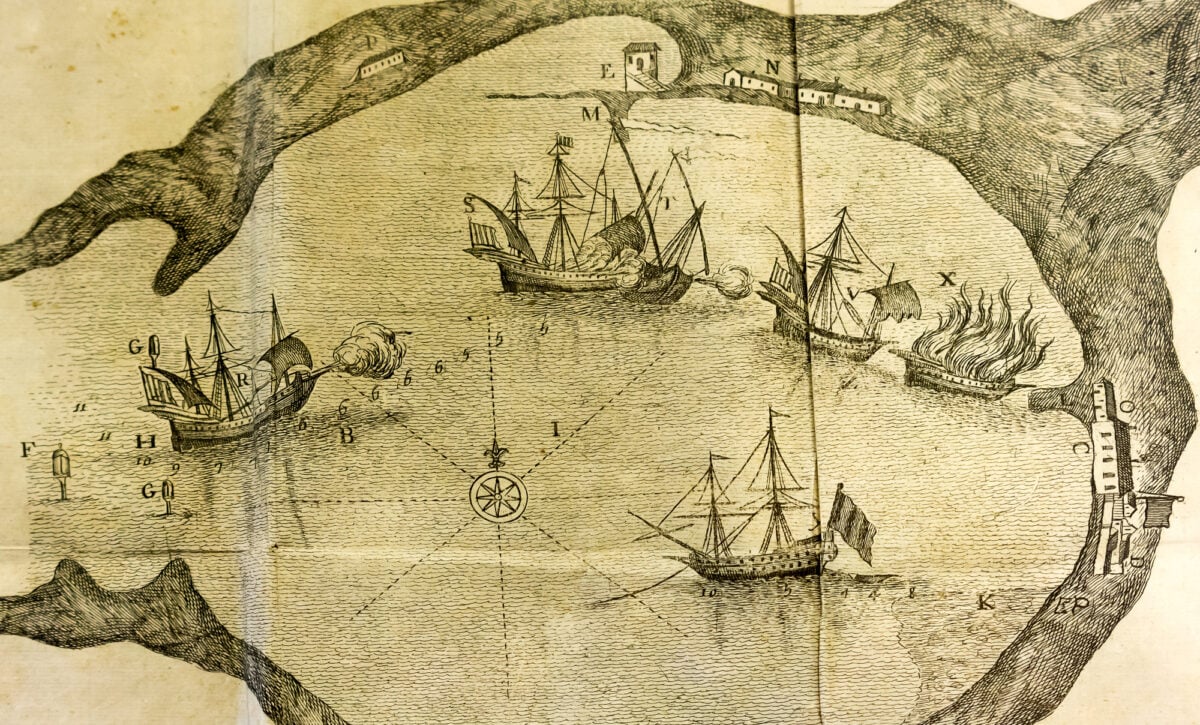
This Scottish-Canadian explorer completed the first recorded transcontinental crossing of North America in 1793—more than a decade before Lewis and Clark did the same thing. MacKenzie traveled from the Atlantic to the Pacific through what is now Canada, mapping territory and establishing relationships with indigenous peoples along the way.
He’s remembered as a great explorer in Canada and Scotland but doesn’t get the global recognition that Lewis and Clark received. The difference? Better publicity and being attached to a newly formed United States rather than British colonial territories.
Like Go2Tutors’s content? Follow us on MSN.
Joseph Thomson
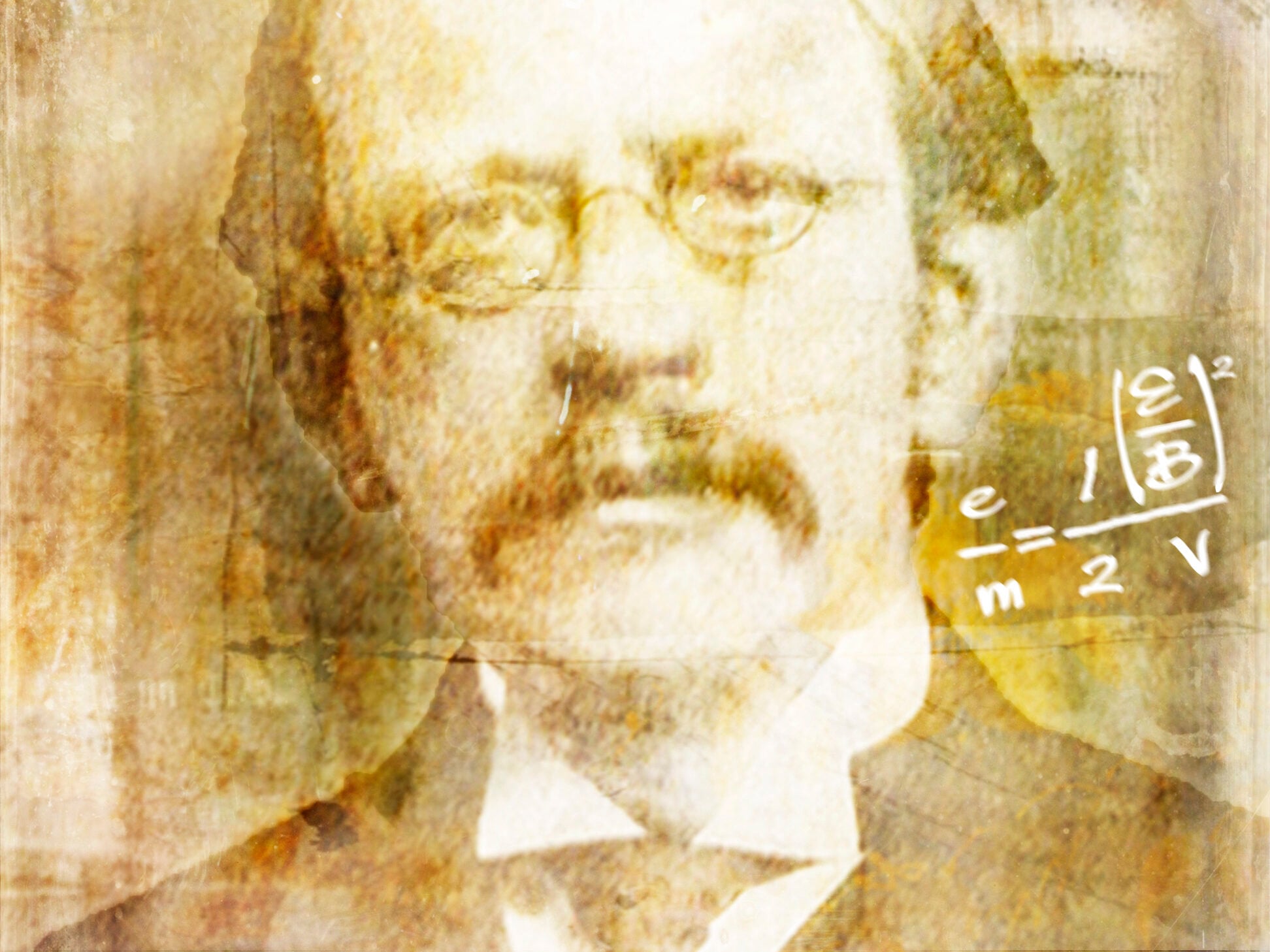
During the late 19th century scramble for Africa, most European explorers relied heavily on force and intimidation. Thomson, a Scottish geologist, took a different approach during his expeditions through East Africa in the 1880s.
He traveled through Maasai territory peacefully, using diplomacy and respect rather than violence. Thomson managed to map significant portions of Kenya and Tanzania while maintaining relatively positive relationships with the people he encountered.
His methods were unusual for the era, but his achievements got overshadowed by more aggressive and dramatic expeditions.
Louis-Antoine de Bougainville

This French admiral fought in the Seven Years’ War and the American Revolutionary War before turning to exploration. In the 1760s, he became the first Frenchman to sail around the world, crossing the Strait of Magellan to reach the East Indies and China.
King Louis XV supported the voyage and gave Bougainville permission to claim any new lands for France. He successfully circumnavigated the globe and brought back valuable geographic and scientific data, yet his name rarely appears alongside other famous circumnavigators.
George Vancouver
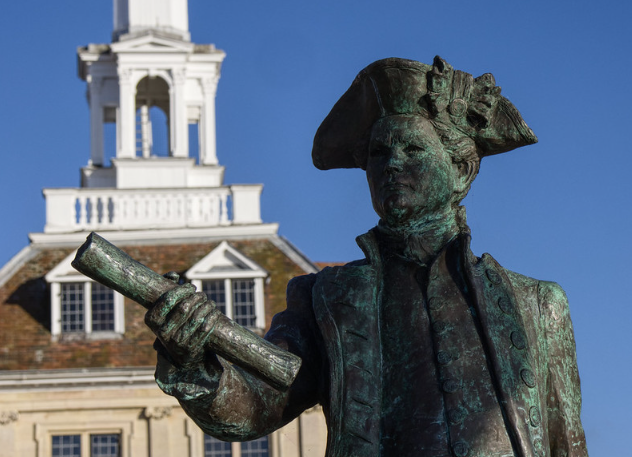
The English navigator undertook one of history’s longest and most difficult coastal surveys in the late 18th century, charting the Pacific Coast of North America from California to Alaska. His meticulous work took years and produced maps of extraordinary accuracy that remained in use for decades.
Vancouver Island and the city of Vancouver both bear his name, but outside the Pacific Northwest, few people know anything about the man who mapped thousands of miles of complex coastline under difficult conditions.
Like Go2Tutors’s content? Follow us on MSN.
Gaspar de Portolá
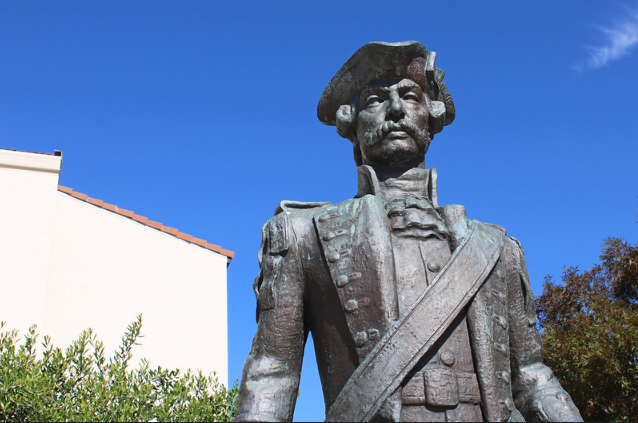
The Spanish explorer set out in 1769 to find Monterey Bay in California, which previous explorers had described. He traveled north from San Diego but completely missed Monterey Bay because he didn’t recognize it from land.
His expedition kept going until they accidentally stumbled upon San Francisco Bay, one of the world’s finest natural harbors. Portolá realized his mistake, returned south, and eventually found Monterey on a second attempt.
His accidental discovery of San Francisco Bay changed California’s history, yet most people couldn’t tell you who actually found it.
Nobu Shirase
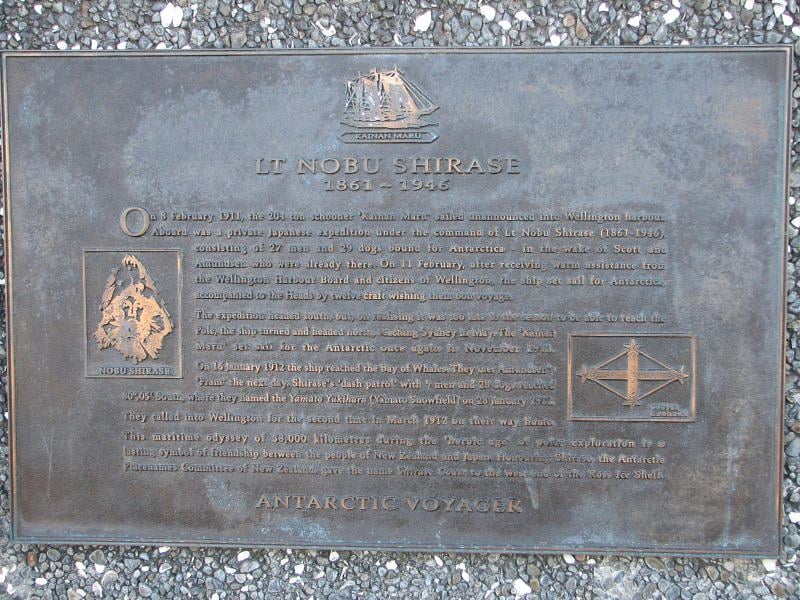
Japan organized its first Antarctic expedition in 1910, led by this army lieutenant. The Japanese public viewed his plans with skepticism, and Shirase struggled to get funding and support.
He left Tokyo in a small 100-foot vessel in front of a modest, uninterested crowd. Bad weather forced him to turn back on his first attempt, but Shirase returned to Antarctica and successfully led his expedition to explore parts of the continent that European expeditions hadn’t reached.
His achievements demonstrated that Antarctic exploration wasn’t exclusively a European endeavor, but his contributions remain largely unknown outside Japan.
Where Credit Is Due

These explorers crossed deserts, scaled mountains, sailed uncharted waters, and walked through forbidden territories. Some got captured and enslaved but still completed their missions.
Others accidentally discovered places that changed history. A few mapped vast territories with nothing but modified prayer beads and careful footsteps.
Their achievements shaped trade routes, expanded geographic knowledge, and opened new territories, yet their names barely register in public memory. Recognition in exploration has always been as much about timing, politics, and publicity as it was about actual achievement—and these 16 proved that getting there first doesn’t always mean you’ll be remembered.
More from Go2Tutors!

- 16 Historical Figures Who Were Nothing Like You Think
- 12 Things Sold in the 80s That Are Now Illegal
- 15 VHS Tapes That Could Be Worth Thousands
- 17 Historical “What Ifs” That Would Have Changed Everything
- 18 TV Shows That Vanished Without a Finale
Like Go2Tutors’s content? Follow us on MSN.