Dark Truths About the Victorian Era Lifestyle
A long stretch of years called the Victorian era ran alongside Queen Victoria, starting in 1837 and ending in 1901. Grand buildings rose high during that period, clothing became ornate, machines changed daily life.
Many imagine men in tall hats sipping tea while families posed stiffly on canvas. Life looked polished in paintings, yet beneath that surface lay hardship for countless souls who endured those times.
Look past the shiny front, then uncover lives shaped by tough rules, odd ideas, together with grinding effort each day – things today’s folks might hardly believe. Buried under neat clothes plus proper words: hard facts of survival in Victorian times.
Child Labor

Tiny kids, only four or five, climbed into dark mine tunnels and narrow chimneys because they fit where grown-ups could not. Factories used their small size like a tool, squeezing them into jobs no adult wanted.
Sixteen-hour days weren’t rare – just low coins in return, if anything at all. Broken bones, burns, accidents – they happened often, yet bosses looked away more than not.
Laws began appearing around the middle of the 1800s meant to stop this, yet few watched closely enough to make a real difference. Many parents had no choice; those pennies from their child kept food on the table somehow.
Life Expectancy

Few made it past forty during Victoria’s reign, especially in crowded city corners where survival felt thinner. In places such as Manchester or Liverpool, many young ones never marked a fifth year.
Tight homes stacked too close, filthy water, and little idea how sickness traveled meant illness moved quick through streets. To reach gray hair back then? That counted as luck more than plan.
Arsenic In Everything
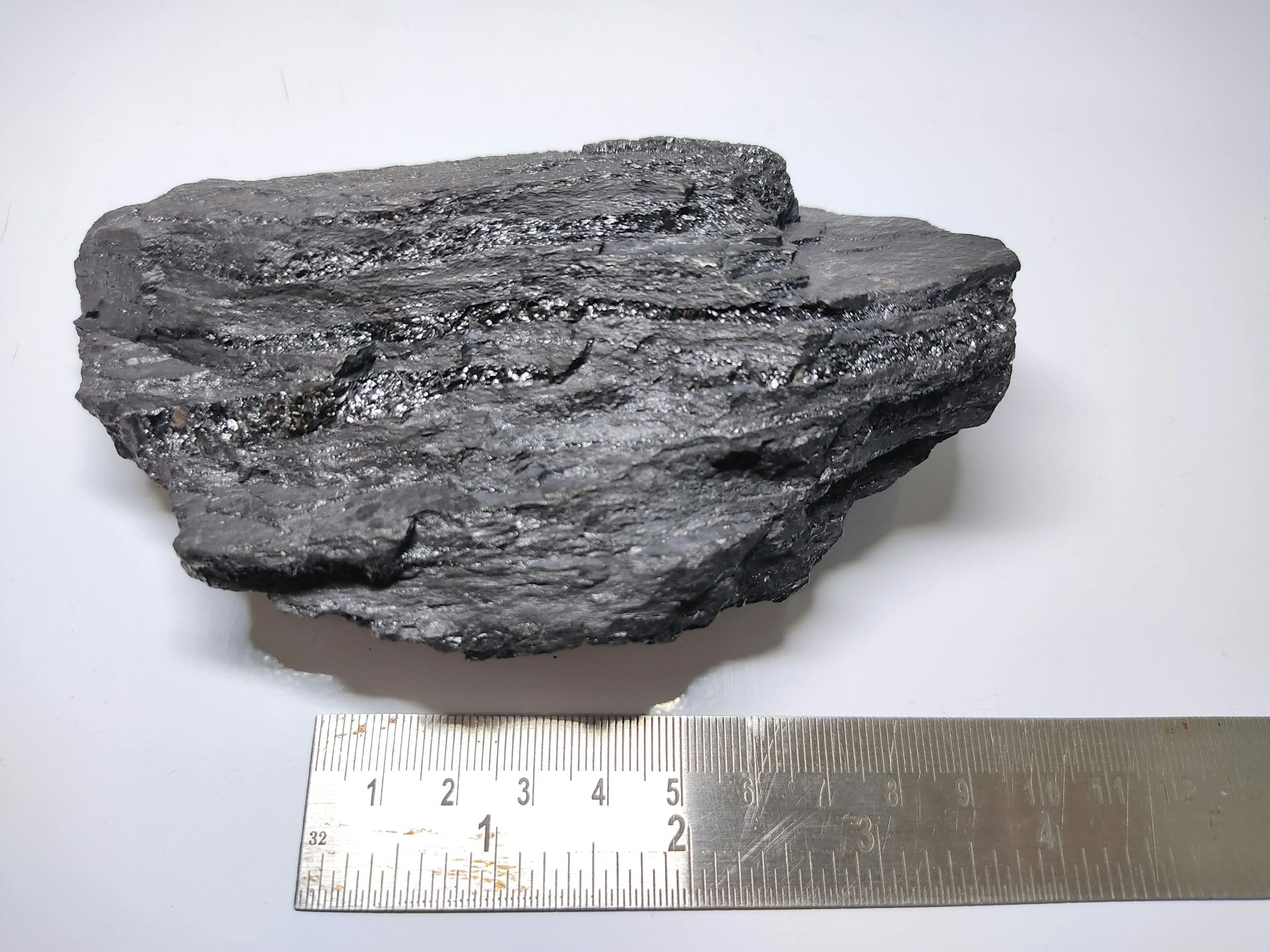
Funny thing, arsenic turned up everywhere in Victorian houses. Hidden inside green dyes for wallpaper, it also colored fabrics, candles, playthings, even what they put in food.
That bright shade called Scheele’s Green – so trendy on walls and clothes – was packed with poison. Folks stuck in those painted rooms got sick more than once; some never woke up, clueless why.
Fact is, factory makers had known the danger years before anyone spoke up.
Medical Treatments

Backward ideas guided Victorian treatments, sometimes doing more damage than good. Mercury showed up in prescriptions meant for infections, while skin troubles earned doses of arsenic instead.
Laudanum – a blend laced with opium – appeared whether someone had an ache or simply could not sit still. Clean methods during surgery waited until Lister pushed antiseptics into view around the 1860s.
Change came slow; plenty of physicians stuck to old routines despite proof. Healing stood a better chance inside a house than within hospital walls.
The Treatment Of The Mentally Ill
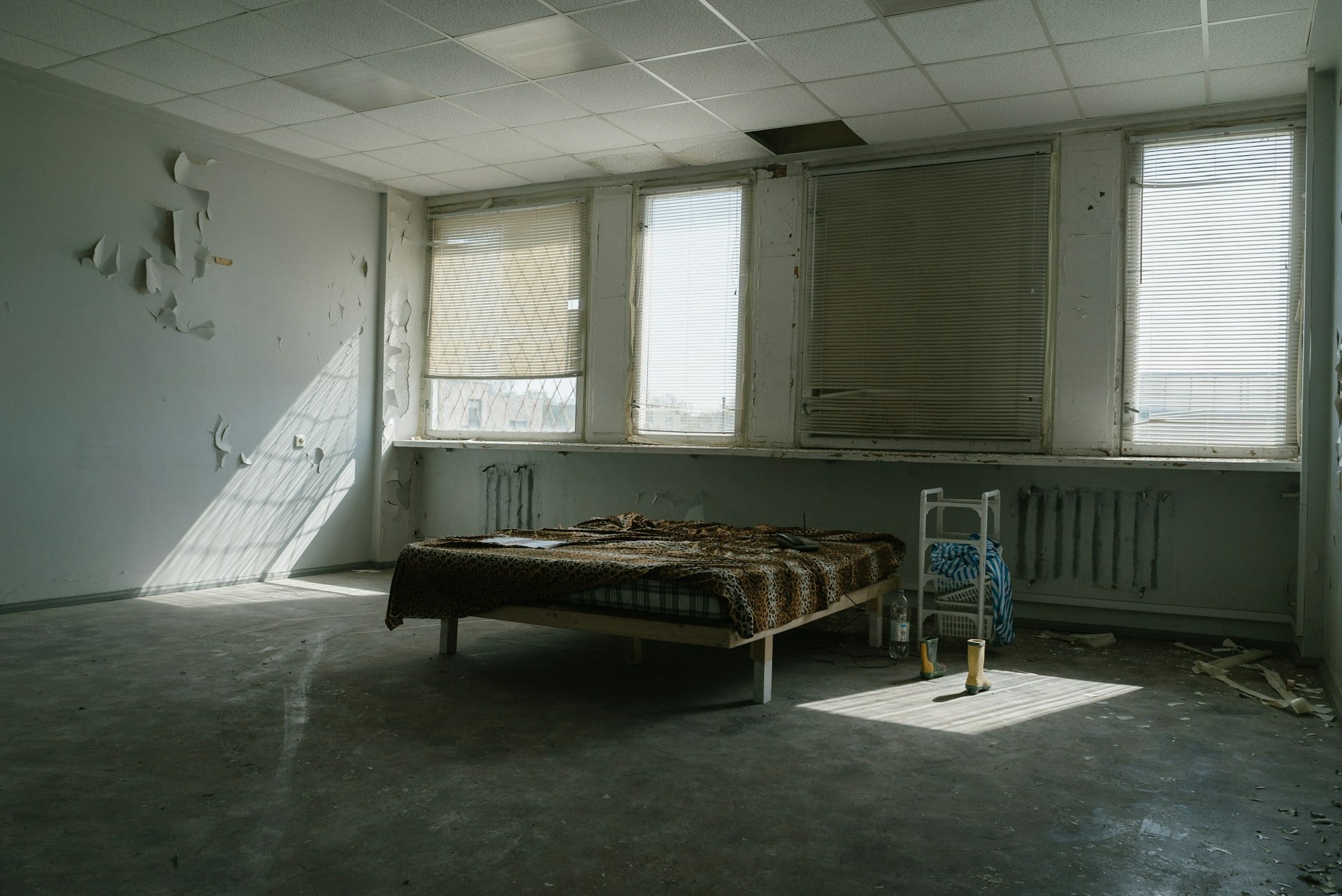
Back then, folks labeled mentally ill during Queen Victoria’s time got seen more like nuisances needing locking up instead of humans deserving care. Crowds packed the hospitals meant for healing, staff barely kept up, plus suffering filled those halls every day.
Chains held people down, rooms cut them off from others, while icy soaks and chairs that whirled nonstop claimed to fix minds by force. Relatives slipped loved ones into these places without much paperwork or court checks – paperwork hardly mattered at all.
Once through the door, freedom vanished fast, escape nearly impossible regardless of change or plea.
Mourning Culture
Widows faced heavy demands when their husbands died. For two full years, black clothing covered them head to toe, every single day.
Going out to gatherings? That stopped – unless it had to happen. How they moved in public mattered, down to small gestures and tones.
Victoria stayed in sorrow long after Albert passed in 1861, nearly four decades of quiet absence. Her example shaped how people handled loss across society.
Even little ones wore dark outfits, sometimes for kin they barely knew. Acting the right way while sad wasn’t optional – it came with eyes watching, always.
Grave Robbing
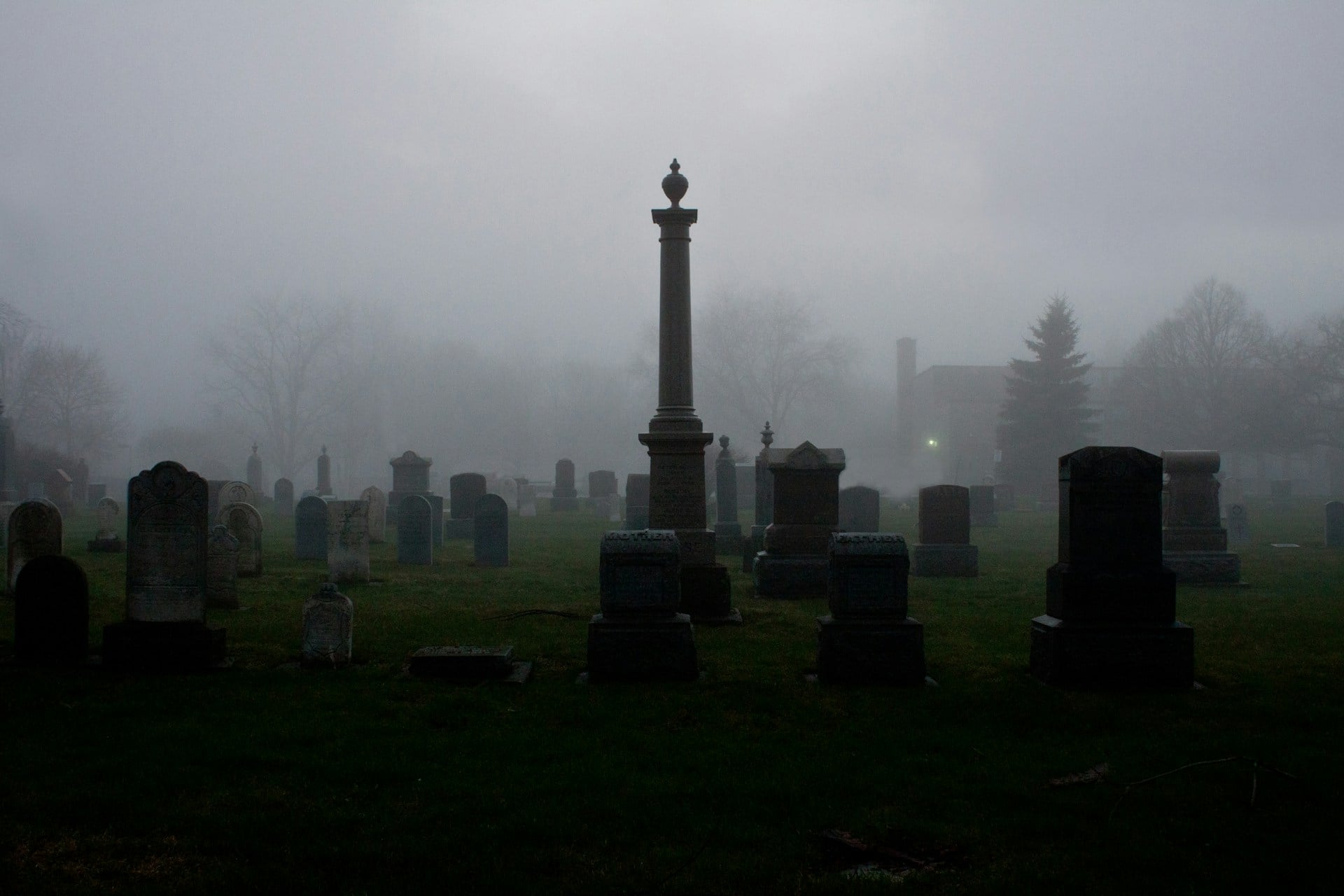
Back then, medical colleges needed corpses fast – so fast that stealing them turned into proper business. Digging up new burials? That fell to guys called resurrection men who passed the dead to doctors instead of handing them over.
Relatives would stay near the burial spot, watching for nights on end just to keep thieves away. When the law changed in 1832, letting hospitals take unused pauper bodies, it didn’t fix much.
Trust kept cracking, especially among those with little.
Workhouses
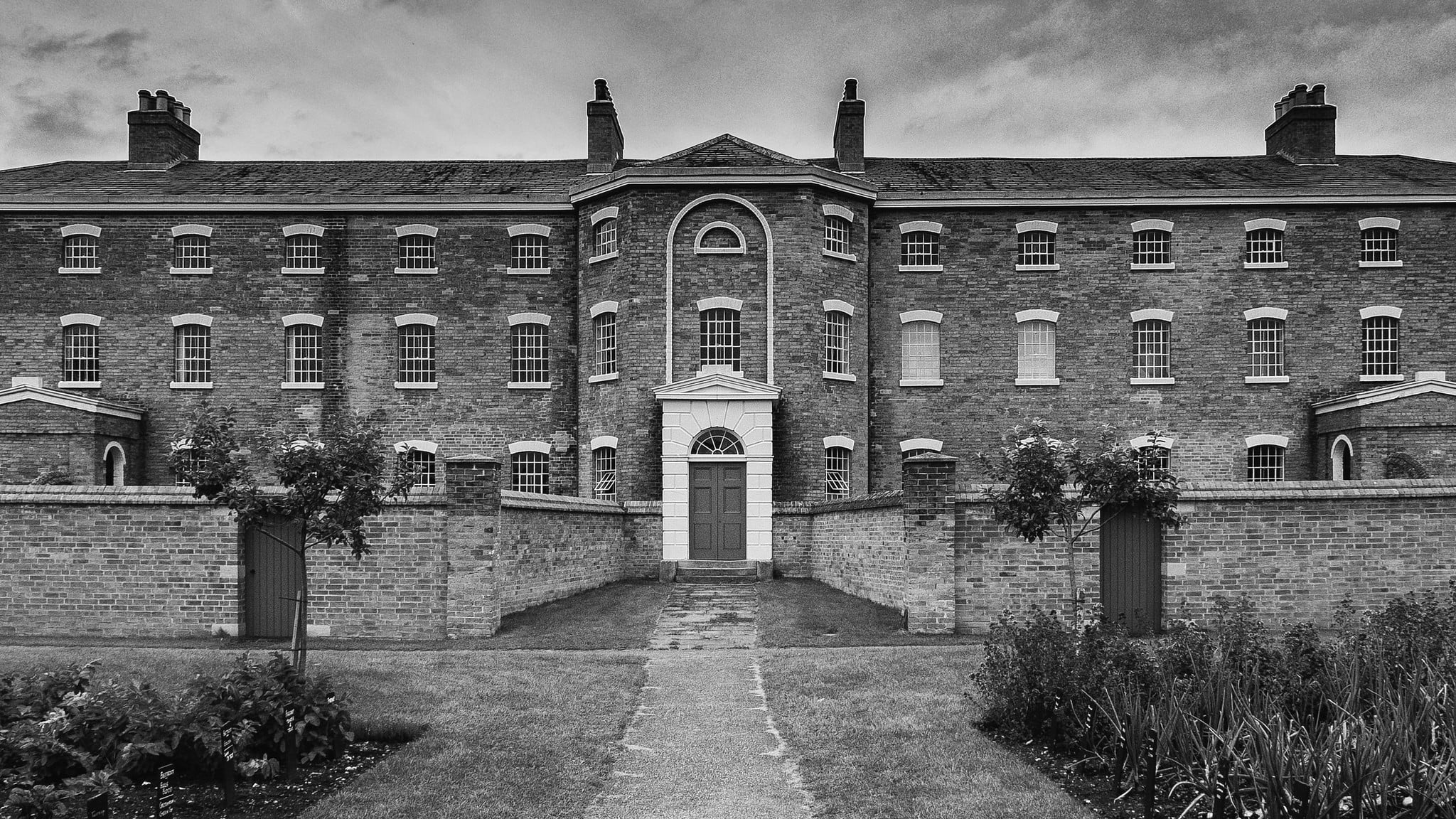
Built to hold the poor who had nowhere else to go, workhouses gave shelter only if backbreaking work came with it. Harsh treatment by design – meant to scare off anyone thinking of asking for help.
Upon entry, families split up instantly, adults and kids sent to separate wings without delay. Days stretched endlessly, filled with grueling chores such as smashing rocks or untangling worn-out cables.
Meals offered barely enough to keep strength, often cold and thin. Oliver Twist drew its harshest scenes straight from how things really were inside those walls.
Women’s Health And Corsets

Women wore tightly laced corsets for much of the Victorian era, and the health consequences were serious. Corsets compressed the ribs and organs, making deep breathing difficult and causing fainting, which Victorians casually treated as normal female behavior rather than a physical reaction to restricted airflow.
Some women developed permanently deformed ribs after years of wear. Doctors debated the dangers but fashion continued to win, largely because a narrow waist was considered a sign of good character and self-discipline.
Sewer Systems And Street Conditions

Before Joseph Bazalgette built London’s modern sewer system in the 1860s, human waste ran freely through the streets and directly into the River Thames. The summer of 1858 became known as the ‘Great Stink’ because the smell from the Thames was so overwhelming that Parliament had to suspend sessions.
Cholera outbreaks killed tens of thousands because people drank water contaminated by the same river used as an open drain. Most cities outside London had it even worse, with no organized sewage system at all.
Photography And The Dead

Victorian families regularly took photographs of deceased relatives, particularly children, as a keepsake. Post-mortem photography was considered a normal and respectful practice, since for many families it was the only photograph they would ever have of a loved one.
Photographers posed the deceased to look as peaceful or even ‘alive’ as possible. While it sounds deeply unsettling today, it came from genuine grief and the desire to hold onto something lasting in an era when death arrived suddenly and often.
The Opium Trade At Home

While Britain ran a profitable opium trade in Asia, the drug was widely available at home in the form of patent medicines sold over the counter. Laudanum, a liquid containing opium, was given to adults for pain and routinely administered to infants to keep them quiet.
‘Soothing syrups’ for teething babies often contained enough opium to cause serious harm. Addiction was widespread but largely unacknowledged, and mothers who relied on these products were often unaware of what they were actually giving their children.
Education Inequality

Follow
Access to education in the Victorian era depended almost entirely on class and gender. Wealthy boys attended grammar schools and universities, while girls from the same families were taught at home, mainly in skills like music, drawing, and household management.
Poor children, if they received any schooling at all, attended ‘ragged schools’ run by charities with few resources. The Education Act of 1870 introduced compulsory basic schooling, but even then, many families pulled children out early because they needed the wages.
Knowing how to read was considered a luxury for much of the century.
Animal Cruelty As Entertainment

Public animal baiting events, where dogs were set on bulls or bears in an enclosed space, remained popular into the Victorian era before being officially banned in 1835. Cockfighting continued illegally well after the ban.
Horse racing and other animal-based sports involved no welfare protections, and working horses in cities were pushed to exhaustion and death on a regular basis. The Royal Society for the Prevention of Cruelty to Animals was founded in 1824, but changing public attitudes took decades longer than changing the laws.
Class-Based Justice
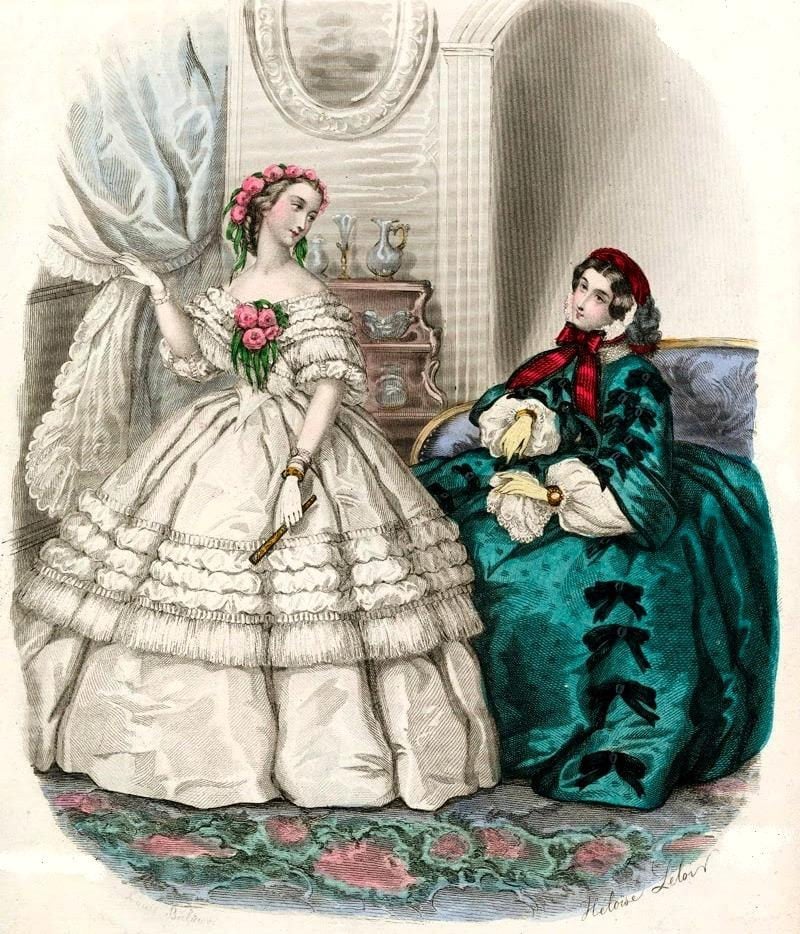
The Victorian legal system operated very differently depending on a person’s wealth and social standing. A poor person caught stealing bread could face transportation to Australia or years of hard labor, while wealthy individuals who committed fraud or assault often received fines or no punishment at all.
Prisons like Pentonville subjected inmates to ‘silent systems’ where talking was forbidden for months, leading to widespread mental breakdown. The law existed largely to protect property, and those who had none had very little protection in return.
Toxic Cosmetics
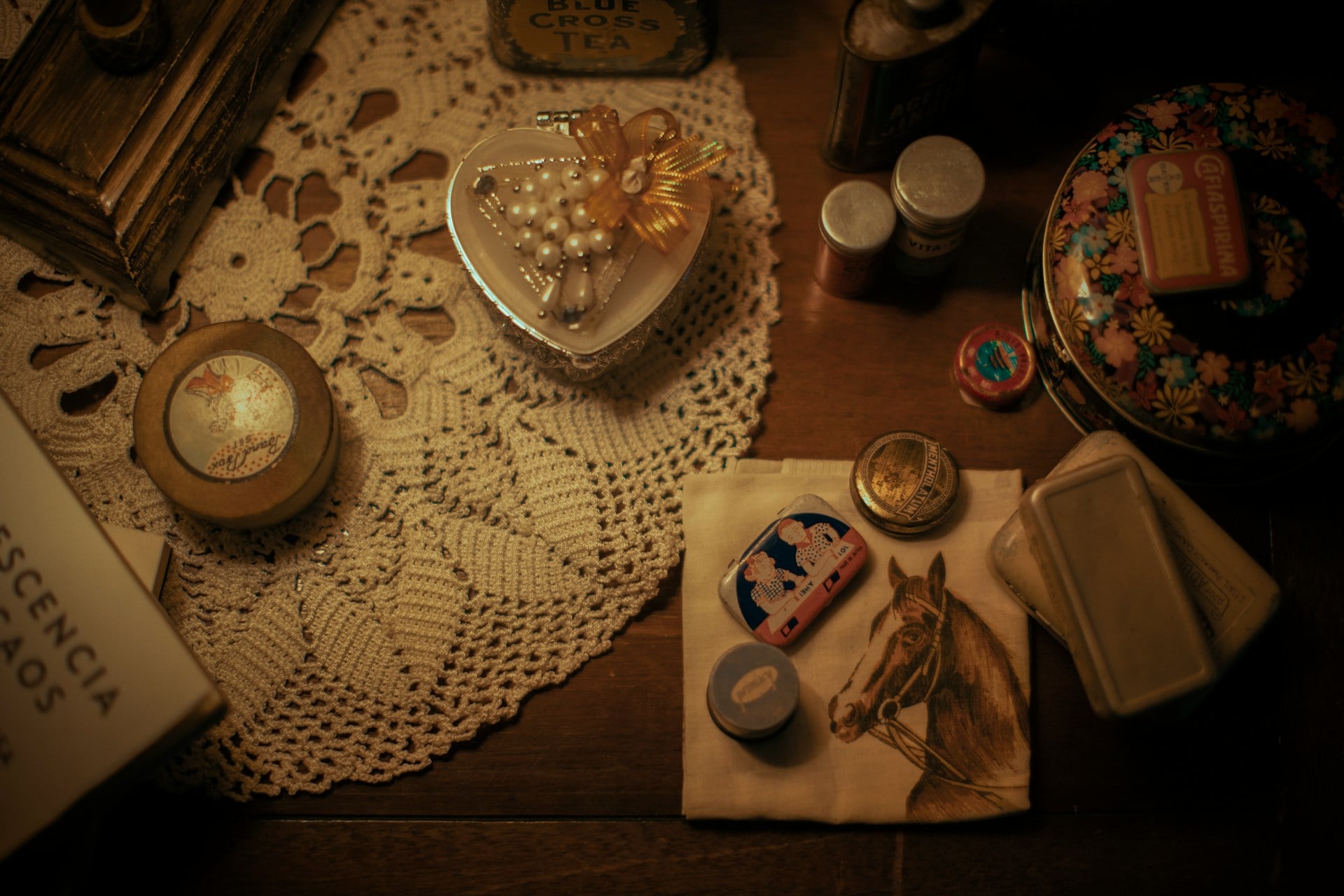
Victorian beauty standards pushed women toward pale skin and rosy cheeks, and the products used to achieve that look were genuinely dangerous. Face powders often contained lead, and skin creams used mercury as a key ingredient.
Women applied these products daily without knowing the long-term damage they were causing. Symptoms like hair loss, tooth decay, and tremors were common among regular cosmetic users but were rarely connected to the products themselves.
The beauty industry had essentially no regulation.
Pollution And Air Quality

Industrial cities during the Victorian era had some of the worst air quality in recorded history. Coal-burning factories and home fires produced thick smog that settled over cities for days, reducing visibility and filling lungs with soot.
London’s infamous ‘pea-soupers,’ dense yellow fogs made worse by coal pollution, caused serious respiratory illness and contributed to thousands of deaths. Children who grew up in industrial areas like Birmingham or Sheffield showed visible signs of lung damage.
Clean air was something only the wealthy, who lived further from factories, could access.
Street Children
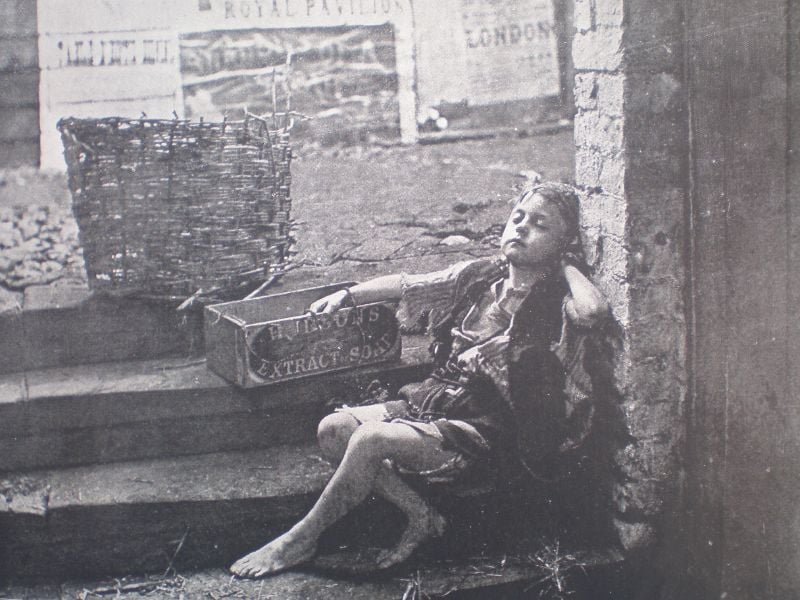
Tens of thousands of children lived on the streets of Victorian cities with no shelter, no family, and no legal protection. These children survived by begging, running small errands, or picking through garbage for items to sell.
Philanthropists like Thomas Barnardo set up homes for street children starting in the 1870s, but the scale of the problem was far beyond what charity could fix. Police treated many of these children as criminals rather than as kids in need of help, and the line between poverty and crime was treated as almost nonexistent.
What The Portraits Left Out
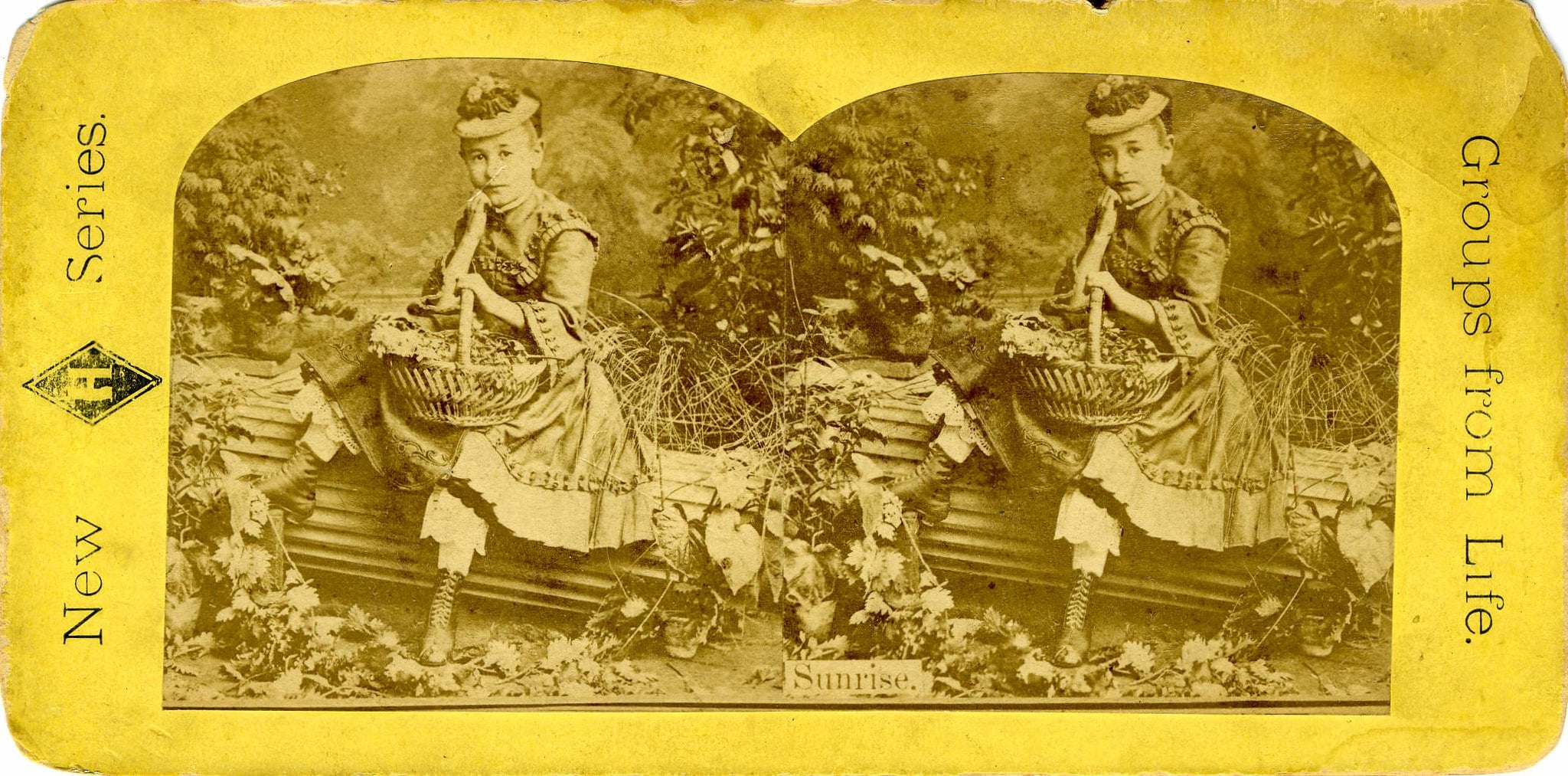
Victorian portraits, grand houses, and well-documented achievements paint a picture of an era that got a lot of things right. But the lived experience of most people during that time was far from the polished image that survived in history books.
The era did produce real progress, from sewage systems to labor laws to public education, but almost none of it came easily or quickly. Every reform was fought for by people pushing against systems that benefited from keeping things exactly as they were.
The Victorian era was not simply dark or simply great; it was a time when real suffering and genuine change existed side by side, and that tension shaped the modern world more than most people realize
More from Go2Tutors!

- The Romanov Crown Jewels and Their Tragic Fate
- 13 Historical Mysteries That Science Still Can’t Solve
- Famous Hoaxes That Fooled the World for Years
- 15 Child Stars with Tragic Adult Lives
- 16 Famous Jewelry Pieces in History
Like Go2Tutors’s content? Follow us on MSN.



