26 Vaults and Archives the Public Cannot Enter
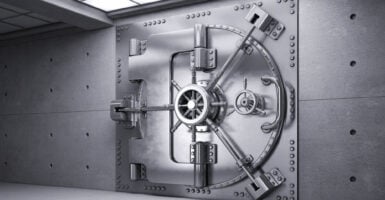
Some of the most important rooms on Earth have no gift shop, no ticket booth and no visiting hours. They sit behind blast doors, inside mountains, under salt beds and beneath city streets, guarding gold, seeds, film, family records and the occasional secret recipe.
A few allow scholars or staff through on rare occasions. Most allow nobody at all, and several were sealed on purpose so that the next people to see inside would be living thousands of years from now.
Svalbard Global Seed Vault
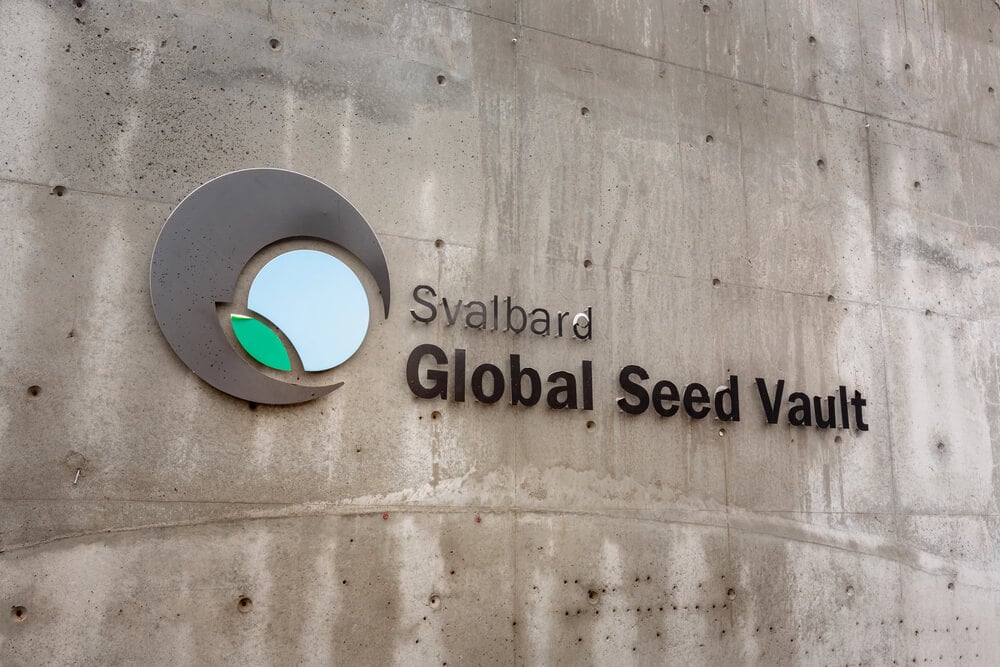
Cut into a sandstone mountain near Longyearbyen on the Norwegian archipelago of Svalbard, the Global Seed Vault opened in 2008 as a backup for the world’s crop gene banks. It holds well over a million seed samples deposited by institutions from nearly every country, stored at about minus 18 degrees Celsius.
The first withdrawal came in 2015, when a research center displaced by the war in Syria asked for its seeds back to rebuild its collection. The vault opens only a few times a year for new deposits, and tourists can photograph little more than the glowing art installation above the entrance.
Arctic World Archive

A short drive from the seed vault, the Arctic World Archive opened in 2017 inside a decommissioned coal mine on Svalbard, storing data rather than seeds. Information is written onto a special photosensitive film designed to remain readable for centuries without electricity.
In 2020, GitHub deposited a snapshot of public open source code on the film, roughly 21 terabytes spread across 186 reels. National archives, museums and companies have added their own records, from manuscripts to paintings scanned at high resolution.
Visitors are not admitted, and depositors hand their material to staff who carry it deep into the permafrost.
Vatican Apostolic Archive
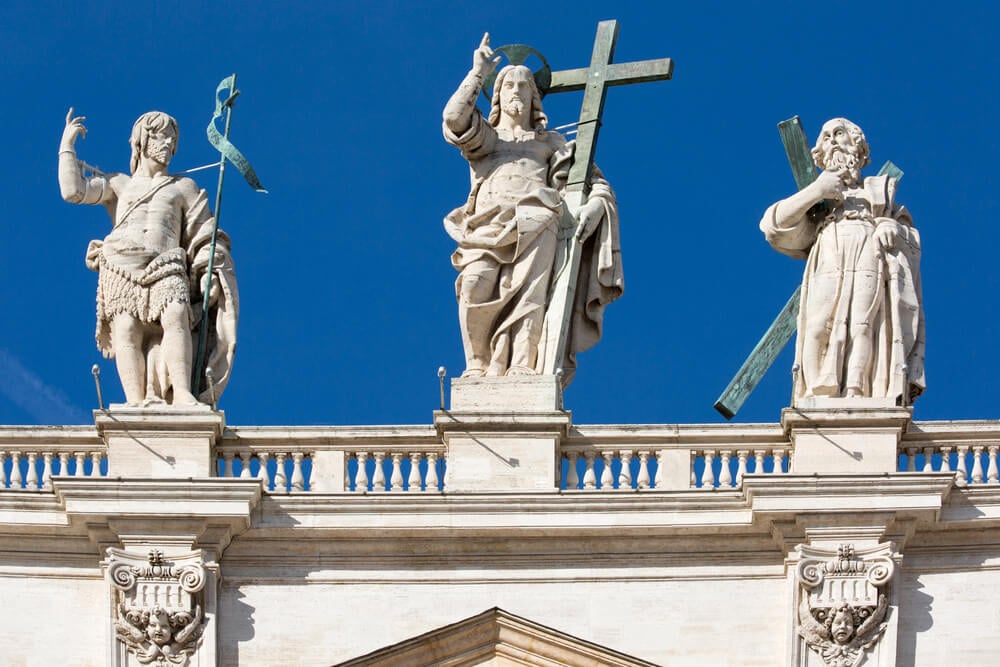
Known for centuries as the Vatican Secret Archive, this collection was renamed the Vatican Apostolic Archive by Pope Francis in 2019, partly because the old name suggested sinister mysteries. The word secret originally meant private, as in the personal papers of the pope.
Its shelves run for dozens of miles and hold records such as the trial documents of Galileo and a petition from English nobles asking the pope to annul the first marriage of Henry VIII. Qualified researchers may apply for access to specific material, but ordinary visitors to Vatican City never see the reading rooms or the underground bunker.
Fort Knox Bullion Depository
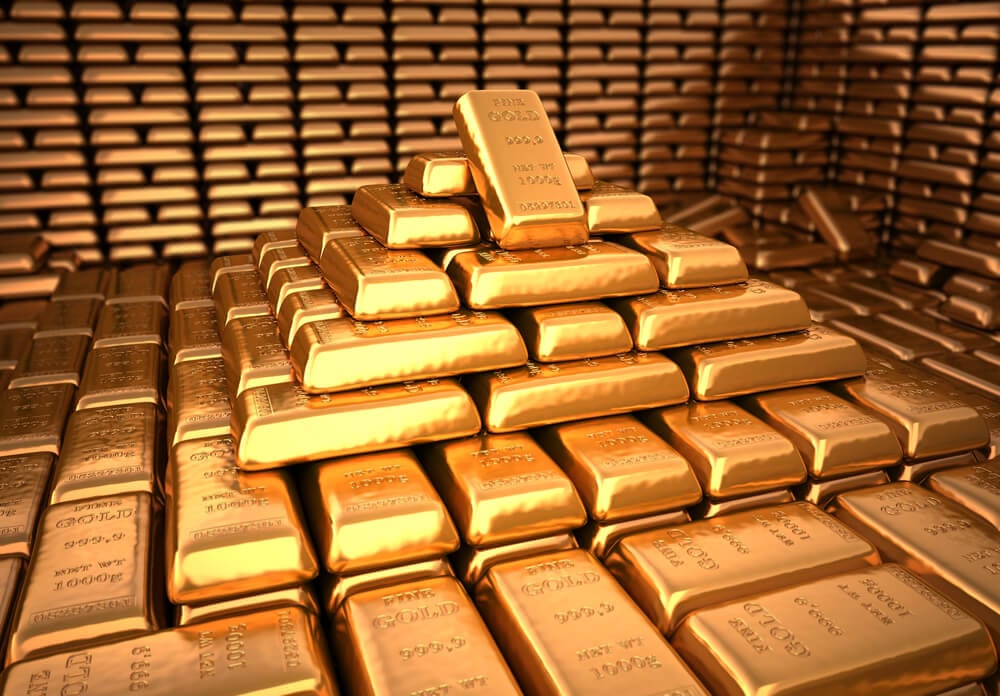
Completed in 1936 on an Army post in Kentucky, the Bullion Depository at Fort Knox holds a large share of the gold reserves of the United States. Its walls are lined with granite, and the vault door weighs more than 20 tons, with no single person given the full combination.
During the Second World War, the building sheltered the Declaration of Independence, the Constitution and a copy of Magna Carta. Visitors are not permitted, and the rare exceptions made headlines, including a 1974 tour for members of Congress and journalists meant to quiet rumors that the gold was missing.
Bank of England Gold Vaults
Beneath the streets of the City of London, the Bank of England stores hundreds of thousands of gold bars, much of it held on behalf of other central banks and the British government. The vaults are among the largest stores of gold on the planet, and the keys that open them are famously long, close to a yard in length.
During the Second World War, one vault served as a staff canteen after bombing damaged other parts of the building. The Bank of England Museum next door is open to the public and displays a single bar, but the vaults themselves remain closed.
Granite Mountain Records Vault
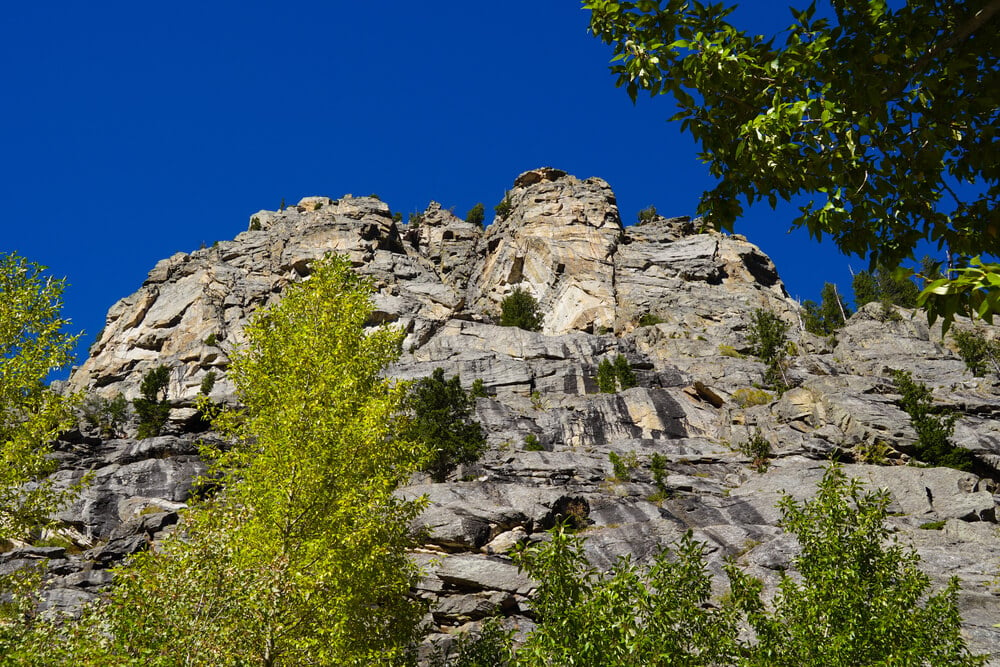
Tunneled about 600 feet into a canyon wall southeast of Salt Lake City, the Granite Mountain Records Vault was completed in 1965 by the Church of Jesus Christ of Latter-day Saints. It holds billions of images of genealogical records gathered from archives around the world, from parish registers to census returns.
The rock keeps the tunnels at a steady cool temperature and low humidity, ideal conditions for microfilm. Much of the collection has been digitized and put online for free, which means the information travels widely even though the vault itself admits no visitors.
Iron Mountain Vault in Boyers, Pennsylvania
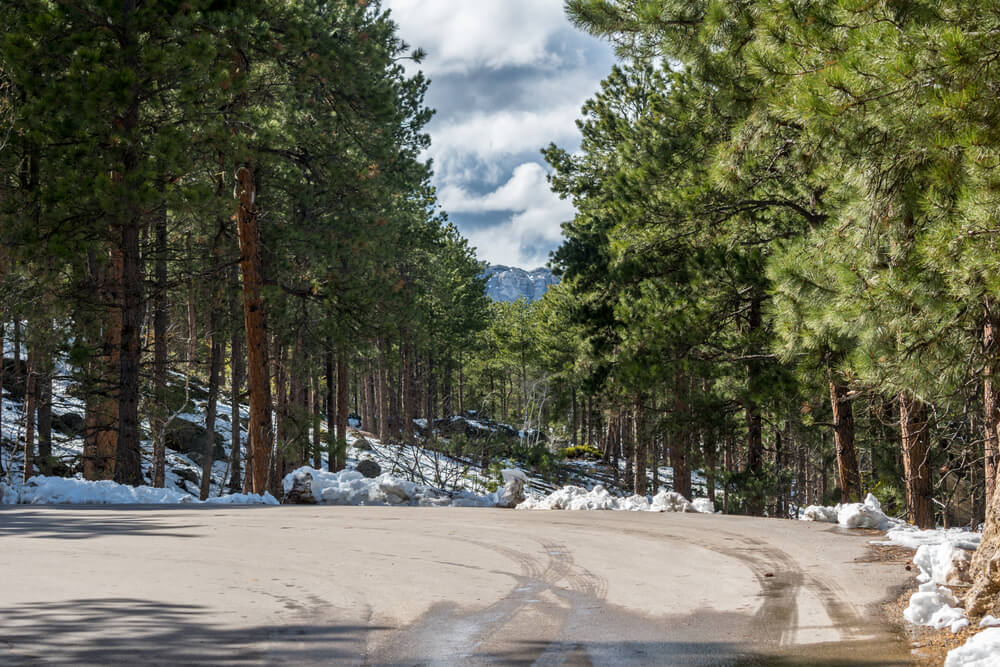
A former limestone mine in western Pennsylvania now serves as one of the largest underground storage sites in the United States, operated by the records company Iron Mountain. Businesses and government agencies rent space deep inside the rock for documents, data tapes, film and master recordings.
The site holds the Bettmann Archive, a collection of millions of historical photographs kept in cold storage to slow the decay of old negatives. Security is tight, access is limited to authorized staff, and the exact contents of many rented rooms are known only to the clients who pay for them.
Underground Vaults and Storage in Hutchinson
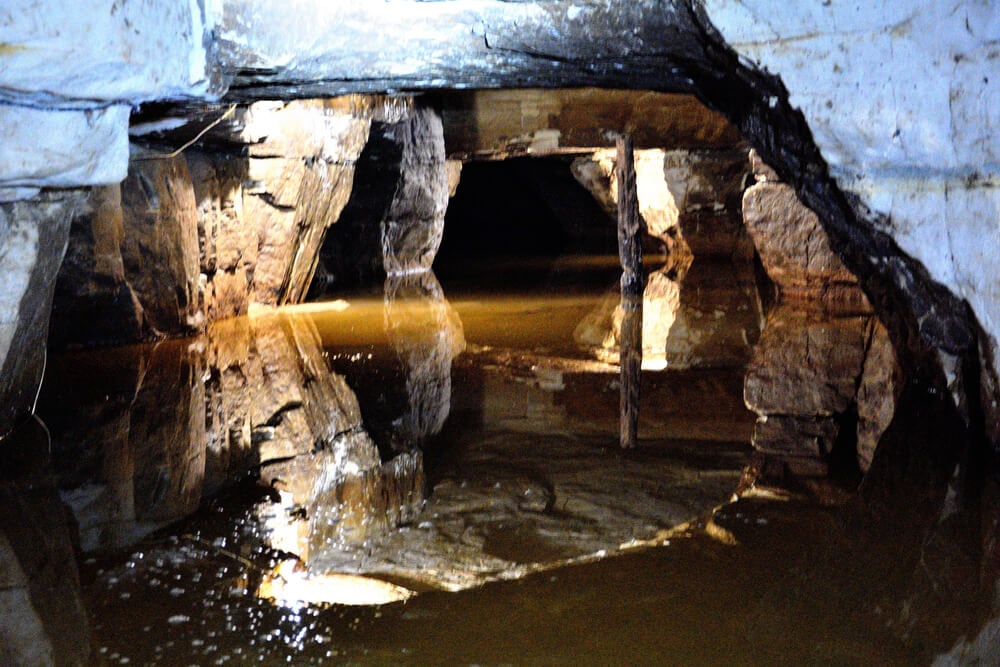
Some 650 feet below Hutchinson, Kansas, a working salt mine doubles as a vault for film studios, hospitals and businesses that value its dry, stable air. The company Underground Vaults and Storage keeps original film elements, costumes and documents in excavated rooms where temperature and humidity barely change through the year.
Salt beds are geologically stable and naturally seal out moisture. Visitors can tour parts of the mine through the Strataca salt museum on the same property, but the commercial vault areas remain strictly off-limits to anyone without business there.
Packard Campus Inside Mount Pony
The Library of Congress stores much of its film, television and sound collection at the Packard Campus in Culpeper, Virginia, built into a former Federal Reserve bunker inside Mount Pony. During the Cold War, the bunker held billions of dollars in cash meant to revive the economy after a nuclear attack.
The audiovisual center opened in 2007 and includes dozens of separate vaults for flammable nitrate film. Its theater has hosted occasional public screenings, but the storage vaults and preservation laboratories are closed to the public.
Crypt of Civilization
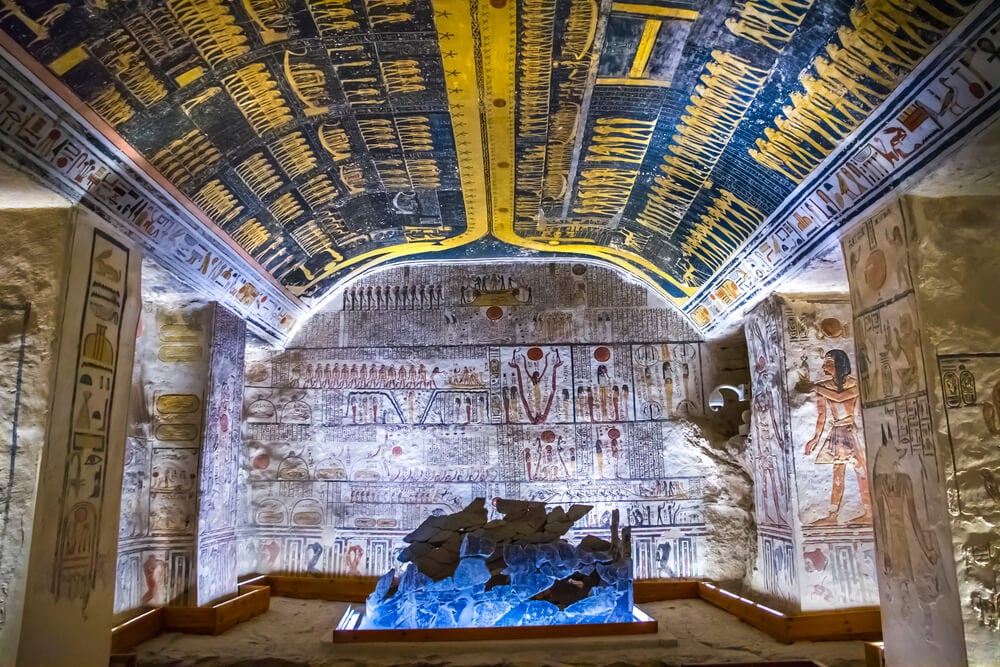
Sealed on May 28, 1940, at Oglethorpe University in Atlanta, the Crypt of Civilization is not supposed to be opened until the year 8113. University president Thornwell Jacobs filled a former swimming pool room with microfilmed books, recordings, household objects and even a Donald Duck toy, meant to show future people how the twentieth century lived.
A stainless steel door was welded shut to keep everyone out. The crypt is often described as the first modern time capsule, and it remains sealed beneath Phoebe Hearst Hall.
Westinghouse Time Capsules
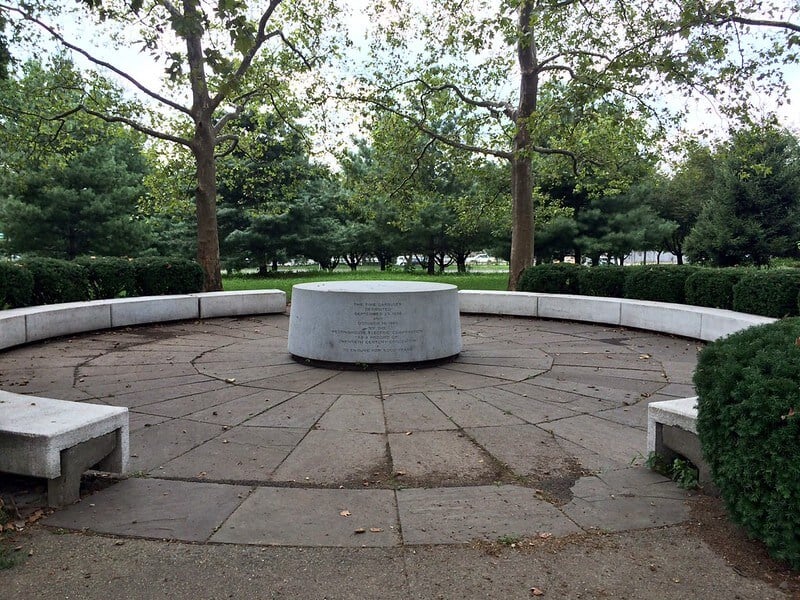
Buried 50 feet below Flushing Meadows Corona Park in Queens, New York, two Westinghouse time capsules from the 1939 and 1964 World’s Fairs are scheduled to be opened in the year 6939. The torpedo-shaped capsules hold microfilmed books, seeds, newspapers, everyday objects and messages from famous figures including Albert Einstein.
The second capsule added items like a swimsuit, credit cards and a Beatles record. A granite marker shows the site, and copies of a guidebook explaining how to find and read the capsules were sent to libraries around the world.
Hall of Records at Mount Rushmore
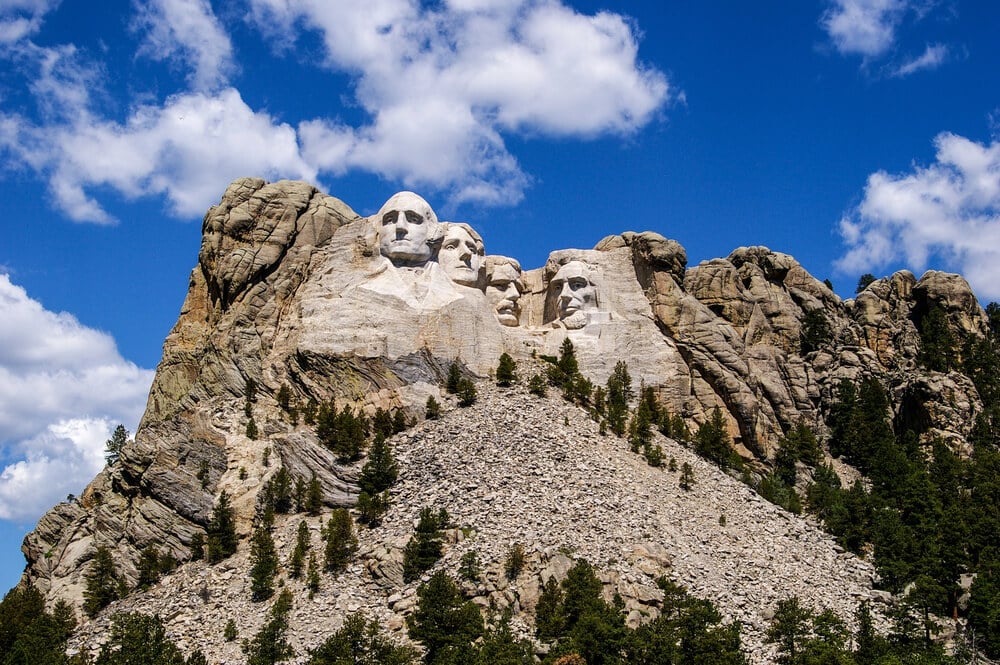
Sculptor Gutzon Borglum planned a grand chamber behind the carved faces of Mount Rushmore to hold the founding documents of the United States. Workers blasted a tunnel about 70 feet into the rock behind Lincoln’s head in 1938 and 1939 before funding ran out.
In 1998, the National Park Service placed a teakwood box inside, holding porcelain enamel panels that tell the story of the monument and the country. A granite capstone now seals it, and climbing on the sculpture is prohibited, so the chamber sees no visitors.
Kilogram Vault at the Pavillon de Breteuil
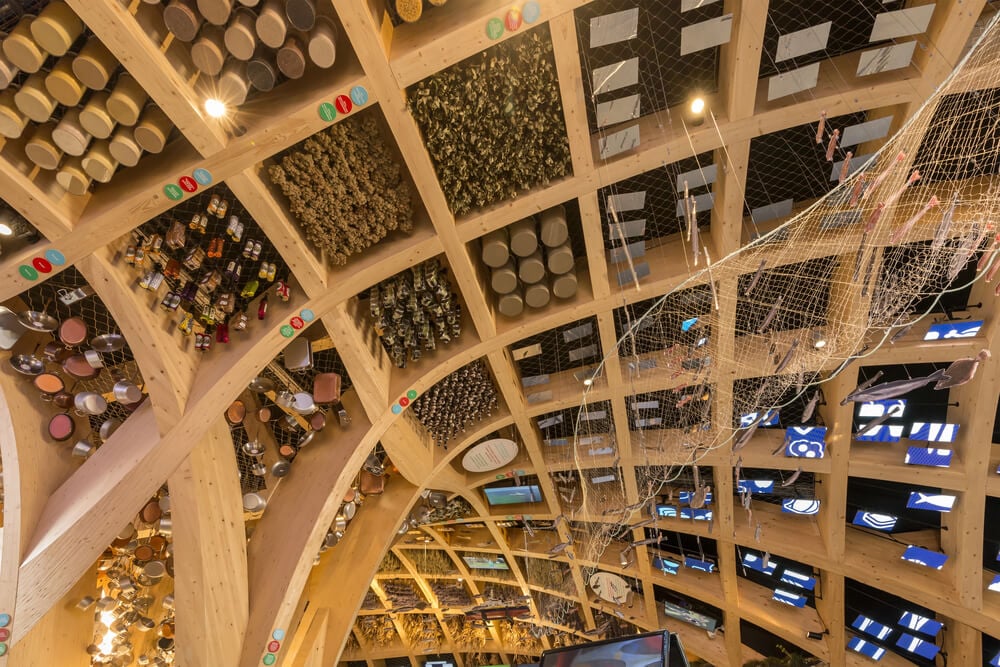
For 130 years, the official definition of the kilogram was a small platinum and iridium cylinder kept in a vault at the International Bureau of Weights and Measures near Paris. The cylinder sits beneath three nested glass bell jars, and the vault can only be opened with three separate keys held by different officials.
Scientists took it out only rarely for comparisons with national copies. In 2019, the kilogram was redefined using the Planck constant, but the old prototype remains locked away as a historic reference.
Cheyenne Mountain Complex
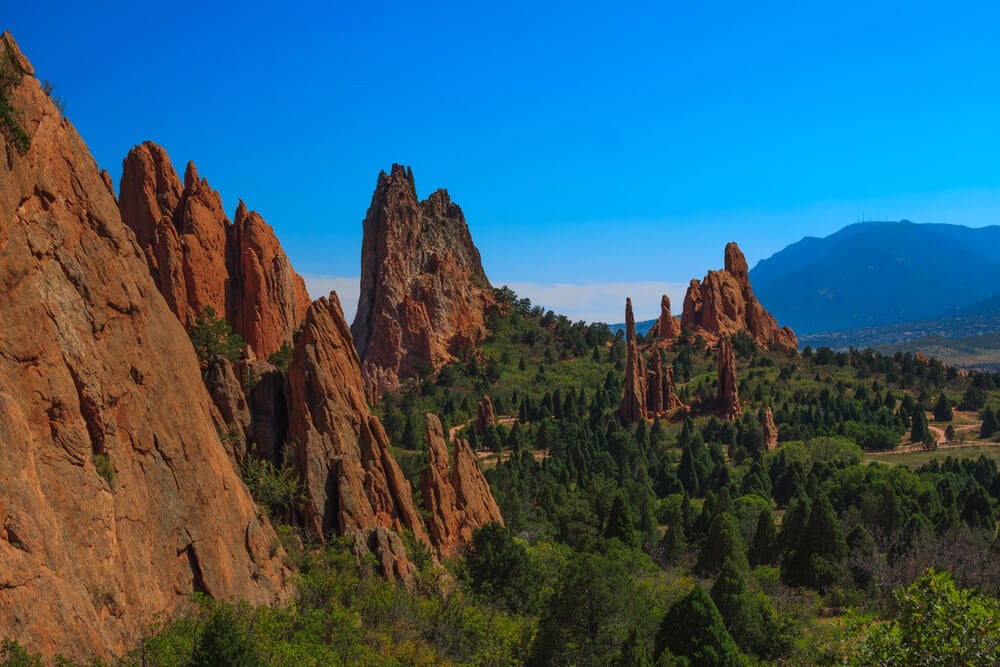
Carved into a Colorado mountain near Colorado Springs, the Cheyenne Mountain Complex was built in the 1960s to protect air defense command centers from nuclear attack. The buildings inside rest on huge steel springs designed to absorb the shock of a blast, and 25-ton doors guard the entrance tunnel.
The facility became the long-standing home of NORAD operations and still serves military missions. The mountain’s location was chosen partly because its granite is unusually solid and free of major faults.
Public tours ended long ago, and today only personnel with clearance and business inside pass through the gates.
Raven Rock Mountain Complex
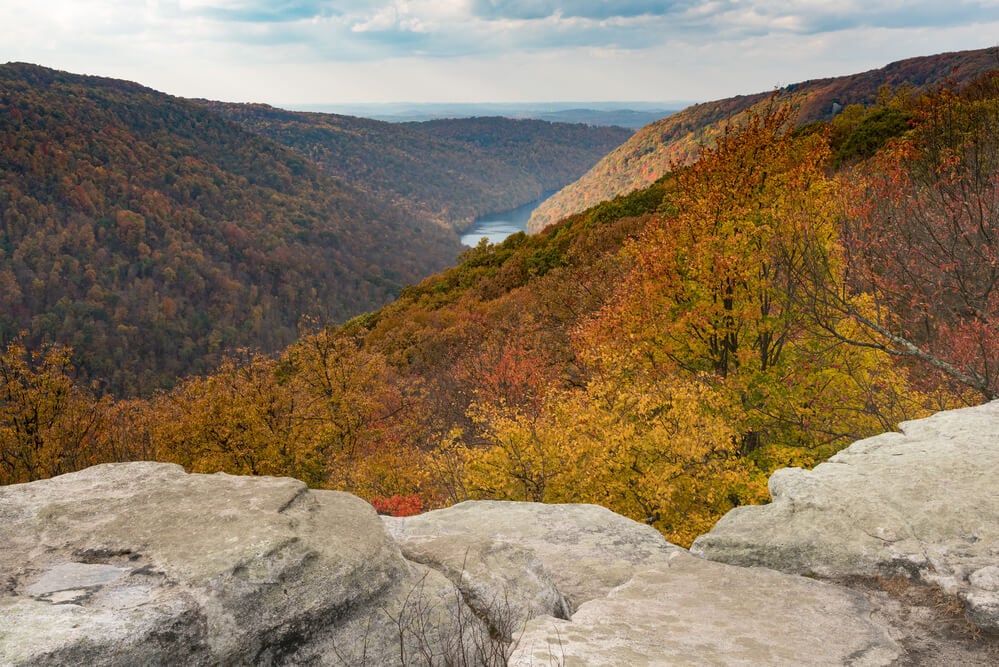
Near the Pennsylvania and Maryland border, Raven Rock Mountain Complex was built in the early 1950s as an alternate command center for the Pentagon in case Washington was attacked. It is often called the underground Pentagon, with buildings constructed inside caverns excavated from the rock.
The site can house military and civilian leaders and keep communications running during an emergency. Crews blasted its chambers out of hard greenstone rock beneath the mountain.
It remains an active military installation, closed to visitors, and even basic details about its interior are kept under wraps.
Mount Weather Emergency Operations Center
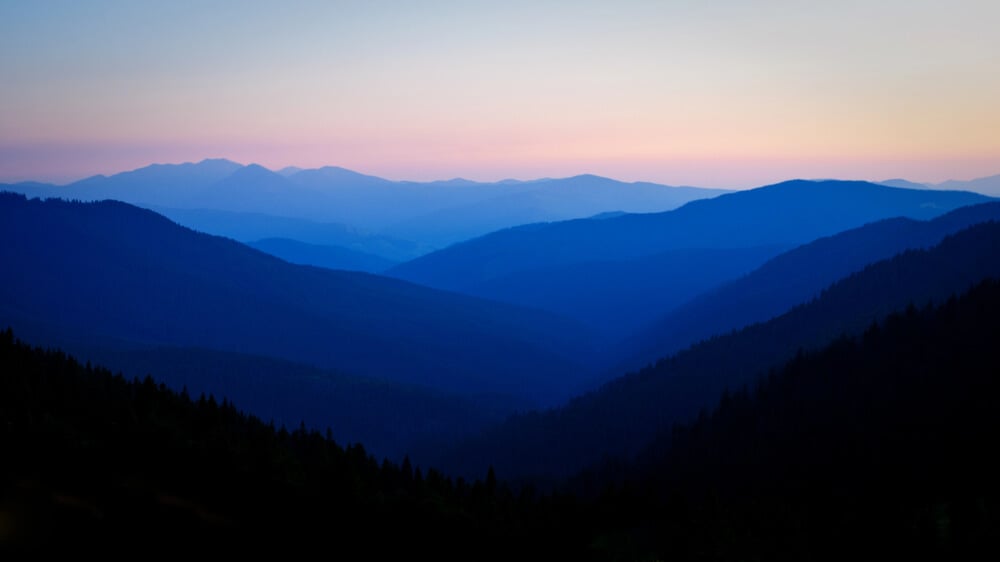
Tucked into the Blue Ridge Mountains of northern Virginia, Mount Weather serves as a relocation site for senior government officials during national emergencies. For years its existence was barely acknowledged, until a TWA airliner crashed on the mountain in 1974 and news reports described the secretive facility nearby.
It is operated by the Federal Emergency Management Agency and includes both surface buildings and an underground complex. Its role in continuity of government planning dates back to the Cold War.
The public is not admitted, and the government releases very little about what lies inside.
Royal Archives in the Round Tower
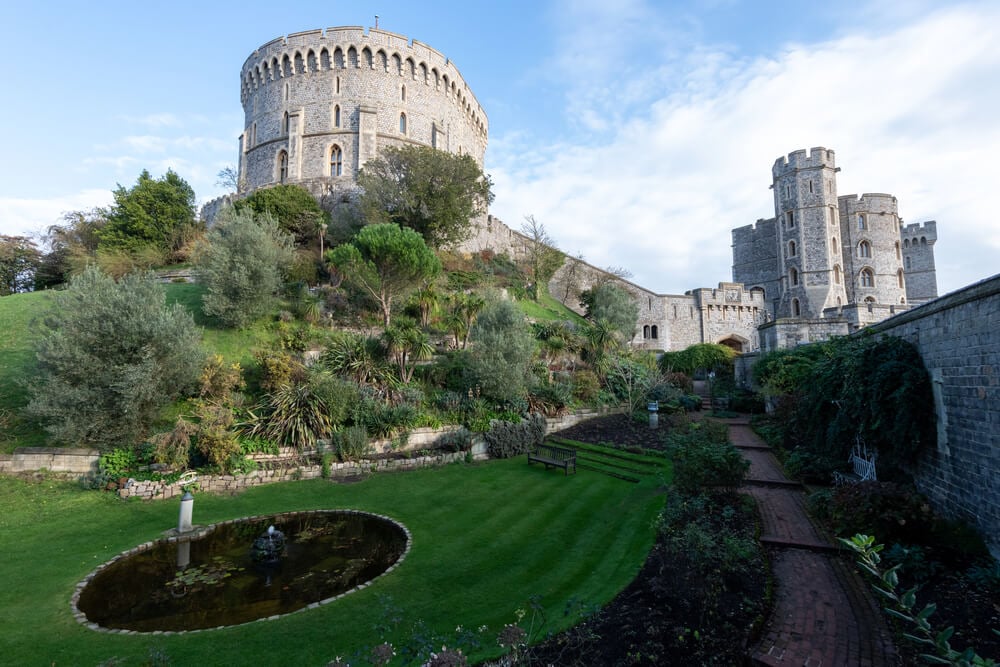
Since 1914, the Royal Archives have been kept in the Round Tower at Windsor Castle, holding the private papers of British monarchs from George III onward. The collection includes the journals of Queen Victoria and centuries of correspondence between royals, politicians and foreign rulers.
Access is by application only, generally limited to researchers working on specific projects, and some material is closed for decades. A large digitization effort has put many Georgian papers online, but the tower’s archive rooms are not part of the public castle tour.
BFI Master Film Store
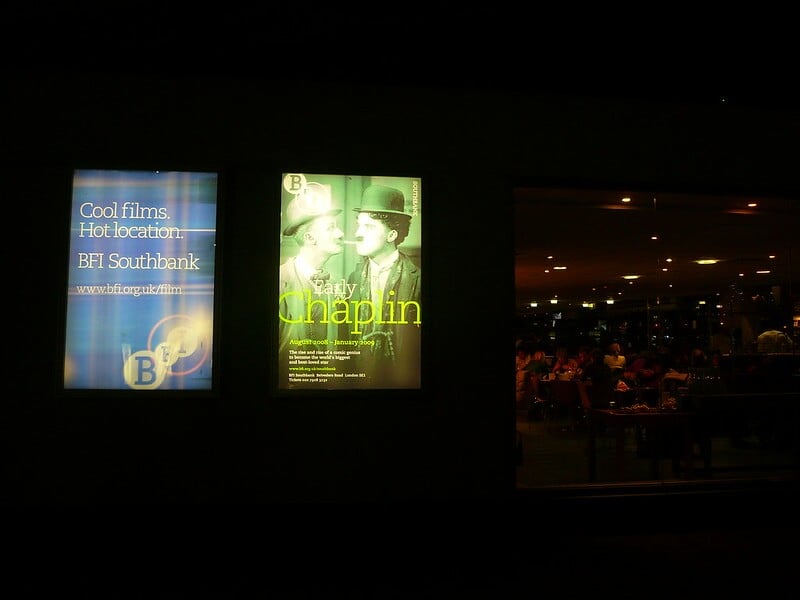
In the Warwickshire countryside, the British Film Institute keeps its most precious film at a purpose-built master store at Gaydon, opened in 2012. Highly flammable nitrate film is held in separate fire-resistant compartments, and the entire building is kept cold and dry to slow the chemical decay of old reels.
The facility protects many of the earliest British films as well as decades of later acetate prints and negatives. Nobody but archive staff enters, and the rest of the world sees the collection only through screenings and restorations.
Frozen Zoo in San Diego
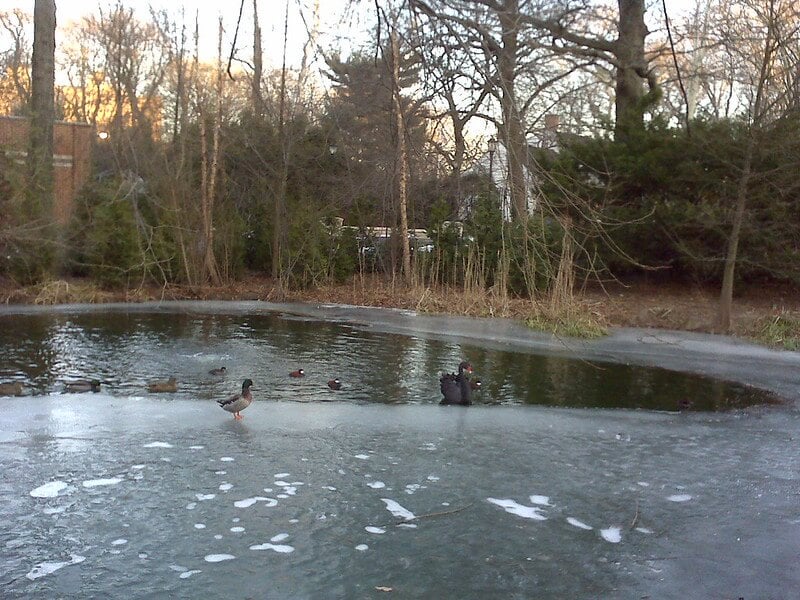
Founded in 1975 by pathologist Kurt Benirschke, the Frozen Zoo at the San Diego Zoo Wildlife Alliance stores living cell cultures, sperm, eggs and embryos from more than a thousand species in tanks of liquid nitrogen. For decades, the samples looked like a scientific insurance policy with no clear use.
That changed in 2020, when scientists cloned a Przewalski’s horse from cells frozen in 1980, and in the same year a black-footed ferret was cloned from cells preserved since 1988. The tanks sit in a laboratory closed to zoo visitors, who see only exhibits explaining the work.
National Laboratory for Genetic Resources Preservation
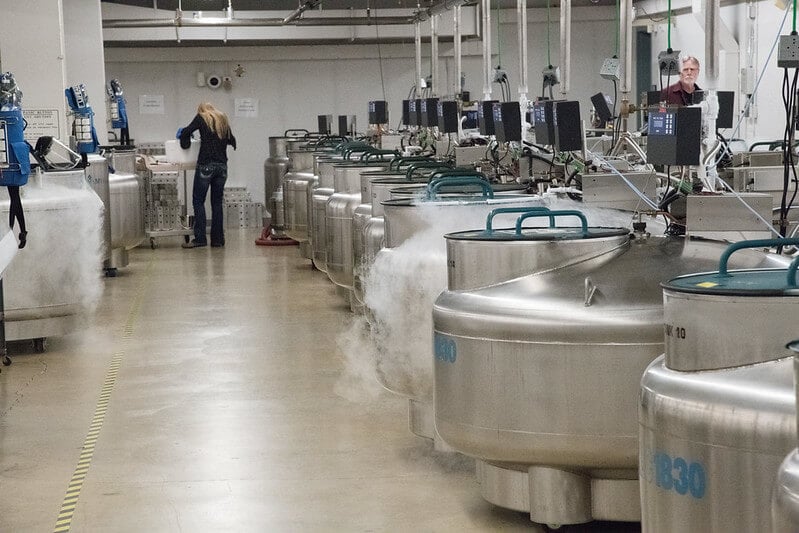
On the campus of Colorado State University in Fort Collins, the Department of Agriculture runs a laboratory that serves as the long-term backup for the country’s crop and livestock genetic collections. Seeds are kept in cold vaults, and many samples, including plant tissue and animal semen, sit in liquid nitrogen at temperatures far below freezing.
The building was designed to withstand tornadoes, floods and fires. Researchers and breeders can request samples, and the lab also sends duplicate collections to Svalbard, but the vaults themselves are closed to visitors.
Lunar Sample Laboratory Facility
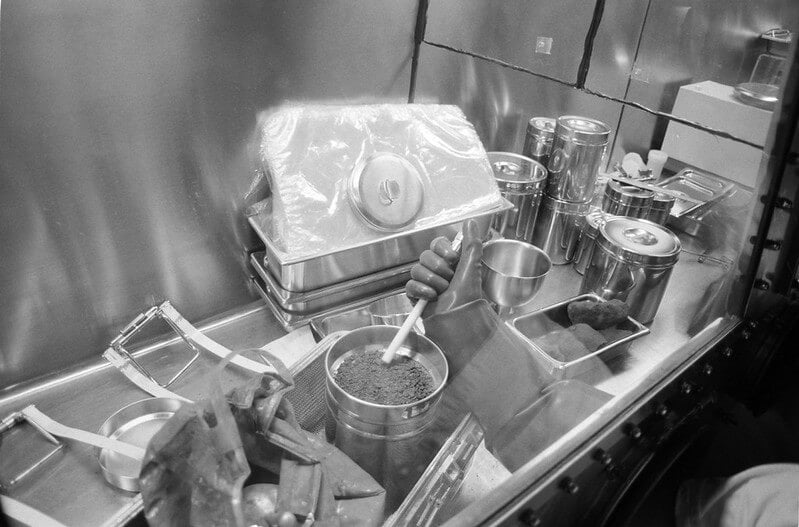
At the Johnson Space Center in Houston, NASA keeps most of the 842 pounds of moon rock and soil returned by the Apollo astronauts between 1969 and 1972. The samples are stored in stainless steel cabinets filled with dry nitrogen, handled only through thick gloves to prevent contamination from Earth’s air.
A portion of the collection is kept at a separate site in New Mexico, so a single disaster cannot destroy everything. Scientists around the world borrow small pieces for research, yet the storage vault itself admits only a handful of trained curators.
Smallpox Repository at the CDC
Smallpox was declared eradicated in 1980, yet live samples of the virus still exist in exactly two authorized locations. One is a high-containment laboratory at the Centers for Disease Control and Prevention in Atlanta, and the other is the VECTOR research center in Koltsovo, Russia.
The World Health Organization inspects both sites on a regular schedule. Debate over whether to destroy the remaining stocks has continued for decades, and access is restricted to a very small group of vetted scientists working under the strictest biosafety rules.
Disney Animation Research Library
The Walt Disney Company keeps its animation art in a climate-controlled archive in Southern California, often called the Animation Research Library. The collection holds tens of millions of pieces, including original drawings, story sketches, concept paintings and painted cels from the studio’s earliest cartoons onward.
Temperature and humidity are carefully controlled to protect fragile paper and paint, and some pieces date back to the silent era of the 1920s. Staff digitize and loan pieces for exhibitions and new productions, but the archive itself is not open to fans, and its address is not publicized.
Barbarastollen in the Black Forest
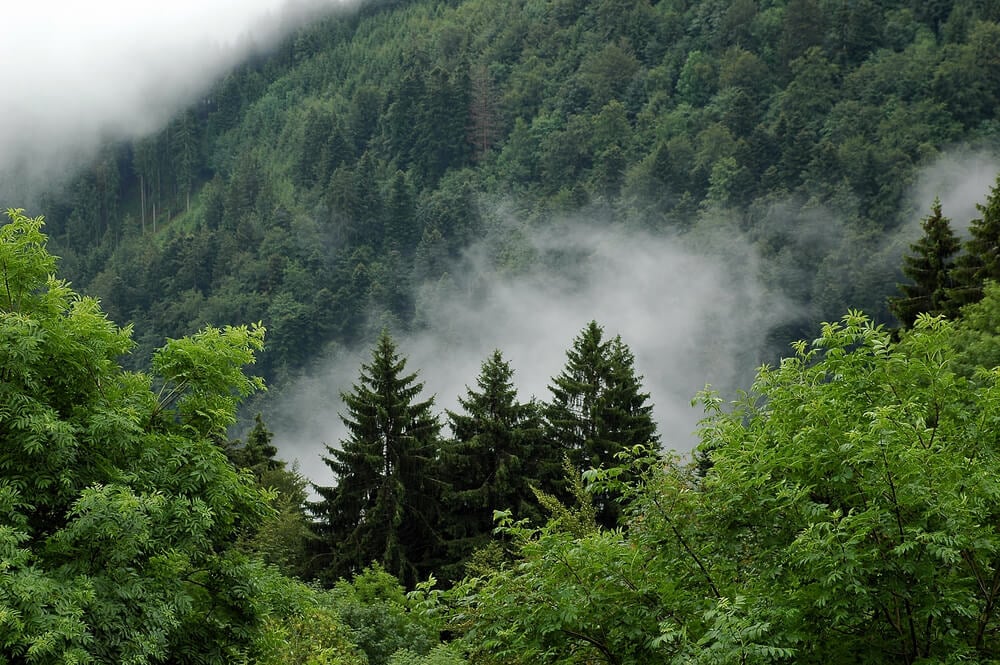
In an old silver mine tunnel near Oberried in Germany’s Black Forest, the Barbarastollen stores microfilm copies of the country’s most important documents. The first containers arrived in the 1970s, and today more than 1,600 airtight stainless steel canisters hold roughly a billion images, including the Peace of Westphalia and the coronation charter of Otto the Great from 936.
Microfilm was chosen because it can be read with little more than light and a magnifying glass. The site is protected under the Hague Convention, and only a few officials hold the keys.
Coca-Cola Formula Vault
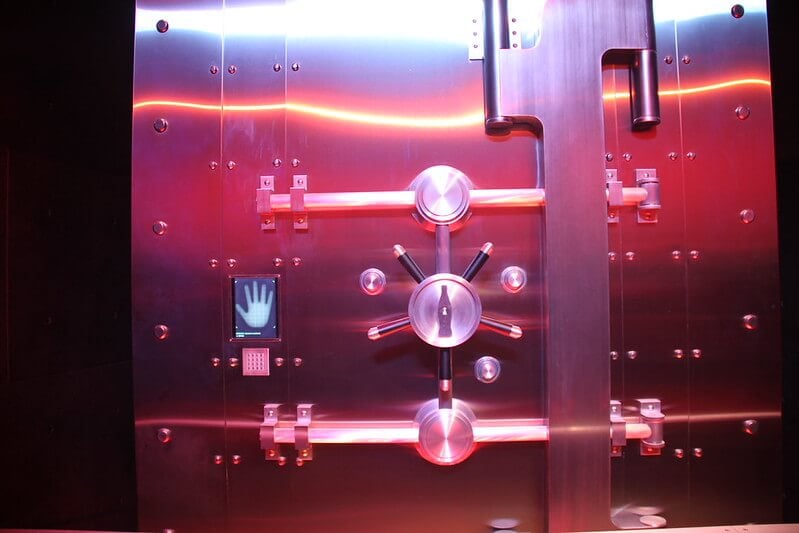
For decades, the written formula for Coca-Cola was kept in a bank vault in Atlanta, fueling one of the most famous trade secret legends in business. In 2011, the company moved it to a purpose-built vault inside the World of Coca-Cola museum.
Visitors can walk up to the vault exhibit and look at the heavy steel door, but the chamber holding the formula stays locked. Company lore holds that only a very small number of employees know the full recipe at any one time, and that story remains part of the brand’s marketing.
Millennium Seed Bank at Wakehurst
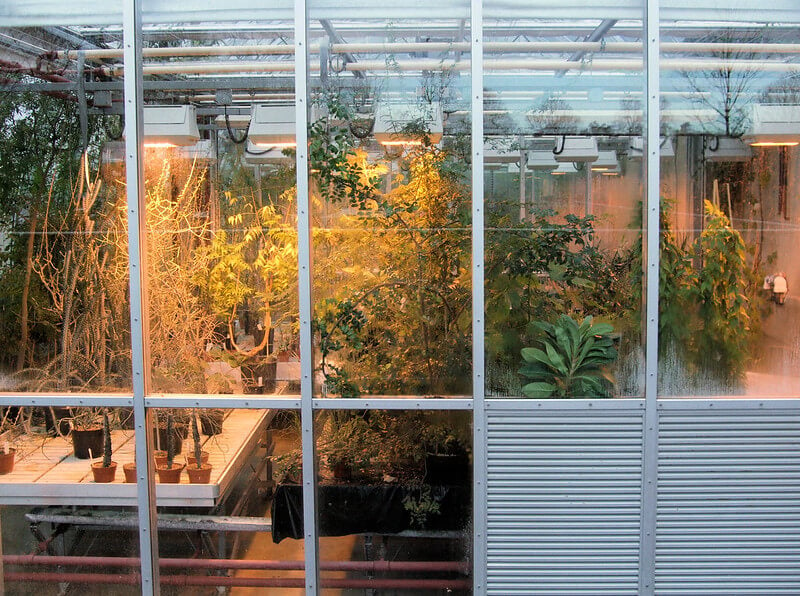
Run by the Royal Botanic Gardens, Kew, the Millennium Seed Bank at Wakehurst in the English countryside south of London holds billions of seeds from tens of thousands of wild plant species, many collected from regions threatened by climate change. Seeds are dried and stored in underground vaults kept well below freezing, designed to protect the collection for centuries.
Visitors to the gardens can look through windows into the laboratories where seeds are cleaned and tested. The vaults themselves, built to withstand bombs and flooding, stay closed to everyone but staff.
Locked Doors and Long Memories
Most of these places exist because someone imagined a disaster and decided to prepare for it. Wars, fires, floods, political upheaval and plain decay have destroyed countless archives, and each of these vaults is an answer to that loss.
Keeping the public out is less about secrecy than about protecting fragile things from light, air, heat and human hands.
The strangest part is how much faith they place in the future. Seed banks assume farmers will need old varieties again, and time capsules assume someone in 6939 or 8113 will still be curious.
Behind every locked door is a quiet bet that tomorrow will want what today saved.
More from Go2Tutors!

- The Romanov Crown Jewels and Their Tragic Fate
- 13 Historical Mysteries That Science Still Can’t Solve
- Famous Hoaxes That Fooled the World for Years
- 15 Child Stars with Tragic Adult Lives
- 16 Famous Jewelry Pieces in History
Like Go2Tutors’s content? Follow us on MSN.