17 Facts About the Moon Most People Have Never Heard
There’s something about the Moon that never gets old. Every clear night, it’s there — familiar yet mysterious, close enough to see clearly but far enough away to keep its secrets.
Most people know the basics: it controls tides, it’s made of rock, humans walked on it decades ago. But the Moon holds surprises that would make anyone look up at it differently.
Some facts sound like science fiction. Others challenge what textbooks teach.
A few are downright unsettling.
The Moon is Moving Away From Earth
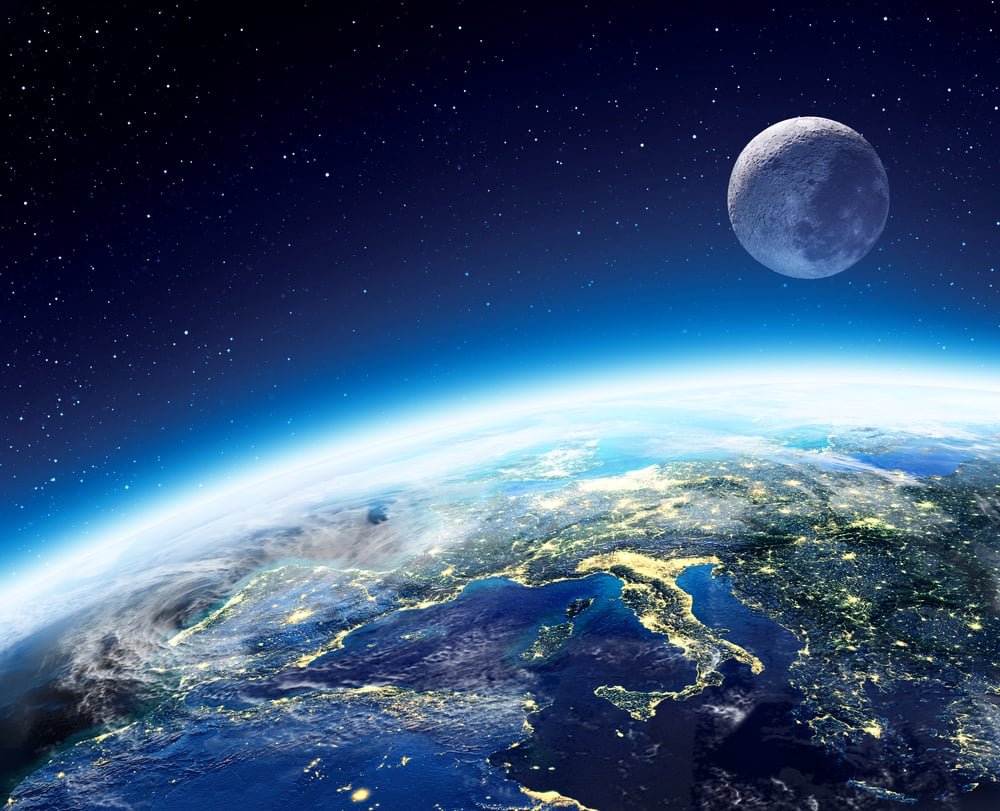
The Moon drifts about 1.5 inches farther from Earth every year. Ancient corals prove this.
Their growth rings show shorter days from millions of years ago, when the Moon was closer and spun Earth faster.
Moonquakes Shake for Hours
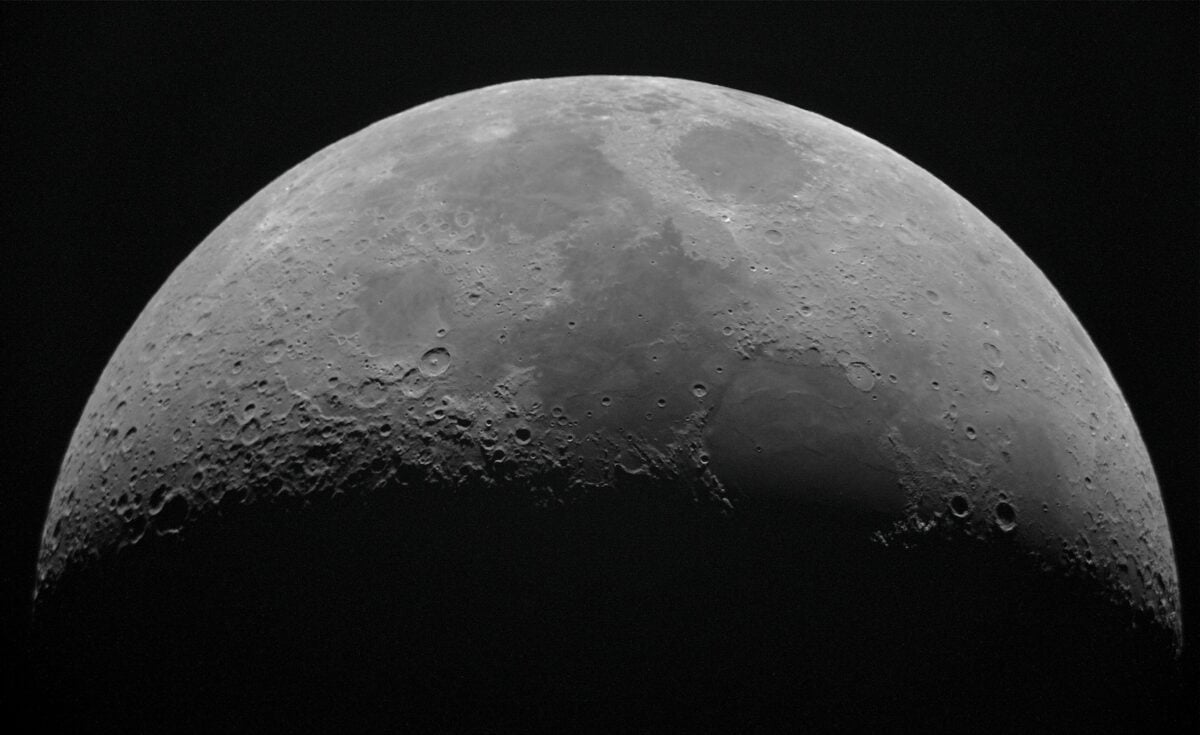
Unlike earthquakes that rumble and stop, moonquakes can last for over an hour. The Moon’s dry, solid structure carries vibrations much longer than Earth’s wet, layered interior.
Apollo seismometers recorded tremors that continued shaking long after the initial trigger ended.
Moon Dust Smells Like Gunpowder

So here’s the thing about lunar regolith (which is what scientists call moon dust, though it’s really more like tiny glass shards created by billions of years of meteorite impacts): when astronauts brought it inside their spacecraft and removed their helmets, they noticed something unexpected — it had a distinct smell that reminded them of spent gunpowder, even though gunpowder had never been anywhere near the Moon. The smell probably comes from the fact that this dust, having never been exposed to oxygen or water, carries reactive particles that change when they encounter the humid air inside a spacecraft.
And the strangest part? This ancient dust, some of it older than Earth itself, had been waiting in airless silence for eons just to smell like something familiar to humans who finally arrived to notice it.
The Moon Has Lava Tubes Large Enough for Cities
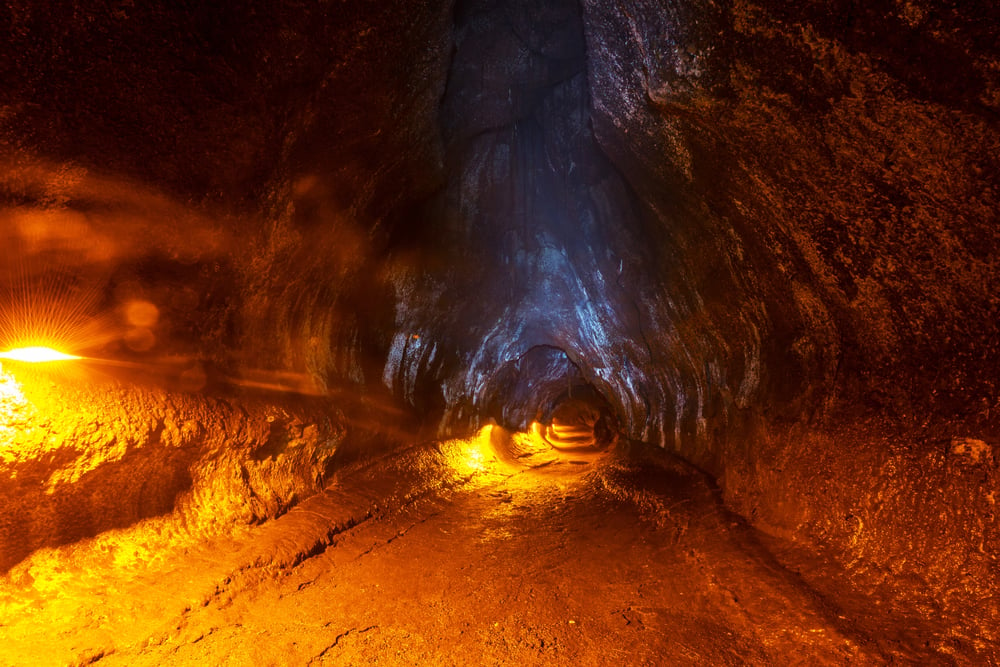
Picture underground highways wide enough to fit entire city blocks, carved not by human engineering but by rivers of molten rock that flowed and then disappeared, leaving behind hollow corridors beneath the lunar surface. These lava tubes stretch for miles in some places, their ceilings arched like cathedral vaults, protected from radiation and meteorites that constantly bombard the Moon’s exposed surface.
They’re not just empty space — they’re ready-made shelters that could house entire lunar colonies, complete with stable temperatures and natural protection that no human structure could match.
The Moon Has Water Ice at Its Poles

The Moon isn’t the bone-dry rock most people imagine. Billions of tons of water ice hide in permanently shadowed craters at both poles.
Some of these craters haven’t seen sunlight for billions of years. They’re among the coldest places in the solar system.
A Day on the Moon Lasts Nearly a Month
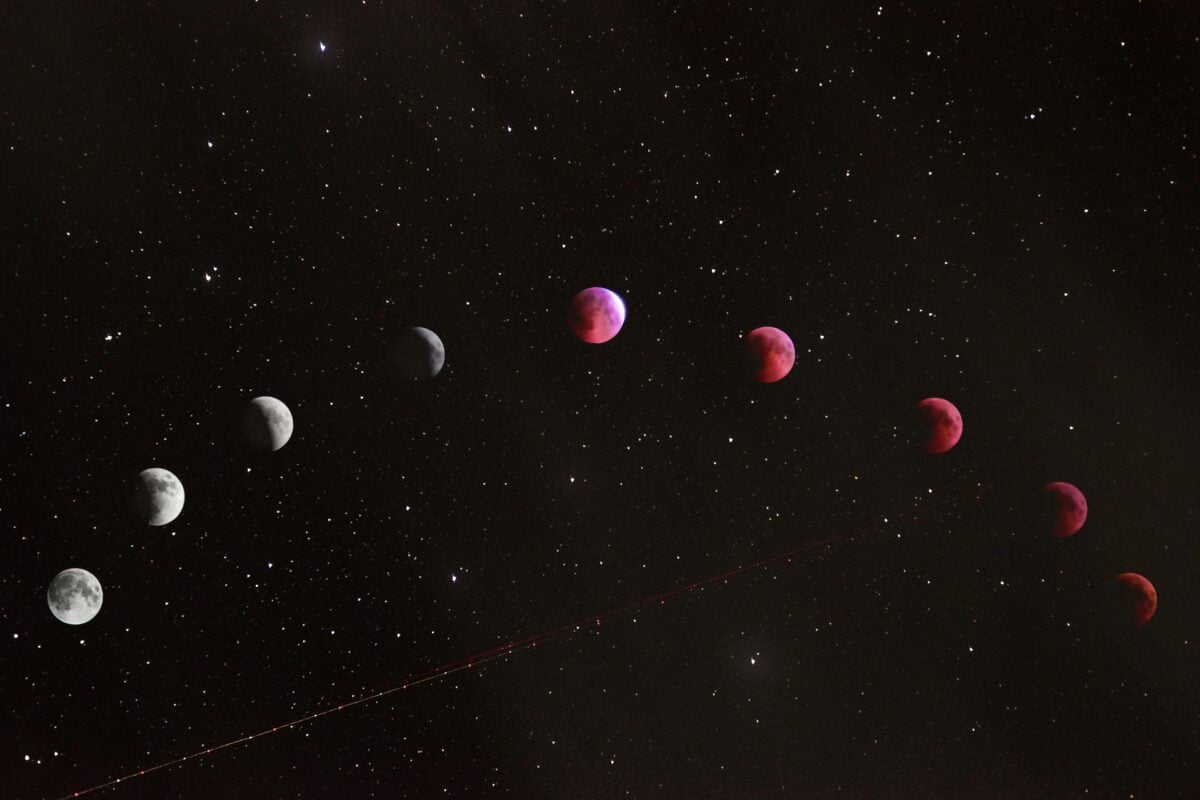
One lunar day equals about 29.5 Earth days. Sunrise to sunset on the Moon takes two weeks.
Then comes two weeks of darkness. This extreme day-night cycle creates temperature swings from 250°F in sunlight to -250°F in shadow.
The Moon’s Gravity Creates Tides in Solid Rock
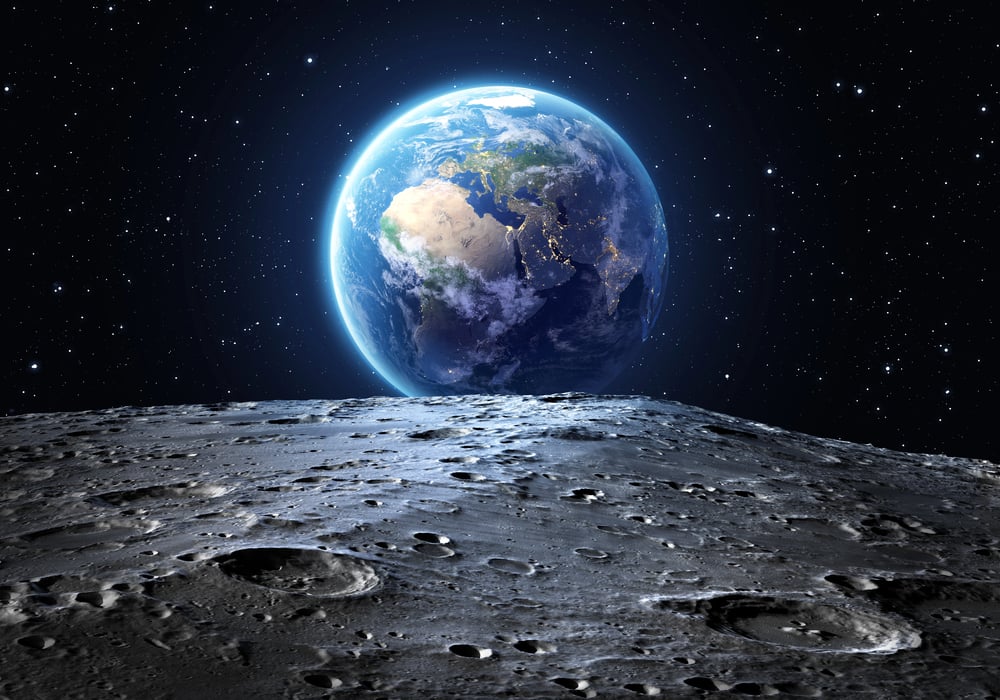
Everyone knows about ocean tides, but the Moon also pulls at solid ground (and solid ground responds, though not with the dramatic flair of water sloshing against coastlines). Even concrete and steel buildings rise and fall by several inches twice a day, following the same rhythm as the waves, though they do it so slowly and subtly that nobody notices unless they’re measuring with precision instruments.
So when people say they feel more connected to the Moon during certain phases, they’re not wrong — they’re literally being pulled toward it, along with everything else that isn’t nailed down, and even some things that are.
The Moon Has a Thin Atmosphere
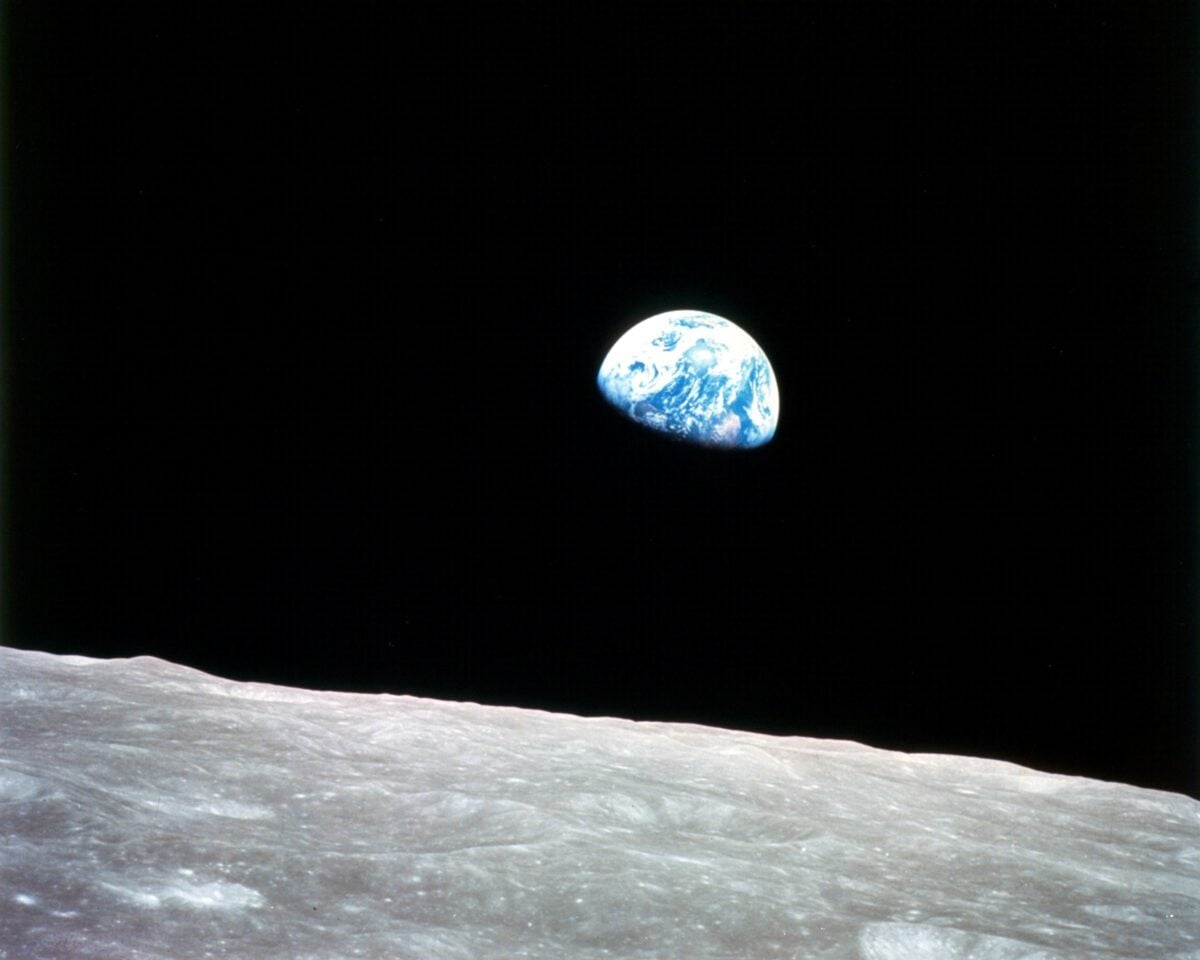
The Moon does have an atmosphere, technically. It’s just incredibly thin — about 100 trillion times thinner than Earth’s. This tenuous envelope contains mostly helium, neon, and hydrogen.
It’s so sparse that molecules rarely collide with each other.
The Moon Rings Like a Bell When Hit
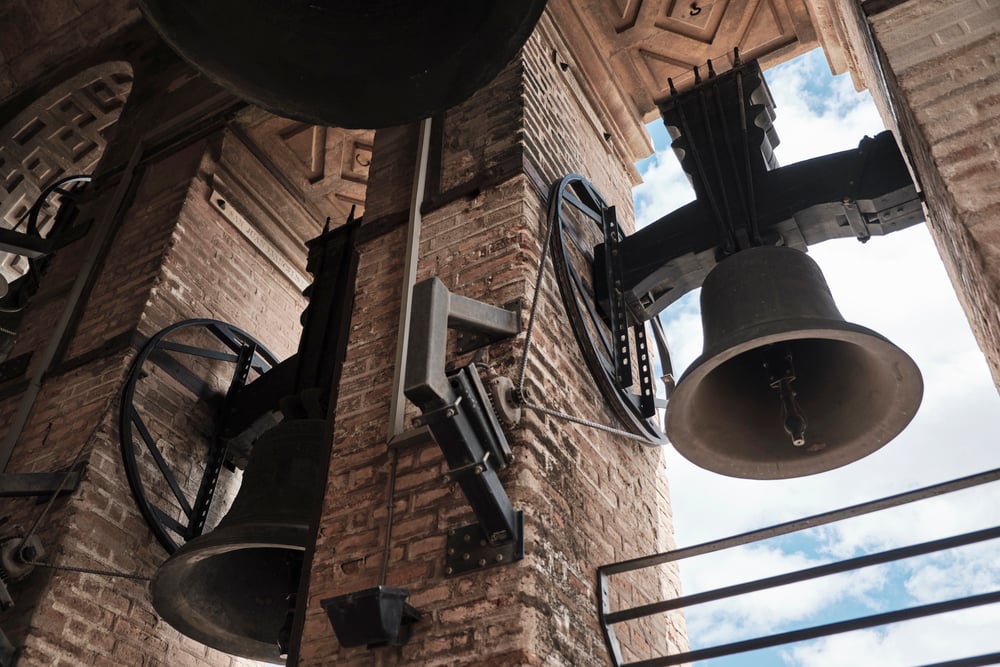
When Apollo missions crashed spent equipment into the Moon’s surface, seismic equipment recorded something odd. The Moon rang like a bell for hours.
This suggests the Moon might be hollow inside, or at least have a very different internal structure than Earth.
There Are Glass Beads All Over the Moon

The Moon’s surface glitters with billions of tiny glass spheres, each one a frozen moment from an ancient collision (because every time a meteorite slams into lunar rock at thousands of miles per hour, the impact melts and flings molten droplets in all directions, and these droplets cool into perfect spheres before they land). Some are clear, some are colored by trace metals, and they carpet the lunar surface like scattered marbles, crunching under astronauts’ boots with each step.
Walking on the Moon means walking on a beach made of glass, where every grain tells the story of violence that happened so long ago that Earth was still young.
The Moon Has Mysterious Magnetic Stripes
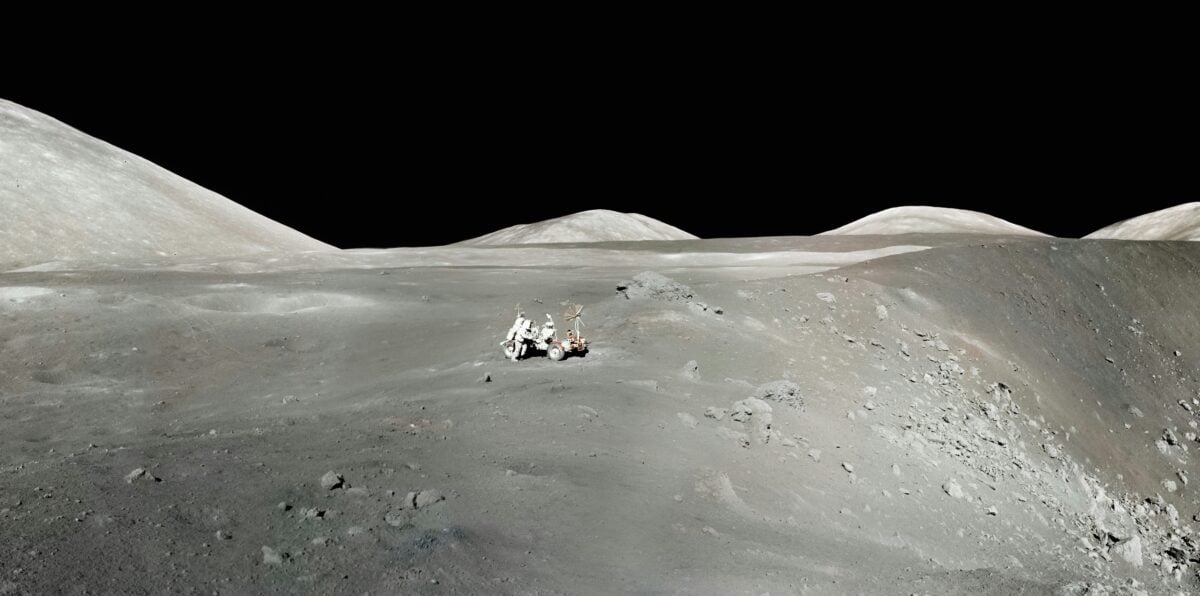
Parts of the Moon are magnetic, which shouldn’t be possible. The Moon has no global magnetic field and no molten core to generate one.
Yet certain regions show strong magnetic signatures. These magnetic stripes remain unexplained.
The Moon’s Far Side is Completely Different
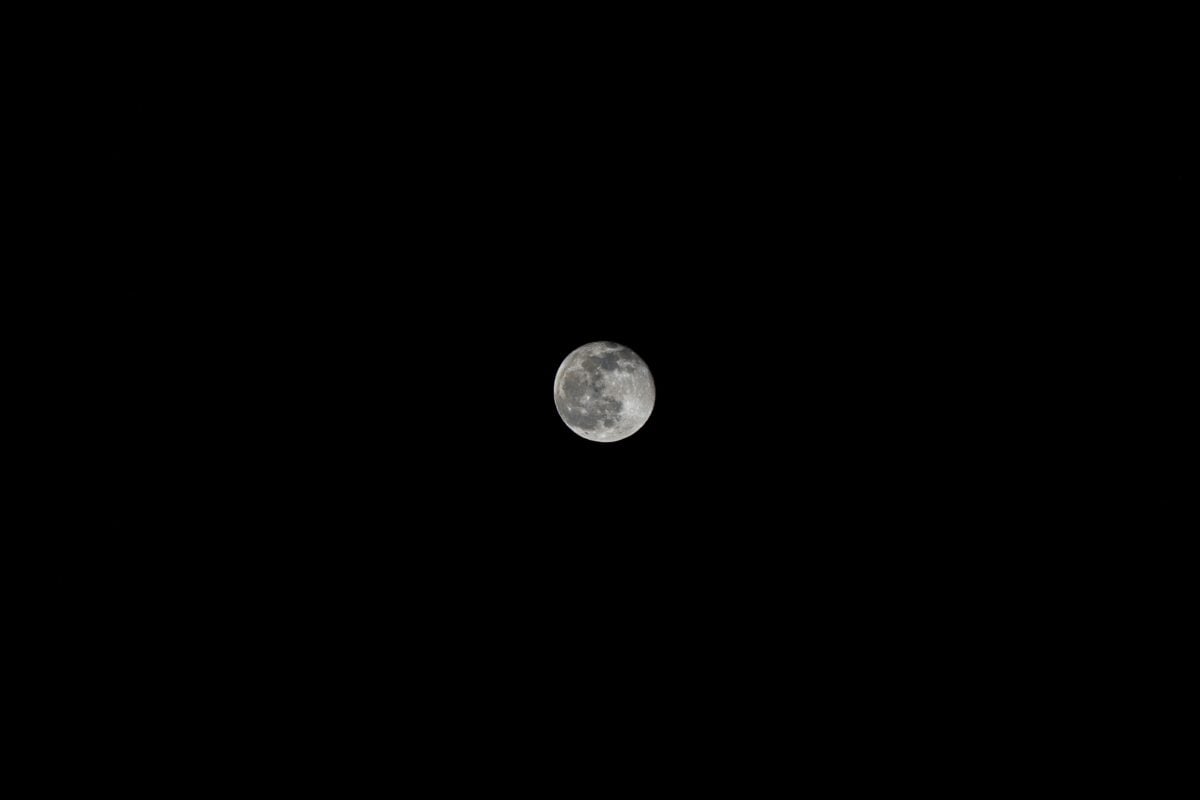
The far side of the Moon looks nothing like the near side. It’s covered in craters and mountains, with almost none of the smooth maria (dark patches) visible from Earth. The far side’s crust is also much thicker.
Why the two sides developed so differently remains a mystery.
The Moon Causes Some Animals to Change Behavior

Marine life synchronizes reproduction with lunar cycles, but the connection runs deeper than tides (and scientists still argue about how much of this is correlation versus causation, though the patterns are too consistent to ignore). Certain bird species migrate according to moon phases, some fish species spawn only during new moons, and even terrestrial animals like lions hunt more successfully on darker nights following the lunar calendar.
The Moon doesn’t just pull at water — it pulls at life itself, orchestrating biological rhythms that existed long before humans looked up and wondered why.
The Moon Has Underground Rivers of Molten Rock
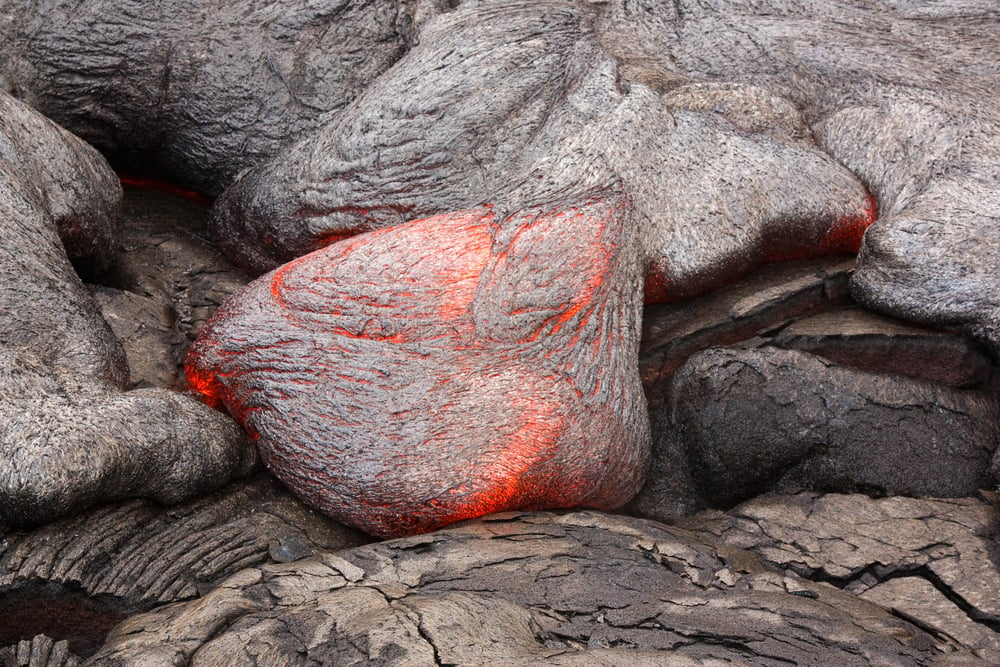
Deep beneath the lunar surface, some areas still contain molten rock. These subsurface magma flows can extend for hundreds of miles.
Occasionally, this molten material finds its way to the surface, creating relatively recent volcanic features.
Moon Rocks Brought to Earth Are Disappearing
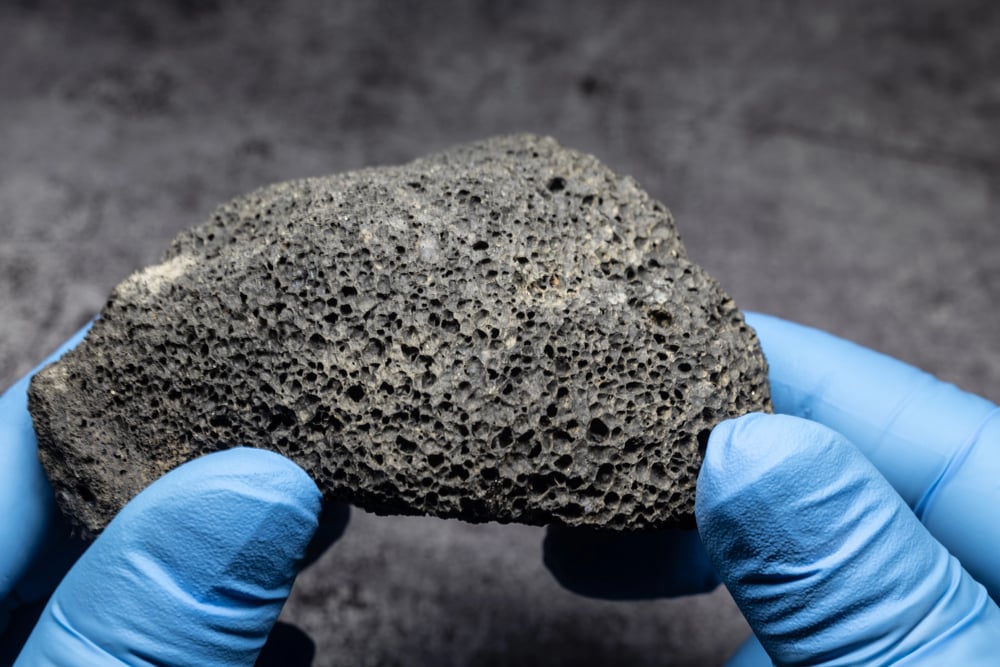
NASA distributed moon rocks to 135 countries and all 50 states after the Apollo missions. Today, dozens of these samples are missing or unaccounted for.
Some have been stolen, others lost in government transitions. A few have shown up in private collections or auction houses.
The Moon Has Electrified Dust Storms
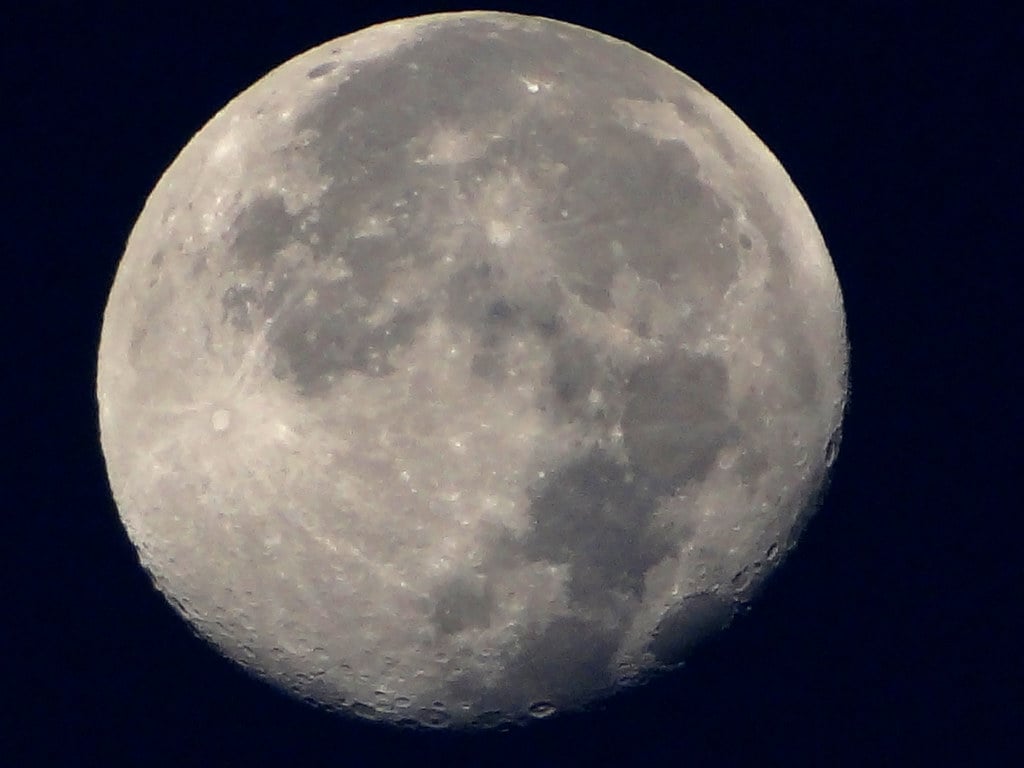
Static electricity on the Moon creates dust storms that can tower miles above the surface, visible as a faint glow on the horizon during lunar sunrise and sunset (though calling them storms gives the wrong impression — they’re more like slow-motion fountains of charged particles that drift and settle according to invisible electric fields). This dust doesn’t blow in the wind, because there is no wind, but it does dance in response to the solar wind and the buildup of electrical charges on the lunar surface.
And here’s the unsettling part: this electrostatically charged dust sticks to everything it touches, including spacesuits, equipment, and eventually, human lungs.
The Moon May Have Formed From Earth’s Collision With Mars-Sized Object
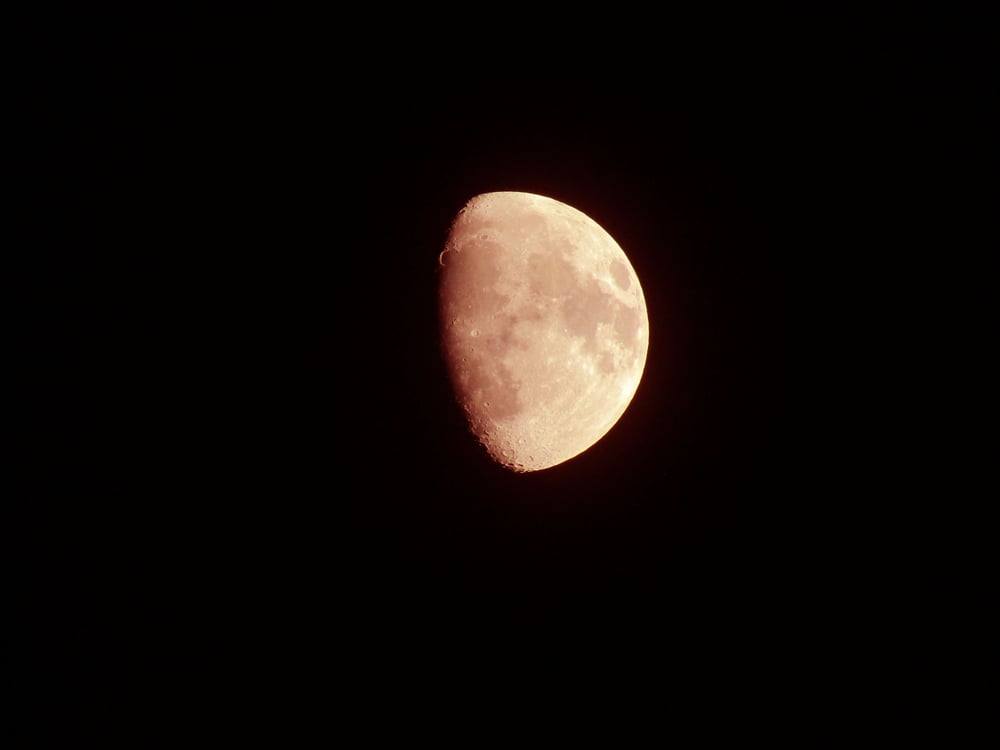
Current theory suggests the Moon formed when a Mars-sized object called Theia slammed into early Earth about 4.5 billion years ago. The collision vaporized both objects, creating a disk of debris that eventually coalesced into the Moon.
Earth and Moon are essentially siblings, born from the same catastrophic event.
Looking Up With New Eyes
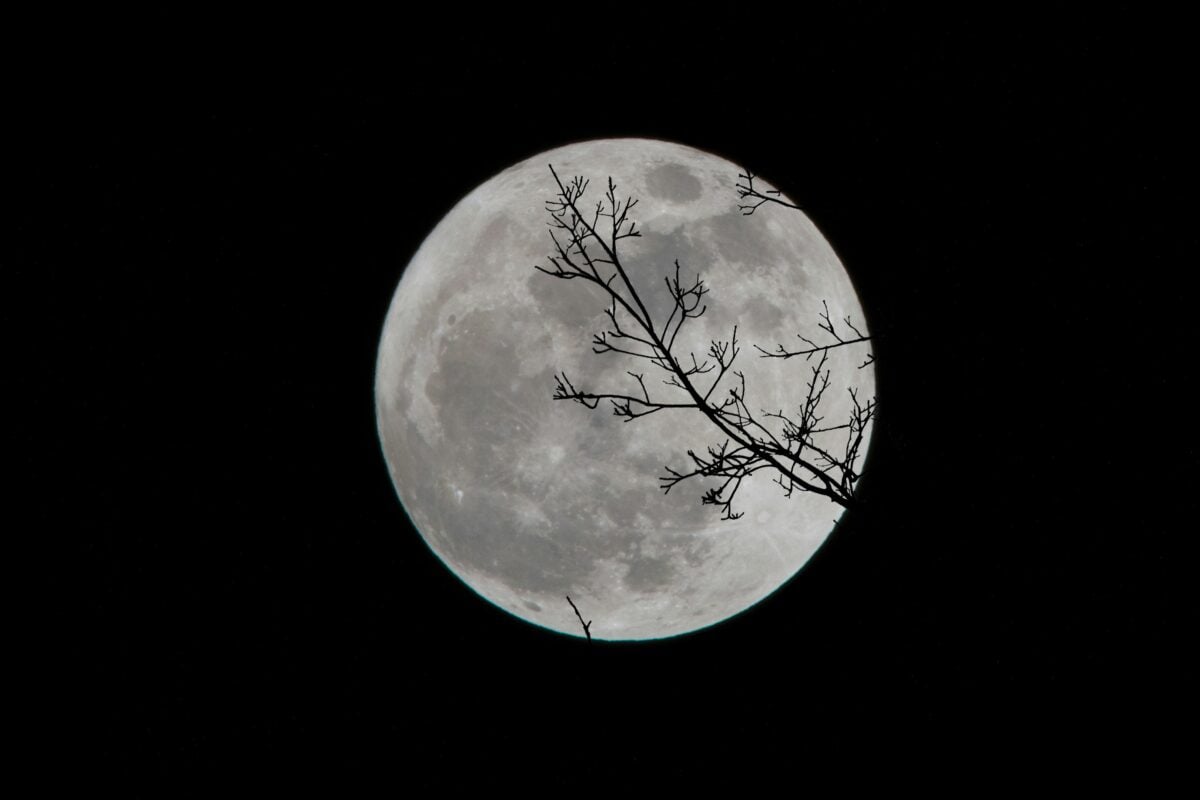
The next time the Moon rises, remember that it’s not just a light in the sky. It’s a world where glass beads crunch underfoot and ancient lava tubes wait in darkness.
Where rocks ring like bells and dust dances in electric fields. Where ice hides in shadows older than complex life on Earth.
The Moon has been keeping these secrets in plain sight, waiting for anyone curious enough to look closer than the surface glow that’s fooled humans into thinking they knew what they were seeing.
More from Go2Tutors!

- The Romanov Crown Jewels and Their Tragic Fate
- 13 Historical Mysteries That Science Still Can’t Solve
- Famous Hoaxes That Fooled the World for Years
- 15 Child Stars with Tragic Adult Lives
- 16 Famous Jewelry Pieces in History
Like Go2Tutors’s content? Follow us on MSN.



