29 New England Foods That Confuse Outsiders
New England cooking has a reputation for being plain, and that reputation hides some very strange behavior. This is a region that serves pickles beside maple candy, uses three different names for a milkshake, and sells bread in a can.
Most of these foods make perfect sense to anyone who grew up with them. Everyone else needs a translator, and occasionally a brave appetite.
Marshmallow Fluff and the Fluffernutter
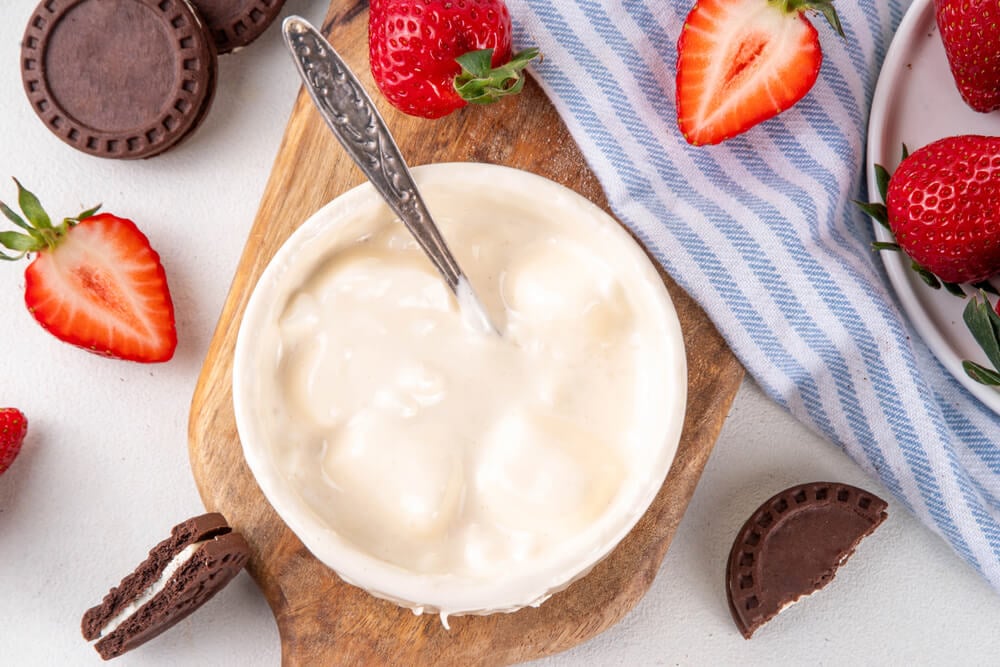
Marshmallow Fluff has been made by Durkee-Mower in Lynn, Massachusetts, since 1920, and locals spread it on bread with peanut butter to make a Fluffernutter. The sandwich got its catchy name from an advertising campaign around 1960, though the combination is older.
In 2006 a Massachusetts state senator tried to limit Fluff in school lunches, and the backlash was so loud that another lawmaker proposed making the Fluffernutter the official state sandwich. Somerville, where the original marshmallow creme was first sold door to door in 1917, now throws an annual street festival in its honor.
Visitors find the sticky white spread either charming or alarming.
Moxie, the Soda That Tastes Like Medicine
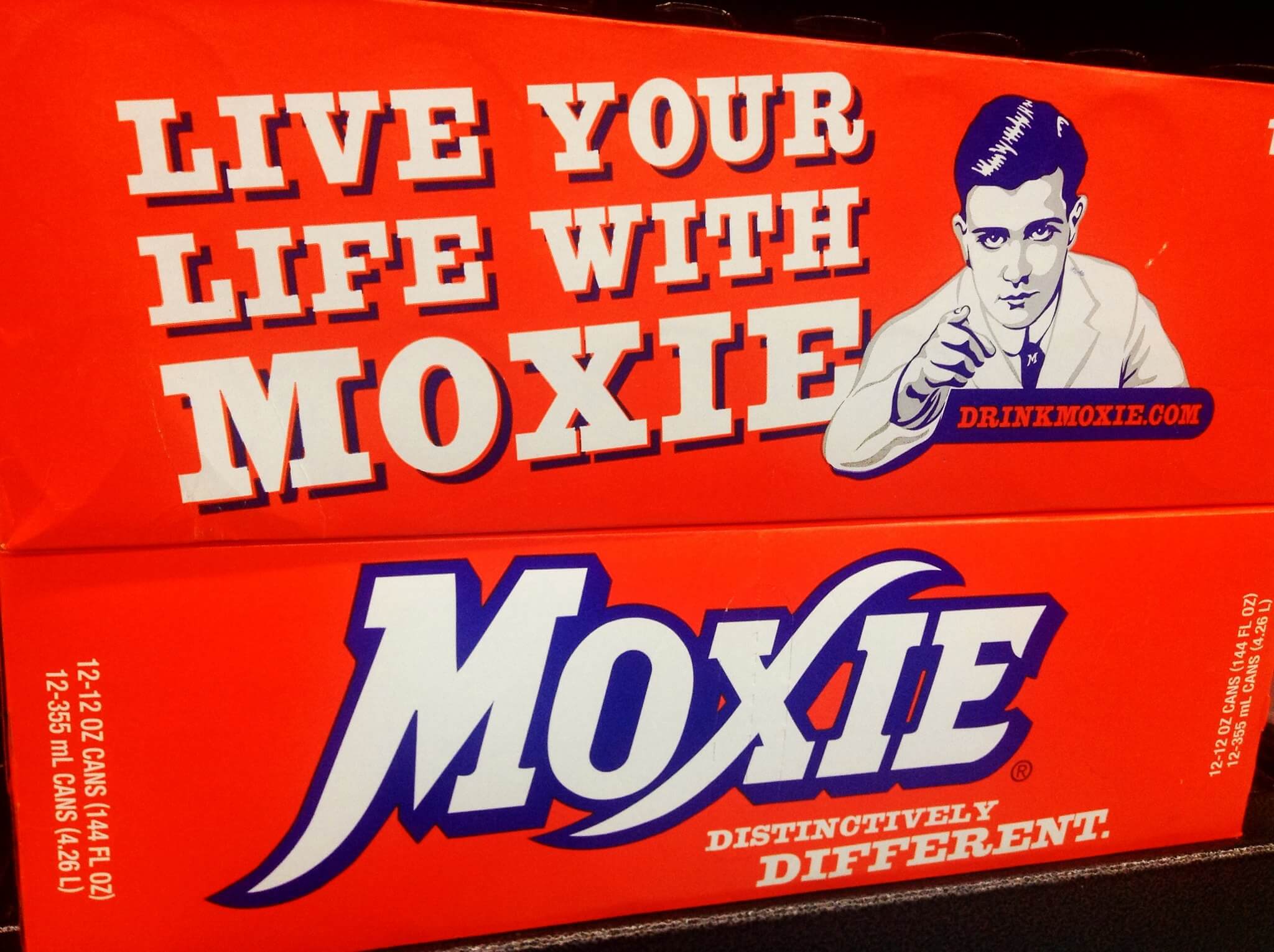
Moxie is a bitter, medicinal-tasting soda flavored with gentian root, and Maine adopted it as its official soft drink in 2005. It traces back to Dr. Augustin Thompson of Lowell, Massachusetts, who sold an early version in the 1870s as Moxie Nerve Food.
First-time drinkers usually expect something like root beer and get a long, bitter finish that lingers for minutes. The brand was famous enough that the word moxie entered American slang as a synonym for nerve and courage.
Lisbon Falls, Maine, holds a Moxie Festival every July, with a parade, orange-clad fans and plenty of Moxie-flavored treats.
Coffee Milk in Rhode Island
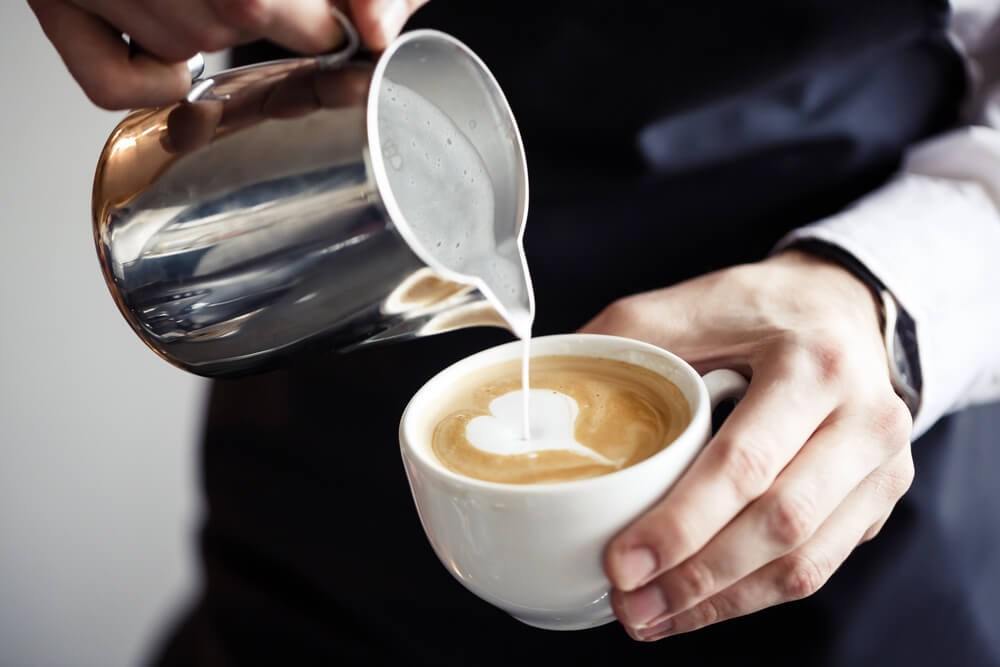
Coffee milk is cold milk stirred with sweet coffee syrup, and Rhode Island made it the official state drink in 1993. Children drink it the way children elsewhere drink chocolate milk, which surprises visitors who assume coffee is for adults.
The syrup is sold in glass bottles in every Rhode Island supermarket, with Autocrat as the brand most locals grew up with. Schools served it in cafeterias for years, and diners still list it right alongside orange juice.
The drink barely registers outside the state, so homesick Rhode Islanders tend to pack bottles of syrup in their luggage.
Frappes, Cabinets and Milkshakes
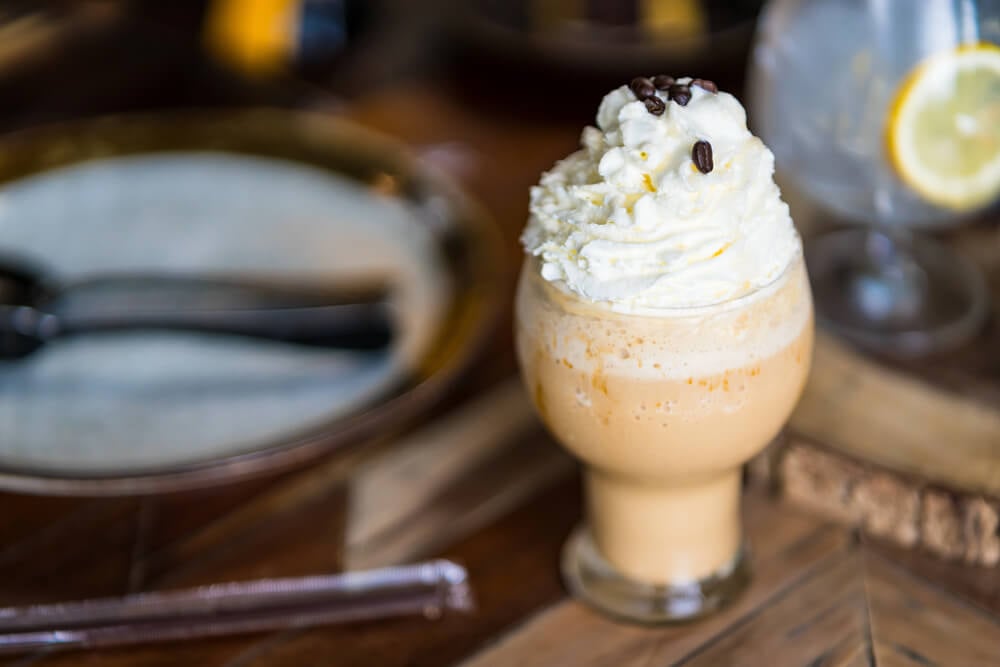
In most of the country a milkshake means ice cream blended with milk and syrup. Around Boston that drink is a frappe, pronounced frap, while an old-fashioned milkshake is simply milk and syrup shaken until foamy.
Rhode Island adds a third name, the cabinet, supposedly because the blender was kept in a kitchen cabinet. Tourists who order a milkshake at an old soda counter can end up with a thin, foamy glass of flavored milk and a puzzled look.
The vocabulary has softened as national chains spread, but plenty of local ice cream stands still post the distinction right on the menu board.
Del’s Frozen Lemonade
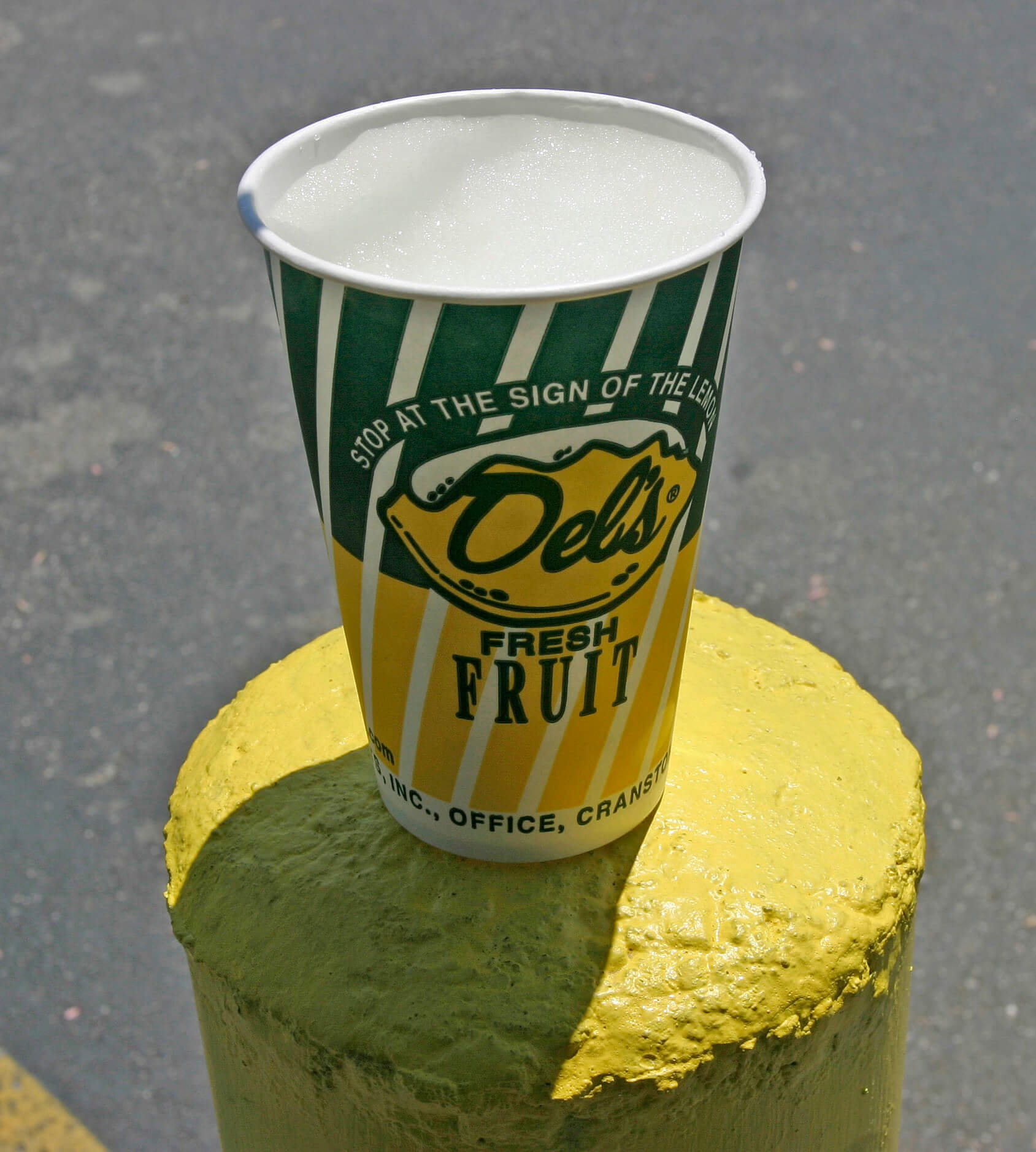
Del’s frozen lemonade is a slushy blend of shaved ice, lemon juice, sugar and bits of real lemon, sold in Rhode Island since the DeLucia family opened a stand in Cranston in 1948. The family traces the recipe to Naples, where lemons were once chilled with snow carried down from the mountains.
Regulars do not use a spoon or a straw. They squeeze the paper cup and tip it back, letting the lemonade melt as they drink.
Trucks and stands appear at beaches, fairs and street corners every summer, and outsiders are usually the only customers asking for utensils.
Hot Wieners From a New York System
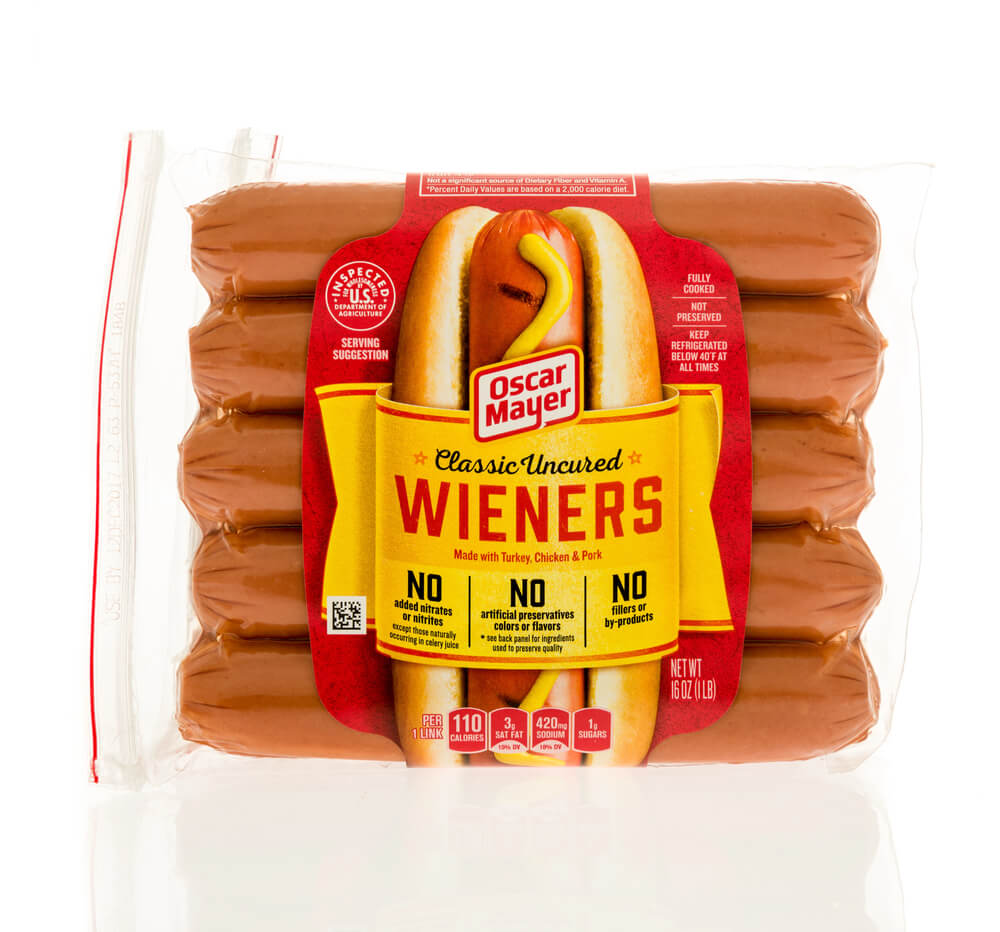
Rhode Island hot wieners are small, pale franks served on steamed buns, and they are usually ordered all the way, meaning topped with a meaty sauce, mustard, chopped onion and celery salt. They are sold at diners called New York System restaurants, a name that confuses visitors, since nothing like them is sold in New York.
Olneyville N.Y. System in Providence has been serving them since 1946. Countermen traditionally line up the buns along one forearm to dress them quickly, a skill regulars watch like a magic trick.
Late-night crowds order them by the half-dozen, with a coffee milk on the side.
Stuffies Baked in the Shell
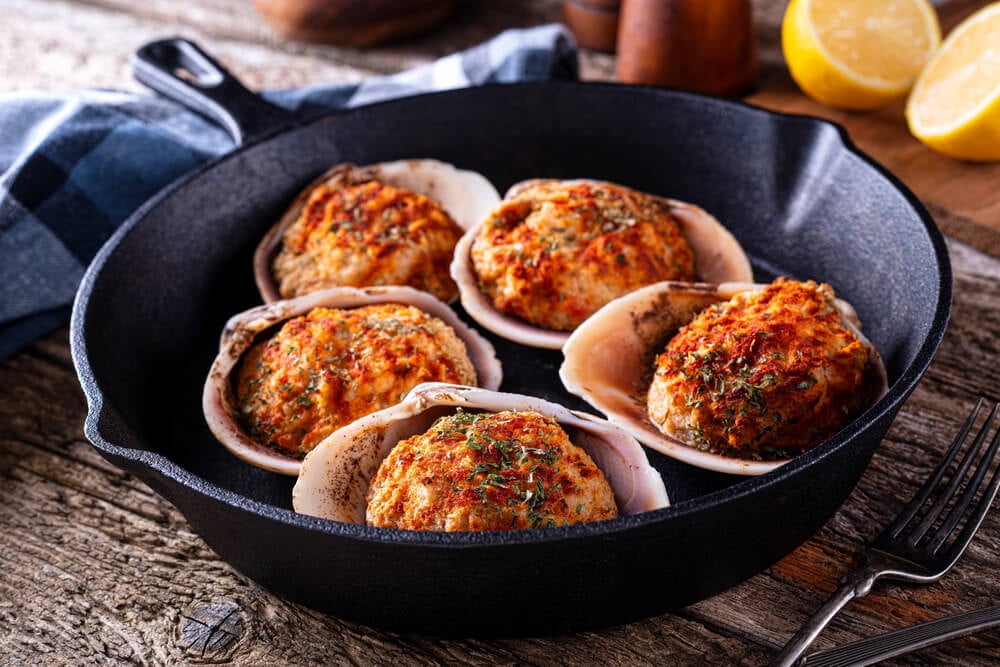
A stuffie is a large quahog clam, chopped and mixed with breadcrumbs, onion, peppers and often spicy Portuguese chourico, then packed back into its own shell and baked. Rhode Island takes the dish seriously enough that the quahog is the official state shell.
Stuffies are sold at clam shacks, church festivals and supermarket seafood counters, usually with lemon wedges and hot sauce on the side. The shell doubles as a serving dish, which makes them easy to eat standing up at the beach.
Outsiders often mistake them for a garnish, then realize one stuffie can fill a small appetite.
Rhode Island Clear Chowder and Clam Cakes
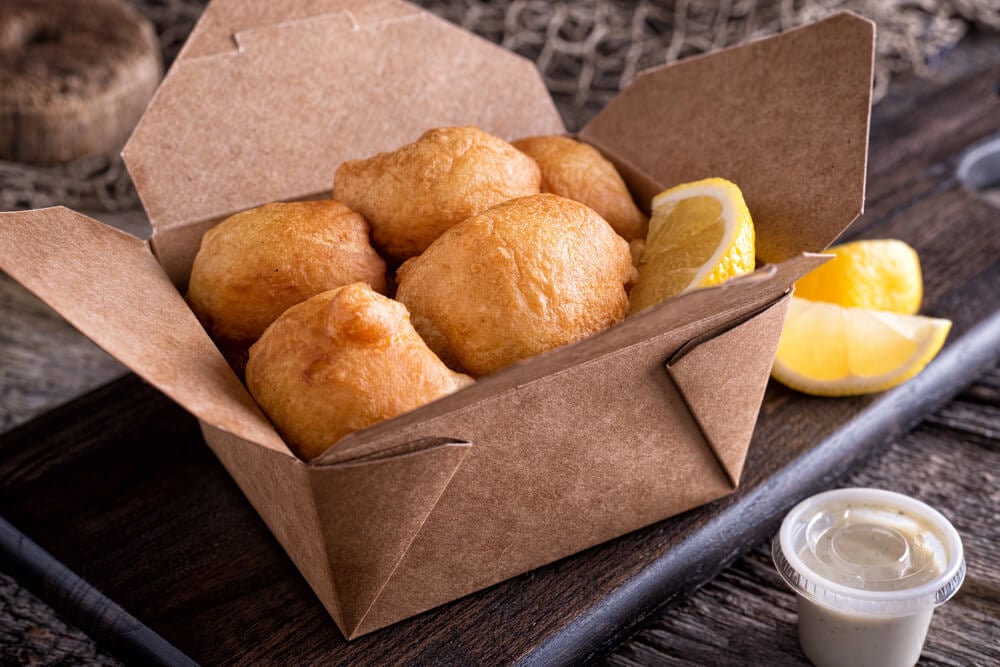
Most of the world knows New England clam chowder as a thick, creamy soup, but Rhode Island also serves a clear version made with clams, potatoes, onions and briny broth, with no milk or cream at all. The clear style lets the flavor of the clams come through, and some locals consider it the purer form.
It is almost always paired with clam cakes, golf-sized fritters studded with chopped clams and fried until crisp. Aunt Carrie’s in Narragansett, open since 1920, is among the shoreline spots known for the combination.
Visitors who expect white chowder often assume the kitchen forgot a step.
Lobster Rolls, Hot or Cold
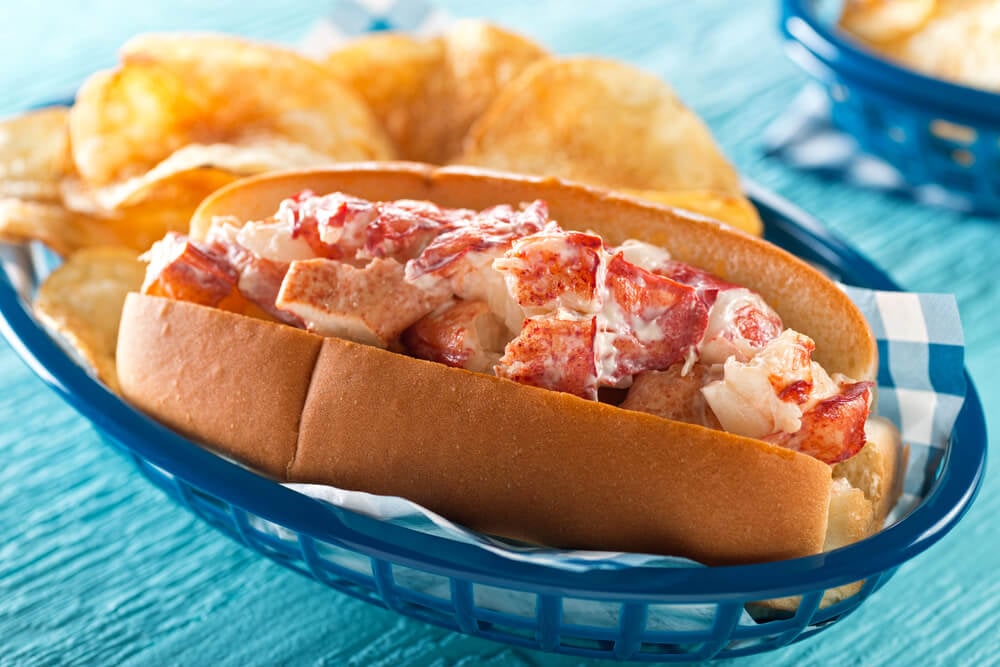
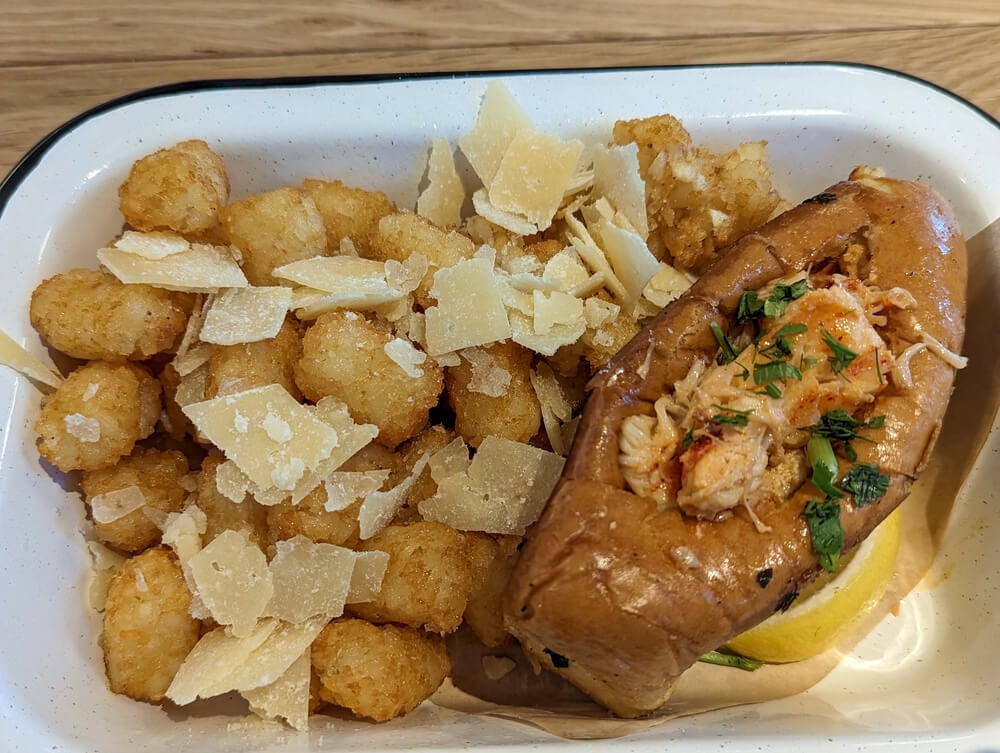
The lobster roll divides New England in two. Maine serves chunks of cold lobster lightly dressed with mayonnaise, while Connecticut serves warm lobster drenched in melted butter, and each side considers the other version a mistake.
Both arrive in a top-split hot dog bun, grilled on its flat sides, a style made by bakeries such as J.J. Nissen that the rest of the country rarely stocks. Prices at seaside shacks swing with the lobster catch, and a roll can cost more than a steak dinner in a bad year.
Visitors who order one without specifying often get a regional lecture along with the sandwich.
Red Snappers From Bangor

Red snapper hot dogs are bright red, natural-casing franks that snap loudly when bitten, and they are a Maine institution. W.A. Bean and Sons of Bangor has been making them for generations, and the family meat business dates to the 1860s.
The color comes from food dye, which surprises visitors who have never seen a hot dog glow like a traffic light. Mainers serve them at cookouts and summer suppers, usually in a top-split bun with mustard.
The flavor is mild and smoky, so the shock fades quickly once the first bite is taken, but the color remains the conversation piece.
Brown Bread in a Can
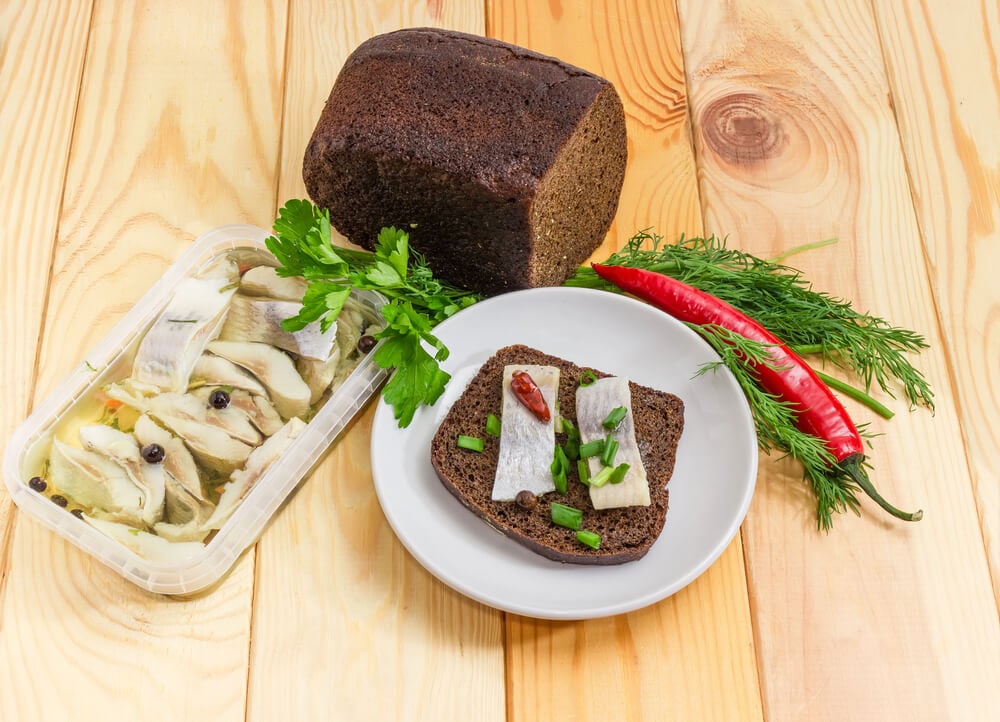
B and M brown bread, sold by the Portland company better known for baked beans, comes packed in a can, and New Englanders see nothing odd about it. The bread is a dark, moist loaf made with molasses, cornmeal and wheat and rye flours, often studded with raisins, and it is steamed rather than baked.
Home cooks once made their own in empty coffee cans set in simmering water. To serve it, the bottom of the can is opened and the loaf is pushed out in one cylinder, then sliced into rounds.
It traditionally accompanies Saturday night baked beans and hot dogs, often spread with butter or cream cheese.
Whoopie Pies in Maine
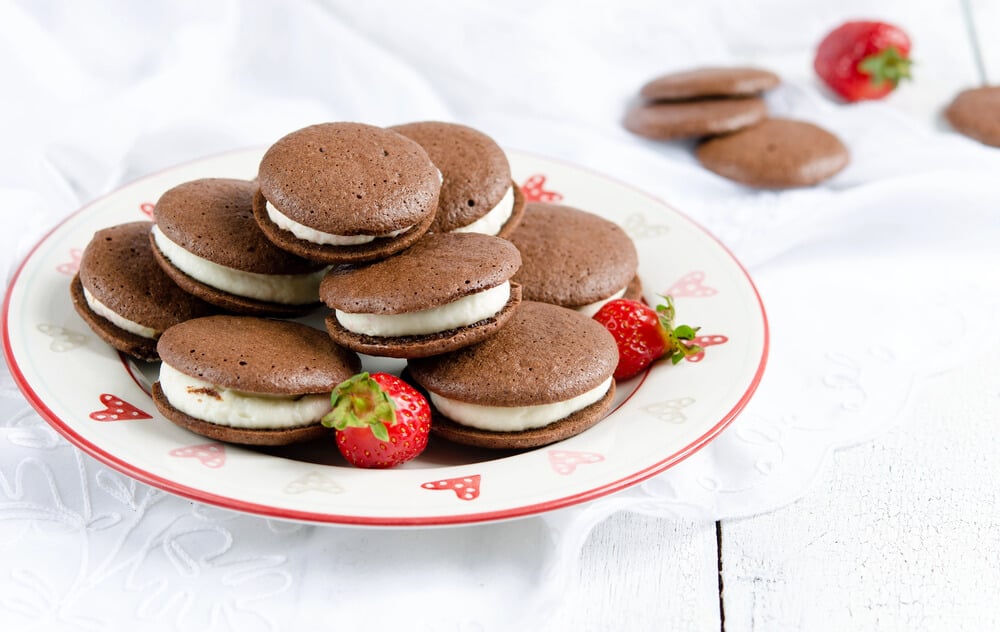
A whoopie pie is two soft, cake-like chocolate rounds sandwiched around a thick, fluffy white filling, and it is neither a pie nor anything to do with whoopee. Maine named it the official state treat in 2011, choosing that title because blueberry pie already held the state dessert slot.
Labadie’s Bakery in Lewiston says it has sold whoopie pies since 1925. Pennsylvania’s Amish country claims the treat too, and the two regions have traded jabs for years.
Gas stations across Maine sell them wrapped in plastic at the register, some roughly the size of a salad plate.
Needhams Made With Potato
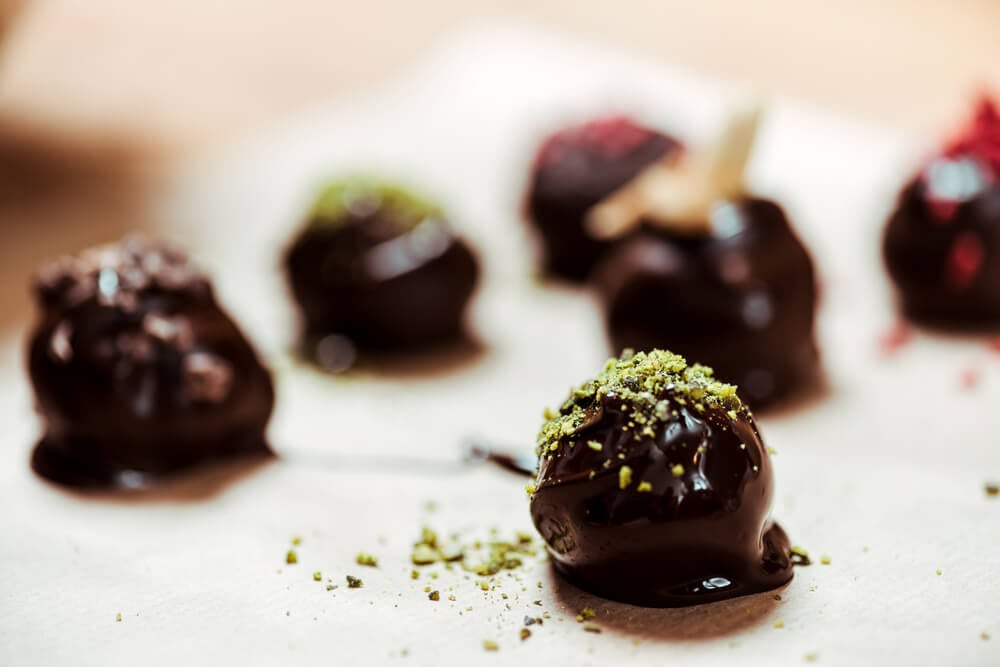
Needhams are a Maine candy made from mashed potato, shredded coconut and confectioners’ sugar, pressed into squares and dipped in chocolate. The potato disappears into the texture, leaving a dense, sweet, coconut-heavy center.
The name is usually traced to George C. Needham, an evangelist who drew crowds in Maine in the 1870s. The candy became a way for farm families to stretch expensive sugar with a crop they had in abundance.
Visitors who learn about the potato only after taking a bite are often torn between confusion and asking for another. Small candy shops across Maine still make them by hand each fall.
Boston Cream Pie, Which Is Cake
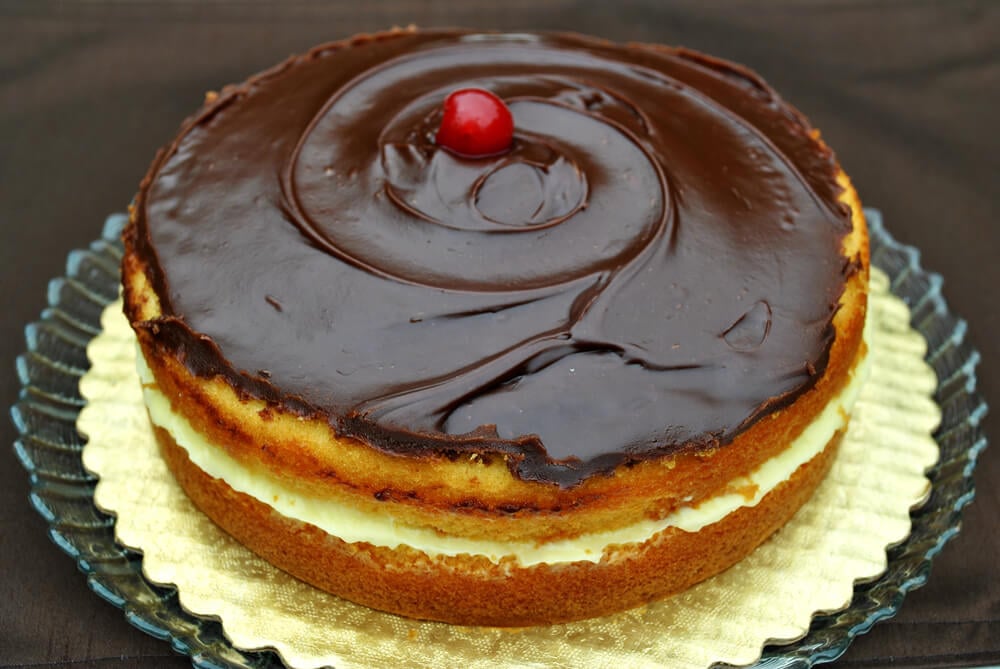
Boston cream pie is two layers of sponge cake filled with vanilla pastry cream and topped with chocolate glaze, and it has never been a pie. The Parker House Hotel in Boston credits its kitchen with creating the dessert in 1856, and the hotel, now the Omni Parker House, still serves it.
Massachusetts named it the official state dessert in 1996. The name dates from a time when cakes were often baked in pie tins, and the label stuck even after the tins changed.
Visitors ordering a slice regularly expect a crust and are surprised to find a fork sinking into sponge.
Indian Pudding by the Hearth
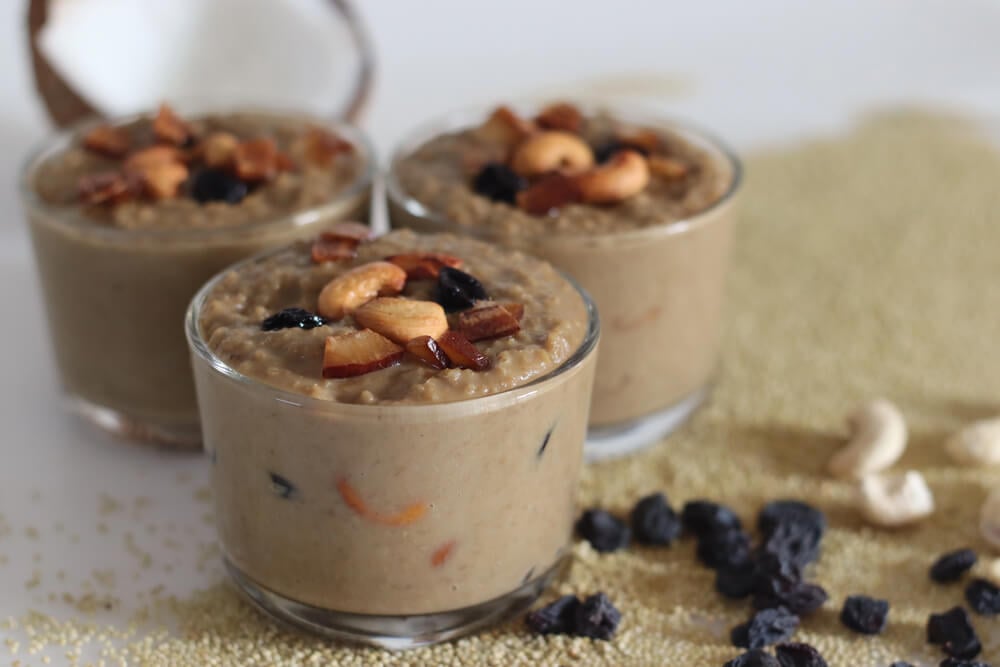
Indian pudding is a dark, soft baked pudding of cornmeal, milk and molasses, spiced with ginger and cinnamon, and cooked slowly for hours. Colonists adapted English hasty pudding using cornmeal, which they called Indian meal, and the name stayed.
The finished dish looks like a brown mush, which is why it rarely wins over visitors at first glance. It is traditionally served warm with a scoop of vanilla ice cream melting on top.
Durgin-Park, the Boston restaurant near Faneuil Hall that served it for generations, closed in 2019, and fans still mourn the loss of its version.
Johnnycakes Without an H
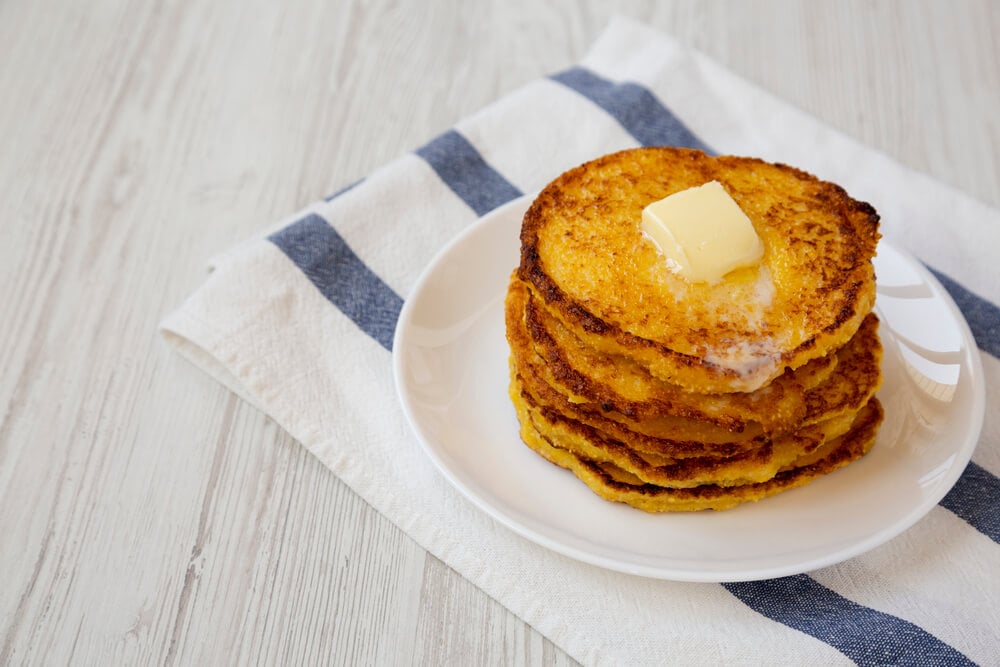
Rhode Island johnnycakes are thin or thick cornmeal griddle cakes, and state tradition insists on spelling them without the h in the middle. They are made from white cap flint corn, a local variety, and Kenyon’s Grist Mill in Usquepaugh has ground it for well over a century.
Newport County cooks make them thin and lacy with milk, while South County cooks make them thick with scalded water, and the two camps rarely agree. They are served with butter and maple syrup or alongside breakfast meats.
Outsiders who expect a fluffy pancake get something closer to a crisp corn cake.
Steamed Cheeseburgers in Meriden
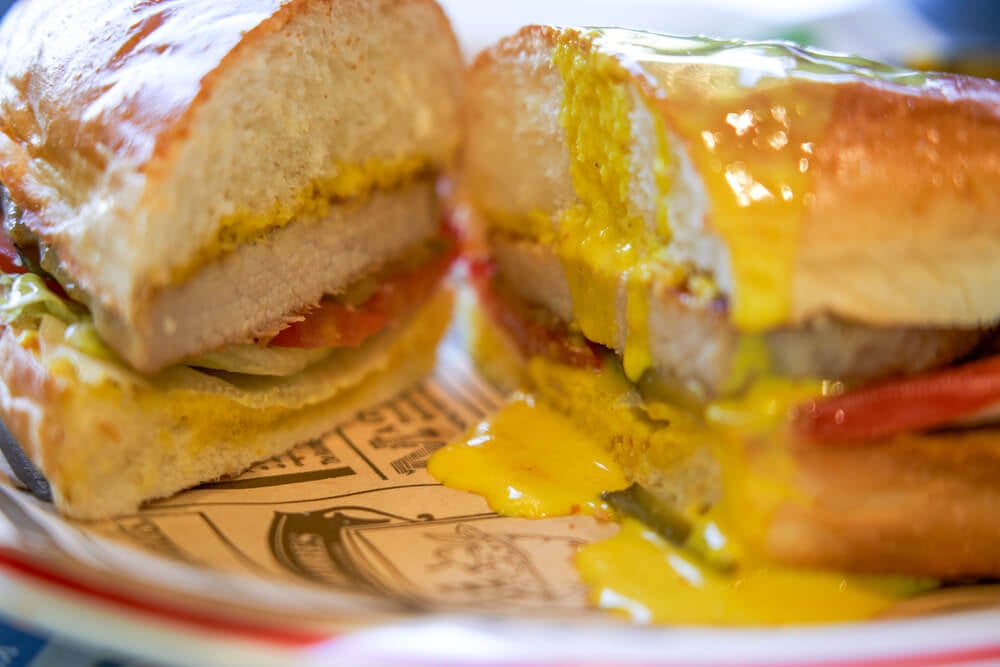
In central Connecticut, particularly around Meriden, burgers are steamed rather than grilled, cooked in small metal trays inside a custom steam cabinet. The cheese is steamed separately until molten, then poured over the patty like lava.
Ted’s Restaurant in Meriden has been serving them since 1959, and it remains the best-known name attached to the style. The meat stays juicy and tender, though the lack of a sear confuses diners who associate burgers with char marks.
Regulars insist the method keeps more of the fat inside the patty, and the counter seats fill fast at lunch.
White Clam Apizza in New Haven
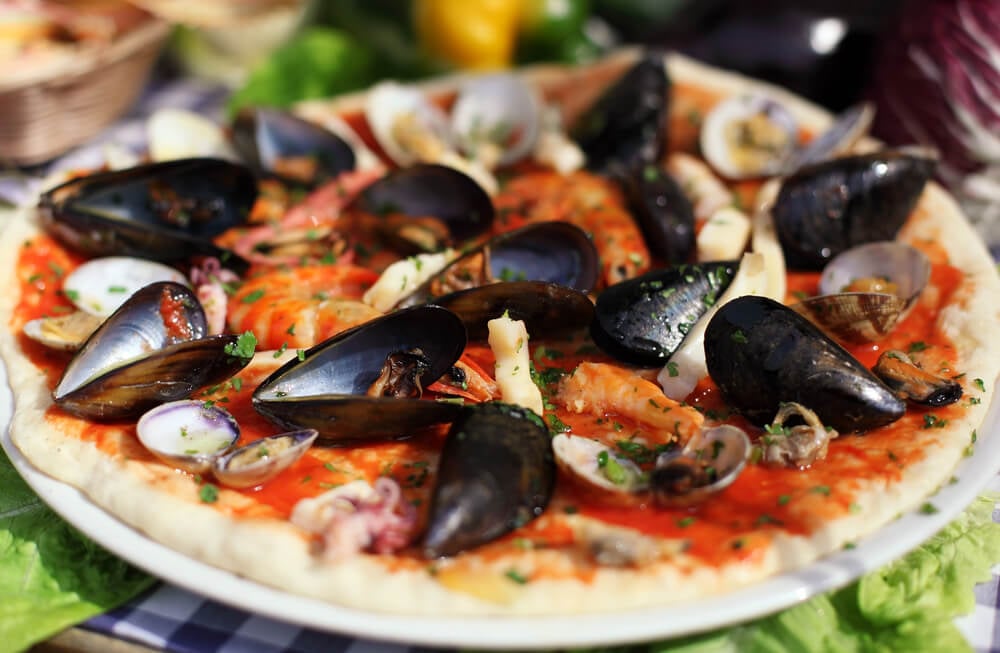
New Haven pizza is called apizza, pronounced roughly ah-beets, and it is baked in coal-fired ovens until the thin crust turns charred and chewy. Frank Pepe Pizzeria Napoletana opened on Wooster Street in 1925 and is credited with the white clam pie, which is topped with fresh clams, garlic, olive oil, oregano and grated cheese but no tomato sauce.
Mozzarella is called mootz, and ordering a plain pie gets tomato sauce without it. Lines outside Pepe’s and nearby Sally’s have been part of the city’s routine for decades.
Out-of-towners are often surprised that the most famous local pie comes with seafood.
New England Boiled Dinner
Corned beef or ham simmered in a big pot with cabbage, potatoes, carrots, turnips and sometimes beets, all served together on one platter, makes up the classic New England boiled dinner. The vegetables absorb the salty meat broth, and mustard or horseradish sits on the table to add some bite.
It was a practical farm meal for cold months, requiring little attention once the pot was on the stove. Outsiders often assume it is a St. Patrick’s Day dish, but New England families serve it all winter.
The leftovers matter nearly as much as the meal, because they become the next morning’s hash.
Red Flannel Hash
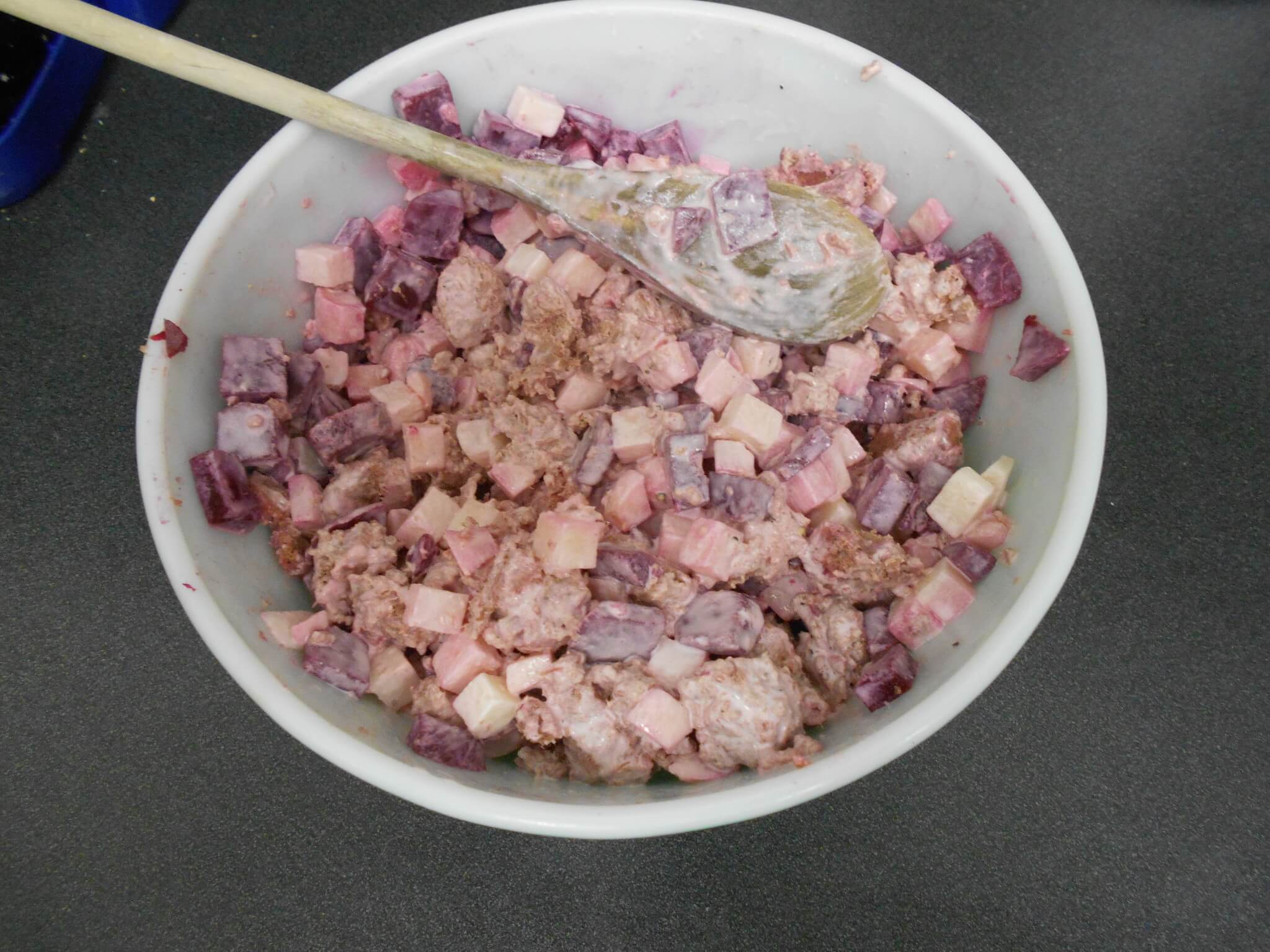
Red flannel hash is made from the leftovers of a boiled dinner, chopped and fried in a skillet until crusty, with beets turning the mixture a deep pinkish red. The color supposedly reminded New Englanders of red flannel long underwear, which gave the dish its name.
Vermont diners in particular list it on breakfast menus, often topped with a fried or poached egg. The beets add sweetness that balances the salty corned beef.
Visitors ordering corned beef hash elsewhere expect brown, so a plate of bright red hash tends to cause a double take before the first forkful.
Fried Clams With the Bellies
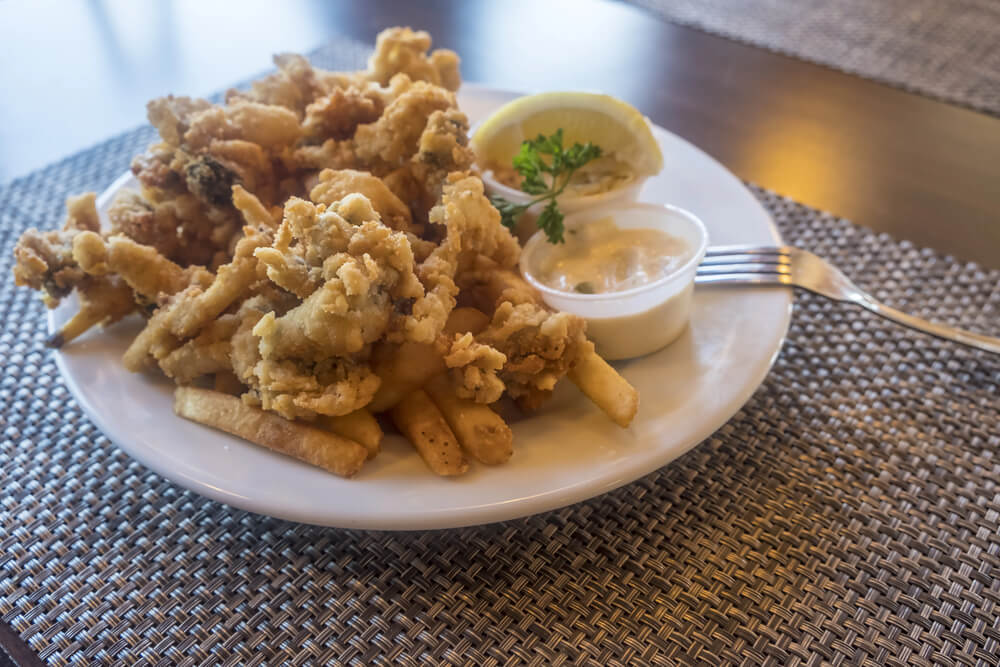
Fried clams with the bellies left in are a North Shore obsession, and the entire point is the soft, briny belly that clam strips leave out. Woodman’s, a roadside restaurant on Massachusetts’ North Shore, says Lawrence Woodman fried the first batch on July 3, 1916, after a customer suggested it.
The clams are soft-shell steamers, often from the Ipswich area, dipped in evaporated milk and corn flour before frying. The national chains made clam strips familiar, so visitors expecting chewy strips are surprised by the rich, messy bellies.
Locals consider the strips a lesser substitute and rarely order them.
Sugar on Snow With Pickles
Sugar on snow is a Vermont sugaring-season treat made by boiling maple syrup until thick and pouring it over packed snow, where it firms into chewy, candy-like strands. It is traditionally served with plain doughnuts and sour dill pickles, which cut the sweetness and let people keep eating.
The combination sounds like a prank to visitors, but sugarhouses have served it that way for generations. Parties are held in March and April, when sap runs and maple producers open their doors to the public.
Children tend to skip the pickles, while adults quickly understand why they are on the plate.
Apple Pie With Cheddar
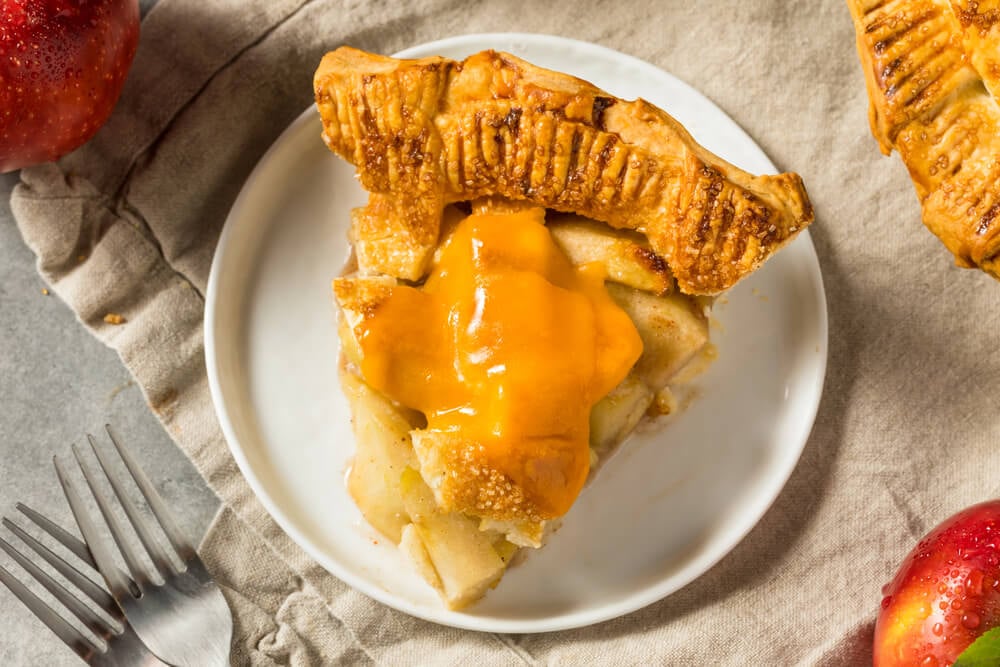
Vermonters often serve apple pie with a slice of sharp cheddar on the side or melted on top, a pairing that bewilders people who expect vanilla ice cream. The state made apple pie its official pie in 1999, and the law asks that a good faith effort be made to serve it with cold milk, vanilla ice cream or a slice of cheddar weighing at least half an ounce.
Vermont producers such as Cabot happily promote the rule. The salty, tangy cheese balances the sweet filling in a way that converts most skeptics.
Some bakers even work cheddar straight into the crust.
Ployes From the St. John Valley
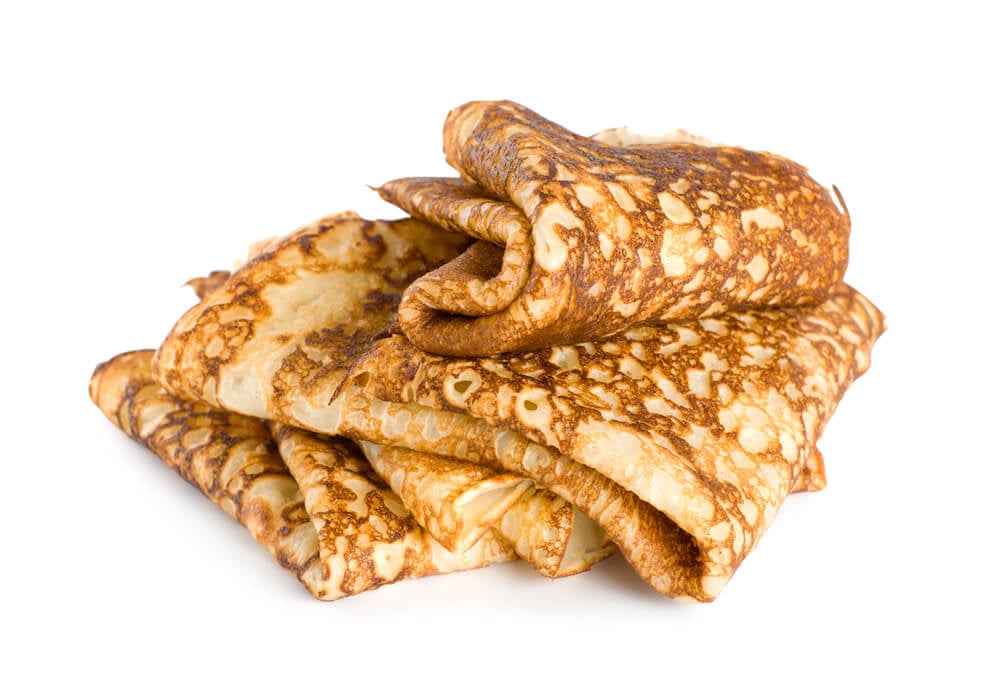
Ployes are thin buckwheat pancakes from the Acadian communities of Maine’s St. John Valley, near the Canadian border. They are cooked on one side only, so the top stays spongy and dotted with tiny bubbles, and they are never flipped.
Families eat them with butter, molasses or maple syrup, or roll them up to scoop stews and baked beans. Bouchard Family Farms in Fort Kent sells a mix that has carried the dish well beyond northern Maine.
Visitors expecting a pancake are puzzled by the gray-yellow color and the lack of a browned top, but the texture wins them over.
Tourtiere on Christmas Eve
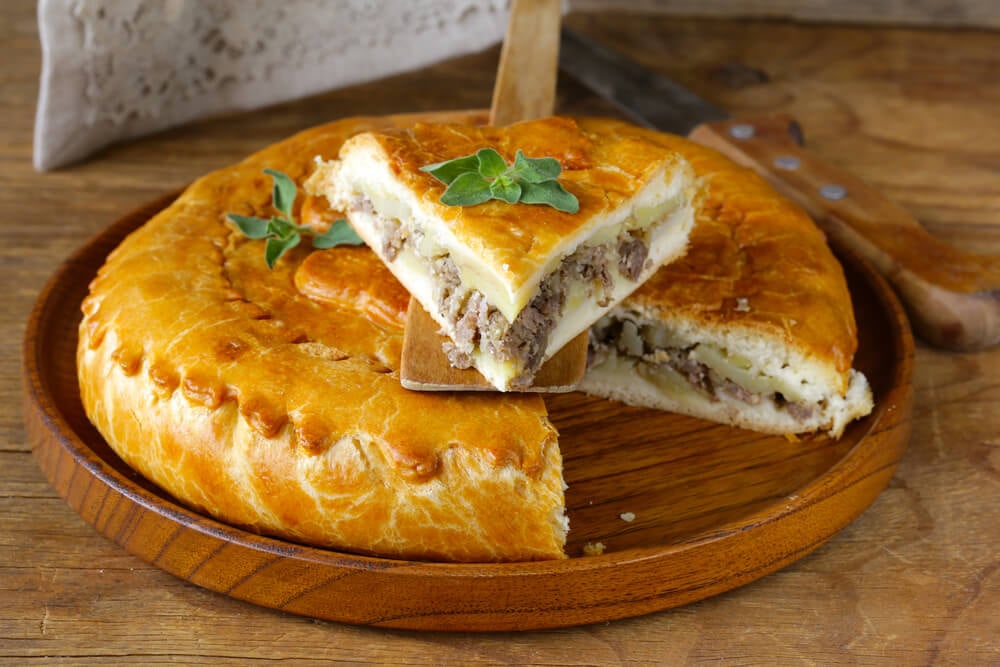
Tourtiere is a French-Canadian meat pie of ground pork, sometimes mixed with beef or veal, seasoned with cinnamon, cloves and allspice. Franco-American families in Maine, New Hampshire and Massachusetts serve it on Christmas Eve, traditionally after midnight Mass, in a late-night meal called the reveillon.
The warm spices surprise diners who expect a savory pie to taste like gravy. Mill towns such as Lewiston, Biddeford and Manchester, which drew thousands of Quebec workers in the 1800s, keep the tradition alive, and bakeries take orders weeks ahead.
Many families serve it with ketchup or a sweet relish.
Chow Mein Sandwiches in Fall River
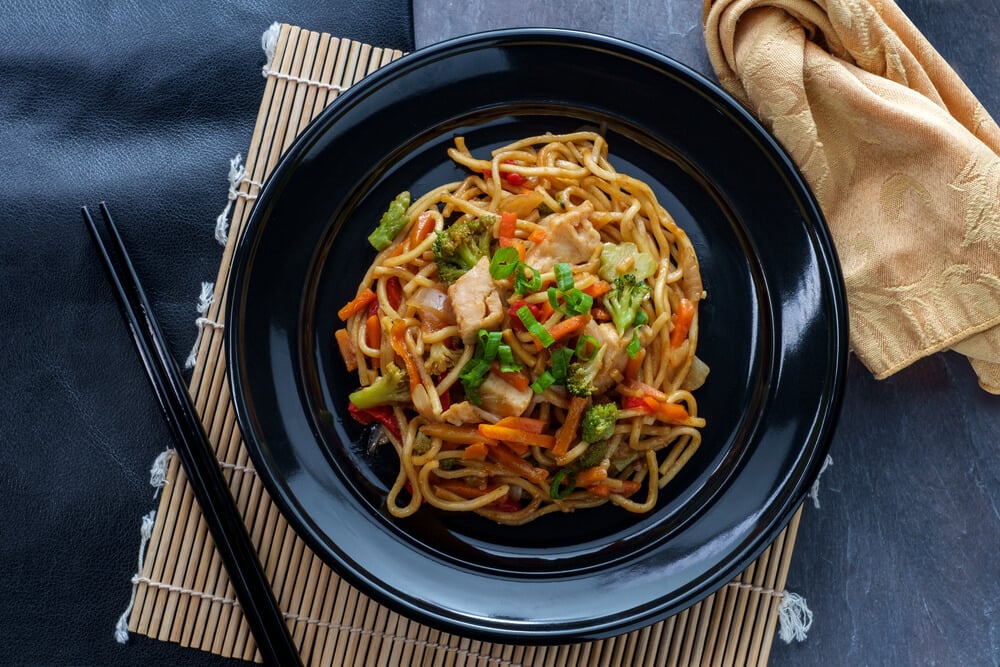
The chow mein sandwich is a Fall River, Massachusetts, specialty made by piling crispy fried noodles, brown gravy and bits of meat or vegetables onto a hamburger bun. It became popular in the mill city’s Chinese American restaurants during the 20th century and spread to lunch counters and school cafeterias.
The local Oriental Chow Mein Company makes Hoo-Mee mix, which gives the gravy its distinctive flavor. Eating it requires speed, since the bun softens quickly under the gravy.
Outsiders who hear the name usually assume a joke, until they see a local ordering two at once.
Scrod on the Menu
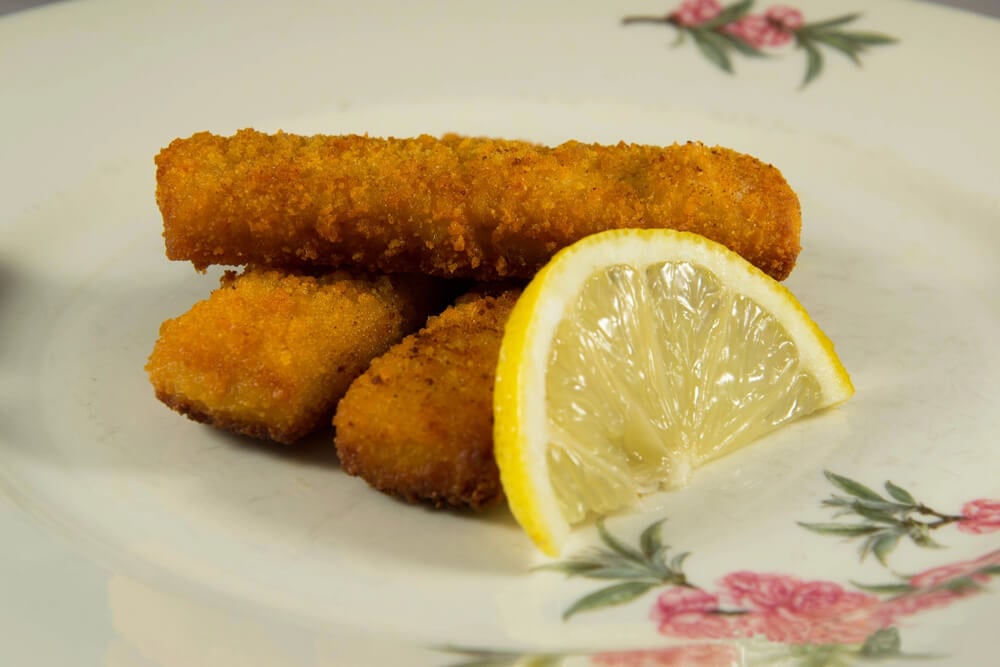
Scrod is not a species of fish, which is the first thing that confuses visitors reading a Boston menu. The term refers to young, mild white fish, usually cod or haddock, sold as the catch of the day.
Legend credits the Parker House Hotel with popularizing the word as a way to describe the freshest fish without committing to a species. Baked scrod topped with buttered breadcrumbs remains a fixture of old Boston restaurants.
Some menus spell it schrod, which some locals say signals haddock, although the rule is inconsistently applied and mostly settled by the waiter.
Dynamites in Woonsocket
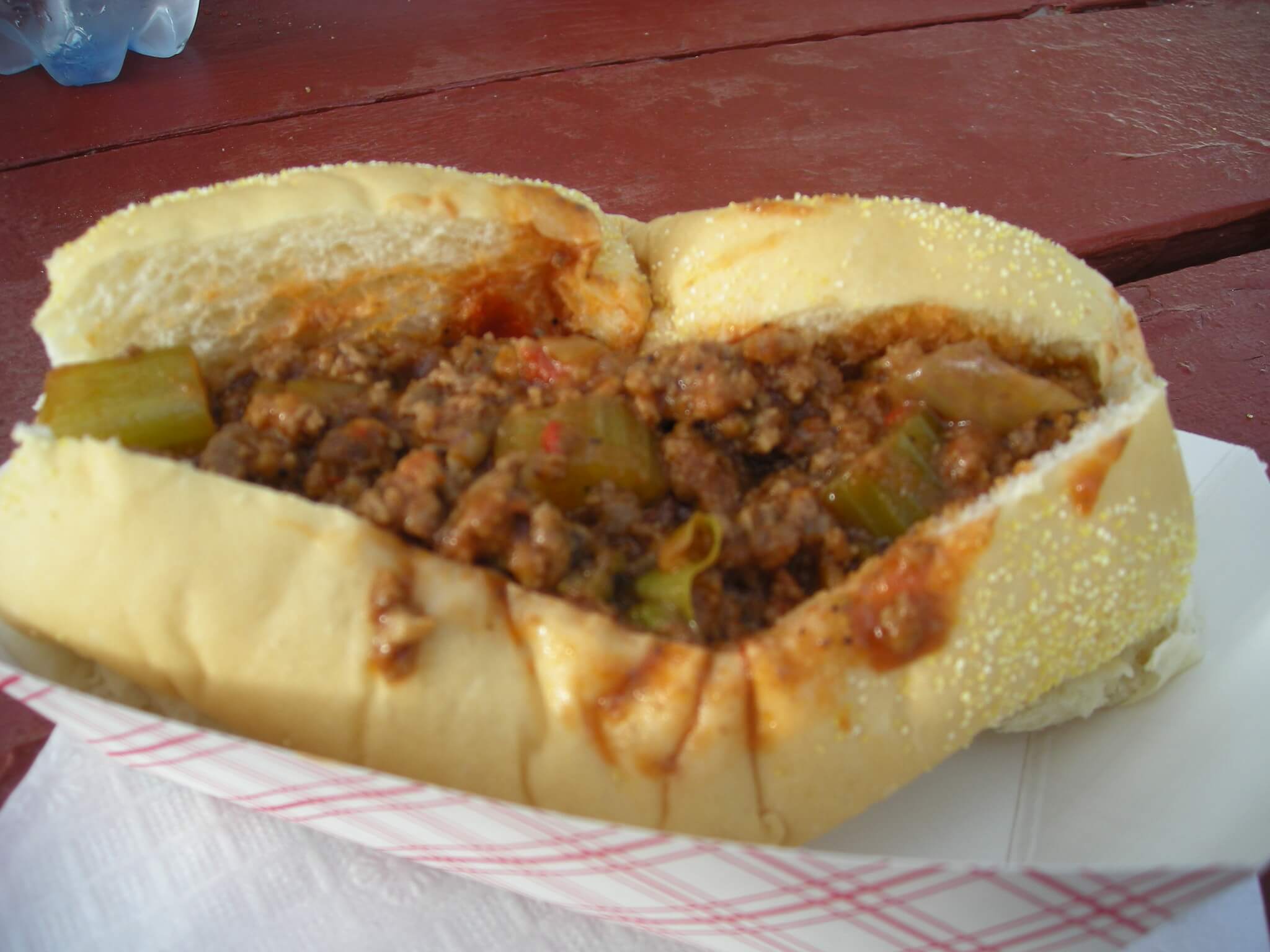
Woonsocket, Rhode Island, has its own take on the sloppy joe, called a dynamite, a spicy mixture of ground beef, green peppers, onions and tomato sauce spooned onto a sub roll. The dish is tied to the city’s French Canadian community, and church suppers and fundraisers still serve it by the tray.
Every family has its own balance of peppers to meat, and debates over celery can get heated. The name hints at the heat, though most versions are more peppery than fiery.
Visitors from outside northern Rhode Island have usually never heard of it, even people who live an hour away.
Maine Italian Sandwich
Mainers use the name Italian sandwich for a soft roll filled with ham, American cheese, onions, green peppers, tomatoes, sour pickles, black olives and a splash of oil. Amato’s in Portland says Giovanni Amato created it in 1902, selling sandwiches to dockworkers.
The combination bears little resemblance to the Italian subs of other regions, which usually rely on salami and provolone. Mainers order them by the dozen for road trips and boat days, and convenience stores sell them wrapped in paper.
Visitors expecting cured meats and sharp cheese are often surprised, though the sandwich has a loyal following.
Regional Food as a Password
Almost every item here survives because it was practical before it was charming. Canned bread, potato candy and stretched gravy all came from households that made the most of what they had.
Over time those habits hardened into identity. A frappe order or a plate of red hash now works like a password.
Locals know the answer, visitors ask questions, and that small gap tells everyone who belongs. The confusion is not an accident but part of the flavor.
More from Go2Tutors!

- The Romanov Crown Jewels and Their Tragic Fate
- 13 Historical Mysteries That Science Still Can’t Solve
- Famous Hoaxes That Fooled the World for Years
- 15 Child Stars with Tragic Adult Lives
- 16 Famous Jewelry Pieces in History
Like Go2Tutors’s content? Follow us on MSN.