18 Everyday Tasks That Were Surprisingly Complicated Before Modern Technology
Found my grandmother’s recipe box last weekend – full of handwritten cards with food stains and notes scribbled in margins. Got me thinking about how we take so much for granted now.
Tasks that eat up maybe 30 seconds of our day used to be genuine projects requiring planning, patience, and sometimes an entire afternoon. Here are 18 everyday things that used to be way harder than most of us remember or realize.
Finding Your Way Around
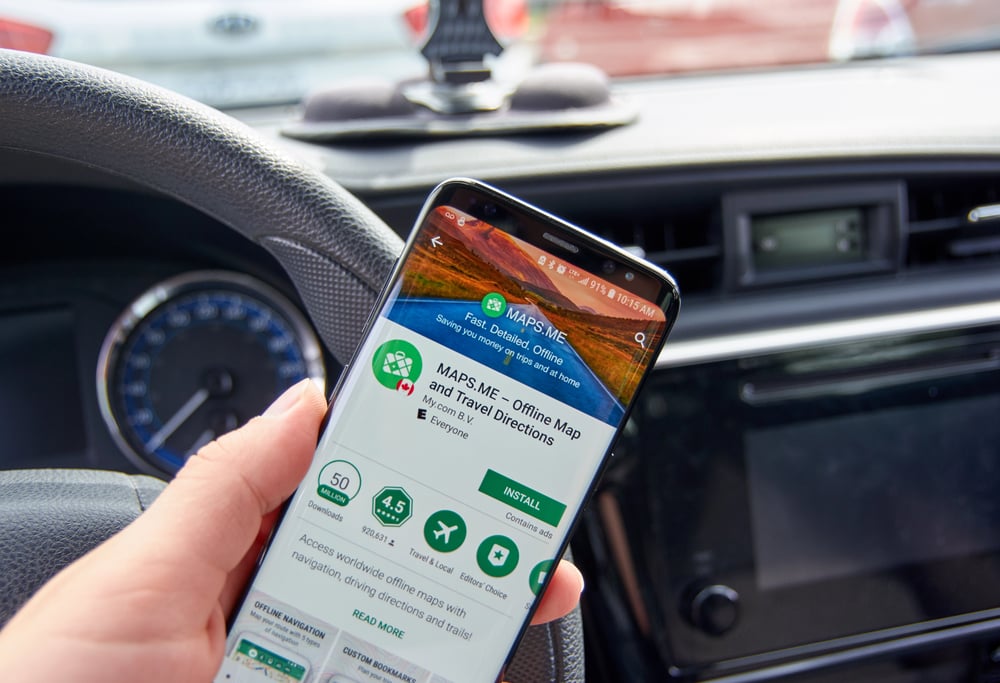
Before GPS, getting somewhere new meant studying actual paper maps – sometimes multiple maps that you had to unfold across the entire dashboard. My dad would map out road trip days in advance, highlighting routes and writing down each turn on an index card.
Getting lost wasn’t just annoying – it could mean being genuinely stranded for hours. Asking directions at gas stations was a legitimate survival skill.
Looking Up Basic Facts

Had to resolve a dispute over who won the World Series at the dinner table? I hope you had a good set of encyclopedias or were prepared to wait until tomorrow when the library opened.
It took focused research time to find simple data that we can obtain today in a matter of seconds. Because it was so difficult to look things up, my uncle Tom kept a notepad of strange knowledge.
When information wasn’t readily available, it was genuinely valuable.
Banking and Paying Bills
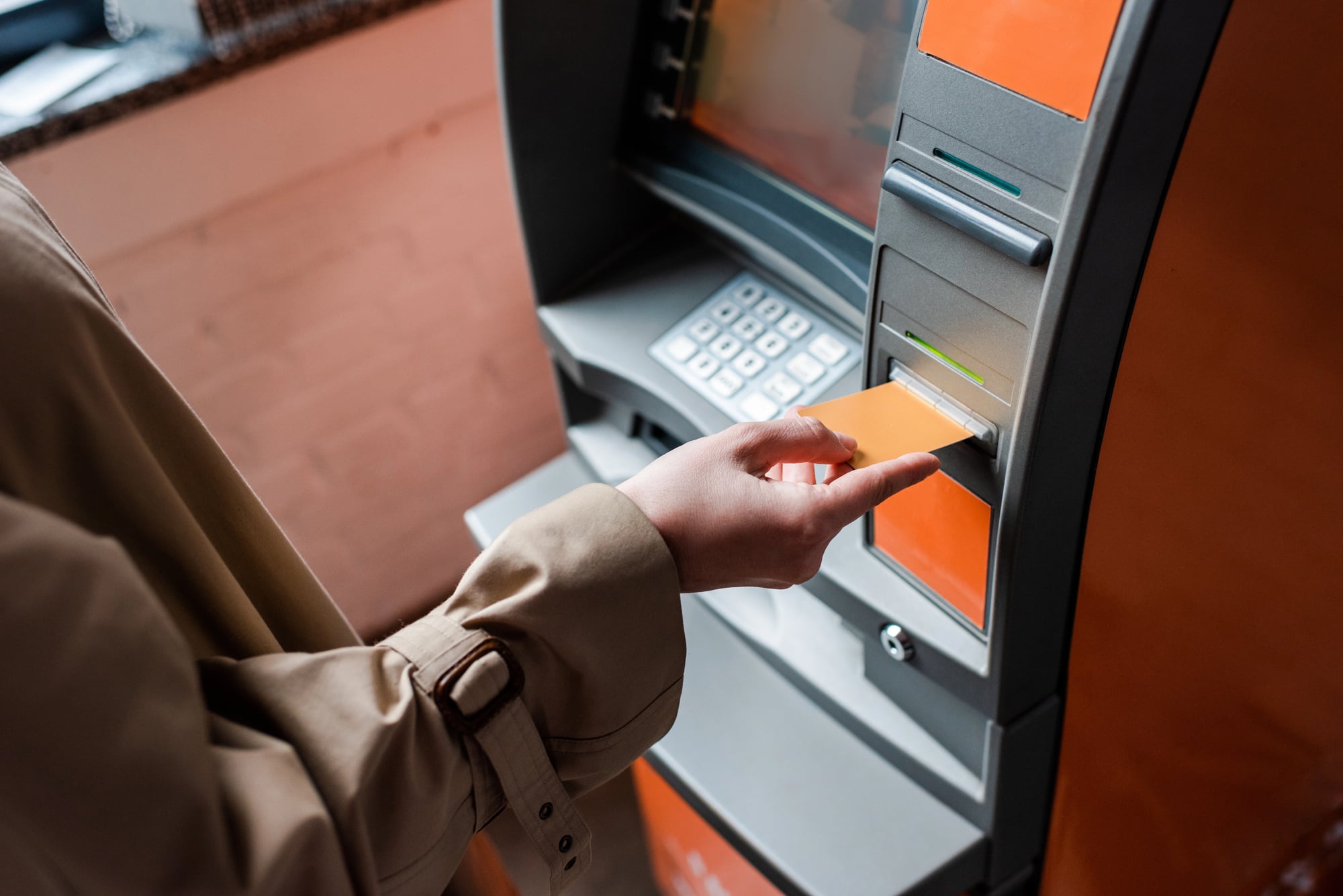
Banking consumed entire lunch hours. Standing in line on payday was the norm.
Paying monthly bills meant writing separate checks, looking for envelopes, buying stamps, and mailing each separately – days in advance to allow for postal lag. People had special bill-paying appointments with checkbooks, calendars, and stamps laid out on kitchen tables.
Sharing Photos

Taking photos meant using actual film with just chances to get it right. No instant previews or retakes.
Then you’d wait days or weeks for processing, pay for every print regardless of quality, and physically store them in albums. Sharing meant either making duplicate prints in advance or mailing originals and hoping they’d return someday.
School picture day was a genuine investment.
Watching Your Favorite Show

Wanted to watch a specific TV episode? You planned your entire schedule around when it aired.
Miss it? Tough luck unless you programmed your VCR correctly – which few people truly mastered.
My mom still talks about the betrayal she felt when someone called during the MAS*H finale. Entertainment was fleeting, not on-demand, which made it both more frustrating and sometimes more special.
Shopping for Stuff

Shopping meant physically going to multiple specialized stores during business hours. Comparing prices required driving between locations and taking notes.
No online reviews meant relying on sales staff or word-of-mouth. My aunt drove miles to a specific department store for certain items because local options were limited.
The amount of time spent acquiring basic household goods was staggering by today’s standards.
Writing Documents

Typing mistakes meant starting over or using correction fluid. My mom’s office had a dedicated typist because creating professional documents was a specialized skill.
College papers involved multiple handwritten drafts before the final typed version. Nothing was easily editable or savable to multiple locations.
One spilled coffee could mean redoing hours of work. The physical nature of documents made them precious.
Finding a Date

Meeting potential partners meant relying on friends for setups, random encounters, or working up the courage to approach strangers in social settings. My cousin joined community theater in the s specifically to meet people after exhausting her existing social circles.
No scrolling through profiles or algorithmic matching. The dating pool was limited to who you physically encountered in your daily life – for better and worse.
Researching Products

Consumer Reports magazines were family treasures, dog-eared and consulted before major purchases. People relied on sales associates who sometimes gave terrible advice based on what earned higher commissions.
My neighbor bought a famously terrible car model because he had no easy way to research reliability records. The information asymmetry between sellers and buyers was enormous.
Recording Music
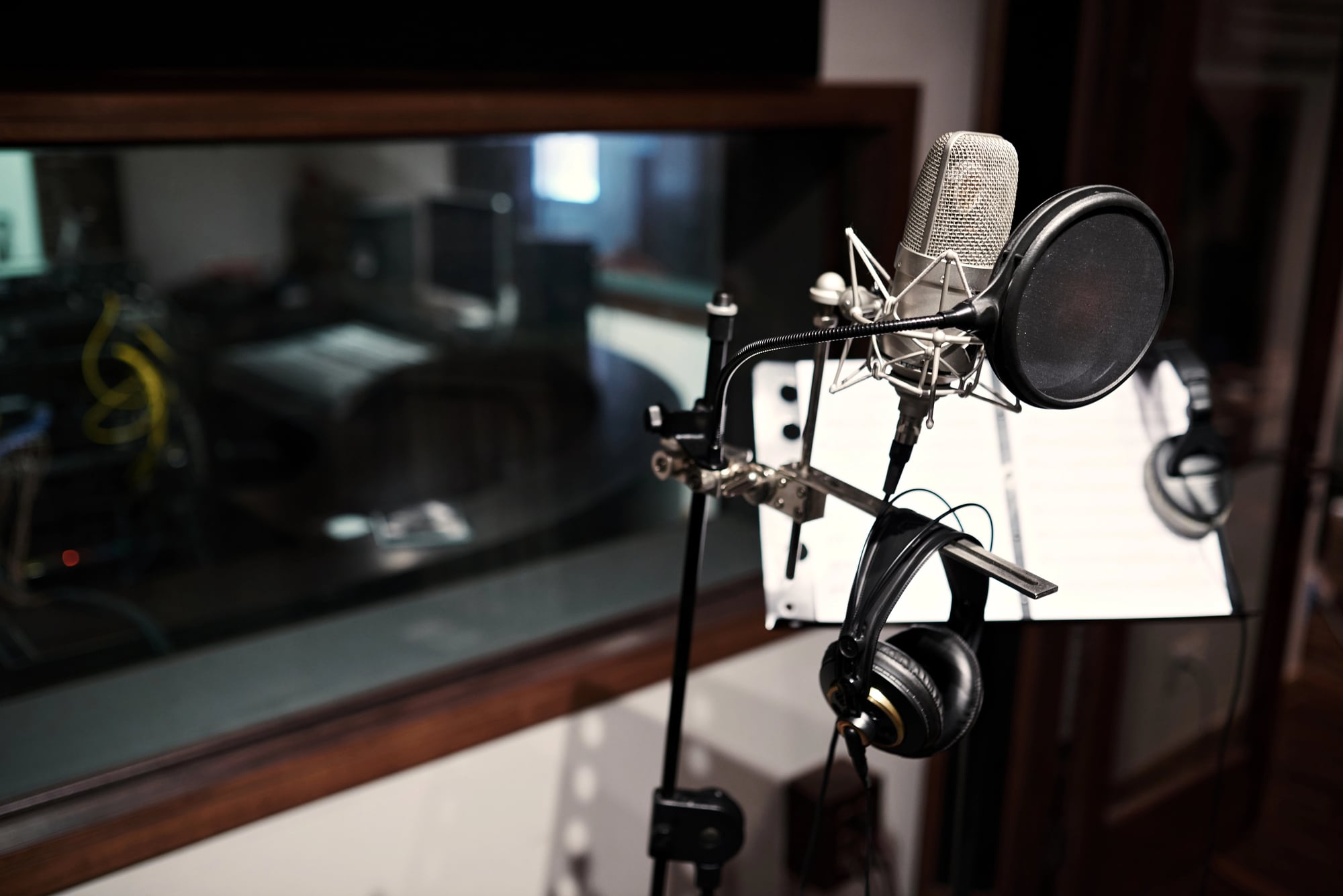
Making mixtapes took serious planning and hours sitting by the radio waiting for songs, hitting record at the perfect moment. My sister spent an entire Saturday making one perfect mixtape for a road trip.
The dedication required meant each compilation had genuine sentimental value. Sharing music was a labor of love, not an instantly generated playlist.
Contacting Friends Spontaneously

Calling a friend’s house meant potentially talking to their parents first. No way of knowing if someone was home before trying.
Making plans required multiple calls and precise arrangements since you couldn’t update each other on the go. My high school meeting spot was outside the movie theater – we’d just wait there for whoever showed up.
The lack of constant connection made socialization both harder to coordinate but somehow more committed.
Applying for Jobs

Job hunting meant physically traveling to businesses, asking for applications, and returning them in person. Wanted to work at five places? That meant five separate trips minimum.
Résumés were printed on special paper at copy shops. The Sunday newspaper classified section was essential reading – people would circle listings and map out application routes for Monday.
The physical effort required made each application feel significant.
Managing Personal Records
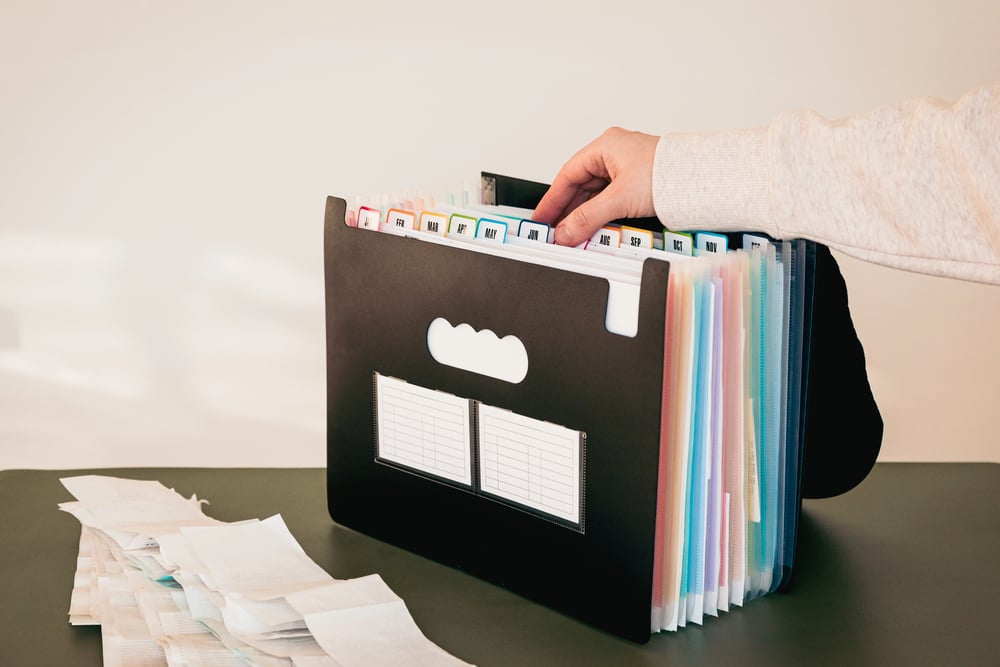
Tax documents, receipts, instruction manuals, warranties – all physical papers requiring storage space and organization systems. My parents’ filing cabinet was a hallowed object containing irreplaceable documents.
Losing something meant it was truly gone. The amount of physical administrative work in maintaining a household would seem shocking to digital natives who’ve never balanced a paper checkbook.
Making Restaurant Reservations

Booking a table meant calling during business hours and speaking to an actual person. Popular places required calling exactly when their reservation line opened – often getting busy signals for an hour.
No online availability checking or instant confirmation. The hostess’s physical reservation book was law.
Nice dinner plans could require planning days in advance just to secure a table, especially for groups.
Sending Messages to Multiple People

Group communication required either multiple individual calls or physical photocopies distributed by hand or mail. Organizing the neighborhood block party meant creating flyers and physically walking to each house.
Office memos were copied and physically placed in mailboxes. The effort required meant people communicated in batches rather than constant updates – weekly newsletters instead of instant alerts.
Creating and Editing Videos

Home videos were expensive, required specialized equipment, and once recorded, were basically unchangeable. My dad’s wedding video business in the s required thousands in equipment, and editing meant physically cutting and splicing tape.
Creating even simple videos was a technical skill requiring training and investment. The gap between amateur and professional content was enormous compared to today.
Learning New Skills

Wanted to learn guitar? Better find a local teacher or hope the library has decent instructional books.
Learning was limited by your physical access to experts or materials. My uncle taught himself plumbing from a single dog-eared handbook because there were no YouTube tutorials to walk him through fixing a specific faucet model.
Self-education required serious dedication and often involved a lot of frustrating trial and error.
Storing Information

Physical storage meant making hard choices about what to keep. Photo albums, record collections, bookshelves – all consumed significant home space.
My grandparents’ attic became a carefully curated archive of family documents. Information had physical weight and presence.
Losing items to fires, floods, or simple misplacement meant they were permanently gone, creating a completely different relationship with personal archives.
What We’ve Gained and Lost
These changes have obviously saved us thousands of hours of collective human effort. Tasks that consumed entire afternoons now take seconds.
But sometimes I wonder if we’ve lost something too – the weight that comes from effort, the satisfaction of mastering something genuinely difficult, the appreciation that comes from scarcity. Convenience has given us more time but perhaps less patience.
The next time your map app reroutes you automatically, spare a thought for your grandparents unfolding crinkled paper maps by dashboard light, making their way through the world turn by complicated turn.
More from Go2Tutors!

- The Romanov Crown Jewels and Their Tragic Fate
- 13 Historical Mysteries That Science Still Can’t Solve
- Famous Hoaxes That Fooled the World for Years
- 15 Child Stars with Tragic Adult Lives
- 16 Famous Jewelry Pieces in History
Like Go2Tutors’s content? Follow us on MSN.