16 Things You Didn’t Know About Arctic explorers
The frozen wastes of the Arctic have swallowed more lives than most wars, yet people keep going back, drawn to the ice and silence as if by some strange magnetism. Behind the heroic tales of polar conquest lie stranger truths—moments of desperation, stubbornness, and sometimes grim humor.
Here’s a list of 16 surprising facts about Arctic explorers that reveal the very human side of polar adventure.
They Often Got Lost in Their Own Camps
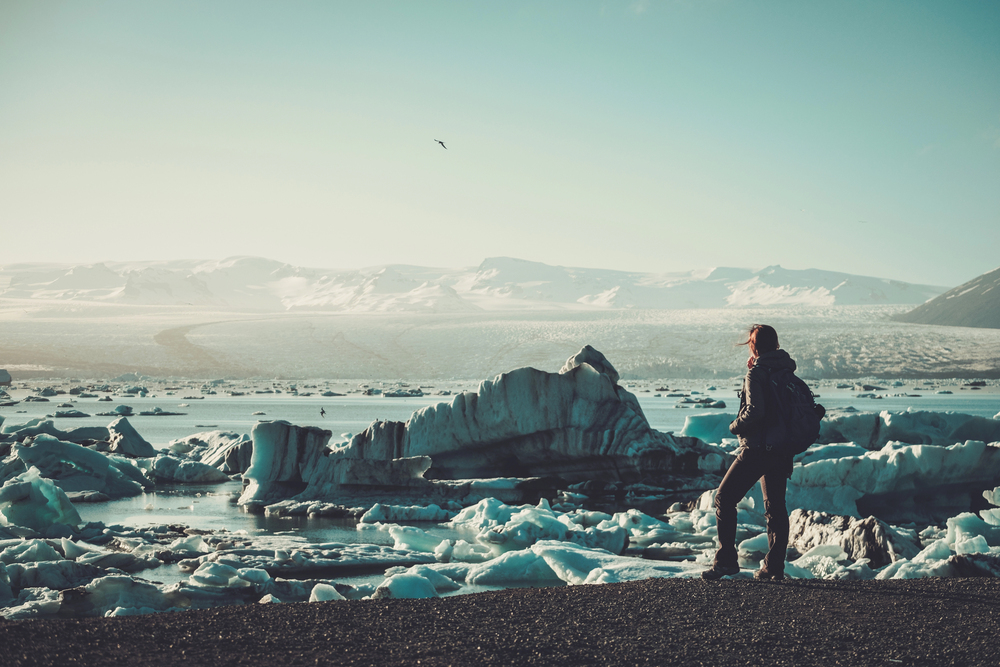
Even seasoned Arctic explorers could become disoriented just a few yards from their tents. Whiteouts erased all sense of direction, and snowdrifts blurred into one endless white canvas.
Some expeditions tied ropes between shelters and supply caches to stop people from vanishing during something as ordinary as fetching firewood. Imagine stepping out for kindling—and never finding your way back.
Scurvy Made Their Teeth Fall Out
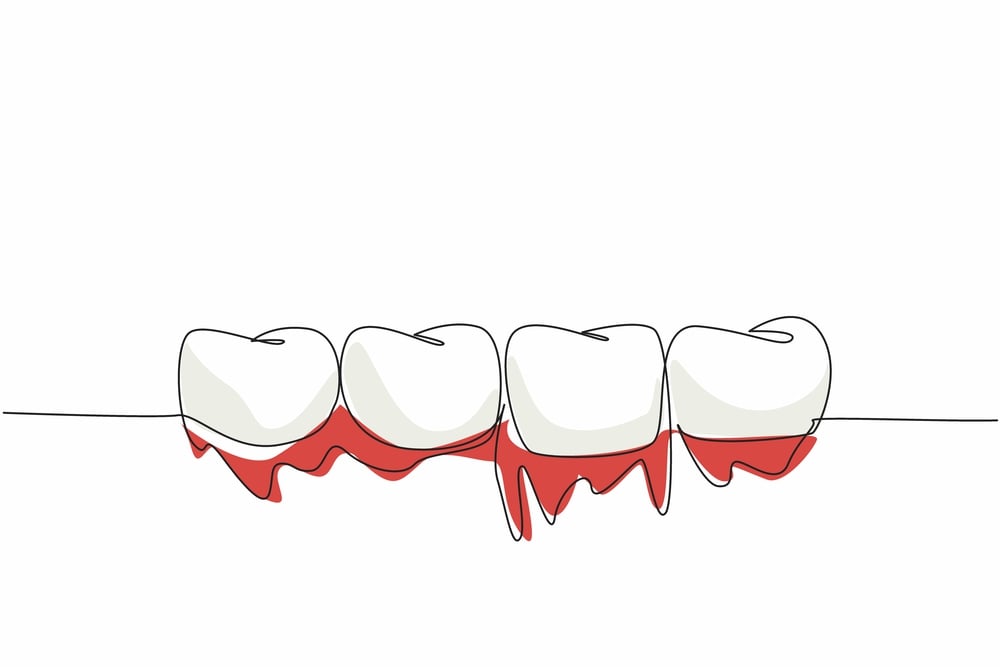
Lack of vitamin C was merciless. Within months, explorers’ gums swelled, teeth loosened and dropped out, and even old healed wounds split open again.
James Cook’s crew had already shown that sauerkraut kept scurvy away, but many later expeditions ignored the evidence. Pride, stubbornness… call it what you like. It killed more men than polar bears ever did.
They Ate Their Leather Boots
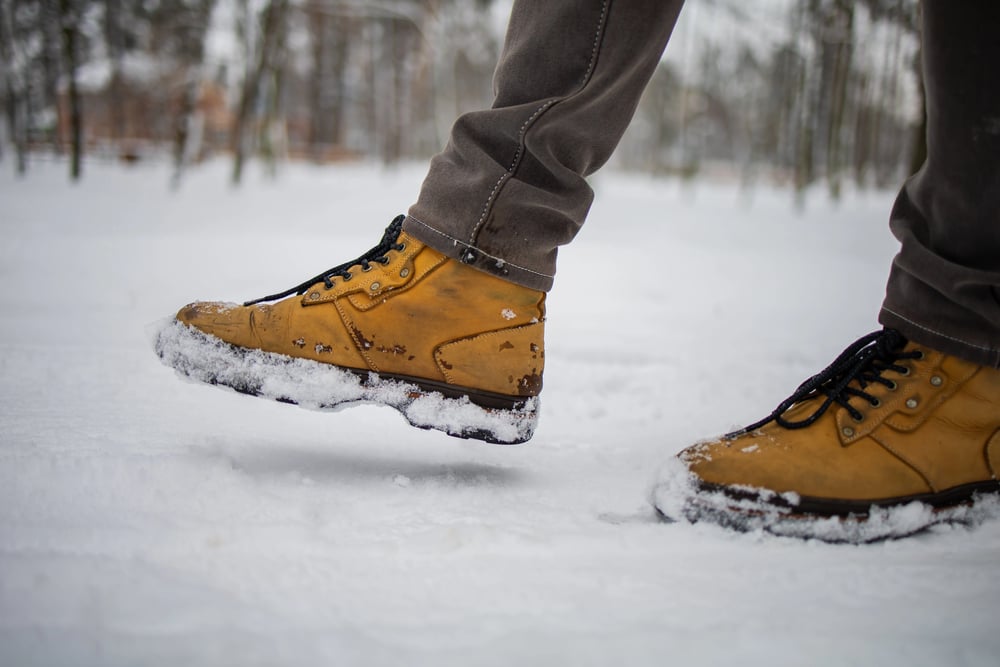
Yes, really. When food ran out, Arctic explorers boiled and chewed leather from boots, belts, and harnesses. It had almost no nutritional value—yet it filled their stomachs long enough to keep going.
Some expeditions even packed extra leather for this grisly purpose, as if soles and straps were rations in disguise. Dinner was not exactly five-star.
Female Explorers Were Often Better Prepared
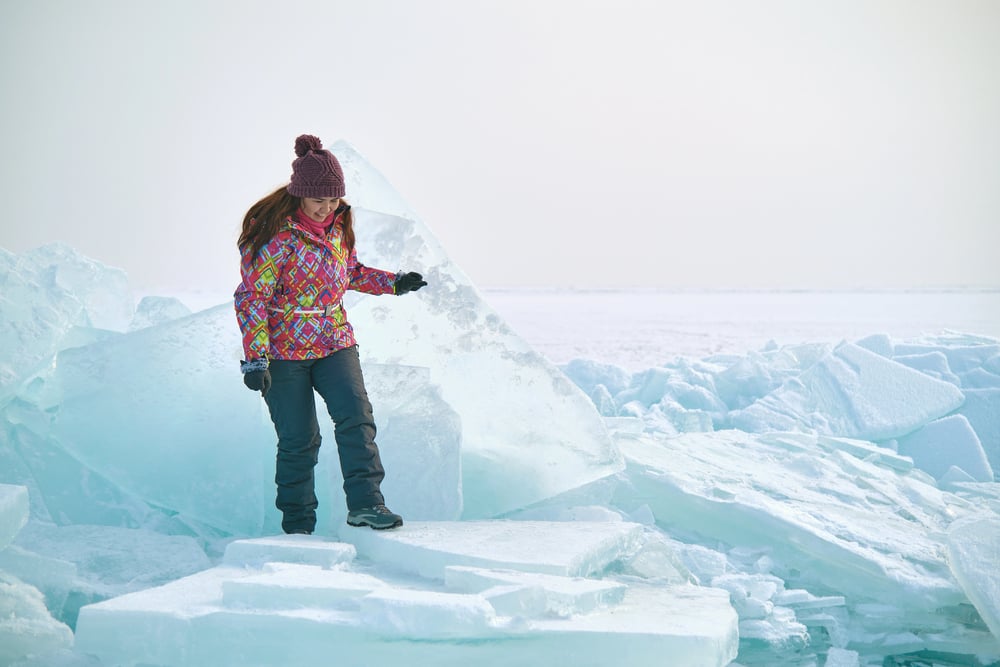
Women in polar expeditions often outshone men simply by planning more carefully. They packed clothing better suited to the climate, kept supplies organized, and maintained hygiene standards that reduced illness.
Still, society rarely gave them their due. Many were written off as “expedition wives,” even while carrying out vital research and leading essential tasks.
They Used Urine as Anti-Freeze

It sounds crude, but urine was a handy tool. Because it doesn’t freeze at the same temperature as water, explorers used it to thaw jammed locks, frozen zippers, and metal tools stuck solid.
Unorthodox? Definitely. But it worked. The ammonia content offered just enough chemical kick to keep things moving in deadly cold.
Their Beards Became Ice Sculptures
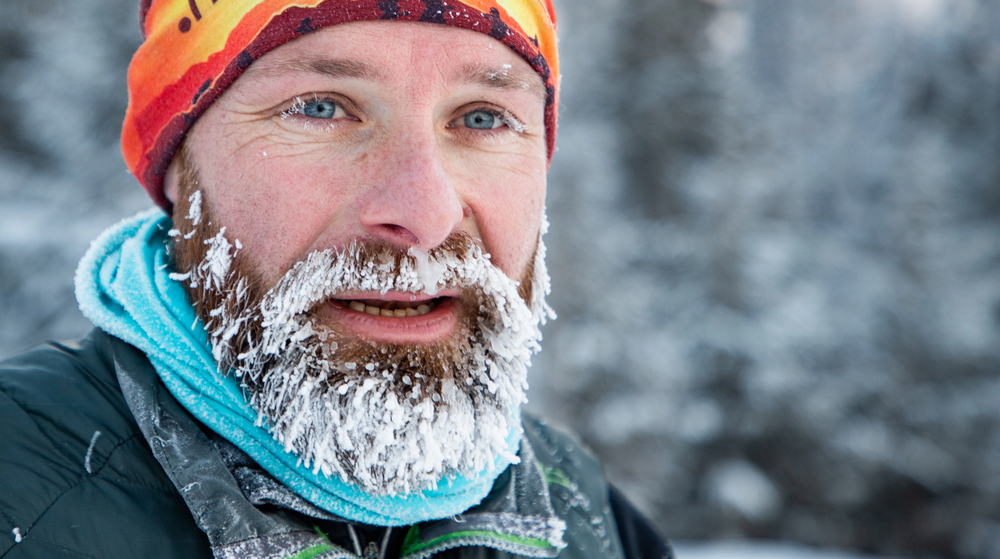
Beards turned into frosty prisons. Each breath froze instantly on mustaches and whiskers, creating masks of ice so heavy they made breathing hard.
Clever explorers trimmed facial hair short, or wrapped their faces entirely. Others wasted precious fuel melting beard-ice several times a day. Imagine rationing kerosene—just for your chin.
They Often Couldn’t Tell North from South
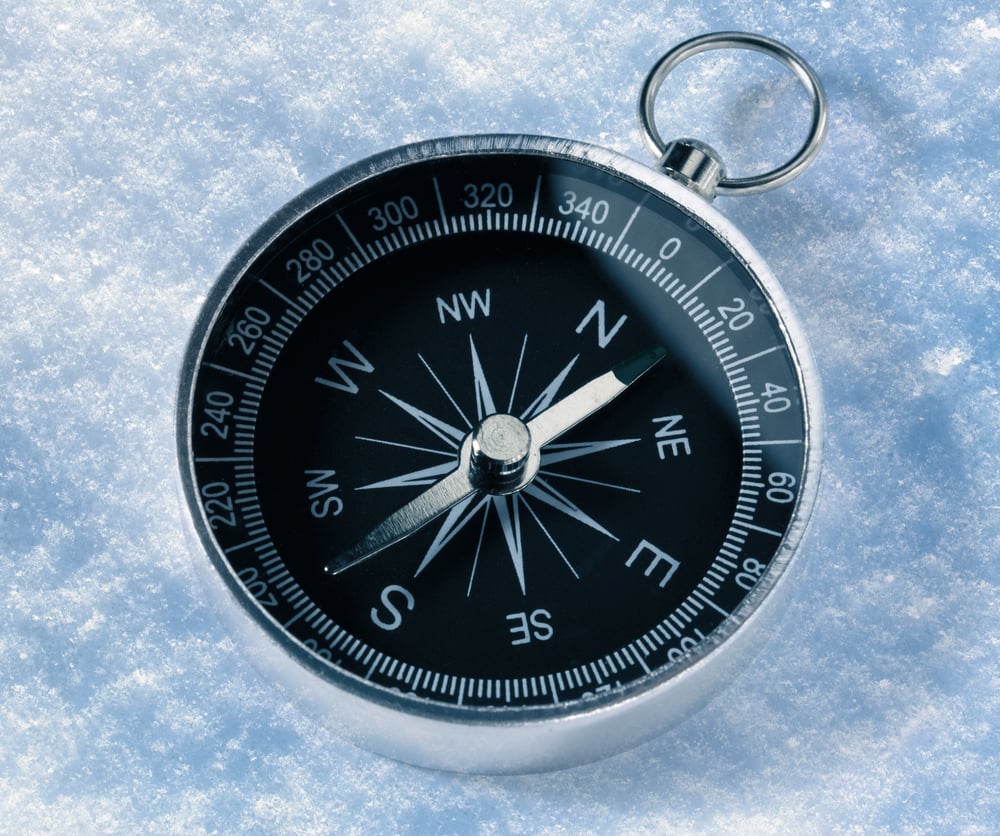
Compasses lost their minds near the poles. Needles spun uselessly or pointed in the wrong direction altogether. Traditional navigation was a joke in that environment.
So explorers learned tricks instead: reading stars on clear nights, watching wind patterns, studying snow drifts, even following animal migration routes. Science mixed with instinct.
Polar Bears Stalked Them for Miles
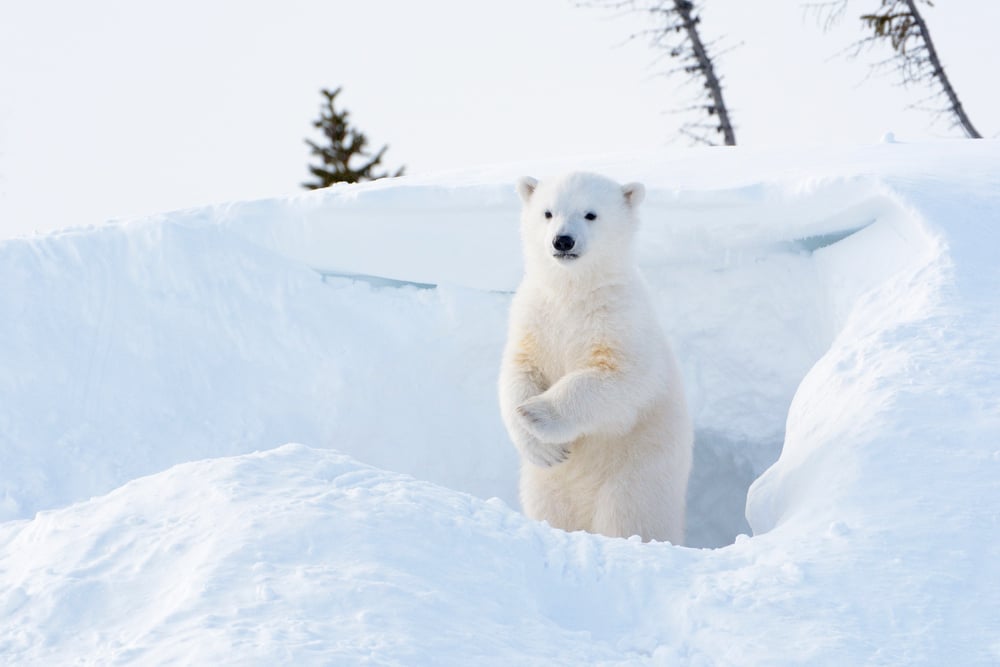
Polar bears were not just chance encounters—they were patient hunters. Some followed expeditions for days, just out of rifle range, waiting for someone to fall behind.
The psychological toll was immense. Sleep became impossible without guards on watch 24/7. To be prey while also starving? That wears a soul thin.
They Suffered From Snow Blindness
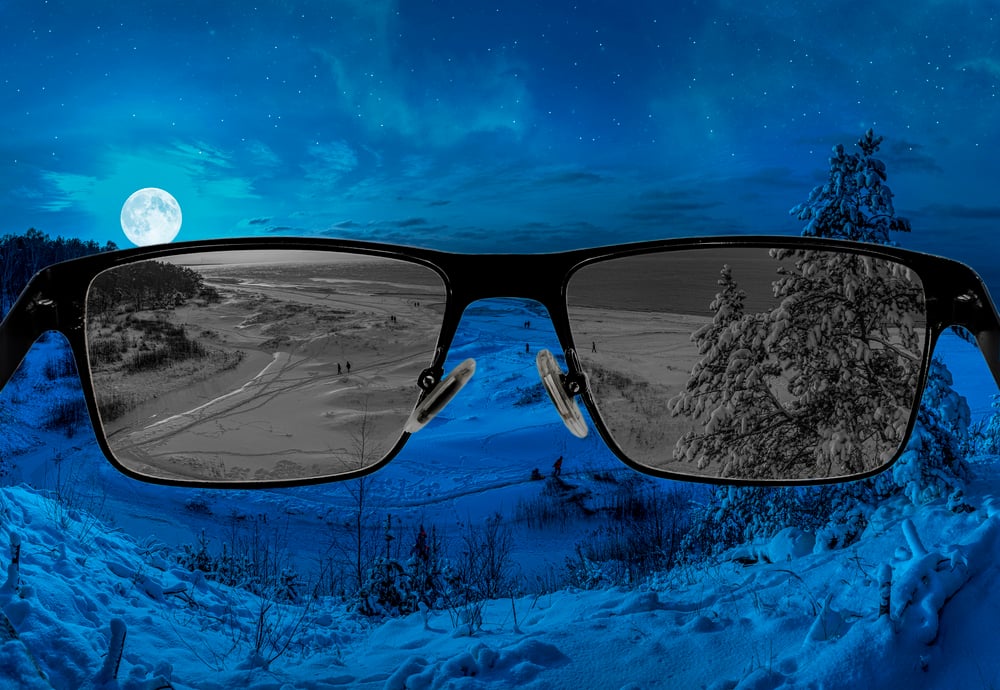
Sunlight bouncing off endless snowfields burned eyes like welding torches. The result was agony—temporary blindness, sometimes permanent damage.
Indigenous Inuit had solved this thousands of years earlier, carving snow goggles from bone or wood. Yet many European explorers dismissed this knowledge. And they paid the price.
Their Sleds Were Pulled by Condemned Criminals
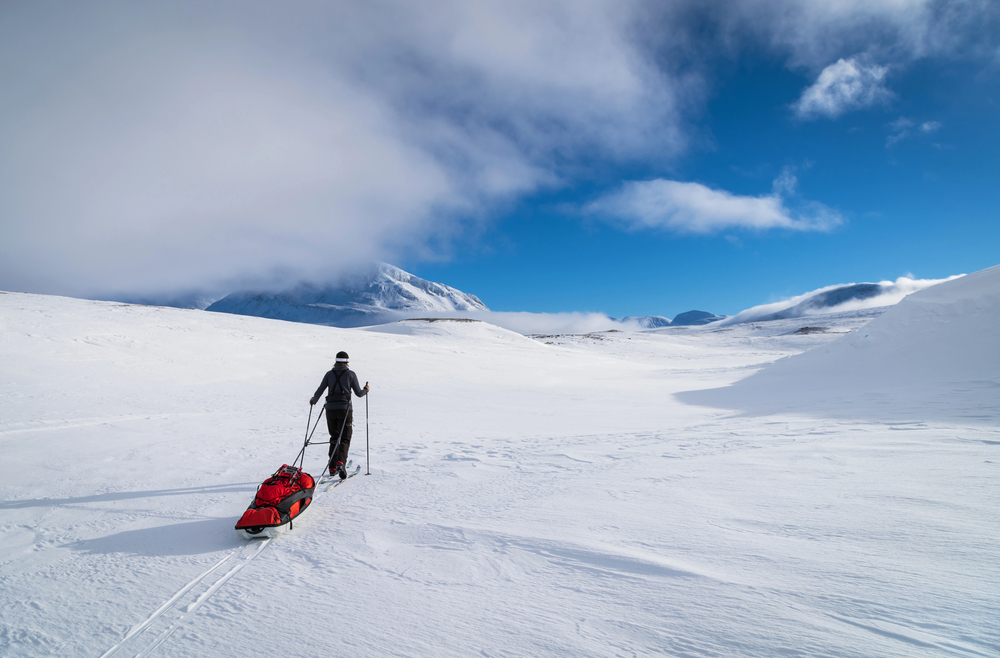
Some expeditions turned to convicts for labor. Prisoners were promised reduced sentences if they hauled supply sleds across lethal ice.
It rarely ended well. Harsh conditions plus desperate men created tension and danger for everyone. It wasn’t exactly a recipe for trust and teamwork.
They Discovered Fossils in Frozen Ground
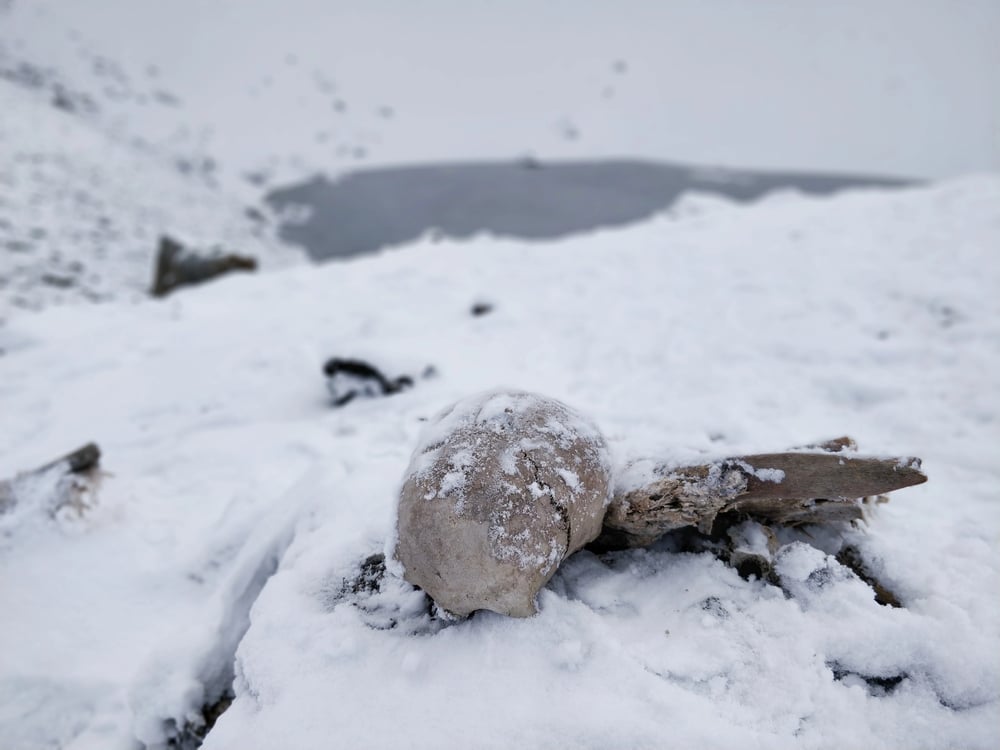
In their digging and scraping, explorers uncovered frozen relics of the deep past—mammoth tusks, ancient plants, and extinct animals locked in ice for millennia.
These accidental finds transformed science’s understanding of climate history. Sometimes, the fossils proved more important than the actual expeditions.
Dogs Were More Valuable Than Gold
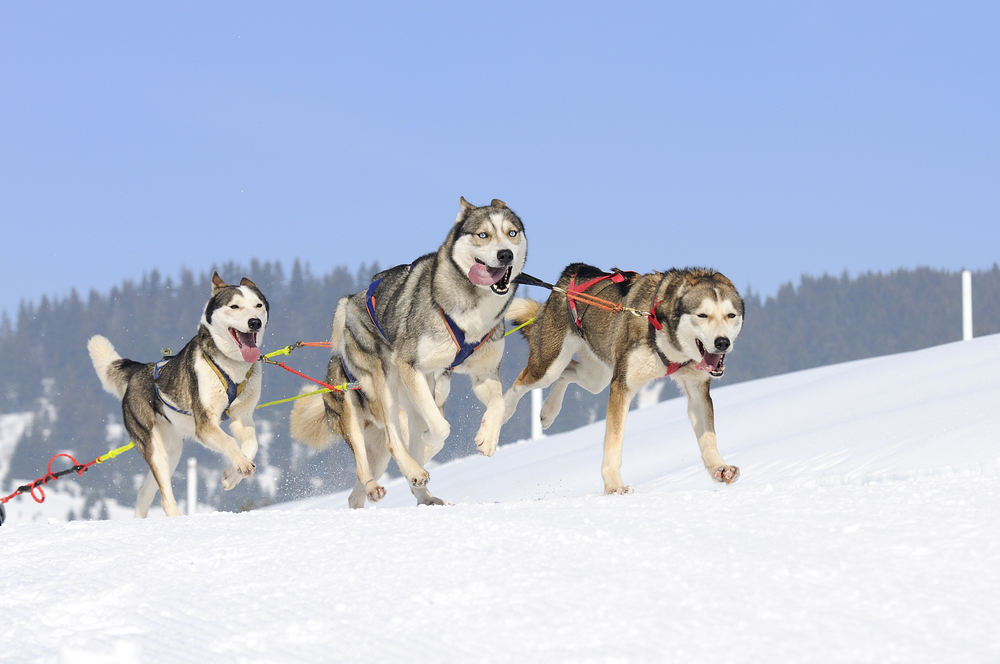
A strong dog team meant survival. A skilled lead dog could fetch a price equal to months of wages for a skilled laborer.
Explorers bonded with their animals so deeply they often shared food and sleeping quarters. Lose your dog team, and you might as well pack it in.
They Used Cocaine for Pain Relief

Medical kits carried cocaine as a cure-all for pain, exhaustion, and even depression. For a while, it worked—granting energy to stagger on in impossible conditions.
But dependency crept in. Long polar nights bred addiction, which only worsened the health crisis already gnawing at every crew.
Their Food Came in Tin Cans with Lead Solder
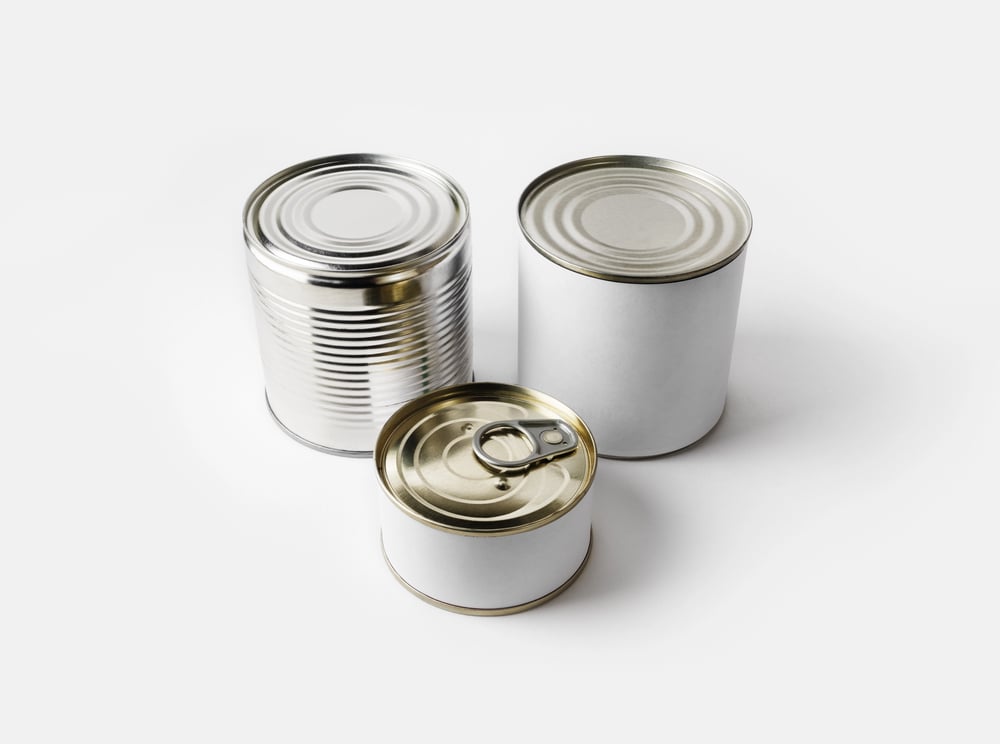
Canned rations were supposed to be revolutionary. Instead, lead solder on the seams poisoned explorers over months. Symptoms included confusion, aggression, and poor judgment.
The Franklin expedition likely collapsed because of this slow poisoning. Modern analysis of their remains confirms it: lead levels high enough to cripple an entire crew.
They Often Went Insane From Darkness
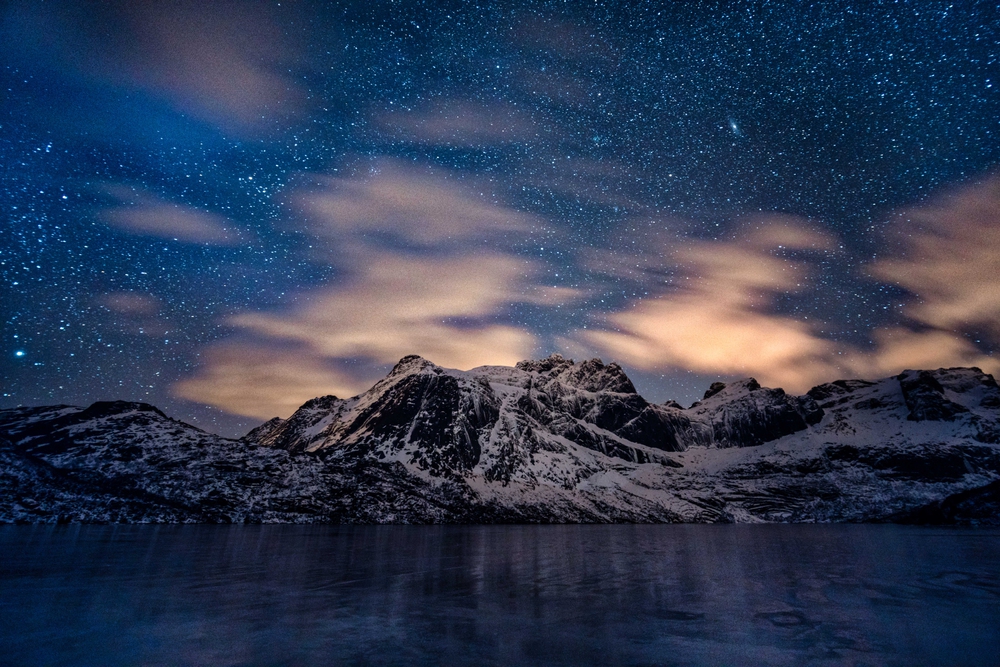
Both bodies and minds were broken by months of nonstop darkness. Those confined in unrelenting darkness were plagued by hallucinations, extreme mood swings, and mental collapse.
Expeditions with rigorous daily routines and artificial light performed significantly better. Those who didn’t? Like frost, madness spread.
They Sometimes Forgot Their Own Names

Temporary amnesia could be brought on by starvation, intense cold, and poisonous fumes from smoky shelters. When they woke up, some explorers couldn’t remember who they were or even who their friends were.
The smell of burning seal oil permeated the air in those shelters. If things improved, recovery was possible, albeit slowly. However, some never fully recovered.
Survivors Against All Odds
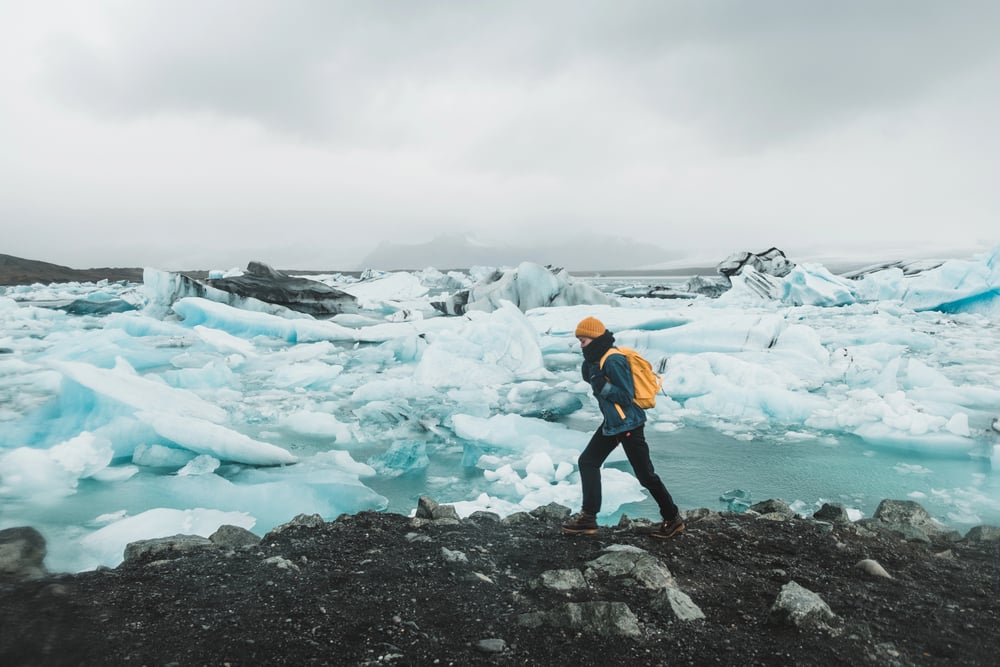
Against a backdrop of hunger, cold, and madness, these men and women pushed human endurance beyond reason. Many paid for it with their lives or their sanity. Still, their sacrifices opened new worlds and added to human knowledge in ways that continue to echo today.
More from Go2Tutors!

- The Romanov Crown Jewels and Their Tragic Fate
- 13 Historical Mysteries That Science Still Can’t Solve
- Famous Hoaxes That Fooled the World for Years
- 15 Child Stars with Tragic Adult Lives
- 16 Famous Jewelry Pieces in History
Like Go2Tutors’s content? Follow us on MSN.



