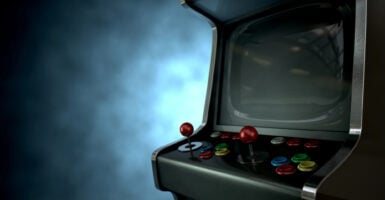
26 Arcade Games Teens Lined Up For
Arcades of the late 1970s through the 1990s ran on quarters, dark carpet that glowed under black light, and a strict code of etiquette. A quarter placed on the glass below the screen meant the next game was claimed, and nobody dared cut in.
Teenagers spent entire allowances memorizing patterns that were useless anywhere else. Some machines drew a line on opening day and kept it for years.
Others earned a crowd because watching someone else play was nearly as good as playing.
Space Invaders and Its Quickening March
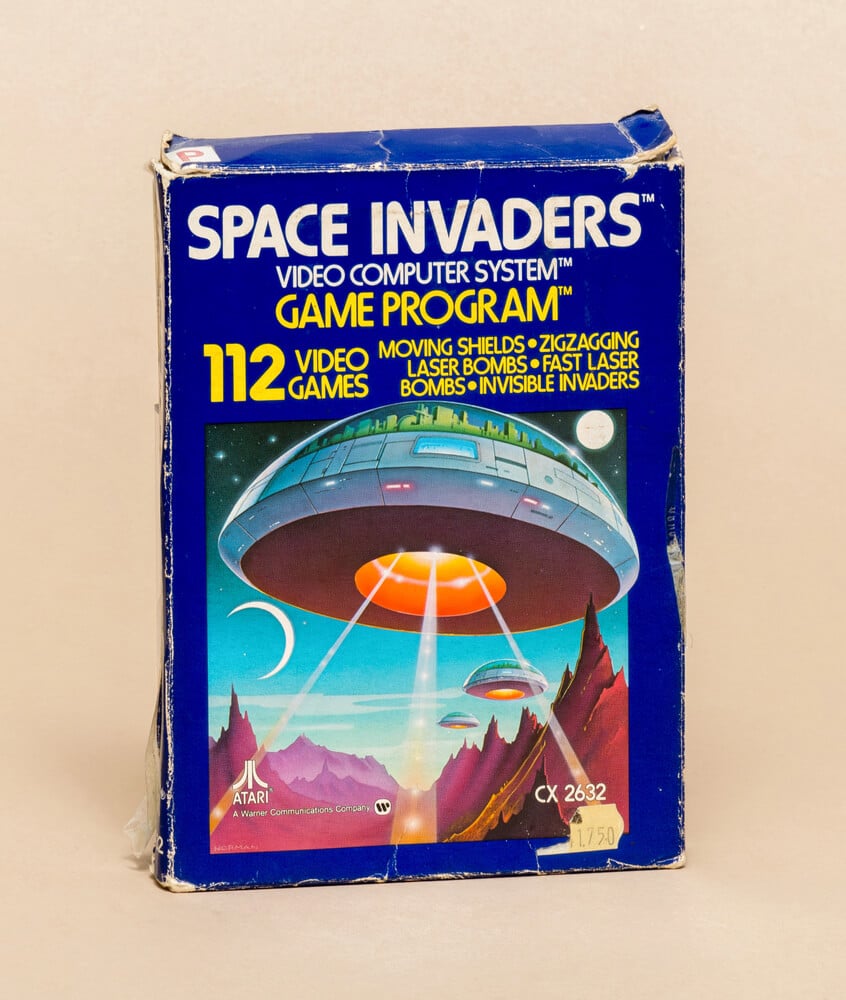
Taito released Space Invaders in Japan in 1978, and Midway brought it to American arcades the same year. Designer Tomohiro Nishikado built the game around rows of descending aliens that sped up as their numbers thinned, a side effect of the hardware running faster with fewer sprites to draw.
That accidental acceleration became the game’s defining tension. The thumping four-note bass line quickened as the invaders closed in, and players hid behind crumbling bunkers.
It was among the first games to keep a high score on screen, turning a solo pastime into a public competition.
Asteroids in Glowing Vector Lines
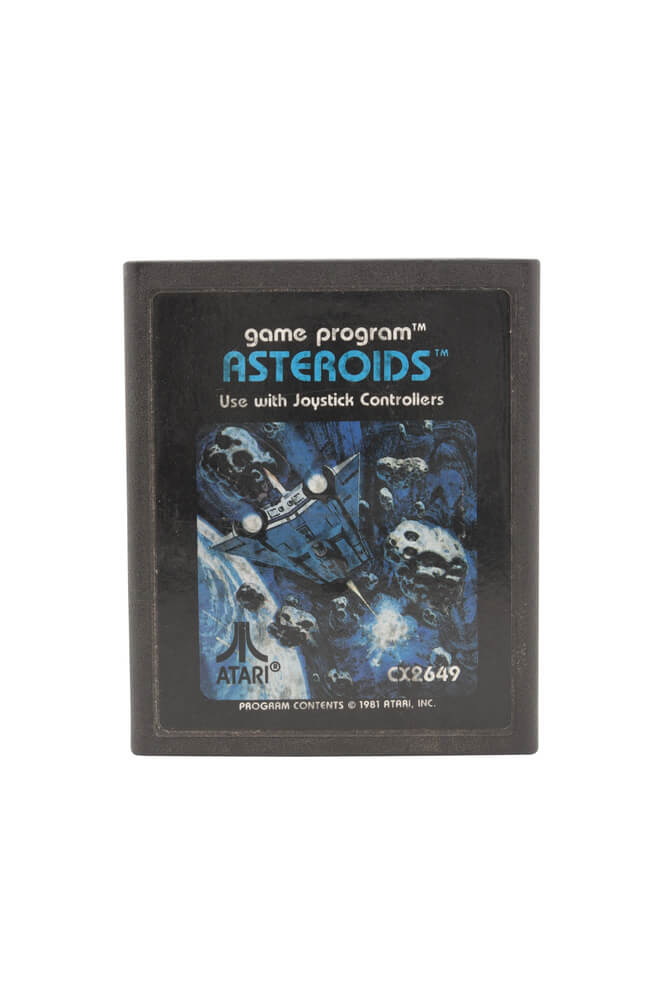
Atari’s Asteroids arrived in 1979 with crisp vector graphics that looked like neon wire on a black screen. Players piloted a small triangular ship, fired at drifting rocks that split into smaller pieces, and used a hyperspace button as a desperate last resort.
The ship kept drifting after each burst of thrust, so managing momentum separated regulars from tourists. Asteroids became Atari’s best-selling coin-op game, and it let top players enter three initials beside their scores, a feature that spread the habit of claiming territory on the high score table.
Pac-Man and the Four Ghosts
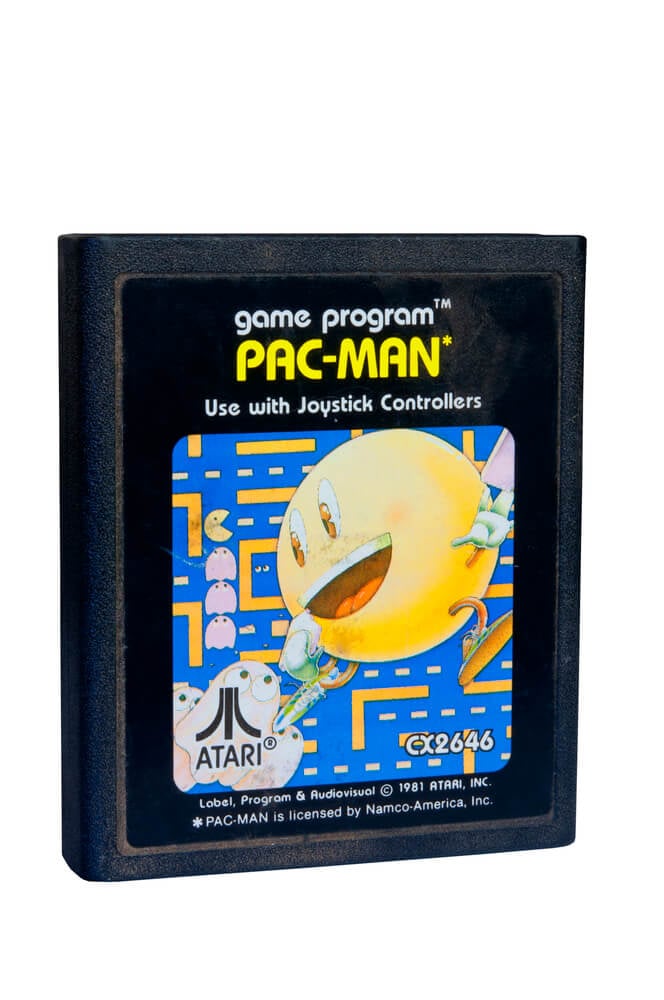
Namco’s Pac-Man arrived in 1980, designed by Toru Iwatani with the aim of drawing in players who had no interest in shooting games. Its original Japanese name was Puck-Man, changed for the American release out of fear that vandals would scratch one letter into something rude.
The four ghosts, Blinky, Pinky, Inky, and Clyde, each followed a different chase logic, which is why dedicated players could memorize routes through the maze. Pac-Man spun off a hit novelty song, a Saturday morning cartoon, and a mountain of merchandise that made a yellow circle recognizable almost everywhere.
Ms. Pac-Man From a Rogue Upgrade Kit
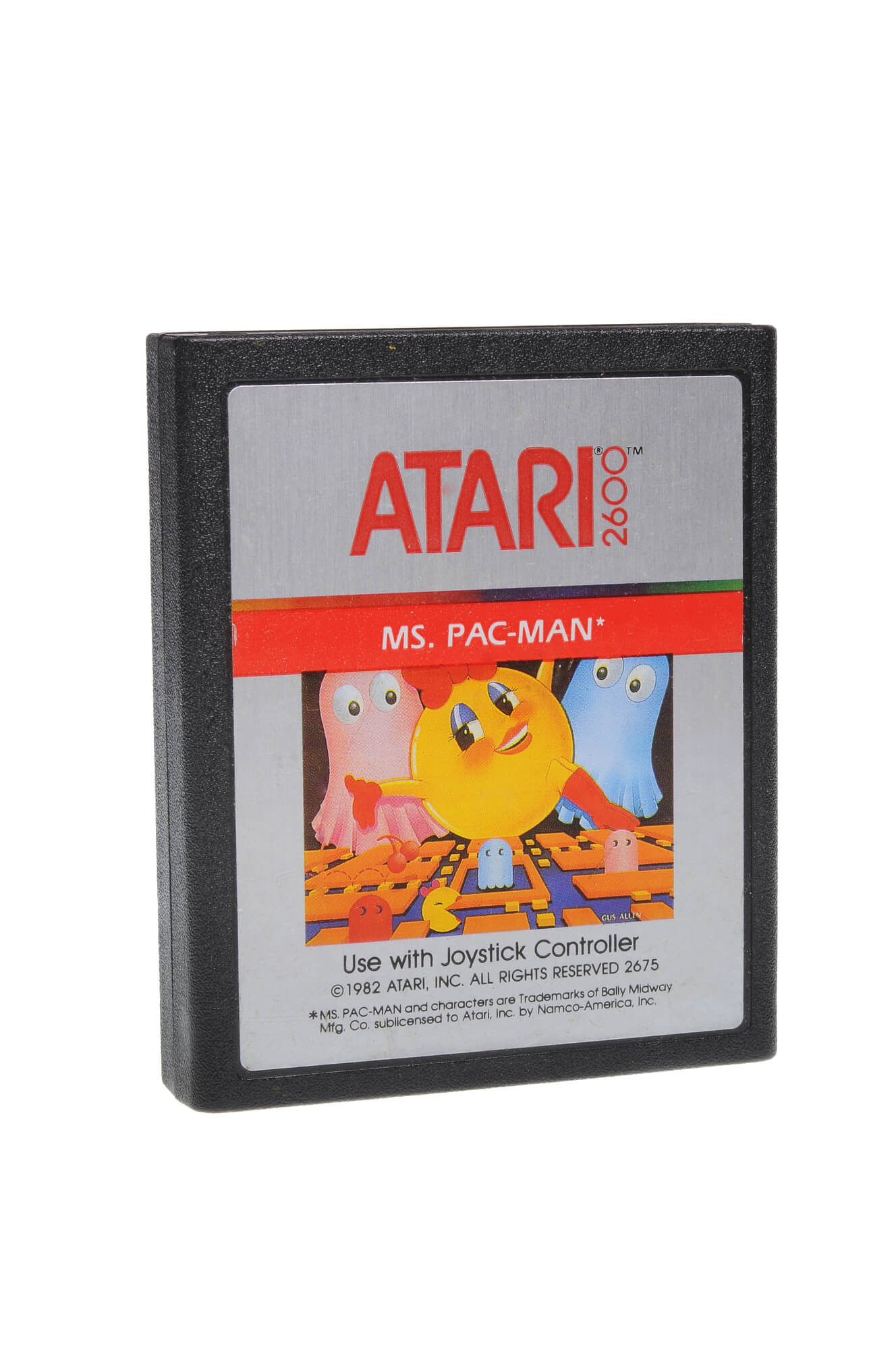
Ms. Pac-Man began as an unauthorized enhancement kit called Crazy Otto, built by a group of MIT students at a company called General Computer Corporation. Midway bought the work and released it officially in 1982, adding a bow and a beauty mark to the familiar yellow circle.
The game improved on the original with four different mazes, smarter and less predictable ghosts, and bonus fruit that bounced through the corridors. Many players considered it the better game, and it became one of the most successful American arcade machines ever produced.
Galaga and the Captured Fighter

Galaga, Namco’s 1981 follow-up to Galaxian, added a twist that players still talk about. Boss insects could fire a tractor beam to capture a player’s ship, and shooting the captor later freed that ship so it could fly beside the original, doubling firepower at the cost of a bigger target.
Swooping enemy formations and bonus challenge stages kept the difficulty climbing. Galaga cabinets stayed on arcade floors long after most early 1980s machines were hauled away, and combined Ms. Pac-Man and Galaga cabinets still turn up in pizza places and bowling alleys.
Donkey Kong and the Carpenter Called Jumpman
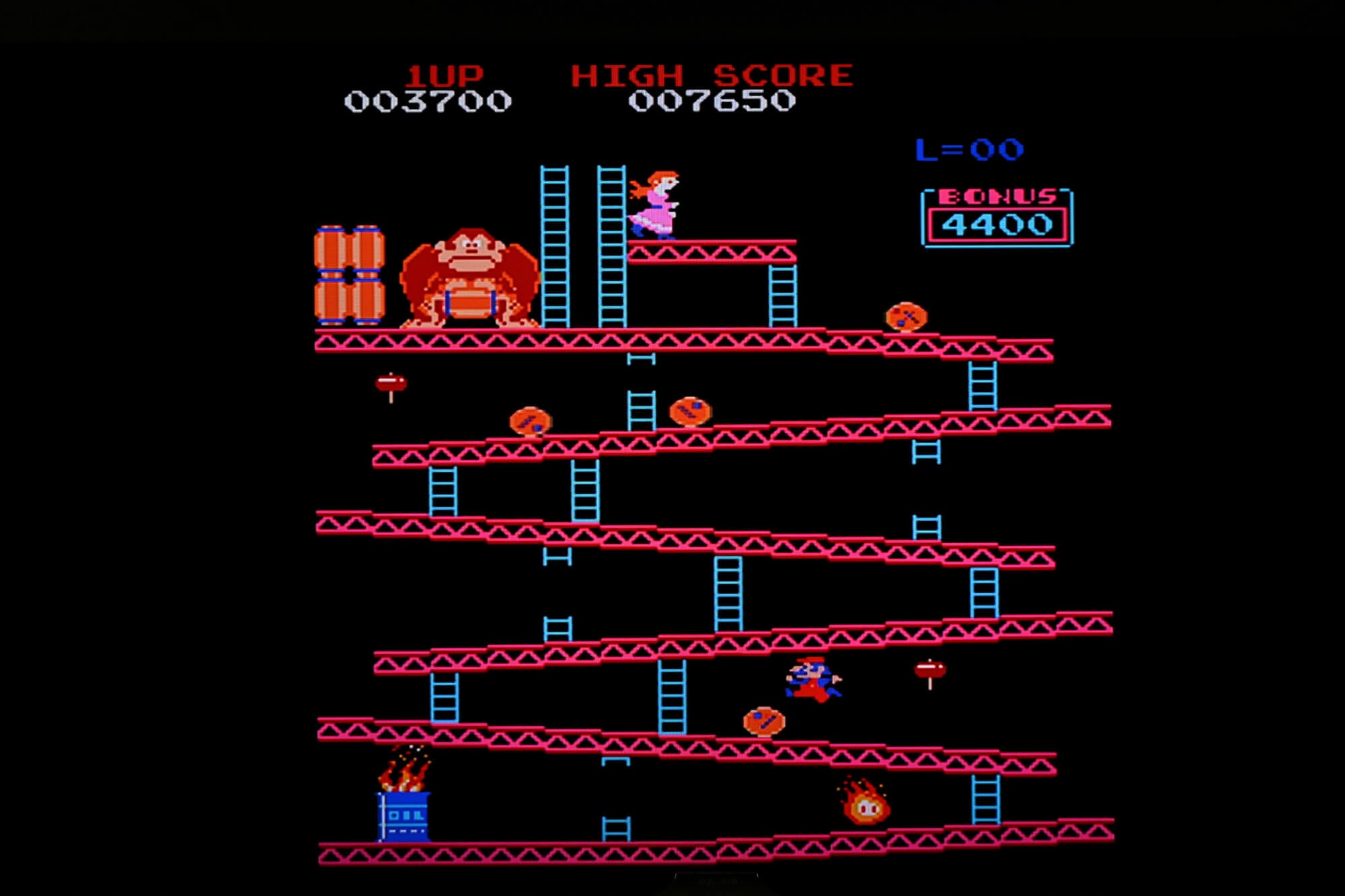
Nintendo’s Donkey Kong, released in 1981, was designed by a young Shigeru Miyamoto and introduced a carpenter named Jumpman who would soon be renamed Mario. The goal was to climb girders past rolling barrels and rescue a woman named Pauline from a giant ape.
It told a small story through short scenes between levels, which was unusual at the time. The game rescued Nintendo’s struggling American division, whose warehouses were full of unsold Radar Scope cabinets that got converted to Donkey Kong.
Decades later, rivalries over its high score became the subject of the 2007 documentary The King of Kong.
Centipede and Its Mushroom Patch
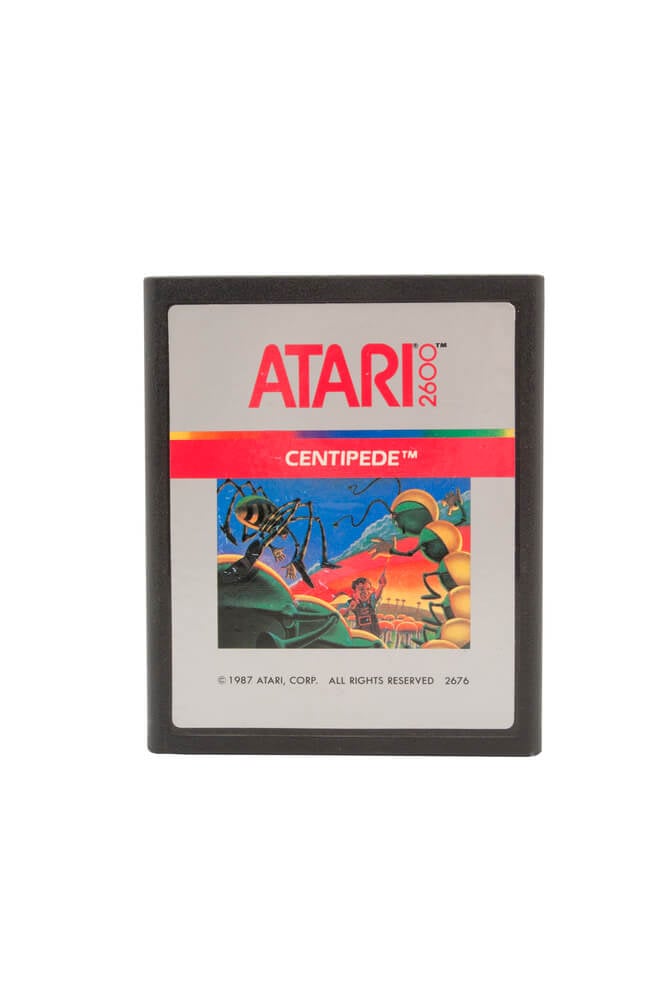
Atari’s 1981 Centipede was co-designed by Dona Bailey, one of very few women programming arcade games at the time, alongside Ed Logg. Players defended a patch of mushrooms from a segmented centipede that split in two whenever it was shot in the middle, while a spider bounced along the bottom of the screen.
The pastel color scheme and the rolling hand controller set it apart from the rows of joysticks around it. Centipede drew a noticeably broader crowd than most shooters, including many girls, and arcade operators were quick to notice the difference in their coin boxes.
Frogger Crossing Five Lanes
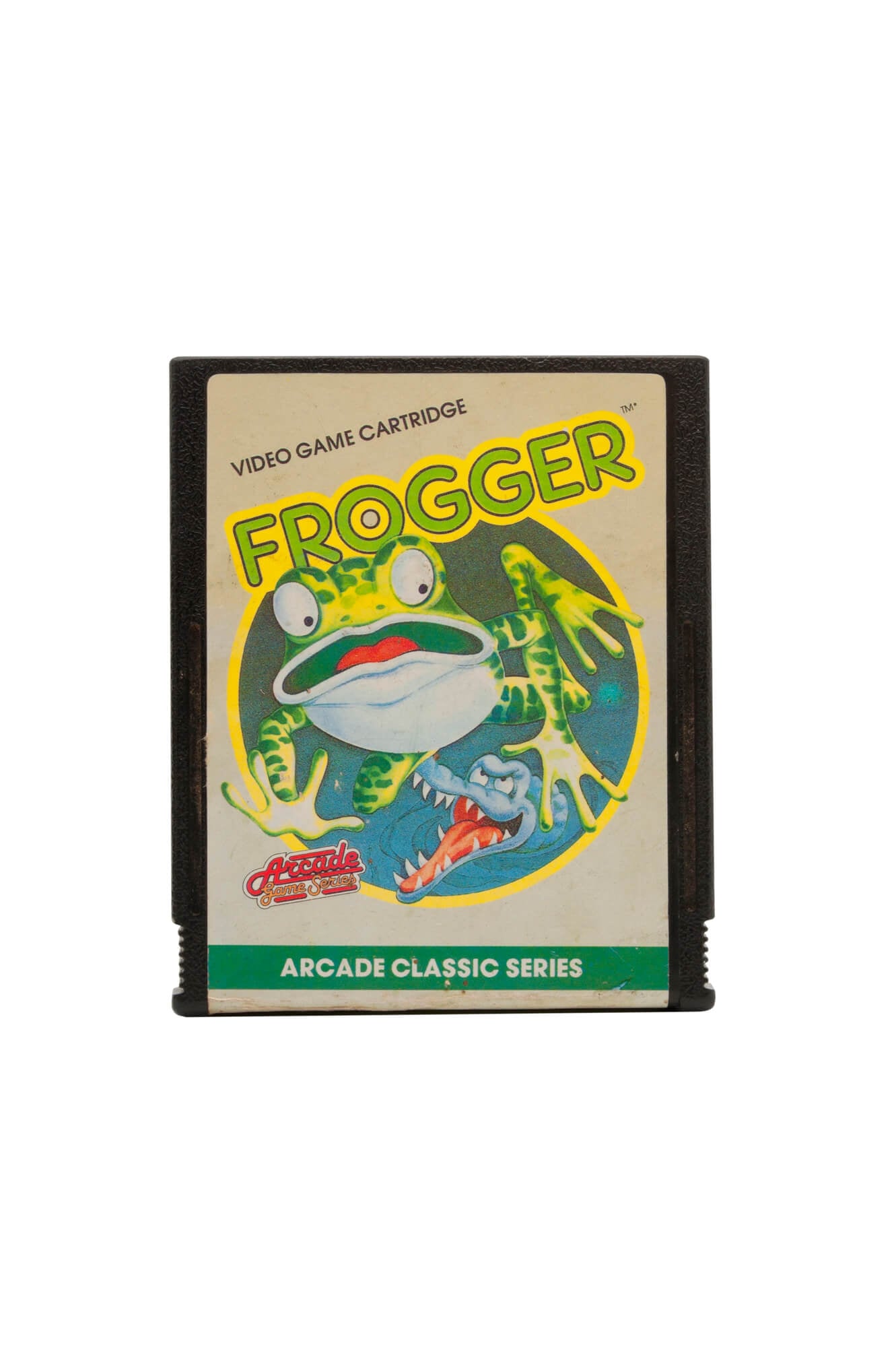
Konami developed Frogger in 1981, and Sega and Gremlin distributed it, sending a small green frog across five lanes of traffic and then a river of floating logs and diving turtles. The rules were simple enough to understand in seconds, and the game became a hit with players who ignored space shooters entirely.
Guiding a frog into each of the five slots at the top cleared the round, with bonus points for escorting a lady frog along the way. A 1998 Seinfeld episode later built its plot around George trying to push a Frogger machine holding his high score across a busy street.
Defender and Its Five Buttons
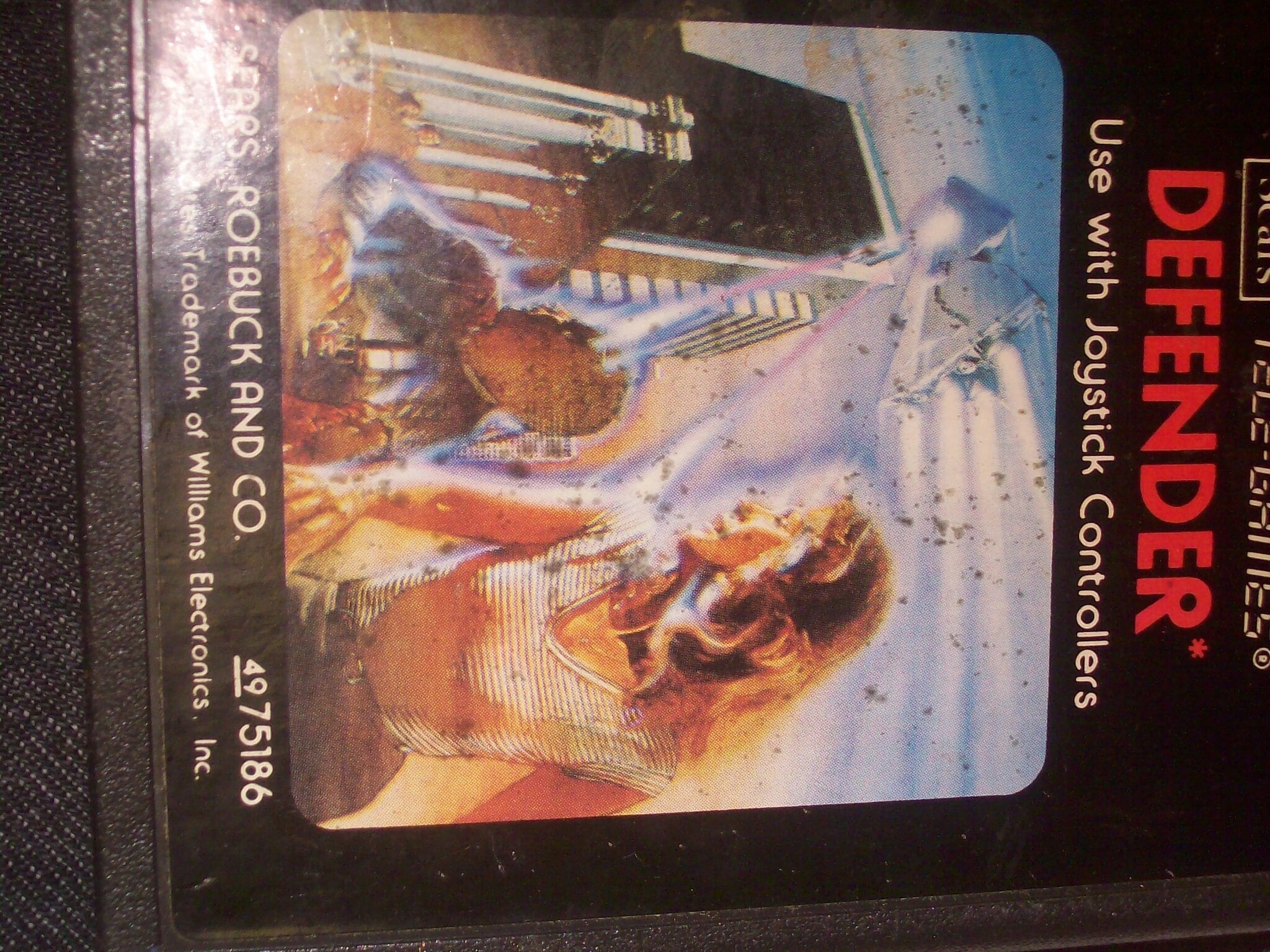
Williams released Defender in 1981, and designer Eugene Jarvis made few concessions to beginners. The controls used a joystick for up and down plus five separate buttons for thrust, reverse, fire, smart bomb, and hyperspace.
Players protected humanoids on a planet’s surface from aliens that abducted them and turned into mutants, while a scanner across the screen tracked the entire playfield. The game was notoriously hard, which made anyone who lasted more than a few minutes a local celebrity.
Its difficulty did not hurt business, since Defender became one of Williams’s biggest hits.
Missile Command and Six Doomed Cities
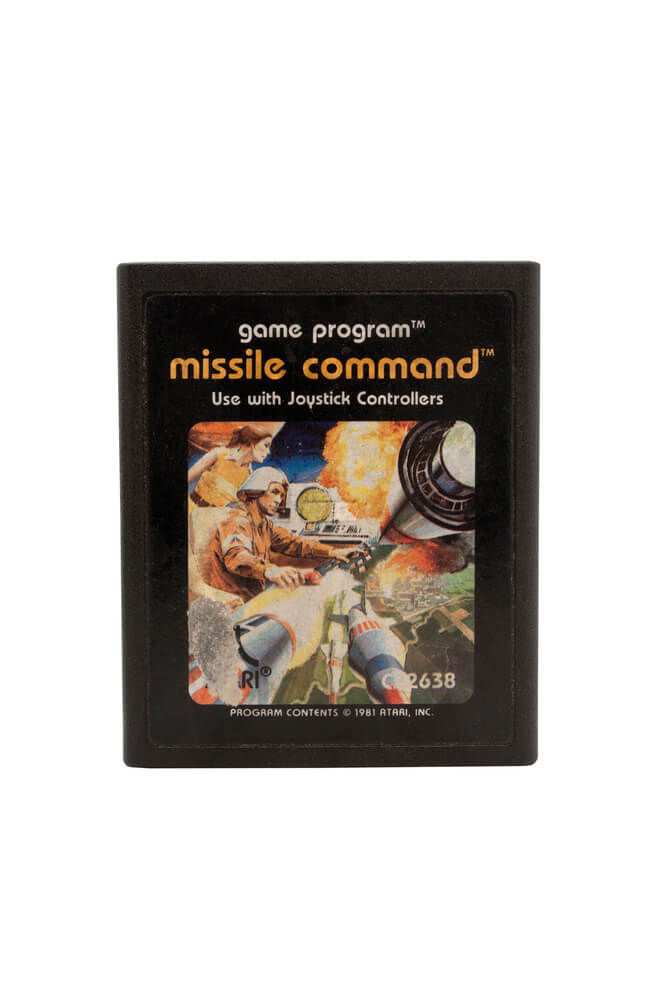
Released by Atari in 1980, Missile Command put players in charge of defending six cities from incoming nuclear warheads using three missile bases. Designer Dave Theurer reportedly had nightmares about nuclear war while developing it.
There was no way to win, only to last longer, and every game ended with a blossoming explosion and the words THE END spread across the screen. Its rolling controller let players aim with speed and precision, which made the late waves feel frantic rather than hopeless.
Few games of the era carried such a bleak message inside such a popular cabinet.
Tempest on the Rim of a Tube
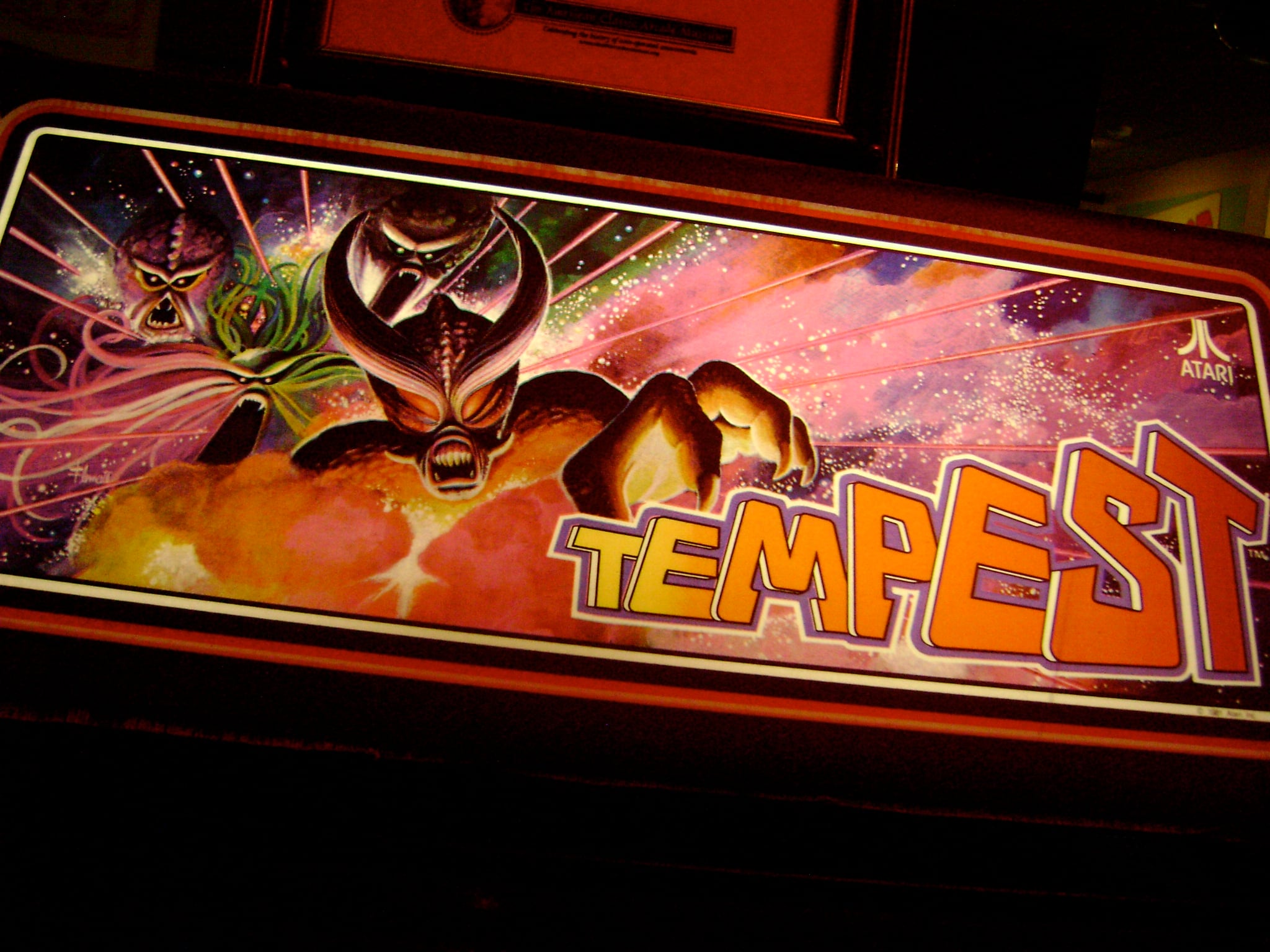
Tempest, Atari’s 1981 color vector game, put the player on the rim of a three-dimensional tube, shooting down into it as enemies crawled up toward the edge. The controller was a weighted spinning knob that let skilled players whip around the rim with remarkable speed.
Its geometric shapes glowed in vivid color, unlike the monochrome vectors of Asteroids. Dave Theurer, the same designer behind Missile Command, reportedly drew the idea from a dream about monsters climbing out of a pit in the ground.
The game also let players choose a higher level to begin on, a rare courtesy in that era.
Joust on Flying Ostriches
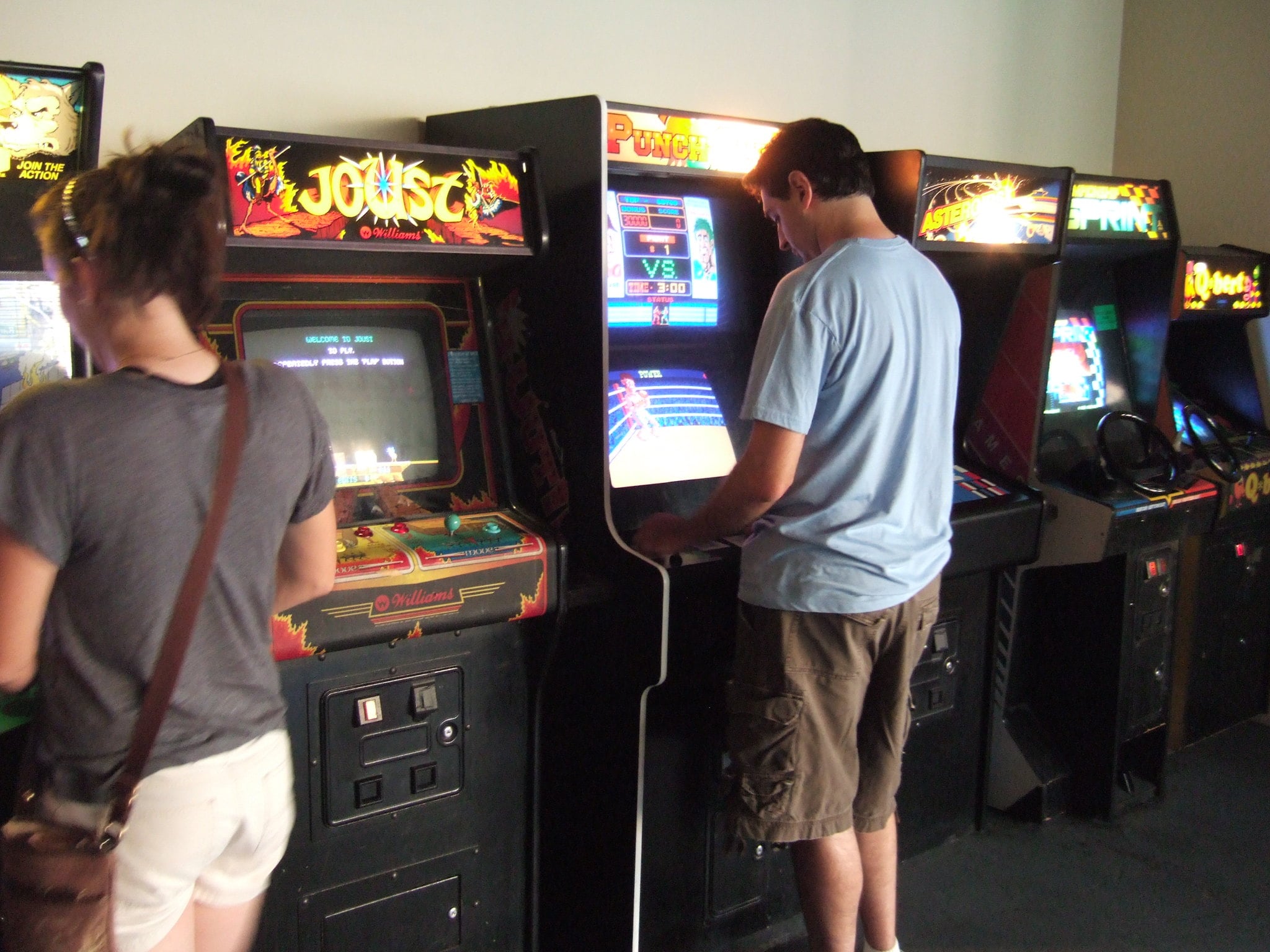
Williams’s 1982 Joust asked players to ride flying ostriches and knock enemy knights off their buzzards by colliding from a higher position. The flap button had to be tapped repeatedly to stay aloft, and the physics felt strange and slippery until they suddenly clicked.
Two players could cooperate or betray each other, and some waves rewarded one approach while others rewarded the opposite. Defeated enemies left behind eggs that hatched into new riders if nobody grabbed them quickly, and a pterodactyl appeared to punish anyone who lingered too long on a wave.
Pole Position at Fuji Speedway
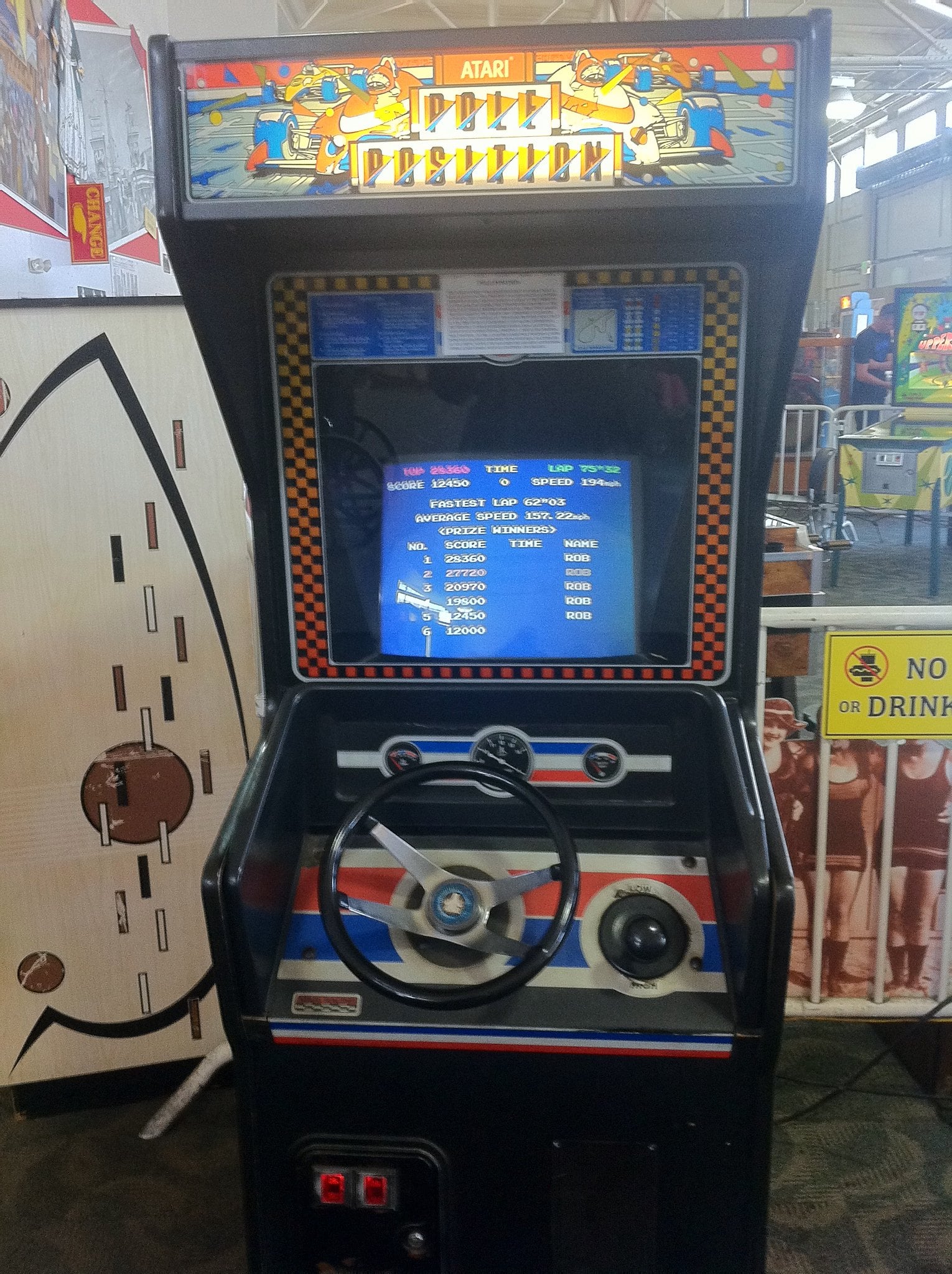
Namco’s Pole Position arrived in 1982, with Atari handling American distribution, and its sit-down and upright cabinets drew lines of teenagers still years from a driver’s license. A synthesized voice announced the qualifying lap, and a quick enough time earned a spot in the main race at Fuji Speedway.
The steering wheel and two-speed gear shifter gave it a physical feel that joysticks could not match. It ranked among the highest-earning coin-op games in America in 1983, and its view from behind the car became the template for the racing games that followed.
Dragon’s Lair on Laserdisc
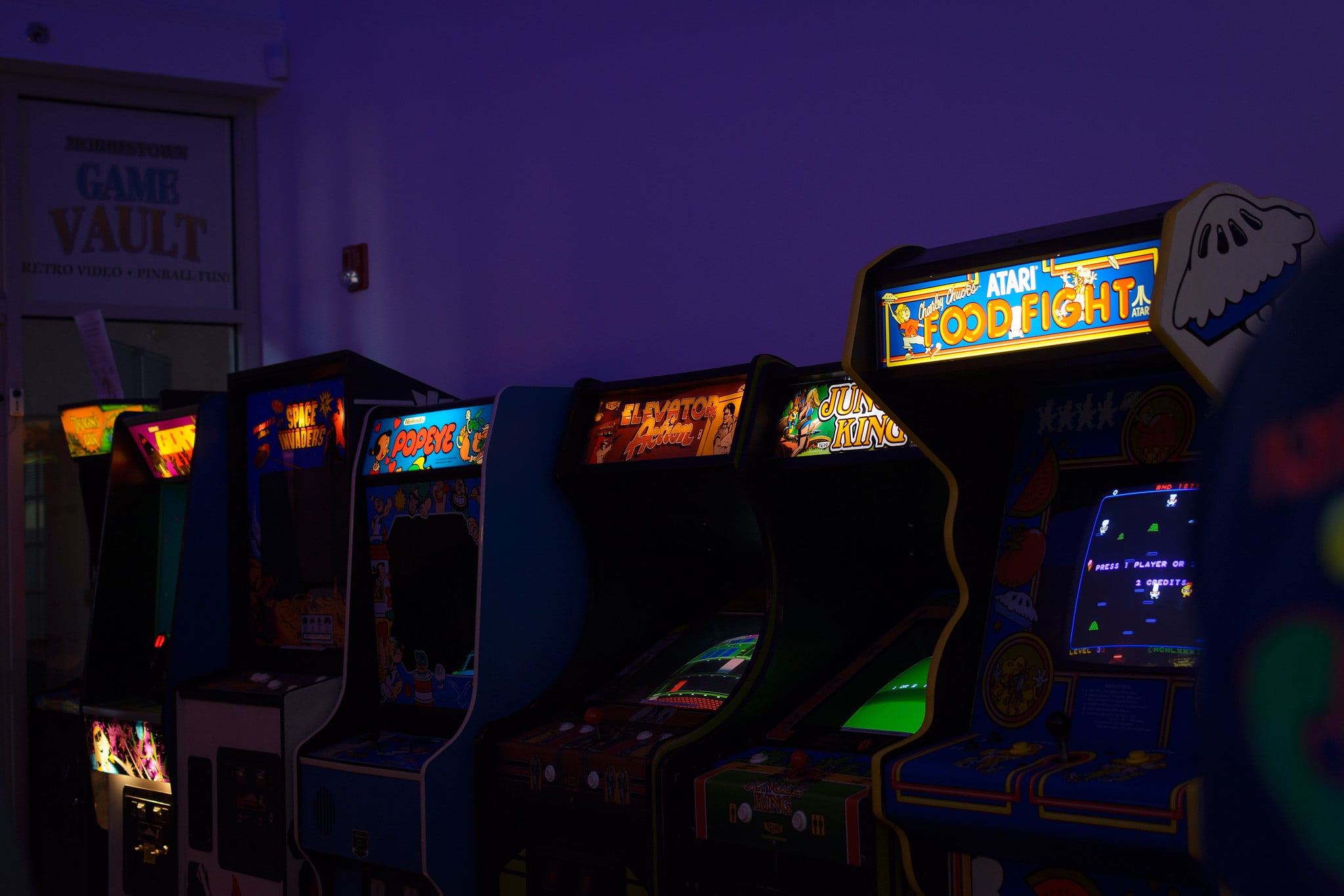
Cinematronics released Dragon’s Lair in 1983, and it looked like nothing else on the floor because it played animated film off a laserdisc. Former Disney animator Don Bluth and his team drew the adventures of Dirk the Daring, and players simply had to push the joystick or button at the right instant to keep the story going.
It cost 50 cents a play, double the usual price, and lines still formed. Many machines had a second monitor mounted on top so the crowd could watch someone else fail.
The laserdisc players broke down often, which frustrated arcade owners as much as players.
Spy Hunter and the Peter Gunn Theme
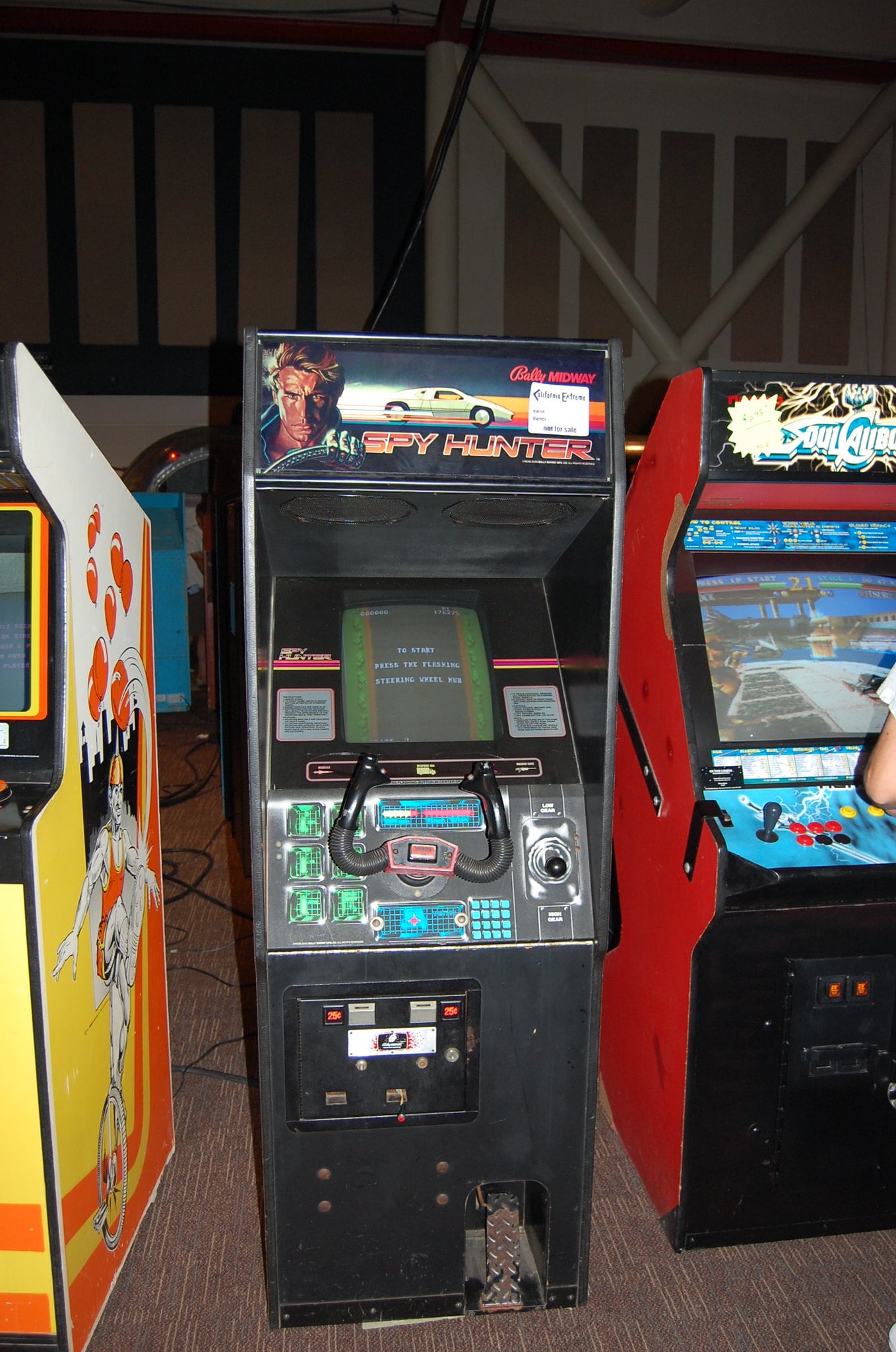
Spy Hunter, a 1983 Midway release, put players behind the wheel of a weapons-loaded sports car on an endless vertical road. A supply truck appeared periodically to add oil slicks, smoke screens, and missiles, and the car could turn into a boat when the road ran into water.
The soundtrack was a synthesized version of Henry Mancini’s Peter Gunn theme, which became permanently linked to the game for a generation of players. The cabinet’s steering control resembled a real race car wheel with triggers built in, and a separate shifter set the speed.
Gauntlet for Four Strangers
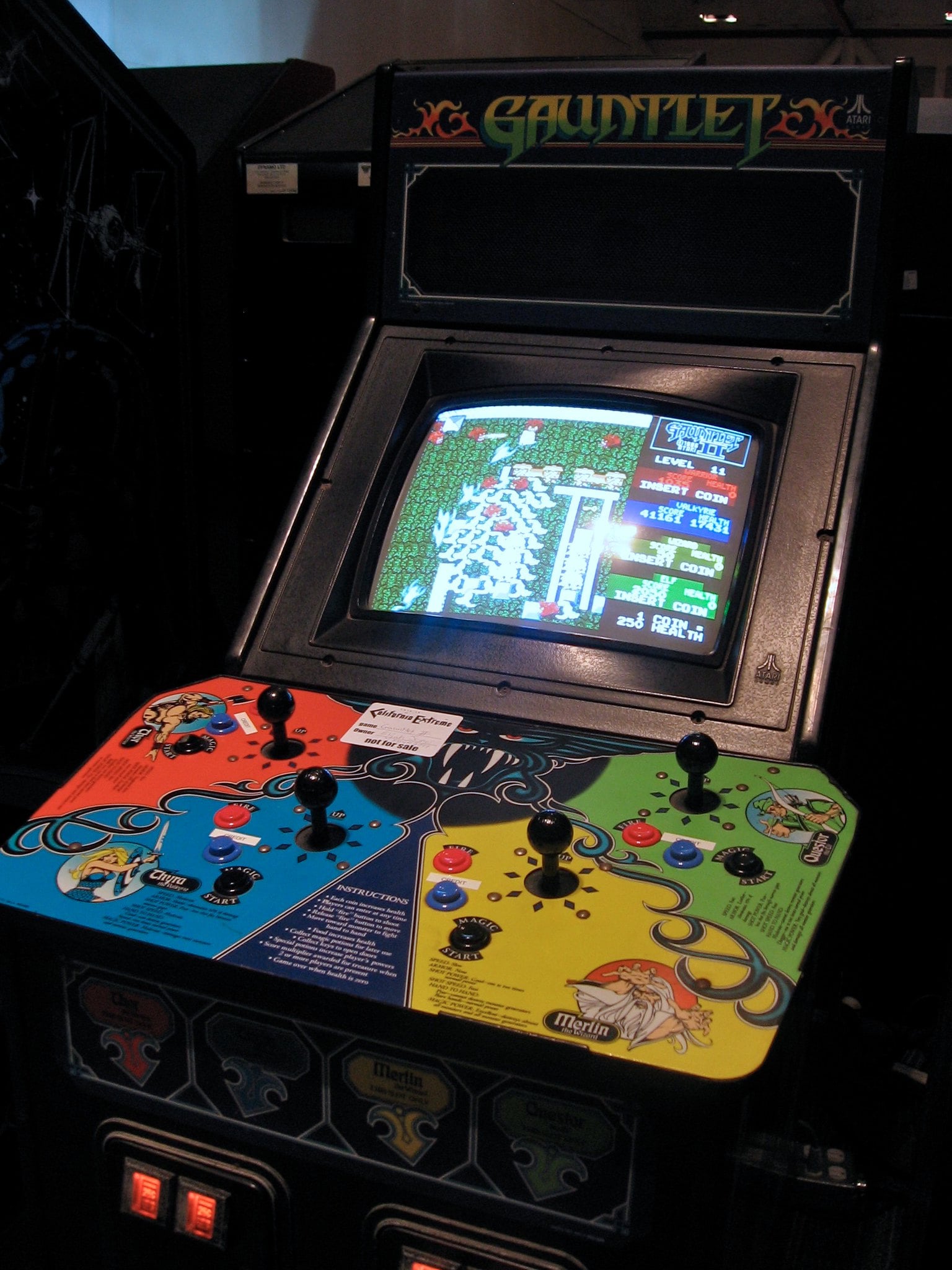
Gauntlet, released by Atari in 1985, let four players join at once as a warrior, valkyrie, wizard, and elf, battling through mazes crowded with ghosts and demons. Anyone could jump in at any moment by dropping in a coin, and health drained steadily over time, which kept the quarters coming.
A gravelly narrator announced conditions in the dungeon, including the line that the elf needed food badly and warnings that someone’s life force was running out. It was one of the first games where strangers regularly teamed up, usually while arguing over who had just shot the food.
Paperboy and Its Handlebars
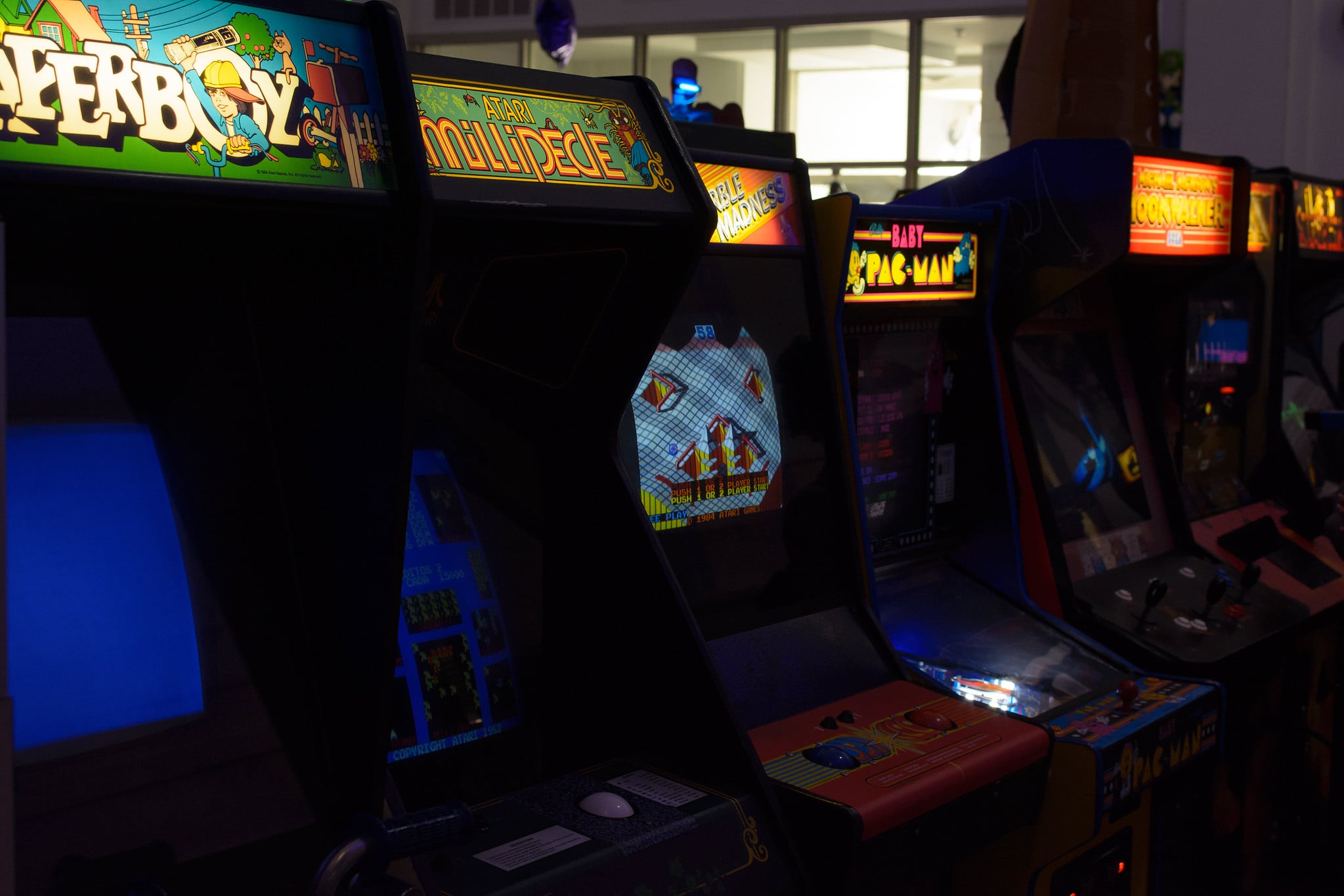
In 1985, Atari’s Paperboy handed players the handlebars of a bicycle, almost literally, since the cabinet used a real handlebar controller to steer. The job was to deliver newspapers to subscribers’ houses along a suburban street while dodging dogs, lawn mowers, break dancers, and runaway tires.
Customers who missed a delivery canceled their subscriptions, and breaking the windows of non-subscribers earned bonus points. Every day ended with a local newspaper headline rating the performance, which added a small, dry joke to each round and gave players a reason to push for one more street.
Out Run and the Car Radio

Sega’s Out Run arrived in 1986, designed by Yu Suzuki, and it offered a red convertible, a passenger, and a coastal road that branched at every checkpoint into five possible routes. Before the race, players picked one of three songs from the car radio, including Magical Sound Shower and Passing Breeze.
The deluxe sit-down cabinet moved with the car, rocking and shaking through the turns. The game was about the drive as much as the race, and its sunny, relaxed mood stood apart from machines built around shooting and fighting.
Rampage and Three Giant Monsters
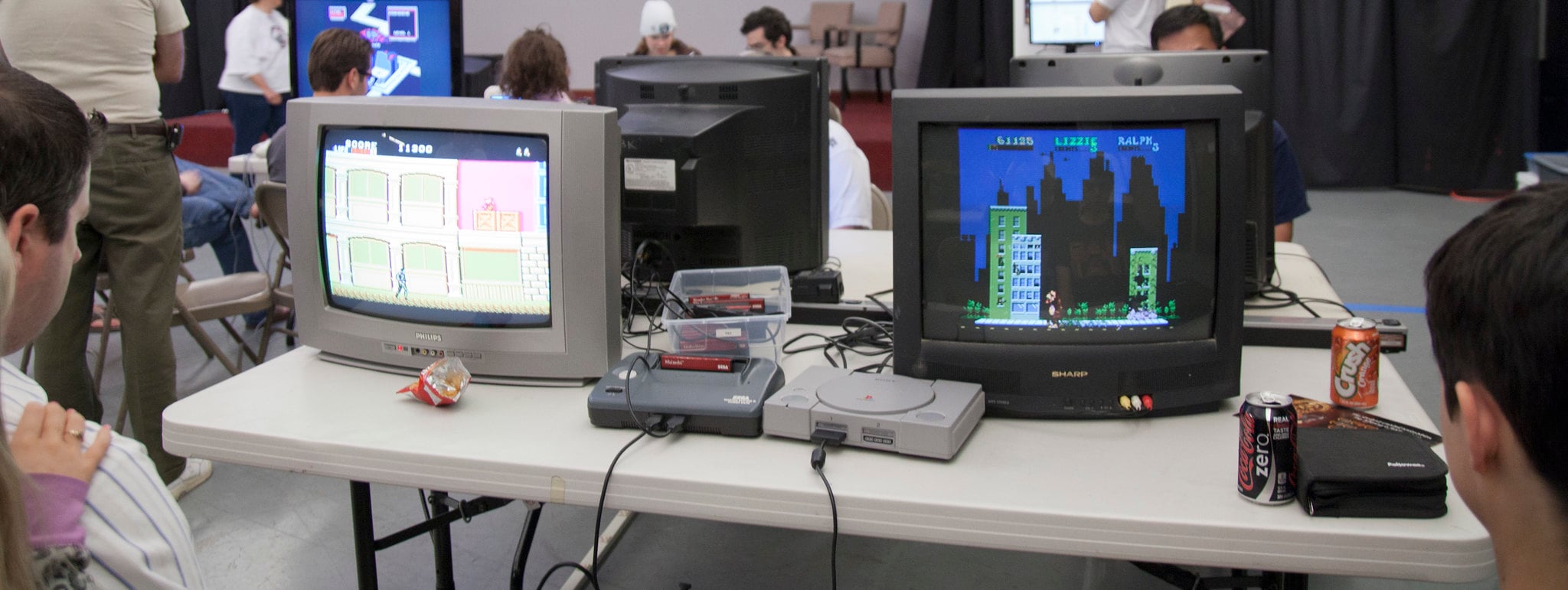
Released by Midway in 1986, Rampage let up to three players become giant monsters, a gorilla named George, a lizard named Lizzie, and a werewolf named Ralph, and punch their way through city skylines. Buildings collapsed once they took enough damage, and monsters could snack on panicking citizens, soldiers, and the occasional object grabbed through a window.
The game moved from city to city across North America and beyond in a long campaign of destruction. It was one of the few games where punching a teammate counted as a legitimate tactic.
Double Dragon and the Lee Brothers
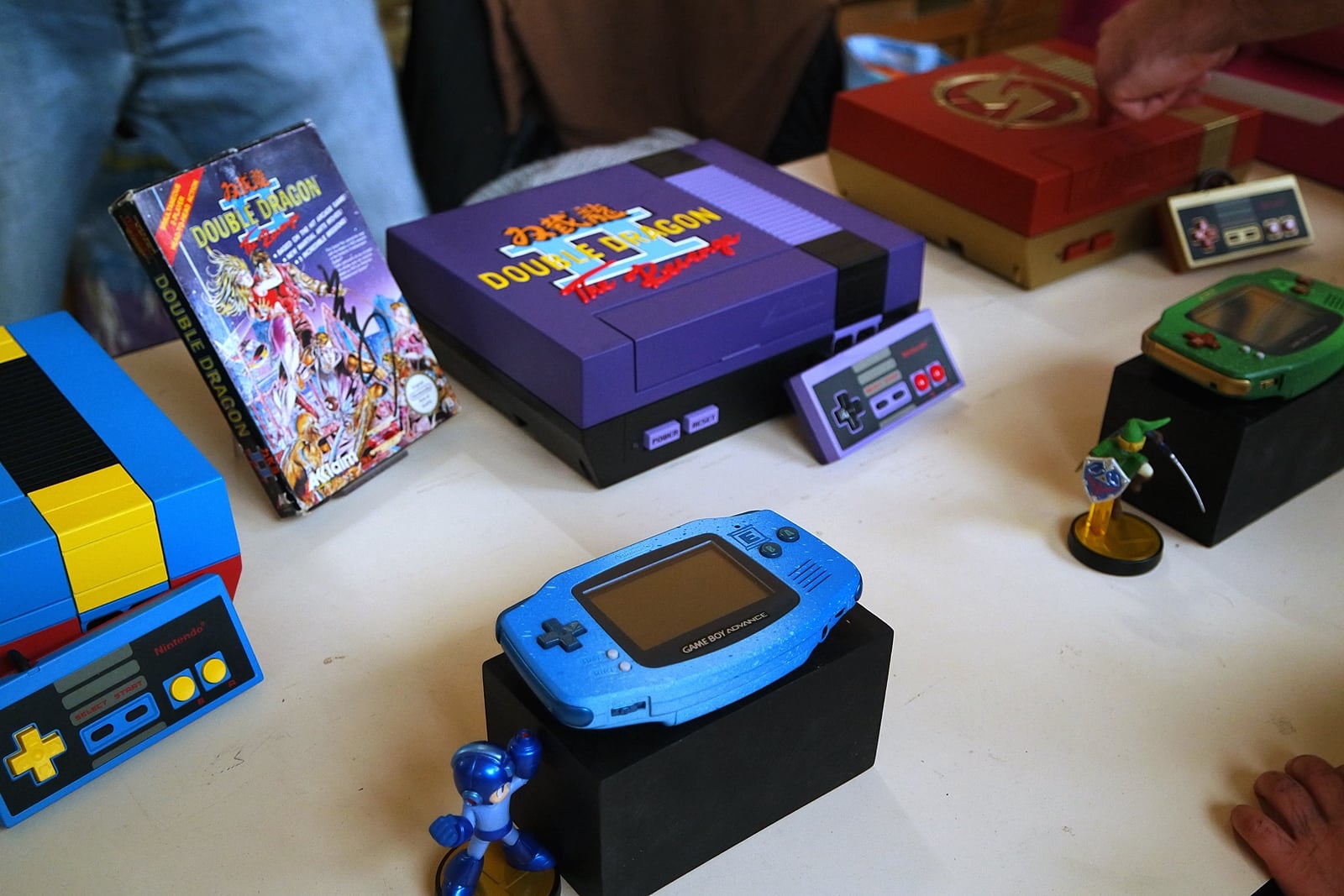
Technos Japan’s Double Dragon, distributed in America by Taito in 1987, followed brothers Billy and Jimmy Lee through street gangs to rescue a kidnapped girlfriend. It helped establish the side-scrolling beat-em-up genre, letting two players fight side by side and grab weapons like bats, whips, knives, and oil drums.
The elbow strike was so powerful that experienced players leaned on it almost exclusively. The game also made two players turn on each other at the end to decide who got the girl, a twist that ended more than a few friendships for the afternoon.
Teenage Mutant Ninja Turtles for Four Players
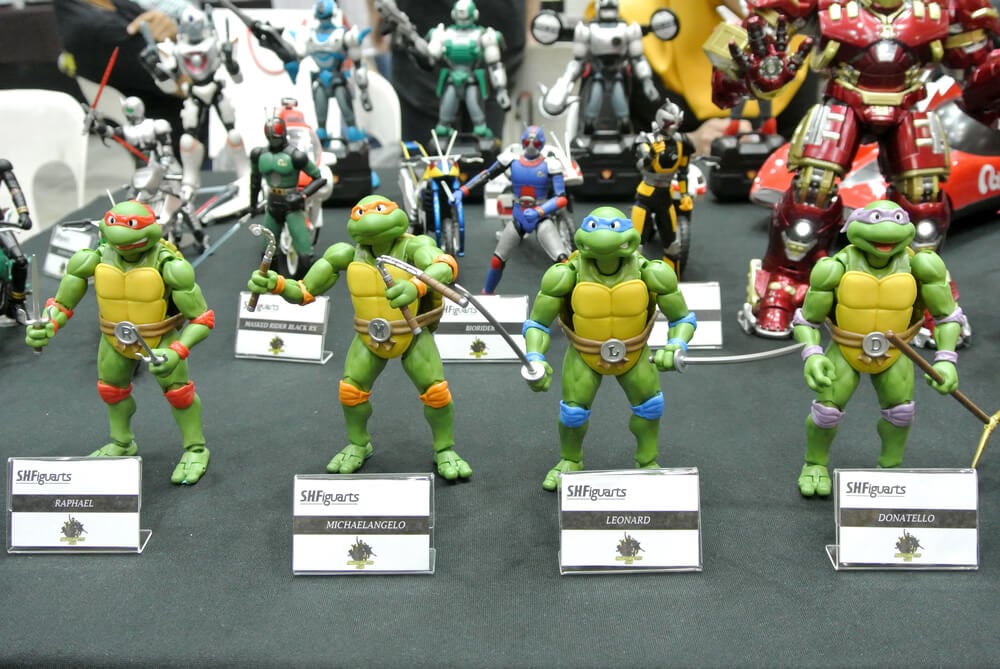
Konami’s 1989 Teenage Mutant Ninja Turtles cabinet let four players take the four brothers into a fight against Shredder and the Foot Clan. The machine borrowed the cartoon’s voice cast and theme song, which made it feel like playing an episode rather than a spin-off.
Groups of friends crowded the cabinet to claim a favorite turtle, and each character had a slightly different weapon reach. Konami followed in 1991 with The Simpsons, using the same four-player formula and producing another must-play cabinet for crowds of teenagers.
Street Fighter II and the Quarter on the Glass
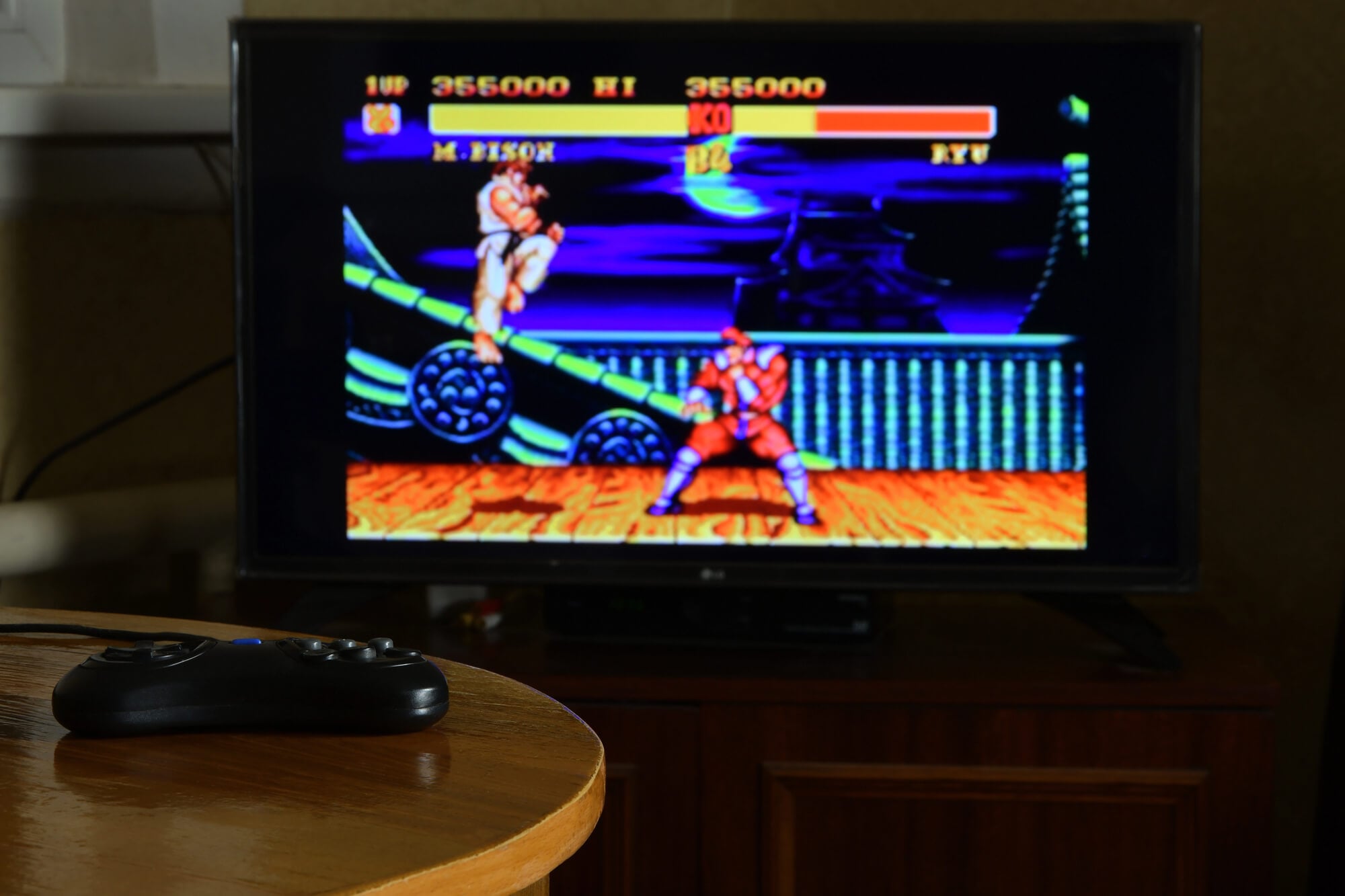
Capcom’s Street Fighter II arrived in 1991 and turned arcades into competitive arenas. Eight selectable characters each had distinct special moves, entered through joystick motions and button combinations that players swapped like secrets in school hallways.
Challengers lined up coins below the screen or joined mid-match to take on the current champion, and local reputations were made at a single cabinet. The combo system, where attacks chained together, reportedly emerged from a quirk the developers decided to keep, and it shaped fighting games for decades.
Mortal Kombat and Its Fatalities
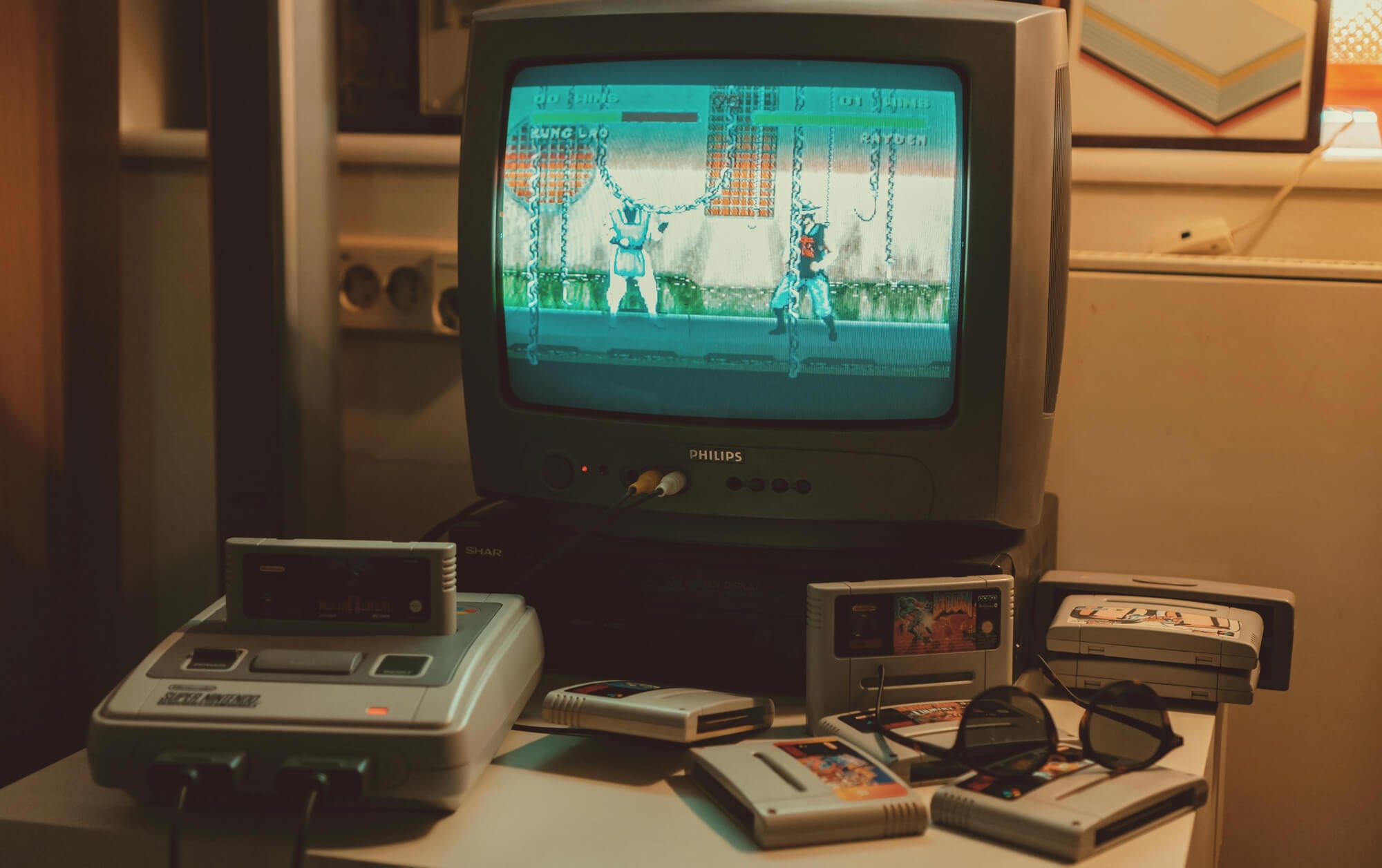
Midway’s Mortal Kombat, released in 1992, used digitized footage of real actors and splashed the screen with red whenever a hit landed. Its finishing moves, called Fatalities, were the main draw, and players traded the inputs for them the way earlier generations traded cheat codes.
Created by Ed Boon and John Tobias, the game became a centerpiece of 1993 Senate hearings on video game violence. Those hearings helped lead to the creation of the Entertainment Software Rating Board in 1994, which still rates games today.
NBA Jam and the Flaming Net
Midway’s NBA Jam, released in 1993, turned two-on-two hoops into an exaggerated spectacle with real player likenesses and absurd dunks that launched athletes far above the rim. Announcer Tim Kitzrow supplied the catchphrases, including the one declaring a player on fire after three straight baskets, at which point the net itself burst into animated flame.
Designer Mark Turmell built in hidden characters revealed by secret codes, and word of them spread fast. The game was widely reported to have earned about 1 billion dollars in quarters during its first year.
Dance Dance Revolution and Its Metal Platform
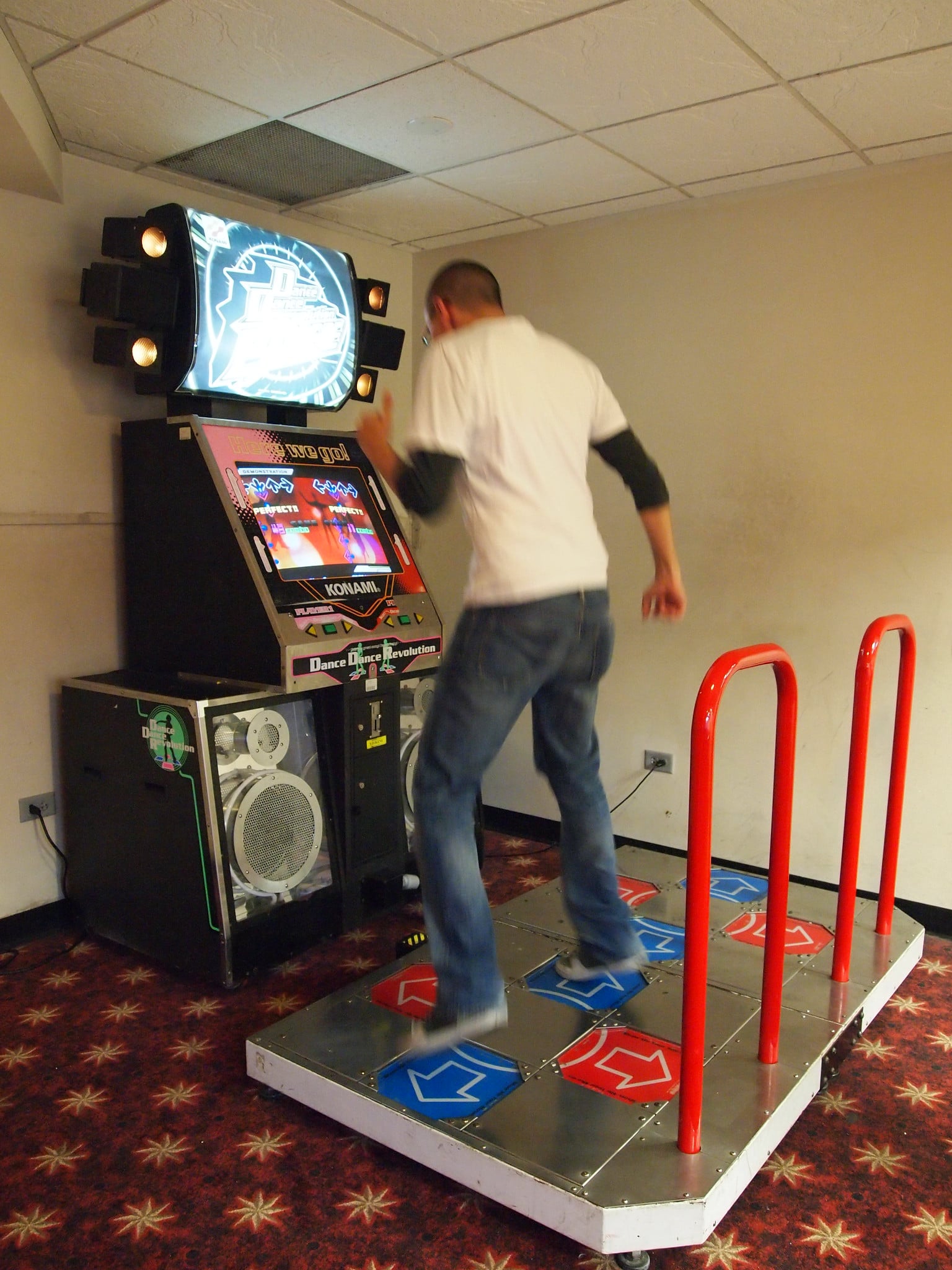
Konami’s Dance Dance Revolution appeared in Japan in 1998 and reached North American arcades the following year. Instead of a joystick, players stood on a metal platform and stomped on four arrow panels in time with music and scrolling cues.
It drew crowds of spectators, many of whom had never played an arcade game seriously before. Regulars developed elaborate footwork and memorized the hardest songs, and some players credited the game with improving their fitness, which made it one of the few arcade machines parents actually approved of.
Tron and Its Light Cycles
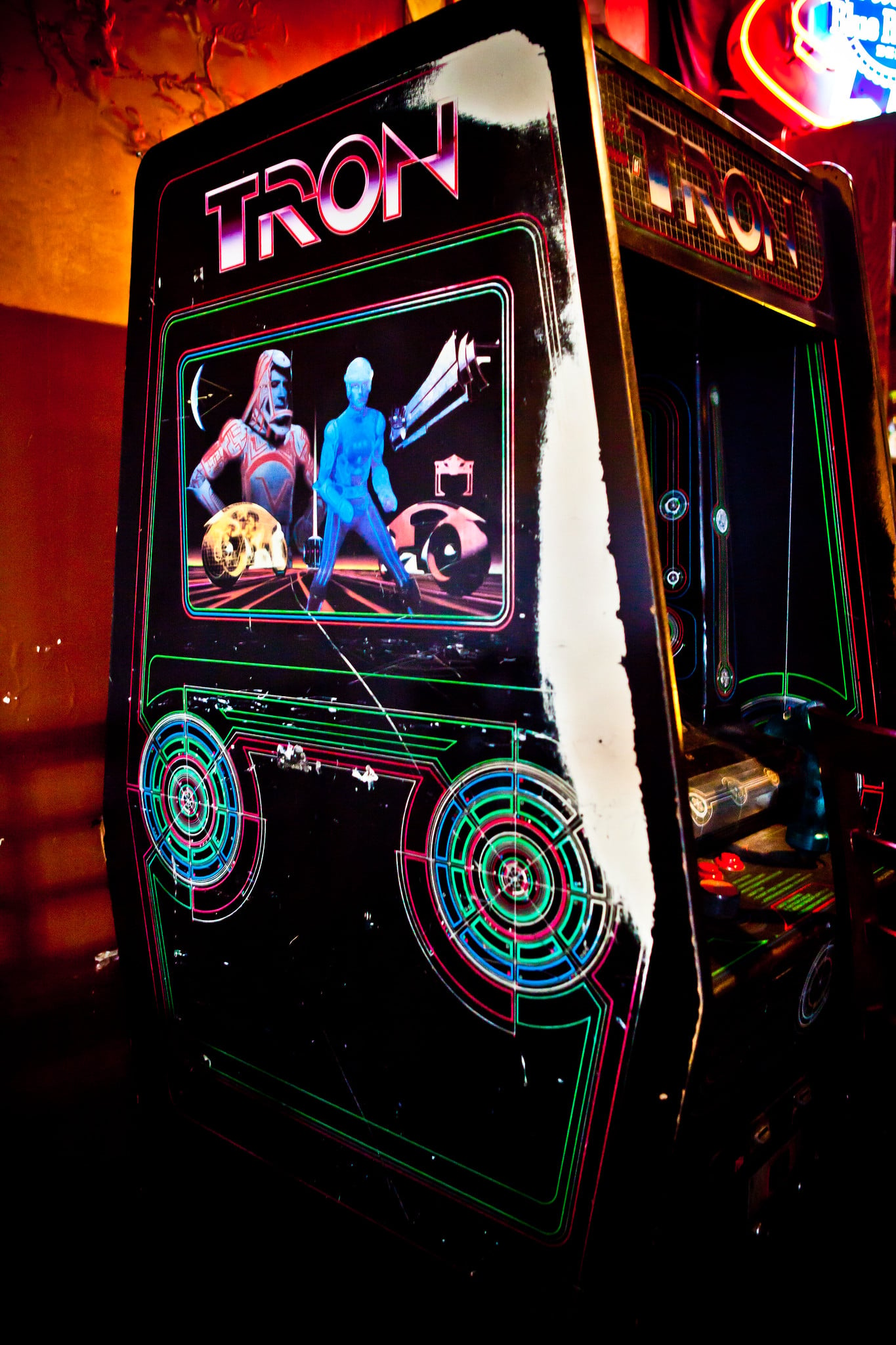
Midway’s Tron, released in 1982 to tie in with the Disney film, packed four separate games into one cabinet, including the light cycle duel and a tank battle. Its joystick had a trigger, and a spinning dial controlled aim, a combination that took time to master.
The cabinet glowed blue under black light, matching the look of the movie. A frequently repeated piece of industry lore held that Tron earned more in quarters than the film earned at the box office, a claim that helped cement its reputation.
Quarters Lined Up on the Glass

Arcades were loud, dim, and slightly sticky, and they worked as a social system as much as a business. The quarter on the glass, the crowd behind a good player, and the initials at the top of a high score table all built a kind of public reputation.
A teenager could be nobody at school and a legend at the Galaga machine.
Home consoles eventually matched the graphics and removed the lines, and most of those arcades closed. What disappeared was less the games than the audience.
Playing in front of strangers turned every run into a small performance, and that pressure was a large part of the fun.
More from Go2Tutors!

- The Romanov Crown Jewels and Their Tragic Fate
- 13 Historical Mysteries That Science Still Can’t Solve
- Famous Hoaxes That Fooled the World for Years
- 15 Child Stars with Tragic Adult Lives
- 16 Famous Jewelry Pieces in History
Like Go2Tutors’s content? Follow us on MSN.